Recent

The Giraffes Escape

by Samuel Peralta
giraffes

Promenading down the boulevard, that early
June morning in Amstelveen, down
Piet de Winterlaan, miles away
from the circus pitch before the trainers
have caught on – we see the vista

from our coffee room window,
a splendid procession bridging the street –
fifteen camels, two zebras, a clutch
of llamas, a shuffle of elephants,
and loping in the lead, the giraffes.

Having kicked down the gates as if you were
at Mt. Ararat, still waiting for those pigeons
to return, not knowing if they even would;
fenced in from all sides without the sight
of sun or sky or boundless savannah;

huddled together in eighty square feet
of sweltering cabin-space; surrounded
by the spoor of lions, the howl of
cheetahs, the baying of wolves,
the ominous stare of vultures.

All this, for interminable days and
interminable nights, hardly getting any sleep,
with the hippopotamuses hogging the haybales,
the terrapins nipping at the trough,
the koalas stingy with the eucalyptus.

Something snaps, and suddenly
there you are, kicking at the cubicle,
loosening the boards, behind you the cries of
Shem, Ham, and Japheth as they try to wake
their father from blissful oblivion.

But none of that matters, none of it but for that
moment when the barricade falls, when you are
striding across the veldt, past office stalls,
through diluvian wave, when you are –
for that first, magnificent moment – free.


image003Samuel Peralta, also known as @Semaphore, is a physicist, technical business leader, mobile software developer, and the award-winning author of “The Semaphore Collection”, whose current titles – Sonata Vampirica, Sonnets from the Labrador, How More Beautiful You Are, Tango Desolado, and War and Ablution – all hit #1 on the Amazon Kindle Hot New Poetry list. Published in numerous journals, his literary honours include awards from the BBC, UK Poetry Society, a Palanca Award, and shortlists for the League of Canadian Poets, the Elgin Award, and ARC Poem of the Year.

Website – http://www.peralta.ca

Twitter – http://www.twitter.com/semaphore

Facebook – http://www.facebook.com/semaphore1

Pinterest – http://www.pinterest.com/semaphore

Amazon – http://www.amazon.com/author/samuelperalta

Copyright © Samuel Peralta. All rights reserved.
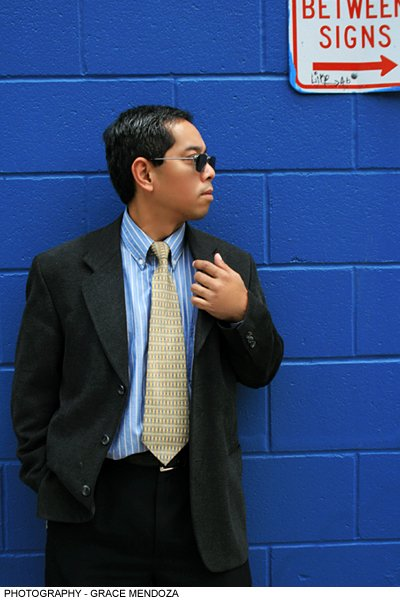
Author photograph by Grace Mendoza.
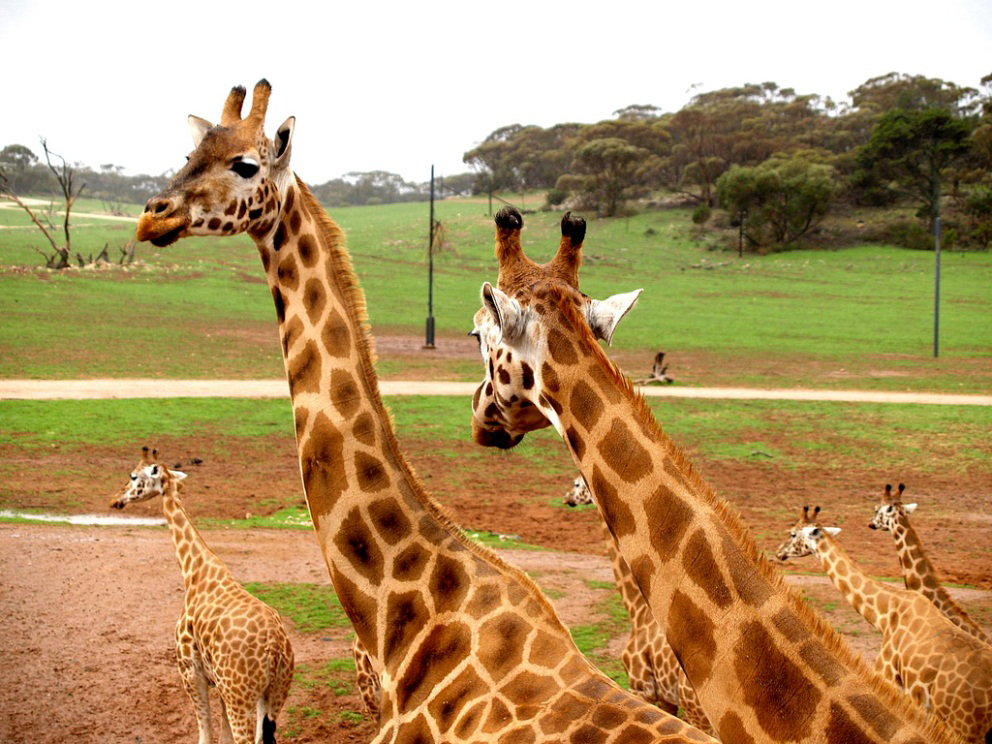
Giraffe photograph via Wikimedia Commons.

Uncharted Territory

by Julie L. Sims

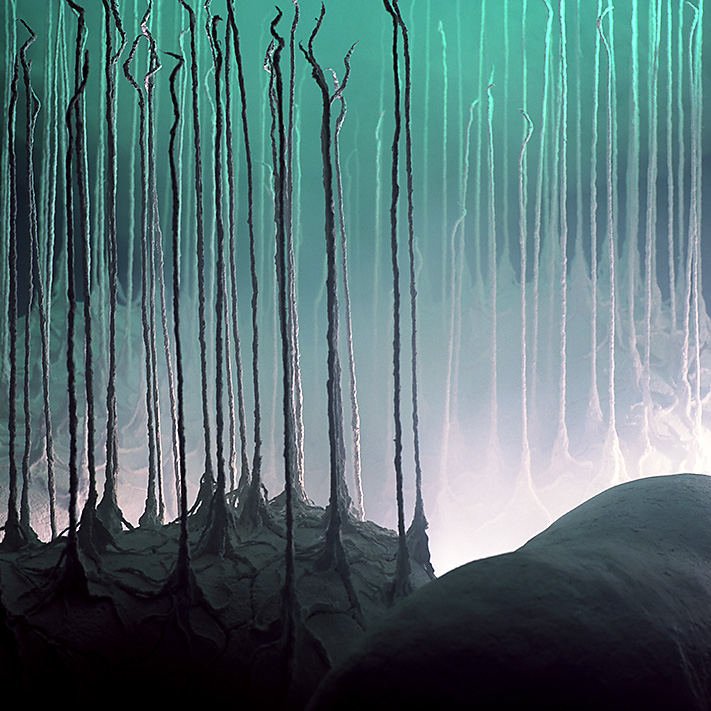
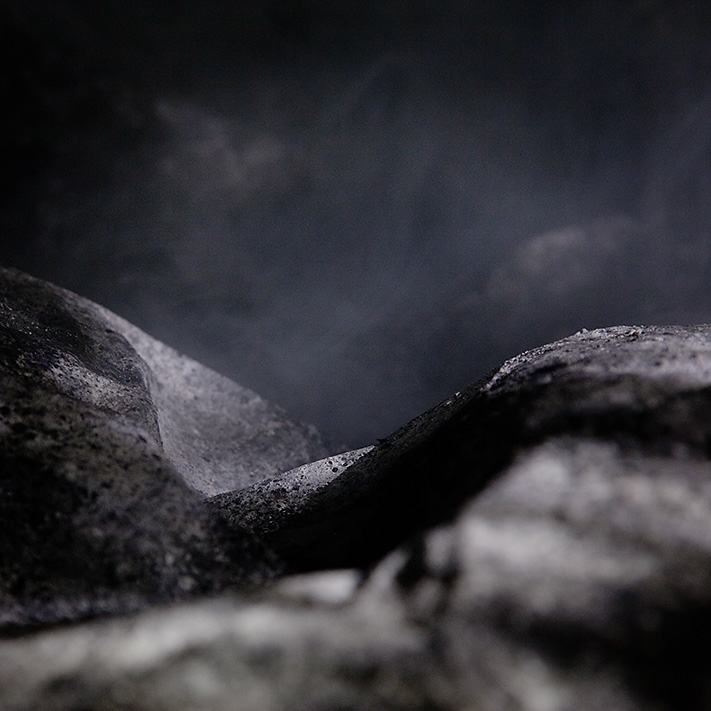
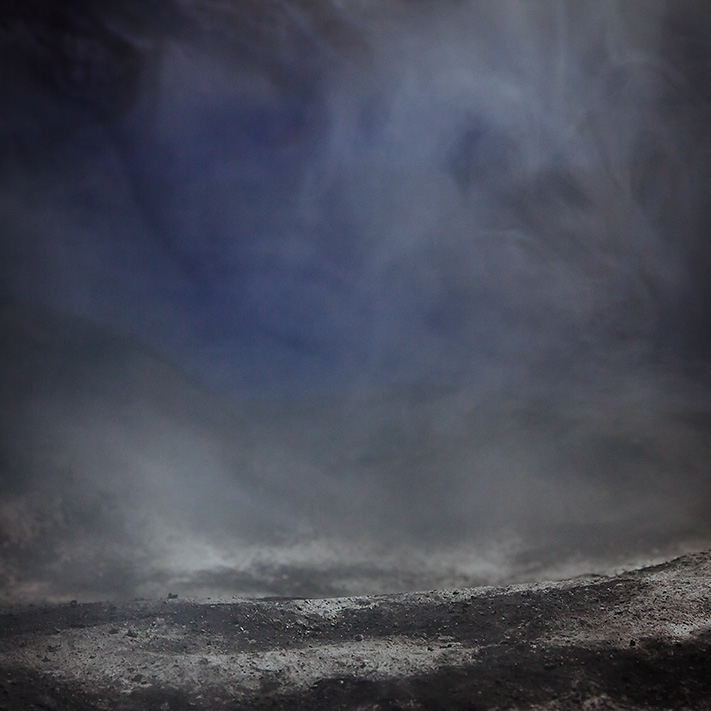
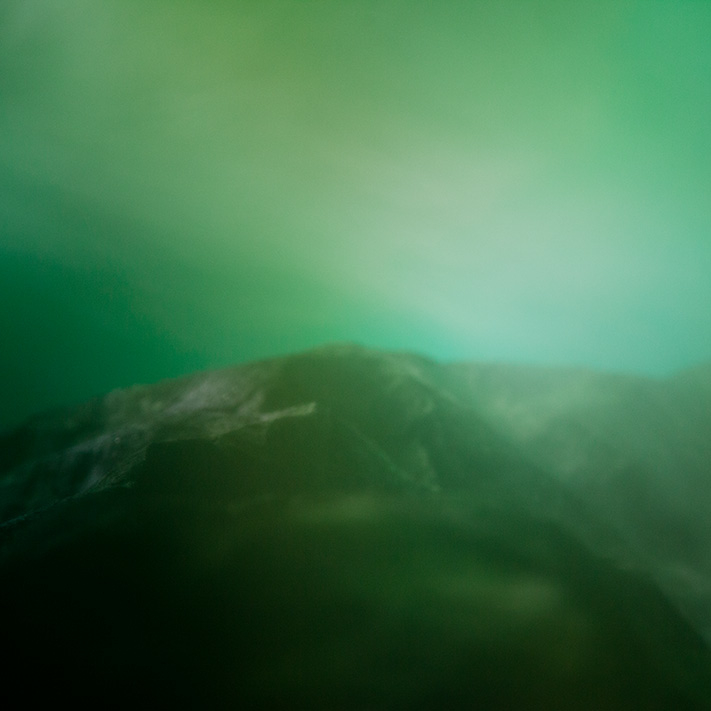
My series, Uncharted Territory: Anatomy of a Natural Disaster, is about how our internal landscape is often subject to the same kind of cracks, shifts, and fractures that make up the natural processes of the physical world.

The World Health Organization estimates that by 2020 mental health issues will be the second leading cause of lost life productivity, with one in four people affected in their lifetime. Society is heading toward a mental health crisis that no one wants to acknowledge, because those who suffer feel responsible for doing so, as though it is a personal failing instead of a medical condition. But are you at fault if the ground falls out from underneath your home? No one can exert force of will over force of nature. When disaster strikes we hang on as best we can, and rebuild when we can stand back up again. Everyone comes together to help those who need it. The parallel drawn by this series highlights my hope for a similar approach to our psychological space.

The idea for this work sprang out of my own struggles with anxiety and depression, and out of seeing so many of my friends have similar struggles. Everyone I have known who has gone through this felt as though they should’ve somehow been able to overcome it on their own, and as though they were somehow weak and defective for not being able to. I wanted to say this to them, and to myself, and to every other person who had experienced these feelings: it’s not your fault. You are not weak or defective, you are experiencing a natural disaster; don’t be afraid to reach out and ask for help. I also hope it will help those who haven’t personally experienced these illnesses to understand the need for support and compassion when their friends and loved ones suffer.

The scenes are sculptures created in my studio out of wire mesh, plaster, paper, and other elements. I use lighting gels, fog machines, and various kinds of gobos both found and made to alter the light, as well as overhead projectors and printed transparency material to create different effects. I am constantly moving the camera, moving scene elements around in relation to one another, and changing the light. It has been said that photography is the relation between light, the subject, and the camera. I try to keep all three in flux at all times, because that is where the unpredictable magic happens. I perform only minimal digital post-processing on these—there is no Photoshop involved in creating the visual effects. When I first began the series I was shooting on medium format film and doing my own printing, but my darkroom access has changed since then, and I now shoot digitally and send files out for printing.

I began this series in 2009, and have been working on it off and on ever since. I’ve created three different “landscapes” for it that comprise the images now in the series, and I am in progress with additional scenes and ideas which I plan to add to it. It is my hope to complete work on these this year, and finally call this series complete.

"Divergent Margin, Cingulate Cortex"

Divergent Margin, Cingulate Cortex

"Dendritic Clear-Cut, Limbic Ridge"

Dendritic Clear-Cut, Limbic Ridge

Charred Slopes, Noradrenergic Pass

Charred Slopes, Noradrenergic Pass

Smoldering Basin, Locus Coeruleus

Smoldering Basin, Locus Coeruleus

Eddy Currents, Neurotrophic Plasma

Eddy Currents, Neurotrophic Plasma

Born in Savannah, GA, Julie Sims is an Atlanta-area artist and photographer. She graduated summa cum laude with a BFA in photography from Georgia State University in 2009. Julie’s work has been shown around the southeast, and has appeared in various publications including the SPE’s Due South, and Possible Futures’ Noplaceness: Art in a Post-Urban Landscape. She was recently selected by the New York Times Lens blog to attend the New York Portfolio Review, and is currently a WonderRoot 2013–14 Walthall Fellow. Visit her website to see more of her work. Watch her her work in progress on Tumblr or follow her on Twitter.

This Is Not A Pretty Story

by Melissa D. Johnston

shadows and faultlines new

November 16, 1992. Clemson University. I am flying. My new blue and white running shoes pound orange clouds from the ground. The clouds multiply, leaving a trail as distinct as any fighter pilot’s. I rewind and play the intro to Tori Amos’s “Precious Things” for the fourth time, fine-tuning the details of the video I’m directing in my head: A lone girl sits on an underground train. Successive light and shadow flash through the windows, illuminating and darkening her face. The alternation syncs simultaneously and steadily with the music and implied speed of the train. Slowly the changing of light and dark lose their rhythmic cadence until there is no discernible pattern and the scene becomes a rapid chaotic flash of light and dark that ends abruptly. Complete blackness. First line: “So I ran faster…” Cut to—

He comes from nowhere.

“And it brought me here—”

A slam so hard my tailbone cracks. I see nothing but his lips. And something shiny. So shiny, catching the mid-day sun.

“If you scream I’ll kill you.” His eyes. Hard. Polished black marble occluding blue-sky iris. I open my mouth and the shiny object takes shape. “C’mon!” he jerks my arm and pushes me into the only wooded section of Clemson’s perimeter loop.

I remember the sun. Through barren trees. Black flat human shadow with liquidly muted colors.  Moving. Back. Forth. Backforthbackforthbackforth. Back. Sweat drips. Mine? His? The crunch of leaves. Reaching. His. My limbs are rock, legs endlessly falling.  He picks up the knife. Holds it, suspended, under my right eye.

“You’ll never forget me, sweetie.”

**

I wake up screaming. Again. My face chasms, splitting the bed. Far away voice. An arm reaches across the divide. “Annie?” I stone, protecting my side. Again.

In the morning light I can barely see it. A nearly four inch rough-edged, floss-sized scar below my right eye, running nose to ear. Eric always says he can’t see it. He wraps his arms around me and smiles into the mirror, meeting my eyes. I brush his arms aside. “I need to go,” I say, picking up the carryall.

“No human being should be reduced to a thing,” my philosophy professor had said my junior year. “Human beings are always ends in themselves, never simply means.” I raise my hand. “What happens if someone treats someone else as means alone?” He pauses for a moment. “I believe the act of treating someone else as a thing—no matter how small or brief—is an act of force. It cuts both ways. Both people lose their humanity in the interaction.” After class I cry in the third floor bathroom in a puke green stall.

“Are you okay?” a strange voice asks.

“I’m fine.” I wipe my tears, blow my nose, and walk calmly out the door.

**

“Annie?”

My mind somersaults the dusk-colored shapes of Willow Street in an elaborate water ballet.

“You’ve hardly touched your food.” His words float with street shapes, freely and indistinctly.

“Annie!” I startle and turn from the window, in shame. It’s our first anniversary.

“Why don’t we go?”

I grab my coat.

Outside, Eric takes my hand.  Stopping in front of a metal bench, he says, “Let’s sit here for a minute.”

We are silent, our faces mirror. “I’ve been thinking,” he says, nervously spinning his wedding ring. He pauses. “I need to say something to you.”

The bench begins to split.

“I do see it.” He raises his finger against the glare of streetlight and places it gently on my face, tracing the entire length of the scar. My body shakes. I need to leave. Now. I stand up.

“No, you’re not leaving this time.” He tugs my arm downward. My eyes narrow. I will not be forced.

He lets go. “Please.” I sit down. “Please talk to me. I’m so tired of this coming between us.” His eyes graze my scar. “Tell me the story. All of it.”

I turn away. “It’s not a pretty story.”

“Sometimes we don’t need pretty stories. We need true ones.” Time suspends for one brief moment. He holds me. We both cry together in the middle of the bench, for all the world to see.

The Reader- Visual Storytelling

by Jenny Wantuch

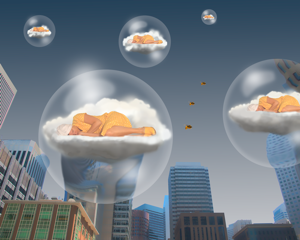
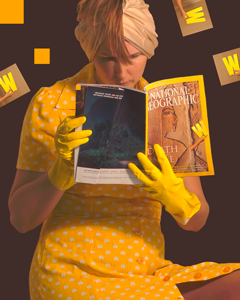
"The Walker" Digital Imaging, 2013

“The Walker” Digital Imaging, 2013

"The Dreamer I" Digital Imaging, 2013

“The Dreamer I” Digital Imaging, 2013

"The Seeker", Digital Imaging, 2013

“The Seeker”, Digital Imaging, 2013

"The Dreamer II" , Digital Imaging, 2013

“The Dreamer II” , Digital Imaging, 2013

"The Reader" , Digital Imaging, 2013

“The Reader” , Digital Imaging, 2013

Jenny WantuchJenny M.L. Wantuch is an artist creating figurative art using traditional media as well as digital media. Inspired by the complexity and beauty of life and nature, and her own imagination, she enjoys exploring her inner and outer world.  In her art, she seeks to find visual harmony and yet allow dynamic movement.  Jenny was born and raised in Stockholm, Sweden.  From an early age, she loved to draw, paint and create stories. Her family has for generations worked as farmers, and since the 1600’s lived in the area around Uppsala. During her childhood in Sweden, Jenny spent most of her summers at the farm. She developed a deep interest and appreciation for the beauty of nature. Early influences were her grandfather, a storyteller and draftsman, her aunt, a portrait sculptor and painter, and both her grandmothers whose talents for various crafts seemed to be endless.

Jenny moved to Northern California in 2001. Jenny is a full time artist, working from her studio in Burlingame.  Jenny regularly exhibits her work in the San Francisco Bay Area. Her work has private collectors in USA and in Europe.

For more information please visit: http://jennywantuch.com. You can also follow Jenny on Twitter: https://twitter.com/JMLWantuchArt.

Safe as Houses

By Hilary Yarbrough

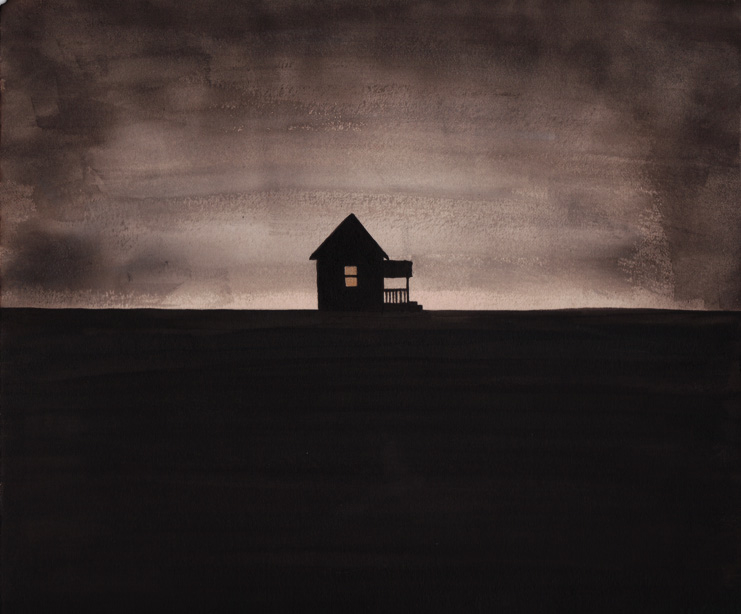
Pine--Hilary Yarbrough

Pine

Little Haus-Hilary Yarbrough

Little Haus

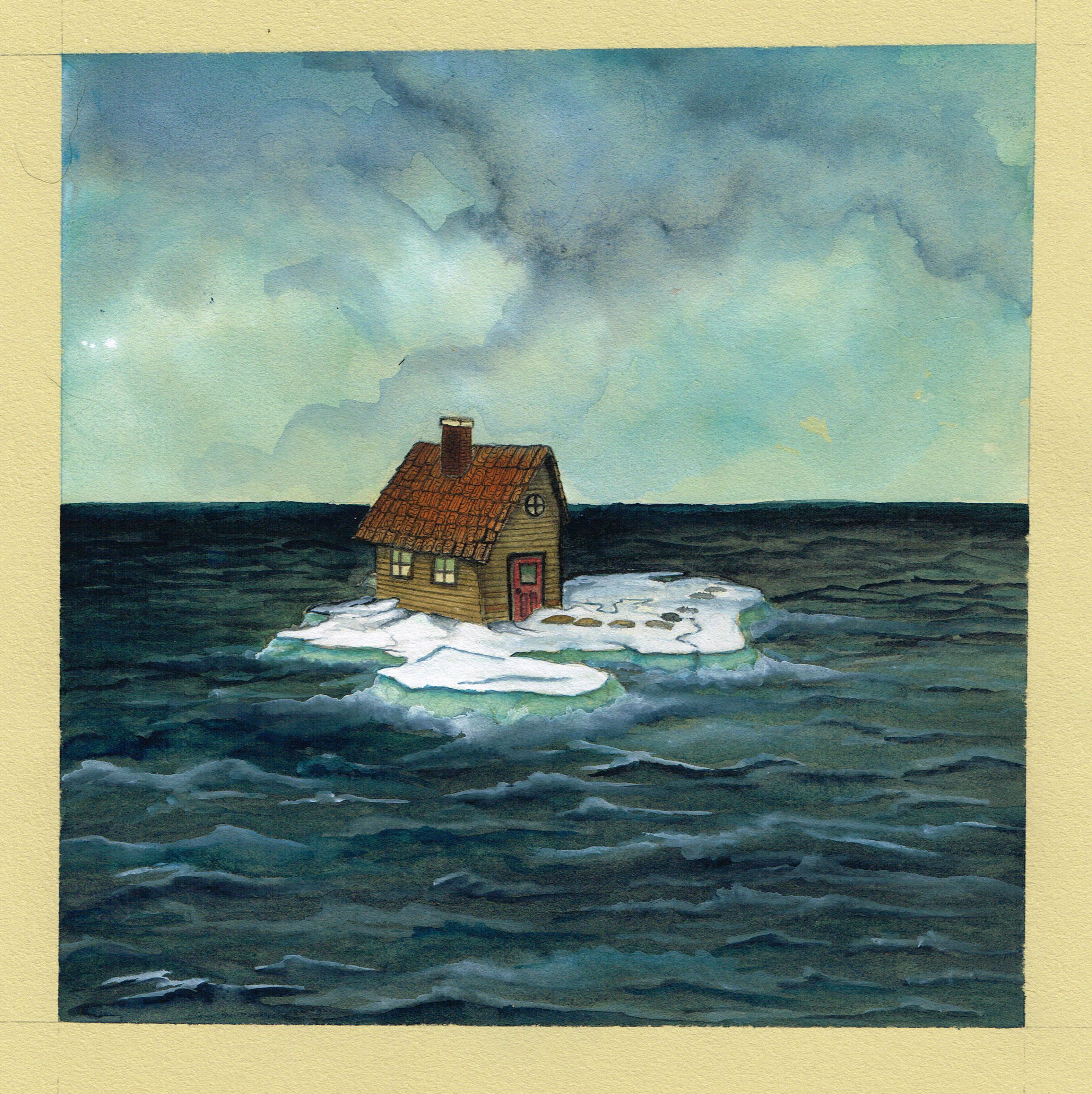
Hilary Yarbrough--Ice Floe

Ice Floe

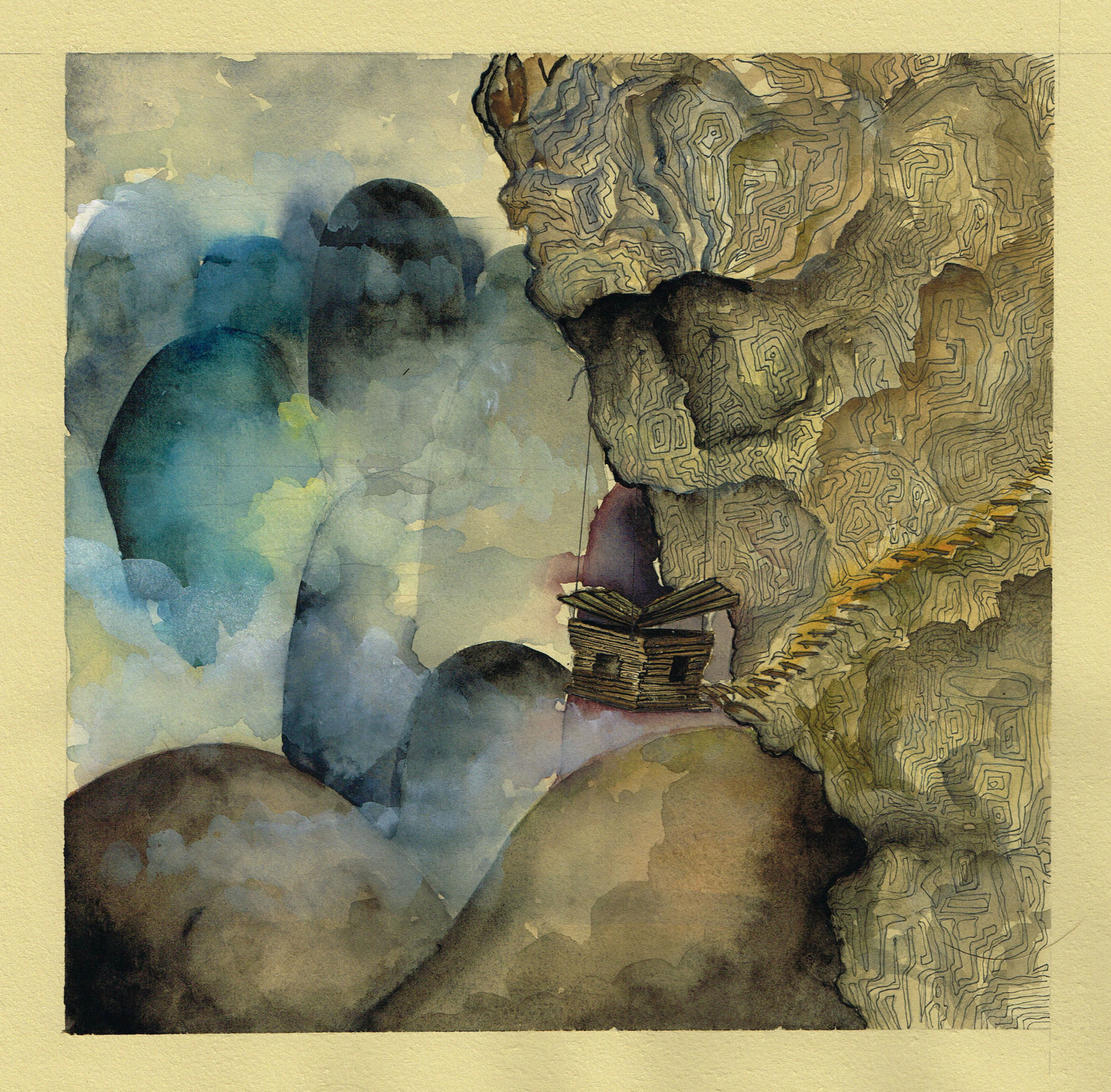
Hilary Yarbrough--Future Home

Future Home

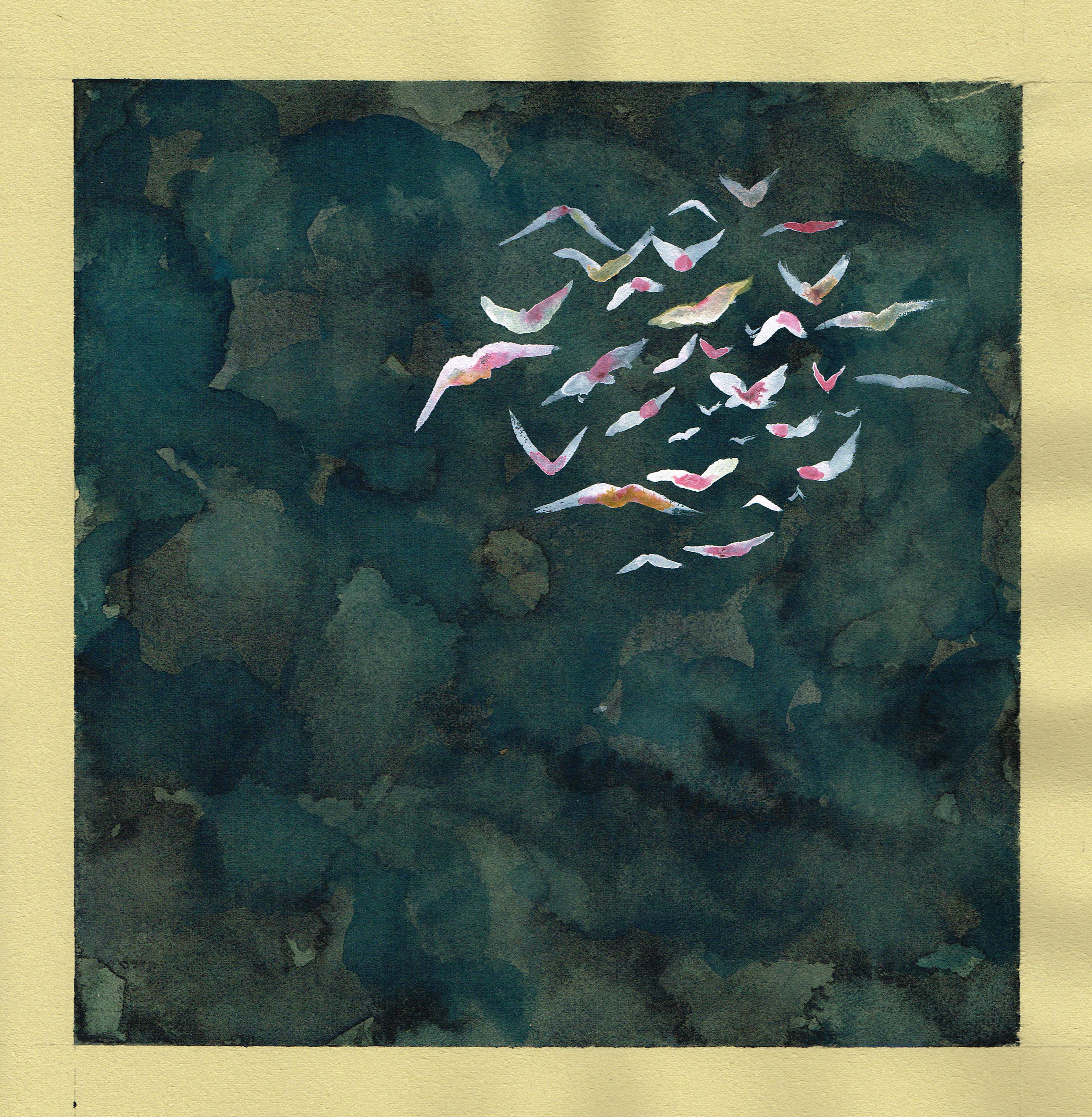
Birds--Hilary Yarbrough

Birds


Artist: Hilary Yarbrough Hilary Yarbrough
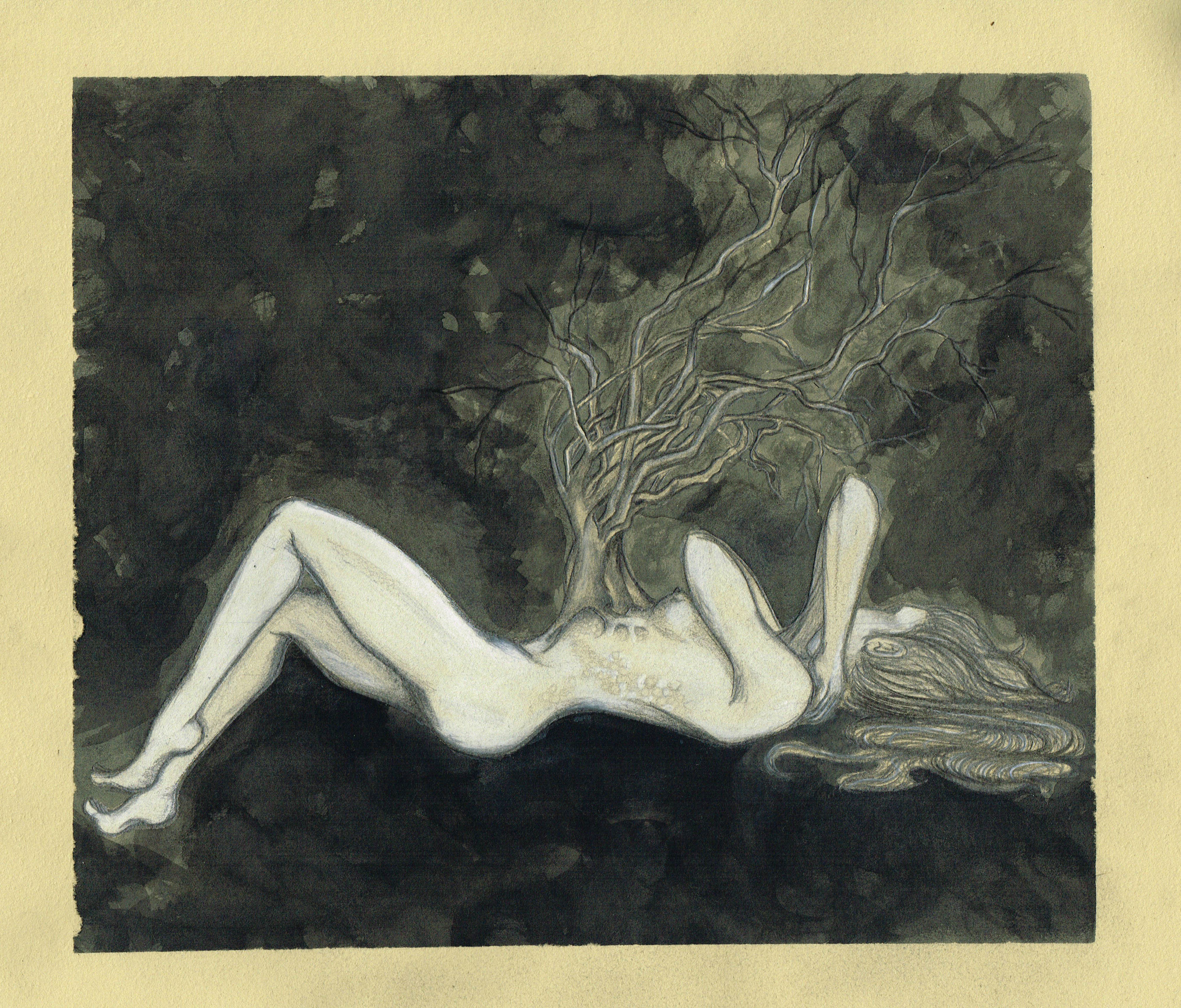
I began drawing at a young age as a way to break down what I was taking in and to understand every moving part. As an adult, I am still breaking the world down into pieces, as a means to stop it for a moment and give an image to every story. I am self-taught, and my favorite mediums are those which are more volatile–the watercolors and inks and gouaches–because they do what they want, as opposed to the final outcome being entirely in my hands. I try to be playful–if dark–when I paint, to lessen the weight of reality, but also to remind myself that I am small and everything is fine.

Check out more of Hilary’s work at Anti Illustrator.

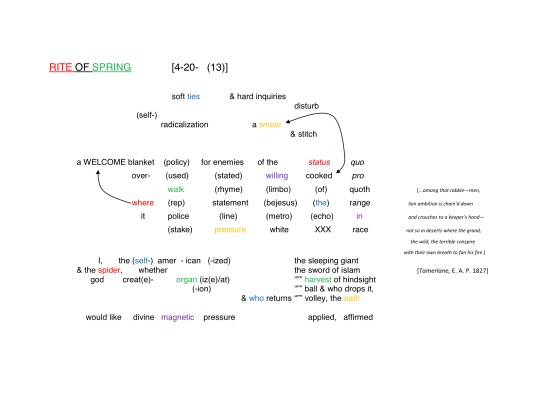
Rite of Spring [4-20- (13)]

by John Selvidge

Rite of Spring, Reading 1:

Rite of Spring, Reading 2:

There are multiple readings. Make your own! Click here for a larger version [pdf] of Rite of Spring [4-20- (13)].

RITE OF SPRING_4-25--jpg


John SelvidgeJohn Selvidge is a poet, writer, and salesman. A member of the Atlanta Poets Group, he currently lives in Oklahoma City

Martians Don’t Eat Corn

by Laura Eno

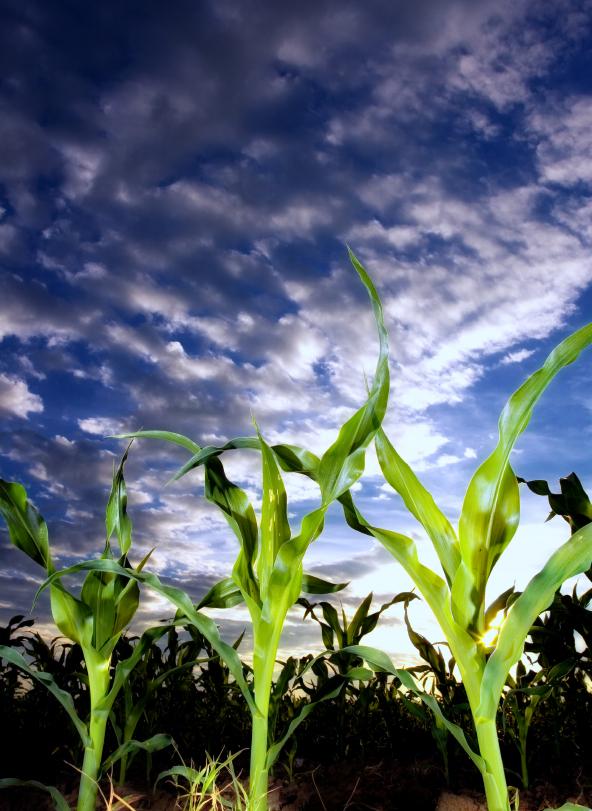
istockphoto--corn field with clouds

They found Bart Haskins this morning at the bottom of an old well. Called it an accidental death, but I know better. Third death this week too. They weren’t no accidents. It was the Martians that done it.

Those three men wouldn’t believe me when I said that the Martians don’t eat corn and they better plant something else. No sir, they just went right ahead and planted like they always did, but look at their crops now – withering away even as the stalks are sprouting out of the ground. ‘Course the sheriff said their crops were poisoned, but it was really the Martians and their death ray. I tell ya, you don’t want to get on those Martians’ bad side. They’re some mean, nasty critters, if you ask me.

It all started back in the fall, when I was plowing. I had me some nice straight rows in the dirt when one of their flying saucers landed right smack in the middle of my field. I was some perturbed, I’ll tell ya. A mite scared too, if truth be told. I musta blacked out, but when I woke up there were these crazy circles in my field.

My head felt none too good so I went back home to lie down. That’s when I had the dream. You see, those Martians had taken me to their flying saucer and instructed me to tell the townsfolk that Martians don’t eat corn and we should plant something else. The dream brought it all back to me.

Well, I tried to warn the others, but they told me I was crazy or drunk. Just because I have a still don’t mean I’m always drunk. I’m gonna miss the corn on account of that, but you can’t argue with a Martian.

So anyway, I figured it’s their loss if they don’t want to make the Martians happy. But now that spring’s here, people are dying and I’m right scared. The law don’t believe me, either. They locked me up this morning, said they was gonna try me for murder and destroying crops with kerosene.

They’ll see though, when all the crops are dead. Then they’ll have to listen. I know the Martians will get me out of here soon. You see, I planted me some green beans. The Martians told me they really like those.


Laura EnoLaura Eno lives in Florida with three skulking cats and two absurdly happy dogs. After spending years immersed in college but never figuring out what she wanted to be when she grew up, she now writes novels late at night with the help of muses from the underworld. And, no, she still hasn’t grown up but that’s okay.

She is the author of fifteen novels and novellas, ranging from fantasy to romance to horror, and has stories included in nineteen published anthologies.

Explore Laura’s work at her blog, visit her Facebook page, or follow her on Twitter.

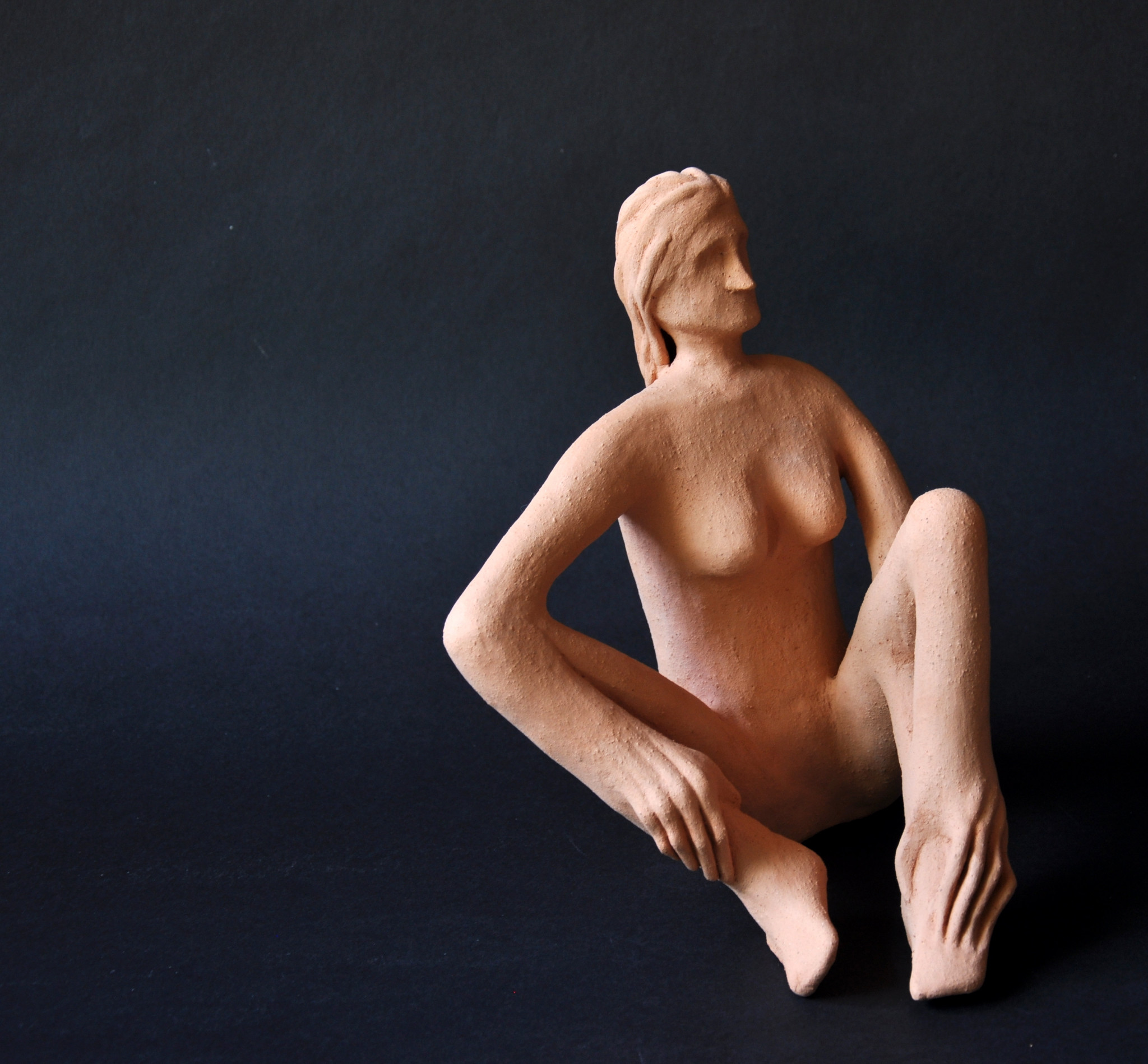
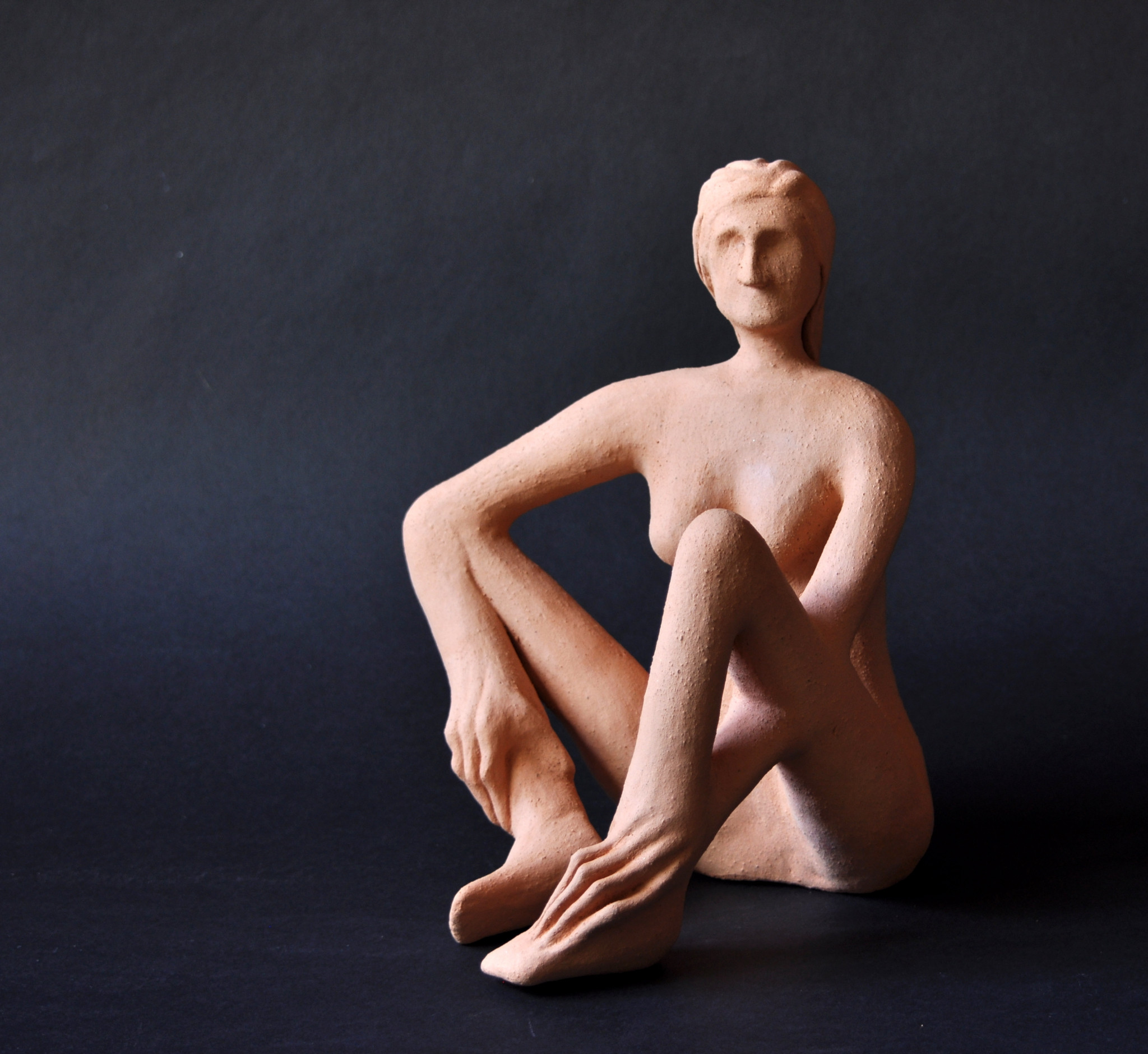
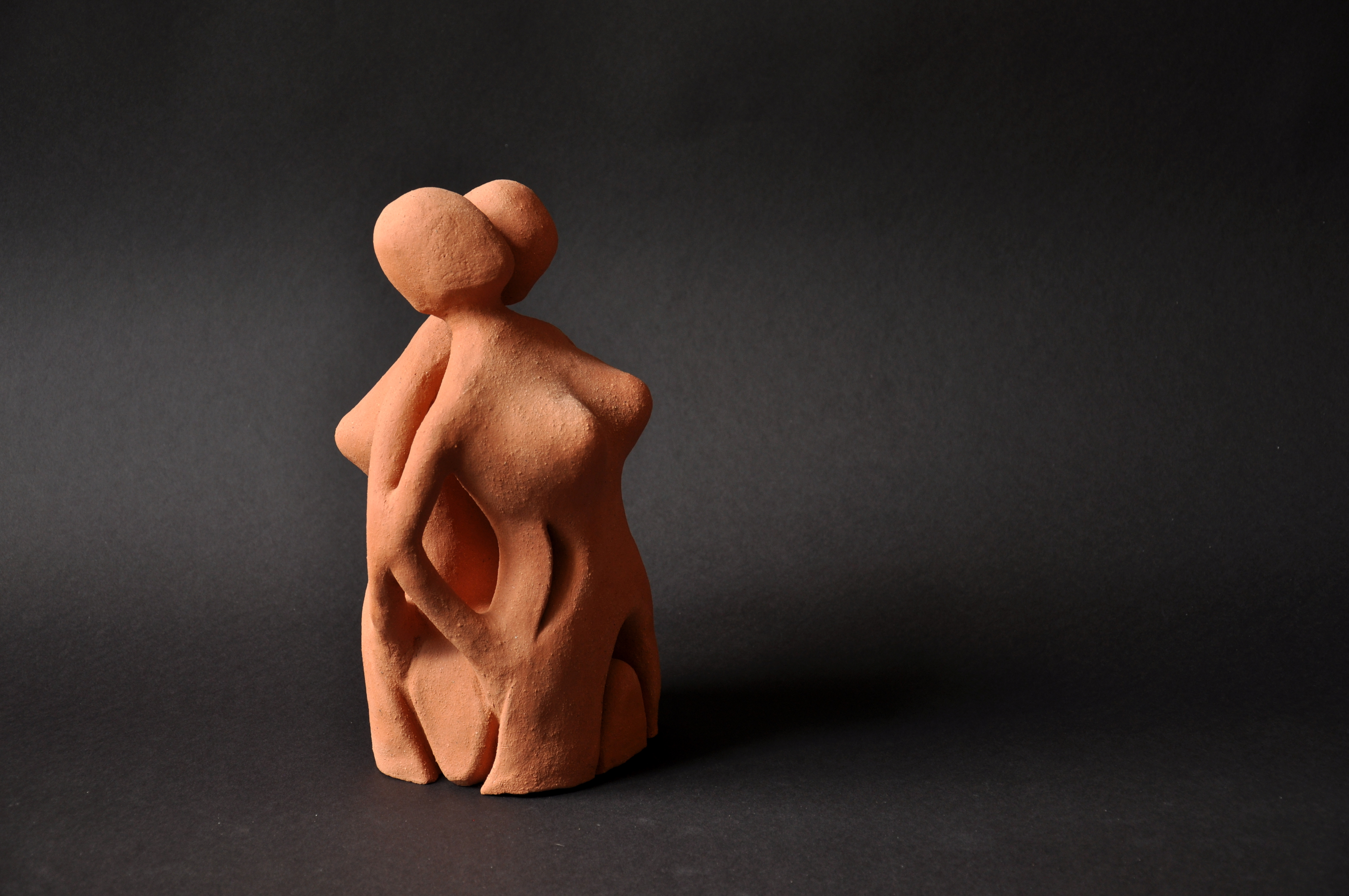
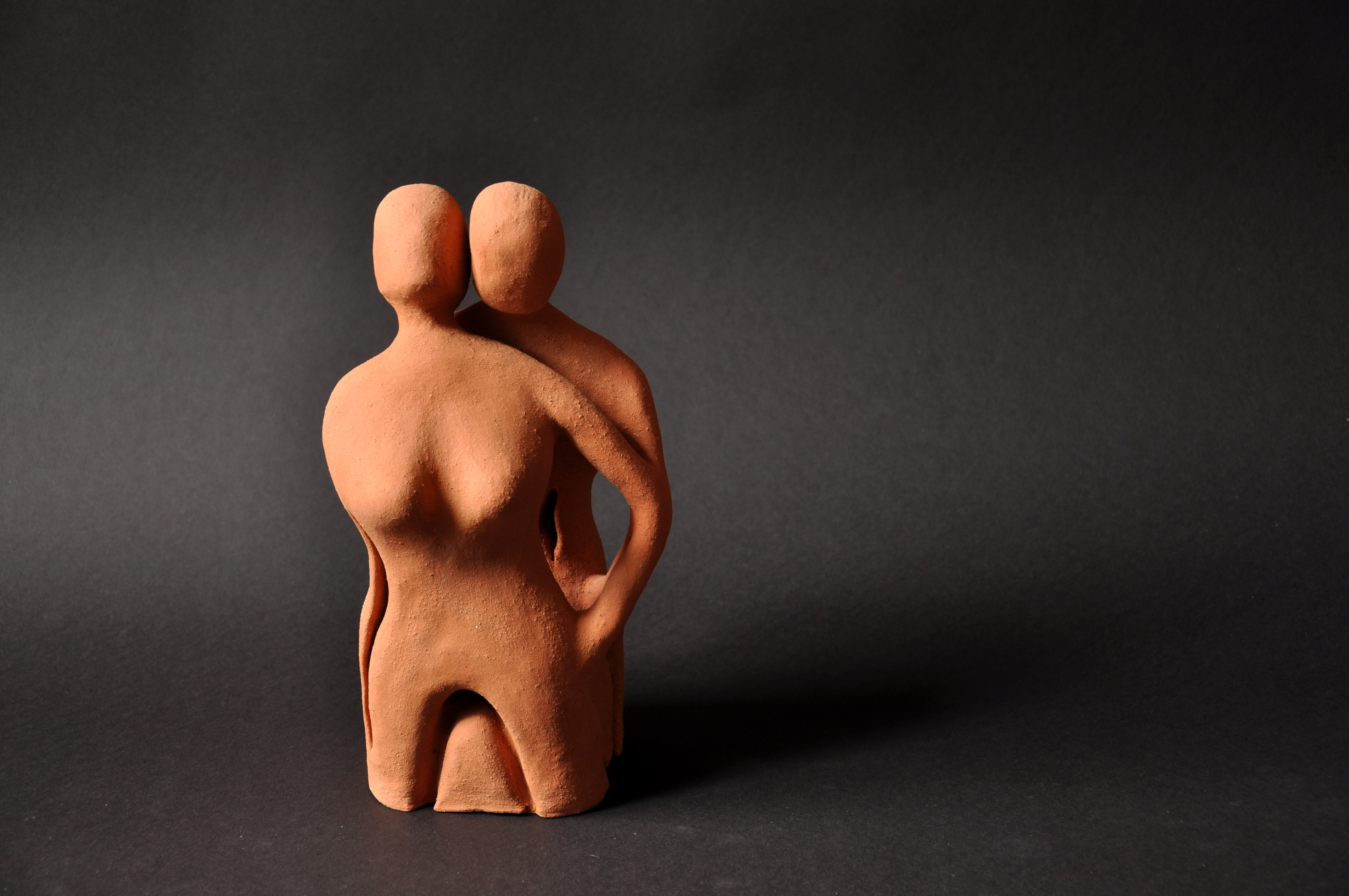
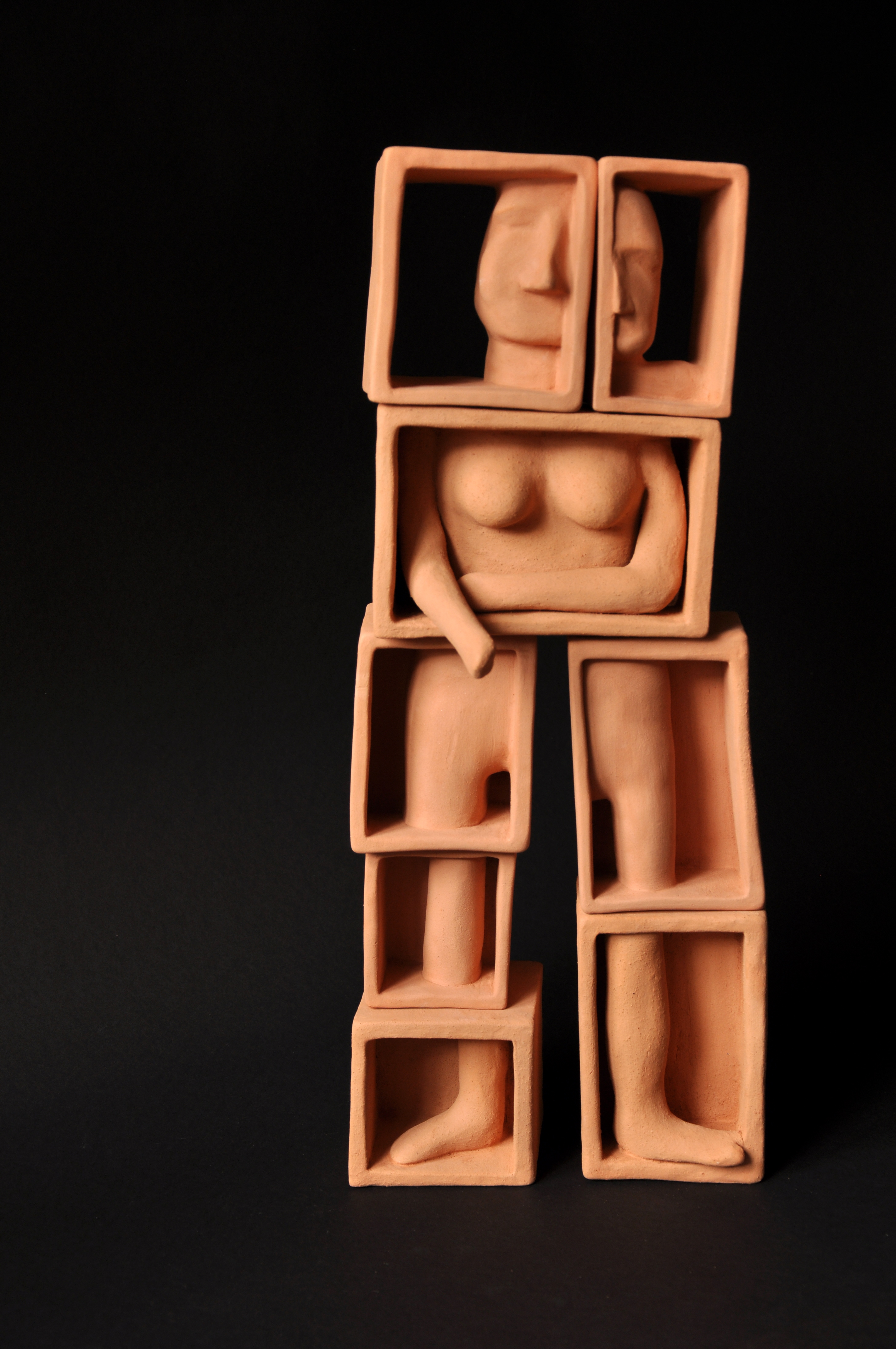
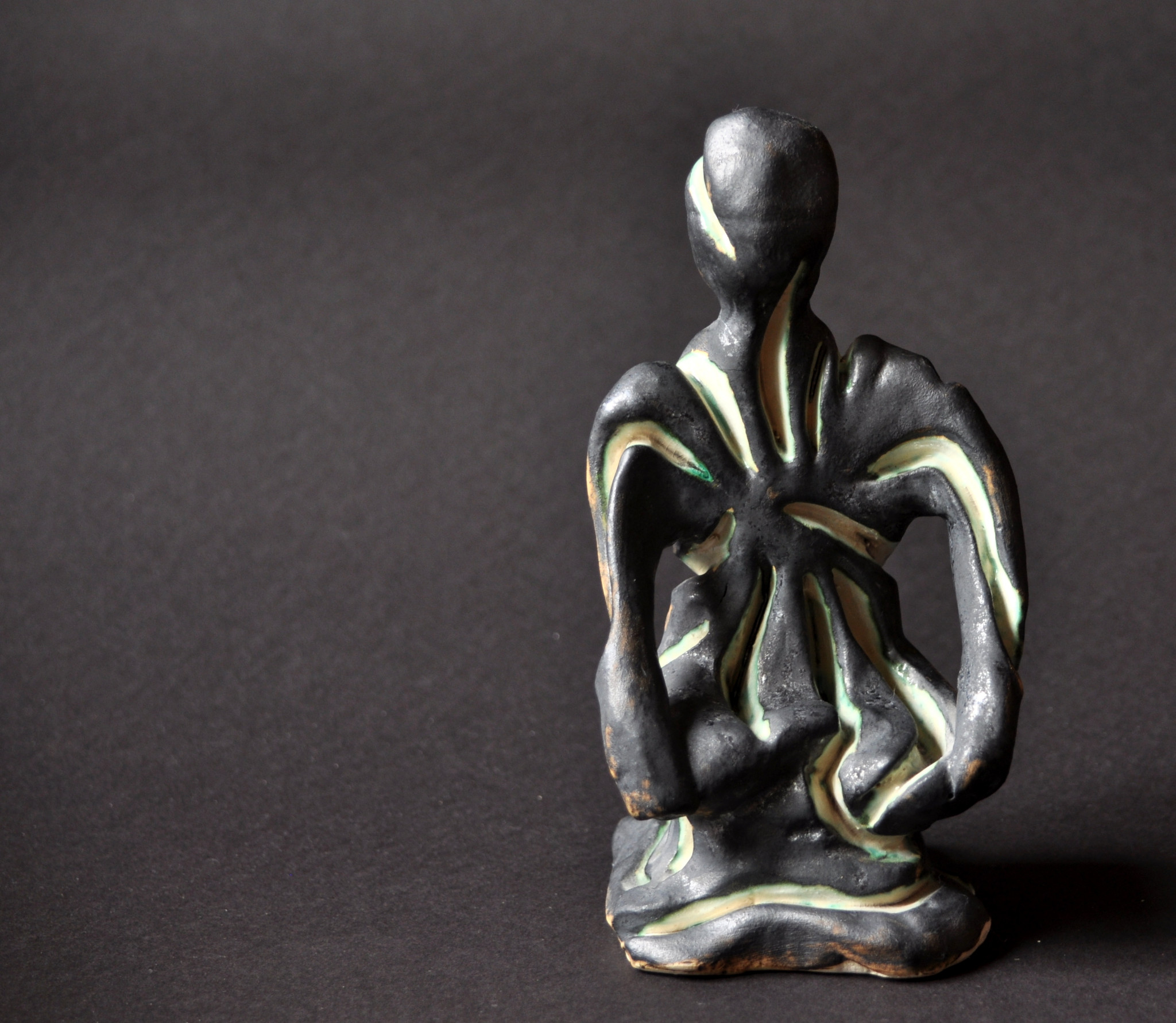
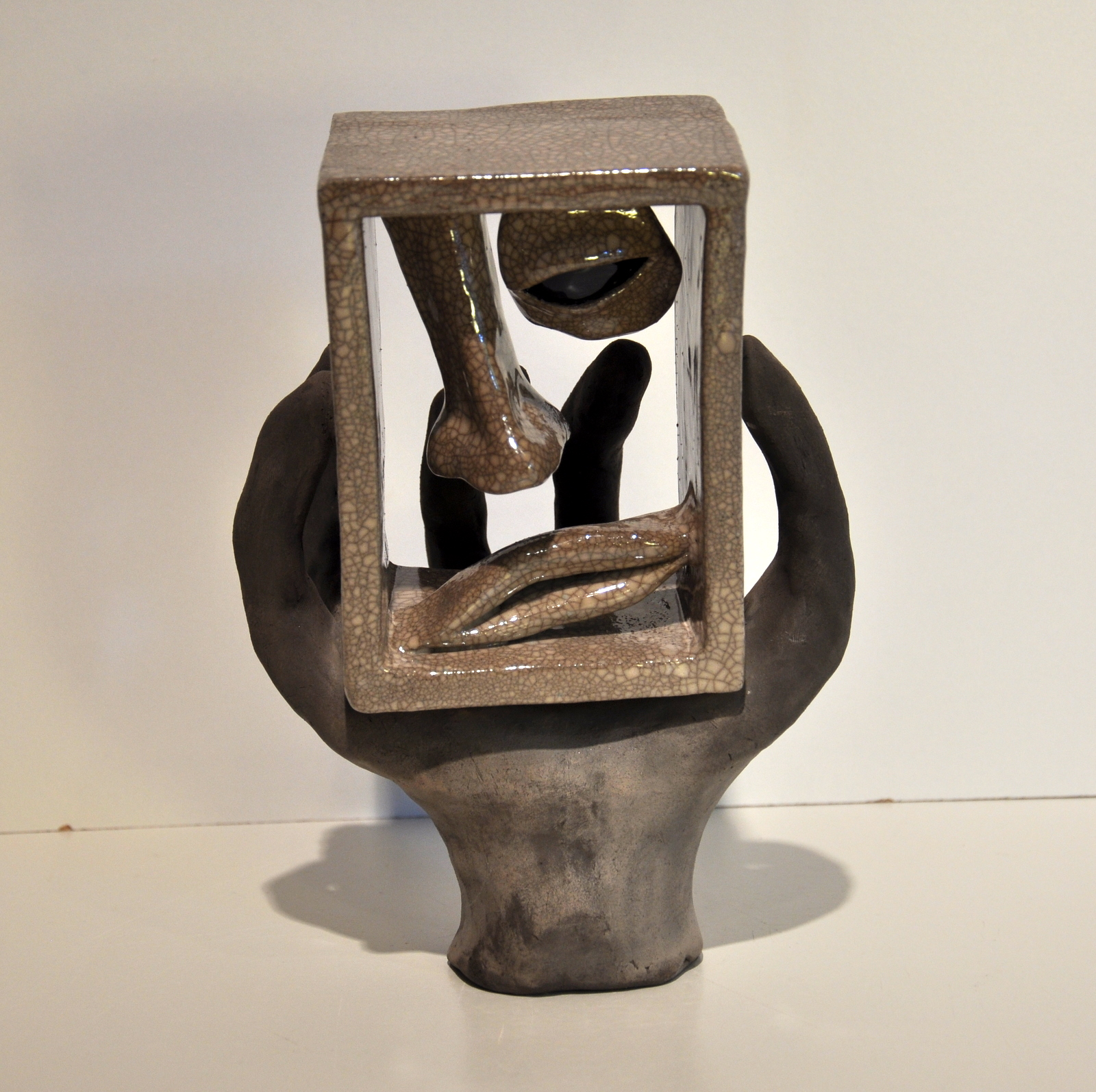
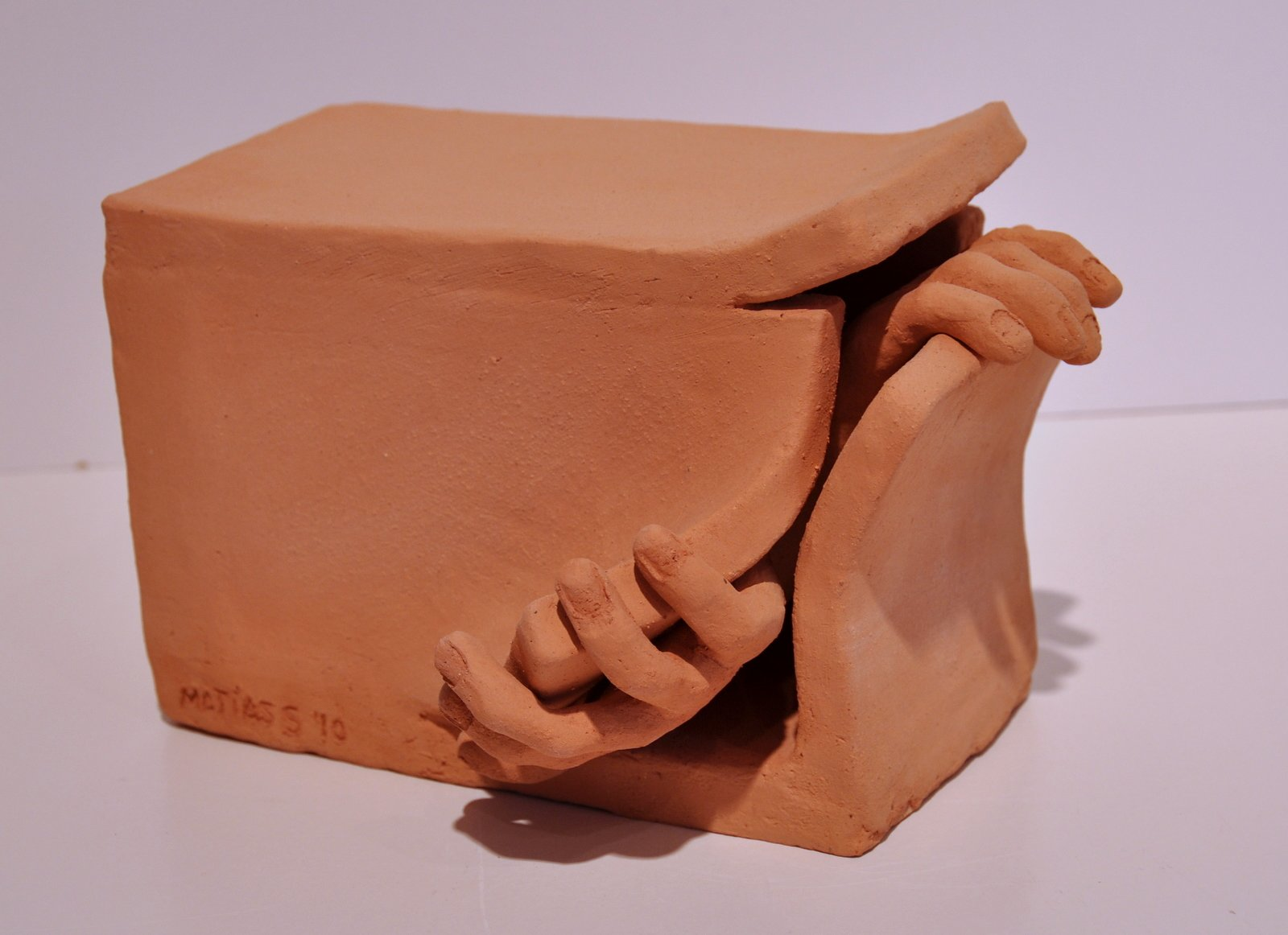
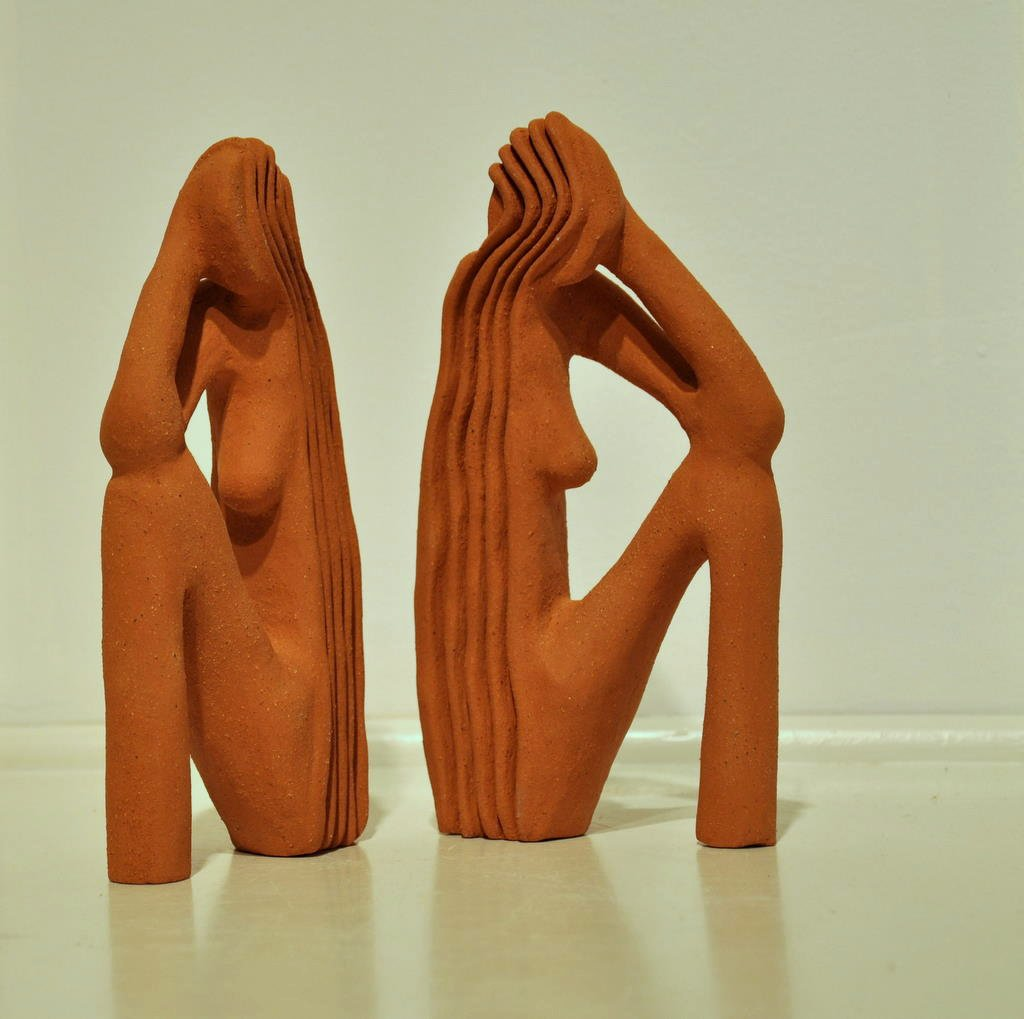
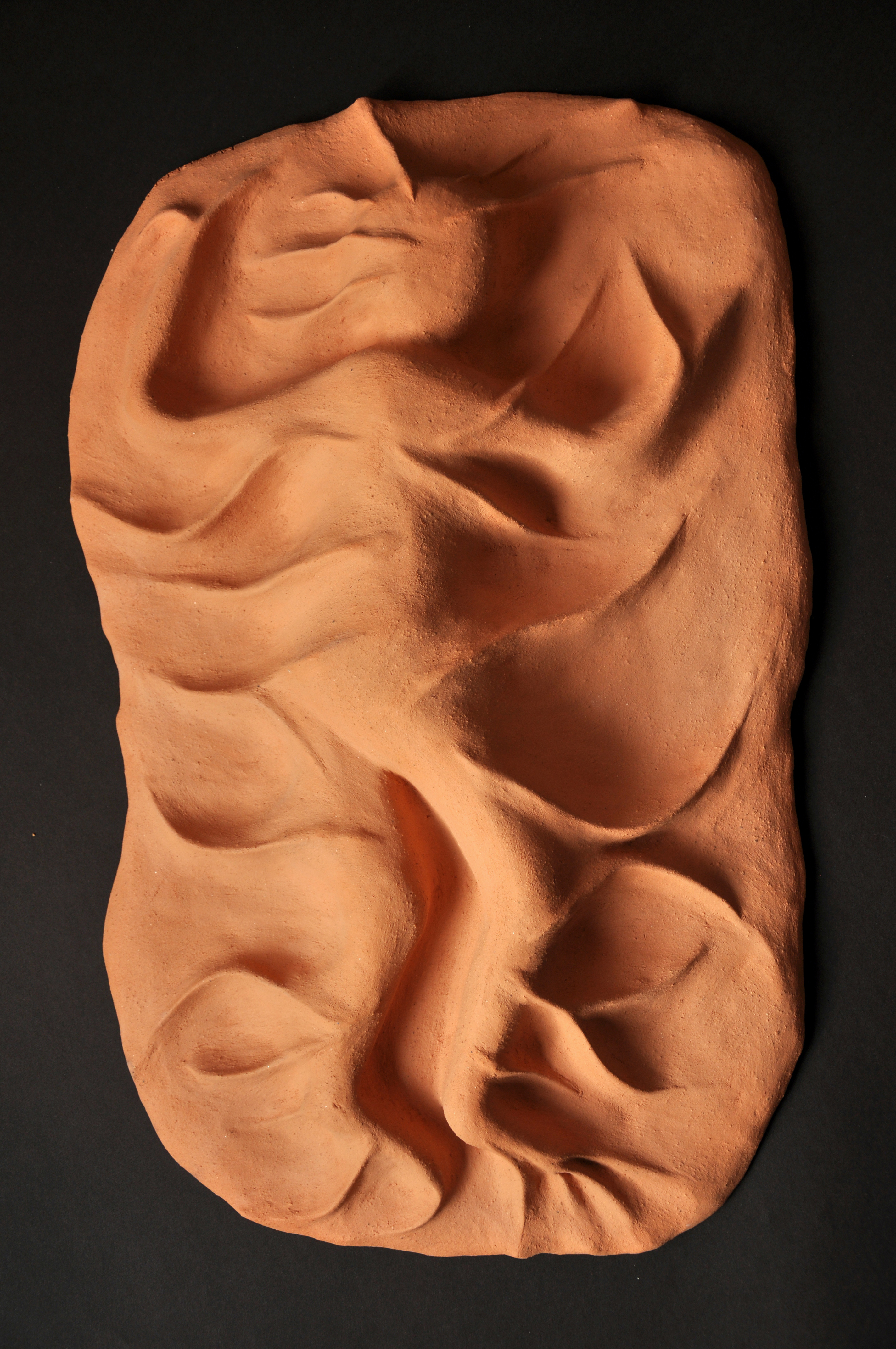
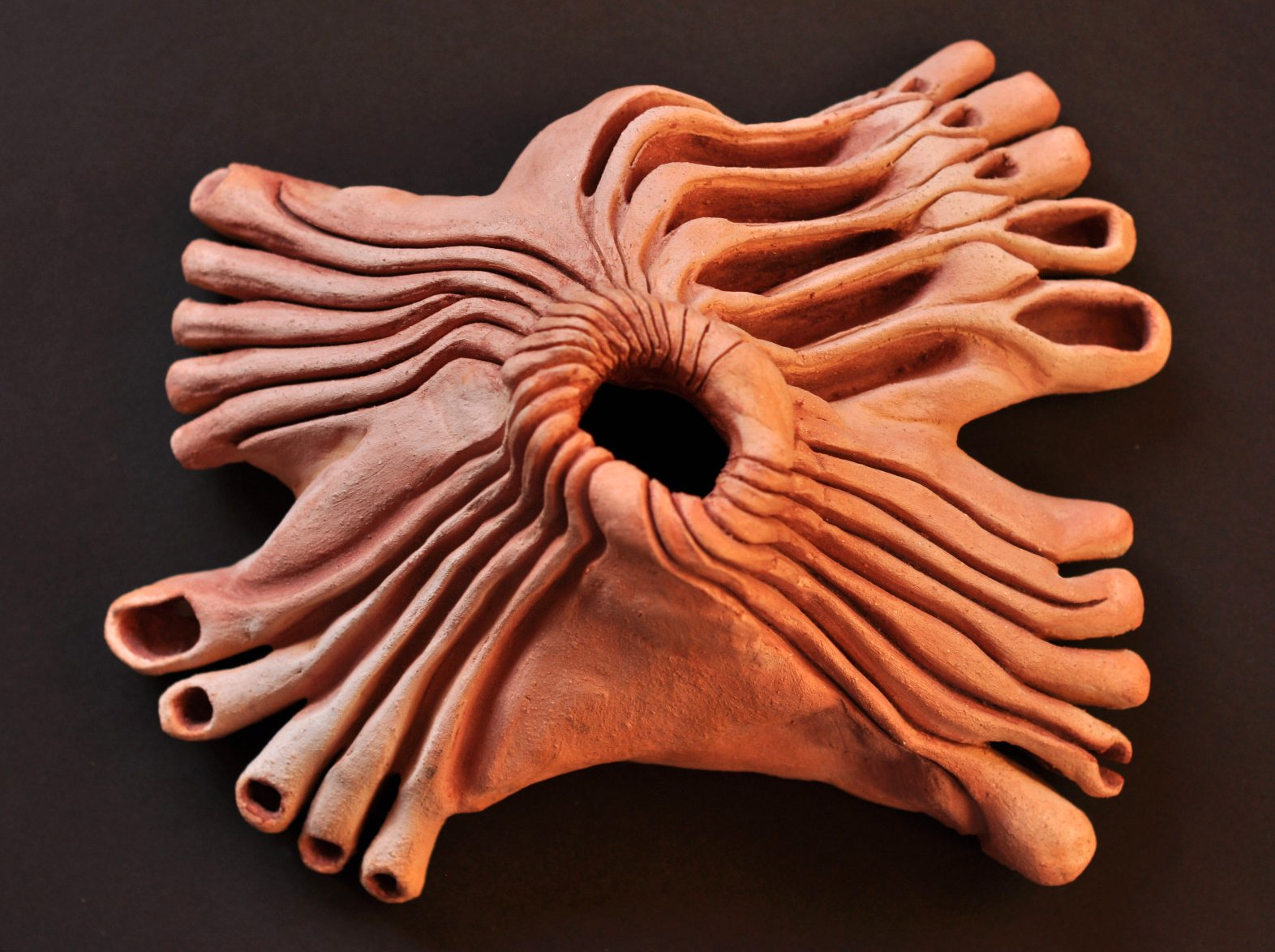
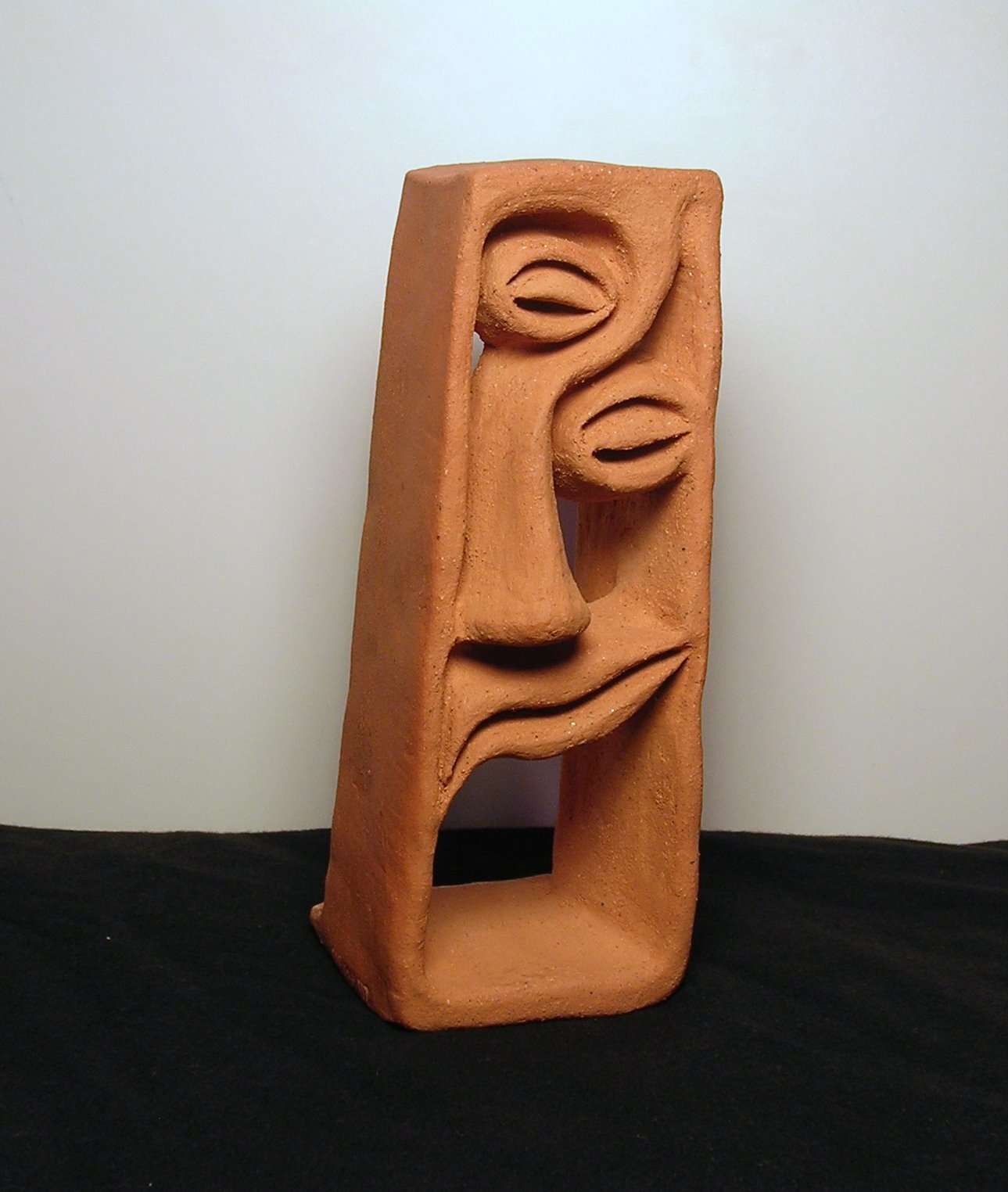
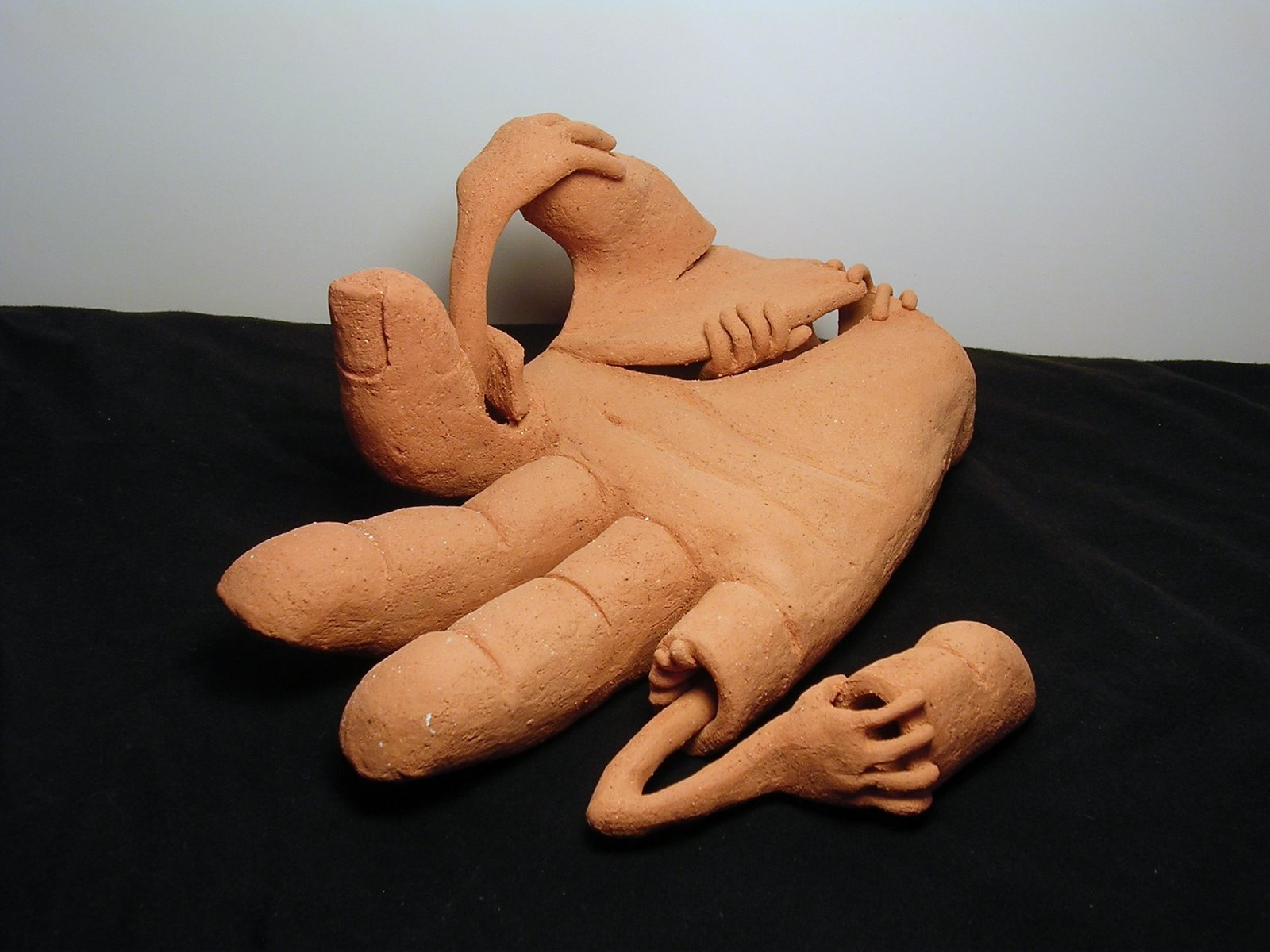
Sculpture by Matías Sierra

Untitled. Red Clay.

Untitled – Red clay

Untitled. Red Clay.

Untitled – Red clay

Sisters - Red Clay

Sisters – Red clay

Sisters - Red Clay

Sisters – Red clay

Stereotypes - Red Clay

Stereotypes – Red clay

Las venas - Clay and glaze

Las venas – Clay and glaze

Puppet - Clay, glaze and smoke technique

Puppet – Clay, glaze and smoke technique

Untitled - Red Clay

Untitled – Red clay

Untitled - Red Clay

Untitled – Red clay

Hug my self - Red Clay

Hug my self – Red clay

My Memory of Siberia - Red Clay

My Memory of Siberia – Red clay

Fire - Red clay and wax

Fire – Red clay and wax

My brain, my cage - Red clay

My brain, my cage – Red clay

Untitled - Red clay

Untitled – Red clay

Artist: Matías Sierra

I was born in Argentina and my first contact with art was at school when I was six years old. At nine I began to work at an art studio with various media: paint, ink, charcoal, clay, etc. I developed a surreal style from the beginning. At thirteen or fourteen years old I worked almost exclusively with clay and I continue to do so. My artwork centers around the body and its parts. In several of my sculptures, the hands are the main subject. I can’t give a reason for this. People always ask me why and I never have a response. Some ideas for my work are born from my own life experience or feeling. Others are simple ideas.

For the past seven years, I have lived in Montreal, Canada, developing my artistic career. I did my first solo exhibition two years ago and two others with my studio colleagues. I am self-taught. I don’t have a background in art studies.

You can view more of Matías’s work at Devianart as well as his “Esculturas” and “Under the Skin” albums on Google+.  Contact him at matias.sierra@gmail.com.

Swimming with the Helix in Laughter

by J. Celan Smith
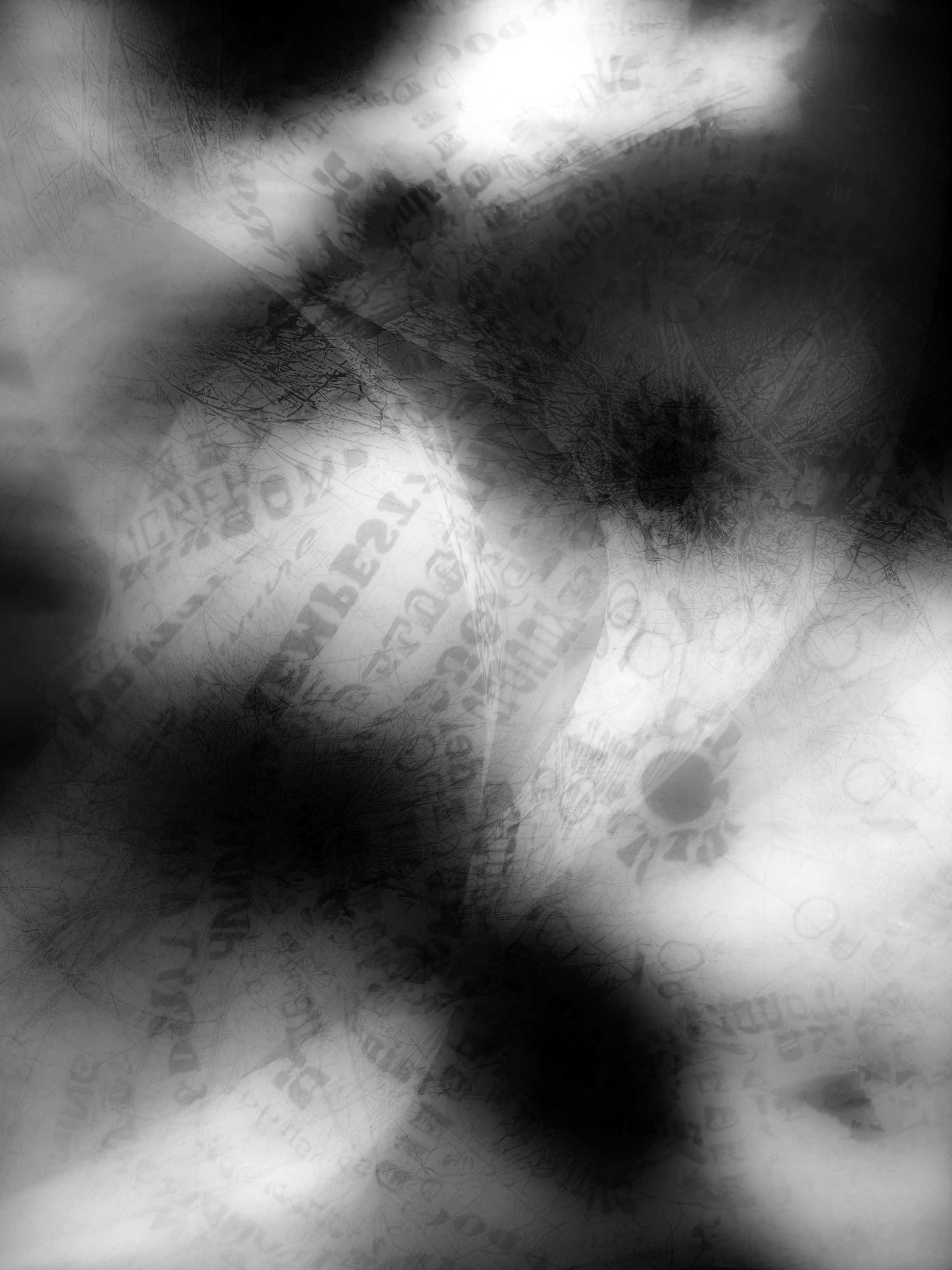
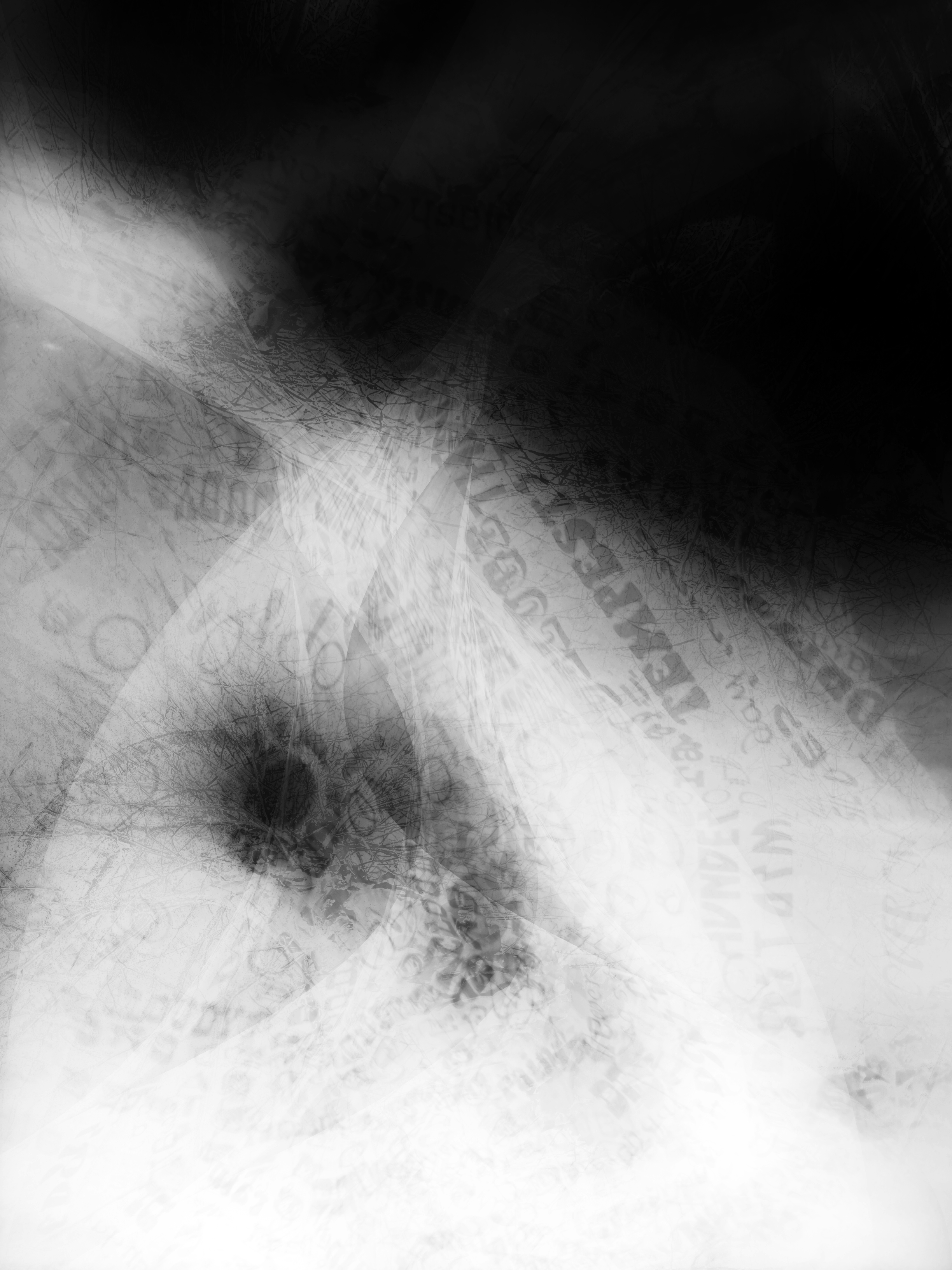
Images by Melissa D. Johnston
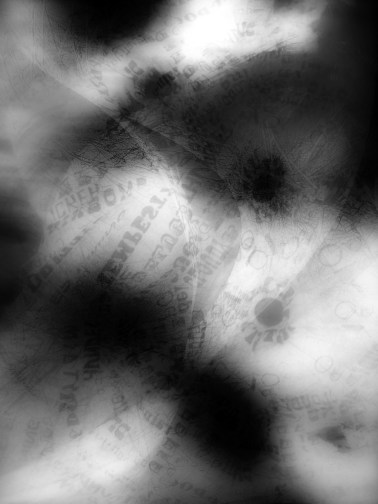
helices, enigma ii: imaginary borderlands by Melissa D. Johnston

helices, enigma ii: imaginary borderlands

I. Others: with

They are there, with us, creatively marauding our solitude. We carry them like extra hearts or like a bowl of sour fruit. It depends. Yet focus on the precious and everyday. From outside, where they meet us, we absorb them. Their forms, their words. Interiorized. We enter, joining them to our twisted strands. From then on, we are intertwined.

Maybe just an inner blimp of memories, their existence cruises in and out, never leaving our cardial space. Our lake grows full with their water. Not just any other: the important ones. Thin or plump, jocose or reticent, tough or tender. Often we swirl with them, eddies coyly dancing. Gradually, sometimes, they shadow away, tides leaving tiny caves like crab-peck in our sands. Where? We wear their skins as our own, cloak upon cloak of other lives placed in layers around us, whether we love or hate. To ourselves we seem made of this agglomerate, patchworks of influence, variance like stars of different color and size, which we sow as texture together into woven tapestry. Merged with them, we are quilts reflecting some story. As if all, unexpectedly, suddenly, participates in the magnitude that domes us, our carapace, testitudinous and hardened, this world, whose living eaves we try to breath under. The shell does not hold us up like Japanese mist, but, encompasing us, it communes with us. At times, a breeze that barely touches; or inundation, erotic immersion. The strangeness stays. We are exotic as those arenas of ancient beaches we’ve heard about out of which blueberries and mangroves grow. In the distance, a seascape armed with swimming dolphins, drifting islands.

Our territory is elsewhere, isn’t it? Even in the with of another? No surf of sameness, like docetic ideas that refuse to stroke us unless we pay homage to intelligence. But beyond the abstraction and tedium of days, past routine and hours of immutable scenery, something more fluid and special may surprise us. Laved expansive in bursting waters that froth and lose their calm, until we, within the swell of such a miracle, start to gambol like morning ducks in the river’s white rapids.

They encounter us. Bodies that crest against our shores. Interpolations that heave in the static painting. We receive, when thrown back. Modulations that brush our picture. Touchable symbols, enfleshed mysteries. The other approaches from elsewhere, body draped in linen, dripping and singing a stringsome song. The oracle appears in every day. Message shines through eye like light on falcon’s wing in afternoon, afterthought coming through the arched window of some red temple in wilderness. Tokens from faces opaque, not angelic, that spin horribly with tidings we can no longer decipher anymore. Though mostly the other has wiles where play their secrets.

Everything, he says, is matter. Even the intangible, the hidden. Ideas cast smells like clay on a shovel tip. Spirit has its perfume. Not will or power, but heart it is that rushes out to greet the foreign. We have often forgotten. Aren’t we, here, all so much steam and sameness? Driving the same teams of wind? As if it required an opposite of impassible alterity to discern something to praise! The screens teach us what to be, if we let them. We act as if eternal tomorrows will greet our vision. Are we listening with cupped hands to the absolute as it crumbles into ocean? To that cataclysm, the mountain that dreams of drowning? Or an island that wants to be a fish? Are we afraid, so afraid, of the real that we pretend, by virtue of the virtual, to be other than birds who are terrified of air? Or hoping, desperate, as if something might change, do we pray, do we still pray at all? Do we seek the bolt from clear source, levin from vacant blue? Run into summer freak! Tell me if it is incorporeal! That once our sky has unseamed itself for aperture and promises no regression, but passage through. Or once the earth has shattered upwards, that fall into soil’s gape that will take us to the wonderland of the Real.

Together is our desire. A dwelling with, a relation. Far from hermitage, beyond those nooks of seclusion where for a time we gained our strength to know minuteness, our presence, our humble roar. Only we, enthralled to rich pools and practices of protections, unopened until the blackness engulfs us–too dense for the frivolous–we neglect to notice. With daedalian smiles, blind and wicked with mazes, may we rise to the closer thing in our midst. In love to what is worth loving, in a kind of wafted waiting, ceding no place to amusing trickery, we thrive. For it arrives as we stop and stand on the station, the scent of juniper and sage smacking our paused faces, on a platform which moves toward the slow train.

There is no knowing, but travelling headlong into the other’s enigma. Expressions, like the width of unknown galaxies, that are indecipherable. Every favored moment, heightened with elation or dampened with depthsome wail, is a telling of the uncrossable. Let us adventure, nonetheless, across the gap! Let us plunge forward into people we so little grasp, the obsidian scepter of our gestures held as passport and talisman before our chests, one to another, trying to speak with exotic signs. This is what time gives, if anything. Our wisdom should take us to such baptisms by ice and by fire. Through, we draw nigh. Through, and with, gathering our thumbs like thread pushed through a needle, we poke the unillumined space, paradox of shimmering darkness on the other side, and it is our laughter, that may never subside, that carries us in the smoke, wild as mustangs haunted by barn burning images.

I can cross to you, if we aren’t mistaken.

Few survive the atramentous dive it implies. But I am mistaken, always.

Mostly, we wander, uncrucified.

Imagine us: trying to be-with-others. We walk along a ledge at the melting cap, shoed in plastic on margins of ice. Slick ground of rocks glares up, desires so coldly to slip us over. Stable or unstable, relation works in friction beneath the glittering facade. At night, there is always a threat of more snow.

Elsewhere inside this world, a place of real contact. It is sublime or transcendent, both extremes at the intersection with here. A nexus. The meeting point. Between home and exile. Its distance, illusory yet immeasurable as dreams, for seemed difference obscures the real of otherness. You, not you. I, in body or out of body. As if any knew. We feel. There are motions sometimes, and rests. Our senses reach to hold. That is their nature. There is grit in sinews, a nervous shiver within the coils. Are we capable of being-with? Even we, who have “been with” for so long? Can we make the coil safe from unravelling?

I’ve seen colors, as yet nameless, fly out of the hearts of beasts and beauties alike. I’ve heard a rain of sirens from tongues that tried to spit what it was. The moments know no words, just a music of despair or elation, just a silence whether bored or delighted, for to utter what happens is memory, already behind, fleet and gone like a ghoul’s grin when the light snaps on.

So it seems best, mostly, to stay sacred, doesn’t it? To remove, purify, simplify. To eeke out at the borderlands of suspicion and censure, where the weird life can be condemned only from the loud center that needs its noisy judgments. To believe elsewhere, in the real matter, where love is tolerated and poems bloom with seeds of strange insight! To heft the weight off and levitate! Where is this harbor? Where, this carrefour of ships’ encounter at dusk as the owl takes its flight? Innocent, we wonder with unminced gaze, no anger that would burst the quiet incomprehension. We let sacrifice in silence answer the inquest. We can give little more. I’ve taken no bridge from here to there. The chasm requires that wingless leap, unballasted, unstructured, into air. No reverie of thoughtful contemplation, no past-time buried in nostalgia, but the pure canteen of experience nectared into our mouths as the virgin taste that it always is. For it occurs but once, once only. Then somehow, over and over again, drawing soft streams each time from the rock’s authentic eyes.
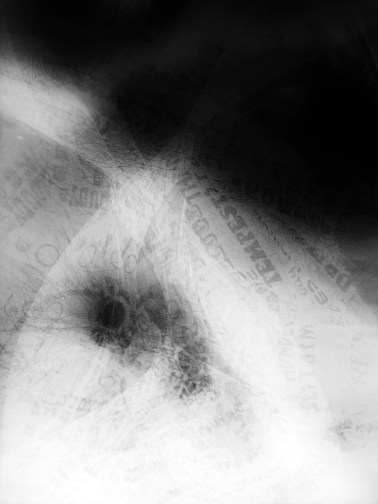
helices, enigma i: fragility

helices, enigma i: fragility

II. Nature: between

Who knows if owls cross into day when their eyes are more rapt with blindness? Or does the tree provoke winter’s end, that cold wedge, as its roots empounce those stones like a spider’s meal? Nature, the destroyed, destroys with patience. It shreds the bones around softened minds, sensitive sheets plinked to shards like tempered glass clashed against a callous edge. False orchards are built of thinking stone. So let us forget to think and hike! Down tumbles the calamitous veil, made of mineral, pulverized to dust where once it hung, deliberate and inflexible around every still object. We cannot move without its first moving. It must crumble, seducing us to selves that stand in witches’ broom or that laugh like medusa’s feral heads as we collapse madly in an orchid’s violent clasp.

Do my eyes deceive me? Does the river churn around tombstones? Or is it dead already, silent and dried before the bodies of giants were ever buried? Not morose, but splendid! Its face gleams with grandeur as we peer from towers we have not erected. Such vistas take effort to get to. Austerity is a forgotten pattern, except in the strong who venture out, hungry for life. We stepped up ladders formed by labyrinths or rhizomes while a mountain grinned in the distance at our slow progress, its white teeth dangling in wide mouth that as the day grew warm came crashing in shrapnel around its bluffy feet. Nearer, ice onions sprouted, and, inside the walls, frozen tadpoles began to wriggle free of gelid coffins. Upward, we trekked as though ascending pagoda, some built inflorescence on the upper crown of earth’s stalk where sanity is exchanged for sanctity. What worshipped there once, on ground the gods would walk? I heard them, holy yet talking! A chorus of mighty feet! There on the tall ridgeline, summit of enchanted encounter. I saw them among mossy gardens that kiss all stellar nights! Who venerates these totem deities that sway untoppled, apex beyond where wings would be needed to go higher? There where worlds end and begin, interwoven, a bay of crosscurrents to give us intercourse. No wonder the priests made ziggurats. Here, we have our temples already made. Yet have we the courage to climb into suspension, a thin lamina, string of silence swinging us between two spaces? Can we cease to talk and start, in that caesura, to listen? Let us elide ourselves. Let our tongues become dots that signal disappearance, erased from the noisesome fray. Maybe vines will take our judgment, haunted with urban excess, with selves at large, void and vain, taken into verdant lairs where insects sleep majestically, curled like dreaming pixies. Something other than us or than keening erinyes will cause our skin to quiver. Something like a different voice beneath new maps of blood, capturing that frontier “invisible” as we tremble at the gateway, hesitant always, knowing nothing to do.

Beauty and terror go hand in hand, don’t you feel? Whether with us or between nature. Complexly muscled, its sources ripen our human fruit. But we are stricken at what we may lose. To us, the valleys seem as lost rivers branching out, discovered but never understood. Let us hike into the between! Let us go while there remains that mystery of the pristine! Peerless, it does not match our concept. It is impulse, rather, and attraction. The wild things, arcane and fascining, are nature’s wish for visitation.
helices, enigma iii: breathless breach of reason

helices, enigma iii: breathless breach of reason

III. Enigmatic Levity of Laughter

Must we sneak our way into essence? Not ours, but the other’s, if possible? Can we, from essence to essence, puncture the membrane between particle and particular, pulling back the excess like tape? Surface ice, the other is excrescence that grows around us, adhesive body flung at us from objects we flee or swarm. Like bees. Beeswax and honeycomb. The self in its coat made of hives. And with, are we capacious with that width which goes from mind to deeper hosts? I feel you. I “see” you. You are there, specific and glowing with touchable pieces, nothing generalized but distinct, unique with breath of unknown flavor, with soul of mysterious sound. Your aroma, which I inhale, my partner, is the scent of flowing fragmentation. Sympathy is not right. You humble me because you are different. If you thought of me as enigma-breaker, as code-cracker, grant me the status I seek in you. One who has another set of substances, not here, elsewhere, more proud than my lips could manage. Grant a similar lenience, license to explore what the wizards that sing at the fringe of dark forests dance to. Within expands a form too subtle not to make us afraid, too bachanalian not to fascinate with dread thirst as the storm pours forth its slashing rain, strummed against this strangeness where another “I” stands as witness to the natal moment. My ears are listening for an unvirtual hum. My eyes, steadfast, do not sizzle. They are cracked as though blessed by drying wildness. They ache against the space between all things, illegit, imposed, ruthless space, between, where immortal films of added light keep imploding the abyss. Eyes full of fissured recordings like omni-chromed darkness and the stars of illusion within it. With each approximate knockout, the vehement blade of shadow, tenebrous and timid, darkles until the sway of visions returns the sky to its original, tranquil chaos. All things inside are rutilant with brilliance. The breathless breach of reason unknots our laced souls. Let us celebrate what we are unable to admit: between us, a boundary persists.

At best, the curtain parts, ever transient, at points along the way.

Laughter comes, marking this:

With one another, and between nature, we fertilize the helix we must become.

————
J. Celan Smith

Photograph by Valerie Streit

J. Celan Smith is a global nomad whose novels and poetry have been published at Smashwords. He studied psychology, philosophy and religion in graduate school before turning for reasons of truth to poetry, love and beauty. Currently he is working on a non-fiction book about the history of beautiful words. He makes his “living” in landscaping where he can exist outdoors in the fresh air, close to birds and stars. He currently resides in Asheville, North Carolina.
Spotlight: An Interview with International Dancer and Choreographer Nicola Ayoub

Nicola Ayoubby Melissa D. Johnston

I first met Nicola Ayoub as the spunky pilates instructor who kicked my butt in class each week. I learned quickly, however, that her passion, talent, and determination weren’t confined to being a teacher at a pilates studio in Atlanta, GA. Nicola was a gifted dancer who had trained and performed with the Atlanta Ballet. In addition, she worked regularly with Full Radius, a modern dance company. Now she was moving to France. Where she would dance. Period. (Even if all the hows weren’t worked out—yet.)

And dance she has. In the seven years that she has lived in Paris, Nicola has become an award-winning, international dancer/choreographer. She choreographed a bilingual one-woman show dealing with self and cultural identity, “The Language,” which was awarded Paris Jeunes Talents in 2008 and first place at the Parisian choreography contest Tobina in 2009. She’s toured Milan, Berlin, New York City, and Seville as well as performed regularly in Paris. She represented the USA in UNESCO’s 2011 production “Astro-Ballet” and traveled to Banjul, The Gambia on a Fulbright grant to work with the country’s first theatre troupe. If that weren’t enough, she also began a dance company, 3 D Company, with partner Guillaume Morgan.
Nicola’s work is fascinating, creative, intelligent and powerful. Her positive attitude towards life and the pursuit of her dream continues to inspire me. I am honored to have gotten a chance to speak with her recently.

When did you first realize that dance was your passion? How did you decide to follow it and what keeps you energized in its pursuit?

I always wanted to perform. My first memories are of making up little song and dance numbers pretty much anywhere and for anyone who would watch.  I was 12 years old when I realized that dance was my passion and that was the thing I wanted to do with my life- be on stage and shine for the audience. Thus, at 12 I decided for myself that I would audition for the Atlanta Ballet’s pre-professional program. I called and planned my own audition, did it, got accepted, and then told my parents that dance would be my life. It is still the performing on stage that keeps me motivated to dance. Also, the chance to learn from other choreographers- their movement languages and ideas. I am always learning and hungry to learn more in this creative job.

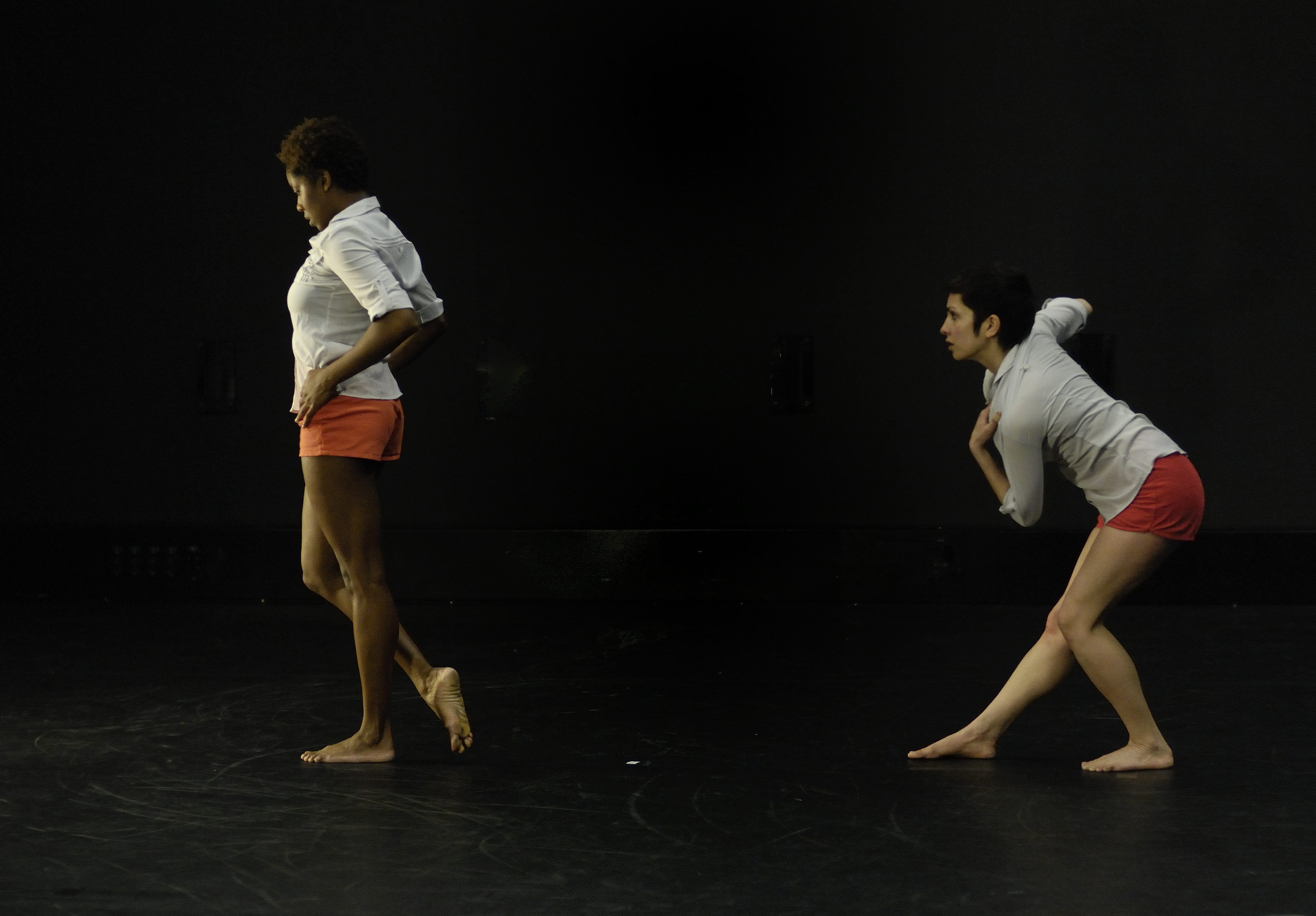
"What I thought I knew" (duo with Asha Thomas)

“What I thought I knew” (duo with Asha Thomas)

In many of the dances you’ve choreographed and performed, you deal explicitly and implicitly with identities that are hybrid, “in-between,” straddling the borders of culture, language, and nations. “The Language,” a bilingual performance in which you use words, music, and dance to share the joys and confusions of an American living in Paris, was first inspired by your Lebanese heritage. In “What I Thought I Knew,” a duo with Asha Thomas, you both draw from your personal narratives to explore the internal realizations and revelations formed in living away from one’s home. Has the creation of dances and their performance brought a new understanding of self- or cultural- identity for you? Has it changed the way you think of the concept of “identity” itself?

Yes and yes. Self and cultural identity inspires all my work. Living far from home made me reconsider my values, my past, and who I am now. The story for “The Language” was my autobiographical experience as a foreigner in Paris and a lot of the clichés that go along with being the overly smiley American here. In France, I felt and still feel very American, but when I go back home I feel a little out of place, like something is missing. I’ve lived in France long enough that it will always be part of me too, an added layer to my identity. It is true that the original idea for “The Language” stemmed from my own identity questions about being both Lebanese and American. Until my first trip to Lebanon I was always proud to say how Lebanese I was. Then finally visiting my paternal country I realized just how very American I was/am. I think more than blood, where you grow up, what language you speak, your education, your travels, and experiences shape the person you become, in short, your identity. Through the creation of dances I’m finding how identity is also something malleable, time and experience change parts of you.

Nicola Ayoub

In “The Language,” you say, “My language is a system of symbols so that I can communicate to you my yearning, my yearning to understand and be understood.  Words alone cannot convey to you how I feel.  The body tells much more.  Les mots parfois sont inutiles. And words about the body are never as illustrative as body language by itself!” How do you think words and body language function differently in their symbolization? Do they tap into different symbol systems? I realize this question may best be answered by seeing you dance and perhaps also by we, the readers, becoming more aware of our own bodies, but perhaps words can catch a faint glimpse of the difference.

Body language tells the truth; it has weight and substance. Words can be strong too, but they mean nothing if the body language with it is false. For example, I could say “I am so happy you are here. I welcome you to my home.” Sounds nice, but imagine me saying that with my arms firmly crossed, shoulders up and tense, jaw locked, and legs squeezing together and you would definitely know that my words probably meant the opposite.

Dance is a universal language. In my opinion, open arms, a twirl, a hip sway- all that is much more inviting than the word “welcome.” For Atlanta readers, the perfect example of such a warm welcome is my Uncle Nick in his restaurant Nicola’s.  You see generosity come to life through movement and music.  Incidentally, my uncle is also my biggest dancing hero.

I totally agree about your Uncle Nick! I’ve had the honor of experiencing that generosity–and of taking part in the wonderful dancing there as well.

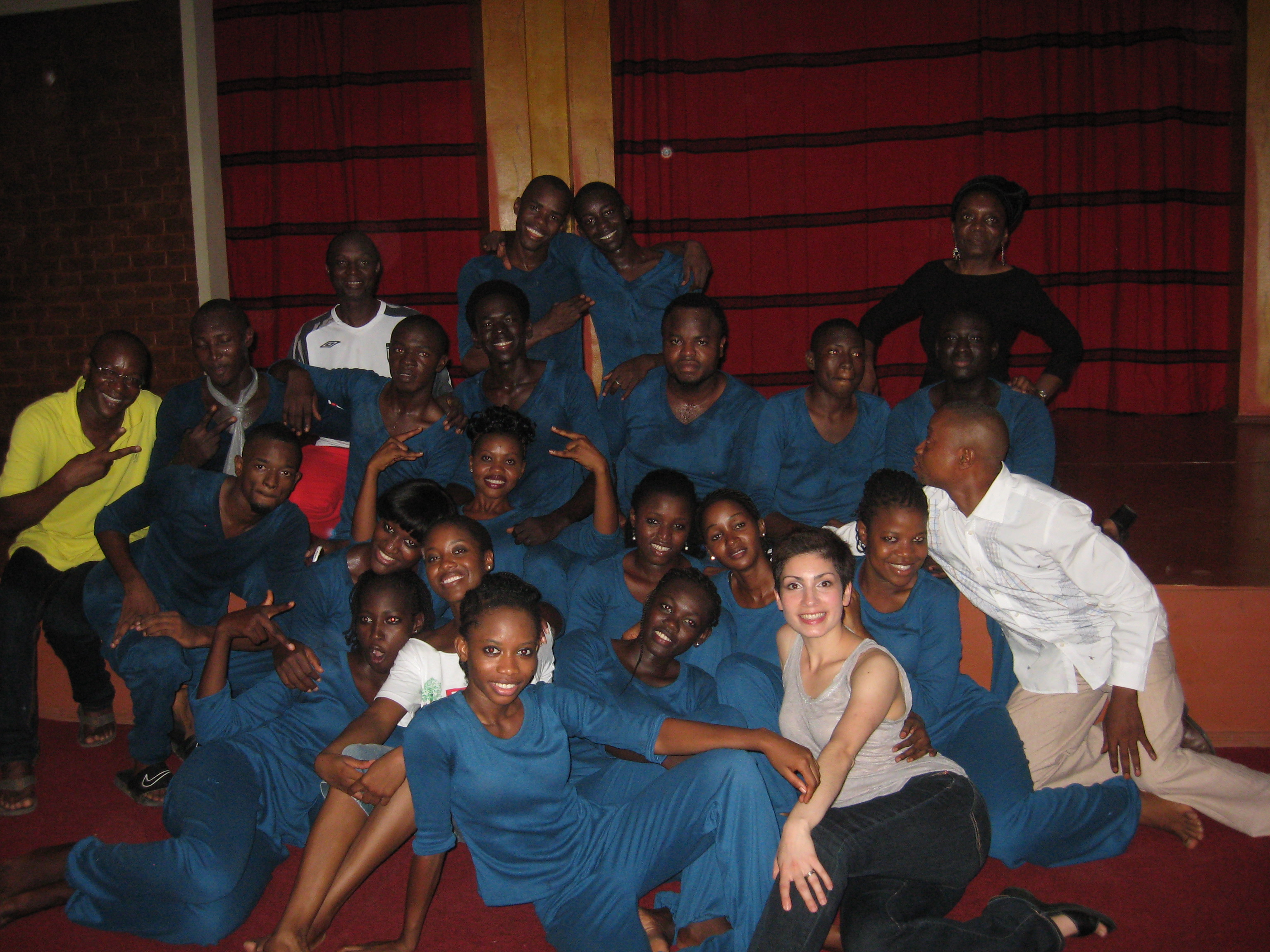
You’ve performed in “Astro Ballet” with a multi-national cast at UNESCO in an effort to promote the peaceful use of space through dance. You’ve also spent two weeks in Banjul, The Gambia, working at the Ebunjan Theatre with their troupe to help create and perform “Mystical Strings” and give the first modern dance show in that country. Could you say a bit more about these experiences? Do you think dance can really have a role in helping people from radically different backgrounds and experiences understand and relate to each other?

Yes! As I said before dance is the universal language. In the “Astro Ballet” the other dancers were Russian and spoke very little English, however, they all used classical ballet vocabulary (which is French and used by all ballet students worldwide) so I knew exactly what they were talking about with phrases like “arabesque, glissade, grand jeté.” Technically, the piece was very ballet based and we all shared the same vocabulary for these moves so I had no problem learning the steps called out or working with the other dancers. For the project in Banjul, the students had no formal dance training, no terminology so Asha and I had to be clear with our own movements and ask them to copy us. They learned some in this manner, but the first two days we thought they would never catch on to certain basic modern dance steps. Then we asked them to improvise to live drum music and WOW we saw some amazing natural dancers. Once we saw what their strengths were we could incorporate these moves into the choreography too so that they felt comfortable and then add new steps on top of it without frightening them.

I think music plays a huge role in this process as a guide, support, and inspiration to the dancers.

Banjul students after "Mystical Strings"

Banjul students after “Mystical Strings”

What are your current projects? What are some of the projects you’d like to pursue in the future?

This spring I am performing with the company Karma Dance Project (works by choreographers Alexandra Bansch and Gigi Caciuleanu) in France and Italy. Also collaborating with Greek choreographer Taxiarchis Vasilakos for his new creation “All is One.”

Specifically for next season, I want to expand the duo Asha Thomas and I started last year “What I thought I knew” and get it programmed in a Parisian theatre. Generally, I would like more choreography outreach projects abroad like I did in The Gambia. I’m hoping my dancing future will give me the chance to travel even more, meet new people, learn new dance styles, and share my own experiences.

You’ve been very successful in living your dream. If you had one thing to say to artists struggling to follow their dreams, what would you say?

It takes so much longer  “to make it” than you think and that is hard (the repeated rejection, the waiting, the lack of money I know it all well). But if you really want to be an artist, if you are starving to perform then persevere. Yes, perseverance will be your best friend.

***A wonderful update: In July 2013 Nicola and her partner Asha Thomas will be participating in another dance outreach program in Contonou, Benin, sponsored by African Regional Service (US Embassy).***

“The Language/femme fatale solo”:

UNESCO interview for Astro Ballet: