Recent

Uncertainty in Photography and Interstitial Space

by Pascal Gault

Pascal Gault-137AB1

Pascal Gault-0663

Pascal Gault-0700

Pascal Gault-04951

Pascal Gault-05401

Pascal Gault-DSC_0578

Pascal Gault-DSC_05931

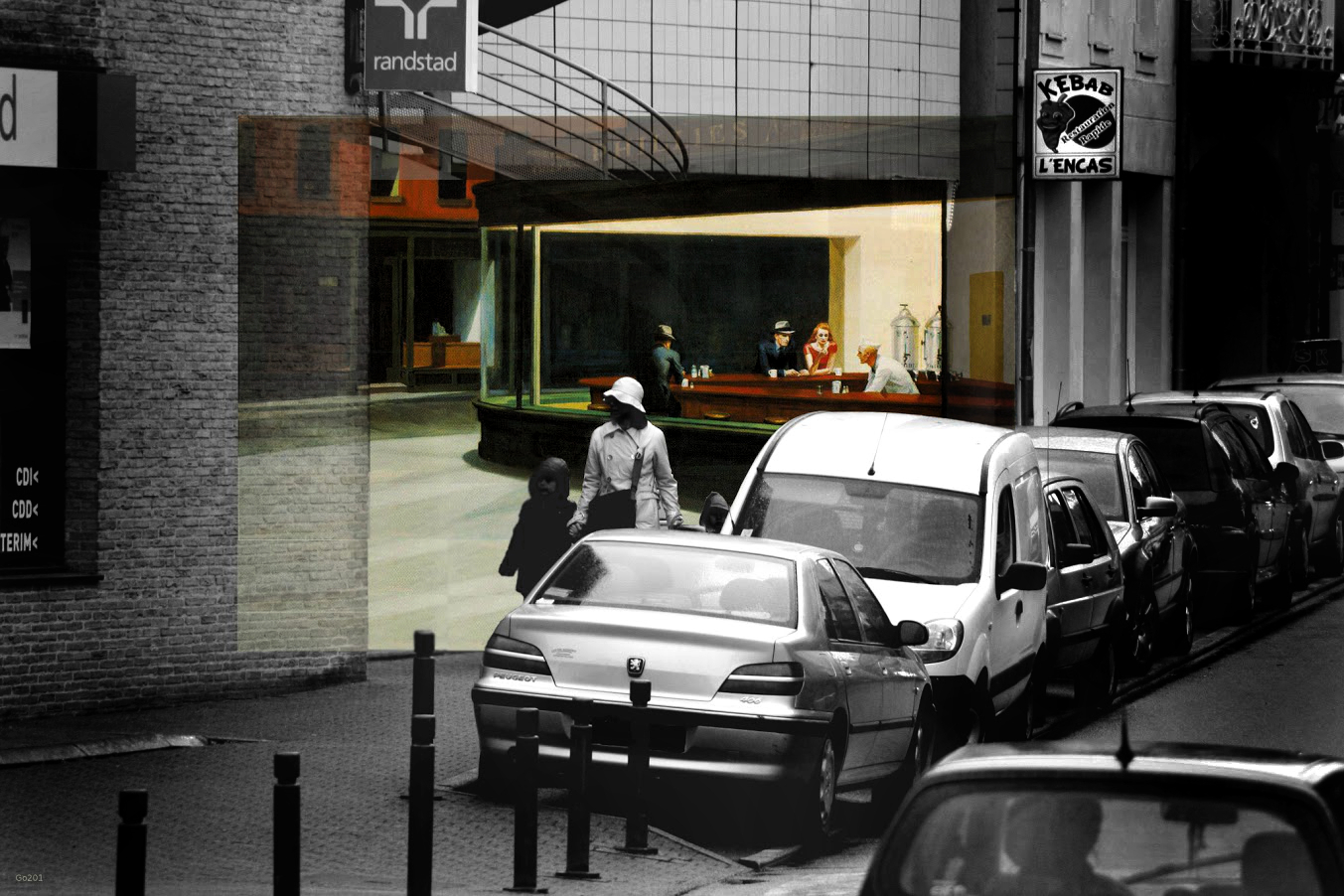
Hommage-Edward Hopper

Hommage-Edward Hopper

Pascal Gault-L1004354B2

Pascal Gault-L1004905c1

Pascal Gault-L10049031

Pascal Gault-Photo 2695

Pascal Gault-Photo 26862

Pascal Gault-auto-portrait chambre d'hotelArtist: Pascal Gault

The photograph has a very special place in my life. As a social worker, the photo complements my work. They’re inseparable. Photography is a social activity, part of our daily lives. I practiced abstract approaches to art (installation, minimalism, etc.) for a long time. While they remain an inspiration, they did not meet my deepest longings. Three years ago I went back to photography. I could pair it with my work in social action, allowing my work and longings to be in full agreement.

My work is inspired by many photographers of our time, but above all it is inspired by the artistic practices of modern art. The work of artists such as Mondrian and Max Ernst for composition, Degas for blur are my main sources of inspiration. Edward Hopper matters a lot to me—the longing in his work. He gives us that feeling of the uncertainty of the moment, of drama that happens. For me, all of human reality is in his work. This is the type of accuracy I look for in photography.

You can view more of Pascal’s work on his Google+ page.

Characters: X and I (and you)

By Daniel Boscaljon
Images by Melissa D. Johnston

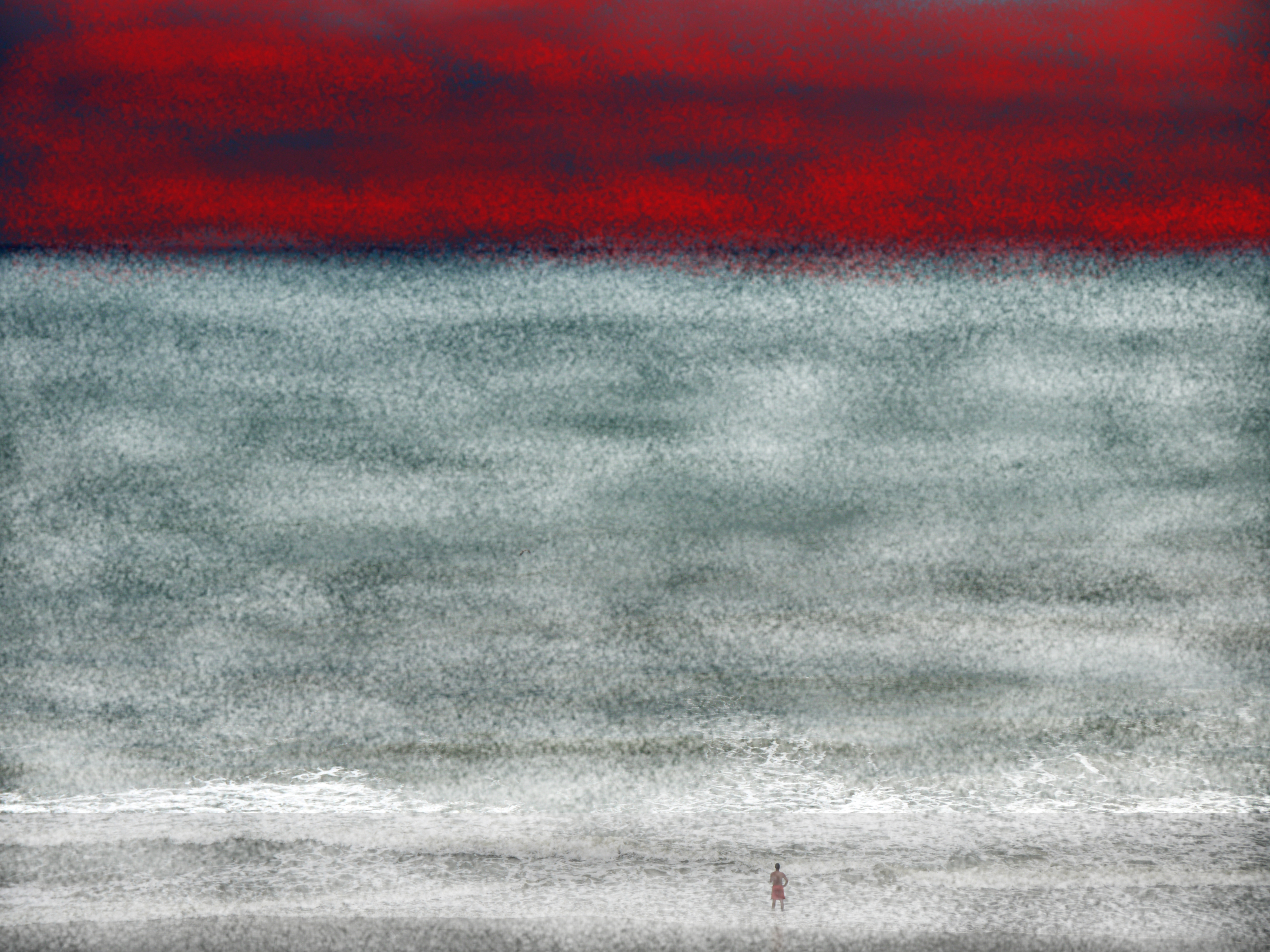
“Characters: X and I (and you)” is the second letter in a series of posts called Letters to You written by Daniel Boscaljon with images by Melissa D. Johnston (from one of her ongoing projects). Letters to You began in July with “everytime i write i feel myself disintegrate.”

rothko experiment mother and child three.1.3

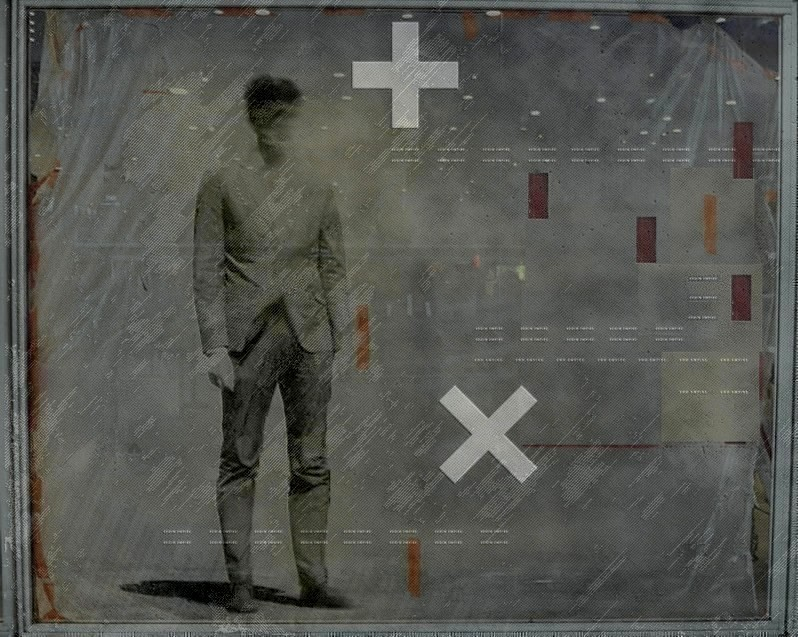
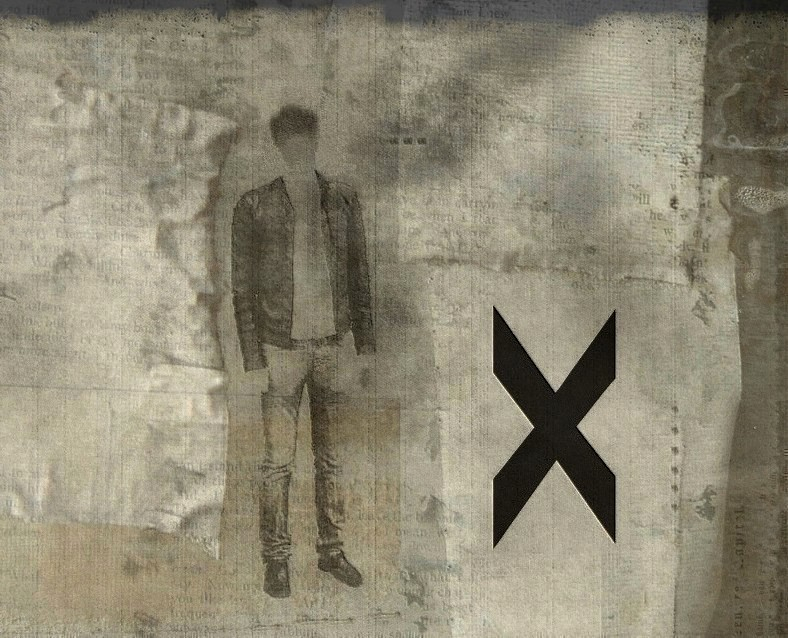
I know you to be a fan of neo-pirate cultures: thus I’m sure that you’ve heard the phrase, X marks the spot.  On a treasure map, the treasure site, hidden from sight, was always demarcated with this character.  Something similar, of course, occurs in the English Language, except that in common discourse, I marks the spot.  I am a cipher, a character.  I enter into the text, formless and empty, a spirit hovering over (and not within) the page.  Over time, you learn things and gradually my I takes shape and dimension.  But I don’t exist in reality, just as no X is ever imprinted onto the ground.  In maps and charts and texts, such characters hold significant value…but both I and X prove to be equally difficult to find.  You are such a character as well.  I thought I knew you, and knew you well.  And one day, I wake to find that you had gone, long ago.  The treasures that I had–your voice, your laughter…your insights and your sense of humor–these you had taken from me as well.  I would never have expected that you could laugh in such a hollow way, or hug me as only a distant or nervous acquaintance could.  I wanted to feel it as sincere, but this was denied to me.  In stealing your presence, you stole the past from me as well.  My memories of you are tarnished–was I deluding myself about our friendship all along?  What did I do that could make you run from me?  I would rather blame myself, of course, for a specific action or comment than realize that my ability to judge others is flawed.  And yet…even now, I cannot blame you.  Characters change.  I can become you, and be you for another.  Time passes and the sand shifts.  The map designates a space which existed once in time, but no longer.  The X remains forever arbitrary, and just as X, you.  And just as you, I.  When I judge you, I judge also myself and we all are guilty, every one of us.  Tragically, however, when the sword of judgment descends I will have your laughter in my ear, and while on the surface it may resemble the musical sounds in which I found solace, I know that as I dig I will find only hollow tones which mock me until I end.

Daniel Boscaljon has Ph.D.s in Modern Religious Thought and 19th-century American Literature, both from the University of Iowa. His interest is in the fragility and liminality of human experiences. His first book, Vigilant Faith: Passionate Agnosticism in the Secular World will be published by the University of Virginia Press this August.


Creative Thresholds is now on Twitter!

1375835189_twitter from icon finder


We’re happy to announce that Creative Thresholds is now on twitter! Come say “hi” and join in the conversation as well as keep up with the latest posts.

Honorarium

by Brent Houzenga

Brent Houzenga 2

Brent Houzenga 3

Brent Houzenga 4

Brent Houzenga 5

Brent Houzenga 6

brent from website 3

Brent Houzenga 8

brent from website 4

Brent Houzenga 9

Brent Houzenga 7

Brent HouzengaIn 2006 Brent Houzenga stumbled across a discarded photo album with portraits from the 1890s. This set off a surge of inspiration. Since then Brent has amassed an extensive body of work, attempting to breathe new life into the individuals in the photographs through vibrantly colored abstract paintings that incorporate stencil work and spray paint. His graffiti style brings a bold contemporary touch to the “old-timey” figures.

Later, Brent extended this style to contemporary portraits. He frequently uses one image over and over again, casting each subject in a new light by layering a new design on top. This allows him endless opportunities to explore the various facets of an individual’s character. His paintings are bright and bold. They draw interesting links between the past and the present, and between what we perceive and what is real.

Check out more of Brent’s work at his website. Contact him at BrentHouzenga@hotmail.com.

Critiquing “Question Bridge”: Representing Black Male Identity in America

By Christopher Hutchinson

Every year during Black History Month, there are lists of galleries offering up a redefined, reclaimed, and rethought interpretation of the Black image in art. Most of these offerings fail to live up to these promises, and Question Bridge: Black males -represent & redefine, like most, is the latest exhibition to fail.  Question Bridge was on view at the Chastain Arts Center in Atlanta until March17 2012, part of a multi-exhibition event that included simultaneous showings of the Question Bridge project at the Brooklyn Museum, Oakland museum of California, Utah museum of Contemporary Art, and Sundance Film Festival 12. In 2013 the project has shown or will be showing at the Zora! Festival, Exploratorium, Missouri History Museum, Amistad Center for Art and Culture, Milwaukee Art Museum, Birmingham Museum of Art and the Gantt Center for African American Arts and Culture, among others. The Question Bridge (film) project intends to quell the remaining divisive practices still present amongst black men for many reasons, such as age, sex, economics, and many innate boundaries in the Black community.  The format is simple and direct. One African American male asks a question then three or four different African American males attempt to Answer.  Questions range from serious to funny and celebrities, prisoners, old, young, urban, and the well to do answer the questions of Black male identity.  While this is a very important dialogue to have, the Iconic Black image gets in the way of the film’s intent to represent & redefine.  The black male image is a sign that has become the signifier for: the primitive, violence, and evil—the binary opposite of White.

Upon entrance into the Chastain Arts Center gallery, the viewer is confronted immediately by the Black Male image.  On the left, a 5 monitor video installation of the Question Bridge film, a collaborative effort by the artists Chris Johnson and Hank Willis Thomas, who co-directed the film, and Bayete Ross Smith a co-producer. On the right, 7 large-scale prints, which are dreamy, highly digitized, and romantically charged with African American imagery. A large quote is written on the wall: “ The history of the American Negro is the history of strife-This longing to attain self conscious manhood, to merge his double self into a better and true self” from W.E.B Du Bois’ Souls of Black folks 1903.  The quote references Du Bois’ theory of double consciousness.  Double consciousness conceptualizes the effect of the Black image in relation to its binary White counterpart; the awareness of that Black becomes exotic to the norm. Du Bois engaged this problem in hopes that Blacks would not see themselves as exotic, but rather the norm.

Beyete Ross Smith’s 3 large-scale photographs are not a redefinition of the Black Icon; it is the reuse of the already defined, illustrating the literal depiction of Du Bois’s double consciousness.  Smith’s interpretation is more like a regurgitation of a 2-minute skim of Du Bois, a less than cliffs notes version.  The first image Shih is a mirrored digitized profile of an Asian man looking at himself, where the only significant difference between the two is the difference of dress. The next image Nomadic Rahn is an African American man with the same format, profile and different dress. Finally the third image Shih Two is the same Asian man from before in the same format, different clothes sandwiching/ bookending the African American.  Smith’s statement claims that he is exploring the “the new gaze…that make up our entire selves”.  At best Smith achieves the illustration of duality. This is not the exotic “gaze” Du bois referenced.  Du bois pronounced the differences of hair, skin, and bone as signifiers of difference of the African American-paper bag tests, pencil tests, and facial angle skull diagrams are used to define these differences for Whites.

Hank Willis Thomas’ photograph is filled with pity and contempt- contempt wrapped in the contrived iconography of the Black male.  Thomas’s Priceless photograph is a shining example of this “pity” Du Bois does not want us to engage.  Thomas uses the very familiar Master Card commercial as the base context of this piece. The large photograph of an African American funeral at its end, by the gravesite. The photograph is covered with text “3 piece suit $250…new socks $2…9mm pistol $79… gold chain $400…bullet $0.60…Picking the perfect casket for your son…Priceless”.  This work is conceptually lazy, not because of its appropriation, but because of the way Black image functions. It fits within binary perfectly, in the defined violence already signified within the American construct of Blackness.

The Question Bridge film plays the same tune, as the rest of the work presented, an emotional invitation to further diagnose the problems with the Black mentality. Looking at those faces, some incarcerated, some tearing up, invites that pity and contempt to a project based on honest dialogue. This honest dialogue is important; it should not be on display, where you may donate to save Black men.  It becomes a plea to America to solve this African American issue that African Americans cannot solve for themselves.

The main drawback in this exhibition is the reliance on the image to adequately challenge the context of the Black male identity.  Black identity is made up of a lot of things.  Glenn Ligon Tackles it with dialectic texts.  Terry Adkins tackles it with performance.  Renee Cox with undisputed strength.  The Black male icon represented here in America, cannot be used to redefine the systemic results of the image of the Black male.  The original structure is still fully in tact, racial profiling being one of the most direct.  To tackle the issues related to Blackness, one must redefine, reimagine, rethink, and reinterpret Whiteness.  To deal with blackness alone will not change this binary structure, they are forever tied in the semiotics of race.

Christopher Hutchinson

Christopher Hutchinson is an Assistant Professor of Art at Atlanta Metropolitan College and Archetype Art Gallery Owner in Atlanta, Ga. He received his Master of Fine Arts Degree in Painting from Savannah College of art & Design, Atlanta and his Bachelor of Arts Degree from the University of Alabama in Huntsville, Alabama. He lived in Alabama for 10 years before moving to Atlanta in 2008. His installations mostly consist of black folded paper airplanes.

Learn more about Christopher and his work at Black Flight 144.

Dispatches from Atlanta: Love and Hate in the South

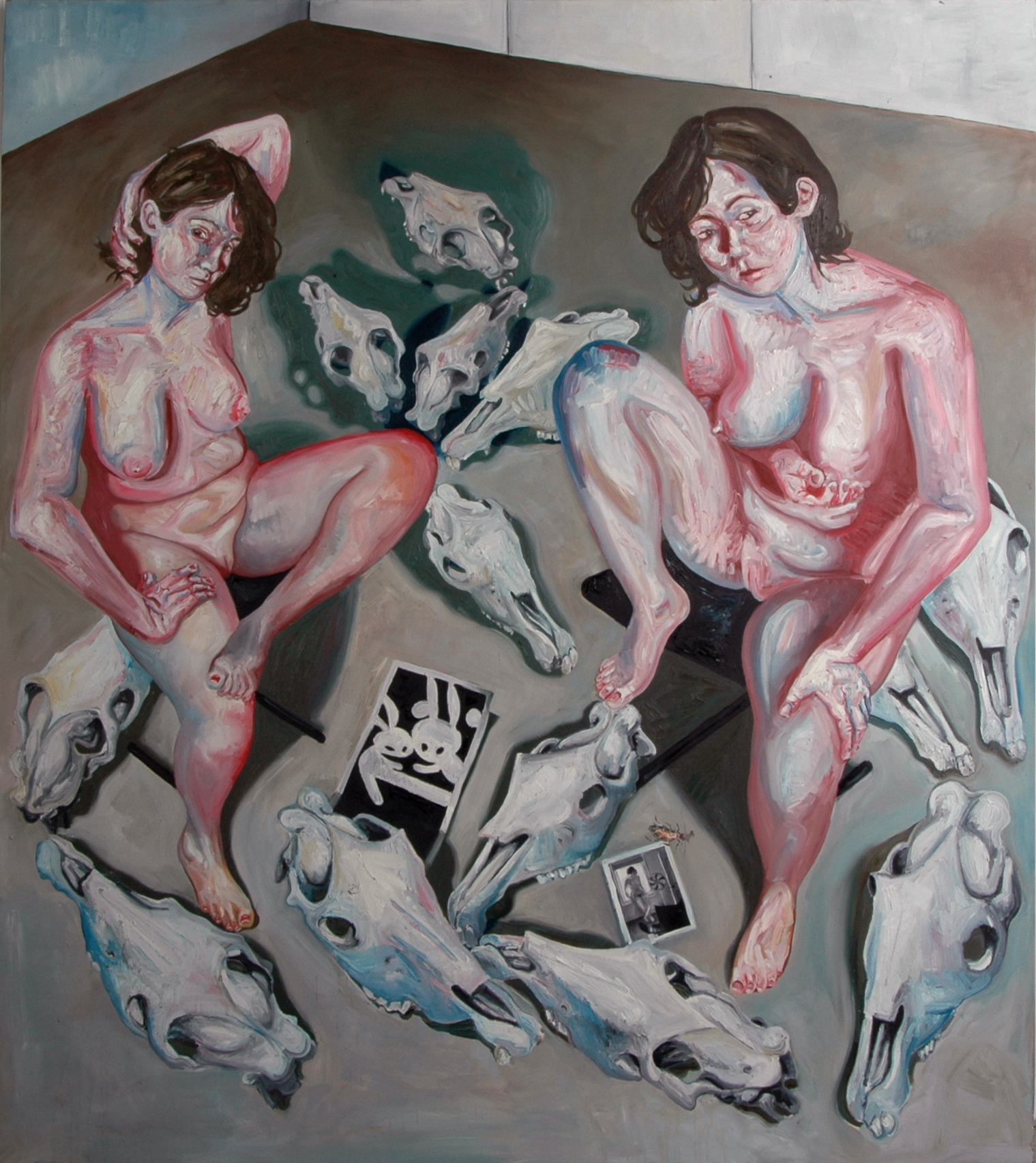
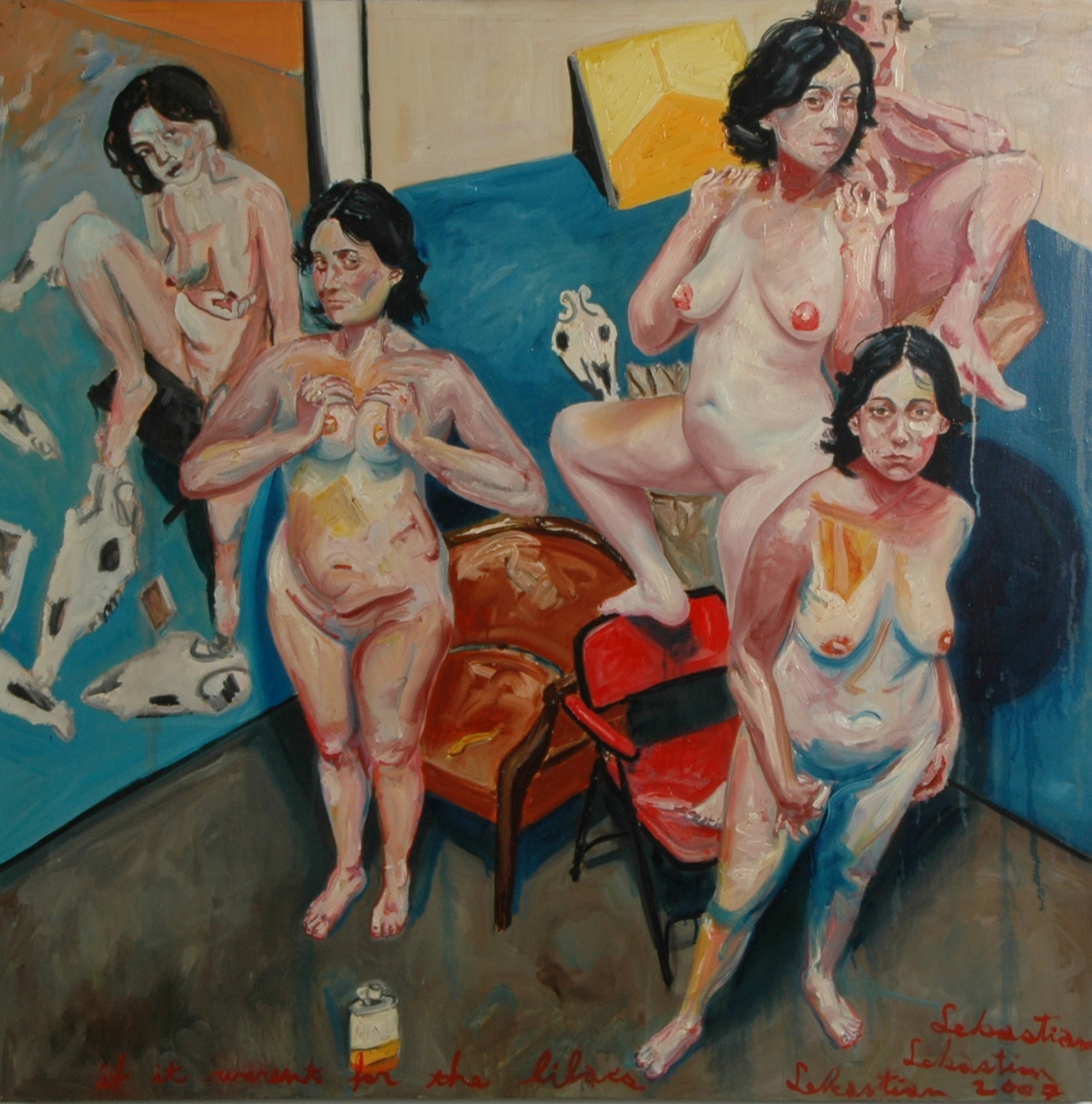
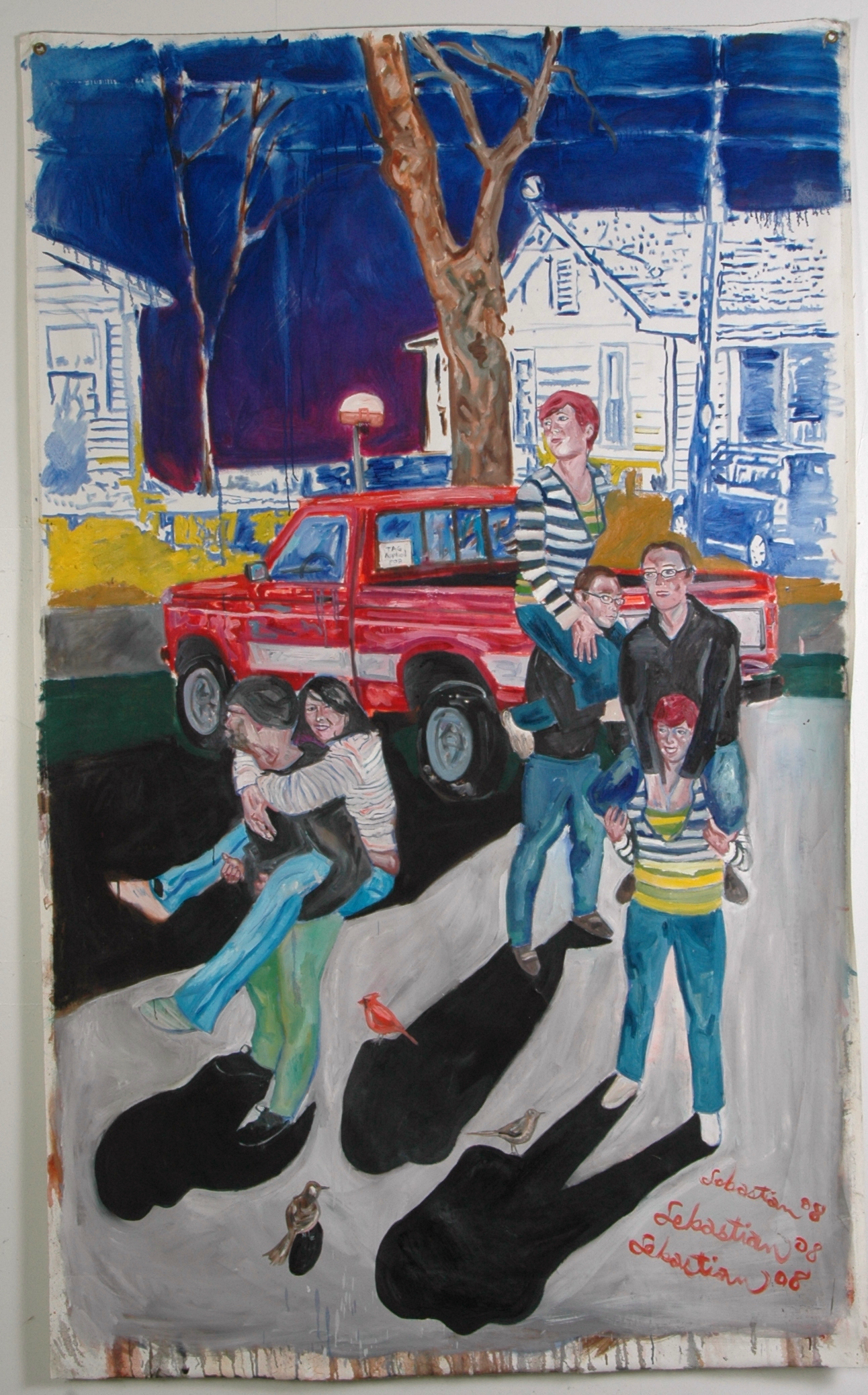
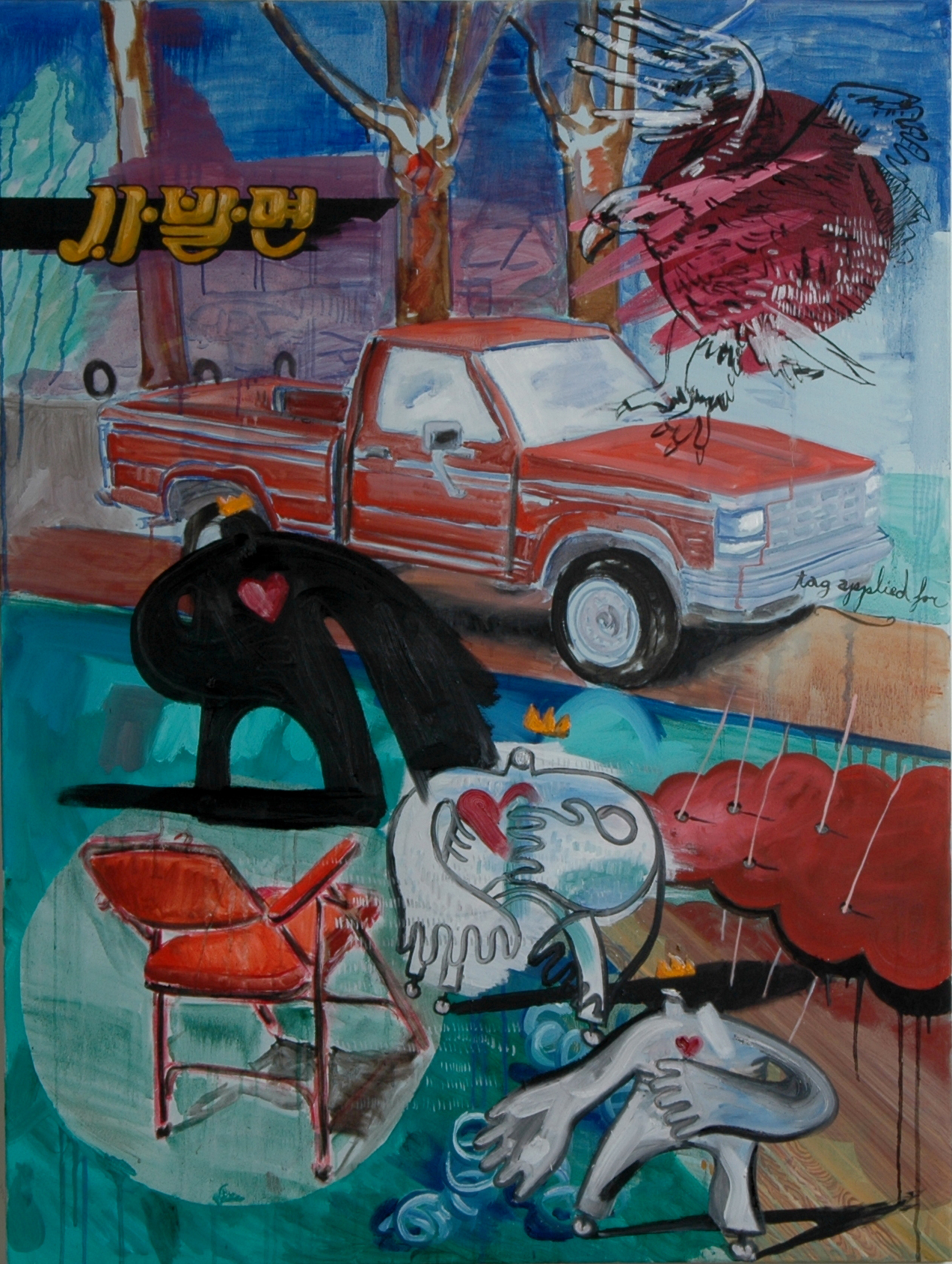
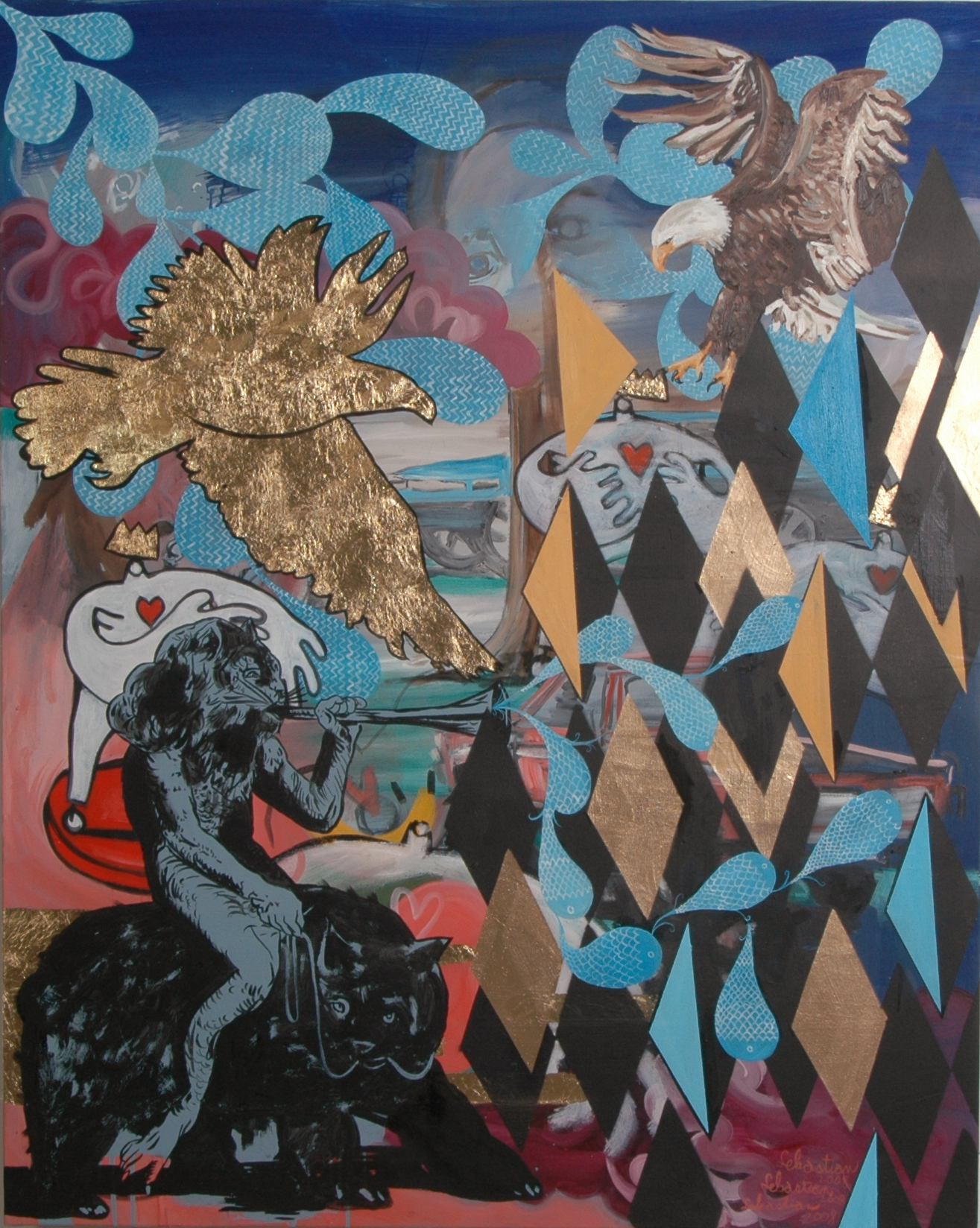
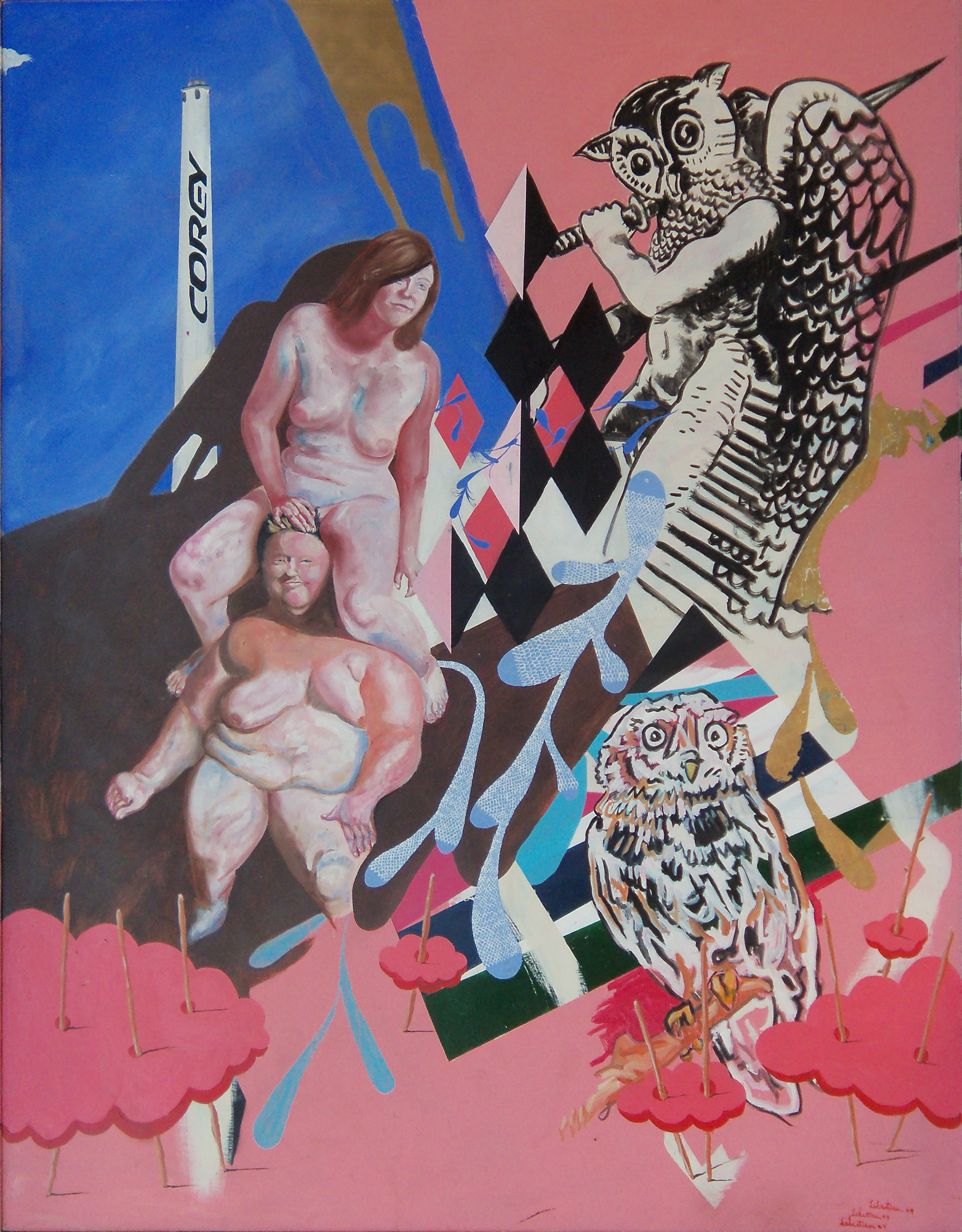
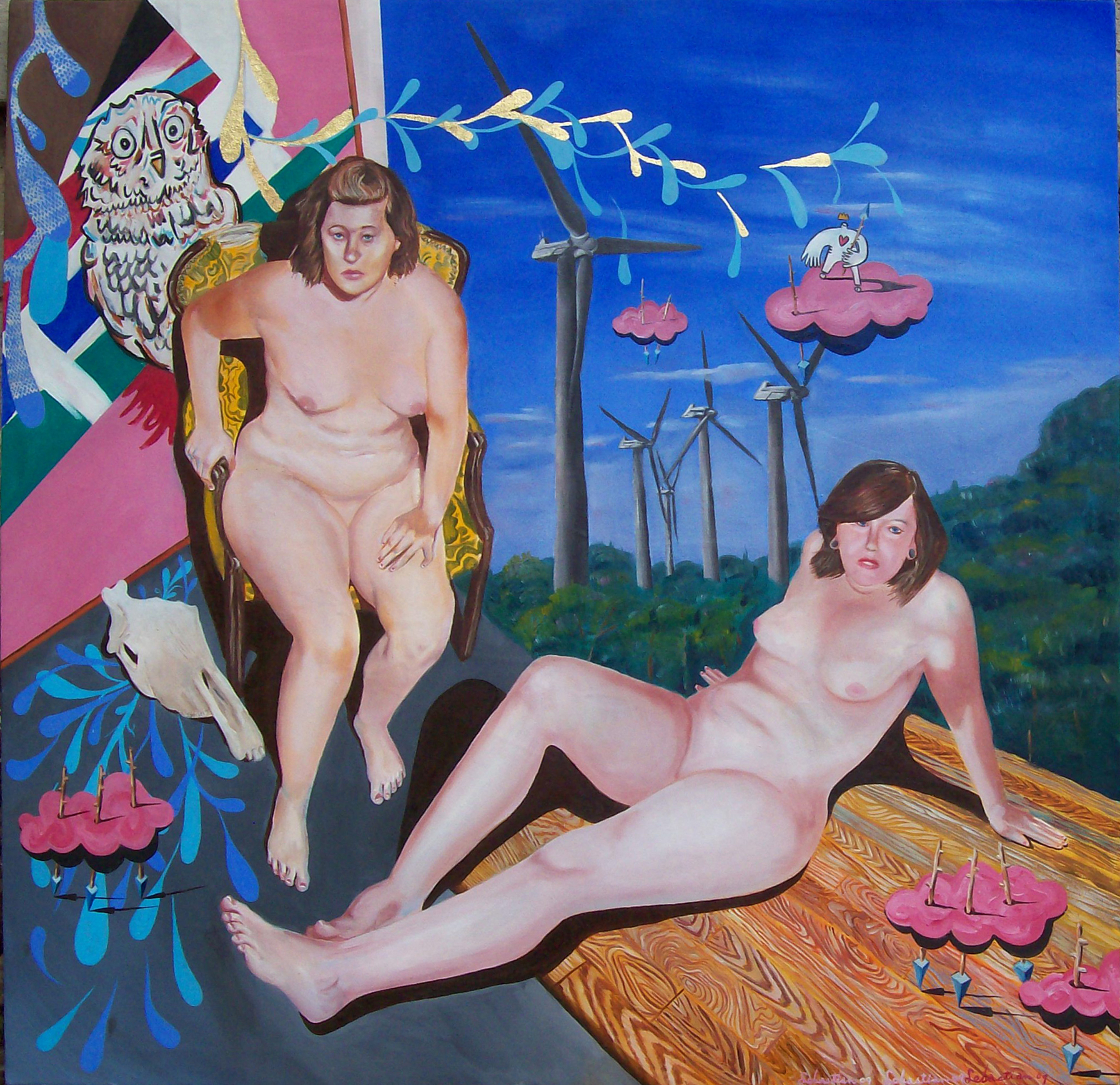
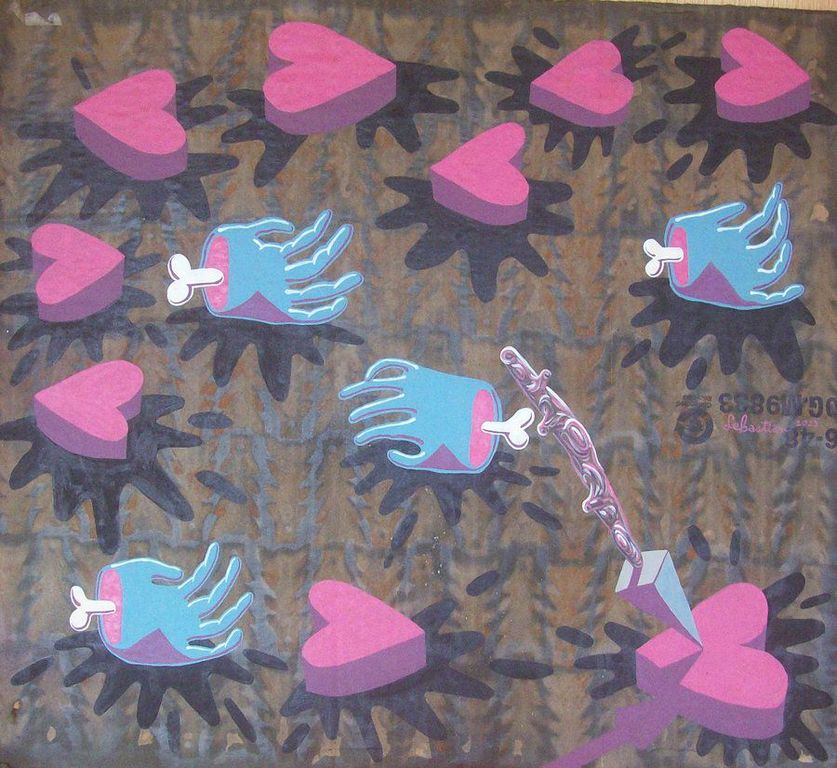
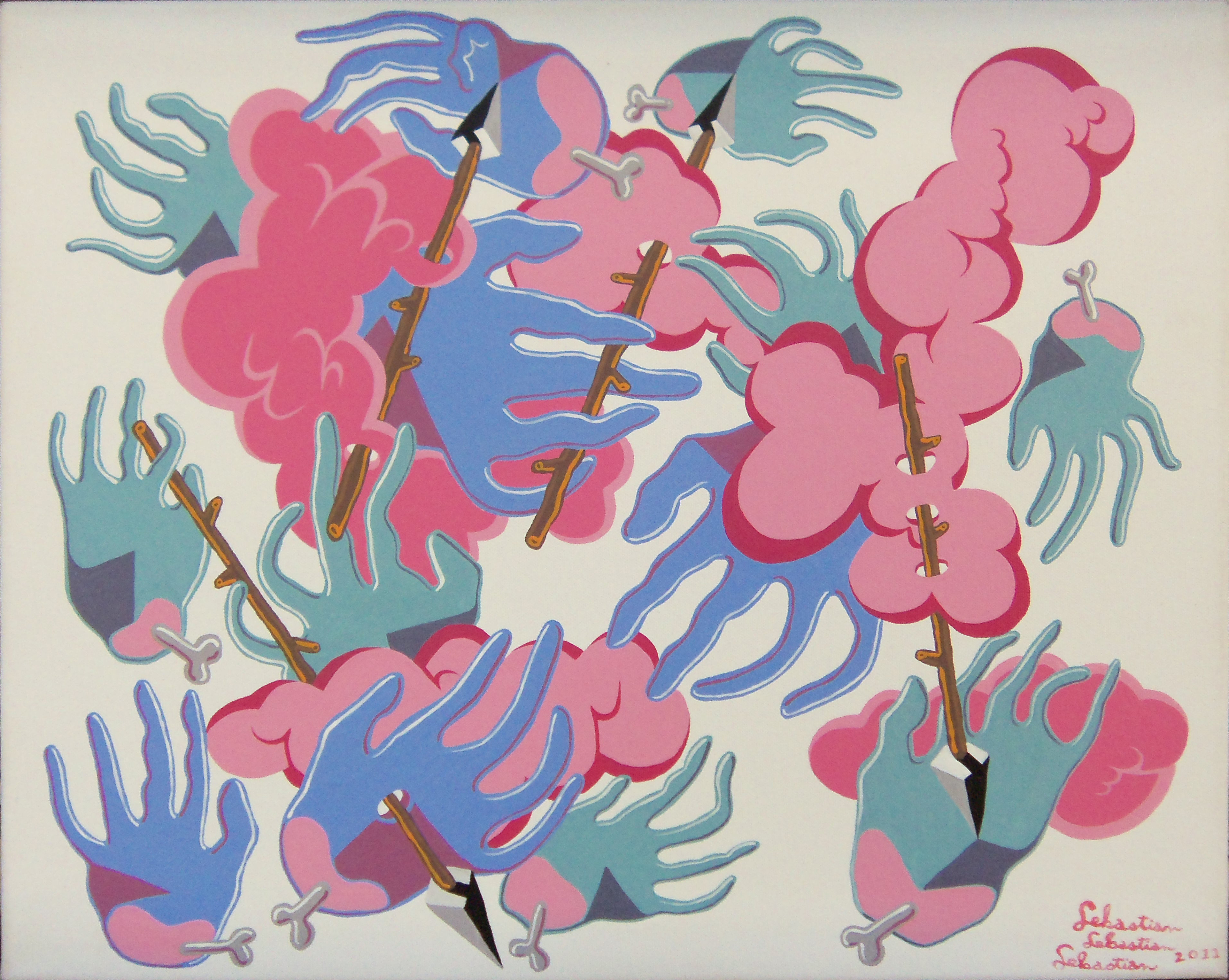
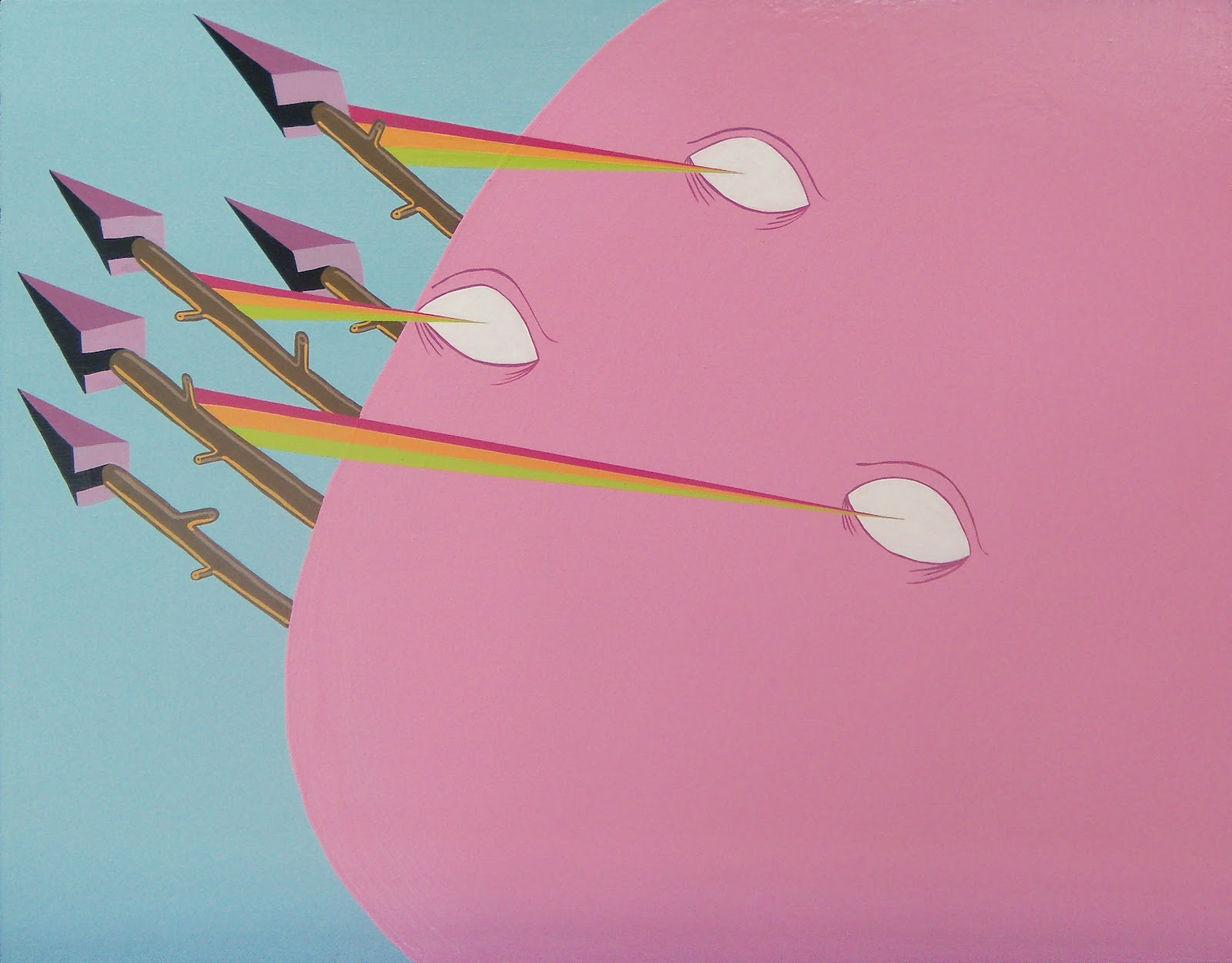
By Maxwell Sebastian

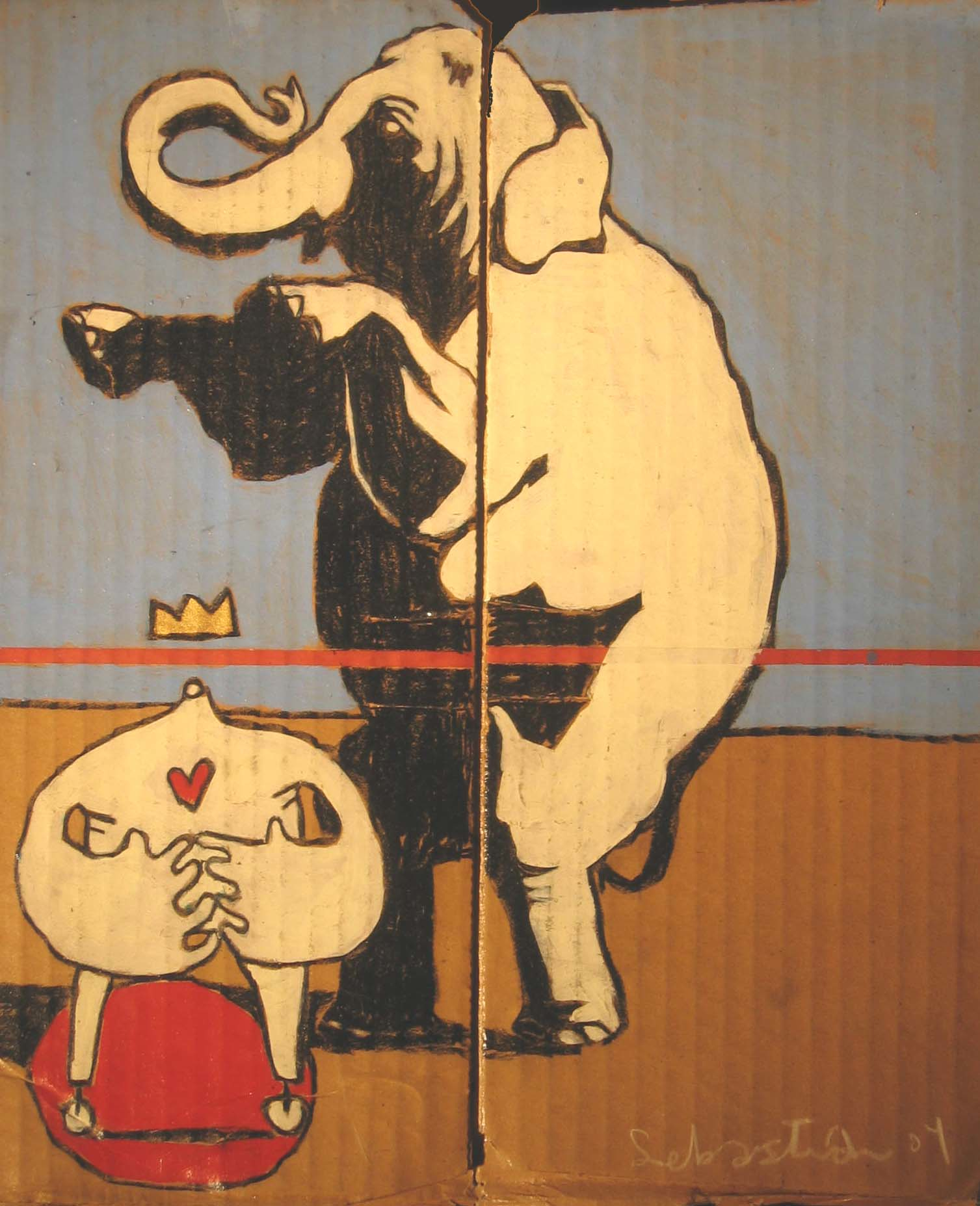
Maxwell Sebastian 1

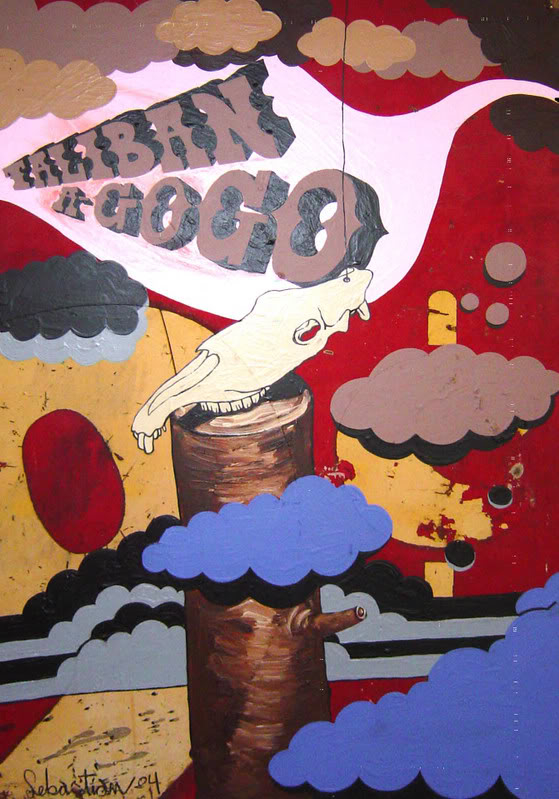
Maxwell Sebastian 2

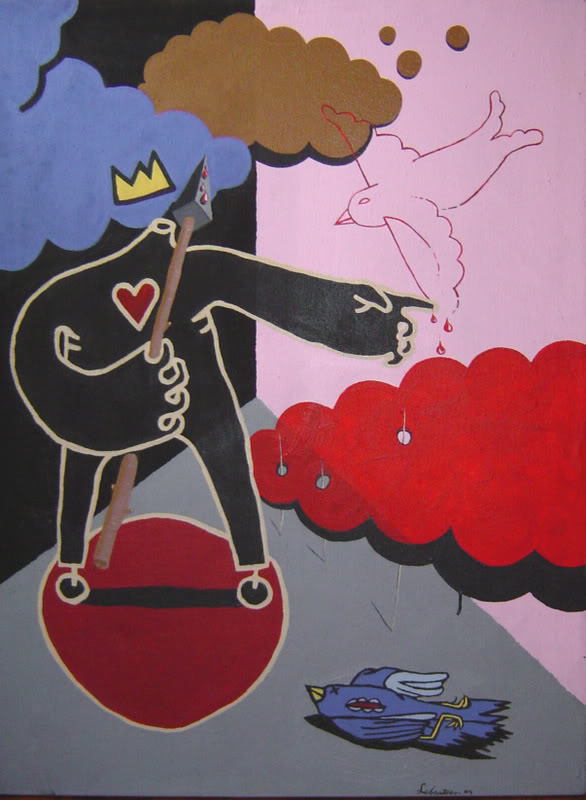
Maxwell Sebastian 3

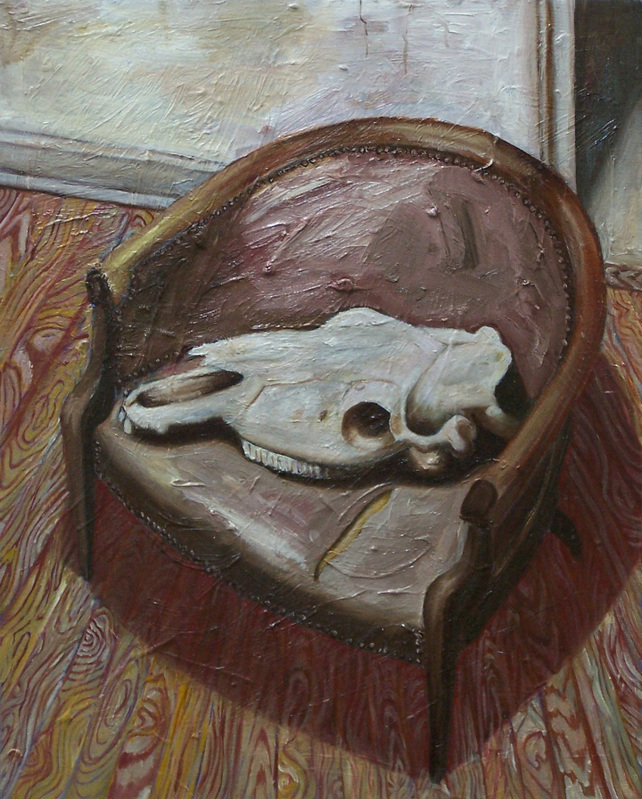
maxwell sebastian 4

Maxwell Sebastian no 5

Maxwell Sebastian no 6

DV IMAGE

OLYMPUS DIGITAL CAMERA

Maxwell Sebastian 9

Maxwell Sebastian 10

Maxwell Sebastian 11

Maxwell Sebastian 12

Maxwell Sebastian 13

Maxwell Sebastian 14

Maxwell Sebastian 15

Maxwell Sebastian 16

Maxwell Sebastian 17

Maxwell Sebastian 18

Maxwell Sebastian
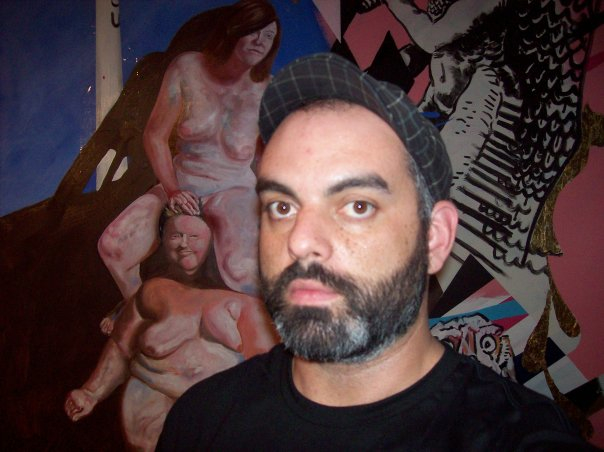
Maxwell Sebastian was born in 1979 in Atlanta GA. He spent his early years in the metro Atlanta area, but moved and spent his teens and early 20’s in Philadelphia, PA. 2002-2003 brought him back to Atlanta. He’s a self-taught artist and has been exhibiting since 2000-20001. Check out more of his work at his website.
everytime i write i feel myself disintegrate

By Daniel Boscaljon
Images by Melissa D. Johnston

“everytime i write i feel myself disintegrate” is the first letter in a series of posts called Letters to You written by Daniel Boscaljon. His writing is joined by images from an ongoing project by Melissa D. Johnston that incorporates similar themes from a different perspective. We hope the two create an interesting dialogue for the reader/viewer.

rothko experiment B1.1.2a

i write to you here partly because i know that you will not read it.  you do not have the time to drown in my oceans of words, to work through the sentences and sentiments that i wish to put forth.  i write, nonetheless, in the hopes that perhaps others will benefit from the words meant for you.  these words are all my flesh made text: each time i think about you it is almost always in the words i wish i was speaking or writing, words that i want for you to hear or see or feel.  i want my words, like my hands, to be able to touch you: i write despite knowing that they do not and cannot.  i open my veins and watch the words spilling out onto the screen, pouring from my heart, pumping outward, showing up in so many fragments.  words and spaces, black pixels separated by white spaces all so someday when you have the time and emotional energy i can attest to the fact that i never left you behind but was waiting to do anything i could.  everytime i write i feel myself disintegrate from an illusory whole to a mass of differences and separations.  a text is not any sort of unity.  the words and worlds swirl out of me and i lose myself in them to find myself out of them, to show you who i am through them.  this is all that i can do.  i write my flesh made words: each is an opportunity for a certain sort of consummation, a meditating mastication, thoughts for you to chew through, food for thought.i want you to devour each of these as a message for you, to taste me through the bland universal medium of language, to see my fingerprints in the phrasing of every sentence and the choice of every word.  rothko experiment B1.1.2awhen you miss me, i want these here for you to find, to take comfort in, to relish, and to remember the times when conversations could be held face to face.  these words are mirrors: when empty, they reflect the emptiness within me.  when exhortations, they reflect the strength in which i long to hold you.  when full of laughter, they reflect the echoes of the joy you once introduced into my life–for nothing inside of me can any longer be separated from whom you have let me be.  these words and letters are my own private army, and i am their general: i command them and send them forth into the world on a mission to convey the message of love able to be seen and heard throughout the world.  their failure is a reflection of my failure.  it is possible that these words unread merely lie dormant, as a spy in an enemy nation, waiting for the right time to take charge and complete the message.  it is equally possible, however, that they are an army which will expire without the resources that you would bring to them, that unread they will be squandered, and that the corpses of the words will be found too late becoming only a curiosity to be enshrined for tourists within a museum.  rothko experiment B1.1.2aevery series of words and letters are an attempt to form a bridge to you: they are my workers which move from me into the abyss of silence, working their ways to find you in the hopes that they will connect.  i am rooted to a million bridges, spanning from my soul into nothing.  the bridges never close: my heart continues to love through them, despite the fact that they lead nowhere and into nothing, in the hope that someday all of the bridges will once more connect to you and we will once again become one.  what else can i do? i write here in a space that you cannot see, in a medium that can be destroyed, with anonymous words that can be lost and misconstrued.  i write for a you who does not currently exist: each message is a message from who i was in the past to someone i hope to find again in the future.  will you read this tomorrow?  next month?  in ten years?  when you read, will the bridges still return to me, or will they be magnificent edifices cutting through the nothing, supported by nothing on either side, hanging silently and orbiting in the vast void which has become our lives?  i cannot know.  i merely trust, and write. i am the words that i write, and i can do nothing else.  this is all i have.  you read all that i am, stripped naked before.  vulnerable.  and now what will you do?

rothko experiment B1.1.2a

Daniel Boscaljon has Ph.D.s in Modern Religious Thought and 19th-century American Literature, both from the University of Iowa. His interest is in the fragility and liminality of human experiences. His first book, Vigilant Faith: Passionate Agnosticism in the Secular World will be published by the University of Virginia Press this August.

Creative Thresholds Now Has a Facebook Page

Facebook logo-free for commercial use

We’re excited to announce that Creative Thresholds now has a Facebook page. Please stop by and introduce yourself or just look around. We’ll be posting weekly and look forward to it becoming an interesting and fun place for CT readers and artists to meet, talk, and play.

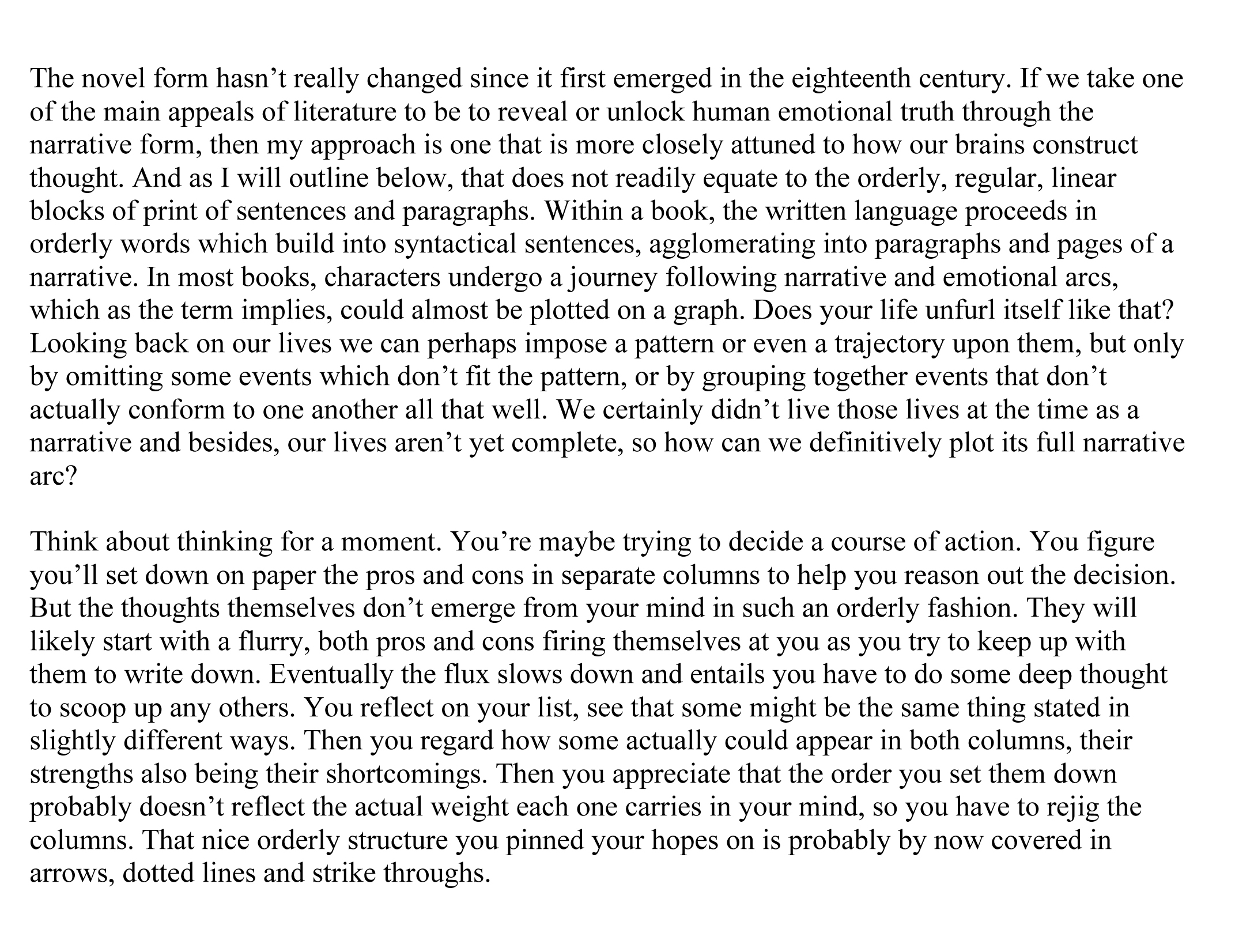
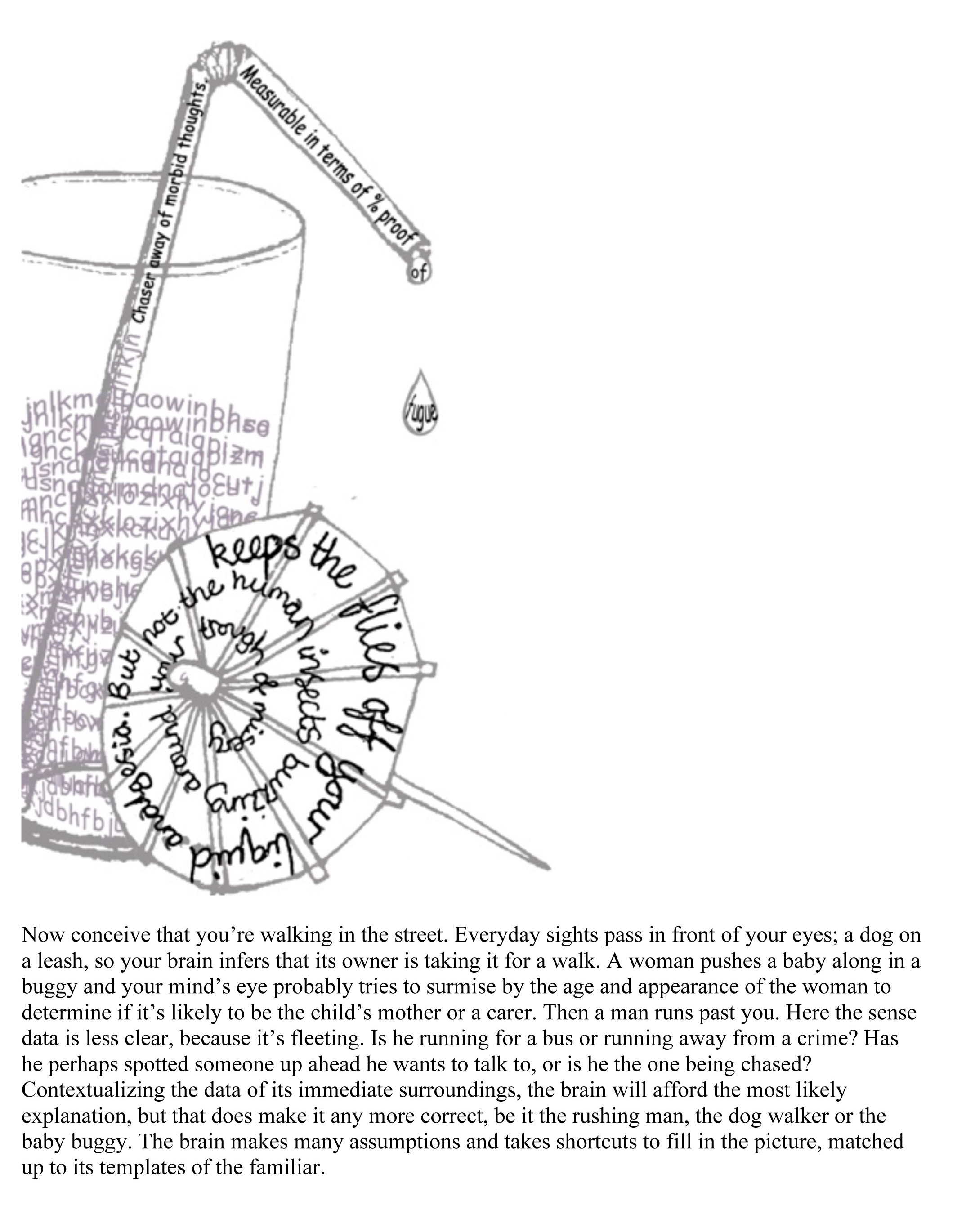
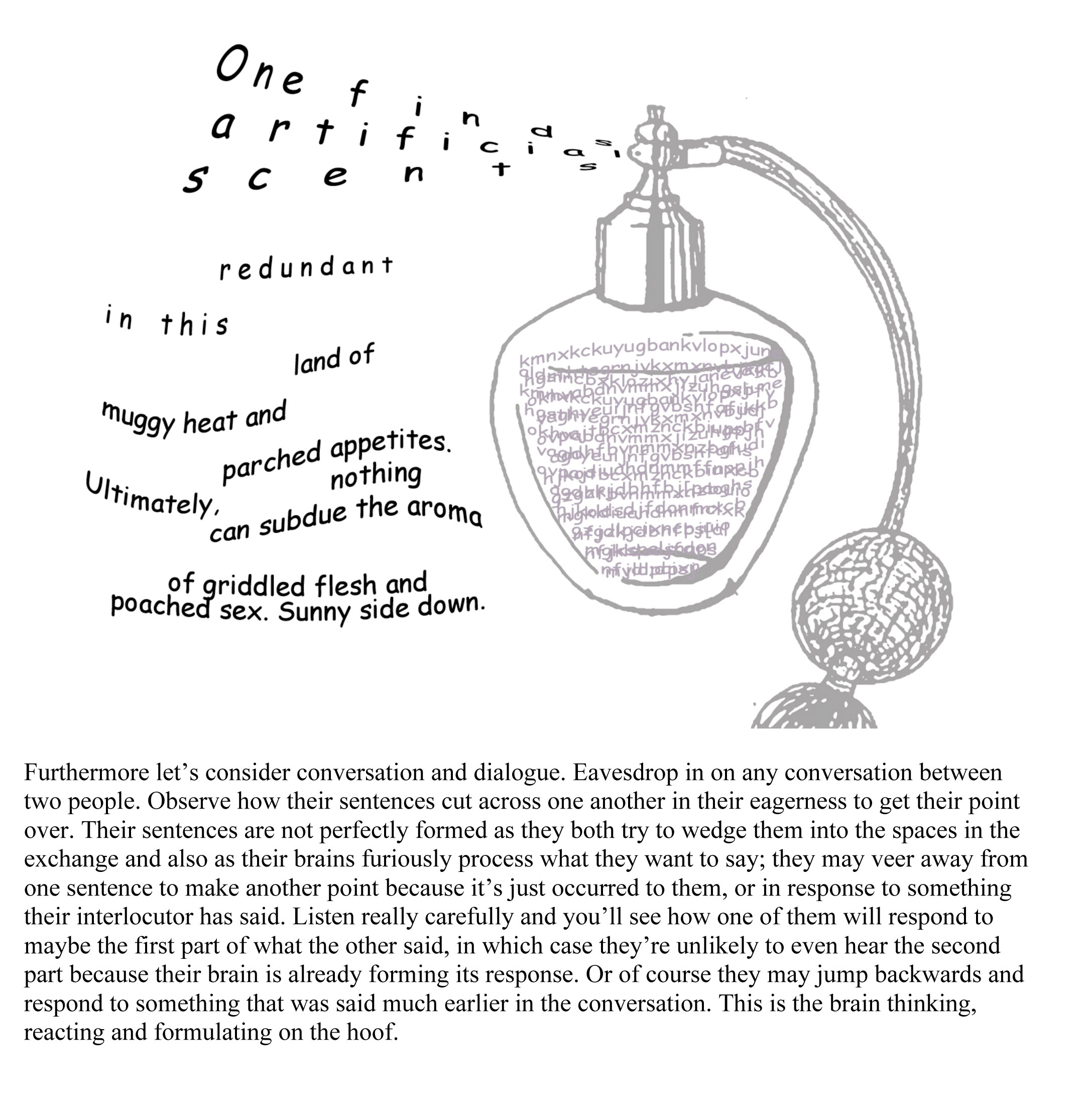
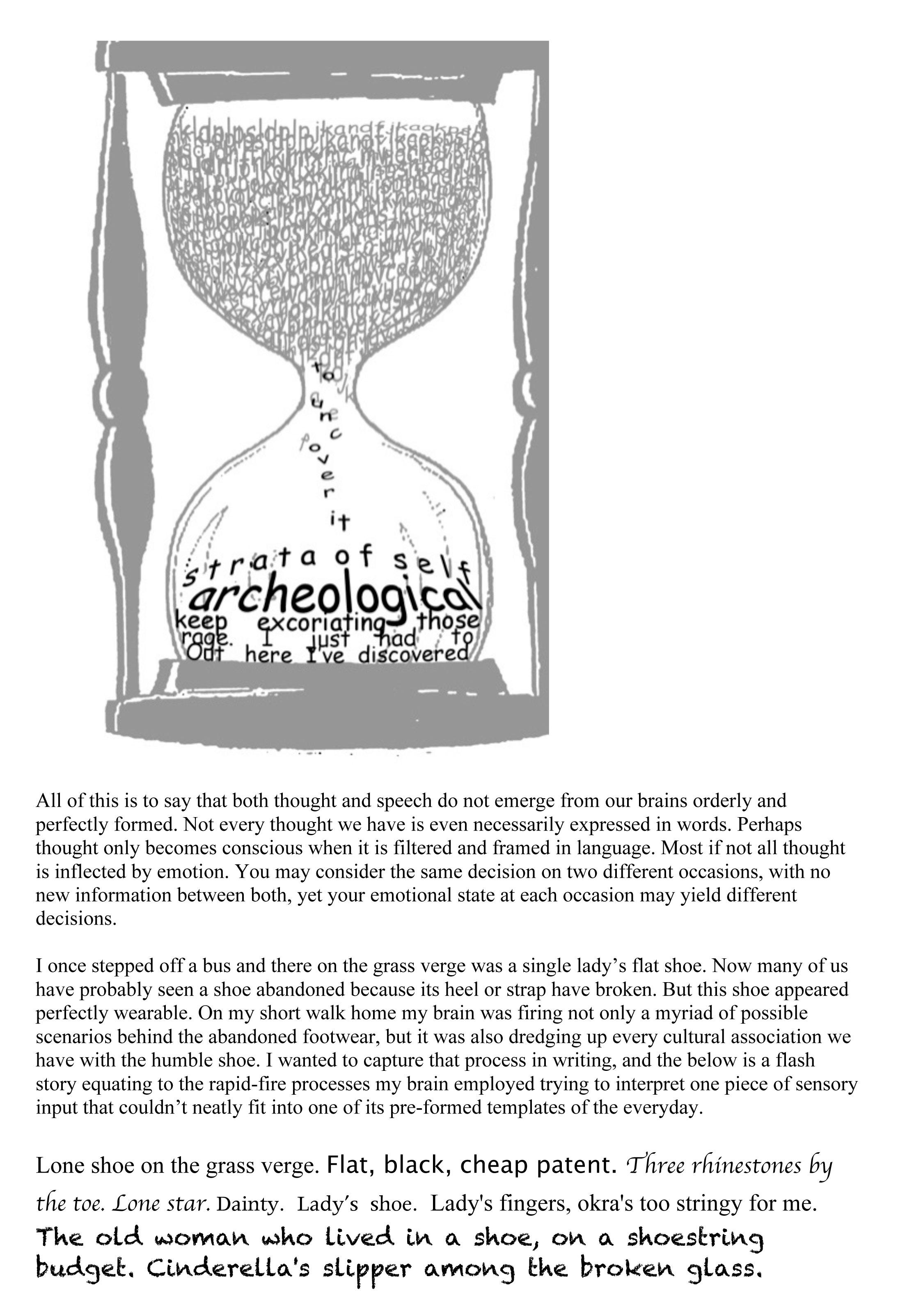
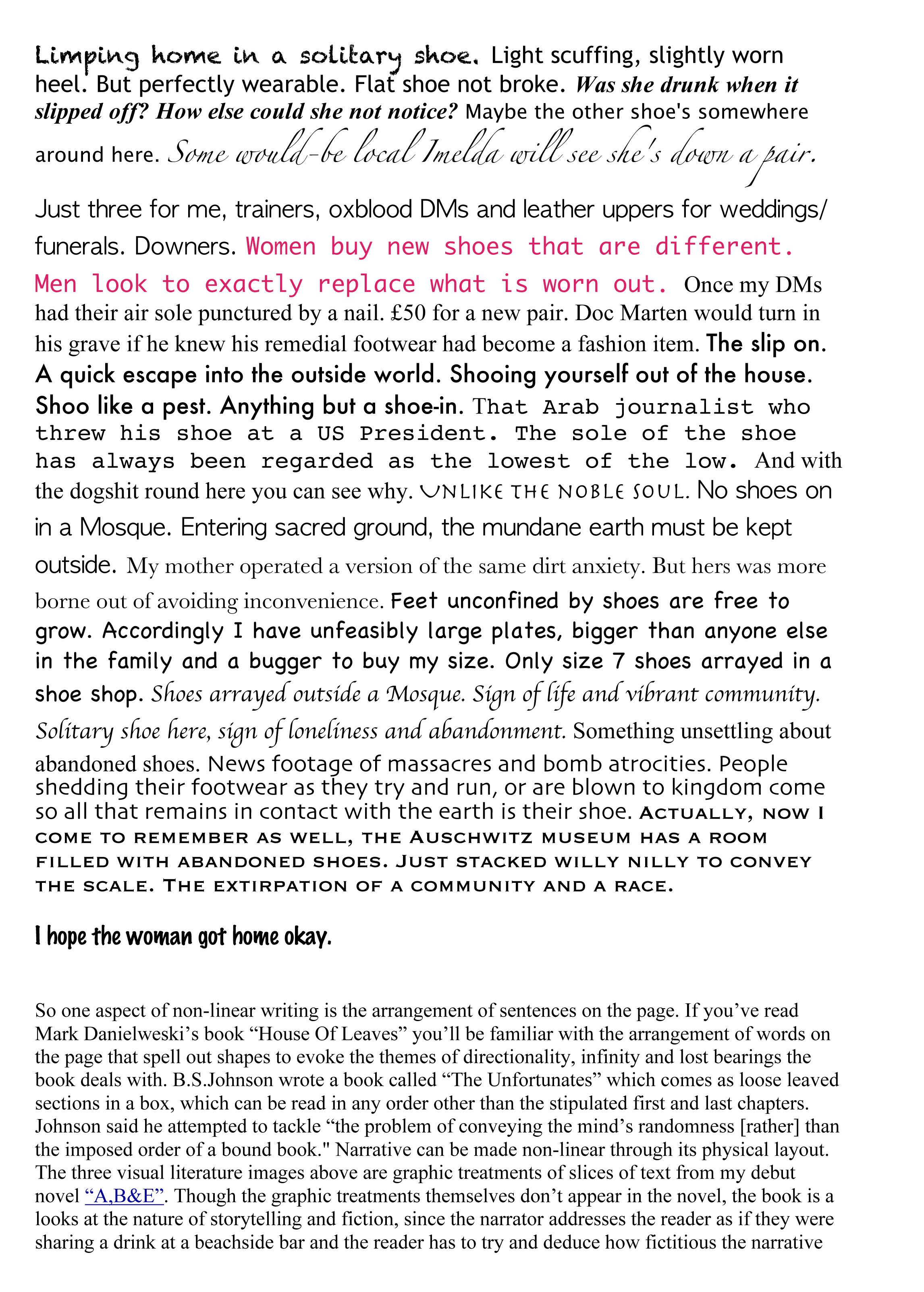
Towards A 21st Century Literature

by Marc Nash
Marc Nash-Non-Linear

Marc Nash-Non-Linear

Marc Nash-Non-Linear

Marc-Nash-Non-Linear-pg-4

Marc-Nash-Non-Linear-pg5

Marc-Nash-Non-Linear-pg-6partAcrop


Marc Nash-Non-Linear

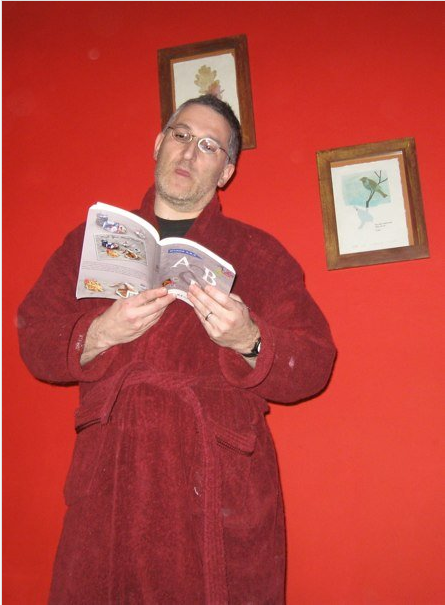
Marc Nash Marc Nash has worked twenty years in the counter-culture in the music business and for the last 4 years has been working in the freedom of expression realm. He lives, works and performs in London. He is the father of twin teenage boys and coached their soccer team which caused more sleepless nights than anything to do with literature. he has published 6 books, with a seventh due out later this year. He has two more kinetic typography videos and two storyboarded graphic novels to collaborate on.

Marc Nash’s Flash fiction collections:
“52FF”
“16FF”
“Long Stories Short”

Marc Nash’s novels:
“A,B&E”
“Time After Time” (structured around The Butterfly Effect & Schrödinger’s Cat)

Marc Nash’s Blog

Modified Reality

by Franck Balestracci

Franck Balestracci-Collage 01

Franck Balestracci-Collage 02

Franck Balestracci-Collage 03

Franck Balestracci-Collage 04

Franck Balestracci-Collage 05

Franck Balestracci-Collage 06

Franck Balestracci-Collage 07

Franck Balestracci-FB Collage

Franck Balestracci  Avatar

Artist: Franck Balestracci

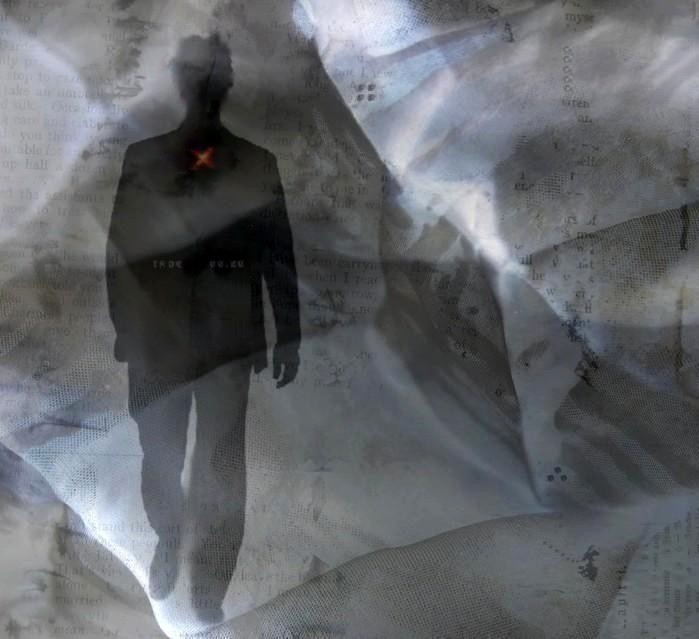
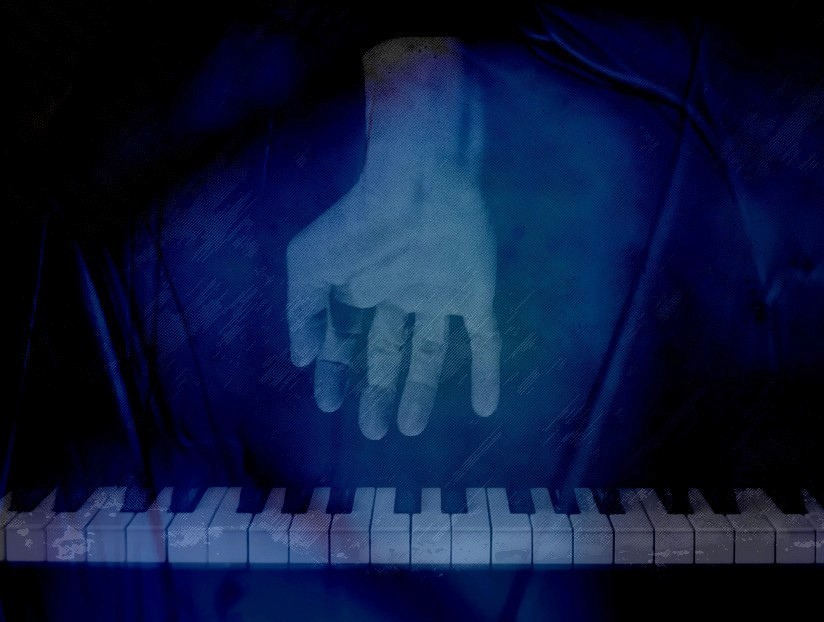
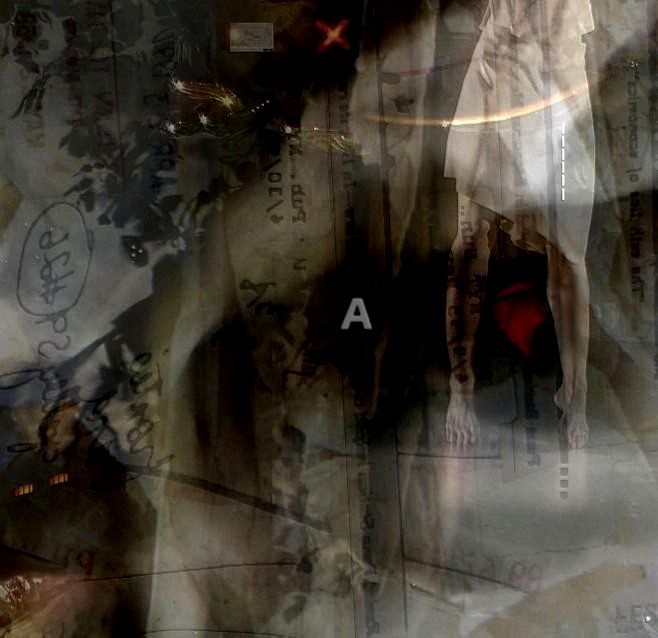
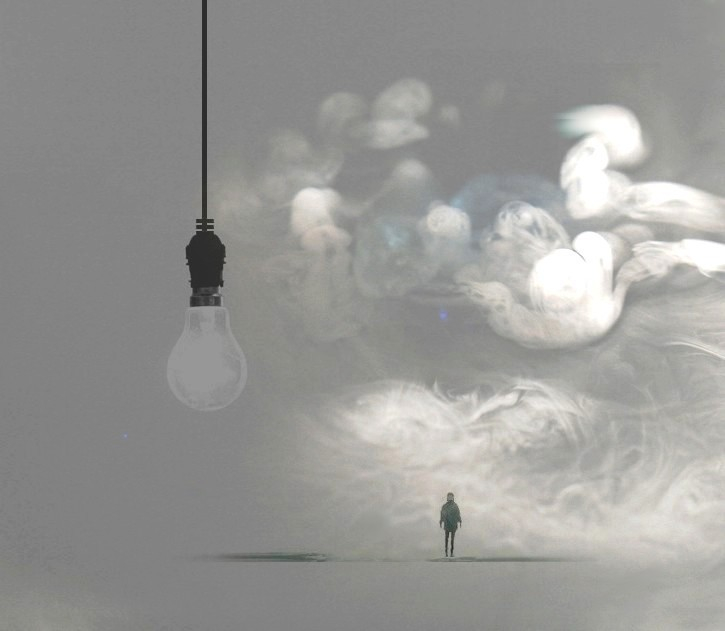
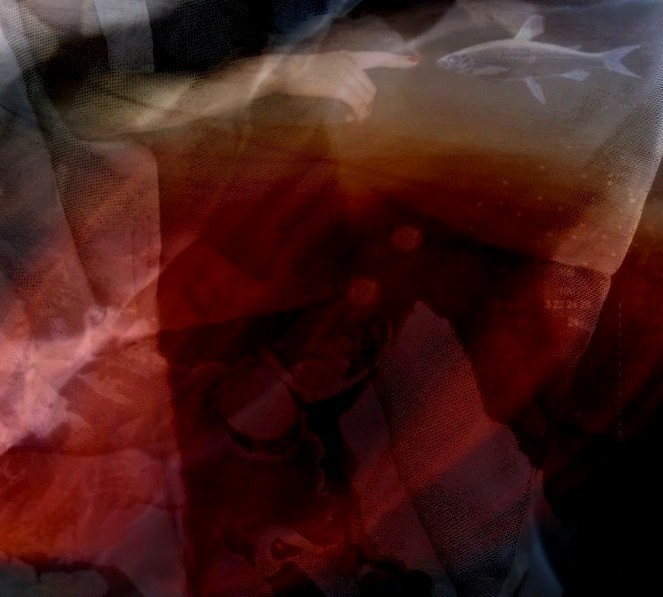
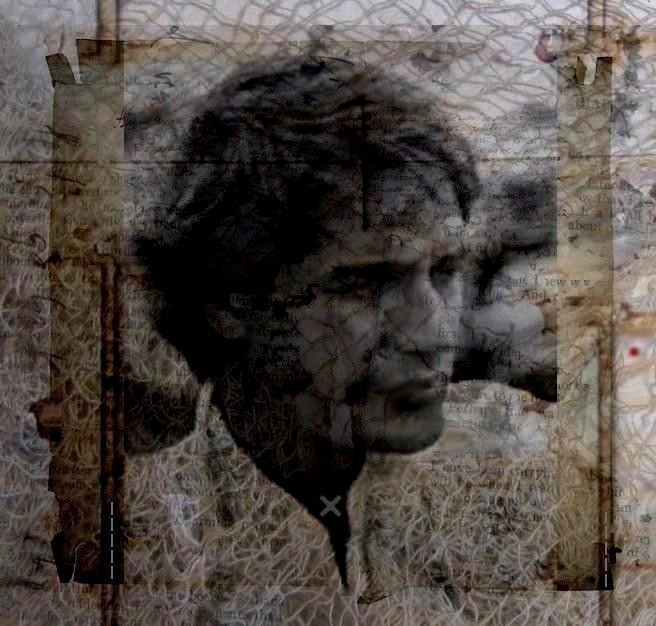
I am a French musician and composer. My music is an itinerary, an invitation into my world perception, my relation to things, to beings etc. In my pictures (digital collages), indirect, transformed, I try to translate modified realities as furtive snapshots. I’ve always incorporated the association and interaction of sound arts with visual arts in my concepts. Each of these visual “samples” is the expression of a view of what surrounds us.

Web Sites:
http://www.franck-balestracci.fr.nf

http://www.franck-balestracci.infos.st