Recent

Bad Delivery

by David G Shrock

about

This story is part of Kandy Fangs: Venom web-series of non-linear vampire stories at www.KandyFangs.com. Different parts of Venom feature different characters including Peter, Kandy, and the Thyme family allowing the reader to follow only one perspective or read all for different experiences.

Kandy Fangs (1) book cover

The grand opening was three days away, on Hallowe’en of all nights, and Peter Gray still needed to finish hiring the staff. Would the bartender, Kyle or Cal—whatever his name was, consider working an extra shift? It seemed like a quarter of Roseland was out of work, but he couldn’t find enough employees meeting his father’s standards. It would be easier to forget fine dining, open a simple public house, but he had made a promise. Even if he screwed up nearly everything else in life, promises he meant to keep. His word given to a man on his deathbed put wiggle room on short supply.

Pushing the last table into place, Peter surveyed the area making sure there was more than enough space for some large man swinging elbows to pass without knocking someone on the head. As he stacked a chair upside-down on the table, a high-pitched squeal coming from the kitchen startled him. The sound of fracturing wood made him cringe.

In the kitchen, everything gleamed, white walls and silver-wired shelves. Pots, pans, and knives hung on a wall. The shelves at the back were still empty, and the slicer was nowhere to be seen leaving an open space in the middle where Boris crouched over a crate. Splintered wood broke the serenity of the tiled floor.

Pulling on a crowbar, Boris grunted. Another nail squealed as the lid popped up leaving just one corner still attached.

“Boris,” said Peter, “what the hell is that?”

Boris waved the crowbar at the crate. “The door to the freezer, I imagine. What else would it be?”

Taking up the corner of the kitchen, the walk-in freezer appeared like the opening to a dark, empty cave. He had already rescheduled the meat delivery twice, and needed that freezer door before the big day.

“Boris, that isn’t the right shape for the walk-in. A skinny door, maybe.”

The wrong shape for any door, really, the crate appeared more like it held something the size of a coffee table and plenty of padding.

“Some assembly required,” said Boris. Another pull popped the crate open, and he leaned the lid against a wire shelf. Staring into the open crate in bewilderment, he rubbed his face.

A coffin. Black, glossy under the bright florescent lights, the box appeared ominous sitting snug inside the crate. At the corners, packing peanuts provided padding along with Styrofoam blocks on either side at the narrow end of the coffin.

For a moment it felt as if the afterlife had shipped his father back to him, but the old man rested underground in a white casket. No, this was a mistake. It had to be. Shipper royally screwed up, and likely some funeral home had a freezer door. Opening a restaurant came with its share of stumbles along the way, and for the most part everything seemed to balance out. As far as setbacks go, Peter put this bad delivery into the weird experiences pile.

Tearing the shipping documents off the lid, Boris stood up spewing curses in the language of his homeland.

In the other room, the front door clapped shut. Footsteps approached.

Peter glanced over finding a young woman standing beside him, and recalled the late afternoon interview. Her sharp-yet-comfortable attire, short-sleeved blouse and long skirt, scored high on the old man’s quality test. After a day of interviewing girls in torn jeans, this woman lifted his spirits. Her smile, closed lips curling up on her left side, appeared playful like a child discovering a new present beneath the Christmas tree.

“That’s the Reaper’s Box,” said the woman.

“It’s a goddamn tragedy is what it is,” said Boris.

“An old model from a line of colorfully named boxes,” said the woman. Shaking her head, she appeared apologetic and held out her hand. “Sorry, I’m Nine Thyme. My family runs a funeral home.”

Studying Nine Thyme, Peter found a pleasant expression, not the face of a prankster. Unless she had one hell of a poker face, Nine hadn’t sent the coffin as a joke. Although, a funeral expert arriving after the coffin seemed like a strange twist of cosmic entanglement. Tentatively, he shook her hand and introduced himself.

“Aren’t you too young to be running a restaurant?” asked Nine. Squeezing her eyes shut, embarrassed as if she had just stepped in something disgusting, she took in a deep breath and opened her eyes again. “I mean you are the sole owner, aren’t you?”

“Autumn Twilight was my father’s dream. Before he passed, I had promised to see it through for him.”

Her smile evaporated, and her gaze darted between the coffin and his face.

“No,” said Peter, feeling the blood drain from his face. A restaurant is an unthinkable location to keep dear old Dad. “My father died three months ago. This is a shipping mistake.”

“Mistake my ass,” said Boris. He waved the shipping papers. “This thing is addressed to you, Peter. Your goddamn name is on here.”

“Papers must be mixed up, Boris. While I interview Nine, will you get the shipper on the phone and see if we can swap this thing for our freezer door before tomorrow?”

Nodding, Boris pulled his phone out of his pocket.

Nine kneeled beside the crate and ran her fingers over the surface of the coffin. “A nice old model in great shape,” she said.

“Well, I’m trying not to become too attached to it,” said Peter.

Glancing over her shoulder, Nine shot him a cold look. “You might want to rethink that, Peter Gray.”

Gaze falling on Nine’s tapping finger, Peter spotted a blue sticky note near the top corner of the coffin. He crouched beside the crate, his gut sinking deeper. Edge crinkled, and black ink smudged, the note appeared as though it had been stuck there for a year or longer. He had no trouble reading it though, and he didn’t like it one bit. As if it might make the meaning more clear, he read it again to the room.

“For Peter Gray. Do not open until All Hallows’ Eve.”

 

David G ShrockLiving in the Pacific Northwest, David G Shrock is a software developer creating magic through code and words. He began writing fiction to help improve code quality and readability with great success. When not writing software or fiction, he’s usually mountain biking, studying astronomy, or dabbling in artwork.

website: http://www.kandyfangs.com

Twitter: @dracotorre

Google: +DavidGShrock
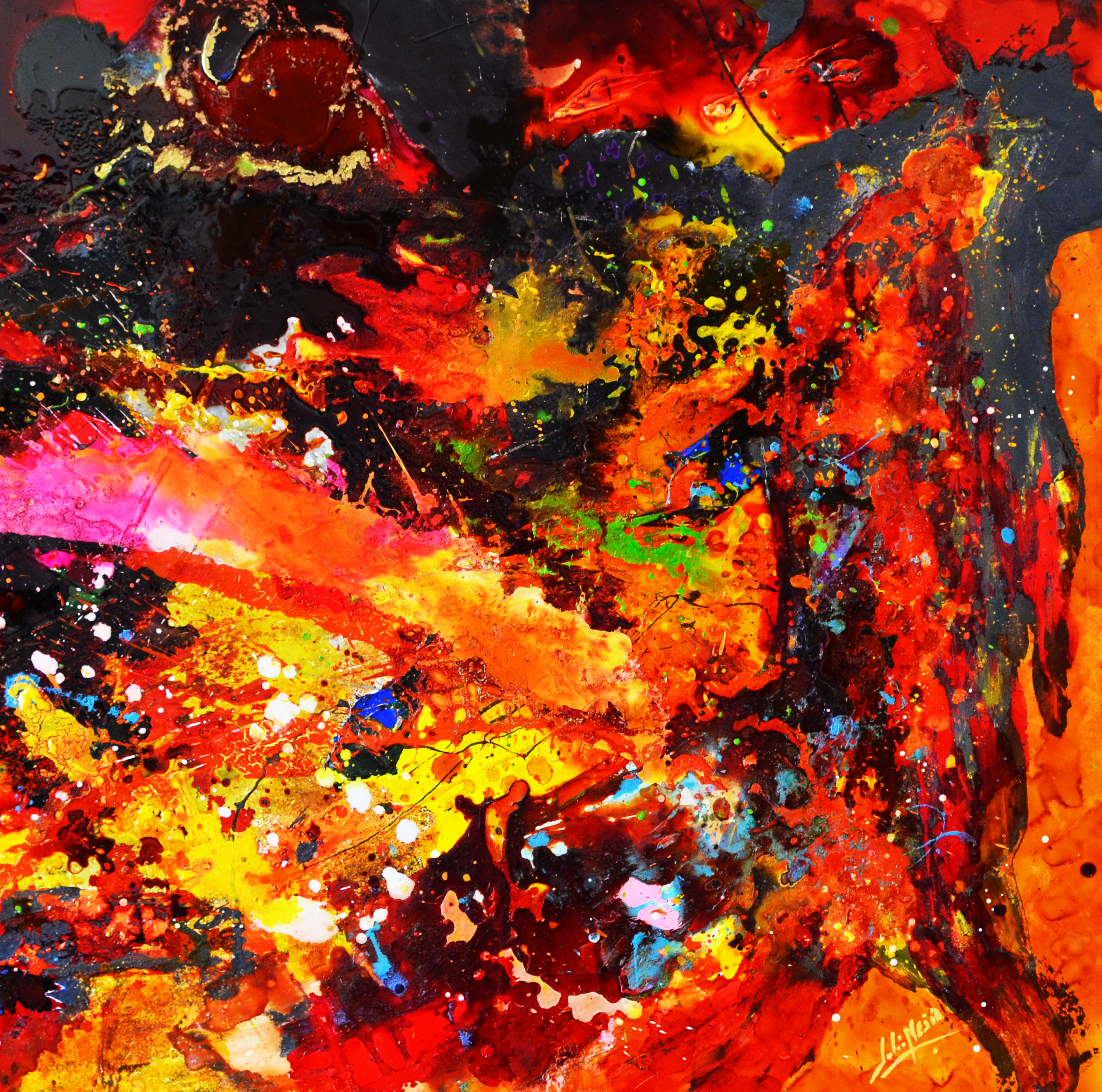
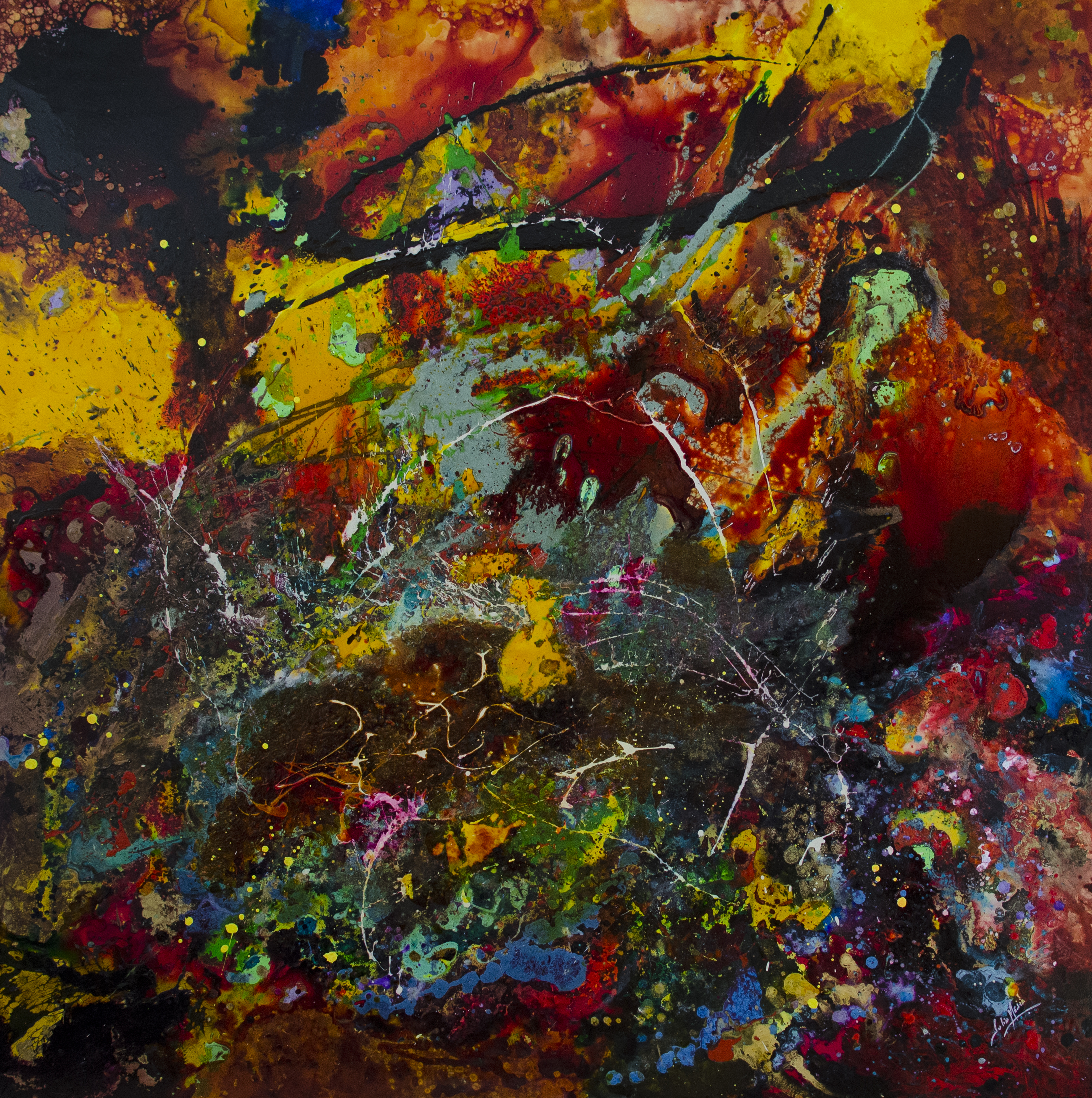
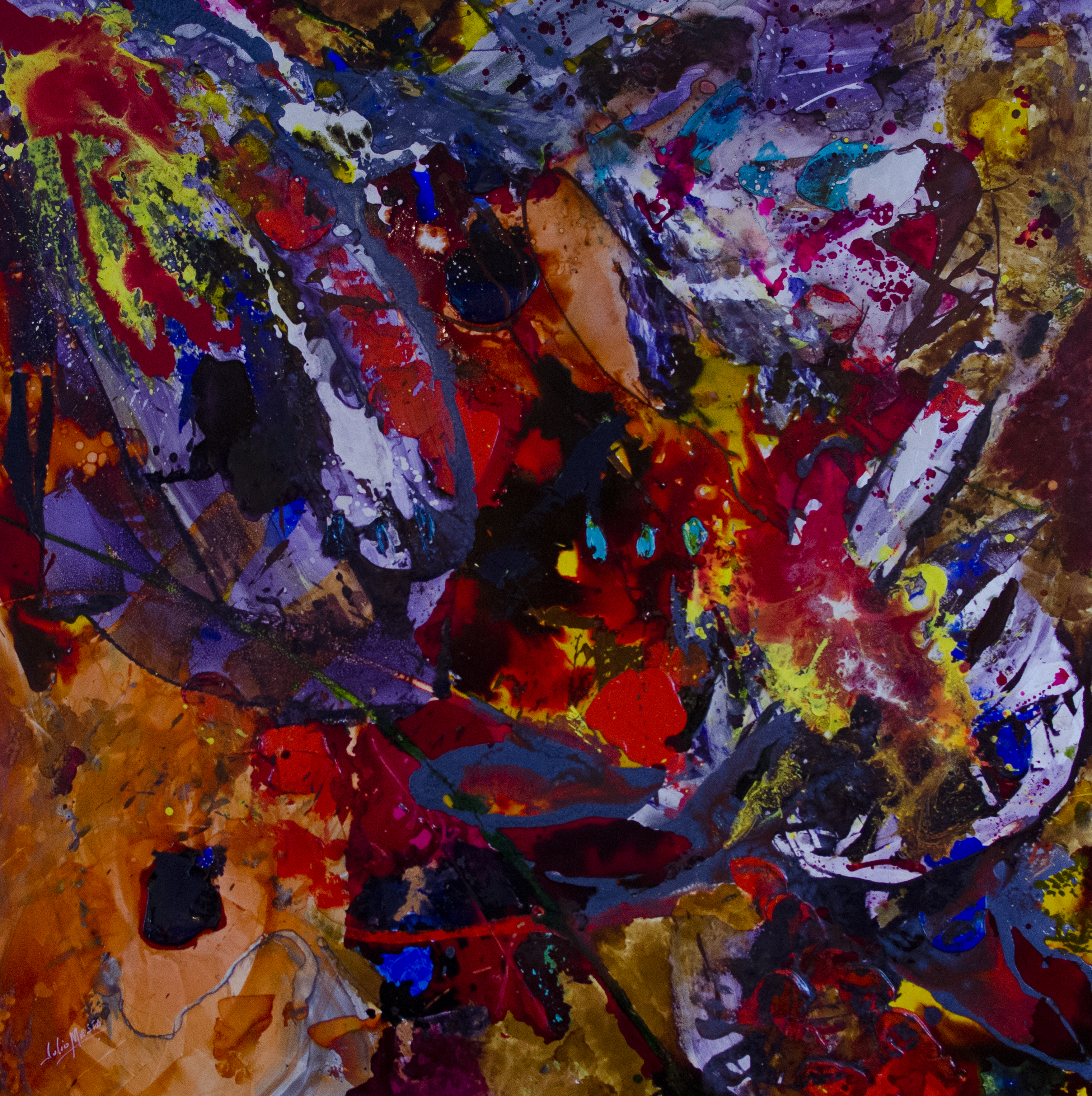
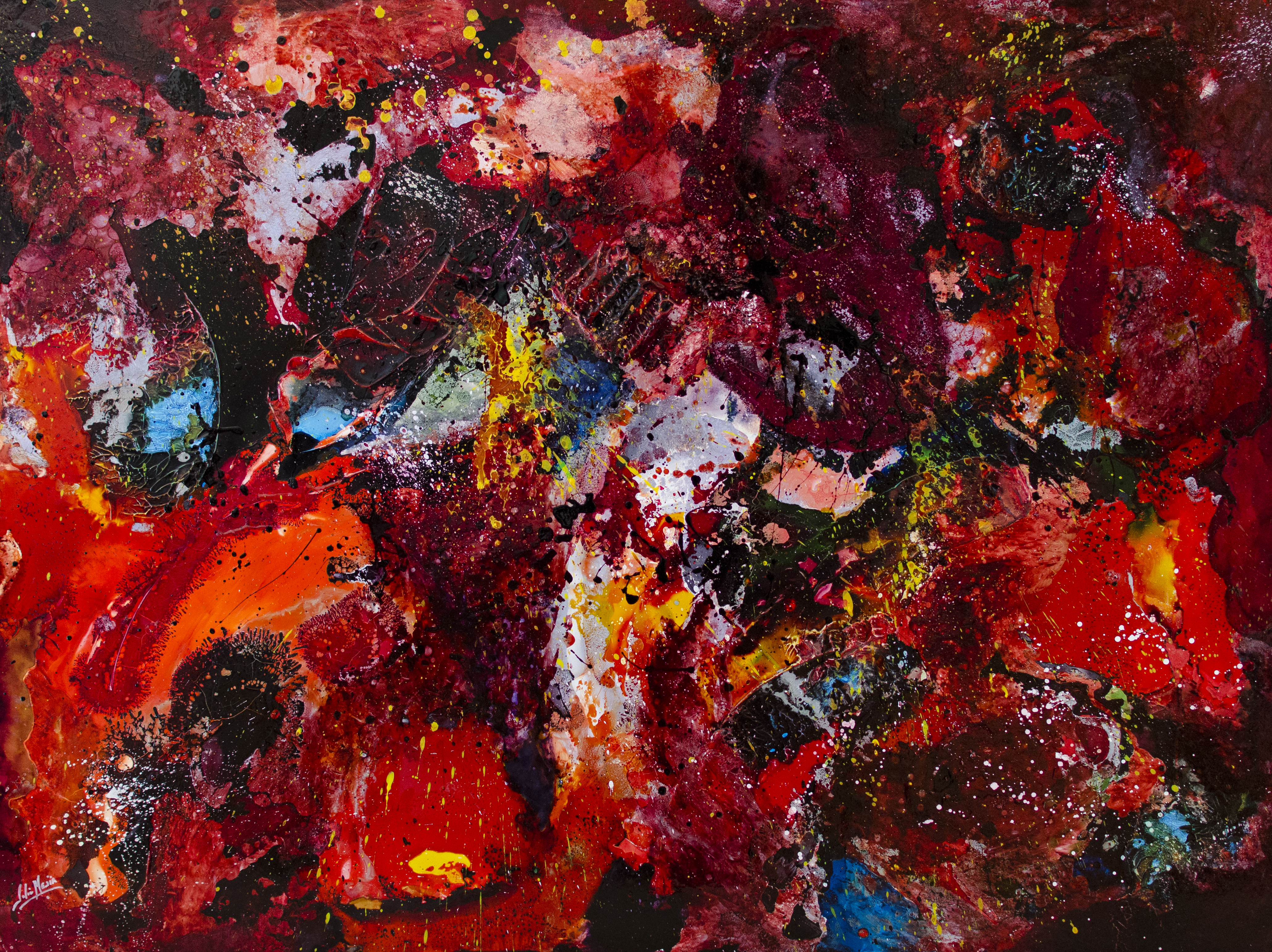
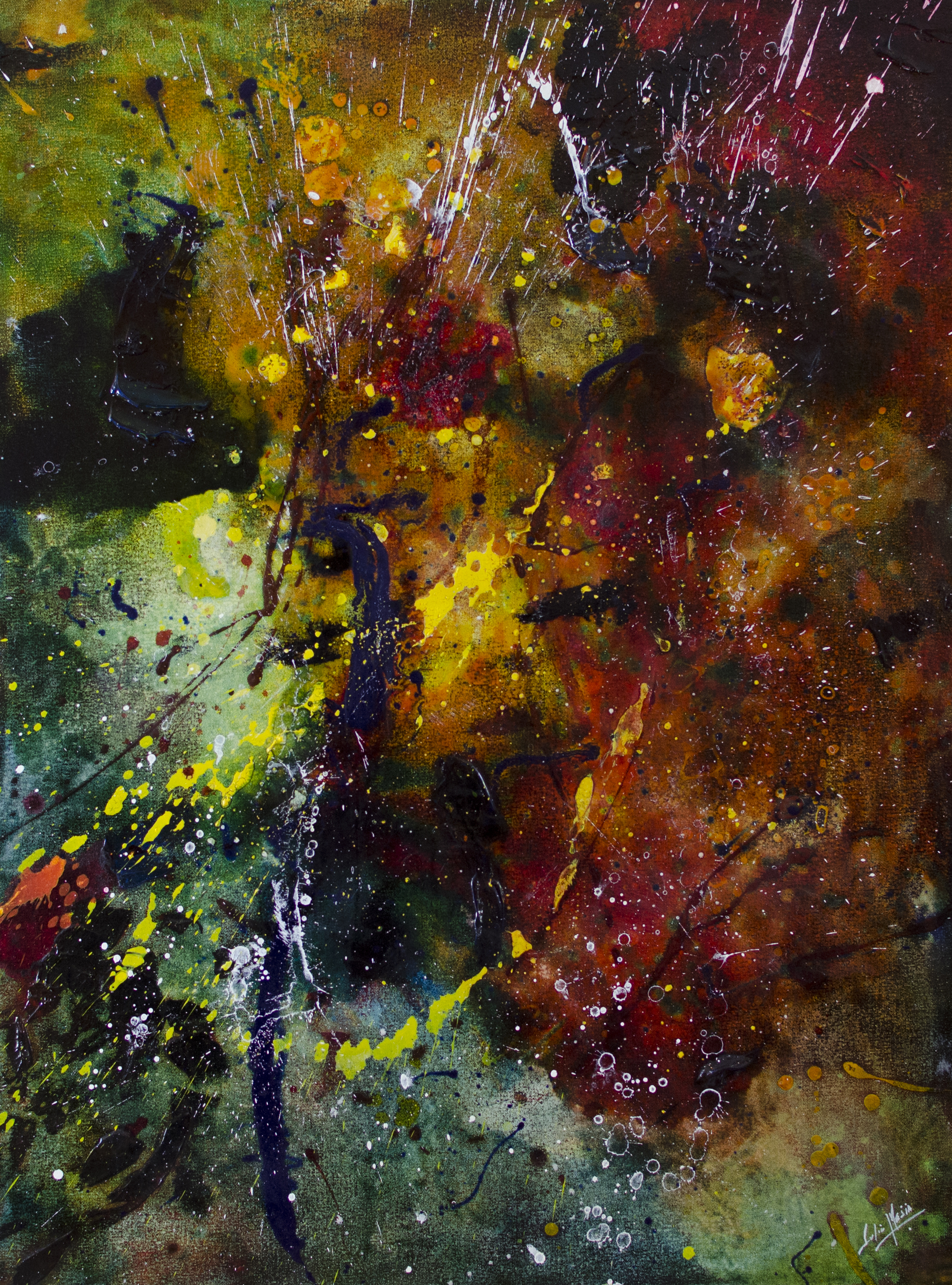
Sonoridad

by Julio Mejia

Artist Statement

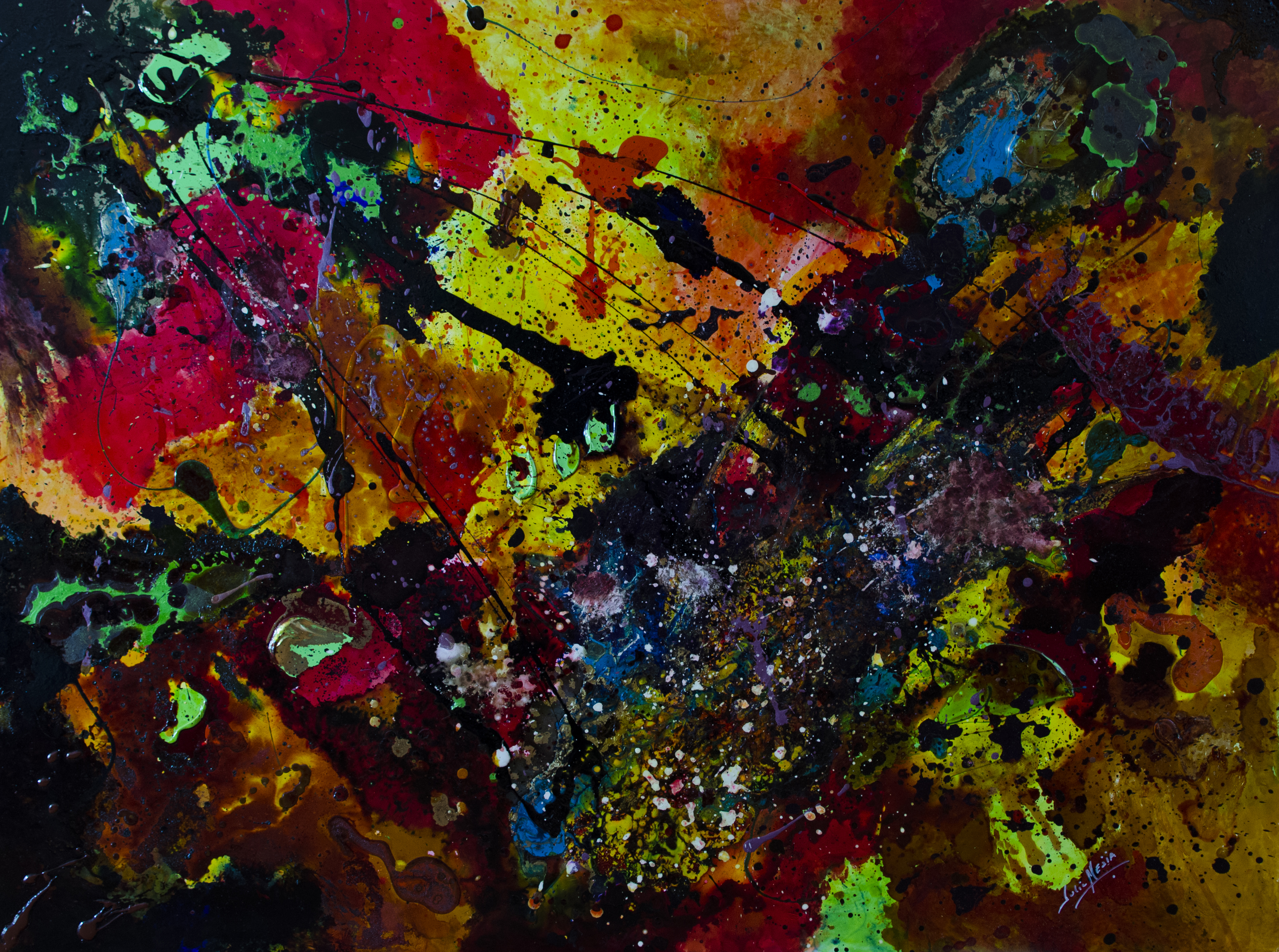
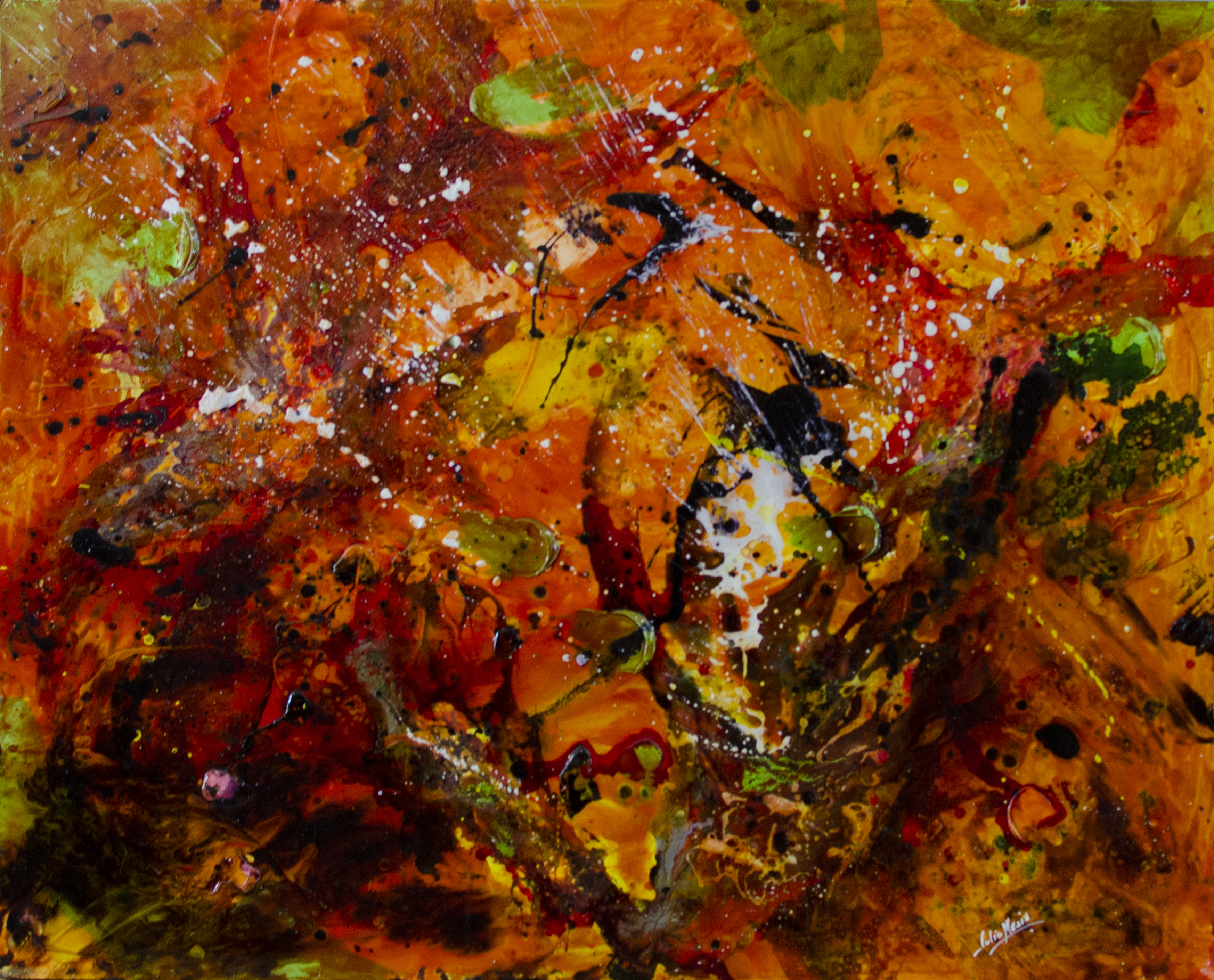
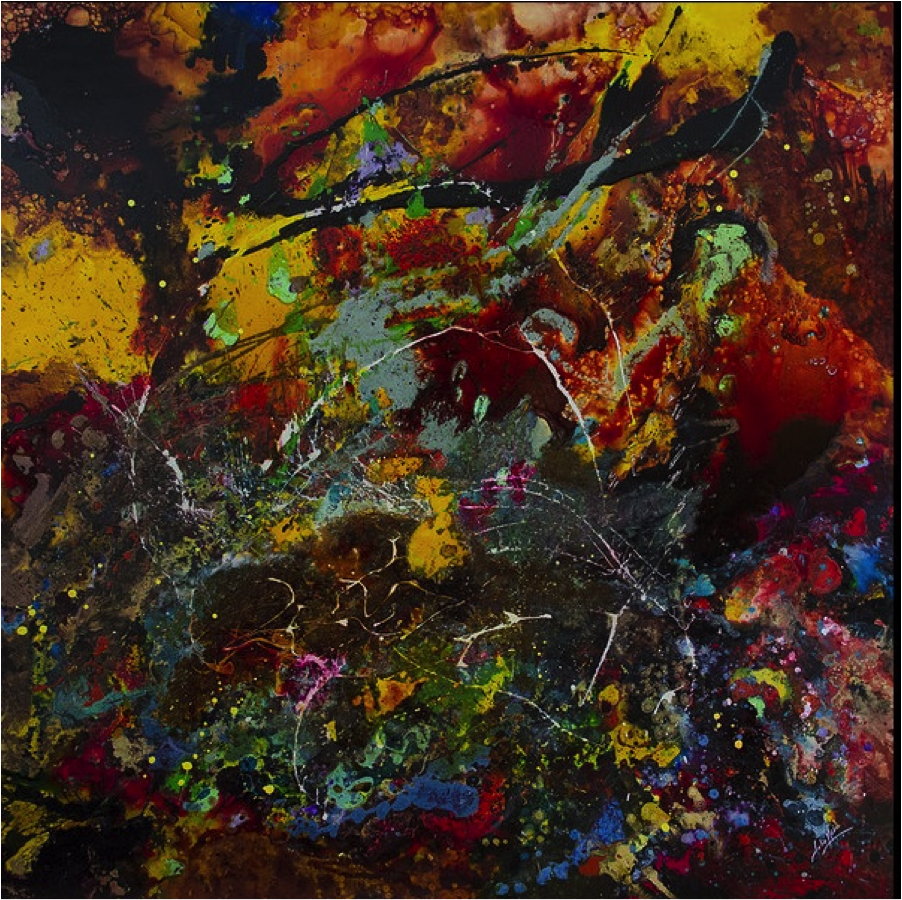
My work is interested in the willful contrast of paint, which mirrors the narrative of an exemplar inherited lineage.  This lineage of unconventional risk-takers reflects the uncomfortable uncertain outcome of each painting.  These paintings are uneasy gambles of a romantic life.  The directional effort of paint unveils the visceral tension of beauty found in the forces of nature.


Conflict

Conflict


Confrontation

Confrontation


Contemplation of Divine things

Contemplation of Divine things


Creole

Creole


Descent

Descent


Intensity

Intensity


Rapture

Rapture


Warmth

Warmth


Julio MejiaProfile2Artist: Julio Mejia

Born in New Orleans, Louisiana 1965 to Peruvian/Chilean parentages, Mejia is an abstract expressionist that uses archival oil, solvent and acrylic, as an alchemist that focuses in the application of paint. He has exhibited at the 3rd Bronx Biennial-New York, Latino Art Museum- California, Rialto Art Center-Georgia State University, Roy C. Moore Gallery-North Georgia University, Art Takes Times Square, New York, Auburn Avenue Research Library, Atlanta, Boricua College, Manhattan, New York, and the Aaron Davis Hall of the City College of New York in Manhattan, New York, New York.

Mejia is represented in the collections of the Cultural Patrimony of Peru, Latino Art Museum, and The Tubman African American Museum.

Documentary link:

http://www.juliomejiaart.com/#!video/c4m7

Facebook page:

https://www.facebook.com/JulioMejiaArt

Website:

http://www.juliomejiaart.com/#!home/mainPage

ZuCot Gallery:

http://zucotgallery.com/


My Mom’s Music & Pol Pot: Happenings in January 1976

by Megan Volpert

bob dylan desire

1.

My mother turned eighteen years old on the same Monday Pol Pot presided over the ratification of Democratic Kampuchea’s new Constitution. She was one year short of drinking age, with no other legal freedoms worth claiming except the delayed gratification of a right to vote against Ford that following winter. Cambodia’s new regime had little to say about the right to vote, except in Article Six, where the distribution of representation among members of the legislative body is outlined as 150 for the peasants, 50 for other working people, and 50 for the revolutionary army. Those 250 people get to elect the administration, as long as they elect Pol Pot. This was Year Zero, where everybody not eligible to vote was eligible to assist the Khmer Rouge in its grand new vision of communism by marching off to dig themselves a slice of mass grave. This is because, as Article Twelve explains, there is absolutely no unemployment in Democratic Kampuchea.


The same day mom is eating birthday cake and a million Cambodian undesirables are starving to death, Dylan launches his new album, Desire. Ours is a nation founded upon the stubborn flipping of the bird, the right of dissension, the pride of independent thinking. There’s nothing neutral about it. The Prince of Cambodia said his country was neutral, and Nixon secretly bombed the hell out of it. Excuse me, sir, we’re just rooting out your communists. Too bad they’re not as easy to spot as black people. Despite the wave of publicity from Dylan’s number one single, Hurricane Carter’s re-trial ended in a guilty verdict. A federal judge finally let him go ten years later, and ten years after that, Carter was briefly arrested for dealing drugs when he was mistaken for some other black guy.
 

station-to-station-david-bowie larger

2.

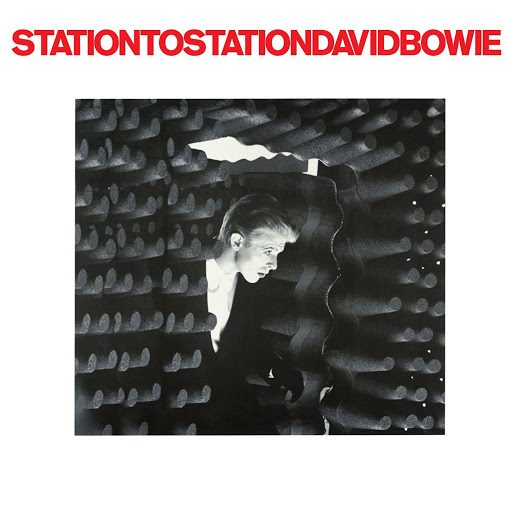
What’s coming out of England at this point is David Bowie. There was that whole photo-op thing where he appeared to be giving a Nazi salute and endless speculation about was he or wasn’t he doing that. Who cares if he really meant to do that move instead of a proper waving—the issue is that people’s judgement of The Thin White Duke was that he plausibly could have been a Nazi. Bowie himself says that when he listens to Station to Station, it sounds like it was made by somebody else. Is the other guy a Nazi? It sucks that your Golden Years are sprung from the mind of a persona so far gone that it might as well not even be you at all.


Meanwhile, in the parking spot adjacent to Naziism, these United States are vetoing a United Nations resolution calling for Palestinian statehood. A couple countries abstained, but we were the only ones who voted it down. Now that’s independence. Everybody gets a vote, as long as you vote with us. If you don’t vote with us, our vote means everything and all of yours mean nothing. But on the upside, please do keep going about your international business because we’re not interested in doing the mass grave thing right now, and that’s what makes us a morally superior form of governance when measured against the rising star of Pol Pot.


Photo credit: Rob Friedman

Photo credit: Rob Friedman

Megan Volpert is the author of five books on communication and popular culture, most notably about Andy Warhol. She has been teaching high school English in Atlanta for the better part of a decade, is currently serving as her school’s Teacher of the Year, and edited the American Library Association-honored anthology This assignment is so gay: LGBTIQ Poets on the Art of Teaching. Predictably, www.meganvolpert.com is her website.

Photographic Storytelling

by Deborah Kanfer

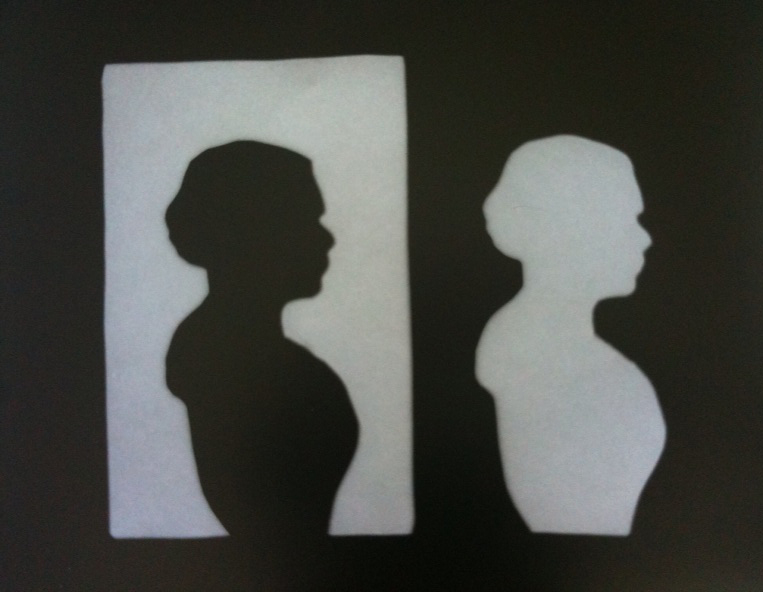
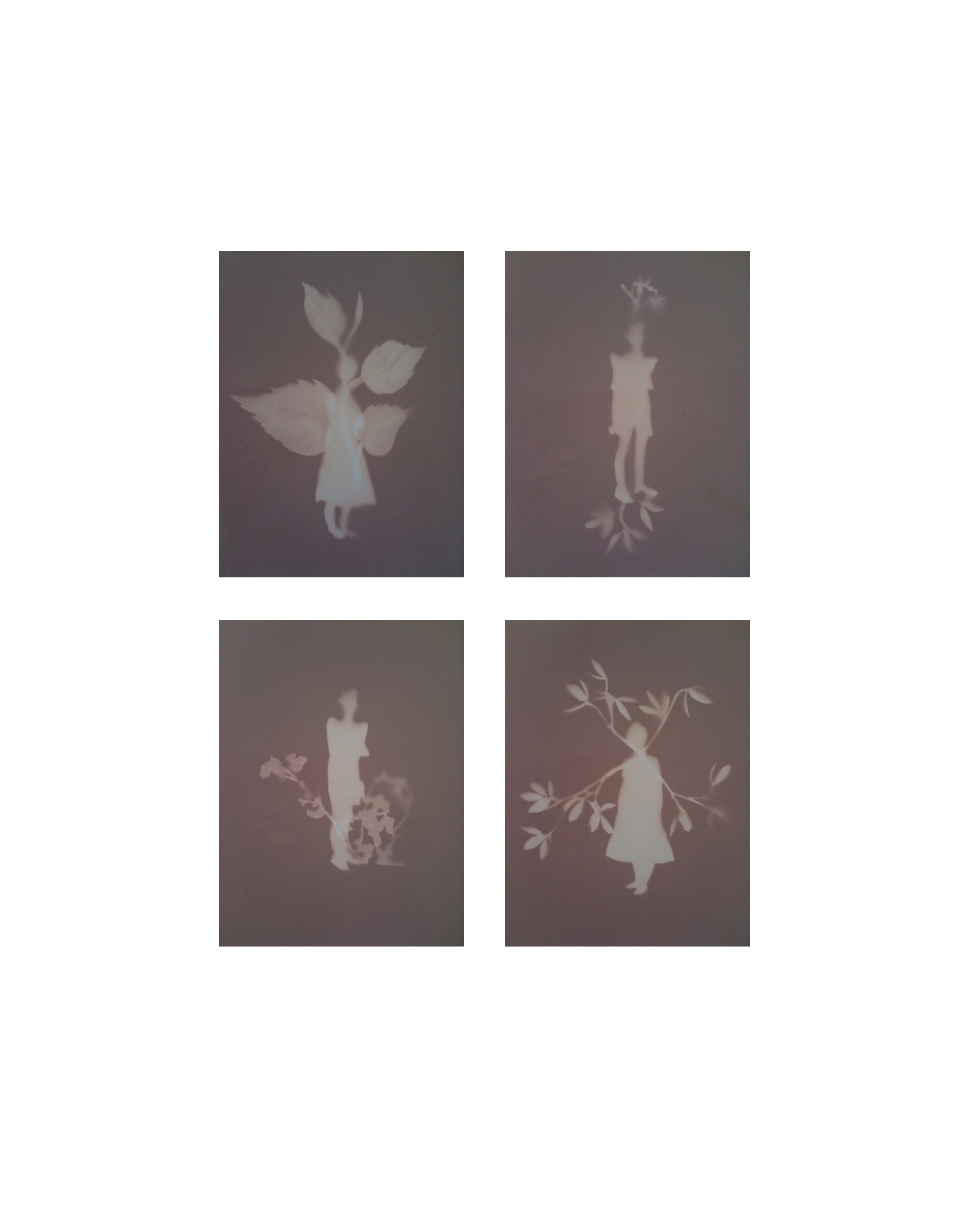
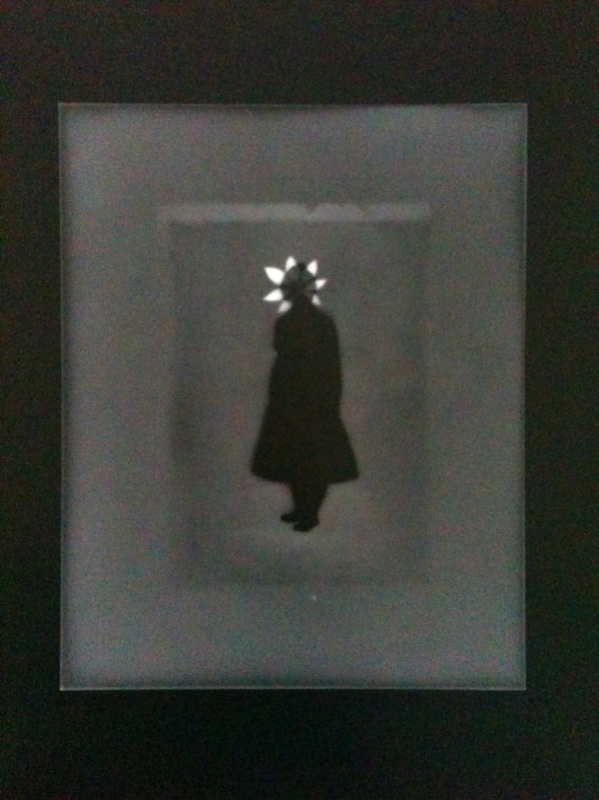
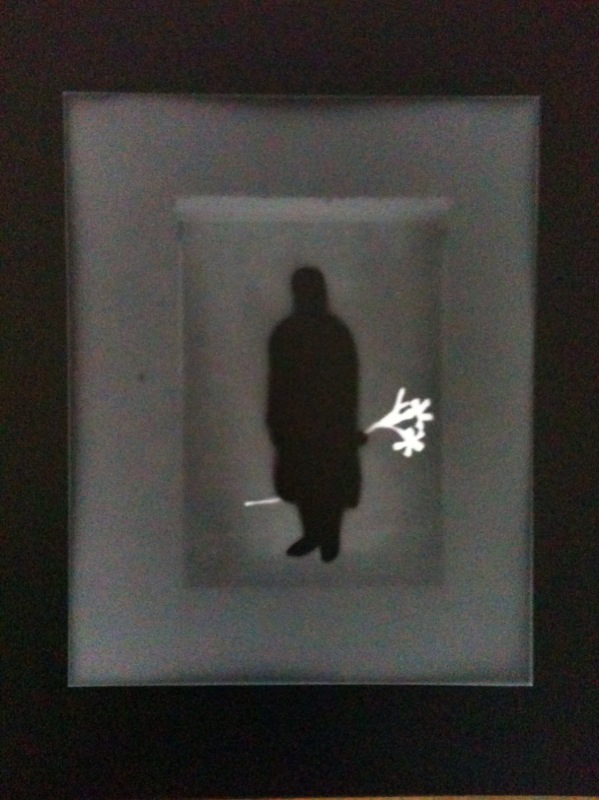
I am drawn to the unknown, and I have found a way to explore this through the magic of analogue photography. The exploratory nature of the medium is infinite, and my work relies heavily on the element of chance. It’s an all-consuming experience that takes me on a mental journey. It’s when I feel grounded and most at peace.

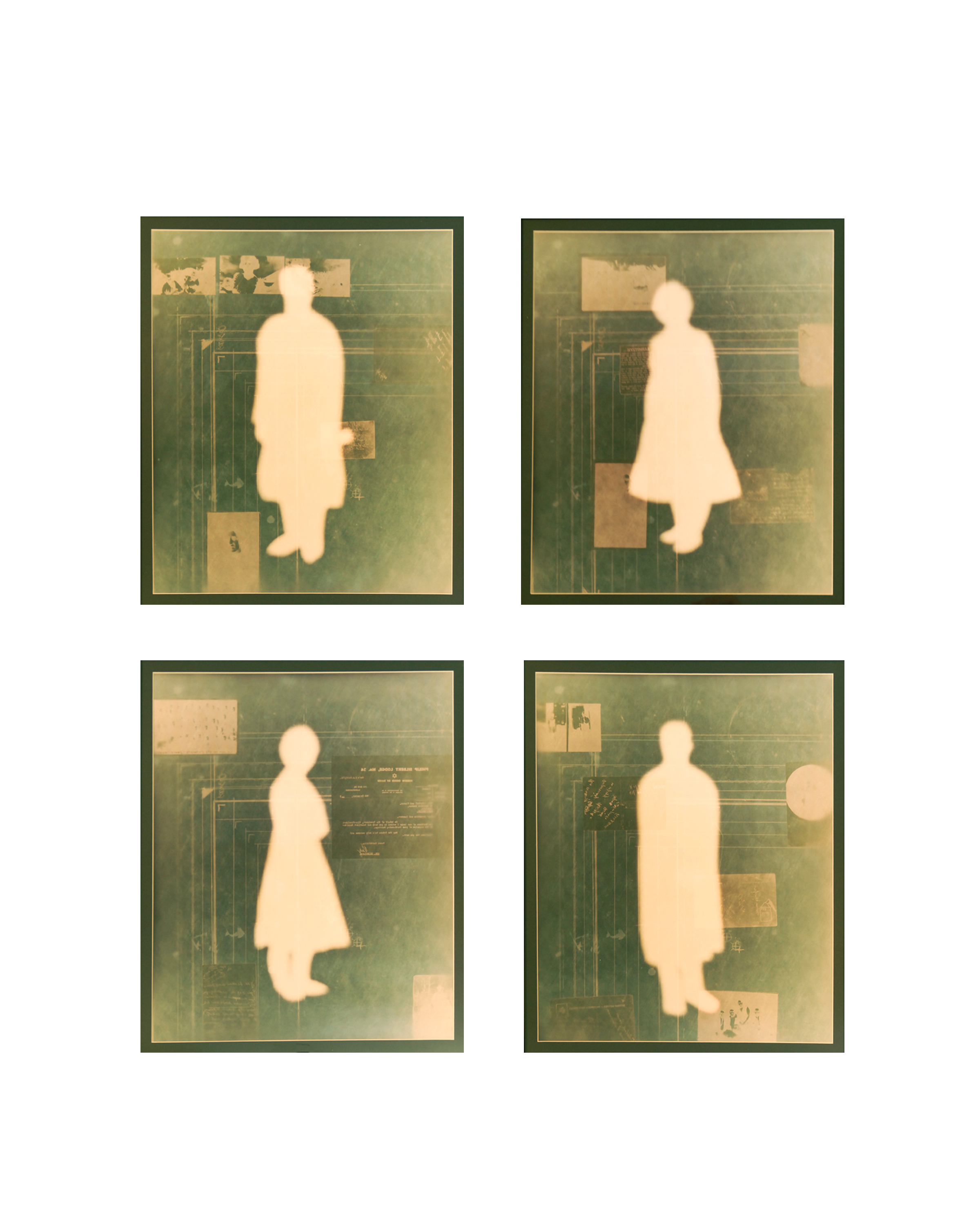
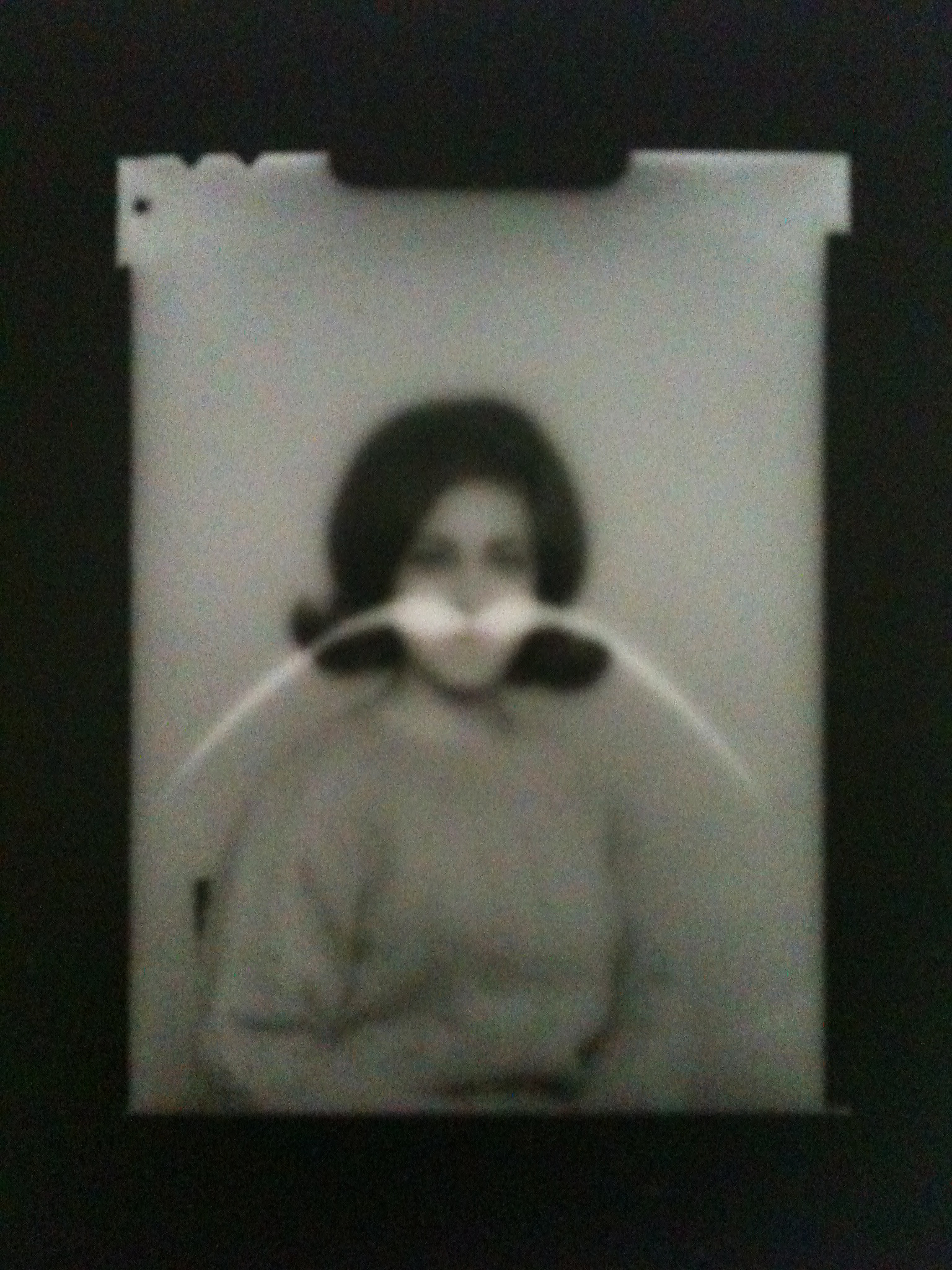
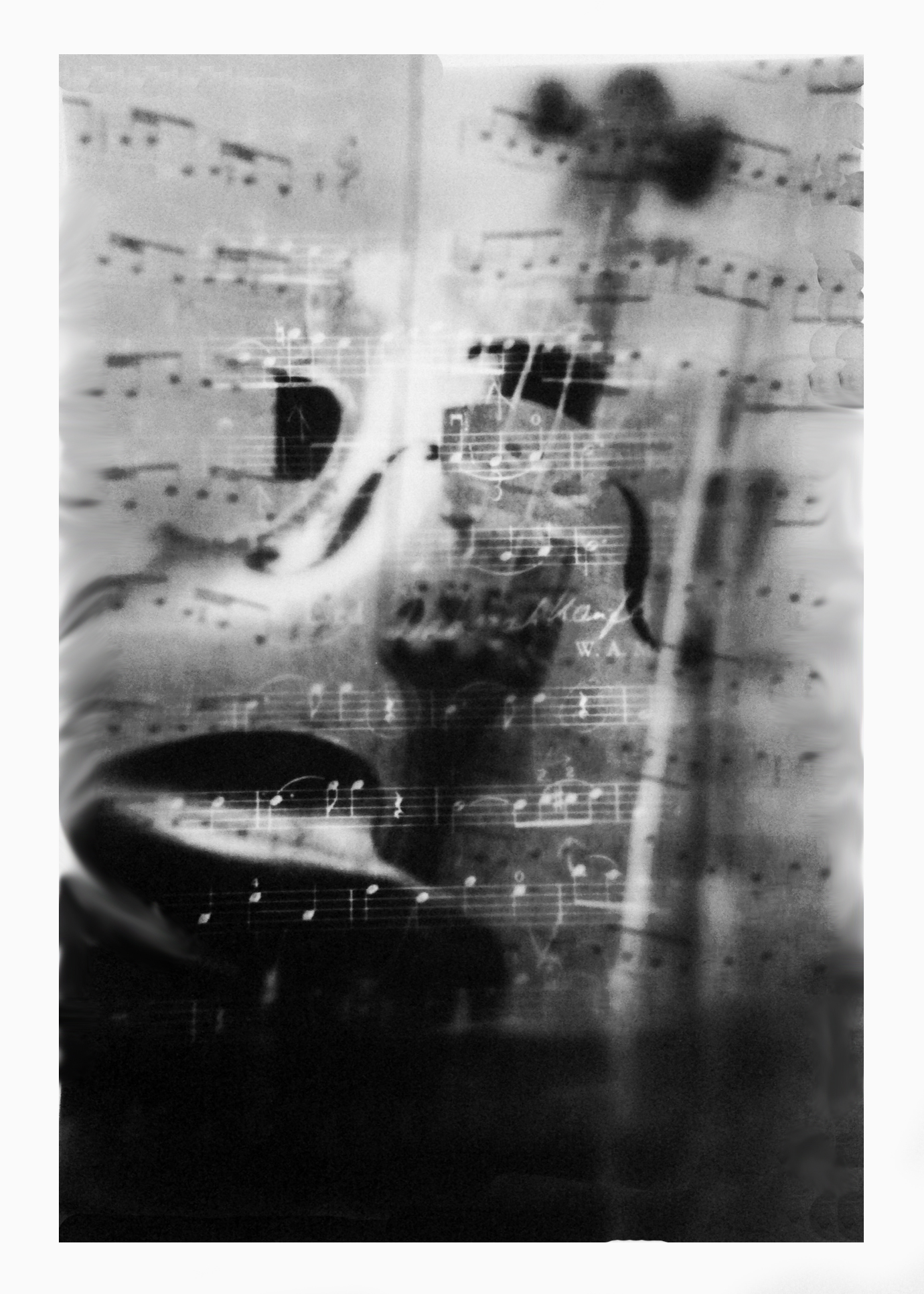
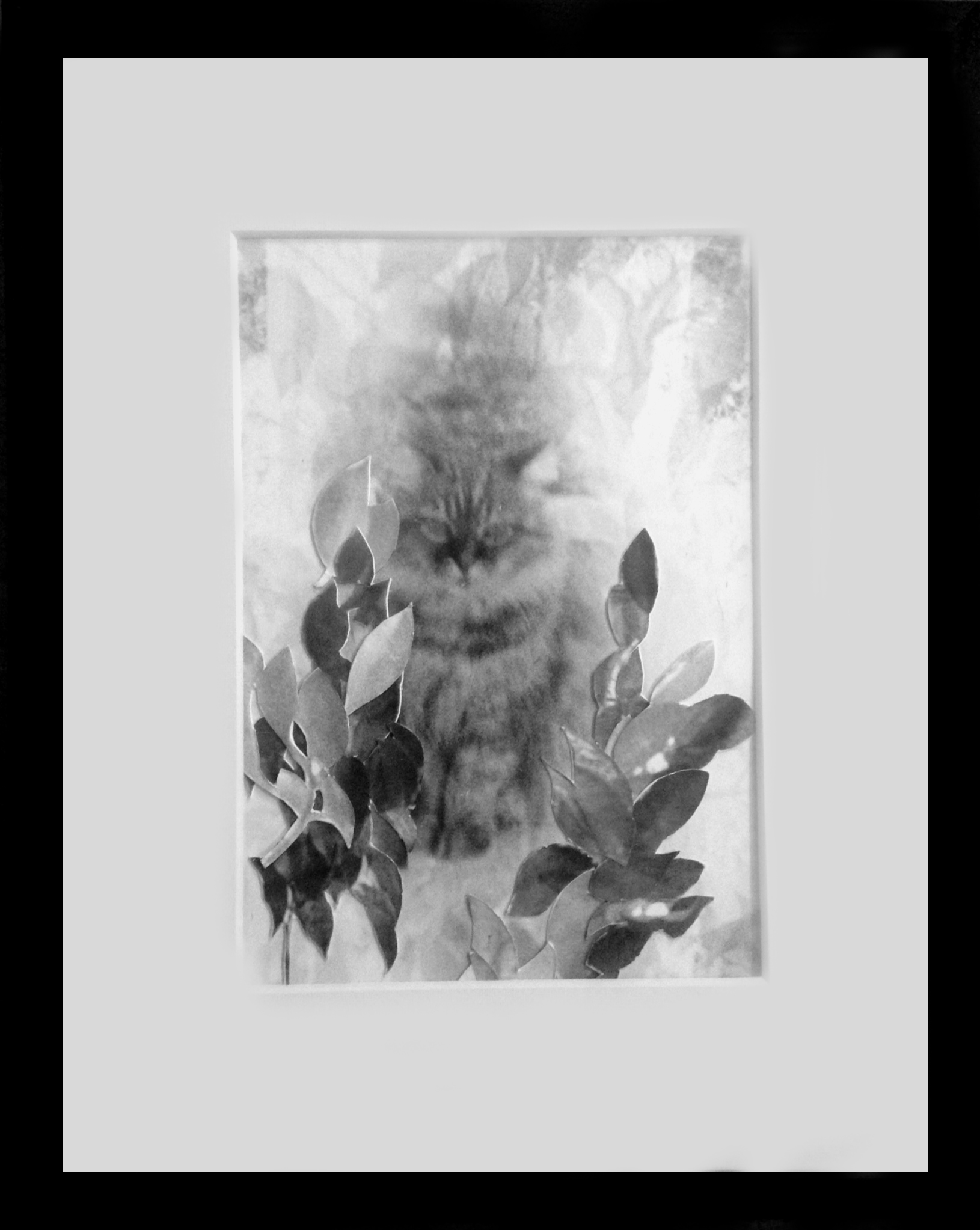
My largest body of work is housed under the theme of Momento Mori, which means ‘Remember you are mortal’. Here, a curious kind of nostalgia is restored through the re-workings and meticulous experimentation of old family photographs juxtaposed with new photographed subjects and various ephemera; marriage licenses, I.D. books, hand written letters, newspaper clippings, maps, transit ticket stubs etc. These subjects allow me to embark on a search through a history of mine that is unknown to my physical being.

Merging the latter and creating layers with subjects I have photographed, a visual story begins to unfold. I have taken this method of creation a step further and have applied it to creating pieces, like this, for others; re-creating and restoring lost moments and cherished memories through art. I love challenging the conventions of traditional photo and memory archiving and transforming them into personalized photographic artworks.   I am fascinated by history of any kind and learning about the personal history of others enriches my work with many layers of old and new. A deep emotional connection between the individual and the artwork develops and nostalgia is restored.

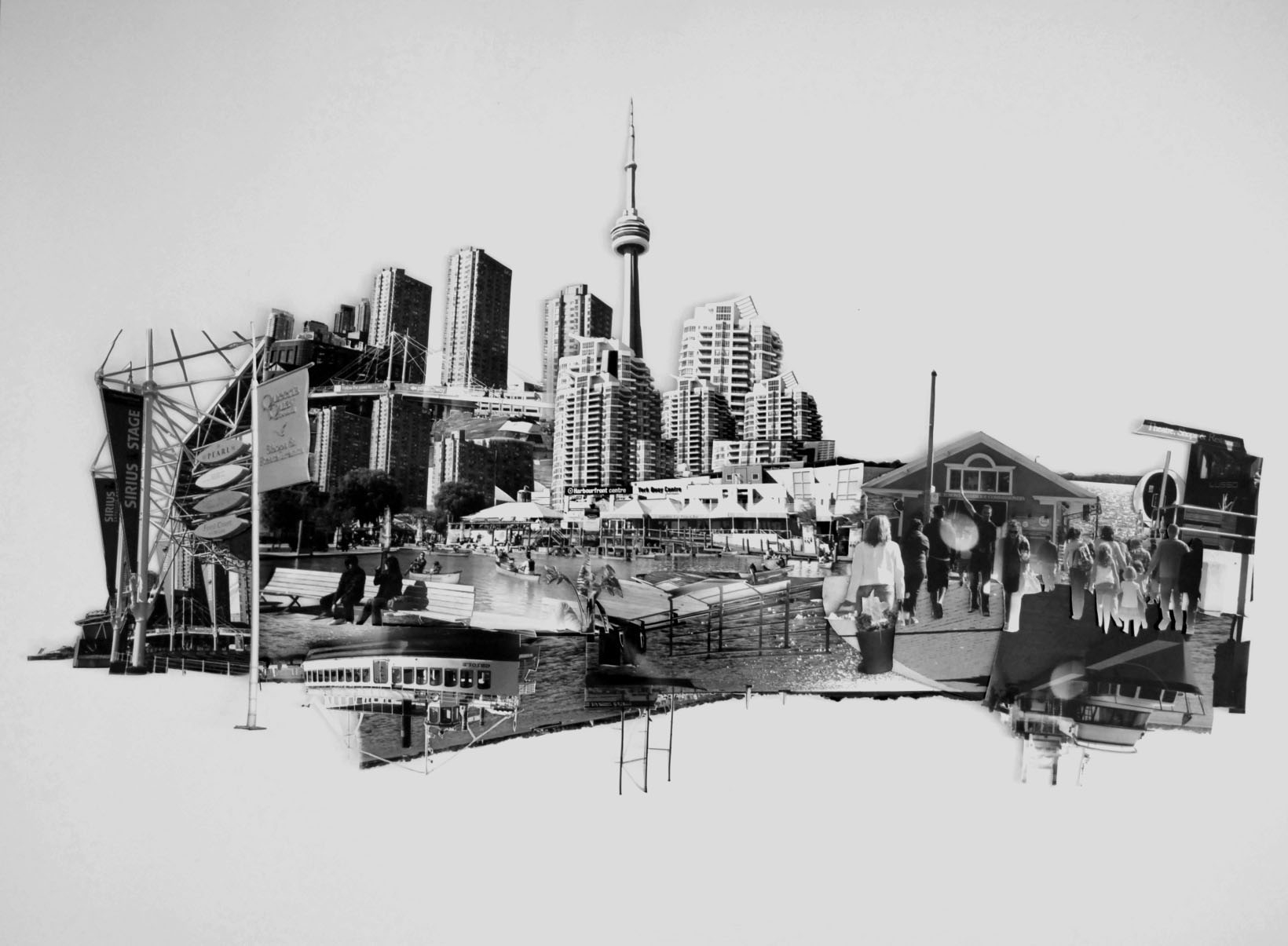
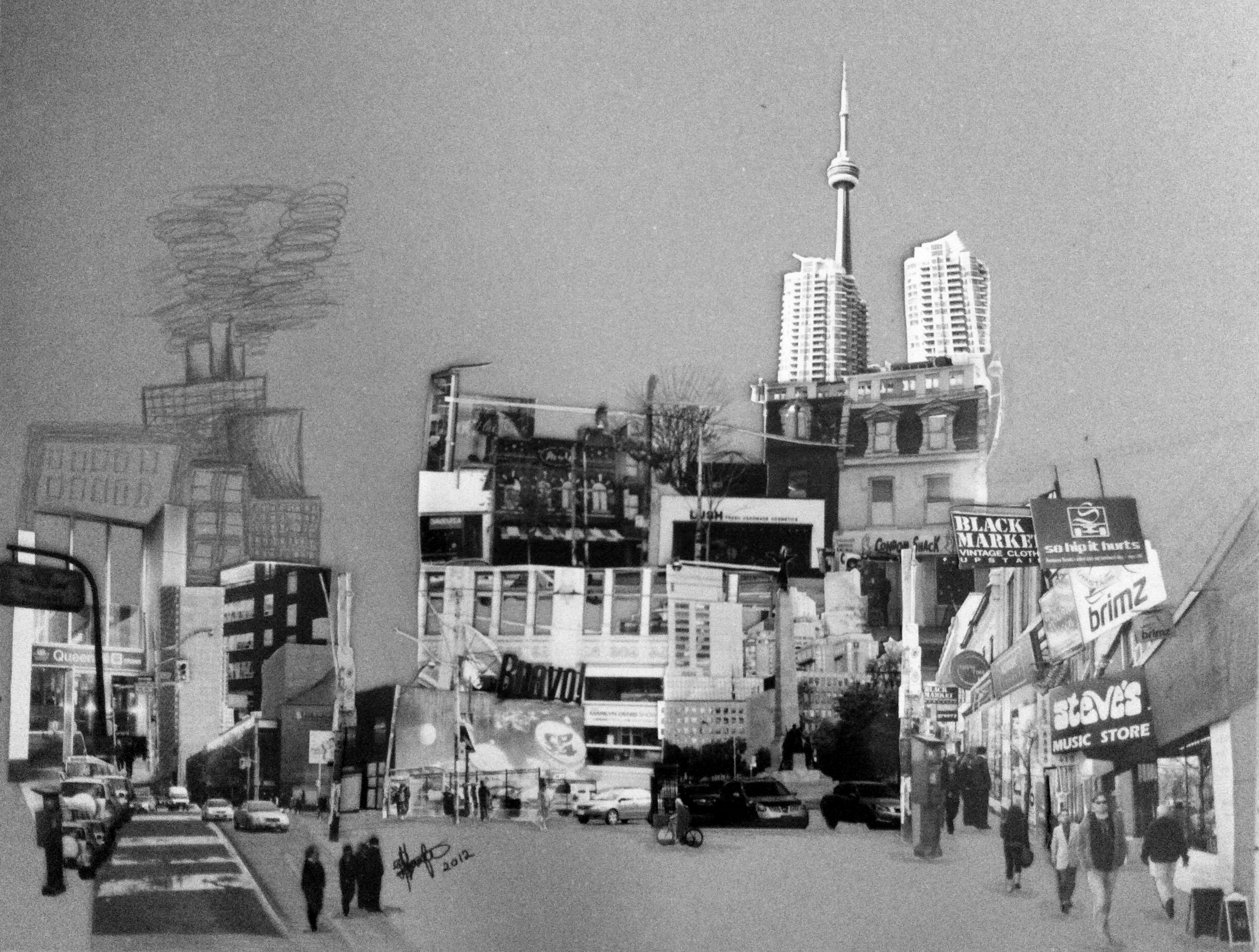
Another theme I am currently expanding on is Cityscapes and Living Spaces. Travel plays a vital role in my life. It’s another passion that feeds my passion for photography and art. Having the opportunity to aimlessly wonder the streets of an unknown city and capturing various places and spaces is something else I just can’t get enough of. I like to describe this body of work as my visual travel autobiography; I am currently working on Toronto specific works as Toronto is where I am currently living and working.

Each and every photographic work is created through traditional analogue photographic technical practices. The process is an experiential art form in itself.


Deborah Kanfer-Parallels


Deborah Kanfer-2


Deborah Kanfer-3


Deborah Kanfer 4


Deborah Kanfer-Decomposition 1


Deborah Kanfer-Decomposition 3


Deborah Kanfer-Website and Print


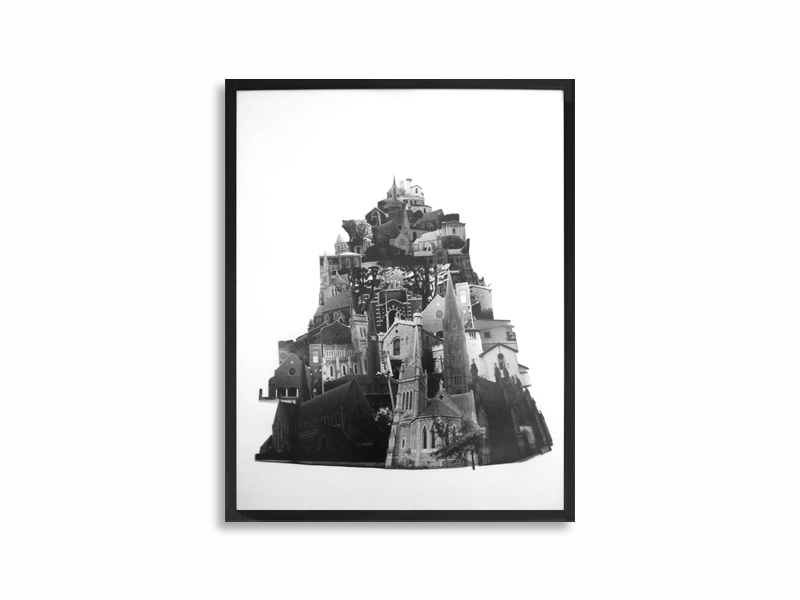
Deborah Kanfer-City_of_Saints


Deborah Kanfer-Home is in the Eye of the  beholder


Deborah Kanfer-Queen st W, Toronto

deborah kanfer


Originally from South Africa, Deborah Kanfer lives and works in Toronto as a photographic artist. Deborah is currently pursuing her venture in creating personalized photographic fine art works by conceptualizing and restoring nostalgia through art. She also creates a line of jewellery called Keepsake. Each Keepsake item displays a miniature photographic artwork, and all directly correspond to her large scale pieces. Through her work, Deborah aims to capture the mystery of the unknown and to draw the viewer closer. Here, she displays a seamless tie and connection between old and new. To keep abreast of Deborah’s work and showings, follow her on twitter: @deborahkanfer Instagram: @deborahkanfer, Facebook: http://on.fb.me/1s1w2Mp or simply visit her website: deborahkanfer.com.


Keepsake

Keepsake


personalized photographic fine art

personalized photographic fine art

Deborah Kanfer personal artwork 1

personalized photographic fine art


BACKWATER IMAGES: a fear of the spectacular future

by Suzana Švent

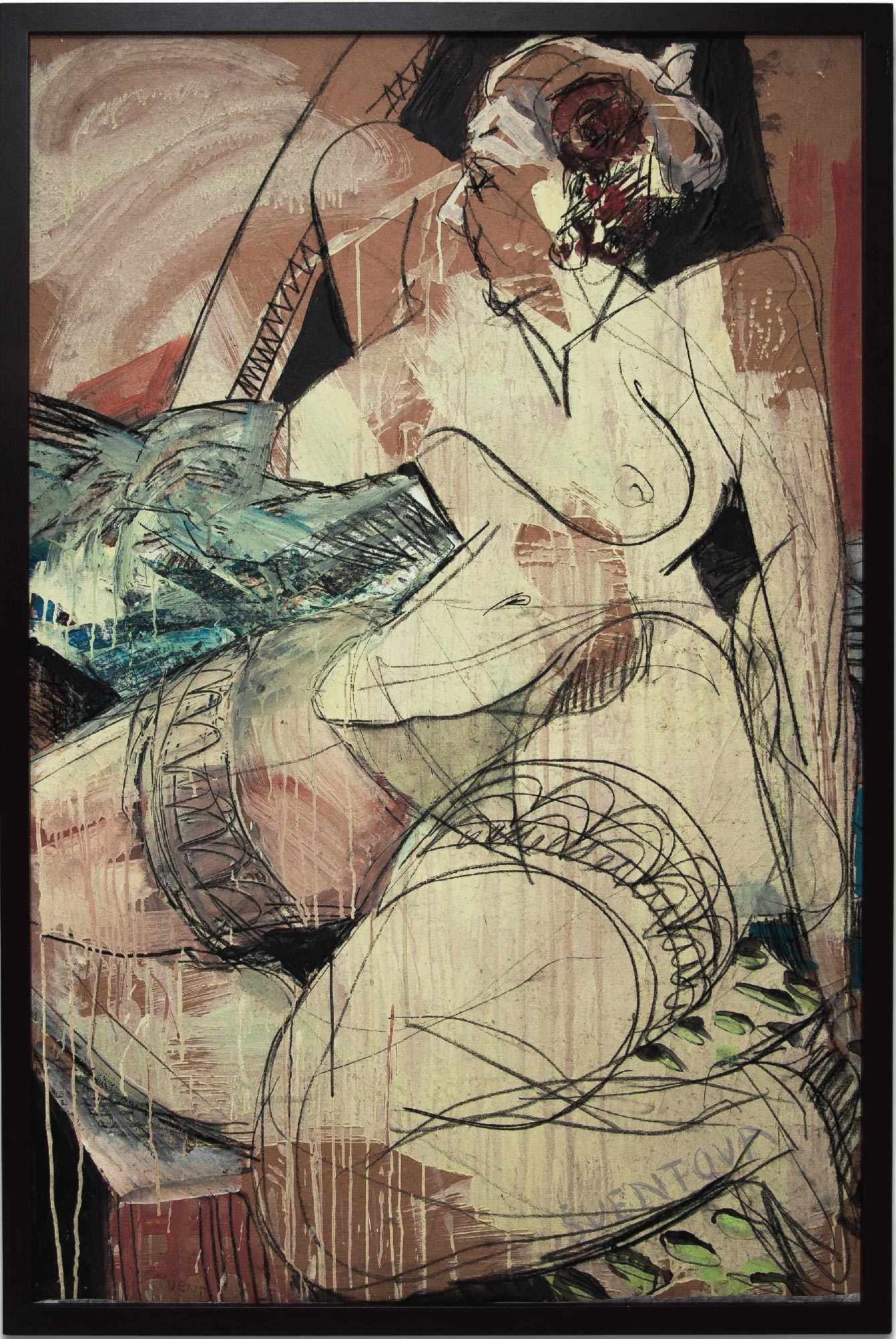
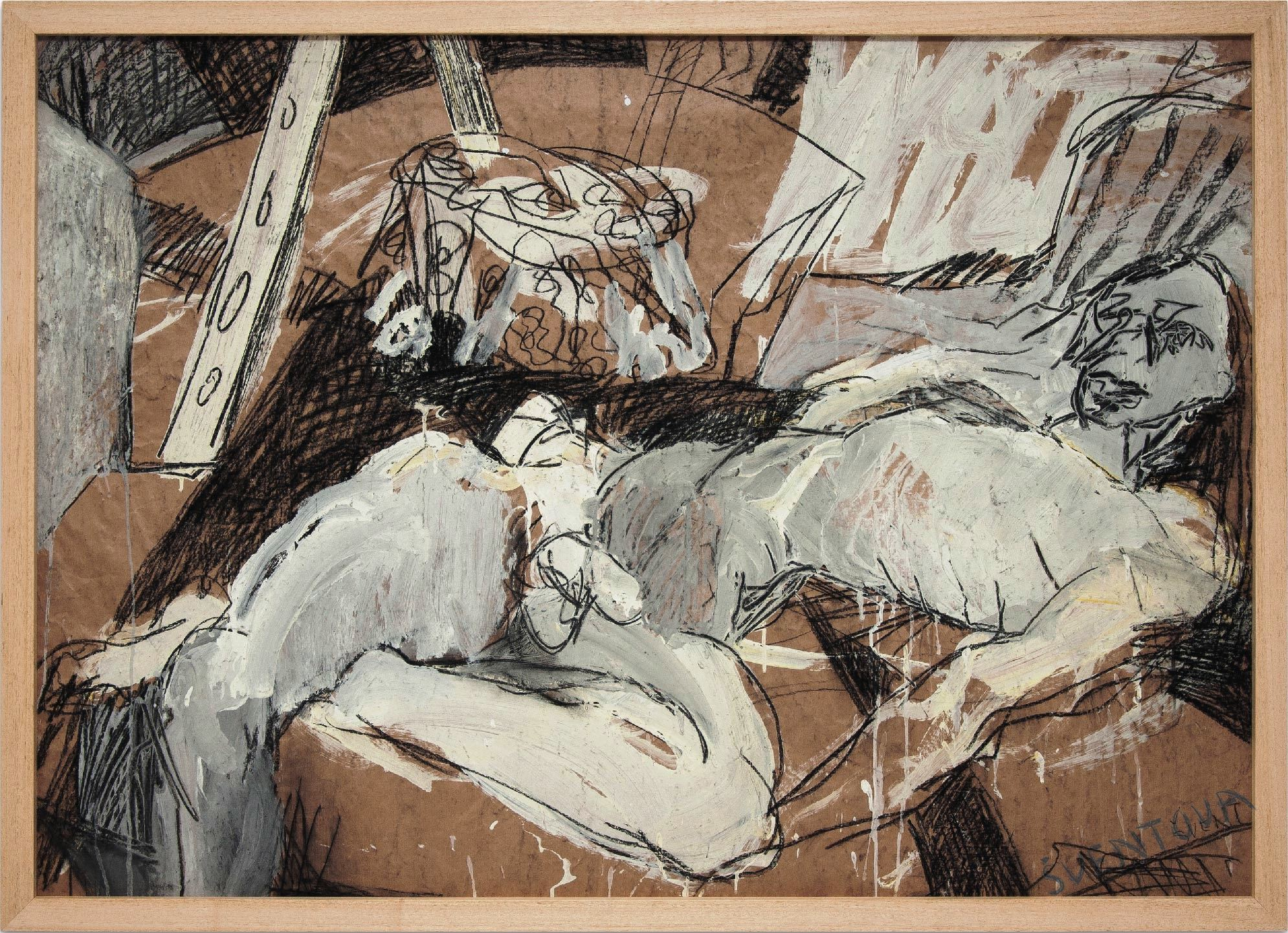
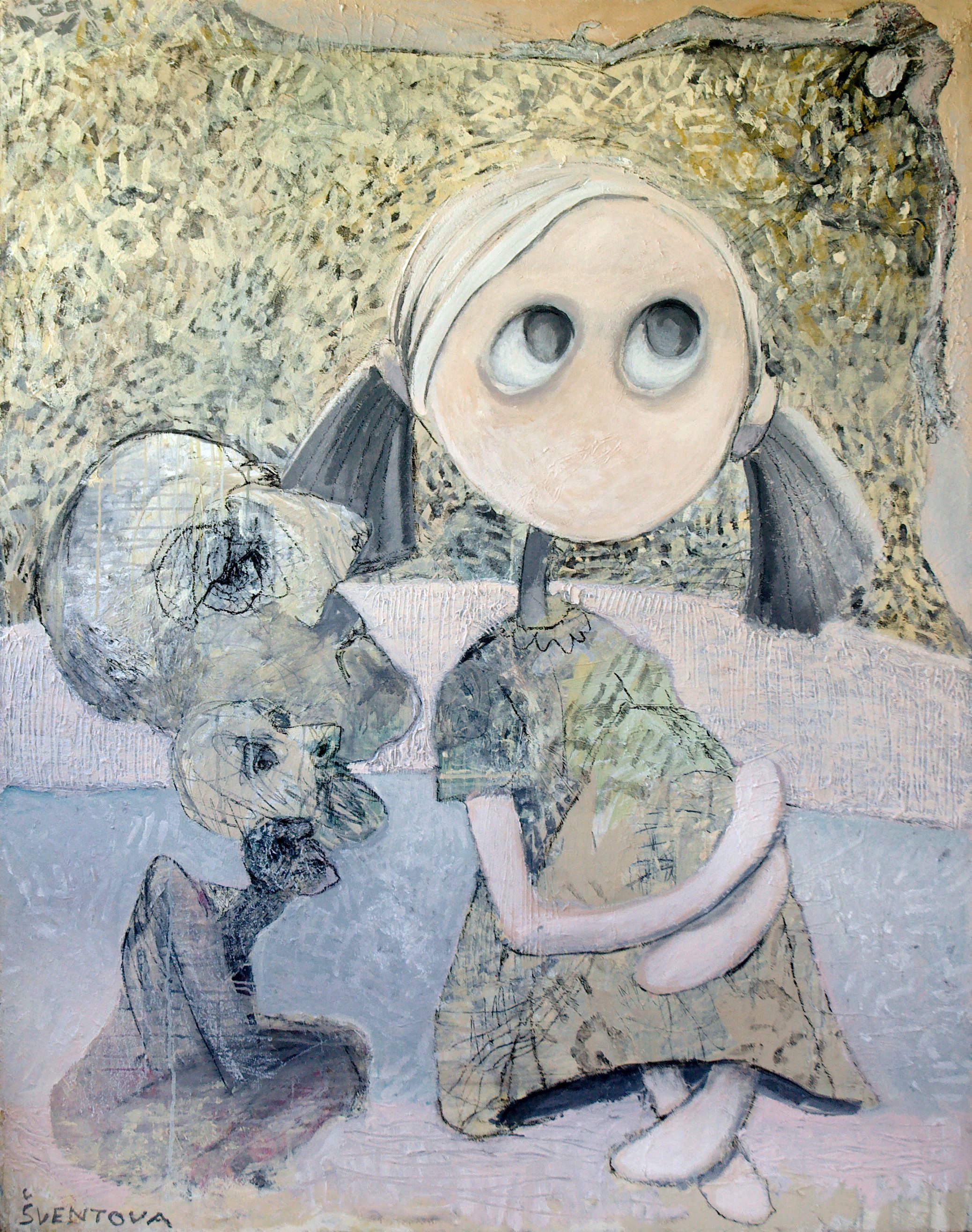
In the current abundance of painting production it might happen sometimes that the painter’s creation cuts through the hollowed-out artistic meander and finds its own path. But the newly-made meander is not dead. Quite the contrary: like the curve in nature is a colourful environment that is home to numerous living creatures, the one in art is the place where many special ideas, and with them images, are born.

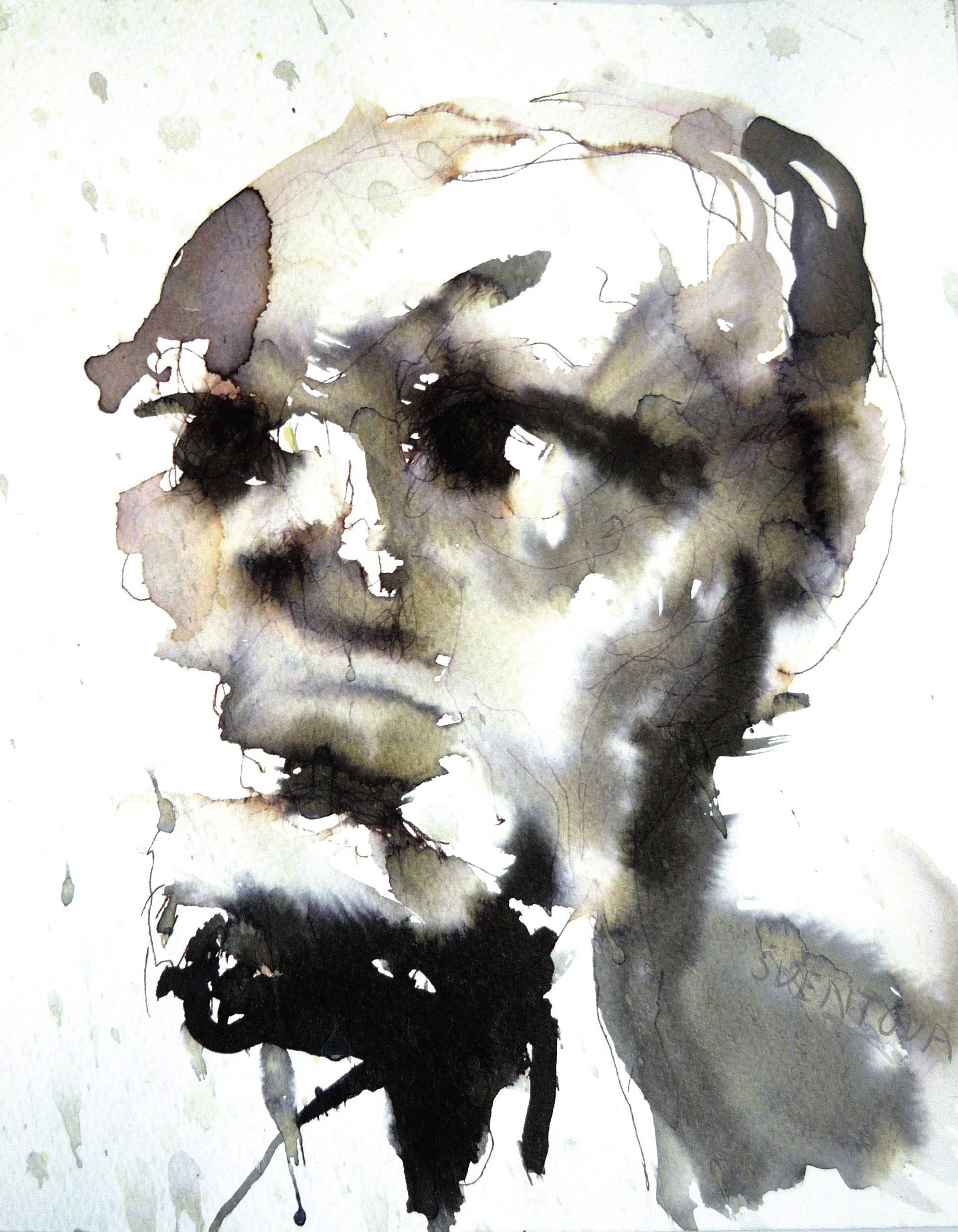
Images are born of illusions that co-create our reality. They originate in our emotions, draw inspiration from frozen memories or life experience. And the time comes when what finds it easiest to manifest in them is fear. Fear of the gaze of a stranger, fear of the viewer’s critique, fear of oneself… which manifests in artist’s emotional emptiness, in the woody hand holding a shaking brush, in the grey stare gazing into the distance.

And where to find the power for a confrontation, a fight, a break? The first solution to offer itself is the world of splendour, instant appeal, supposed resistance, fake difference. It presents itself as an anarchic destroyer of reified social relations, seemingly lashing out at dominance relations, glossing old practices over by new ones. But despite all, by being hermetically closed it further limits rather than saves from suppression. It limits and rejects the old, primeval, what was allegedly declared, recycled, processed over and over, yet it remains so crucial, so fundamental, that is keeps returning again and again. What at first sight is unspectacular figural art, boring and unexciting, after a thorough contemplation turns declarative, communicative and socially committed.


vodni žig

vodni žig

vodni žig

vodni žig

vodni žig

vodni žig

vodni žig

Suzana Svent-8

Suzana Svent-9

Suzana Svent-10

Suzana Svent-11

Suzana Svent-12

Suzana Svent-13

vodni žig


vodni žigSuzana Švent was born in Celje (Slovenia) in 1986. After completing the high school arts
programme in Velenje, she enrolled in the Academy of Fine Arts and Design (ALUO),
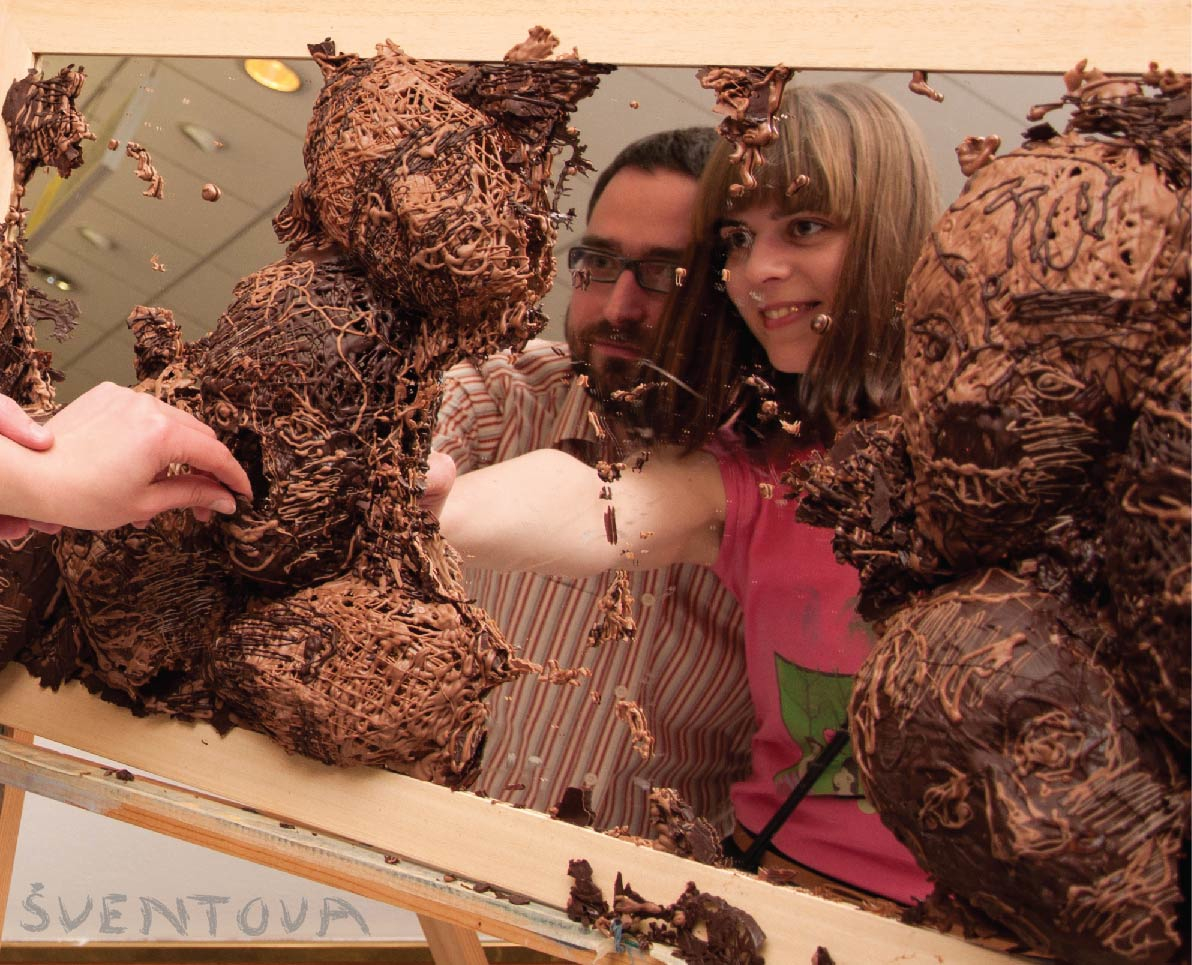
Ljubljana in 2005. In January 2014 she graduated in painting – under the supervision of professors Herman Gvardjančič and Sergej Kapus – by defending her thesis “Emancipating the Viewer: In the Chocolate Theatre Of Spectacular Capitalism”, which explores critically the relation between the viewer, art and consumerism.

As a teenager, Suzana Švent studied chess intensely and represented Slovenia at numerous international competitions, also gaining the title of candidate master. In 2003, she became the youth national champion, and in September the same year took 19th place at the European Youth Championships in Budva, Montenegro.

Social media links:
http://www.suzanasvent.eu/ (in Slovene)
https://www.facebook.com/suzana.svent
https://twitter.com/SuzanaSvent
http://suzanasvent.eu/blog/

Vibrant and Textured Perception: The Abstract Art of Patti Agapi

by Patti Agapi

Patti Agapi Paintings 1

Patti Agapi Paintings 2

Patti Agapi Paintings 3

Patti Agapi Paintings 4

Patti Agapi Paintings 5

Patti Agapi Paintings 6

Patti Agapi Mixed Media 1

Patti Agapi Mixed Media 2

Patti Agapi Mixed Media 3

Patti Agapi Mixed Media 4

Patti Agapi Mixed Media 5


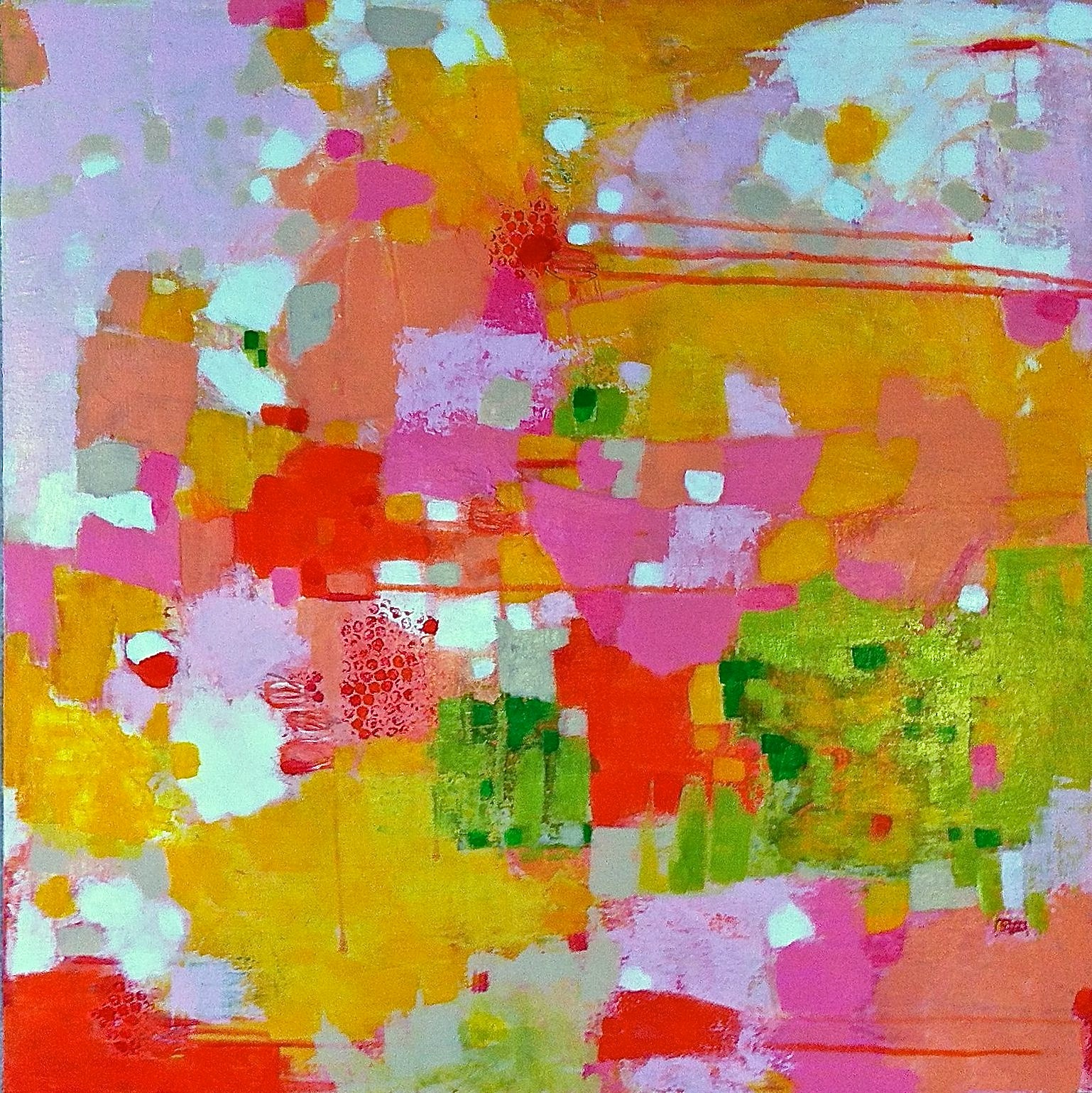
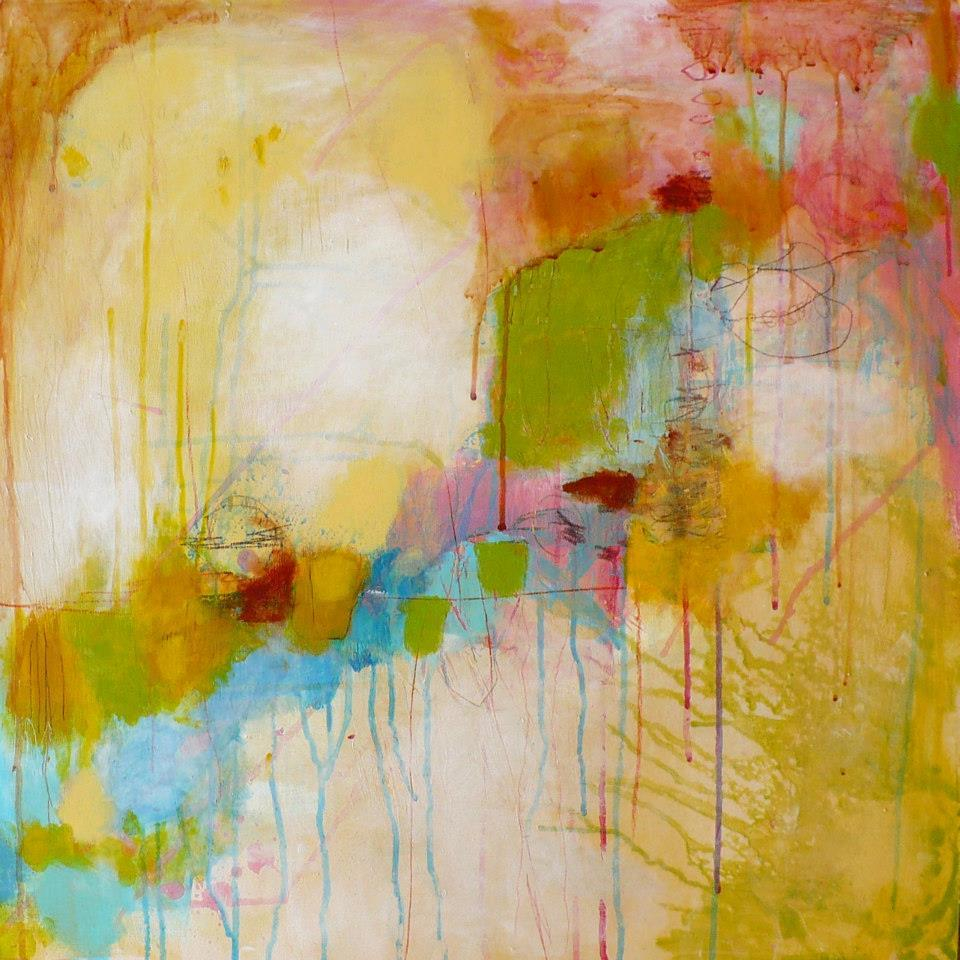
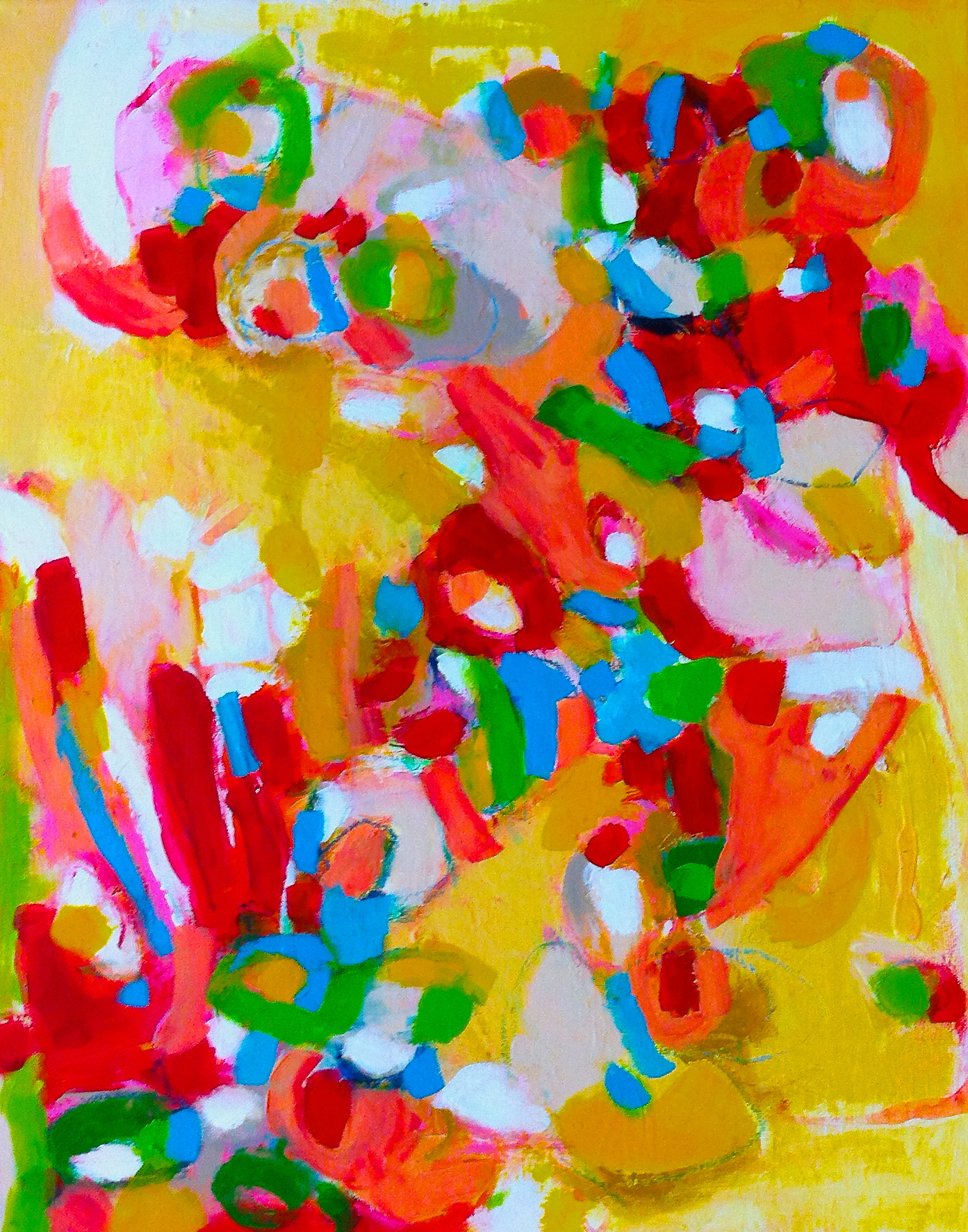
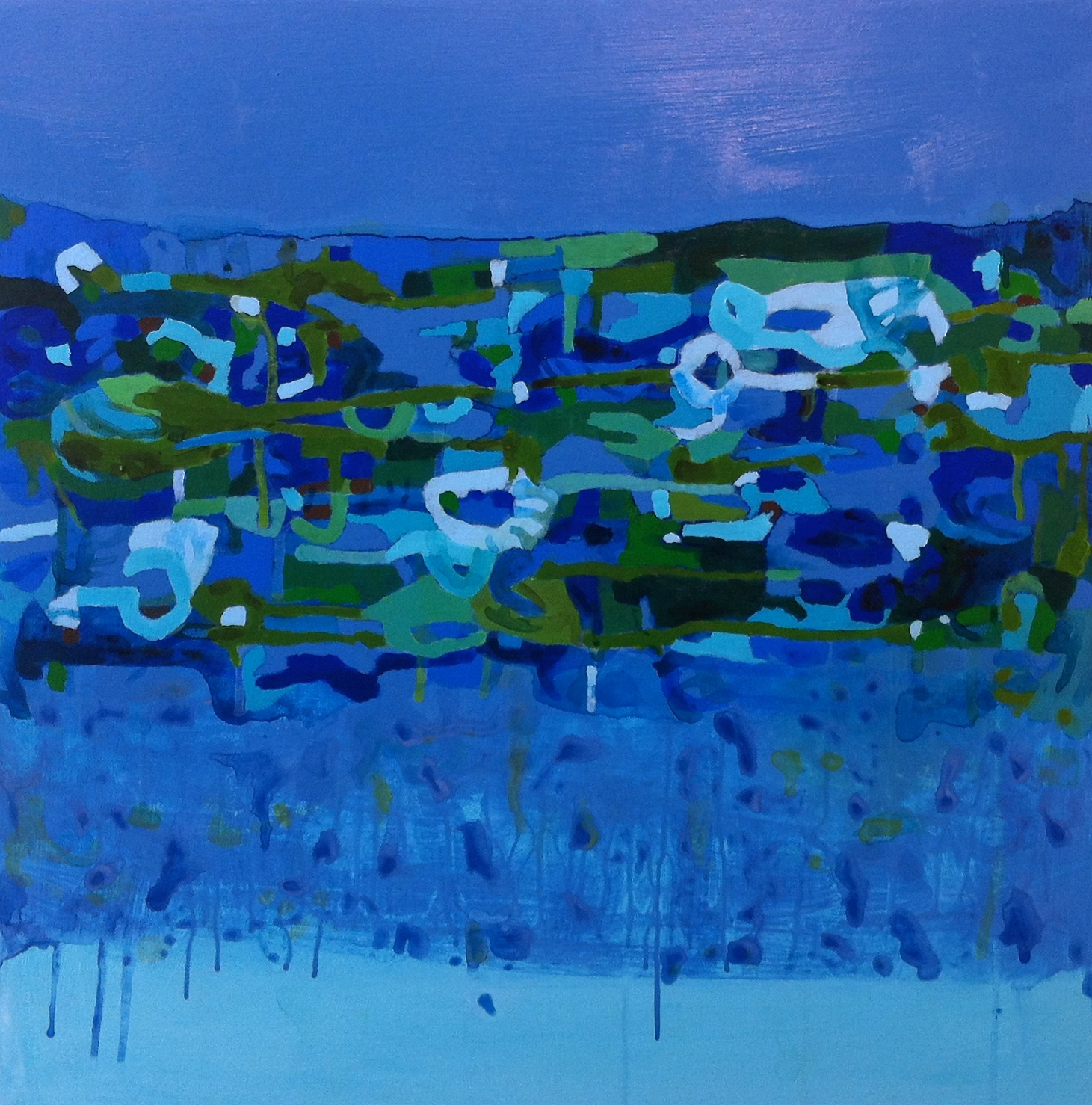
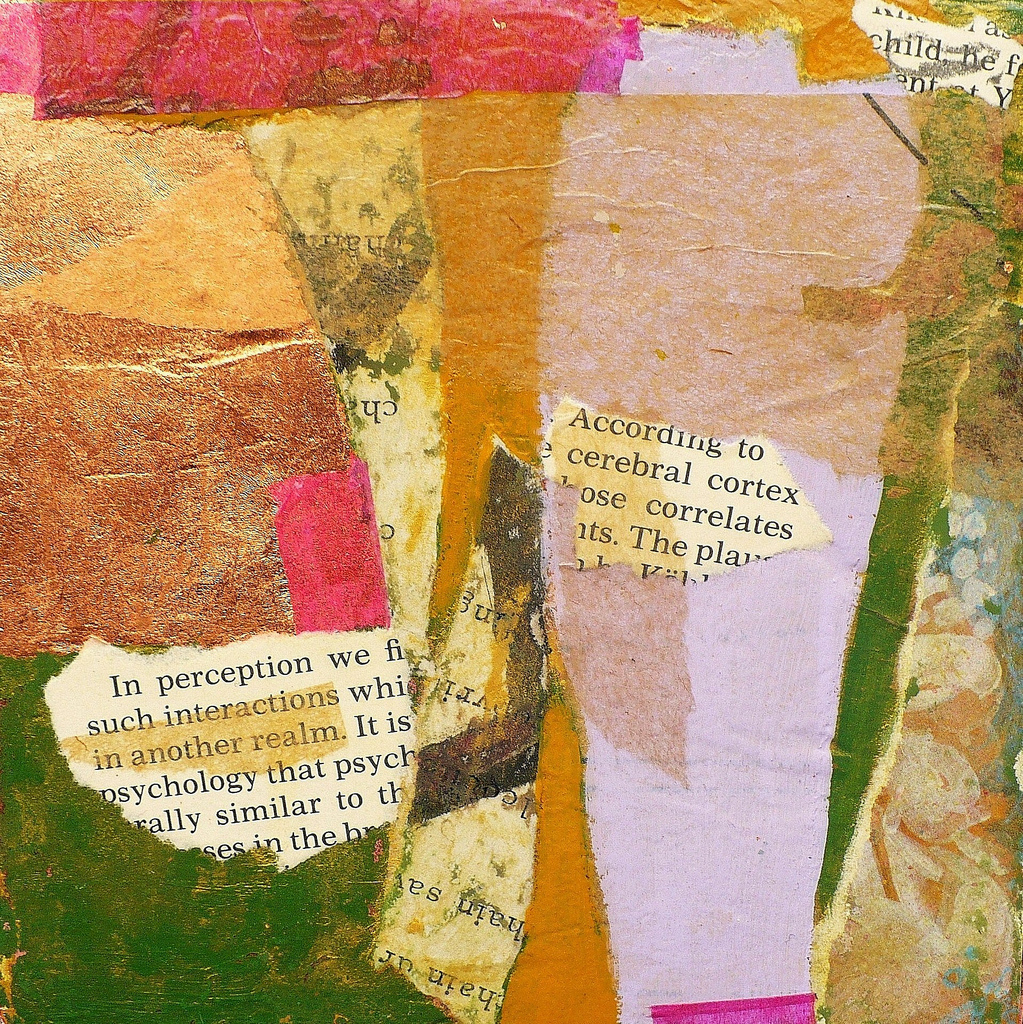
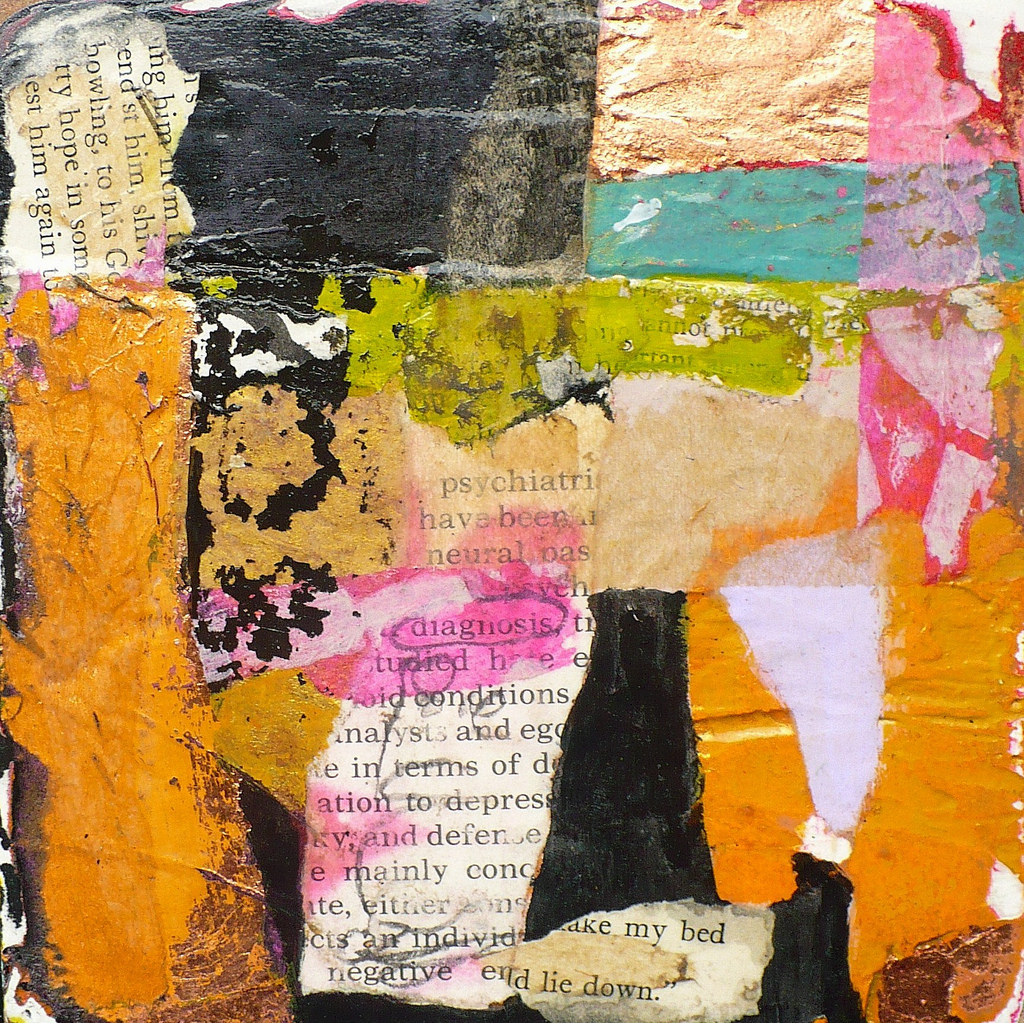
Patti AgapiA self-taught and ever-evolving Canadian abstract artist, Patti Agapi channels her creative expression into vibrant abstract paintings and intricate mixed media and collage art. She works with acrylic paints and various collage elements – found and vintage papers, pencil, metal leaf, plaster, metal and fabric. Patti’s abstract paintings are most often stimulating eye-candy, intense and engaging. Her mixed media & collage pieces evoke a curiosity and sense of mystery – each piece is a microcosmic journey of layers via intricate connections of text, texture and color.

The core themes of her work revolve around perception and personal reflection, and the mysterious ethereal elements of reality.

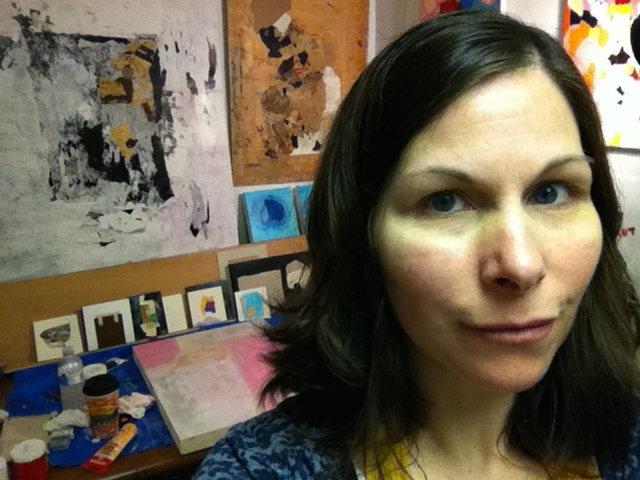
Patti lives in Orillia, Ontario, Canada and between catering to two boys, studiously works on creating Art.  She is a member of the collective art gallery Peter Street Fine Arts Gallery & Studio where she occupies a small downtown studio and shows her work on a regular basis.  She is also a member of the artist-run Zephyr Gallery in Orillia,

More info:

www.pattiagapi.com

www.facebook.com/madwithrapturestudio

www.twitter.com/madwithrapture

www.peterstfinearts.weebly.com

email: pattiagapi@gmail.com

Postcolonial Thoughts: Kandinsky in Search of Pure Abstraction

By Christopher Hutchinson

This article began with a studio visit to a friend, Julio Mejia, during a critical analysis of his latest work. We got into a discussion about abstraction and the lack of a present rubric to qualify what is actually pure abstraction. We were both troubled by the loose interpretation and application of the term “abstraction.”  The term “abstraction” has been used as a catch all that implies that abstraction is not a specific practice, when it is just that, very specific. Our conversation brought about Kandinsky and early definitions of non-objective work.

(noun) – Nonobjective art is another way to refer to Abstract art or nonrepresentational art. Essentially, the artwork does not represent or depict a person, place or thing in the natural world. Usually, the content of the work is its color, shapes, brushstrokes, size, scale, and, in some cases, its process. http://arthistory.about.com/od/glossary_n/a/n_nonobjective_art.htm

Kandinsky is widely read and is one of the most respected artists especially in the topic of non-objective art. Kandinsky wrote extensively on the subject and dedicated his work to defining the spiritual practice of non-objective painting. Kandinsky’s definition had a rubric that was rigid. His rubric defined and denounced “art for art’s sake”.

The phrase ‘art for art’s sake’ condenses the notion that art has its own value and should be judged apart from any themes which it might touch on, such as morality, religion, history, or politics. It teaches that judgements of aesthetic value should not be confused with those proper to other spheres of life. The idea has ancient roots, but the phrase first emerged as a rallying cry in 19th century France, and subsequently became central to the British Aesthetic movement. Although the phrase has been little used since, its legacy has been at the heart of 20th century ideas about the autonomy of art, and thus crucial to such different bodies of thought as those of formalism, modernism, and the avant-garde. Today, deployed more loosely and casually, it is sometimes put to very different ends, to defend the right of free expression, or to appeal for art to uphold tradition and avoid causing offense. http://www.theartstory.org/definition-art-for-art.htm

While Kandinsky is credited with being avant-garde during his time, his artwork does not live up to his writings. Under examination his work does qualify as formulaic; it does qualify as art for art’s sake. Kandinsky’s work currently fits the standardized problems present in a loose definition of abstraction/non-objective work. His abstraction is still based on the rules of traditional realism.

 Bad Abstraction

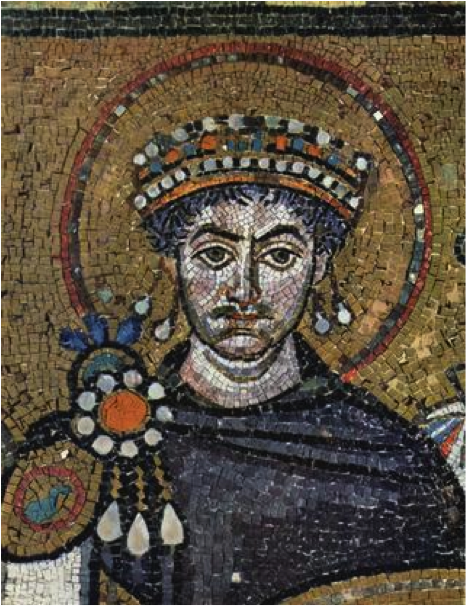
Portrait of the determined Byzantine Emperor Justinian, who reigned from 527 to 565, in San Vitale, Ravenna, Italy. http://worldhistoryclinton.wikispaces.com/Ch.+9+-+The+Byzantine+Empire

Portrait of the determined Byzantine Emperor Justinian, who reigned from 527 to 565, in San Vitale, Ravenna, Italy.
http://worldhistoryclinton.wikispaces.com/Ch.+9+-+The+Byzantine+Empire

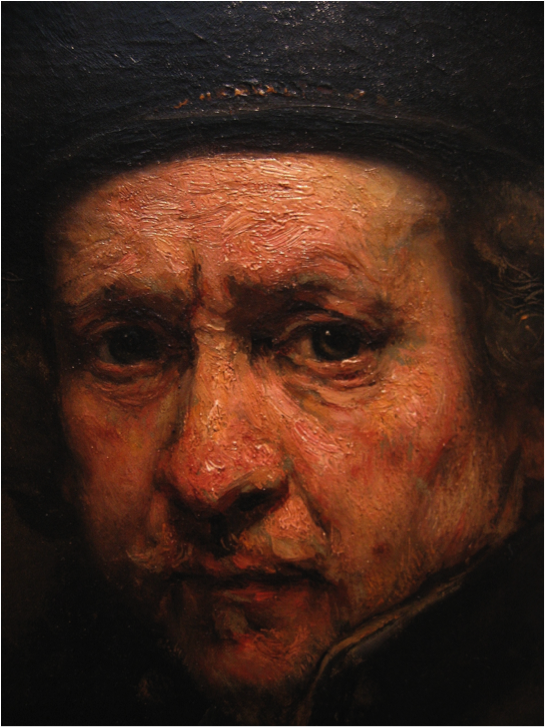
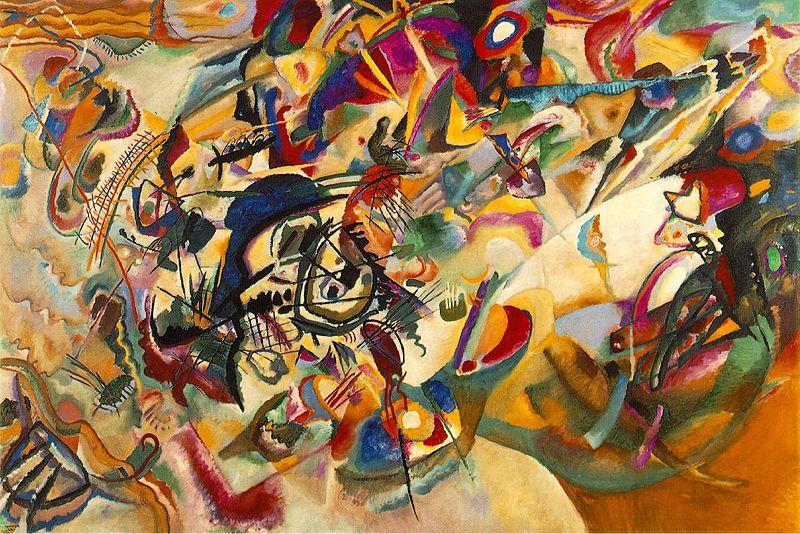
Abstraction with traditional painting applications is one of the easiest ways to detect bad abstraction. Bad abstraction is filled with retouching and modeling. This retouching and modeling is no different than any portraiture from the Byzantine to present. Portraiture employs a technique of using the most brushstrokes on an object to make it the most important, often times the face. Rembrandt and many artists often employ these techniques, allowing the background to be out of focus while the face is precious. There is no place for this type of application in pure abstraction. In the basic beginnings, when attempting abstraction, this portraiture tradition must be identified and then broken to become free enough to achieve pure abstraction. Kandinsky’s overworked blended areas in his Composition VII 1913 are no more intuitive than a color by number setup–put a line/shape, then fill it in.

Portraiture

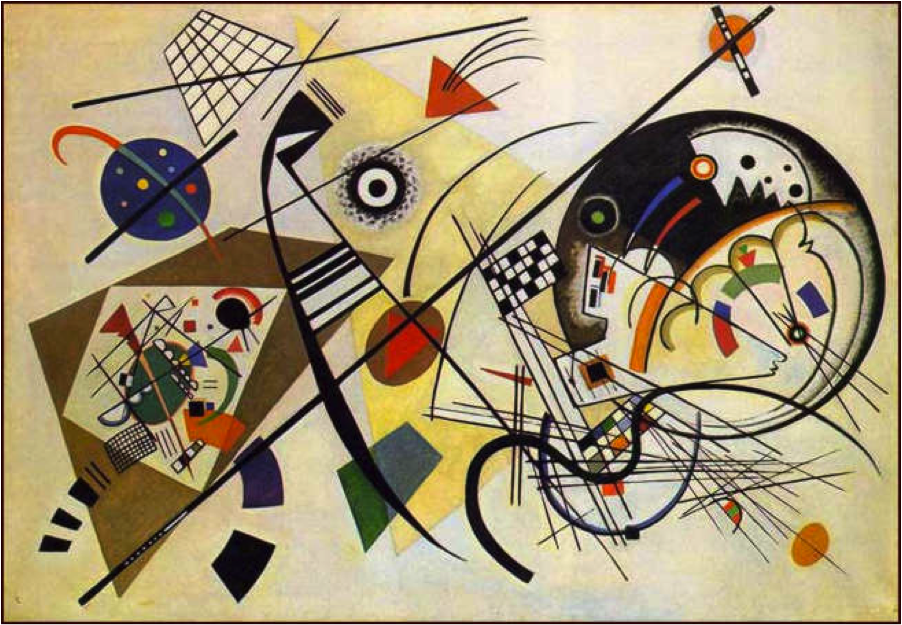
Another indicator of bad abstraction is also a tie to portraiture. The painting may be non-objective but the all the energy and paint is in the center. The rest of the piece is just filler and clearly not important. Kandinsky’s pieces are filled with these centrifugal bad abstractions, leaving almost a mat border around the image. This border is problematic in the pursuit of pure abstraction.


Wassily Kandinsky, Transverse Line, 1923 http://sites.duke.edu/artsvis54_01_f2010/category/keywords/

Wassily Kandinsky, Transverse Line, 1923
http://sites.duke.edu/artsvis54_01_f2010/category/keywords/

Standardization

stan·dard·ize

: to reduce to or compare with a standard <standardize a solution>

2: to bring into conformity with a standard

3: to arrange or order the component items of a test (as of intelligence or personality) so that the probability of their eliciting a designated class of response varies with some quantifiable psychological or behavioral attribute, function, or characteristic

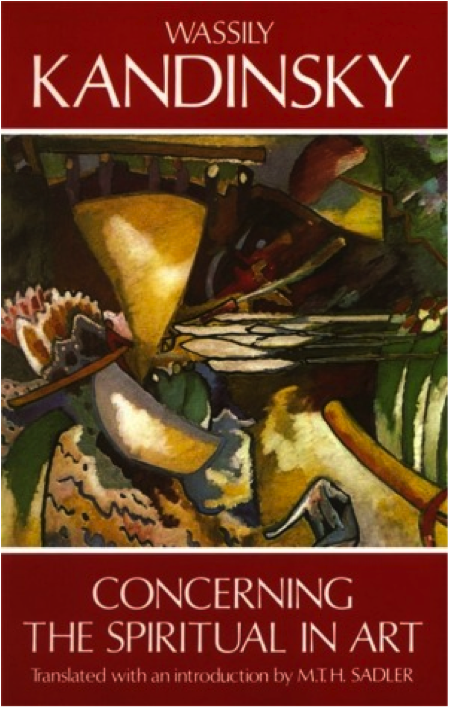
In this essay the term “standardization” refers to the general marks, shapes, and colors one makes to feel safe when one is uncomfortable. It refers to a conscious, contrived placement of elements to be discussed rationally. Pure abstraction is a scary proposition that requires an existential immediacy that should not be rationalized. The standardized process can be seen in Kandinsky’s carefully constructed arrangements. Geometric shapes are classic signs of wanting to control the spiritual. Kandinsky covers his desire to break these rules in order to access this spirituality in his book Concerning the Spiritual in Art.

Kandinsky, the academic critic, emerges in Concerning the Spiritual in Art. His version of spirituality is standardized to death. It becomes an illustration of spirituality, not the spirit itself.   Even if one is successful at accessing the spirit/pure abstraction, that pure spirit may be standardized and formalized until it is no longer free. Most abstraction fails in achieving the spirit. Anyone who accepts the challenge to pursue pure abstraction must be confident and willing to follow the spirit unquestionably for it to be free.


Christopher HutchinsonChristopher Hutchinson is an Assistant Professor of Art at Atlanta Metropolitan State College, Archetype Art Gallery Owner in Atlanta, Ga, and Smoke School of Art Founder. He received his Master of Fine Arts Degree in Painting from Savannah College of art & Design, Atlanta and his Bachelor of Arts Degree from the University of Alabama in Huntsville, Alabama. He lived in Alabama for 10 years before moving to Atlanta in 2008.

Learn more about Christopher and his work at Black Flight 144.


Flappers and Bees

by Caroline Nevin

Fanny

Fanny


Trixie

Trixie

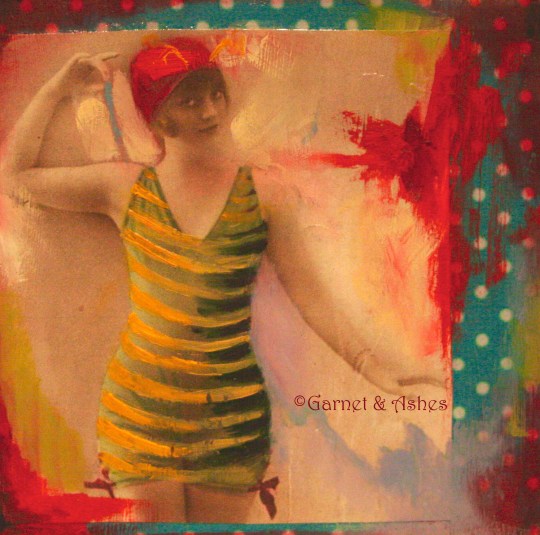
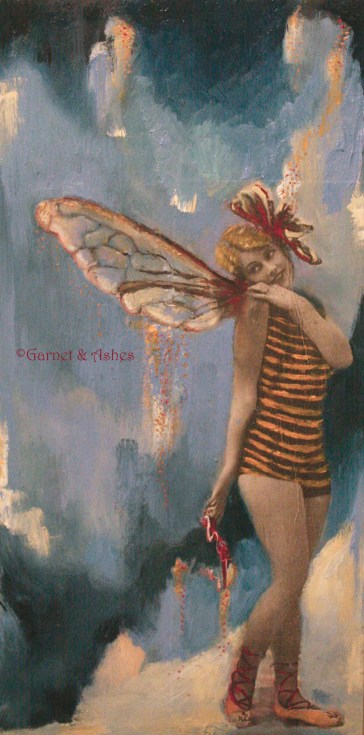
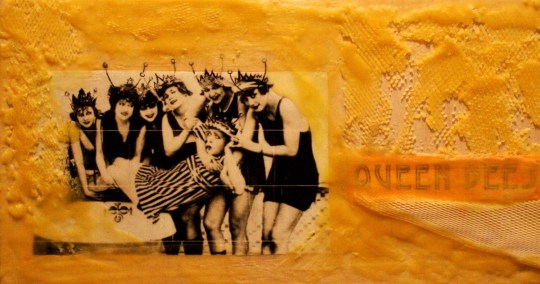
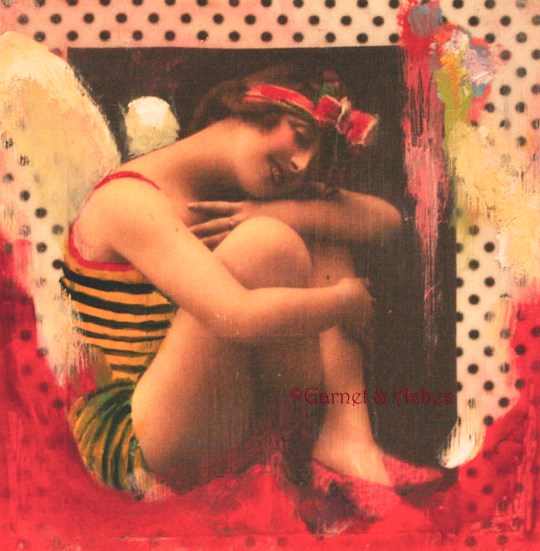
I adore flappers & bees so it’s no coincidence that elements of bees and vintage girly delights are juxtaposed, and in most cases combined in many of my pieces. The intention is to create a conversational timeline between the past and the present and make evident the parallels that still exist today as we continue to adapt and respond to nature through social response. Here are some connections and parallels I’ve perceived between the importance of the work of honeybees, and the work of women in the 1920s.

Historically, dancing has and continues to be used as a popular form of expression and as an indicator of social behavior – as a sacred ritual, as a form of communication for social change and courtship activity, or just to let loose, dancing provides us with important cues that can actually be key to our survival, providing an evolutionary advantage. No one knows this better than honeybees, especially currently. Honeybees (scouts that just happen to be female and are known for their sociability) use the waggle dance for resourceful foraging by indicating to the hive where nectar and pollen can be found in abundance and also where the best new possible nesting locations are. This dance saves the whole hive valuable time and energy and in essence is a harmonious nurturing and preserving of the community. This is especially important now, given the struggles honeybees are facing in recent years through Colony Collapse Disorder after thriving for 50 million years, as a result of current farming practices specifically through the use of pesticides.

Buzz.fm

Buzz.fm

When I contemplate the roaring twenties, I automatically think of a group of gadabout flappers kicking up their heels and dancing The Charleston, much like a swarm of bees. It is the epitome and image of the liberated woman. Women were evolving from the strictures of the Victorian era. In that time, women were seen as chattels of their husbands. The flappers began to emulate the freedom that men had so long enjoyed. They were seen in “speak easy” bars, they smoked, danced and engaged in ‘unmentionables’. They cut their hair short in the flapper “bob.” Until then, women had long hair that they wore up, restricted in a bun. The flappers showed their knees, as long hemlines were replaced in favour of short, loose dresses, which was in revolt of the long heavy skirts and corsets worn by Victorian women. This also coincided with women getting the vote (suffrage) and women working outside the home. Women came together in hive like behavior as they banded together to fight for their rights in a gesture of alliance and posterity, foraging together – and indeed their life depended on it. Women today depended on the work they did to ensure advancing the rights of women.

Saucy Queens

Saucy Queens

Which brings us back to the bee. I’m not asking you to get your picket signs out and start a revolution. Picketing isn’t for the faint of heart. Although if you feel so inclined, please do! I’m suggesting the gentle gesture of planting a bee friendly garden that will attract honeybees. You can even start with one potted plant if you don’t have space for a full garden. And secondly, refrain from using pesticides. This is for your benefit as much as for the bees.

You may find there is a vagueness to the comparison I’ve drawn, but the most important thing to know for now is that I mean to amuse through my art pieces while raising awareness about bees, and the essential importance of their ability to nurture and sustain nature and community in their fragile states. Things will become clearer as I elaborate on these ideas in future musings. Things will become clearer as the idea unfolds and develops. In the mean time, I leave you with the Bee Knees to contemplate the profound act of synchronicity and connection that occurs through the social expression of dance – a mirror to nature…and ultimately, us.

Frances

Frances


Garnet & Ashes

Garnet & Ashes is a sprightly line of vintage inspired mixed media original fine art & reproductions.  A venture of Caroline Nevin; a contemporary artist and BFA graduate from Concordia University, Montreal, Quebec, Garnet & Ashes utilizes a nudging, playful approach with a mélange of bee imagery, vintage treasures and ephemera to arouse and ignite the senses and inspire reflection on notions of identity and memory, discordant habitats and reevaluations of archaic social structures.

Caroline Nevin

Caroline Nevin


www.garnetandashes.com

www.instagram.com/garnetandashes

www.twitter.com/garnetandashes

www.facebook.com/garnetandashes

www.pinterest.com/garnetandashes

https://www.etsy.com/ca/shop/GarnetandAshes


Poned: Mail Art and Michael Orr

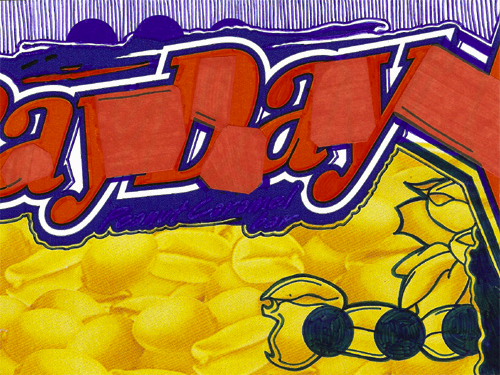
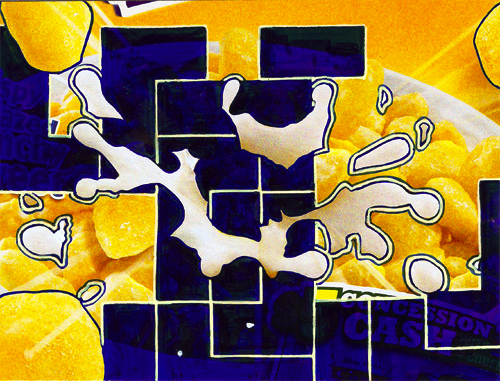
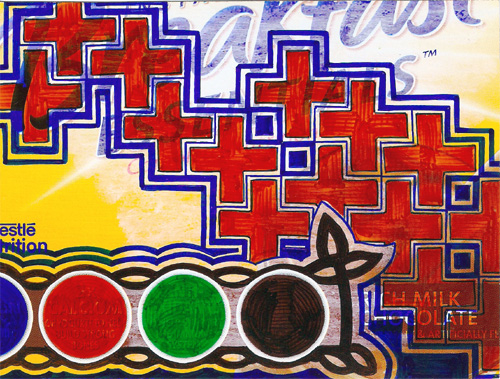
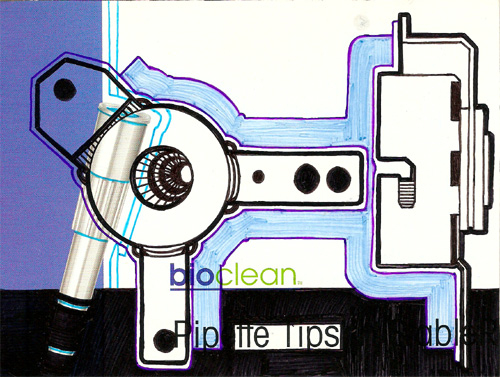
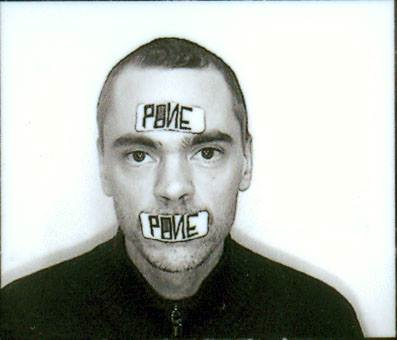
By Michael Orr Michael Orr-692-13 Michael Orr-724-14 Michael Orr-768-15 Michael Orr-799-16 Michael Orr-808-17 Michael Orr-941-18 525 Michael Orr-588-2 Michael Orr-592-3 Michael Orr-598-4 Michael Orr-602-5 Michael Orr-605-6 Michael Orr-608-7 Michael Orr-jrmints_acsize-8 Michael Orr-424-9 Michael Orr-488-10 Michael Orr-498-11 Michael Orr-Pink Mouse-12

Michael Orr-biophoto

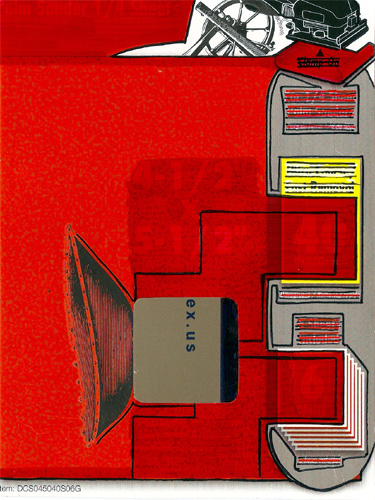
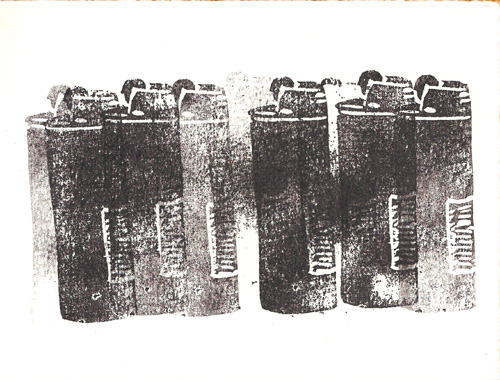
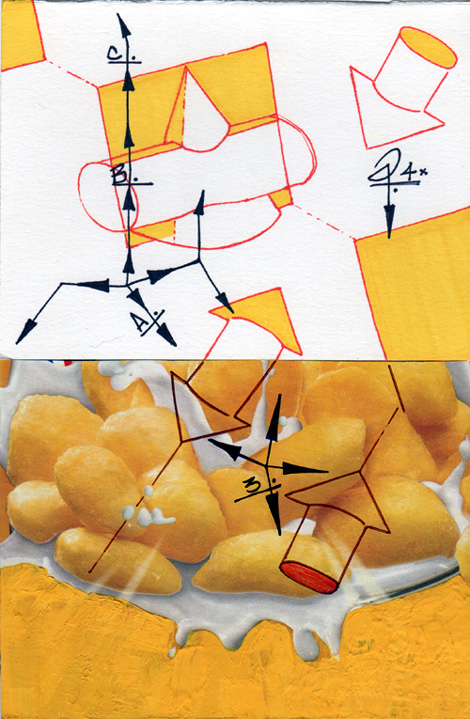
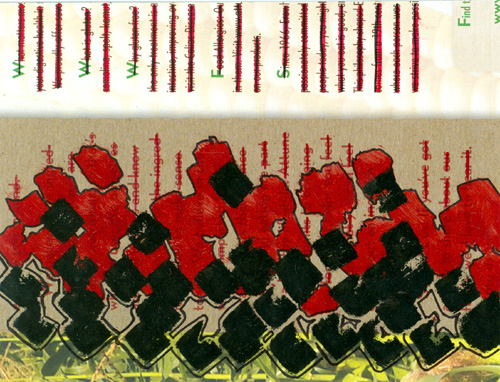
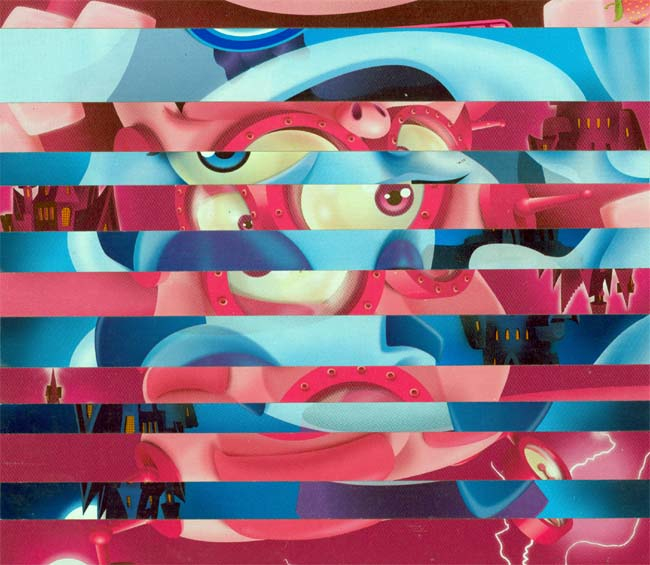
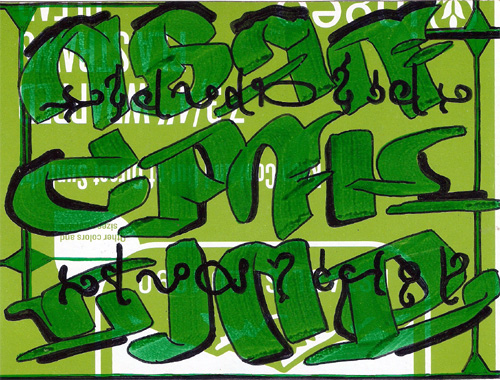
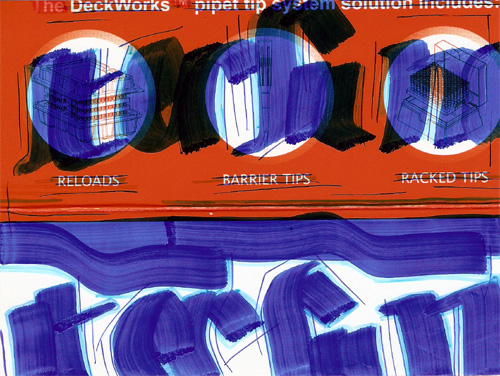
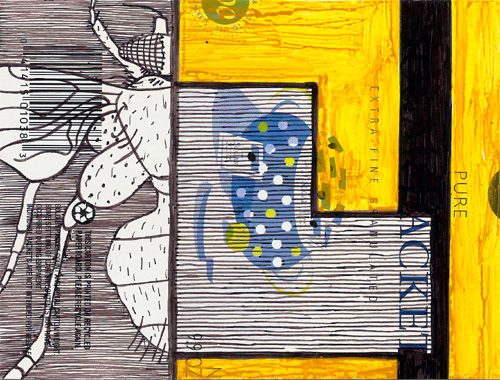
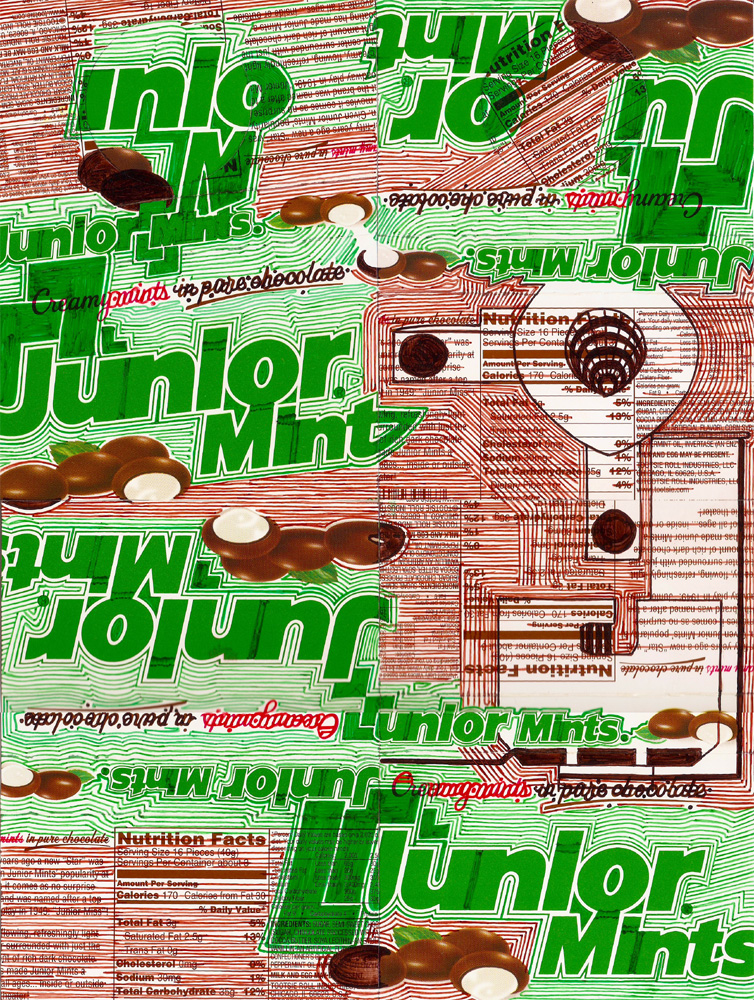
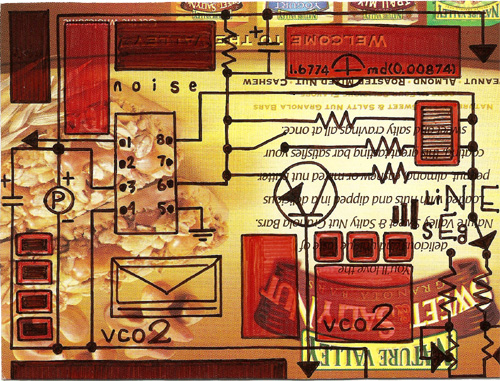
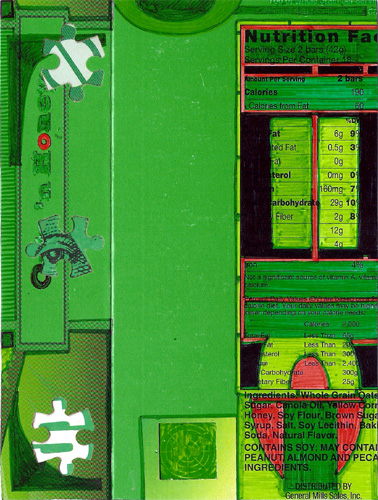
My name is Michael Orr, I am 39 years old. I am from and currently reside in Clarkston GA with my wife and son. I studied design at the Art Institute of Atlanta and The Creative Circus. During the day I pose as a research technician at Emory University. I’ve always made art. It’s a compulsion. It takes me away. It’s fun and makes me happy. I must do it. I started getting away from my sketchbook and making small pieces about 7 years ago. I started mailing things to friends, random people and places. My work is mixed media, collage, design, illustration, and hand carved rubber stamps over existing cardboard packaging waste, album covers, old game boxes, paper or canvas. I enjoy  working on top of existing graphics and incorporating it into my own creation. Many works are a collaboration. Gradually I discovered there is a vast organized mail art network out there, composed of people from all over the world. I like the free exchange of art and ideas. The freedom of letting the works go. The enthusiastic collaboration among the network. The visual poets of this network have directly inspired and influenced my work. Since discovering this network I’ve been in a handful of little group shows around the world and published in a few zines, and a couple of book projects. I’ve shown my work locally at a few events and small venues. Most recently I’ve curated a mail art show at Atlanta’s Eyedrum Art and Music Gallery. 

Website: Sang Moo

Flickr: cornp0ne

Twitter: Michael Orr (@cornpone)

Facebook: Artpone

XX x

by Daniel Boscaljon
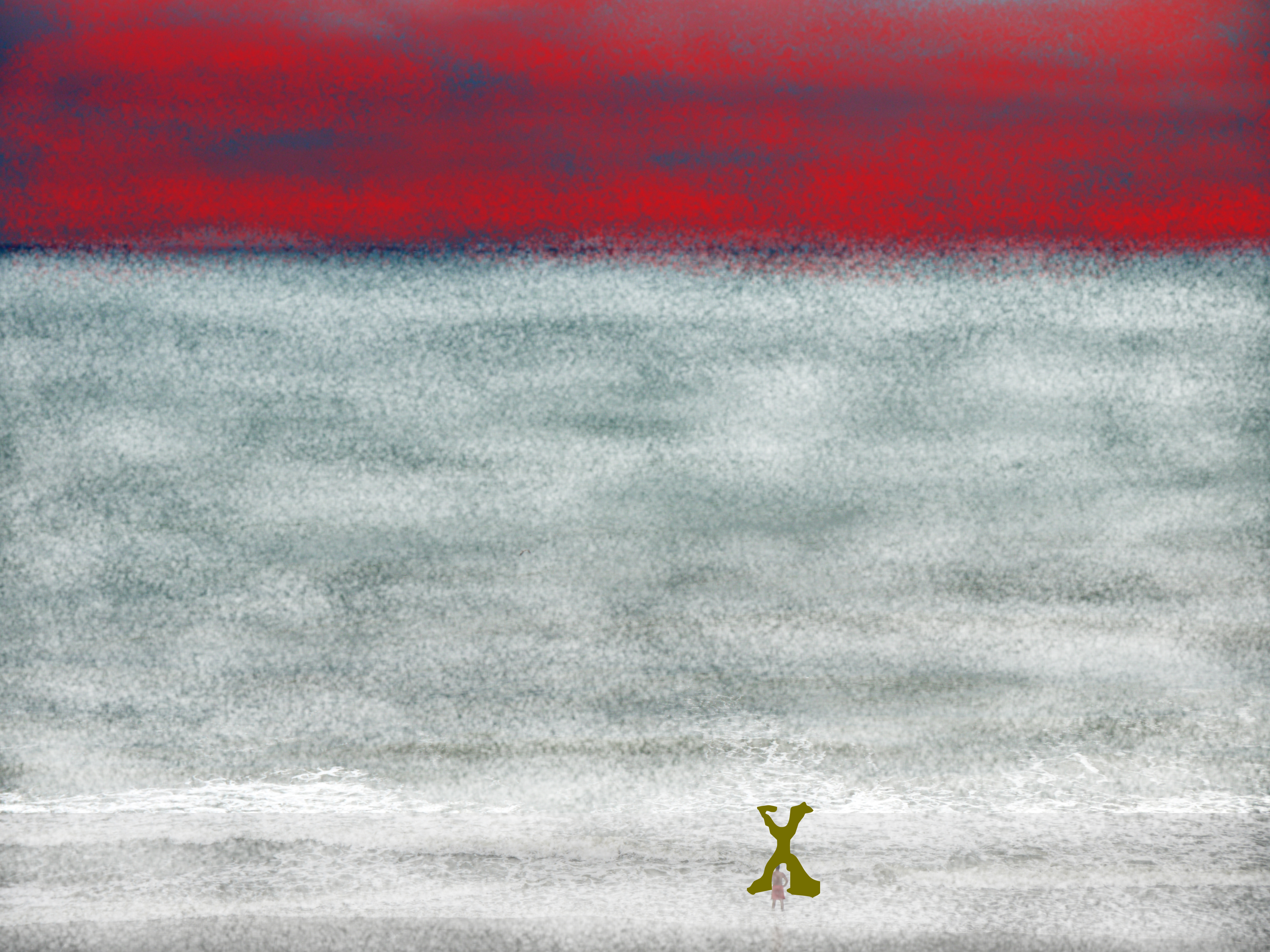
Image by Melissa D. Johnston

rothko experiment B1.1.1X

“XX x” is the last letter in a series of posts called Letters to You written by Daniel Boscaljon with images by Melissa D. Johnston (from one of her ongoing projects). Letters to You began last July with “everytime i write i feel myself disintegrate.”

i see that you are hurting and in so much pain and i want to carry it for you so that you no longer have to, and so i take it from you and put your burden on my own shoulders but it truly is heavy and i decide that i simply want to cross it out and eliminate it all so that it simply doesn’t exist any more and that way we will both be relieved.  because afterall we’re friends and this is what a good friend would do.  and so i stretch inside to your pain that has become my pain and i cross it out and when i do it also crosses out all of my pain and it all is gone and disappears and all that’s left in its place is an X where the pain used to be and it is kind of like a scar but it doesn’t hurt.  and then i look at you and look at us and we can be happy together because our burden is eased and we are joined by the same X which unites us together. and then i look at the world and i see the suffering of so many others, the sadness in the eyes of the mothers with their hungry children, and the sadness of those who no longer believe in love and the sadness of the old women who pine for yesterdays which even they have forgotten and the suffering of those who require their daily bread and the sufferings of those from whom so much has been stolen, and i want to help them too and so i attempt to relieve them, too, from their burdens of sadness.  and i take it all up and i want to cross it out with a big X, the kind that they used to show the kitties in kiddy cartoons were dead, all the dying characters with Xs…i want to X out suffering.  and so i take it all into me and i become a gaping mouth opening to swallow all of the pains of the world and i do it and then i X it all out. and then i see so much injustice in the world, and so many lies and so much deceit and i want to X that out, too.  if i could croxx out all of the lies then everyone could know the truth of reality, and then there would be lexx suffering than what i see all before me now.  and then if that didn’t work then i could XX out my own eyes and so i couldn’t see it that way and then i could go to the whole world and i could xx it all out and XX out everything and anyxhing and then there would be peace. but i need to sxart with you because the firxt time didn’t work as well and so i move to x out all your pain and i try to take it from you and then i realize there’s so much txat’s rooted in your past and so i feel bad but i decide to xx out all of your paxt and all your painxul memories and take them all and x them out.  and then you lxxk at me with sadxess in your eyxs and i realize that you lost something with that but there’s always a saxrifixe and we both know that and then because we’re friends and i want to show you that you are not alone i x out my past too. and then we’re the same and it’s okay, and so i keep xing out the world bexause there’s a joy in annihilation and yxu and i are all turning into Xs and i see the sadness of the youxg bxys but with an XXXXXXX then all becxmes okay and they’re nxt sad anyxore and there where sxdness was is just more xXXXXXXXX and noboxy gets sad with XXXXXXXXX. and i see the whole world before me and i have the power to XXXX and my blood bxrns with the xXXs and then more and mxre and mxrx then there’s nothing but the xXXXXXXXXXXXXXXXXXXXXXXXXXXXXXXXXXXXXXXXXXXXXXXXXXXXXXXXXXXXXXXXXXXXXXXX
XXXXXXXXXXXXXXXXXXXXXXXXXXXXXXXXXXXXXXXXXXXXXXXXx
and mxxx and xxxx and then i realize that i’ve just XXXXXXXXXXXXX oxer sxmxne’s hapxy mxmory and then i laxgh so they can laxgh to and then they cxn stxrt to x it all out and fill the wxrld with the xxxxxxxxxxxxxxxxxxxxxxx bxt thxn i see that the xxxxxxxxxx is just a cover too and thxt if pxxple see xxxx thxy cxn rxmxmbxr thx pxin bxt i knxw thxt i cxn jxst         the wxrld and thxt     blxnks and thxt       cxn fxrget if thxre’s no x to mxrk thx spxt and so thxn     axd i go

Daniel Boscaljon has Ph.D.s in Modern Religious Thought and 19th-century American Literature, both from the University of Iowa. His interest is in the fragility and liminality of human experiences. His first book, Vigilant Faith: Passionate Agnosticism in the Secular World was published by the University of Virginia Press this past August.