Recent

Postcolonial Thoughts: Out of Many, One People- Notes on Stuart Hall’s Cultural Identity and Diaspora essay

By Christopher Hutchinson


Hall’s essay on cultural identity is the very best essay on the problem of identity currently. In these 16 pages Hall challenges each notion of identity from African and European places and how Caribbean cinema has chosen to refute the influence of Europe as well as embrace it. Hall began the essay with deconstructing the make-up of the black subject. Hall’s essay is meant to be read, then re-read, as he uses many metaphors that are interchangeable. He also destabilizes words that were previously thought to be concrete.  These unstable metaphors are so well articulated that the very process of trying to add or deny Hall’s contribution to this subject is a mere reflection of your own place and viewpoint. Hall uses Said, Ghandi, Garvey, Rastafarianism, China, Jamaica and many more in a fluid essay that does exactly what he wishes we should apply to the dialogue of identity, an identity of difference.

 different view of cultural identity. This second position recognises that, as well as the many points of similarity, there are also critical points of deep and significant difference which constitute ‘what we really are’; or rather- since history has intervened – ‘what we have become’. We cannot speak for very long, with any exactness, about ‘one experience, one identity’, without acknowledging its other side – the ruptures and discontinuities which constitute, precisely, the Caribbean’s ‘uniqueness’. Cultural identity, in this second sense, is a matter of ‘becoming’ as well as of ‘being’.-p225

http://www.unipa.it/~michele.cometa/hall_cultural_identity.pdf

Identity & Production

Before Hall gets to his identity in difference he calls into question the very problematic issue of identity as production and its relation to the black subject. The attempt to create a monolithic Afro-Caribbean/Afro-American culture is wrong due to all the cultural editing one would have to do to achieve that oneness.

The first position defines ‘cultural identity’ in terms of one, shared culture, a sort of collective ‘one true self’, hiding inside the many other, more superficial or artificially imposed ‘selves’, which people with a shared history and ancestry hold in common. Within the terms of this definition, our cultural identities reflect the common

historical experiences and shared cultural codes which provide us, as ‘one people’, with stable, unchanging and continuous frames of reference and meaning, beneath the shifting divisions and vicissitudes of our actual history. This ‘oneness’, underlying all the other,

more superficial differences, is the truth, the essence, of ‘Caribbeanness’,of the black experience. It is this identity which a Caribbean or black diaspora must discover, excavate, bring to light and express through cinematic representation.-p223

http://www.unipa.it/~michele.cometa/hall_cultural_identity.pdf

Identity in Hall’s context is not the identity of victimhood. This was hard to digest, how could unity be wrong? How could standing as a collective be a weakness? How could Hall advocate this divisive stance? That imposed unity that people of color have strived for is just as manufactured and false as In …enforced separations from Africa – already figured, in the European imaginary, as ‘the Dark Continent’.

 

Africa Signified

 Africa, the signified which could not be represented directly in slavery, remained and remains the unspoken, unspeakable ‘presence’ in Caribbean culture. It is ‘hiding’ behind every verbal inflection, every narrative twist of Caribbean cultural life. It is the secret code with which every Western text was ‘re-read’. It is the ground-bass of every rhythm and bodily movement. This was- i s – the ‘Africa’ that ‘is alive and well in the diaspora’. -p230

http://www.unipa.it/~michele.cometa/hall_cultural_identity.pdf

This definition of Africa signified is obviously also present in the everyday encoding of African/American language, bass, rhythm, and bodily movement. That evidence of Africa can then manifest itself in the very real imaginative geography and history.

We must not collude with the West which, precisely, normalises and appropriates Africa by freezing it into some timeless zone of the primitive, unchanging past. Africa must at last be reckoned with by Caribbean people, but it cannot in any simple sense by merely recovered-p231

http://www.unipa.it/~michele.cometa/hall_cultural_identity.pdf

 

Imaginative Geography & History

‘imaginative geography and history’, which helps ‘the mind to intensify its own sense of itself by dramatising the difference between what is close to it and what is far away’. It ‘has acquired an imaginative or figurative value we can name and feel’.7 Our belongingness to it constitutes what Benedict Anderson calls ‘an imagined community’.8 To this ‘Africa’, which is a necessary part of the Caribbean imaginary, we can’t literally go home again.

 Hall’s definition of the imaginative is by no means fictitious. Hall here uses the imaginative geography and history as a solid state to stand. It is not a simulacrum of pretend realities that rely on the elaborate sets to trick the viewer into a state of an alternate reality. The Imaginative here cannot be used as the hegemonic tool to oversimplify and produce a manufactured culture. It is not fashion.



Presence European

Presence Europeenne is almost as complex as the ‘dialogue’ with Africa. In terms of popular cultural life, it is nowhere to be found in its pure, pristine state. It is always-already fused, syncretised, with other cultural elements. It is always-already creolised – not lost beyond the Middle Passage, but ever-present: from the harmonics in our musics to the ground-bass of Africa, traversing and intersecting our lives at every point. How can we stage this dialogue so that, finally, we can place it, without terror or violence, rather than being forever placed by it? Can we ever recognise its irreversible influence, whilst resisting its imperializing eye? The engima is impossible, so far, to resolve. It requires the most complex of cultural strategies. –p234

http://www.unipa.it/~michele.cometa/hall_cultural_identity.pdf

Gauguin is an example of the Presence Europeenne, so loved for his exotic depictions of Tahiti of which Tahiti benefits from in Tourism. The cultural identity of the Caribbean as a Romantic post-card has been offered as a true depiction of the culture that is actually present. Gauguin’s success is derived from the hyper-color, the abstract sensual nude figure, the simulacra of Tahiti. How much of this savage narrative of the Caribbean has been accepted as the rubric for the now Caribbean folk art identity? This connection to the rubric of Europe is the reason for the stagnation in Caribbean art as well African-American art.
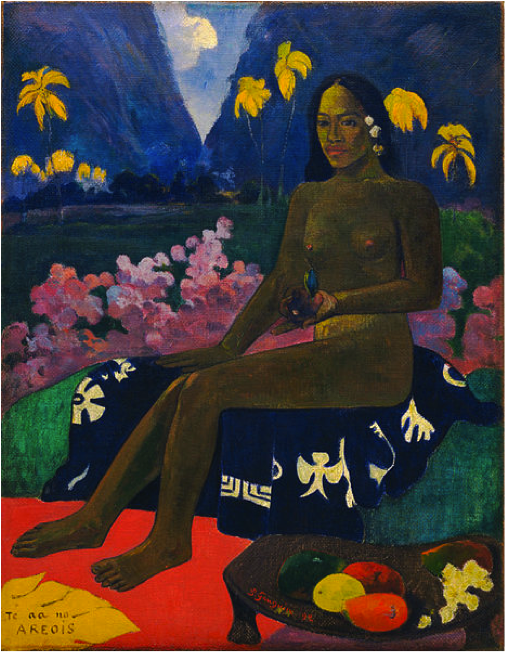
Paul Gauguin, Te aa no areois (The Seed of the Areoi),1892, The Museum of Modern Arthttp://en.wikipedia.org/wiki/Paul_Gauguin

Paul Gauguin, Te aa no areois (The Seed of the Areoi),1892, The Museum of Modern Art http://en.wikipedia.org/wiki/Paul_Gauguin


Out of Many, One People

 This is the vocation of modern black cinemas: by allowing us to see and recognise the different parts and histories of ourselves, to construct those points of identification, those positionalities we call in retrospect our ‘cultural identities’. –p234

http://www.unipa.it/~michele.cometa/hall_cultural_identity.pdf

Hall’s essay imagine’s concretely the Jamaican motto Out of Many, One People to be the new rubric of the New Africa, unity of difference, where difference is ideal.

 

Christopher HutchinsonChristopher Hutchinson is an Assistant Professor of Art at Atlanta Metropolitan State College, Archetype Art Gallery Owner in Atlanta, Ga, and Smoke School of Art Founder. He received his Master of Fine Arts Degree in Painting from Savannah College of art & Design, Atlanta and his Bachelor of Arts Degree from the University of Alabama in Huntsville, Alabama. He lived in Alabama for 10 years before moving to Atlanta in 2008.

Learn more about Christopher and his work at Black Flight 144.
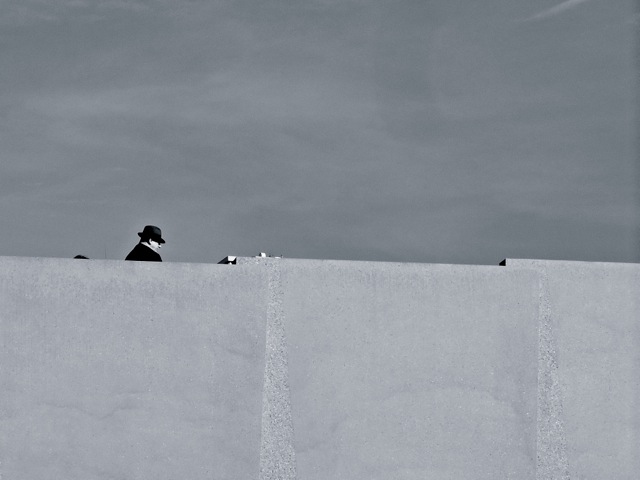
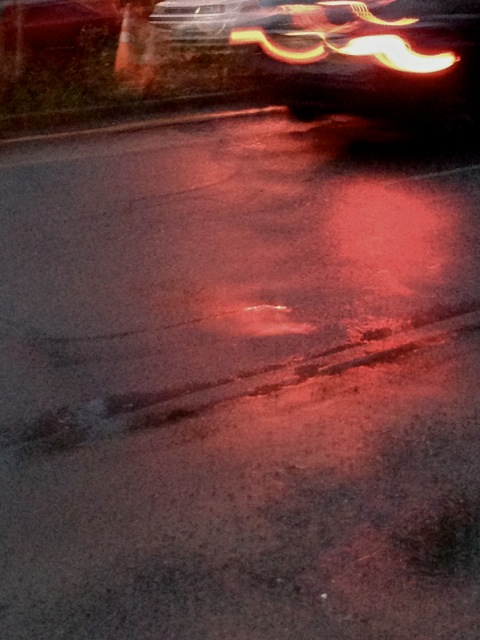
Disappearances: Photographs by Chris Bronsk

Sentinel

Sentinel


Red Wall

Red Wall


Kerchief

Kerchief


Taxi

Taxi


Diagnosis (I)

Diagnosis (I)


Squall (I)

Squall (I)


New Marks

New Marks


Dub (II)

Dub (II)


Southern Cross (I)

Southern Cross (I)


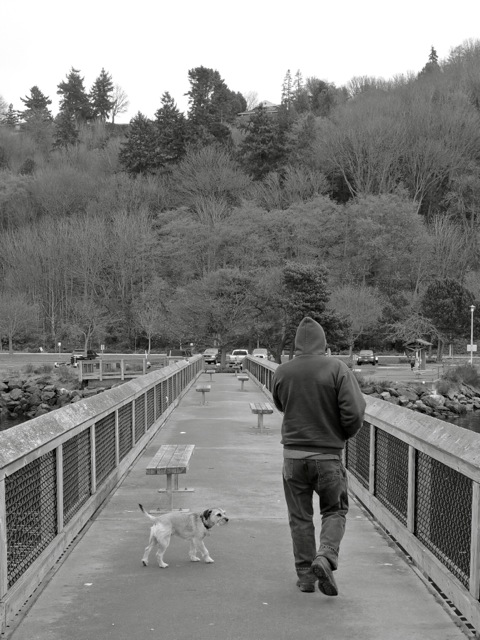
Jetty (I Am Home)

Jetty (I Am Home)


Chris Bronsk writes and takes pictures, resides in Seattle, and lives in the fire sales of dreams. In his photographs, as in his writing, he searches for the uncommon in the everyday, exploring the boundaries between contexts, real and imagined, where words and images live, memory and history collide, and our experiences, collective and intimate, come into conversation.
Twitter: @CBronsk


2014: Jackie Frances is the “Trans Artist”


1978 Jean-Michel Basquiat was the “Black Artist”
1983 Keith Haring was the “Gay Artist”
2014 Jackie Frances is the “Trans Artist”


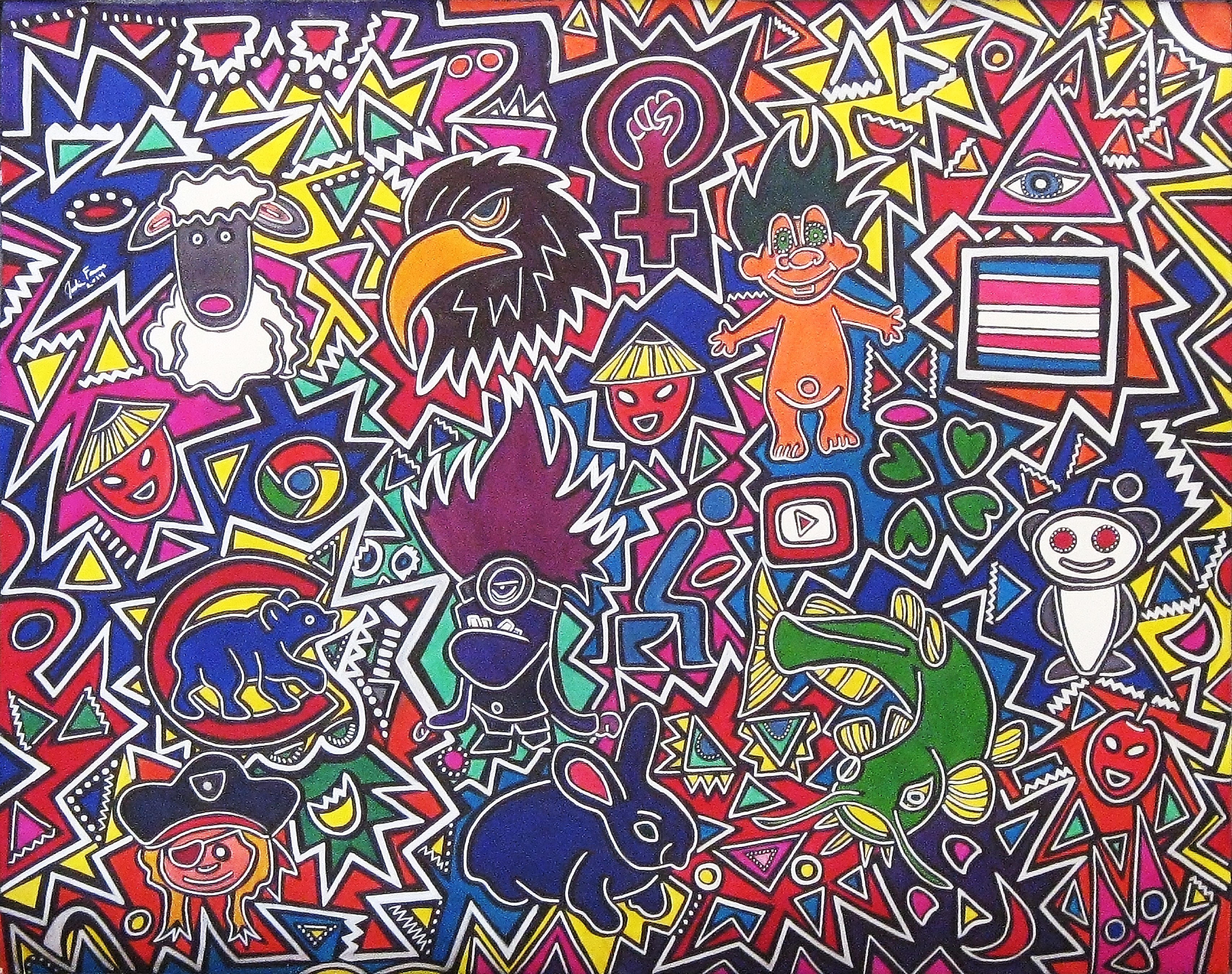
"Catfish Minions Sheeple and Trolls" 28x22

“Catfish Minions Sheeple and Trolls” 28×22


"Papa Doughboy and the Twekin Teddy" 30x20

“Papa Doughboy and the Twekin Teddy” 30×20


"That Jailbird's a Lemonhead" 28x22

“That Jailbird’s a Lemonhead” 28×22


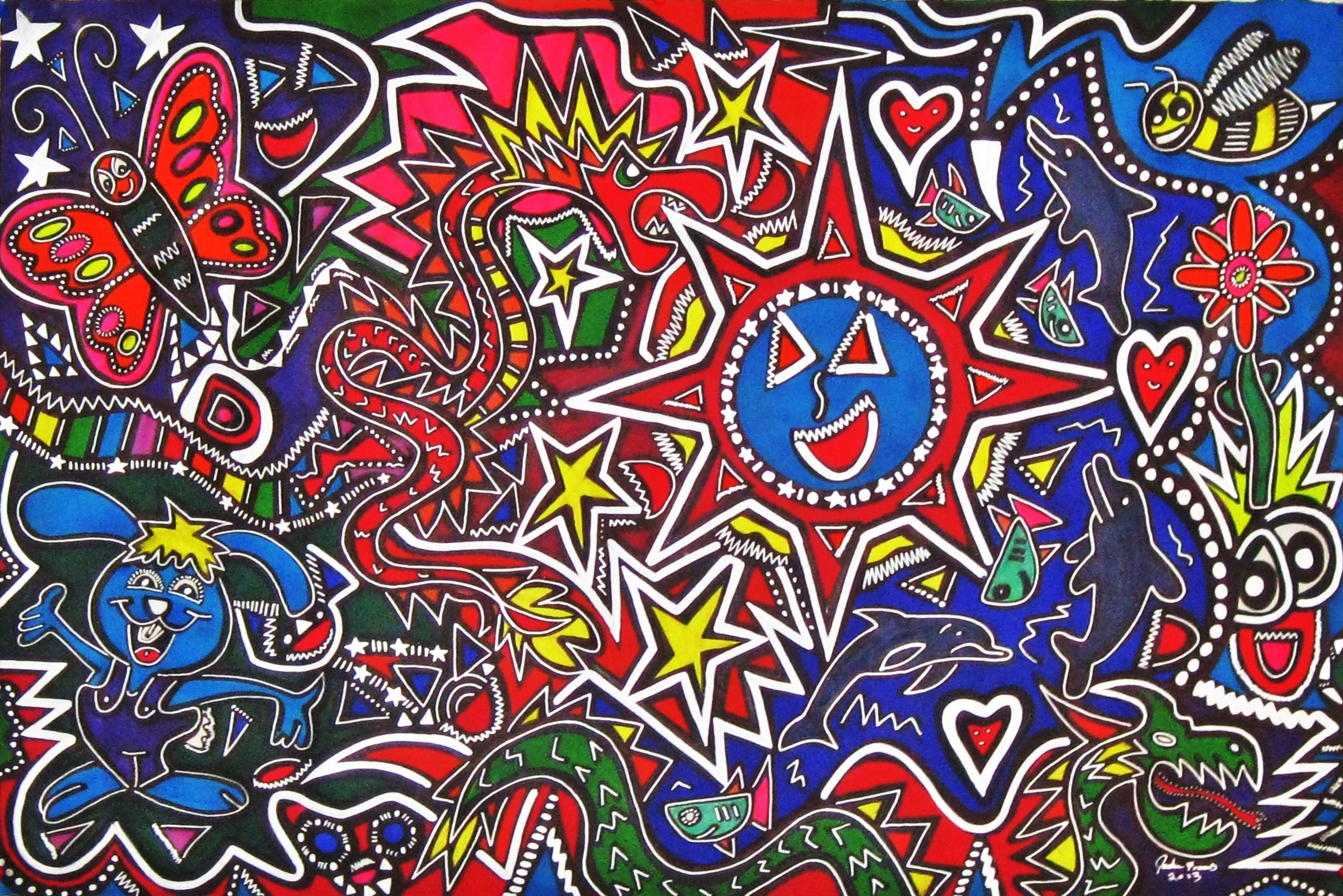
"Sunnyville" 30x20

“Sunnyville” 30×20


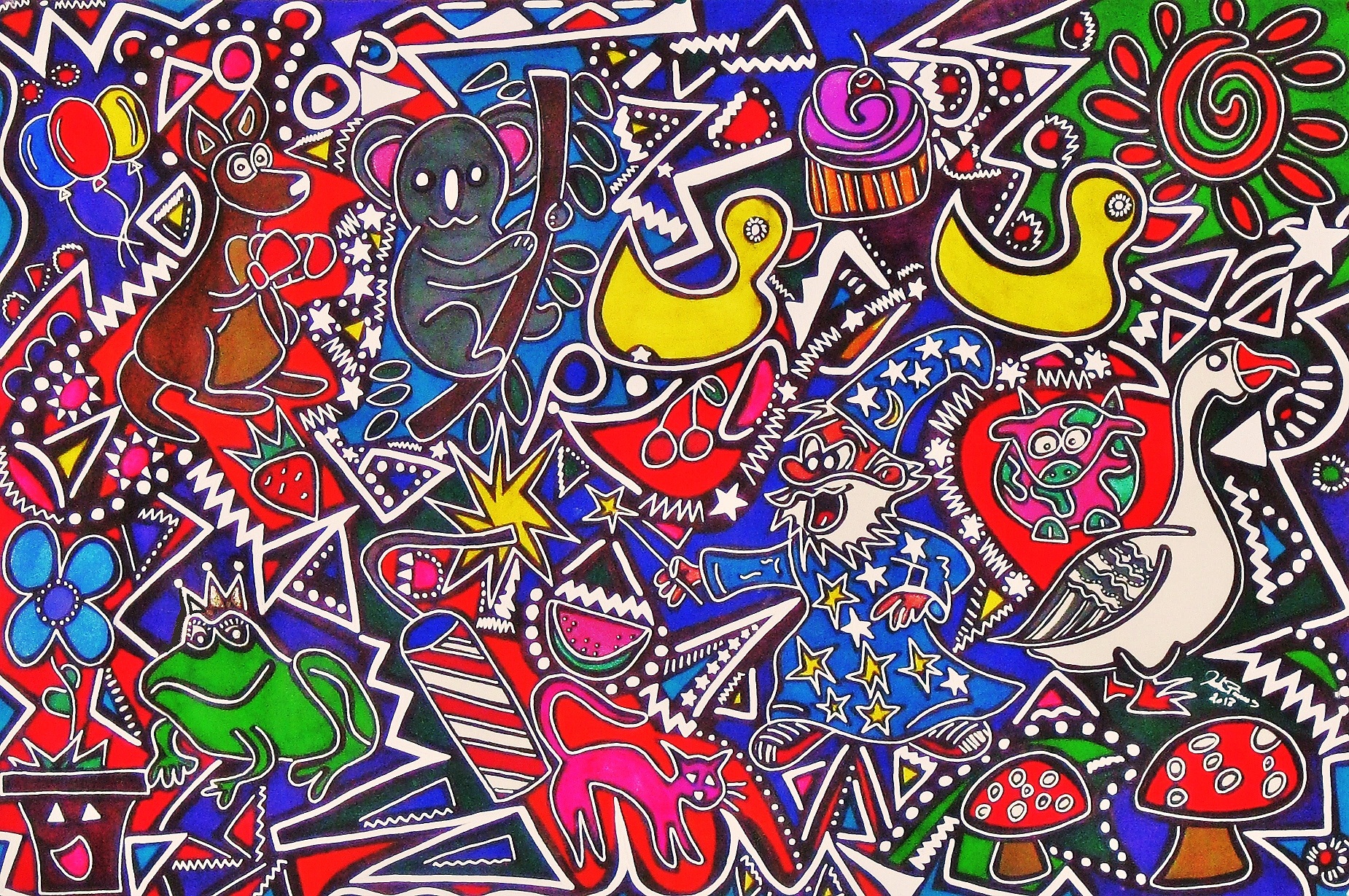
"Duck Duck Goose and the Boxing Kangaroo" 30x20

“Duck Duck Goose and the Boxing Kangaroo” 30×20


"The Birds and the Bees Doggy Style" 28x22

“The Birds and the Bees Doggy Style” 28×22


"Merry Go Round Brain Freeze" 28x22

“Merry Go Round Brain Freeze” 28×22


Jackie FrancesJackie Frances is a Boston-based, transgender artist who creates all her pieces with Sharpies. Jackie’s work has been said to be a mix between Picasso and Keith Haring.  As a child of the 80’s, her work is informed by the television, film, video and board games of that era: Tetris, Chutes and Ladders, Candy Land, Hell Raiser, The Muppets, Sesame Street, Fraggle Rock, Stephen King, etc.  She believes that art is a journey toward equality and that nostalgia helps light the way.

Follow Jackie on twitter @MsJackieFrances

see more of Jackie’s work on jackiefrances.tumblr.com

Sales and Showings contact msjackiefrances@gmail.com


Ophelos by TAPROOT

The goal of Creative Thresholds has always been to explore different genres and art forms, particularly those that trouble and work those boundaries. Until now the focus has been on writing and visual art. It’s time to expand and what better way than by sharing an excerpt from the collaborative performance ensemble TAPROOT‘s original production Ophelos?

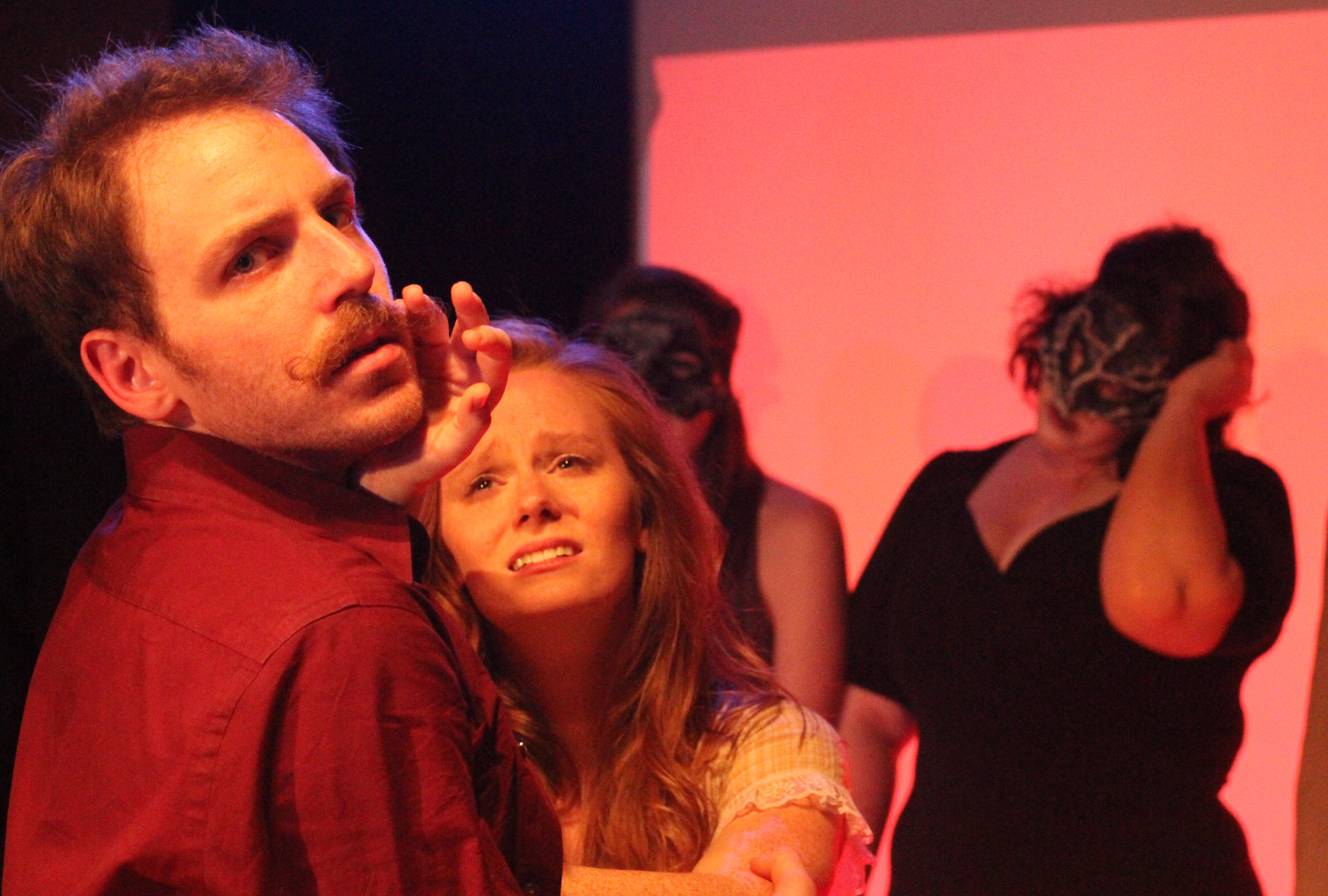
photo by Reuben Bloom

photo by Reuben Bloom

A young woman struggles against a destructive cycle of violence to save the man she loves from succumbing to a culture of vengeance. Enter the  violent, sensual, immersive theatrical experience of Ophelos

Ophelos 1 Reuben Bloom

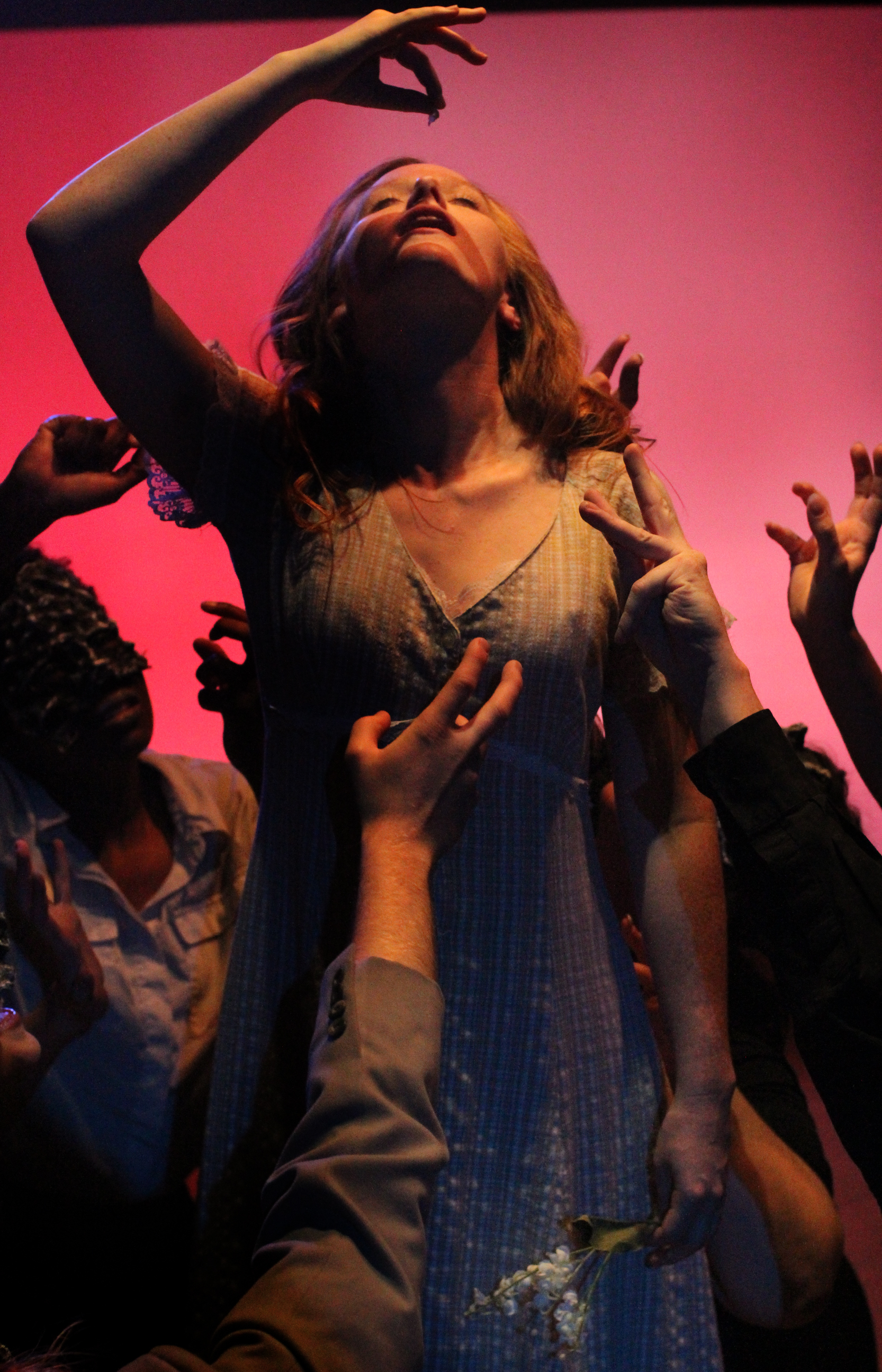
photo by Reuben Bloom


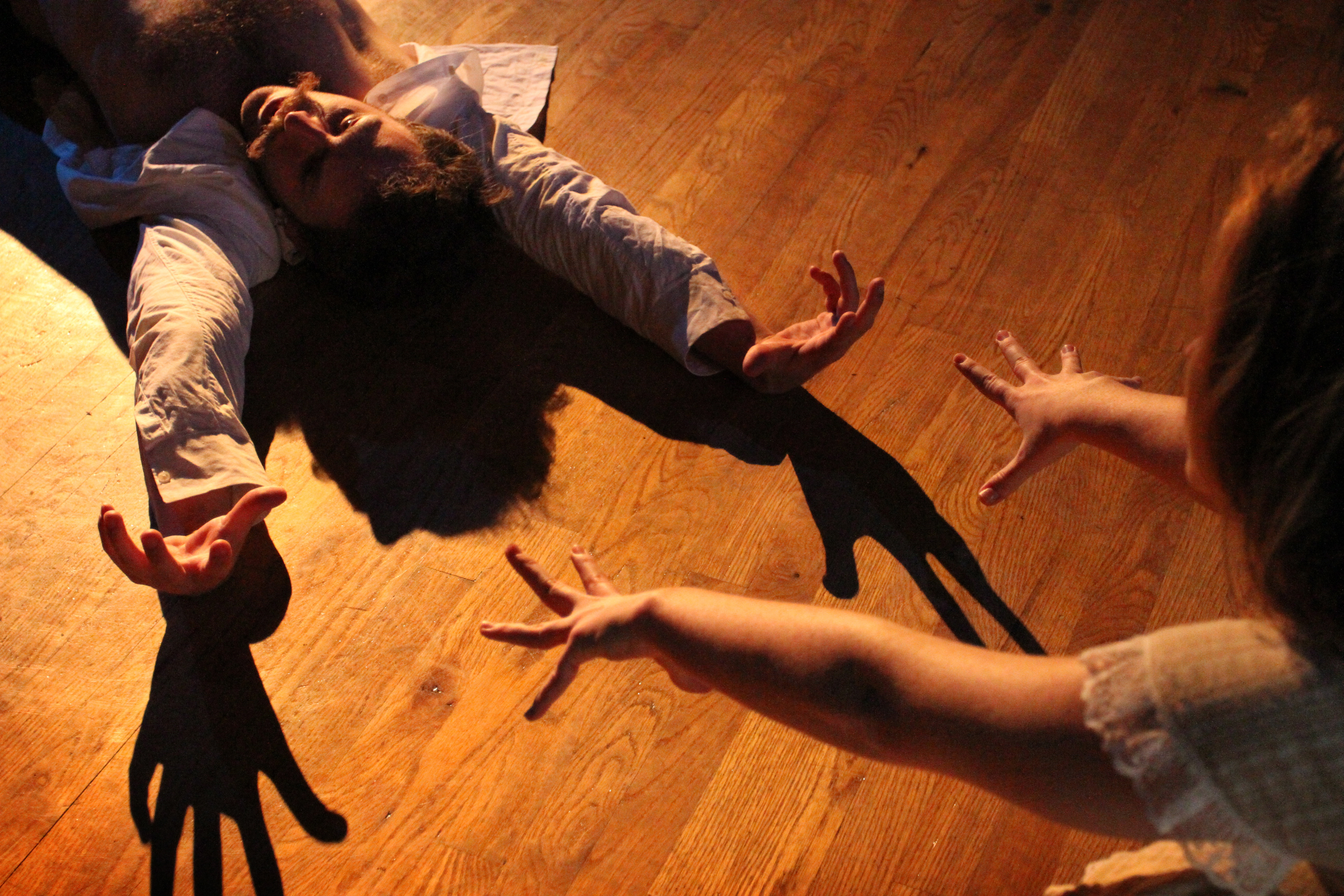
Ophelos is an original performance piece told through movement, masques, music and shadow. It is designed to give the audience a performance experience which breaks down the fourth wall, with action taking place throughout the space. Based on the Scandinavian folk tale of Amleth with text from Shakespeare’s Hamlet, Ophelos transcends time using Shakespearean language, 1930s inspired costuming, original music, modern dance techniques and a unique understanding of multidisciplinary performance.
http://vimeo.com/75911762


Ophelos is being performed throughout April 2014 in the Charlotte, NC area.

Tickets – Sliding Scale $15 – $25

Kadi Fit – 19725 Oak St #6, Cornelius, NC 28031

Purchase tickets here
 
Upstage – 3306 N Davidson St, Charlotte, NC 28205
 
Purchase tickets here

photo by Reuben Bloom

photo by Reuben Bloom

TAPROOT is a collaborative performance ensemble working to build community and create innovative cross-disciplinary performance experiences through artistic collaboration that speaks truth and challenges audiences. All of TAPROOT’s original and collaborative works have worked to engage the greater Charlotte community by inviting public participation in feedback sessions throughout the development of each piece. TAPROOT also regularly offers free or low-cost programming that encourages artists to expand their techniques, ideas and peer communities. Learn more at TAPROOT’s website or Facebook page.

Notes from kingCARLA 2

By Carla Aaron-Lopez

kingCARLA  writes about the experience of being an emerging artist. Her first post was Notes from kingCARLA.

carla aaron-lopez 1

Ever heard the saying: You get a lot of NO’s before you get to YES?

I hate it. Drives me insane. Especially when I get turned down for exhibitions when I know my shit is tight. But alas, life moves on… because it has to. Doesn’t it?

Recently, I introduced myself to Charlotte, NC to a small crowd of people that I knew and people that I didn’t know. I’m quite into creating my version of Southern culture therefore I served everyone cherry moonshine. By the end of the night, people were happily drunk and into the works that I put on the wall. Now that that night is over, I find myself back in the mundane motions of an everyday routine. And today in email form about a juried exhibition in DC, I received my last no. Like, seriously folks, the shit is really beginning to piss me off so bad that I don’t know what my next move is but when I get there I’ll let you know what I did.

carla aaron-lopez 2As an emerging artist that is trying to take my professional life seriously, I’m working through these issues all artists have. Some of us will be able to get over them. Sadly, most do not. If I continue to have a temper tantrum or fall into depression every time I get a no then I’m not really living my artist life to the fullest. Therefore, when things like this show up… I review my resume.

Why?

Because I can remind myself of all the work I’ve put in over the past 10 years as an artist and to see where I would like to be for the next 10 years. Life steadily evolves without our permission. If I spend all my time concentrating on the bad/negative/upsetting parts I will miss my opportunity to shine. And that moment is coming up soon in the form of a panel discussion at Georgia State University on blackness as aesthetics. Bruh. I know that shit so well for the weird negros, white folks and people of color in America. I’ve chosen that event at this moment to be that professional artist I see myself as when no one is around. That campy motherfucker with a Southern twang dropping sweetly ignorant yet highly intelligent verbals from her mouth. A modern day Zora Neale Hurston.

My fantasies. They’re huge. Tengo grandes cojones… metaphorically speaking.

Back to the resume review.

In order to play the character I’ve created, I need to review what I’ve done and what it means to me. I think that from there I’ll be able to have a stronger basis for my aspirations as an artist and begin boiling down who my audience is. And I know my audience is small. I believe them to be a perverse group of humans that are rather bored with mediocrity and normalcy of American culture. They hate what’s perfect and enjoy the seedy underbelly of popular culture. It’s dangerous grounds to lurk in those spaces but to an outcast (or marginalized person) it is home and peaceful. For years, I’ve created works that attract this group of people. That is, within reason because the rabbit hole of human oddities runs very deep and very scary. I’m fascinated by the relationship of what’s considered normal in societies and what’s marginalized in terms of the human experience.

carla aaron-lopezMaybe that’s why I get so many no’s. I’m black woman but don’t really care to produce works again and again on the gaze/masculinity of white and black men. I’d rather empower a bitch and keep it moving but don’t call me a fucking feminist. And because I’m black, I’m bored with the constantly reproduced slave narratives. The content needs to be really fucking fascinating or else I forget about it. I know my history very well therefore I seek to produce works that challenge the new contemporary ways in which racial/sexual contracts are upheld in American culture. Now, that shit can go somewhere over hill and into outer space. Maybe I need to be a male artist.

Maybe then I’ll get noticed.

Nope. Fuck that.

I know my day will come when I stop getting Wangechi Mutu references. Until then, fuck these no’s. I’ve got more exhibitions to apply to, a new body of work to establish, a panel discussion to prepare for and a baby boy to raise in America.

I ain’t got the time to be in my feelings over a damn no.

And neither should you.

Peace,
kingCARLA

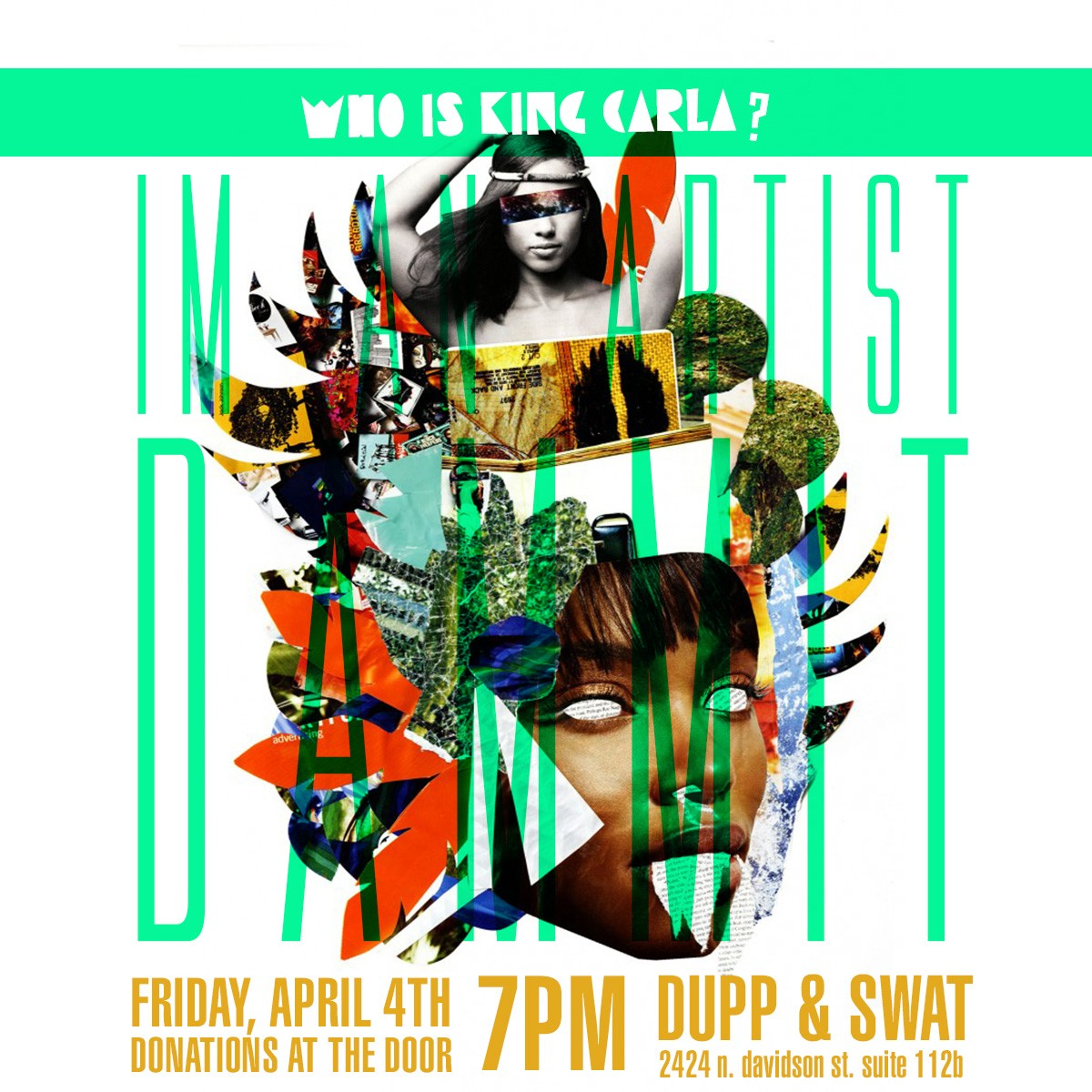
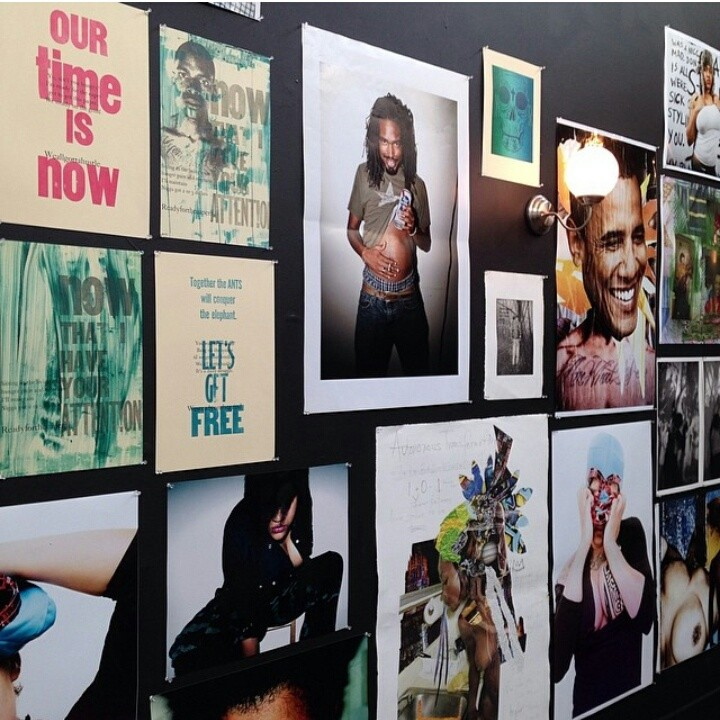
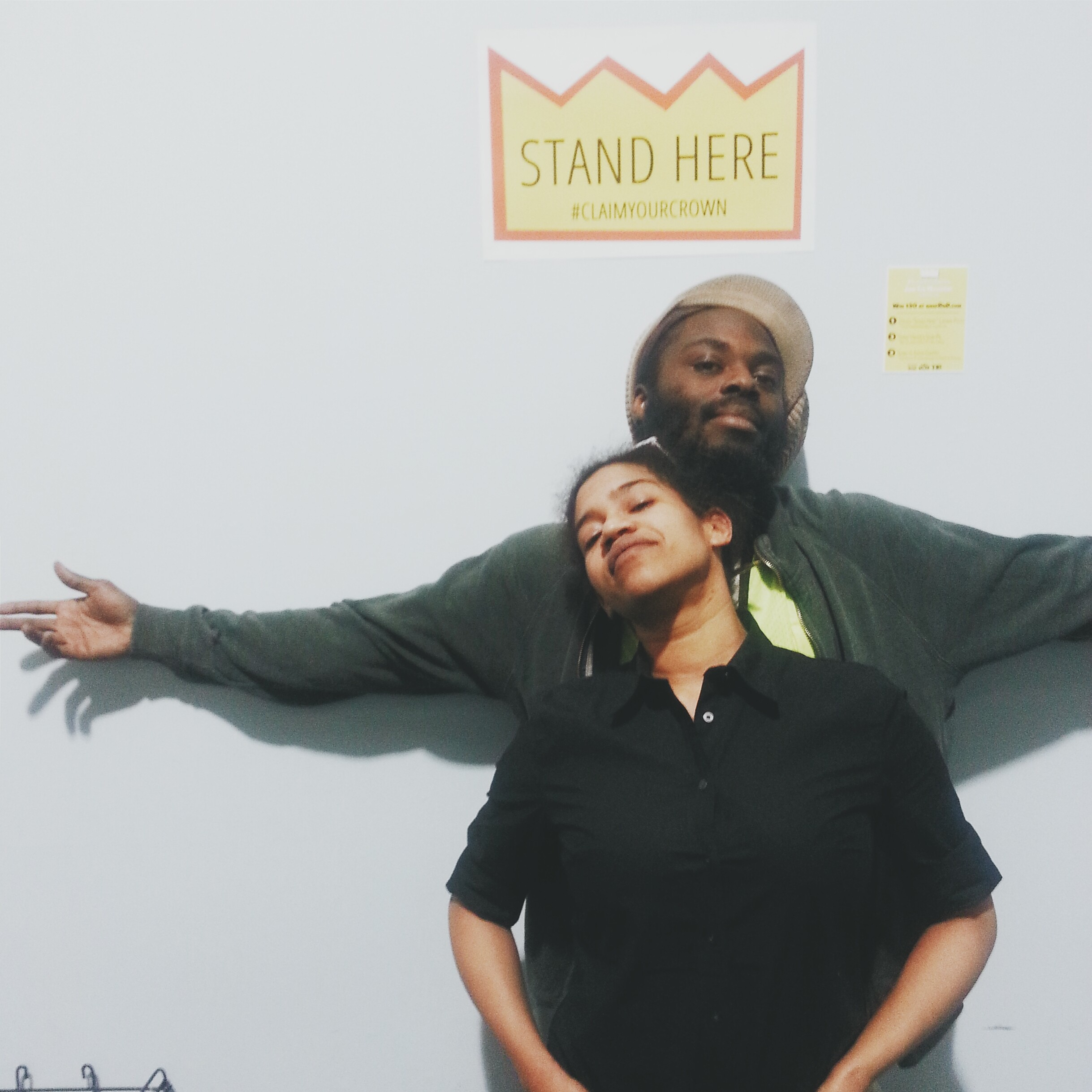
kingCARLA with friend Solomon at "Who is King Carla?"

kingCARLA with friend Solomon at “Who is King Carla?”


Artist: Carla Aaron-Lopez 

woke up with my horns on. fell in love with a cadillac. born/raised in charlotte, nc. baptized in the dirty south also known as atlanta.

@iamkingcarla
whoiskingcarla.com


To You, my oldest friend

by Daniel Boscaljon
Image by Melissa D. Johnston

rothko experiment 3.6

“To You, my oldest friend” is the ninth letter in a series of posts called Letters to You written by Daniel Boscaljon with images by Melissa D. Johnston (from one of her ongoing projects). Letters to You began last July with “everytime i write i feel myself disintegrate.”

you call to me with a dark whisper that speaks truly to whom you see me as being, in a voice simultaneously harsh and cold and yet filled with a particular kind of honest tenderness. as always, i hear your voice only in secret, when i am alone with no distractions. fitting timing, you have. i don’t want anyone else to know about you, after all, and i suspect that you have plenty of others whom you visit when i am otherwise distracted. ours is not a relationship built on faithfulness. you do not wait for the darkness, which would reveal the moon and stars and things that i love, and you do not find me in the mornings, when the smell of brewed coffee and the morning paper gentle me into my day. instead you pounce upon me on a clear and bright afternoon, filled with people whom i do and do not know. i hear the presence of your voice when i am with others, and your persistence pays off: once i am alone, i am all yours.

you alone will tell me the truth that i crave to hear. you understand my pain, the depths of how i ache and hurt. you tell me of my pains, and allow me to listen instead of speak. i am passive before your voice. you, my oldest friend, know me so much better than anyone else: how could i look away from the wisdom that you offer to me? alone, we two huddle as one and for those moments i am content to be alone, and with you only.

i am not always faithful to you, even when we are talking. sometimes i’ll think that i remember something and will try to escape from your gaze: but you are already in all of my shadows and dark places: how could i hide from you there? and you come when it is past october and the nights grow longer and golden reds refuse their trees and have already been trodden into the black ground, the times when the nights are too cold and bitter to enjoy, when the winds whip through deserted streets without mercy–what brightness is there now to enjoy? So of course i always return back to you, my oldest friend. i take solace in your council. i yearn for your embrace. other friends grow busy, and i hate to trouble them, but i never feel as though i trouble you. you forgive me the times that i have been away from you with a laugh (chilling in how it is warm) that suggests that you knew it was a matter of time.

how could i have thought that i could ever NOT be yours? how could have thought that my separation was permanent? how easily you went away…and i had thought it a victory at the time. “look at me!” i had said. “look at my strength! i don’t need you.” and you smiled, and humbly played the victim. thank you for not taking offense, and for teaching me that i truly do belong to you. thank you for letting me learn that what i think of as my strength is truly only weakness…but on my own, instead of teaching me. even as i love you, i fear your lessons.

your voice is so seductive–it stretches to all of the barren places inside of me and reminds me that it is not fit for flowers to grow all over the earth. past memories of past joys remain there. you are the end of every hope, for all hopes end up pointing back to you after time has had its way with them. i never need be afraid for you, my oldest friend, will always be there to give me the strength to survive, if only for a little while longer.

perhaps i can eventually learn to laugh with your laughter and consistently see the world through your eyes. i have a great respect for you, as you know. ever present, simply waiting for my return, i have a confidence with you that goes past every hope. perhaps i can use your strength to overcome the world, shrugging off the temptations that the world would offer me with your strong shoulders and cold eyes. the strongest steel is the coldest steel, after all, and even warm iron can be bent with weak hands.

i hear your call and i know what you have to offer to me. please know that if i stumble while running toward you, or walk slowly, it is only because there is something within me that wants to think that the troubles between us may not yet have been reconciled. i do not fully trust you yet…but i know that your patience, like your strength, is infinite, and that you can outlast even my small attempts to rebel.

to you, my oldest friend, i will continue to return for the rest of my life. you know me as nobody else ever has, or ever will. how can i resist your love?

Daniel Boscaljon has Ph.D.s in Modern Religious Thought and 19th-century American Literature, both from the University of Iowa. His interest is in the fragility and liminality of human experiences. His first book, Vigilant Faith: Passionate Agnosticism in the Secular World was published by the University of Virginia Press this past August.

Humanscapes

By Nicholas Quin Serenati

Humanscapes is the final post in a three-part series, which began with Locating Place: Fragments of an Illness.

About the series: Illness experience is a resource for experiential knowledge. To that extent, it is important to understand that life has infinite spaces which can be experienced. My work is concerned with phenomenological experiences that transform these spaces into places. These places become the foundations in our individual lives – the construct of our identity. The work in this series is intended to ascertain an understanding of the ways meaning–making functions as a method for healing, and how the creative process operates to uncover and identify new metaphors that best communicate illness experience to others.


HUMANSCAPES


In Bob Trowbridge’s book, The Hidden Meaning of Illness: Disease as a Symbol and Metaphor, a philosophical engagement is established with how illness penetrates the process of being human. What illness does for a person is quite unique and individualized. For me, I find that illness is an experience that can stifle and complicate the order of living. However, I believe that illness experience offers an opportunity to transcend the basic containment of being ill and evolve into a more knowledgeable and inspired being. Similar to the process of art making, illness is a process of discovery. During illness experience, an opportunity arises to untether from the superficialities that compound life and embrace the moments of being vulnerable, confused and weak in order to flourish in strength, beauty and wisdom.

Humanscapes presents an extremely straightforward and customary point of view on illness. The work embodies the typical tone and nature that possesses aggression and horror. Humanscapes is an exploration of the human condition as I perceive it to be through my illness experience. Specifically, the exploration dealt with juxtaposition of content – image and poetry – and in doing so, the overarching philosophical questions emerges: what would resonate?


Collected Spaces


Nicholas Serenati 1


Pathosis.

Death comes during the twilight.
An opera of suffocating screams,
tuned in the key of pain.
Pitch perfect, echoing across barren landscapes.
Injections, ravenous poison, constricting veins.
Internal asphyxiation.

A lifeless marionette standing on a thorn’s edge of a cacti.
Sand storms perform a ritual dance
to a fiddling devil, vultures circle above.
Breath shallows, eyes hollow, heart slows, flesh blisters.
Red-eyed from hearing my mother’s cry.
Tears from angels come crashing down, loud.
Collected by the hands of a decomposing crowd.
Now, we can bathe, and be covered in a linen shroud.

Traces of red from these fingertips,
Ink that flows and pens this script.
What is left are bloodstains,
from life’s dismissed.
I’d be remiss, if a history of illness went claimless.
Anabiosis.


Timberland


Nicholas Serenati 2
I tasted illness.

Flavored by metallic bitterness of wicked misery,
It sped through my veins.
A devouring plague,
An internal decomposition;
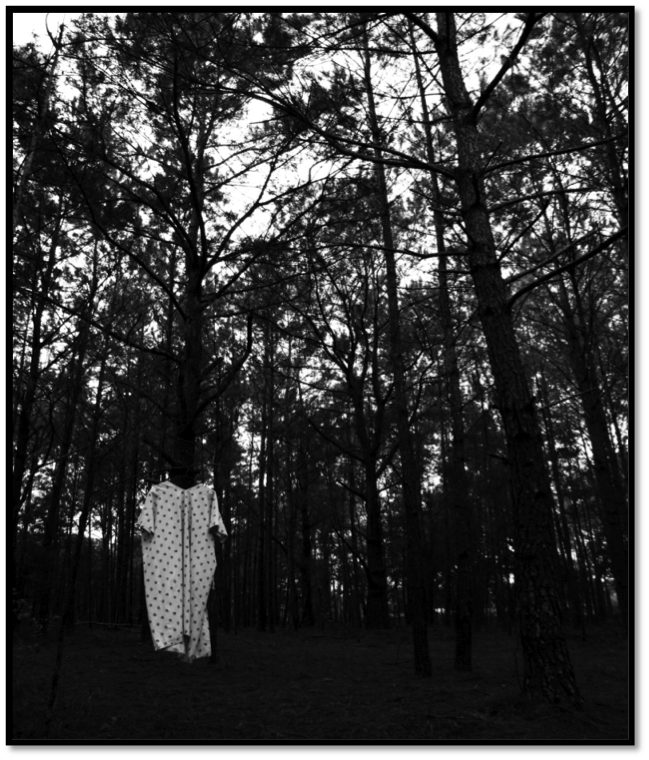
The memory hangs in the timberland of my mind.
Silent, static, yet ever present.


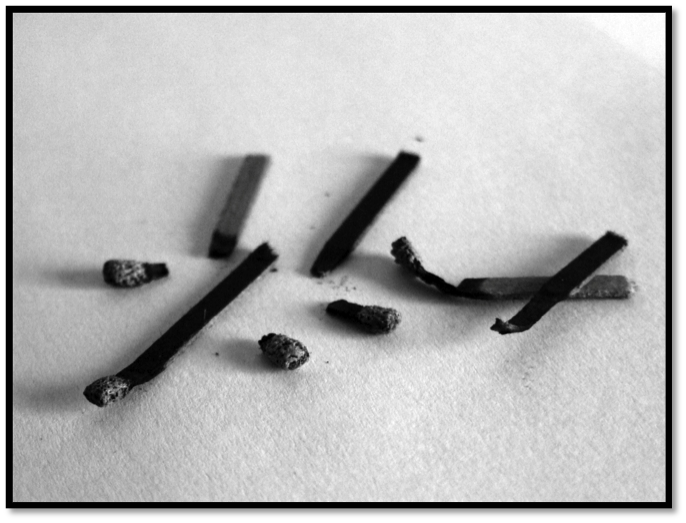
Matches


Nicholas Serenati 3


I sympathize with those who lie still.
The light has escaped them;
and now, darkness.

I find it eerily near.
Stillness.
Vulnerability that will always remain.

In the shadows,
just as ugly.
Dark separation is home.

Shadows misplaced,
Lying dormant with others.


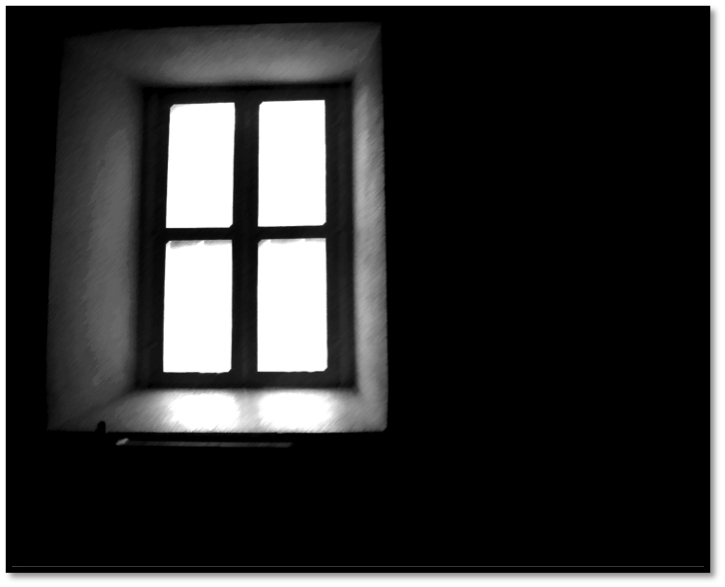
Windows


Nicholas Serenati 4


Overshadowed by internments of negative space,
Reflection blinds the wonder of escape.

A room,
Void of definition, exists little to name.
Balanced by masses,
Whispers of nothingness fall short of noise.

Beneath an image is the image.
Transcending the real for a rendering of another;
The antagonistic image that requires such attention.

Light, the consciousness of wisdom;
Darkness, its frame


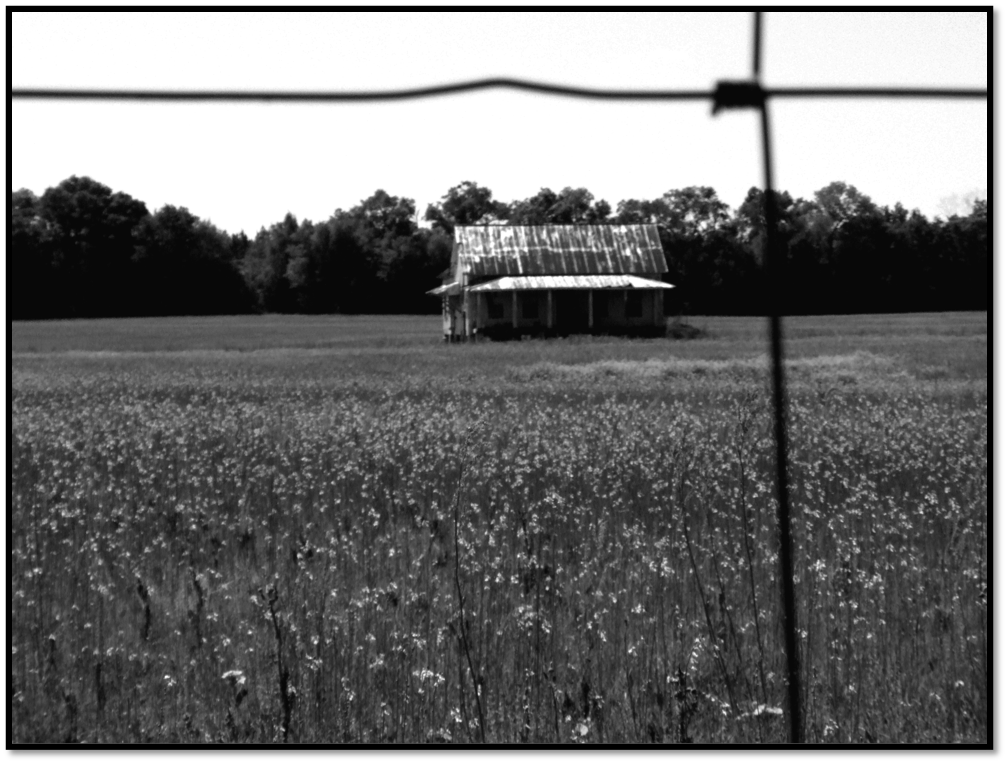
The Old Oak House


Nicholas Serenati 5


A splintering in the wood on the side of this old oak house reminds me of that winter.

Crackling echoes through the chilled air from slivers separating.

This old oak house is in ruins, decaying inside out.

I stand by the window looking out.

My fingers run across the weathered wood interior,

Pieces of the old oak break away and fall around my feet.


That morning, trees stood still, birds frozen in flight.

Water ran down the grooves of the rusted metal roof, down the pane of glass

Like rain, dropping down upon my forehead.

The old oak house dampened.

The crackling grew louder.

Light from the sun turned away and darkness loomed.


Near the old oak house, a river cut through the land like a knife.

Steam from the water smothered a rolling landscape,

A scorching water flow.

Condensation ran down trunks of trees, off tips of leaves, down the plank wood siding

of the old oak house.

Soaked was the landscape.


Just beyond the old oak house, past the riverbank, into the distance, a forest.

From the thicket of brush and pine, a dark horse emerged.

Massive and stoic it stood, flaring its nostrils, sensing the frigid still air.

Black, lifeless eyes peered in the direction of the old oak house.


With a gait slow and steady, the dark horse neared.

I moved aside of the window, peering out carefully

Fear lumped in my throat as his presence grew broader.

The dark horse approached the edge of the riverbank.

Blood trickled from his fractured hooves into the water.

The red streamed down current.

I gasped from inside that old oak house; the dark horse stared.

That is where we remained.


Nicholas Quin SerenatiNicholas Quin Serenati is an interdisciplinary scholar-artist whose work is defined by arts-based research that explores the potential of medium and discipline in liminal spaces. With a practice rooted in locating one’s place, Serenati employs video, creative writing, photography, sound, installation and performance to investigate forming situations that direct his research around illness and metaphor.

Serenati’s intellectual practice deeply engages the creation of meaning – form and function – and the articulation of story throughout the investigative process. Themes of trauma, identity, illness, disability, experimental narrative, social constructivism, sound and language are all contributing factors to Serenati’s work as a critical discourse. Serenati’s scholarly-art practice is intended to investigate phenomena as a way of achieving profound knowledge of theory, philosophy and art.

Based out of St. Augustine, Florida, Serenati holds a BA in Communications from Flagler College, an MFA in Interdisciplinary Arts from Goddard College, and is a candidate for his Ph.D. in Interdisciplinary Studies: Humanities and Culture from Union Institute & University. He is currently the Art Director / Dept. Chair of the Cinematic Arts program at Douglas Anderson School of the Arts and an adjunct professor of media and cinema studies at Flagler College.

Serenati’s dissertation, ReFraming Leukemia: Metaphorizing Illness as Windows, will be completed May 2014, and the installation of the project is set for early 2015 in St. Augustine, Florida.

Twitter: @nqserenati
Website: nqserenati.com

Interactive and Unbreakable: The Sculpture of Brian Rumping

By Brian Rumping

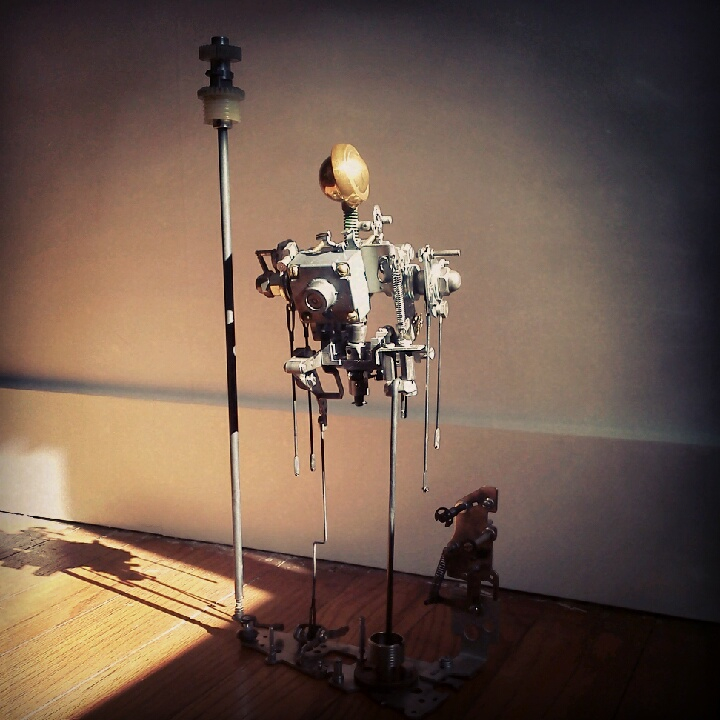
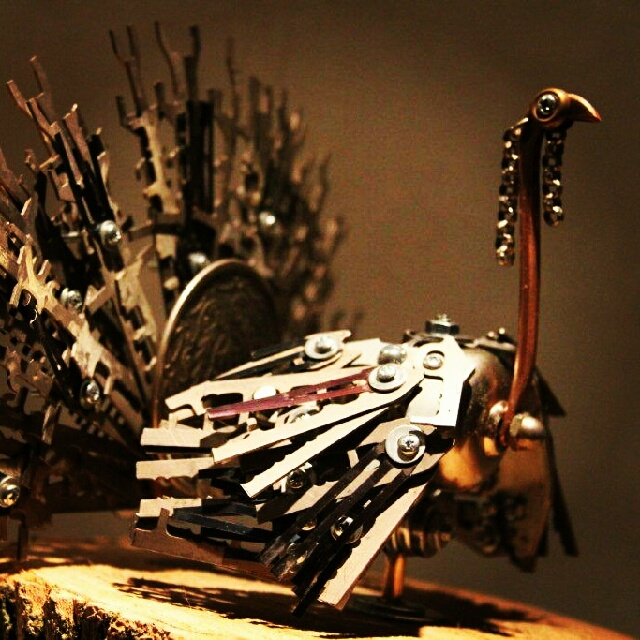
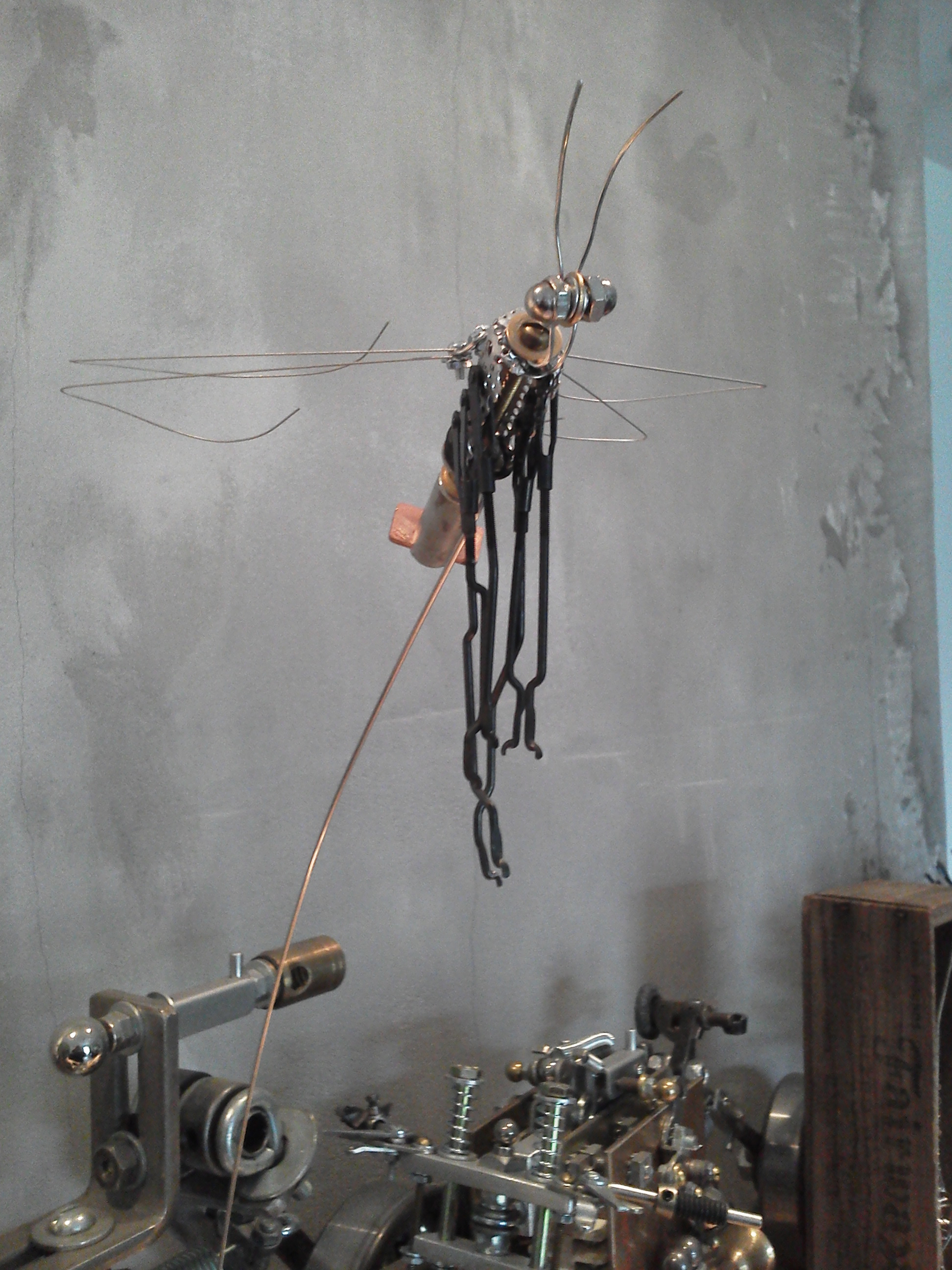
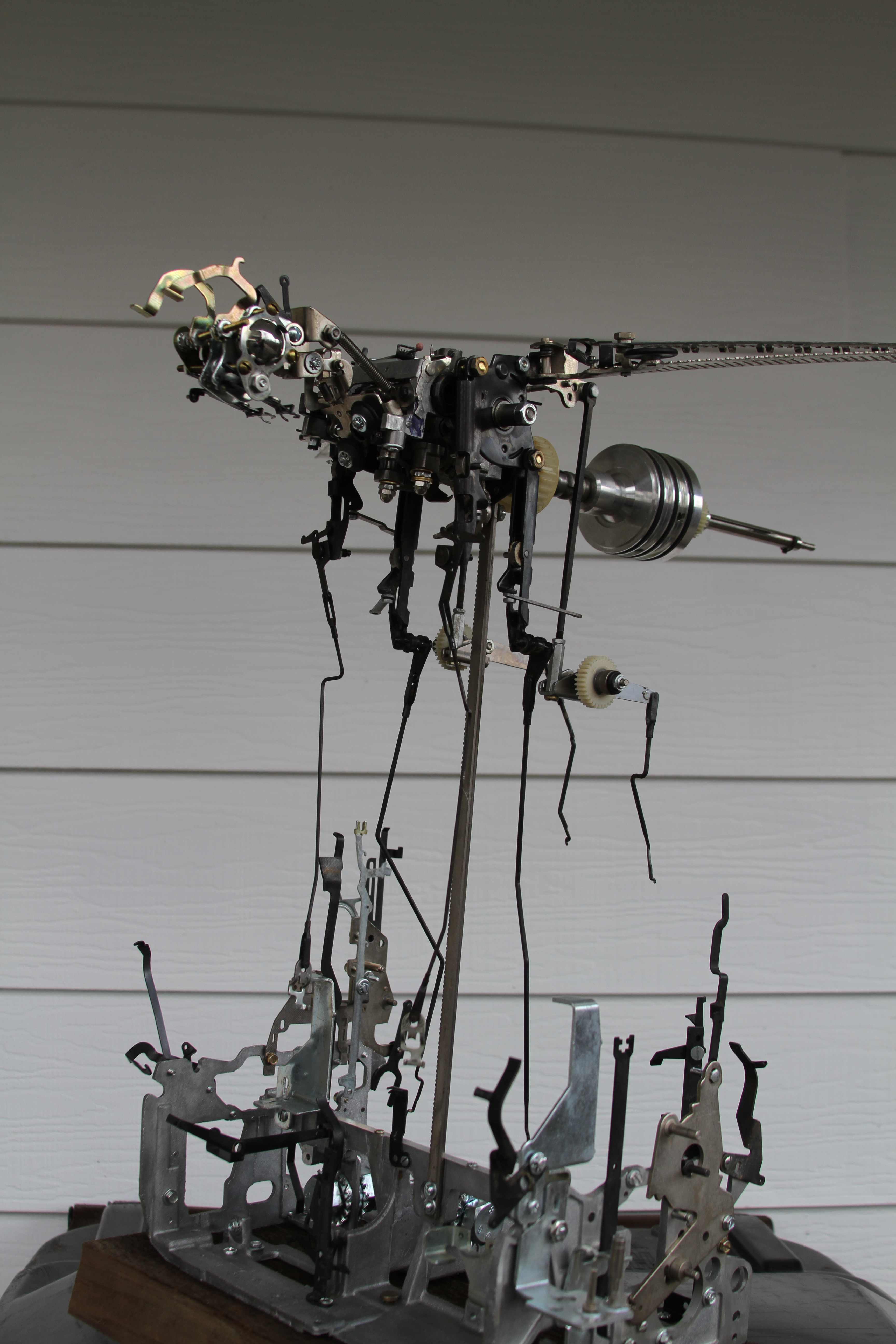
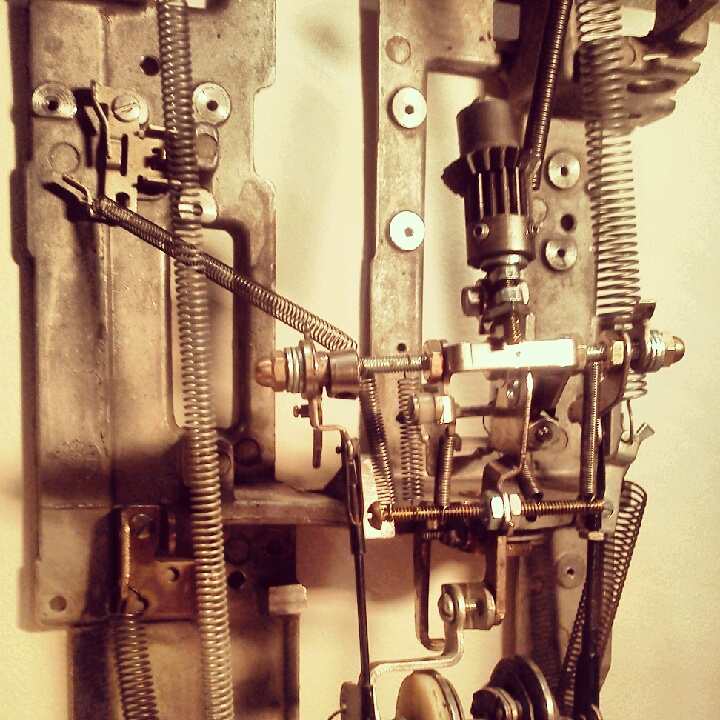
My art began as a desire to make things interactive, and unbreakable. That’s why I use cold assembly, which means I don’t weld or solder anything. If it comes apart, you can just tighten a few screws, and all is good. My pieces started out a lot bigger, and heavier. I used a lot of larger cast iron bits. Mostly for outdoor sculpture. I’ve made sundials, fire pits, and bird baths. Before my mom’s dad passed away, I used a lot of wire to accomplish my goals. After he passed, I raided his barn, and found a plethora of small metal bits of all kinds, and hardware galore. I’m so glad he was a hoarder. That’s when the real obsession began. I couldn’t have enough junk. Ask my wife. I started taking apart typewriters after buying about ten sewing machines. The sewing machines were good, but the typewriters are where it’s at. My favorite is the IBM selectric II. It has over 2800 parts, and takes me about four hours to totally disassemble. After which I just sit in front of a pile of parts, and start putting things together. Sometimes I have an idea of what I want to make. Then other times ideas are spawned from one piece in particular. There are very few parts that have a twin, which makes symmetry very difficult. So I usually take apart two machines at the same time so I have matching parts. I very rarely modify the parts. They are made from hardened steel, which makes them very hard to drill. So I typically use the holes that were manufactured in them. I go through a lot of trial and error. Sometimes I end up totally taking a piece apart, and starting over.

I don’t know what I’m going to do when I can no longer find typewriters. Hopefully I’ll have a big enough inventory to keep me working, or I can find something else to take apart. For now I can usually find one or two in a day of thrift shopping or hitting garage sales.

I have aspirations of motorizing my sculpture, and building on a much larger scale. I love what I do, and I think about new ideas constantly. I have just recently moved to the Charlotte, NC area and have met some great people. The art community is great around here. I’m looking forward to spreading my work around.

See more of Brian’s work at his Facebook Fan page and Instagram.

Brian Rumping 1

Brian Rumping 3

Brian Rumping 2

Brian Rumping 5

Brian Rumping 4

Brian Rumping 6

Postcolonial Thoughts: Art & the Origins of Supremacy

by Christopher Hutchinson


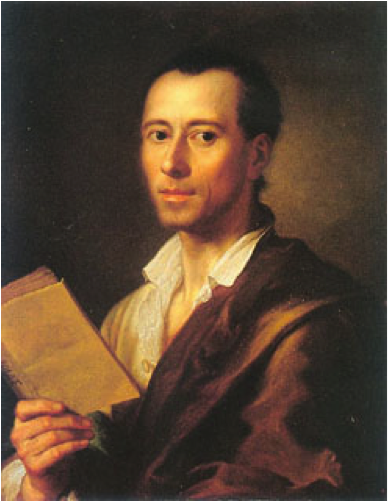
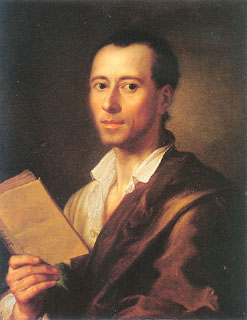
To Winckelmann, the art of Rome was an afterthought. The pinnacle of ancient art had been achieved in fifth-century Athens, whose democracy was the root cause of her excellence. The decline of art began with the establishment of the Hellenistic kingdoms following the death of Alexander. The moral lesson to be drawn from ancient history was not the danger of pagan hubris but rather the superiority of democracy.

http://www.brynmawr.edu/library/exhibits/antiquity/education3.htm


Art & Supremacy

From its inception art history has been tied to Supremacy.  Johann Winckelmann, author of the first History of Ancient Art 1764, whose sentiments are stated above, set the rubric as to what could and should be considered art. Many assume that art history has always been in existence. Truthfully it officially begins with Winckelmann and Neoclassical thought.  True to Neoclassical thought, there can be only one way to achieve art, and is through Democracy.

This democracy has been one of the major reasons why Greece has become the go-to standard as the beginning of art praxis.  This allows a global nullification of art produced by second and third world countries.  Winckelmann’s democracy becomes synonymous with supremacy.

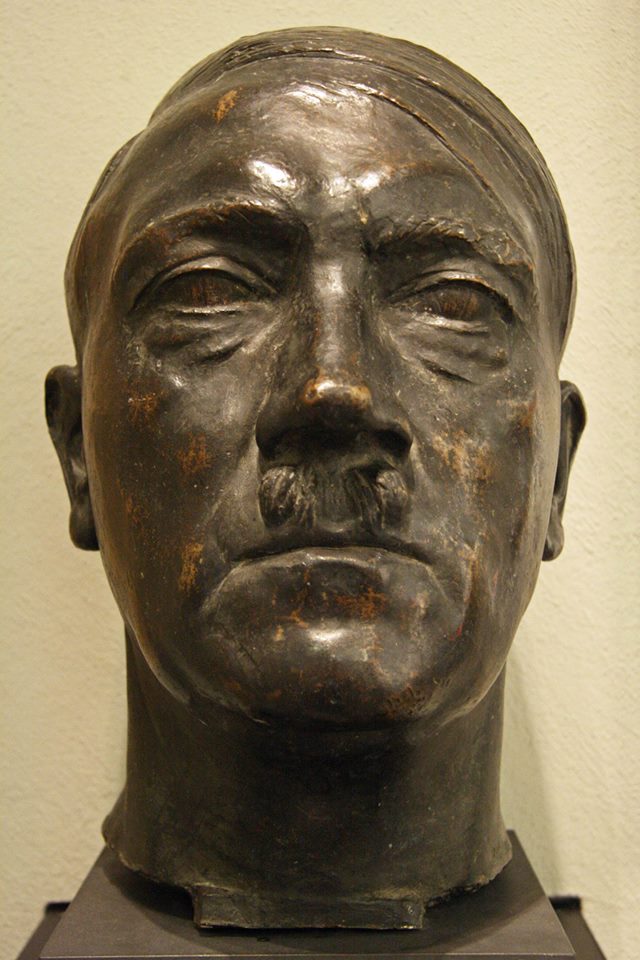
It is completely logical that the art of the Third Reich would adopt the standard of supremacy set by Winckelmann. Even the rebirth of humanism laid in the Renaissance and art movements that follow after, have a conceptual tie to that superiority that cannot be overlooked.  The linear practice of Western art theory/methodology has these roots. Hitler was aware of this obvious relationship.  His crowning achievement, after dominating the world, was to be his Museum of Art.

The museum was to have occupied the majority of the city center of Linz, turning the working-class town into Vienna’s cultural superior, a concept that Hitler had relished ever since his failed attempt to become an art student in Vienna, a city that made him feel like a rejected, second-class citizen, prior to his political career  

http://www.thedailybeast.com/articles/2014/02/07/inside-hitler-s-fantasy-museum.html


Art & Propaganda

pro·pa·gan·da

: ideas or statements that are often false or exaggerated and that are spread in order to help a cause, a political leader, a government, etc.

1capitalized :  a congregation of the Roman curia having jurisdiction over missionary territories and related institutions

2:  the spreading of ideas, information, or rumor for the purpose of helping or injuring an institution, a cause, or a person

3:  ideas, facts, or allegations spread deliberately to further one’s cause or to damage an opposing cause; also :  a public action having such an effect


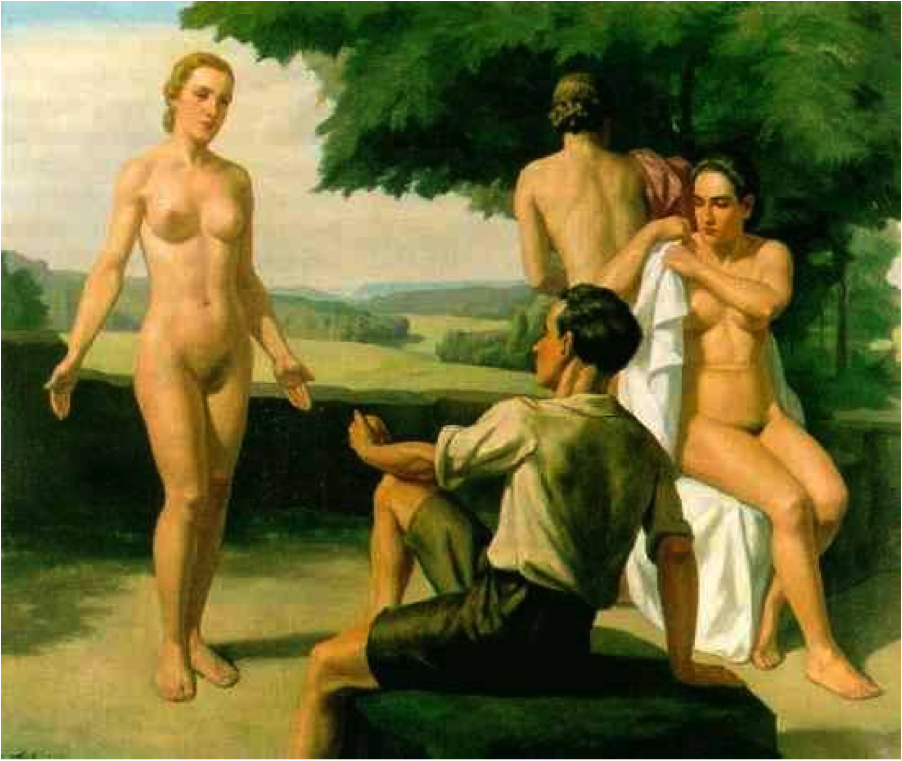
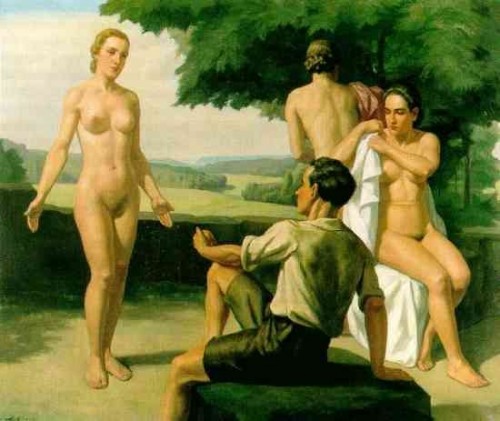
The Ziegler painting installed above the mantle of Hitler's apartment. The Judgement of Paris by Ziegler http://www.berkshirefinearts.com/uploadedImages/articles/2074_Guggenheim785848.jpg

The Ziegler painting installed above the mantle of Hitler’s apartment. The Judgement of Paris by Ziegler
http://www.berkshirefinearts.com/uploadedImages/articles/2074_Guggenheim785848.jpg


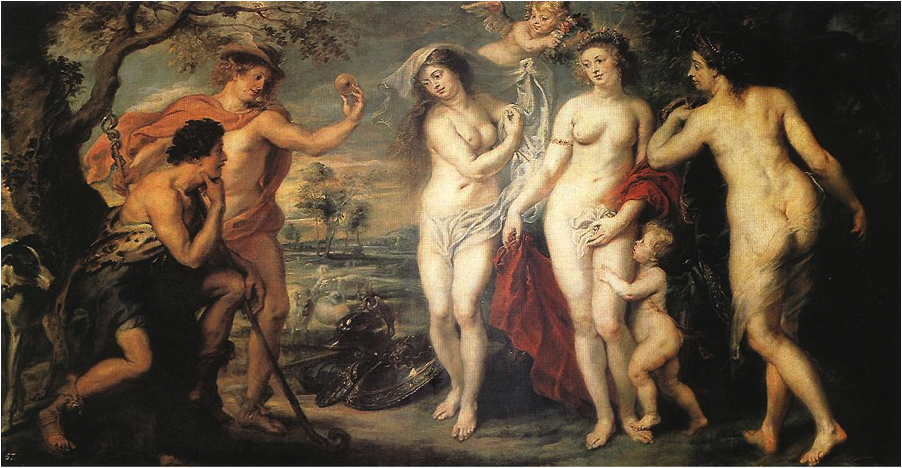
Art of the Third Reich has often been linked with the term propaganda as something negative.  Propaganda is usually perceived as the binary opposite to democracy. This would be the traditional understanding, except for the seamless transition Hitler’s propaganda and the history art already present.  Ziegler’s direct appropriation of Ruben’s Judgement of Paris 1636 is a testament to the farce of democracy. How could this be propaganda, when this narrative was already present?


Christopher HutchinsonChristopher Hutchinson is an Assistant Professor of Art at Atlanta Metropolitan State College, Archetype Art Gallery Owner in Atlanta, Ga, and Smoke School of Art Founder. He received his Master of Fine Arts Degree in Painting from Savannah College of art & Design, Atlanta and his Bachelor of Arts Degree from the University of Alabama in Huntsville, Alabama. He lived in Alabama for 10 years before moving to Atlanta in 2008.

Learn more about Christopher and his work at Black Flight 144.
 

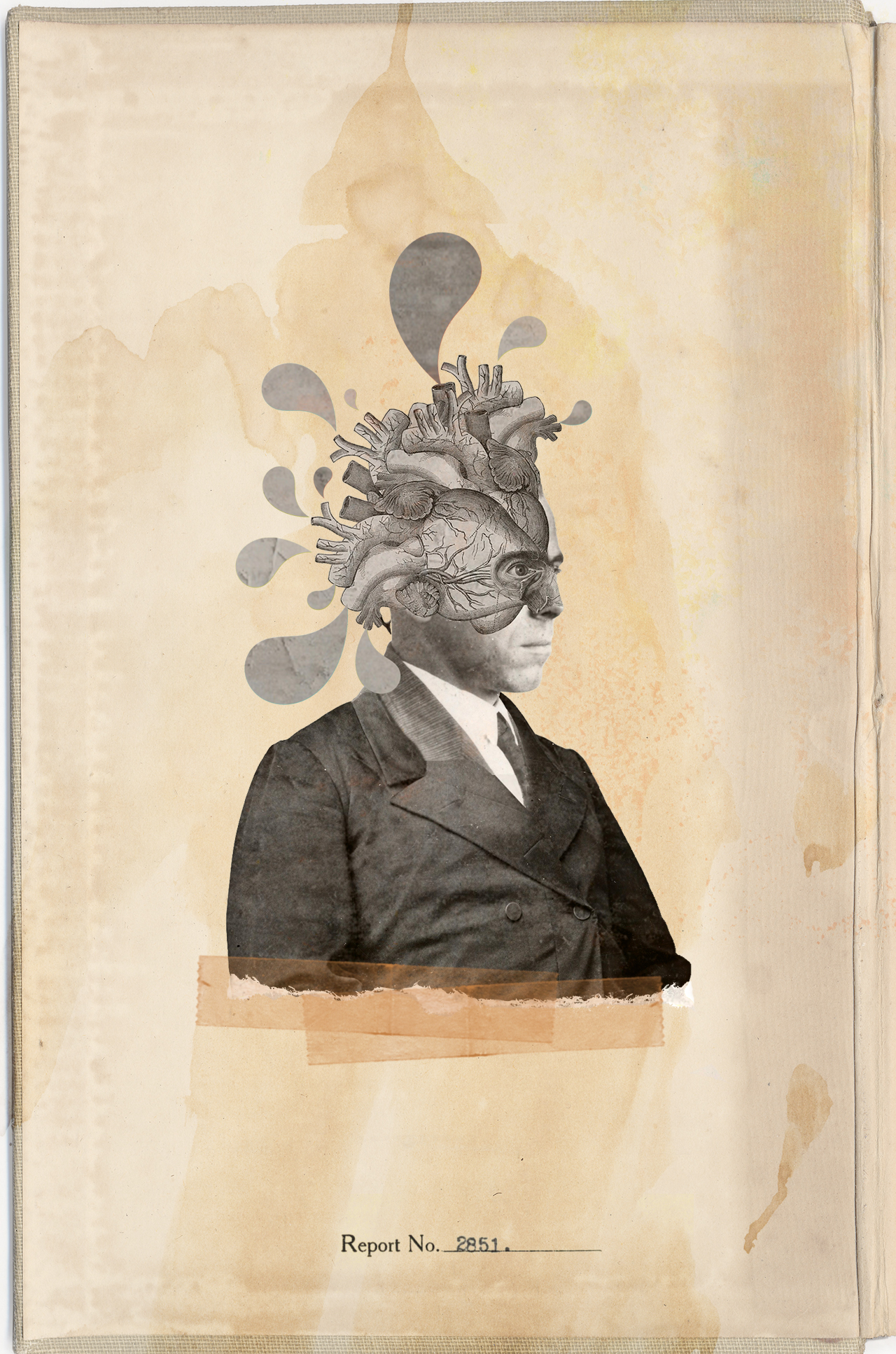
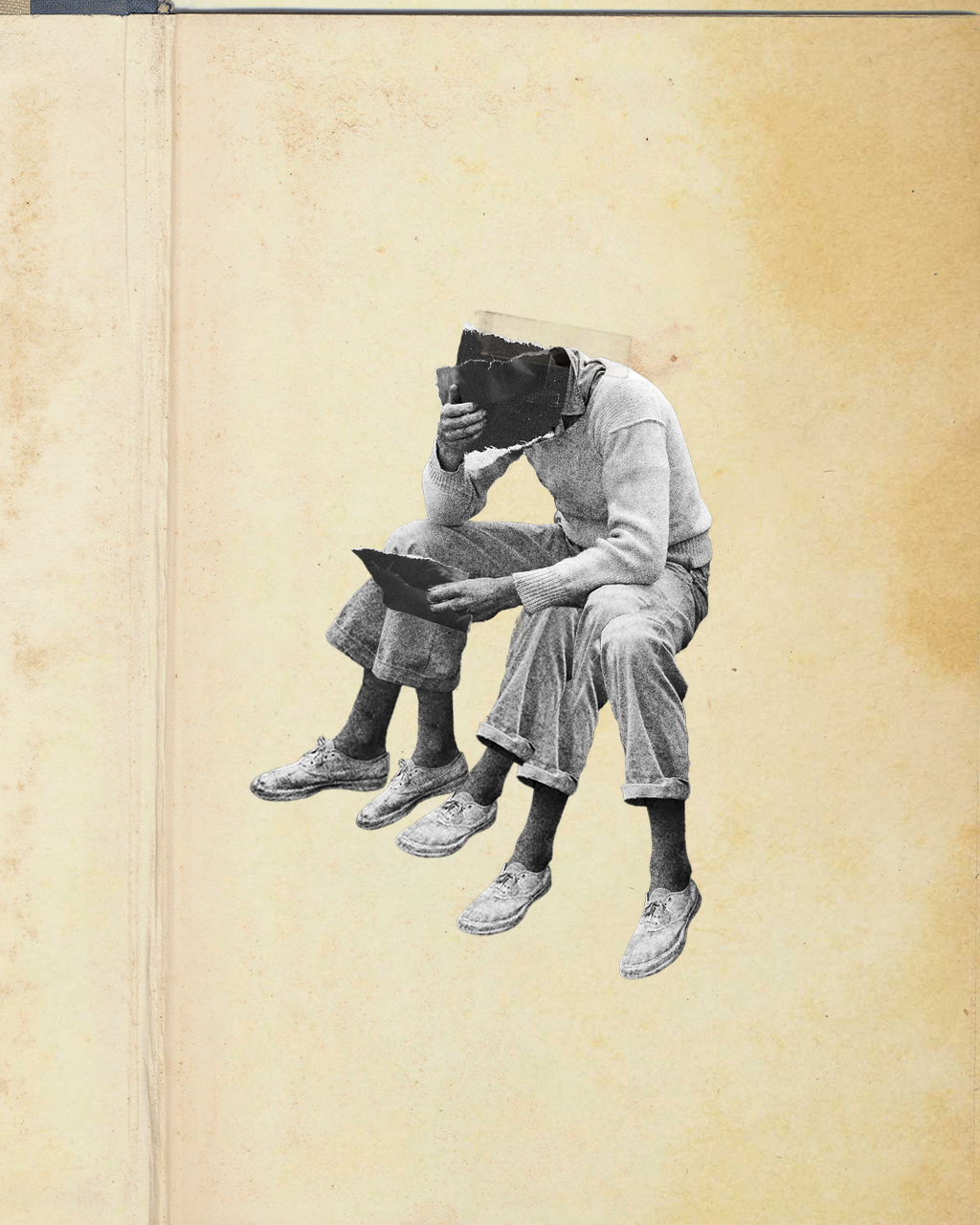
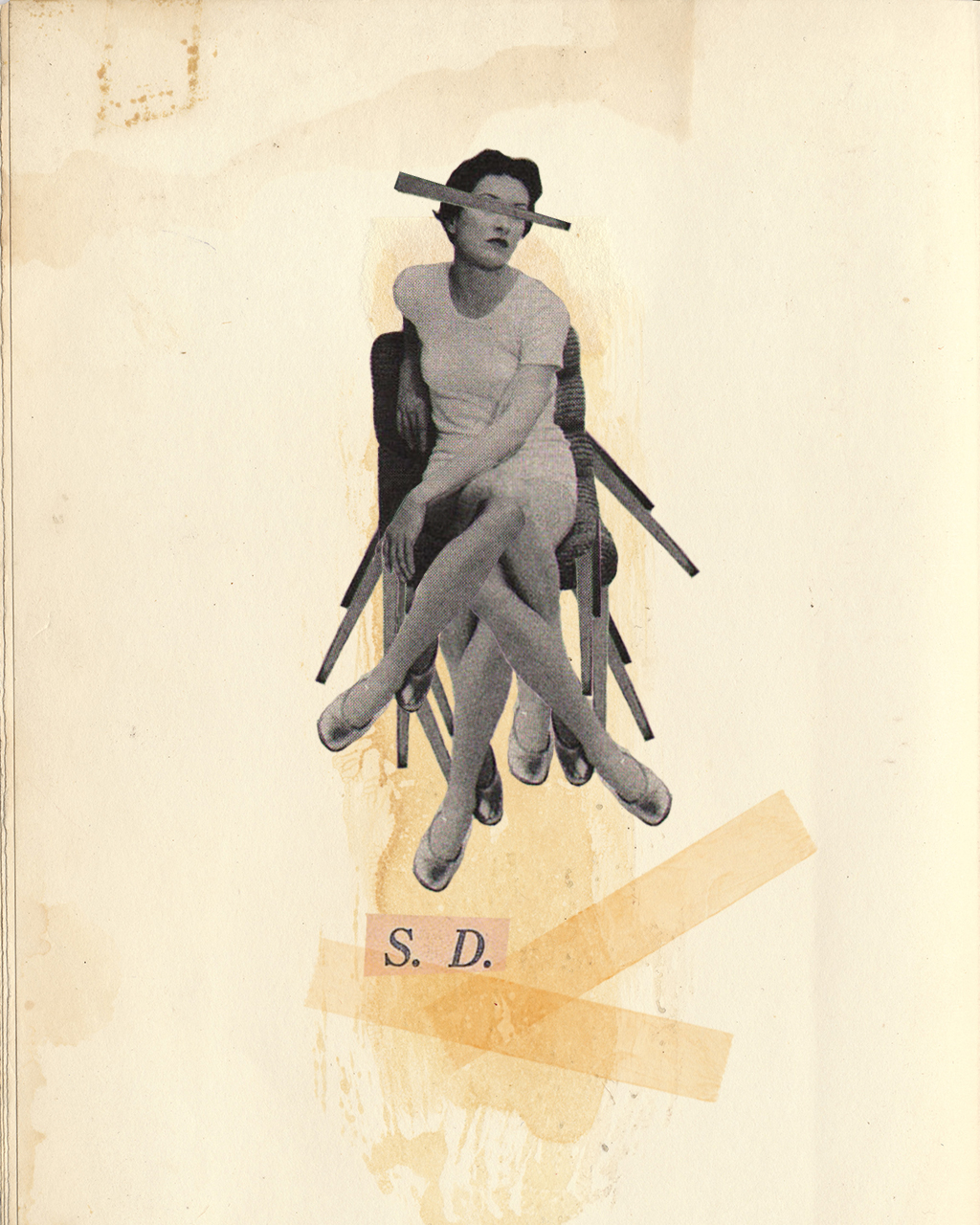
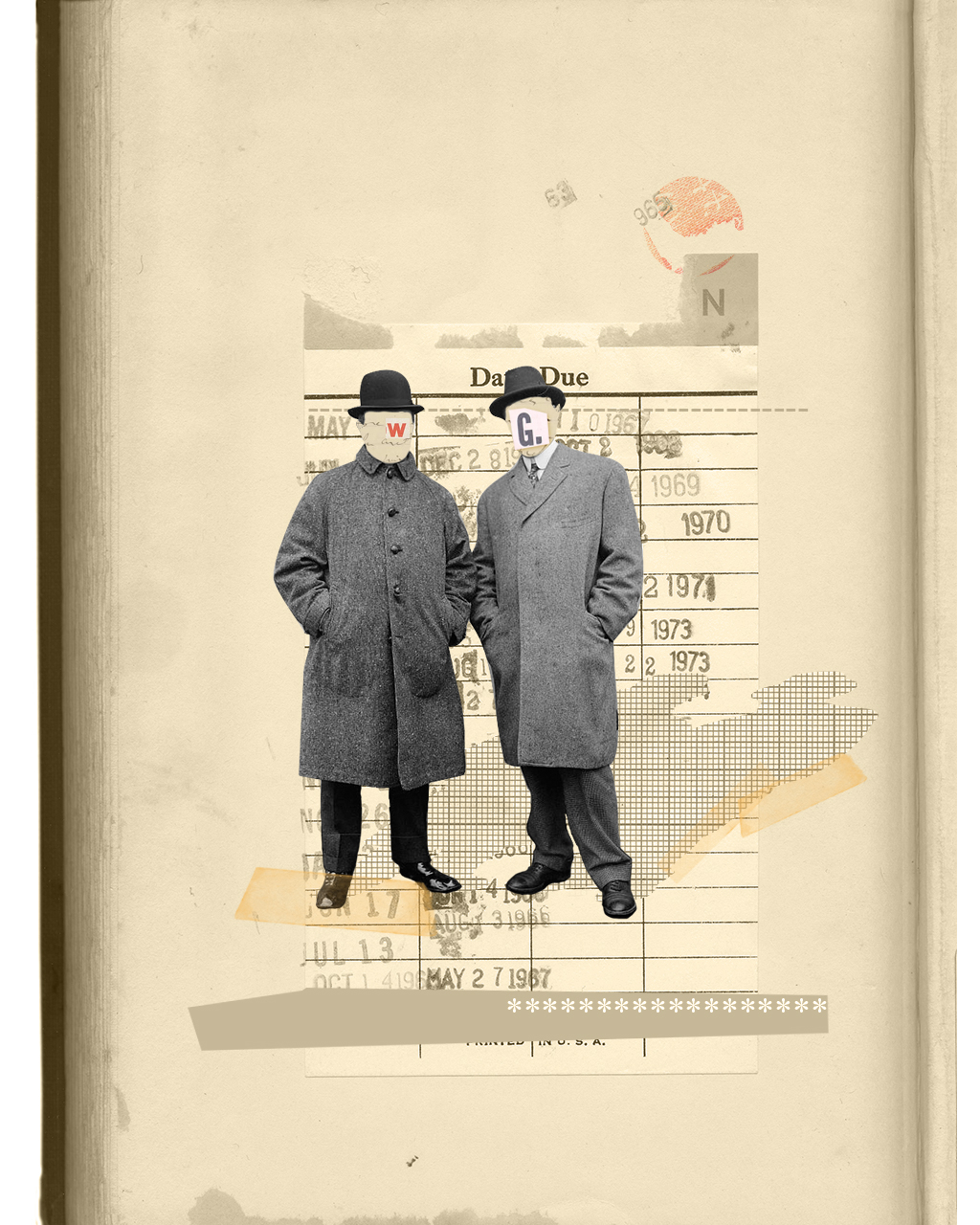
Portraits by Manu Duf

Henri

Henri

John

John

Louis

Louis

Séraphine

Séraphine

Dadue

Dadue

Artist: Manu Duf
I am a French amateur collagist. I’ve been interested in art since my childhood. I have always been impressed with creation in all its forms: painting, drawing, collage, literature, music…. I started sharing this passion for creativity in social media by presenting artists and works that were important to me. Gradually, I invested a little more by sharing my own creations, mostly digital collages, since 2012. Portraits are for me a source of endless inspiration.