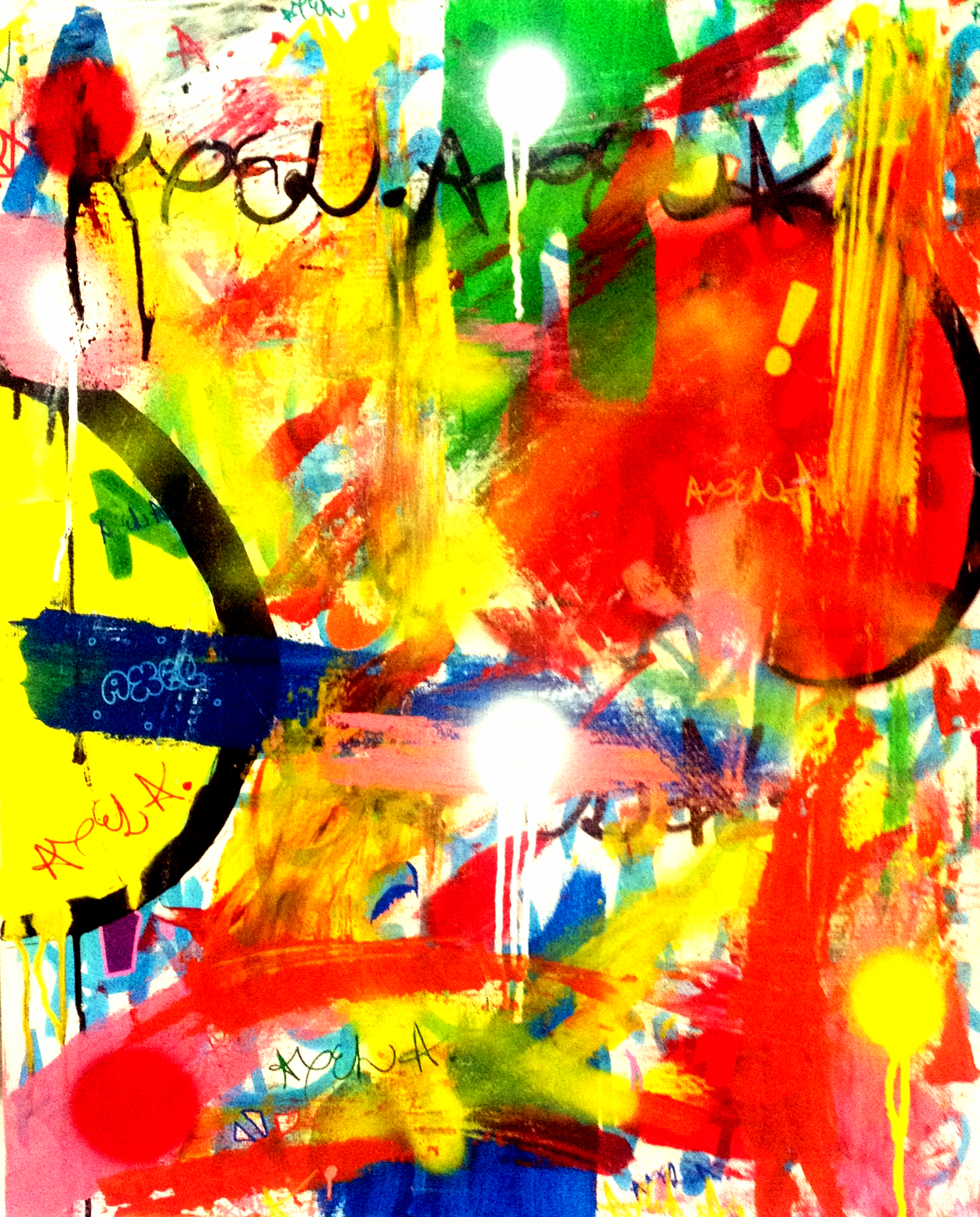
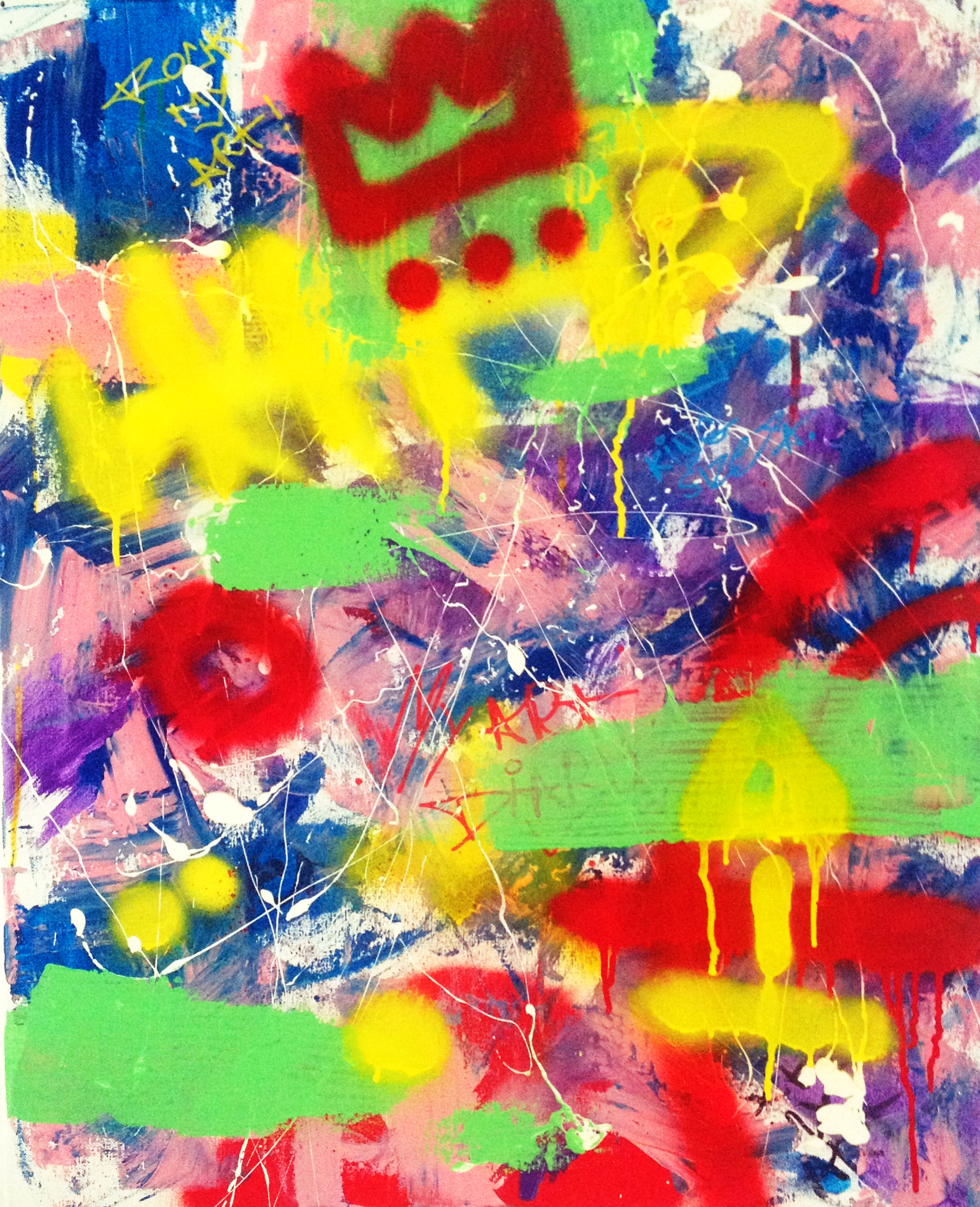
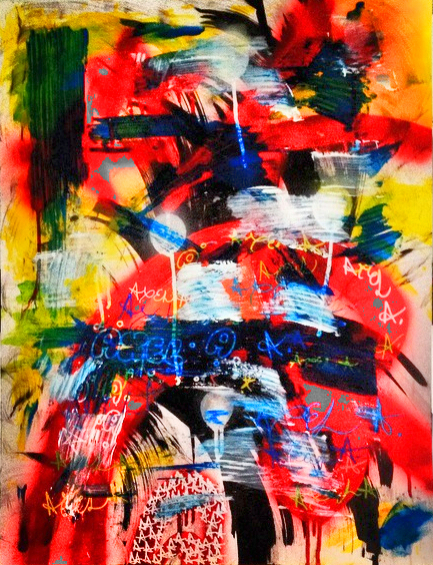
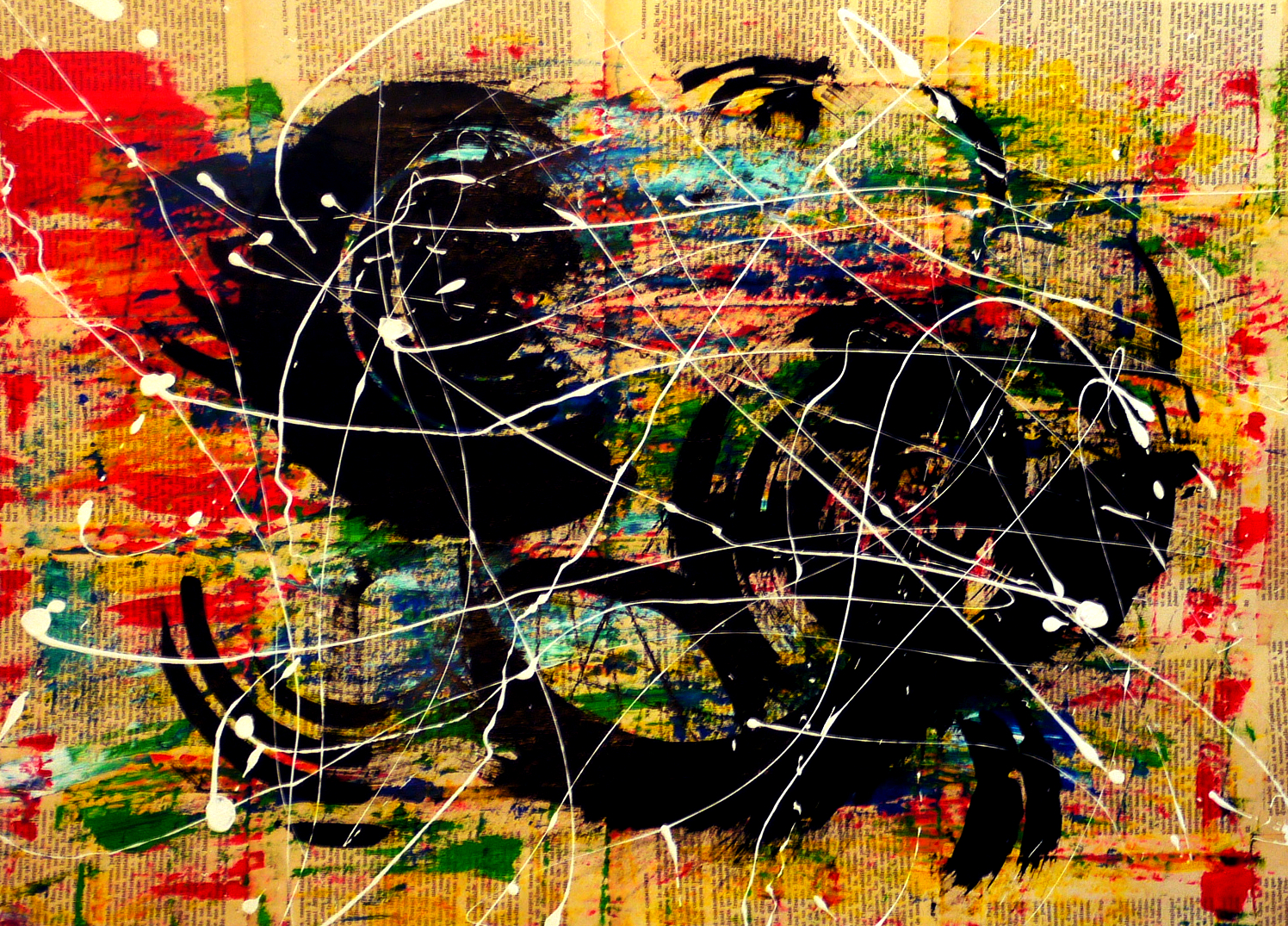
Tag Archives: painting

The Value of Life

by Tullio DeSantis

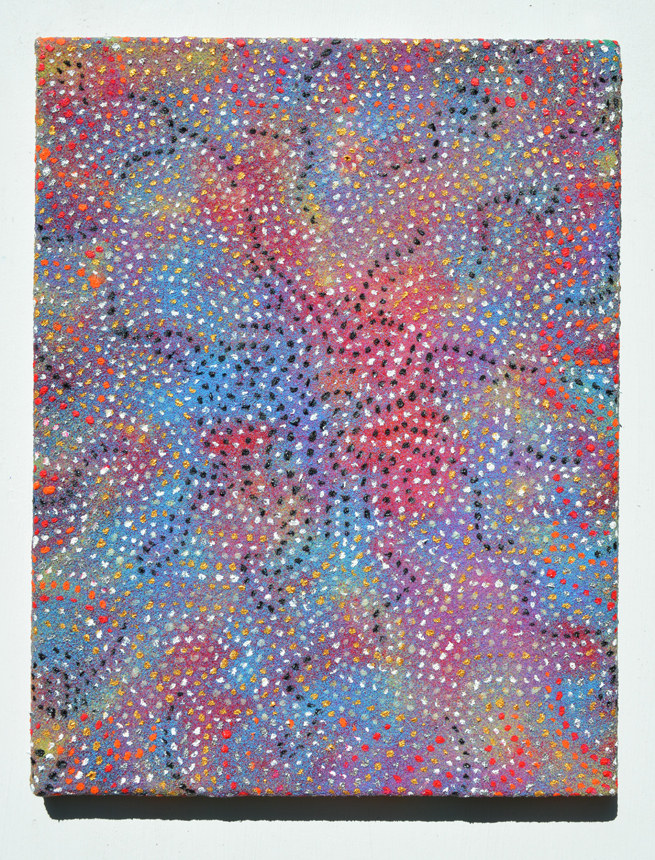
Being Born for the Seventeen Quintillionth Time

Being Born for the Seventeen Quintillionth Time

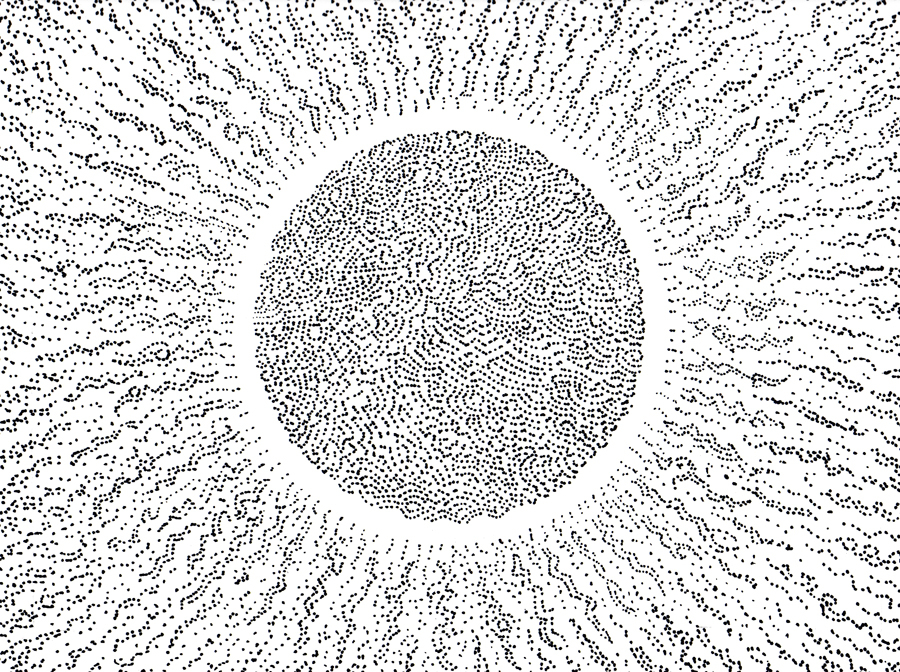
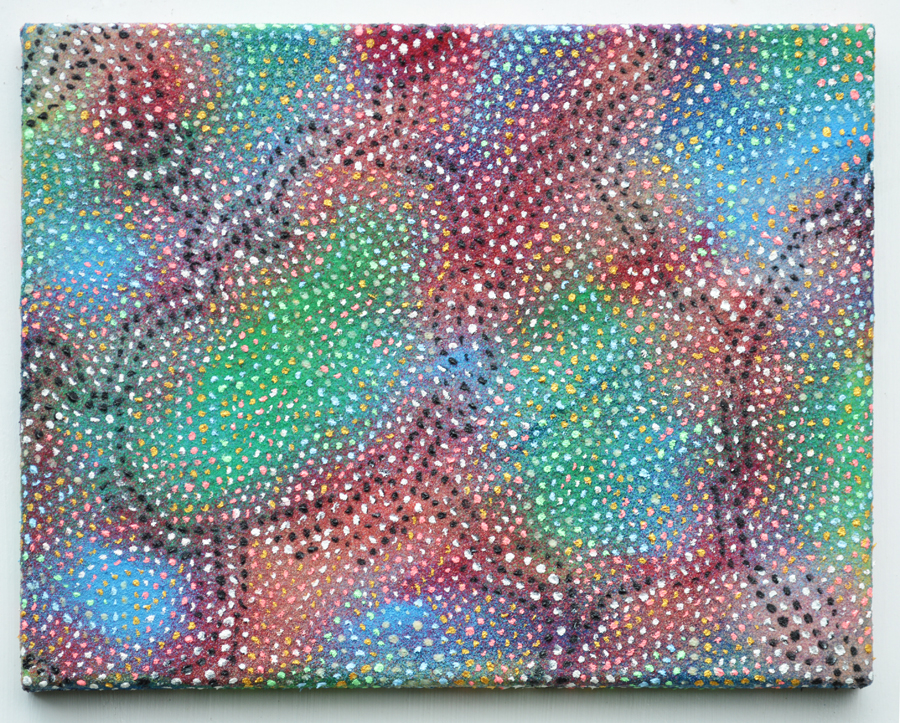
Born in the Big Bang

Born in the Big Bang

Compassionate Heart Open Mind

Compassionate Heart Open Mind

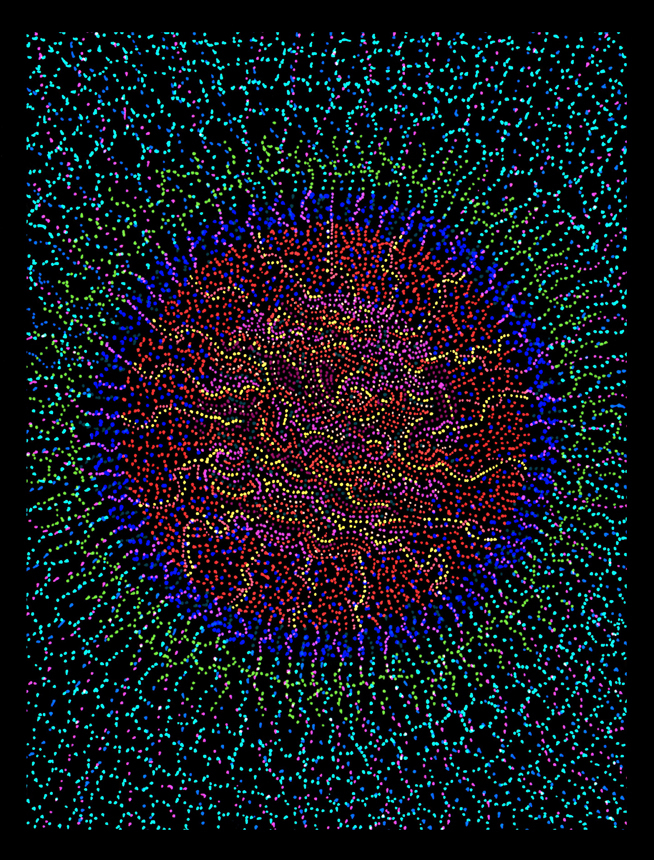
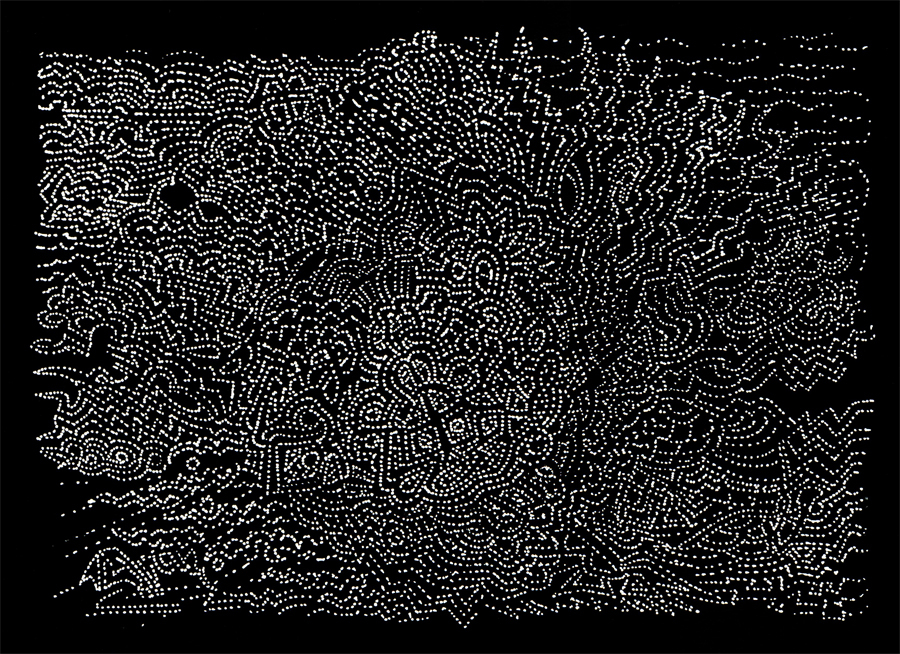
Dark Energy

Dark Energy

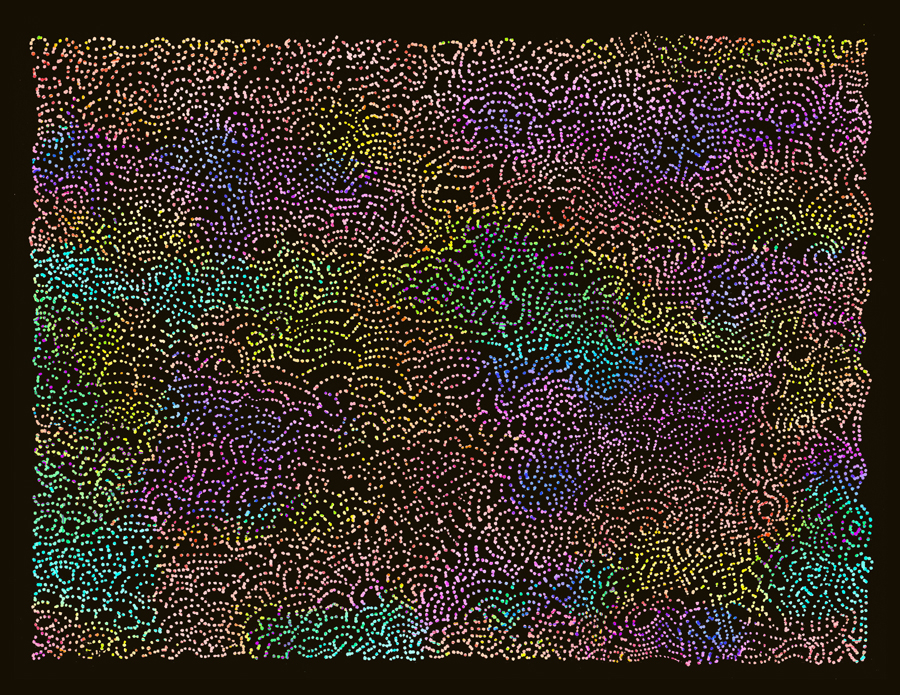
Dawning of the Age of Intelligence

Dawning of the Age of Intelligence

Heart of the World

Heart of the World

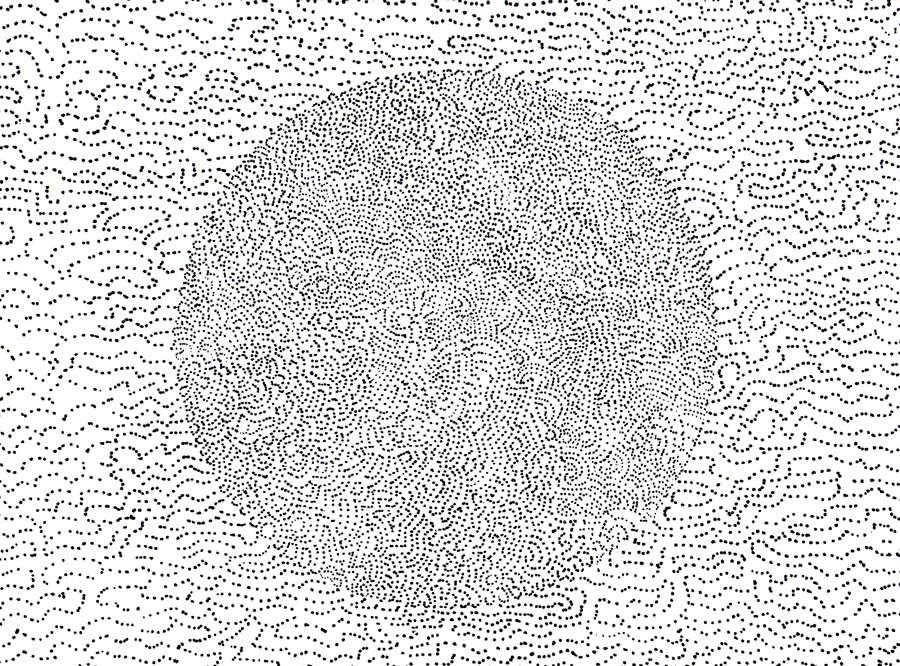
Retinal Painting

Retinal Painting

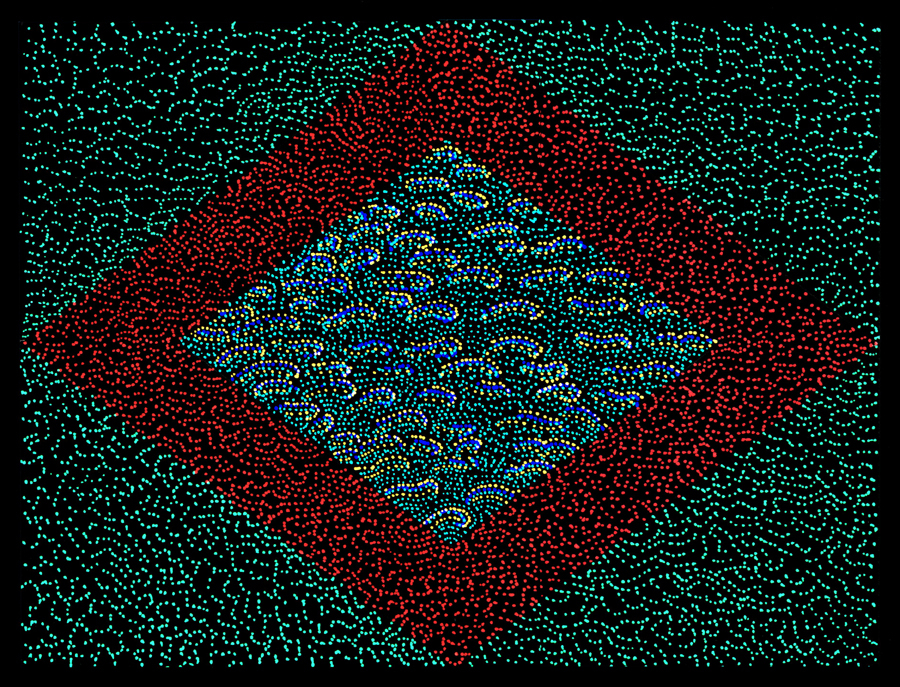
Sea of Subconscious Desire

Sea of Subconscious Desire

Survival of the Kindest

Survival of the Kindest

The Value of Life

The Value of Life

Tullio DeSantis, born in Reading, PA in 1948, graduated with an interdisciplinary major from Gettysburg College on a Woodrow Wilson Fellowship. Upon graduation, he moved to the west coast and, in the early 1970s, began exhibiting his artwork in galleries in San Francisco, Tokyo, the Smithsonian Institution Traveling Exhibition Service (SITES), while he was completing his MFA at the San Francisco Art Institute. Since his arrival on the west coast, he had been publishing his art and writing for the Rip Off Press, one of the premier underground publishers of that era.

After moving back to the East Coast, Tullio rented a studio in Chelsea, and mounted his first one-man show in New York at the Tradition Three Thousand Gallery in the East Village in 1987. By that time, He had received a Pennsylvania Council of the Arts grant for a collaborative project initiated with Keith Haring. DeSantis was one of the first writers to publish extensively on Haring while he was still an anonymous graffiti writer.

From the late 1960s through his death in 1994, poet Allen Ginsberg and Tullio DeSantis carried on a philosophical and aesthetic relationship yielding several poems and drawings. Tullio’s interest in collaborative art continued throughout the 1990’s, as he worked anonymously on the Internet in various art collectives. His work was reviewed in the Village Voice (All Hands off the Keyboard, 10/24/2000) and represented in the International Prix Art Electronica in 1999.

Since the turn of the millennium, Tullio has continued to produce and participate in a long list of collaborative Internet projects, including The Facebook Show, produced by the Detroit Museum of New Art, The Internet Archive, a multimedia art/science project with Pery Burge, who worked as artist in residence in the Thermofluids Lab of the University of Exeter, UK, and currently, a series of works in traditional and digital media produced in collaboration with artist Dee Shapiro.

Tullio is an Adjunct Professor of Art at Reading Area Community College. He also owns, with a partner, MindReflector Technologies, LLC, a brain-computer interface company specializing in neurofeedback, brain and mind training software.

Artist Web Sites

http://www.tulliodesantis.com

http://www.tulliodesantis.net

Social Media Links

https://www.facebook.com/tulliofrancescodesantis

https://plus.google.com/+TullioDeSantis

https://www.linkedin.com/in/tulliodesantis

http://instagram.com/tulliofrancescodesantis

Other Sites

Media Research and Critical Thinking

http://www.mindovermedia.org

Mind Training and Neurofeedback

http://www.mindreflector.com

The Abandonment of Doubt

by Justin Christenbery

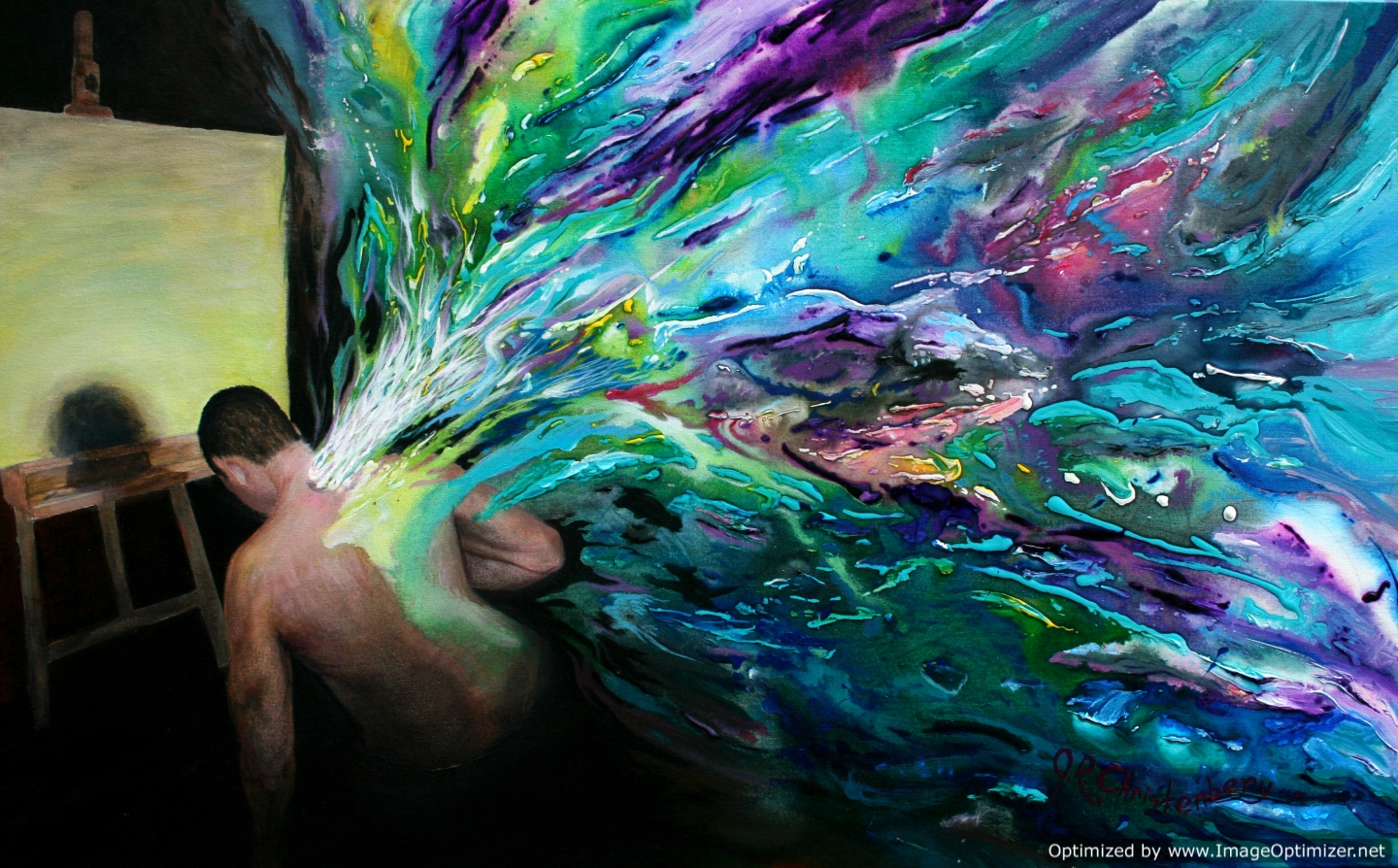
The Artist, 30"x48" acrylic on canvas (8/2014)

The Artist, 30″x48″ acrylic on canvas (8/2014)

Looking within, potential can be acknowledged and worked with. The fire of the heart-mind is stoked and the image is forged, quenched, and re-forged a thousand times within the mind’s eye before a move has even been made.

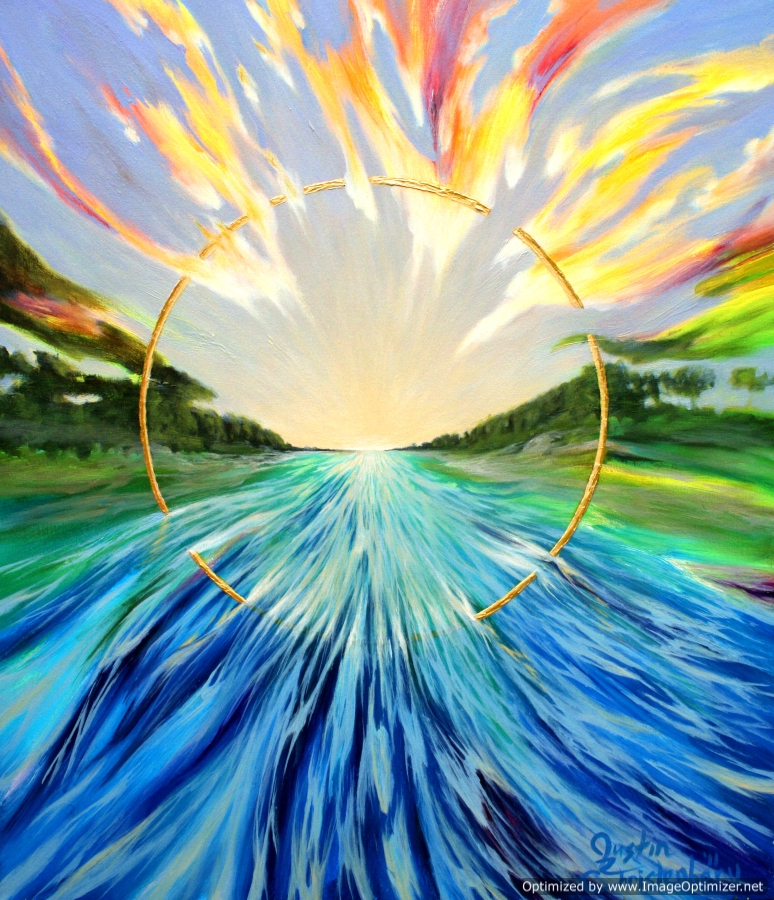
Forward, 36"x48" acrylic on canvas (10/2011)

Forward, 36″x48″ acrylic on canvas (10/2011)

Through the common link between all things, we flow.

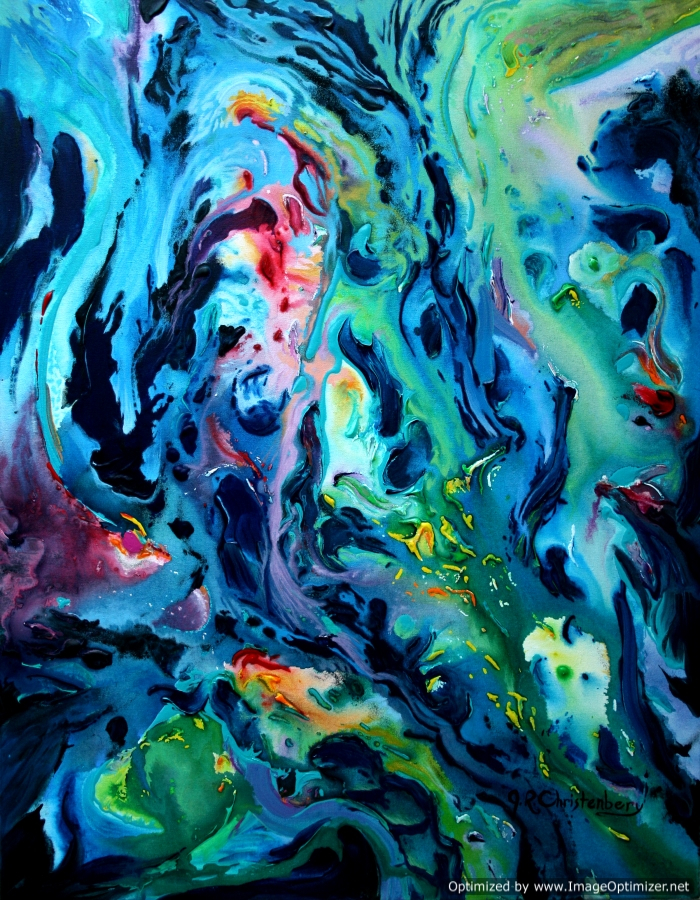
 Movement in Blue, 30"x40" acrylic on canvas (7/2014)

Movement in Blue, 30″x40″ acrylic on canvas (7/2014)

The style that I’ve been cultivating for the last several years continues to evolve and seems to finally be crystallizing into something worthwhile here. Consciousness sings into form the formless. Then, being gently takes consciousness’s hand and leads the song into an undreamt of place where the clouds of confusion are forgotten.

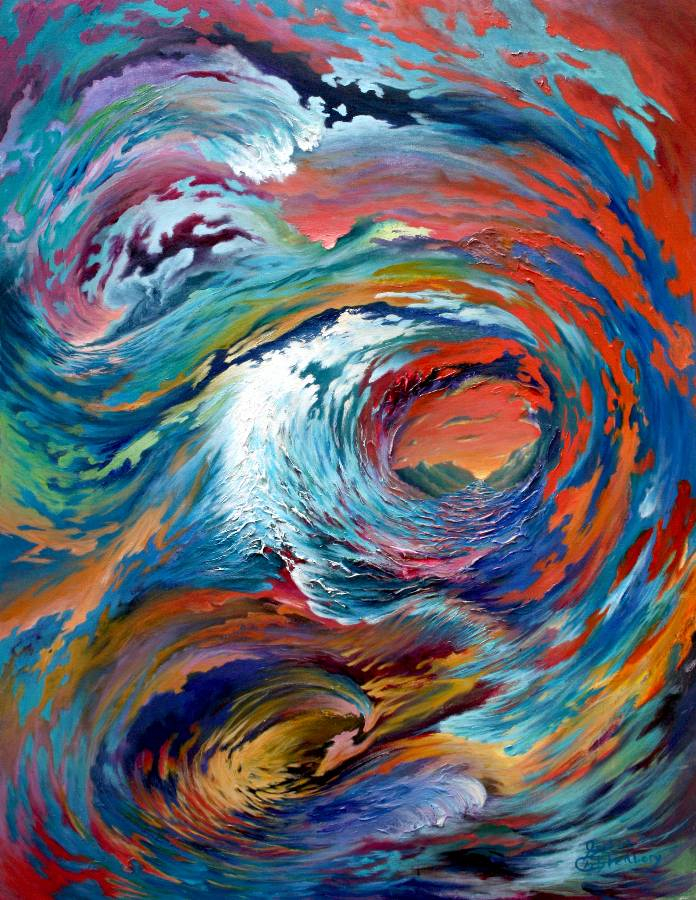
Incurrence, 42"x54" acrylic on canvas (2010)

Incurrence, 42″x54″ acrylic on canvas (2010)

Within our sometimes tumultuous lives and inner worlds, calm remains forever present and available.

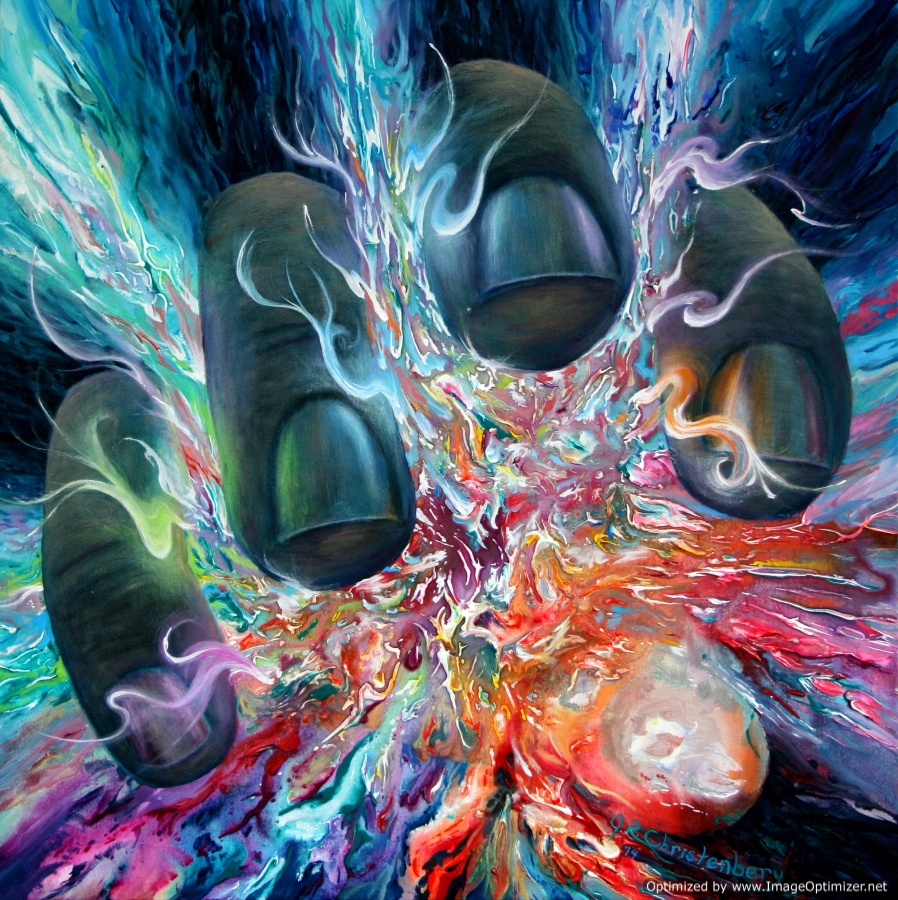
The Abandonment of Doubt, 42"x42" acrylic on canvas (9/2014)

The Abandonment of Doubt, 42″x42″ acrylic on canvas (9/2014)

Life is Surging at this very moment. Around you- through you… As you. Your mind is a tool slowly & tenuously mastered- a lens, of sorts, that you use to focus this Life-that-you-are. This is where many trip up: The mind only ever remains a tool, and as powerful as it can become, it will never compare to or replace the Pure Life that we are. If the mind is a lens, how much greater is your Self which puts it to work? The mind is useful. YOU are essential- and quite skilled at Living w/out minding your mind.

Stop trying to listen to your heart so that It can become you. Forget thinking and embrace knowing. Flow happens… Mind is first absorbed and then blended into Being, and Life’s sweetest nectar is tasted.

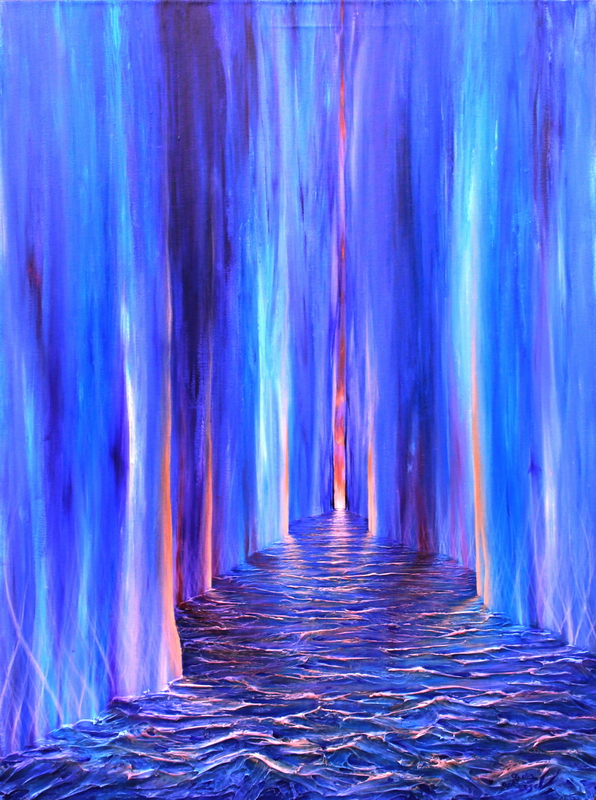
The Return, 33"x44" acrylic on canvas (2009)

The Return, 33″x44″ acrylic on canvas (2009)

This piece marked a fork in the road of my development as an artist. In 2009 I was doing a lot of blended directional work (hence the strong verticals here) with the goal being to get my mind to stop worrying so much about what the image would become. Having covered the canvas, I noticed a great sense of depth near the middle and decided to pursue that sense of perspective and immersion within a saturated environment and was rewarded with a painterly evolution.

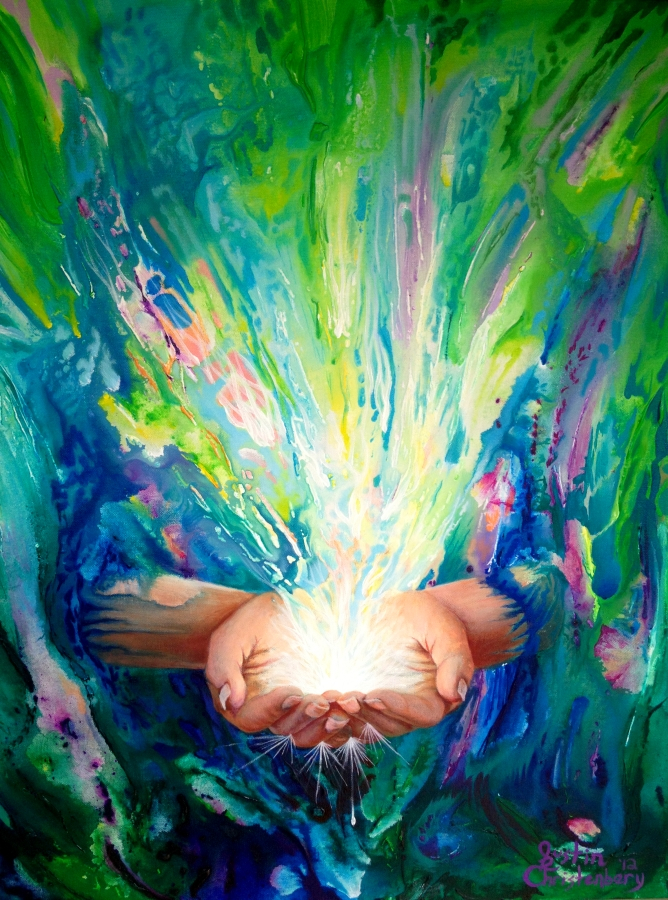
The Offering, 24"x30" acrylic on canvas (3/2013)

The Offering, 24″x30″ acrylic on canvas (3/2013)

This piece was commissioned by a Family & Marriage therapist and now hangs in her office. I am constantly amazed by and forever grateful for the gift which, in having been given to me, I am able to multiply and re-gift to so many others.

Justin Christenbery lives in Cornelius, NC where he works out of a home studio and maintains an active presence in the creative community. He regularly does live paintings alongside various bands and musicians with hopes of sharing his inspiration with audience goers. He is currently exhibiting new works at Kadi in Downtown Cornelius’s Historic Oak Street Mill. The show runs through March 12th, 2015.

More of his work can be seen on his personal (under-construction) website: http://JustinChristenbery.com. He has a secondary online portfolio which is overflowing with work from the last 10 years, and where prints of his art can be purchased: JRChristenbery Portfolio

Commissions are always being accepted(he does realistic portraiture as well!
Follow him on Facebook: Here
Christenbery working on a live painting on plexiglass. (photo courtesy Brooklyn Nicole)

Christenbery working on a live painting on plexiglass. (photo courtesy Brooklyn Nicole)

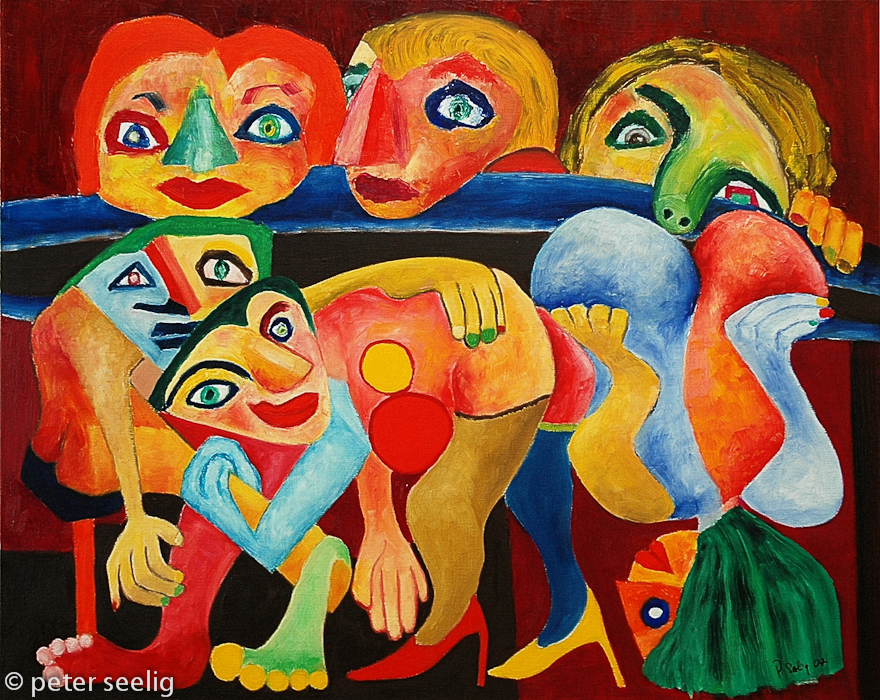
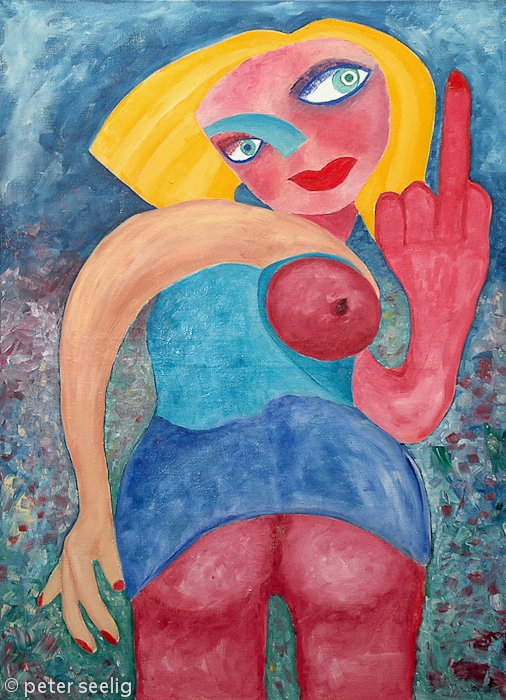
My Fotos and Paintings are Love Stories

by Peter Seelig
 

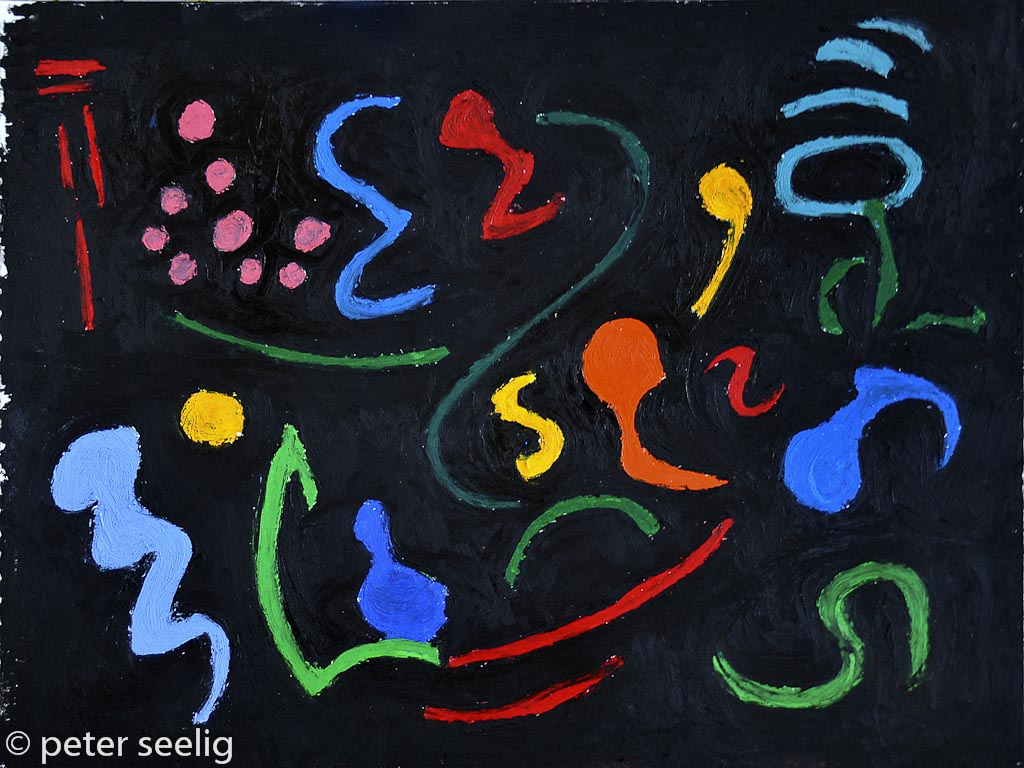
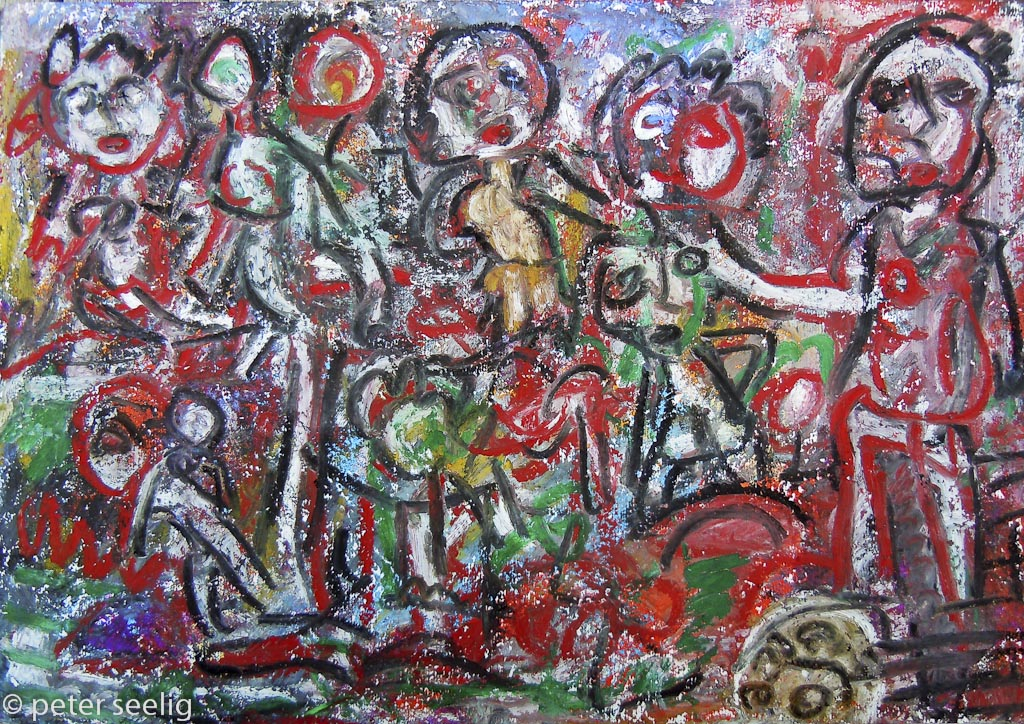
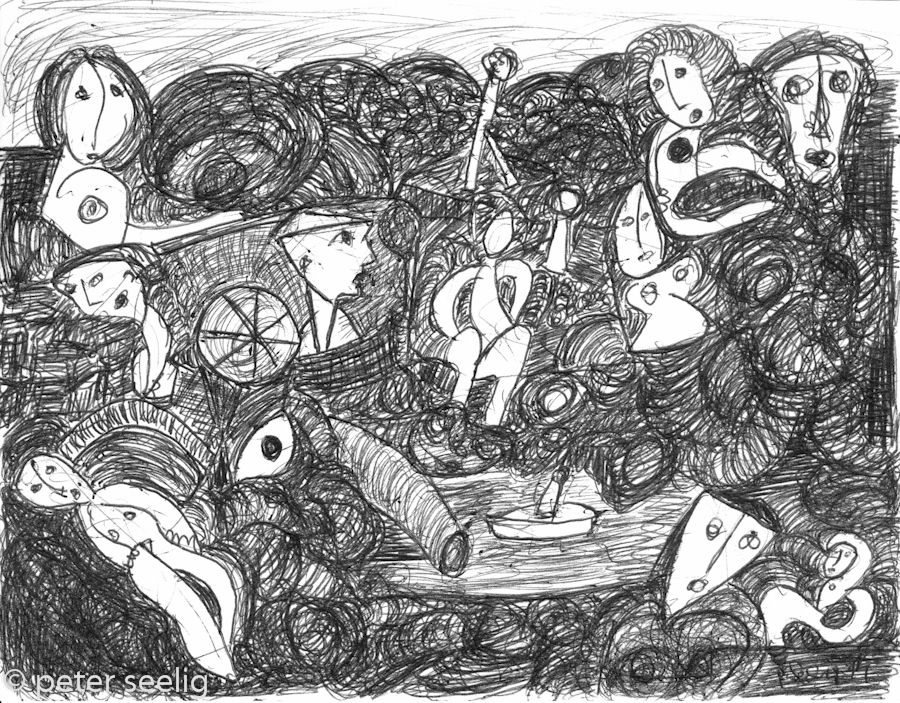
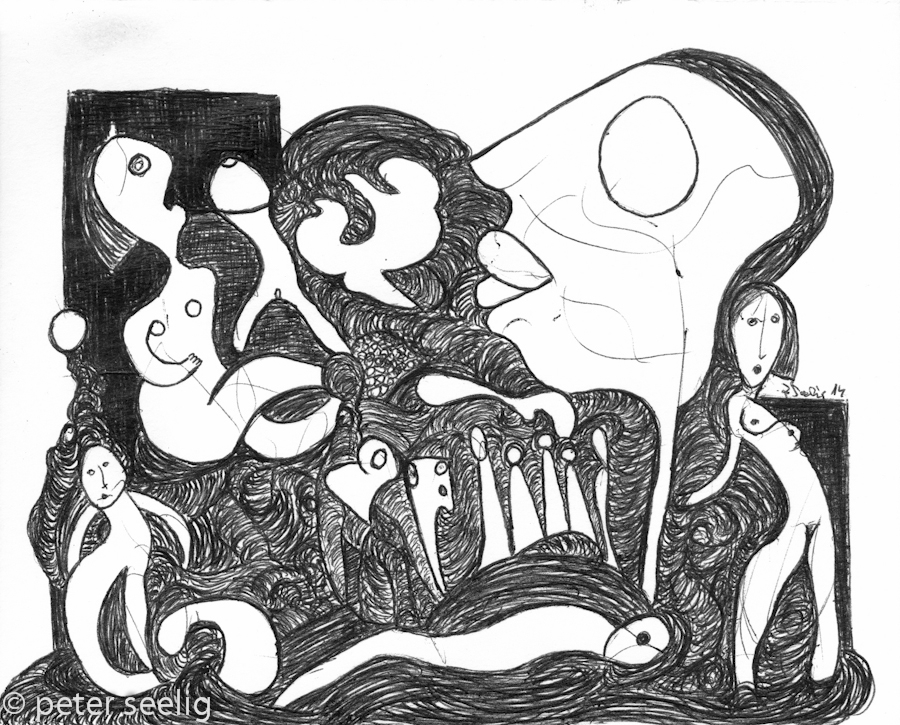
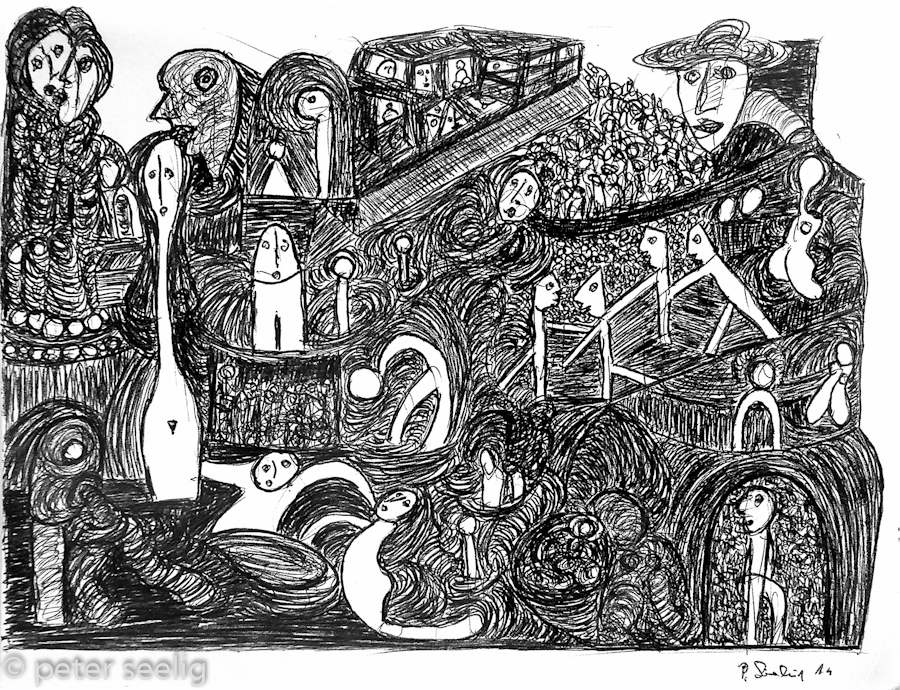
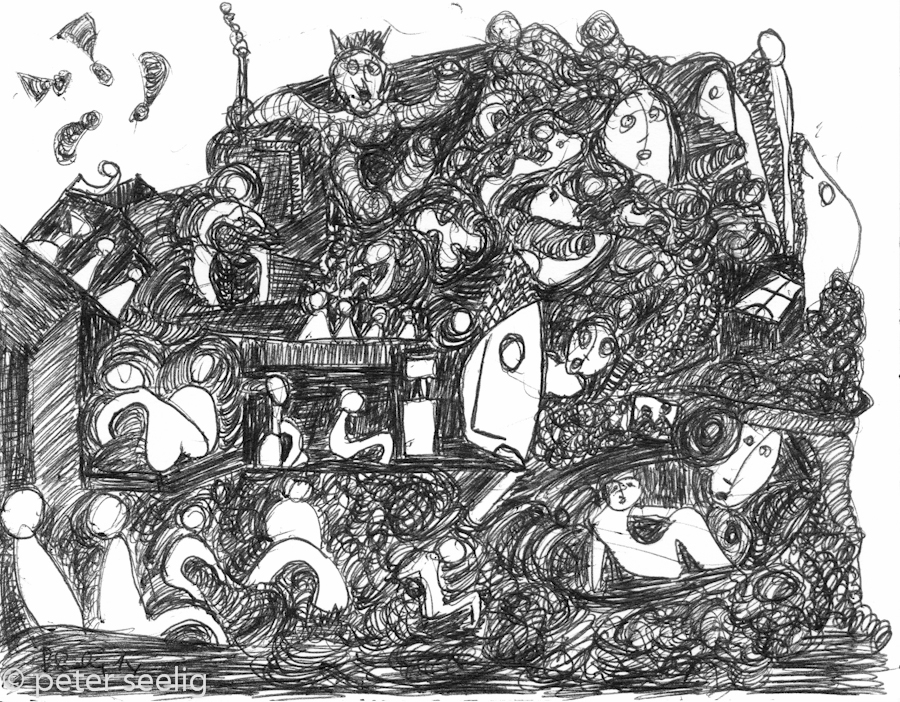
My fotos and paintings are love stories.
They are the music of my eyes and the colors of my ears.


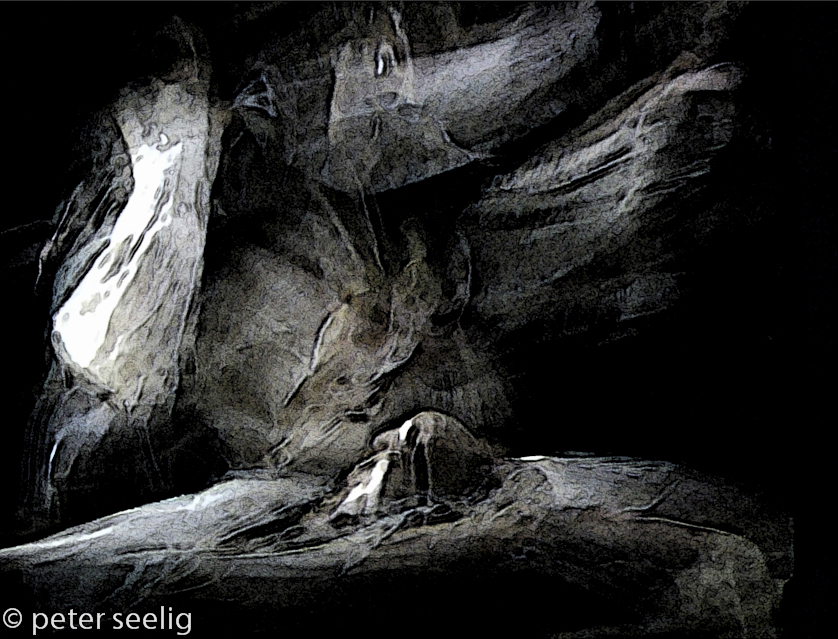
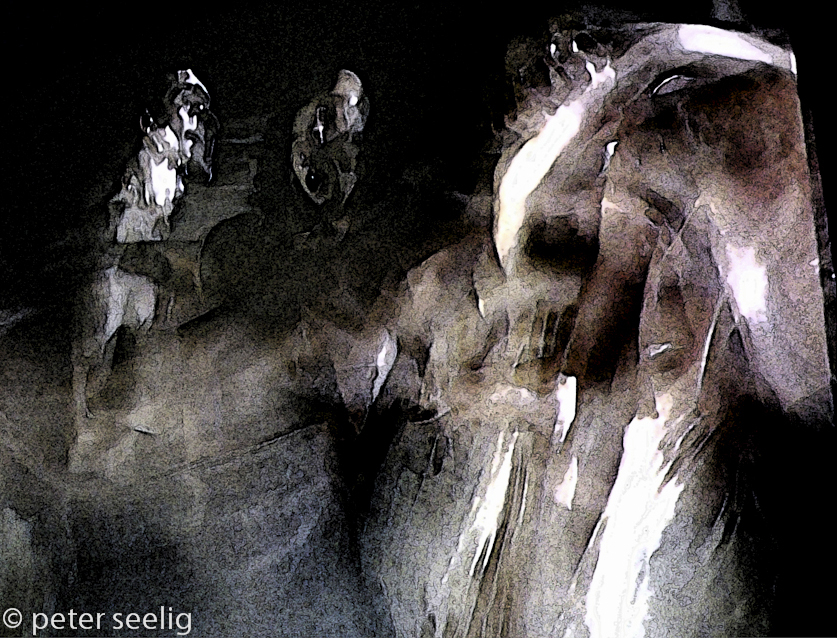
The Rite of Spring (Photomanipulations)-current exhibition in Vienna

the rite of spring #1

the rite of spring #1

the rite of spring #5

the rite of spring #5


“You would like to see more, where hermetic boundaries of signs have their limits and start to try to
interview them“ (Maria Männig)

“By luxurious digital posttreatment he reaches the alienation of the material which is accompanied by an estrangement of the originally photographed object. The reality in its deformed shape wins distance, coagulates to a visual concentrate, in the felt becomes visible.“ (Maria Männig)


Digital Art

Bluebirds In My Mind

Bluebirds In My Mind

Beating the sky, for what, for more of  what - For more truth From what

Beating the sky, for what, for more of
what – For more truth From what


Paintings

four o clock in the morning

four o clock in the morning

Nina

Nina


“The relinquishing of man in music and dance, in colour and painting, in rhythmic movement and
swinging lines constitutes the theme of Peter Seelig’s work. He circuits his subject in drawings and
paintings obsessively. Figures and faces allure in an expressive decidedly modern picture language
presence.” (Prof.Ulrich Gansert)


Family Group UP-UP-DOWN

Family Group UP-UP-DOWN

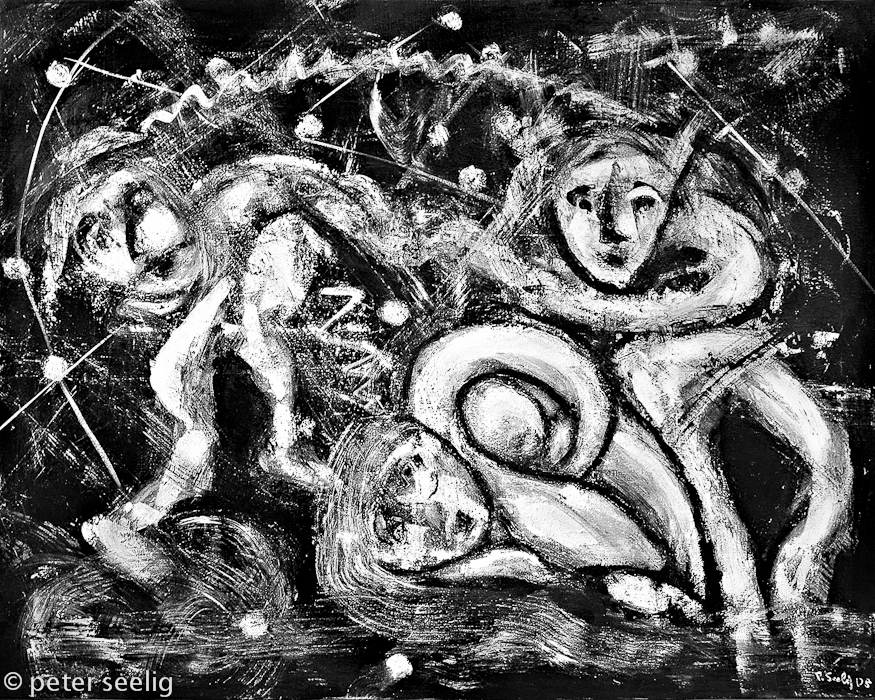
Lilith

Lilith


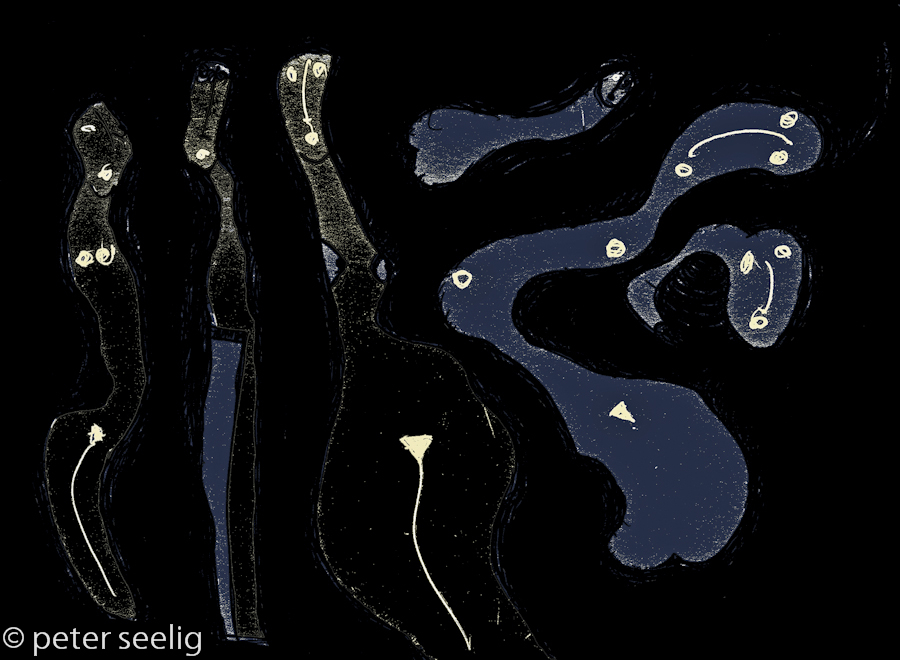
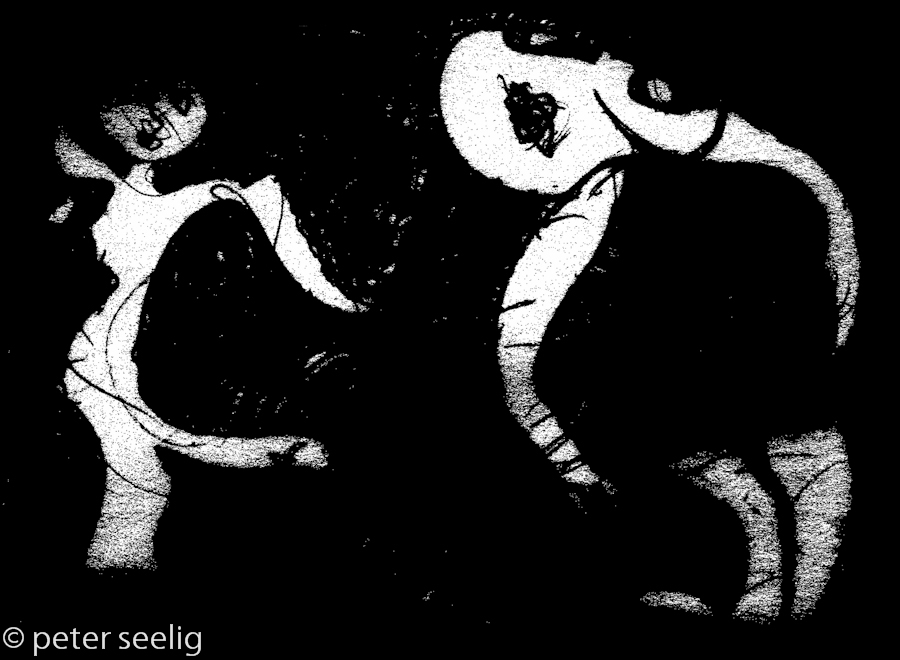
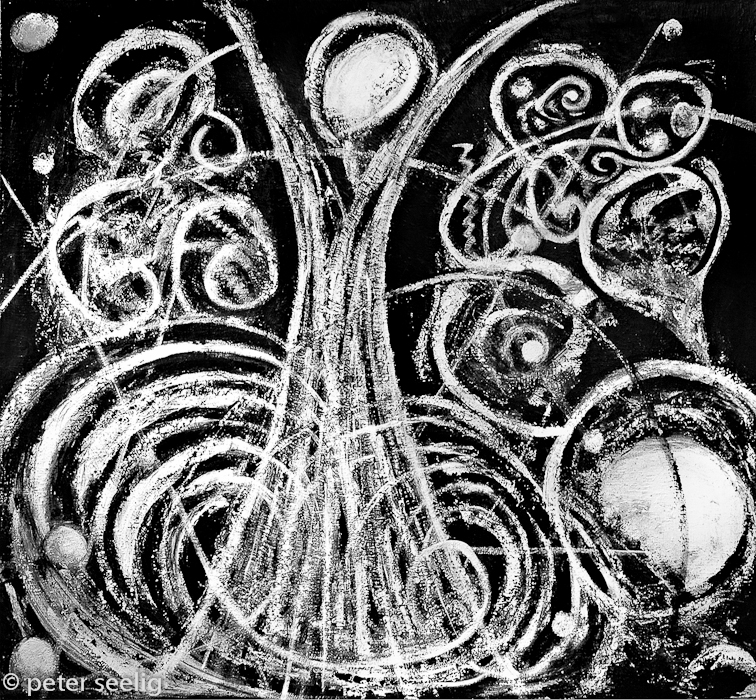
“In his painting the human form acquires a sketch like forcefulness. In a picture group one linear
formulation dominates against a black background. Symbols of elementary simplicity emerge. The
lines are like simultaneously those in a test arrangement , the tracks of racing electrons, becoming
visible is a black eternity, and real figures of Lillith or the flowers for Alice. Strange spirals or the form of an angel flying through the dark room.” (Prof.Ulrich Gansert)


Oil Pastels

The Key of Eros

The Key of Eros

on the traces of Claude Monet and Joan  Mitchel #1

on the traces of Claude Monet and Joan
Mitchell #1


Drawings

Boattrip

Boattrip

Myself In My Head Out My Head In My  World

Myself In My Head Out My Head In My
World

Looking Right Top To My World

Looking Right Top To My World

On The Top Singing With Mozart

On The Top Singing With Mozart


“Peter Seelig’s artistic work grows out of a debate with modern art and a wide range of interests
including music, theatre, ballet and literature. His lovely Vienna atelier apartment is full of books.
Numerous visits to Switzerland and France, where in 1968 he experienced the enthusiasm of the
students in Paris, belong to his personal biography. In philosophy, this sphere of positive energy
would be described as Dionysian. The presentation of this possibility of human being is the program
of his artistic work.” (Prof.Ulrich Gansert)


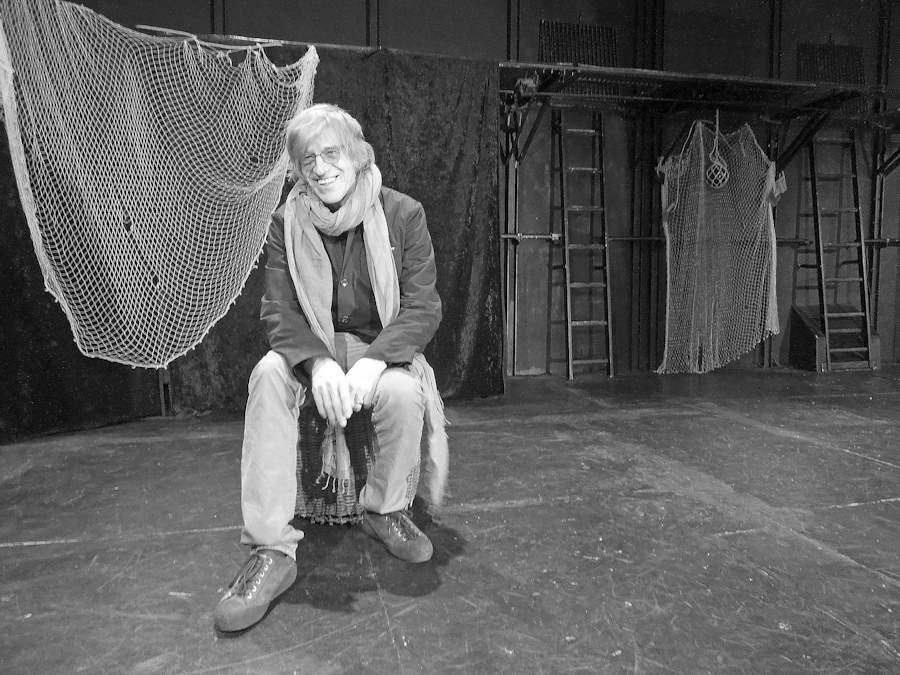
Peter Seelig in the theater Espace Marais Paris  Photo by Maia Citterio

Peter Seelig in the theater Espace Marais Paris
Photo by Maia Citterio

Links
Homepage: www.peterseelig.com
Twitter: www.twitter.com/peter_seelig
Flickr: www.flickr.com/photos/peterseelig
Facebook: www.facebook.com/peter.seelig.arte

Postcolonial Thoughts: Review of Simon Schama’s Power of Art series: Picasso

by Christopher Hutchinson

Mr. Schama justifies the title of his series by showing how these artists transformed and transcended their times; he rests his case with “Guernica.” That painting shatters even the thickest complacency and breaks what he calls “the habit of taking violent evil in our stride.” Mr. Schama is a passionate and persuasive docent, but unfortunately there is no “we” in art appreciation. Plenty of people can remain unmoved by all kinds of great work. “Power of Art” succeeds not because of the power of the chosen masterpieces but because Mr. Schama masterfully weaves engaging mysteries around each artwork. And he walks and talks viewers through it all in a “History Boys” style that is so chatty and disarming that even the flintiest museumphobe wants to stick around to find out what happened next-Alessandra Stanley http://www.nytimes.com/2007/06/18/arts/television/18stan.html?_r=0

Simon Schama’s documentary on Picasso’s Guernica 1937 was 59 minutes hero worship claiming that Guernica 1937 to be Picasso’s finest achievement. In this wasted hour, Schama uses intimate detail to add to the fictitious legend of Picasso. These details that Schama is so excited about are exactly the details that prove how remedial Guernica 1937 is.  The 59 minutes mainly state that  Guernica 1937 is genius because it is large and familiar. Large scale and familiar icons are common tools uses in the infancy painting. Large scale paintings and icons are used by painting infants to hide the obvious flaws present in the painting. This trick works mostly on non-art folk who value scale and equate that with enormous labor that they could never achieve, but Schama is an art historian who should know better. Art work qualified as genius often has nothing to do with how large it is.

“Pablo Picasso’s Guernica is so familiar, so large, so present. It’s physically bigger than a movie screen. But what is the painting about? Is it an account of the Spanish town obliterated by Nazi warplanes – a piece of reportage? Is that why it’s in black and white?

This is the reason why the painting has such an impact. Instead of a laboured literal commentary on German warplanes, Basque civilians and incendiary bombs, Picasso connects with our worst nightmares. He’s saying here’s where the world’s horror comes from; the dark pit of our psyche.” http://www.bbc.co.uk/arts/powerofart/picasso.shtml

Probably Picasso’s most famous work, Guernica is certainly the his most powerful political statement, painted as an immediate reaction to the Nazi’s devastating casual bombing practice on the Basque town of Guernica during Spanish Civil War. http://www.pablopicasso.org/guernica.jsp

History paintings

A ‘history painting’ is one which has a serious narrative, or includes exemplars of actions which are intended to have didactic overtones. In this sense the word history relates to the Italian istoria, meaning narrative or story (and not the accurate or documentary description of actual events). History paintings are often large in scale. Their subjects can be taken from the Bible, from mythology or other forms of secular literature, from historical events; or they can be allegories. Noble themes are seen as being particularly worthy of depiction. History painting was viewed as the most important of the genres from about the 16th century, and the climax of an academic painter’s training. It was the equivalent of Epic or Tragedy in literature. http://www.nationalgallery.org.uk/paintings/glossary/history-painting

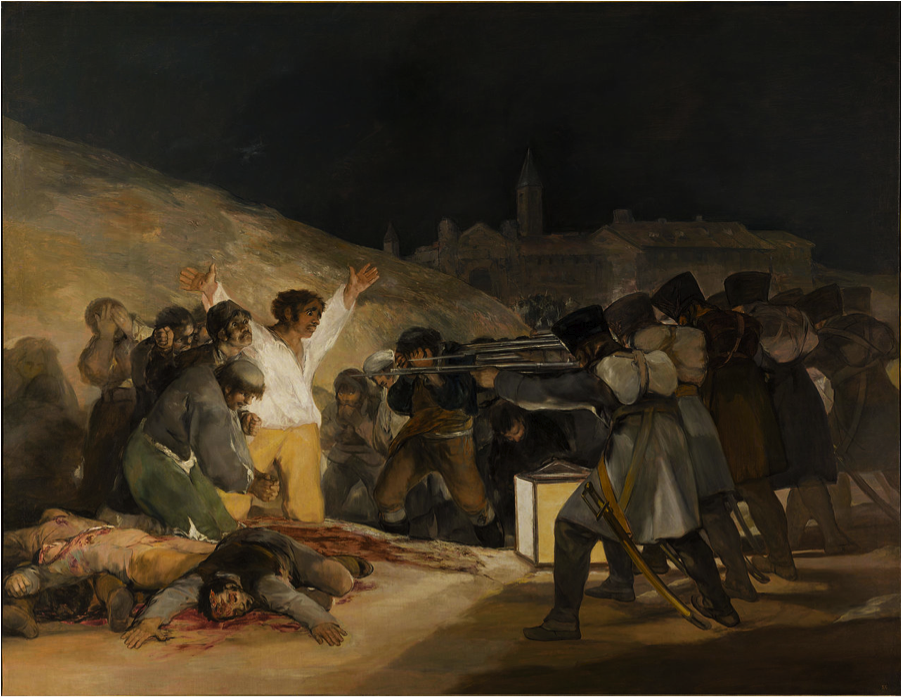
The Third of May 1808 Francisco Goya 1814 http://en.wikipedia.org/wiki/Francisco_Goya

The Third of May 1808
Francisco Goya
1814
http://en.wikipedia.org/wiki/Francisco_Goya

At every level Picasso’s Guernica 1937 is an appropriation of the past, a past mainly embedded in Romanticism. Being a romantic isn’t a problem, except that Schama repeated over and over again that Picasso is a Modernist. Modernism and Romanticism are definitely not the same things. Modernism did its best to destroy the narrative of the history-painting genre. Schama tries to smooth this over by calling Guernica 1937 a “modern history-painting.”

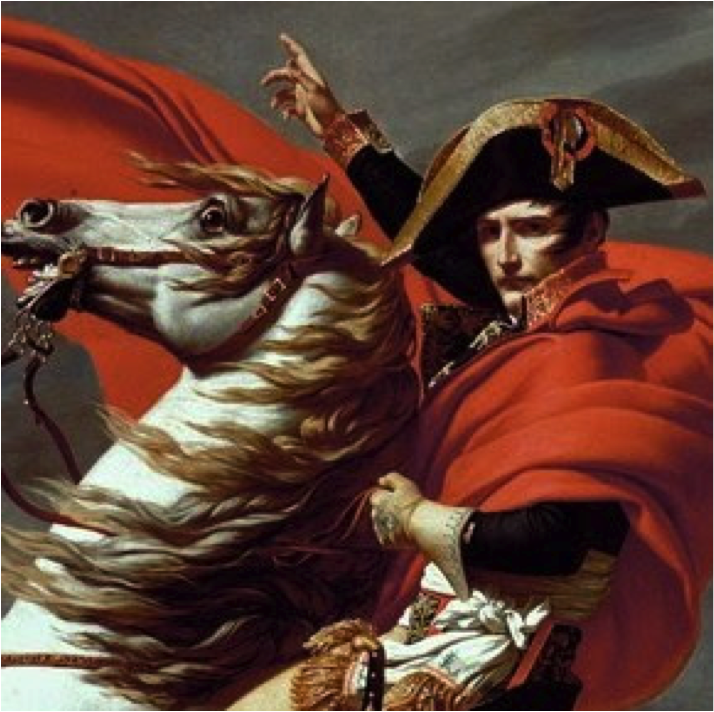
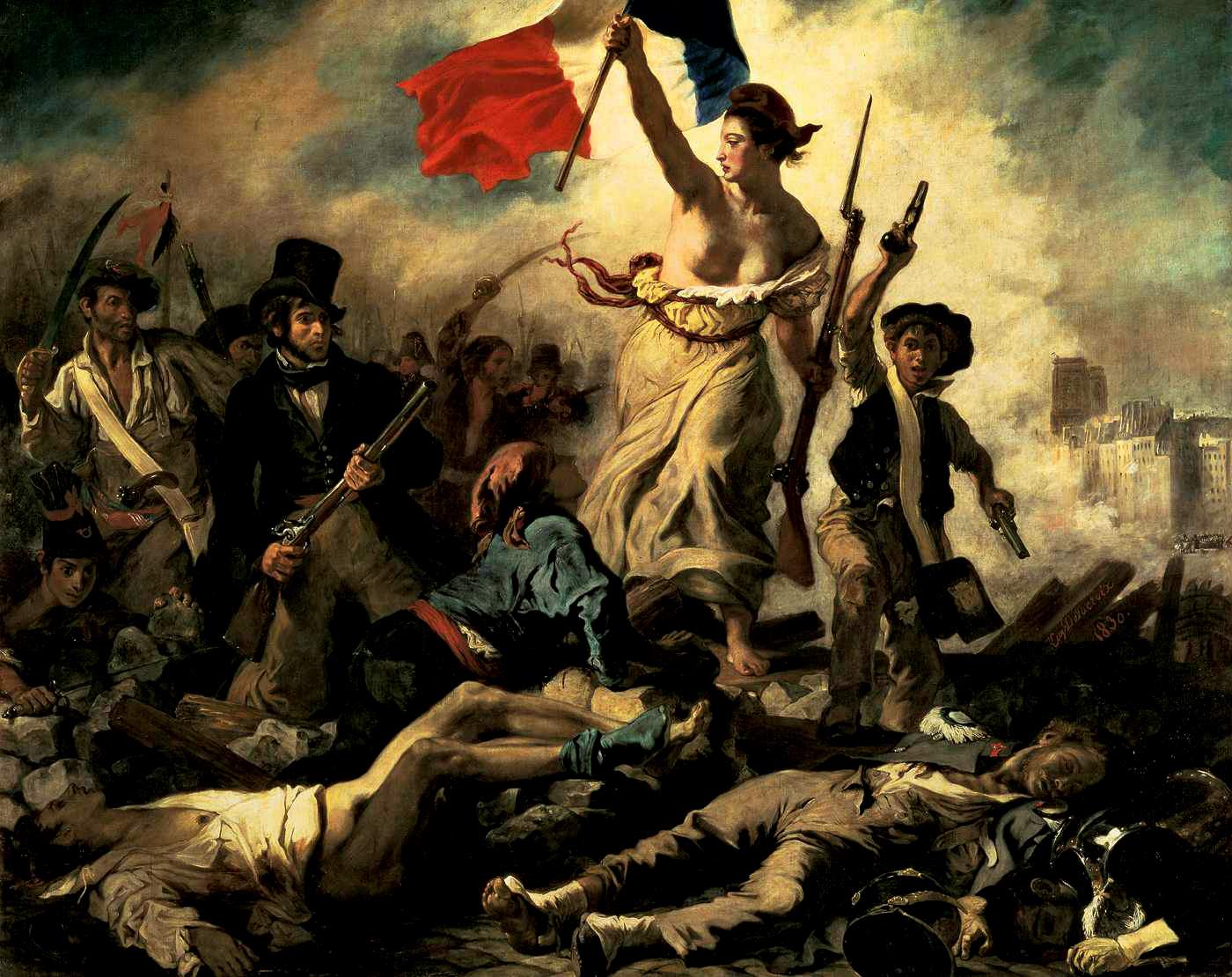
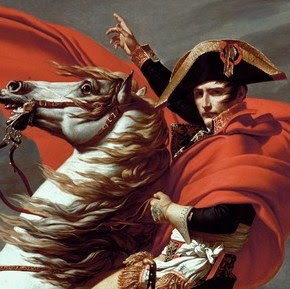
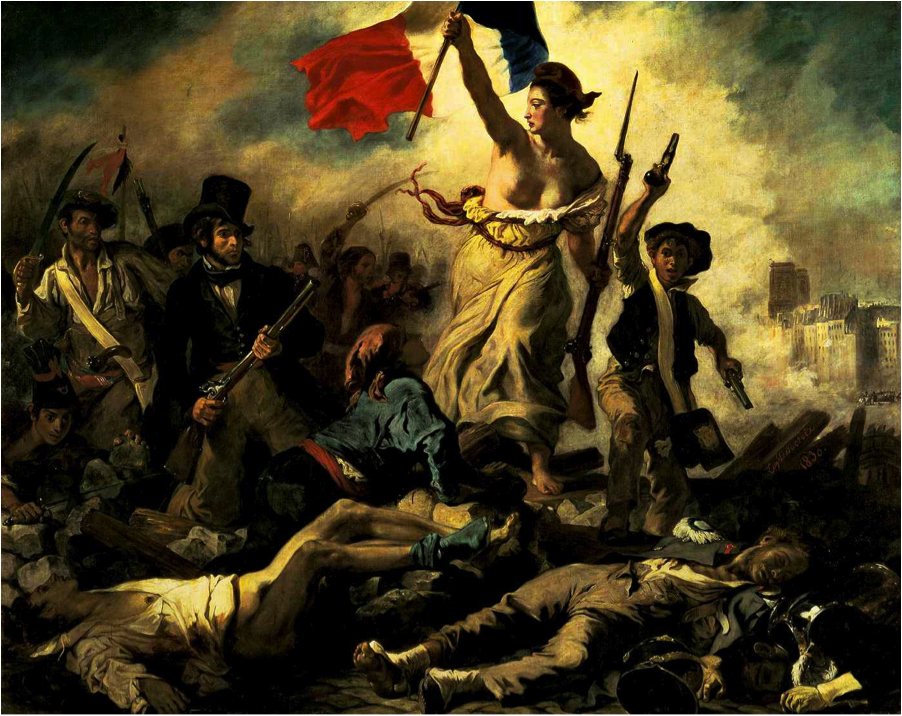
After a conversation with Professor Jason Sweet, Sweet pointed out that Guernica 1937 has the same composition of Delacroix’s Liberty Leading the People 1830. It is obvious that Picasso is appropriating famous history-paintings to create Guernica 1937. The outstretched hands present in Goya’s The Third of May 1808 are in the right hand corner, the dead standing underfoot is also present in Liberty leading the people 1830, the terrified horse in David’s Napoleon crossing the Alps 1801. Guernica 1937 amounts to a hodgepodge of icons present in art history roughly 100 years before Picasso. Schama wants us to believe this is Genius. Schama wants us to believe that Guernica 1937 is more present, terrifying and had more of an impact than Goya or Delacroix-Why? What is the motivation behind this? Is this true?

Schama, in the documentary, makes reference to the fact that Guernica 1937 was on display at MOMA in NY for 30 years as validation to its genius, to its significance. There is a fact that Picasso is still the most paid artist due to labels such as genius still heaped upon him. Schama is among many who believe Guernica 1937 is Picasso’s most important piece. Guernica 1937 is actually a 100year step backwards from modernism. Not genius.

Genius & Modernity

Modern Art painting, sculpture, architecture, and graphic arts characteristic of the 20th century and of the later part of the 19th century. Modern art embraces a wide variety of movements, theories, and attitudes whose modernism resides particularly in a tendency to reject traditional, historical, or academic forms and conventions in an effort to create an art more in keeping with changed social, economic, and intellectual conditions. http://dictionary.reference.com/browse/modern+art

Guernica 1937’s step back into history painting is an indicator of how much Picasso actually believed in modernity in the first place. It is easy, comfortable and ultimately conceptually lazy to appropriate history the way Guernica 1937 does. Modernity does its best to get rid of narrative and genius, both of which served God, supremacy, and innate ability. Modernism reduces to formal elements, where we can now just focus on the artwork, allowing anyone to attain “genius.” Schama is using “genius” in Picasso the same way as God, supremacy, and innate ability.

The Formal Elements are the parts used to make a piece of artwork. The art elements are line, shape, form, tone, texture, pattern, colour and composition. They are often used together, and how they are organised in a piece of art determines what the finished piece will look like. http://hardleyart.wordpress.com/the-formal-elements-in-art/

The moment that formal analysis is applied to Guernica 1937, the piece crumbles as it relates to genius. When we evaluate Guernica without the sympathy of war, sympathy acceptable in romanticism, it is a remedial painting.

Generic Icons & Universal symbols

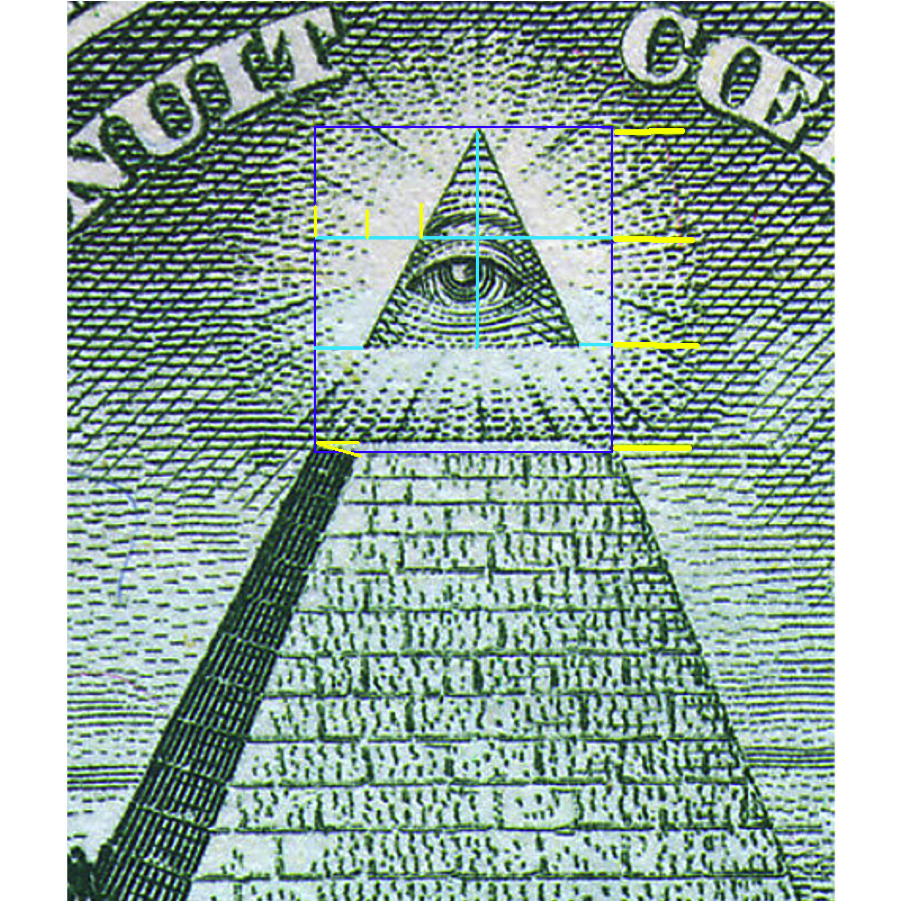
The use of the many generic icons and universal symbols is a catchall tool used by artists that are not confident in there own statement. If the viewer does not appreciate the painting, maybe they will like the horse, or the bull, or the crying woman, the obvious universal pyramid right smack in the middle of the piece. Guernica 1937 is just a bad painting, where these icons are cut and paste images surrounding the image without interaction.

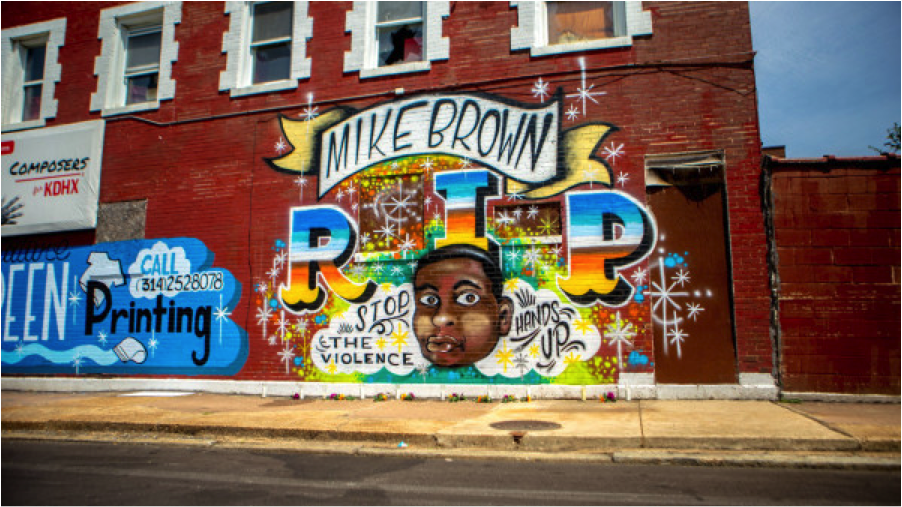
Schama makes reference to the history of the icons present in Guernica 1937. Schama explains the use of the iconic imagery is related to the subjects that Picasso has doodled his whole life, which is now galvanized in this triumph of a painting Guernica 1937. Here again Schama is reaching. There are many artists that use popular subjects, especially animals. Using Schama’s rubric all the artists that paint chickens, horses, flags, are now eligible to be genius if those subjects responded a sympathetic political event like 9/11. Is the Mike Brown mural in Ferguson, MO genius? No, neither is Guernica 1937.
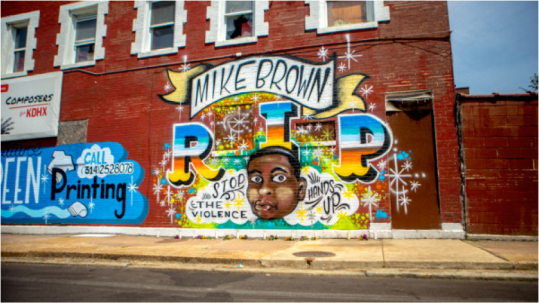
A mural in memoriam of Mike Brown, an unarmed black teenager shot by police in Ferguson, Missouri was painted on the side of a business in North St. Louis. The tribute was done by artist Joseph Albanese and commissioned by Signature Screenprinting according to the St. Louis Dispatch. It’s a “dedication to the Mike Brown tragedy and awareness of injustice in our communities,” wrote the custom t-shirt maker on its Facebook page. Funeral services for Brown will be held at the Friendly Temple Missionary Baptist Church on Monday. (Photo: Aymann Ismail/ANIMALNewYork) http://iamturbo.com/wp-content/uploads/2014/08/ferguson-mike-brown-mural_-600x3371.jpg

A mural in memoriam of Mike Brown, an unarmed black teenager shot by police in Ferguson, Missouri was painted on the side of a business in North St. Louis. The tribute was done by artist Joseph Albanese and commissioned by Signature Screenprinting according to the St. Louis Dispatch. It’s a “dedication to the Mike Brown tragedy and awareness of injustice in our communities,” wrote the custom t-shirt maker on its Facebook page. Funeral services for Brown will be held at the Friendly Temple Missionary Baptist Church on Monday. (Photo: Aymann Ismail/ANIMALNewYork) http://iamturbo.com/mike-brown-rip-mural/


Christopher HutchinsonChristopher Hutchinson is an Assistant Professor of Art at Atlanta Metropolitan State College, Archetype Art Gallery Owner in Atlanta, Ga, and Smoke School of Art Founder. He received his Master of Fine Arts Degree in Painting from Savannah College of art & Design, Atlanta and his Bachelor of Arts Degree from the University of Alabama in Huntsville, Alabama. He lived in Alabama for 10 years before moving to Atlanta in 2008.

Learn more about Christopher and his work at Black Flight 144.


Ensorcelled Moments

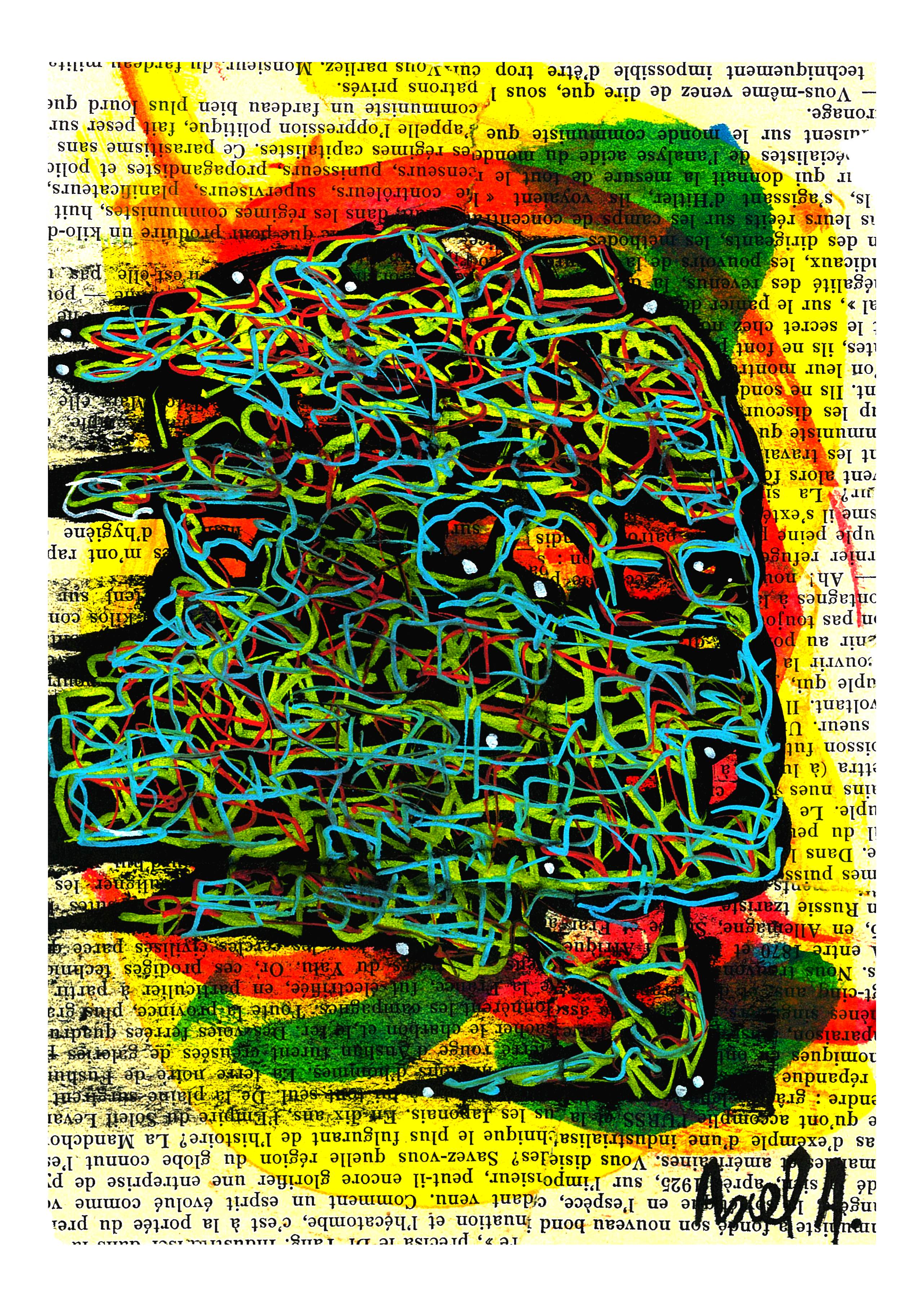
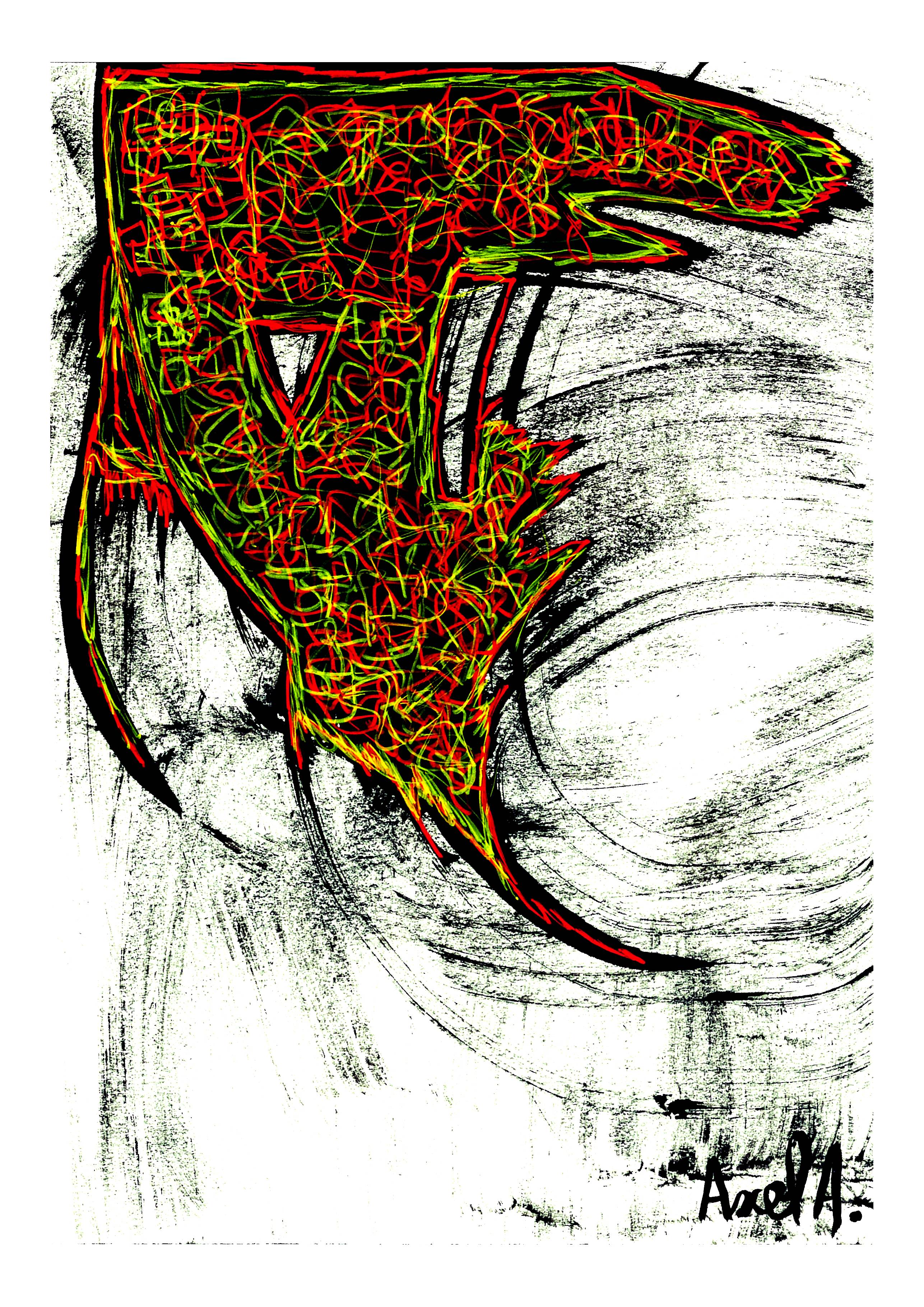
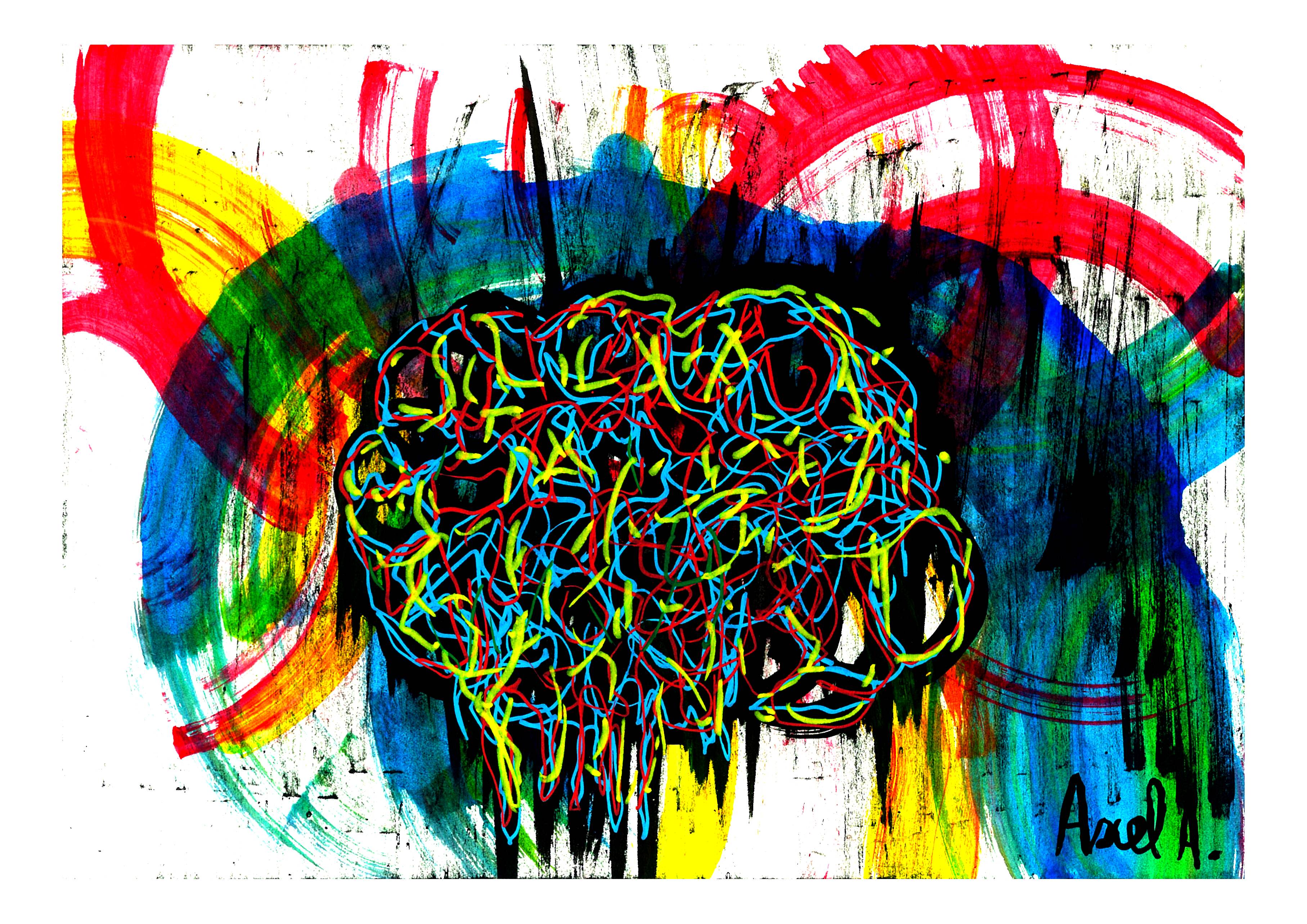
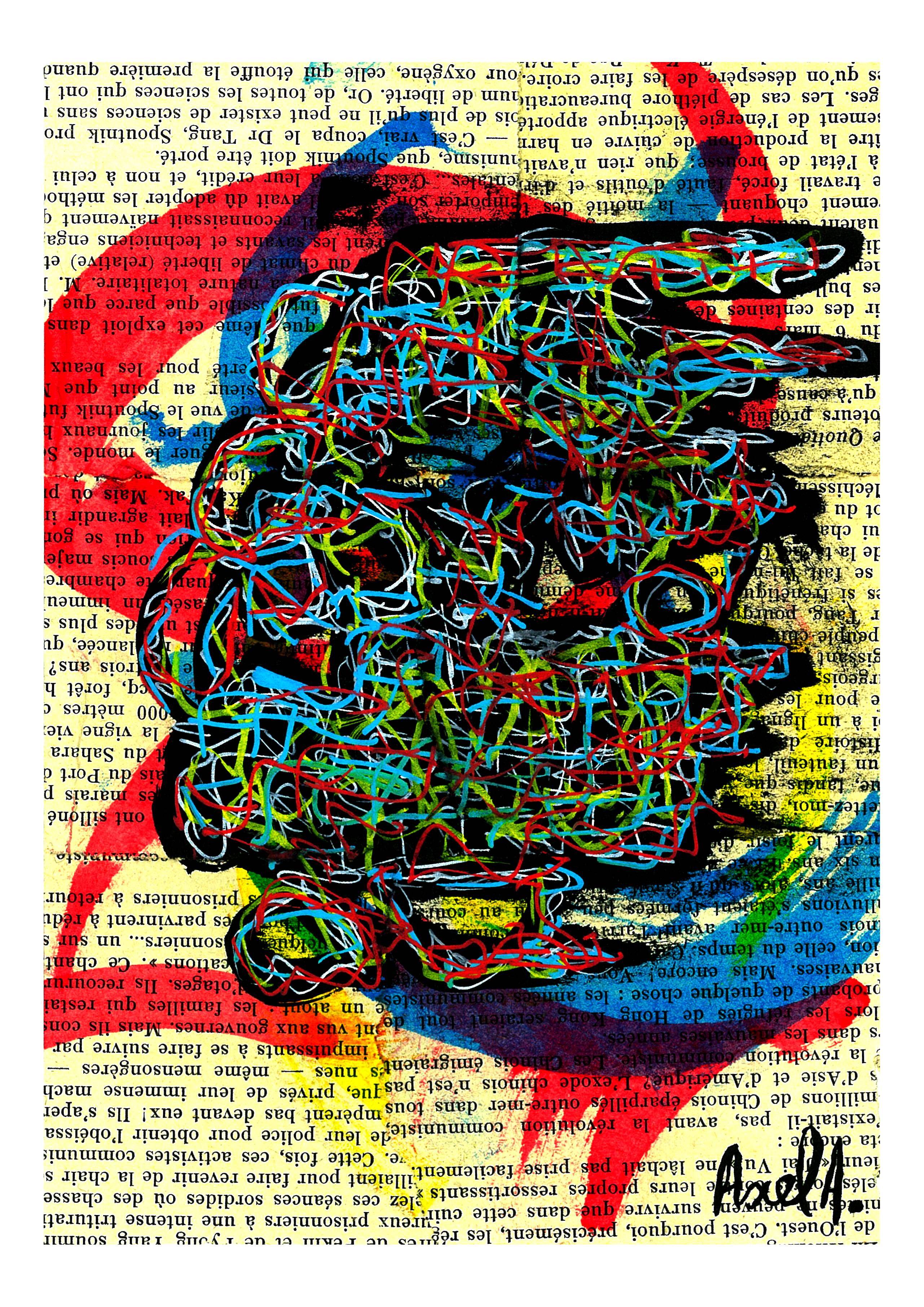
by Axel A.
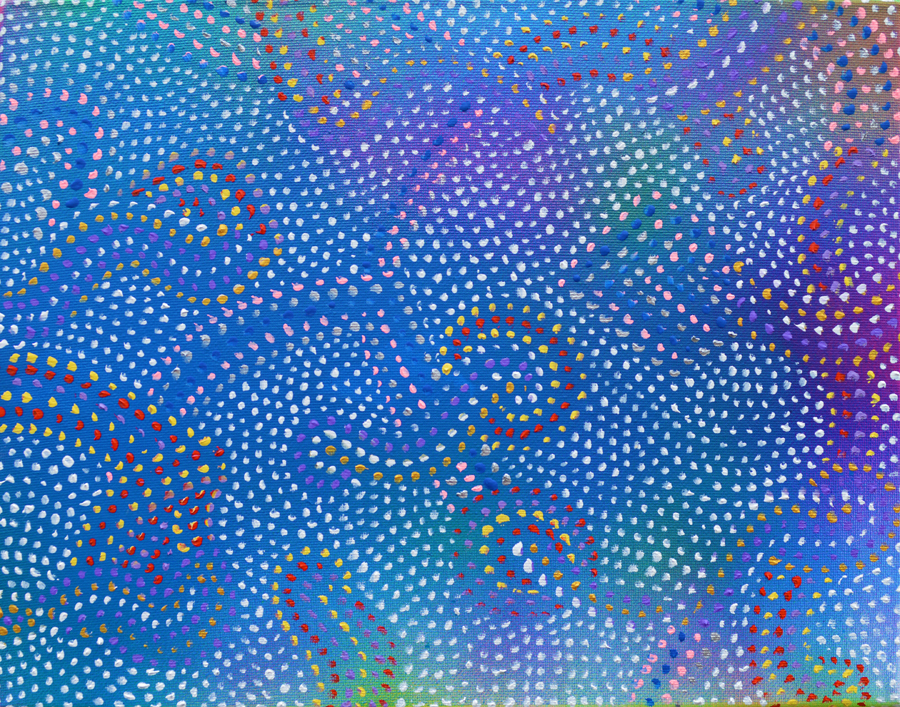
“What inspires and motivates me to paint is exploring, enjoying the world, and telling those ensorcelled moments I experienced using different Art Forms. I’m Caribbean (from FWI) but live in France, and belong to these two places. So I try to find this kind of sense of belonging through my artwork.”
 

Axel A 1


Axel A 2


Axel A 3


Axel A 4


Axel A 6


Axel A. is a Caribbean / French artist who lives in Paris.

His very personal work is characterized by a very bold use of color and imaginative abstract figures. These colors and figures interact, forming a work of strong visual impact. Axel wants his Art to touch our feelings and brighten our enthusiasm.

Axel wasn’t schooled in painting; he learns while he is discovering the world.

He works in acrylic, oil, and collage. His artwork is based on the “movement” by a cardboard end by way of instruments of paint.


Axel A 8


Axel A 9


Axel A 10


Axel A 11


Axel A 12


Axel A 13


Axel A 14


Axel A 15


“Art gives us a gift into creating, thinking differently, and expressing ourselves–providing others an insight into and appreciation of different cultures. That’s why wherever life takes me I will follow and continue with my Art.”


For more information about Axel A.:


Sonoridad

by Julio Mejia

Artist Statement

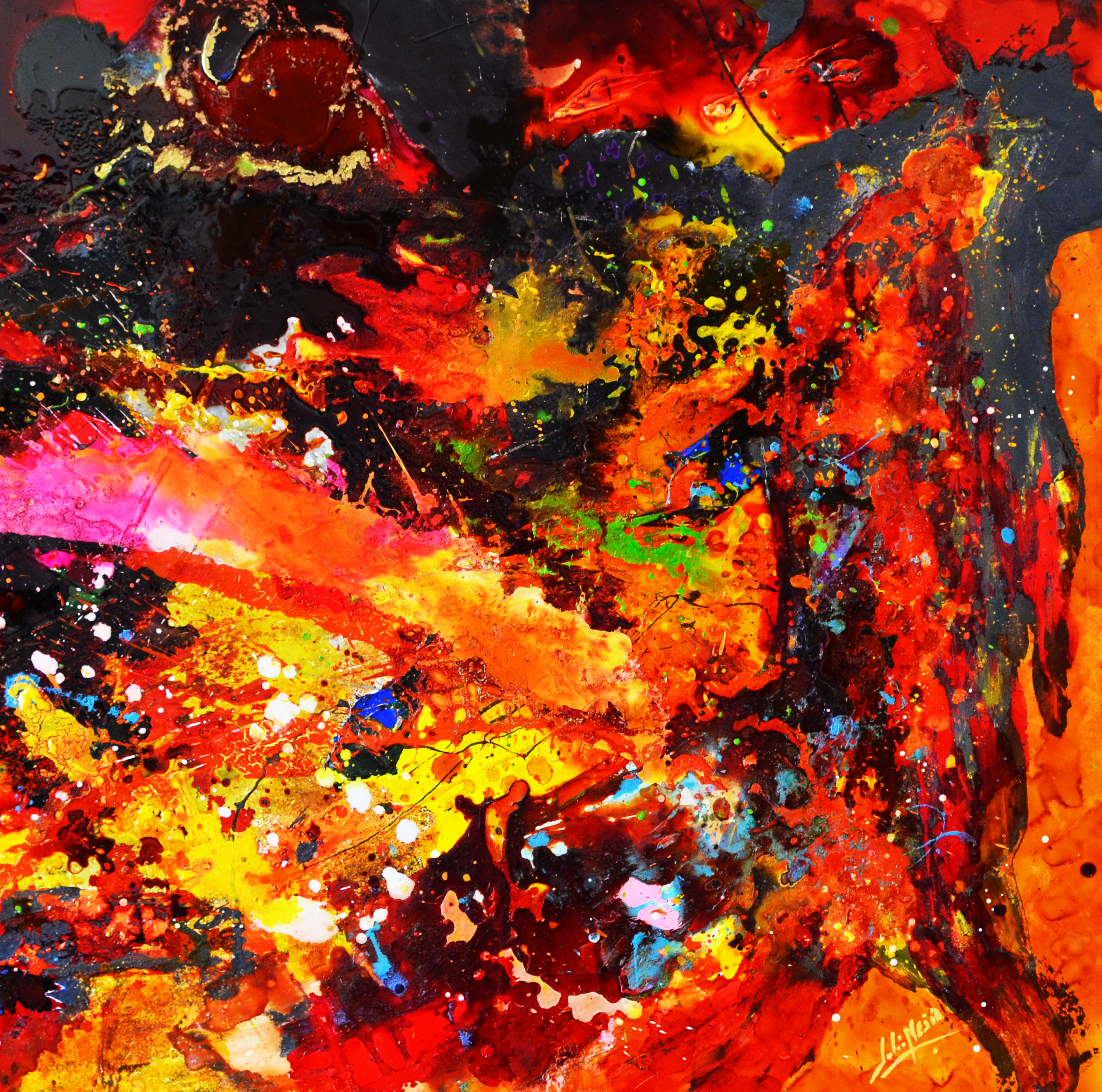
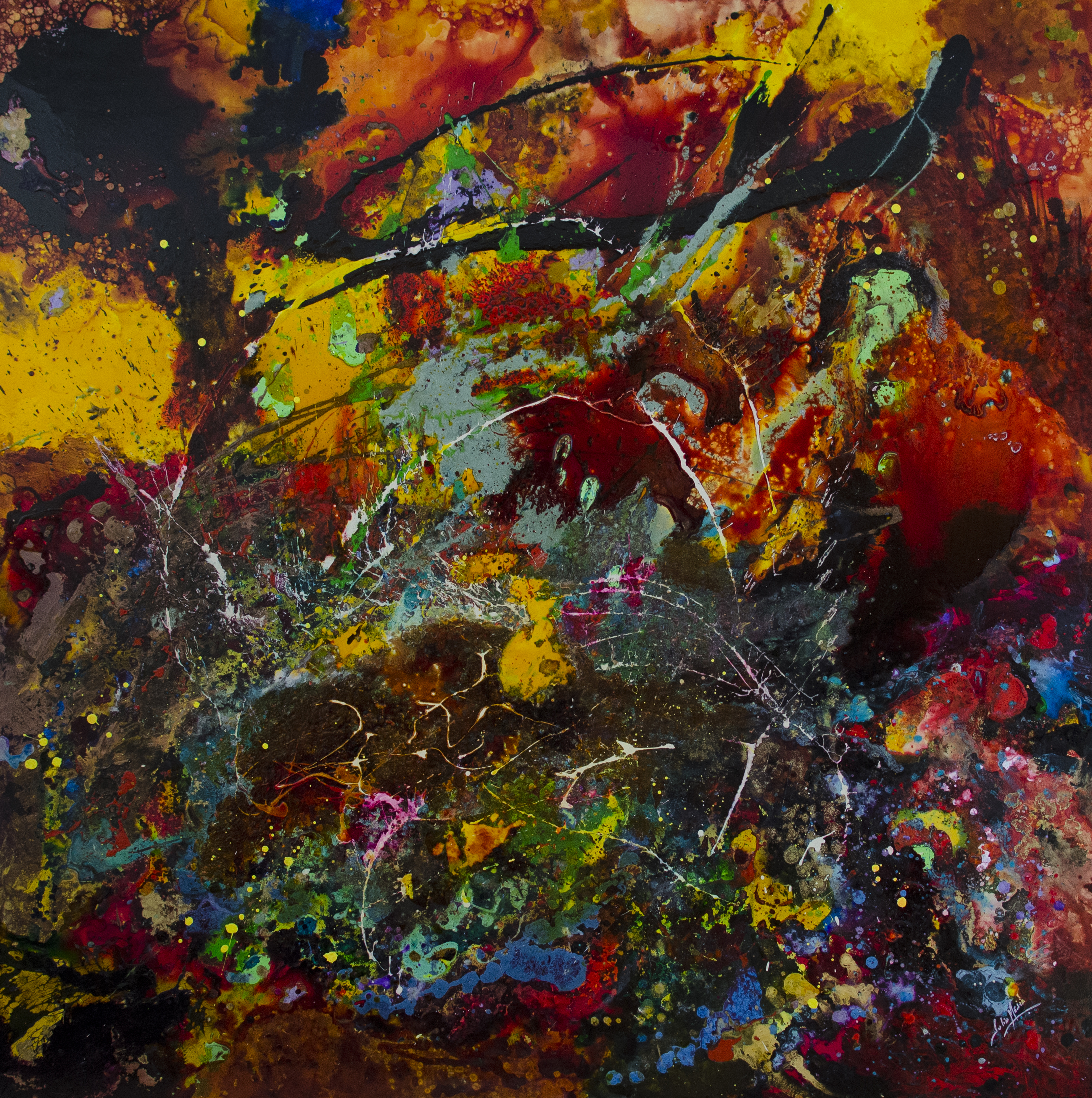
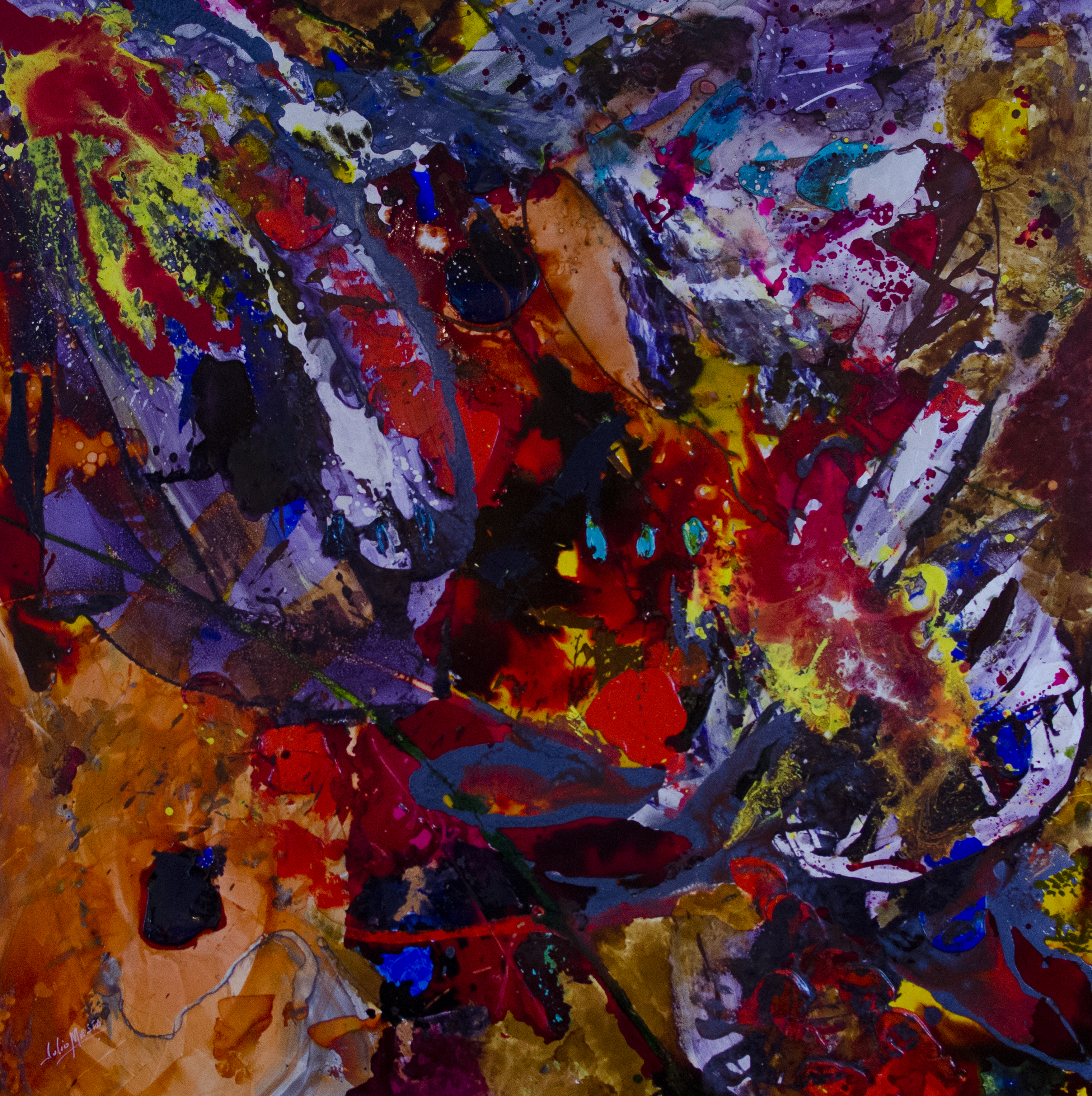
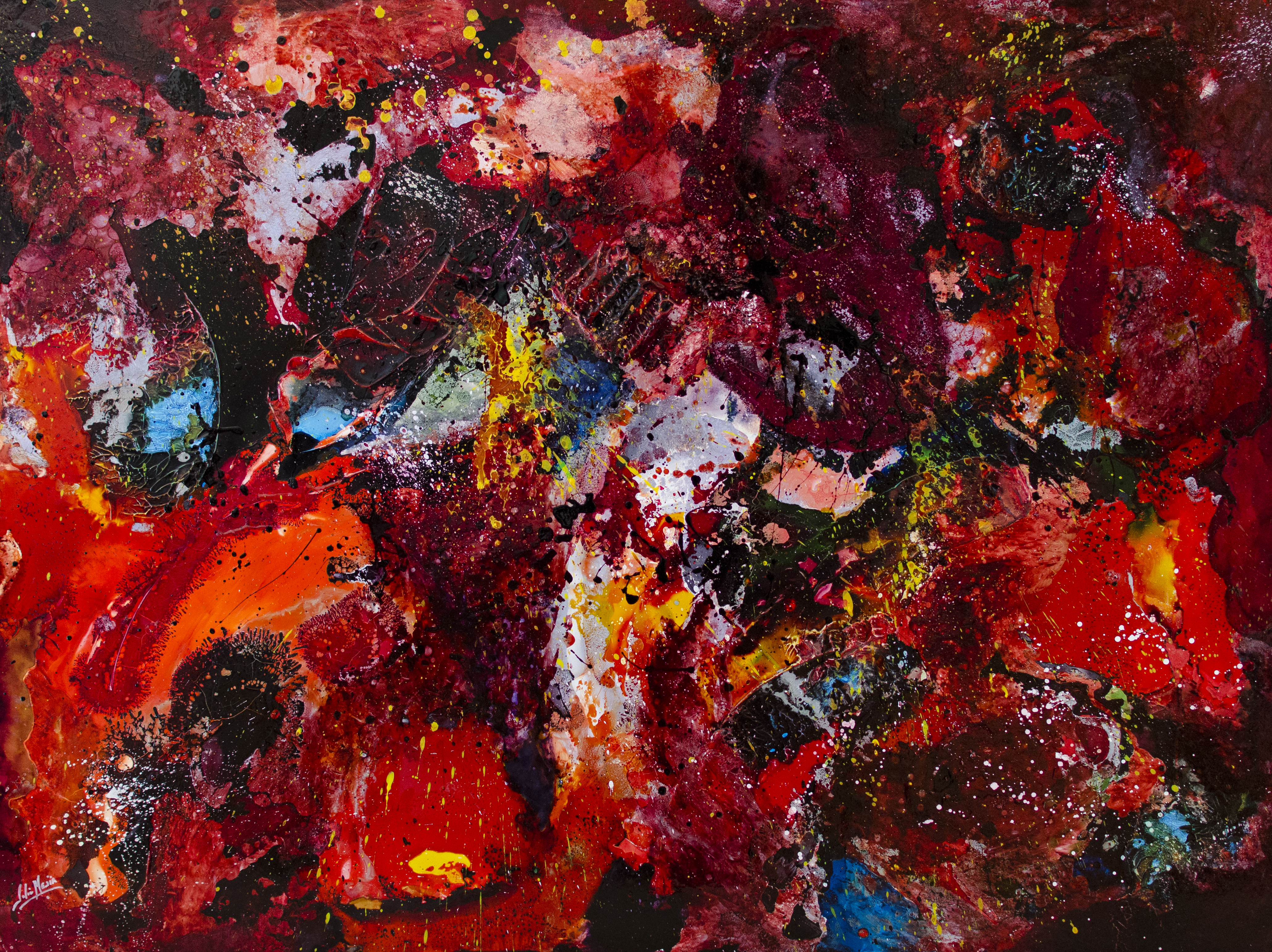
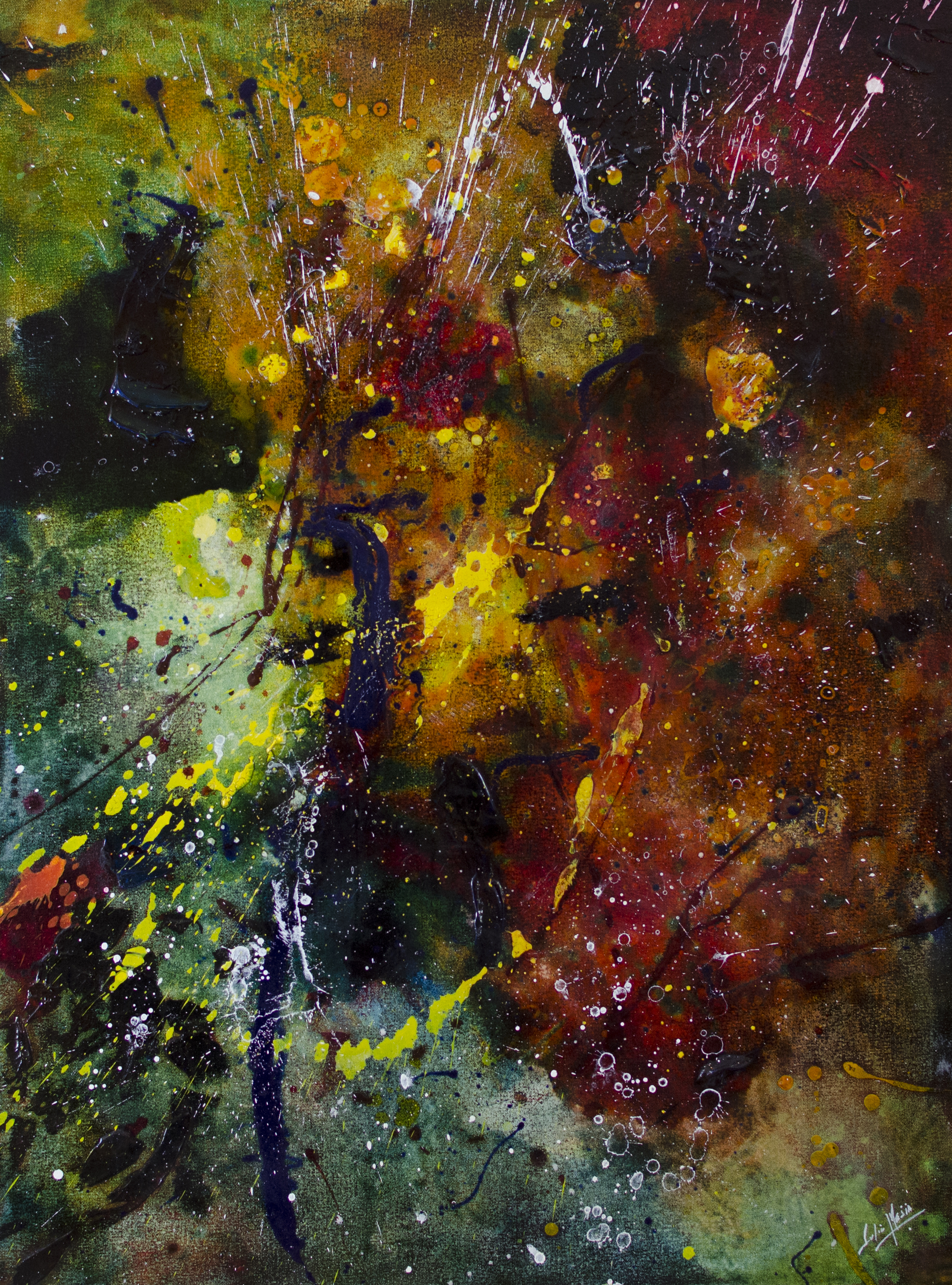
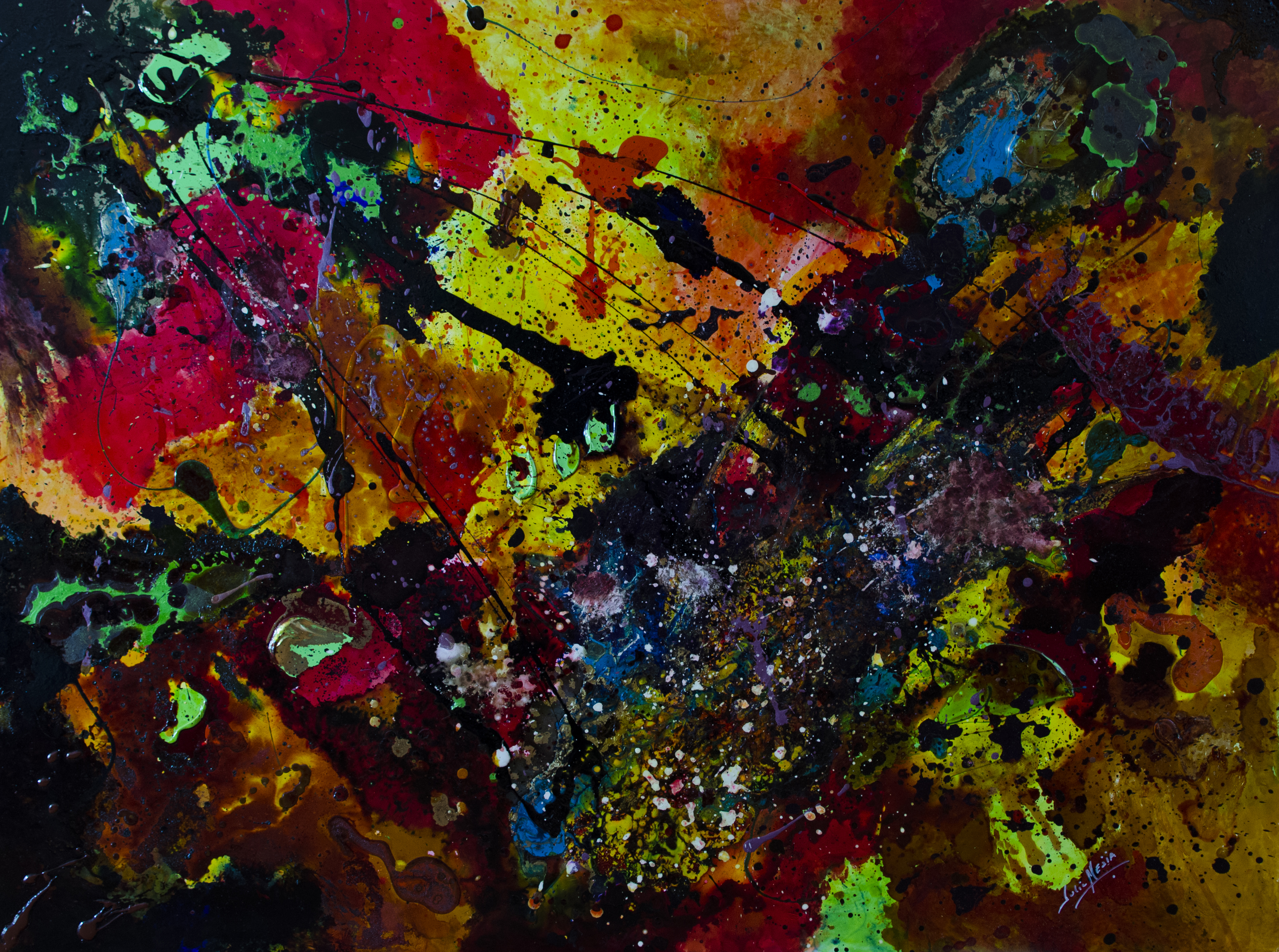
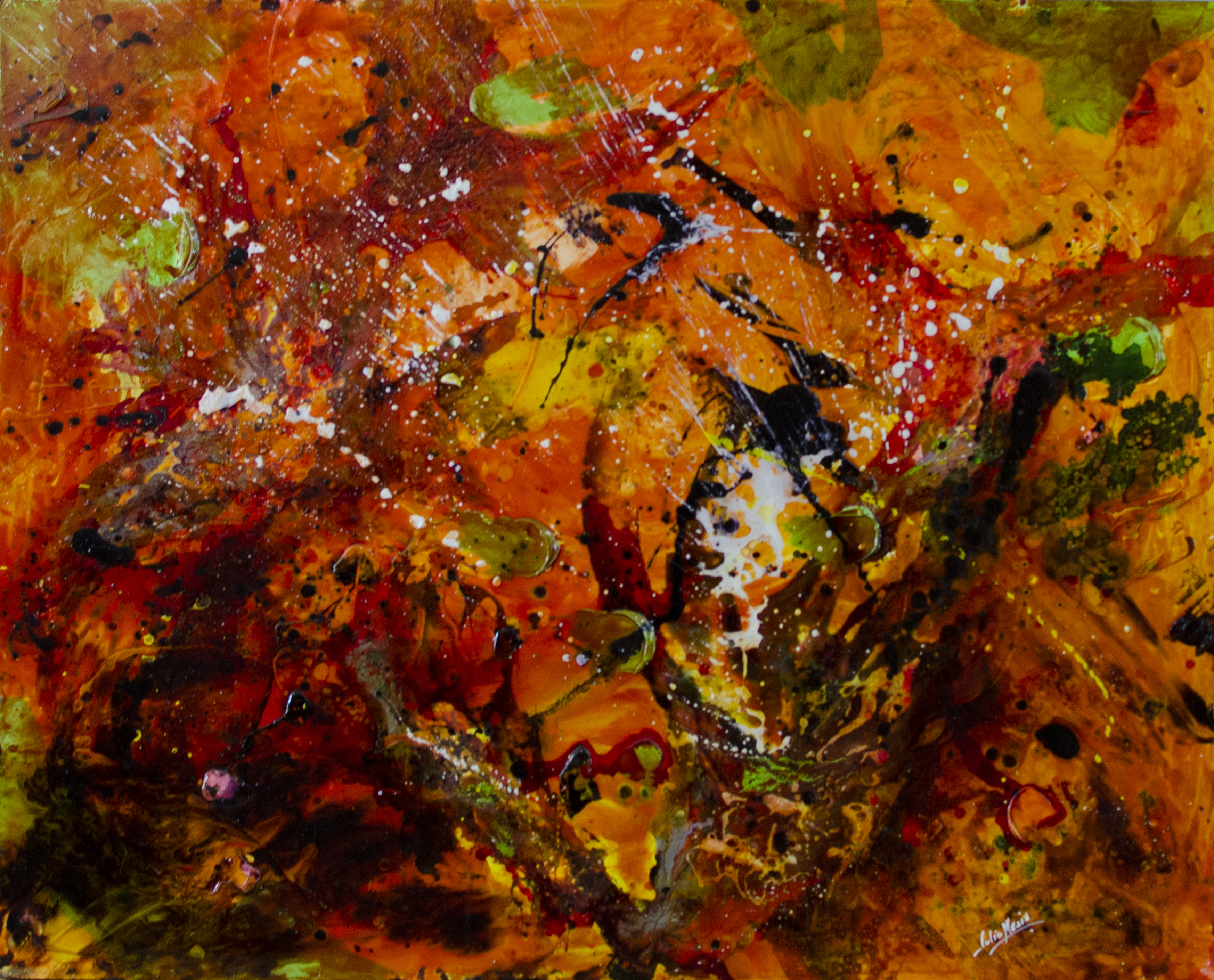
My work is interested in the willful contrast of paint, which mirrors the narrative of an exemplar inherited lineage.  This lineage of unconventional risk-takers reflects the uncomfortable uncertain outcome of each painting.  These paintings are uneasy gambles of a romantic life.  The directional effort of paint unveils the visceral tension of beauty found in the forces of nature.


Conflict

Conflict


Confrontation

Confrontation


Contemplation of Divine things

Contemplation of Divine things


Creole

Creole


Descent

Descent


Intensity

Intensity


Rapture

Rapture


Warmth

Warmth


Julio MejiaProfile2Artist: Julio Mejia

Born in New Orleans, Louisiana 1965 to Peruvian/Chilean parentages, Mejia is an abstract expressionist that uses archival oil, solvent and acrylic, as an alchemist that focuses in the application of paint. He has exhibited at the 3rd Bronx Biennial-New York, Latino Art Museum- California, Rialto Art Center-Georgia State University, Roy C. Moore Gallery-North Georgia University, Art Takes Times Square, New York, Auburn Avenue Research Library, Atlanta, Boricua College, Manhattan, New York, and the Aaron Davis Hall of the City College of New York in Manhattan, New York, New York.

Mejia is represented in the collections of the Cultural Patrimony of Peru, Latino Art Museum, and The Tubman African American Museum.

Documentary link:

http://www.juliomejiaart.com/#!video/c4m7

Facebook page:

https://www.facebook.com/JulioMejiaArt

Website:

http://www.juliomejiaart.com/#!home/mainPage

ZuCot Gallery:

http://zucotgallery.com/


BACKWATER IMAGES: a fear of the spectacular future

by Suzana Švent

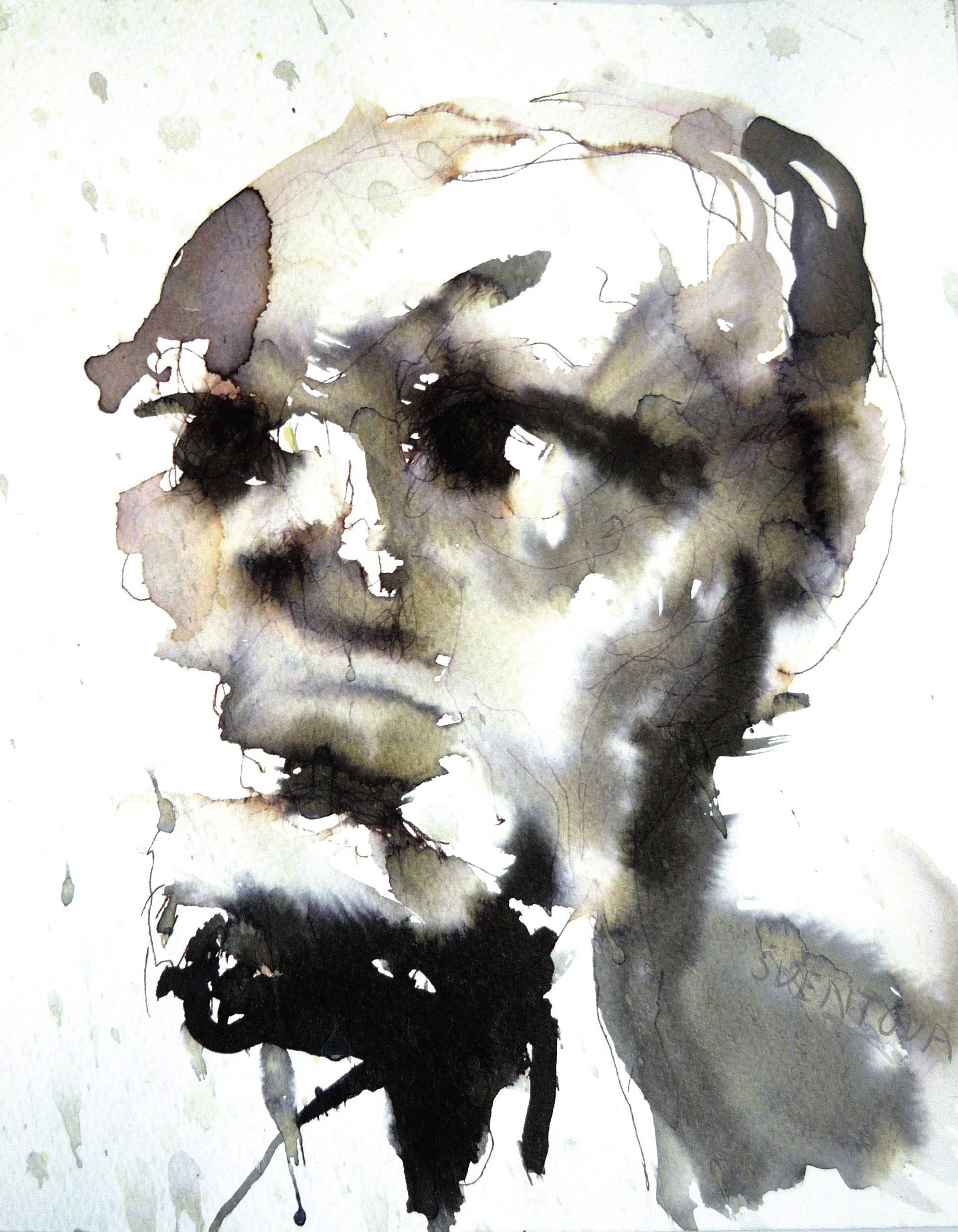
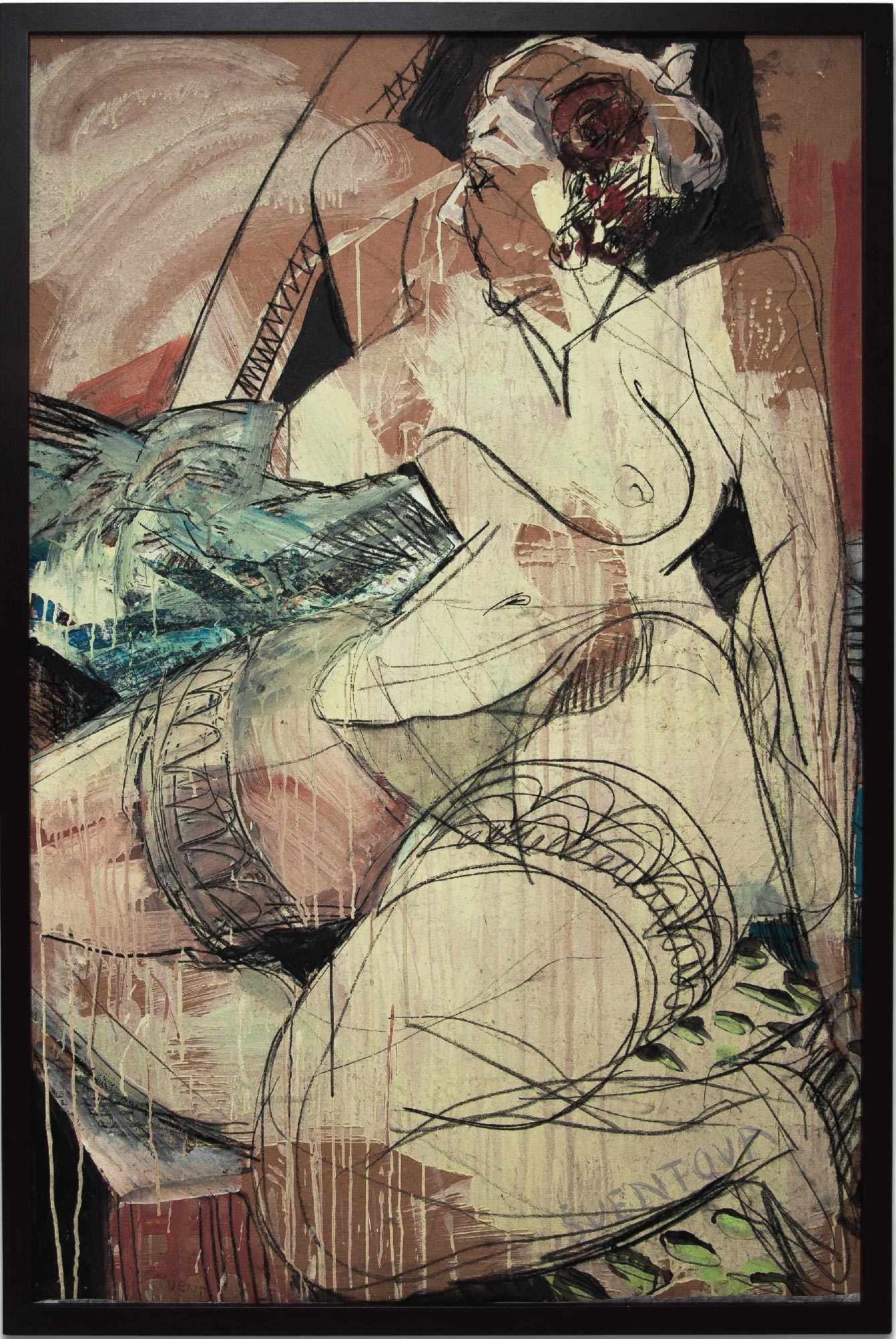
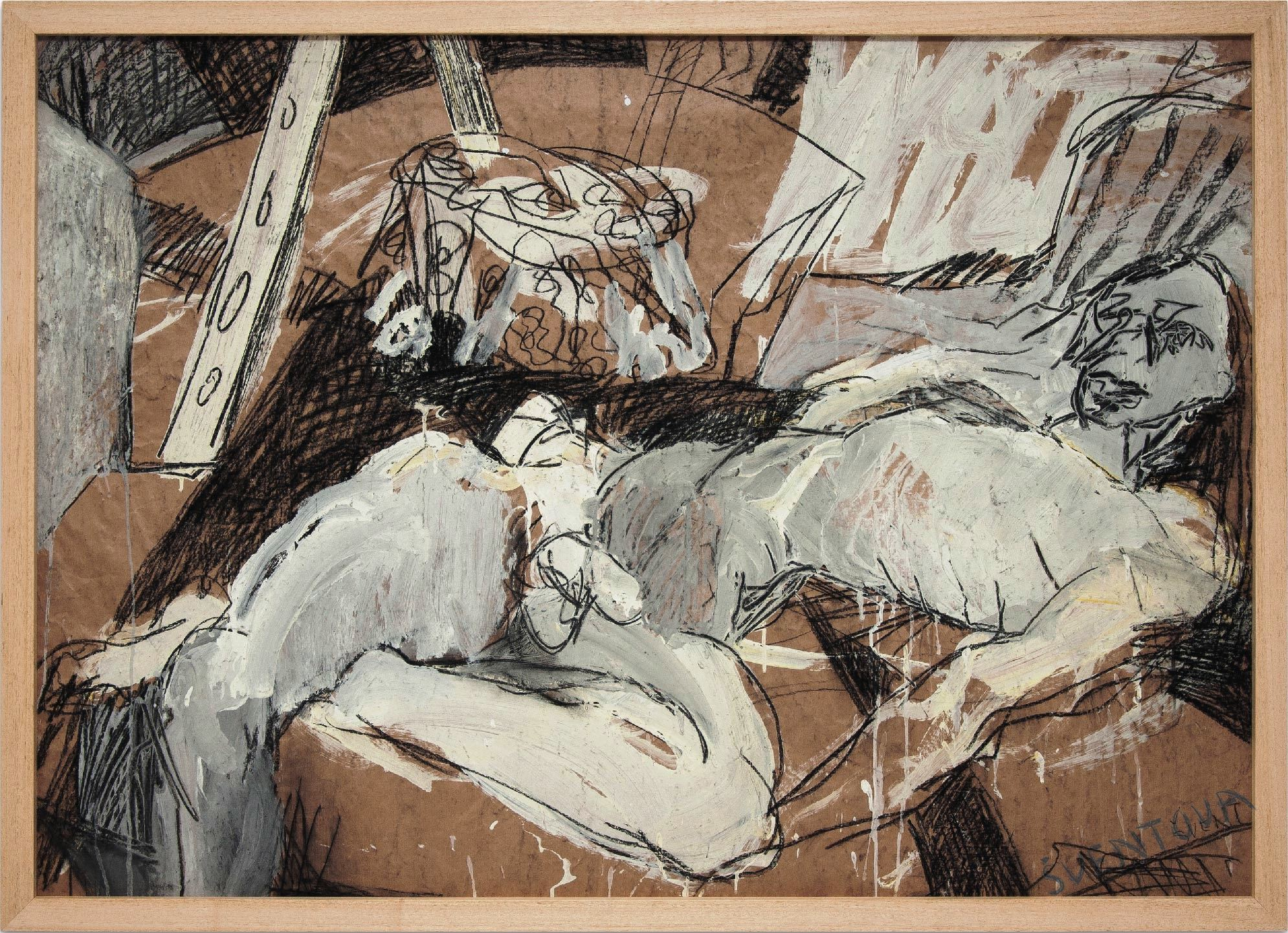
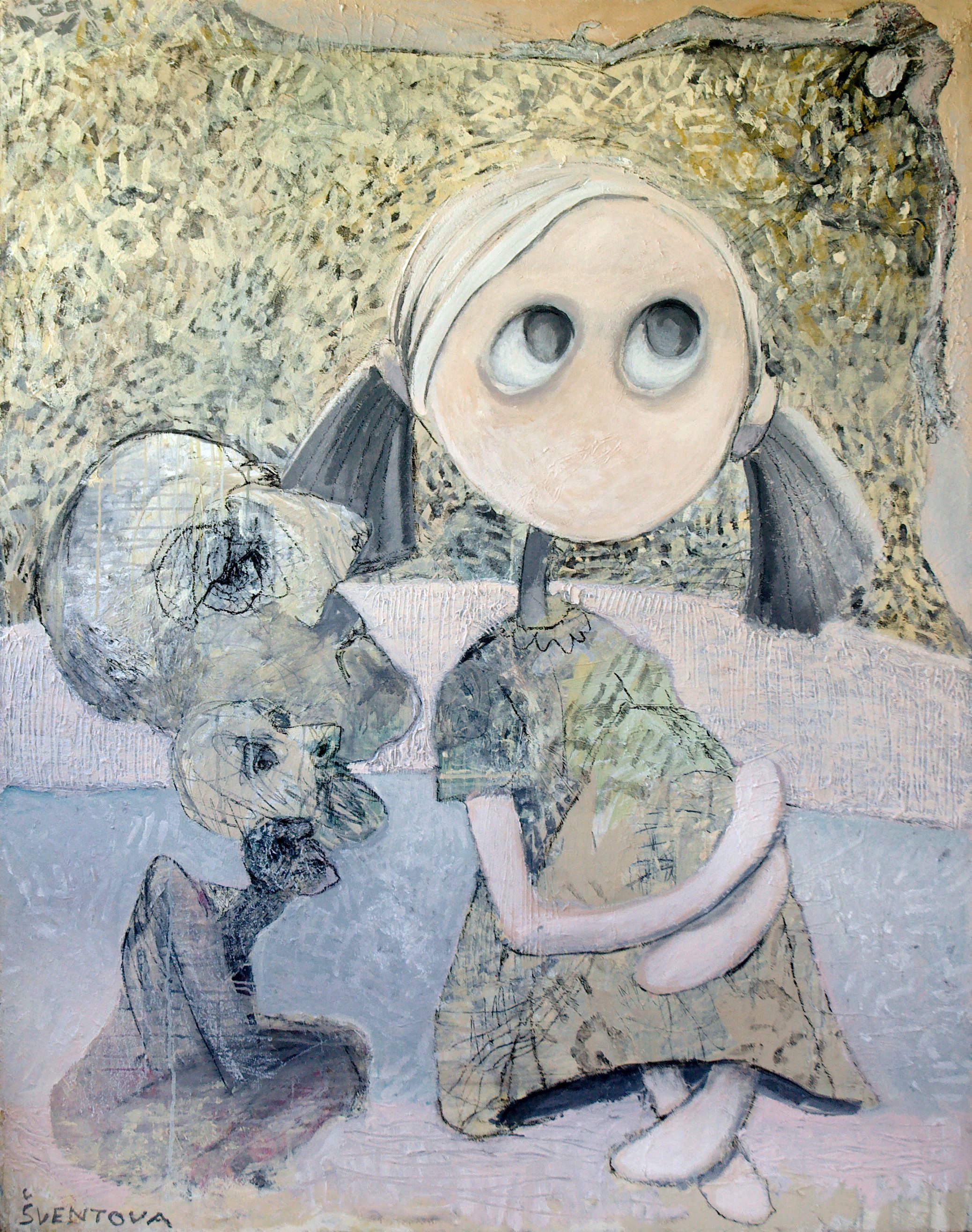
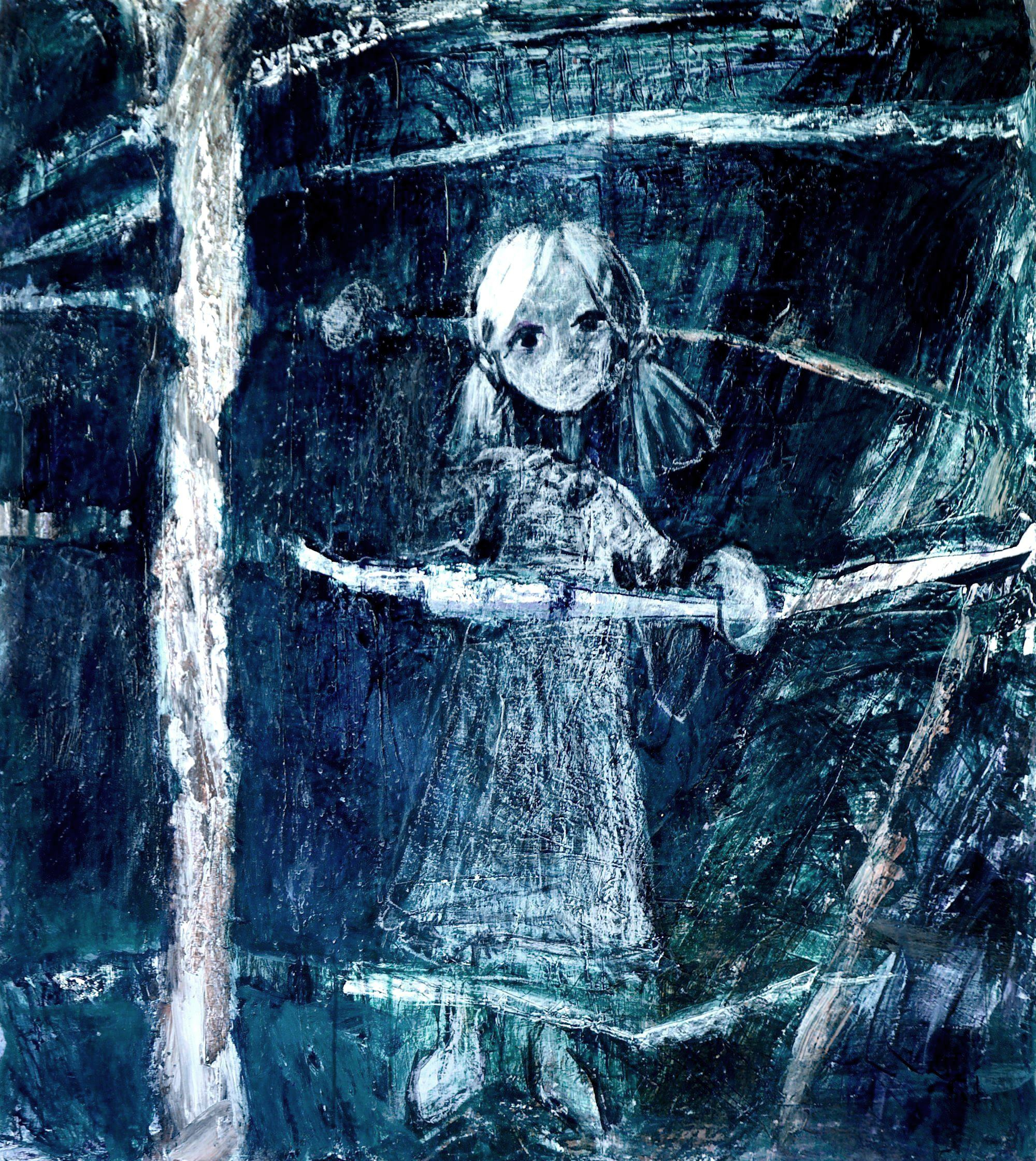
In the current abundance of painting production it might happen sometimes that the painter’s creation cuts through the hollowed-out artistic meander and finds its own path. But the newly-made meander is not dead. Quite the contrary: like the curve in nature is a colourful environment that is home to numerous living creatures, the one in art is the place where many special ideas, and with them images, are born.

Images are born of illusions that co-create our reality. They originate in our emotions, draw inspiration from frozen memories or life experience. And the time comes when what finds it easiest to manifest in them is fear. Fear of the gaze of a stranger, fear of the viewer’s critique, fear of oneself… which manifests in artist’s emotional emptiness, in the woody hand holding a shaking brush, in the grey stare gazing into the distance.

And where to find the power for a confrontation, a fight, a break? The first solution to offer itself is the world of splendour, instant appeal, supposed resistance, fake difference. It presents itself as an anarchic destroyer of reified social relations, seemingly lashing out at dominance relations, glossing old practices over by new ones. But despite all, by being hermetically closed it further limits rather than saves from suppression. It limits and rejects the old, primeval, what was allegedly declared, recycled, processed over and over, yet it remains so crucial, so fundamental, that is keeps returning again and again. What at first sight is unspectacular figural art, boring and unexciting, after a thorough contemplation turns declarative, communicative and socially committed.


vodni Ĺľig

vodni Ĺľig

vodni Ĺľig

vodni Ĺľig

vodni Ĺľig

vodni Ĺľig

vodni Ĺľig

Suzana Svent-8

Suzana Svent-9

Suzana Svent-10

Suzana Svent-11

Suzana Svent-12

Suzana Svent-13

vodni Ĺľig


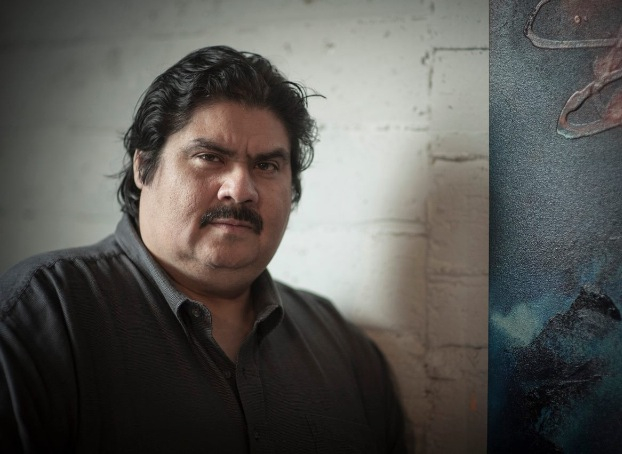
vodni ĹľigSuzana Ĺ vent was born in Celje (Slovenia) in 1986. After completing the high school arts
programme in Velenje, she enrolled in the Academy of Fine Arts and Design (ALUO),
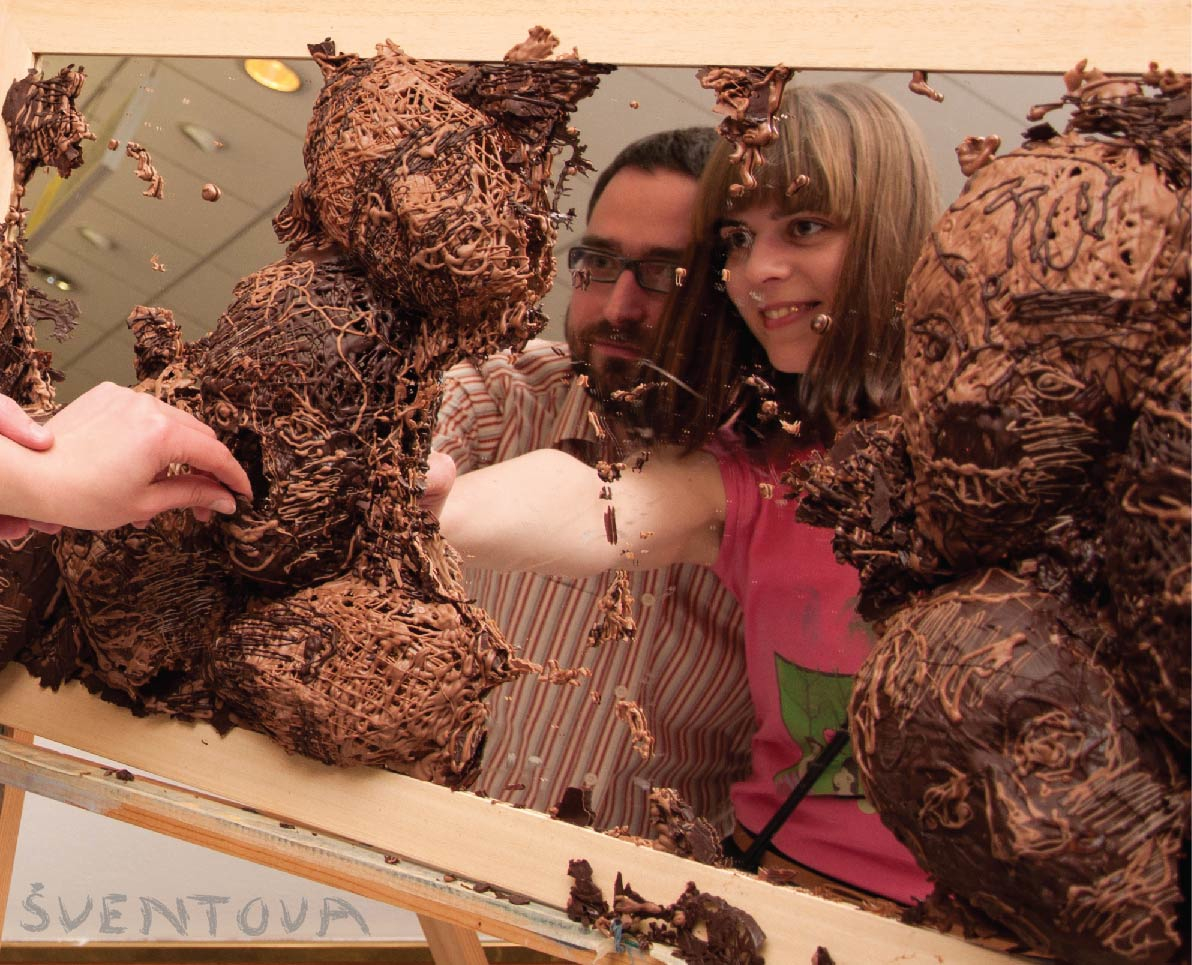
Ljubljana in 2005. In January 2014 she graduated in painting – under the supervision of professors Herman Gvardjančič and Sergej Kapus – by defending her thesis “Emancipating the Viewer: In the Chocolate Theatre Of Spectacular Capitalism”, which explores critically the relation between the viewer, art and consumerism.

As a teenager, Suzana Ĺ vent studied chess intensely and represented Slovenia at numerous international competitions, also gaining the title of candidate master. In 2003, she became the youth national champion, and in September the same year took 19th place at the European Youth Championships in Budva, Montenegro.

Social media links:
http://www.suzanasvent.eu/ (in Slovene)
https://www.facebook.com/suzana.svent
https://twitter.com/SuzanaSvent
http://suzanasvent.eu/blog/

Vibrant and Textured Perception: The Abstract Art of Patti Agapi

by Patti Agapi

Patti Agapi Paintings 1

Patti Agapi Paintings 2

Patti Agapi Paintings 3

Patti Agapi Paintings 4

Patti Agapi Paintings 5

Patti Agapi Paintings 6

Patti Agapi Mixed Media 1

Patti Agapi Mixed Media 2

Patti Agapi Mixed Media 3

Patti Agapi Mixed Media 4

Patti Agapi Mixed Media 5


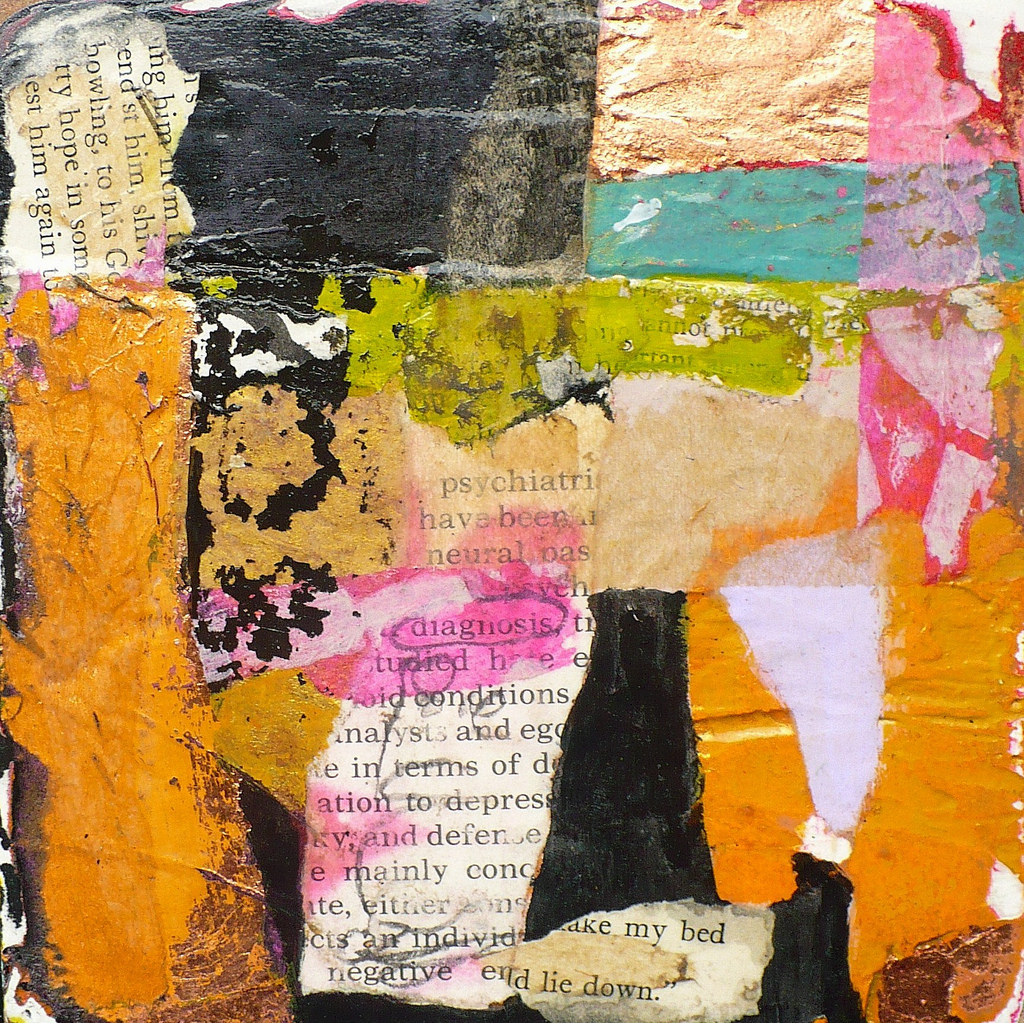
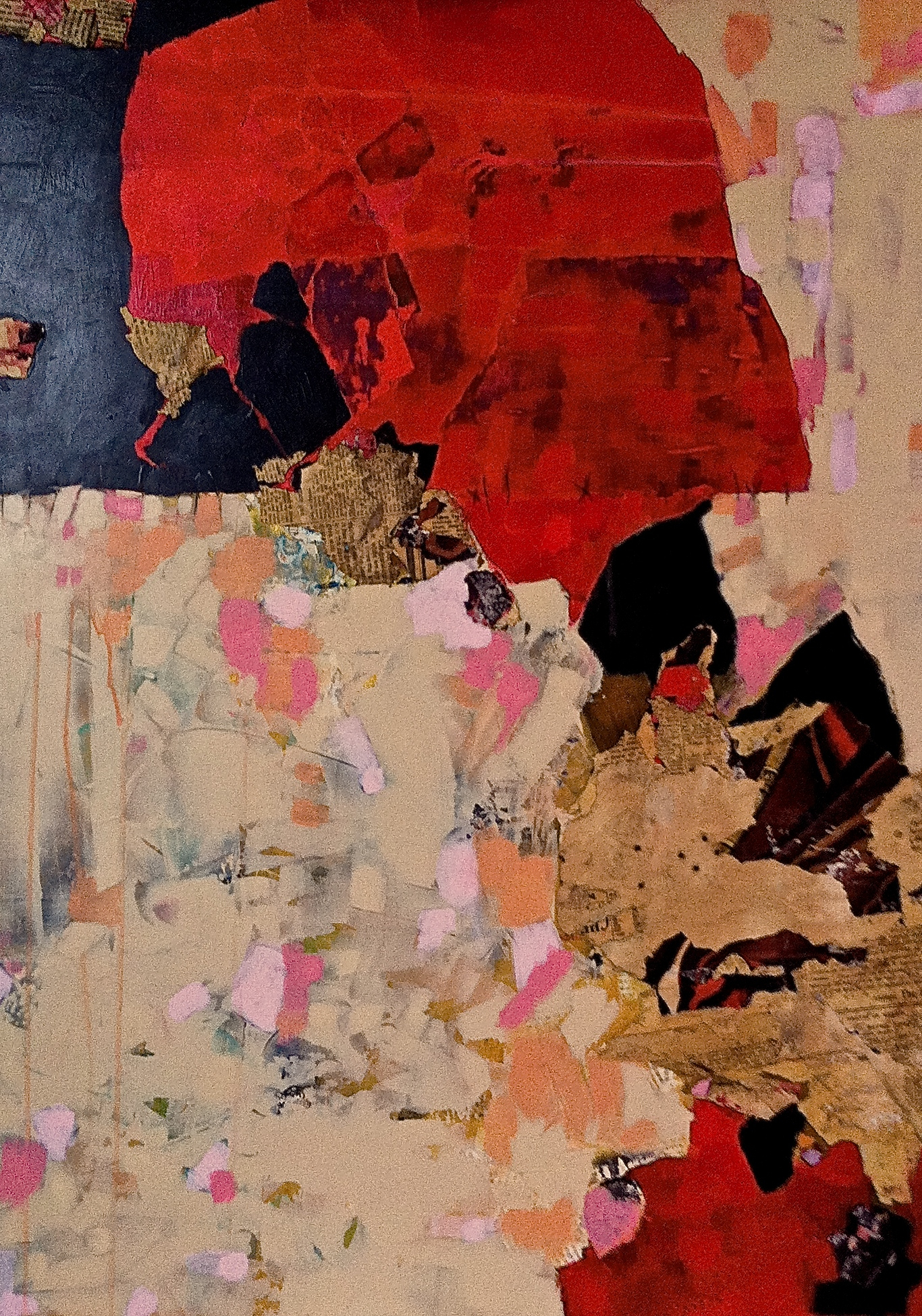
Patti AgapiA self-taught and ever-evolving Canadian abstract artist, Patti Agapi channels her creative expression into vibrant abstract paintings and intricate mixed media and collage art. She works with acrylic paints and various collage elements – found and vintage papers, pencil, metal leaf, plaster, metal and fabric. Patti’s abstract paintings are most often stimulating eye-candy, intense and engaging. Her mixed media & collage pieces evoke a curiosity and sense of mystery – each piece is a microcosmic journey of layers via intricate connections of text, texture and color.

The core themes of her work revolve around perception and personal reflection, and the mysterious ethereal elements of reality.

Patti lives in Orillia, Ontario, Canada and between catering to two boys, studiously works on creating Art.  She is a member of the collective art gallery Peter Street Fine Arts Gallery & Studio where she occupies a small downtown studio and shows her work on a regular basis.  She is also a member of the artist-run Zephyr Gallery in Orillia,

More info:

www.pattiagapi.com

www.facebook.com/madwithrapturestudio

www.twitter.com/madwithrapture

www.peterstfinearts.weebly.com

email: pattiagapi@gmail.com

Life is Beautiful

by Collin Reiff

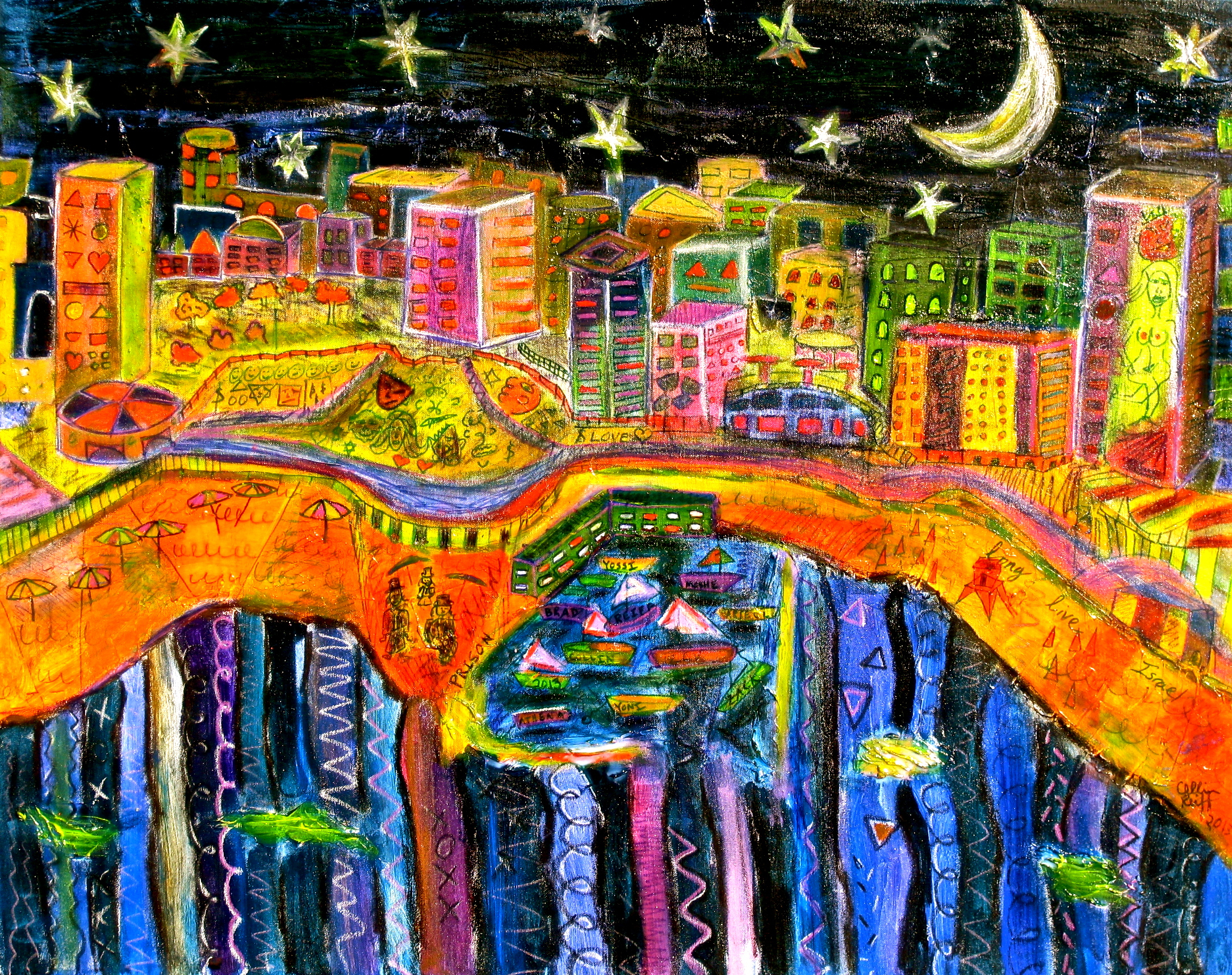
The paintings featured here were created in Tel Aviv, Israel between 2013 and 2014 with incredible support from The Karp Art Fellowship.

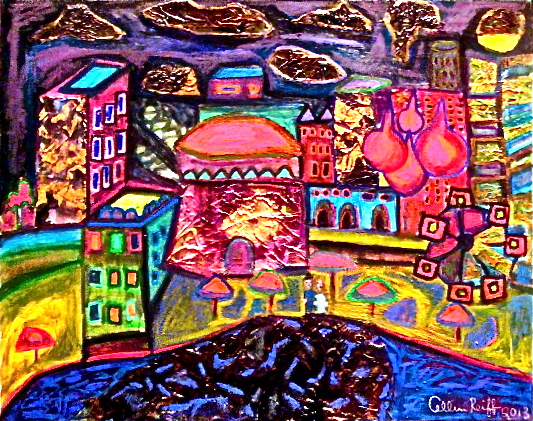
Tel Aviv at Night

Tel Aviv at Night

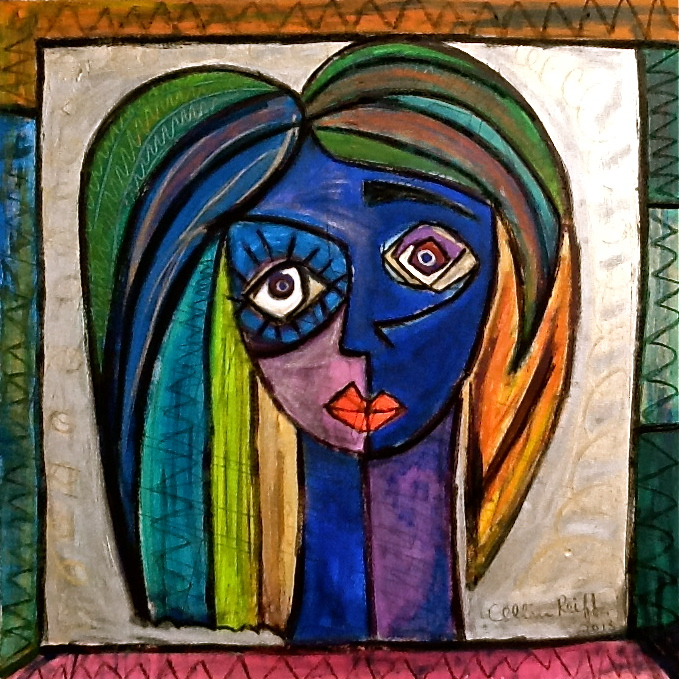
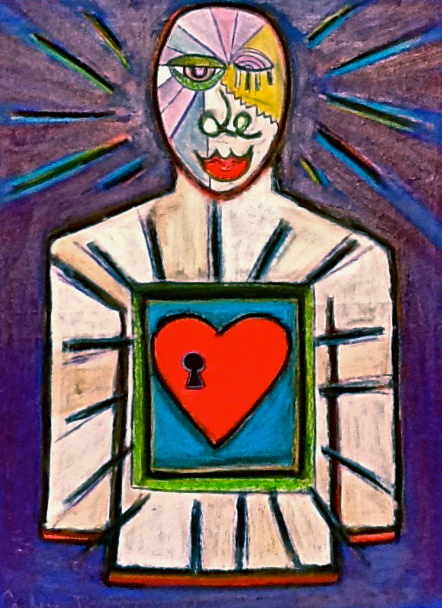
Portrait of Limor

Portrait of Limor

Margishim: We Feel

Margishim: We Feel

Eliat at Night

Eliat at Night

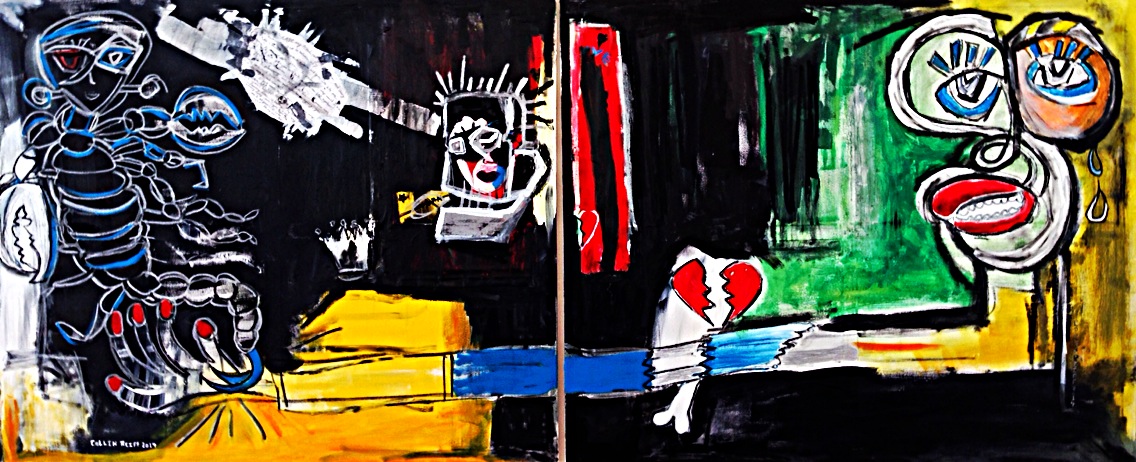
The artist and the scorpion

The artist and the scorpion

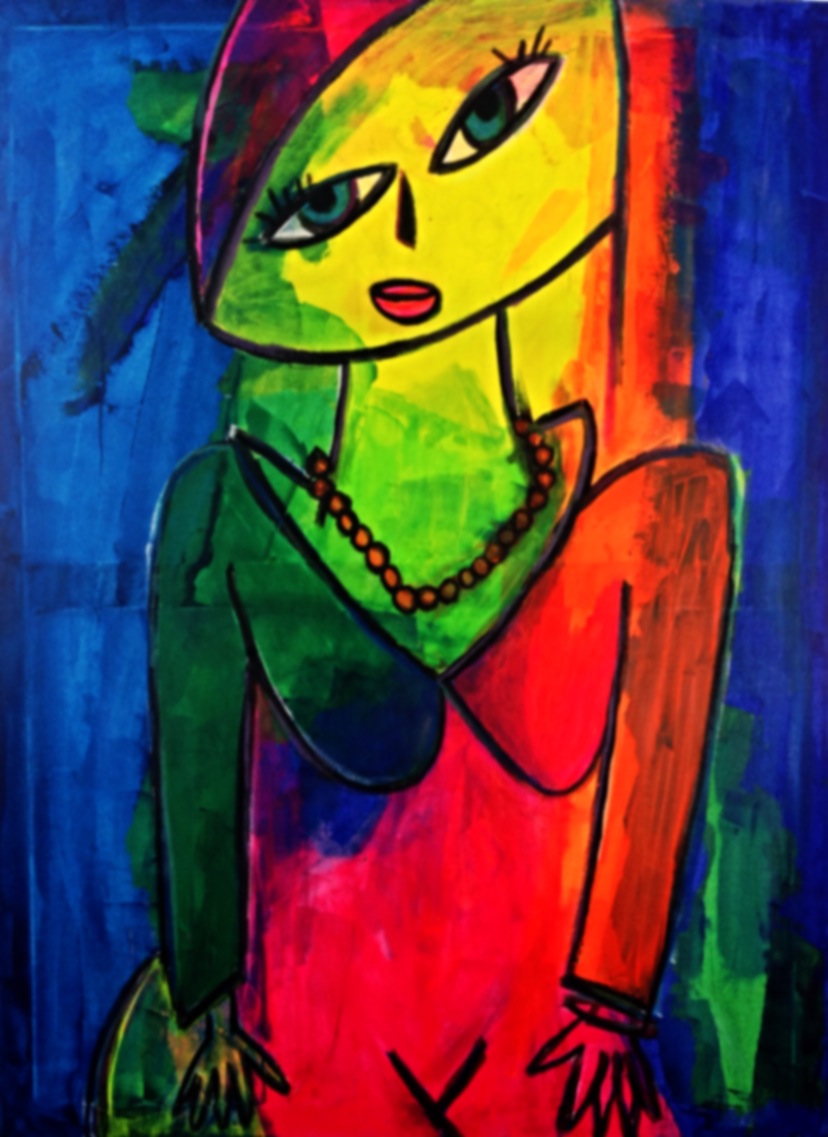
Portrait of Athena

Portrait of Athena

Lady in Jerusalem

Lady in Jerusalem

The chase

The chase

Opium in Sinai the eternal recurrence of Le Petit Prince

Opium in Sinai the eternal recurrence of Le Petit Prince

Untitled

Untitled

Artist: Collin Reiff
I like to think of myself as an existentialist painter. It is all about meaning. Every painting has been inspired by a real life event. Together the works tell a story, which began when I was 19 years old. They highlight life events: relationships, loves lost and found, unique moments, places and people who have touched my soul. My philosophy on painting is there is no art in the ugly and the beautiful. It does not exist. Only the mystery, the magic, the horrible and the beautiful can be expressed. It is by engaging the instinct entirely, without intellectual intervention, that one can express completely and strongly what is in oneself. There are times when the canvas reveals itself to the imagination and must be explored without hesitation, and other times when the imagination reveals itself to the canvas. It is the dialogue between the two that continues to inspire each stroke, drip, splash, or tear. Eventually a climax is reached. At this moment, the artist steps away and leaves before him another world within the confines of the canvas. When another being encounters this creation and feels love, sorrow, the pull of emptiness or inspiration, the artist’s job is complete.

Website: http://www.collinreiff.com

Works by Jason Sweet

"From Home"     32" x 32" x 5"     Welded steel, enamel paint, patina

“From Home”
32″ x 32″ x 5″
Welded steel, enamel paint, patina

"Comp 3 & 4"      32" x 32" x 2"      Welded Steel, enamel paint, patina

“Comp 3 & 4”
32″ x 32″ x 2″
Welded Steel, enamel paint, patina

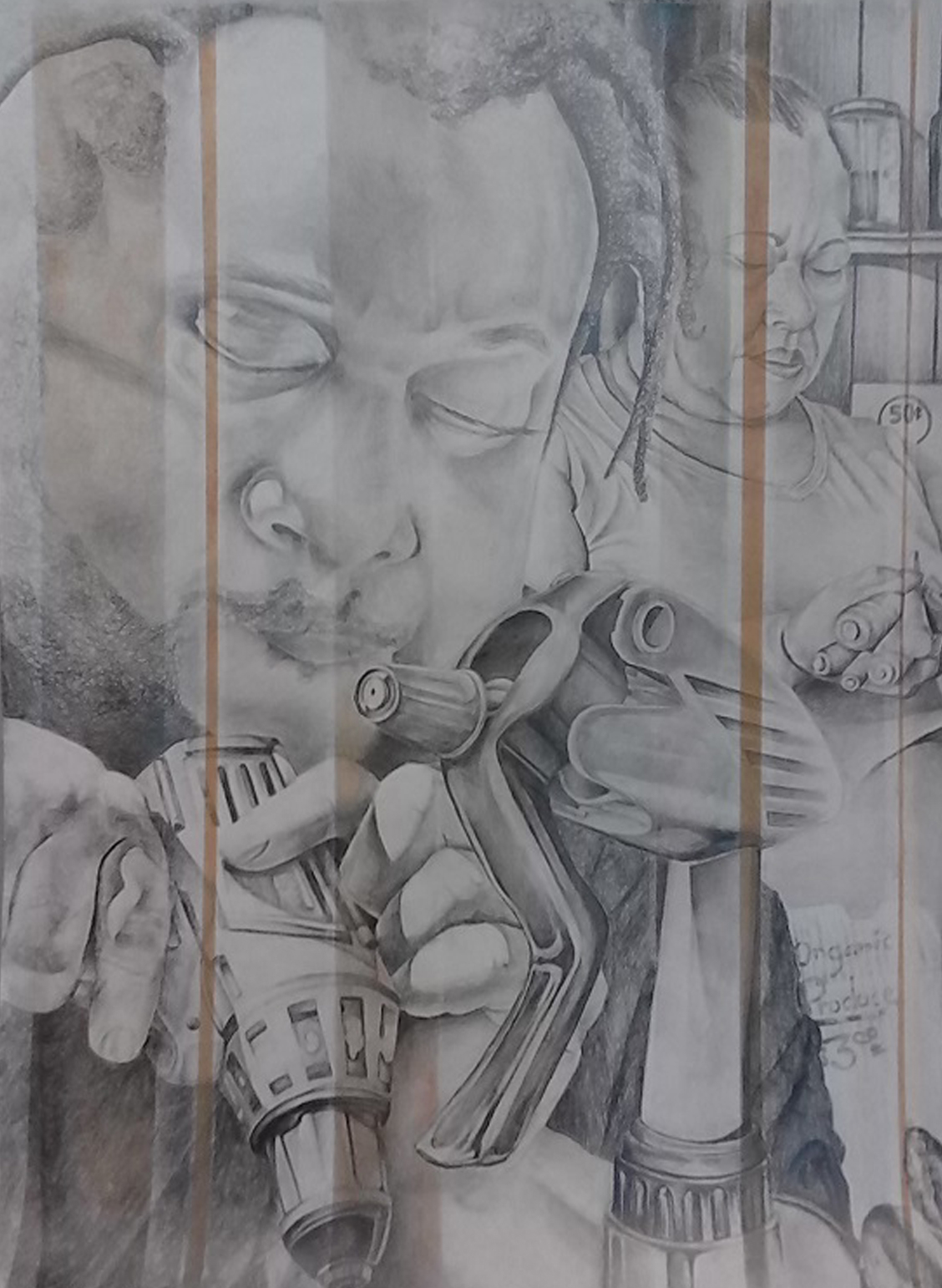
"Organic Produce"      18" x 24"      Pencil drawing and Georgia clay

“Organic Produce”
18″ x 24″
Pencil drawing and Georgia clay

"Cast Under"       60" x 38" x 12"       Welded Steel, enamel paint, patina

“Cast Under”
60″ x 38″ x 12″
Welded Steel, enamel paint, patina

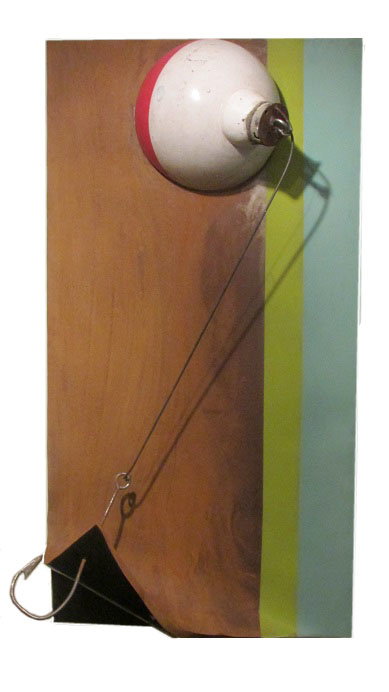
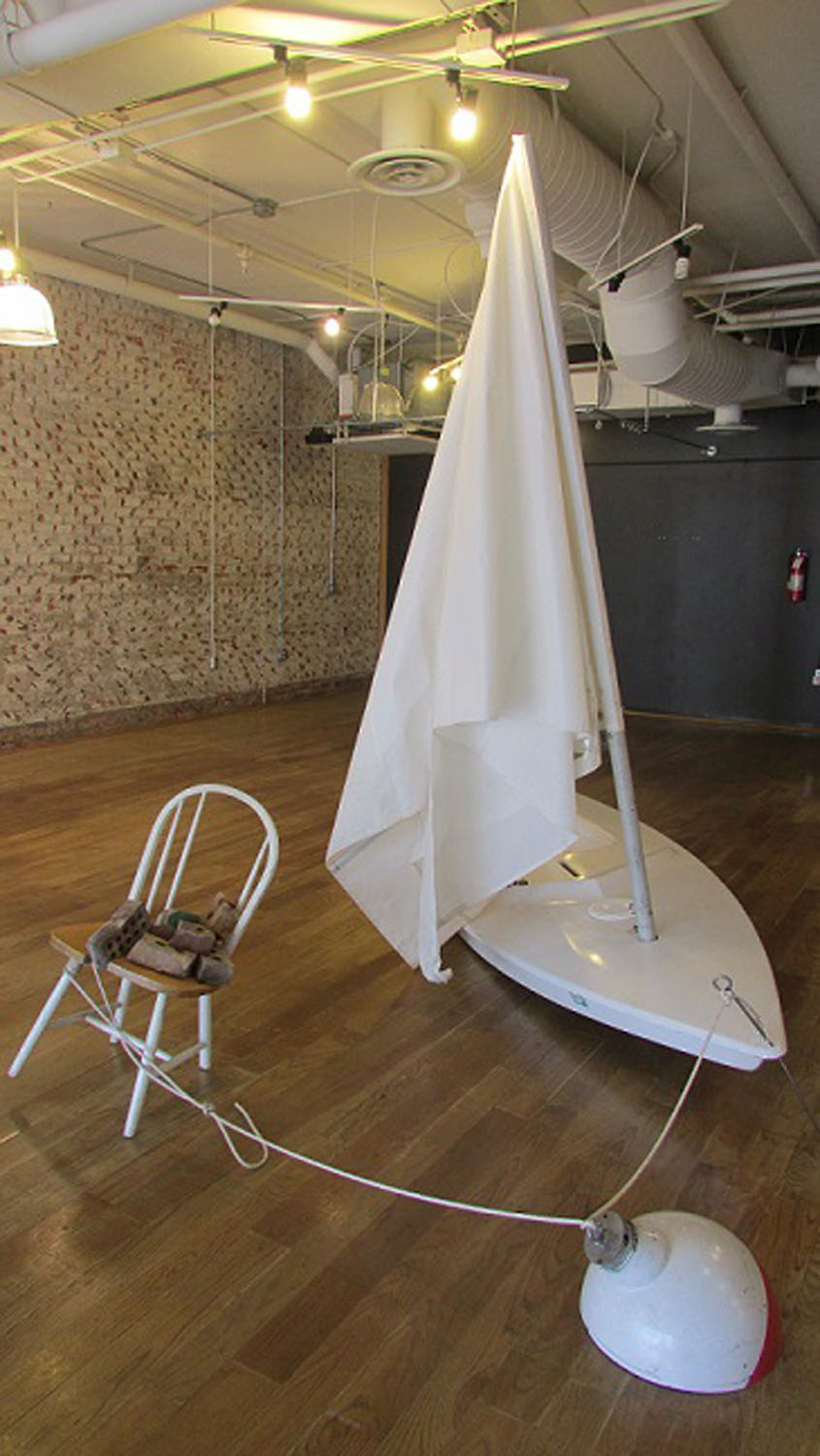
"John Woolman's Gift"       Mixed media installation

“John Woolman’s Gift”
Mixed media installation

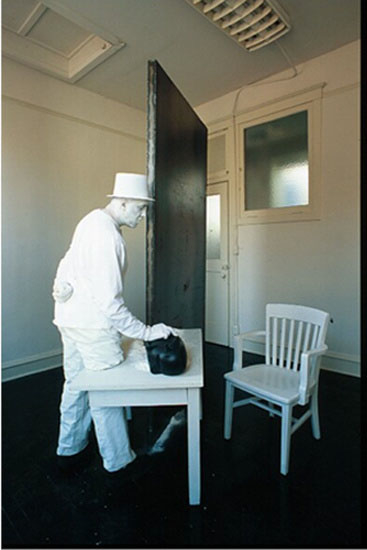
"No Puede Hacer Anoche"        Performance art piece

“No Puede Hacer Anoche”
Performance art piece

"Architectural and Environmental Symposium"      Public Art Commission monumental scale       Commercial Bronze

“Architectural and Environmental Symposium”
Public Art Commission monumental scale
Commercial Bronze


“Sigoa!” at 2009 annual international performance art series at Vertigo.

ARTIST STATEMENT

 Aspects of art I create is a genuine reflection of my interest in conceptual and/or formal notions in art making. By using conceptual matter and formal matter as a vehicle, my body of work attempts to balance contrasting elements be it through materials, design and/or subject matter.

   BIO

Jason Sweet Jason Sweet is a sculptor, painter, drawer, performance and installation artist.  He has exhibited his work internationally and has been awarded a number of public art commissions.  Sweet is Assistant Professor of Art and serves as Department Chair of Fine Arts at Atlanta Metropolitan State College.  He received his Master of Fine Art Degree in Sculpture from the University of Illinois Urbana/Champaign where he studied under renowned glass artist William Carlson and artist/critic Buzz Spector.  For his Bachelor of Arts he attended the University of Northern Iowa studying under the direction of sculptor Tom Stancliffe.  In 2001 he moved to Atlanta of which he currently resides.