Tag Archives: art

Photographic Storytelling

by Deborah Kanfer

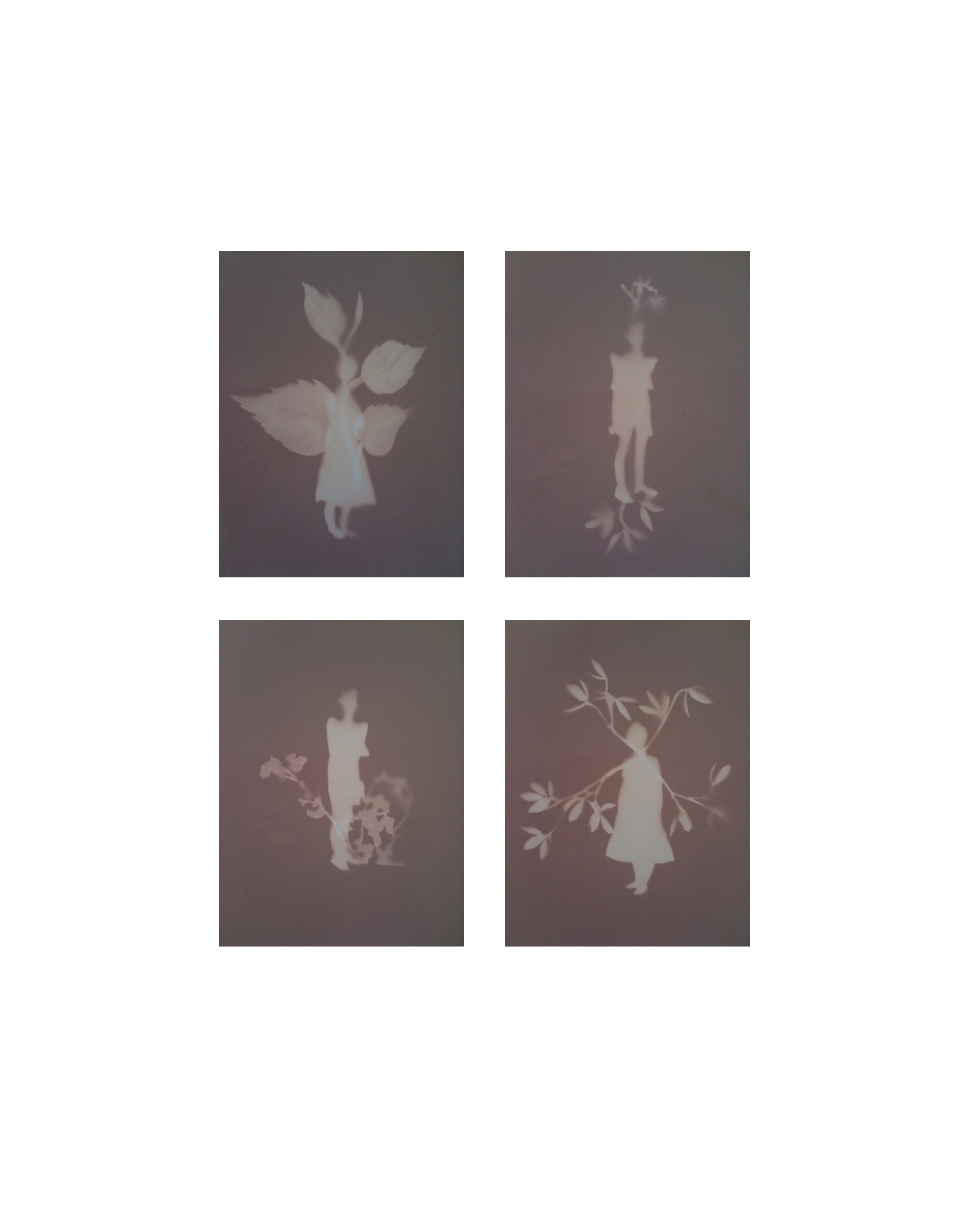
I am drawn to the unknown, and I have found a way to explore this through the magic of analogue photography. The exploratory nature of the medium is infinite, and my work relies heavily on the element of chance. It’s an all-consuming experience that takes me on a mental journey. It’s when I feel grounded and most at peace.

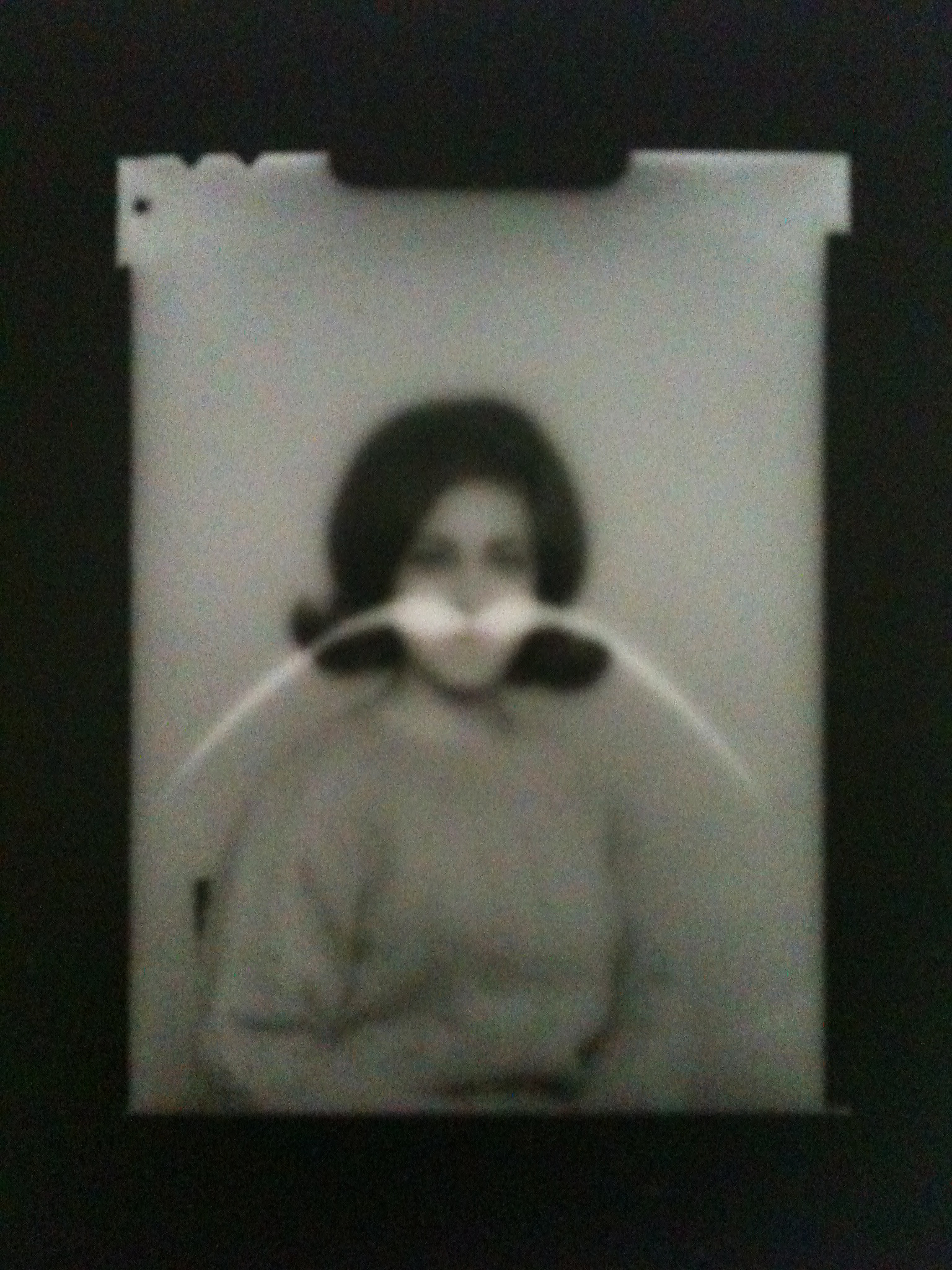
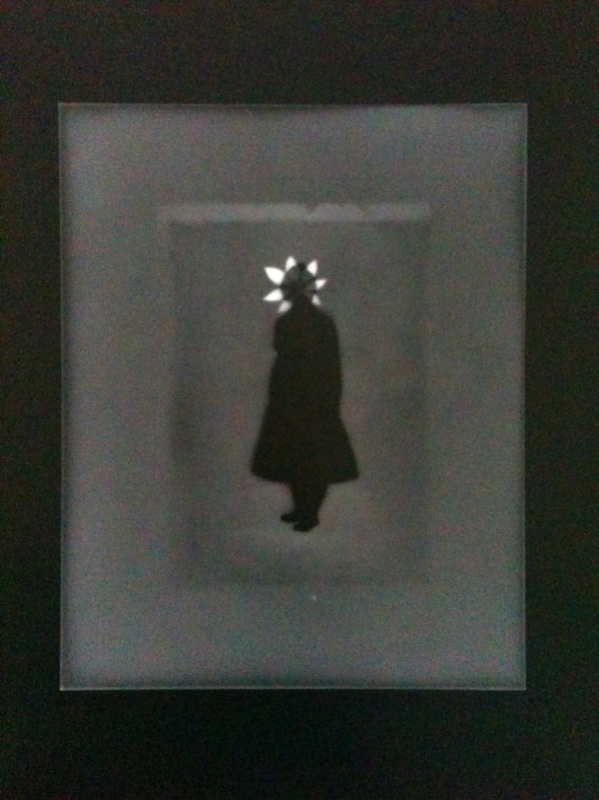
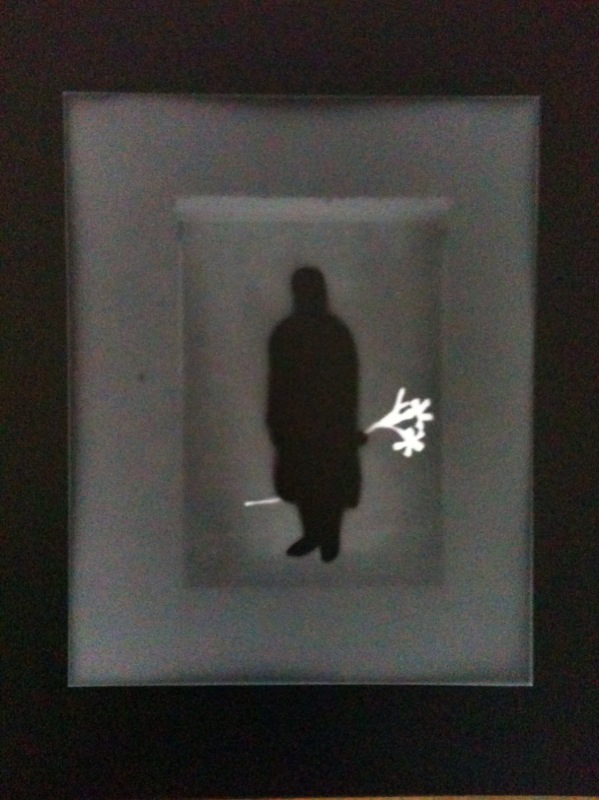
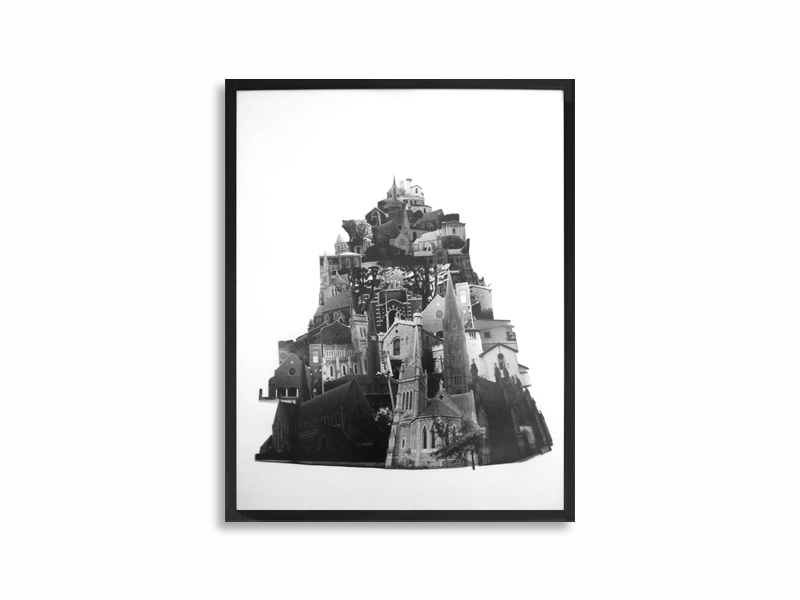
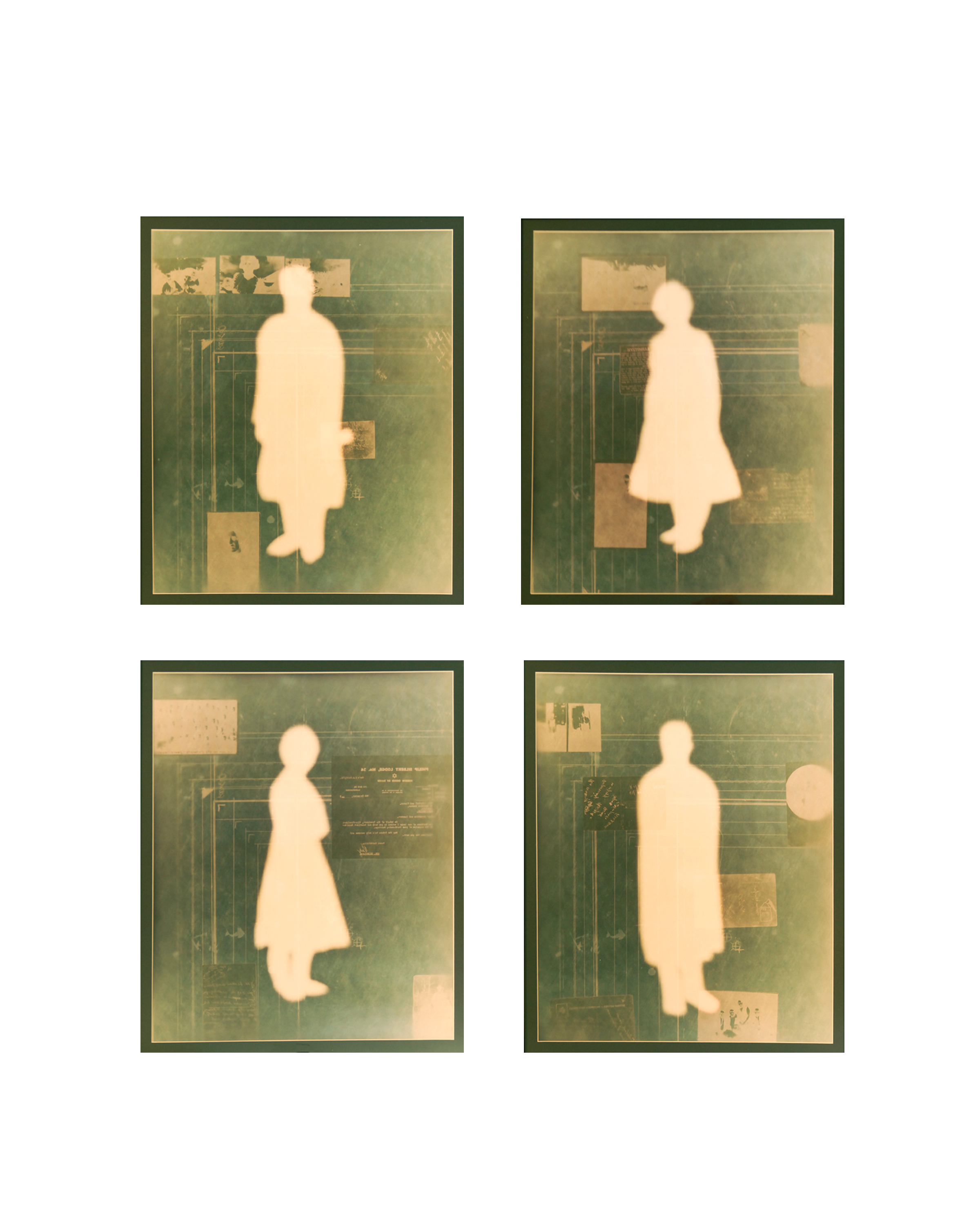
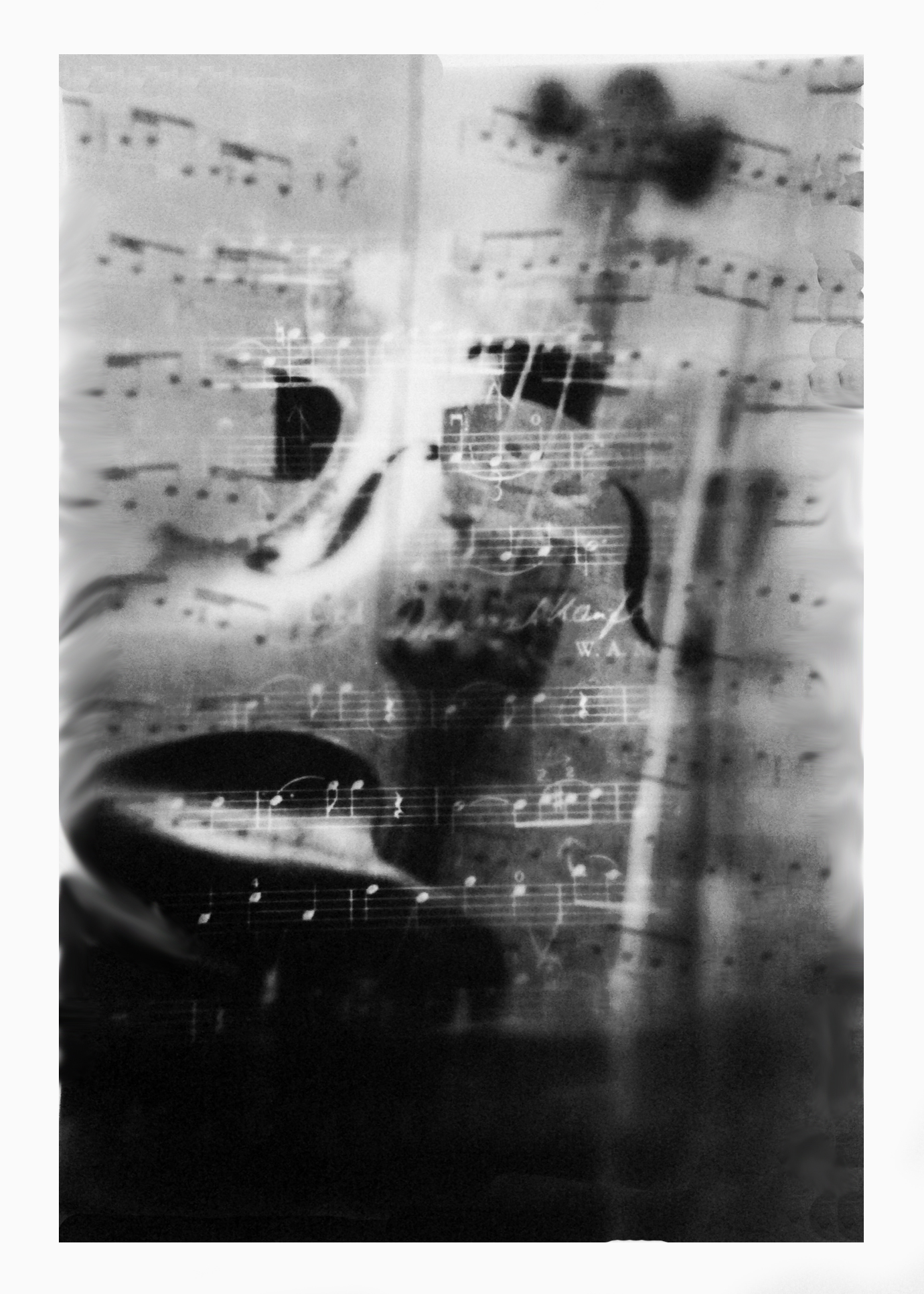
My largest body of work is housed under the theme of Momento Mori, which means ‘Remember you are mortal’. Here, a curious kind of nostalgia is restored through the re-workings and meticulous experimentation of old family photographs juxtaposed with new photographed subjects and various ephemera; marriage licenses, I.D. books, hand written letters, newspaper clippings, maps, transit ticket stubs etc. These subjects allow me to embark on a search through a history of mine that is unknown to my physical being.

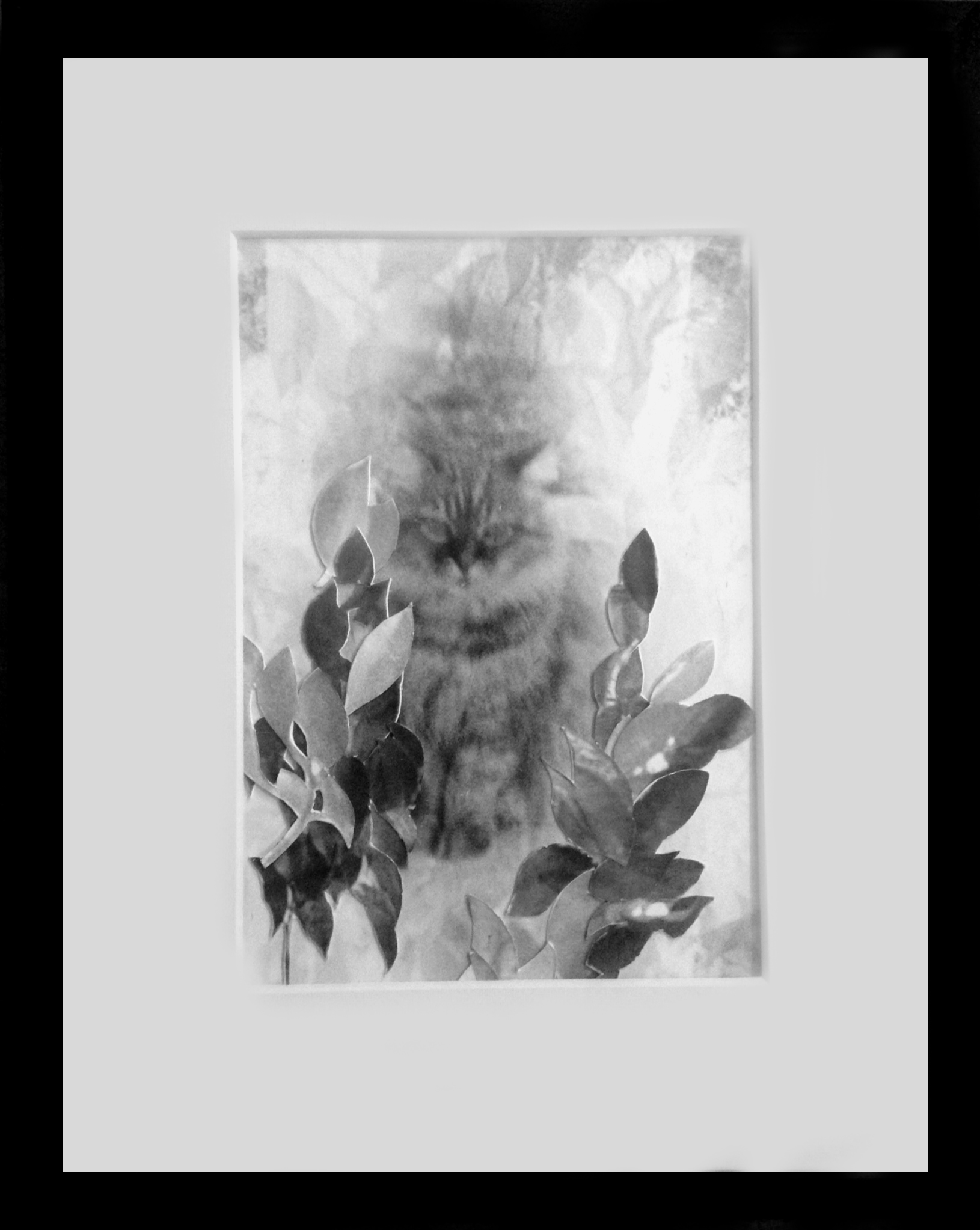
Merging the latter and creating layers with subjects I have photographed, a visual story begins to unfold. I have taken this method of creation a step further and have applied it to creating pieces, like this, for others; re-creating and restoring lost moments and cherished memories through art. I love challenging the conventions of traditional photo and memory archiving and transforming them into personalized photographic artworks.   I am fascinated by history of any kind and learning about the personal history of others enriches my work with many layers of old and new. A deep emotional connection between the individual and the artwork develops and nostalgia is restored.

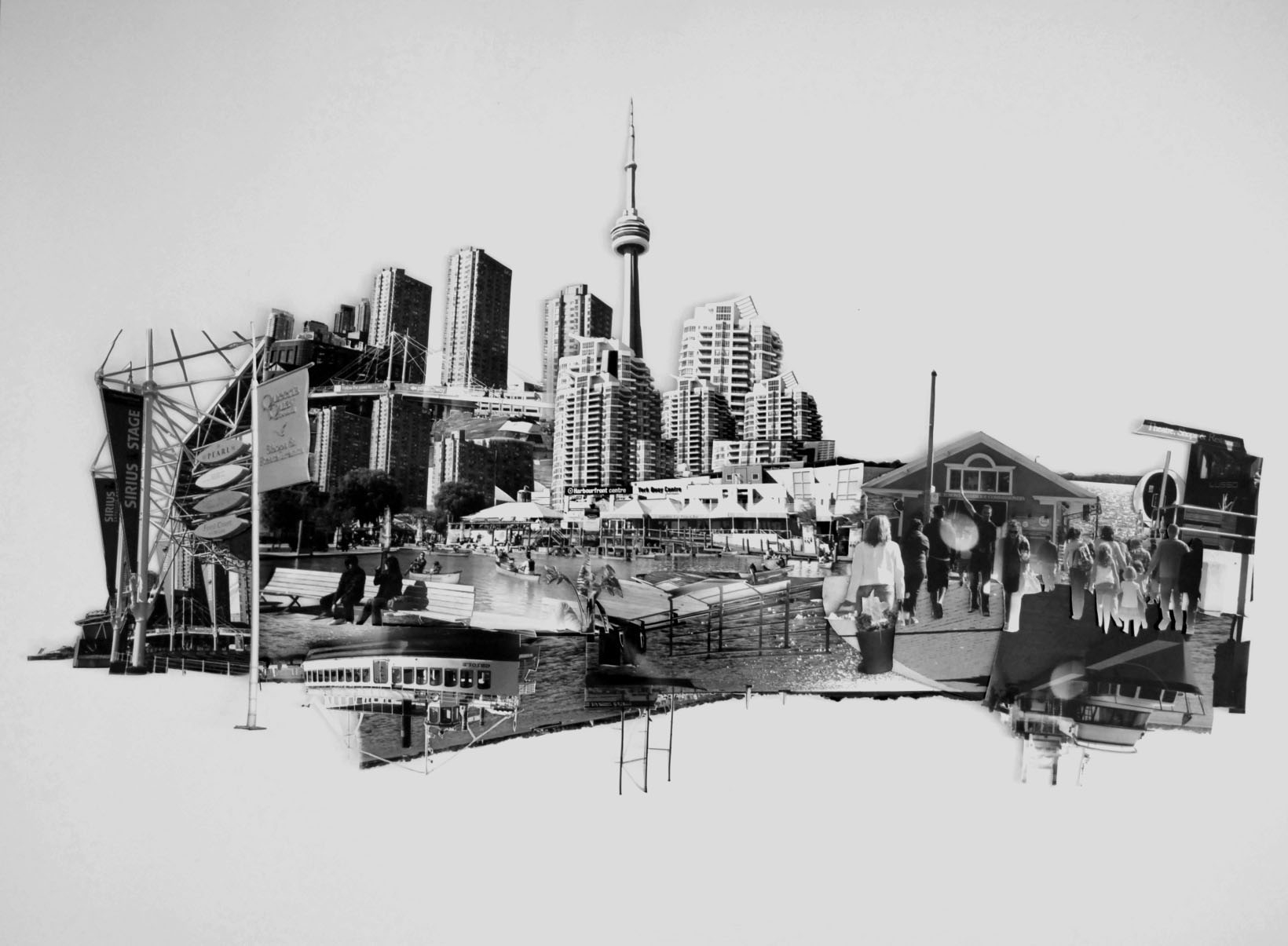
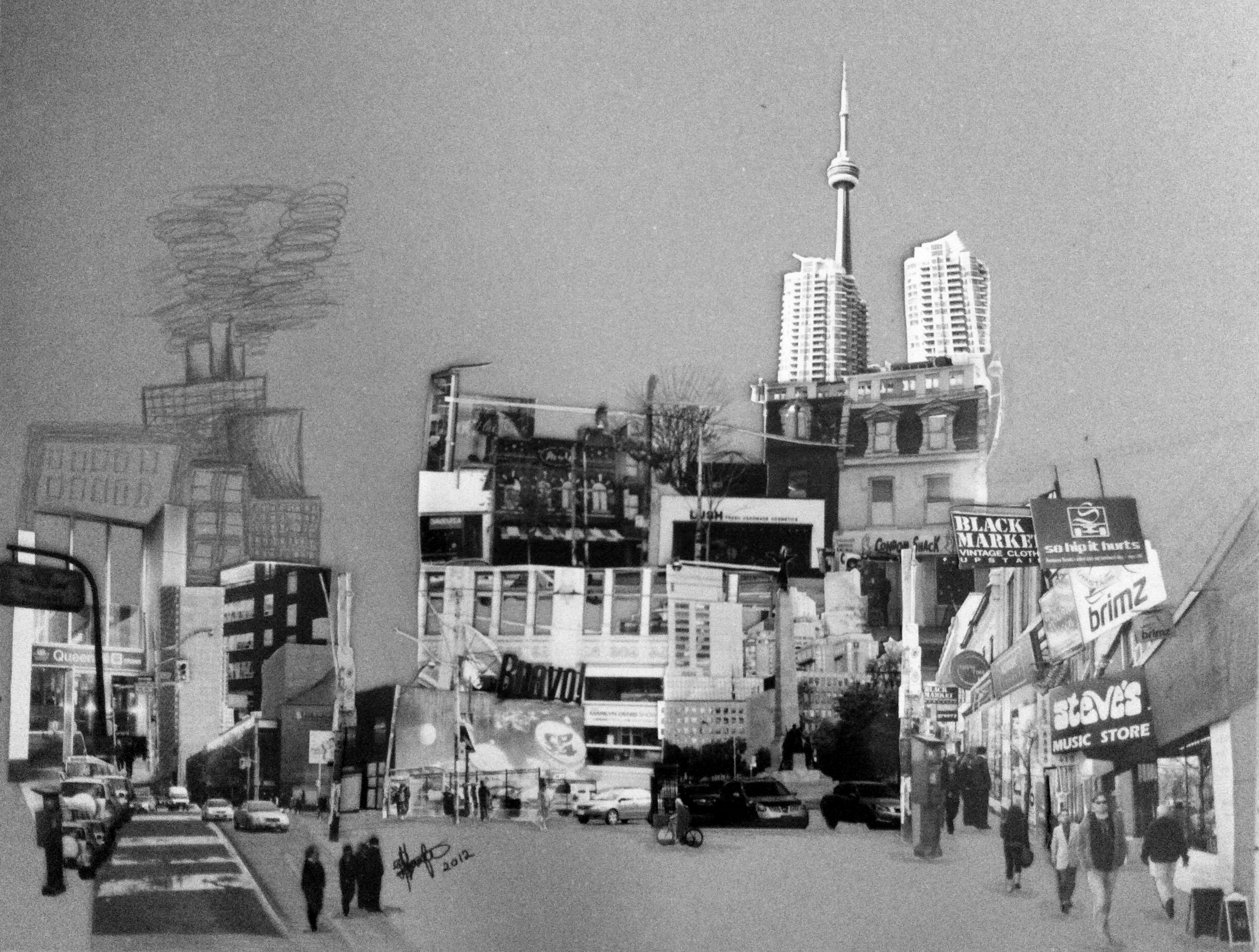
Another theme I am currently expanding on is Cityscapes and Living Spaces. Travel plays a vital role in my life. It’s another passion that feeds my passion for photography and art. Having the opportunity to aimlessly wonder the streets of an unknown city and capturing various places and spaces is something else I just can’t get enough of. I like to describe this body of work as my visual travel autobiography; I am currently working on Toronto specific works as Toronto is where I am currently living and working.

Each and every photographic work is created through traditional analogue photographic technical practices. The process is an experiential art form in itself.
 

Deborah Kanfer-Parallels


Deborah Kanfer-2


Deborah Kanfer-3


Deborah Kanfer 4


Deborah Kanfer-Decomposition 1


Deborah Kanfer-Decomposition 3


Deborah Kanfer-Website and Print


Deborah Kanfer-City_of_Saints


Deborah Kanfer-Home is in the Eye of the  beholder


Deborah Kanfer-Queen st W, Toronto

deborah kanfer


Originally from South Africa, Deborah Kanfer lives and works in Toronto as a photographic artist. Deborah is currently pursuing her venture in creating personalized photographic fine art works by conceptualizing and restoring nostalgia through art. She also creates a line of jewellery called Keepsake. Each Keepsake item displays a miniature photographic artwork, and all directly correspond to her large scale pieces. Through her work, Deborah aims to capture the mystery of the unknown and to draw the viewer closer. Here, she displays a seamless tie and connection between old and new. To keep abreast of Deborah’s work and showings, follow her on twitter: @deborahkanfer Instagram: @deborahkanfer, Facebook: http://on.fb.me/1s1w2Mp or simply visit her website: deborahkanfer.com.


Keepsake
Keepsake


personalized photographic fine art
personalized photographic fine art

Deborah Kanfer personal artwork 1

personalized photographic fine art


BACKWATER IMAGES: a fear of the spectacular future

by Suzana Švent

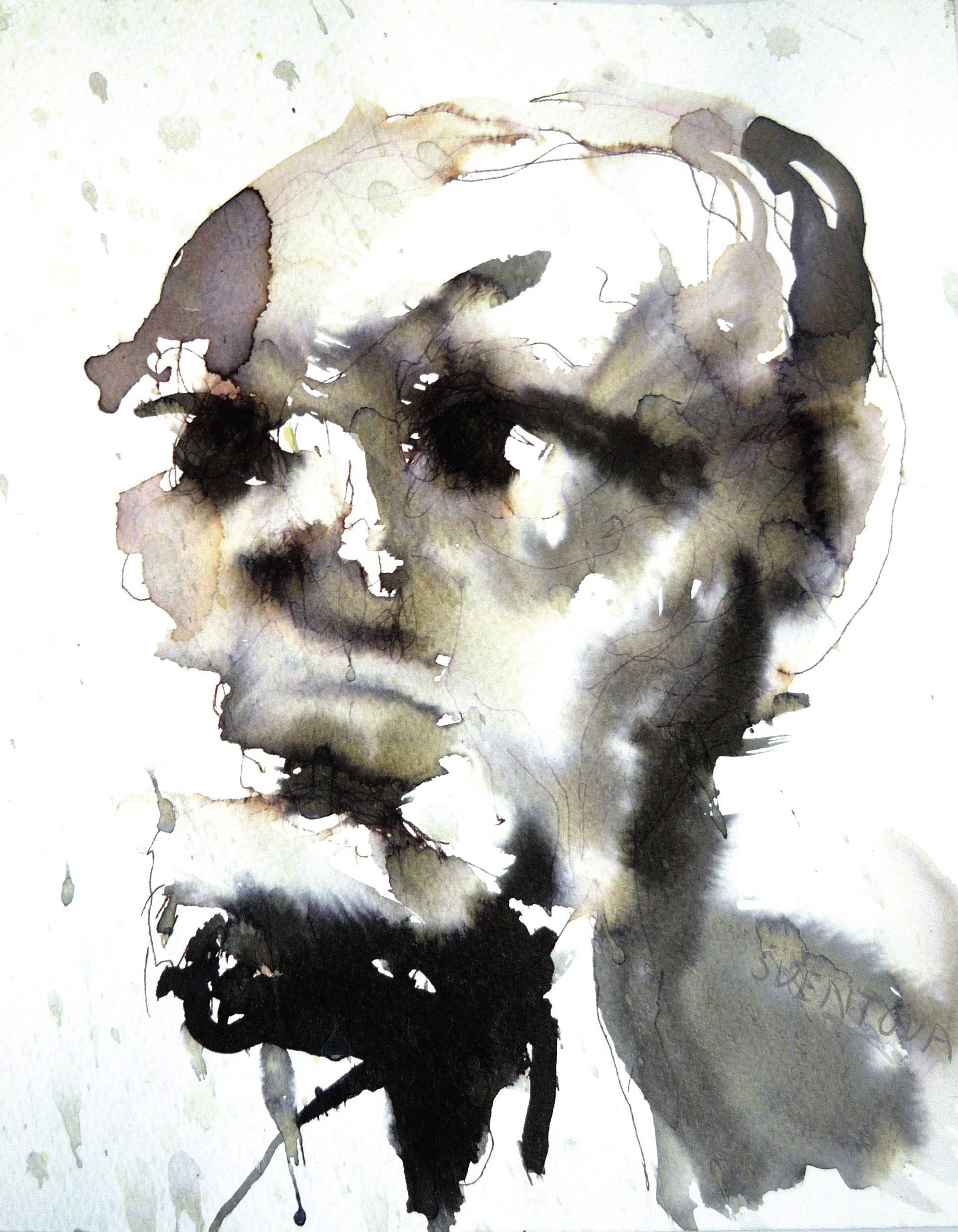
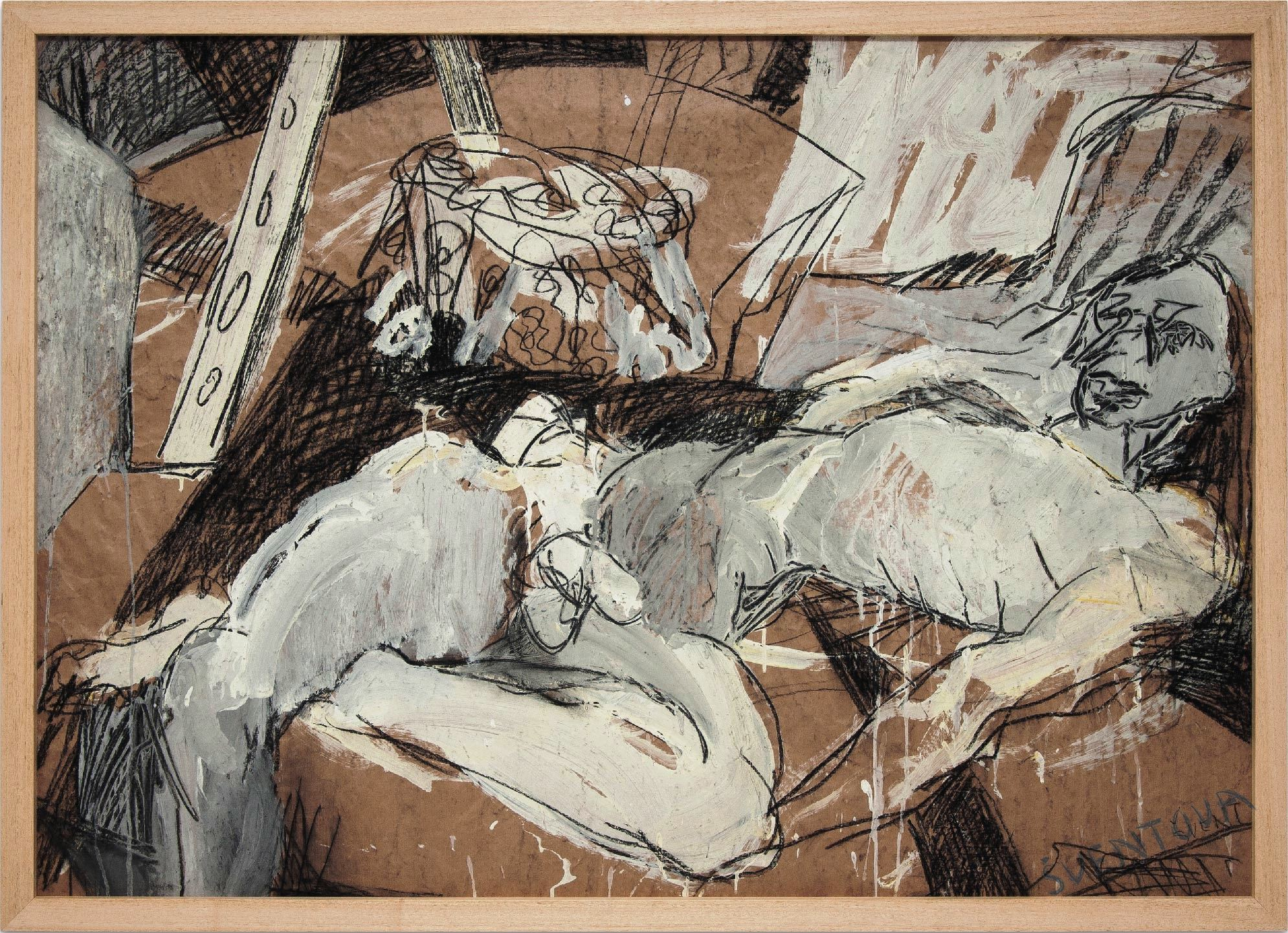
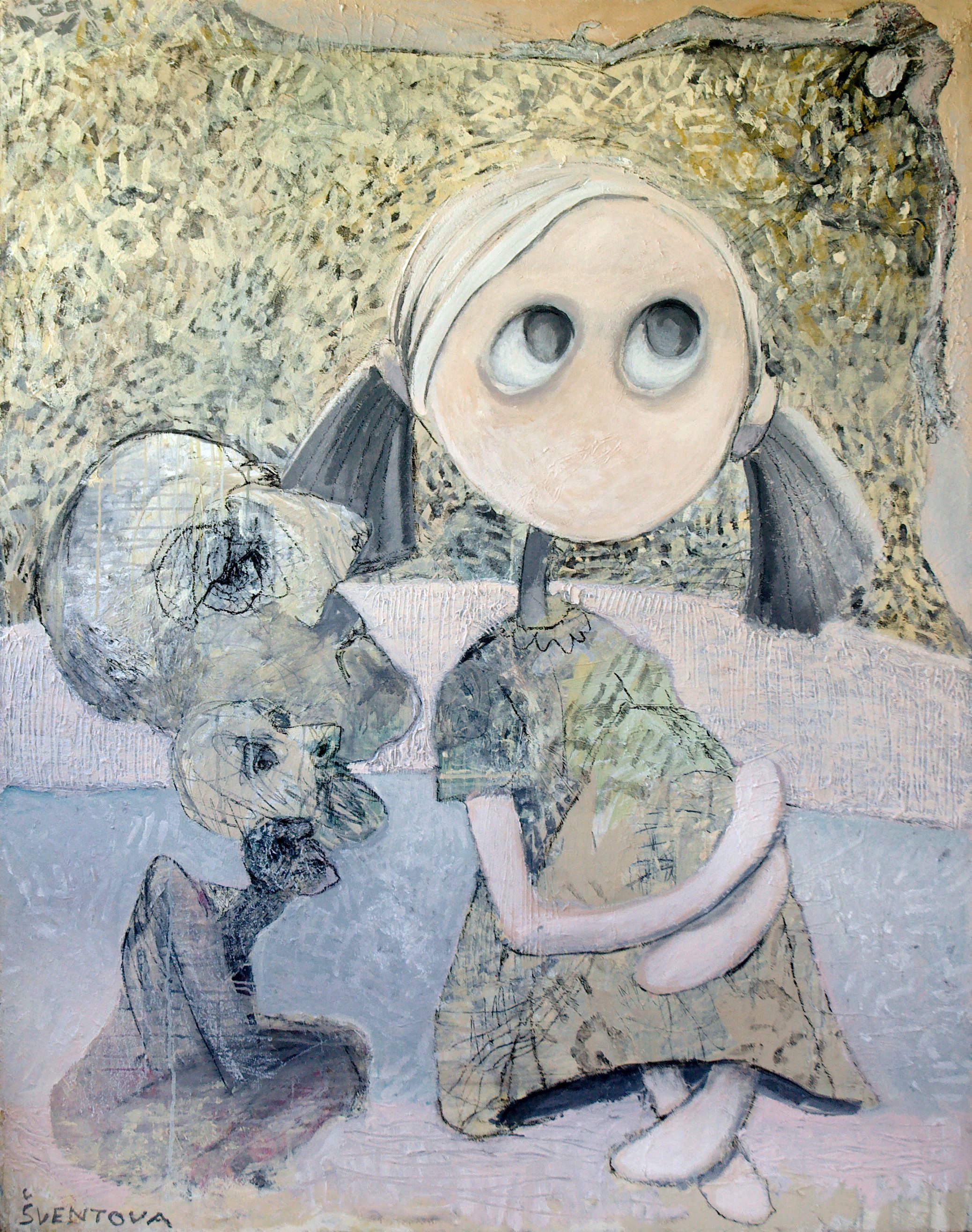
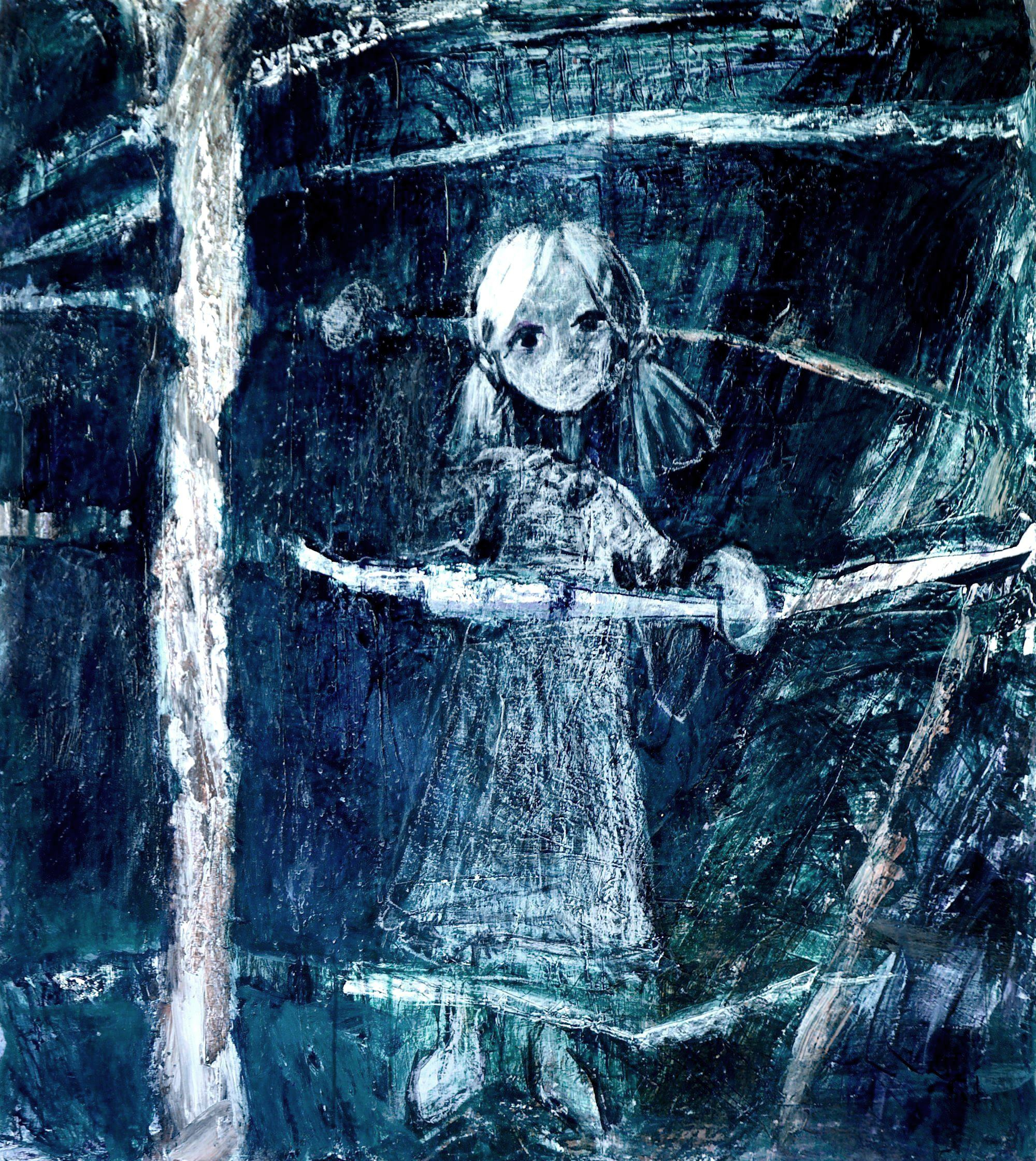
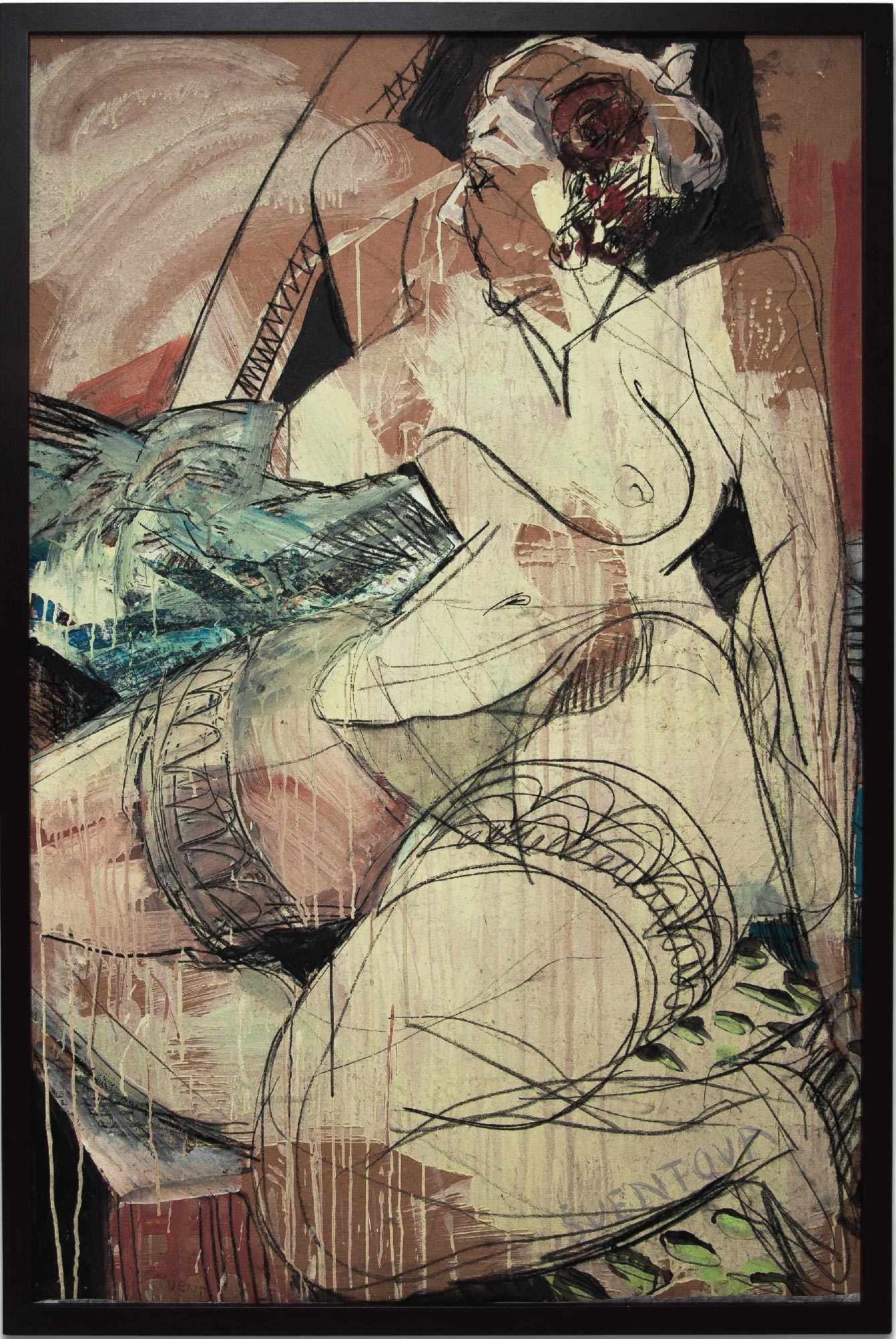
In the current abundance of painting production it might happen sometimes that the painter’s creation cuts through the hollowed-out artistic meander and finds its own path. But the newly-made meander is not dead. Quite the contrary: like the curve in nature is a colourful environment that is home to numerous living creatures, the one in art is the place where many special ideas, and with them images, are born.

Images are born of illusions that co-create our reality. They originate in our emotions, draw inspiration from frozen memories or life experience. And the time comes when what finds it easiest to manifest in them is fear. Fear of the gaze of a stranger, fear of the viewer’s critique, fear of oneself… which manifests in artist’s emotional emptiness, in the woody hand holding a shaking brush, in the grey stare gazing into the distance.

And where to find the power for a confrontation, a fight, a break? The first solution to offer itself is the world of splendour, instant appeal, supposed resistance, fake difference. It presents itself as an anarchic destroyer of reified social relations, seemingly lashing out at dominance relations, glossing old practices over by new ones. But despite all, by being hermetically closed it further limits rather than saves from suppression. It limits and rejects the old, primeval, what was allegedly declared, recycled, processed over and over, yet it remains so crucial, so fundamental, that is keeps returning again and again. What at first sight is unspectacular figural art, boring and unexciting, after a thorough contemplation turns declarative, communicative and socially committed.


vodni žig

vodni žig

vodni žig

vodni žig

vodni žig

vodni žig

vodni žig

Suzana Svent-8

Suzana Svent-9

Suzana Svent-10

Suzana Svent-11

Suzana Svent-12

Suzana Svent-13

vodni žig


vodni žigSuzana Švent was born in Celje (Slovenia) in 1986. After completing the high school arts
programme in Velenje, she enrolled in the Academy of Fine Arts and Design (ALUO),
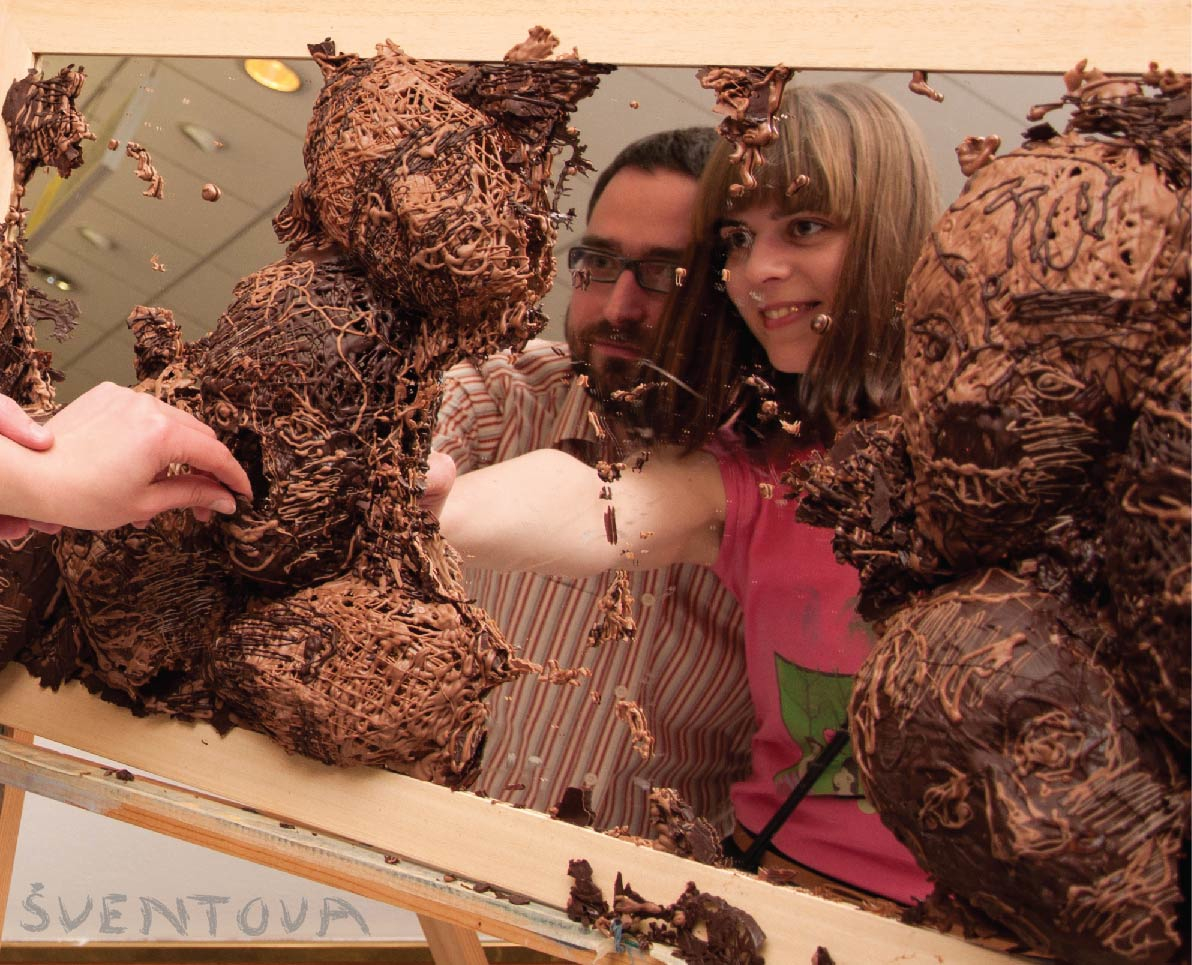
Ljubljana in 2005. In January 2014 she graduated in painting – under the supervision of professors Herman Gvardjančič and Sergej Kapus – by defending her thesis “Emancipating the Viewer: In the Chocolate Theatre Of Spectacular Capitalism”, which explores critically the relation between the viewer, art and consumerism.

As a teenager, Suzana Švent studied chess intensely and represented Slovenia at numerous international competitions, also gaining the title of candidate master. In 2003, she became the youth national champion, and in September the same year took 19th place at the European Youth Championships in Budva, Montenegro.

Social media links:
http://www.suzanasvent.eu/ (in Slovene)
https://www.facebook.com/suzana.svent
https://twitter.com/SuzanaSvent
http://suzanasvent.eu/blog/

Vibrant and Textured Perception: The Abstract Art of Patti Agapi

by Patti Agapi

Patti Agapi Paintings 1

Patti Agapi Paintings 2

Patti Agapi Paintings 3

Patti Agapi Paintings 4

Patti Agapi Paintings 5

Patti Agapi Paintings 6

Patti Agapi Mixed Media 1

Patti Agapi Mixed Media 2

Patti Agapi Mixed Media 3

Patti Agapi Mixed Media 4

Patti Agapi Mixed Media 5


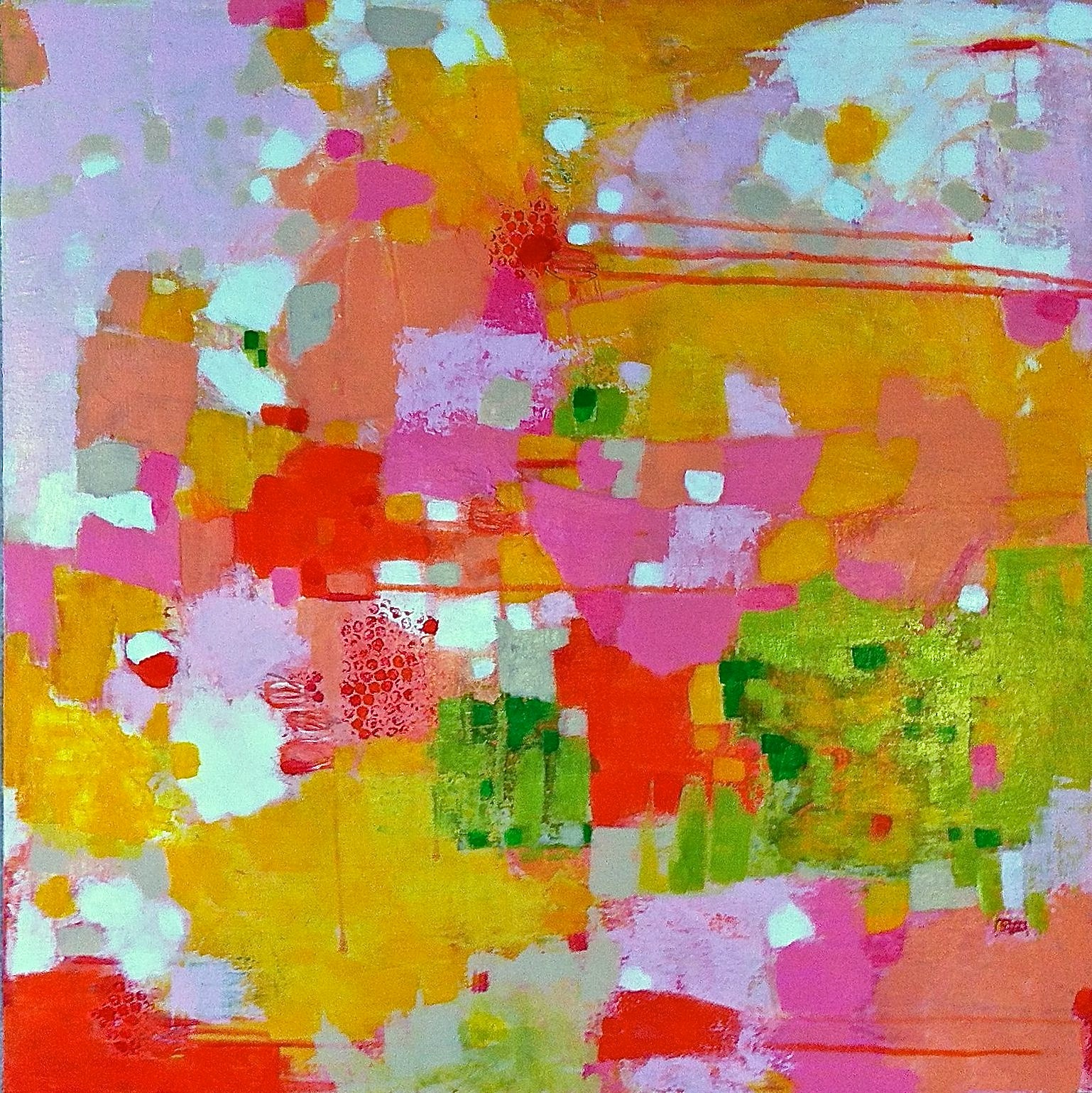
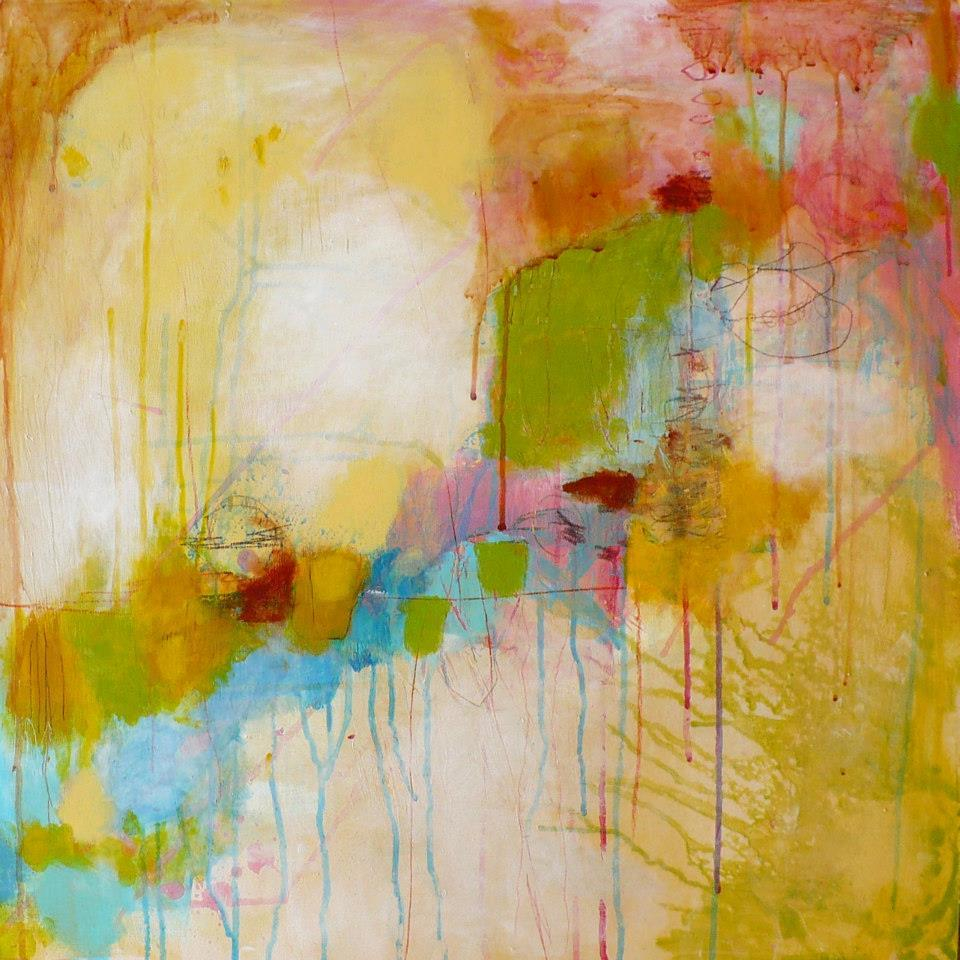
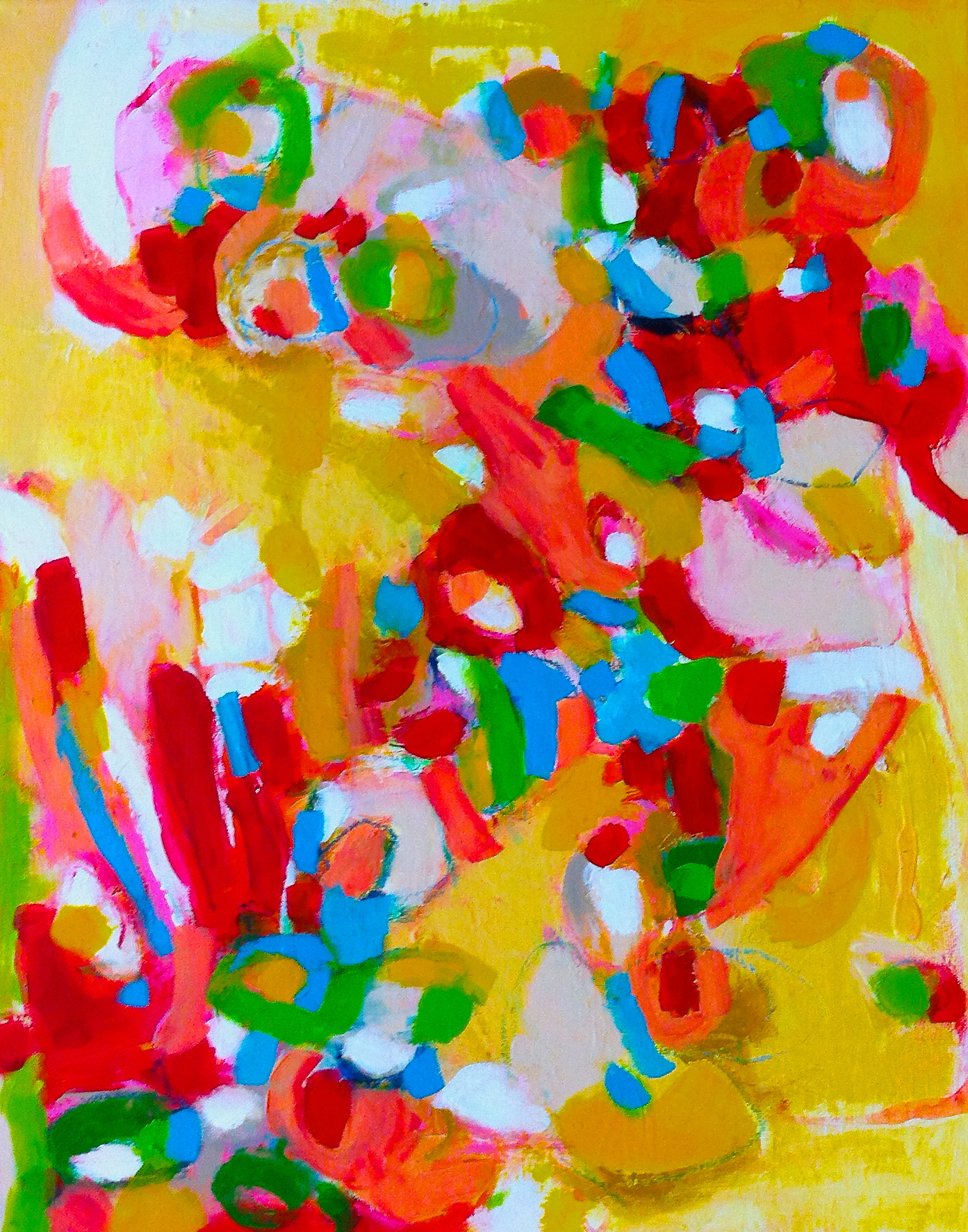
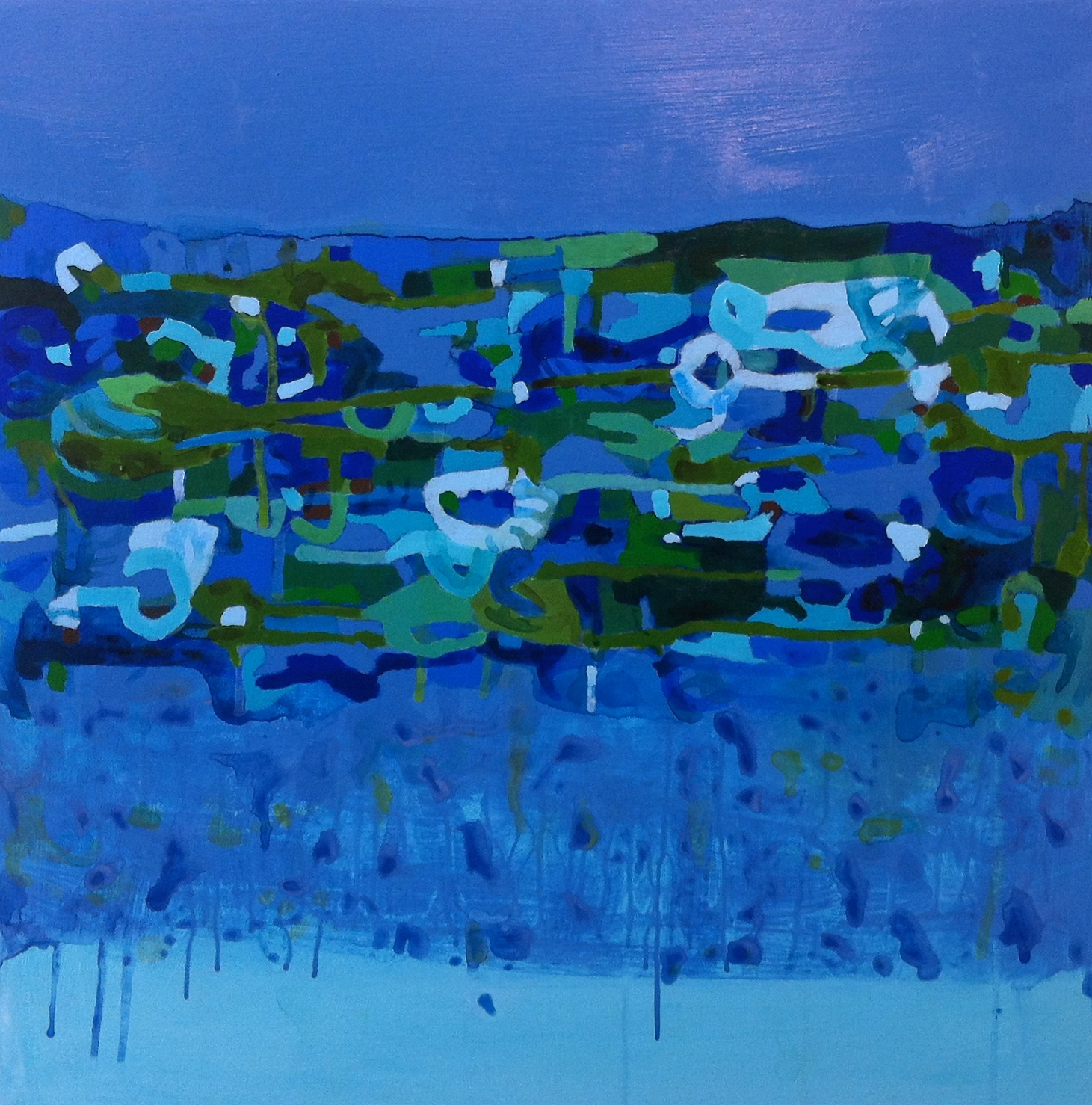
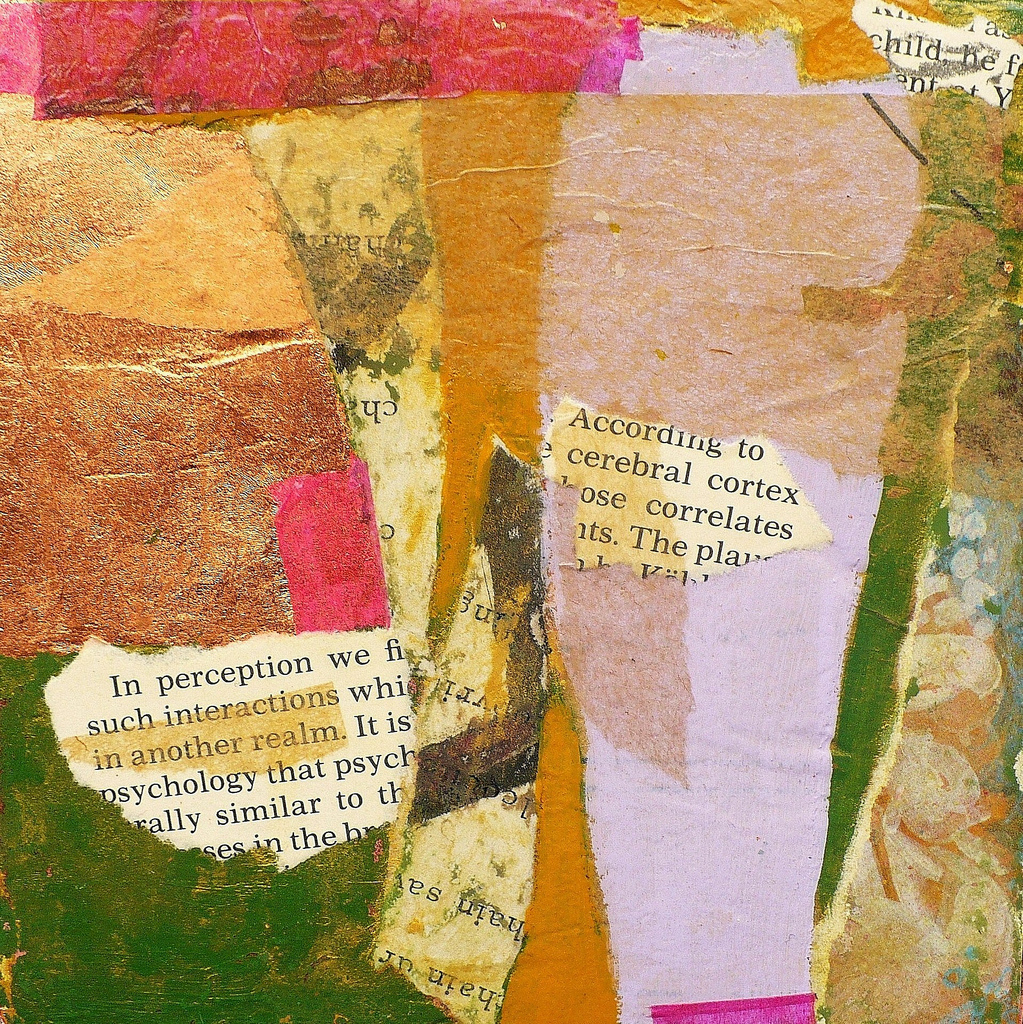
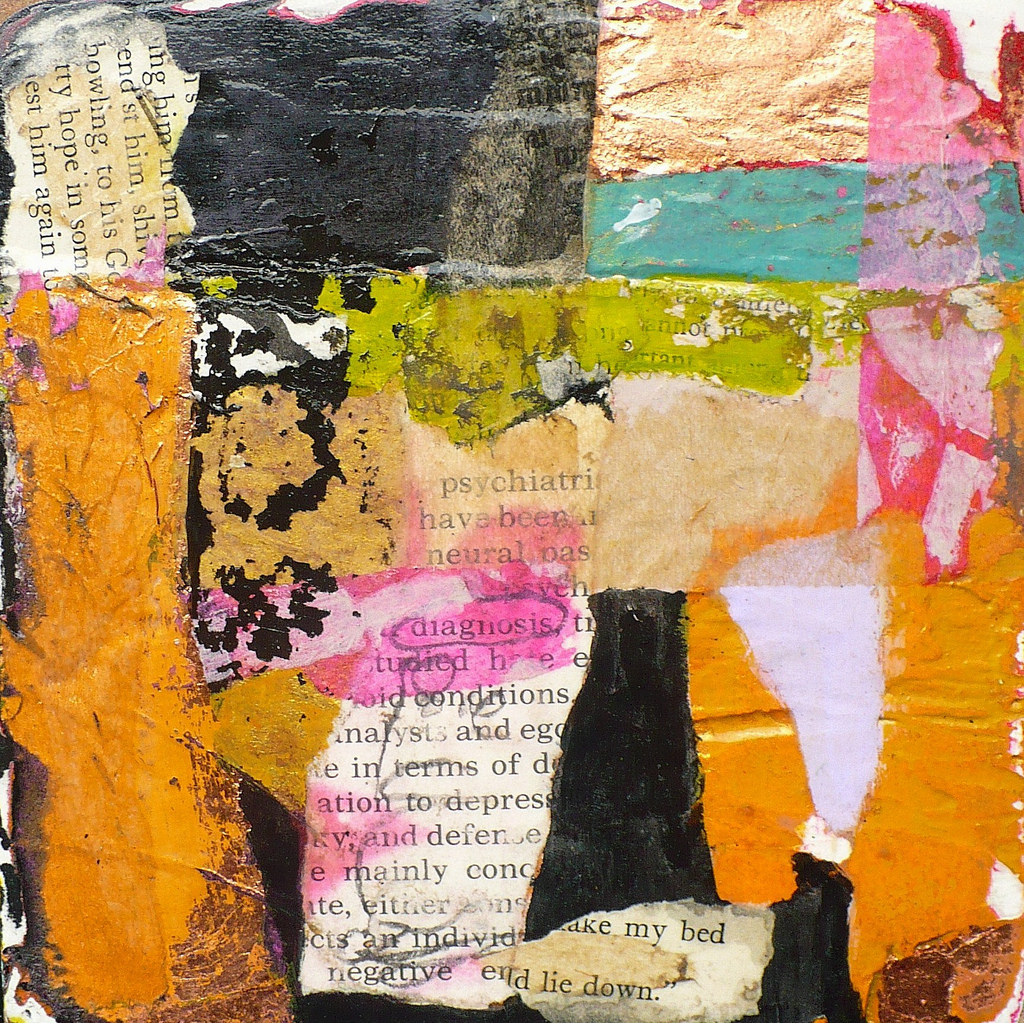
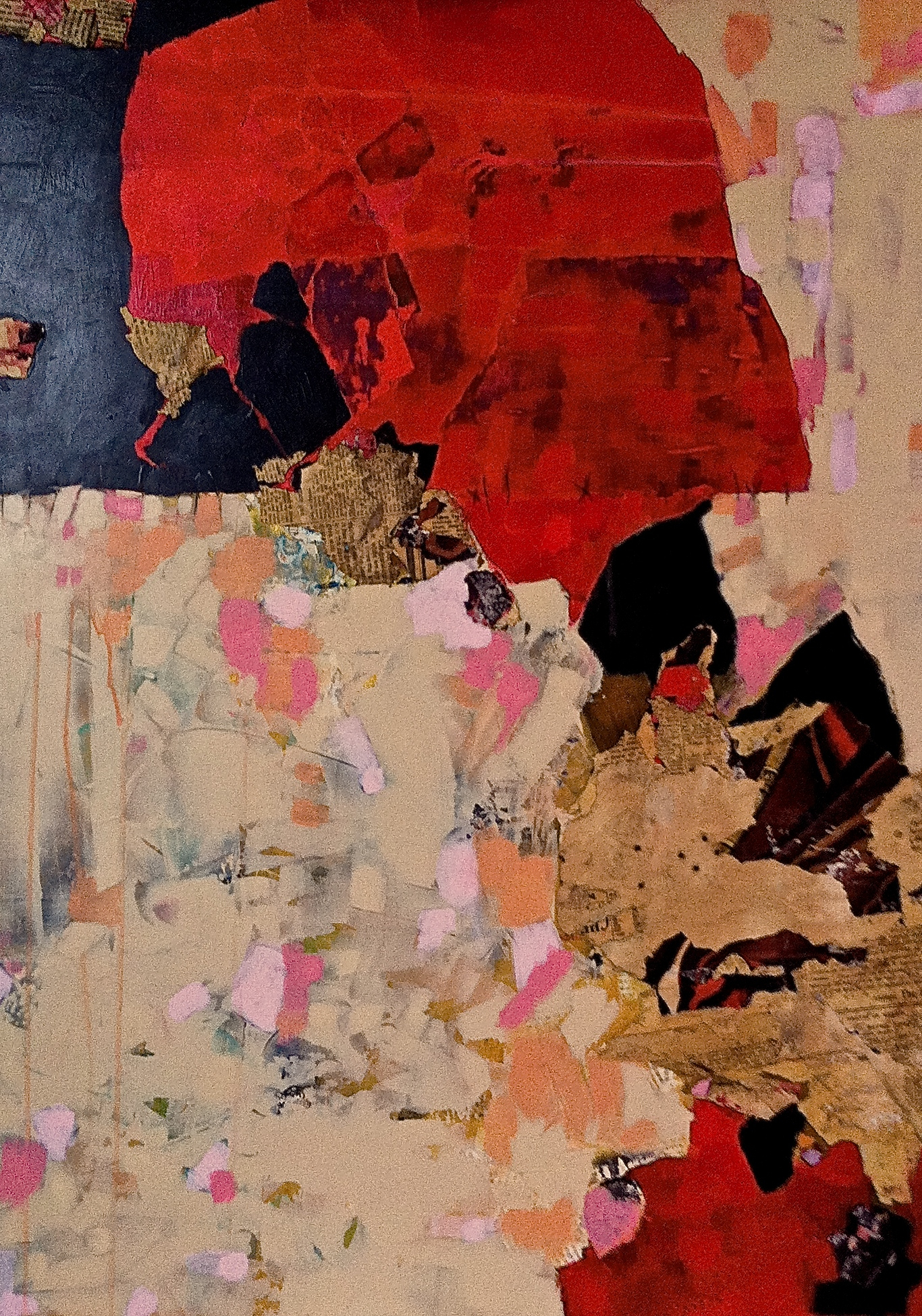
Patti AgapiA self-taught and ever-evolving Canadian abstract artist, Patti Agapi channels her creative expression into vibrant abstract paintings and intricate mixed media and collage art. She works with acrylic paints and various collage elements – found and vintage papers, pencil, metal leaf, plaster, metal and fabric. Patti’s abstract paintings are most often stimulating eye-candy, intense and engaging. Her mixed media & collage pieces evoke a curiosity and sense of mystery – each piece is a microcosmic journey of layers via intricate connections of text, texture and color.

The core themes of her work revolve around perception and personal reflection, and the mysterious ethereal elements of reality.

Patti lives in Orillia, Ontario, Canada and between catering to two boys, studiously works on creating Art.  She is a member of the collective art gallery Peter Street Fine Arts Gallery & Studio where she occupies a small downtown studio and shows her work on a regular basis.  She is also a member of the artist-run Zephyr Gallery in Orillia,

More info:

www.pattiagapi.com

www.facebook.com/madwithrapturestudio

www.twitter.com/madwithrapture

www.peterstfinearts.weebly.com

email: pattiagapi@gmail.com

Postcolonial Thoughts: Kandinsky in Search of Pure Abstraction

By Christopher Hutchinson

This article began with a studio visit to a friend, Julio Mejia, during a critical analysis of his latest work. We got into a discussion about abstraction and the lack of a present rubric to qualify what is actually pure abstraction. We were both troubled by the loose interpretation and application of the term “abstraction.”  The term “abstraction” has been used as a catch all that implies that abstraction is not a specific practice, when it is just that, very specific. Our conversation brought about Kandinsky and early definitions of non-objective work.

(noun) – Nonobjective art is another way to refer to Abstract art or nonrepresentational art. Essentially, the artwork does not represent or depict a person, place or thing in the natural world. Usually, the content of the work is its color, shapes, brushstrokes, size, scale, and, in some cases, its process. http://arthistory.about.com/od/glossary_n/a/n_nonobjective_art.htm

Kandinsky is widely read and is one of the most respected artists especially in the topic of non-objective art. Kandinsky wrote extensively on the subject and dedicated his work to defining the spiritual practice of non-objective painting. Kandinsky’s definition had a rubric that was rigid. His rubric defined and denounced “art for art’s sake”.

The phrase ‘art for art’s sake’ condenses the notion that art has its own value and should be judged apart from any themes which it might touch on, such as morality, religion, history, or politics. It teaches that judgements of aesthetic value should not be confused with those proper to other spheres of life. The idea has ancient roots, but the phrase first emerged as a rallying cry in 19th century France, and subsequently became central to the British Aesthetic movement. Although the phrase has been little used since, its legacy has been at the heart of 20th century ideas about the autonomy of art, and thus crucial to such different bodies of thought as those of formalism, modernism, and the avant-garde. Today, deployed more loosely and casually, it is sometimes put to very different ends, to defend the right of free expression, or to appeal for art to uphold tradition and avoid causing offense. http://www.theartstory.org/definition-art-for-art.htm

While Kandinsky is credited with being avant-garde during his time, his artwork does not live up to his writings. Under examination his work does qualify as formulaic; it does qualify as art for art’s sake. Kandinsky’s work currently fits the standardized problems present in a loose definition of abstraction/non-objective work. His abstraction is still based on the rules of traditional realism.

 Bad Abstraction

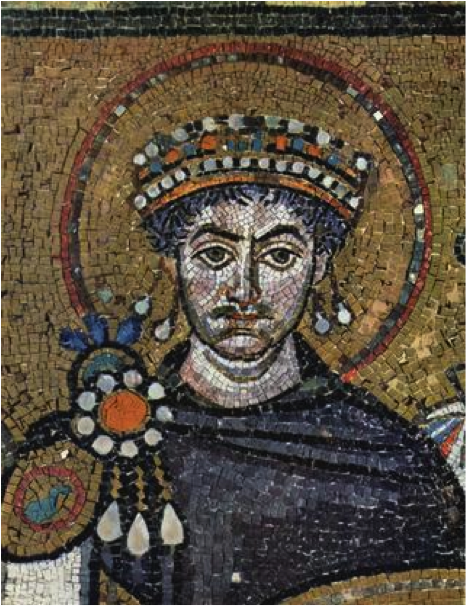
Portrait of the determined Byzantine Emperor Justinian, who reigned from 527 to 565, in San Vitale, Ravenna, Italy. http://worldhistoryclinton.wikispaces.com/Ch.+9+-+The+Byzantine+Empire

Portrait of the determined Byzantine Emperor Justinian, who reigned from 527 to 565, in San Vitale, Ravenna, Italy.
http://worldhistoryclinton.wikispaces.com/Ch.+9+-+The+Byzantine+Empire

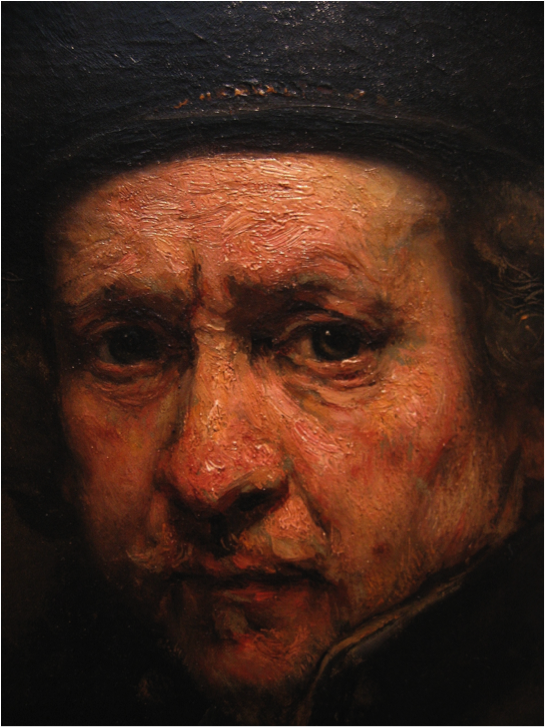
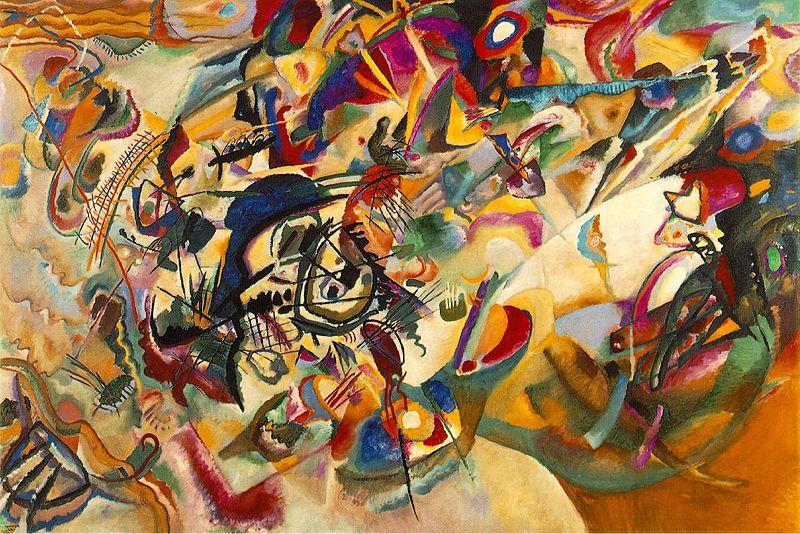
Abstraction with traditional painting applications is one of the easiest ways to detect bad abstraction. Bad abstraction is filled with retouching and modeling. This retouching and modeling is no different than any portraiture from the Byzantine to present. Portraiture employs a technique of using the most brushstrokes on an object to make it the most important, often times the face. Rembrandt and many artists often employ these techniques, allowing the background to be out of focus while the face is precious. There is no place for this type of application in pure abstraction. In the basic beginnings, when attempting abstraction, this portraiture tradition must be identified and then broken to become free enough to achieve pure abstraction. Kandinsky’s overworked blended areas in his Composition VII 1913 are no more intuitive than a color by number setup–put a line/shape, then fill it in.

Portraiture

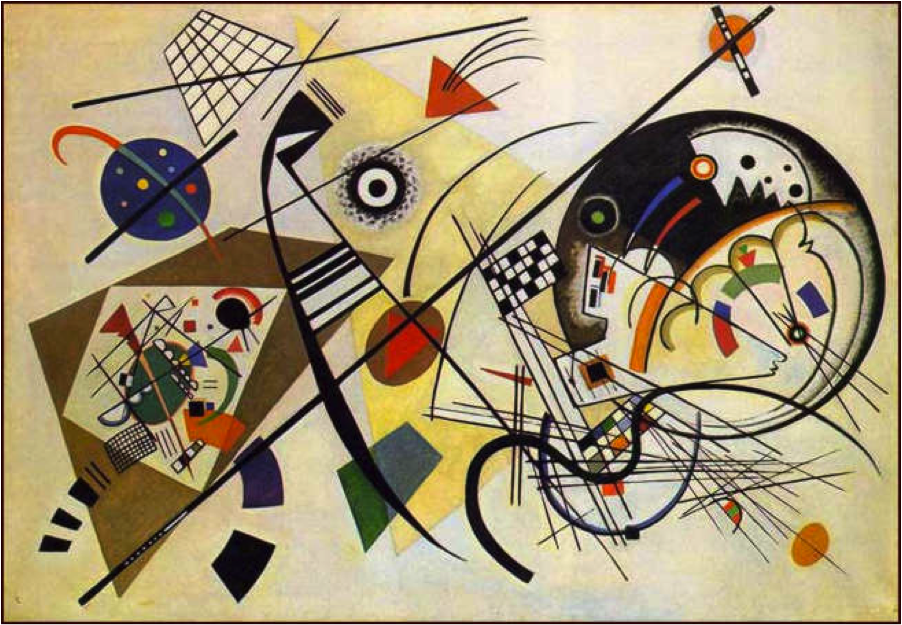
Another indicator of bad abstraction is also a tie to portraiture. The painting may be non-objective but the all the energy and paint is in the center. The rest of the piece is just filler and clearly not important. Kandinsky’s pieces are filled with these centrifugal bad abstractions, leaving almost a mat border around the image. This border is problematic in the pursuit of pure abstraction.


Wassily Kandinsky, Transverse Line, 1923 http://sites.duke.edu/artsvis54_01_f2010/category/keywords/

Wassily Kandinsky, Transverse Line, 1923
http://sites.duke.edu/artsvis54_01_f2010/category/keywords/

Standardization

stan·dard·ize

: to reduce to or compare with a standard <standardize a solution>

2: to bring into conformity with a standard

3: to arrange or order the component items of a test (as of intelligence or personality) so that the probability of their eliciting a designated class of response varies with some quantifiable psychological or behavioral attribute, function, or characteristic

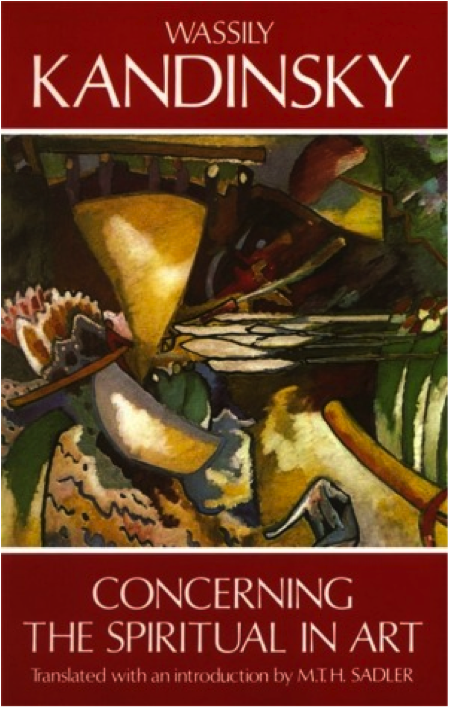
In this essay the term “standardization” refers to the general marks, shapes, and colors one makes to feel safe when one is uncomfortable. It refers to a conscious, contrived placement of elements to be discussed rationally. Pure abstraction is a scary proposition that requires an existential immediacy that should not be rationalized. The standardized process can be seen in Kandinsky’s carefully constructed arrangements. Geometric shapes are classic signs of wanting to control the spiritual. Kandinsky covers his desire to break these rules in order to access this spirituality in his book Concerning the Spiritual in Art.

Kandinsky, the academic critic, emerges in Concerning the Spiritual in Art. His version of spirituality is standardized to death. It becomes an illustration of spirituality, not the spirit itself.   Even if one is successful at accessing the spirit/pure abstraction, that pure spirit may be standardized and formalized until it is no longer free. Most abstraction fails in achieving the spirit. Anyone who accepts the challenge to pursue pure abstraction must be confident and willing to follow the spirit unquestionably for it to be free.


Christopher HutchinsonChristopher Hutchinson is an Assistant Professor of Art at Atlanta Metropolitan State College, Archetype Art Gallery Owner in Atlanta, Ga, and Smoke School of Art Founder. He received his Master of Fine Arts Degree in Painting from Savannah College of art & Design, Atlanta and his Bachelor of Arts Degree from the University of Alabama in Huntsville, Alabama. He lived in Alabama for 10 years before moving to Atlanta in 2008.

Learn more about Christopher and his work at Black Flight 144.


Flappers and Bees

by Caroline Nevin

Fanny

Fanny


Trixie

Trixie

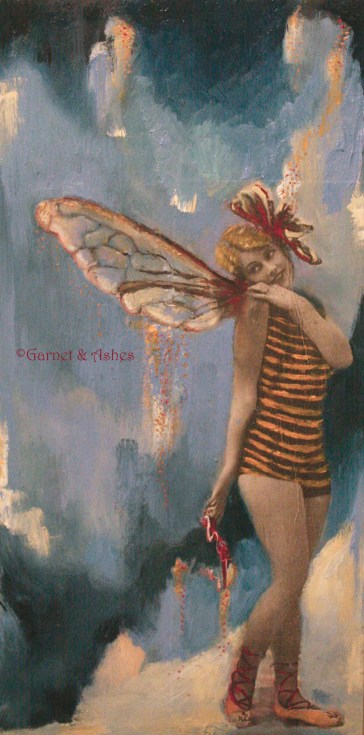
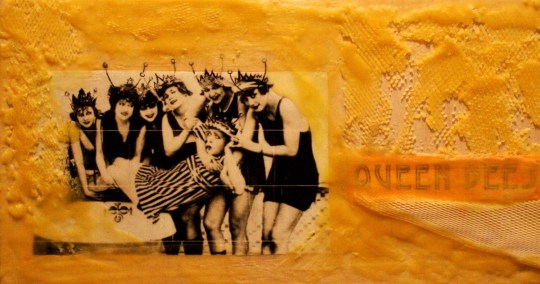
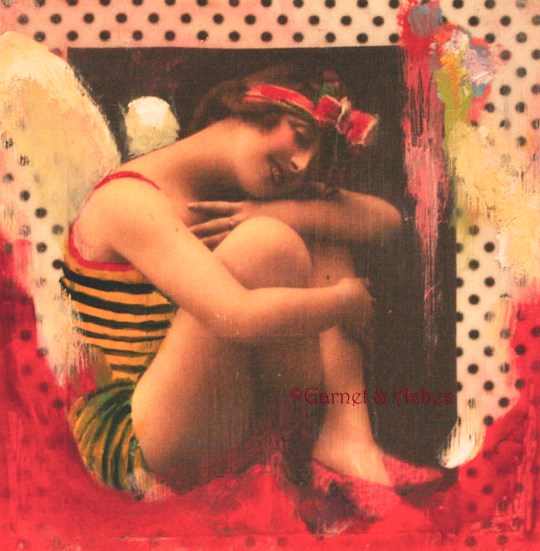
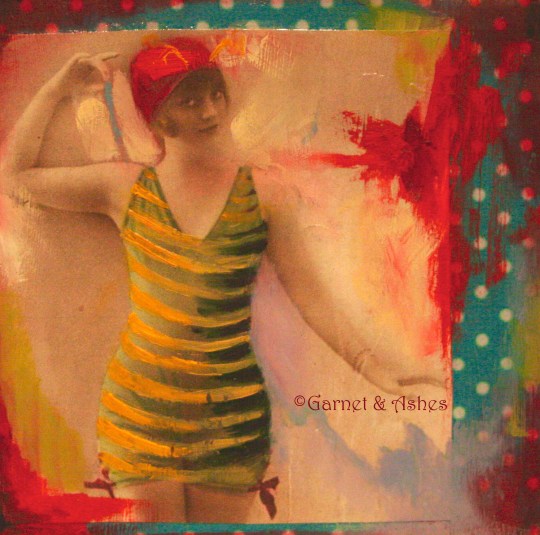
I adore flappers & bees so it’s no coincidence that elements of bees and vintage girly delights are juxtaposed, and in most cases combined in many of my pieces. The intention is to create a conversational timeline between the past and the present and make evident the parallels that still exist today as we continue to adapt and respond to nature through social response. Here are some connections and parallels I’ve perceived between the importance of the work of honeybees, and the work of women in the 1920s.

Historically, dancing has and continues to be used as a popular form of expression and as an indicator of social behavior – as a sacred ritual, as a form of communication for social change and courtship activity, or just to let loose, dancing provides us with important cues that can actually be key to our survival, providing an evolutionary advantage. No one knows this better than honeybees, especially currently. Honeybees (scouts that just happen to be female and are known for their sociability) use the waggle dance for resourceful foraging by indicating to the hive where nectar and pollen can be found in abundance and also where the best new possible nesting locations are. This dance saves the whole hive valuable time and energy and in essence is a harmonious nurturing and preserving of the community. This is especially important now, given the struggles honeybees are facing in recent years through Colony Collapse Disorder after thriving for 50 million years, as a result of current farming practices specifically through the use of pesticides.

Buzz.fm

Buzz.fm

When I contemplate the roaring twenties, I automatically think of a group of gadabout flappers kicking up their heels and dancing The Charleston, much like a swarm of bees. It is the epitome and image of the liberated woman. Women were evolving from the strictures of the Victorian era. In that time, women were seen as chattels of their husbands. The flappers began to emulate the freedom that men had so long enjoyed. They were seen in “speak easy” bars, they smoked, danced and engaged in ‘unmentionables’. They cut their hair short in the flapper “bob.” Until then, women had long hair that they wore up, restricted in a bun. The flappers showed their knees, as long hemlines were replaced in favour of short, loose dresses, which was in revolt of the long heavy skirts and corsets worn by Victorian women. This also coincided with women getting the vote (suffrage) and women working outside the home. Women came together in hive like behavior as they banded together to fight for their rights in a gesture of alliance and posterity, foraging together – and indeed their life depended on it. Women today depended on the work they did to ensure advancing the rights of women.

Saucy Queens

Saucy Queens

Which brings us back to the bee. I’m not asking you to get your picket signs out and start a revolution. Picketing isn’t for the faint of heart. Although if you feel so inclined, please do! I’m suggesting the gentle gesture of planting a bee friendly garden that will attract honeybees. You can even start with one potted plant if you don’t have space for a full garden. And secondly, refrain from using pesticides. This is for your benefit as much as for the bees.

You may find there is a vagueness to the comparison I’ve drawn, but the most important thing to know for now is that I mean to amuse through my art pieces while raising awareness about bees, and the essential importance of their ability to nurture and sustain nature and community in their fragile states. Things will become clearer as I elaborate on these ideas in future musings. Things will become clearer as the idea unfolds and develops. In the mean time, I leave you with the Bee Knees to contemplate the profound act of synchronicity and connection that occurs through the social expression of dance – a mirror to nature…and ultimately, us.

Frances

Frances


Garnet & Ashes

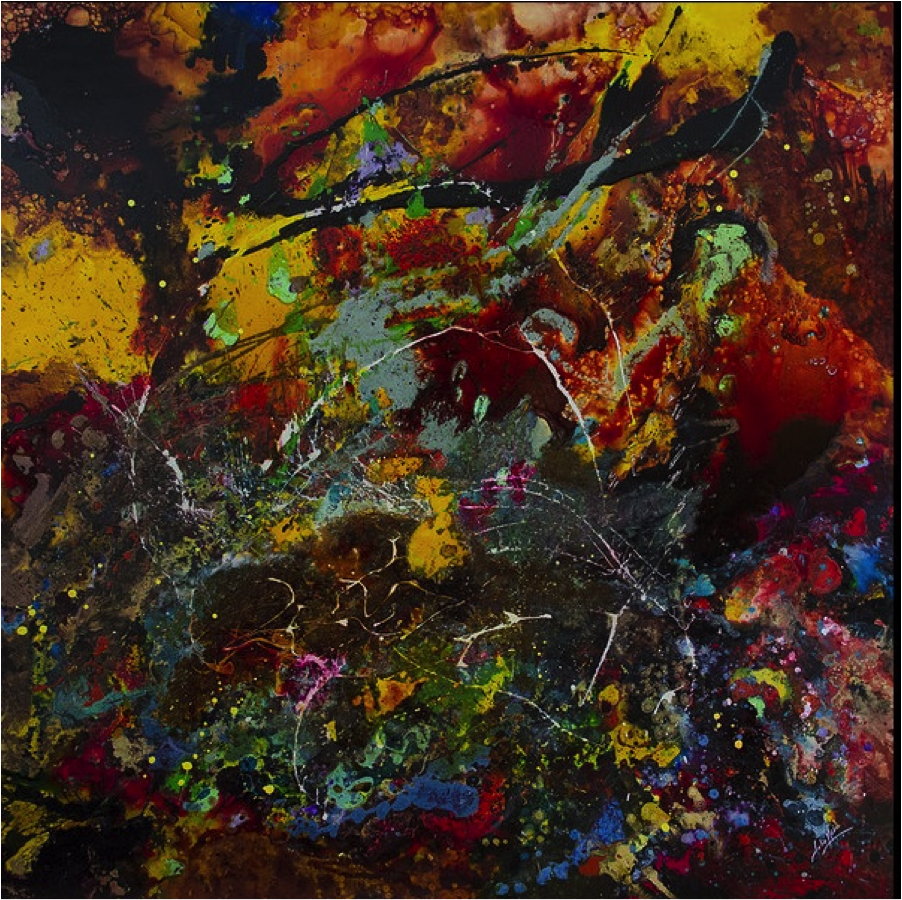
Garnet & Ashes is a sprightly line of vintage inspired mixed media original fine art & reproductions.  A venture of Caroline Nevin; a contemporary artist and BFA graduate from Concordia University, Montreal, Quebec, Garnet & Ashes utilizes a nudging, playful approach with a mélange of bee imagery, vintage treasures and ephemera to arouse and ignite the senses and inspire reflection on notions of identity and memory, discordant habitats and reevaluations of archaic social structures.
Caroline Nevin

Caroline Nevin


www.garnetandashes.com

www.instagram.com/garnetandashes

www.twitter.com/garnetandashes

www.facebook.com/garnetandashes

www.pinterest.com/garnetandashes

https://www.etsy.com/ca/shop/GarnetandAshes


Poned: Mail Art and Michael Orr

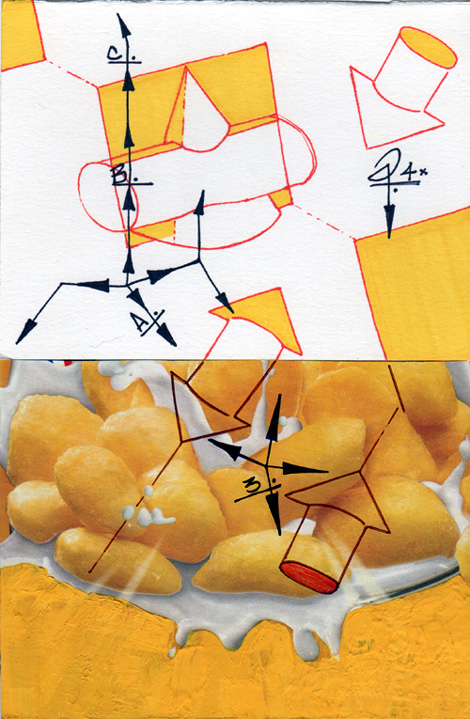
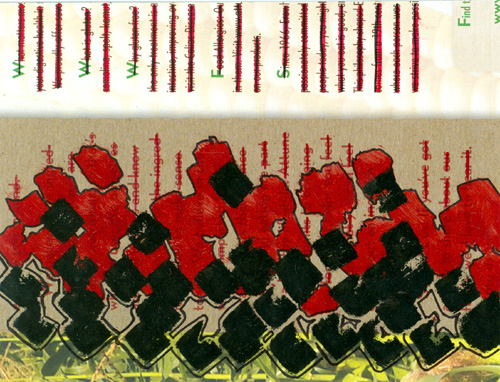
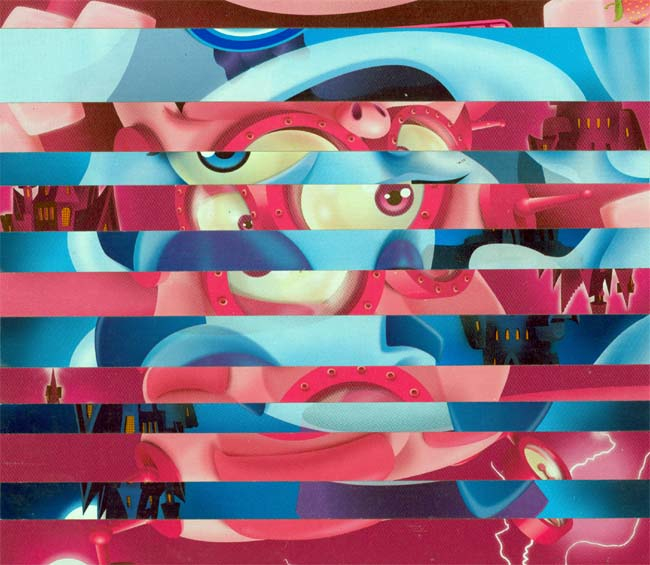
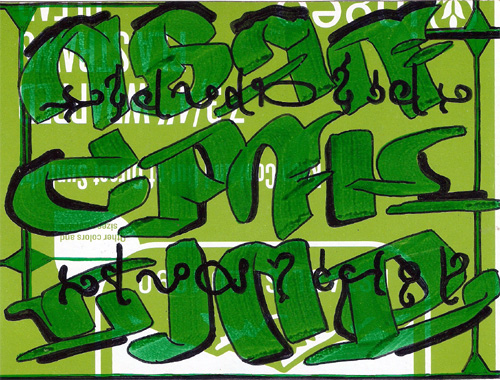
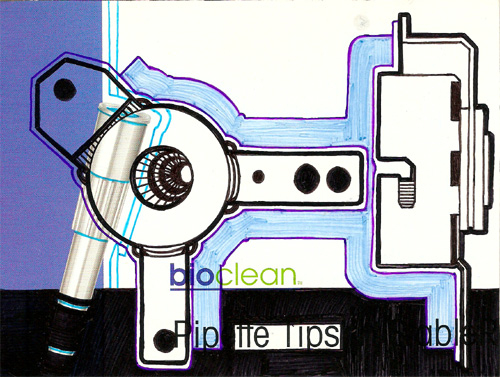
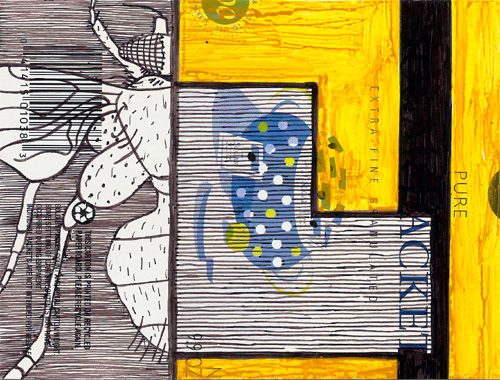
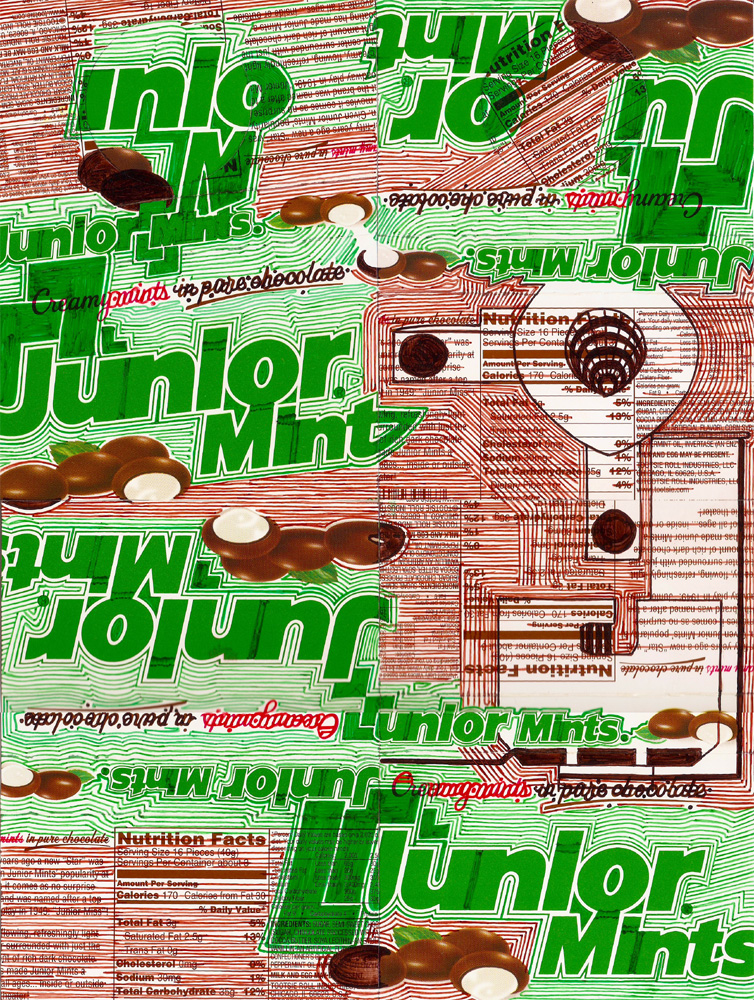
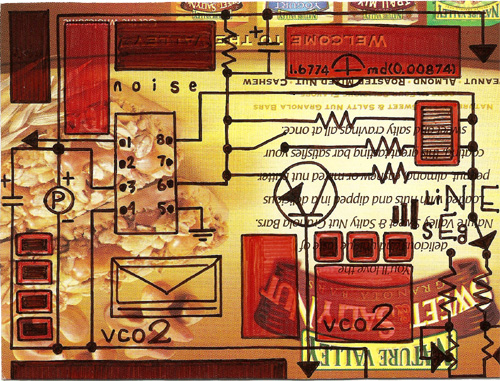
By Michael Orr Michael Orr-692-13 Michael Orr-724-14 Michael Orr-768-15 Michael Orr-799-16 Michael Orr-808-17 Michael Orr-941-18 525 Michael Orr-588-2 Michael Orr-592-3 Michael Orr-598-4 Michael Orr-602-5 Michael Orr-605-6 Michael Orr-608-7 Michael Orr-jrmints_acsize-8 Michael Orr-424-9 Michael Orr-488-10 Michael Orr-498-11 Michael Orr-Pink Mouse-12

Michael Orr-biophoto

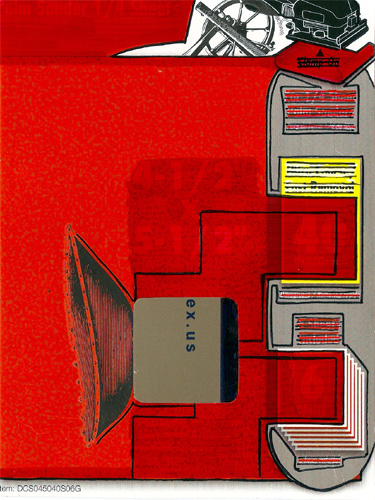
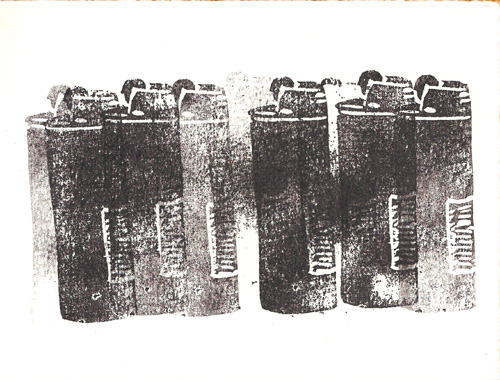
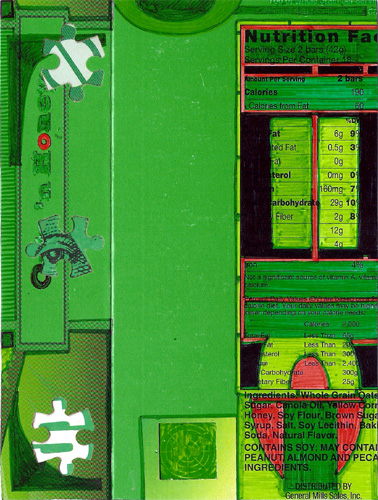
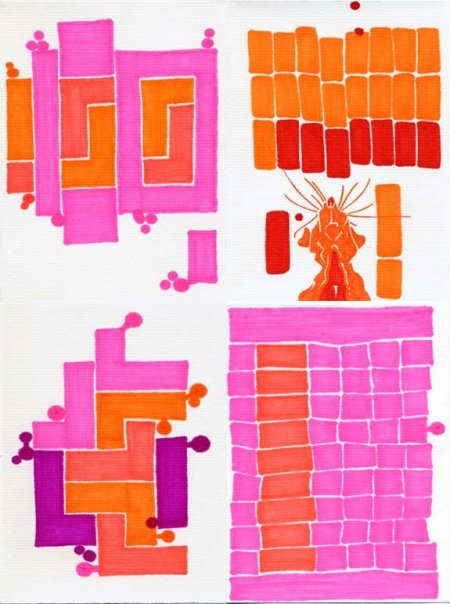
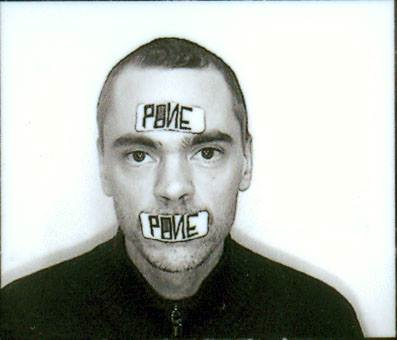
My name is Michael Orr, I am 39 years old. I am from and currently reside in Clarkston GA with my wife and son. I studied design at the Art Institute of Atlanta and The Creative Circus. During the day I pose as a research technician at Emory University. I’ve always made art. It’s a compulsion. It takes me away. It’s fun and makes me happy. I must do it. I started getting away from my sketchbook and making small pieces about 7 years ago. I started mailing things to friends, random people and places. My work is mixed media, collage, design, illustration, and hand carved rubber stamps over existing cardboard packaging waste, album covers, old game boxes, paper or canvas. I enjoy  working on top of existing graphics and incorporating it into my own creation. Many works are a collaboration. Gradually I discovered there is a vast organized mail art network out there, composed of people from all over the world. I like the free exchange of art and ideas. The freedom of letting the works go. The enthusiastic collaboration among the network. The visual poets of this network have directly inspired and influenced my work. Since discovering this network I’ve been in a handful of little group shows around the world and published in a few zines, and a couple of book projects. I’ve shown my work locally at a few events and small venues. Most recently I’ve curated a mail art show at Atlanta’s Eyedrum Art and Music Gallery. 
Website: Sang Moo

Flickr: cornp0ne

Twitter: Michael Orr (@cornpone)

Facebook: Artpone

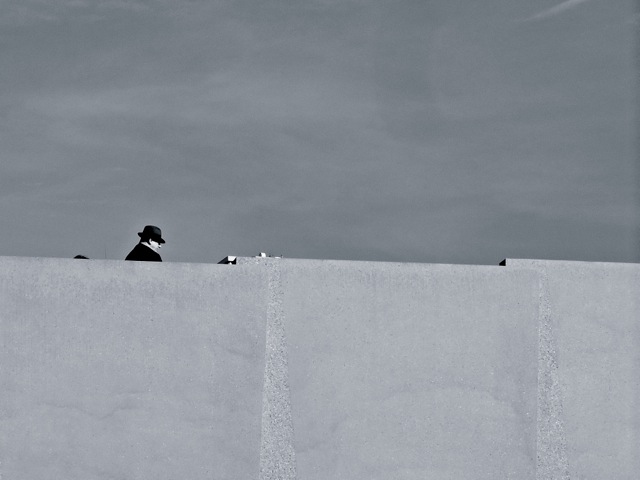
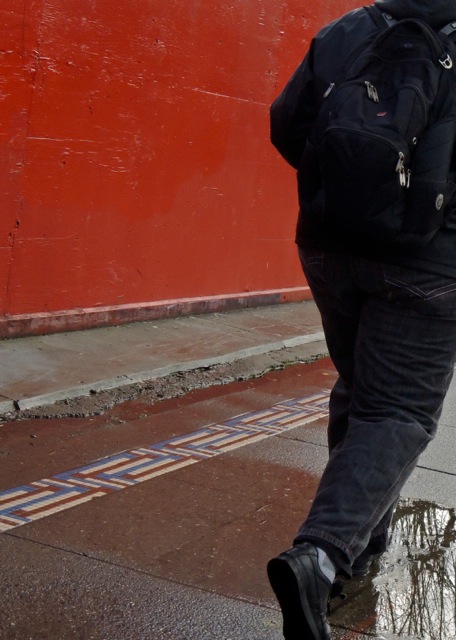
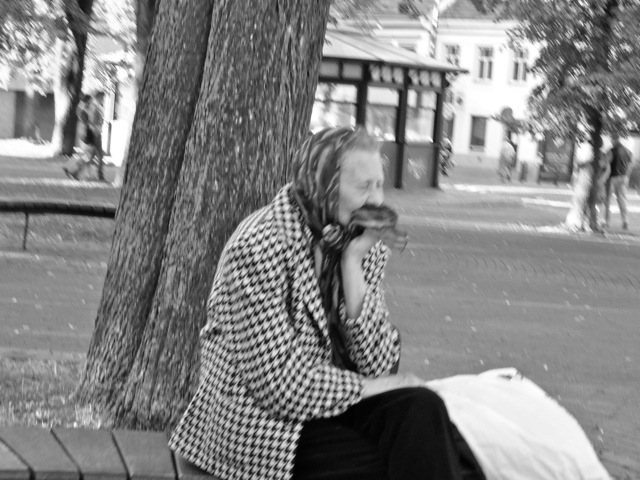
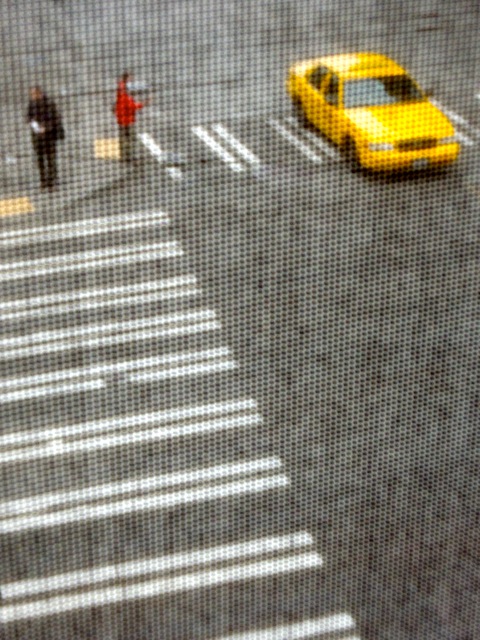
Disappearances: Photographs by Chris Bronsk

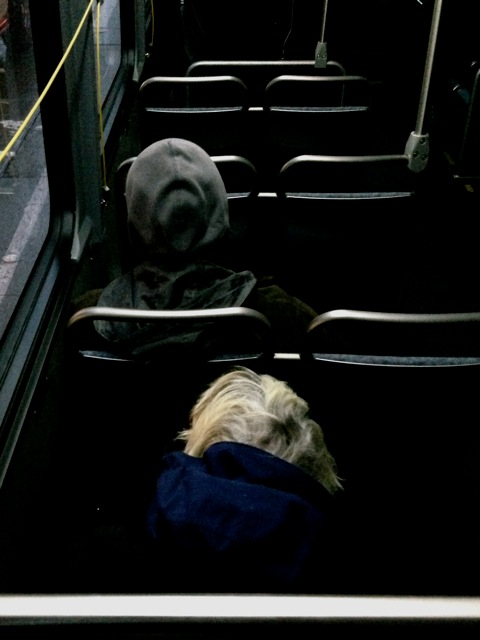
Sentinel

Sentinel


Red Wall

Red Wall


Kerchief

Kerchief


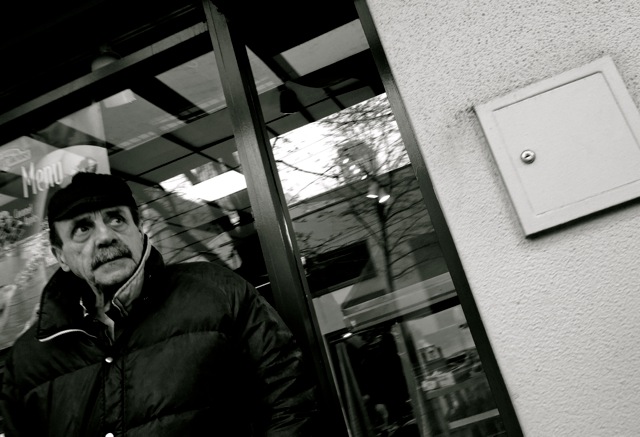
Taxi

Taxi


Diagnosis (I)

Diagnosis (I)


Squall (I)

Squall (I)


New Marks

New Marks


Dub (II)

Dub (II)


Southern Cross (I)

Southern Cross (I)


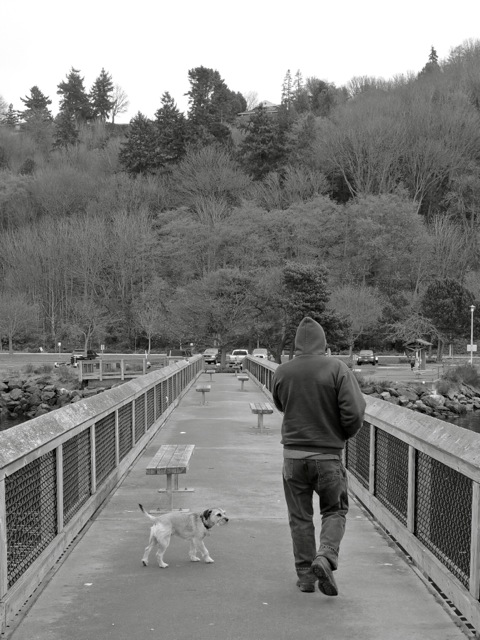
Jetty (I Am Home)

Jetty (I Am Home)


Chris Bronsk writes and takes pictures, resides in Seattle, and lives in the fire sales of dreams. In his photographs, as in his writing, he searches for the uncommon in the everyday, exploring the boundaries between contexts, real and imagined, where words and images live, memory and history collide, and our experiences, collective and intimate, come into conversation.
Twitter: @CBronsk


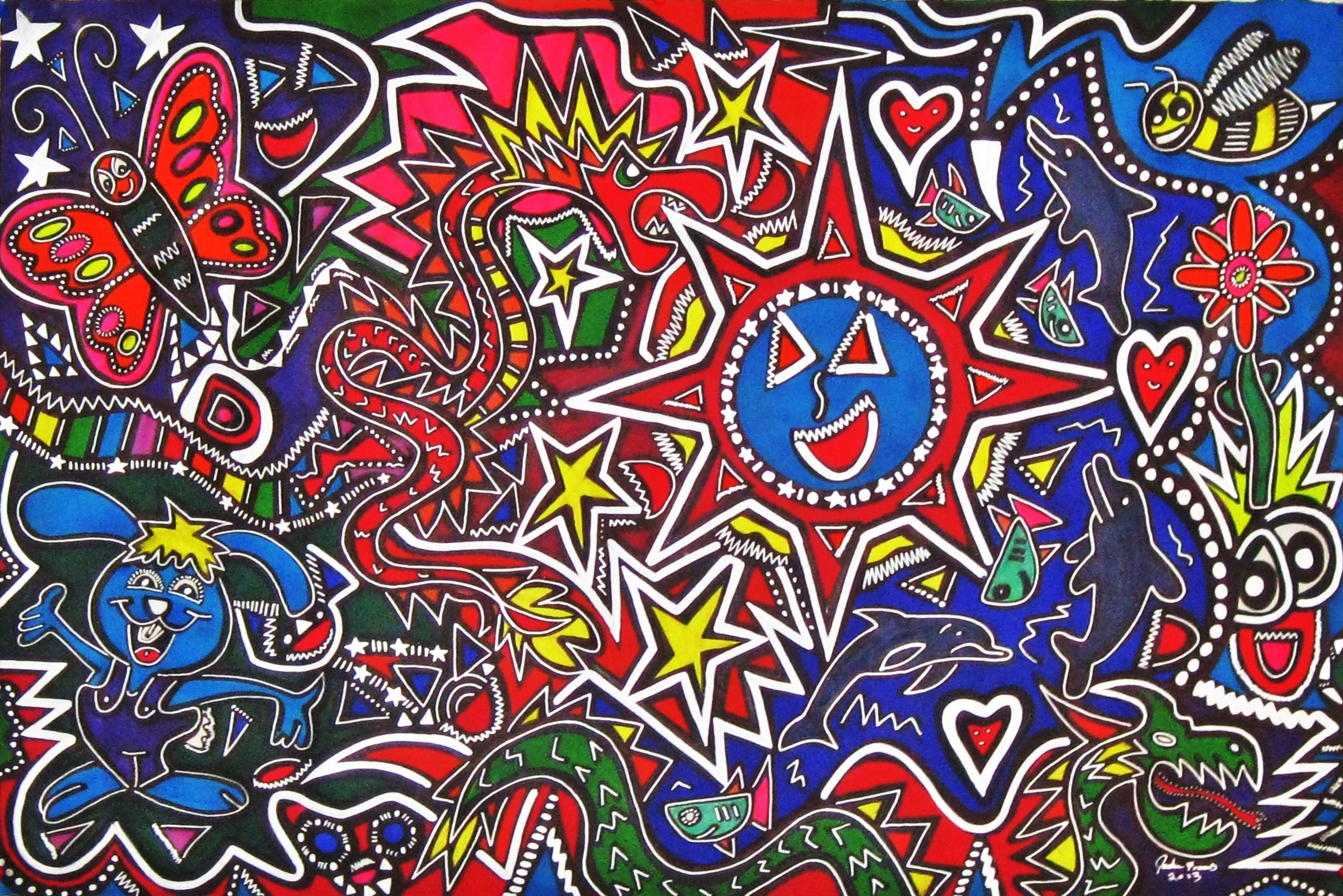
2014: Jackie Frances is the “Trans Artist”


1978 Jean-Michel Basquiat was the “Black Artist”
1983 Keith Haring was the “Gay Artist”
2014 Jackie Frances is the “Trans Artist”


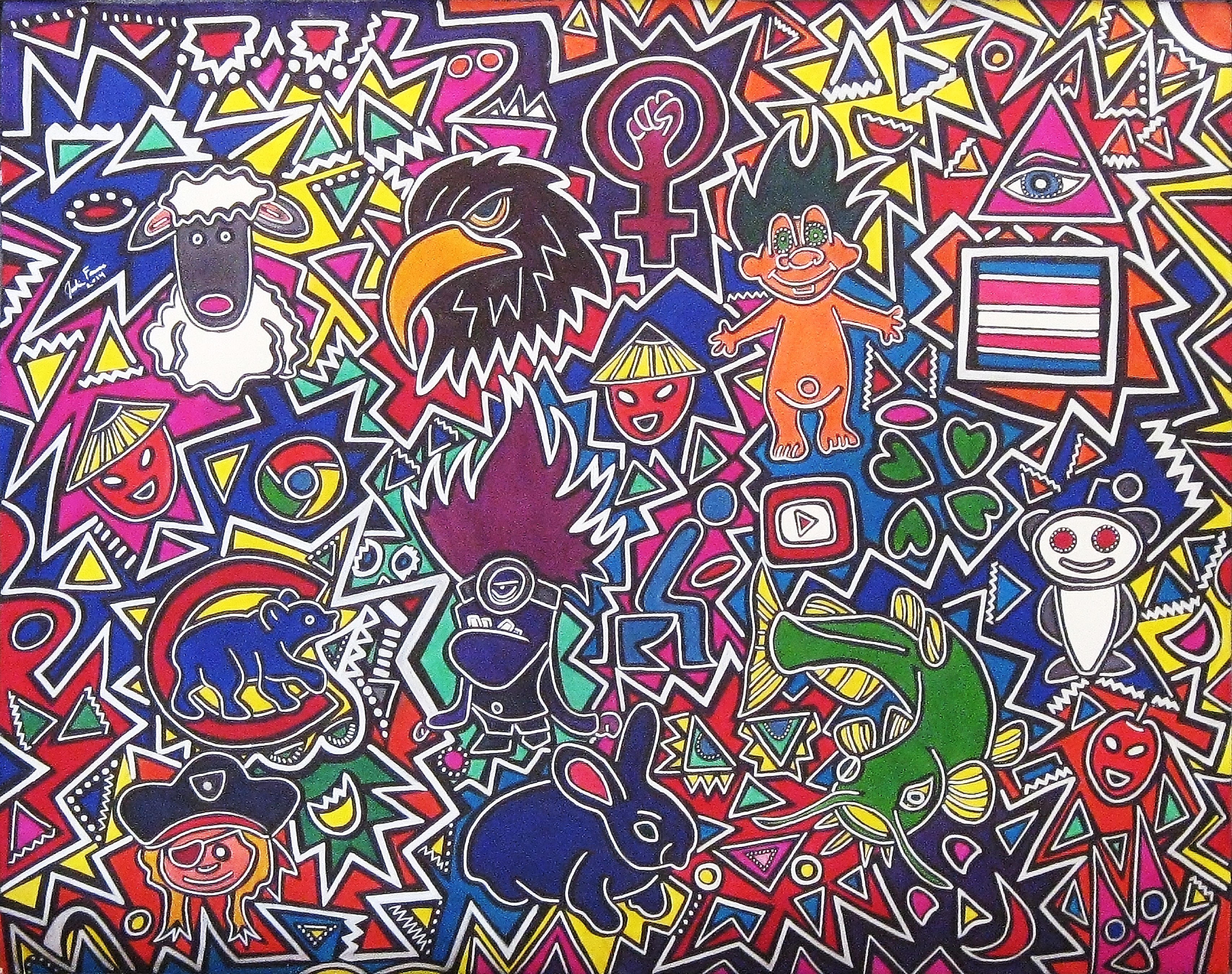
"Catfish Minions Sheeple and Trolls" 28x22

“Catfish Minions Sheeple and Trolls” 28×22


"Papa Doughboy and the Twekin Teddy" 30x20

“Papa Doughboy and the Twekin Teddy” 30×20


"That Jailbird's a Lemonhead" 28x22

“That Jailbird’s a Lemonhead” 28×22


"Sunnyville" 30x20

“Sunnyville” 30×20


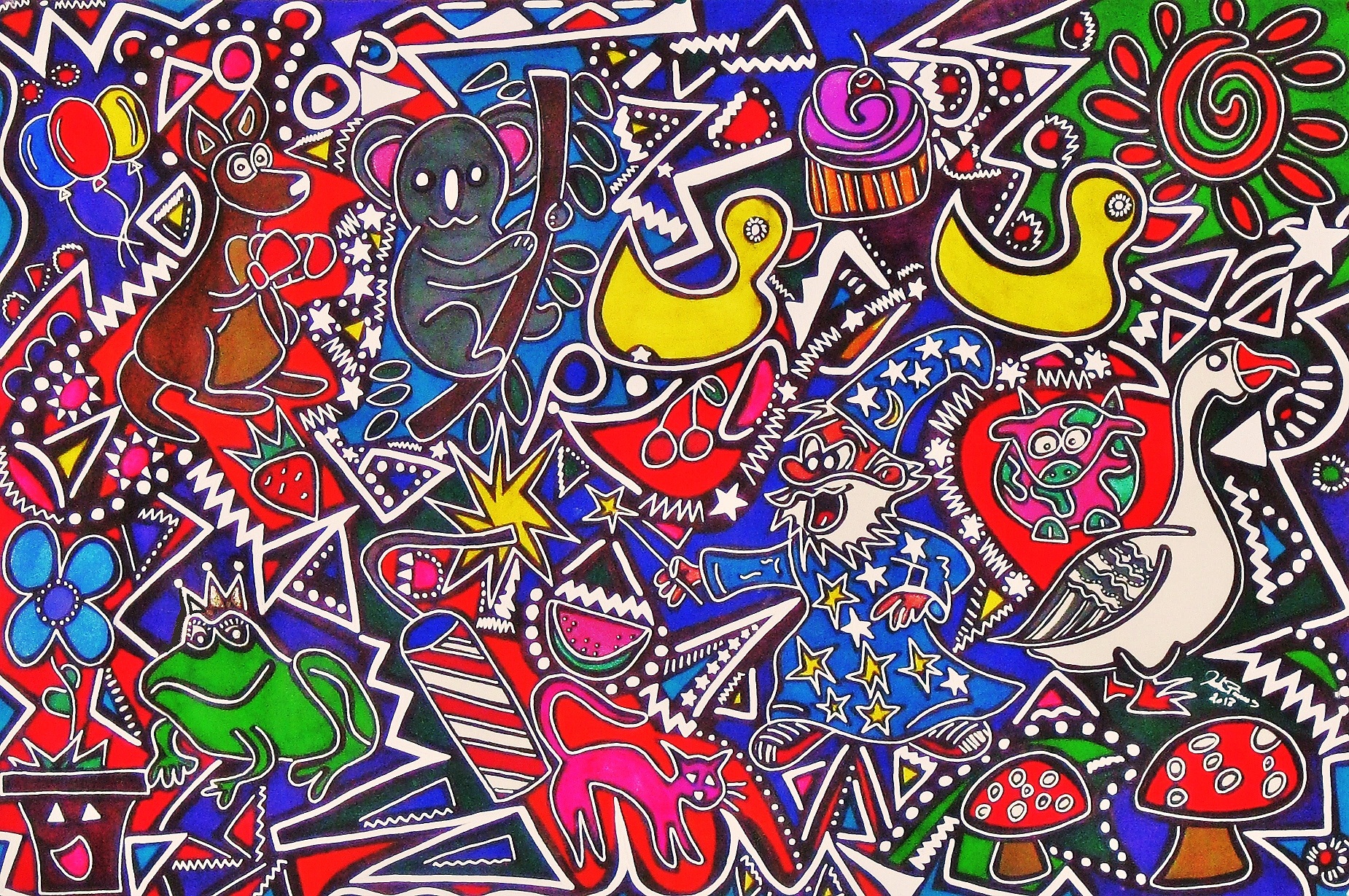
"Duck Duck Goose and the Boxing Kangaroo" 30x20

“Duck Duck Goose and the Boxing Kangaroo” 30×20


"The Birds and the Bees Doggy Style" 28x22

“The Birds and the Bees Doggy Style” 28×22


"Merry Go Round Brain Freeze" 28x22

“Merry Go Round Brain Freeze” 28×22


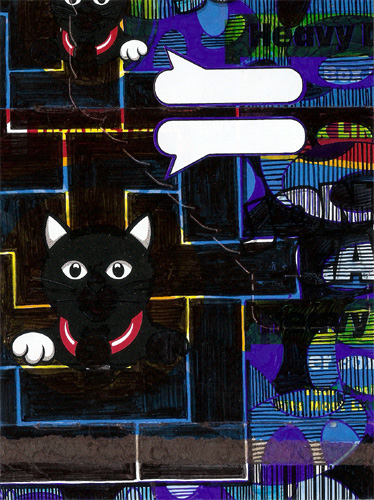
Jackie FrancesJackie Frances is a Boston-based, transgender artist who creates all her pieces with Sharpies. Jackie’s work has been said to be a mix between Picasso and Keith Haring.  As a child of the 80’s, her work is informed by the television, film, video and board games of that era: Tetris, Chutes and Ladders, Candy Land, Hell Raiser, The Muppets, Sesame Street, Fraggle Rock, Stephen King, etc.  She believes that art is a journey toward equality and that nostalgia helps light the way.

Follow Jackie on twitter @MsJackieFrances

see more of Jackie’s work on jackiefrances.tumblr.com

Sales and Showings contact msjackiefrances@gmail.com


Ophelos by TAPROOT

The goal of Creative Thresholds has always been to explore different genres and art forms, particularly those that trouble and work those boundaries. Until now the focus has been on writing and visual art. It’s time to expand and what better way than by sharing an excerpt from the collaborative performance ensemble TAPROOT‘s original production Ophelos?

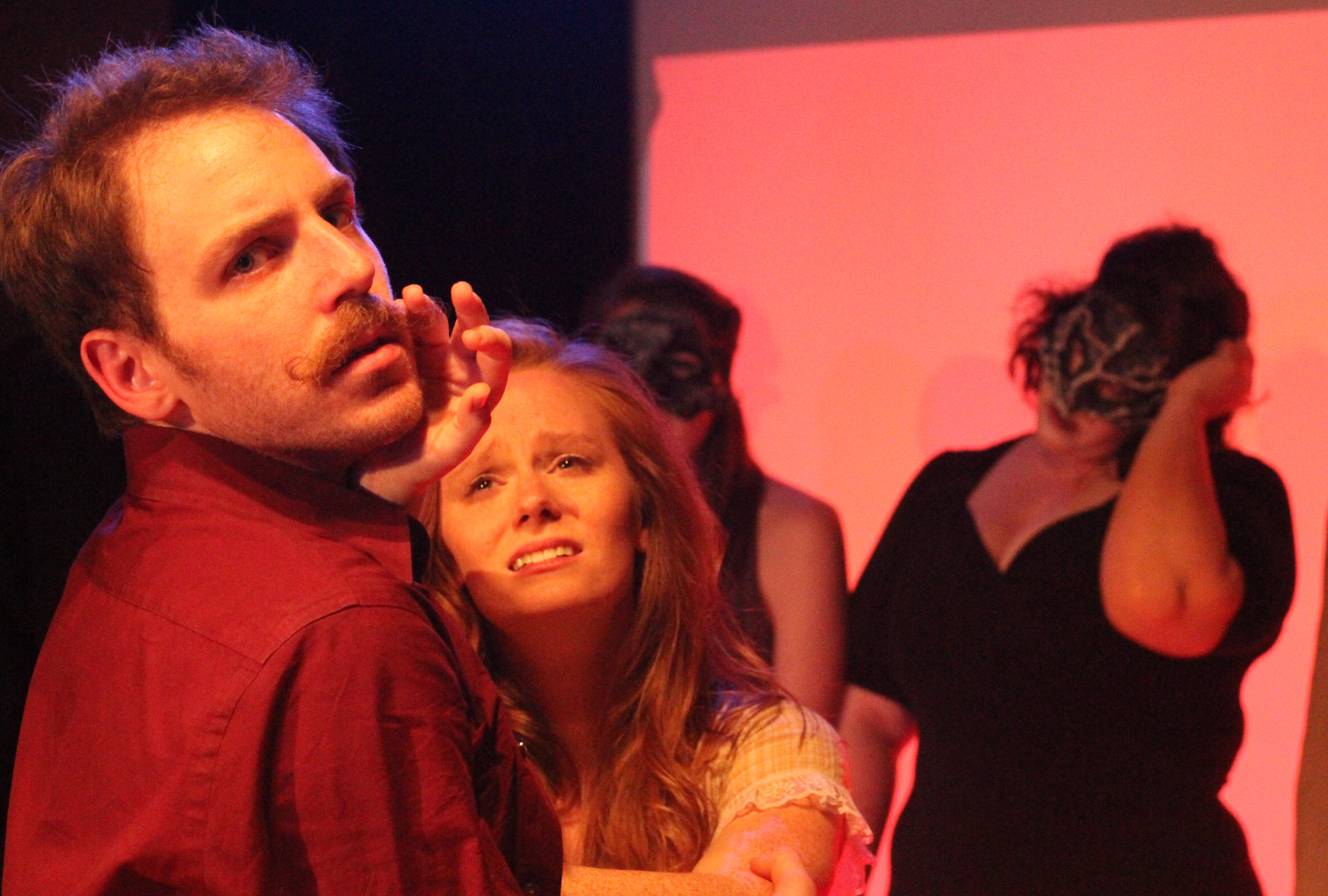
photo by Reuben Bloom

photo by Reuben Bloom

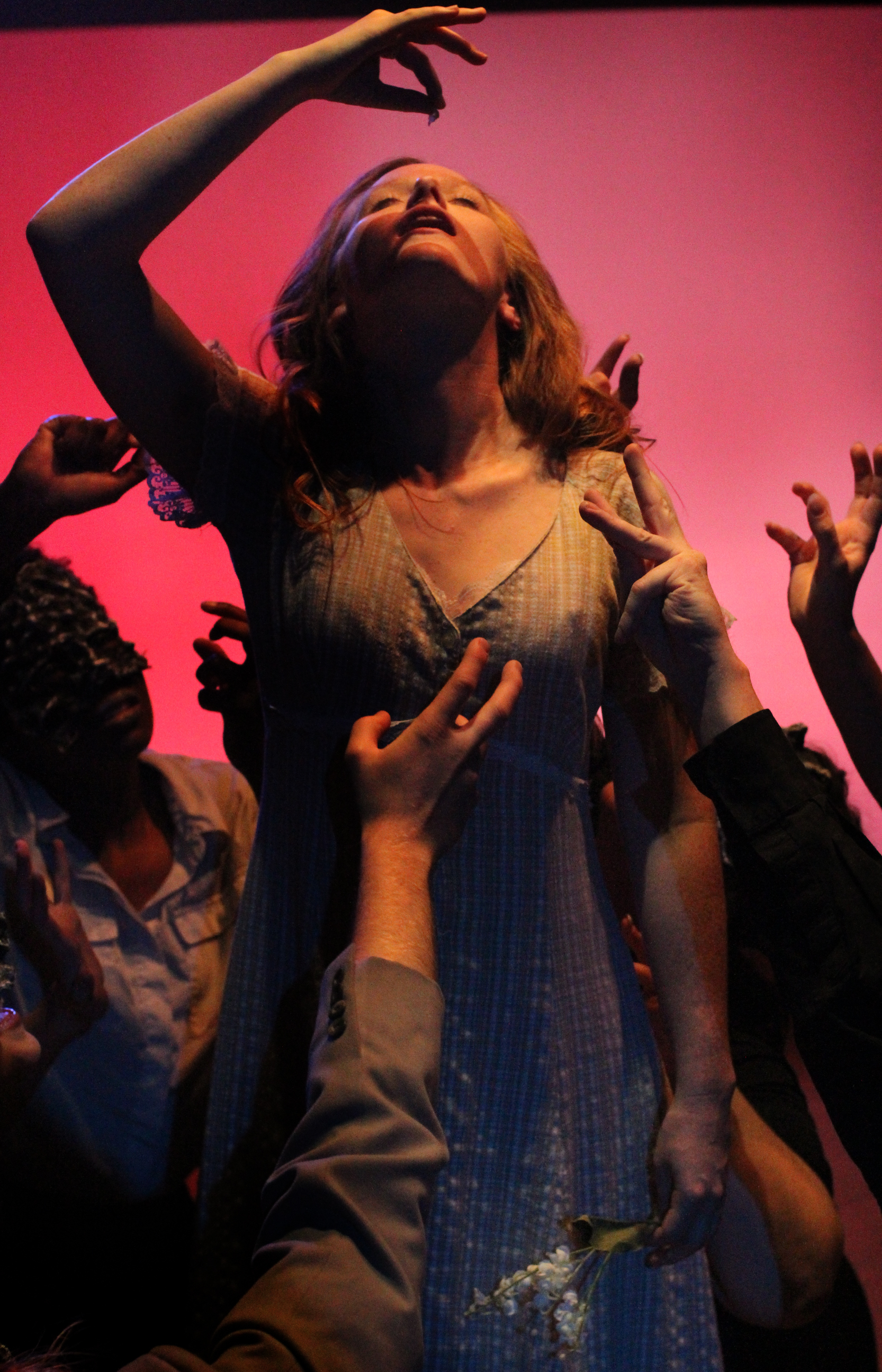
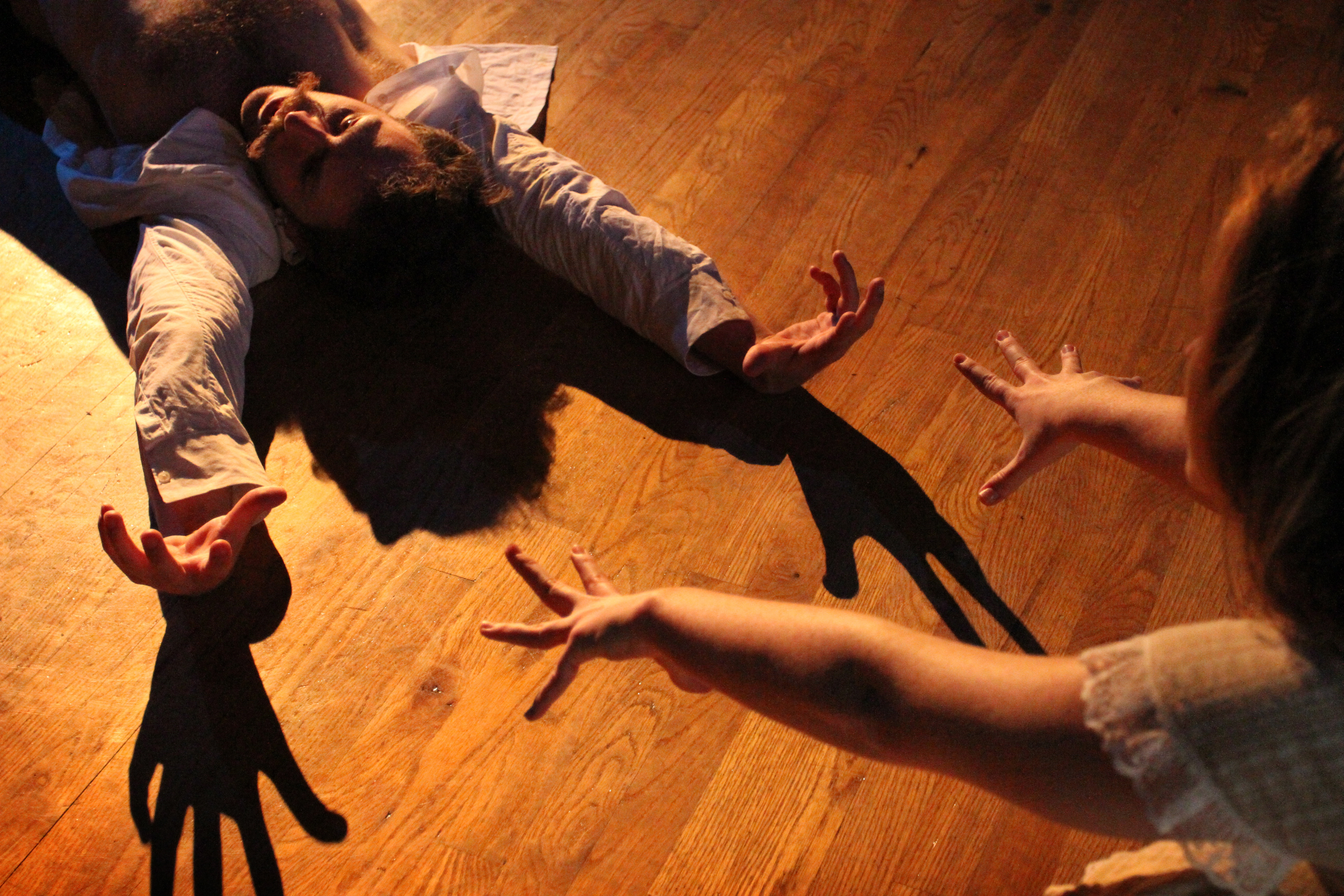
A young woman struggles against a destructive cycle of violence to save the man she loves from succumbing to a culture of vengeance. Enter the  violent, sensual, immersive theatrical experience of Ophelos

Ophelos 1 Reuben Bloom

photo by Reuben Bloom


Ophelos is an original performance piece told through movement, masques, music and shadow. It is designed to give the audience a performance experience which breaks down the fourth wall, with action taking place throughout the space. Based on the Scandinavian folk tale of Amleth with text from Shakespeare’s Hamlet, Ophelos transcends time using Shakespearean language, 1930s inspired costuming, original music, modern dance techniques and a unique understanding of multidisciplinary performance.
http://vimeo.com/75911762


Ophelos is being performed throughout April 2014 in the Charlotte, NC area.

Tickets – Sliding Scale $15 – $25

Kadi Fit – 19725 Oak St #6, Cornelius, NC 28031

Purchase tickets here
 
Upstage – 3306 N Davidson St, Charlotte, NC 28205
 
Purchase tickets here

photo by Reuben Bloom

photo by Reuben Bloom

TAPROOT is a collaborative performance ensemble working to build community and create innovative cross-disciplinary performance experiences through artistic collaboration that speaks truth and challenges audiences. All of TAPROOT’s original and collaborative works have worked to engage the greater Charlotte community by inviting public participation in feedback sessions throughout the development of each piece. TAPROOT also regularly offers free or low-cost programming that encourages artists to expand their techniques, ideas and peer communities. Learn more at TAPROOT’s website or Facebook page.

Notes from kingCARLA 2

By Carla Aaron-Lopez

kingCARLA  writes about the experience of being an emerging artist. Her first post was Notes from kingCARLA.

carla aaron-lopez 1

Ever heard the saying: You get a lot of NO’s before you get to YES?

I hate it. Drives me insane. Especially when I get turned down for exhibitions when I know my shit is tight. But alas, life moves on… because it has to. Doesn’t it?

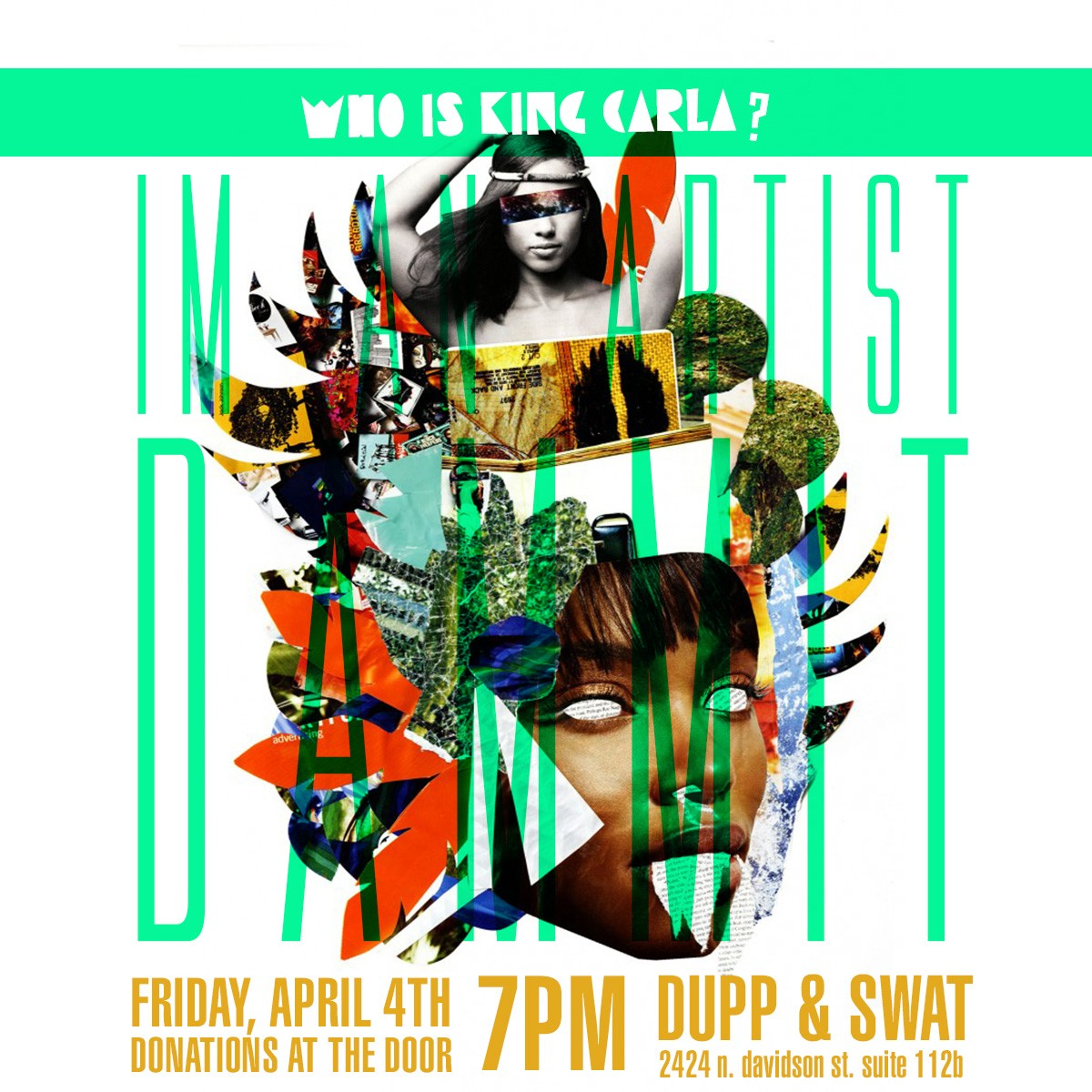
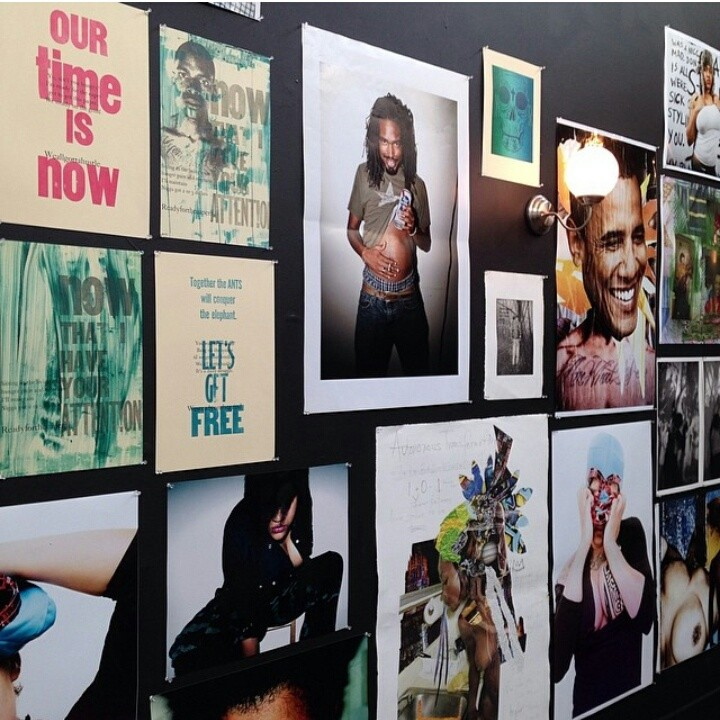
Recently, I introduced myself to Charlotte, NC to a small crowd of people that I knew and people that I didn’t know. I’m quite into creating my version of Southern culture therefore I served everyone cherry moonshine. By the end of the night, people were happily drunk and into the works that I put on the wall. Now that that night is over, I find myself back in the mundane motions of an everyday routine. And today in email form about a juried exhibition in DC, I received my last no. Like, seriously folks, the shit is really beginning to piss me off so bad that I don’t know what my next move is but when I get there I’ll let you know what I did.

carla aaron-lopez 2As an emerging artist that is trying to take my professional life seriously, I’m working through these issues all artists have. Some of us will be able to get over them. Sadly, most do not. If I continue to have a temper tantrum or fall into depression every time I get a no then I’m not really living my artist life to the fullest. Therefore, when things like this show up… I review my resume.

Why?

Because I can remind myself of all the work I’ve put in over the past 10 years as an artist and to see where I would like to be for the next 10 years. Life steadily evolves without our permission. If I spend all my time concentrating on the bad/negative/upsetting parts I will miss my opportunity to shine. And that moment is coming up soon in the form of a panel discussion at Georgia State University on blackness as aesthetics. Bruh. I know that shit so well for the weird negros, white folks and people of color in America. I’ve chosen that event at this moment to be that professional artist I see myself as when no one is around. That campy motherfucker with a Southern twang dropping sweetly ignorant yet highly intelligent verbals from her mouth. A modern day Zora Neale Hurston.

My fantasies. They’re huge. Tengo grandes cojones… metaphorically speaking.

Back to the resume review.

In order to play the character I’ve created, I need to review what I’ve done and what it means to me. I think that from there I’ll be able to have a stronger basis for my aspirations as an artist and begin boiling down who my audience is. And I know my audience is small. I believe them to be a perverse group of humans that are rather bored with mediocrity and normalcy of American culture. They hate what’s perfect and enjoy the seedy underbelly of popular culture. It’s dangerous grounds to lurk in those spaces but to an outcast (or marginalized person) it is home and peaceful. For years, I’ve created works that attract this group of people. That is, within reason because the rabbit hole of human oddities runs very deep and very scary. I’m fascinated by the relationship of what’s considered normal in societies and what’s marginalized in terms of the human experience.

carla aaron-lopezMaybe that’s why I get so many no’s. I’m black woman but don’t really care to produce works again and again on the gaze/masculinity of white and black men. I’d rather empower a bitch and keep it moving but don’t call me a fucking feminist. And because I’m black, I’m bored with the constantly reproduced slave narratives. The content needs to be really fucking fascinating or else I forget about it. I know my history very well therefore I seek to produce works that challenge the new contemporary ways in which racial/sexual contracts are upheld in American culture. Now, that shit can go somewhere over hill and into outer space. Maybe I need to be a male artist.

Maybe then I’ll get noticed.

Nope. Fuck that.

I know my day will come when I stop getting Wangechi Mutu references. Until then, fuck these no’s. I’ve got more exhibitions to apply to, a new body of work to establish, a panel discussion to prepare for and a baby boy to raise in America.

I ain’t got the time to be in my feelings over a damn no.

And neither should you.

Peace,
kingCARLA

kingCARLA with friend Solomon at "Who is King Carla?"

kingCARLA with friend Solomon at “Who is King Carla?”


Artist: Carla Aaron-Lopez 

woke up with my horns on. fell in love with a cadillac. born/raised in charlotte, nc. baptized in the dirty south also known as atlanta.

@iamkingcarla
whoiskingcarla.com