Recent

Selections from “Put Your Hands Where My Eyes Can See”

by Charles Williams

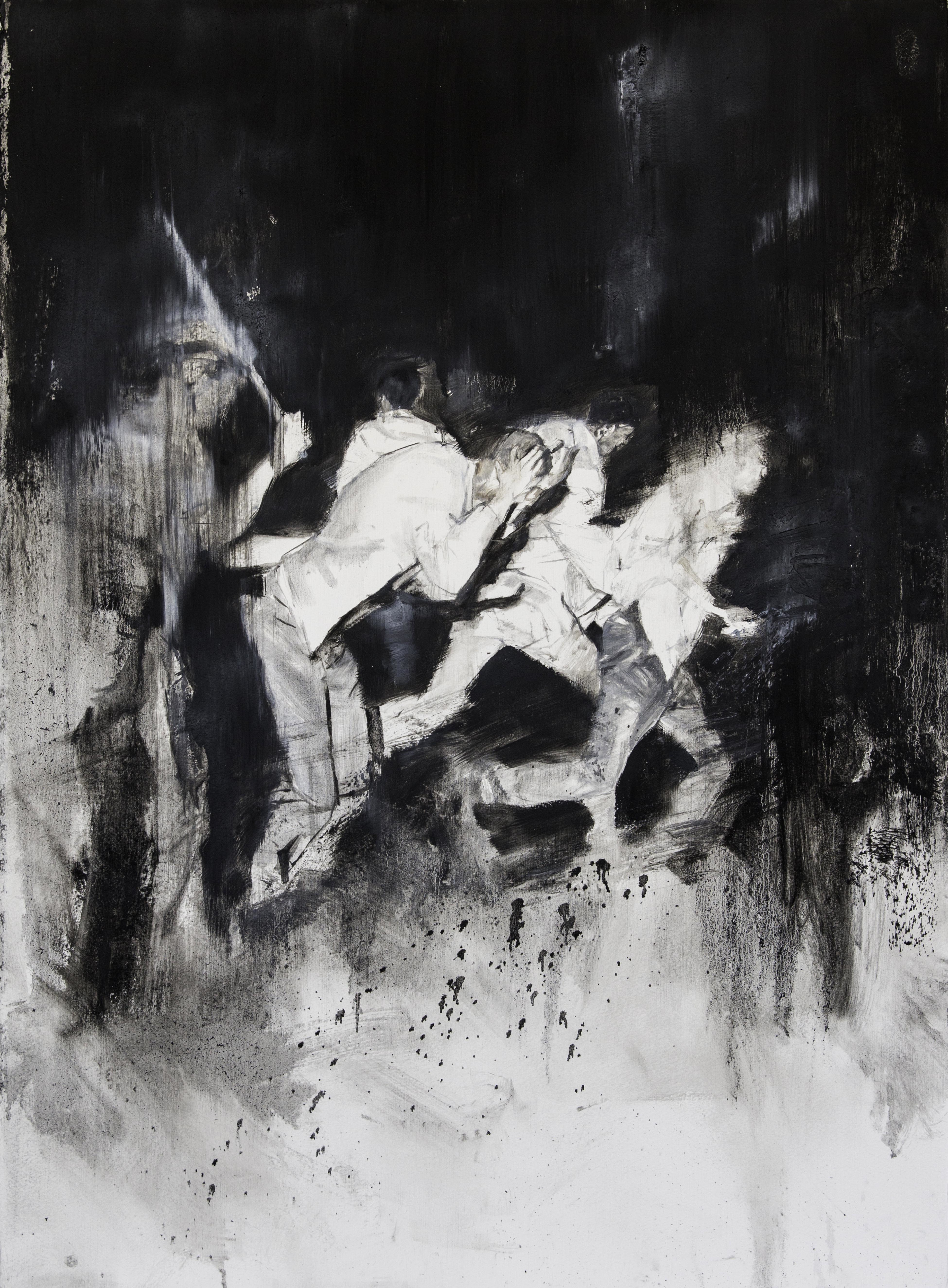
CONFRONTATION III - JULY 17, 2014 - 48"X48"- Oil on Panel

CONFRONTATION III – JULY 17, 2014 – 48″X48″- Oil on Panel

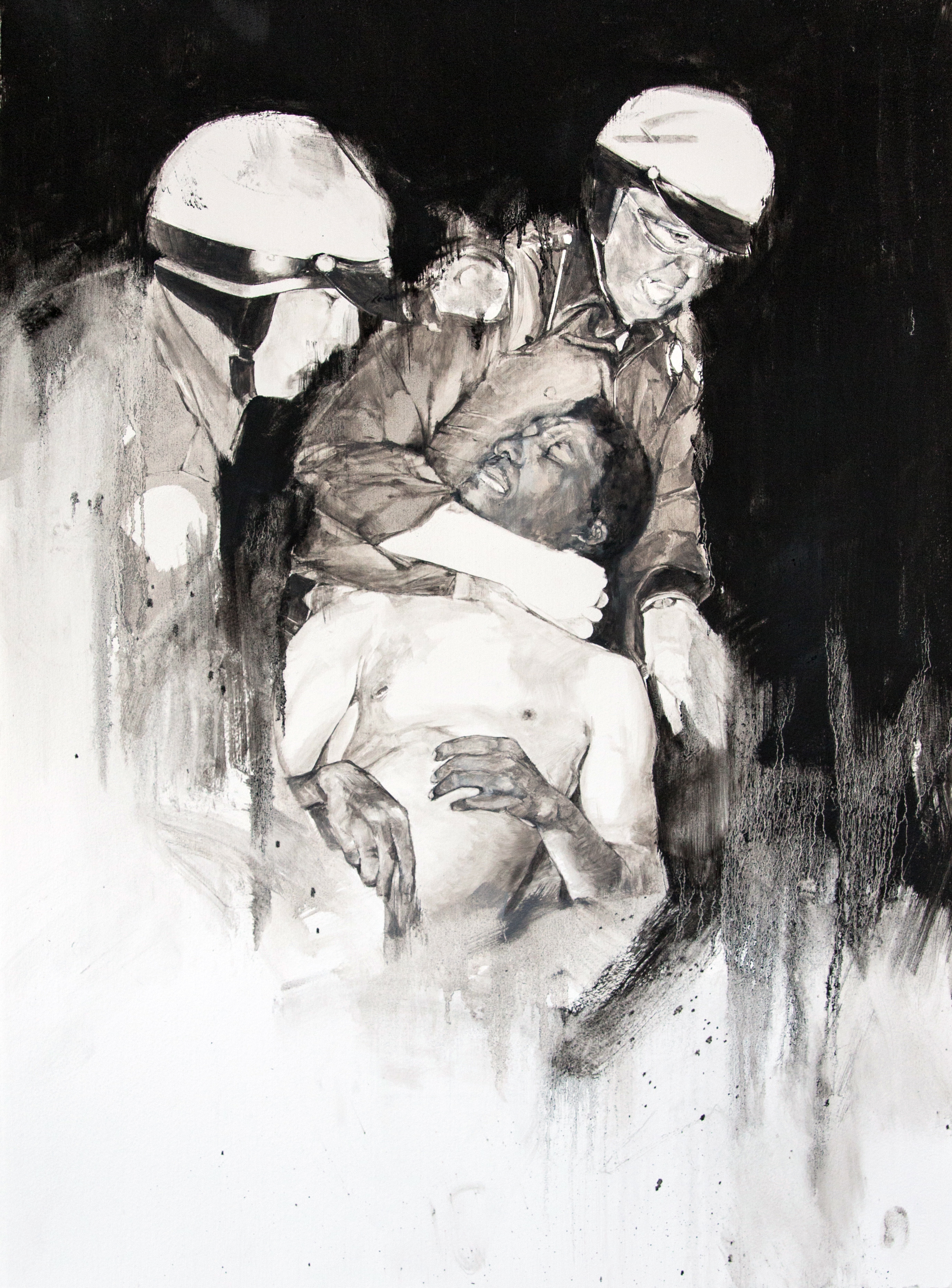
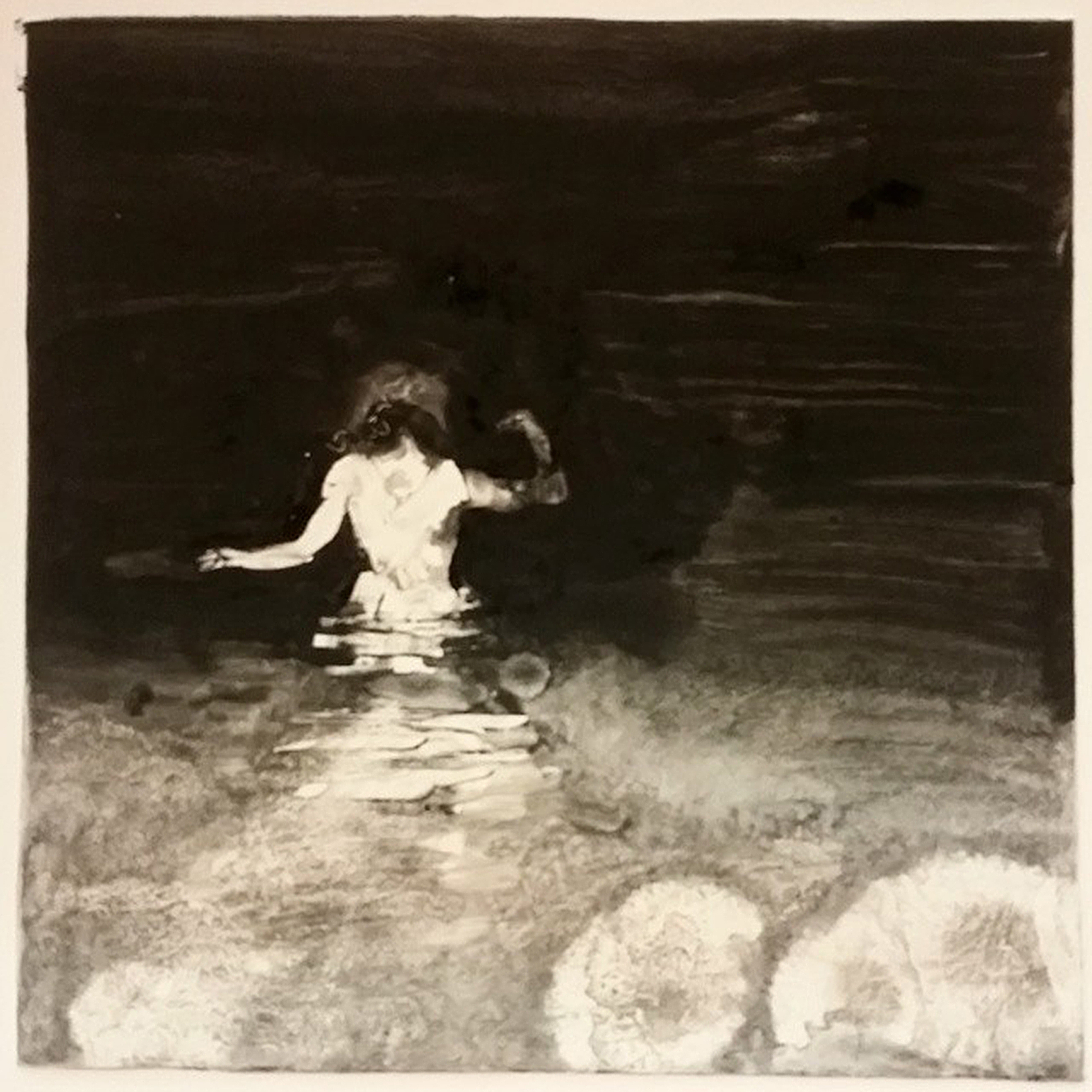
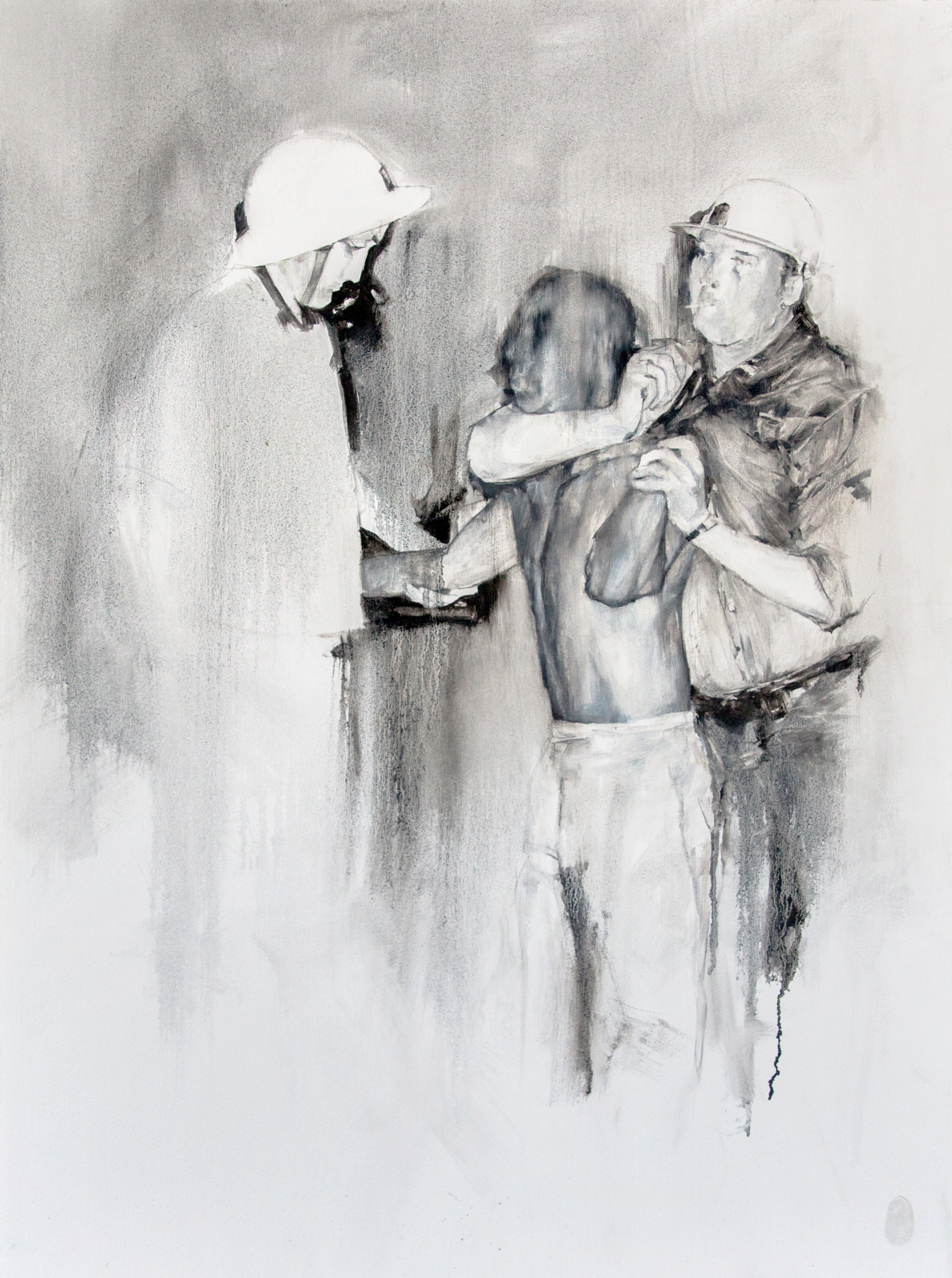
CHOKEHOLD - Harlem, July 1964 - 22"x30" - Oil on Watercolor Paper

CHOKEHOLD – Harlem, July 1964 – 22″x30″ – Oil on Watercolor Paper

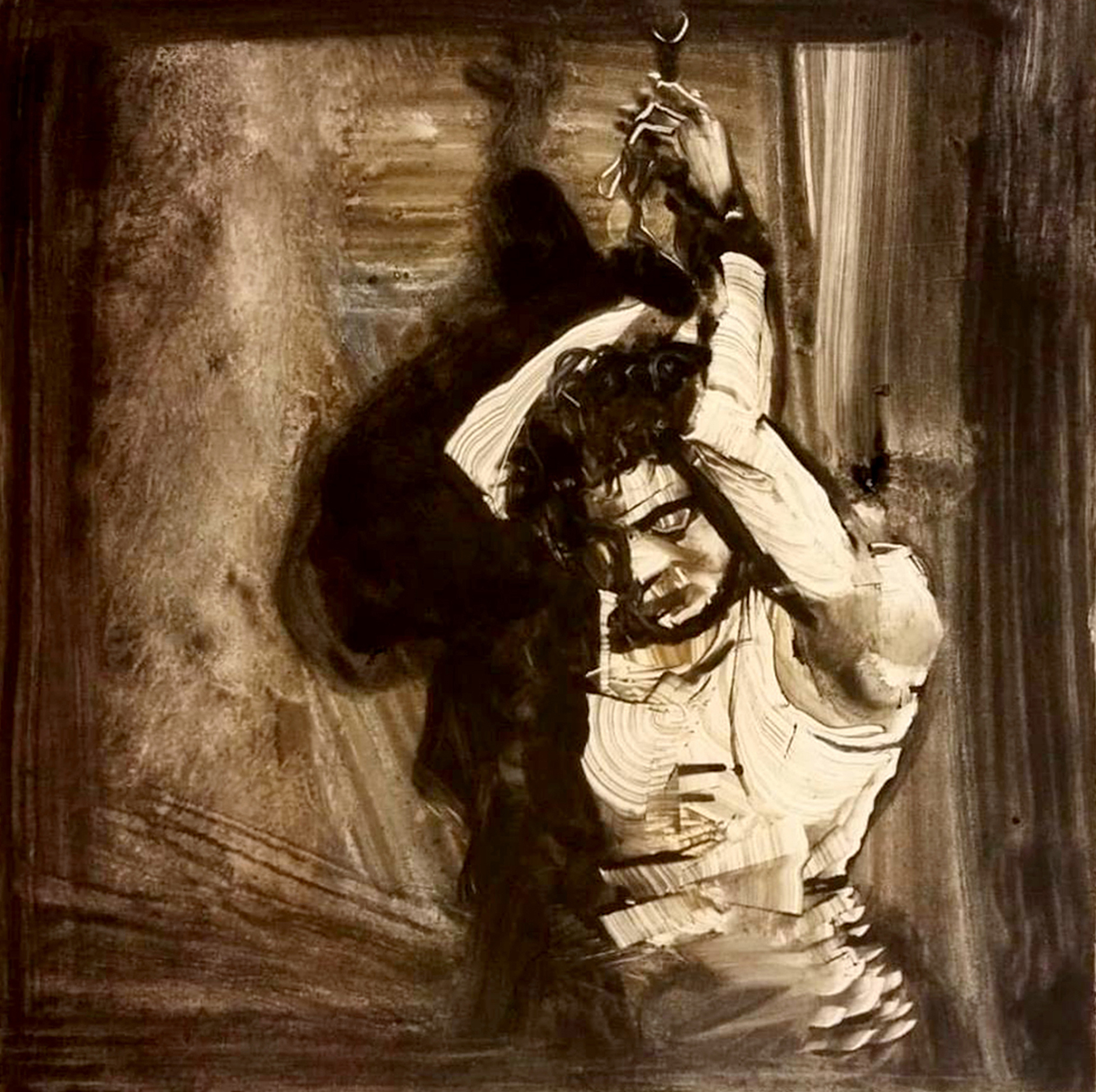
NIGHTSTICK - Harlem, July 1964 - 22"x30" - Oil on Watercolor Paper

NIGHTSTICK – Harlem, July 1964 – 22″x30″ – Oil on Watercolor Paper

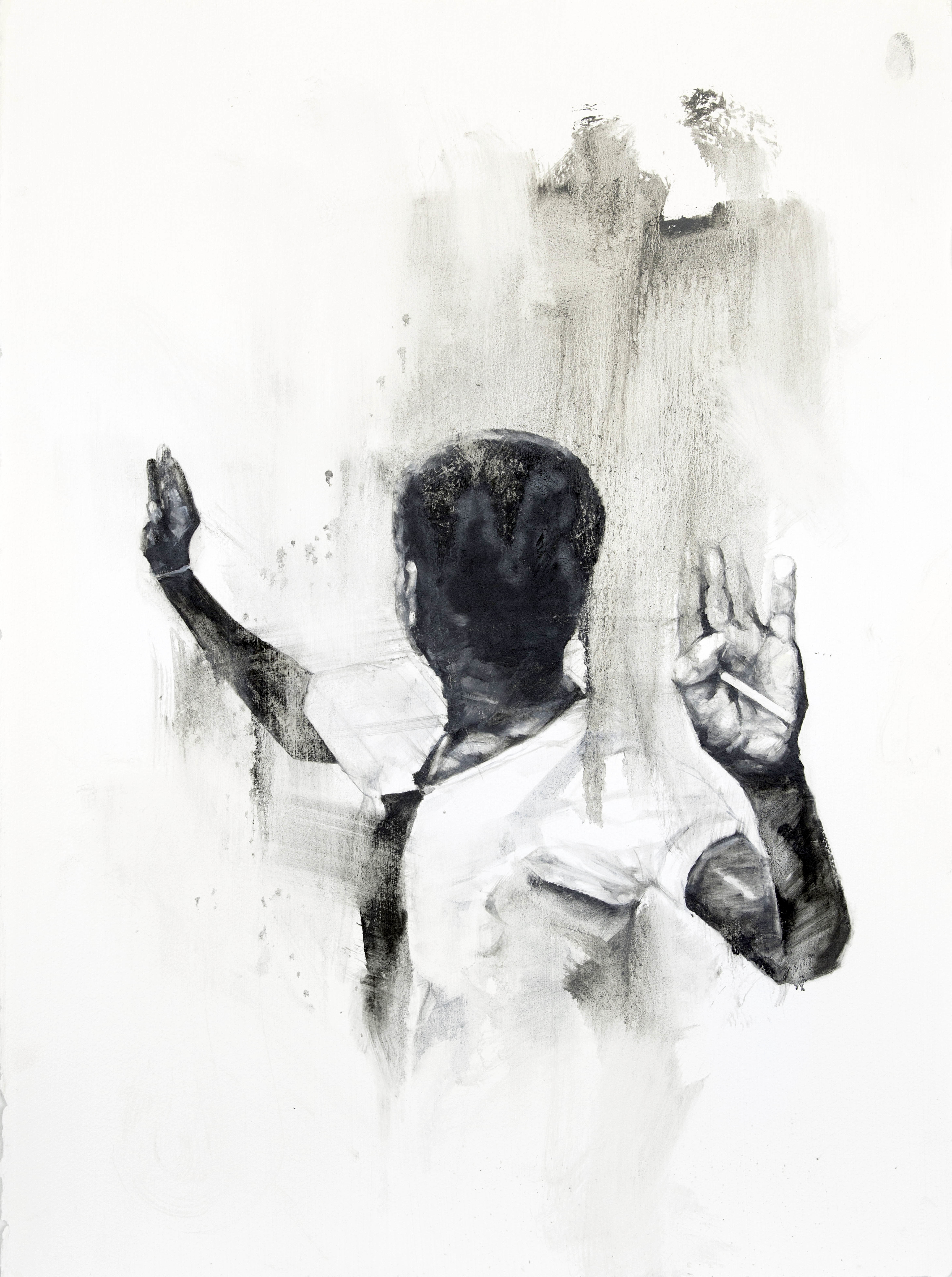
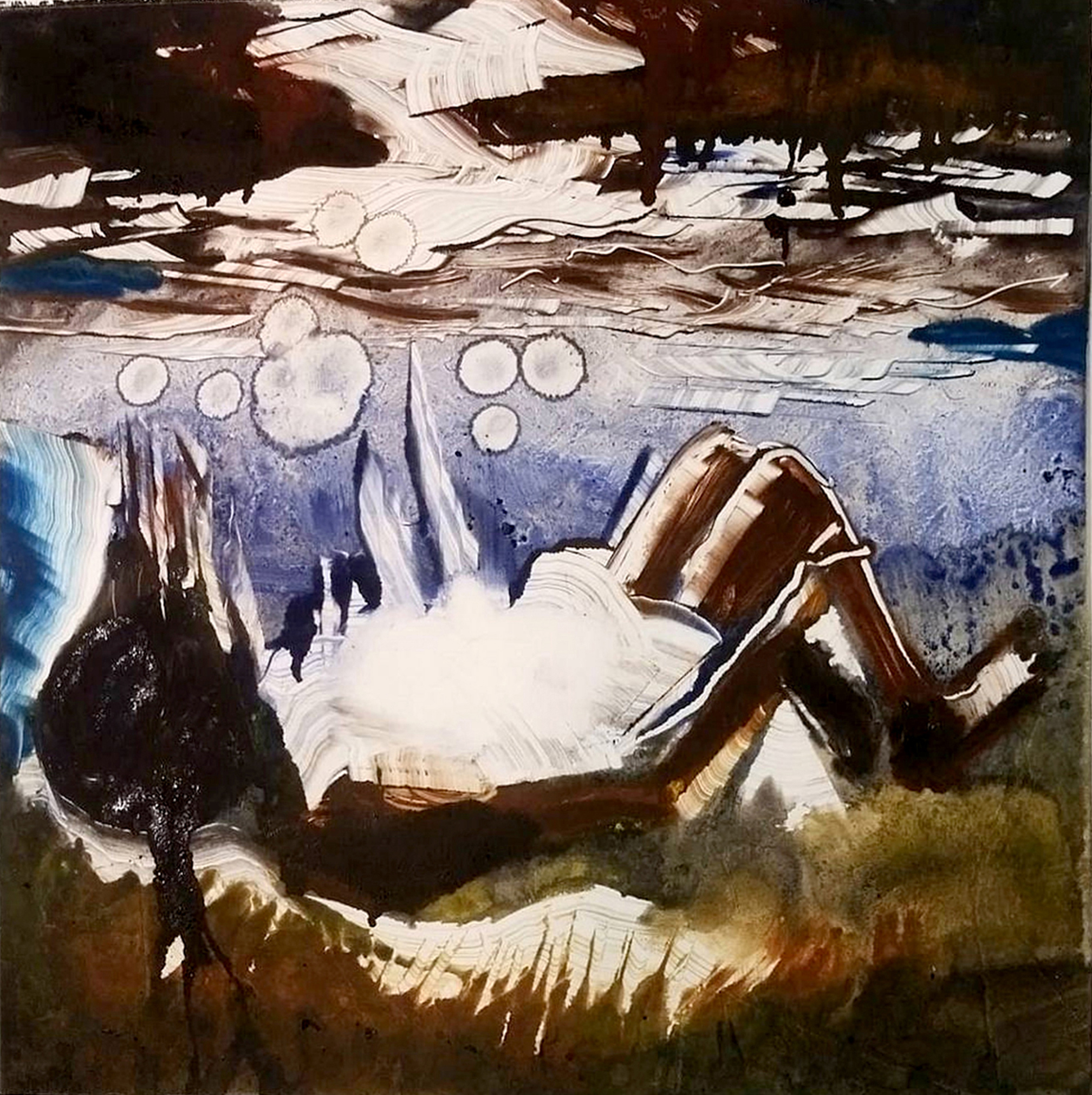
RIOTER - Watts, August 13, 1965 - 22"x30" - Oil on Watercolor Paper

RIOTER – Watts, August 13, 1965 – 22″x30″ – Oil on Watercolor Paper

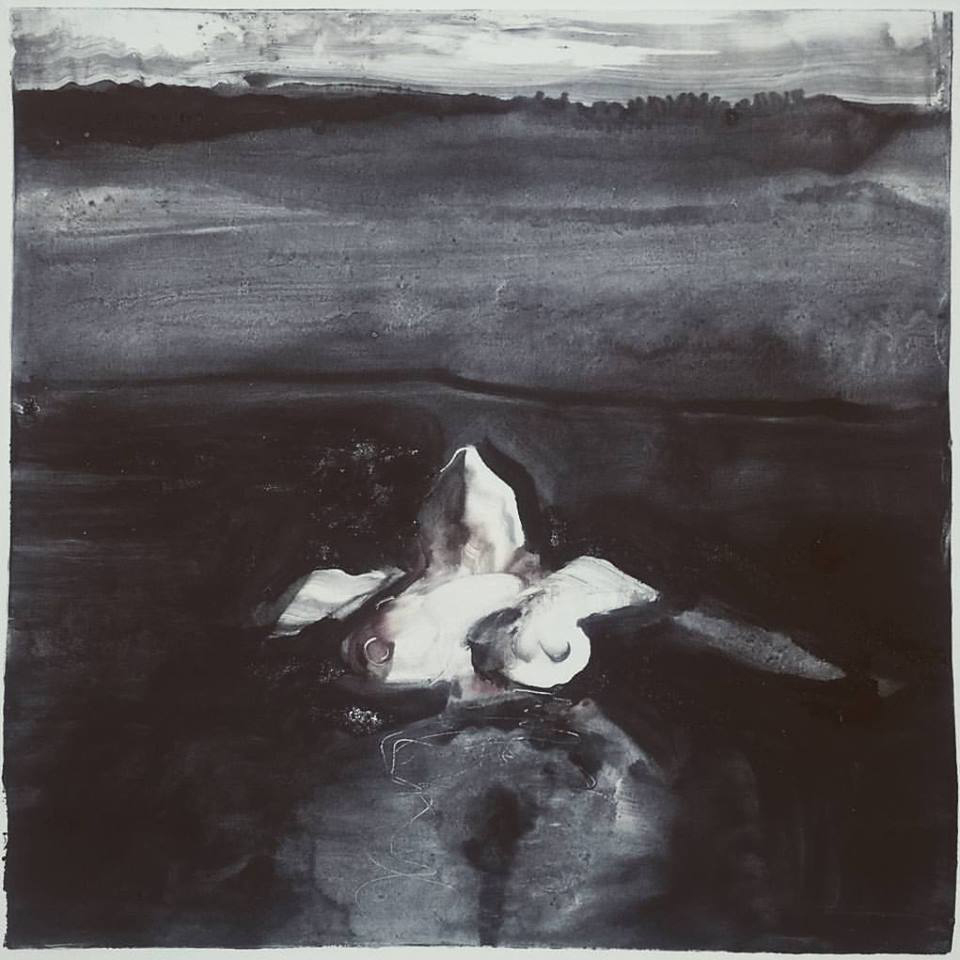
KID WITH LUCY - Newark, July 1967 - 22"x30" - Oil on Watercolor Paper

KID WITH LUCY – Newark, July 1967 – 22″x30″ – Oil on Watercolor Paper


“Put Your Hands Where My Eyes Can See” is showing at Winthrop University in Rock Hill, SC from September 19-November 11, 2017. There is an artist talk and gallery walk-through Thursday, October 20 at 7:00. Info here.

More of his work can be seen in the exhibition “BLACK on BLACK,” which runs from October 7-27, 2017 at VAE Raleigh.


charles-williams-todd_turner_photography-5-2Charles Williams is a professional contemporary realist painter from Georgetown, South Carolina and a graduate of the Savannah College of Art and Design (SCAD) in Savannah, Georgia with a Bachelors Degree in Fine Art. From utilizing oils for the basis of landscapes, each painting captures his reflection of human emotions in response to and in sync with the natural environment. Recent achievements and awards include a Hudson River Landscape Fellowship, featured work in the Artists Magazines 28th Annual Art Competition, honorable mention from Southwest Art Magazines 21 Emerging Under 31 competition, 2012 Winner of the Fine Art Category from Creative Quarterly and featured cover artist of Composite and Professional Artist Magazine. Williams’ works has been shown in American Art Collector, Empty, Charleston Magazine, Grand Strand, Studio Visit, Bluecanvas and other national publications. He was recently interviewed and broadcast on ETV/ NPR station, entitled: Nature Through the Eyes of an Artist. His contemporary landscapes have been exhibited in group and solo exhibitions in galleries in New York, Vermont, California, Georgia, South Carolina and several other southeastern states.

Website: cewpaintings.com
Blog: cewpaintings.blogspot.com


On Canvas

by Raewyn Senff

a winter's walk

a winter’s walk

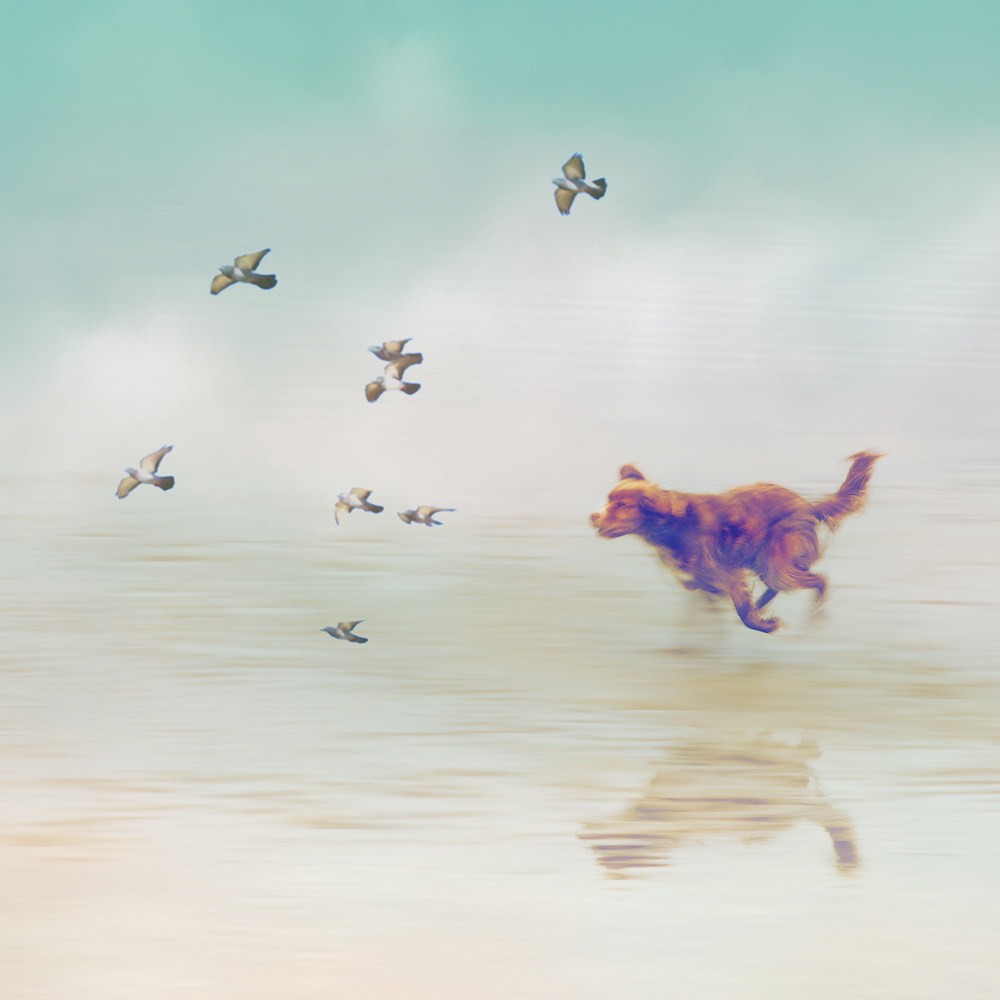
chasing them down

chasing them down

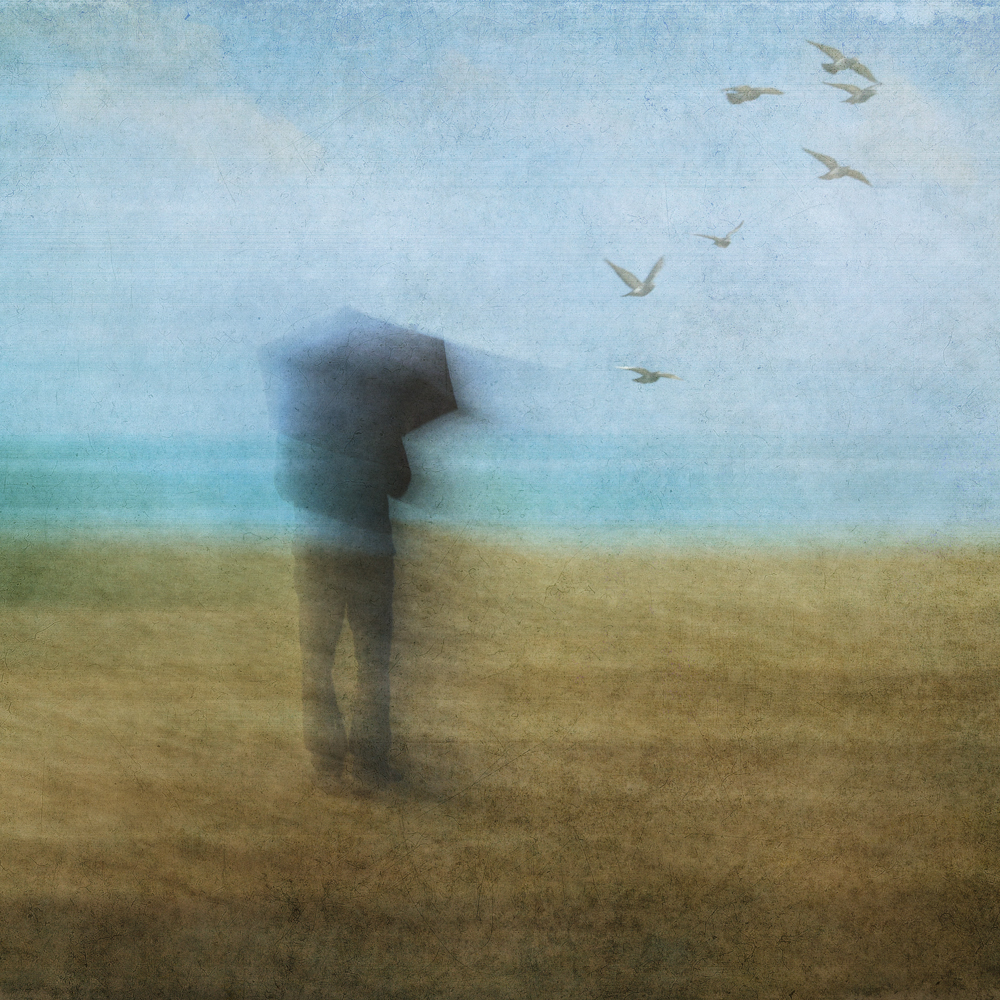
raewyn-senff-flying-south

flying south

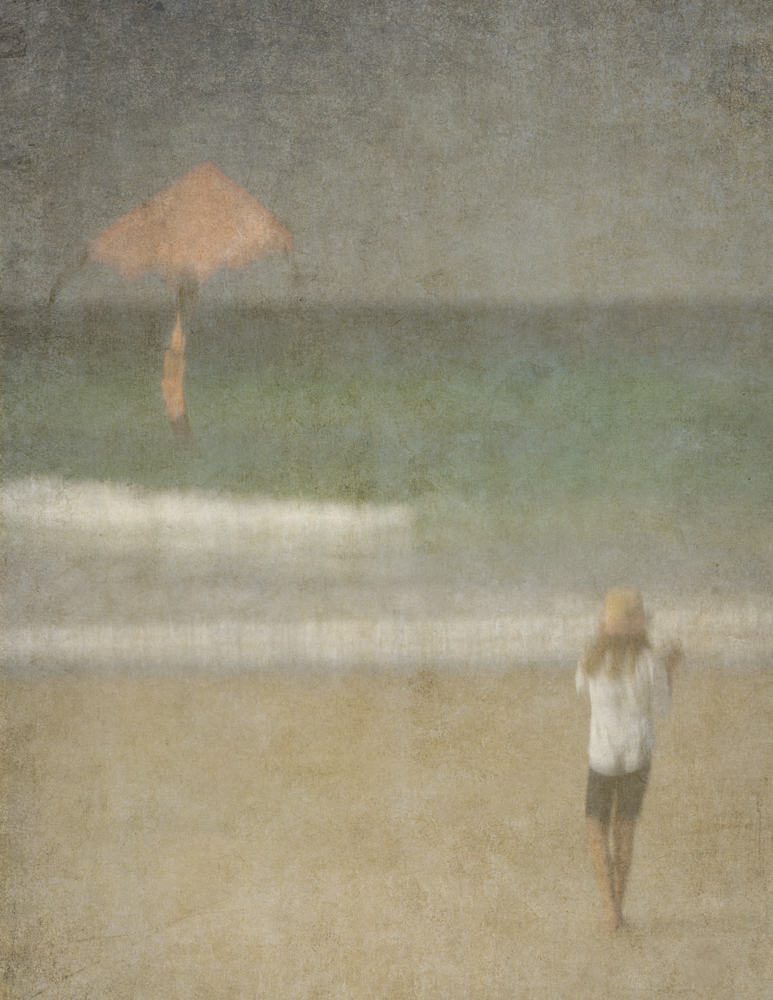
kite flyer

kite flyer

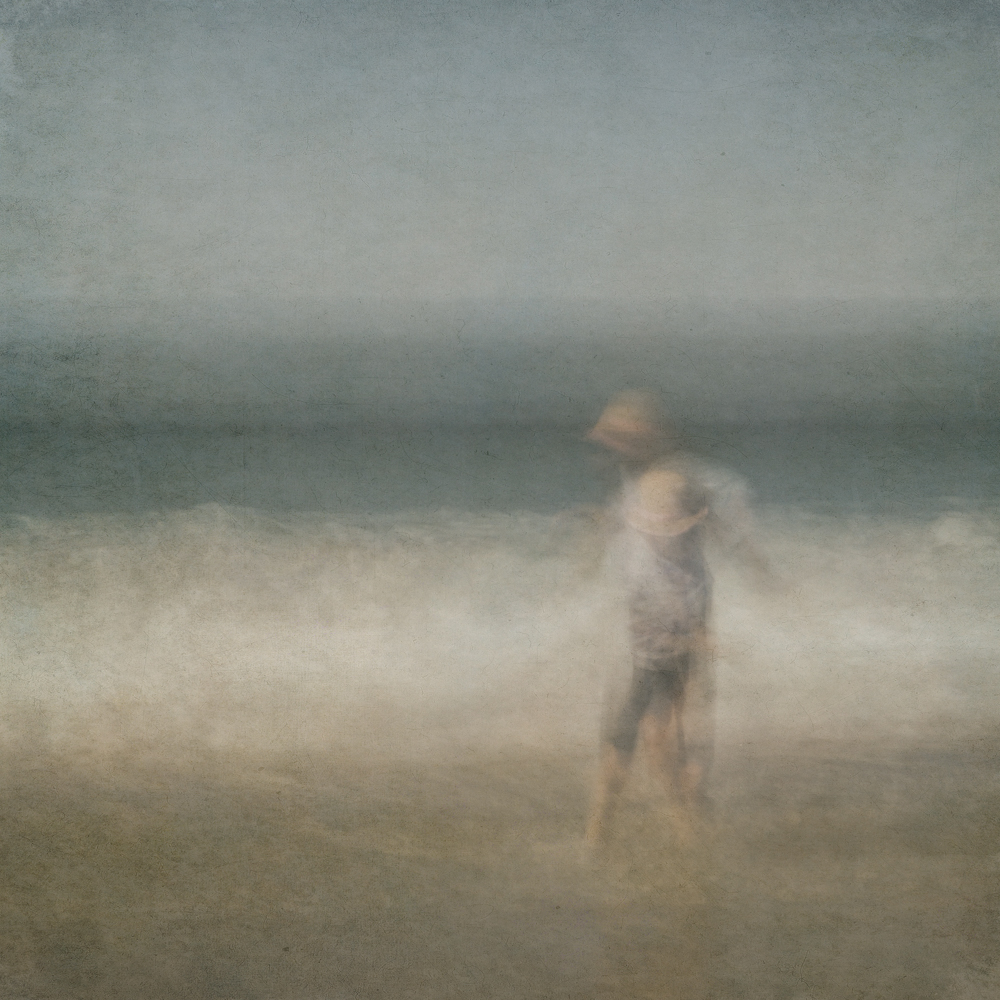
let them play

let them play

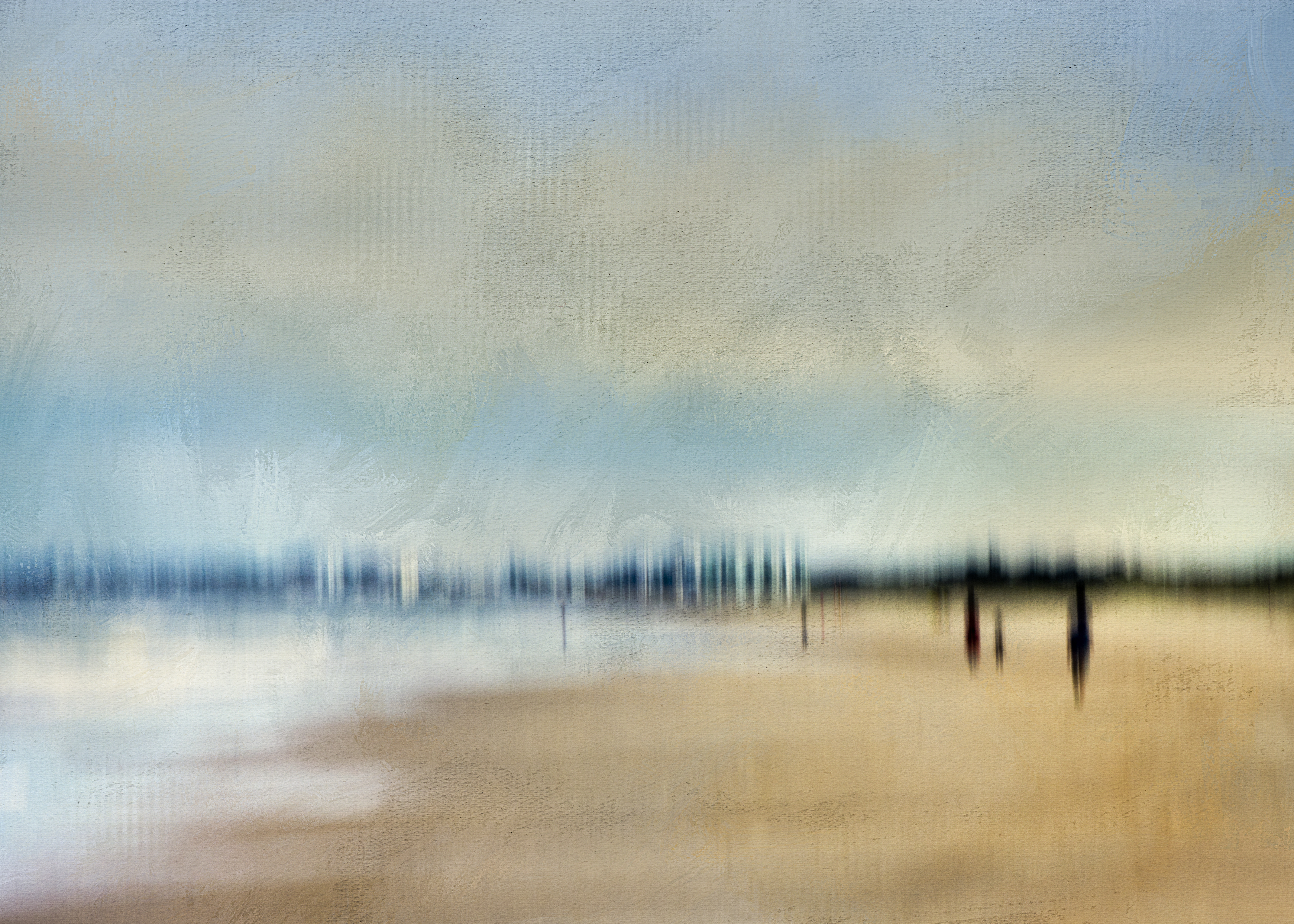
strolling Mujimba beach

strolling Mujimba beach

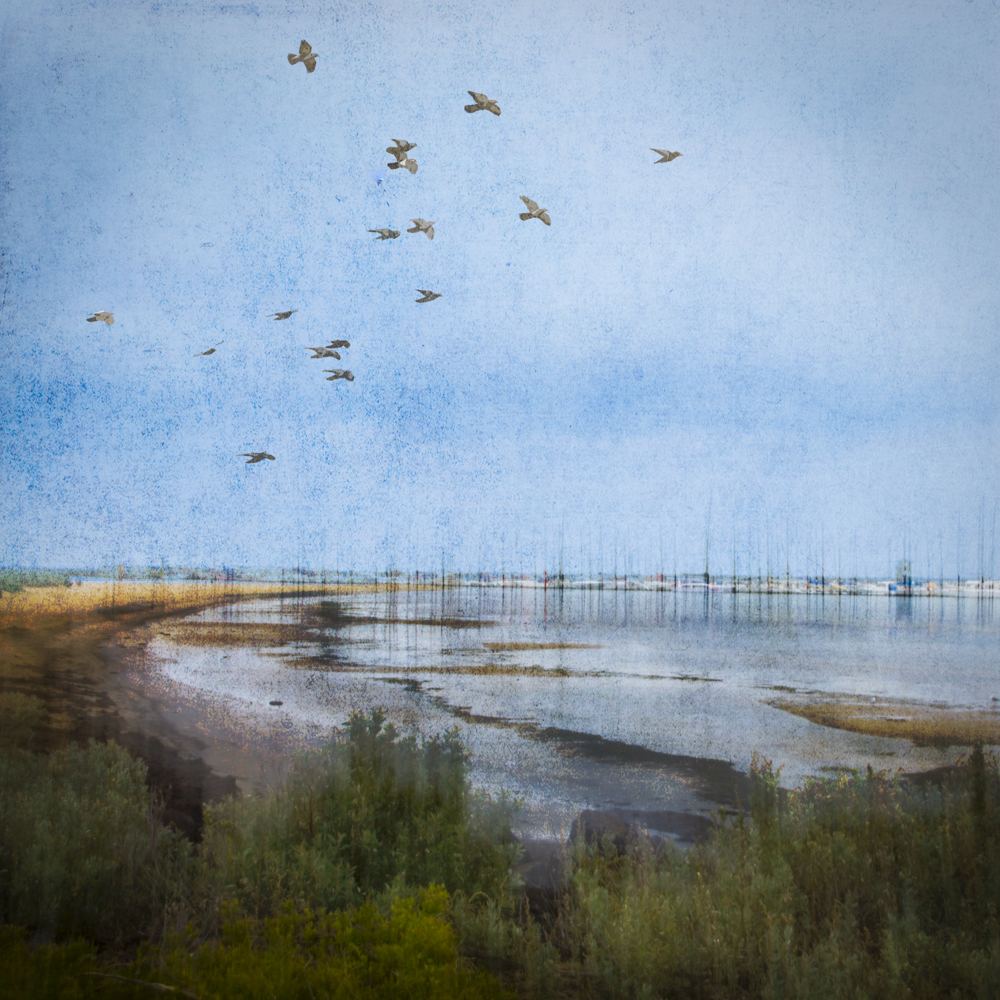
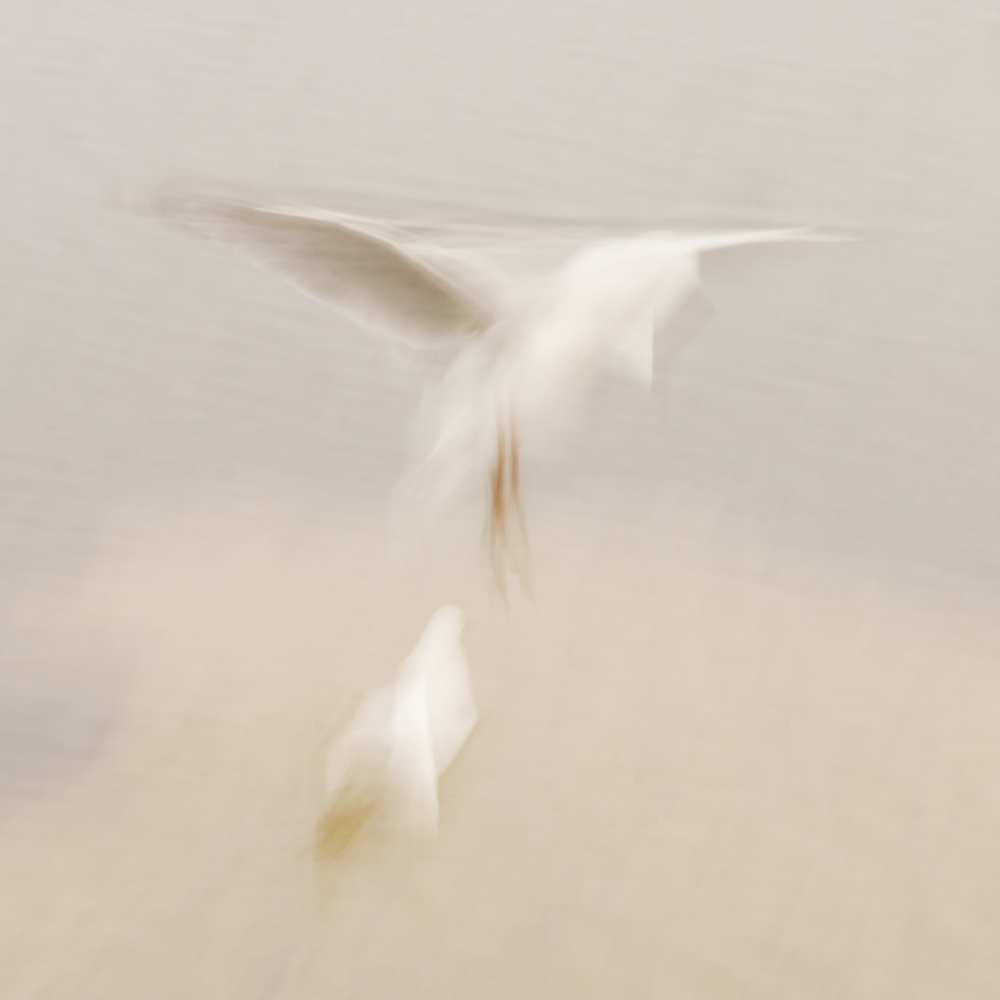
taking flight

taking flight

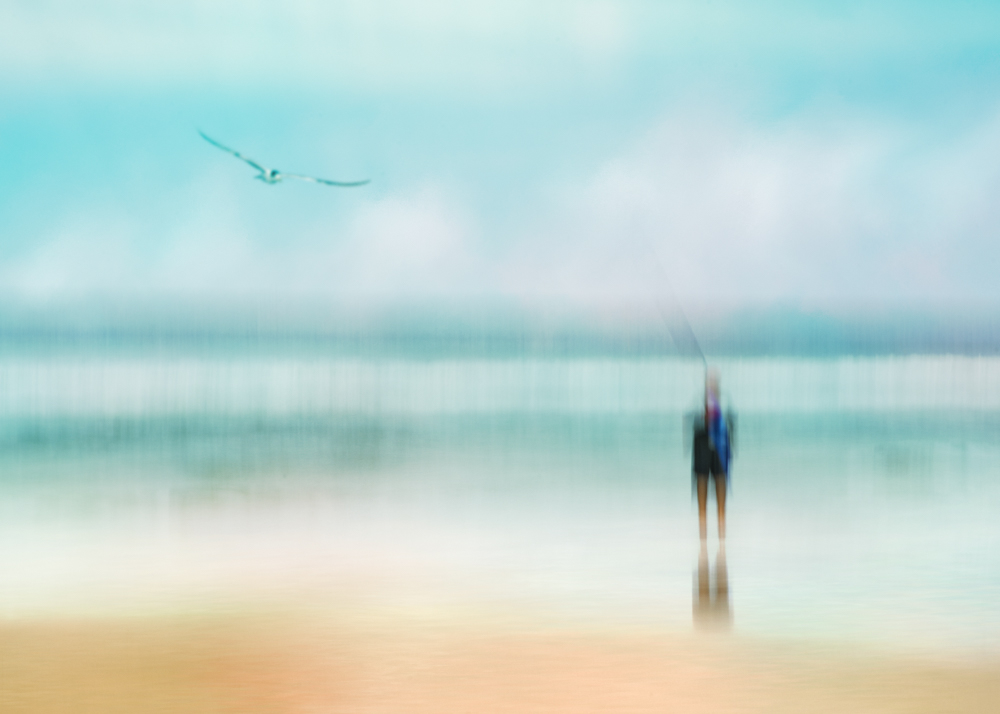
the fisherman

the fisherman

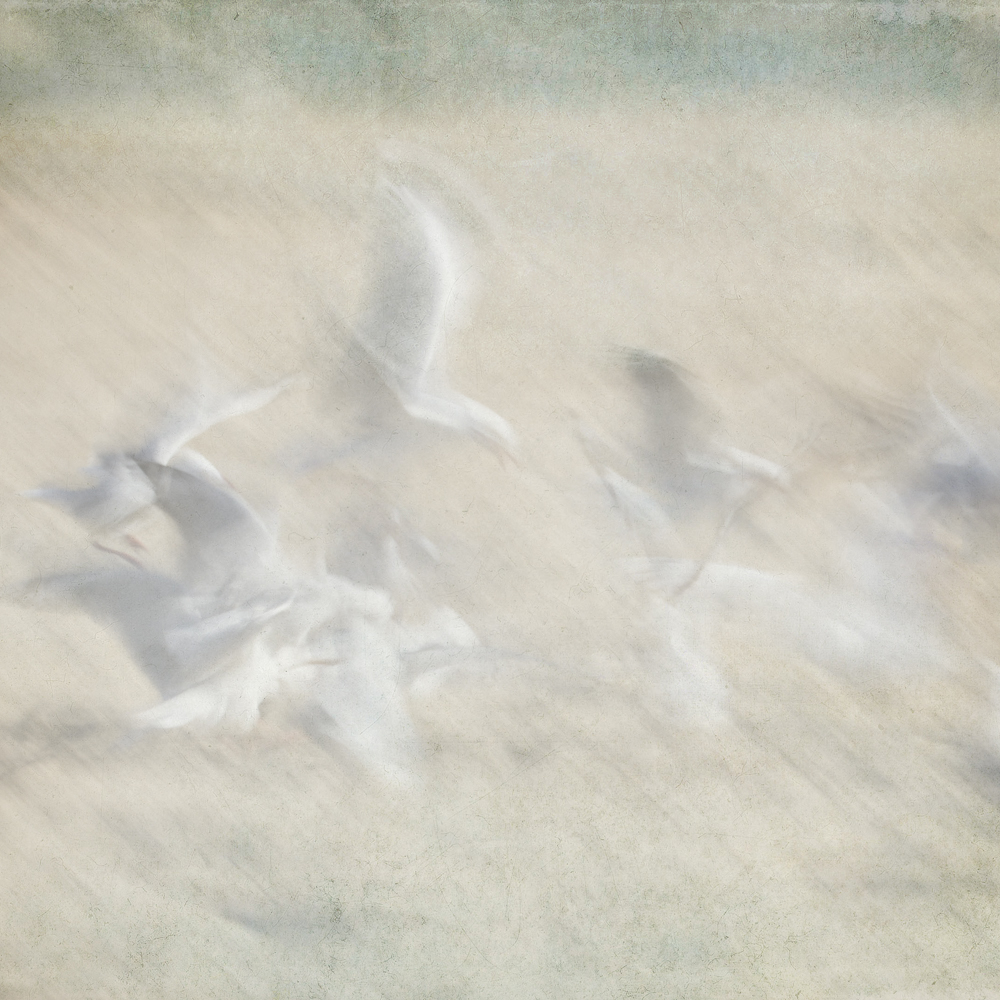
the squabble

the squabble

watchful

watchful


portrait_raewyn_senffArtist: Raewyn Senff

Many years ago I started studying photography but never completed any formal education, life took over instead. Now 30 years on I have gone back to study and completed what I started.

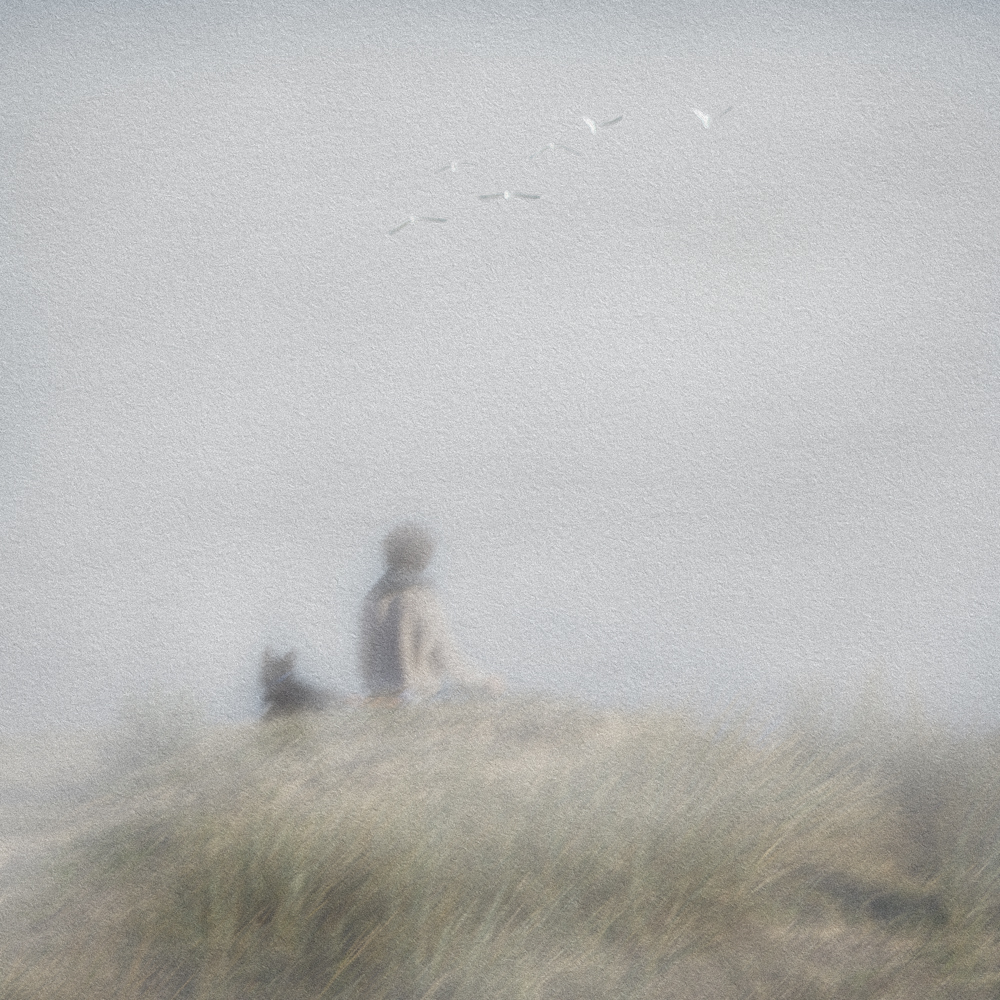
My work has now evolved as I am now influenced by the great painting masters Monet, Matisse and Degas. I would now say my work is painterly. I love to create images of atmosphere and beauty which go beyond a representation of day to day reality.

I use in camera movement techniques to creatively portray my subjects, then in post processing I add textures and layers to paint a story. This is a reflection of my life through my eyes.


Website: http://www.gallery61photography.com/

Instagram: https://www.instagram.com/gallery61_photography


Creative Thresholds will take off the month of September.

Dear readers,

I’ve been struggling with many health issues recently and finally decided I needed to take some time off to try and fully recover, which includes taking time away from Creative Thresholds this month. We’ll be back next month, though, with some really amazing work by both visual artists and writers. It’ll be worth the wait. I promise. 😉

Thanks so much for your continuing support! You guys rock!

Best,

Melissa D. Johnston
Editor/Curator Creative Thresholds

Dialogue with myself

by Melinda Matyas

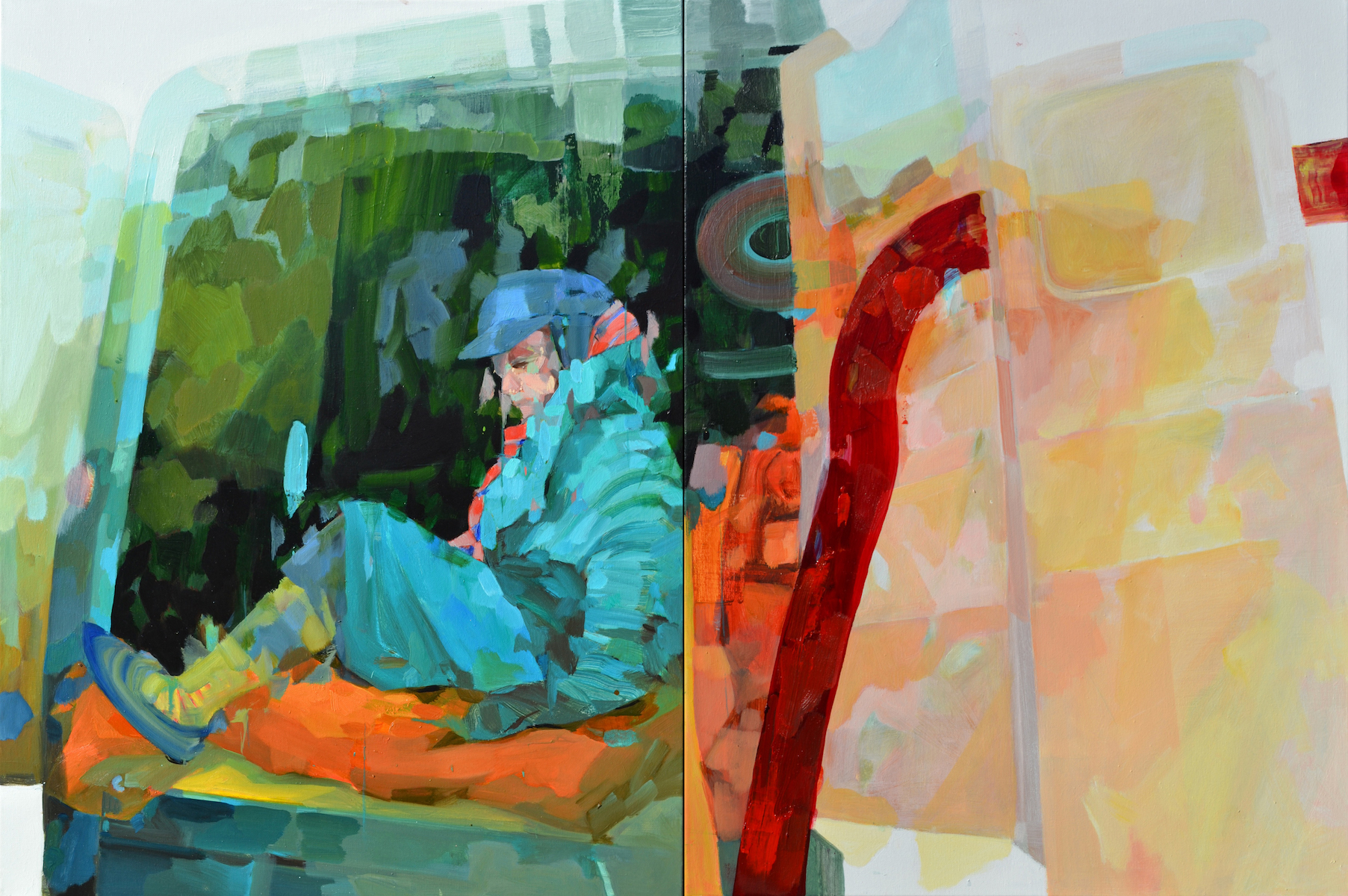
The red curvature (dyptich)

The red curvature (dyptich)

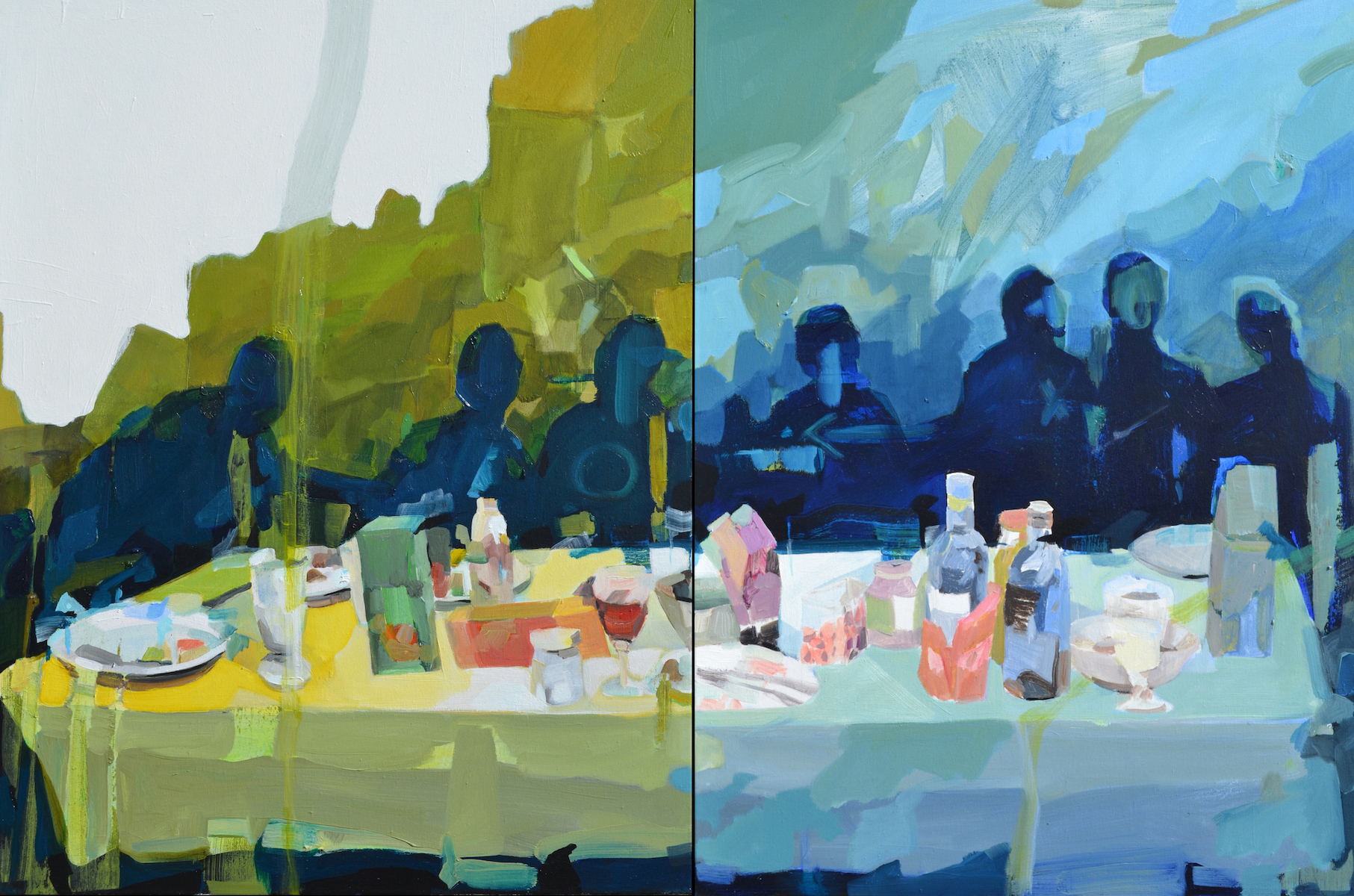
Seven days (dyptich)

Seven days (dyptich)

Hope, the thing with feathers

Hope, the thing with feathers

I’am going to be a pilot

I’am going to be a pilot

The Silence of Animals

The silence of animals

6 Melinda Matyas Mama, I’m coming home

Mama, I’m coming home

The wind blows where it pleases

The wind blows where it pleases

 Lorelei

Lorelei

Stopping by woods on a snowy evening

Stopping by woods on a snowy evening

And the walls were restless under chalk drawings

And the walls were restless under chalk drawings

I’ve been here before (dialogue with myself)

I’ve been here before (dialogue with myself)


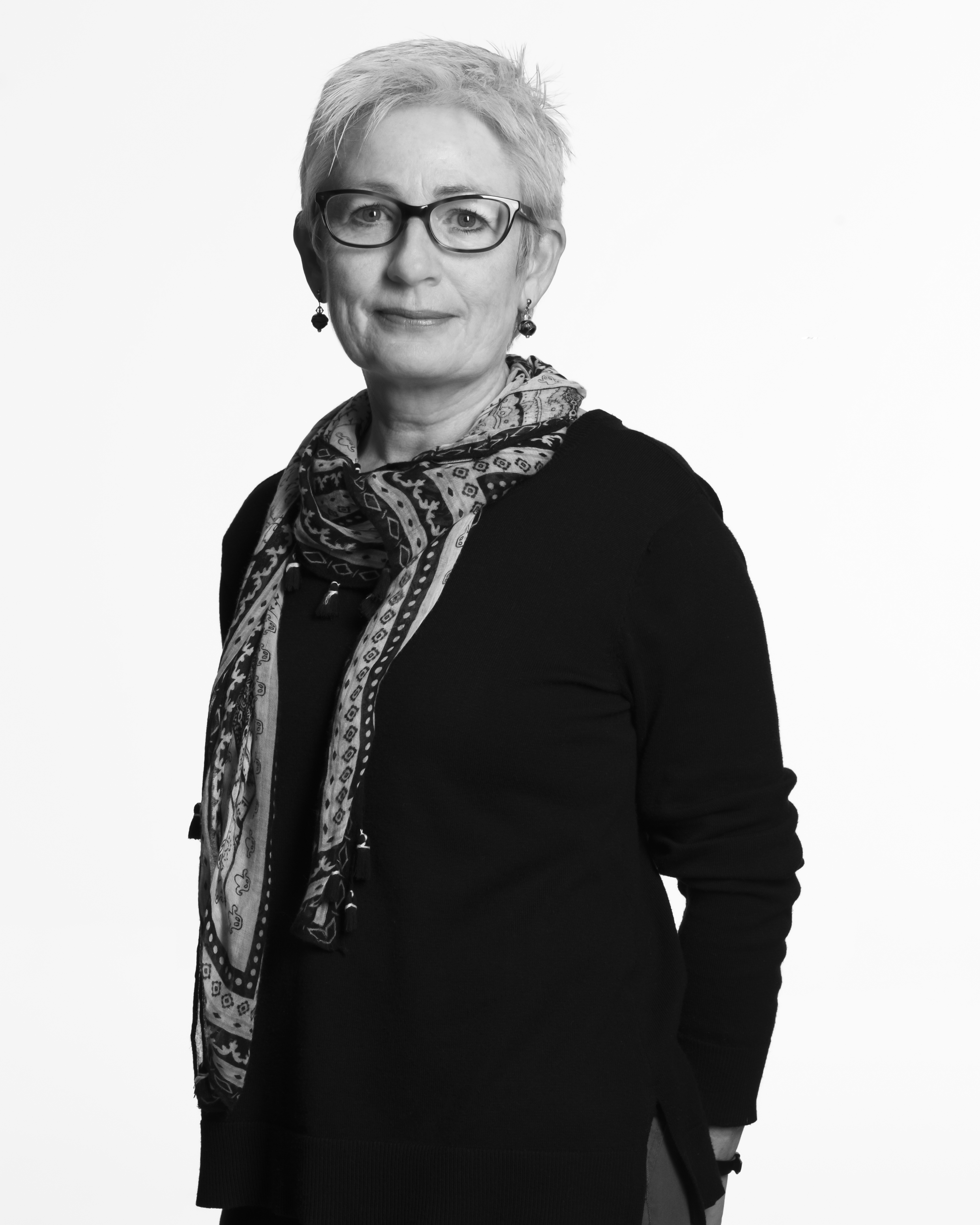
Melinda MatyasArtist: Melinda Matyas

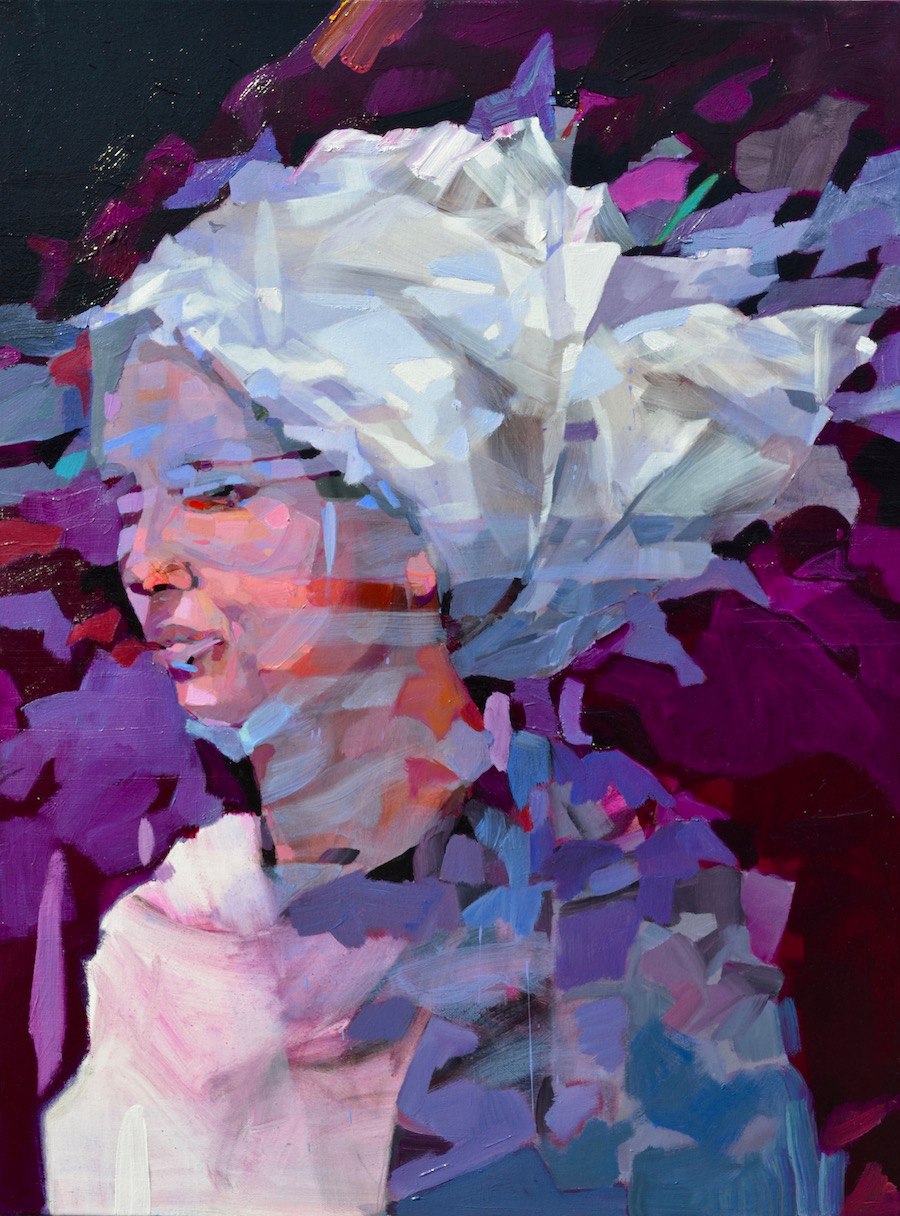
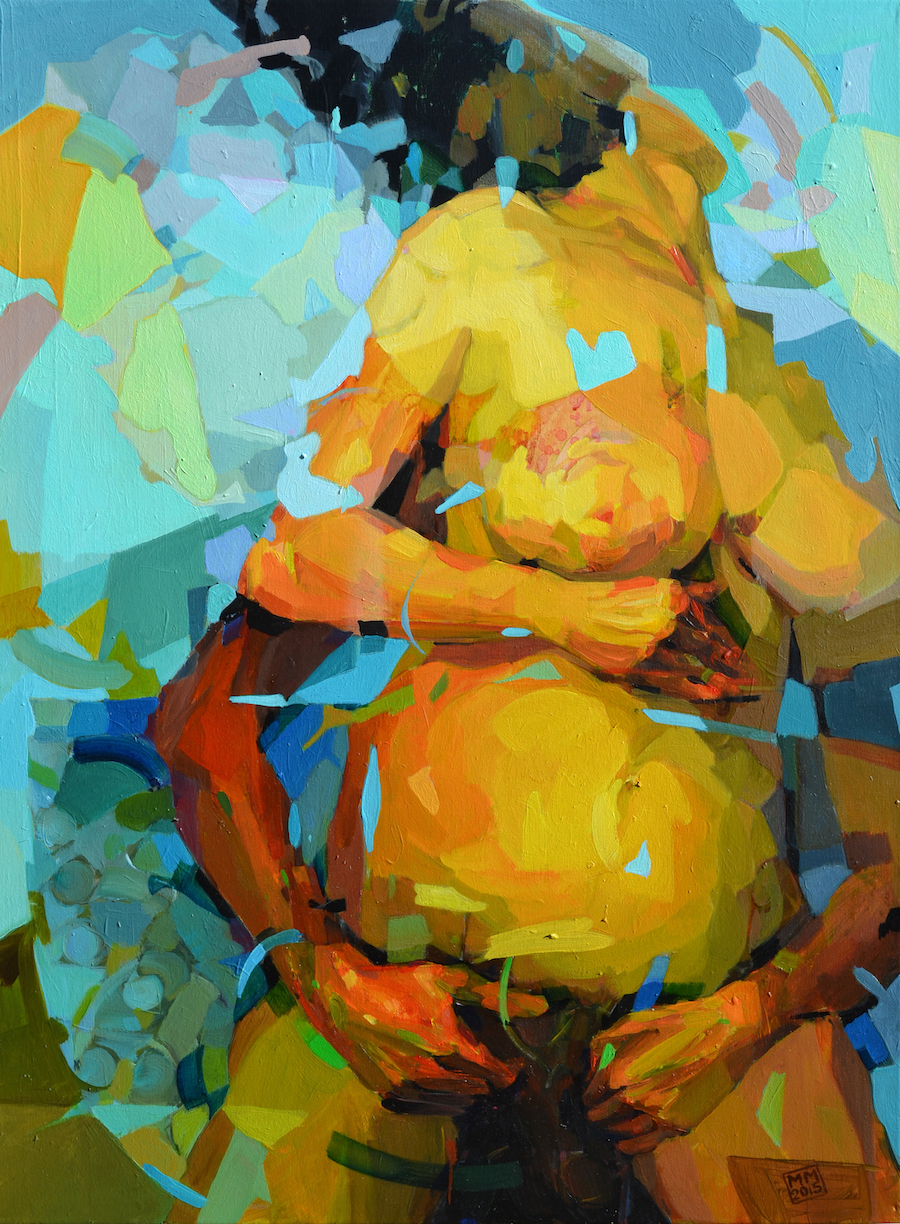
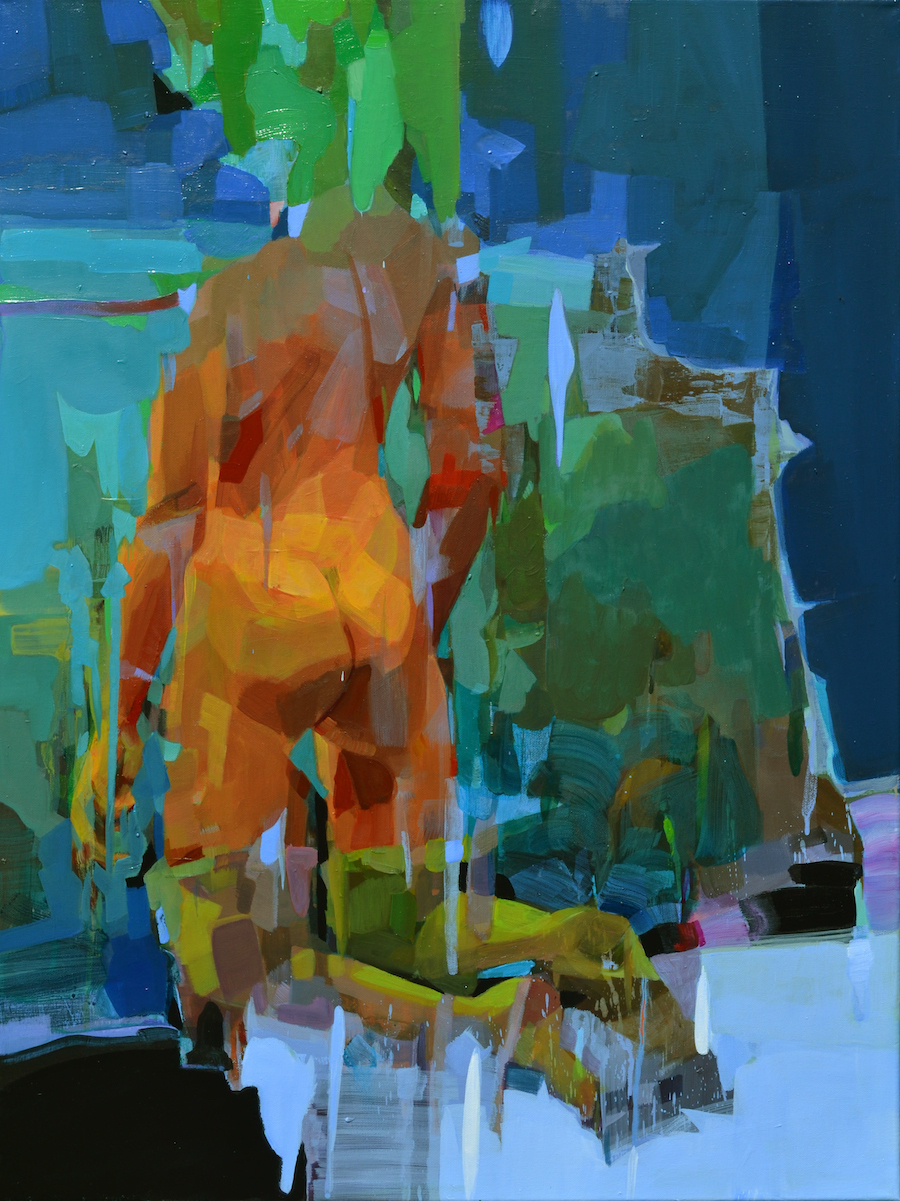
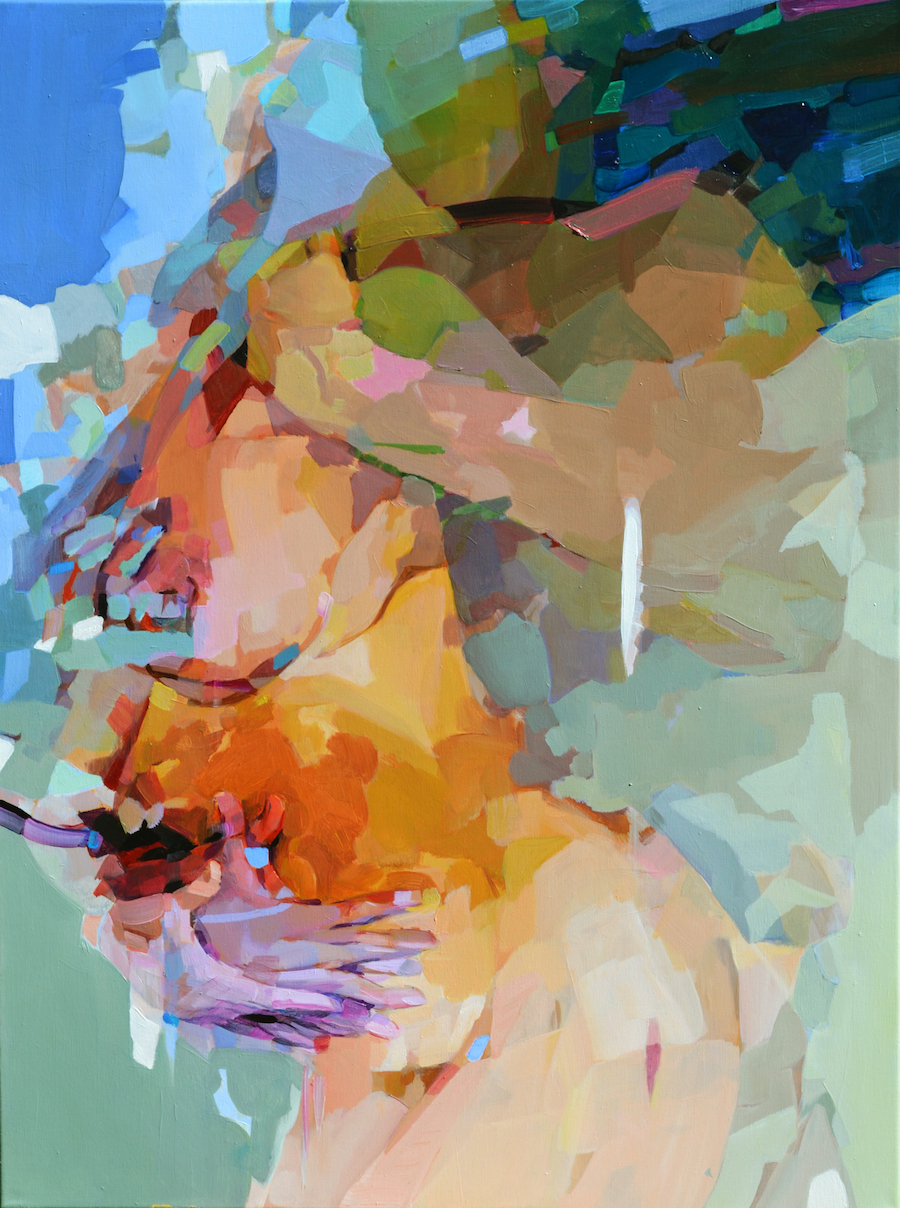
My artistic preoccupation is mostly based on existential explorations of the human condition. Very much interested in the intensity of sensation experienced from the subject’s presence, I’m looking beyond the body, discovering that beyond our well-lived triviality in each individual the spirit is made flesh, under its surface in each one the whole creation breathes. Though the starting point is always personal, emerging out of my obsessions and the emotional intensity which flows through myself and through people living around me, this intensely personal content of the work invites a reciprocal identification on the part of the viewer.

http://melindamatyas.com

https://www.facebook.com/MelindaMatyasPaintings/

https://www.instagram.com/melinda_matyas/


Postcolonial Thoughts: Thoughts on Pedagogy of the Visual Artist Continued (Color)

by Christopher Hutchinson

“Postcolonial Thoughts: Thoughts on Pedagogy of the Visual Artist Continued (Color)” is a followup to “Postcolonial Thoughts: Thoughts on Pedagogy of the Visual Artist.”


Note 5-It is not a style and it is not new

(noun) – A tint is a color to which white has been added to make it lighter. Take pink, for instance. Pink is a color, but it’s also a tint of red. Sometimes tints are referred to as “pastels.” While this is technically inaccurate (pastels are a type of crayon), it’s such a common phrase that it’s worth noting here. http://arthistory.about.com/cs/glossaries/g/t_tint.htm

The bad habits developed by so-called illustrators filter into the model for every other pursuit in art. Usually these poor traits, when challenged by a professor, yield a common response: “its just my style.” The harsh reality is that it is not a style and it is not. It is just lazy. The poor understanding of value gray scaling in drawing has been transferred to color. Where color has an even more demand for tint and shade.

Many of these illustrators employ a “style” of the easiest, laziest color palette possible: primary colors squeezed straight out of the tube. This is readily identifiable by artists as remedial, nowhere close to being an original style. Using colors straight out of the tube is not an artistic choice and it does not lead to a personal expression. The only possible outcome is mass marketed expression. For the non-artist all one has to do to see the proof of this is look at the difference between Ford company white versus a Mercedes Benz white. They are not the same. Using a manufactured color off the shelf is the equivalent of identifying with Walmart as an expression of “my personal style.” The most generic as special. This may be the point for instance in Pop art, but if that is not the point, then you have actually achieved a banal, mundane expression about something you care about.

(noun) – A shade is what one ends up with when black (or some other dark color) is added to a pure hue. Suppose you had some green paint and mixed a bit of dark gray paint into it. The resulting paint would be darker than (also known as a shade of) the original green. Think of a dazzlingly sunny day with intense color all around, then picture the way the light and colors change when you place yourself under the leafy shade of a tree.

The opposite of shade is tint. http://arthistory.about.com/cs/glossaries/g/s_shade.htm

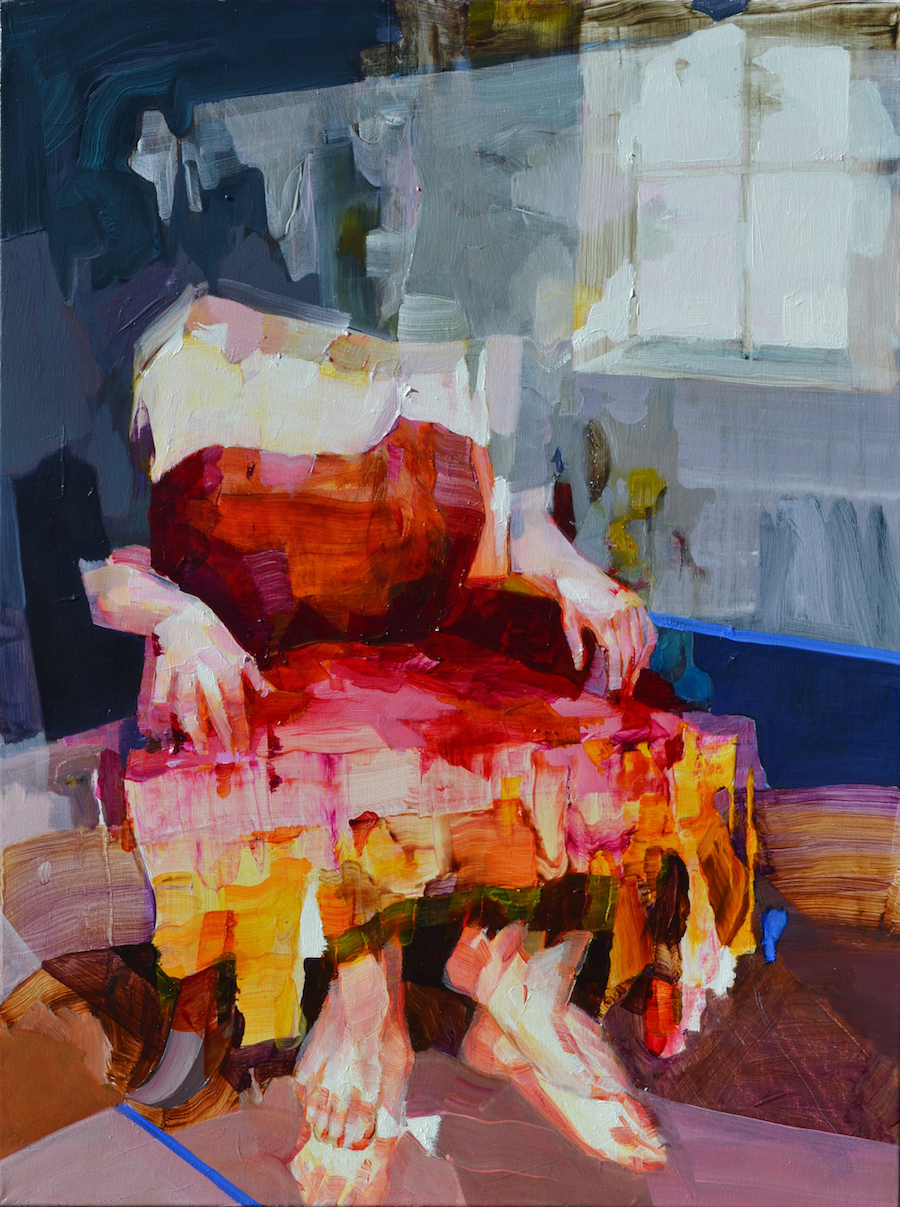
The first painting does not use shade, tint, value, or any formal element to suggest a reason for the viewer to entertain this image for longer than a millisecond and then move on. Yet somehow this artist/non-artist is content to present this image as something other than generic.


Note 6- Ugly color

It is a misconception that complimentary colors are harmonious. They are actually the violent. All one needs to do to confirm this is look at nature. The most vibrant complimentary colors reside in all the poisonous animals as a warning not to proceed further. Complimentary colors in abundance are actually violent and should be used with the utmost care to make sure your concept is not overshadowed by violence. That violence is ugly.

The attraction to the highly contrasting and violent color schemes by these “artists/non-artists” are directly related to the lack of patience required to master the many levels of gradients skipped over in their drawing practice.

Pedagogy 3

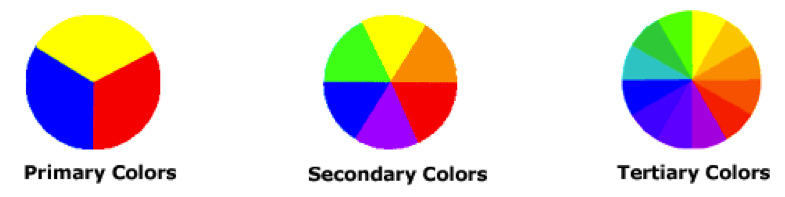
Primary Colors: Red, yellow and blue
In traditional color theory (used in paint and pigments), primary colors are the 3 pigment colors that can not be mixed or formed by any combination of other colors. All other colors are derived from these 3 hues. 

Secondary Colors: Green, orange and purple
These are the colors formed by mixing the primary colors.

Tertiary Colors: Yellow-orange, red-orange, red-purple, blue-purple, blue-green & yellow-green
These are the colors formed by mixing a primary and a secondary color. That’s why the hue is a two word name, such as blue-green, red-violet, and yellow-orange. http://www.colormatters.com/color-and-design/basic-color-theory


Note 7- Still flat

A plane surface is a flat surface, and any distinct flat surface within a painting or sculpture can be referred to as a plane http://en.mimi.hu/finearts/plane.html

The flatness achieved by the painting above is also achieved by the way the color is applied. Certainly the lack of tint and shade also attributed to its flatness. Here the focus is on application. This flatness can be attributed to the mechanical pencil and the sharpie. The mechanical pencil to pen to sharpie is rough.

If the upper right hand corner and the lower right hand corner of a painting has the same color and color value it might as well be a solid sharpie line around the image. You have successfully flattened the image. If every color is also evenly distributed through the piece from top to bottom you may as well have the background blank, because you have now suggested the entire piece was completed at the same time. Same time equals flat.


Pedagogy


Many of these students are allowed to keep their bad habits while passing through the high school years and are confused why they have difficulty on the collegiate level. Artists calling themselves artists without ever hearing the term “formal elements of art.” Considering all the formal elements of art are the very basic understanding needed to actually begin to understand your identity, pallet, and purpose as an artist.

 
Christopher Hutchinson 2Christopher Hutchinson is an accomplished Jamaican conceptual artist, professor and contributor to the art community as a writer, critic and founder of the nonprofit Smoke School of Art. He is a Professor of Art at Atlanta Metropolitan State College and has been featured as a lecturer including prestigious engagements at University of Alabama and the Auburn Avenue Research Library. For two decades, Chris has been a practicing artist. His works have been exhibited in internationally recognized institutions including City College New York (CUNY) and featured at the world’s leading international galleries such as Art Basel Miami. He has always had an innate passion for creating spaces where Africans and people of African descent contribute to an inclusive contemporary dialogue—ever evolving, not reflexive but pioneering. This requires challenging the rubric of the canon of art history, a systemic space of exclusion for the Other: women and non-Whites, and where necessary he rewrites it. He received his Master of Fine Arts Degree in Painting from Savannah College of Art & Design, Atlanta and his Bachelor of Arts Degree from the University of Alabama in Huntsville, Alabama.


Fragility of Self

by Amy Oliver

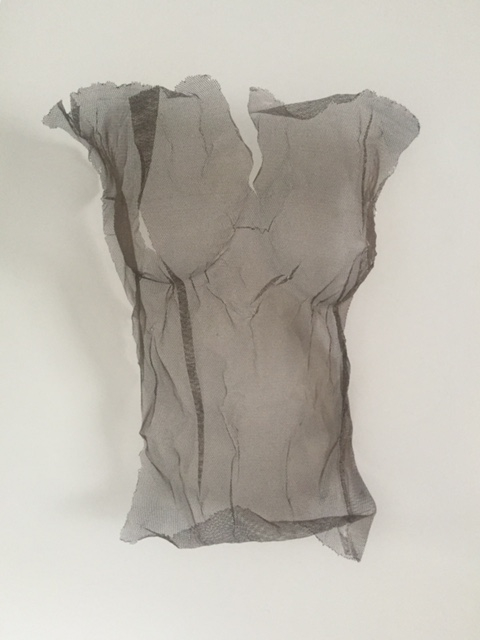
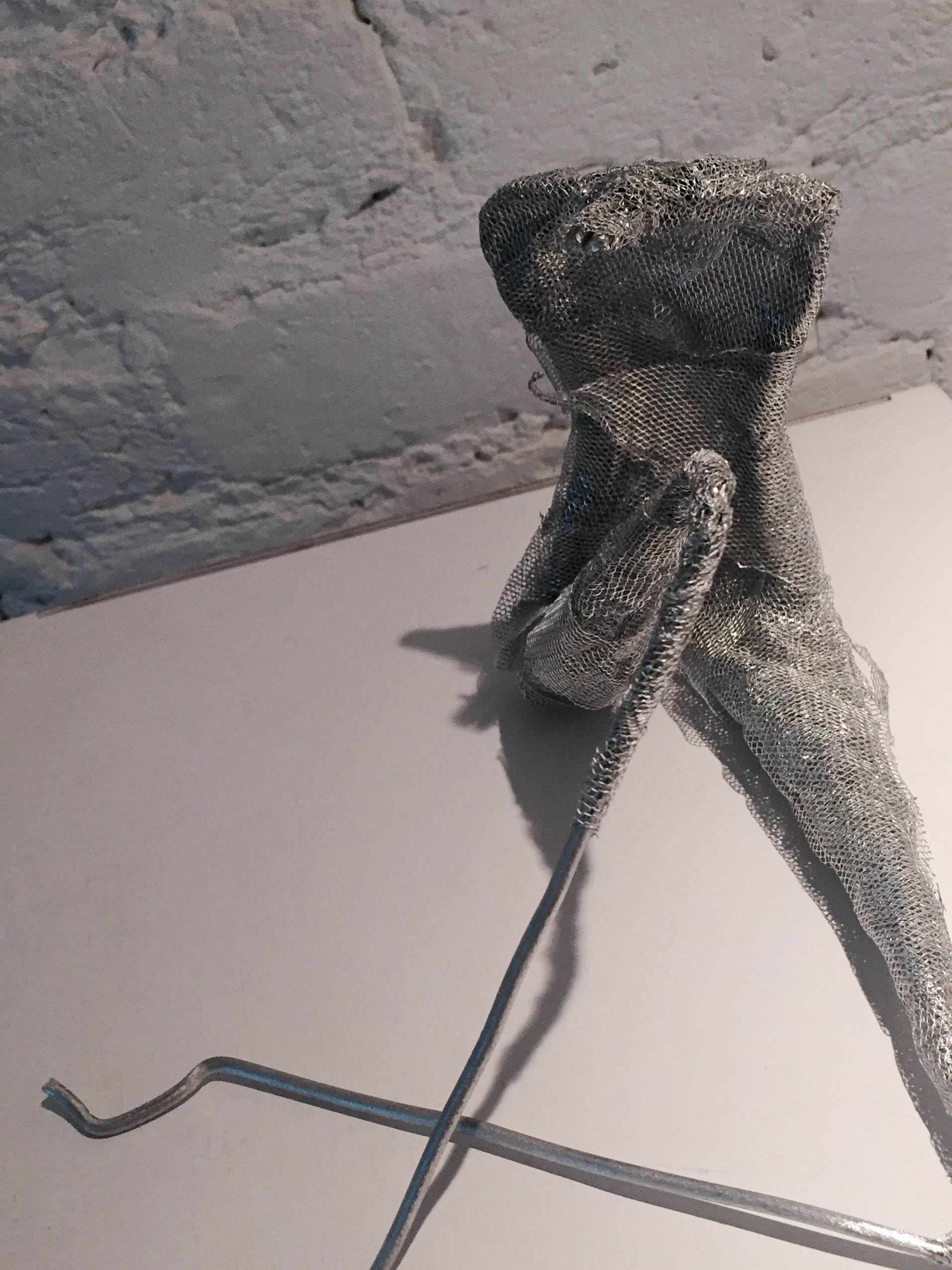
Sleeping - wire and aluminium mesh

Sleeping – wire and aluminium mesh

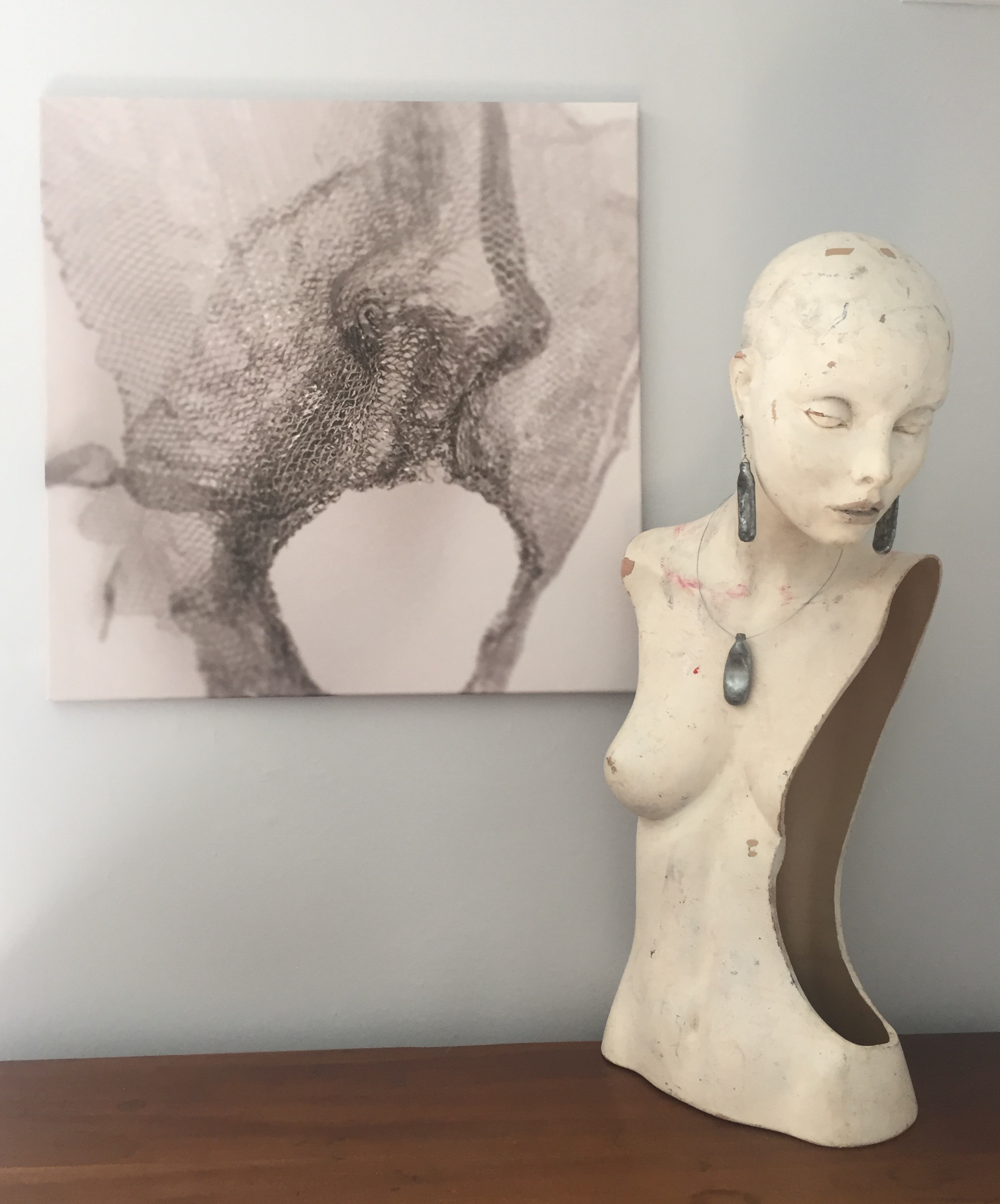
As I turned... Print on canvas (close up of Beneath my Mask)

As I turned… Print on canvas (close up of Beneath my Mask)

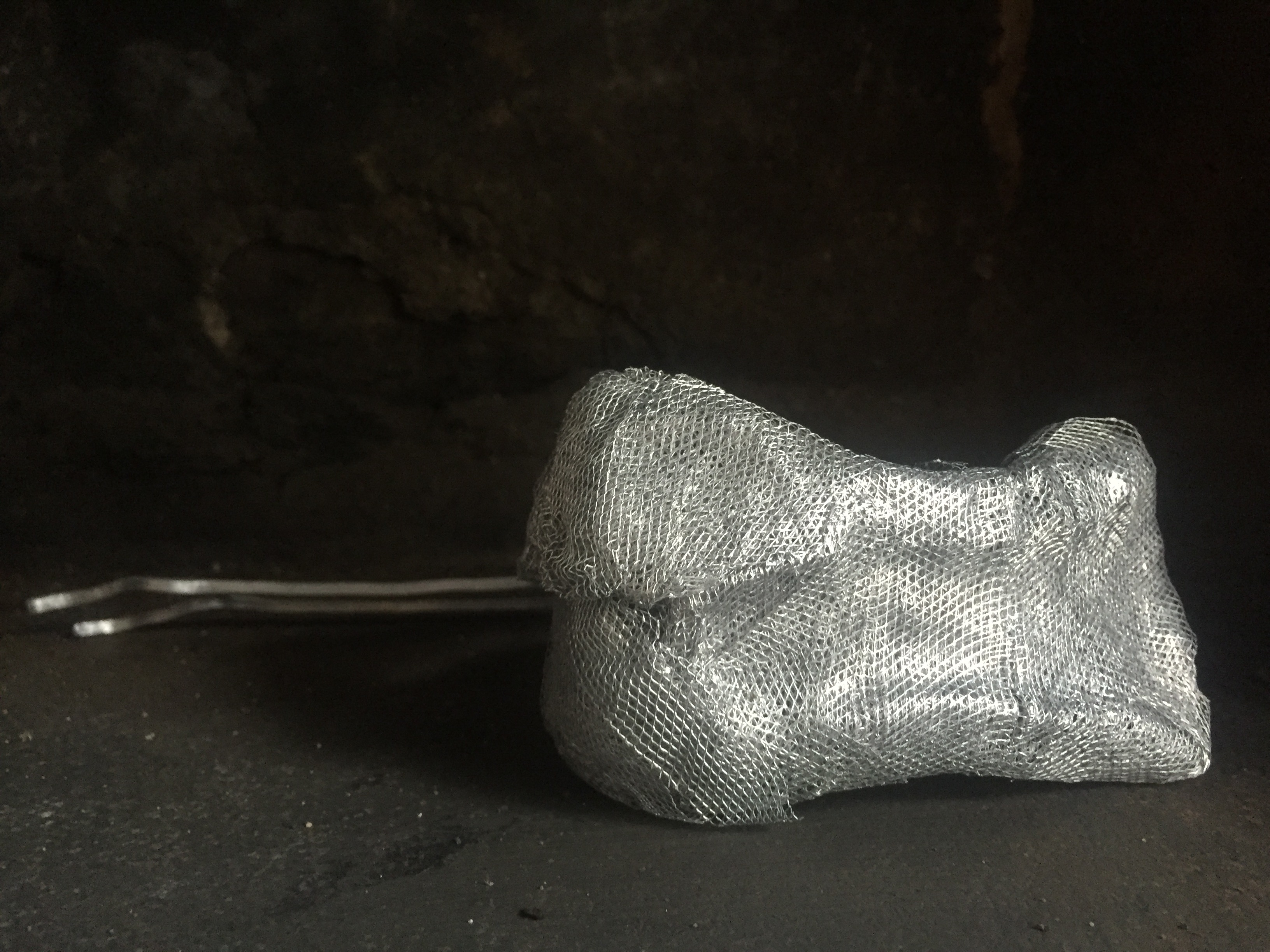
Disjointed Fore - aluminium wire mesh

Disjointed Fore – aluminium wire mesh

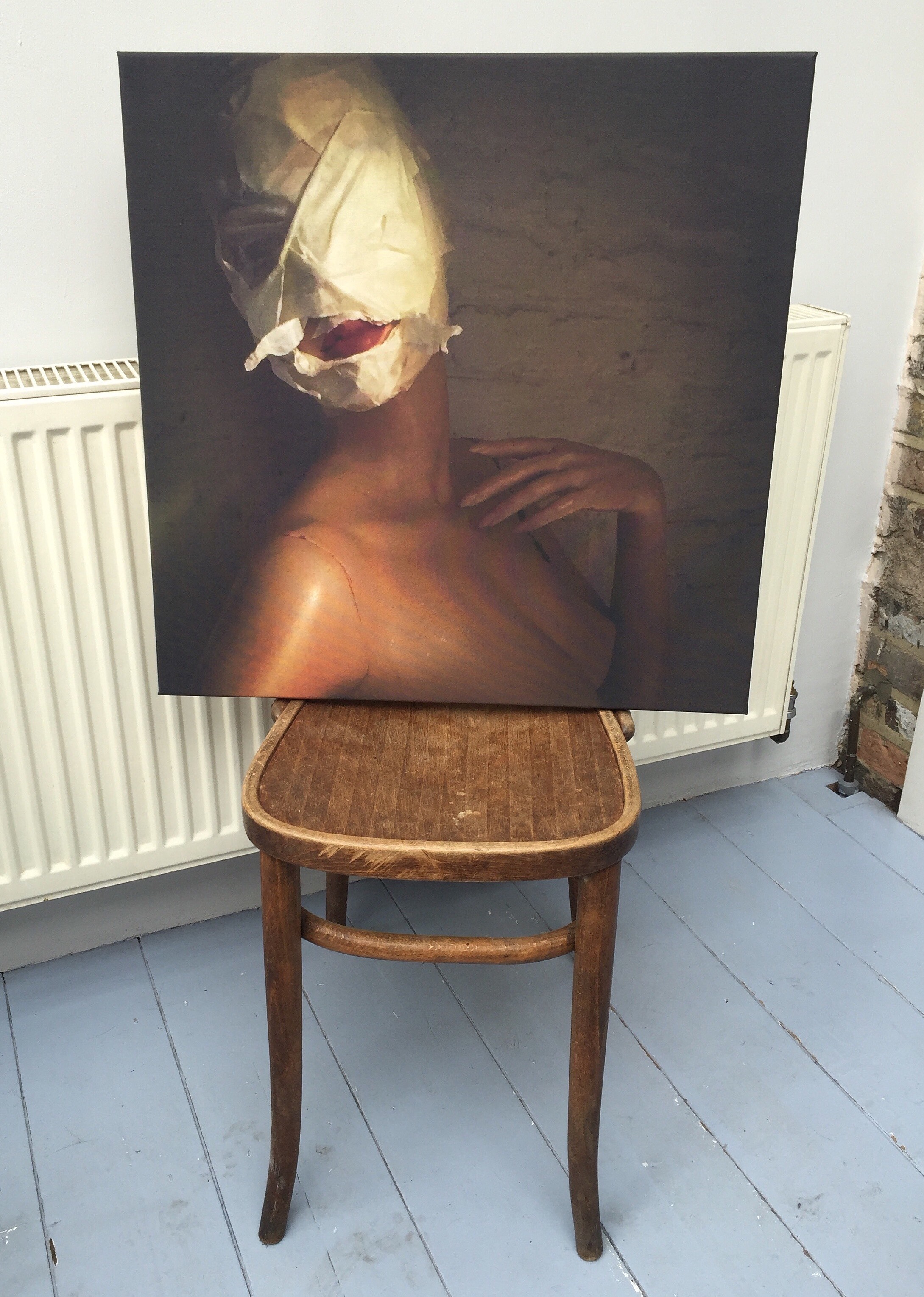
Silence me - print on canvas (mannequin and masking tape)

Silence me – print on canvas (mannequin and masking tape)

Complete - wire and aluminium mesh

Complete – wire and aluminium mesh

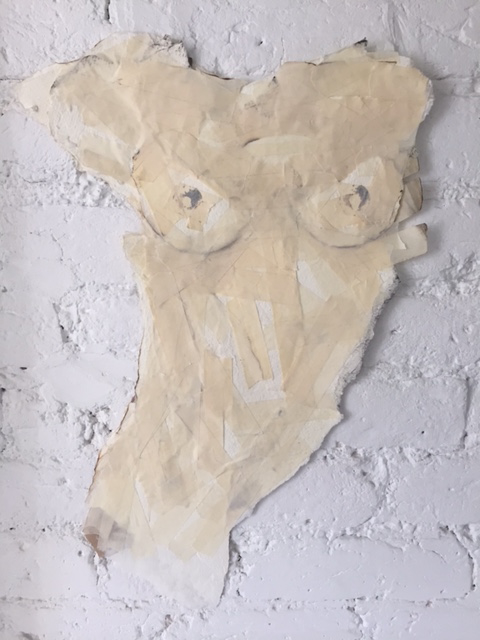
Disjointed 3 - heavyweight paper, masking tape, ink and fire!

Disjointed 3 – heavyweight paper, masking tape, ink and fire!

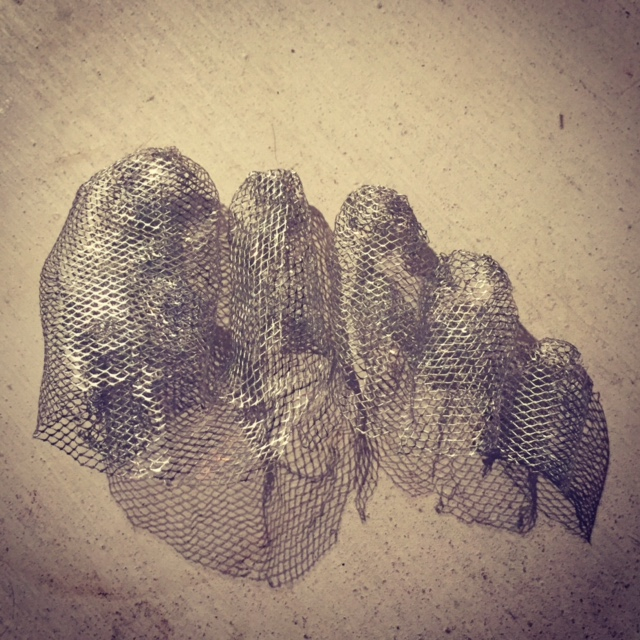
Disjointed Too - aluminium mesh

Disjointed Too – aluminium mesh

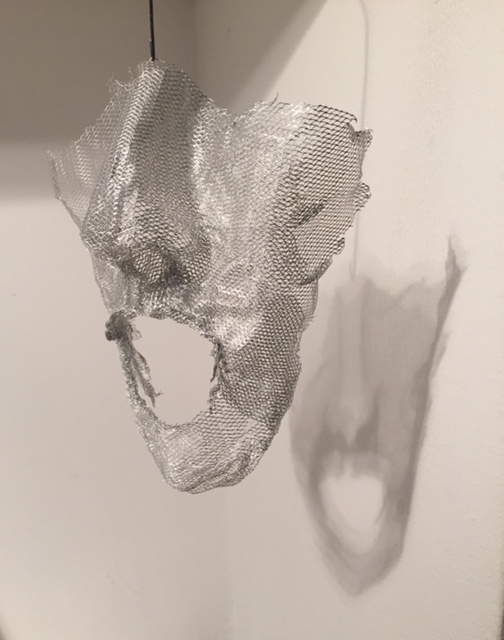
Beneath my Mask - aluminium mesh

Beneath my Mask – aluminium mesh


Amy Oliver-Profile pic (June 2016)Artist: Amy Oliver

I have a particular interest in issues surrounding mental health, social and political conditions, and women’s rights and identity, and tend to theme my work around this subject matter. My intention is to create pieces that express vulnerability and instability but which also suggest the (often subconscious) core strength within, in an attempt to capture the fragility of self. In terms of the materials I use, I have an affinity with metals – more specifically aluminium due to its lightness, movement and energy. I enjoy responding to materials in unconventional ways and pushing their (and my) boundaries; and unearthing discarded, lost and forgotten items and using them to construct something else entirely, bringing a new dimension to their existence.

My work and style is ever evolving and I am on a constant learning curve. I didn’t start my creative journey until 2013 when I undertook a 10-week Figure & Portrait sculpture evening class at The Art Academy, London and this led me, at age 44, onto a part-time one year Certificate in Sculpture with the same school in 2014/15.

I am drawn to and inspired by the subjective work and language of artists such as Schiele, Dumas and Emin, together with a myriad of unknown/lesser known artists and have been lucky enough to connect with many via social media.

www.fragilityofself.co.uk

http://www.celesteprize.com/member/idu:88274/

https://www.instagram.com/fragilityofself/?hl=en

https://www.facebook.com/amy.oliver.3950


Current & Upcoming Exhibitions | Shows:

11 – 14 August 2016

Blair Zaye Presents ‘Exposed’Ben Oakley Gallery, Greenwich, London (showing ‘Complete‘)

15 – 29 October 2016

East Kent Open House weekends

 
Previous Exhibitions | Shows:

9 – 13 July 2015

The Art Academy Graduation Show, London

30 April – 19 June 2016

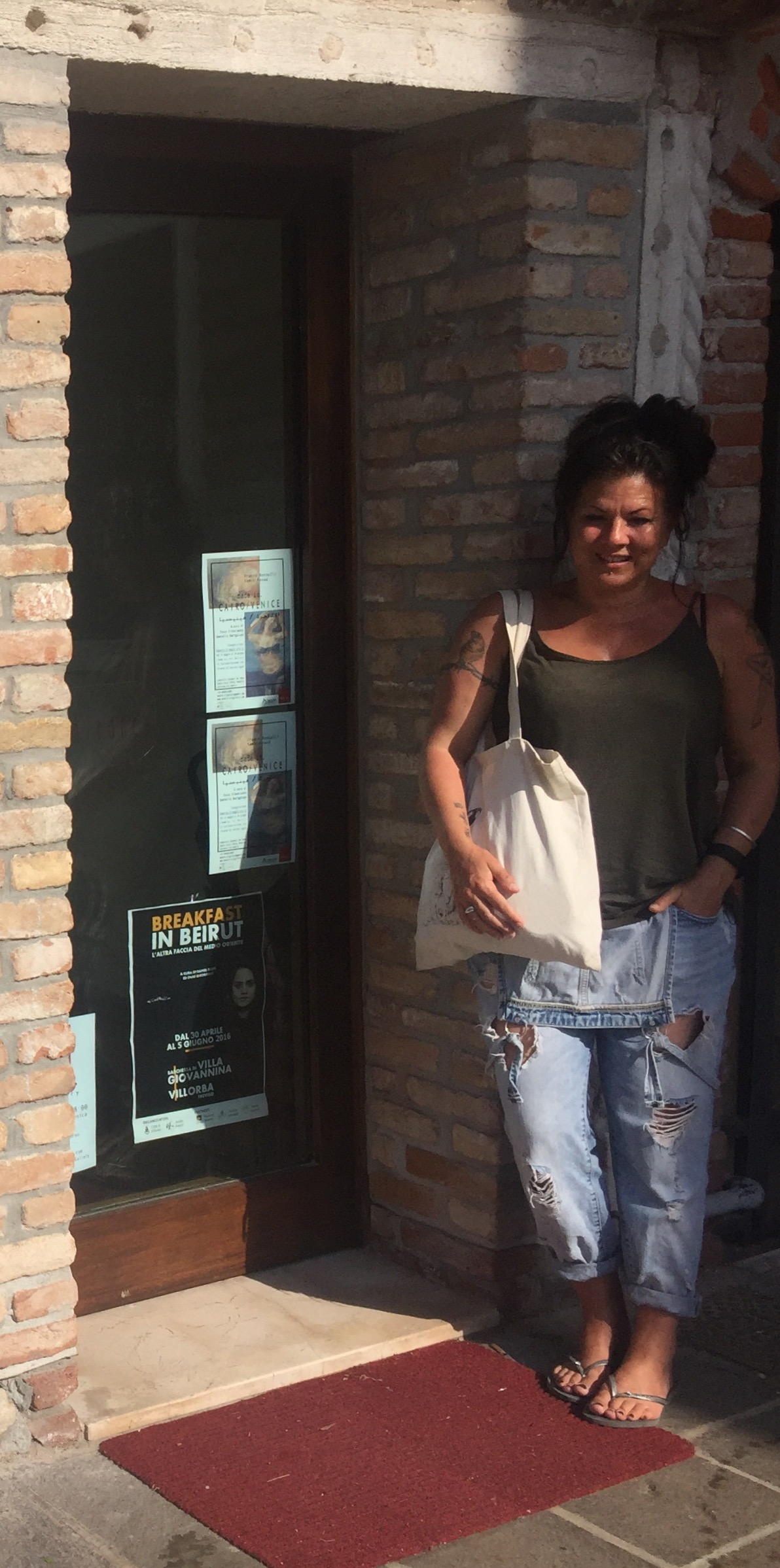
Artiki Eventi | Breakfast in Beirut, Treviso, Italy (showing ‘Beneath my Mask‘)


Art is just feelings…

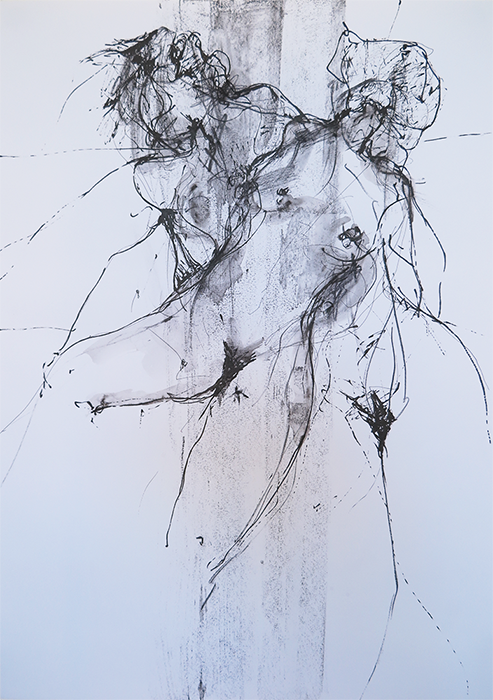
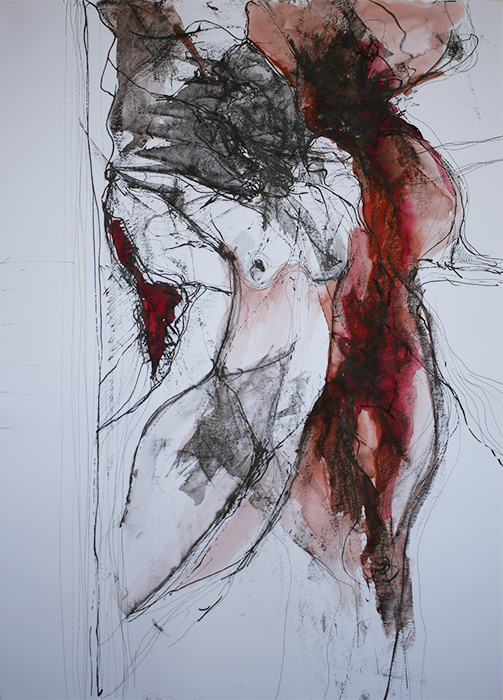
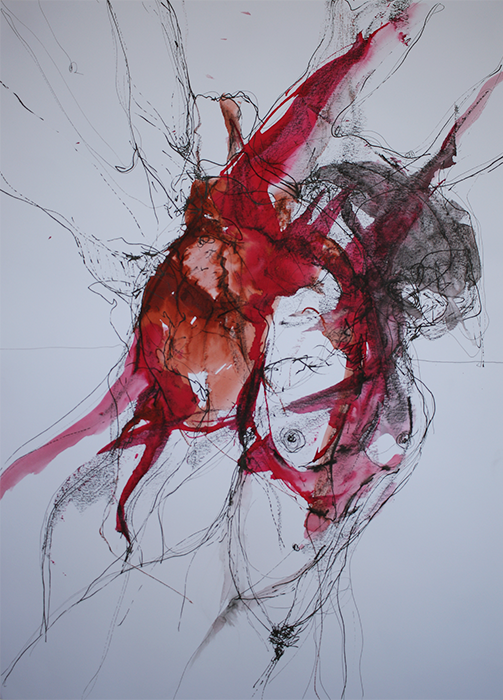
by Juan Barquero

angle

angle

corporeality

corporeality

dance

dance

feelings

feelings

Juan Barquero-meet

meet

orgasmic

orgasmic

passionate

passionate

perspective

perspective

pleasure

pleasure

visceral

visceral


Artist: Juan Barquero

French. Born in Chile. I live and work in France currently.
 
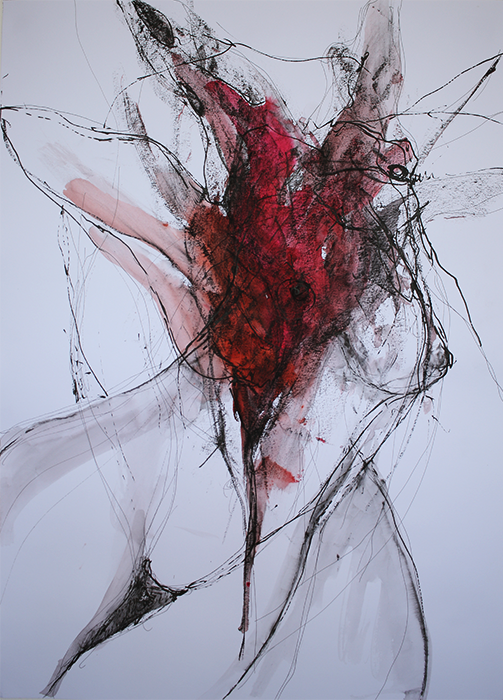
“Everything is spontaneous, without sketch or scenario. Just feelings.”

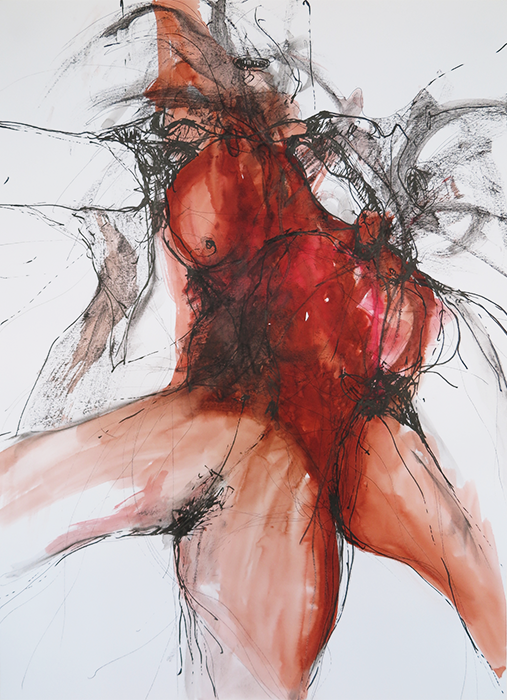
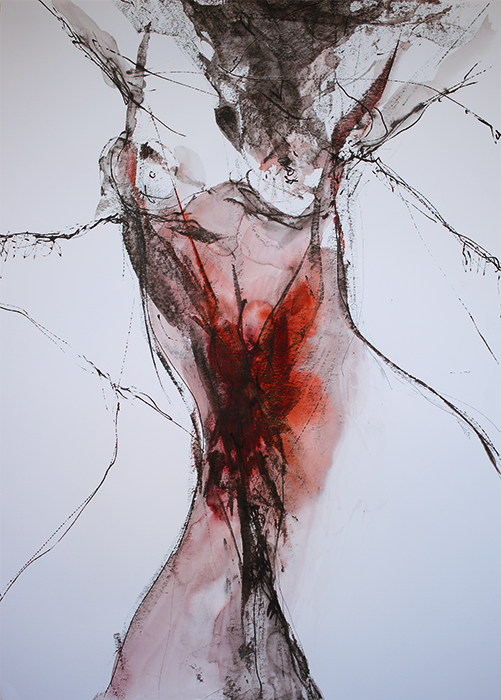
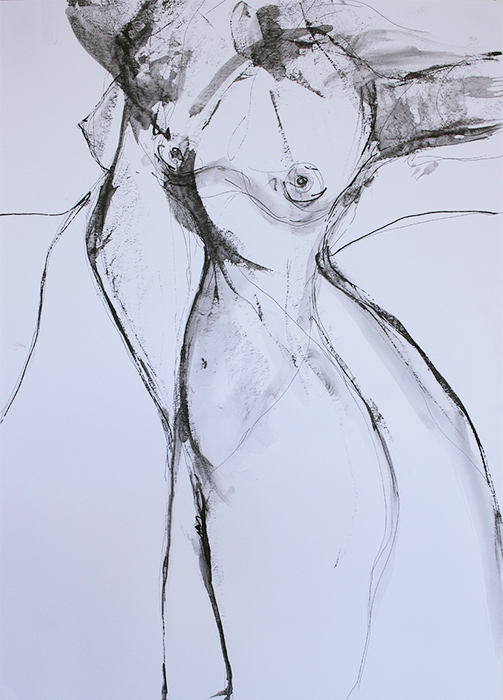
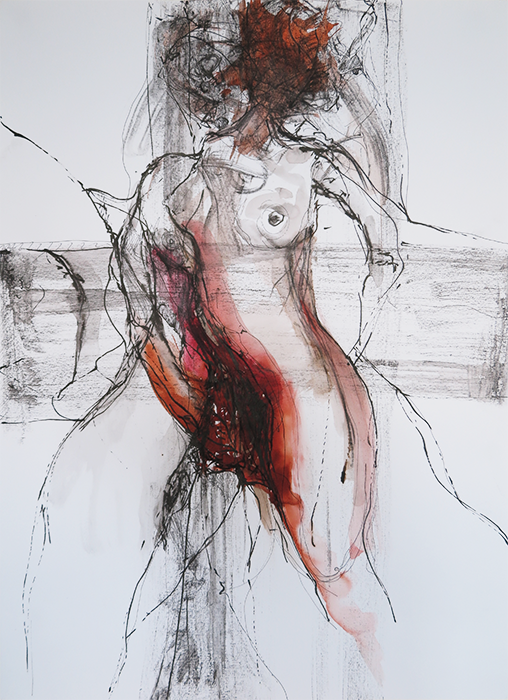
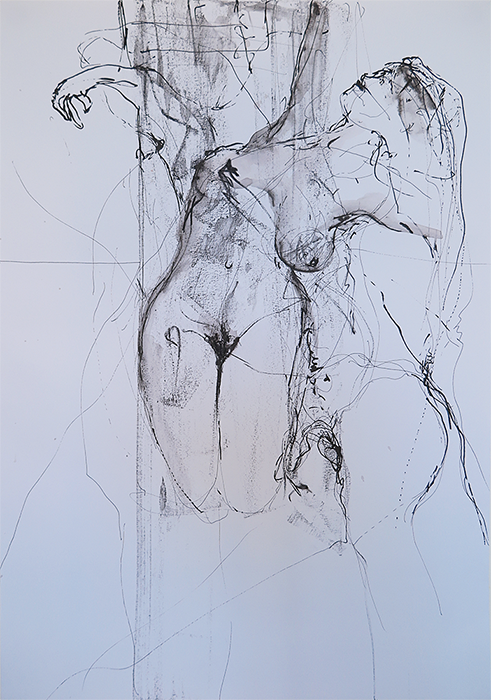
Celebrating the gentle contours of the female body with fine, sensual, fluid lines that reference an unrestrained dance, Juan’s drawings provide a seductive entry point to an intense oeuvre, introducing enduring themes of sensuality, corporeality and temporality.
 

http://www.juanbarquero.work

https://www.instagram.com/two_edged/

https://twitter.com/two_edged


The Figure as Metaphor

by Tom Bennett

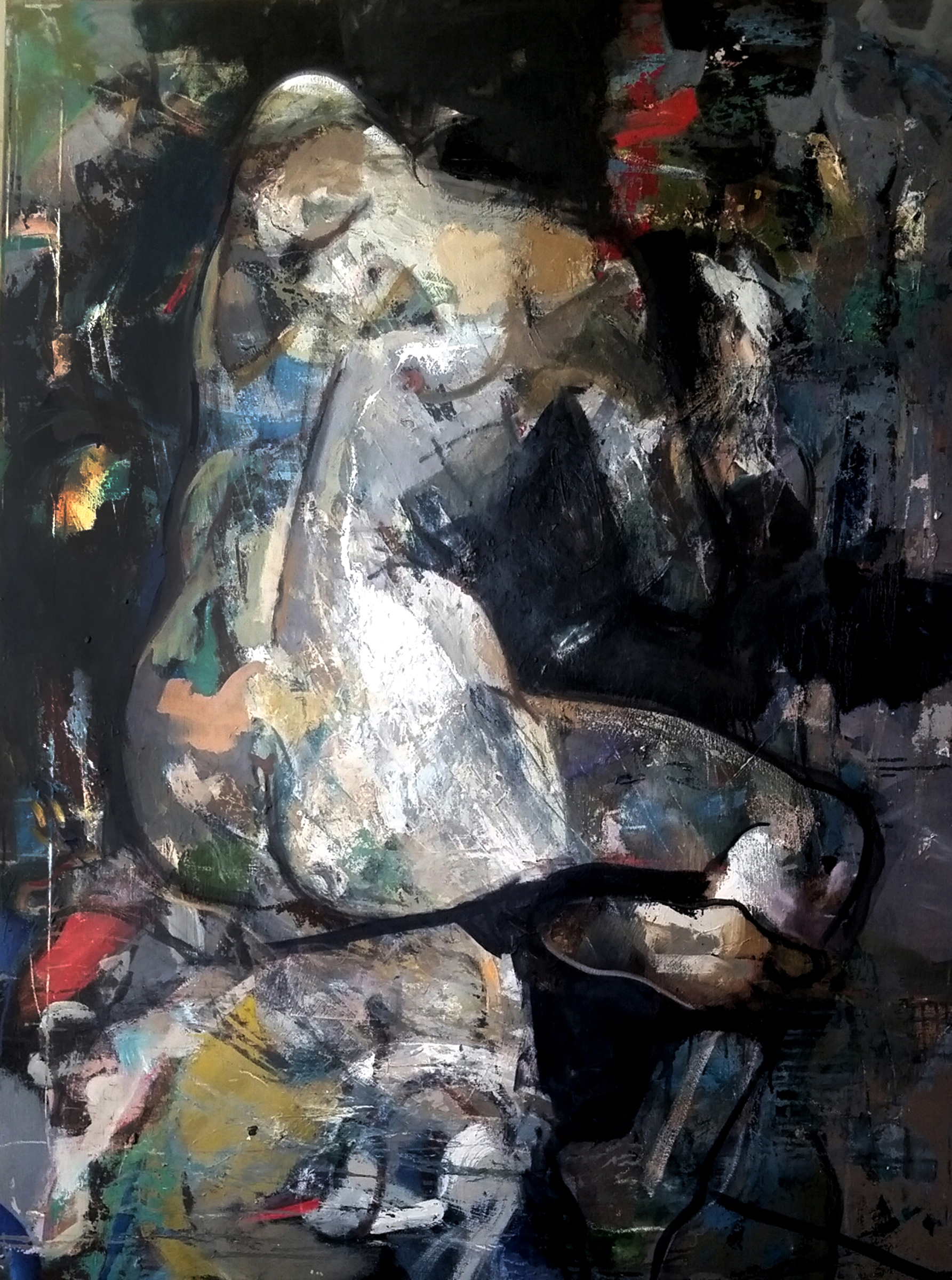
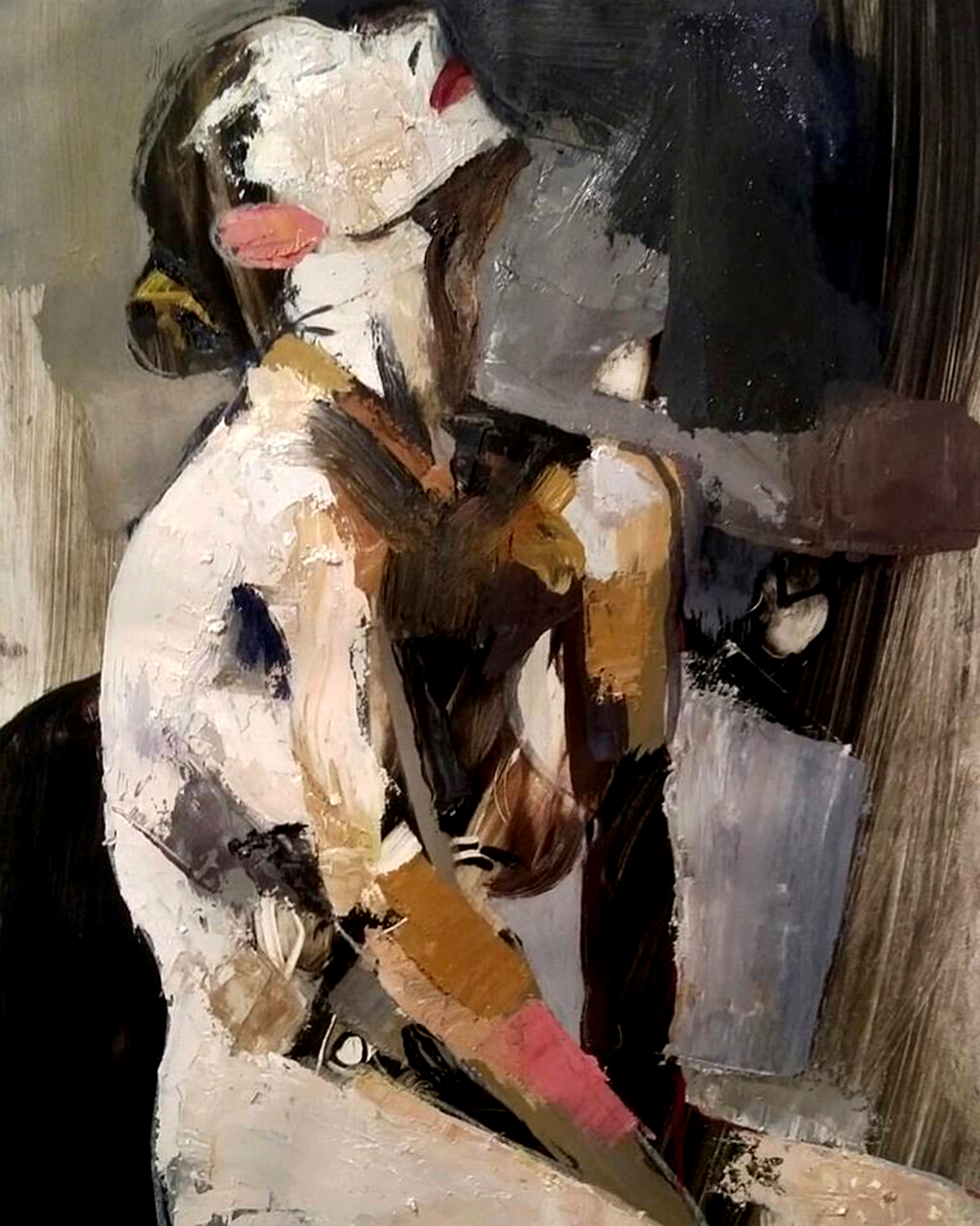
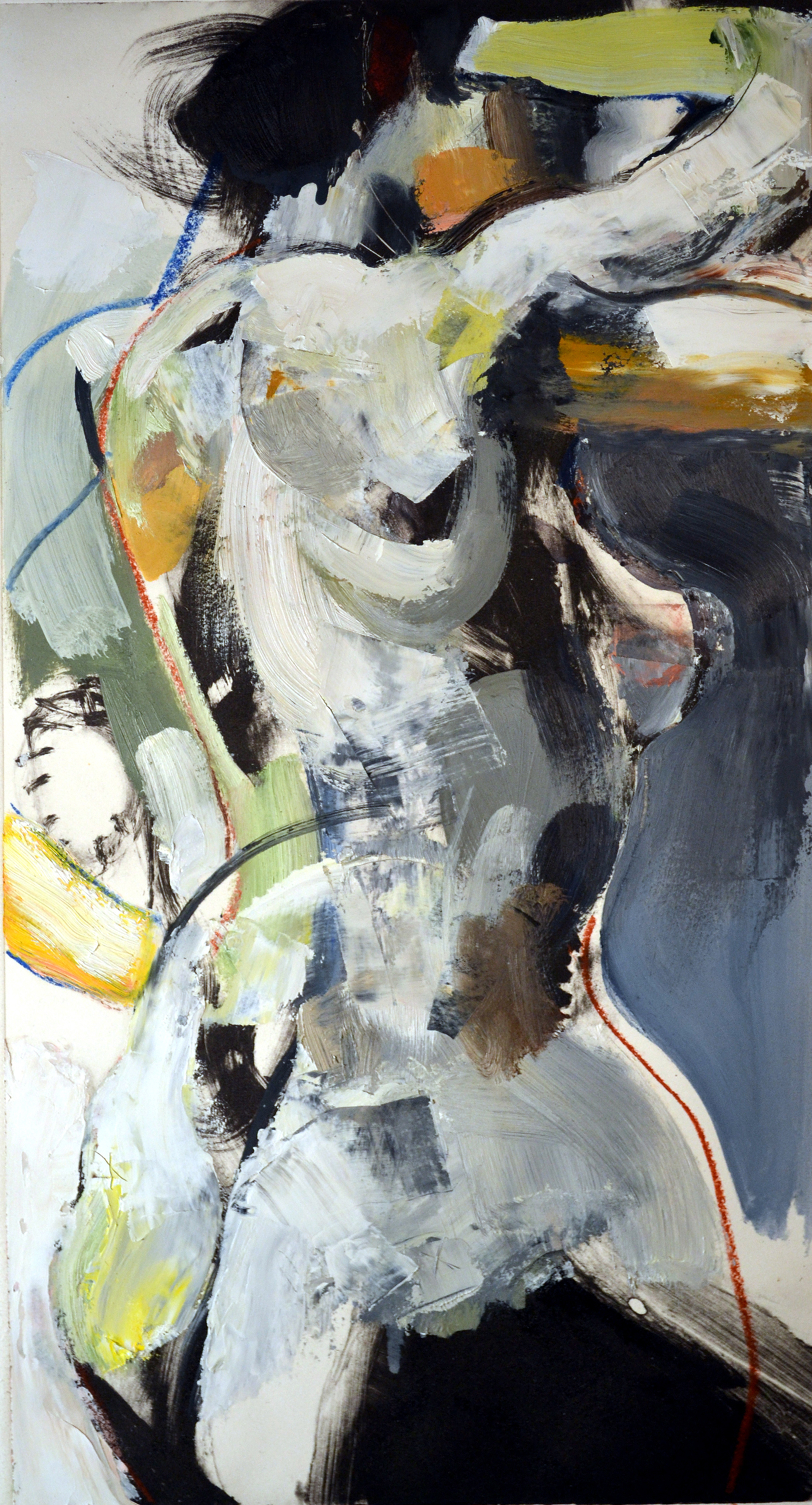
Barely Resolved Inoffensive Nude, oil on canvas, 2016

Barely Resolved Inoffensive Nude, oil on canvas, 2016

Fatigue 4, oil on paper, 2016, 16" x 22"

Fatigue 4, oil on paper, 2016, 16″ x 22″

Fatigue, oil on paper, 2016, 12" x 9"

Fatigue, oil on paper, 2016, 12″ x 9″

Fatigue 2, oil on paper, 2016, 20" x 16"

Fatigue 2, oil on paper, 2016, 20″ x 16″

Fatigue 3, oil on paper, 2016, 16" X 20'

Fatigue 3, oil on paper, 2016, 16″ X 20′

In the Hold, oil on paper, 2012, 18" x 9"

In the Hold, oil on paper, 2012, 18″ x 9″

Muddy Company, oil on paper, 2012, 16" x 20"

Muddy Company, oil on paper, 2012, 16″ x 20″

Quiet, oil on paper, oil on paper, 2015, 19.5" x 27"

Quiet, oil on paper, oil on paper, 2015, 19.5″ x 27″

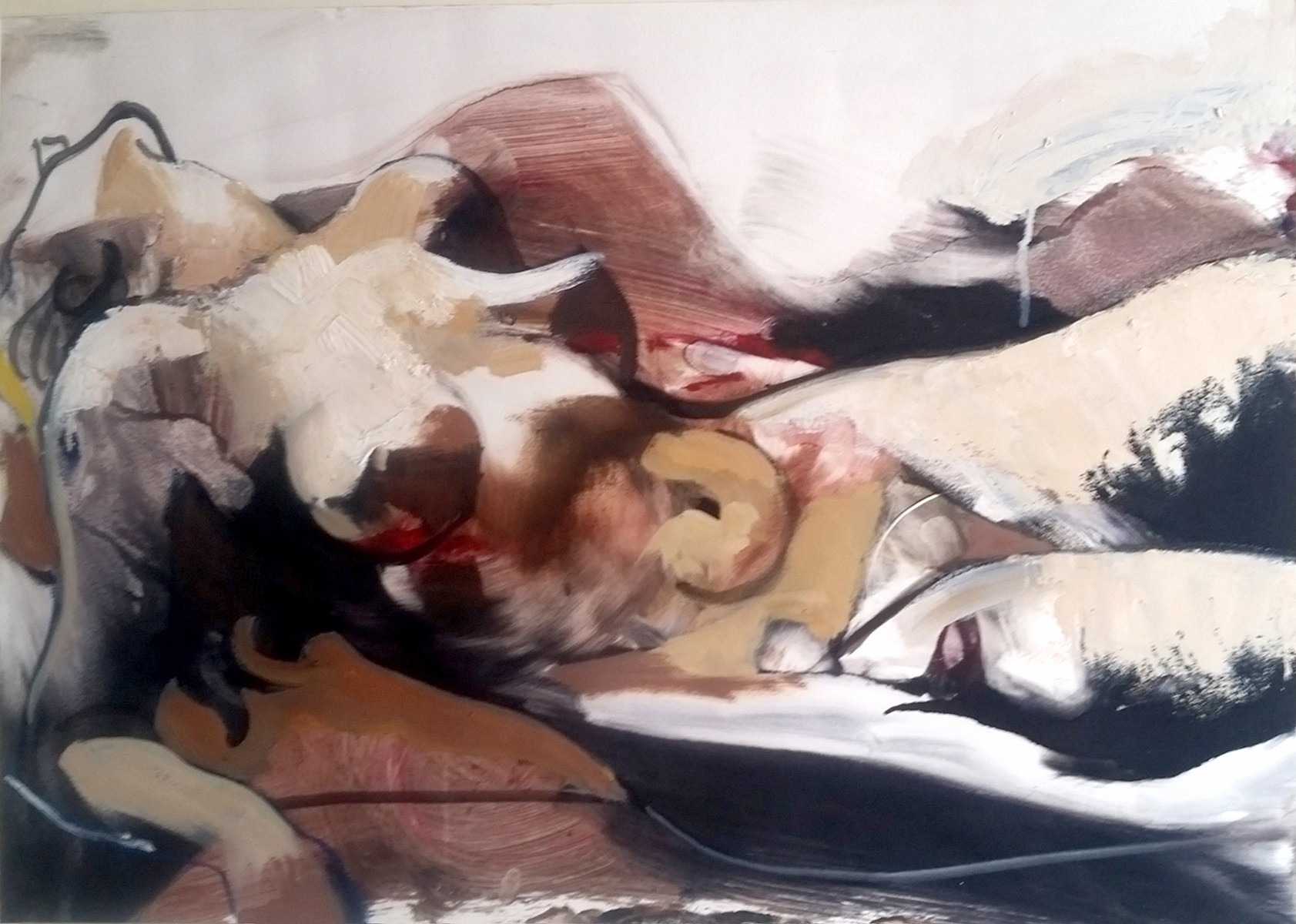
Mannered Nude, oil on paper, 2015, 9" x 24"

Mannered Nude, oil on paper, 2015, 9″ x 24″

Memory Loss, oil on paper, 18" x 14"

Memory Loss, oil on paper, 18″ x 14″

Sleepwalk Redux 2, monotype, 12" x 12"

Sleepwalk Redux 2, monotype, 12″ x 12″

Sleepwalk Redux 17, monotype, 12" x 12"

Sleepwalk Redux 17, monotype, 12″ x 12″

Sleepwalk Redux 24, monotype, 12" x 12"

Sleepwalk Redux 24, monotype, 12″ x 12″

Witch 18, monotype, 2016, 12" x 12''

Witch 18, monotype, 2016, 12″ x 12”

Witch 21, monotype, 2016, 12" X 12"

Witch 21, monotype, 2016, 12″ X 12″

These Things don't Mean Anything, 2012, 18" x 9"

These Things don’t Mean Anything, 2012, 18″ x 9″


Tom Bennett-me at silvermineArtist: Tom Bennett

Tom Bennett, born in Ridgefield, Connecticut, grew up in a household of artists and was influenced by his father, Harry Bennett, an award-winning painter and illustrator. His father’s version of Dante’s Divine Comedy was seminal in shaping Bennett’s early aesthetic.  He grew up spending much of his time experimenting with a wide range of art mediums, but particularly, drawing.

He received a Bachelor of Fine Arts in Painting at the University of Connecticut in 1982 where he worked under the noted  painter and photographer, Bill Parker. He also studied design and color under the award-winning Paul Zelanski.

Tom had his first one-man show at the Ridgefield Guild of Artist Gallery in 1983, and a few months later moved to New York City to further pursue his painting.

In 1985 Tom spent seven months traveling alone through Western and Eastern Europe— into Hungary, East Germany and Yugoslavia—and Africa, sketching while traveling and absorbing new stimuli. His visits to sites like Dauchau and occupied East Germany left him with renewed connection to an inchoate subconscious iconography.

Subsequently, travelling into northern African countries like Morocco & Algeria provided fresh, non-western- centric experiences that ultimately had a subtle, yet profound impact on his art making.

He returned to Spain and resided in Barcelona. Tom lived on the Spanish Mediterranean coast painting, where he exhibited locally in solo and group shows. Eventually he returned to New York and moved to Brooklyn, where he has resided ever since.


http://www.saatchiart.com/tombennett
https://www.facebook.com/tombennettart/
https://www.facebook.com/tom.bennett.165470/media_set?set=a.124389307155.101484.660327155&type=3
https://www.flickr.com/photos/tom-bennett/
https://twitter.com/TommyBennett
http://tombennett.tumblr.com/


Postcolonial Thoughts: Thoughts on Pedagogy of the Visual Artist

by Christopher Hutchinson

Pedagogy

noun, plural pedagogies.

1.the function or work of a teacher; teaching.

2.the art or science of teaching; education; instructional methods. http://www.dictionary.com/browse/pedagogy


This opinion has developed from years of experience teaching visual art on the collegiate level and recognizing that there are an increasing number of  students that want to be art majors–and the majority consider themselves illustrators.   Most of these students come to introduction art classes ill-equipped and advised.  This article is an exploratory investigation into such a student’s attitude and pedagogy.

This trend was confirmed recently during a visiting lecture to a mixed media classroom of high school students that overwhelmingly wanted to be illustrators.  The classroom of students had their portfolios and every student had the same bad habits that they will have to unlearn to become successful in the average college visual art foundation courses.

Note 1-Illustrators struggle in drawing class


Many of these high school students believe that illustration is an easier, freer, and cooler path to eventually produce their own cartoon/manga. In the very beginning of a student’s visual art journey, one should be open to many mediums and processes.  Elementary  through undergrad should be a fertile ground of experimentation with everything visual.  Each medium and field has its champion or interest that leads to further development, a development that cannot be fulfilled with just illustration. Any young artist that has not explored these with the same lust for creating is missing out.  Settling on illustration/animation in 9th grade is the equivalent of saying “hotdogs are the best food ever and there is nothing you can say to change my mind.” In the high school years students should become a fan of art and other processes.  They should be open to receive and consume all aspects of art to eventually make informed decisions.  Experiment with everything such as watercolor, etching, oil paint, drawing–especially drawing.

Note 2- Doodles are not drawing studies

In art, a study is a drawing, sketch or painting done in preparation for a finished piece, or as visual notes. Studies are often used to understand the problems involved in rendering subjects and to plan the elements to be used in finished works, such as light, color, form, perspective and composition. https://en.wikipedia.org/wiki/Study_(art)

Many of these self-proclaimed illustrators/animators cannot draw and have a very difficult time in introductory drawing classes on the collegiate level. These students often do not perform as well as students who are taking the course as a elective.  The elective students have not built up years of bad habits.  Elective students have not built up years of ego so they have the patience to receive proper information.


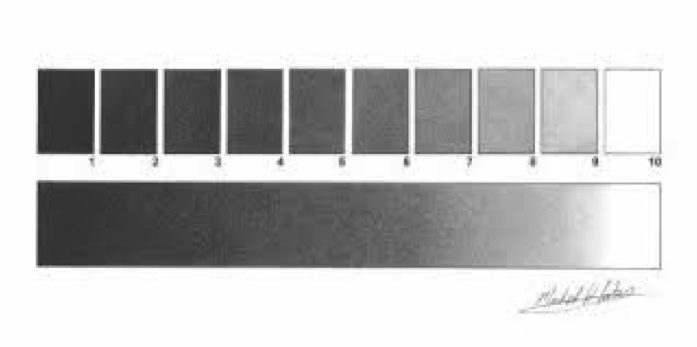
By focusing on illustration/animation as a student’s initial point of interest, bad habits get ingrained and affirmed for years.  Students are actually training themselves to have extreme contrast as a form of reality, but in reality contrast is not nearly so common.  They end up using super black sharpie markers and mechanical pencils, with no understanding of the many levels of gradation and value there are.

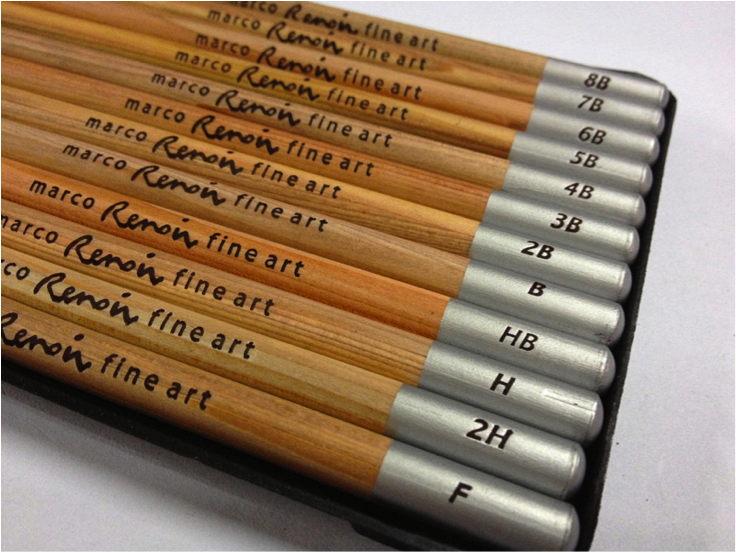
Sharpies and mechanical pencils are not the tools of someone interested in drawing. This problem is evident when these students attempt a a simple value scale.


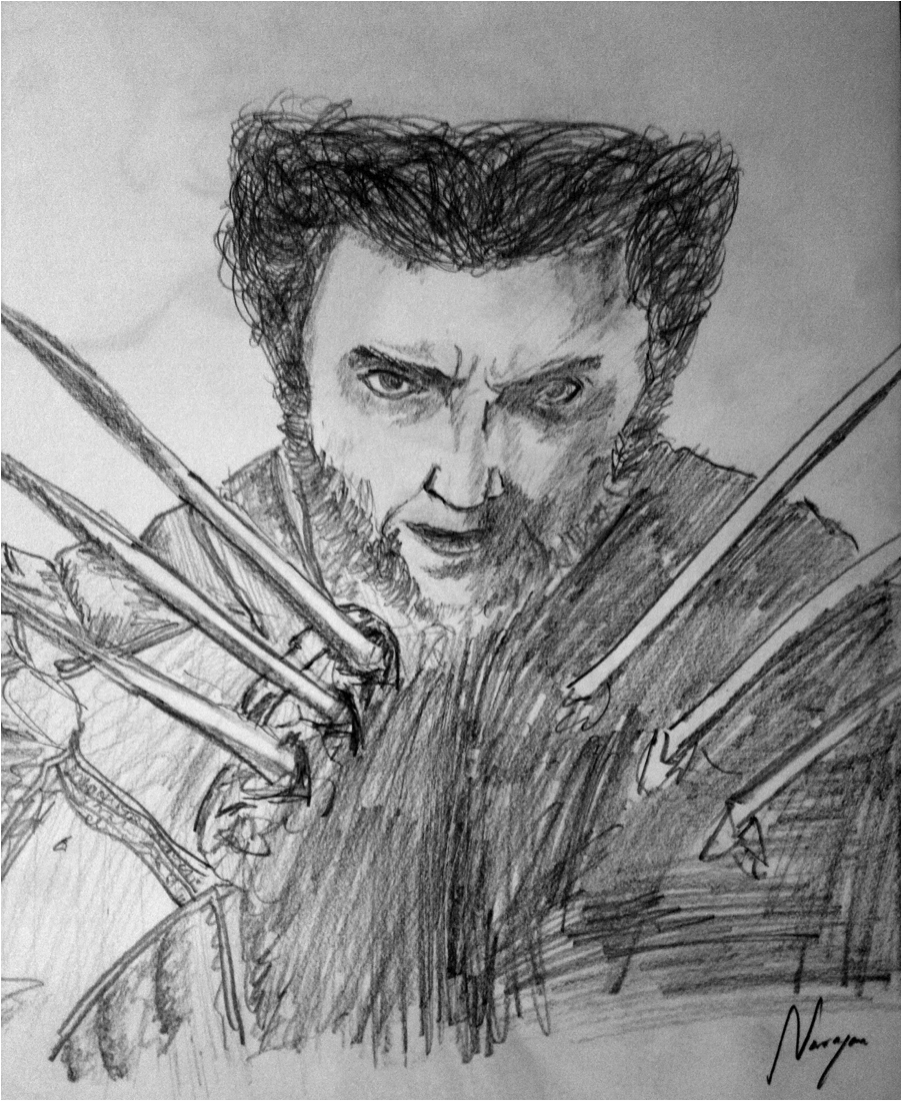
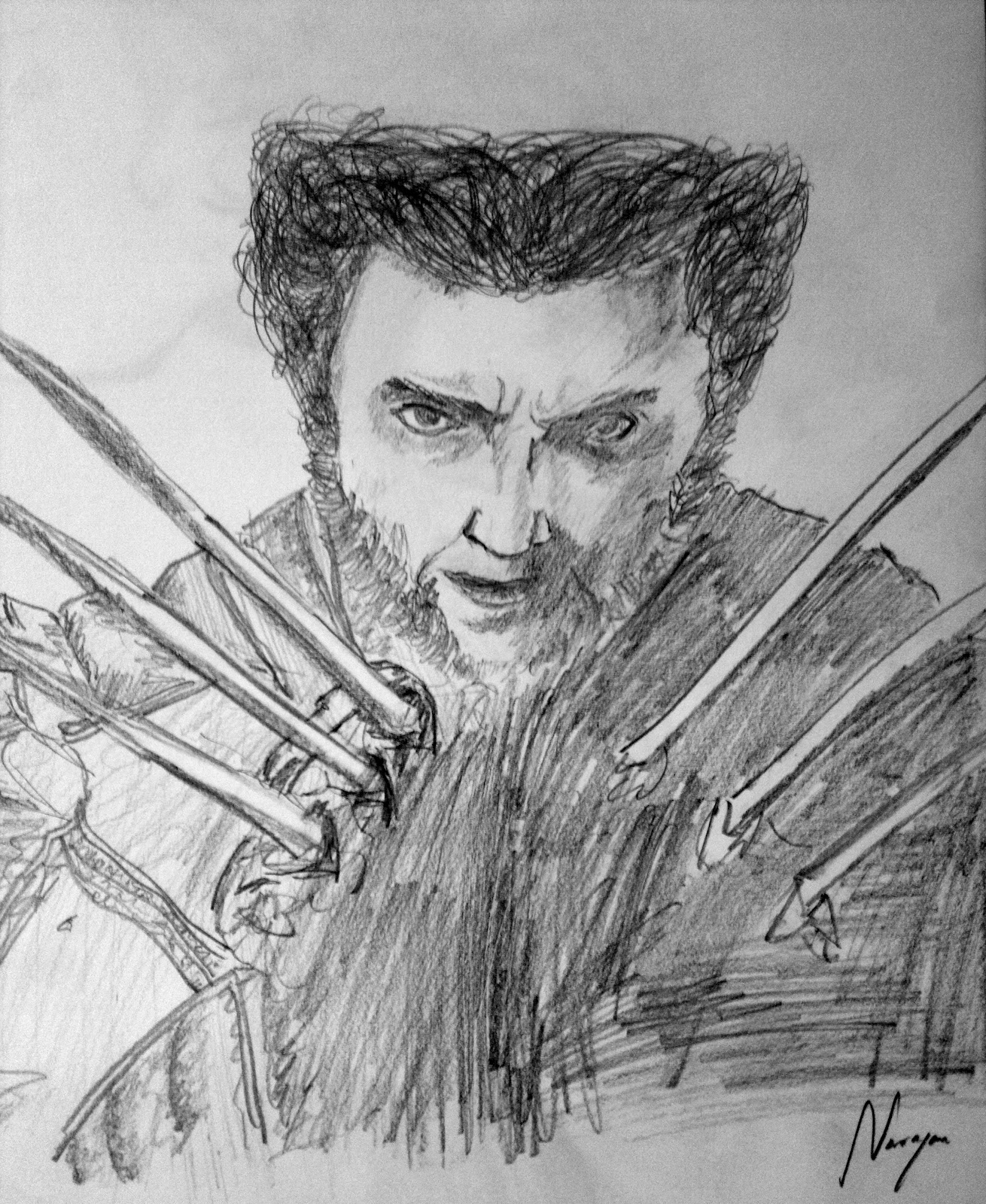
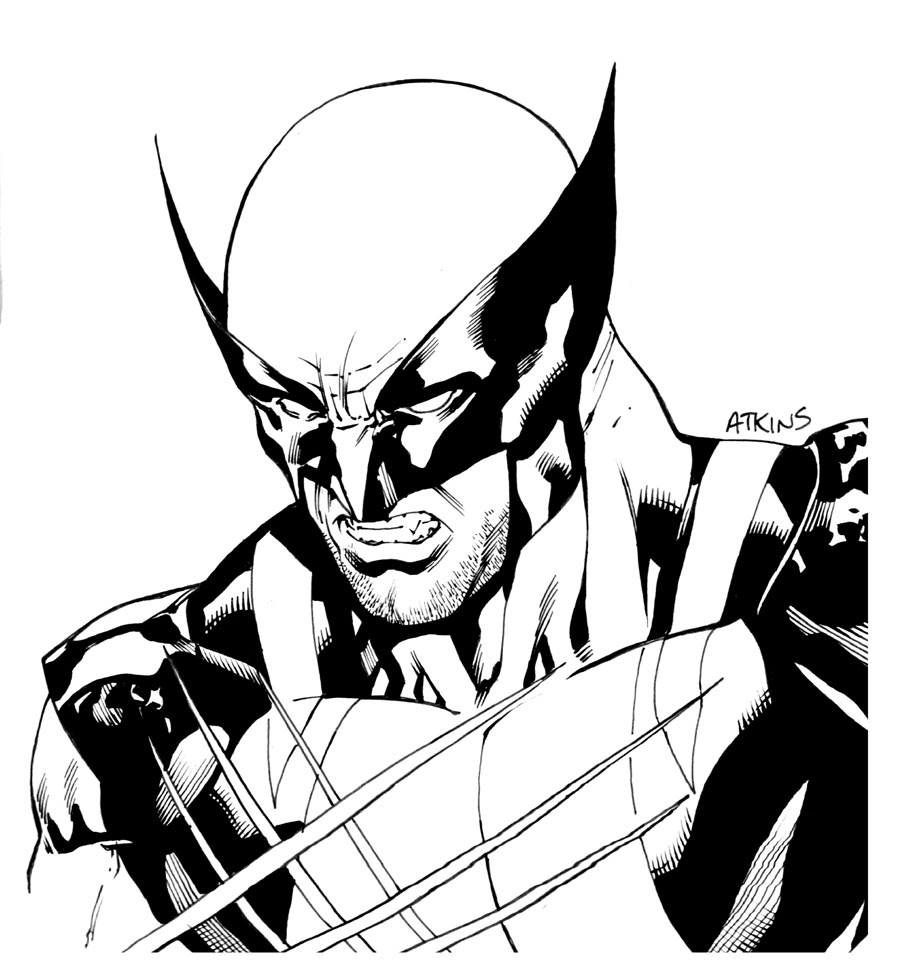
At best, the years of copying their favorite X-Men characters leads to lineweight.  But surprisingly, many of these students’ linework also lacking.

Lineweight is a term that describes the relative ‘weight’ – strength, heaviness, or darkness – of the line against the background or support. It is governed by the pressure on your drawing tool as you make your line – whether this is decreasing or increasing the pressure on the tip so that it leaves behind more or less medium – or altering the angle so that more of the tip is in contact with the paper. http://drawsketch.about.com/od/drawingglossary/g/lineweight.htm

These doodles might as well be scribbles due to the fact that learning the nuances are not learned, rather they are crude lines void of aesthetic.  The doodles of these students are not learning when the majority of what they are practicing is copying a flat image, not looking at life. Those doodles are not studies.

These students’ doodles represent another major problem on the collegiate level: not being able to finish a work of art.  They have many sketchbooks of doodles without a portfolio of large complete pieces.  The work for years without ever completing anything. The point of the study is to learn to finish.  These students end up with a huge ego and years of unfinished work.  Ego comes from completion, not hype.

Note 3- Copying a style is not creative or unique

Students that claim to be interested in illustration/animation are not actually interested in drawing or art making.  They are interested in developing a “style unique to themselves.”  This usually means they want to copy a specific type of style and change the accessories of the character to make it “unique.” Most of these students come with this in mind as a valid pursuit of a career.  This is a huge mistake.  Copying a style is not a creative or artistic choice and definitely not unique.

Note 4-Pedagogy

After a little critique and probing of the high school classroom portfolios, the real reasons began to emerge as to the motivation behind wanting to become an illustrator.  What came up was excitement about the narrative, the movement, and the color of illustration.  Here is where pedagogy can have a huge effect with some additional probing, some additional recommendations, and support.  If a student is more interested in narrative, they need to be more equipped as a writer.  If a student is more interested in movement, then what kind of movement–physical movement or illustrated movement? If color–interested in what kind of color–muted, saturated, color application?

This new crop of self-proclaimed illustrators and teachers have to explore and challenge what illustration really means.  Many of these students, when they come to to the collegiate level, end up changing majors due to being ill-equipped artists that believe the skill of copying is an art form. They are very impatient students and expect quick results. There is a reason art classes are 3-5 hours long. Artmaking is not for the someone interested in quick results.

Christopher Hutchinson 2Christopher Hutchinson is an accomplished Jamaican conceptual artist, professor and contributor to the art community as a writer, critic and founder of the nonprofit Smoke School of Art. He is a Professor of Art at Atlanta Metropolitan State College and has been featured as a lecturer including prestigious engagements at University of Alabama and the Auburn Avenue Research Library. For two decades, Chris has been a practicing artist. His works have been exhibited in internationally recognized institutions including City College New York (CUNY) and featured at the world’s leading international galleries such as Art Basel Miami. He has always had an innate passion for creating spaces where Africans and people of African descent contribute to an inclusive contemporary dialogue—ever evolving, not reflexive but pioneering. This requires challenging the rubric of the canon of art history, a systemic space of exclusion for the Other: women and non-Whites, and where necessary he rewrites it. He received his Master of Fine Arts Degree in Painting from Savannah College of Art & Design, Atlanta and his Bachelor of Arts Degree from the University of Alabama in Huntsville, Alabama.

Without the Darkness We Cannot See the Stars

by Evre Başak

Evre Başak -01-the great Jupiter

Evre Başak-02-The Moon

Evre Başak-03-The sun

Evre Başak-04-Spaceborne

Evre Başak-05-Insider

Evre Başak -6-The Bound

Processed with VSCOcam with m3 preset

Processed with VSCO with m3 preset

Evre Başak-09-Far-From-Hell

Evre Başak-10-Awaken

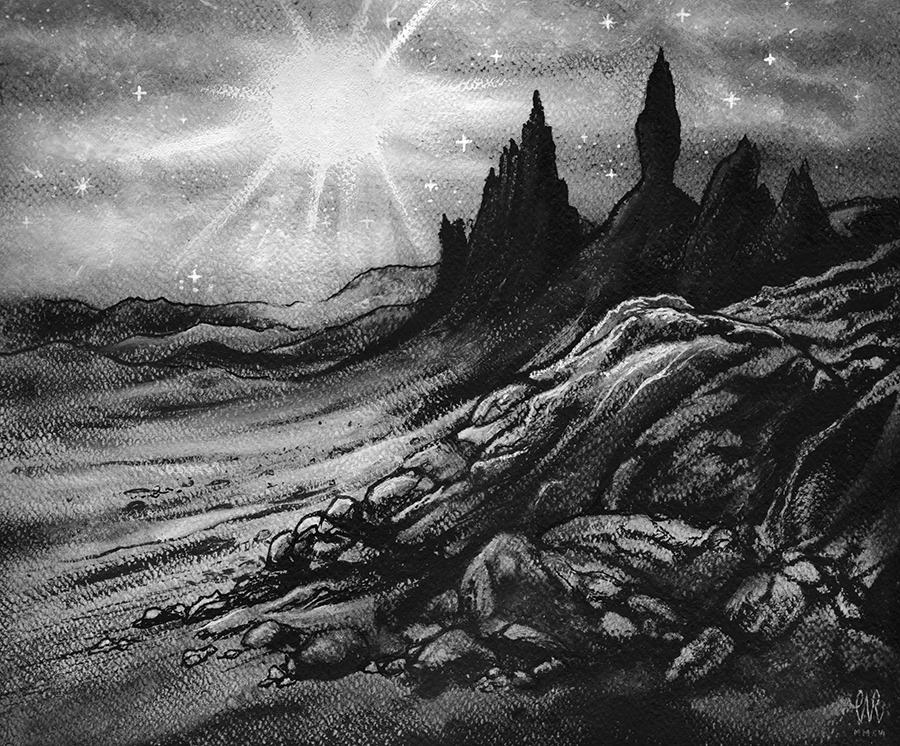
Evre Başak -11-Old-Man-of-Storr

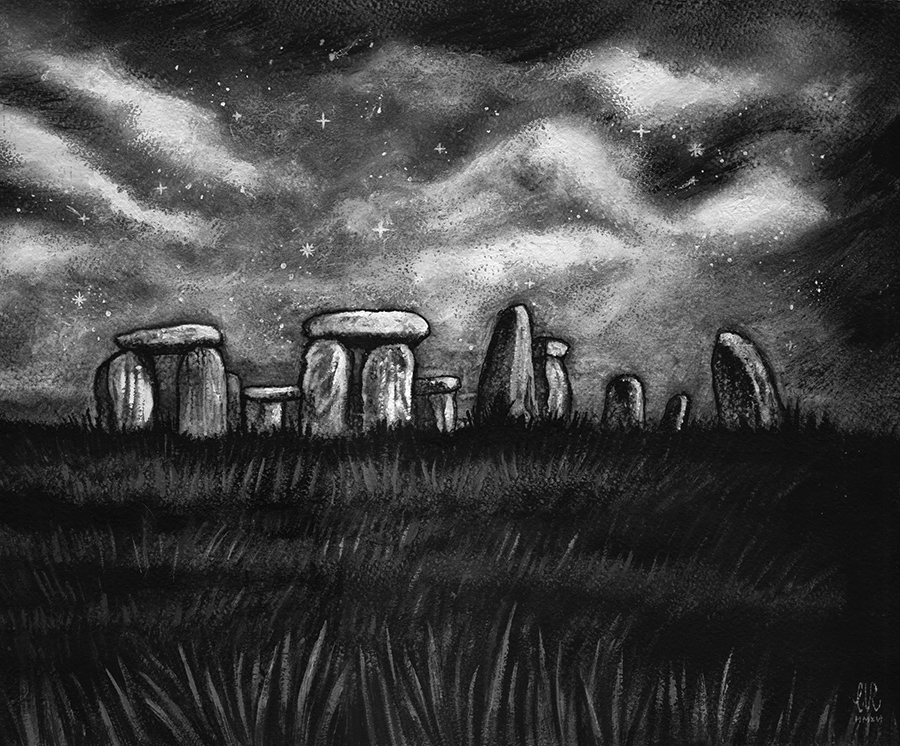
Evre Başak-12-Stonehenge


Evre BaşakEvre Başak was born and raised in Istanbul, a grand old, culturally diverse metropolis in which exists a rare example of how antiquity and modernity can blend together in perfect harmony. She has been drawing and painting ever since she worked out how to hold a pencil. Since graduating from Mimar Sinan Fine Arts University 7 years ago, she has been a professional senior fashion and print designer. Meanwhile she has continued to refine her drawing and painting skills while maintaining a consistent output of original work. Examples of her work have been exhibited at The Marmara Pera Gallery, Milk Gallery, Mtaär Gallery and at Mimar Sinan Fine Arts University. In 2008, she won the international design award, “The Future of National Textile Design Award”.

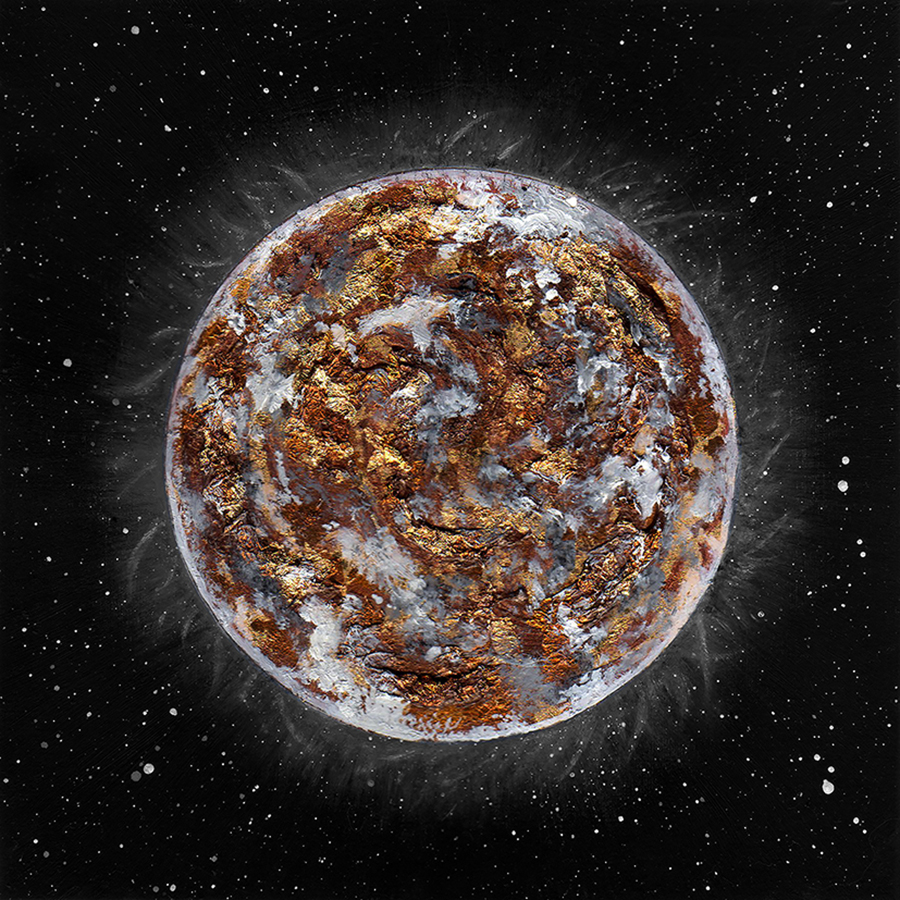
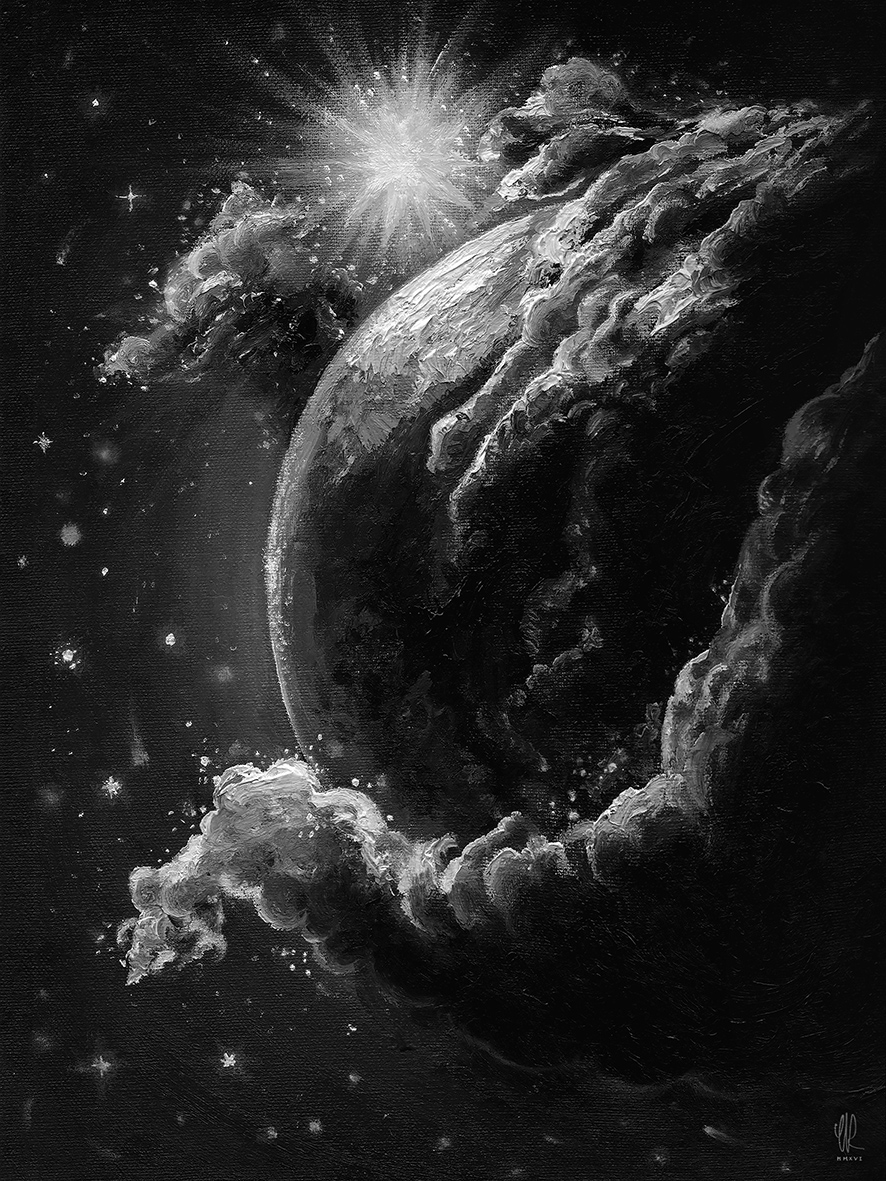
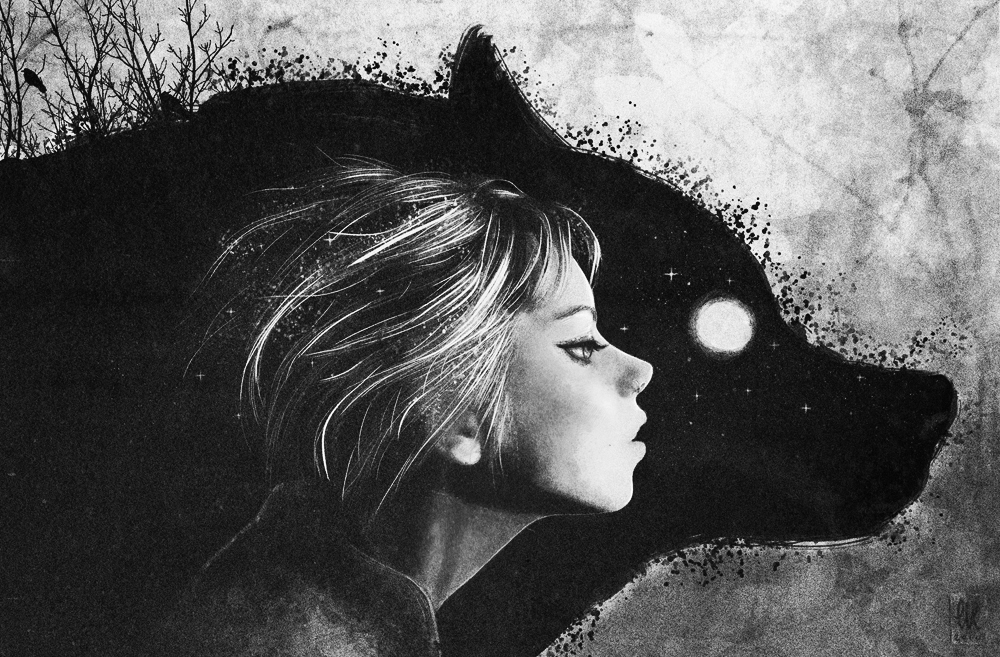
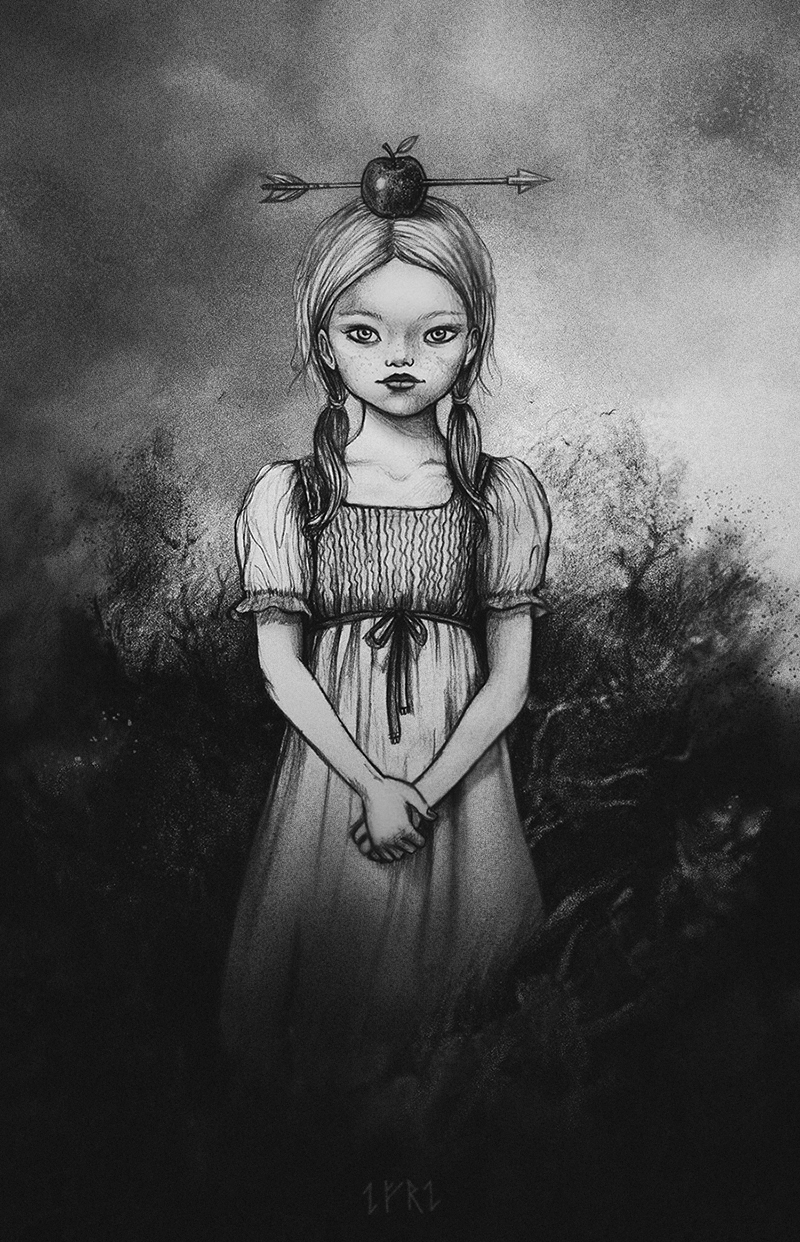
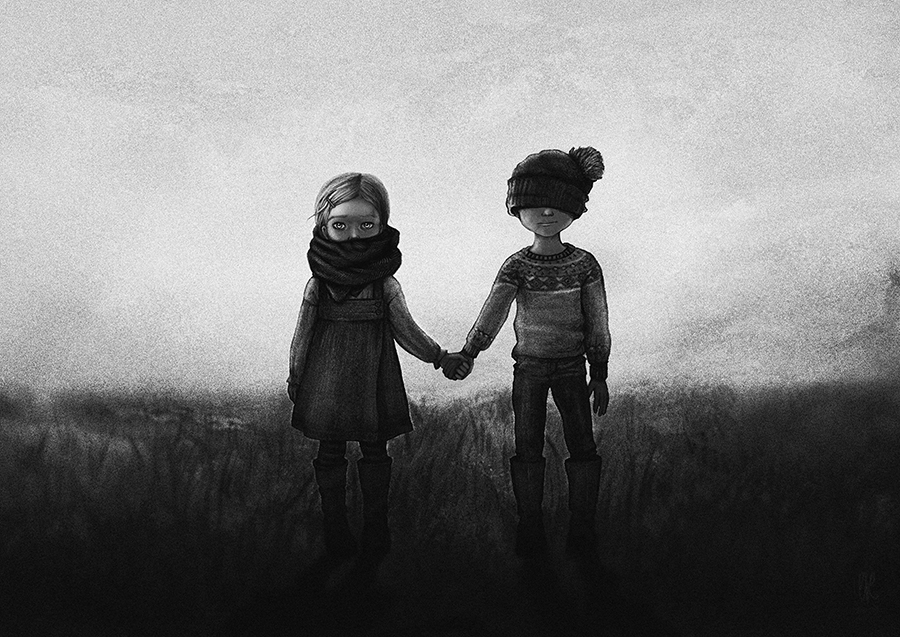
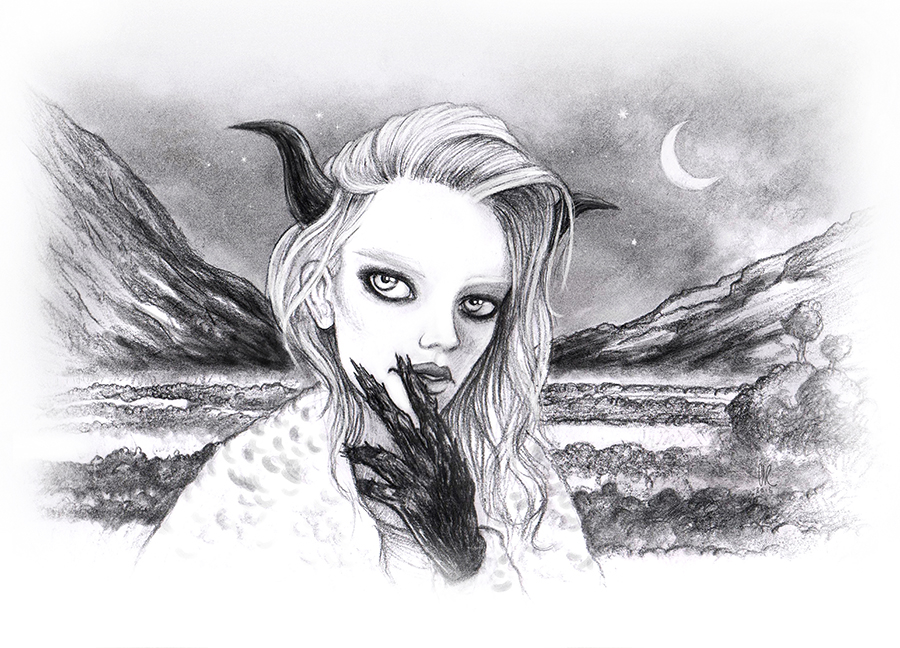
Evre’s artistic passion is nourished by the mysterious power of Mother Nature, the animal kingdom, the universe; and the dark, fantastic romanticism and captivating characters found throughout history and in fairytales. She is trying to capture the positivity, beauty and romance of “the darkness” in order to show that without it, we cannot see the stars.
email: evre.basak@gmail.com

website : http://artofevre.com

facebook : https://www.facebook.com/artofevrebasak/?ref=aymt_homepage_panel

instagram : http://www.instagram.com/artofevre/

twitter : http://twitter.com/evrebasak

pinterest : http://pinterest.com/evrething/art-of-evre/