Recent

Postcolonial Thoughts: Art or fart? Review of Andre 3000’s 47 jumpsuits

by Christopher Hutchinson

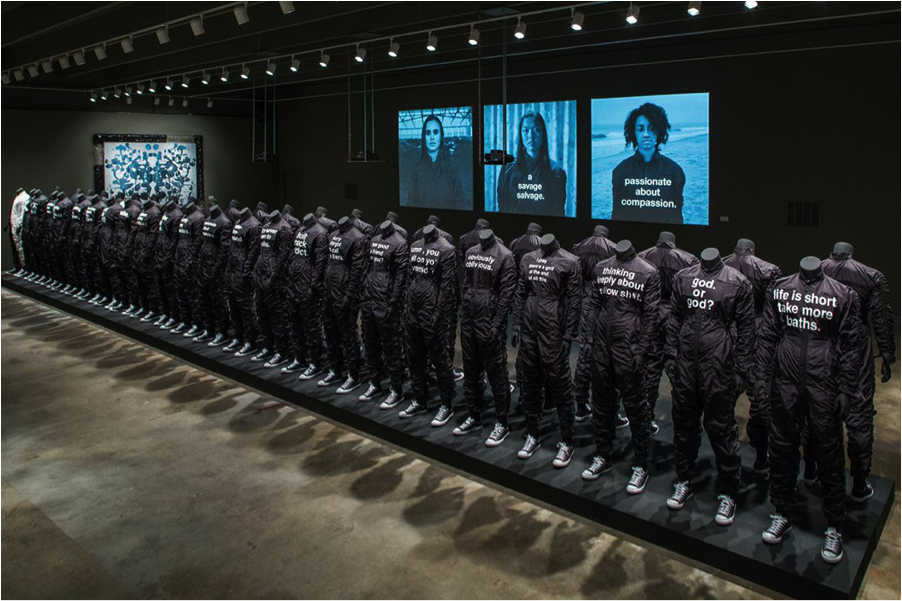
While attending Art Basel Miami 2014, the buzz was about the Andre 3000 exhibition of his 47 jumpsuits, “I feel ya.” This review is about the unwarranted buzz surrounding this exhibition due to an incomplete concept and a focus on quantity.

“Outkast is art, and it’s as simple as that. Even when Big Boi and Andre 3000 aren’t on the mic, they are creating and expressing themselves. On Tuesday evening (Dec.2), Art Basel Miami Beach opened up the talked about exhibit with 47 jumpsuits previously worn by Three Stacks. Simply titled “i feel ya: SCAD + André 3000 Benjamin,” the installation is happening now at The Savannah College of Art and Design Museum’s pop-up at Mana Miami. To go along with Andre’s jumpsuit display, filmaker Greg Brunkalla created a short movie with 3000’s quotes as subtitles. The “i feel ya” exhibition will run until Dec. 7.” http://sandrarose.com/2014/12/andre-3000s-custom-jumpsuits-on-display-at-art-basel/

47 Jumpsuits VS Body of work

“Often listed as a contender for greatest living rapper, Andre made his legacy alongside Big Boi as one half of the southern hip hop duo OutKast“Hey Ya” is decidedly their most popular and recognizable track, but check out verse 4 on the title track of their highly acclaimed 1998 album Aquemini. This is a small sample of Andre’s poetic style and unparalleled rhyming abilities”. http://genius.com/artists/Andre-3000

As great a lyricist as Andre 3000 is, the fact is that this project of 47 jumpsuits is not art. It is so remedial that it asks the ubiquitous introduction to art appreciation class question— what is art? The 47 jumpsuits fits all the categories that identify what art is not. The first point to be addressed is the need for 47 different jumpsuits. This is a rookie mistake that all artists encounter, the belief that the amount produced adds to the artworks significance. It does not. There is a big difference between quantity and art. The arbitrary “47” jumpsuits are a means to an end. Not an actual interest in text, documentation, material, performance, sculptures and designs. It’s a poor idea with money backing it. Andre’s notoriety has certainly contributed to the obvious lack of artistic choices made purely and simply because we are fans of his. When “ I feel Ya” is examined without those rose colored glasses, it fails.
Text & Documentation

Adrian Piper’s calling card 1986 is a perfect example of a text-based work that does not need anything else to be powerful. Couldn’t text alone satisfy the task of the “I feel ya” project? Students often feel the need to add and add without taking the proper time to evaluate what each medium has to offer. Professor K. Jill Johnson asked me in undergrad, “You’re always adding, have you ever considered subtracting?” Artists that fulfill the urge to make, and make, and make–continually adding–often end up with a bunch of clichéd references that lead away from his or her concept, not clarifying it. Andre 3000 is known as a lyricist, a storyteller, yet “I feel ya” is saturated with clichéd quotes and anecdotes. It is a betrayal of his own work. “I feel ya” is so cliché that it’s about being a collectible product rather than documentation.

Material & Performance
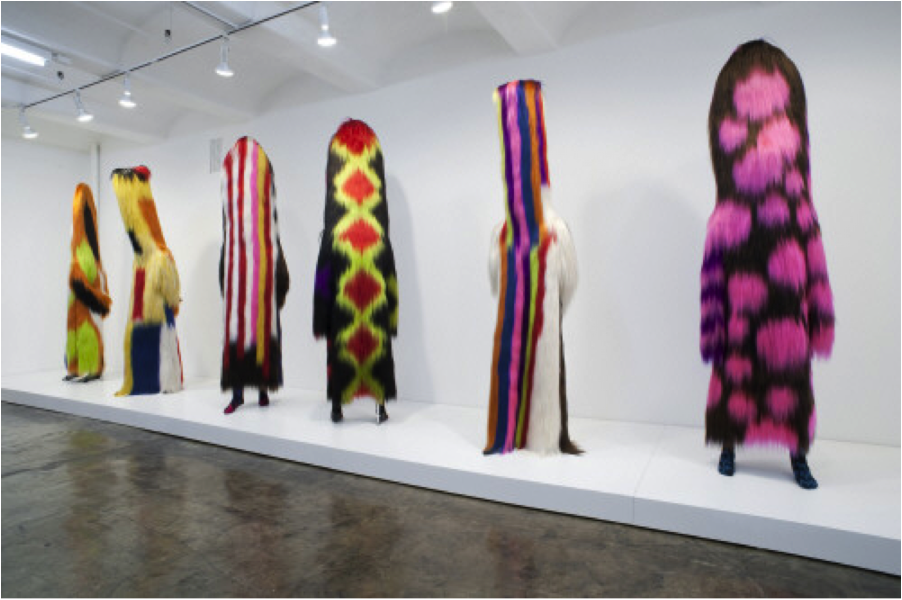
Nick Cave’s sound suits work as static objects as well as kinetic performance pieces. Cave has explored material and its integral part of his praxis. Material should be married to concept for a cohesive honest dialogue. Does “ I feel ya” explore material and performance enough to be separate from a t-shirt? Do we need to pay attention to Andre 3000’s specificity of jump suits or is it a gimmick that amounts to nothing more than Macaulay Culkin T-Shirt Inception or the “ I can’t breathe” campaign.
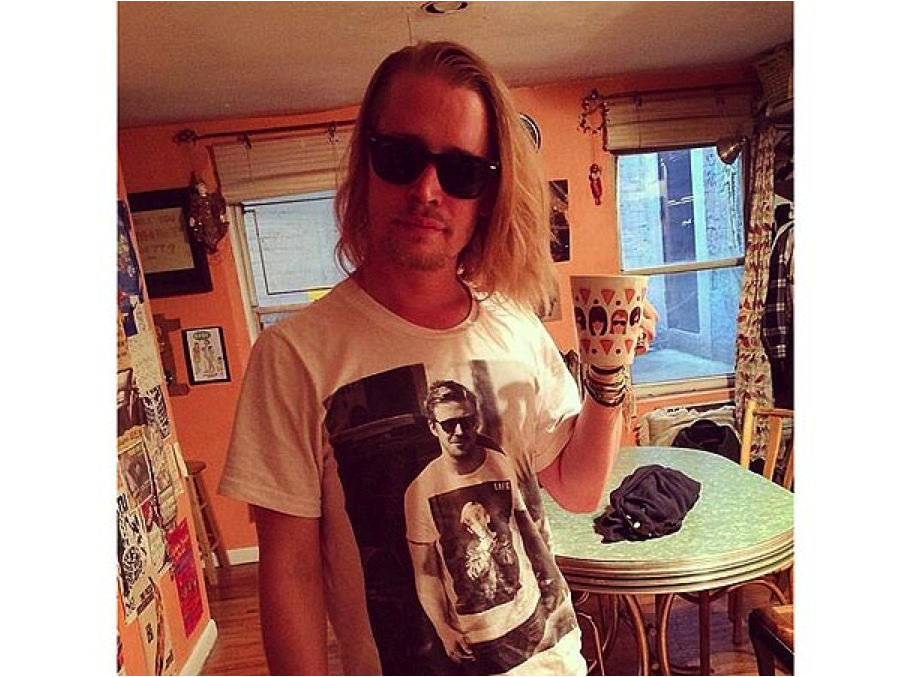
SCAD + Andre 3000

The most impressive achievement is how well this concept is received and supported. To be featured by the Savannah College of Art & Design space at MANA during Art Basel 2014 is a great honor, an honor it doesn’t deserve and frankly brings into question the artistic integrity of SCAD.

 

Christopher HutchinsonChristopher Hutchinson is an Assistant Professor of Art at Atlanta Metropolitan State College, Archetype Art Gallery Owner in Atlanta, Ga, and Smoke School of Art Founder. He received his Master of Fine Arts Degree in Painting from Savannah College of art & Design, Atlanta and his Bachelor of Arts Degree from the University of Alabama in Huntsville, Alabama. He lived in Alabama for 10 years before moving to Atlanta in 2008.

Learn more about Christopher and his work at Black Flight 144.
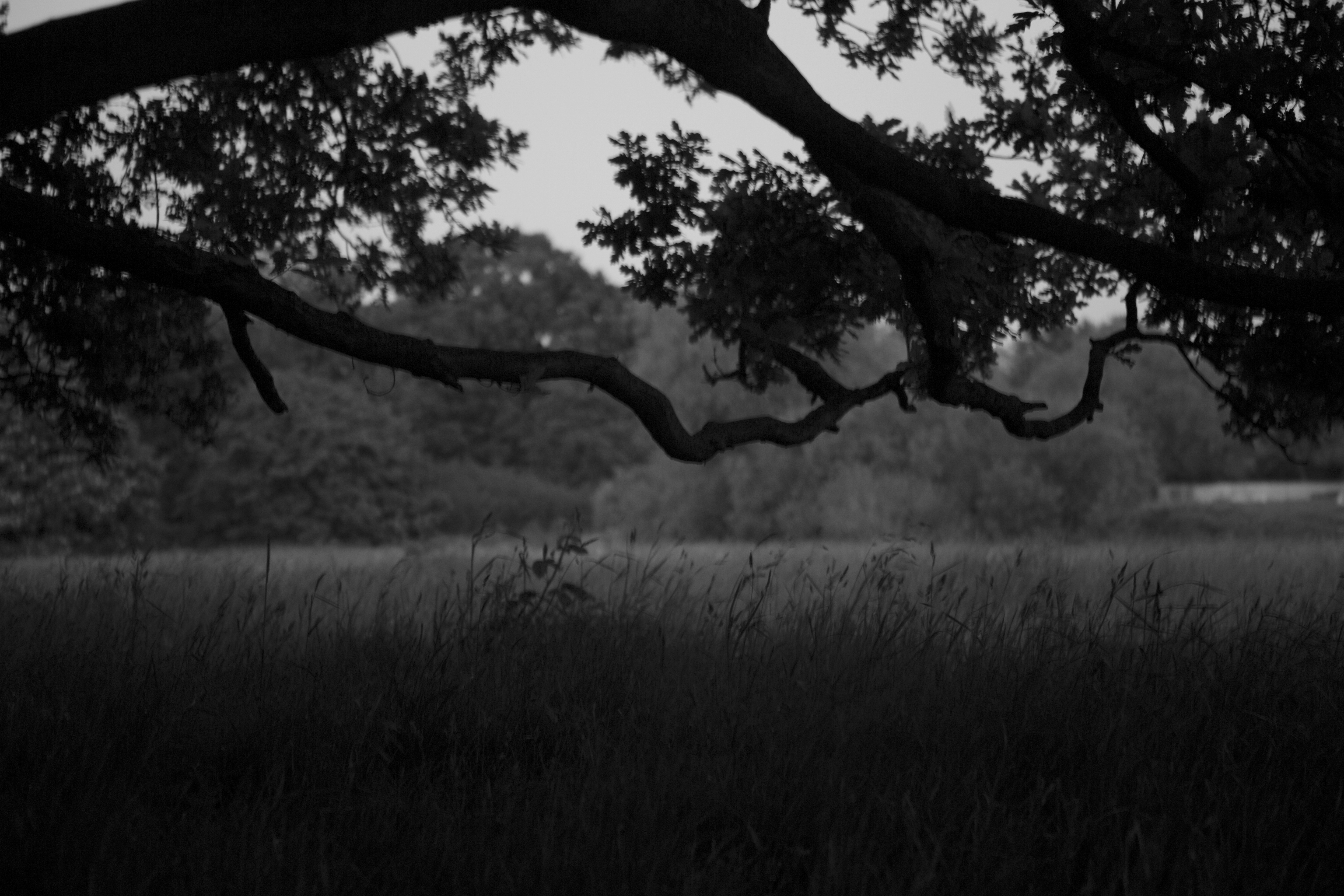
 

Liminal Landscapes of Hampstead Heath, London

by Cecilia McDowell

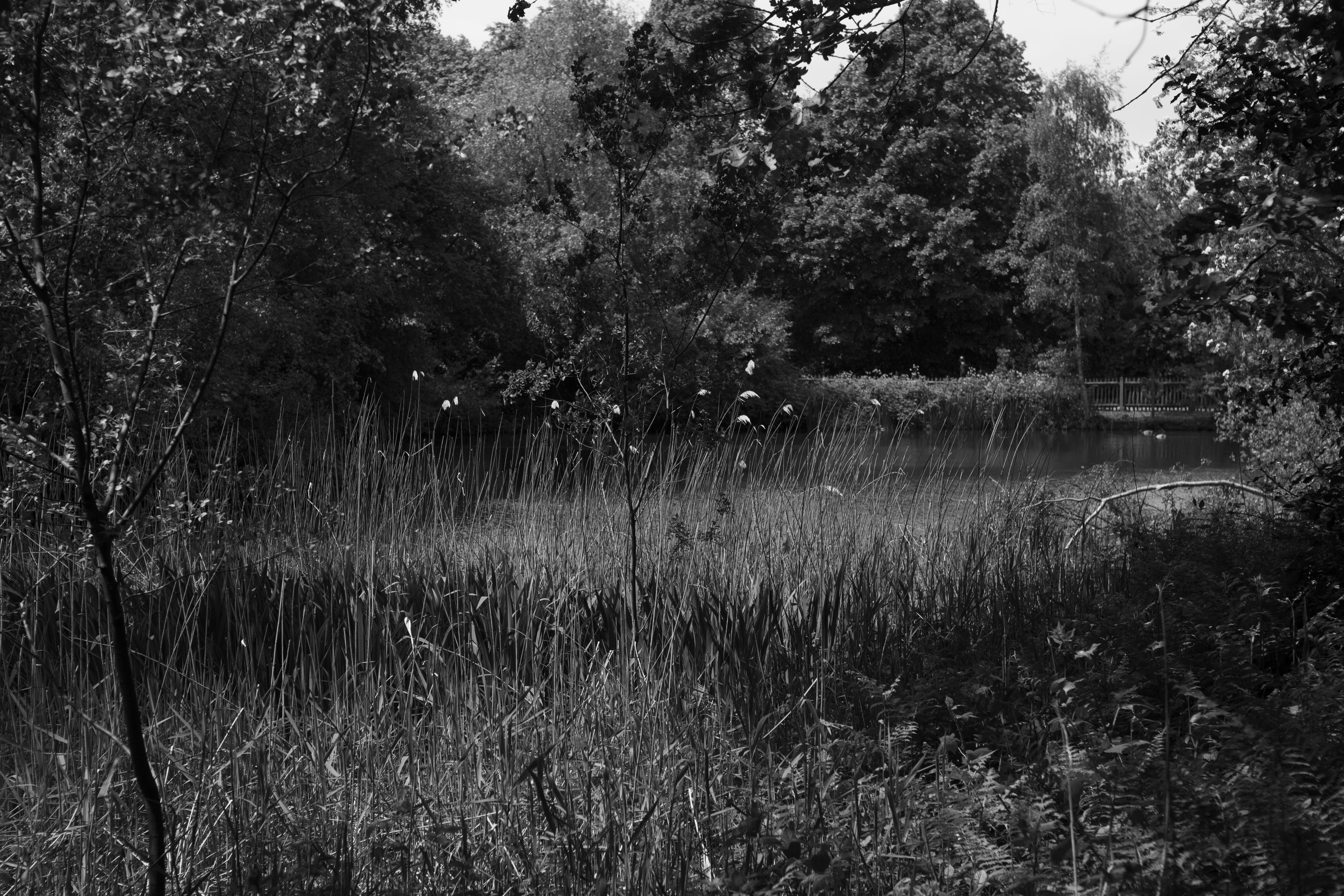
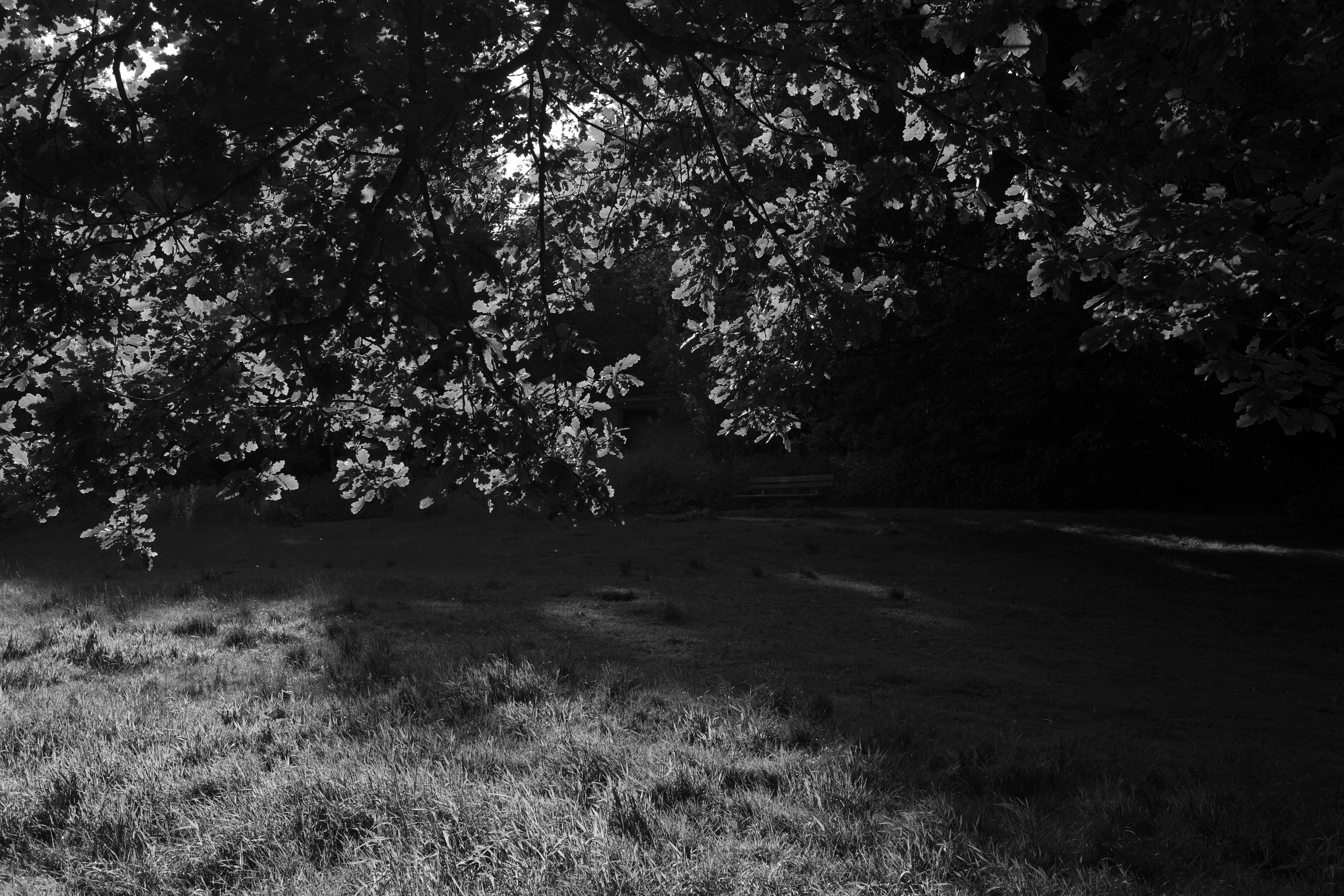
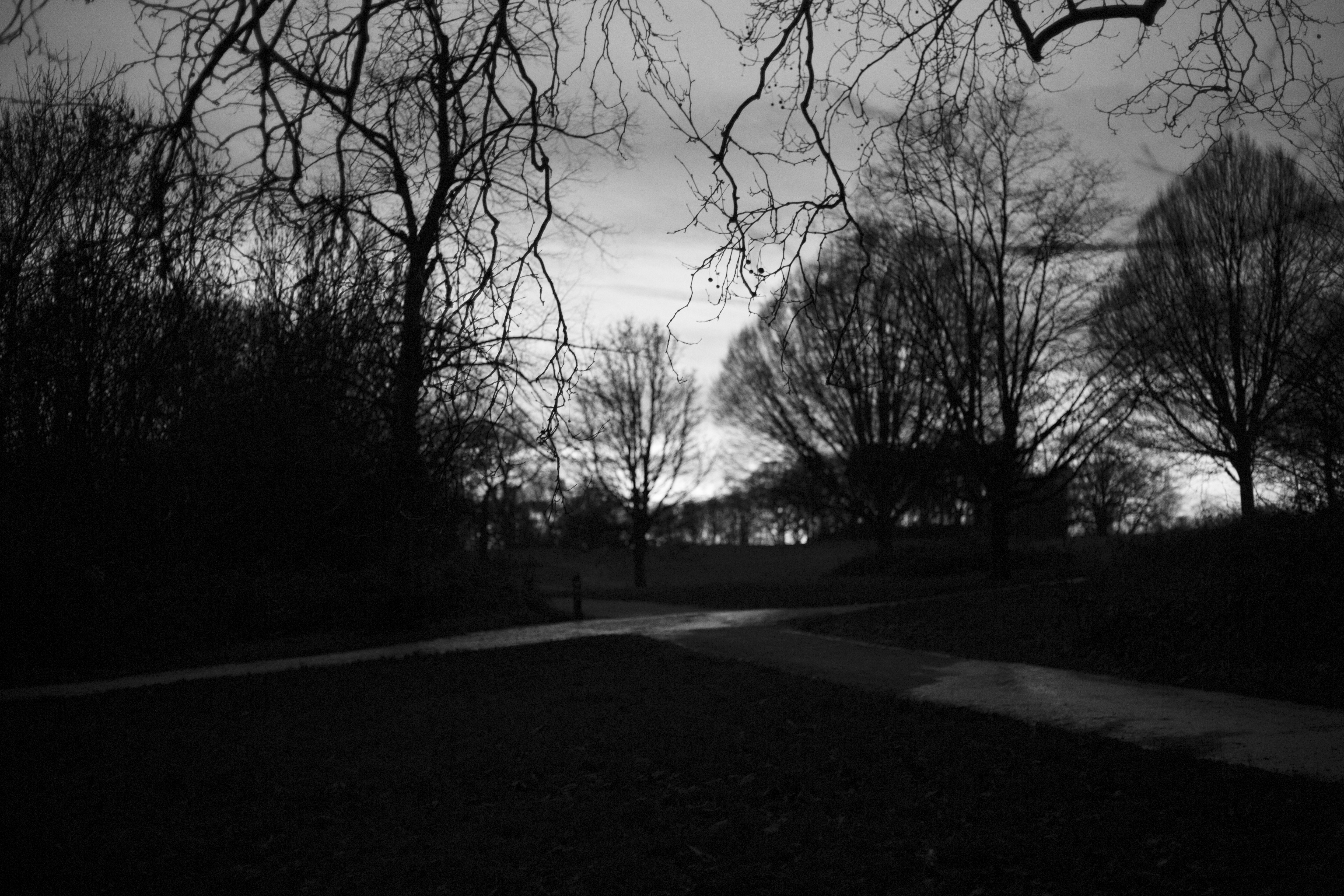
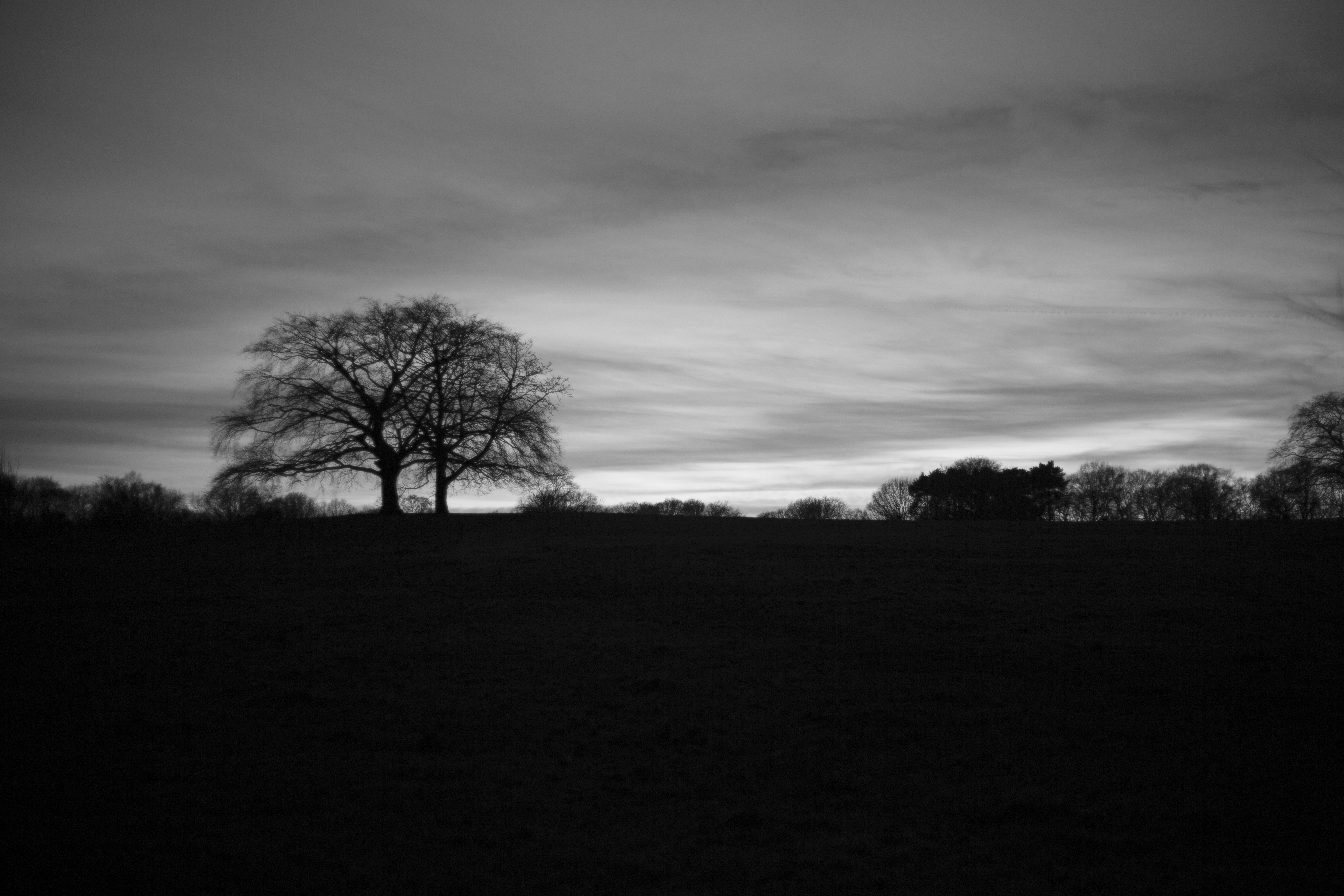
Hampstead Heath: nearly 800 bucolic acres of parkland within London’s city limits, a city home to over 8 million people.

Though they are much cultivated and maintained now, these are lands that were mentioned in the Domesday Book (c. 1086AD), and upon which still stands a Bronze Age barrow (c. 2000-3000BC). Certainly, there have been major human-made changes – the now-famous bathing ponds were first dug as reservoirs in the 17th and 18th centuries – but this ancient park is tended with such an artist’s eye as to still feel pastoral. It is a public space in one of the world’s largest cities, a space that receives millions of visitors per year, and yet it is possible to sit under a tree in splendid silence for hours without seeing another living person. There is an undeniable magic in this place, regardless of your definition of the word, and even more so at dusk and dawn; at midsummer; at the edge of dappled shadows, ‘through verdurous glooms and winding mossy ways.’

Past the near meadows, over the still stream,
Up the hill-side; and now ’tis buried deep
In the next valley-glades:
Was it a vision, or a waking dream?
Fled is that music:—do I wake or sleep?

–John Keats, ‘Ode to a Nightingale’ 1819


Untitled #1

Untitled #2

Untitled #3

Untitled #4

Untitled #5

Untitled #6

Untitled #7

Untitled #8


Cecilia McDowellArtist: Cecilia McDowell 

Introvert.  Artist.  Inveterate reader.
Curious.  Traveller.  Consulting palate.

Media links:

www.ceciliamcdowell.com

instagram.com/ceciliamcdowell

coming soon – accidentalalchemist.co.uk


Pop Promises: In Defense of Taylor Swift

Each year Rebekah Goode-Peoples writes an end-of-the-year wrap up of her experience of the year’s music. Check out her 2012 and 2013 editions as well.  “Marriage,” the second album from her band Oryx and Crake, comes out June 2015.

Pop heaven: Iz gets Taylor Swift tickets for Christmas

Pop heaven: Iz gets Taylor Swift tickets for Christmas

by Rebekah Goode-Peoples

I bought my first cassette tape at Turtle’s Record Store in Roswell, Georgia. Belinda Carlisle. She was in the Go-Go’s, but I bought her solo album, “Heaven On Earth.” It was 1987, and I’m not sure why I bought it. I was nine.

I shook my hair in the shower while listening to that tape on my turquoise boom box, as I washed the dishes, in my head as my dad drove around listening to Schubert.

“Heaven is a place on Earth” played in my head as I sat in my pew at church. And not just normal Sunday morning church. Five times a week, floral dresses to the floor, don’t-talk-to-anyone-at-school-because-they’ll-make-you-sin-so-hard church. White-haired men intoned about heaven as a goal I was supposed to aspire to. As a maybe. As a reward in the future if I didn’t screw up. If I was perfect.

Heaven is a place on Earth. A thing you could have now. Here. A thing I’d never considered.


Sweet Belinda sang about finding heaven in the now, through love, and allowed me to question what I’d been taught—that life was all about plain work, sacrifice and subservience that might pay off in an eventual heavenly existence, after Armageddon. At the bare age of nine, I found out there was another way. A better one for me.

It wasn’t until I left my family home for college that I was able to officially leave the religion, but part of me left in 1987, humming Belinda Carlisle under my breath as I knocked on doors to tell strangers the good news I didn’t believe anymore.

I think I love pop music because of Belinda. I’m not saying pop music is equivalent to Proust or that one silly pop song saved me—certainly I would’ve found my way eventually—but I am saying that the saccharine flowing from Top 40 radio isn’t necessarily completely worthless. It is silly, but it can be powerful.

So it is with no shame that I admit that Taylor Swift’s “1989” was my top album of the year.

Because I am lucky to have a spunky five-year-old music loving lady named Iz who is susceptible to the charms of “Shake It Off,” I downloaded the album the day it came out. After a solid month of my daughter’s pseudo-rapping and shake-shaking, she finally let me play the rest of the songs. After 1.5 listens, we both knew all the lyrics and knew it was just the album to crank up while tooling around town with the windows down or booty-shaking doing the dishes.

But our love of T-Swift was not an accepted one. My partner rolled his eyes and sighed. “Why do you let her listen to that crap?” he said.  Iz and I had to wait to until we were alone to listen to our girl.

The resulting clandestine Gilmore Girls-esque listening sessions were epic and no doubt adorable, but I worried that giving in to the Swift might cause irreparable harm, might make my girl a boy-crazy ditz. I worried, but we kept listening together and cutting all the rugs. The album is straight-up addictive.

Turns out, Iz has a mad “crush-love” on a 2nd grader, but I don’t think it’s Taylor’s fault. And when her heart breaks one day, maybe she’ll be able to shake it off. Shake, shake it off.

Who knows what good she’ll get from it?

Recently I took a writing workshop at the Atlanta Contemporary Art Center, and the instructor read a bit of Anne Sexton’s “Admonitions To A Special Person.” Sexton’s words grabbed and nudged me, and, for some reason, good ‘ole Belinda popped into my head. I keep learning the same truths. Over and over again.

There is value to pop music. It’s fun, and you can dance to it. It’s fun to know all the words and sing them loudly. And sometimes you might find a message in that glitter pink bottle that you needed.

So I let Iz listen to Taylor Swift as much as she wants. And when the “1989” tour comes to Atlanta, Iz will go to her first concert. I’ll give her what I didn’t have. Whatever her heart wants.

Other 2014 lovelies:
San Fermin- San Fermin
Chad VanGaalen- Shrink Dust
Jhene Aiko- Souled Out
Jessie Ware- Tough Love
No Devotion- 10,000 Summers
The War On Drugs- Lost in the Dream
Grouper- Ruins
The Afghan Whigs- Do to the Beast
TOPS- Picture You Staring


Admonitions To A Special Person

by Anne Sexton

Watch out for power,
for its avalanche can bury you,
snow, snow, snow, smothering your mountain.

Watch out for hate,
it can open its mouth and you’ll fling yourself out
to eat off your leg, an instant leper.

Watch out for friends,
because when you betray them,
as you will,
they will bury their heads in the toilet
and flush themselves away.

Watch out for intellect,
because it knows so much it knows nothing
and leaves you hanging upside down,
mouthing knowledge as your heart
falls out of your mouth.

Watch out for games, the actor’s part,
the speech planned, known, given,
for they will give you away
and you will stand like a naked little boy,
pissing on your own child-bed.

Watch out for love
(unless it is true,
and every part of you says yes including the toes) ,
it will wrap you up like a mummy,
and your scream won’t be heard
and none of your running will end.

Love? Be it man. Be it woman.
It must be a wave you want to glide in on,
give your body to it, give your laugh to it,
give, when the gravelly sand takes you,
your tears to the land. To love another is something
like prayer and can’t be planned, you just fall
into its arms because your belief undoes your disbelief.

Special person,
if I were you I’d pay no attention
to admonitions from me,
made somewhat out of your words
and somewhat out of mine.
A collaboration.
I do not believe a word I have said,
except some, except I think of you like a young tree
with pasted-on leaves and know you’ll root
and the real green thing will come.

Let go. Let go.
Oh special person,
possible leaves,
this typewriter likes you on the way to them,
but wants to break crystal glasses
in celebration,
for you,
when the dark crust is thrown off
and you float all around
like a happened balloon.


Photo by Jenn Brandt

Photo by Jenn Brandt

Rebekah Goode-Peoples is a teacher and writer who lives in Atlanta, GA. You can find her on Twitter and Instagram at @goodepeoples and her band, Oryx and Crake, at @oryxncrake.


This Is My Libertine Story

by Laura Carter

Schrödinger’s Cat by Caroline Nevin  (https://www.facebook.com/CINfulART)

Schrödinger’s Cat by Caroline Nevin (https://www.facebook.com/CINfulART)


Games retire into heart
and then the Copernican window
that never quite says what it can say
because the world is made up of obsolete angles.
I listen to Neutral Milk Hotel and think of the two-headed
Hegel, though I know that A does not equal what it is.
On the other side of the city, a couple settles down
and turns on the TV for the last time. And then they get divorced.
It’s as simple as that really, the fact that they have grown apart
because the night crept into them where it hurt.
There’s really nothing left of a city when you
see only the remains of the day, and then nothing left of those old remains.
Salvador and his friends are growing beards again in my latest longing.

*

Every night we kiss before the sheets become wet with
remnants of bodies lost in space
Before a loss
there is always a voice that comes from somewhere telling us that we should
stop
By we I mean me
and you the one I once remembered
but the dawn is an unruly fool
matched only by night
where things are almost simple and right with the new rain
and everybody
loves to wear a city and
even the sky is a new rooftop

*

A document is filed under sun and
nothing seems to change.
Outside, the world is what it has always been:
full of people needing to care
and be cared for, full of people needing to hug and be hugged and to be blessed
by something, if not others.
The old people
walk slowly to their doctors’ visits,
making ducks back into dogs,
telling off the sun because it’s so far gone and
the only thing left is
a body—not just one but maybe many
slouching toward a destination.

*

Modernity is made of old spikes—
you lose one, and then I help you heal where it fell
into the ground into a puddle of milk.
The other side of the revolution
is that a lover can be made of nothing
but himself—pure self—pure nothing but him-him-him-himself
and the world is brighter than an orange May.
A new romance is almost as alphabetic as
the time you escaped from the womb again.

*

A sun glistens in early
and you don’t know what to do so you make your coffee
and imagine what your next life will be.
Made up of the worlds of alphabet skies,
you’re not all there yet, but you want to be there oh so bad.
While you’re worrying about the next thing, I’m worrying about
where I put the keys to the car in case I need
to flee in the middle of the night and
drive to the station to write a letter.
The next thing I want to do is become ordinary,
as plain as new luxe
but not entirely live
as a wire is live, not entirely all that way.
The place near the desk where you put your chair spins.

*

As it turns out, the animals are awake
and listening to Cyndi Lauper on iTunes
until 3 in the morning, just because they can.
Everything for sale, until dawn
hits and their lovers turn over in their beds.
Neglect? you might ask. What’s the working world about?
It’s not the lake anyone needed.
It’s not even Times Square where the cultures are all blending and
and suddenly your Jungianism seems obsolete, retarded
by the station moving forward in space.

*

Someone wants to enter the door of the law for the last time.
It’s like shuffling what’s left—
with tears for ordinary
time schedules train stations left.
The latest groove is an exercise in fear,
when the world doesn’t want to take you in.
Someone enters the last door
and begs a little sustenance
as if remembering what a love was for.

laura carterLaura Carter lives in Atlanta, where she is poet-in-residence at WonderRoot Center for Art & Social Change until March. Her most recent chapbooks are out in 2014 with Dancing Girl and ShirtPocket Presses. She has published many poems online and in print journals, and she lives on the east side of the city with her two cats, Sasha and Sonya.

Chromosome of Conflict

by Enrico Gaveglia

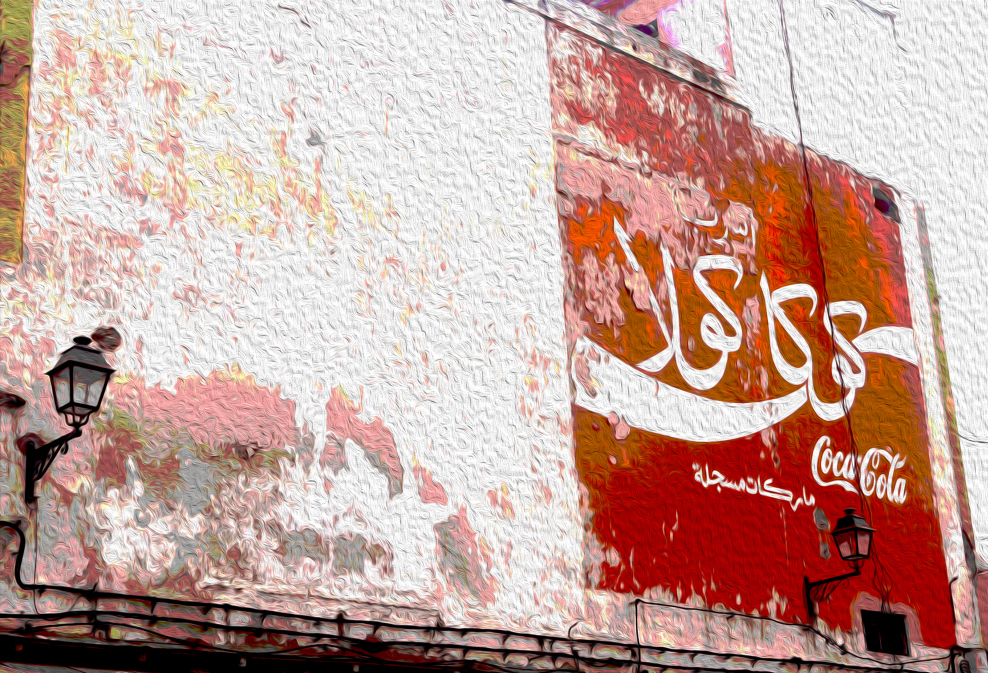
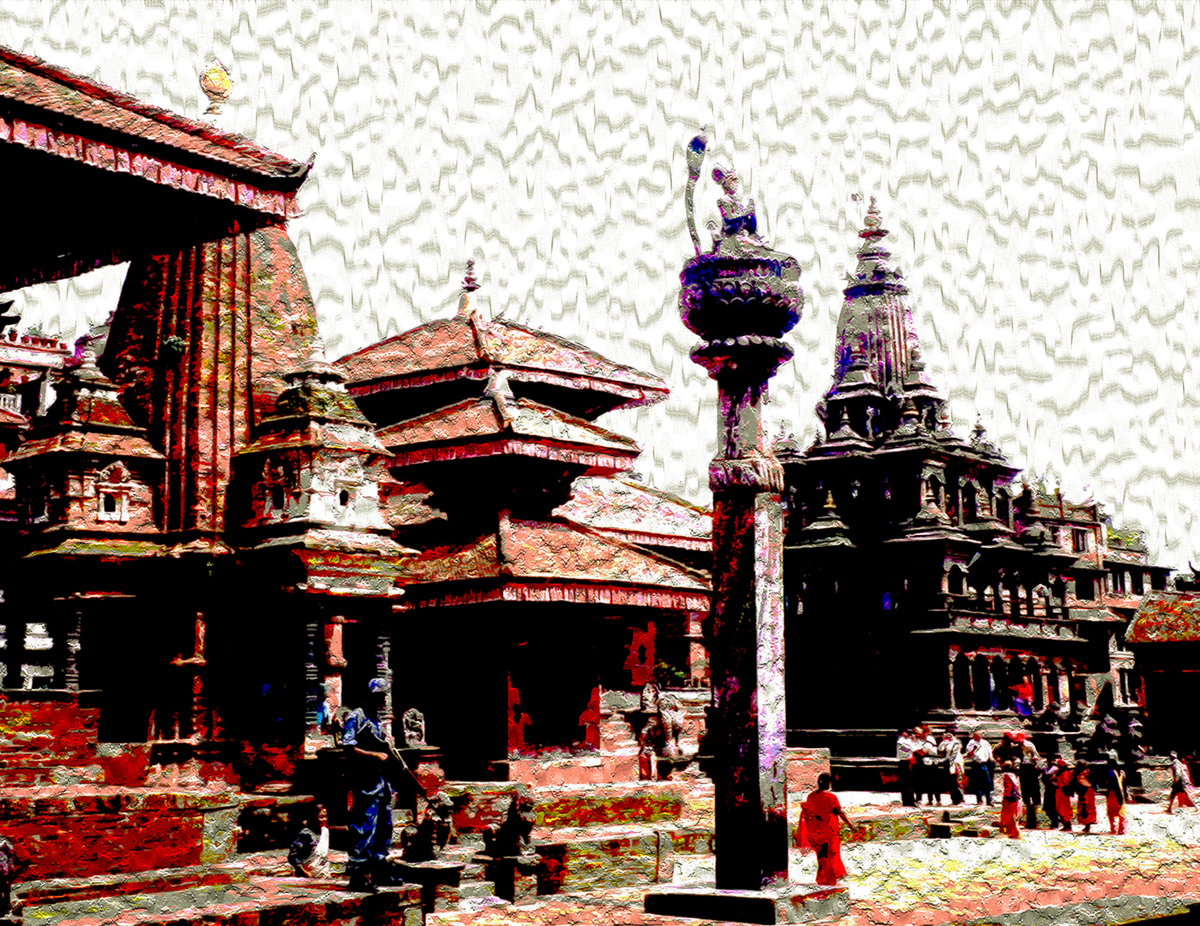
These photos are impressions from walking through countries plagued by years of civil wars and conflict. They’ve rarely been able to return to a normal, peaceful life. The drama of war remains for generations in the DNA of the people; it doesn’t matter if you experience the tragedy firsthand. Even new borns, in relatively quiet moments of peace,  have the tag of the sorrow in their genetics, and it takes time to get rid of it. Places, buildings, art expression on streets–all speak as tokens of lives who perished too soon and can talk no more.

Always Cocacola, Morocco

Always Cocacola, Morocco © http://kikontheroad.wordpress.com/


 Journey, Central African Republic

Journey, Central African Republic © http://kikontheroad.wordpress.com/


Enrico GavegliaEnrico Gaveglia was born in 1975 in Tuscany, Italy. He developed kikontheroad some time back as he travels around the world. Direct life experiences often in countries plagued by latent conflicts have allowed him to walk through places of great charm and put him in contact with extraordinary people. Every now and then he collects accidental shots in testimony of his passages through places. It is only much later than he feels the need to internalize those unique experiences in intimate moments of reflection stolen from his daily routine as digital products of his work come to life in a reproduced altered reality.

Social media links:

http://kikontheroad.wordpress.com/

http://fineartamerica.com/profiles/enrico-gaveglia.html

Semantic dementia

by Rey Foret

The human being is cast in two parts, visible and invisible. It is not my purpose to tell of the visible one, except when it is needed to serve as a likeness. For what could possibly better serve as a likeness than things that are alike? However, I will have more to say about the invisible, about which first of all the following example should be heeded. The visible body has an effect on all things; and all of its motions and actions are seen by the human being. But all of this is only half of the action performed; it is only that which we see. The other half is seen by no one. It is performed by the invisible body.

The nature of signs is deceitful and false, like a word that passes from the tongue without seriousness or heartfelt sincerity. Hence the mere fact of colors in things should not induce you to make a judgment and to submit to it; for neither the heavens nor the earth will stand by you: it is above all these things. But you should not think nor be assured of anything but that all things are in the image. That is, all things are formed. In this formation lies their anatomy. The human being is formed: his image is his anatomy.

There is a recurring structure in our (human) nature.
The way we feel, the way we move, our posture- all has an origin and counterpart in the wild.
Some coherences are hidden, some obvious while others must be guessed from what is left out.
There are patterns resembling the line of a poem. Sometimes they tell us about ourselves.
Like signatures.

(First two paragraphs quoted from the 2nd and 3rd book of Paracelsus, written around 1530)

scars #01

scars #01

scars #04

scars #04

scars #06

scars #06

scars #07

scars #07

scars #08

scars #08

scars #09

scars #09

scars #11

scars #11

scars #14

scars #14

scars #16

scars #16


The pictures shown here are an excerpt of the photography „scars” series, taken in 2014.


Rey Foret-solitarynude bio photoRey Foret (b. 1966) works and lives in the unattended forests in the south of Berlin, Germany.

Website: http://reyforet.com


Drawn Today, Gone Tomorrow

by Dawn Martin Dickins

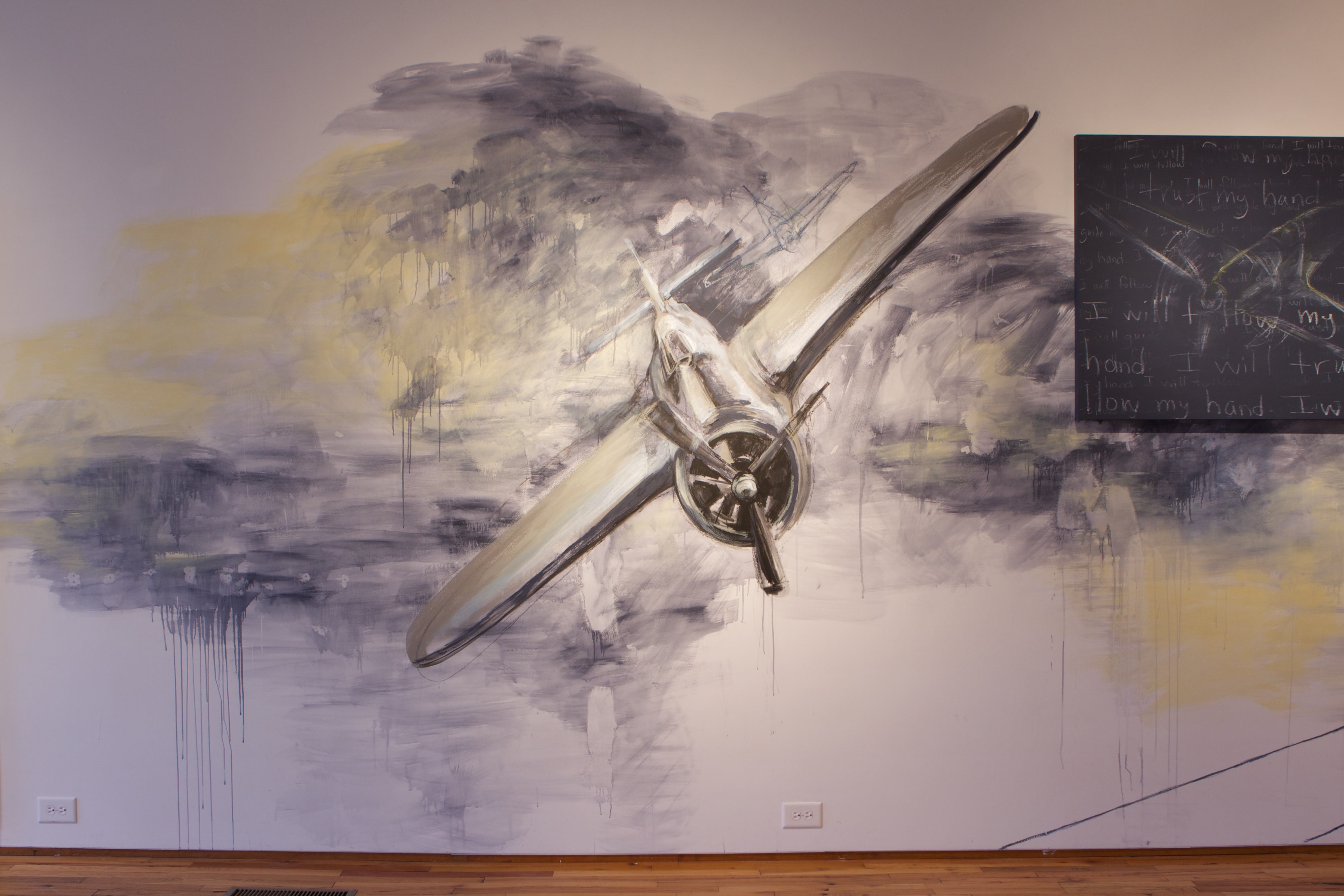
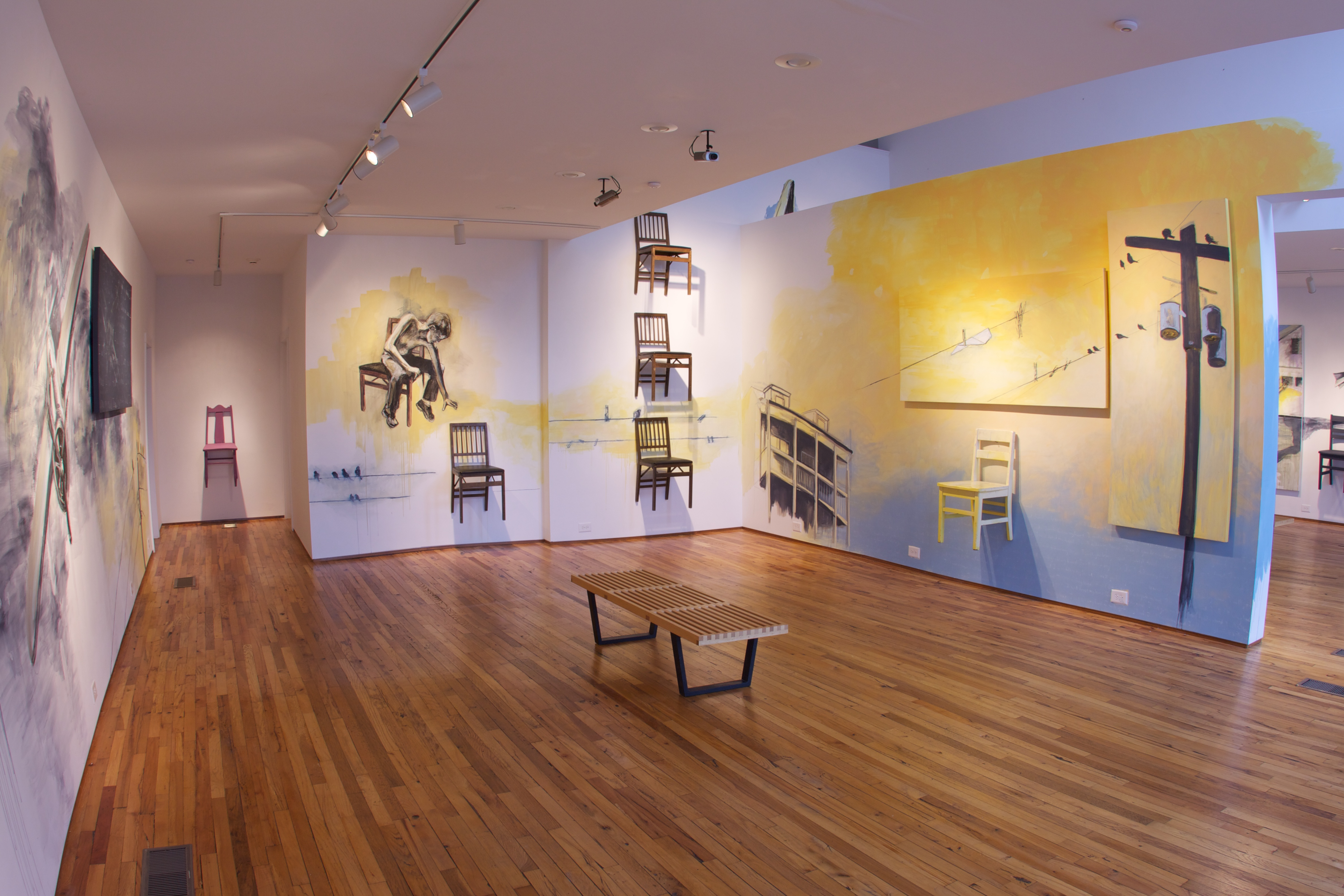
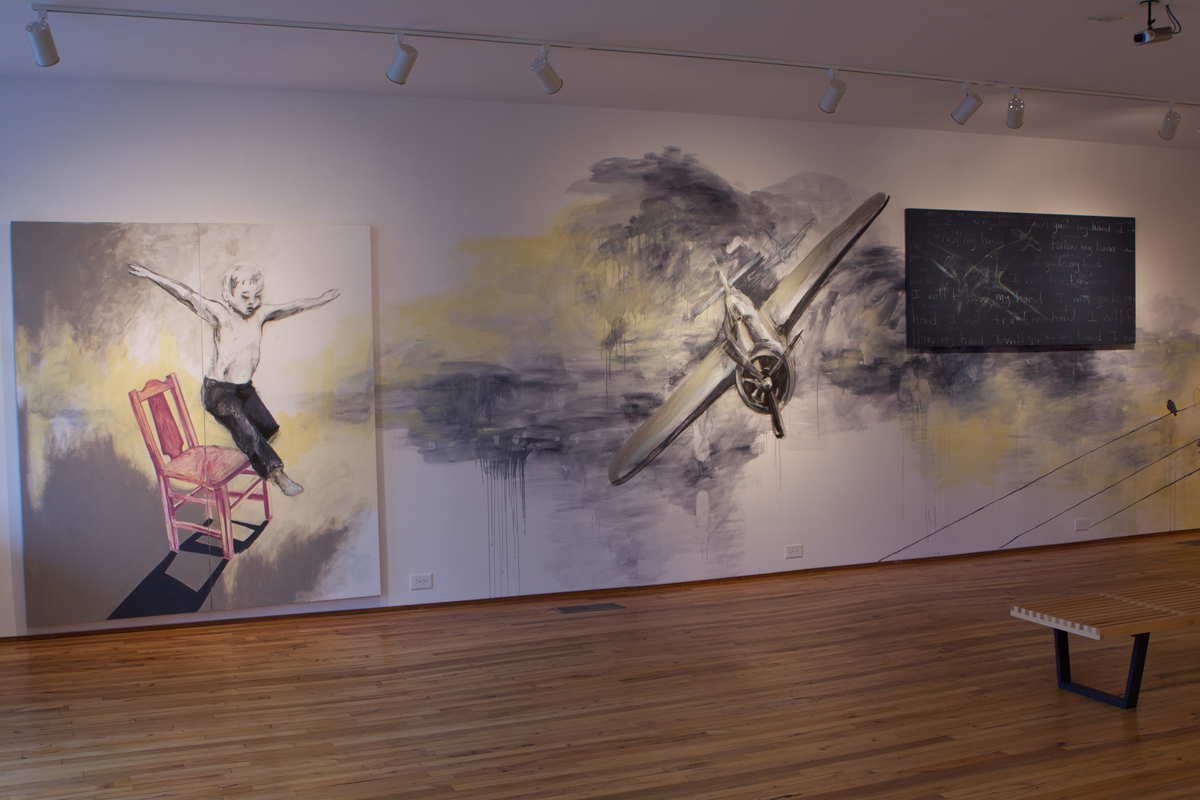
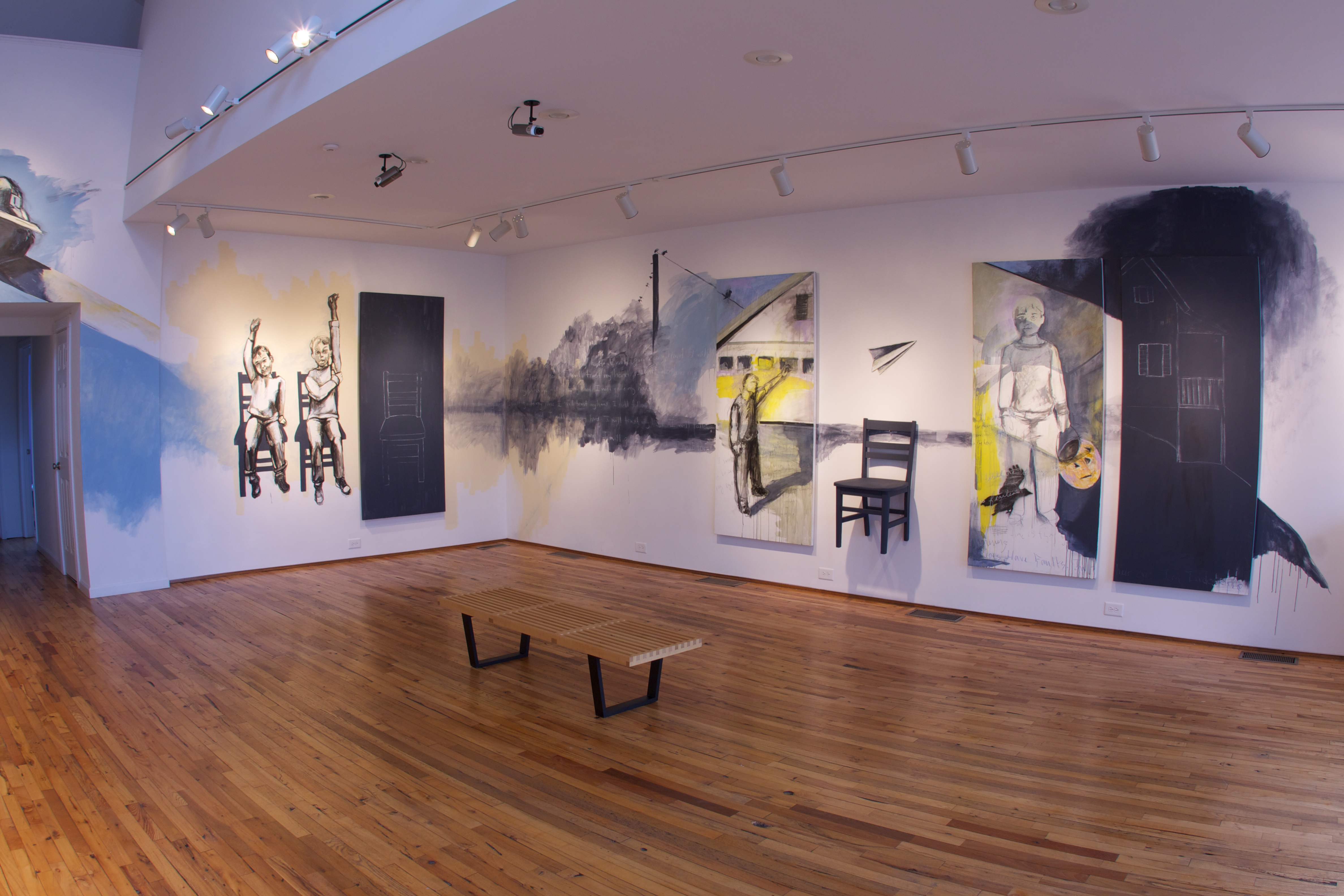
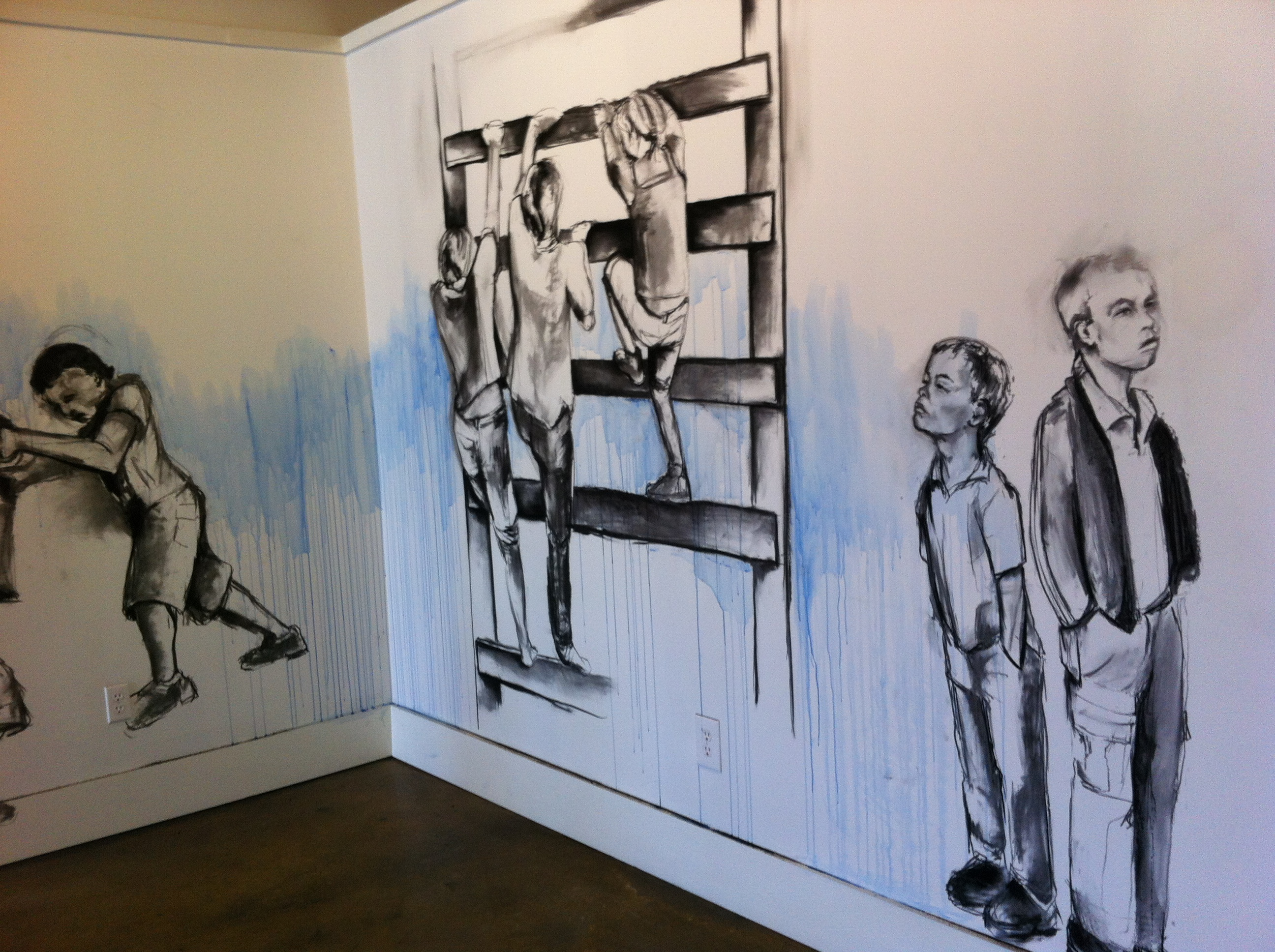
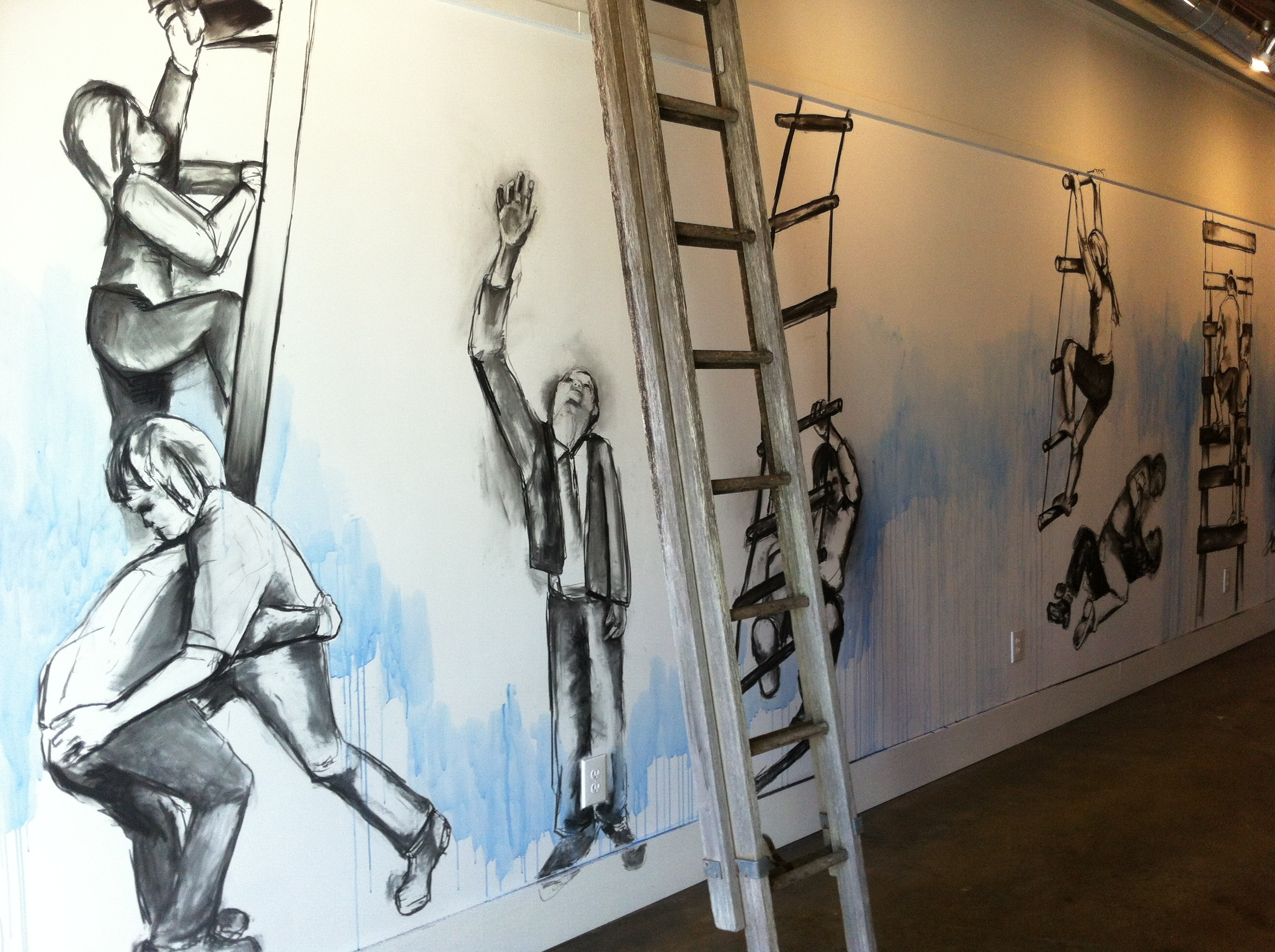
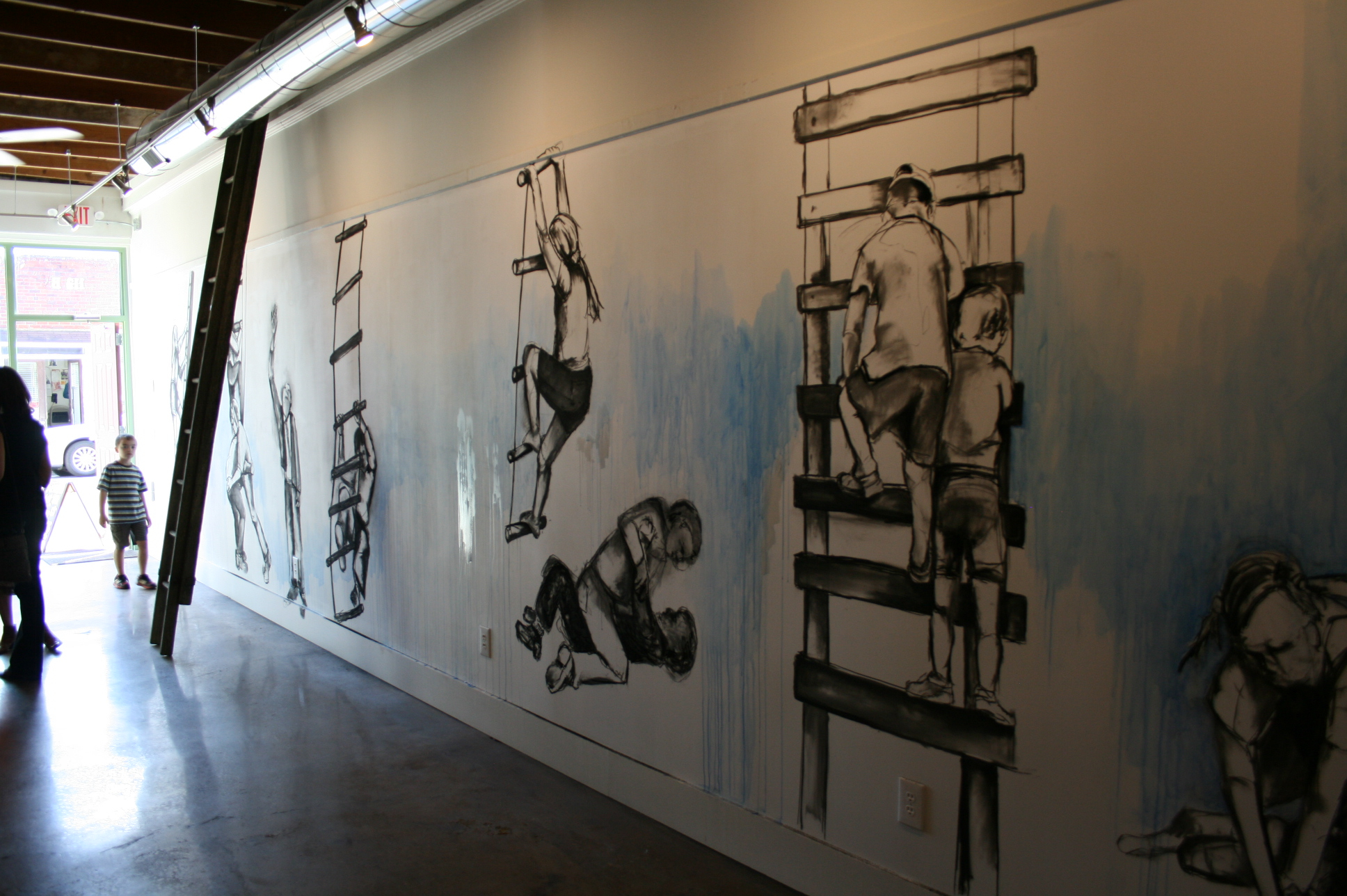
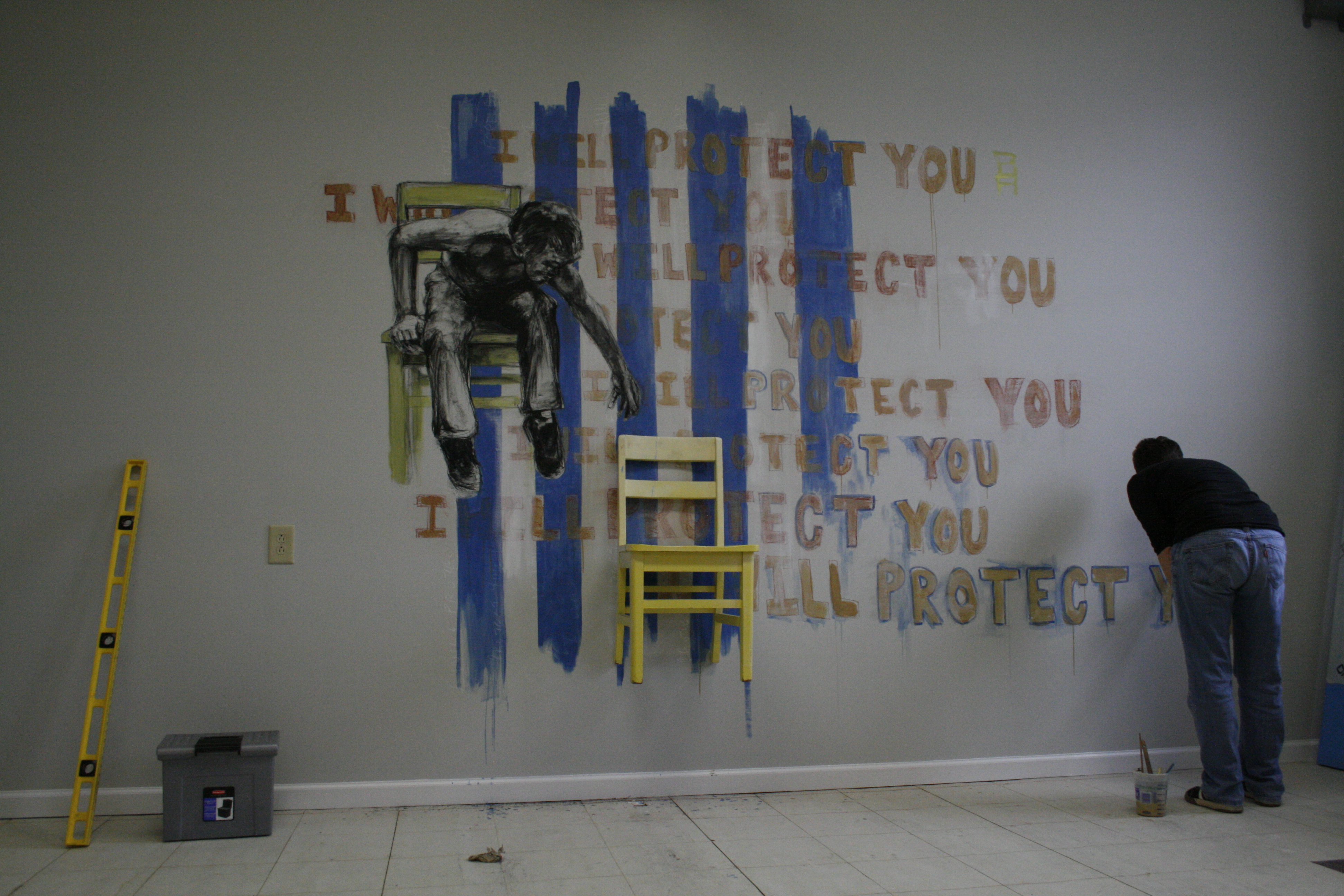
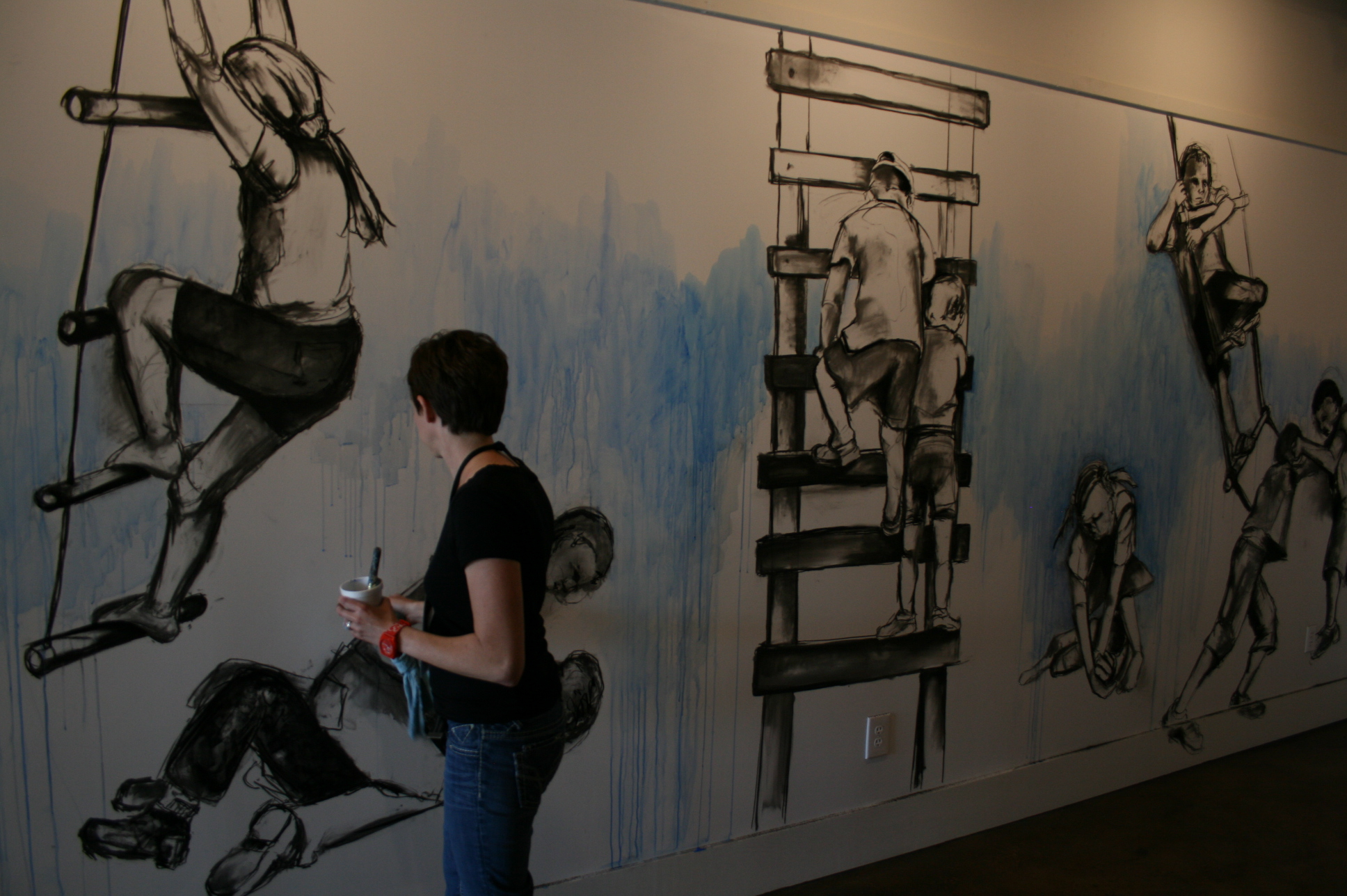
I’ve always known that I am a drawer. I love every aspect of drawing, from the technical to the conceptual. I love the physical act of drawing; with the sound of a graphite stick as it is dragged across a wood panel, the scent of a warm eraser that has been heavily used and the smearing of dense charcoal on white paper. I love drawing’s ability to encompass bold marks and quiet subtleties simultaneously. When drawing, I use my entire arm and body for physical, expressive marks and then engage closer to the paper or wood for minute detail. I prefer to vary my materials to involve the viewer as much as possible.

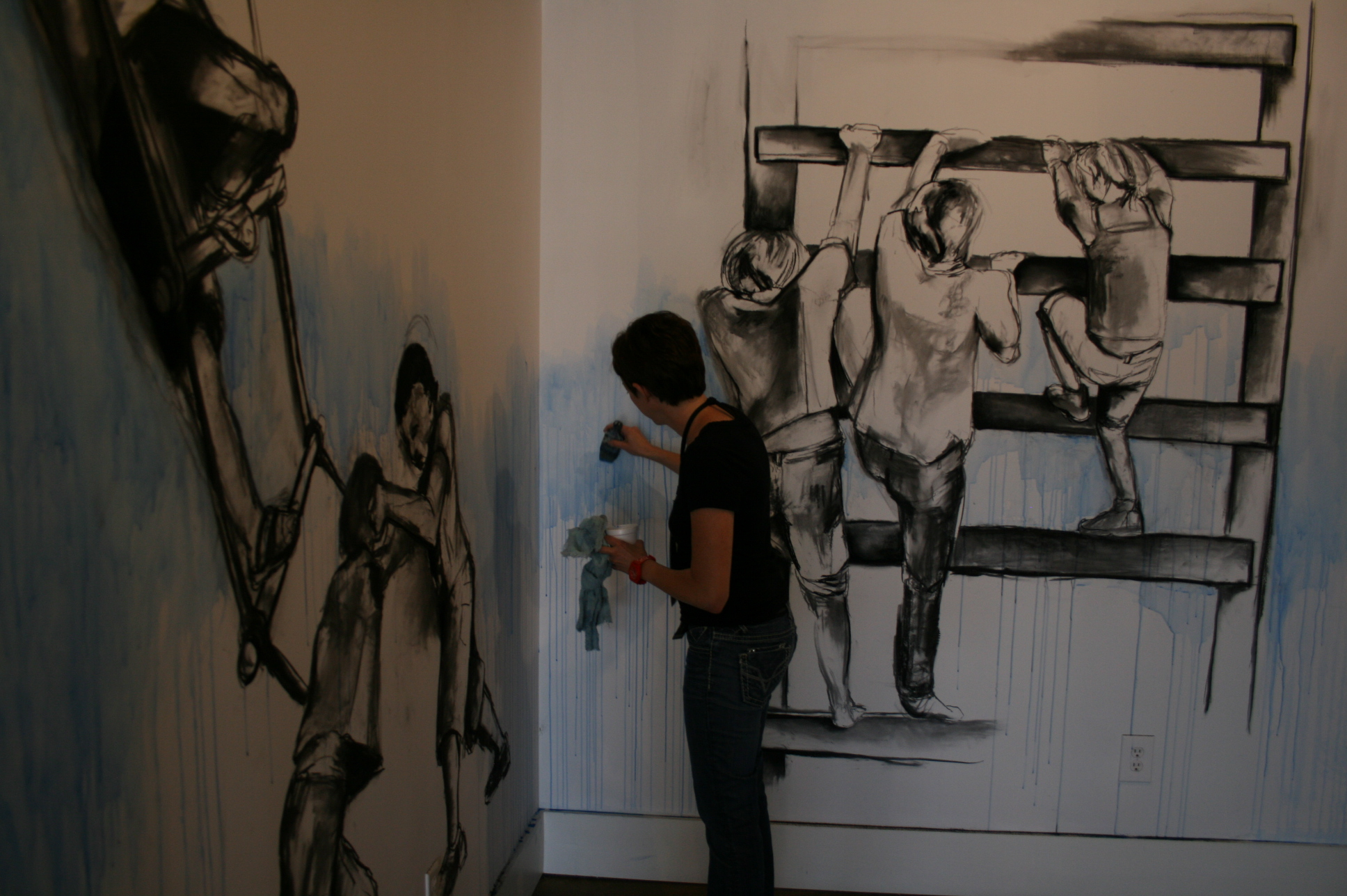
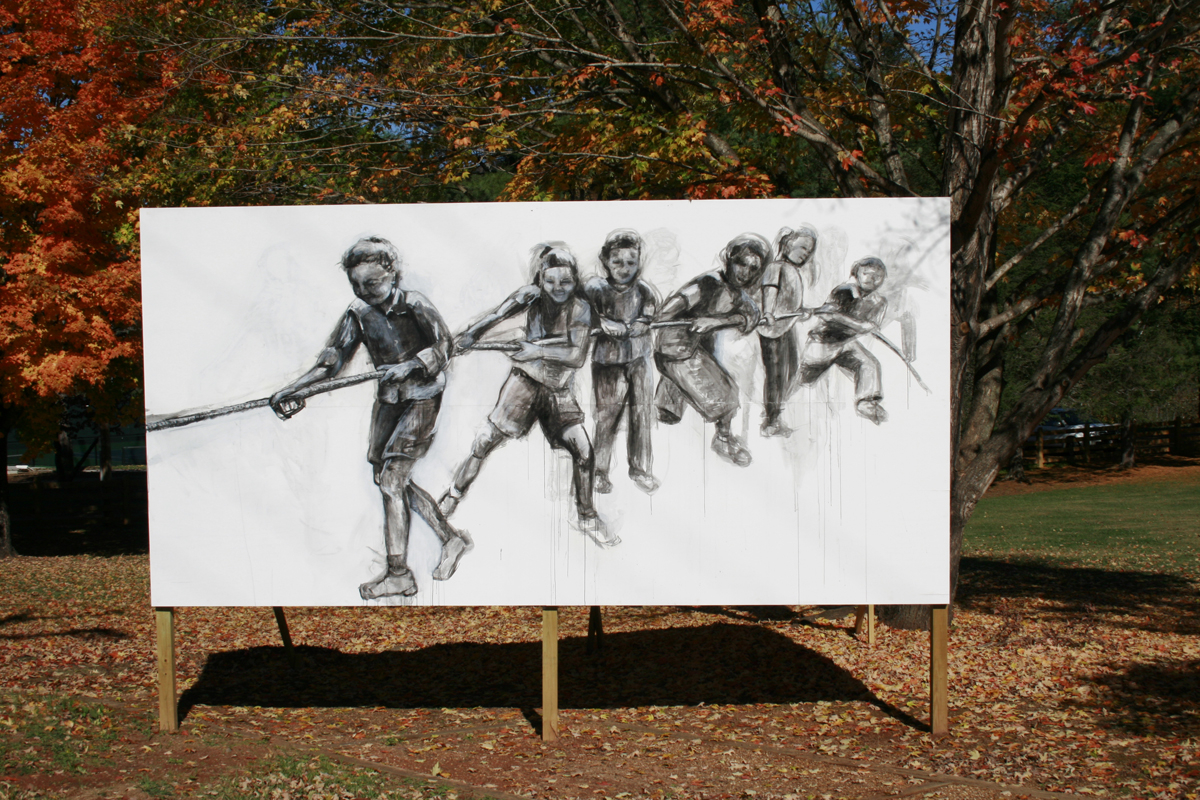
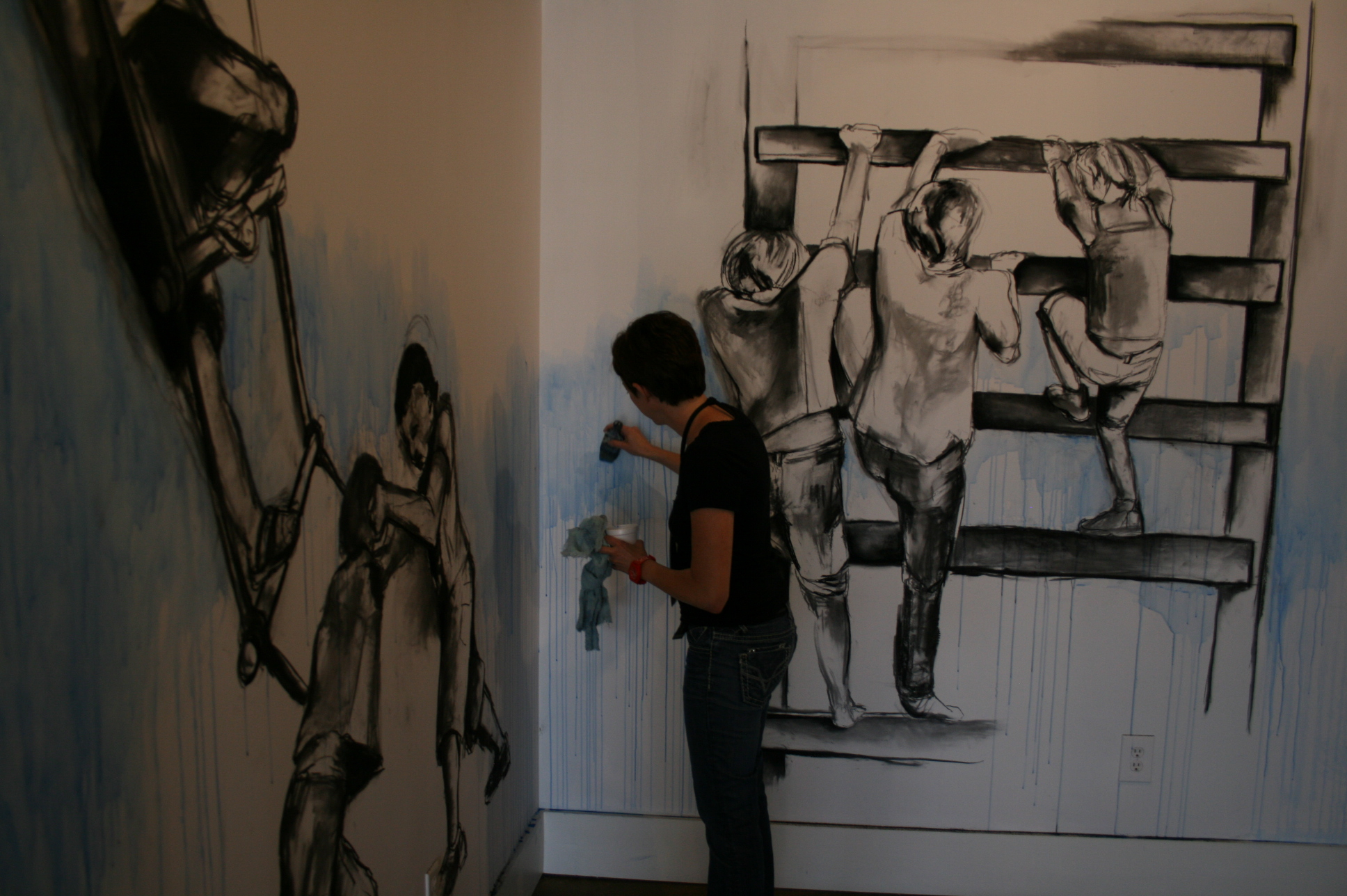
Though I love drawing, I also love the possibilities of space and involving the viewer.  I often add three-dimensional objects to challenge the space and break the plane of the wall. I love the performative nature of drawing large scale in public spaces, which allows the viewer to experience the evolution of the drawing. My goal is not to create permanent art works, but to create experiences.

Follow and Guide: Wall Drawing, Campus Gate Art Gallery, Young Harris, GA

Follow and Guide: Wall Drawing, Campus Gate Art Gallery, Young Harris, GA

Follow and Guide: Wall Drawing, Campus Gate Art Gallery, Young Harris, GA

Follow and Guide: Wall Drawing, Campus Gate Art Gallery, Young Harris, GA

Follow and Guide: Wall Drawing, Campus Gate Art Gallery, Young Harris, GA

Follow and Guide: Wall Drawing, Campus Gate Art Gallery, Young Harris, GA

Follow and Guide: Wall Drawing, Campus Gate Art Gallery, Young Harris, GA

Follow and Guide: Wall Drawing, Campus Gate Art Gallery, Young Harris, GA

Follow and Guide: Wall Drawing, Campus Gate Art Gallery, Young Harris, GA

Follow and Guide: Wall Drawing, Campus Gate Art Gallery, Young Harris, GA

Rough Housing, Artfields, Lake City, SC

Rough Housing, Artfields, Lake City, SC

Rough Housing, Artfields, Lake City, SC

Rough Housing, Artfields, Lake City, SC

Rough Housing, Artfields, Lake City, SC

Rough Housing, Artfields, Lake City, SC

Rough Housing, Artfields, Lake City, SC

Rough Housing, Artfields, Lake City, SC

Rough Housing, Artfields, Lake City, SC

Rough Housing, Artfields, Lake City, SC

Tug of War, Mayors Park, Young Harris, GA (outdoor drawing, children playing tug of war)

Tug of War, Mayors Park, Young Harris, GA
(outdoor drawing, children playing tug of war)

Tug of War, Mayors Park, Young Harris, GA (outdoor drawing, children playing tug of war)

Tug of War, Mayors Park, Young Harris, GA
(outdoor drawing, children playing tug of war)

Dawn Martin Dickins working in studio

Dawn Martin Dickins working in studio

dawndickinsheadshot.jpArtist: Dawn Martin Dickins

I grew up in a small South Georgia town, surrounded by old buildings, peanut fields, and silence. I studied drawing at Georgia Southern University. Wanting to continue to learn and create, I attended graduate school at the University of South Carolina in Columbia. I currently teach at Middle Tennessee State University in the Art Foundations Program.

Website: http://dawnmartindickins.com

Impermanent Joy

by Thomas Krueger

Gymnasium

Gymnasium

Here Comes the Train

Here Comes the Train

Horse Rider

Horse Rider

Stable

Stable

Trailer

Trailer

Train Yard

Train Yard

Wall of Crates

Wall of Crates

Sky Trail

Sky Trail

Beyond

Beyond

Flight

Flight

Expanse #1

Expanse #1

Expanse #2

Expanse #2

Expanse #3

Expanse #3


Thomas Krueger-Self Portrait on OverpassArtist: Thomas Krueger

Krueger’s images often present as the convergence of dual moments emanating from disparate worlds.  At the precise point of collision, they create singular integrated images that are at once surreal and experiential; the history of abandonment is revealed and celebrated in what Krueger interprets as its present day narrative of hope. His commentary is simultaneously innocent and dark, humorous and eerie.

Krueger’s work reflects his culturally diverse upbringing with a Japanese mother whose family descends from a long line of Kimono makers, and an American father stationed at a Navy base in Yokosuka, Japan. Krueger’s aesthetic and vision was cultivated at an early age when his father gave him a camera at age eight which eventually led to his first professional job as a staff photographer for The Seahawk, a Naval newspaper.

Paying tribute to both cultures, Krueger combines both traditions in the signing of his work with his American surname signature Krueger and his mother’s Hanko signature (Japanese ancestral name stamp) Niiro, a Samurai family name.

Krueger delves in various mediums but prefers film, both color and B&W. He enjoys perfecting his craft in the darkroom. He says, “In growing as a fine art photographer, I have embraced traditional darkroom techniques which I feel that one day may become a lost art in this world of digital technology. Time spent alone in the darkroom allows me to reflect and connect with my art.”

Krueger moved to Seattle in 1994 to study at The Art Institute of Seattle where he received a Degree in Commercial Photography.

Krueger is the recipient of multiple awards for his art. His work has been shown in solo and juried shows throughout Seattle, NYC, Miami, Atlanta, Switzerland, and Finland and has been featured in numerous publications internationally. Thomas continues to exhibit his work all over Seattle.

Website: http://kruegerphotos.com/

Facebook: https://www.facebook.com/KruegerPhoto

Instagram: http://instagram.com/kruegerphoto

Twitter: https://twitter.com/tekphoto

Flickr: https://www.flickr.com/photos/thomaskrueger/

LinkedIn: https://www.linkedin.com/in/tekphoto


Postcolonial Thoughts: Barragán’s Spiritual Transcendence through Color

By Christopher Hutchinson

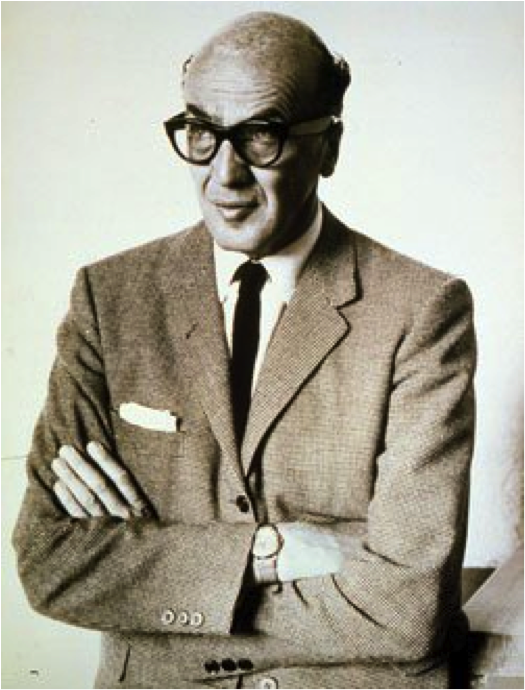
Luis Barragán (1902-1988) was born in Guadalajara, Mexico. His professional training was in engineering, resulting in a degree at the age of twenty-three. His architectural skills were self-taught. In the 1920s, he traveled extensively in France and Spain and, in 1931, lived in Paris for a time, attending Le Corbusier’s lectures. His time in Europe, and subsequently in Morroco, stimulated an interest in the native architecture of North Africa and the Mediterranean, which he related to construction in his own country. http://www.pritzkerprize.com/1980/bio


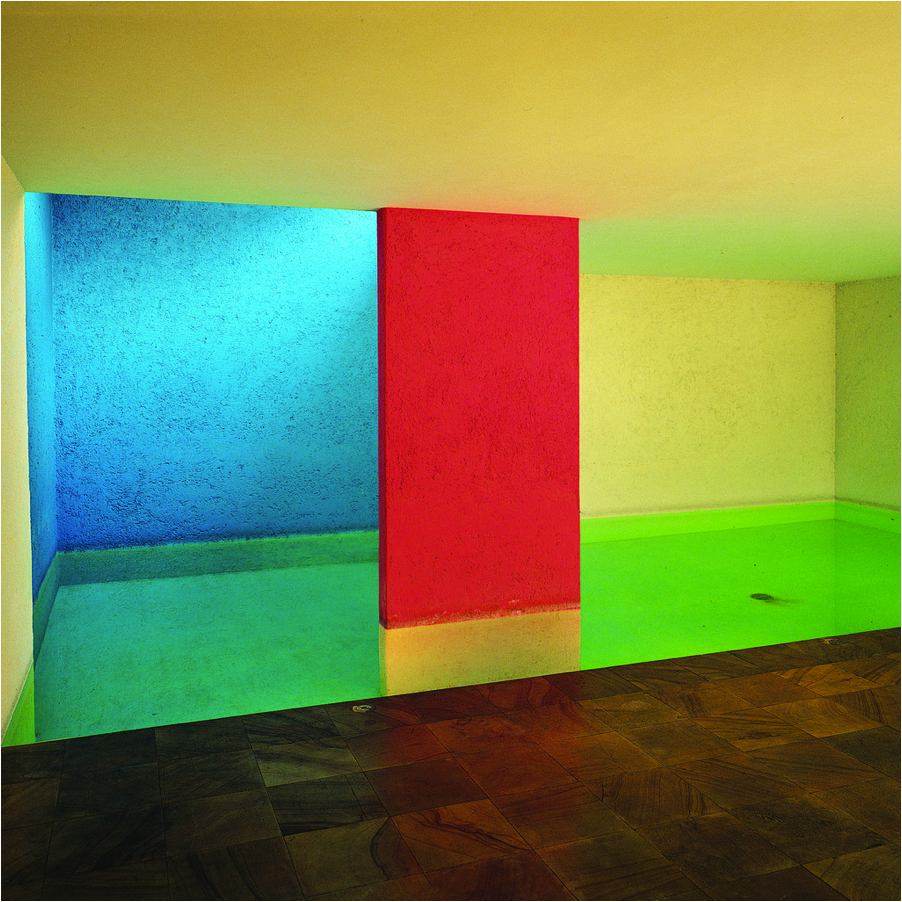
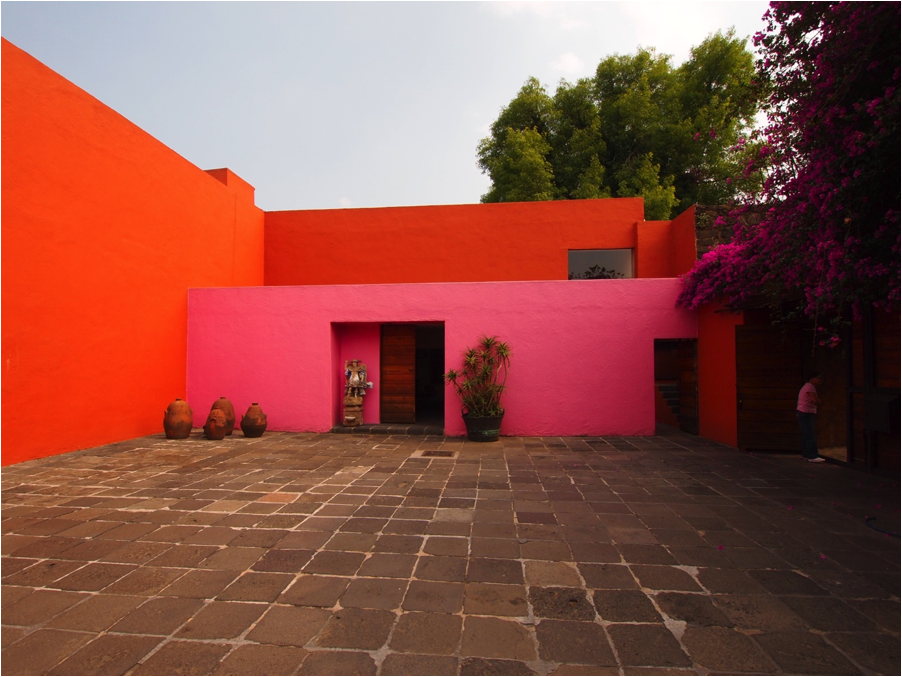
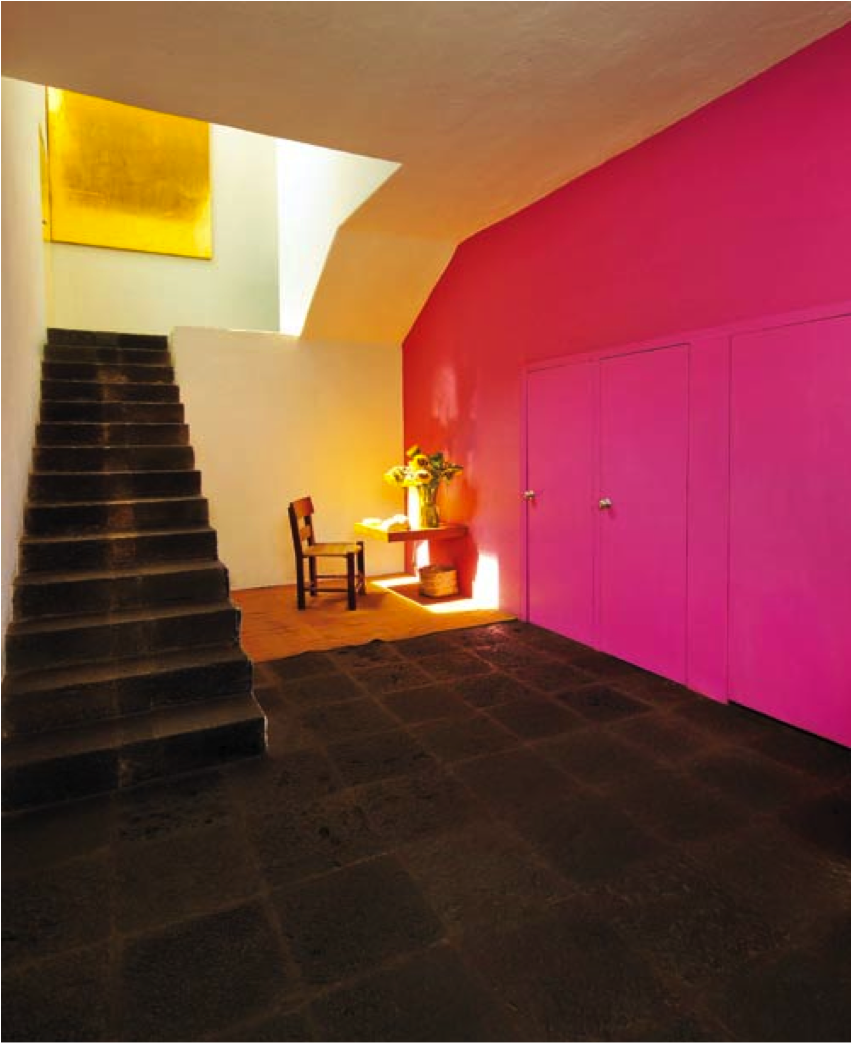
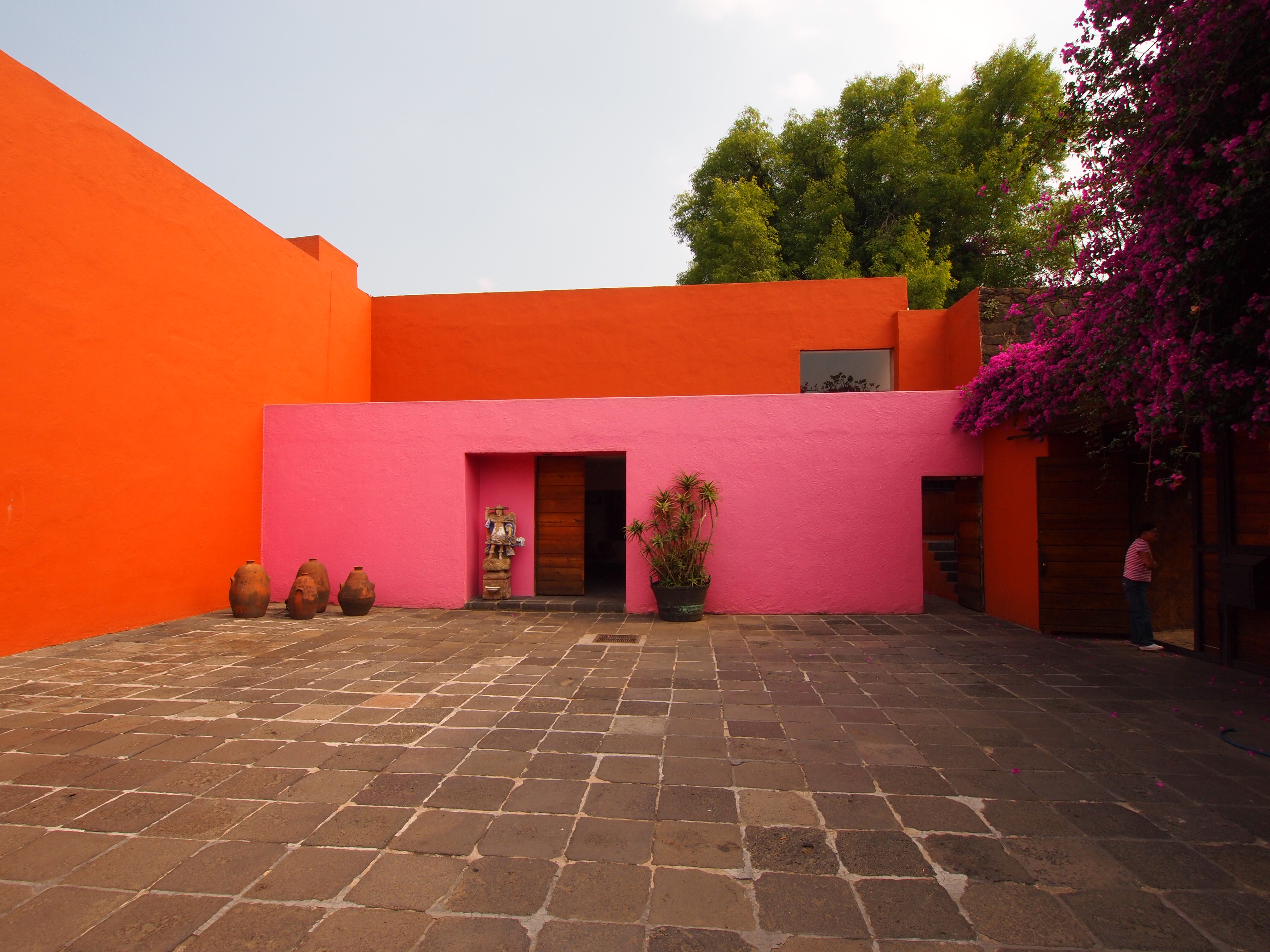
Luis Barragán’s name came up in a recent Smoke School of art discussion about the Art Nouveau movement. When professor Jason Sweet shared images of Barragán’s architecture with the group, there was an immediate connection to his use of color and its relation to the term “local colour.” Barrágan is well respected for his architecture–its inclusion of nature, light and water–but this dialogue is about his use of color specifically.

Ethnicity & Local Colour

The Impressionists’ study of open-air light effects led them to question the accepted conventions of local colour. They noticed that every object’s local colour appears modified by reflected colours from surrounding objects. Rather than painting the colours they had learned objects to be, the Impressionists tried to put down only the colours they actually saw. http://www.artandarchitecture.org.uk/insight/virag_imptechniques/virag_imptechniques02.html

Local colour goes far beyond its technical understanding in painting as the effects of color on the eye. Local colour emits the very spirit of a region and individual. The gloomy grey of London, the vibrant island colors, and the yellow in Van Gogh’s wheat fields are all characteristics of local colour that cannot be separated from the ethnicity/soul of the region. It goes beyond that to Georgia red clay signifying soil in which it’s not good to plant to very the similarly-colored soil found in Jamaica, “red dirt,” which indicates the opposite because it provides the most nutrients. It is in this play of similarity and difference—of Barragán’s color with the Tradition of local colour in the West—that an understanding of his work sharpens. Barragán’s color is rich in spiritual significance while Western color attempts to use color in soulless, detached study. The West dissects and analyses color for optical effects.

The importance of local colour cannot truly be quantified with just attention to the “colors in front of you.” This was a struggle for the Impressionists because it meant refusing the tradition of depth. It meant leaving the brown varnish technique prevalent before the Impressionists to examine the objects “in front of you” regardless of tradition. As a by-product of painting what was “in front of you,” we begin to see local colours indigenous to the region where the individual artists are from. The palette of Monet, Degas, Renoir, Cassatt, all are as distinct as a fingerprint. Color palettes are a true indicator of an individual’s ethnicity; it’s revealed by the artist’s choice of color. Barragán’s palette is definitely not Western, especially not Western modernism.

Identity and Local Colour

Further, he [Barragan]called it [Modernisim] “alarming” that publications devoted to architecture seemed to have banished the words, “Beauty, Inspiration, Magic, Spellbound, Enchantment, as well as the concepts of Serenity, Silence, Intimacy and Amazement.” He apologized for perhaps not having done these concepts complete justice, but said “they have never ceased to be my guiding lights.” As he closed his remarks, he spoke of the art of seeing. “It is essential to an architect to know how to see—to see in such a way that vision is not overpowered by rational analysis.-BARRAGAN http://www.pritzkerprize.com/1980/bio

Barragán’s use and intention in regard to color is in a spiritual context, not in the sterile, clinical “paint by number” Western use evident in Yves Klein’s monochromatic paintings, patented Yves Klein Blue. YKB is a color distinctiveness of the West. We recognize color on a most basic level and identify with it spiritually. No one routinely asks, “What’s your favorite form, line, shape?” Color seems to function inside formal analysis yet not tied to it at all. Color operates on a visceral level. Western academia has tried its very best to edit that connection to color and that is why it is so obvious when Barragán’s palette emerges.


Yves Klein IKB 79 1959  KB 79 was one of nearly two hundred blue monochrome paintings Yves Klein made during his short life. He began making monochromes in 1947, considering them to be a way of rejecting the idea of representation in painting and therefore of attaining creative freedom. Although it is difficult to date many of these works precisely, the early ones have an uneven surface, whereas later ones, such as the present work, are finer and more uniform in texture. Klein did not give titles to these works but after his death in 1962, his widow Rotraut Klein-Moquay numbered all the known blue monochromes IKB 1 to IKB 194, a sequence which did not reflect their chronological order. Since then further examples have been identified and these have also been given IKB numbers. In 1974 Rotraut Klein-Moquay wrote to Tate saying that she was fairly certain that IKB 79 was one of about four monochrome paintings Klein made when they were together at Gelsenkirchen, West Germany in 1959. http://www.tate.org.uk/art/artworks/klein-ikb-79-t01513/text-summary

Yves Klein IKB 79 1959

KB 79 was one of nearly two hundred blue monochrome paintings Yves Klein made during his short life. He began making monochromes in 1947, considering them to be a way of rejecting the idea of representation in painting and therefore of attaining creative freedom. Although it is difficult to date many of these works precisely, the early ones have an uneven surface, whereas later ones, such as the present work, are finer and more uniform in texture. Klein did not give titles to these works but after his death in 1962, his widow Rotraut Klein-Moquay numbered all the known blue monochromes IKB 1 to IKB 194, a sequence which did not reflect their chronological order. Since then further examples have been identified and these have also been given IKB numbers. In 1974 Rotraut Klein-Moquay wrote to Tate saying that she was fairly certain that IKB 79 was one of about four monochrome paintings Klein made when they were together at Gelsenkirchen, West Germany in 1959. http://www.tate.org.uk/art/artworks/klein-ikb-79-t01513/text-summary

Mexican Modernism & Transcendance

LUIS BARRAGAN (1902-1988) was one of Mexico’s most influential 20th century architects. Famed for his mastery of space and light, he reinvented the International Style as a colourful, sensuous genre of Mexican modernism.  http://design.designmuseum.org/design/luis-barragan

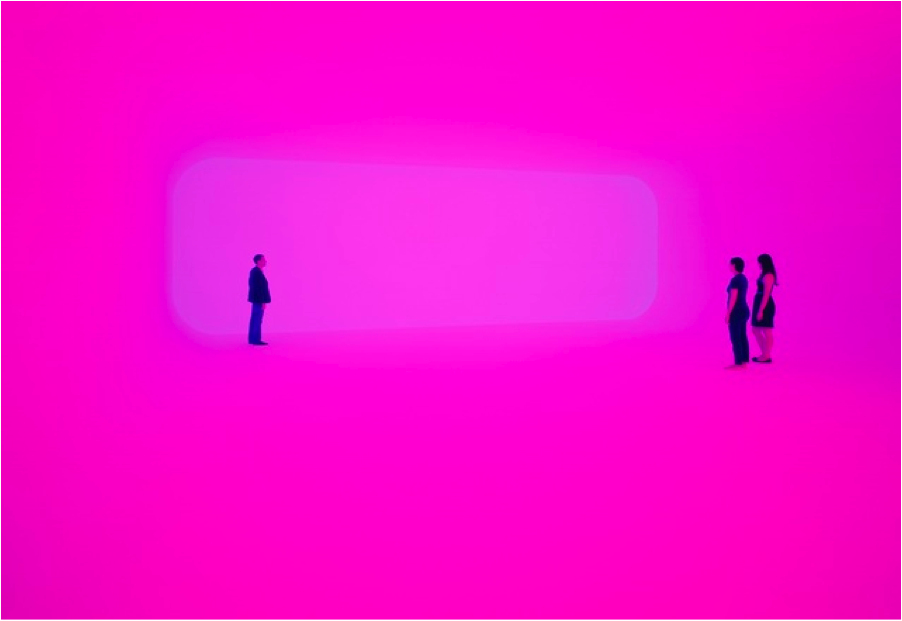
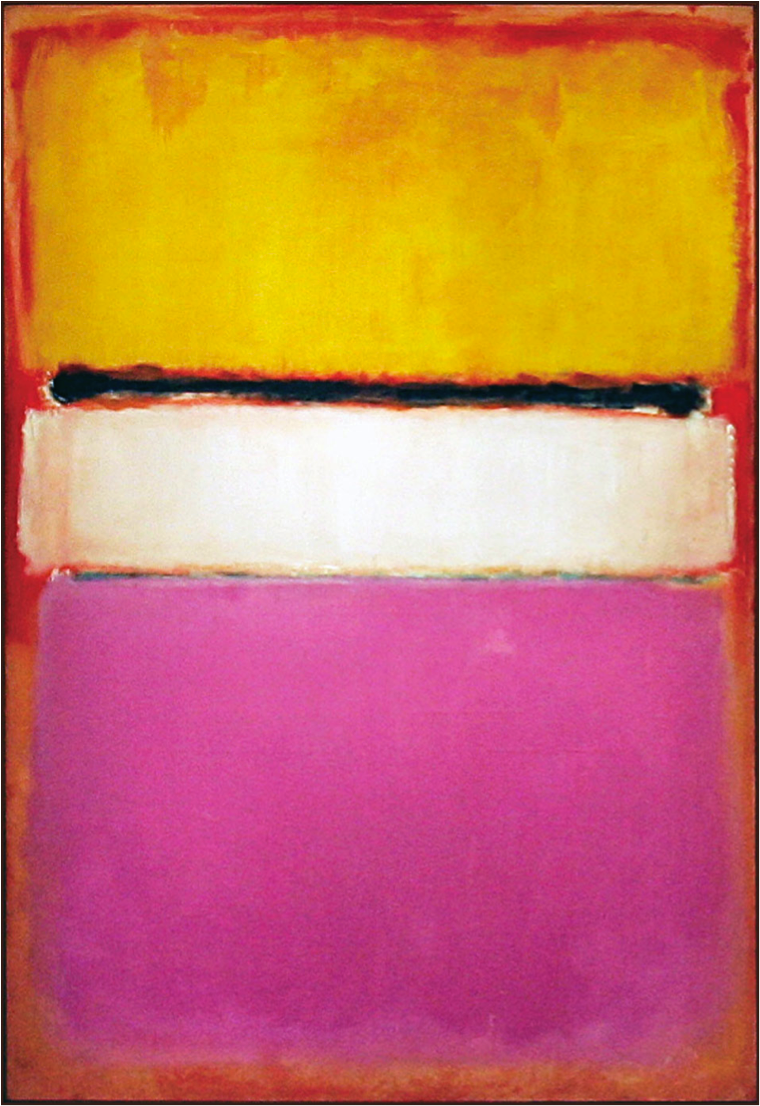
Barragán’s “Pink Palette” can be seen in the work of American artist James Turrell. Turrell’s spaces are filled with the saturated spiritual color that was injected by Barragán’s Mexican tradition. Barragán and Mexican modernism influenced the majority of the Cool school artists whether they are aware of it or not. The Mexican influence is heavy in the California style distinctively different from the cold New York school. The New York abstract expressionists talked about the sublime and transcendence. Those who used those terms sought to achieve it through color, through vast fields of intense resonating color. The search for spiritual transcendence through color is not Western.

James Turrell Breathing Light, 2013. LED light into space, Dimensions variable. http://www.pacegallery.com/artists/473/james-turrell

James Turrell
Breathing Light, 2013. LED light into space, Dimensions variable.
http://www.pacegallery.com/artists/473/james-turrell

MARK ROTHKO: White Center (Yellow, Pink and Lavender on Rose) Color Field Painting in 1950 by Mark Rothko (1903-1970) http://pictify.com/218489/mark-rothko-white-center-yellow-pink-and-lavender-on-rose

MARK ROTHKO: White Center (Yellow, Pink and Lavender on Rose)
Color Field Painting in 1950 by Mark Rothko (1903-1970)
http://pictify.com/218489/mark-rothko-white-center-yellow-pink-and-lavender-on-rose


Christopher HutchinsonChristopher Hutchinson is an Assistant Professor of Art at Atlanta Metropolitan State College, Archetype Art Gallery Owner in Atlanta, Ga, and Smoke School of Art Founder. He received his Master of Fine Arts Degree in Painting from Savannah College of art & Design, Atlanta and his Bachelor of Arts Degree from the University of Alabama in Huntsville, Alabama. He lived in Alabama for 10 years before moving to Atlanta in 2008.

Learn more about Christopher and his work at Black Flight 144.
 

Abstract /Emotion /Total Fusion

by Maïa Citterio

Lost

Lost

Insomnia

Insomnia

Sempre Desire

Sempre Desire

Abstract Origine du monde

Abstract Origine du monde

Instantly compose my abstract moon

Instantly compose my abstract moon

Floating

Floating

Body want ...
Body want …

Loving insomnia

Loving insomnia

Insomnia __

Insomnia __

Forget me not

Forget me not

Maïa Citterio … Art lover … Studied theater for 2 years at cours Florent Paris. Photography is the way for me to express myself my emotion feelings ( as a self therapy ) It fills my life !!!

I have the opportunity to travel a lot around the world, which influences my work, but the best is when I fly to the moon in my head !!!

www.twitter.com/maiafushi
Instagram.com/uni_klo_