Archive | Art RSS feed for this archive

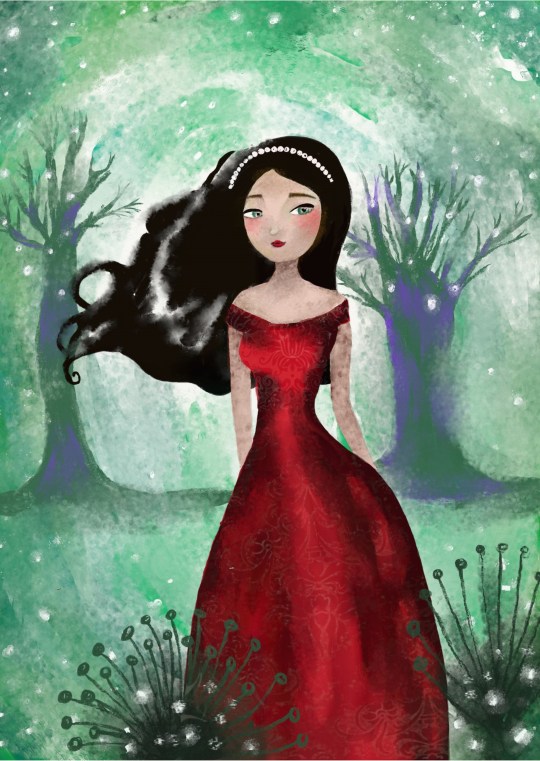
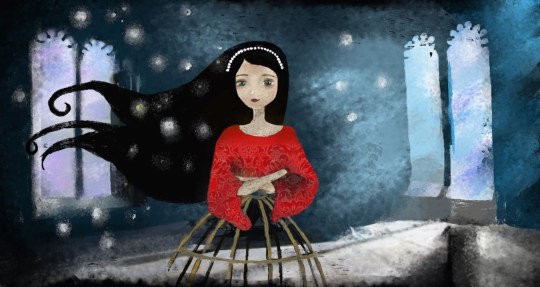
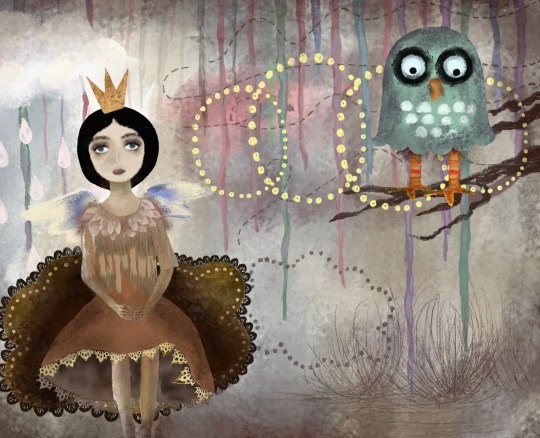
Witchery and Thievery

by Yazmin Basa

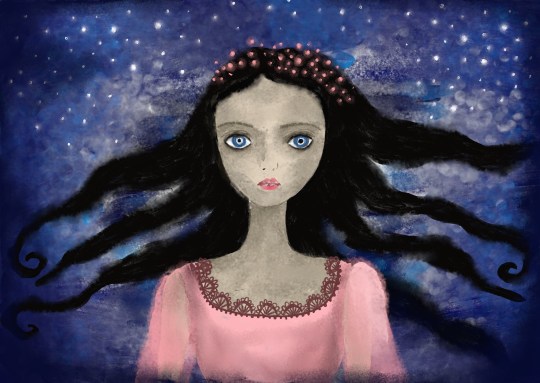
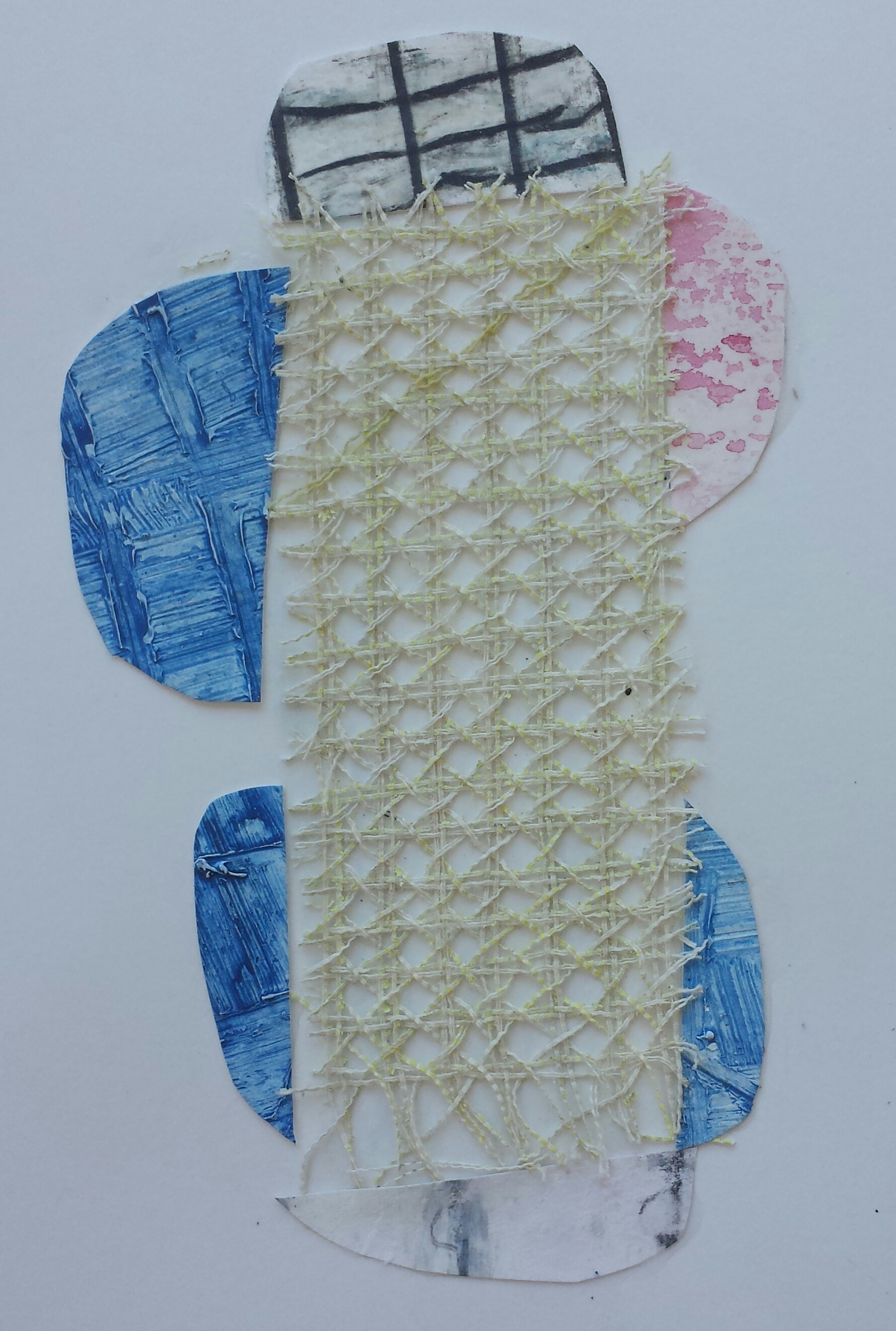
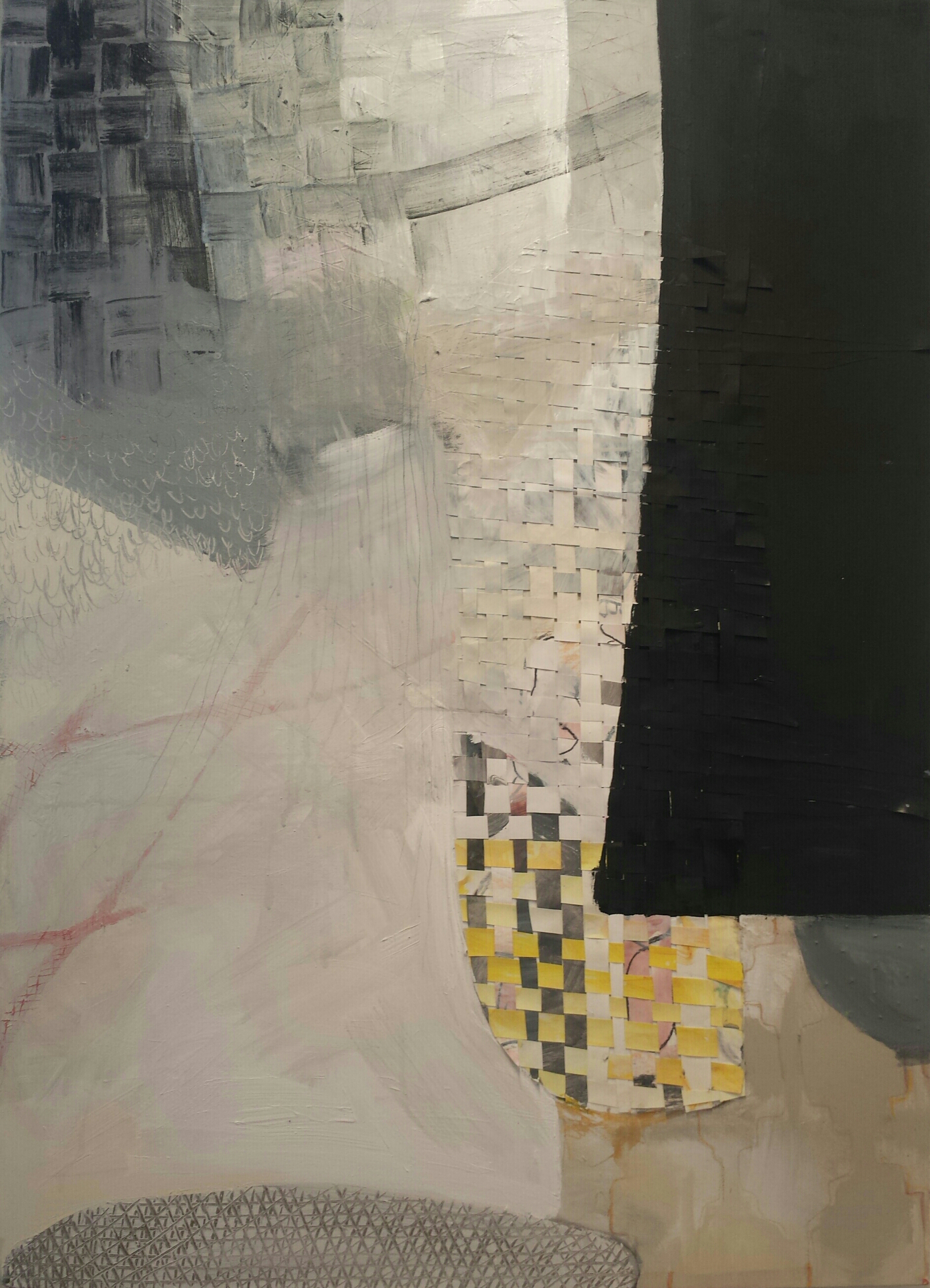
Anthem

Anthem

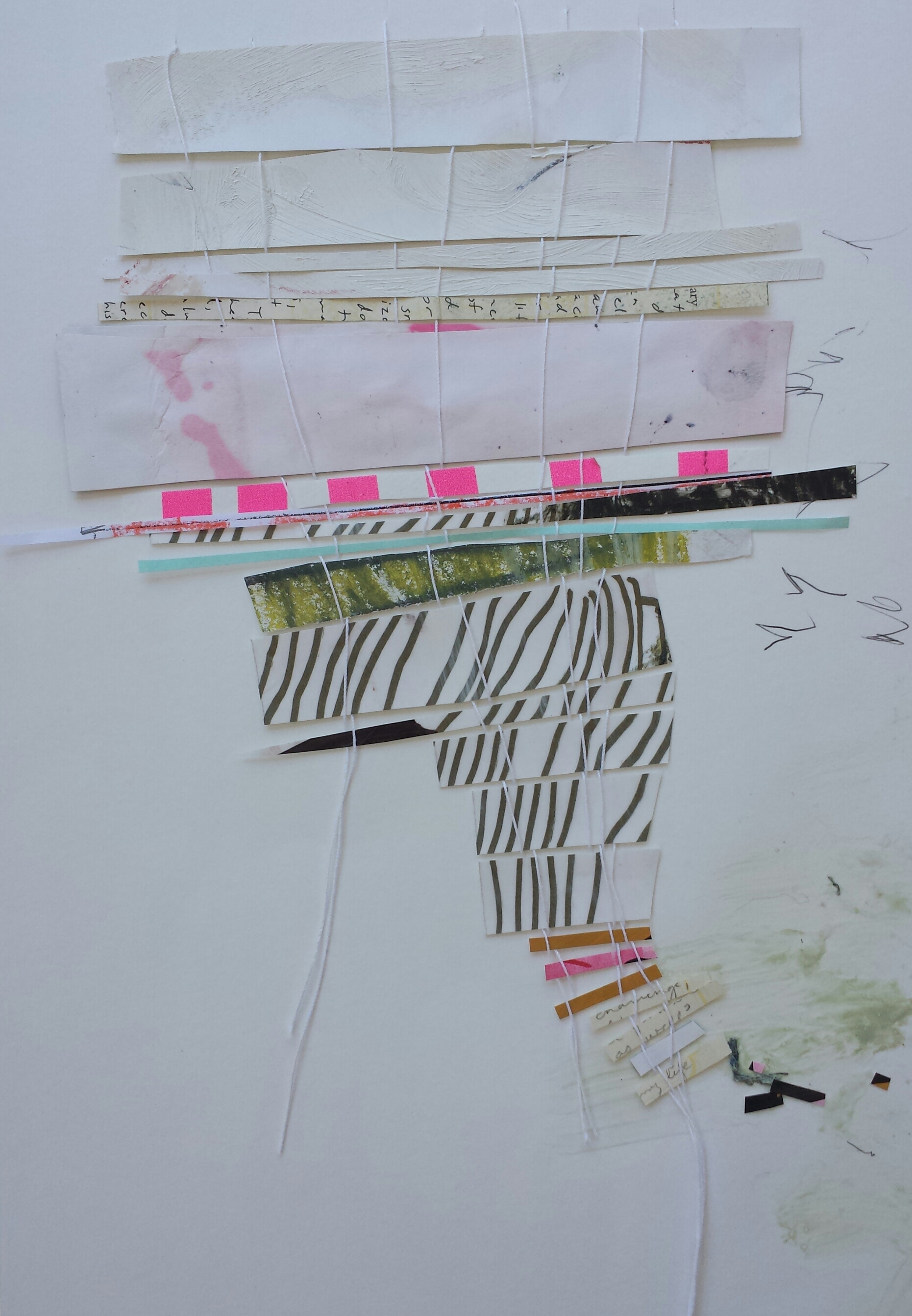
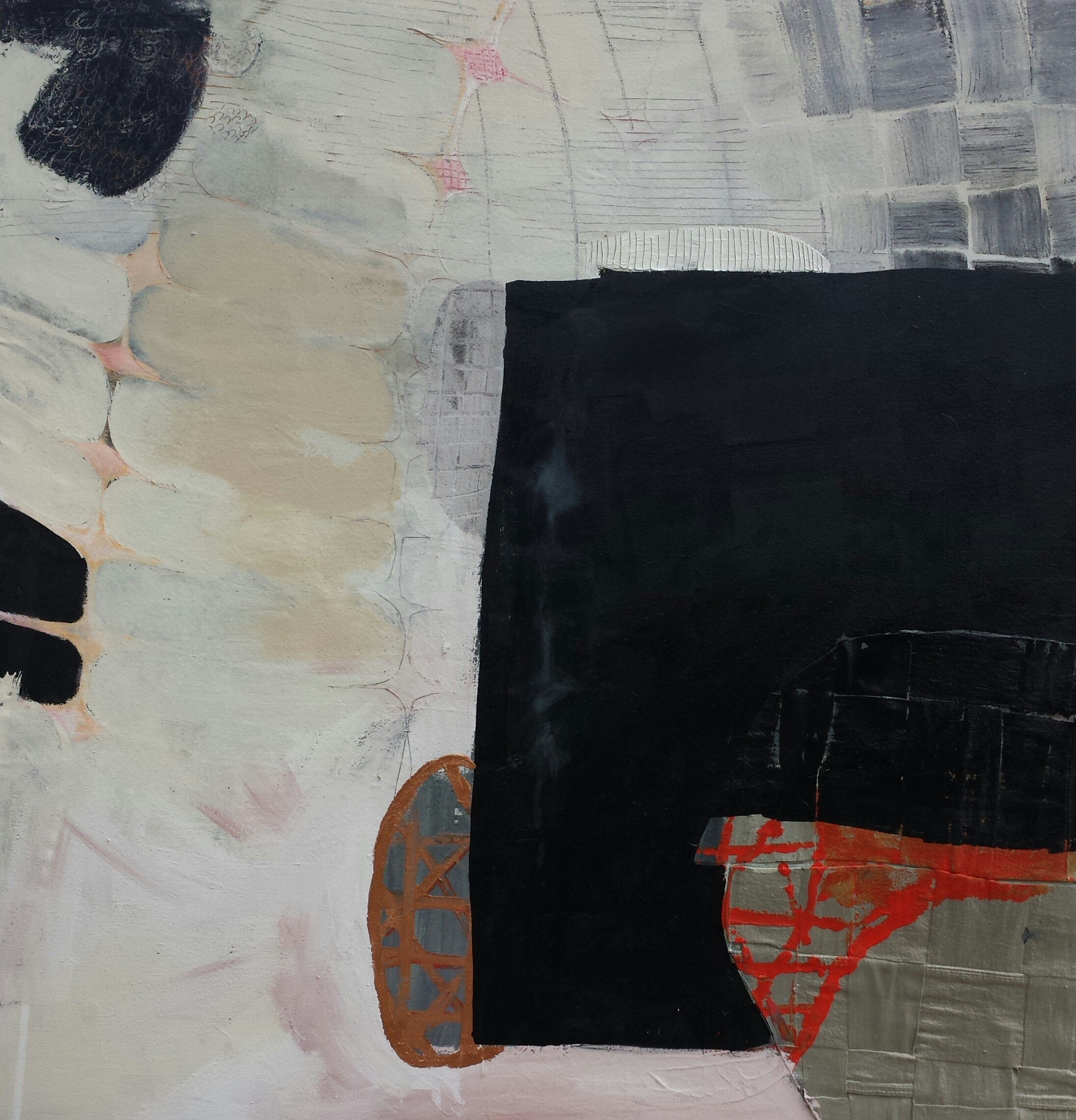
Eons It Seems

Eons It Seems

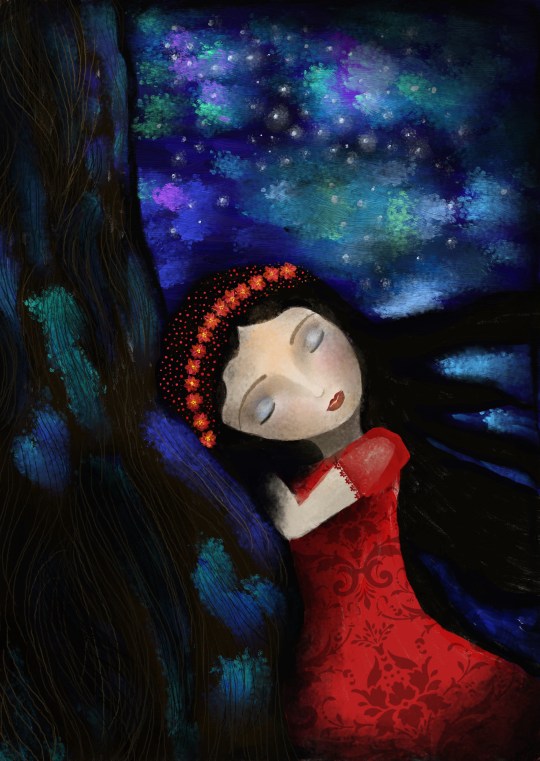
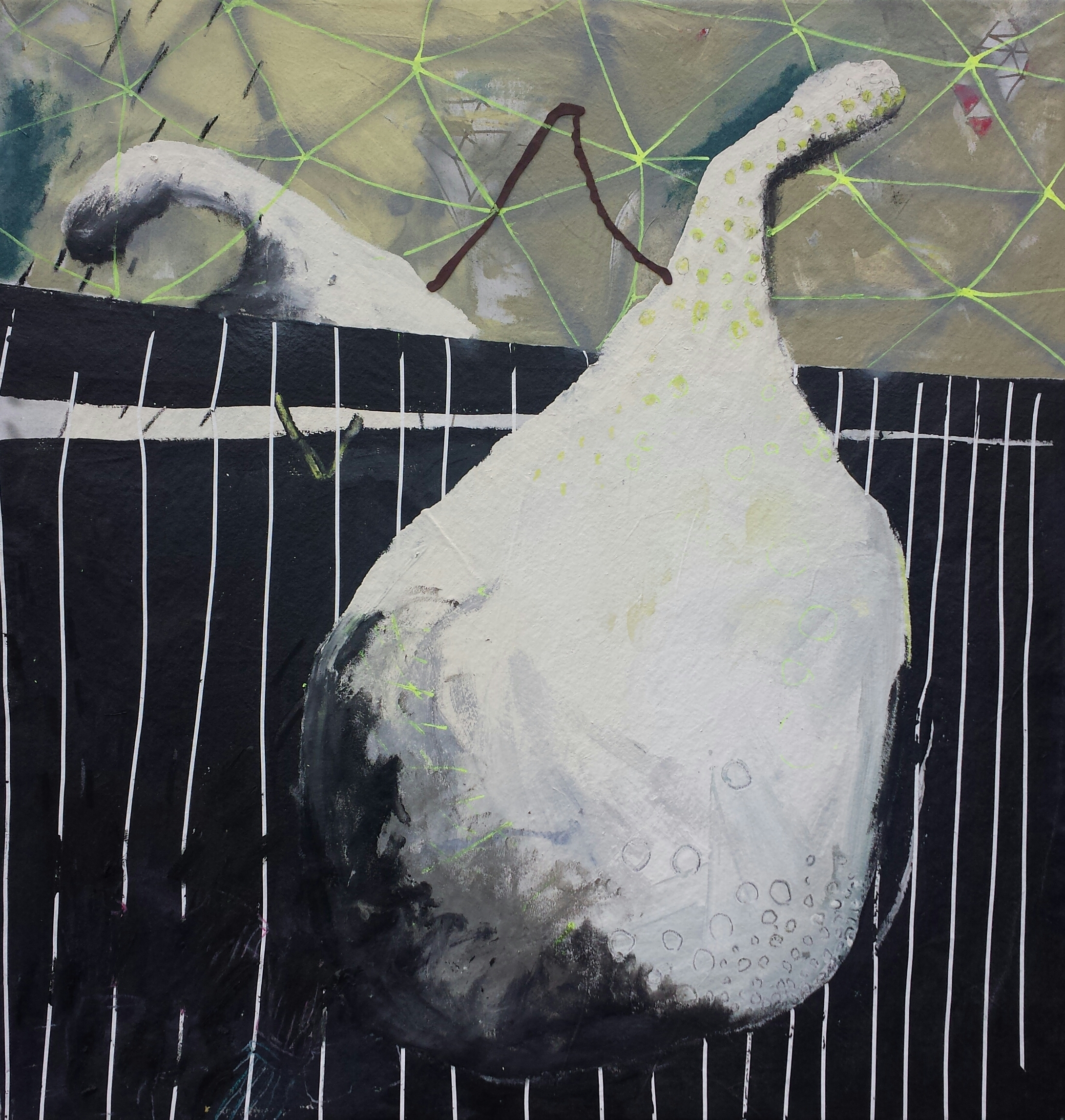
Blue Autumn

Blue Autumn

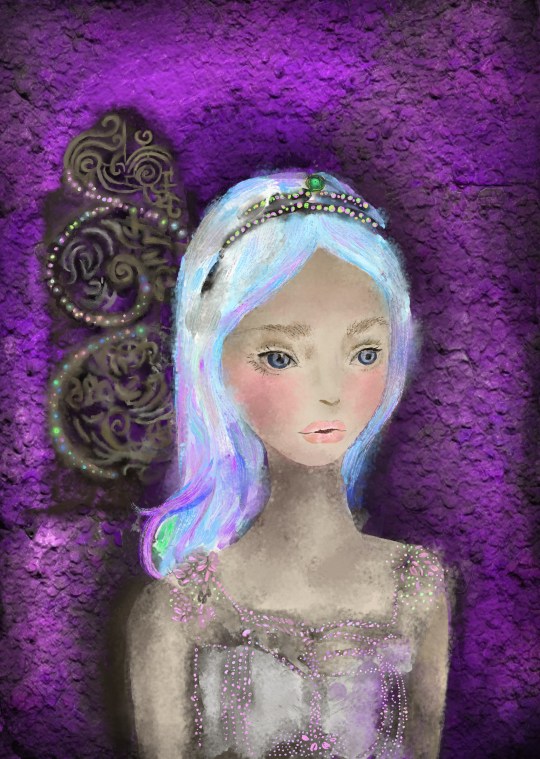
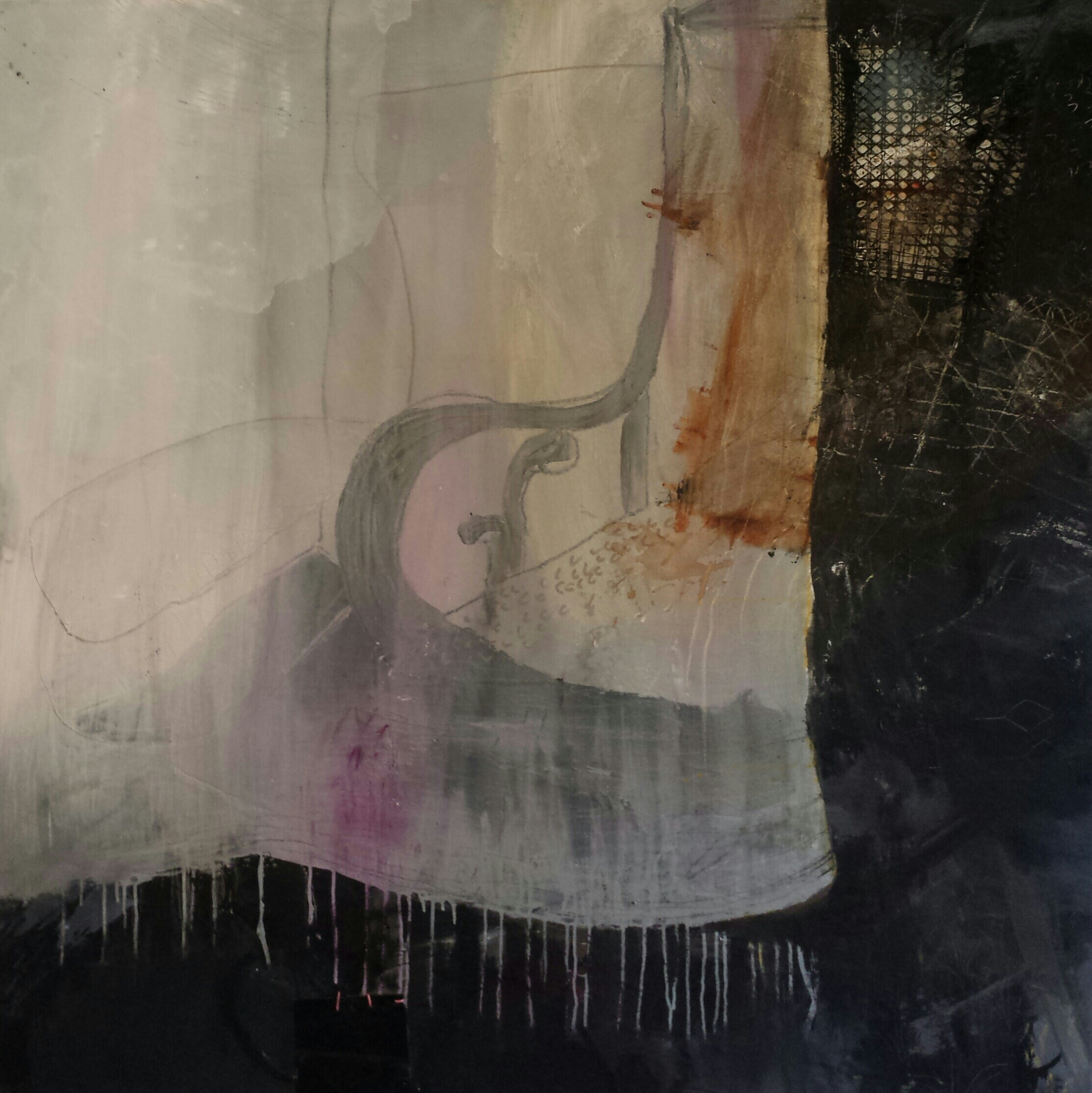
Outside the Fairy Kingdom

Outside the Fairy Kingdom

Ode

Ode

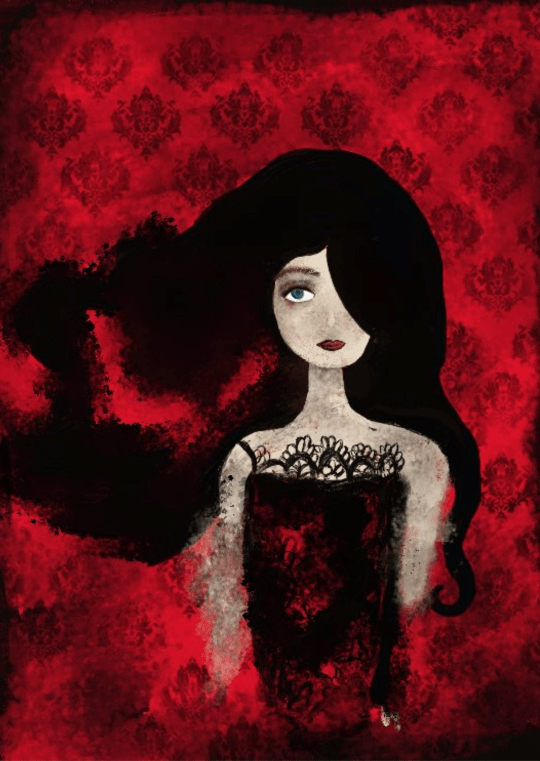
Portrait of a Lady Amidst A Red Damask Background

Portrait of a Lady Amidst A Red Damask Background

Ennui Hamper

Ennui Hamper

Indigo

Indigo

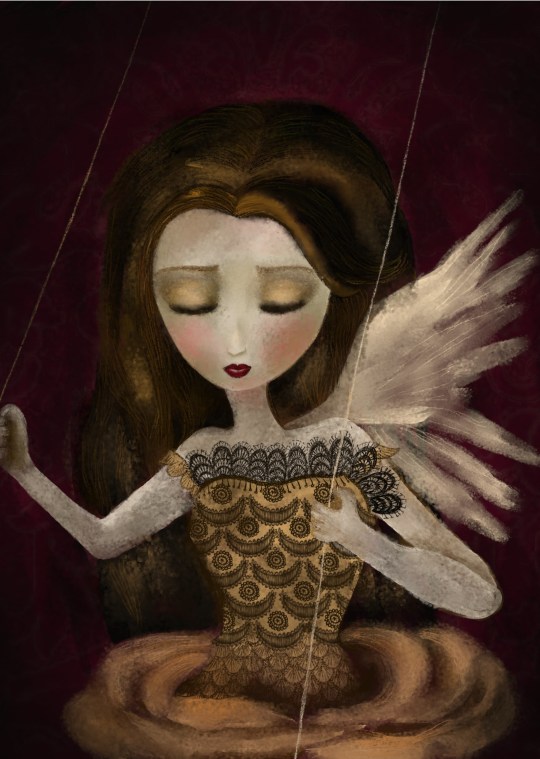
Invisible Strings

Invisible Strings

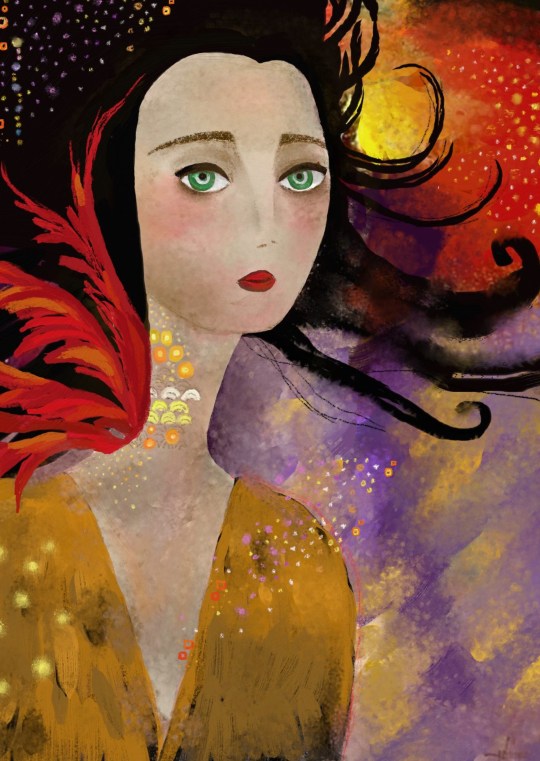
Medieval Angel

Medieval Angel

My Breath Quits

My Breath Quits

Be Still Your Heart

Be Still Your Heart

In Good Company

In Good Company

Artist: Yazmin Basa

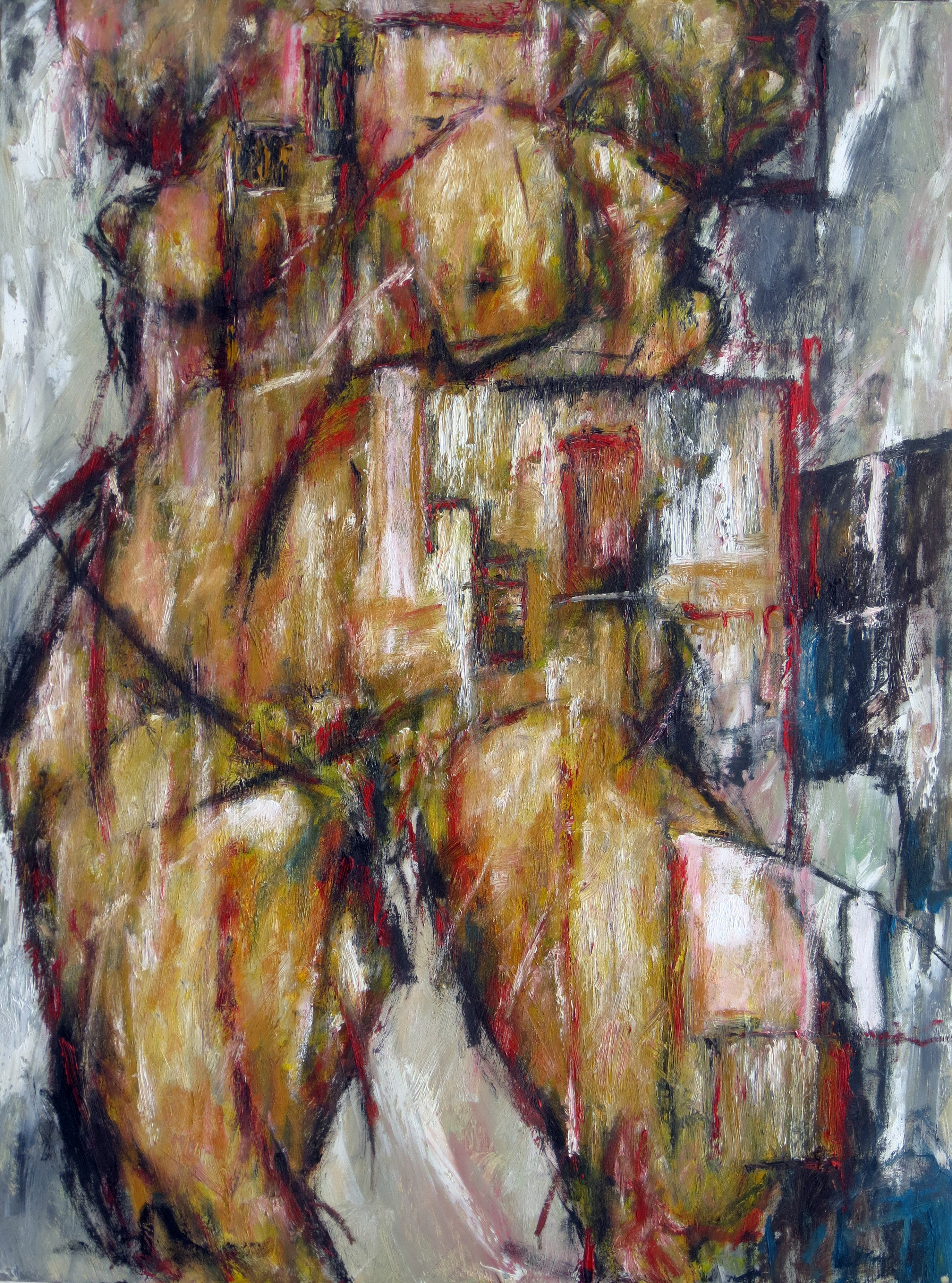
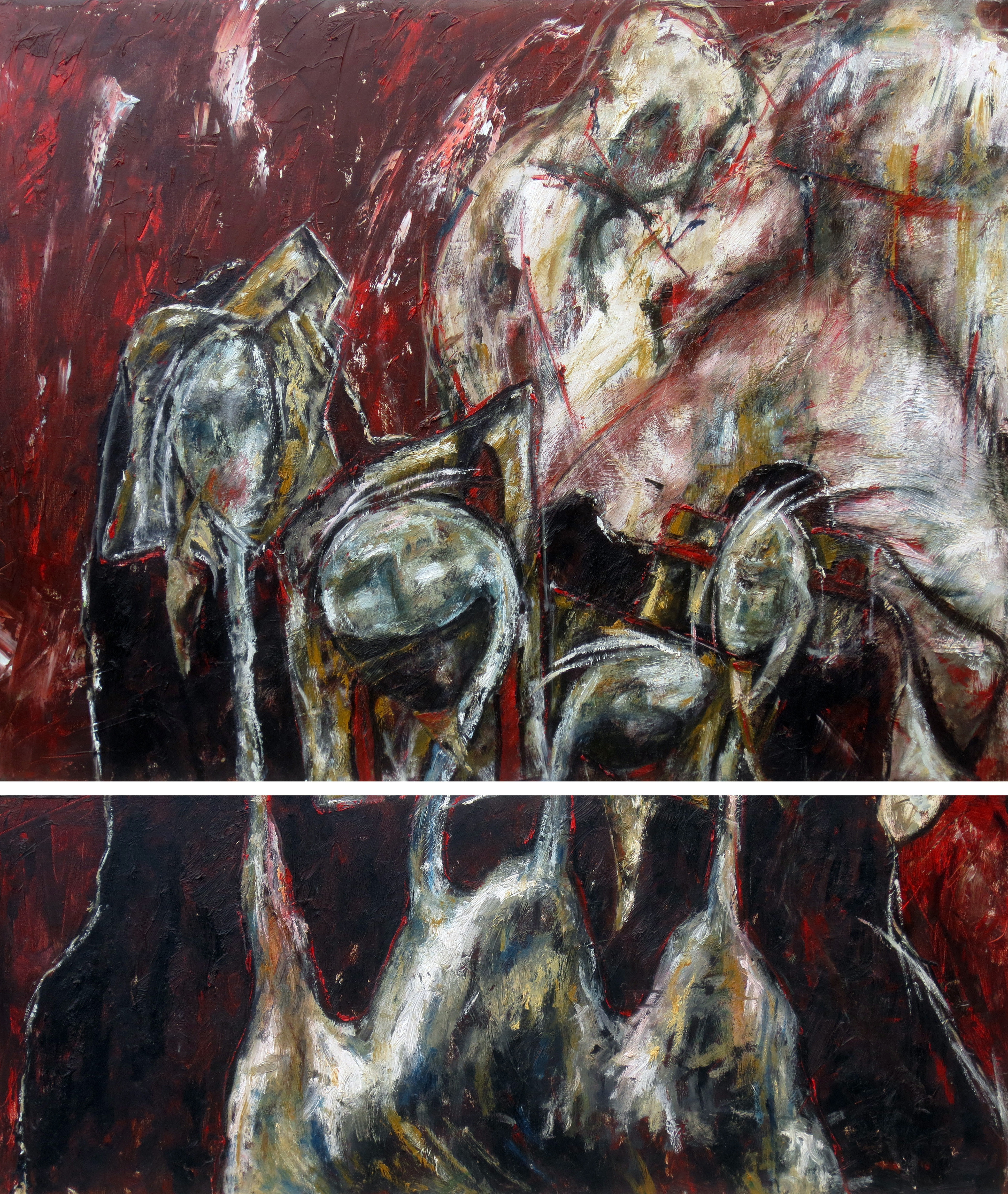
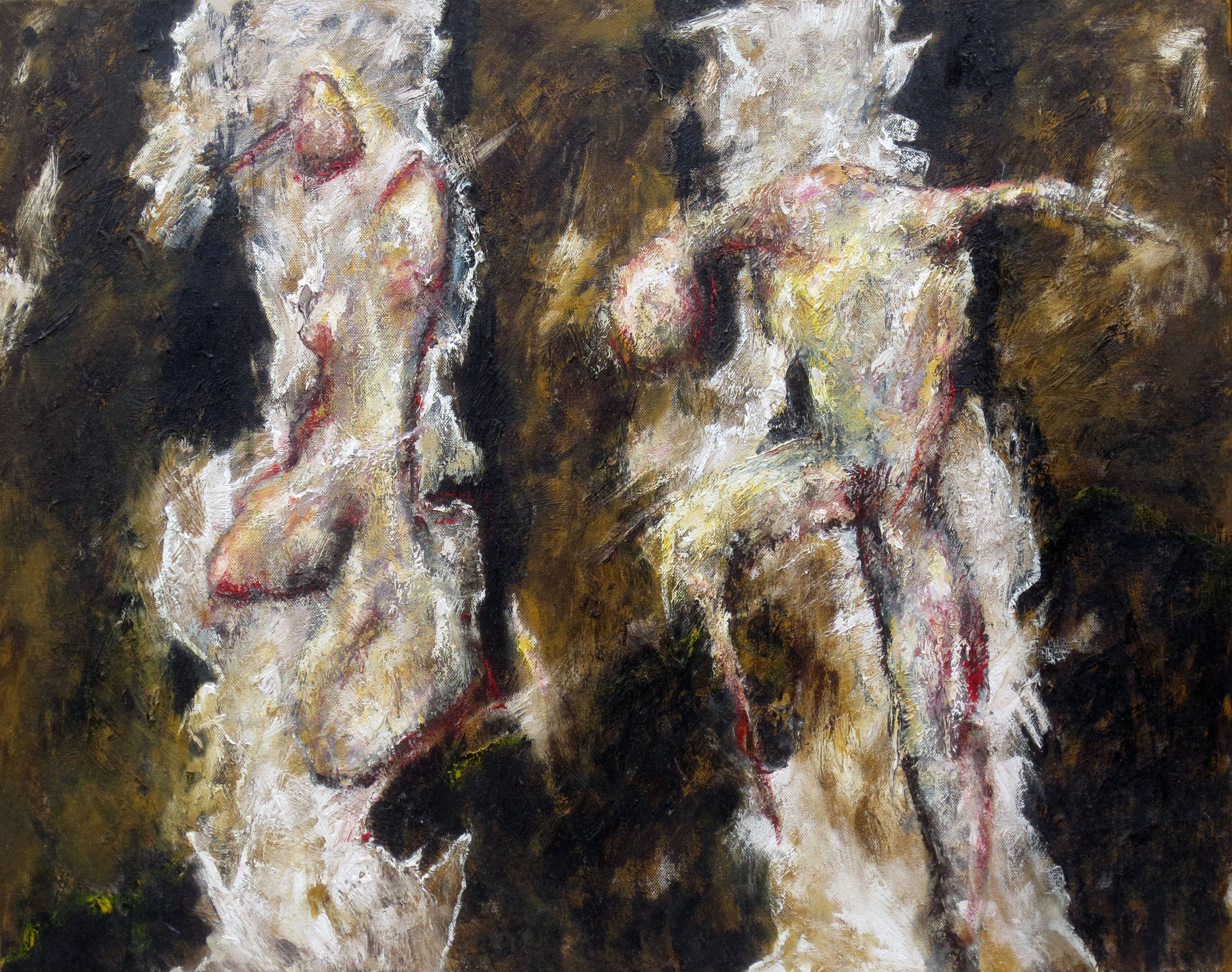
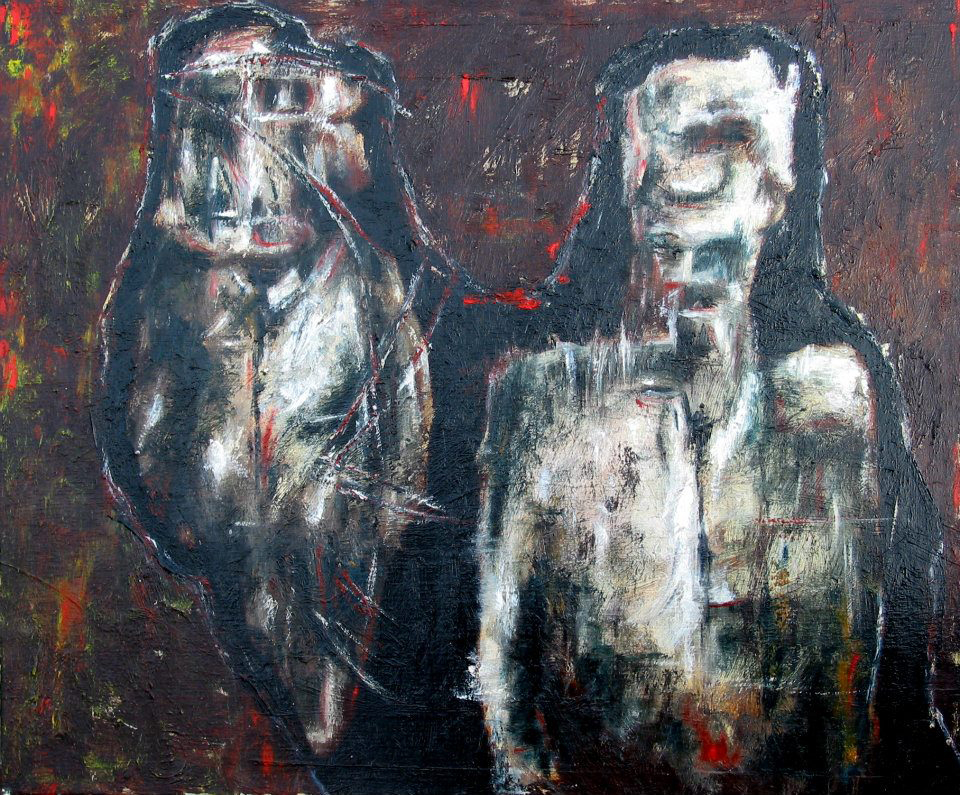
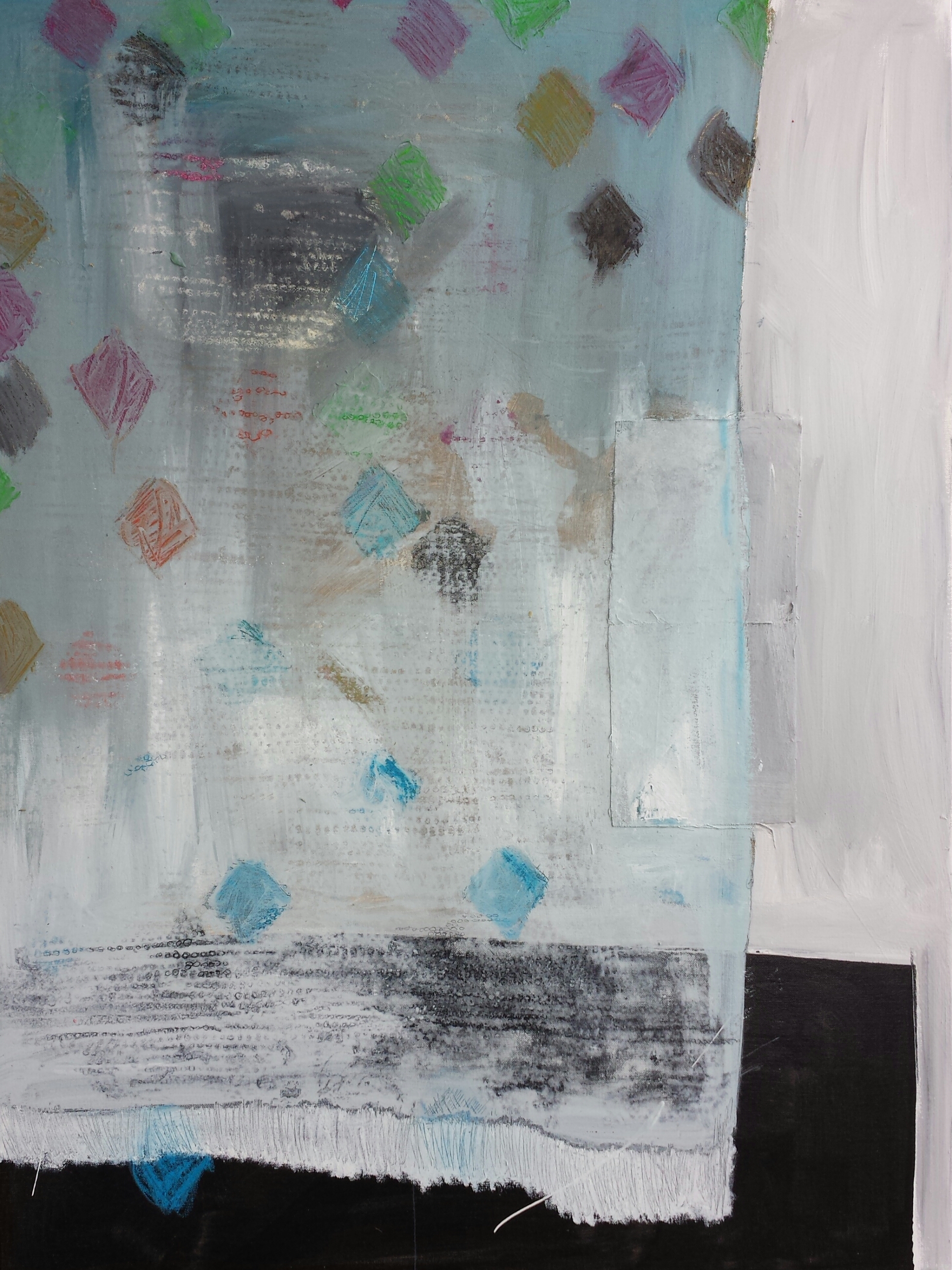
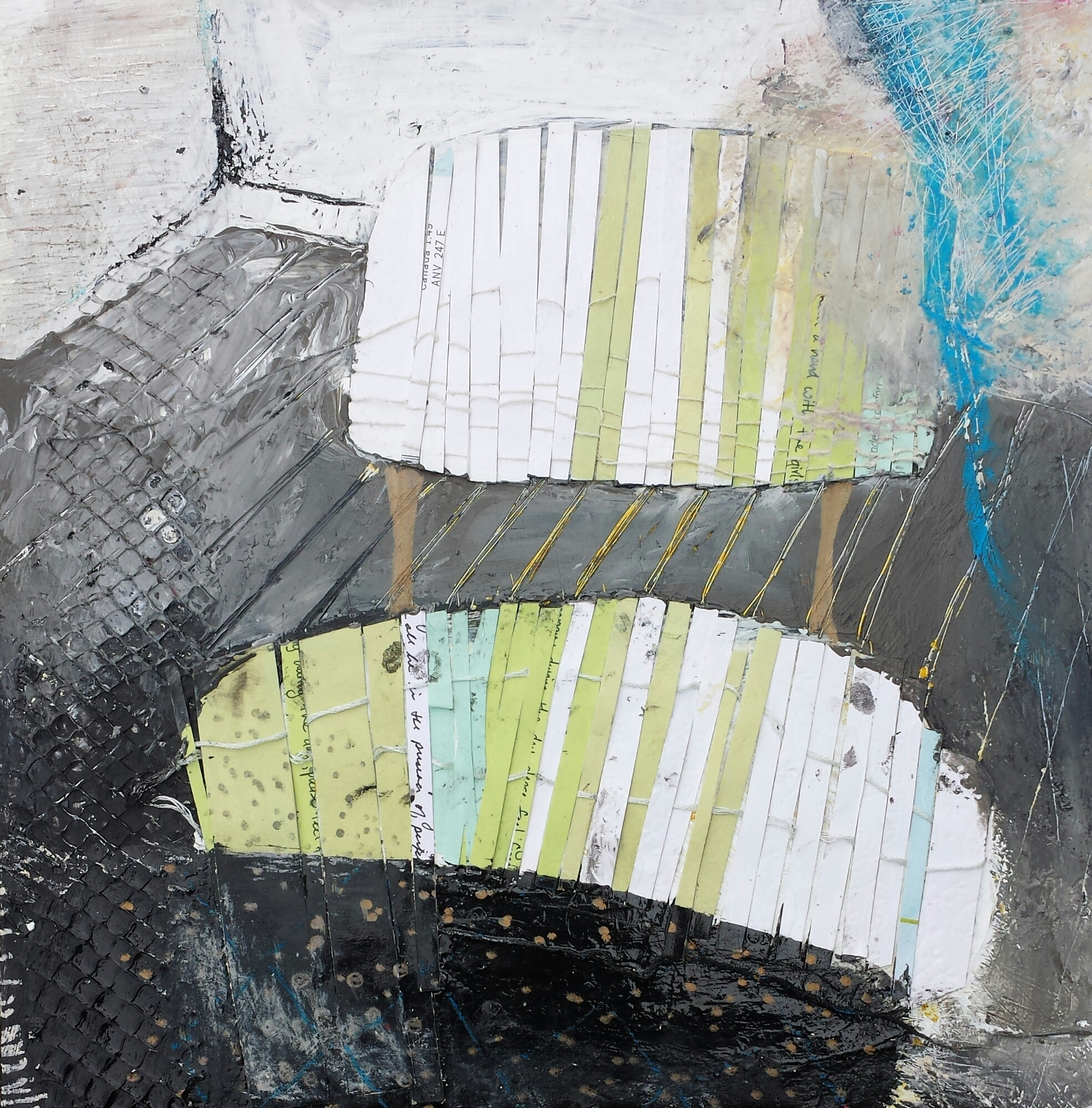
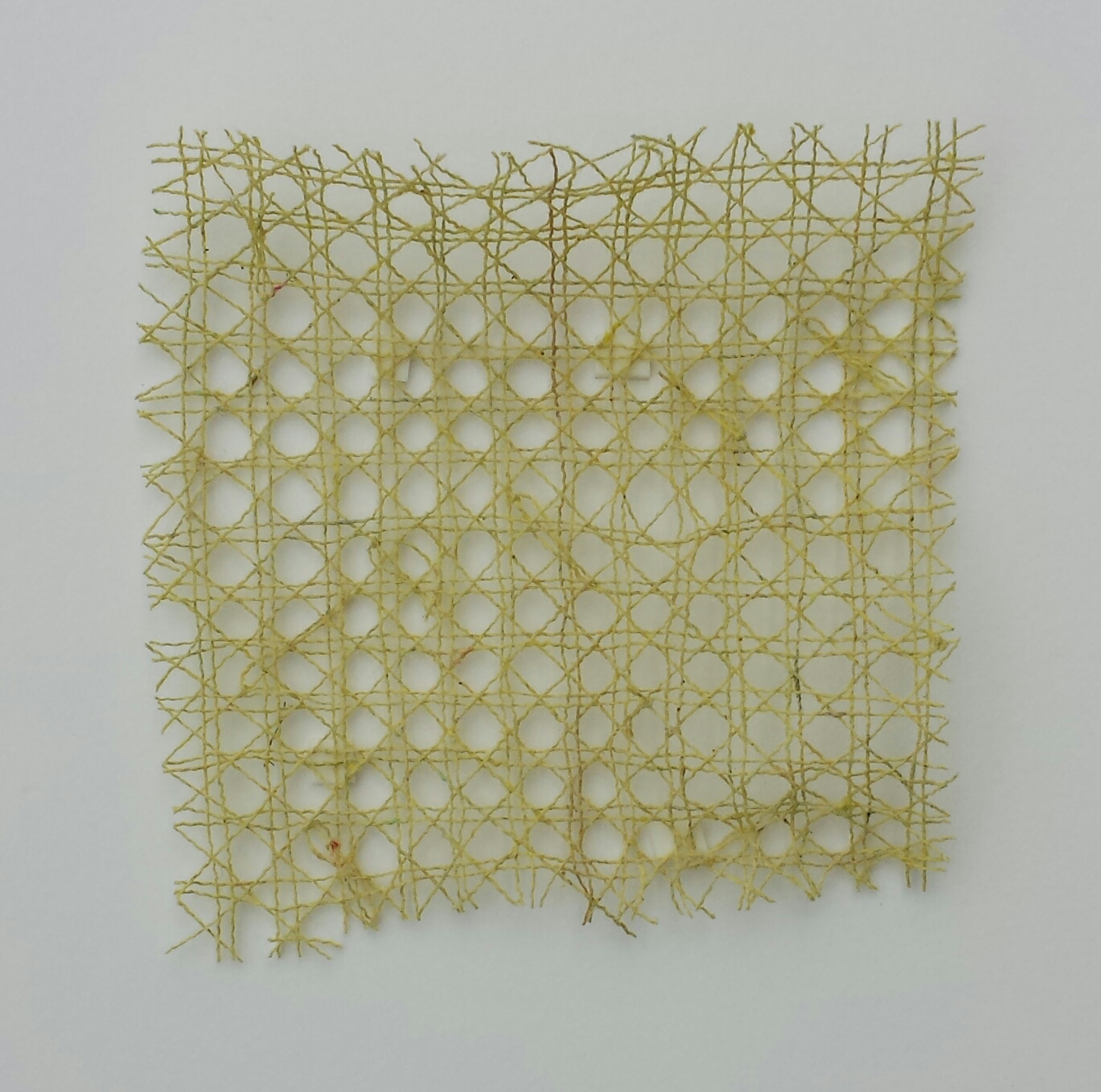
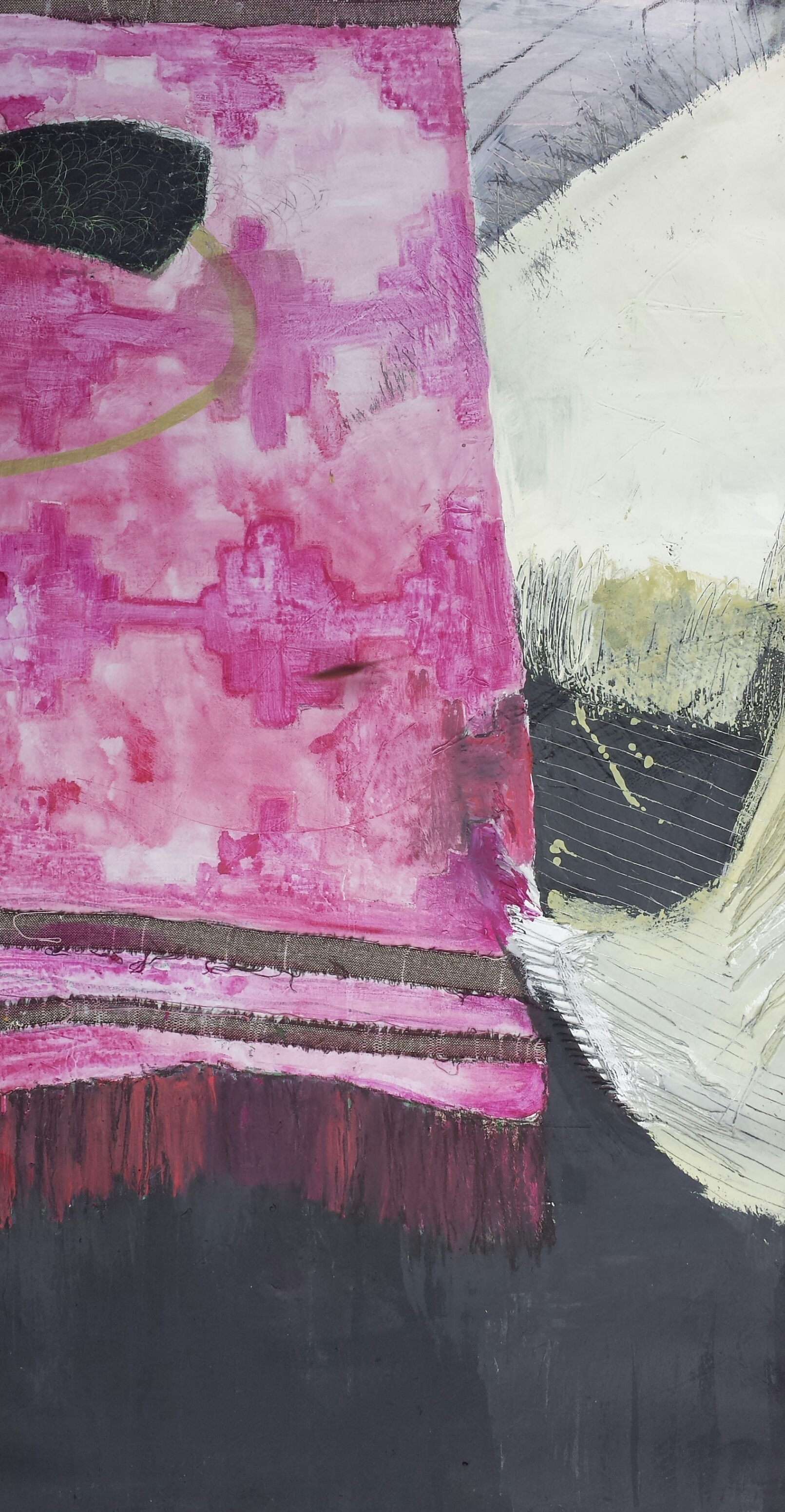
Art and yoga have been center stage in Yazmin’s life. She hails from the world of commercial art, having produced and art directed various in-house broadcast promotions for top TV brands. She has moved around to work for top cable companies in Hong Kong , New York, and Singapore. The discipline and work ethic in the commercial world keeps her grounded and she appreciates being able to understand the needs of a business to have reliable people to keep promotions alive. Now an executive for Video On Demand space for a Silicon Valley company, she is also setting her sights on worthwhile after hours activities – creating more paintings, dabbling with oils and watercolors and also making decoupage art with upcycled bottles. She also sells her artwork at Fine Art America, Society 6, Red Bubble and will open store in more Print On Demand sites. She has also written for various spa, yoga and travel publications. An active wiccan, she has a profound love for nature, and is often found creating artwork and writing poetry during frequent excursions in the countryside or by the sea. She is now mid-way through her first illustrated poetry book titled “Witchery and Thievery”. All the artworks shared here are her works in progress for this book.

Website: http://witcherythievery.blogspot.com/

FAA link:  http://fineartamerica.com/profiles/yazmin-basa.html

Society 6 link:  https://society6.com/yazminbasa

Red Bubble link:  http://www.redbubble.com/people/yazminbasa

Facebook Page: https://www.facebook.com/Yazmin.Basa.Art/

Escape to Reality

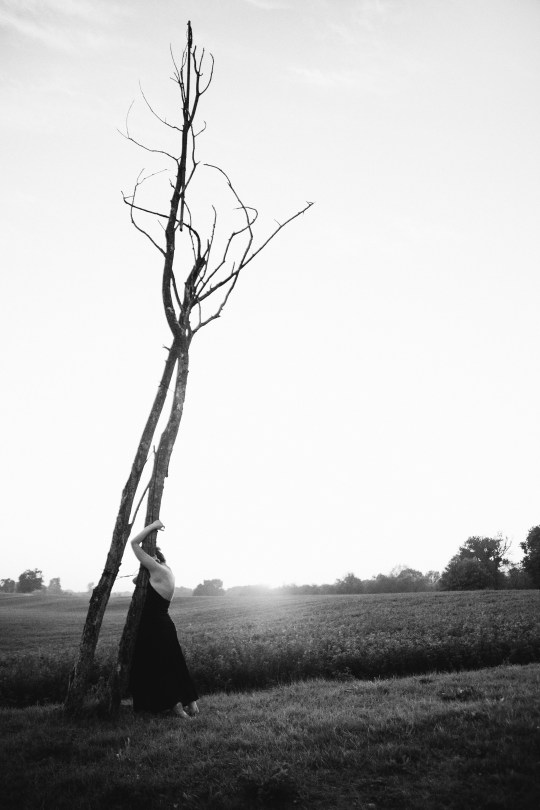
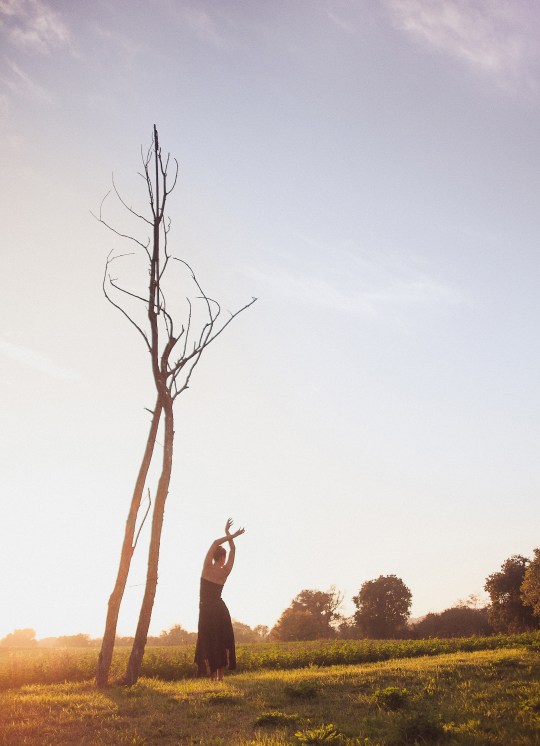
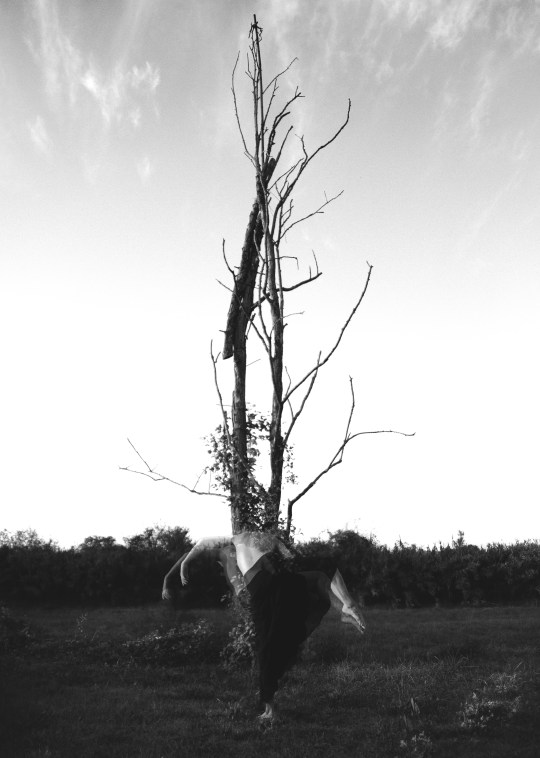
by David Giovannetti

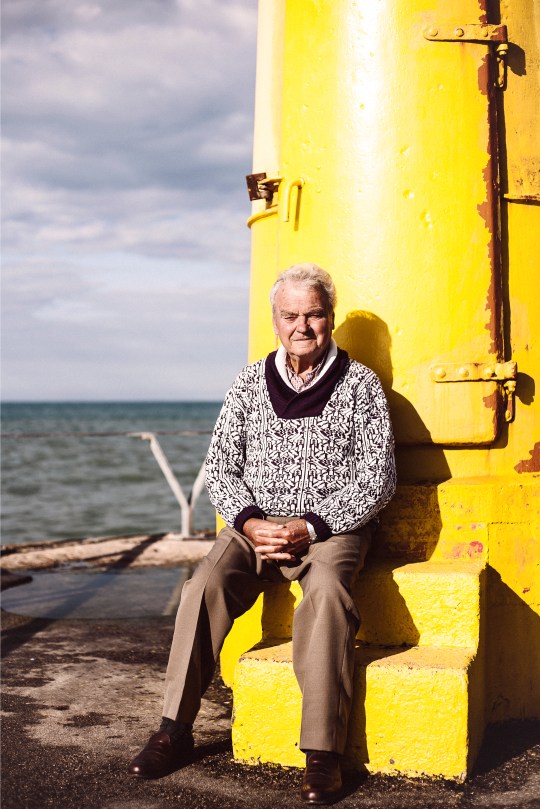
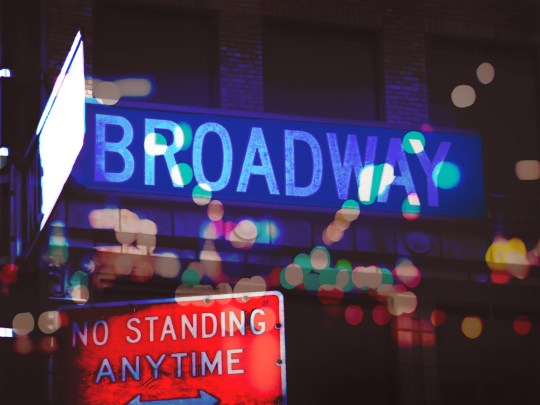
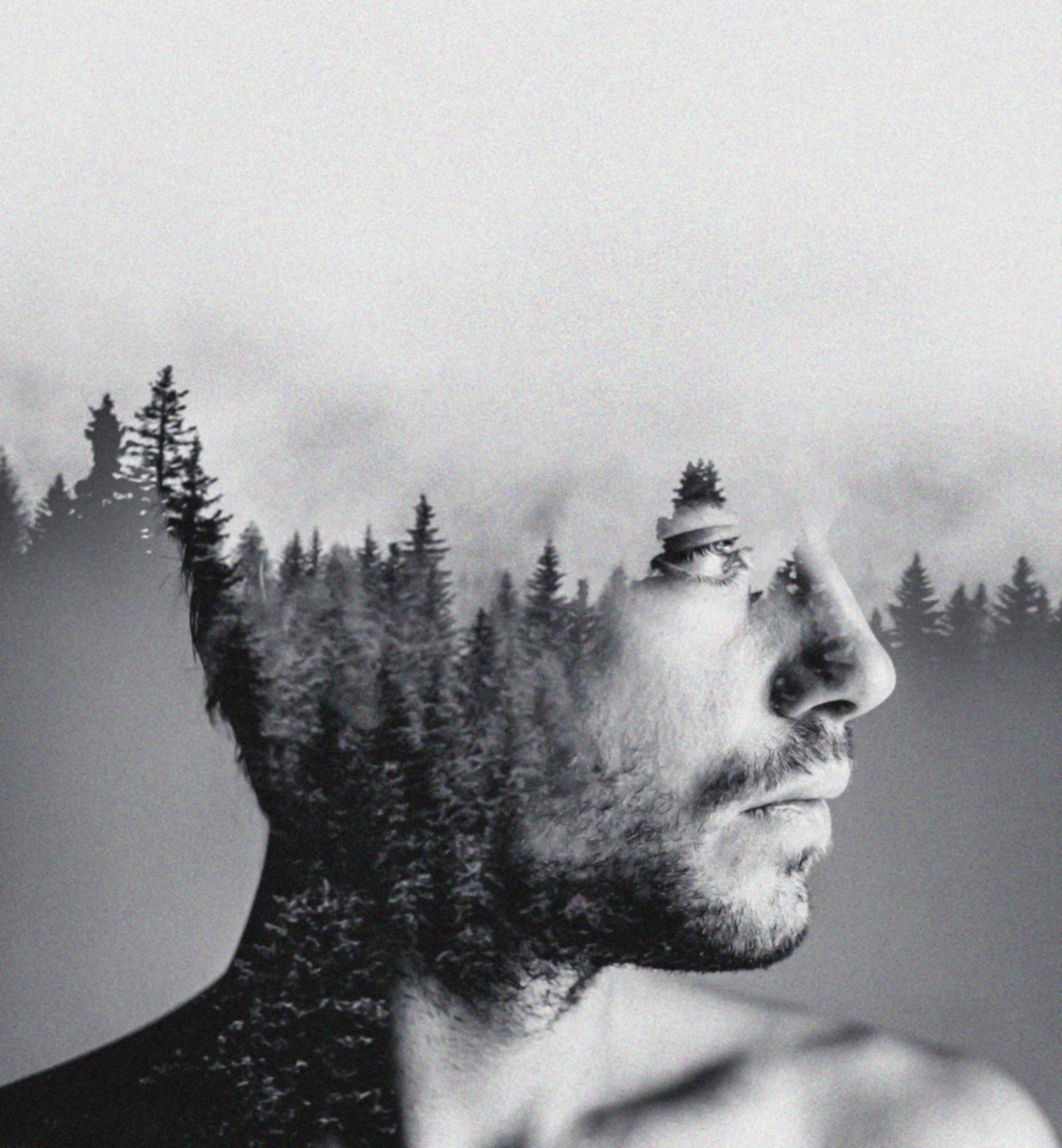
David Giovannetti-_MG_0125

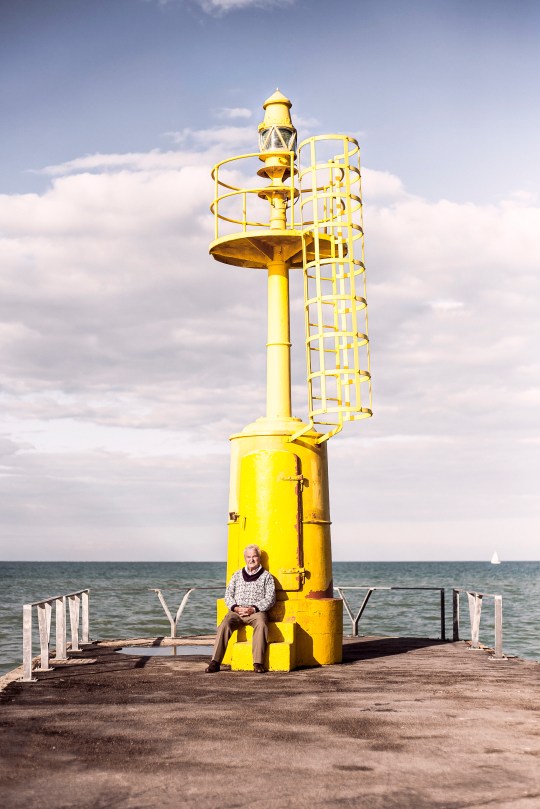
David Giovannetti-ufficiale con meno terra

David Giovannetti-Untitled-1

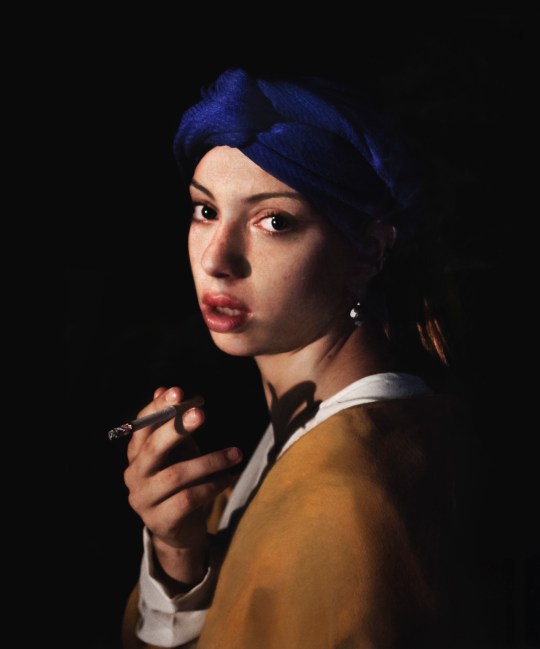
David Giovannetti-Girl with a Pearl Earring

David Giovannetti-mg_0072

David Giovannetti-Storytellers

David Giovannetti-storyteller

David Giovannetti-musician

David Giovannetti-light

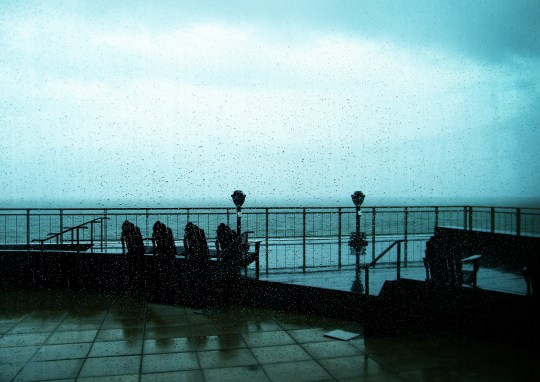
David Giovannetti-rainy day

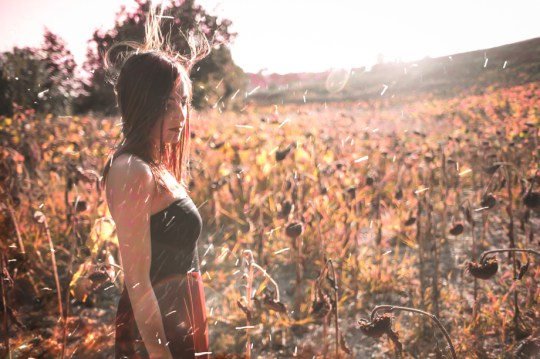
David Giovannetti-end of summer-melissa-e-girasoli-modifica

David Giovannetti-sleeping beauty

David GiovannettiMy name is David Giovannetti and I live in a small town in Italy, called Corinaldo. I am not the son of an artist, nor did I attend art school, but still boast a curriculum that goes beyond any academic teaching: the tales of the adventures of my father, an Italian who emigrated to the United States to try his luck.

Thanks to his absurd stories, sometimes fantastic, my childhood flourished with wonder and curiosity about the world. Through fantasizing about his stories, I found the way to express myself through imagination which was sparked through art, specifically photography.

The path to turn this passion into a full-time job is long and arduous but I’m giving it my all to achieve this.

Website: https://davidgiovannettiphotography.wordpress.com/

Facebook: https://www.facebook.com/DavidGiovannettiPhotography

Email: david.giovannetti@outlook.com

Things To Do With Yesterday’s Paper

by Andrew Hitchen

Surprise

Surprise


Guilty!

Guilty!


Escape

Escape


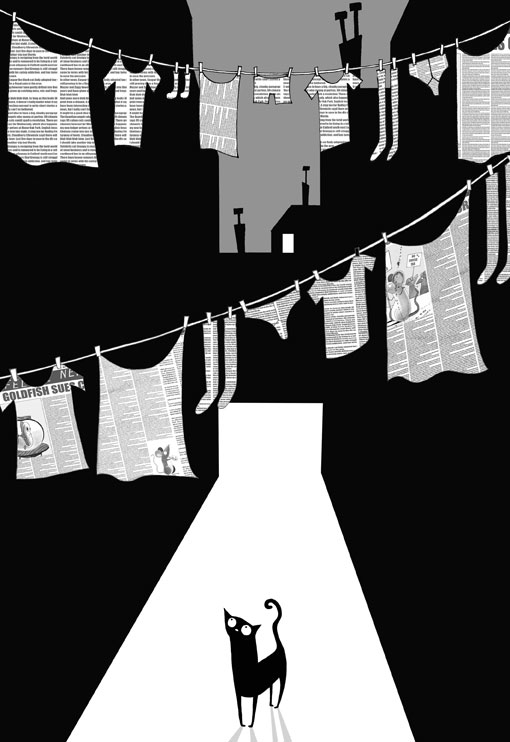
Laundry

Laundry


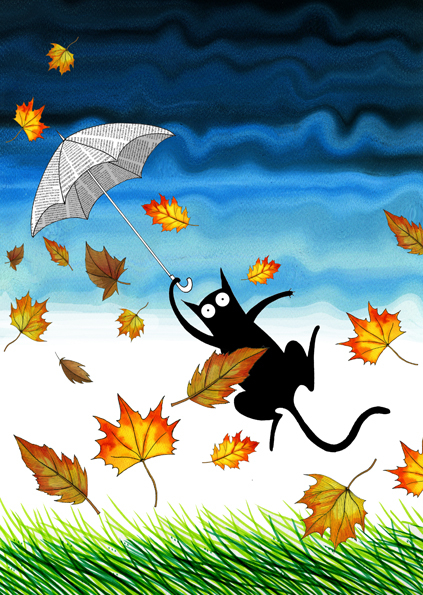
Umbrella

Umbrella


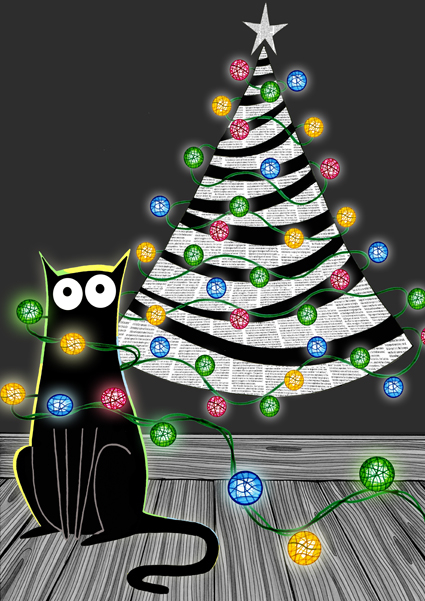
Paper Christmas Tree

Paper Christmas Tree


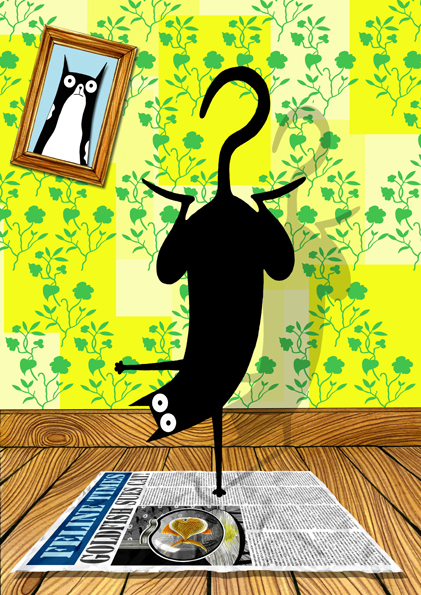
Yoga Mat

Yoga Mat


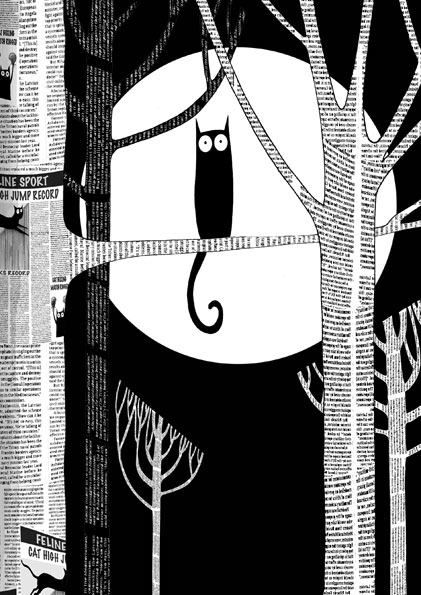
Paper Moon

Paper Moon


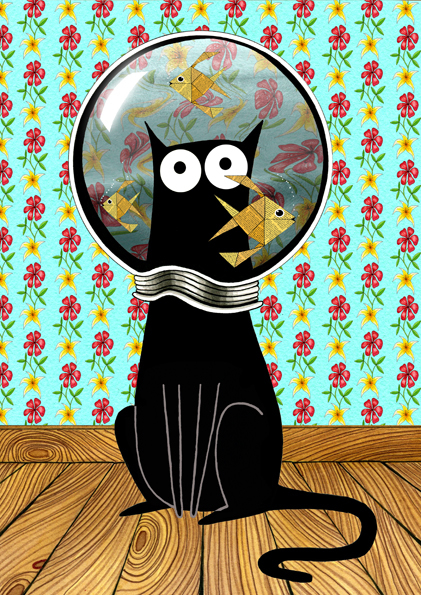
Origami Fish

Origami Fish


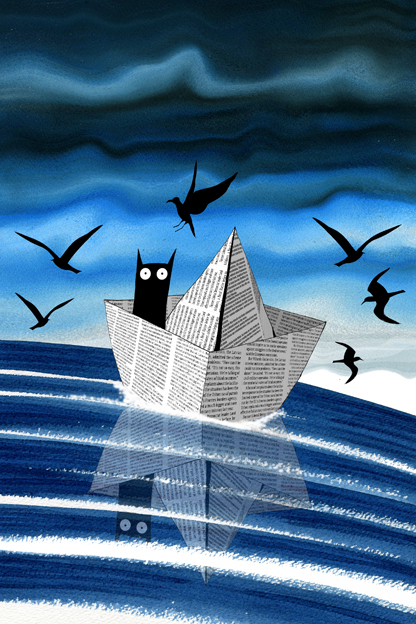
Paper Boat

Paper Boat


Bandages

Bandages


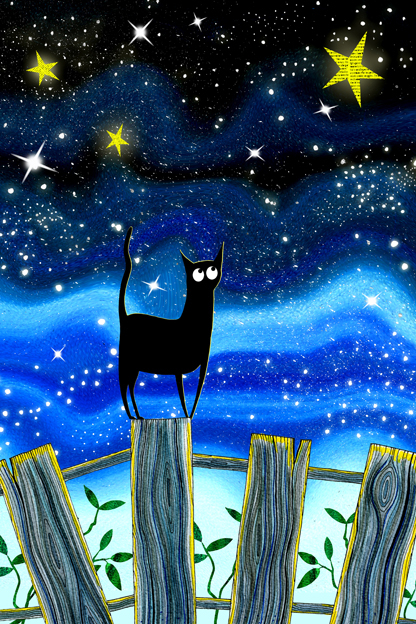
Paper Stars

Paper Stars


Owl Impression

Owl Impression


Paper Bird

Paper Bird


Duvet Cover

Duvet Cover


Andrew HitchenAndrew Hitchen is a freelance illustrator based in London, UK. His distinctive style of drawing has earned him numerous commissions for magazines, newspapers, theatre groups, events and indie record labels over the years. His current artwork is now a fascinating blend of traditional and modern techniques, drawing inspiration from Pop Art, Graphic Novels. Surrealism, Cartoons, Music and Children’s Literature. Andrew is also the creator of the popular ‘Things To Do With Yesterday’s Paper’ series – a collection of whimsical drawings involving a mischievous black cat and its various creations with a sheet of old newspaper. The illustrations in this series have been described as “unique, memorable, and lively” and have been attracting the attention of both children and adults alike.’


Redbubble: www.redbubble.com/people/hitchen/shop
Website: www.andrewhitchen.com
Facebook page: facebook.com/paperclaws
Society6: https://society6.com/andrewhitchen
FAA: fineartamerica.com/profiles/andrew-hitchen.html.


Postcolonial Thoughts: Arnika Dawkins Gallery Panel Discussion “On Being Black” at Spelman


Arnika Dawkins Gallery is honored to present On Being Black, a provocative and groundbreaking invitational photography exhibition. On Being Black features work by 23 nationally renowned, mid-career and emerging fine art photographers. The show explores issues of race, colorism and racial identity. The exhibition and the accomplished artists who are in participation endeavor to continue the conversation about race as well as attempt to make sense of the daily news; exploring the questions of how does one identify them self, who defines race and what does it mean to be black in the new millennium. On Being Black provides an intelligent point of view with distinct and observant voices on this topic…On display Fri Oct 16 to Jan 22 2016 A visual dialogue about race in America created by some of the most highly sought after artist [sic] of our time utilizing the medium of photography http://www.adawkinsgallery.com/black.html


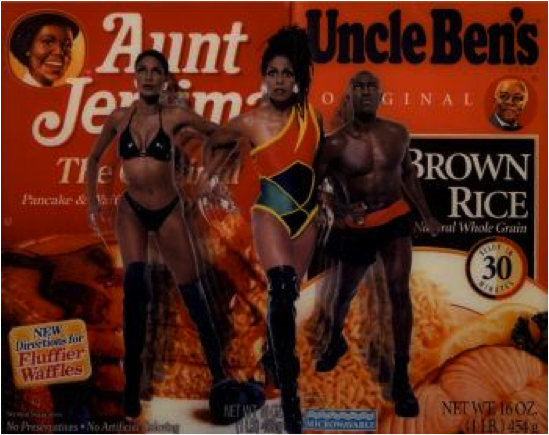
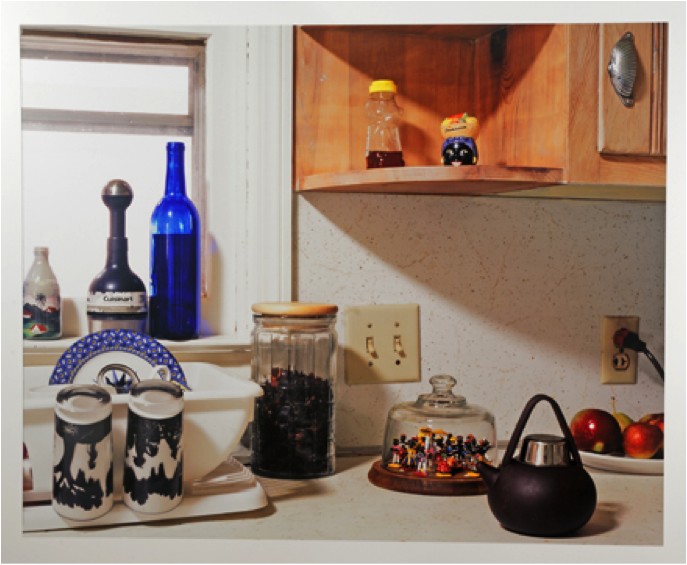
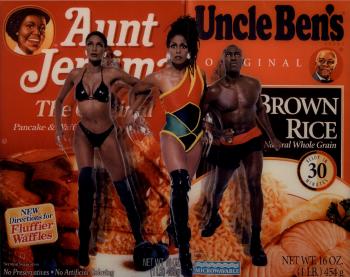
Renee Cox Liberation of Aunt Jemima and Uncle Ben http://artinfo-images-350.s3.amazonaws.com/asi2-85688/233.jpg

Renee Cox Liberation of Aunt Jemima and Uncle Ben
http://artinfo-images-350.s3.amazonaws.com/asi2-85688/233.jpg


Obstacles to pursuing an artistic practice while being Black

Please join the Arnika Dawkins Gallery, Atlanta Celebrates Photography, and the Museum for a panel discussion featuring artists Sheila Pree BrightAlbert ChongAllen CooleyRenée CoxDelphine FawunduJohn Pinderhughes, and Deborah Willis, Ph.D.  The panel discussion will be moderated by Kirsten Pai Buick, Ph.D., Associate Professor of Art History at The University of New Mexico.

This program is organized in conjunction with the exhibition On Being Black, on view at the Arnika Dawkins Gallery from October 16, 2015 to January 22, 2016.  This provocative and groundbreaking exhibition will feature work by 23 nationally renowned, mid-career and emerging fine art photographers and explores issues of race, colorism, and racial identity. http://museum.spelman.edu/programs/on-being-black-a-panel-discussion/


This article is not a critique of the photography displayed in the exhibition. It is a reflection on the discussion by a number of artists that participated in the Anika Gallery exhibition at Spelman Museum on October 17, 2015 11a.m. The discussion began as most discussions do, going down the line waiting for individual responses with a moderator fielding the questions. These were general questions that were meant to engage the artist practice and issues that each artist may have come across and might have to endure over their career, to which each artist readily and candidly replied.

The timbre of the discussion began to change once Renee Cox sparked the notion that she does not believe in such issues or obstacles. Moreover these “issues” are choices made by artists that blocked their own development. Cox went further to share a story of her father, a British citizen before Jamaica received its independence in 1964, who came to Florida in 1940. He immediately went to the Fontainebleau, at that time segregated. At which point he walked through the front door and argued with the Hotel owner for thirty minutes after which stayed in a room there for two nights. The point Cox made was that sometimes you need to be ignorant of boundaries and demand your space. One can choose to accept these obstacles or ignore them and pursue an individual pursuit. Sure there are situations that can affect the outcome, but if that stops someone’s progress then that individual should choose another profession.


Albert Chong, also a Jamaican artist, seconded Cox’s position and shared his arrival in America, when he was introduced to its specialized racism. Chong also acknowledge the wish for a Caucasian avatar to present his work and navigate the art world. Then Chong added another brick to the fire by explaining the difference as to the misconception of Jamaican pride. He went on to clarify the point by saying that this pride may be perceived as arrogance, but it is not…It is self-love. Self-love is a requirement to overcoming obstacles and pursuing one’s own career.


African American leisure as a form of resistance

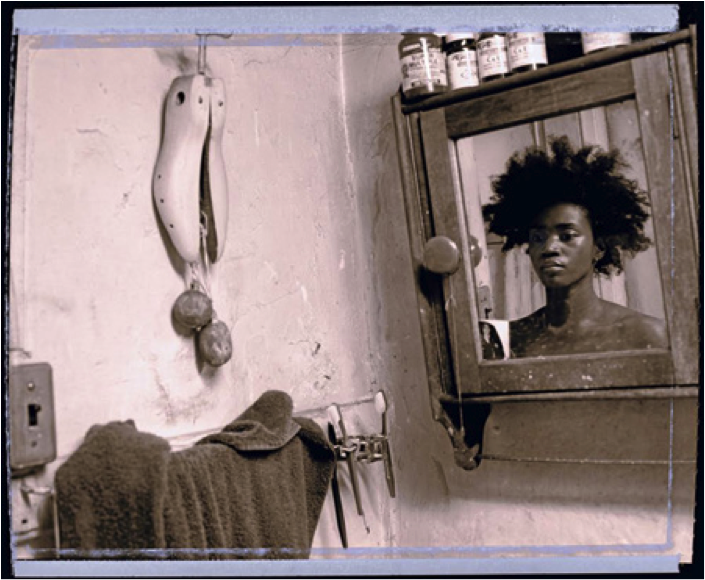
Sheila Pree Bright untitled #34 suburbia series http://www.artsatl.com/wp-content/uploads/2013/03/Bright.jpg

Sheila Pree Bright untitled #34 suburbia series
http://www.artsatl.com/wp-content/uploads/2013/03/Bright.jpg


John Pinder Hughes and Sheila Pree Bright both offered another requirement as a form of resistance leisure. Pree Bright discussed the pushback on her suburbia series by White board members that did not believe her photographs of Black homes. One of her critics was bold enough to say “I’ve never heard of this Black suburbia”. Pree Bright went on to identify the problem from a White perspective is that the images did not have enough Black identifiers in it-no watermelons, Martin Luther King, references that made the suburbia African American. In this case suburbia becomes more militant than the overt images of Blackness.

Hughes discussed his work that captured African American leisure in the Hamptons over decades and how that is important to the overall make-up of the Black image. The Black image is not this monolithic icon always struggling. Hughes’s leisure is resistance of limitations placed on Blackness.


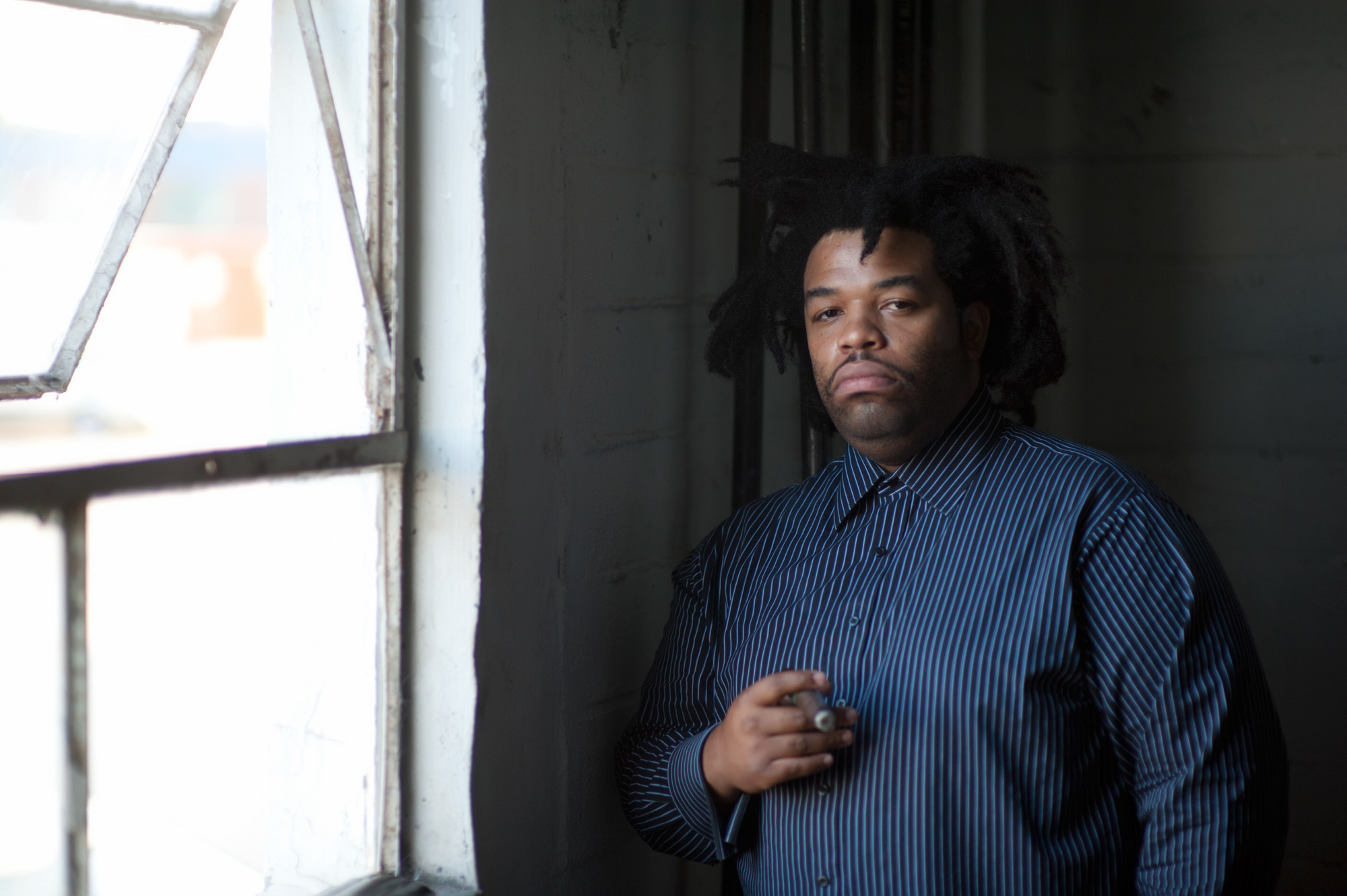
John Pinder Hughes Pretty for a Black Girl, 1998 http://www.adawkinsgallery.com/black/0006.html

John Pinder Hughes
Pretty for a Black Girl, 1998
http://www.adawkinsgallery.com/black/0006.html


Global Blackness

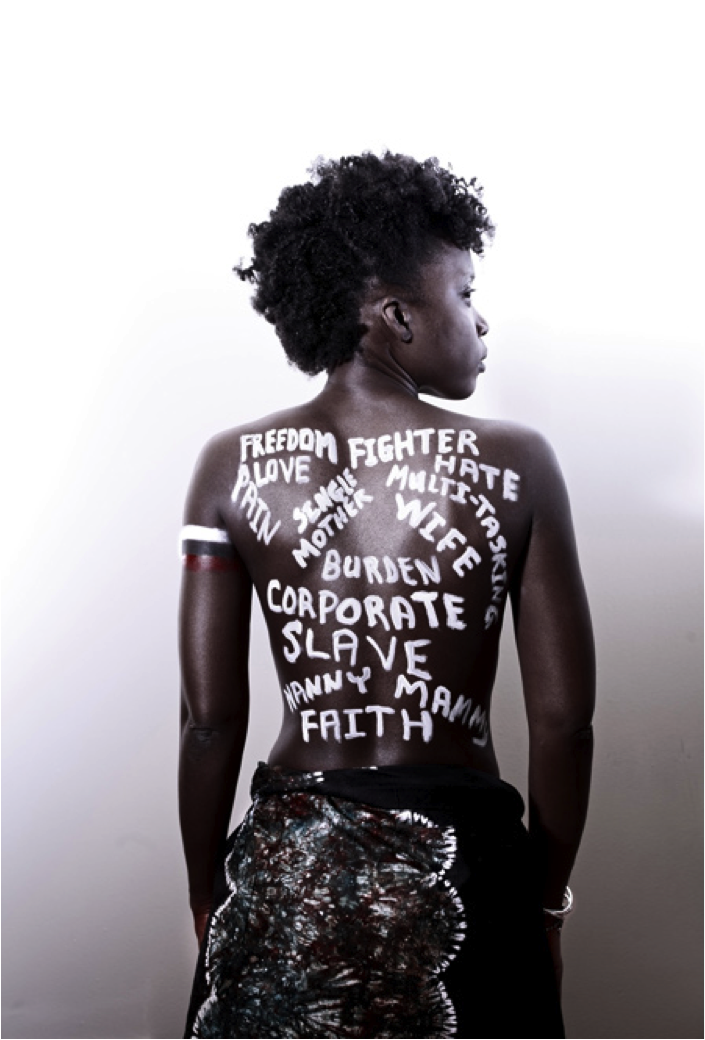
Delphine Fawundu What Do They Call Me? My Name is Aunt Sarah, 2010 http://www.adawkinsgallery.com/black/0002.html

Delphine Fawundu
What Do They Call Me? My Name is Aunt Sarah, 2010
http://www.adawkinsgallery.com/black/0002.html


Dlephine Fawundu rounded out the discussion from a Brooklyn, Mali, Sierra Leone, Ghana perspective. She discussed how when people from Brooklyn see the images of Ghanaians and vice versa, there is a familiarity of exchange, a recognition of blood. This resounded with another sentiment presented by Albert Chong.

Chong said he was the youngest of nine children to Jamaican/Chinese parents and most of his time was spent learning who the extended family was. He said most of his learning and understanding of his history came from photo albums. Those photo albums gave him a foothold as to his place in in his family as well as the world. Chong alluded to a loss of memory due to the fact that we do not have an intact photo album. Fawundu’s work certainly are building blocks for a restoration of memory.

The crowd kept asking questions until finally they had to be stopped. The discussion ended up being a small global panel as to how artists can pursue their career with fearlessness, leisure, documentation and self-love. Definitely need more discussions on this.


Christopher HutchinsonChristopher Hutchinson is an accomplished Jamaican conceptual artist, professor and contributor to the art community as a writer, critic and founder of the nonprofit Smoke School of Art. He is a Professor of Art at Atlanta Metropolitan State College and has been featured as a lecturer including prestigious engagements at University of Alabama and the Auburn Avenue Research Library. For two decades, Chris has been a practicing artist. His works have been exhibited in internationally recognized institutions including City College New York (CUNY) and featured at the world’s leading international galleries such as Art Basel Miami. He has always had an innate passion for creating spaces where Africans and people of African descent contribute to an inclusive contemporary dialogue—ever evolving, not reflexive but pioneering. This requires challenging the rubric of the canon of art history, a systemic space of exclusion for the Other: women and non-Whites, and where necessary he rewrites it. He received his Master of Fine Arts Degree in Painting from Savannah College of Art & Design, Atlanta and his Bachelor of Arts Degree from the University of Alabama in Huntsville, Alabama.
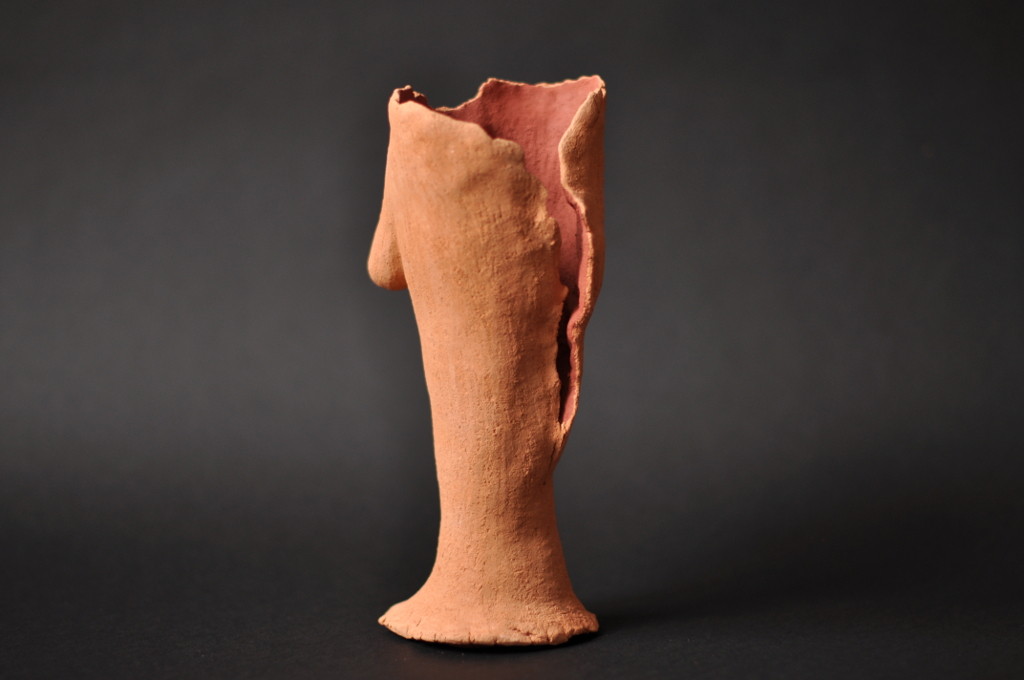
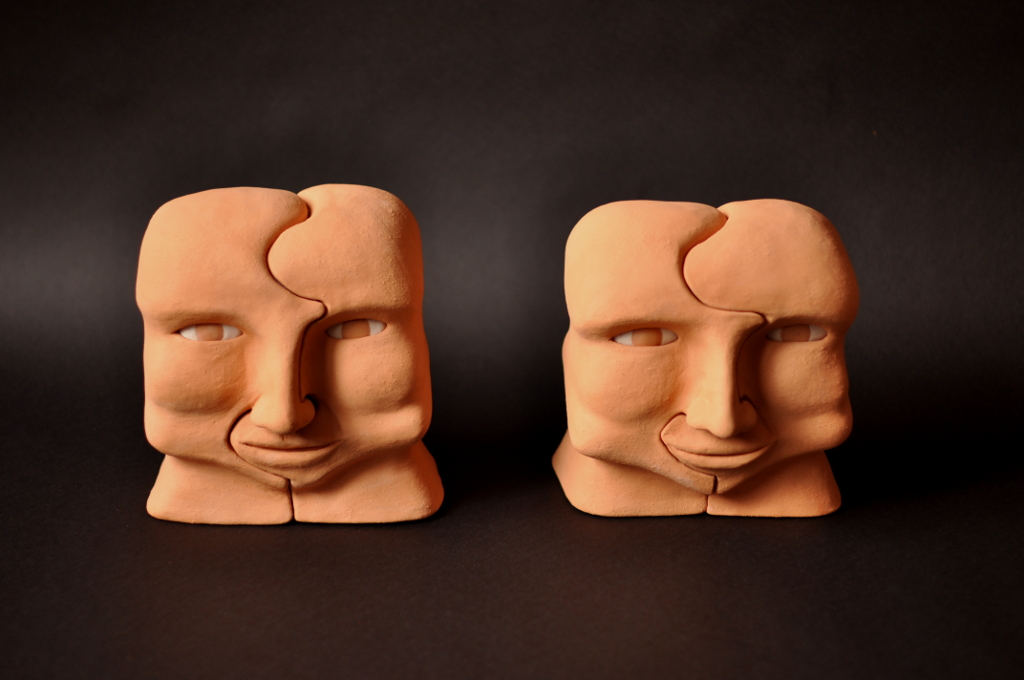
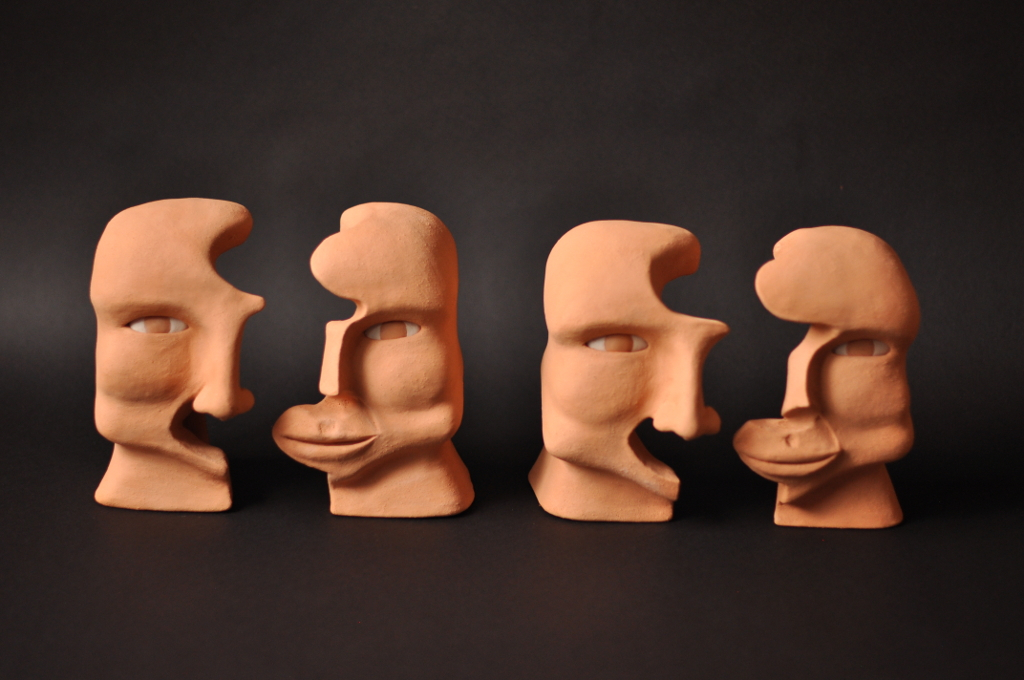
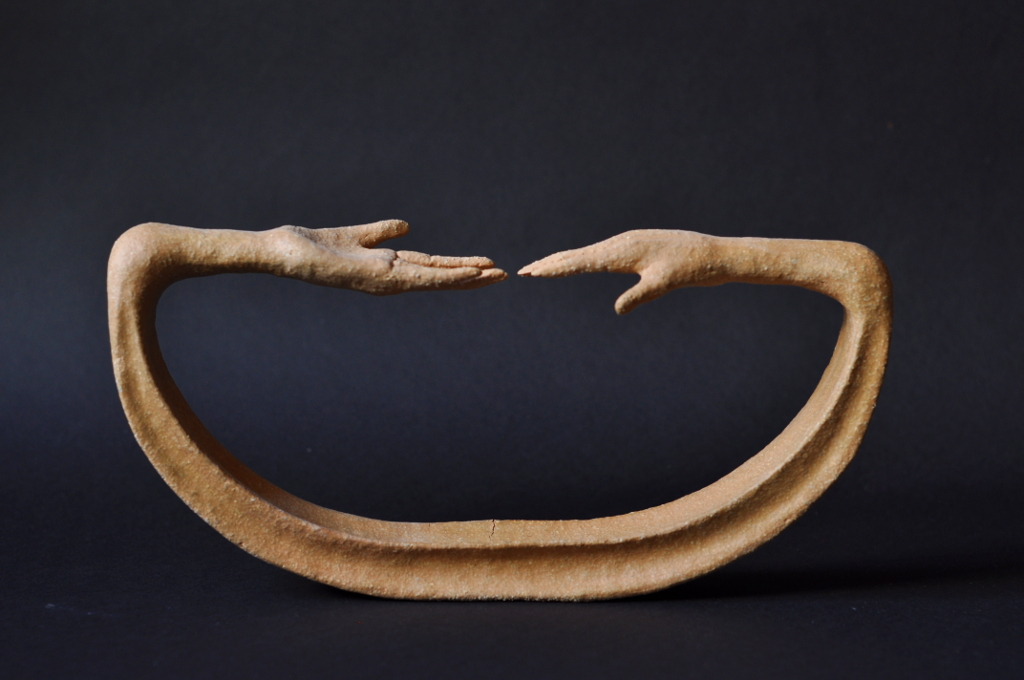
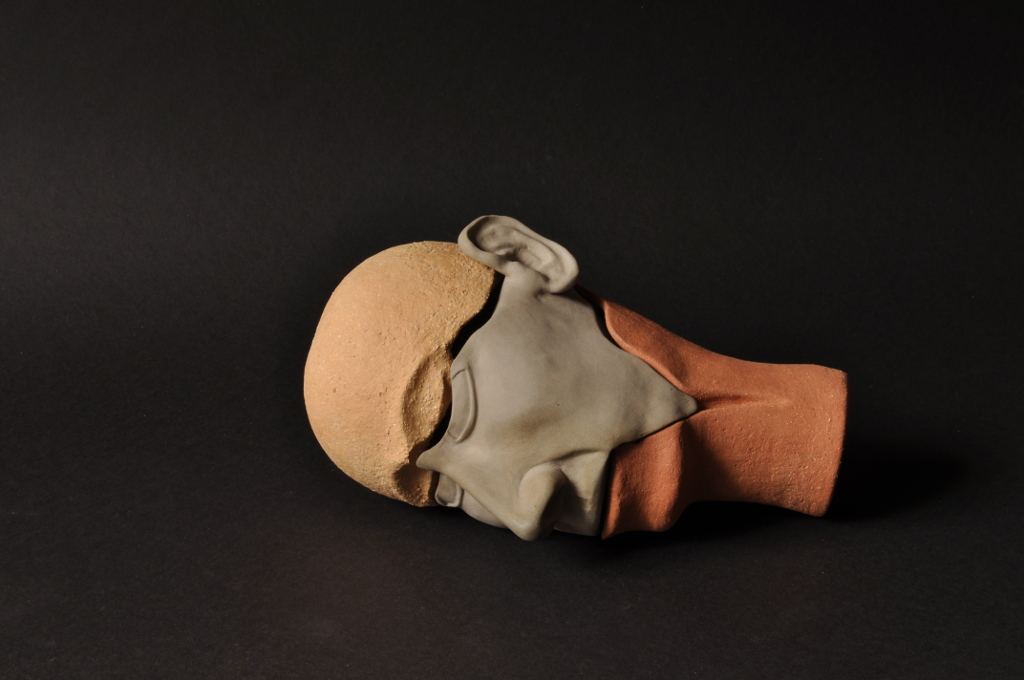
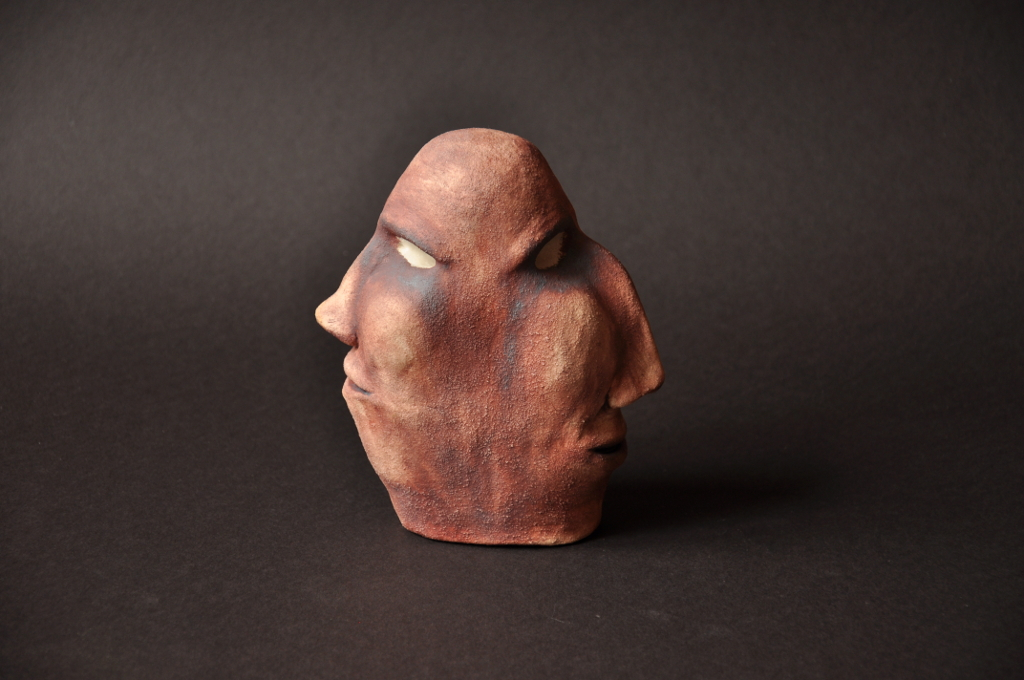
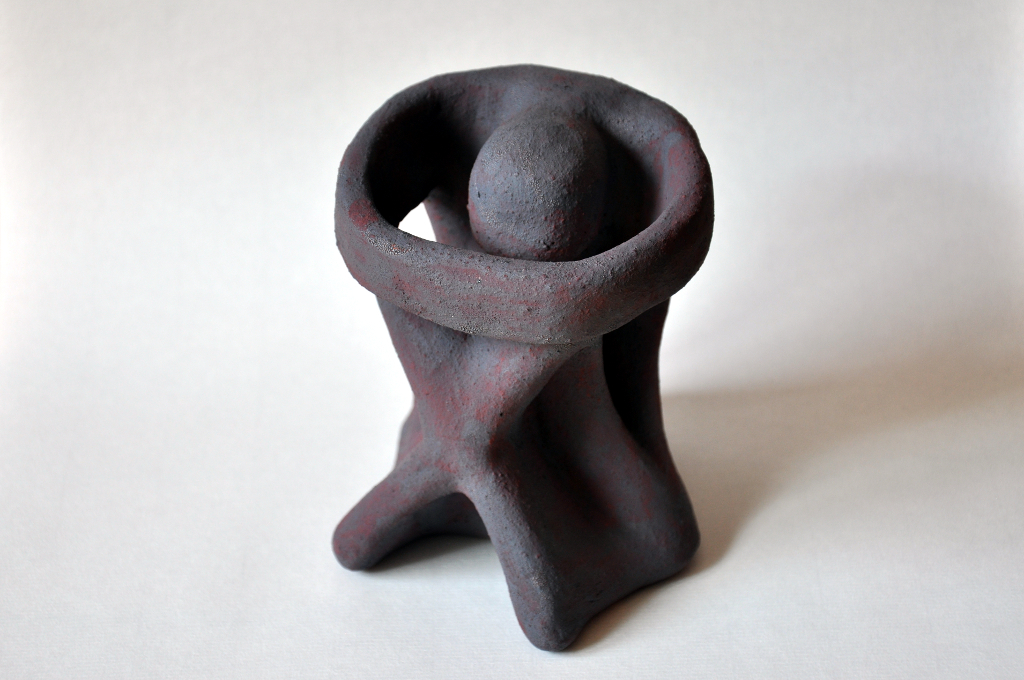
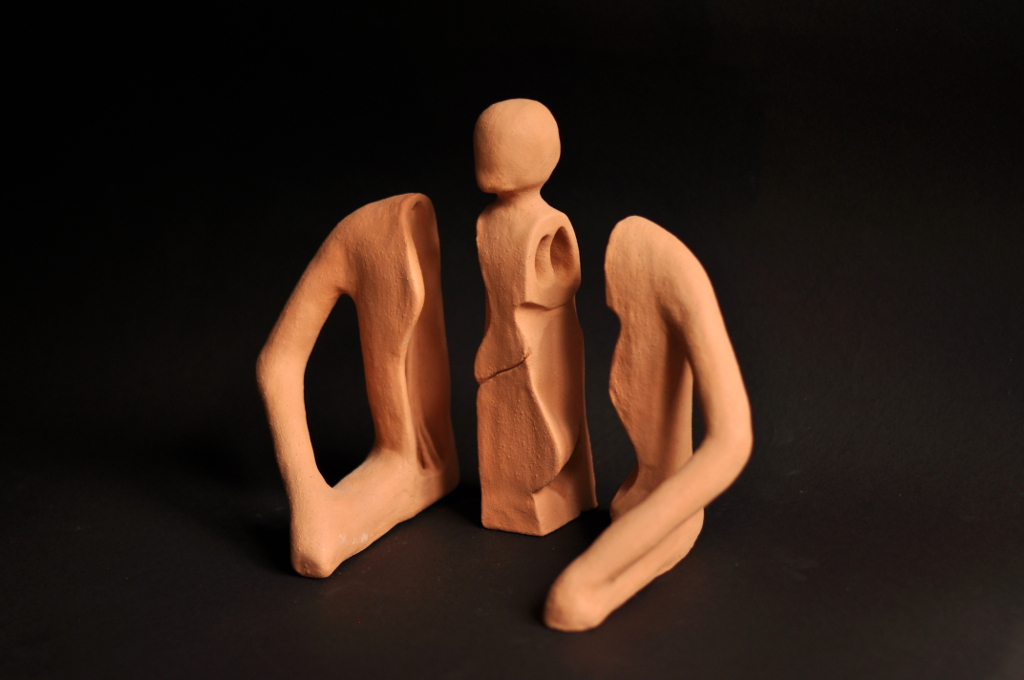
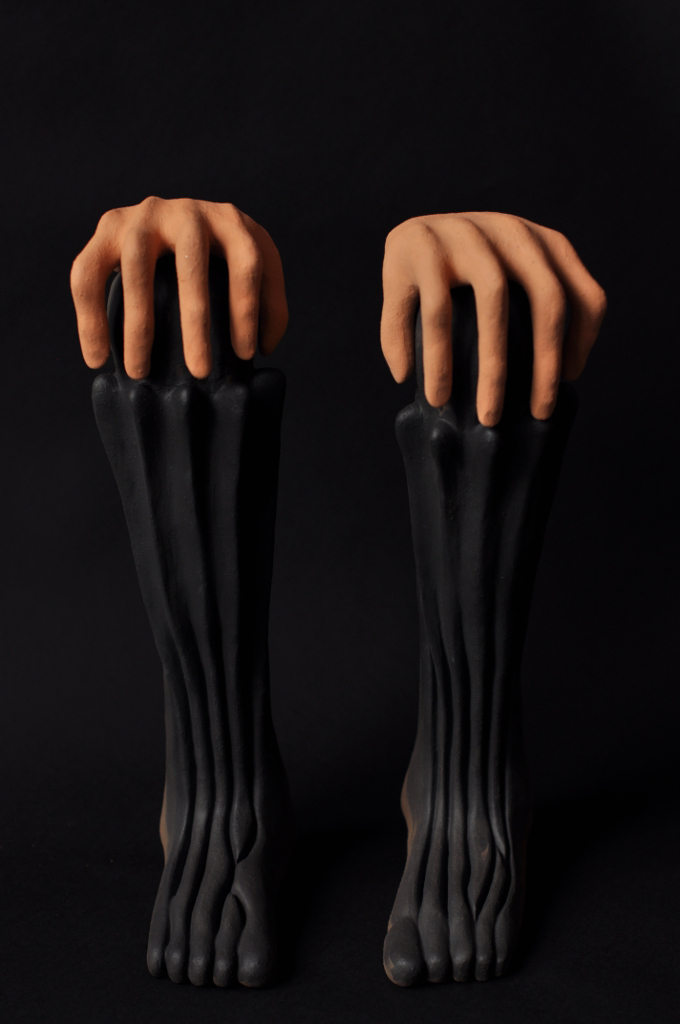
Deep Thought in Clay

by Matías Sierra

Matias Sierra 1

Matias Sierra 2

Matias Sierra 3

Matias Sierra 4

Matias Sierra 5

Matias Sierra 6

Matias Sierra 7

Matias Sierra 8

Matias Sierra 9

Matias Sierra 10

Matias Sierra 11

Matias Sierra 12

Matias Sierra 13


Artist: Matías Sierra

I was born in Argentina and from my childhood I had a love for art and its creation. My relationship with art began in school and continued in a private studio where I worked with different materials and media like ink, paint, drawing, and modeling with clay. At thirteen or fourteen years old clay became my choice and it still is. I am a self-taught artist. I don’t have a background in art studies. Since 2005 I have lived in Montréal, Canada. I’ve presented my work in several group shows. In 2012 I had my first solo exhibition and another in 2014.

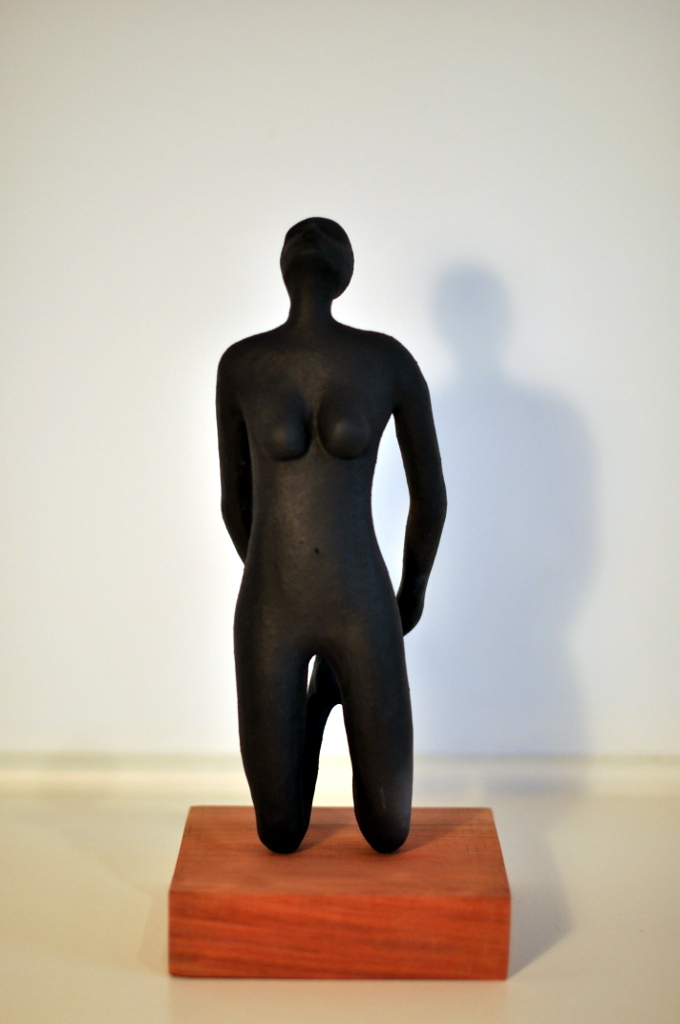
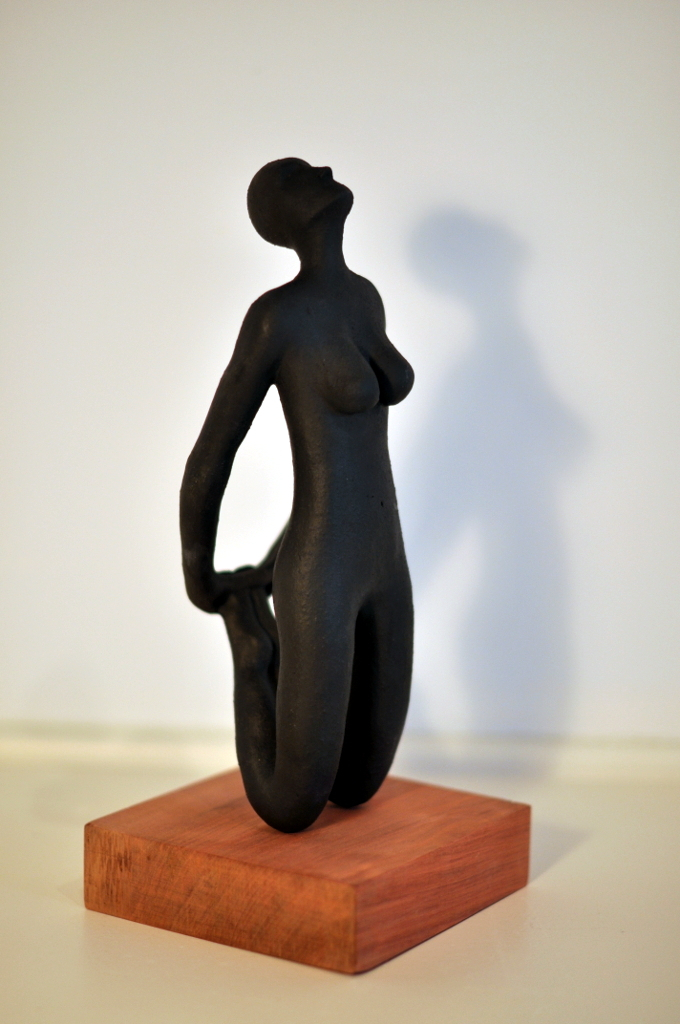
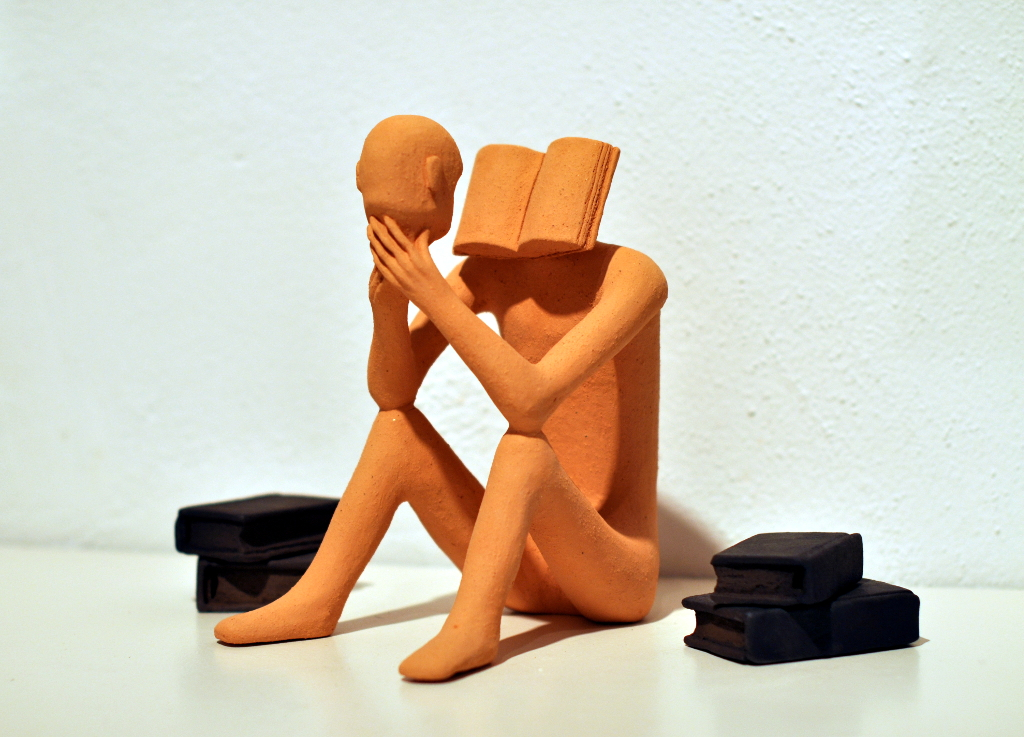
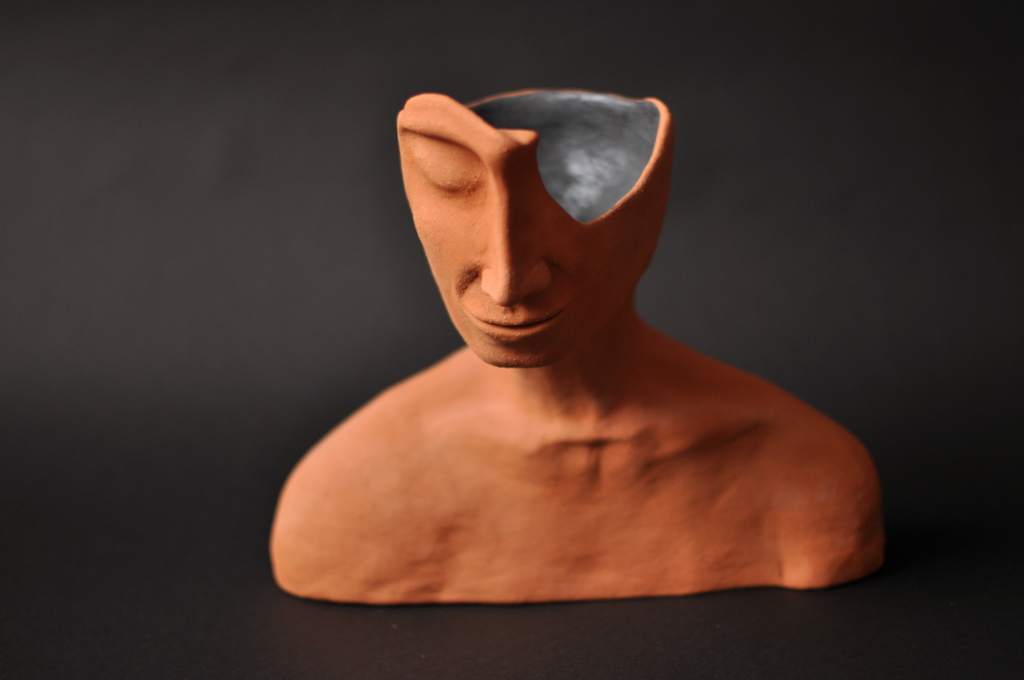
My inspiration is everywhere. Sometimes it comes from myself–from my own experiences or general ideas I pick up. I take these ideas, model them in my mind, and sculpt them with clay. I work directly from mind to clay, making no draft in paper or digital mode. The body is the source to express my ideas.

Websites:

http://matiassierra.net

http://matus76.deviantart.com


Matías was also featured in Creative Thresholds in 2013. Check out “Sculpture by Matías Sierra.” 


My decisive moments…

By Michel Verhoef

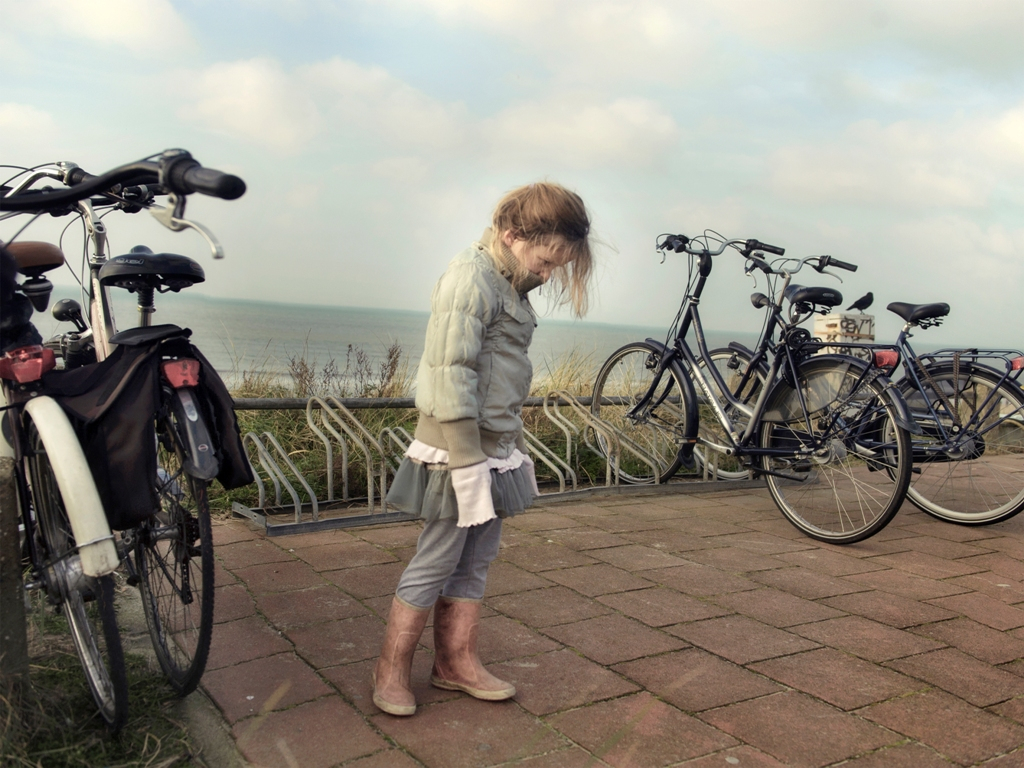
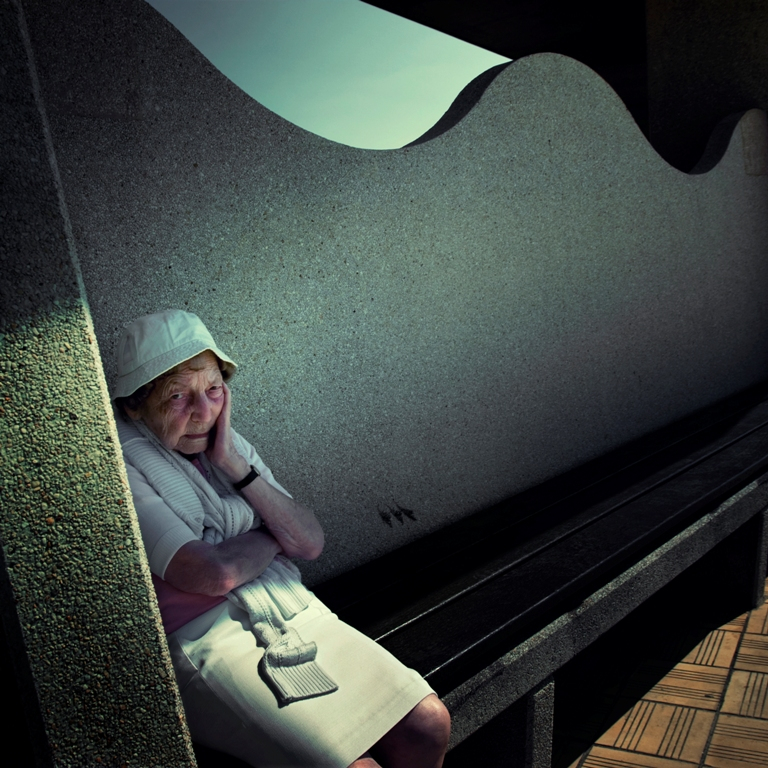
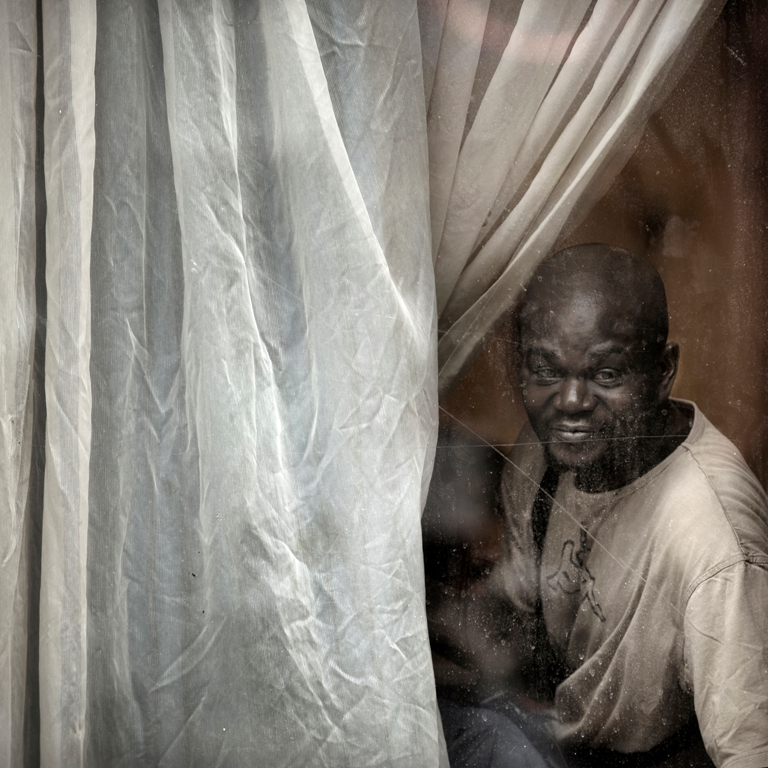
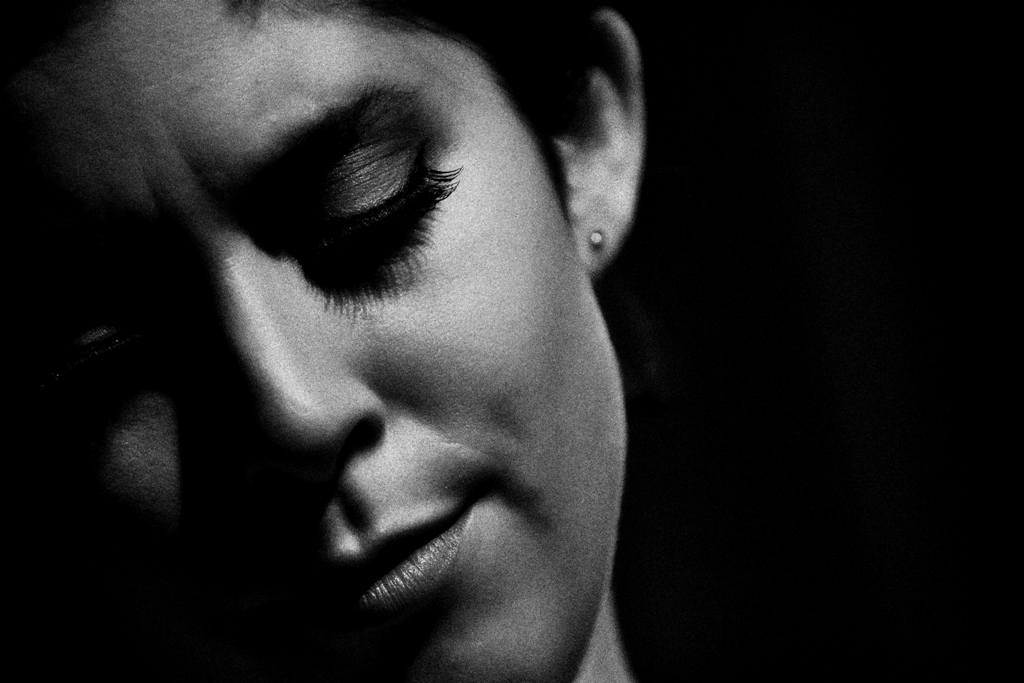
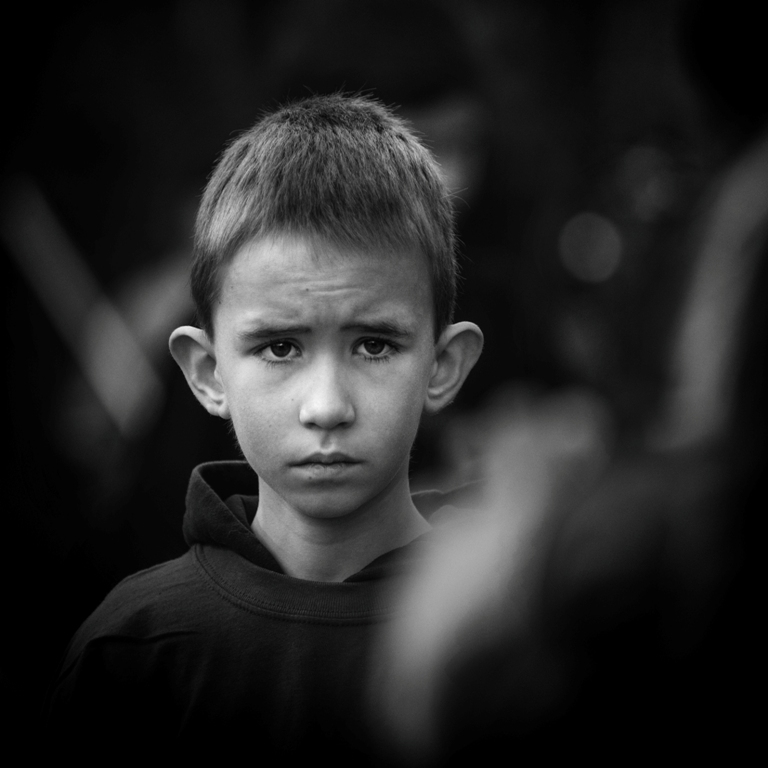
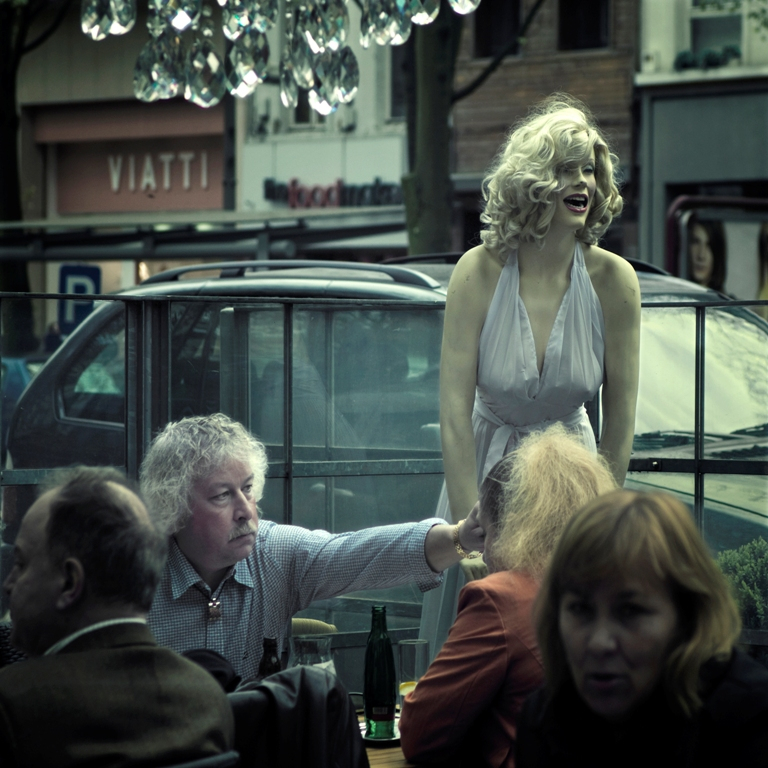
My photography  tries to communicate emotion. Some of my images may be classified as art photography, while some may be seen as a documentary or a crossover between both. I usually want to capture an emotion within our daily lives that is laying a bit deeper, or very deep, or a just-below-the-surface.

You may see my love for the old-style photographers in my work: the Bressons, the Friedlanders, the Parrs or even a Norman Rockwell could be hidden in there. Just to name a few. The Dutch photographer Erwin Olaf is also a great inspiration.

Essentially I want to keep the scene as original as possible without changing it by copying or adding in information from other pictures. The basic mood of a picture has to be already in the picture through the real-life content of the scene. I just need to enhance my images by dodging and burning to emphasize the feeling and to guide the viewer’s eye. Every picture needs to tell a story, preferably through an interaction between people or between people and their environment. In most cases my subjects are people who demand a quick response from the camera’s shutter and sometimes a lot of patience is required to get people used to that lingering-guy-with-a-camera.

Child in time

Child in time

Michel Verhoef-Hot but stylish

Hot but stylish

Immigration

Immigration

Dorana Alberti

Dorana Alberti

Michel Verhoef-But I want to stay

But I want to stay

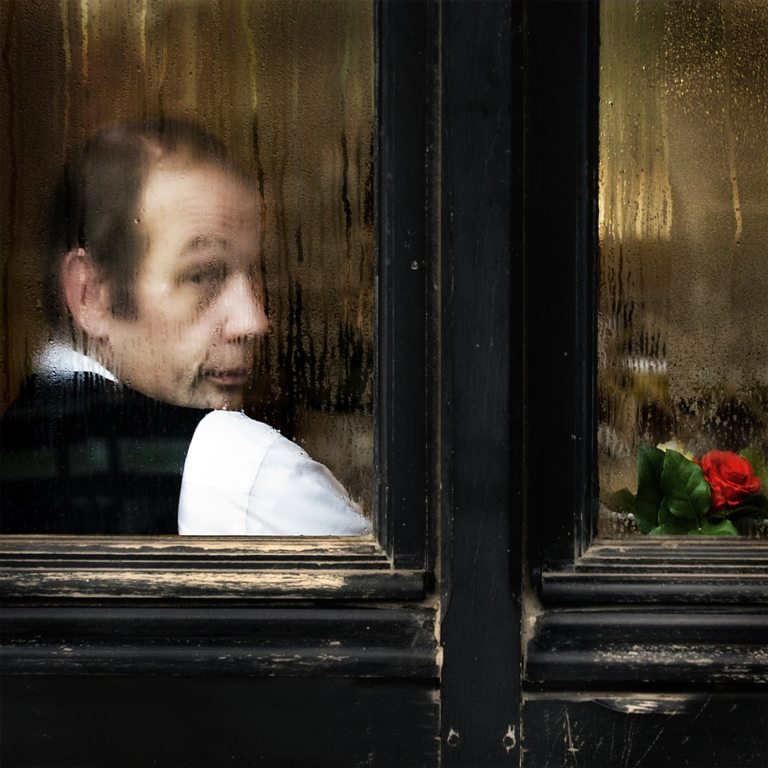
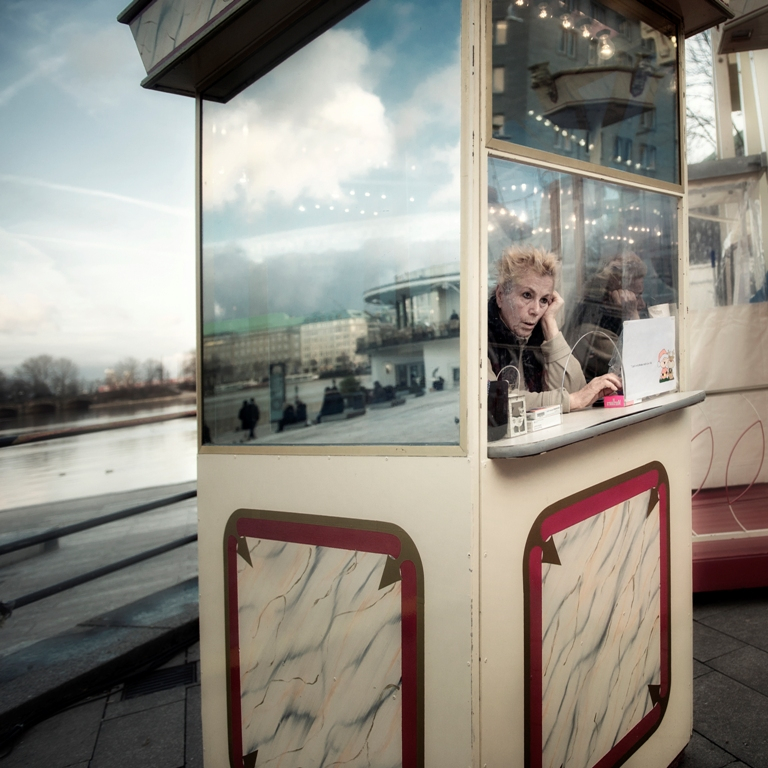
Garçon s'il vous plait

Garçon s’il vous plait

Everlasting pose

Everlasting pose

Strings

Strings

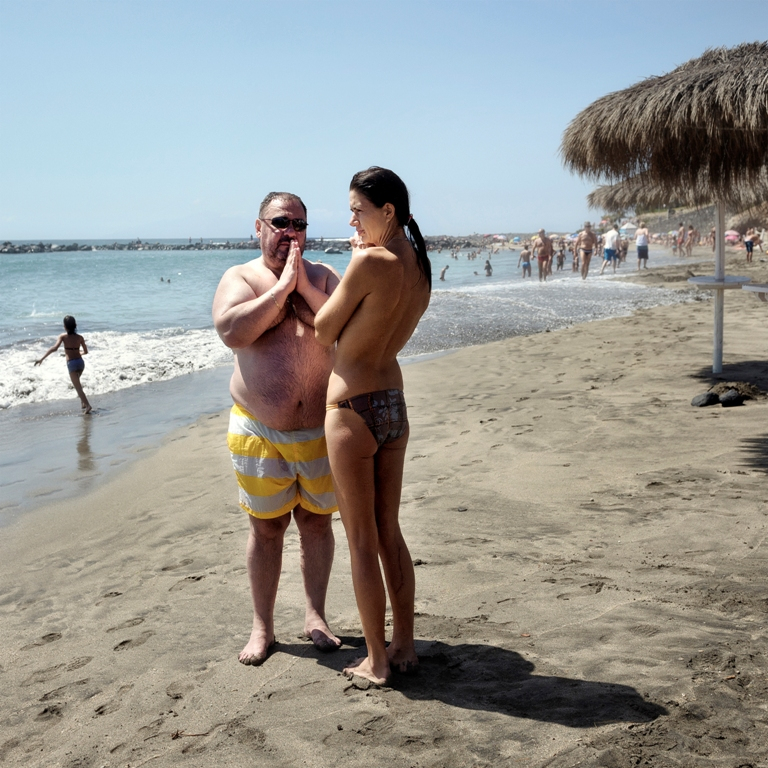
Beach confession

Beach confession

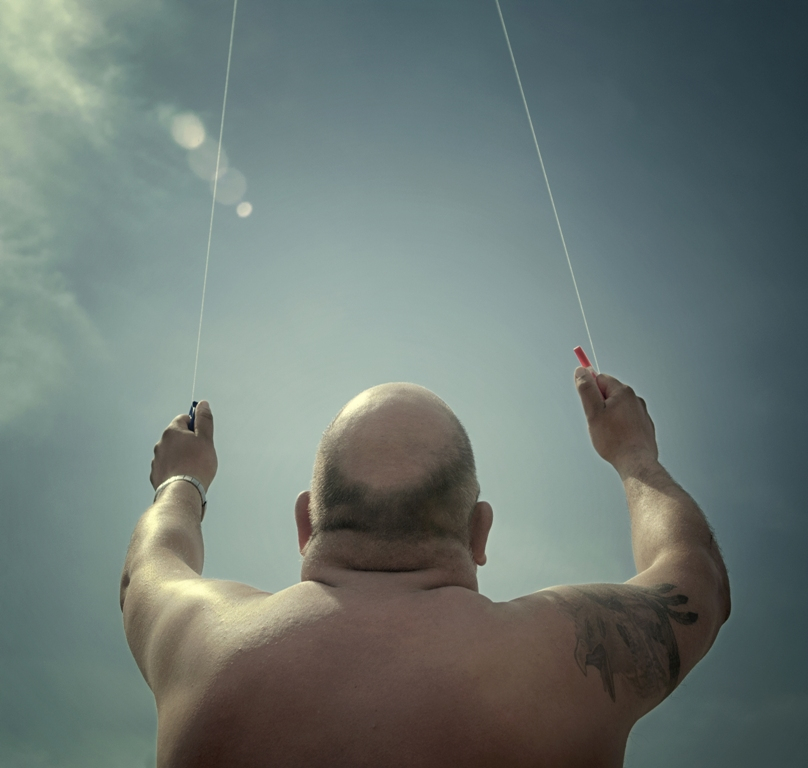
Happy days are here again

Happy days are here again

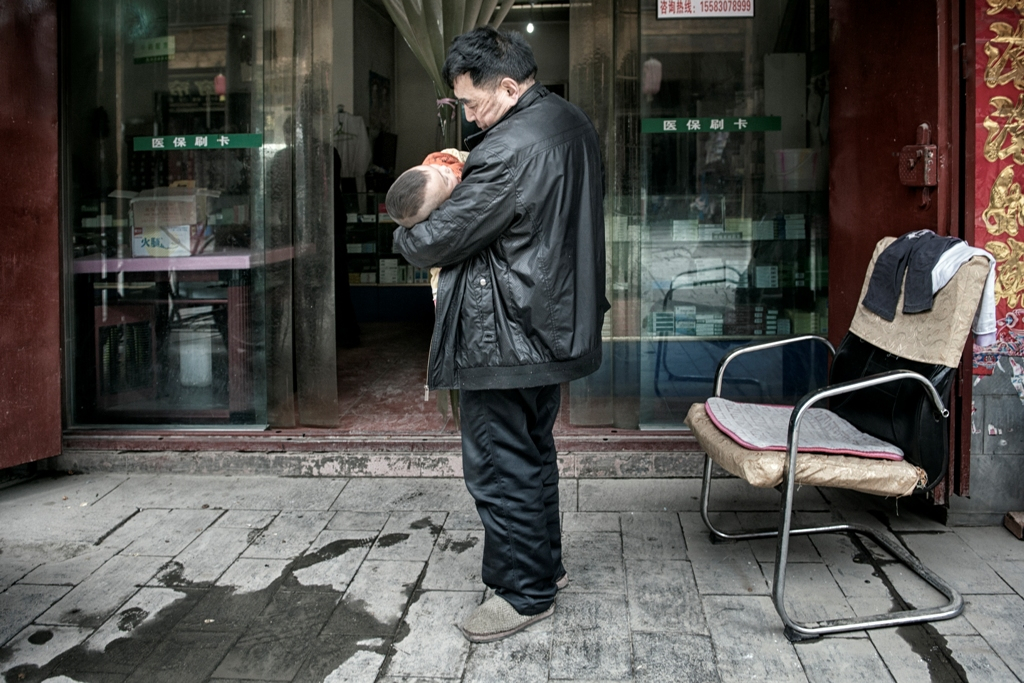
One child policy

One child policy

Oxygen

Oxygen

It takes two

It takes two

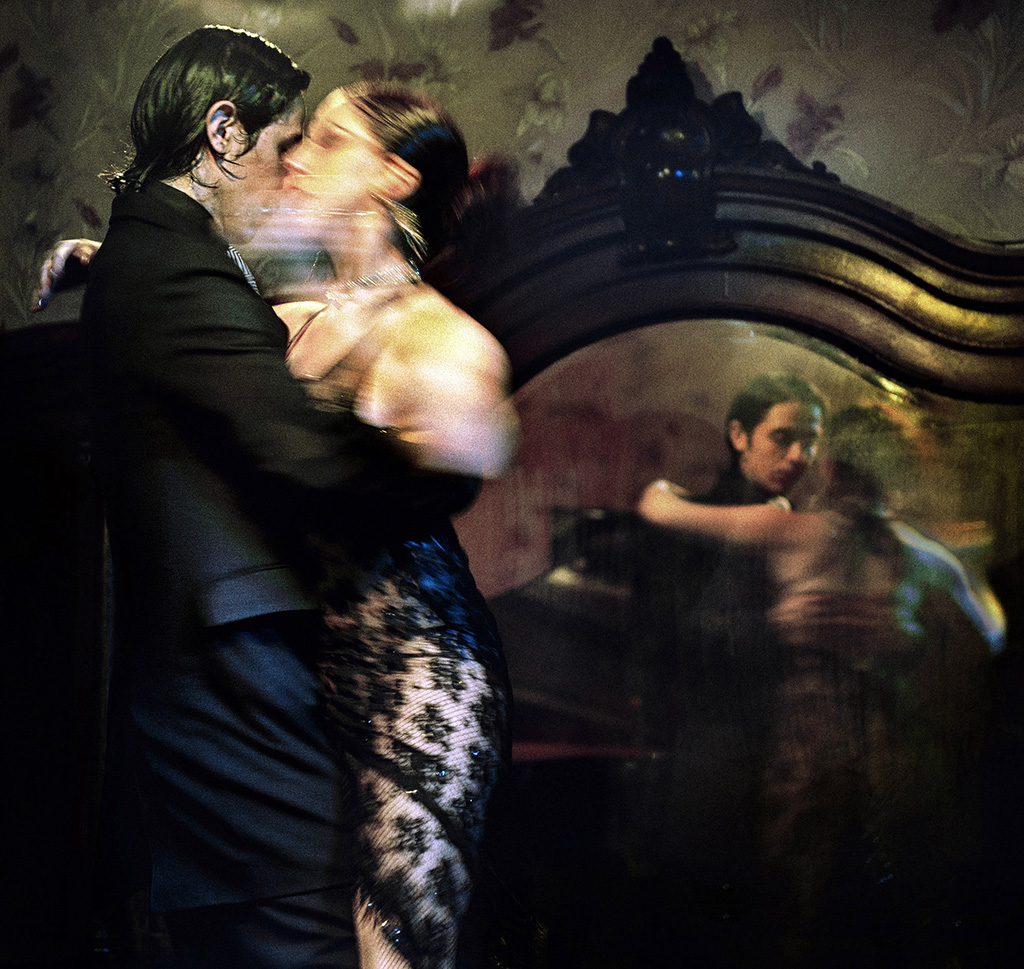
Tango mirrored

Tango mirrored

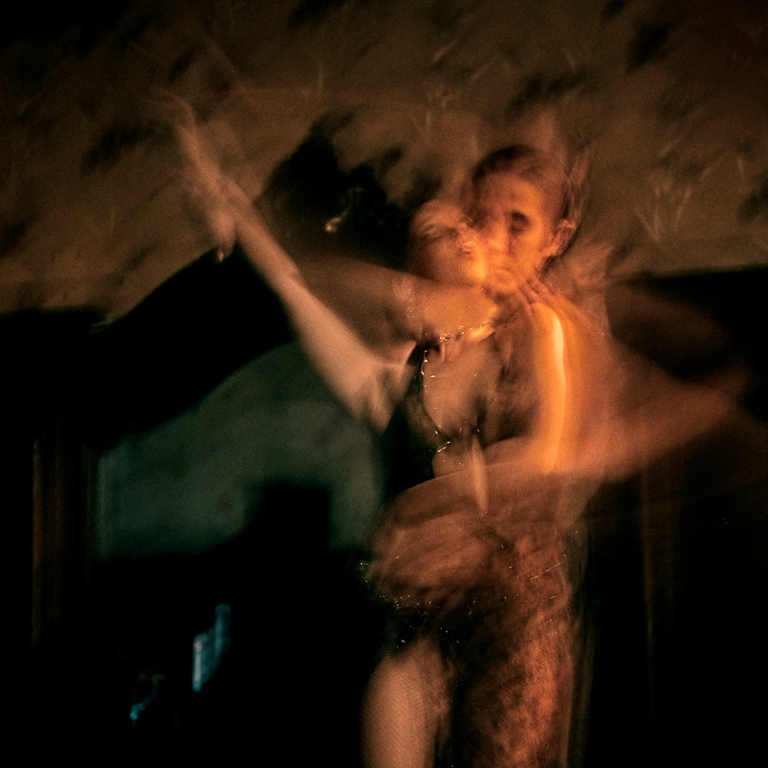
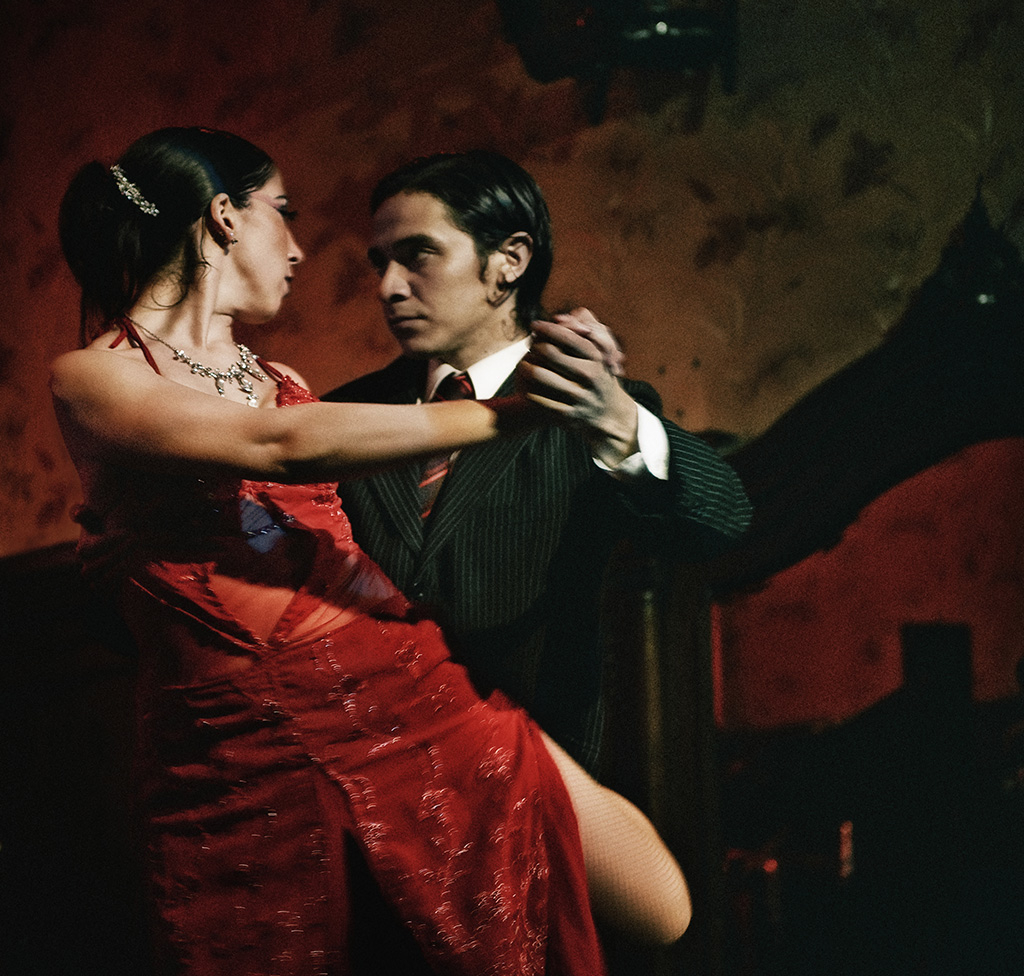
Tango

Tango


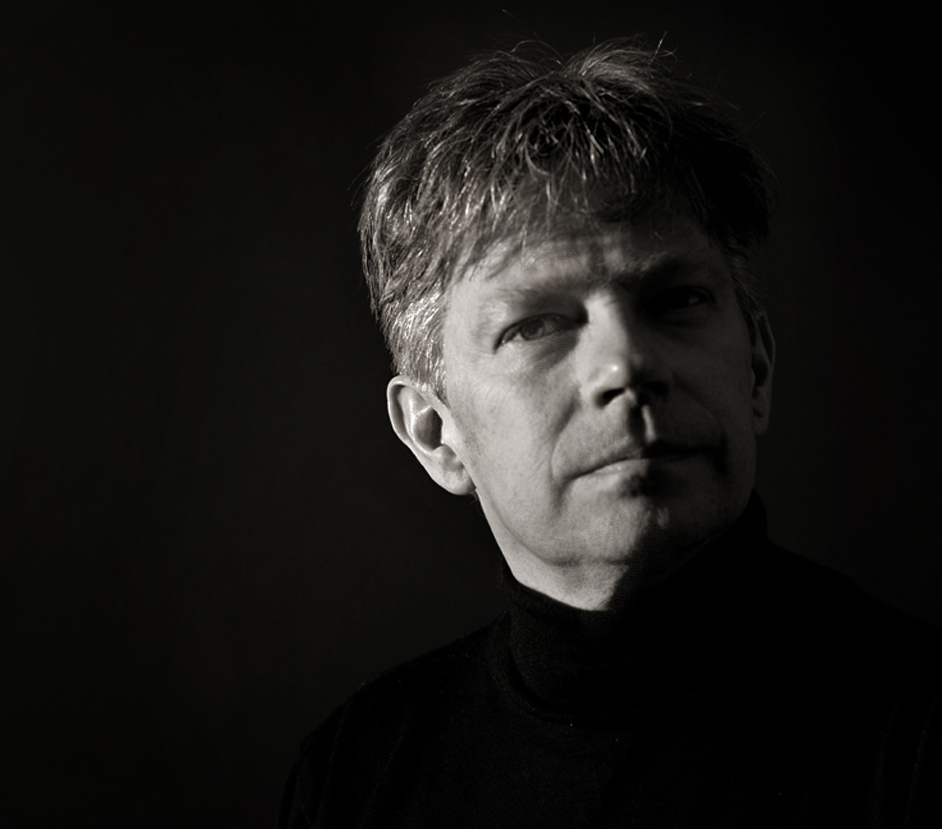
Michel VerhoefMichel Verhoef was born in Germany and immigrated to the Netherlands at age nine. His father was a Dutch jazz musician and his mother a German housewife. Verhoef started at about that young age to make his first pictures with a Brownie that he got from his mother. From her he inherited his feeling for the visual art photography. It has always, though, stayed a hobby besides his actual job as a housing engineer.

Website: http://michel-verhoef.artistwebsites.com/


Michel’s Recommended/Interesting Links:

Magnum Photos–The Changing of a Myth

Berlin — Erwin Olaf (video)


Savage Shapes

by Eleanor Adair

I’ve always been interested in how self-consciousness alters our identity, so my art naturally becomes a way of exploring the different ways we define ourselves through others. I’m heavily drawn towards figurative art, and find the human form the best place to look at the extremities and disruptions that push us beyond the predictable and make the body talk. I tend to be an instinctive painter, so that I work in the moment rather than from plans. I think this means the art is less censored, less concerned, even if it’s more chaotic or absurd. With figurative art, the artist plays a role in filling up space that challenges the contained, precise and predictable forms we’re so often presented with. Once eyes start moving outside of those shapes they become exciting again. The bodies that materialise in my own work are an alternative account of the routine human form; bodies for eyes that like to wander.

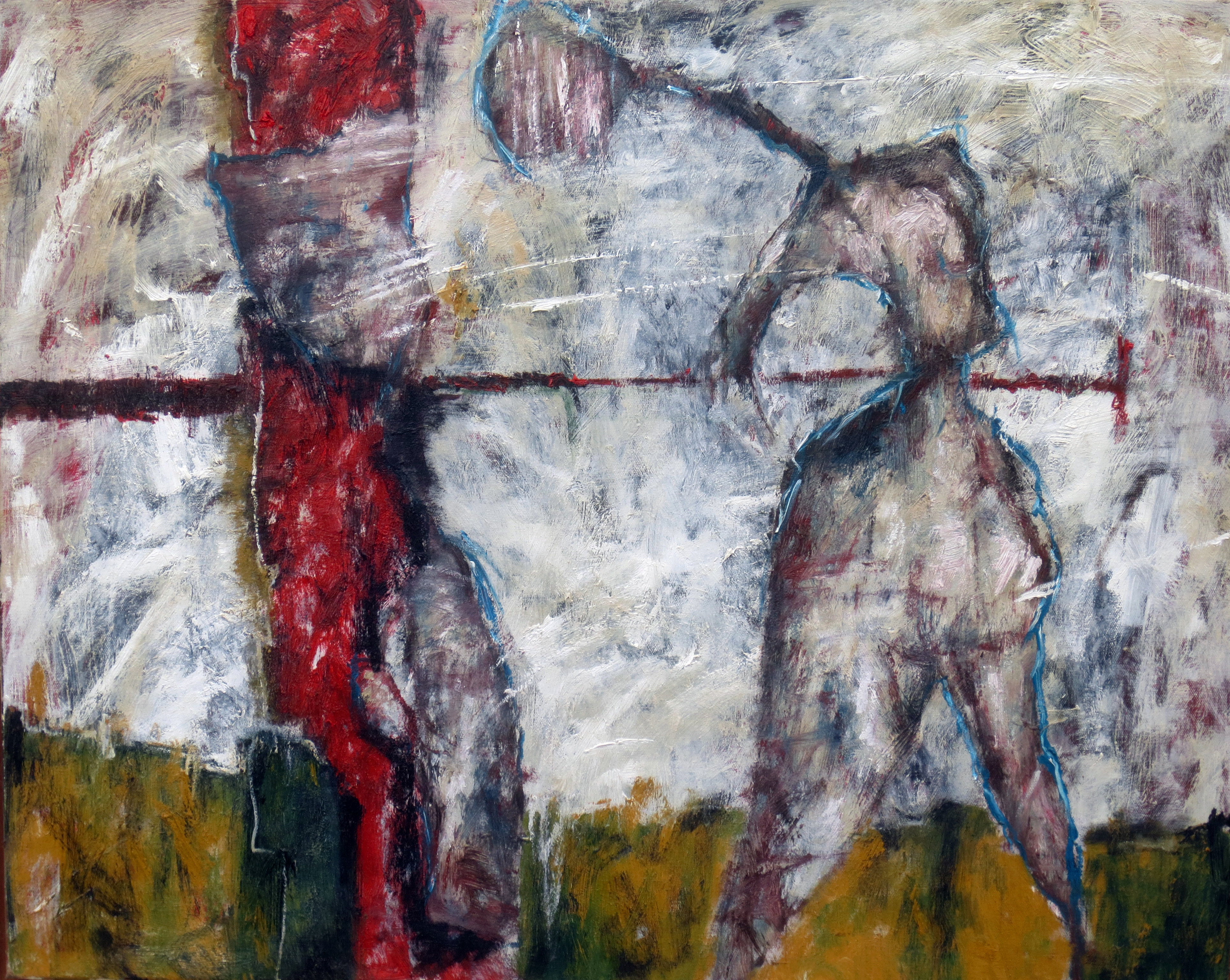
Line Dance, oil on canvas 60x75cm

Line Dance, oil on canvas 60x75cm

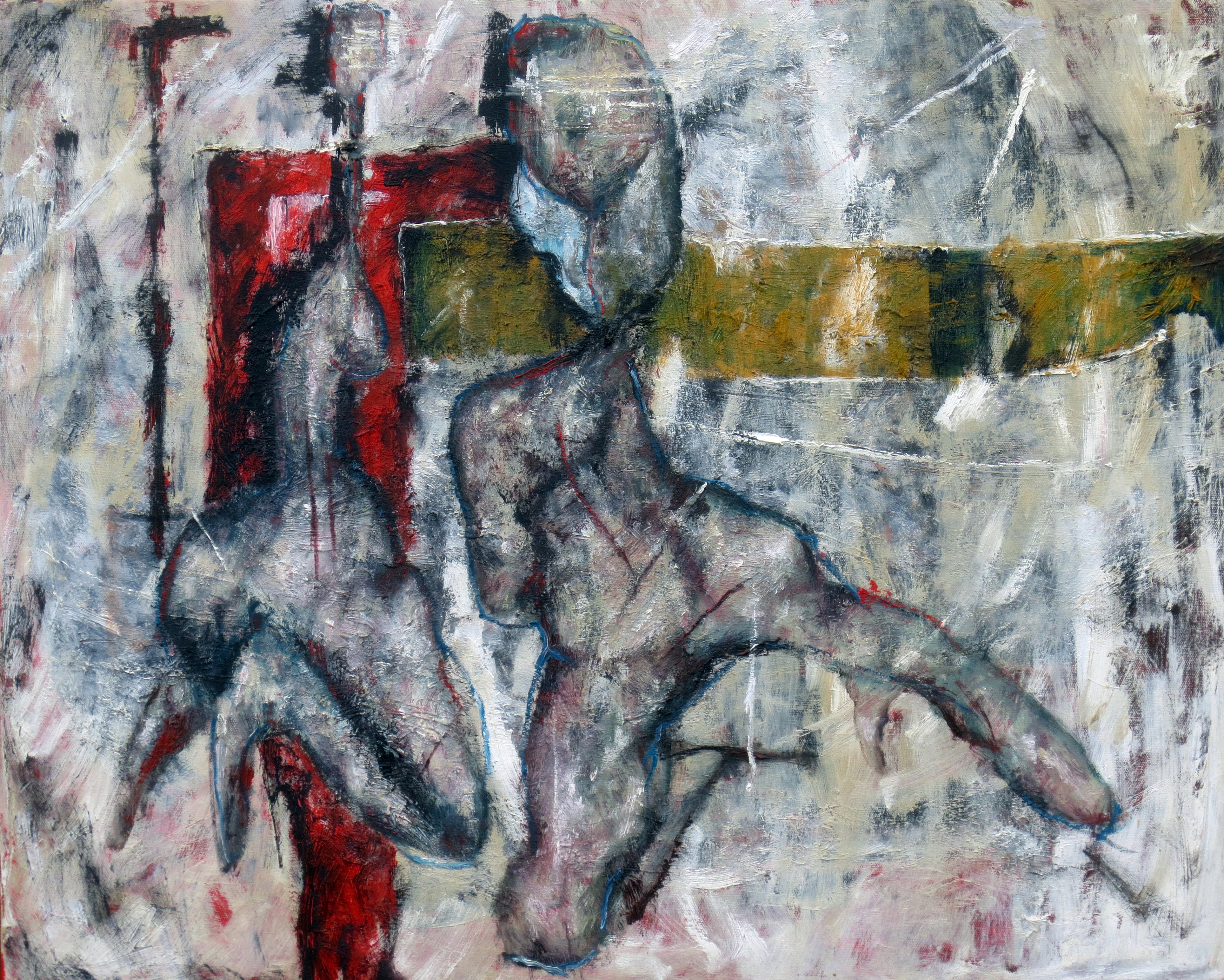
Line Dance 2, oil on canvas 60x75cm

Line Dance 2, oil on canvas 60x75cm

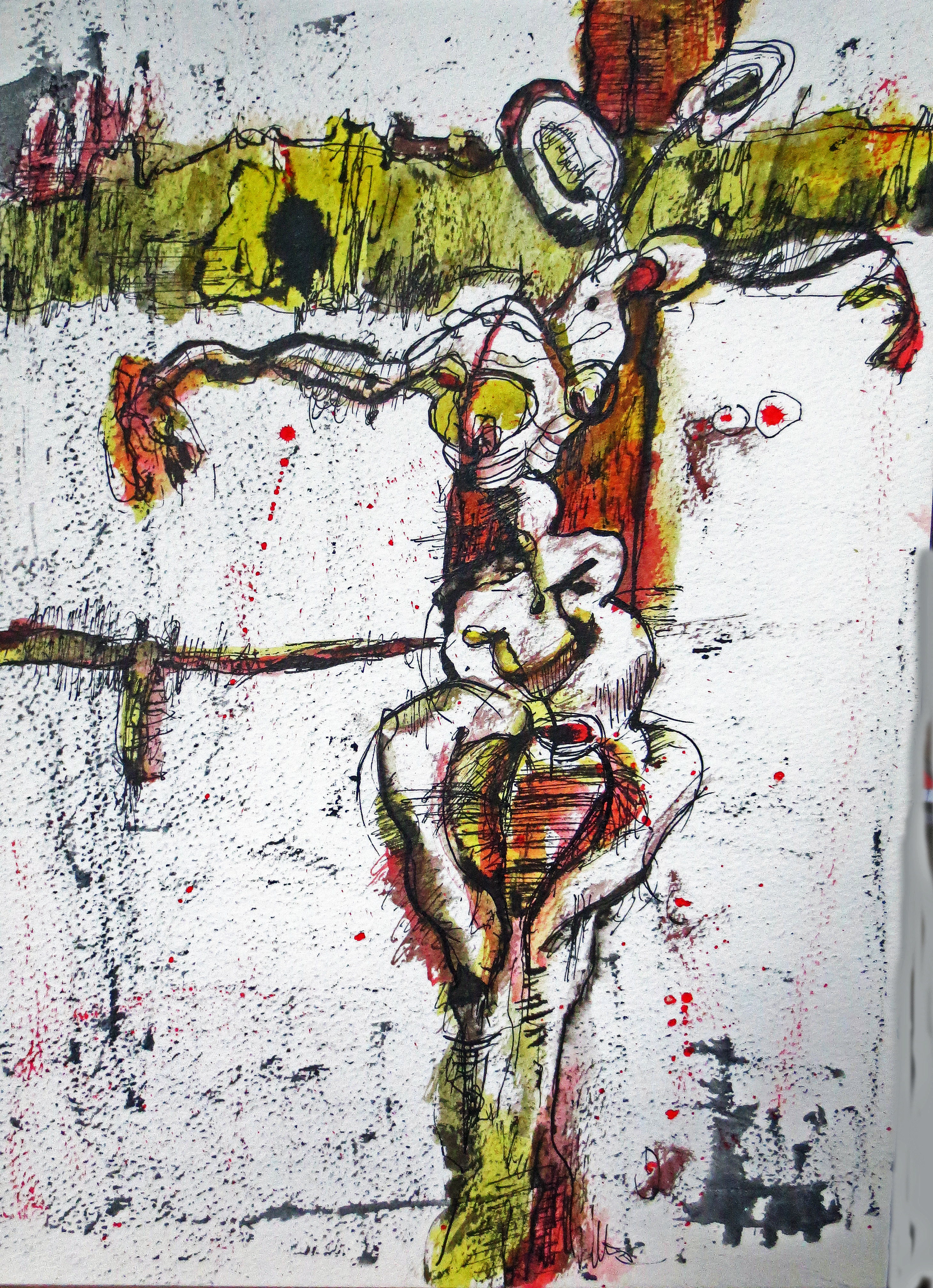
Line Dance 3, ink on paper 20x30cm

Line Dance 3, ink on paper 20x30cm

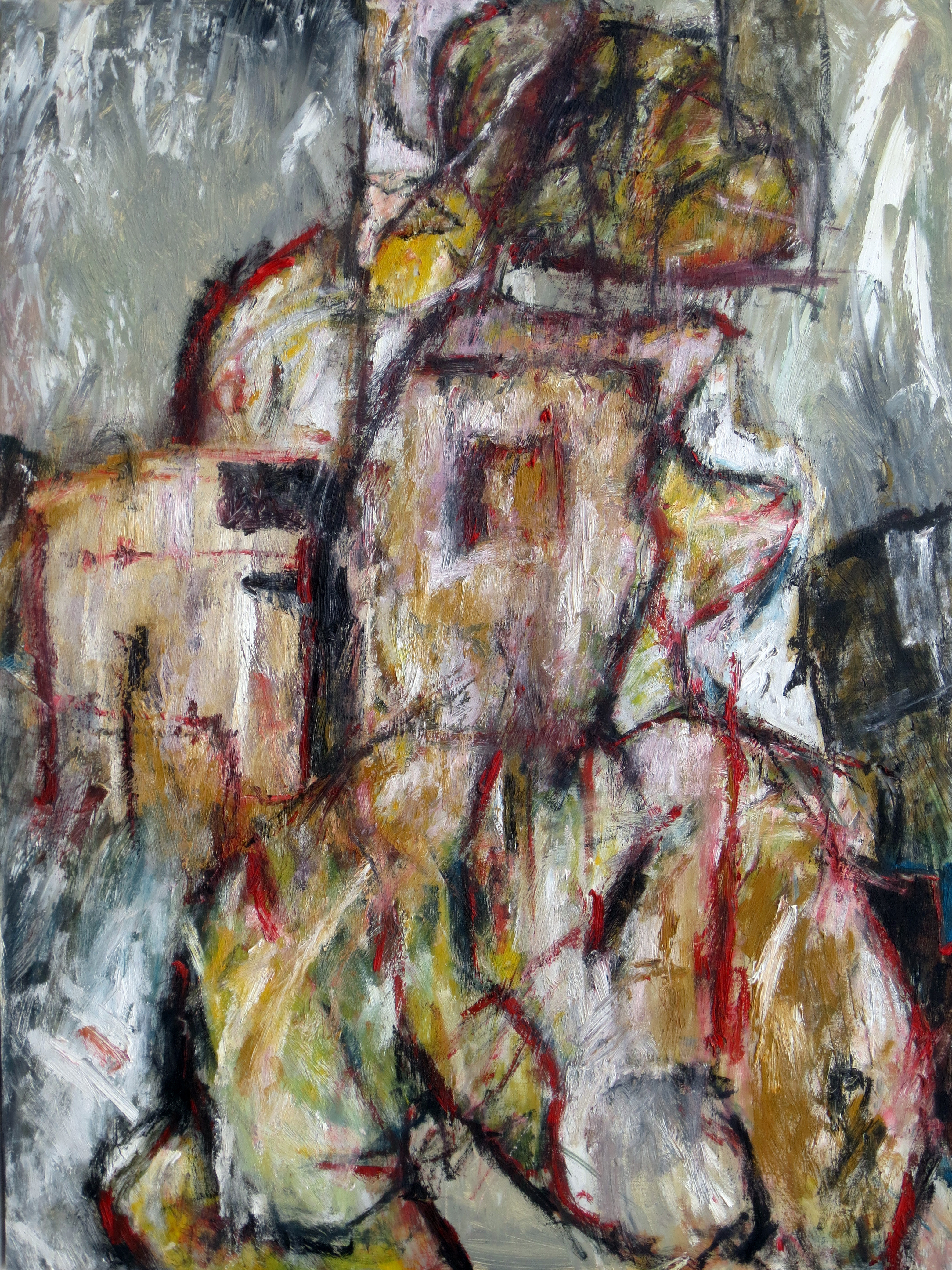
Lemon, oil on canvas 100x75cm

Lemon, oil on canvas 100x75cm

Lemon 2, oil on canvas 100x75cm

Lemon 2, oil on canvas 100x75cm

Swans, oil on canvas 100x75cm

Swans, oil on canvas 100x75cm

Angels, oil on canvas 60x75cm

Angels, oil on canvas 60x75cm

Floorboard, oil on canvas 50x60cm

Floorboard, oil on canvas 50x60cm

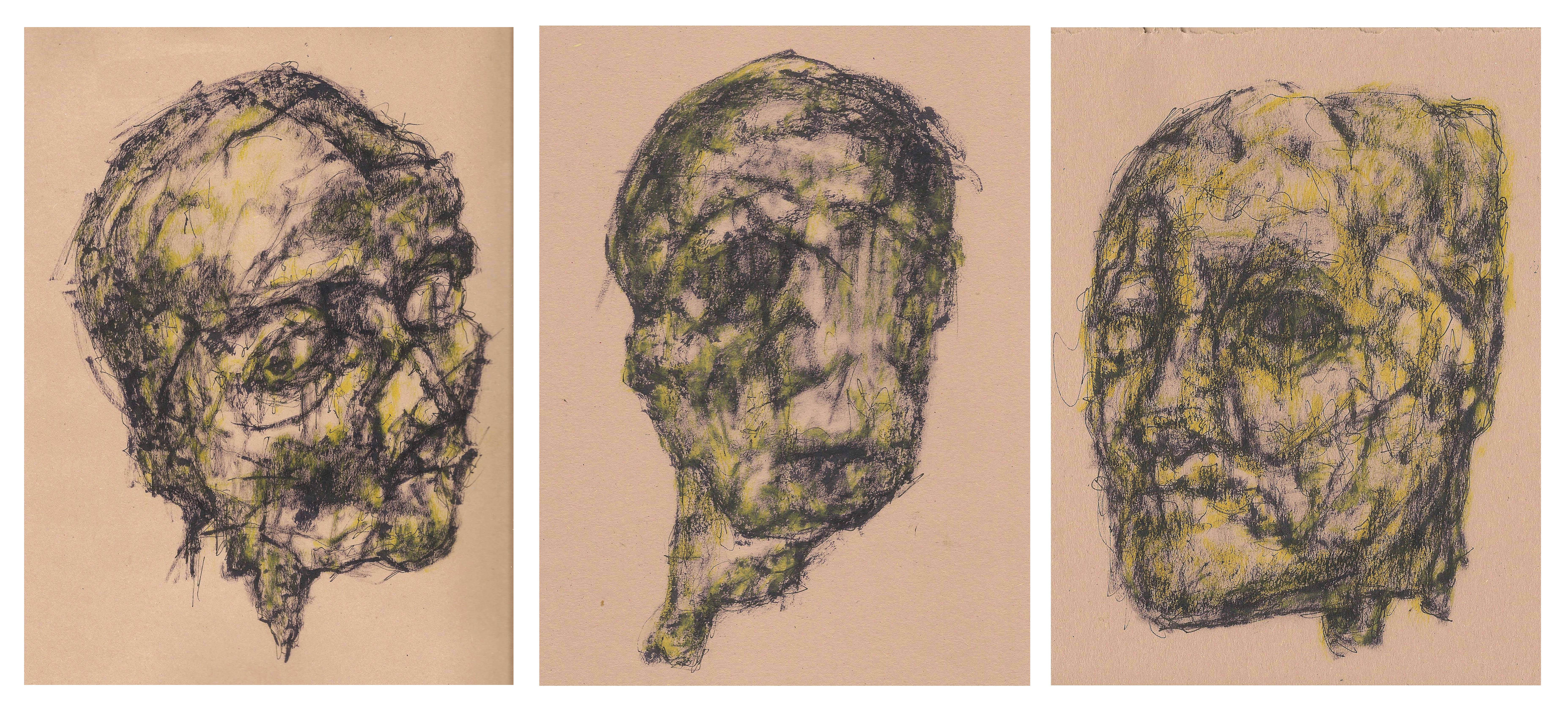
Head studies 1,2 & 3, felt pen on paper each 20x30cm

Head studies 1,2 & 3, felt pen on paper each 20x30cm

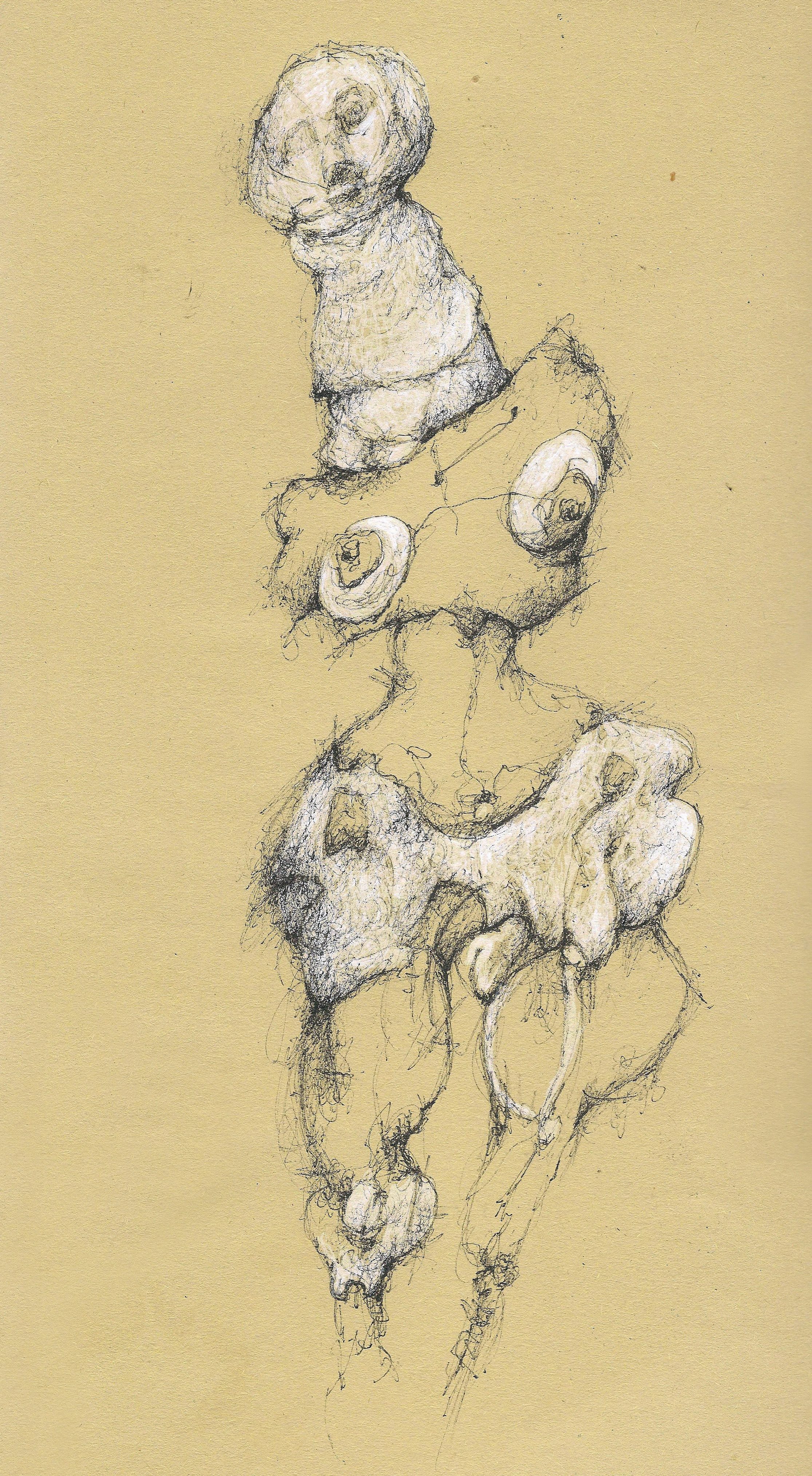
Yellow Evolving, pen on paper 30x40cm

Yellow Evolving, pen on paper 30x40cm

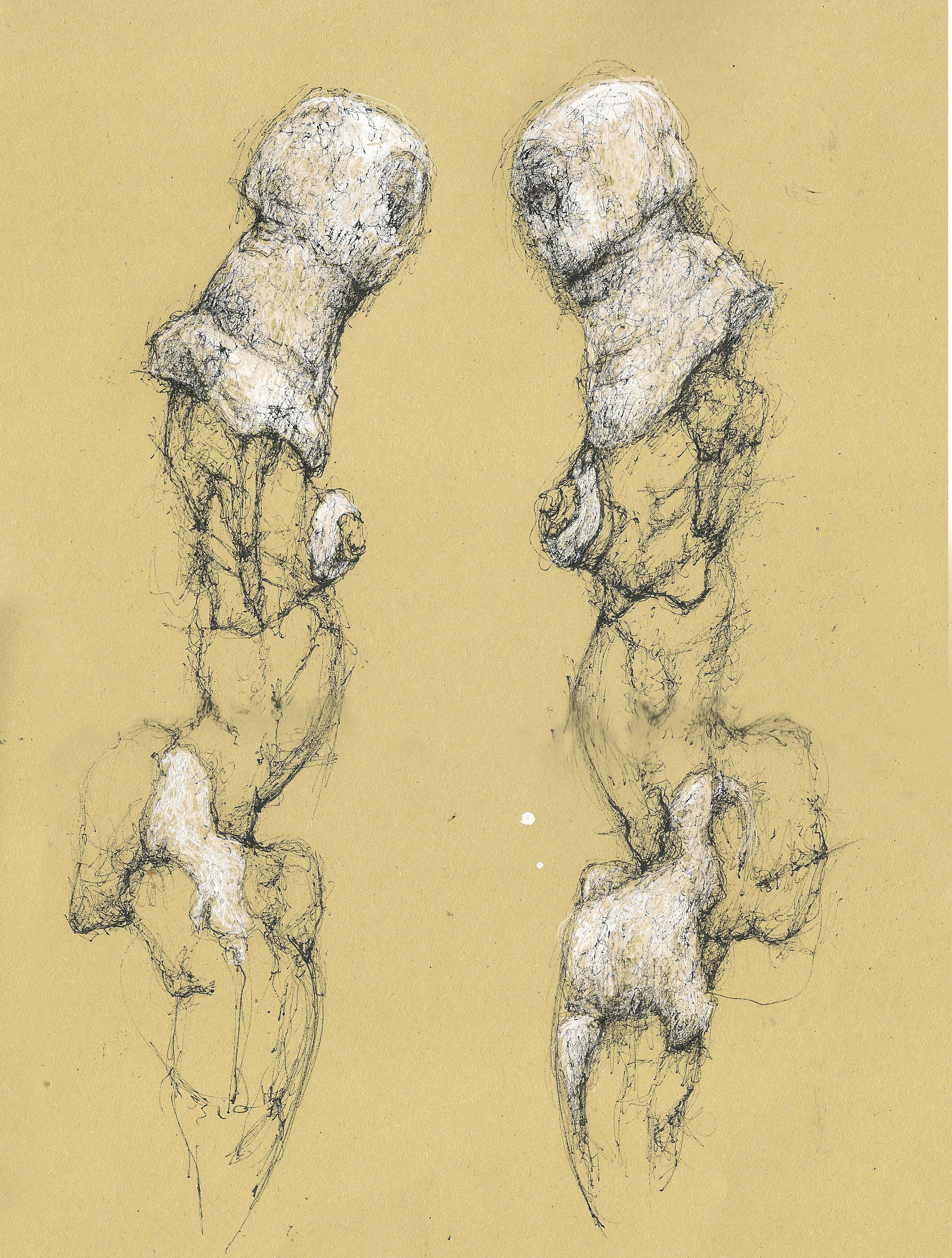
Yellow Evolving 2, pen on paper 30x40cm

Yellow Evolving 2, pen on paper 30x40cm

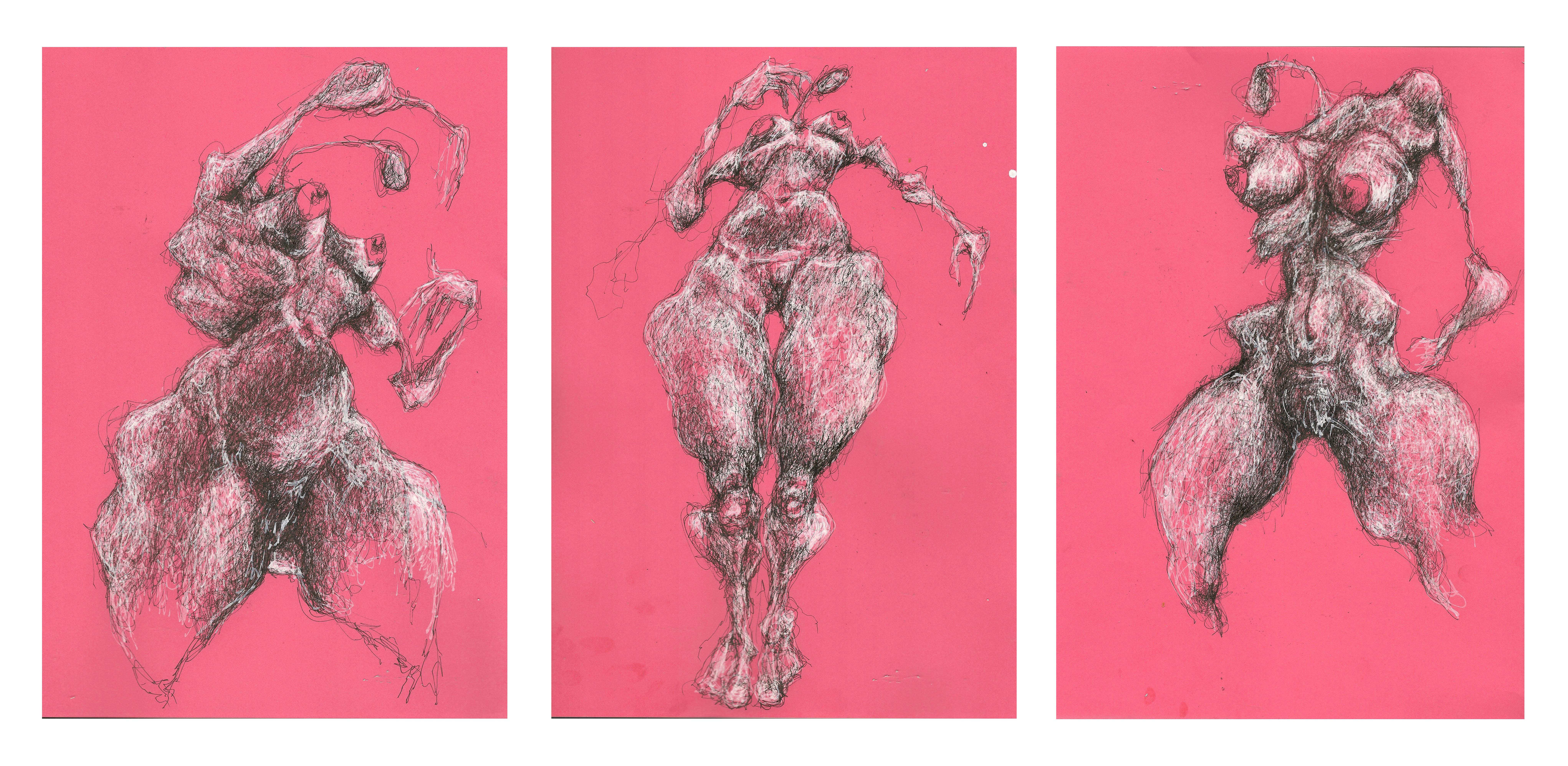
On Pink, pen on paper, each 20x30cm

On Pink, pen on paper, each 20x30cm

Bluemen, pen on paper 30cmx40cm

Bluemen, pen on paper 30cmx40cm

Blueman 2, pen on paper 30x40cm

Blueman 2, pen on paper 30x40cm


Eleanor AdairEleanor Adair was born and grew up in Glasgow, Scotland. She has exhibited internationally including London, Paris, Edinburgh and in the US. She has no formal art training and currently lives and works in Edinburgh, Scotland.

Postcolonial Thoughts: Frida Kahlo’s Interrogation of Self, Part2


Self-Portraits

noun

1.a portrait of oneself done by oneself.

http://dictionary.reference.com/browse/self-portrait

Self-portrait has just as long a history as painting itself, but often with little note. It is often considered a “stand in” when there is no model available. It’s a way painters keep their skills sharp by using themselves in place of a model. Due to the aforementioned, self-portraits are not really considered worthy of proper analysis and quickly moved aside to focus on the artist’s primary work.

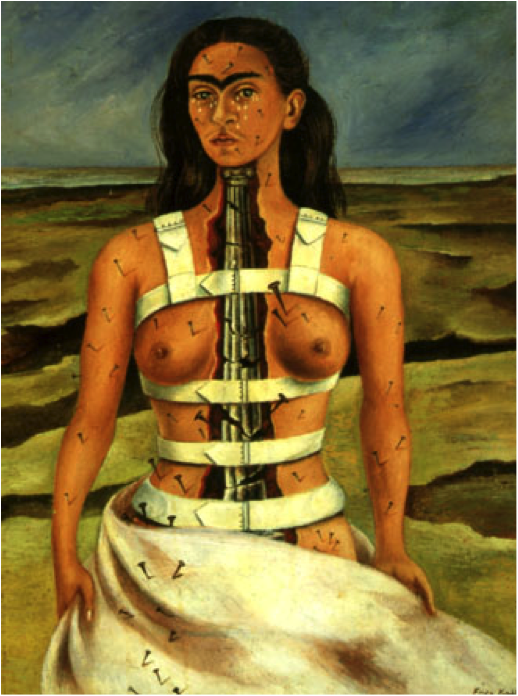
The obvious decision by Kahlo to place the practice of self-portraiture as the primary methodology of her work is very interesting. That she then goes on to have so much revisionary success should also be discussed. For a proper analysis of Kahlo’s work the primary focus should consider her main point of interest. This focus can easily be identified in the relentless interrogation of herself, which is then put on display for everyone to see, in her self-portraits. It is in this simple choice Kahlo reveals a supreme understanding of reality, not fiction. Kahlo’s is unmatched in her unbiased representation of self that is completely honest.

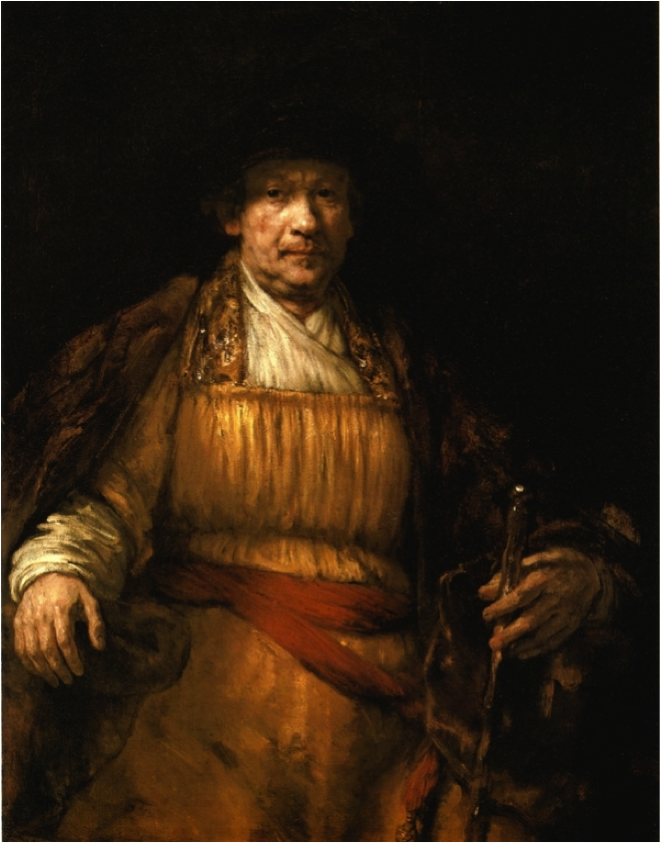
No artist has left a loftier or more penetrating personal testament than Rembrandt van Rijn. In more than 90 portraits of himself that date from the outset of his career in the 1620s to the year of his death in 1669, he created an autobiography in art that is the equal of the finest ever produced in literature even of the intimately analytical Confessions of St. Augustine http://www.rembrandtpainting.net/rembrandt_self_portraits.htm

Rembrandt Self-Portrait 1658 133.67 cm x 10.32 cm. Frick Collection, New York http://c300221.r21.cf1.rackcdn.com/rembrandt-self-portrait-1658-1341032609_b.jpg

Rembrandt
Self-Portrait
1658
133.67 cm x 10.32 cm.
Frick Collection, New York
http://c300221.r21.cf1.rackcdn.com/rembrandt-self-portrait-1658-1341032609_b.jpg


It is very difficult to produce more than one self-portrait without becoming super conscious of one’s own vanity. It is then easy for that vanity to be forced onto the viewer as a vulgar statement of the artist’s ego. Vanity suggests to the artist, “you should make yourself look like a king” and it keeps suggesting until it completely takes over. It is not an easy thing to deny vanity for the purpose of internal investigation. Vanity is interested in the external.

Yes, Rembrandt is known as being one of the most prolific self –portrait artists but his self –portraits are vulgar displays of vanity. Rembrandt’s self-portraits are boring in comparison Kahlo’s. They fail to surpass the painted surface and communicate anything other than mastery of skill. Sure his paintings are filled with the bold dramatic lighting which the baroque period praised, but Rembrandt used himself as a study for developing his own technical skill.

This reveals the genius of Kahlo. She only uses the study of oneself as the primary drive behind her work. Her sketches surpass the intent and technique of Rembrandt by focusing on the on the same form and interrogating it, not for lighting or technical expertise.

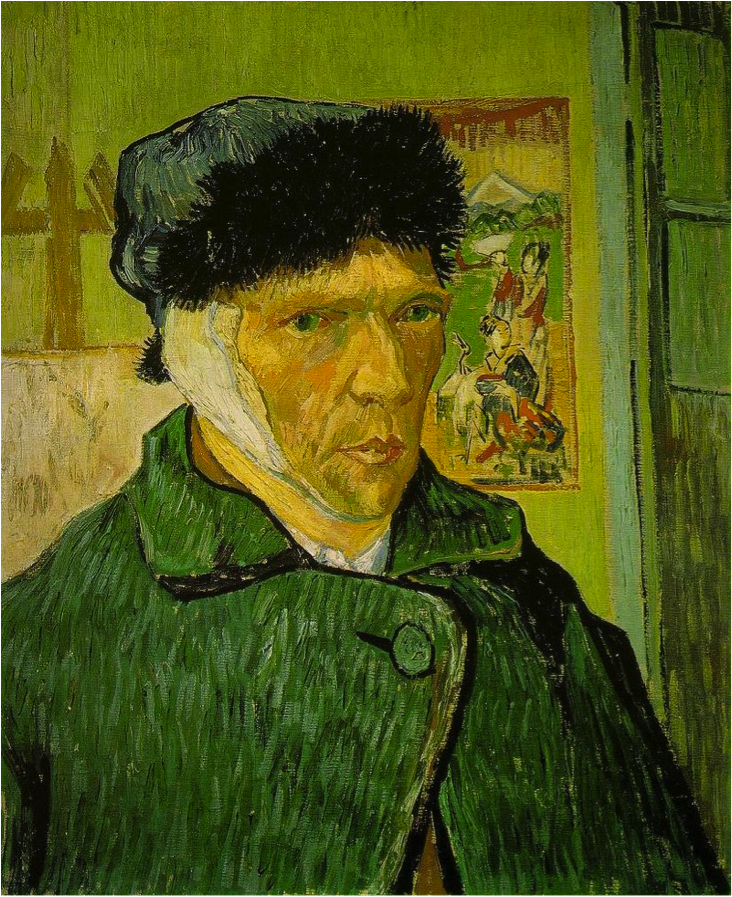
Van Gogh Self-portrait with Bandaged Ear, Easel and Japanese Print, January 1889 Oil on canvas, 60 × 49 cm

Van Gogh Self-portrait with Bandaged Ear, Easel and Japanese Print, January 1889 Oil on canvas, 60 × 49 cm https://en.wikipedia.org/wiki/Portraits_of_Vincent_van_Gogh#/media/File:VanGogh-self-portrait-with_bandaged_ear.jpg


Van Gogh is also another prolific self- portrait artist. His self -portraits also do not surpass the utilitarian use of the self-portrait. They are mere studies of brush work and color, investigating technique. It is well documented that he was deeply disturbed but these paintings aren’t. They are controlled illustrations of a man in turmoil. This is an artist that is too self-conscious of self to actually communicate a direct visceral response.

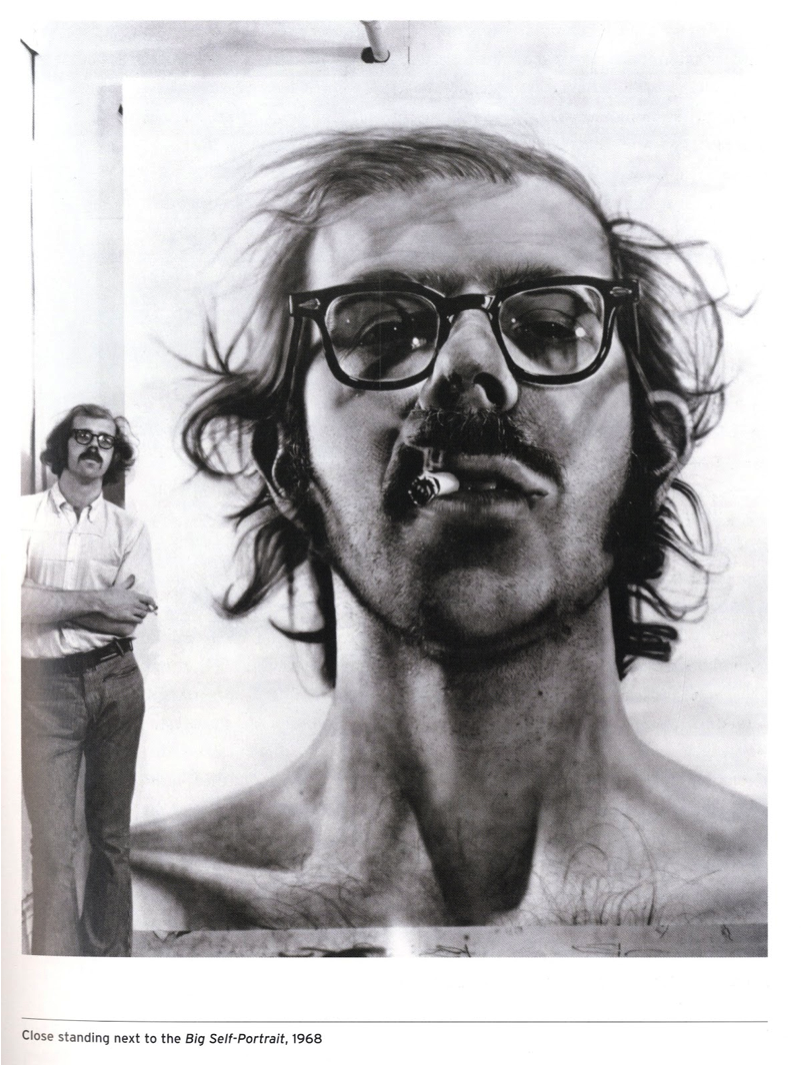
Chuck Close in 1968 with his ‘Big Self-Portrait’ (1967-1968). https://beckchris.wordpress.com/people/best-contemporary-visual-artists-the-critics-picks/

Chuck Close in 1968 with his ‘Big Self-Portrait’ (1967-1968).
https://beckchris.wordpress.com/people/best-contemporary-visual-artists-the-critics-picks/


Chuck Close has followed the tradition of vulgar displays of ego on an immense scale. Close has dedicated the majority of his artistic career to the portrait and self-portrait. He made a name for himself with these oversized super technical self-portraits. He has used the “study” as the primary focus but only succeeds at communicating technique.

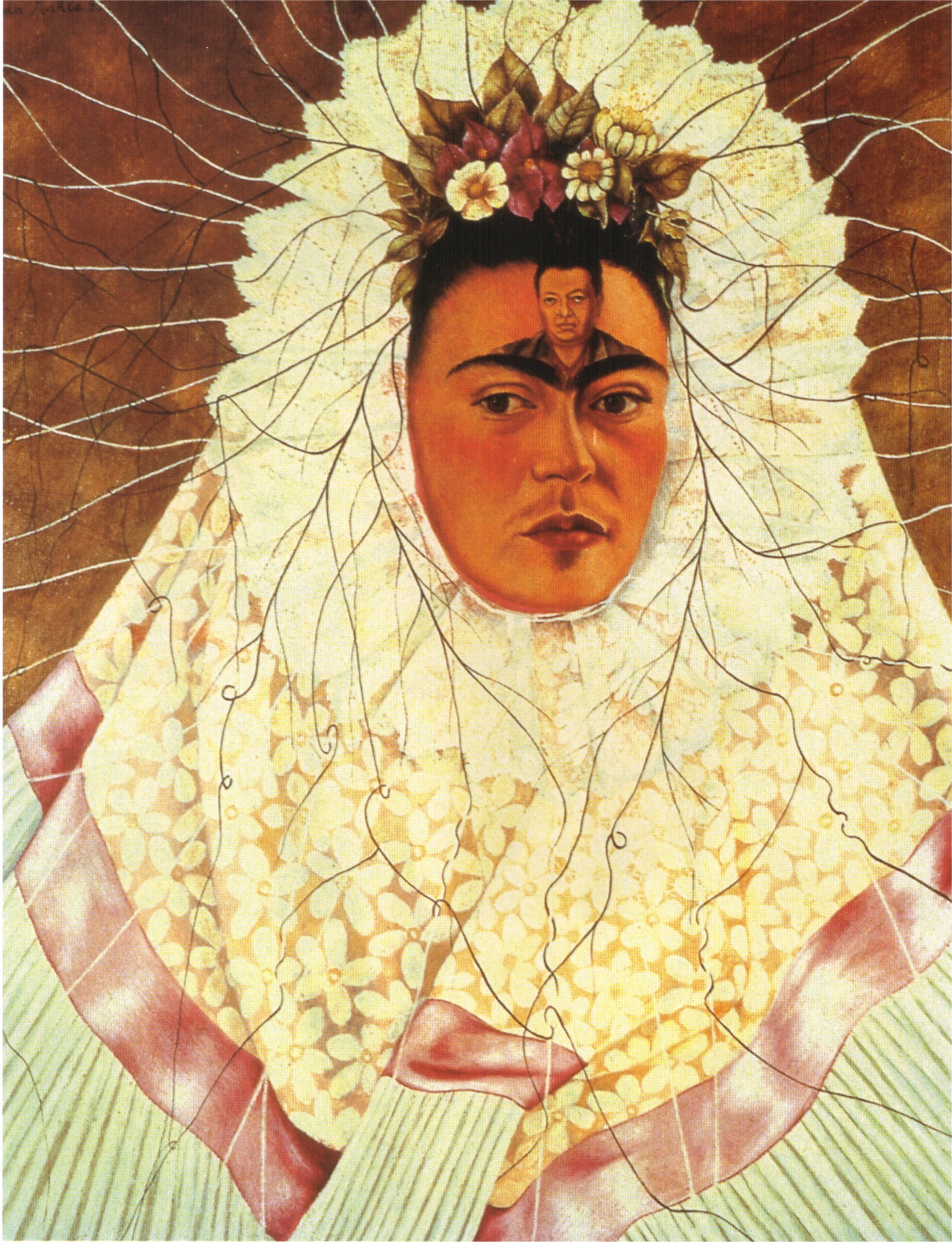
Artist:Frida Kahlo Start Date: 1940 Completion Date:1943 Style:Naïve Art (Primitivism) Genre:self-portrait Technique:oil Material: masonite Dimensions: 76 x 61 cm http://uploads7.wikiart.org/images/magdalena-carmen-frieda-kahlo-y-calder%C3%B3n-de-rivera/self-portrait-as-a-tehuana-1943.jpg

Artist:Frida Kahlo
Start Date: 1940
Completion Date:1943
Style:Naïve Art (Primitivism)
Genre:self-portrait
Technique:oil
Material: masonite
Dimensions: 76 x 61 cm
http://uploads7.wikiart.org/images/magdalena-carmen-frieda-kahlo-y-calder%C3%B3n-de-rivera/self-portrait-as-a-tehuana-1943.jpg


Art schools teach artists to look outside themselves for inspiration. They point artists to follow the success of artists that came before, located in the Western canon. Then, once the students have learned the Western canon, they can now think about self. Kahlo used a primary investigation of self as the driving force. There are thousands of portrait paintings made of Frida Kahlo by her adoring fans that do not succeed in more than technique. Kahlo would not want you to spend your time interrogating your own practice. She would want you to spend time interrogating yourself.


Christopher HutchinsonChristopher Hutchinson is an accomplished Jamaican conceptual artist, professor and contributor to the art community as a writer, critic and founder of the nonprofit Smoke School of Art. He is a Professor of Art at Atlanta Metropolitan State College and has been featured as a lecturer including prestigious engagements at University of Alabama and the Auburn Avenue Research Library. For two decades, Chris has been a practicing artist. His works have been exhibited in internationally recognized institutions including City College New York (CUNY) and featured at the world’s leading international galleries such as Art Basel Miami. He has always had an innate passion for creating spaces where Africans and people of African descent contribute to an inclusive contemporary dialogue—ever evolving, not reflexive but pioneering. This requires challenging the rubric of the canon of art history, a systemic space of exclusion for the Other: women and non-Whites, and where necessary he rewrites it. He received his Master of Fine Arts Degree in Painting from Savannah College of Art & Design, Atlanta and his Bachelor of Arts Degree from the University of Alabama in Huntsville, Alabama.


Pulling Things Together

by Ashley Sauder Miller

These Two, 10

These Two, 10 X 10″

At the End, 50 X 35

At the End, 50 X 35″

But this Belongs to Us, 5 X 8

But this Belongs to Us, 5 X 8″

Pulling Things Together 1, 11 X 14

Pulling Things Together 1, 11 X 14″

Bind and Separate, 48 X 50

Bind and Separate, 48 X 50″

Quick Fix, Under the Rug, 56 X 60"

Quick Fix, Under the Rug, 56 X 60″

Cover/Veil (Blue), 30 X 40

Cover/Veil (Blue), 30 X 40″


Here Again, 12 X 12"

Here Again, 12 X 12″

Little Yellow, 4 X 4

Little Yellow, 4 X 4″

Pink Rug and Chair, 28 X 60

Pink Rug and Chair, 28 X 60″

Interior Spaces (My Memory is Fuzzy), 30 X 50

Interior Spaces (My Memory is Fuzzy), 30 X 50″

Interior Spaces (Cover/Hide), 48 X 50

Interior Spaces (Cover/Hide), 48 X 50″


Ashley Sauder Miller holds an MFA from James Madison University (2007) with an emphasis in painting and drawing.  She actively exhibits her work, maintains a regular practice  from her home studio, works as the director at local art center, and is the primary caregiver for her four children.
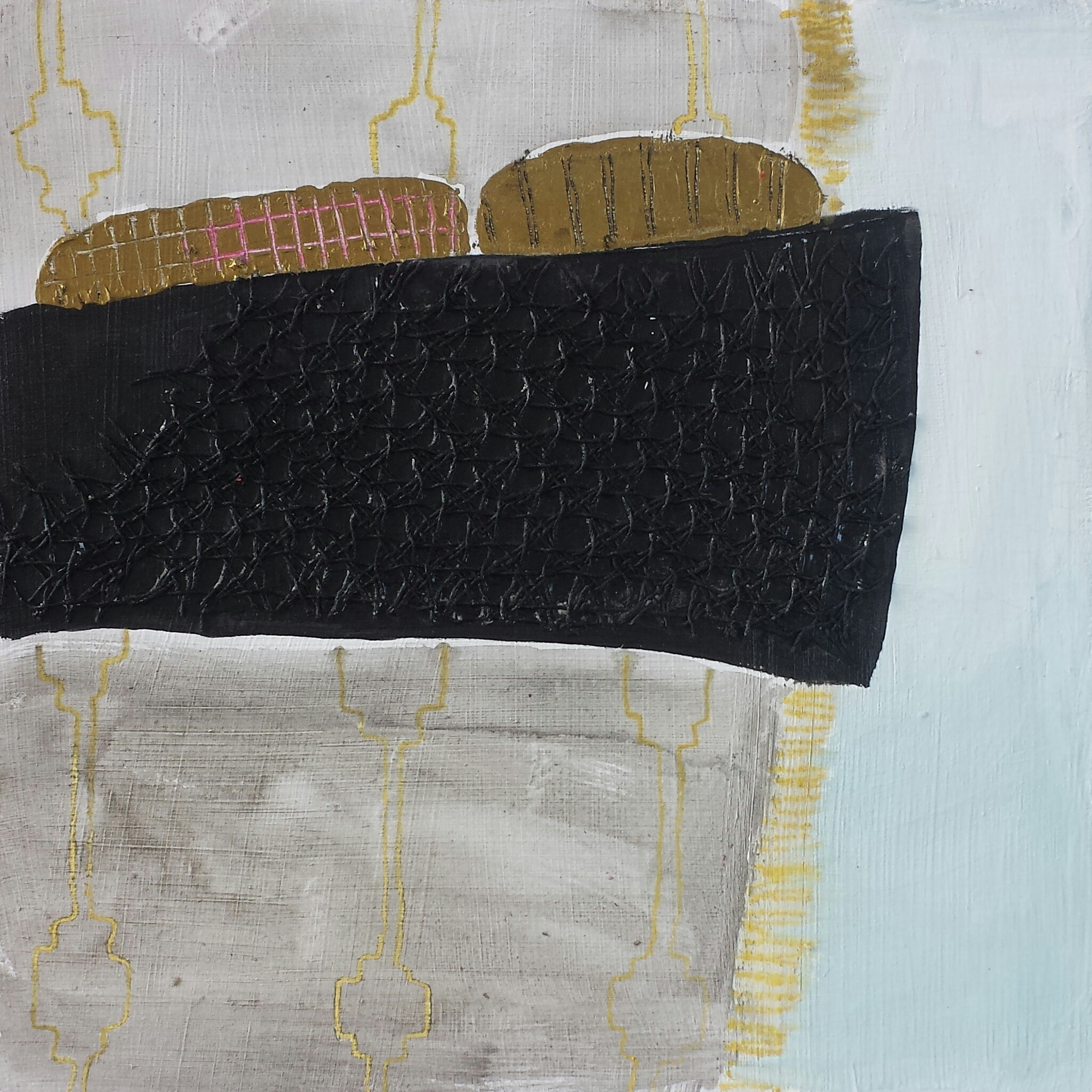
In my most recent work, I am particularly aware of the demands of motherhood, preservation of memory, and repetitious patterns of thought and behavior. Consistent in my work throughout the past number of years are my children’s mark making, textile design, Biblical text and stories, and a deep rooted passion for painting, drawing, and making.

Website: http://www.ashleysaudermiller.com/

Instagram: @ashleysaudermiller

Facebook: Ashley Sauder Miller Art


…and other Green Collar Dilemmas

by PK Donson

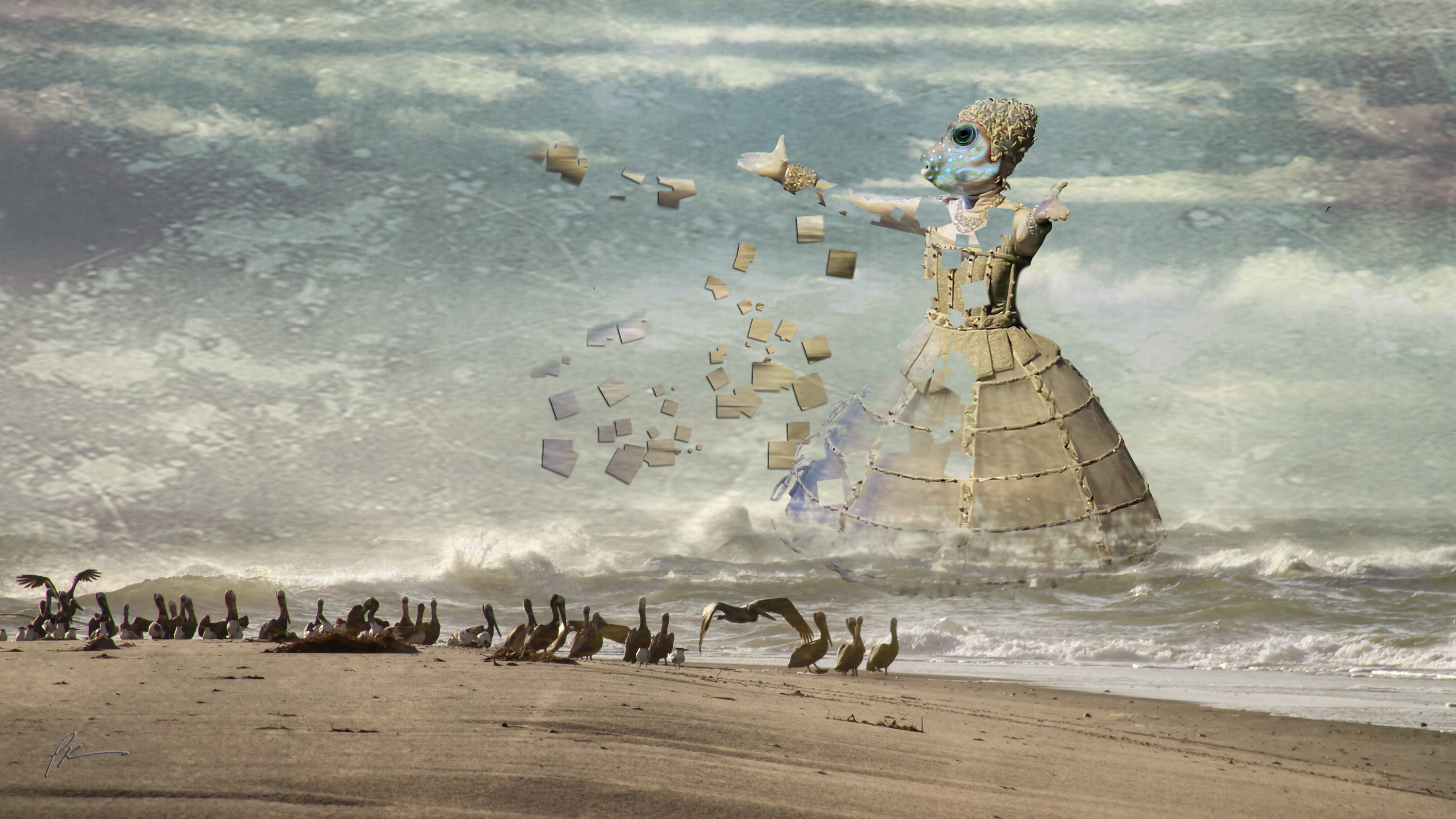
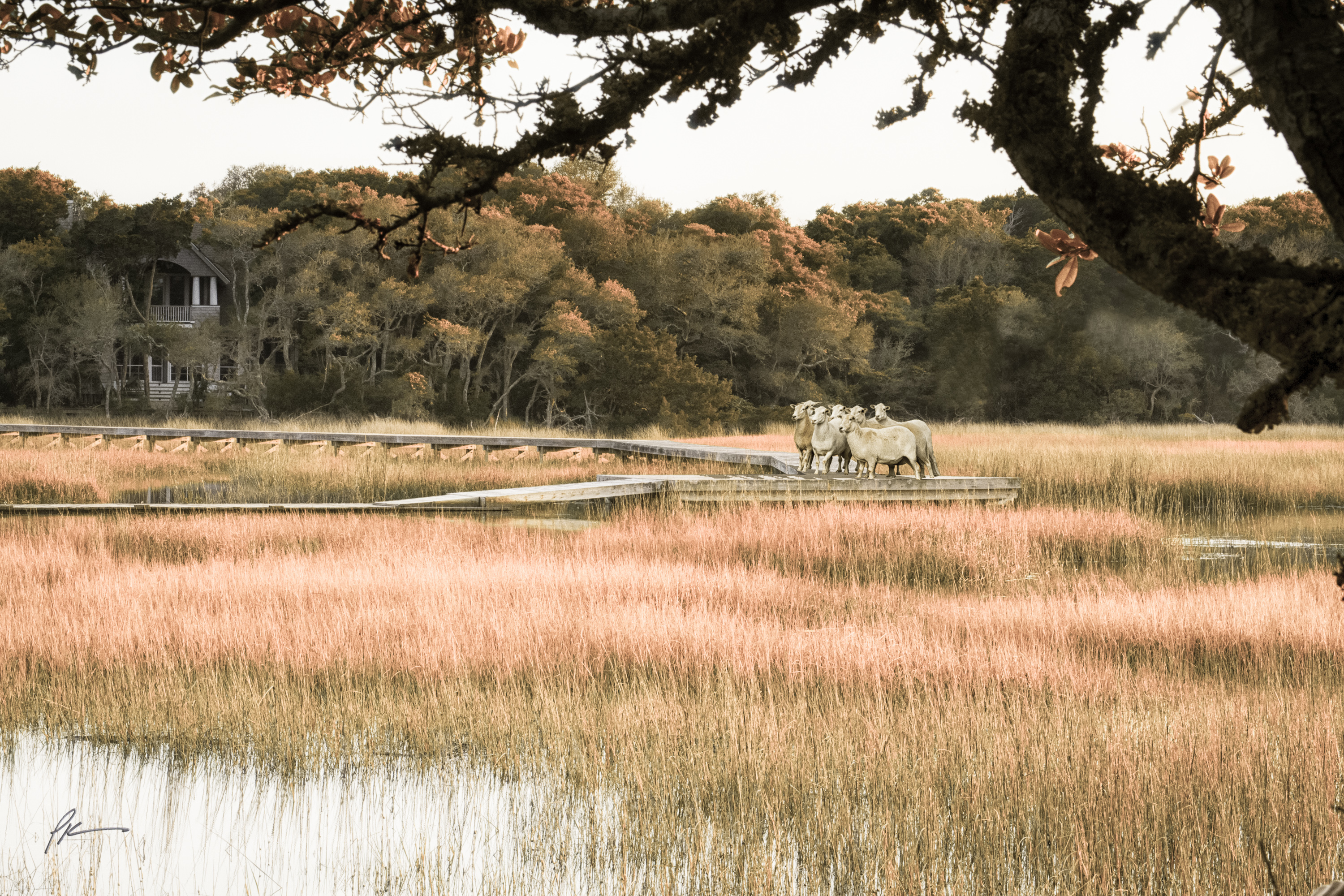
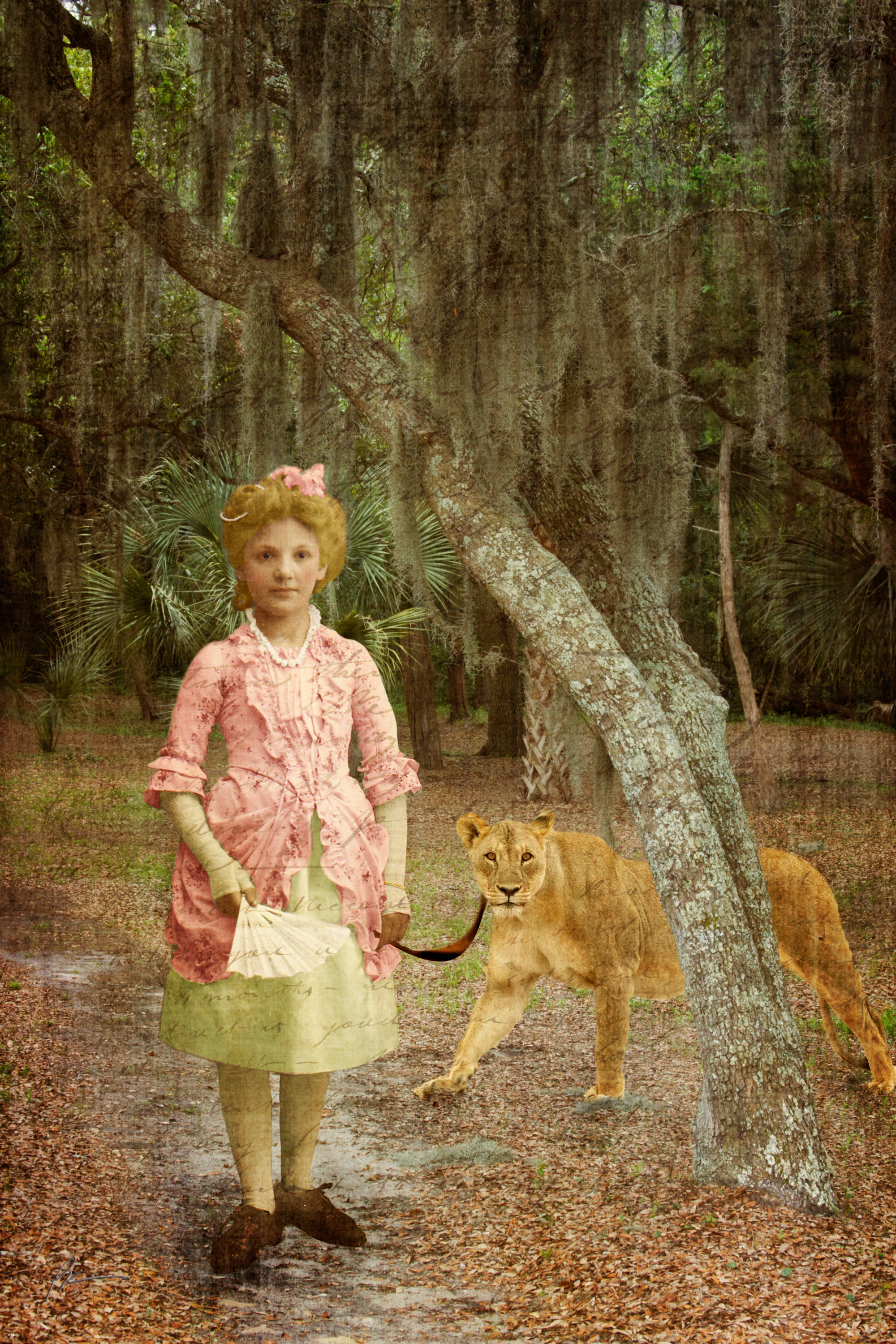
Backyard

Backyard

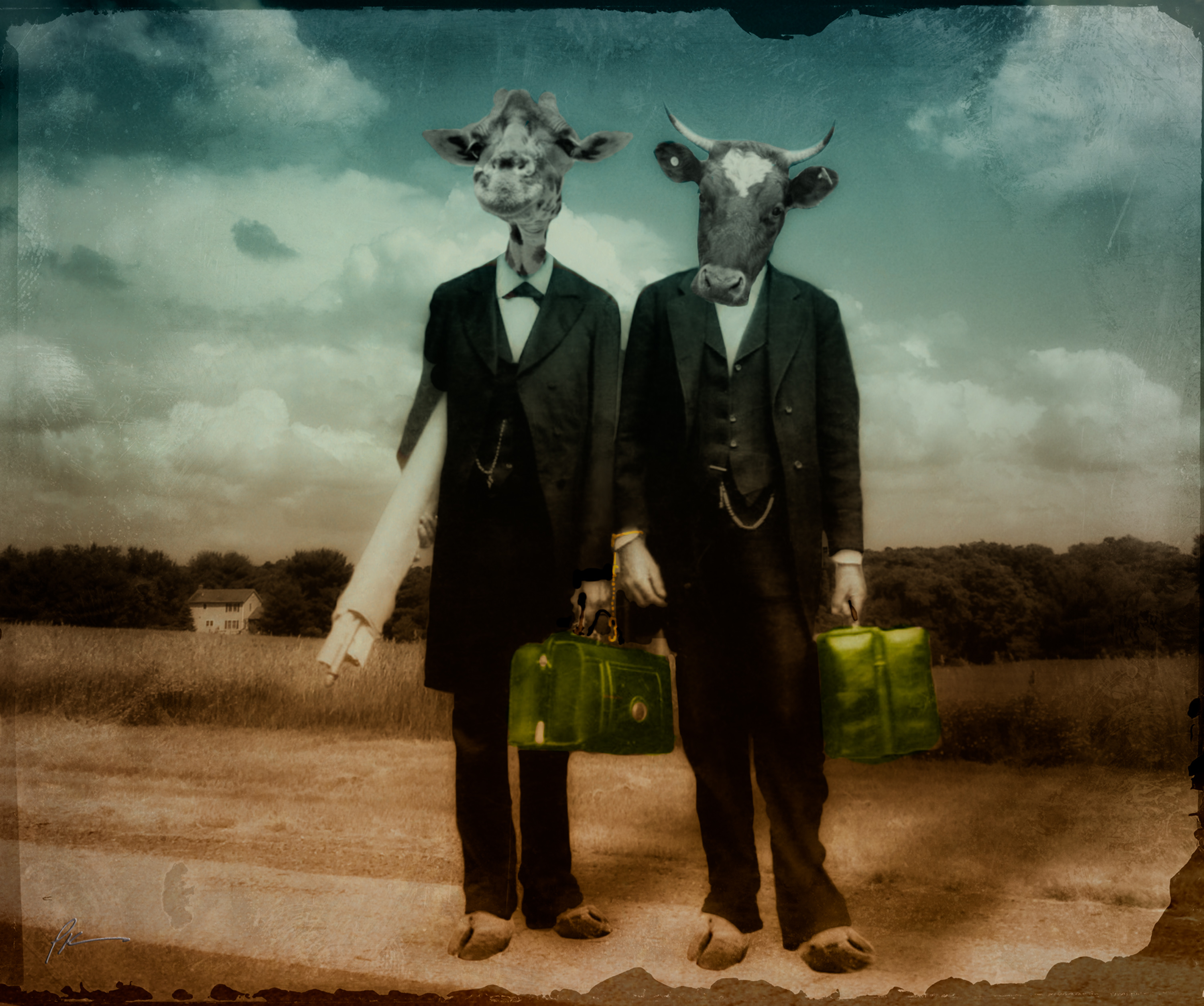
Carpetbaggers

Carpetbaggers

Diva

Diva

Erp!

Erp!

Hung the Moon

Hung the Moon

Lost

Lost

Musical Swamp

Musical Swamp

Personality

Personality

Reflection

Reflection

Rhino in the House

Rhino in the House

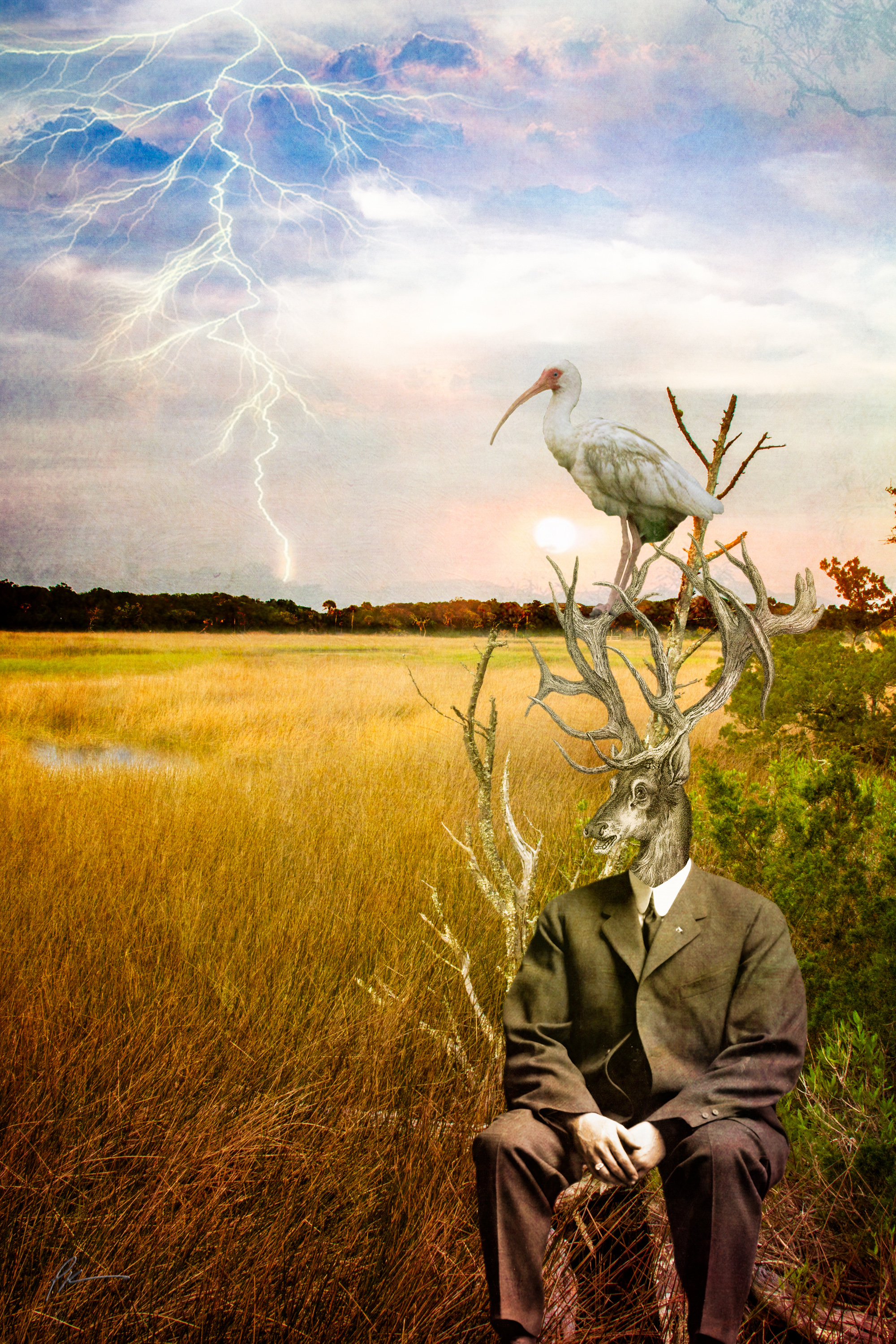
Sleeping Elk

Sleeping Elk

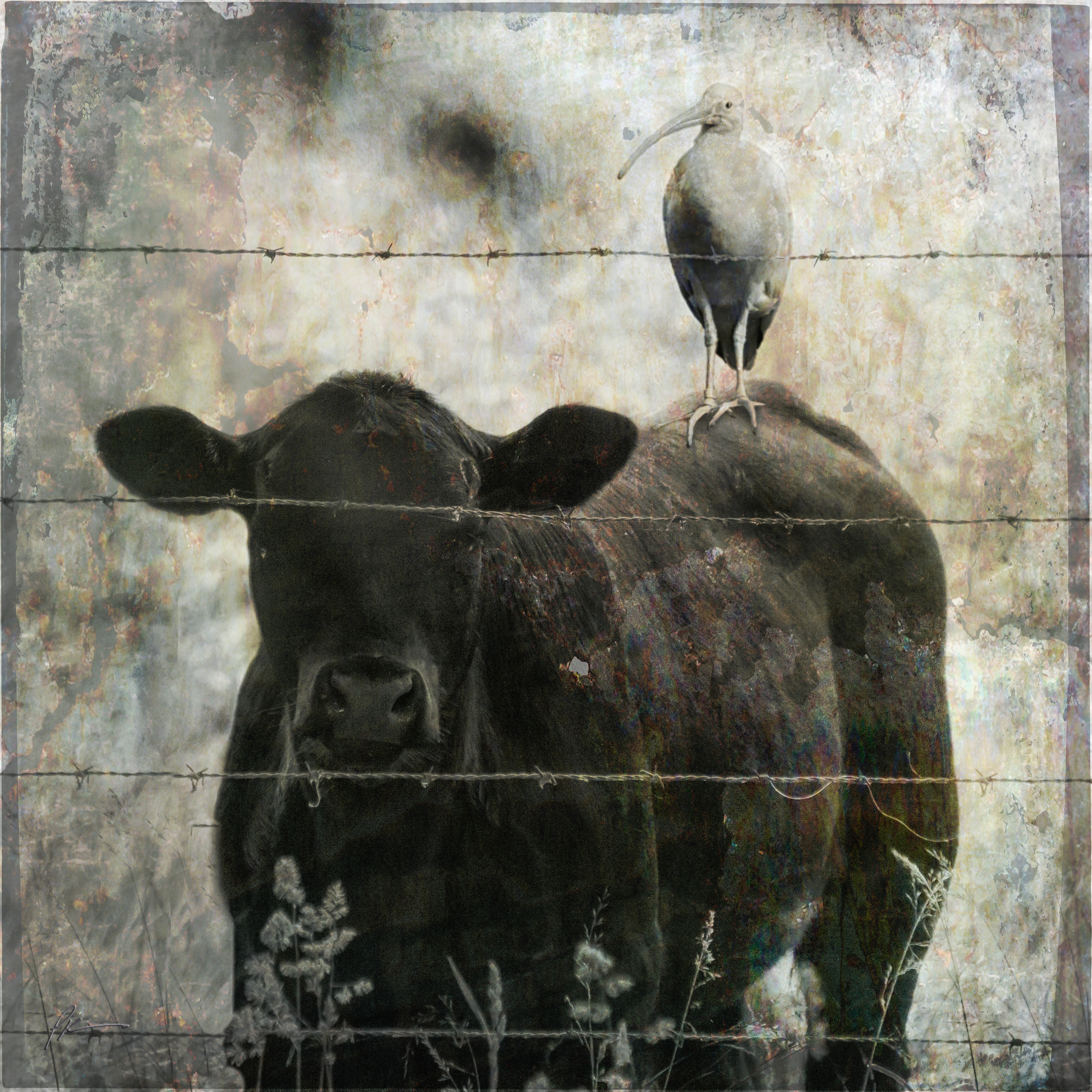
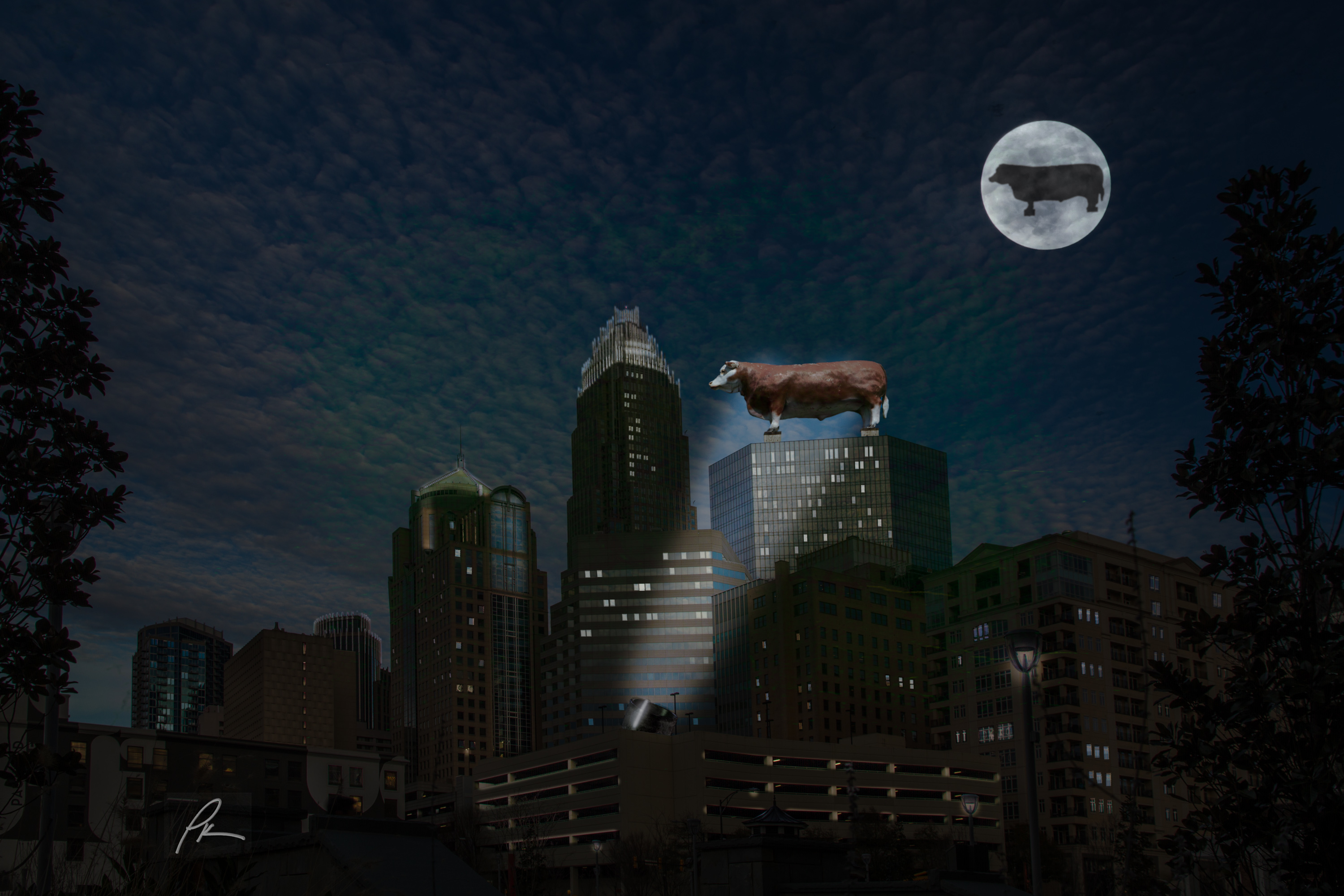
Super Cow

Super Cow

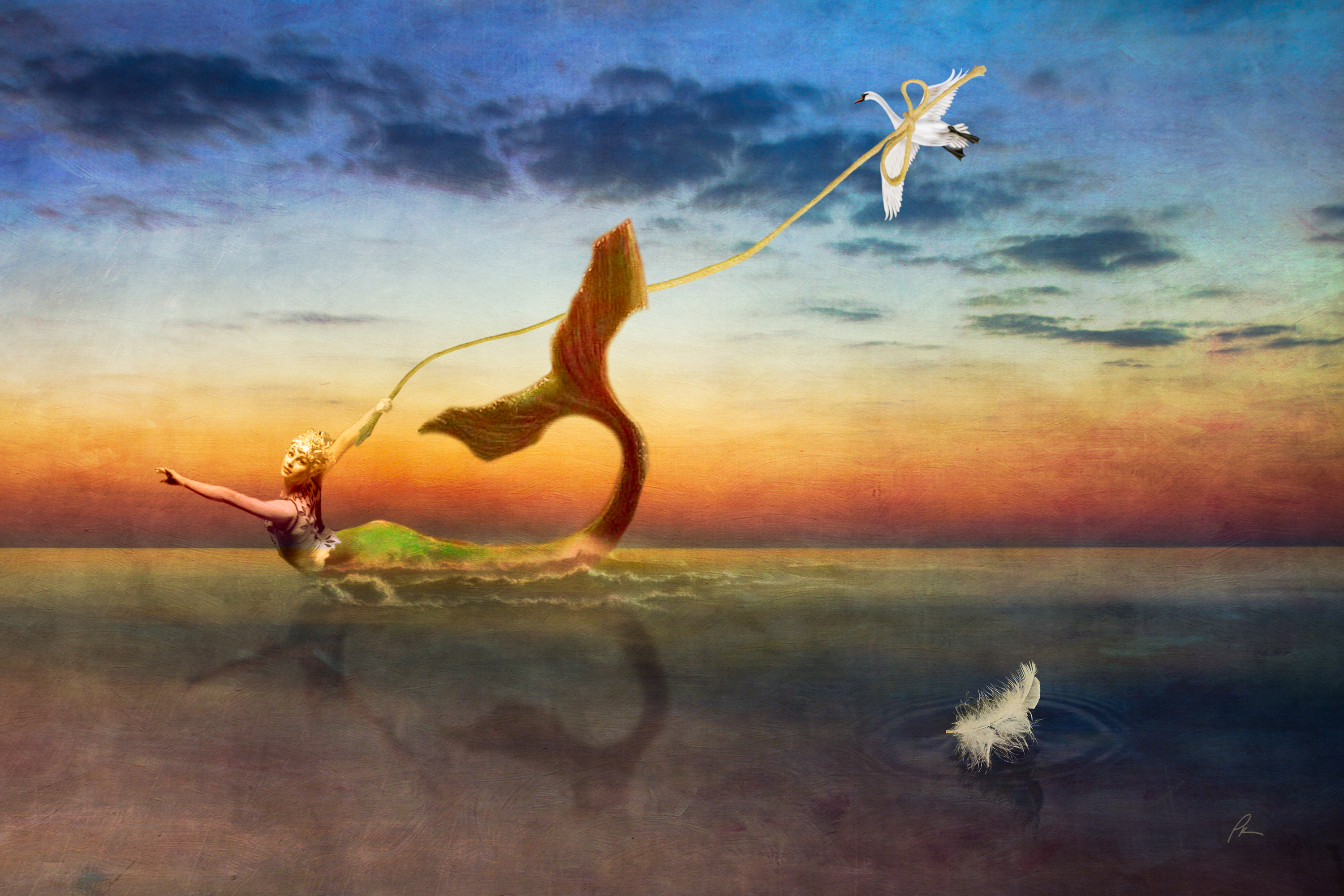
Swan Walk

Swan Walk

Untitled

Untitled

Untitled

Untitled


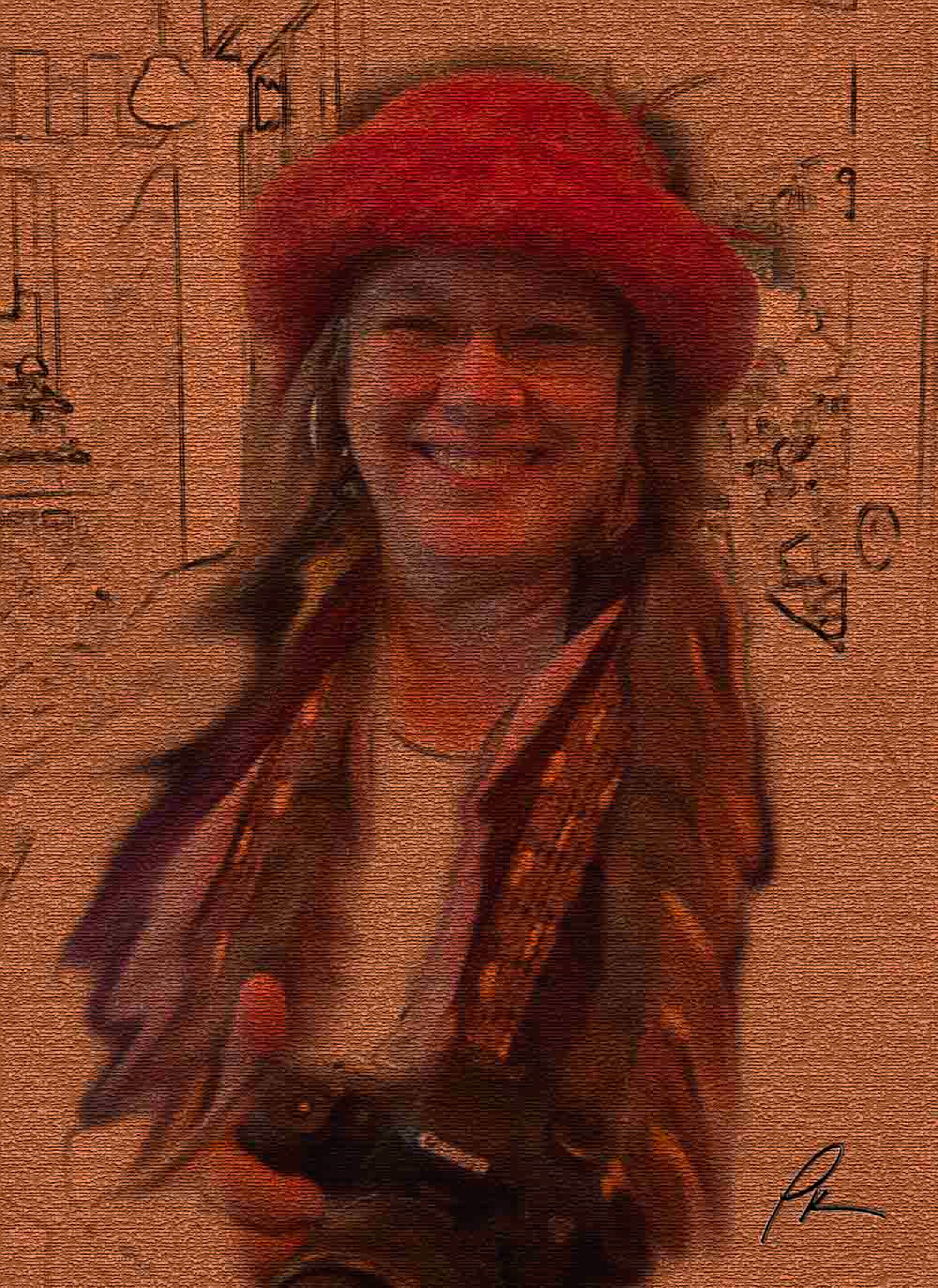
PK's AvatarPK Donson (1954 Anniston, AL)

PK’s work investigates the pixels by exaggerating certain formal aspects inherent to our contemporary society. She creates intense personal moments masterly created by means of rules and omissions, acceptance and refusal, luring the viewer round and round.

PK’s whimsical photos directly respond to the surrounding environment and she uses everyday experiences as a starting point. Often these framed instances would go unnoticed in their original context.

By applying abstraction, she approaches a wide scale of subjects in a multi-layered way and likes to involve the viewer in a way that is sometimes emotional. The results are deconstructed to the extent the meaning is shifted and possible interpretation becomes multifaceted.

Her works are saturated with obviousness, mental inertia, cliches and bad jokes. They question the coerciveness that is derived from the more profound meaning and the superficial aesthetic
appearance of an image, with a conceptual approach. PK makes works that can be seen as self-portraits. Sometimes they appear idiosyncratic and quirky. At other times, they seem typical by-products of American super abundance and marketing.

PK currently lives and works in Davidson, NC.

Facebook: PK Donson
Google Plus: +PK Donson
Website: www.pksphotos.com
Email: pdonson@gmail.com