Archive | Art RSS feed for this archive

Uncertainty in Photography and Interstitial Space

by Pascal Gault

Pascal Gault-137AB1

Pascal Gault-0663

Pascal Gault-0700

Pascal Gault-04951

Pascal Gault-05401

Pascal Gault-DSC_0578

Pascal Gault-DSC_05931

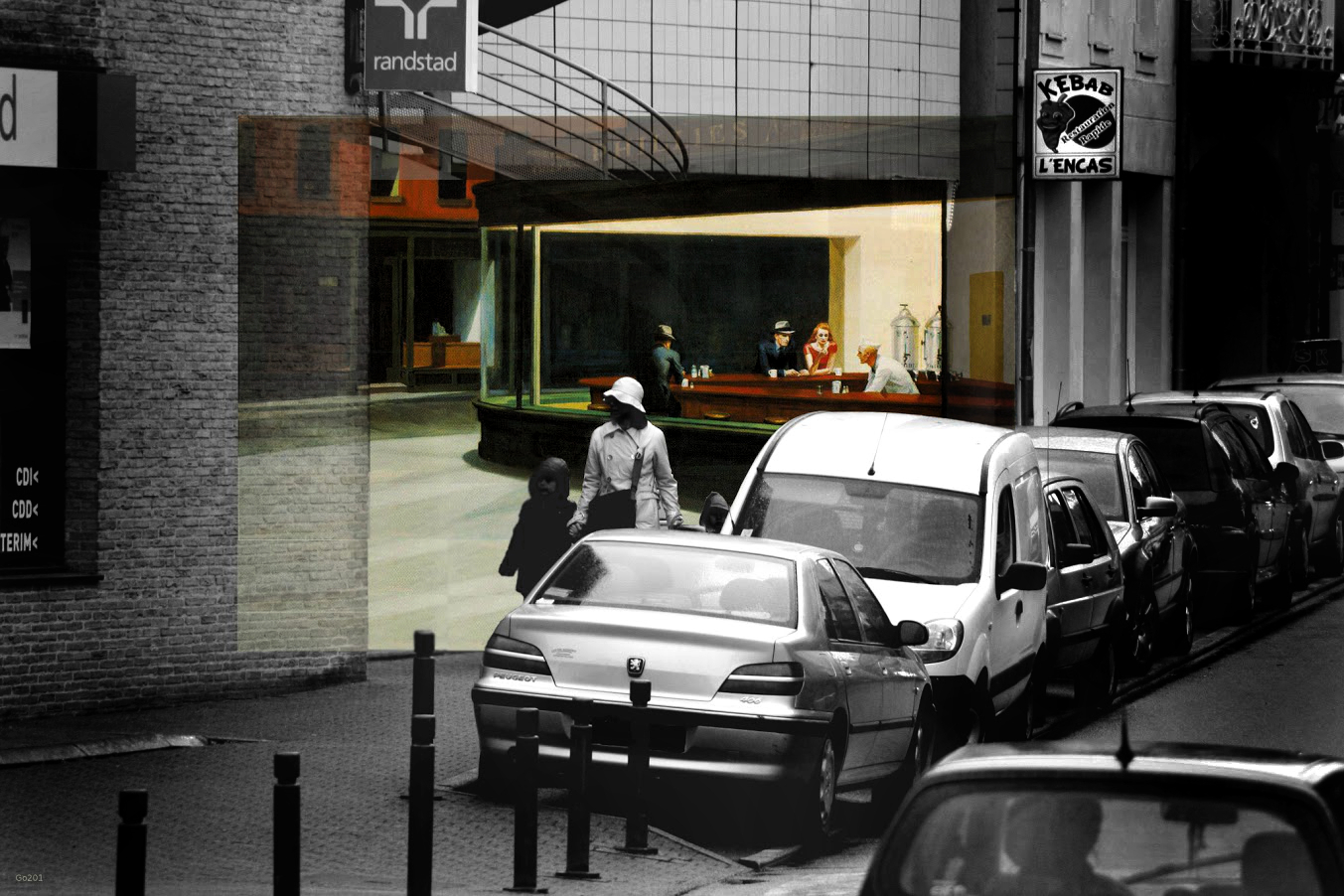
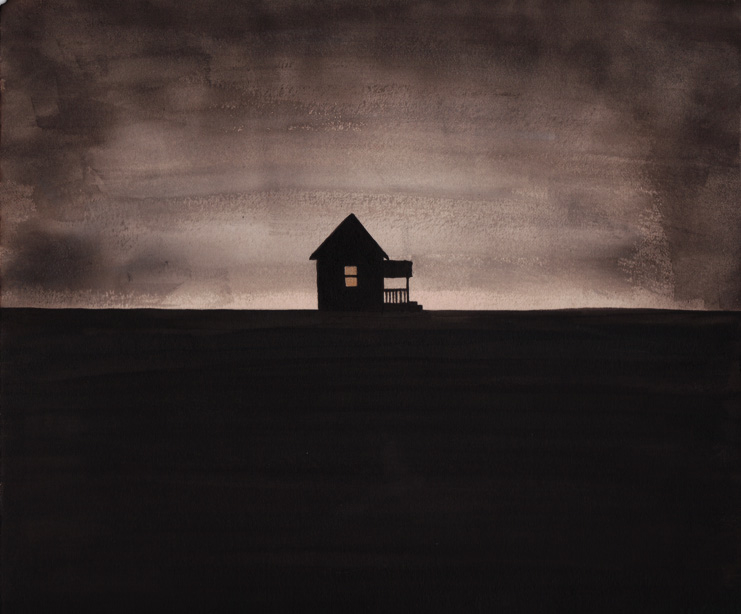
Hommage-Edward Hopper

Hommage-Edward Hopper

Pascal Gault-L1004354B2

Pascal Gault-L1004905c1

Pascal Gault-L10049031

Pascal Gault-Photo 2695

Pascal Gault-Photo 26862

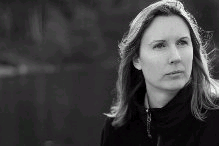
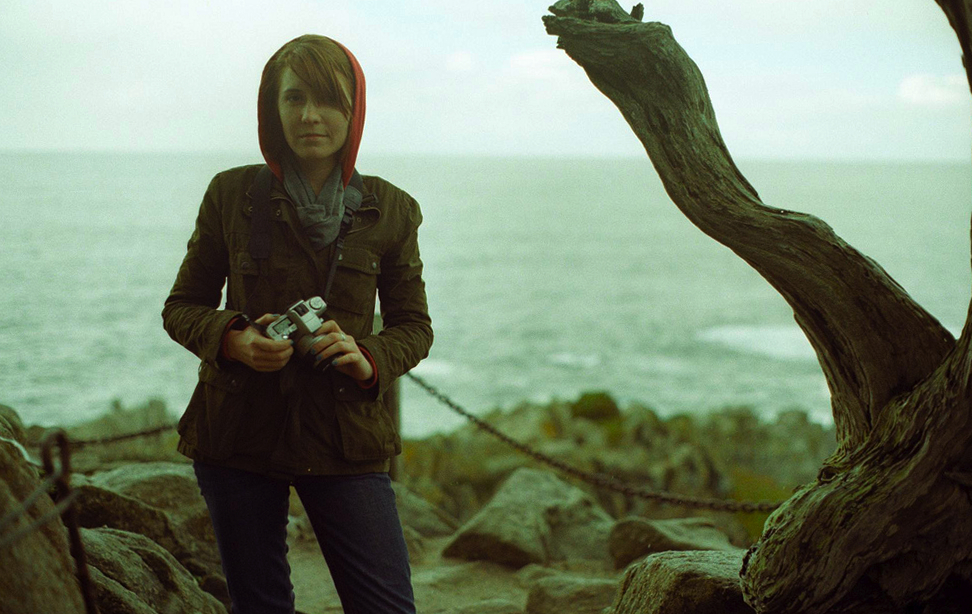
Pascal Gault-auto-portrait chambre d'hotelArtist: Pascal Gault

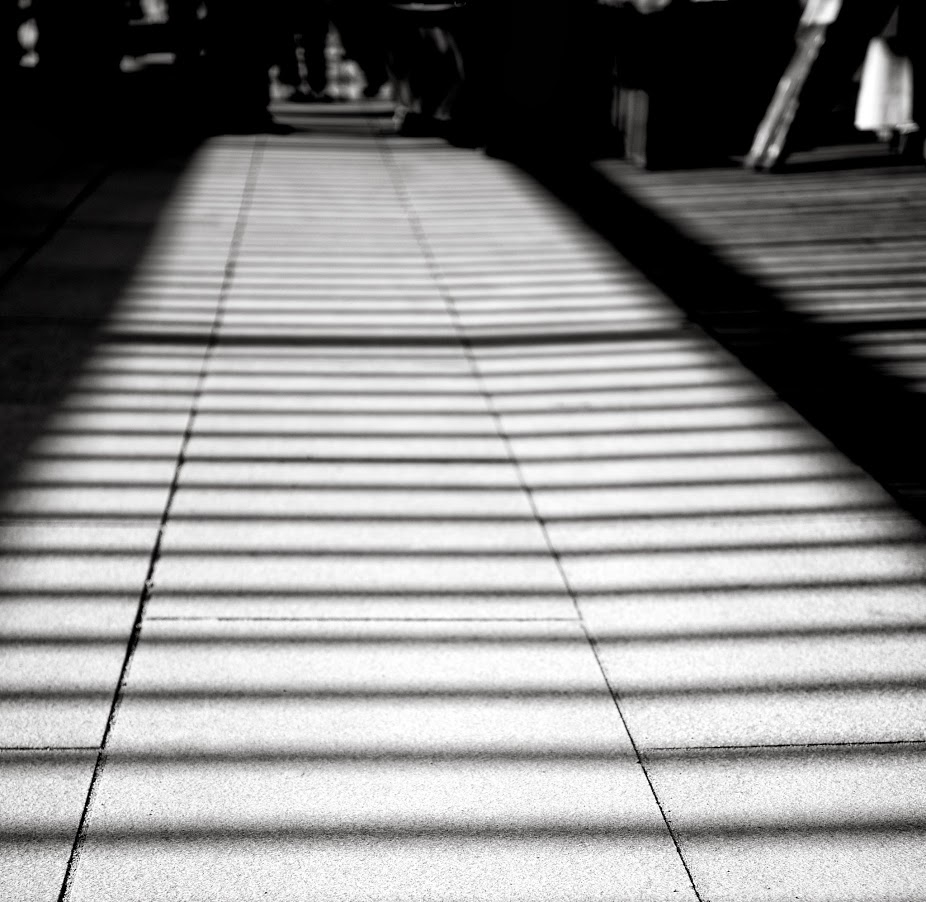
The photograph has a very special place in my life. As a social worker, the photo complements my work. They’re inseparable. Photography is a social activity, part of our daily lives. I practiced abstract approaches to art (installation, minimalism, etc.) for a long time. While they remain an inspiration, they did not meet my deepest longings. Three years ago I went back to photography. I could pair it with my work in social action, allowing my work and longings to be in full agreement.

My work is inspired by many photographers of our time, but above all it is inspired by the artistic practices of modern art. The work of artists such as Mondrian and Max Ernst for composition, Degas for blur are my main sources of inspiration. Edward Hopper matters a lot to me—the longing in his work. He gives us that feeling of the uncertainty of the moment, of drama that happens. For me, all of human reality is in his work. This is the type of accuracy I look for in photography.

You can view more of Pascal’s work on his Google+ page.

Characters: X and I (and you)

By Daniel Boscaljon
Images by Melissa D. Johnston

“Characters: X and I (and you)” is the second letter in a series of posts called Letters to You written by Daniel Boscaljon with images by Melissa D. Johnston (from one of her ongoing projects). Letters to You began in July with “everytime i write i feel myself disintegrate.”

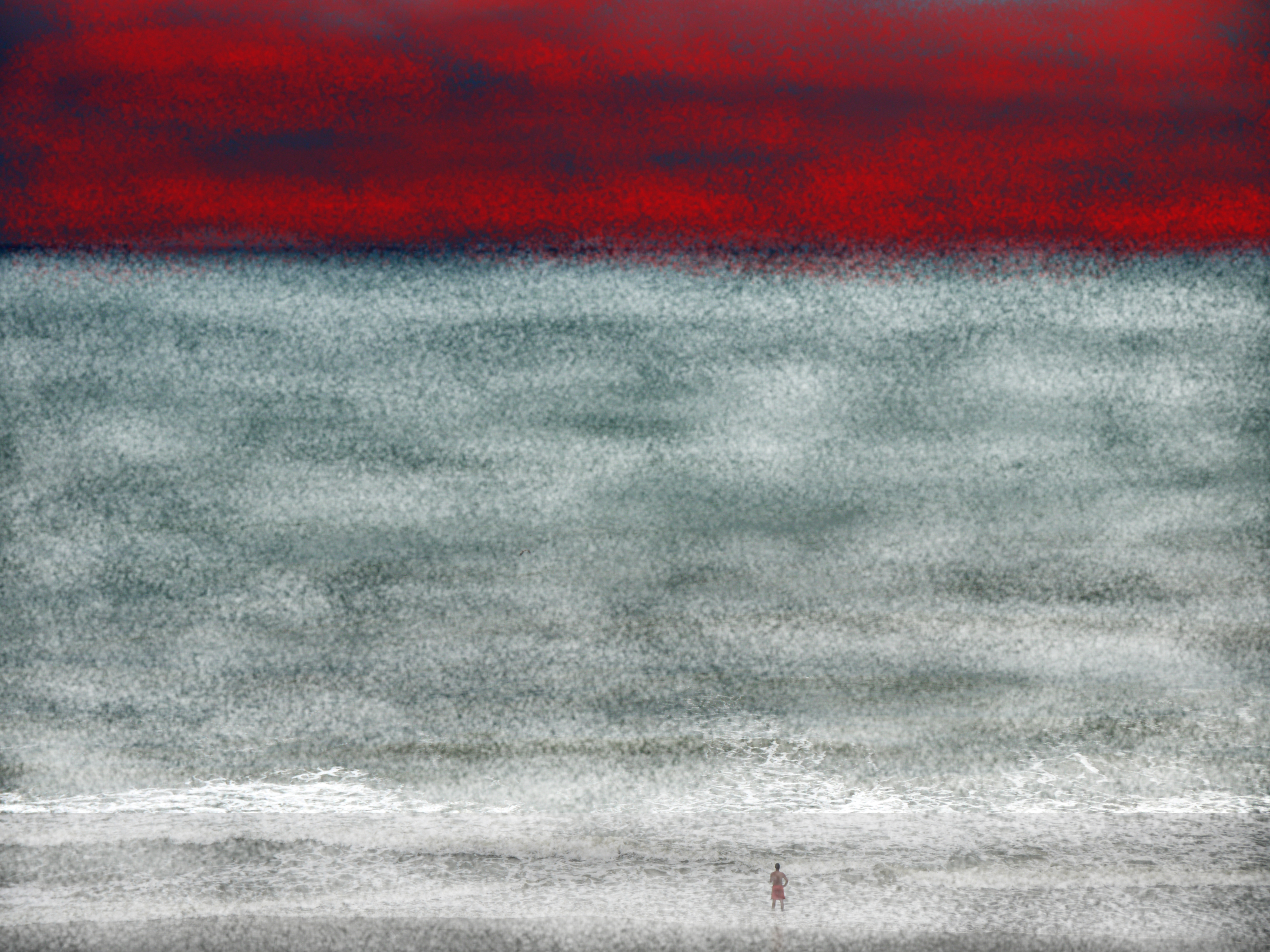
rothko experiment mother and child three.1.3

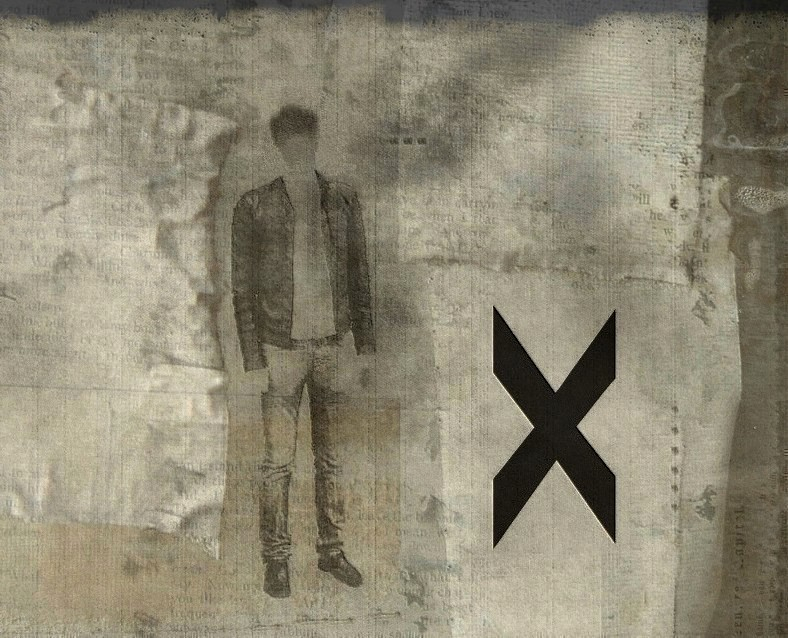
I know you to be a fan of neo-pirate cultures: thus I’m sure that you’ve heard the phrase, X marks the spot.  On a treasure map, the treasure site, hidden from sight, was always demarcated with this character.  Something similar, of course, occurs in the English Language, except that in common discourse, I marks the spot.  I am a cipher, a character.  I enter into the text, formless and empty, a spirit hovering over (and not within) the page.  Over time, you learn things and gradually my I takes shape and dimension.  But I don’t exist in reality, just as no X is ever imprinted onto the ground.  In maps and charts and texts, such characters hold significant value…but both I and X prove to be equally difficult to find.  You are such a character as well.  I thought I knew you, and knew you well.  And one day, I wake to find that you had gone, long ago.  The treasures that I had–your voice, your laughter…your insights and your sense of humor–these you had taken from me as well.  I would never have expected that you could laugh in such a hollow way, or hug me as only a distant or nervous acquaintance could.  I wanted to feel it as sincere, but this was denied to me.  In stealing your presence, you stole the past from me as well.  My memories of you are tarnished–was I deluding myself about our friendship all along?  What did I do that could make you run from me?  I would rather blame myself, of course, for a specific action or comment than realize that my ability to judge others is flawed.  And yet…even now, I cannot blame you.  Characters change.  I can become you, and be you for another.  Time passes and the sand shifts.  The map designates a space which existed once in time, but no longer.  The X remains forever arbitrary, and just as X, you.  And just as you, I.  When I judge you, I judge also myself and we all are guilty, every one of us.  Tragically, however, when the sword of judgment descends I will have your laughter in my ear, and while on the surface it may resemble the musical sounds in which I found solace, I know that as I dig I will find only hollow tones which mock me until I end.

Daniel Boscaljon has Ph.D.s in Modern Religious Thought and 19th-century American Literature, both from the University of Iowa. His interest is in the fragility and liminality of human experiences. His first book, Vigilant Faith: Passionate Agnosticism in the Secular World will be published by the University of Virginia Press this August.


Honorarium

by Brent Houzenga

Brent Houzenga 2

Brent Houzenga 3

Brent Houzenga 4

Brent Houzenga 5

Brent Houzenga 6

brent from website 3

Brent Houzenga 8

brent from website 4

Brent Houzenga 9

Brent Houzenga 7

Brent HouzengaIn 2006 Brent Houzenga stumbled across a discarded photo album with portraits from the 1890s. This set off a surge of inspiration. Since then Brent has amassed an extensive body of work, attempting to breathe new life into the individuals in the photographs through vibrantly colored abstract paintings that incorporate stencil work and spray paint. His graffiti style brings a bold contemporary touch to the “old-timey” figures.

Later, Brent extended this style to contemporary portraits. He frequently uses one image over and over again, casting each subject in a new light by layering a new design on top. This allows him endless opportunities to explore the various facets of an individual’s character. His paintings are bright and bold. They draw interesting links between the past and the present, and between what we perceive and what is real.

Check out more of Brent’s work at his website. Contact him at BrentHouzenga@hotmail.com.

Dispatches from Atlanta: Love and Hate in the South

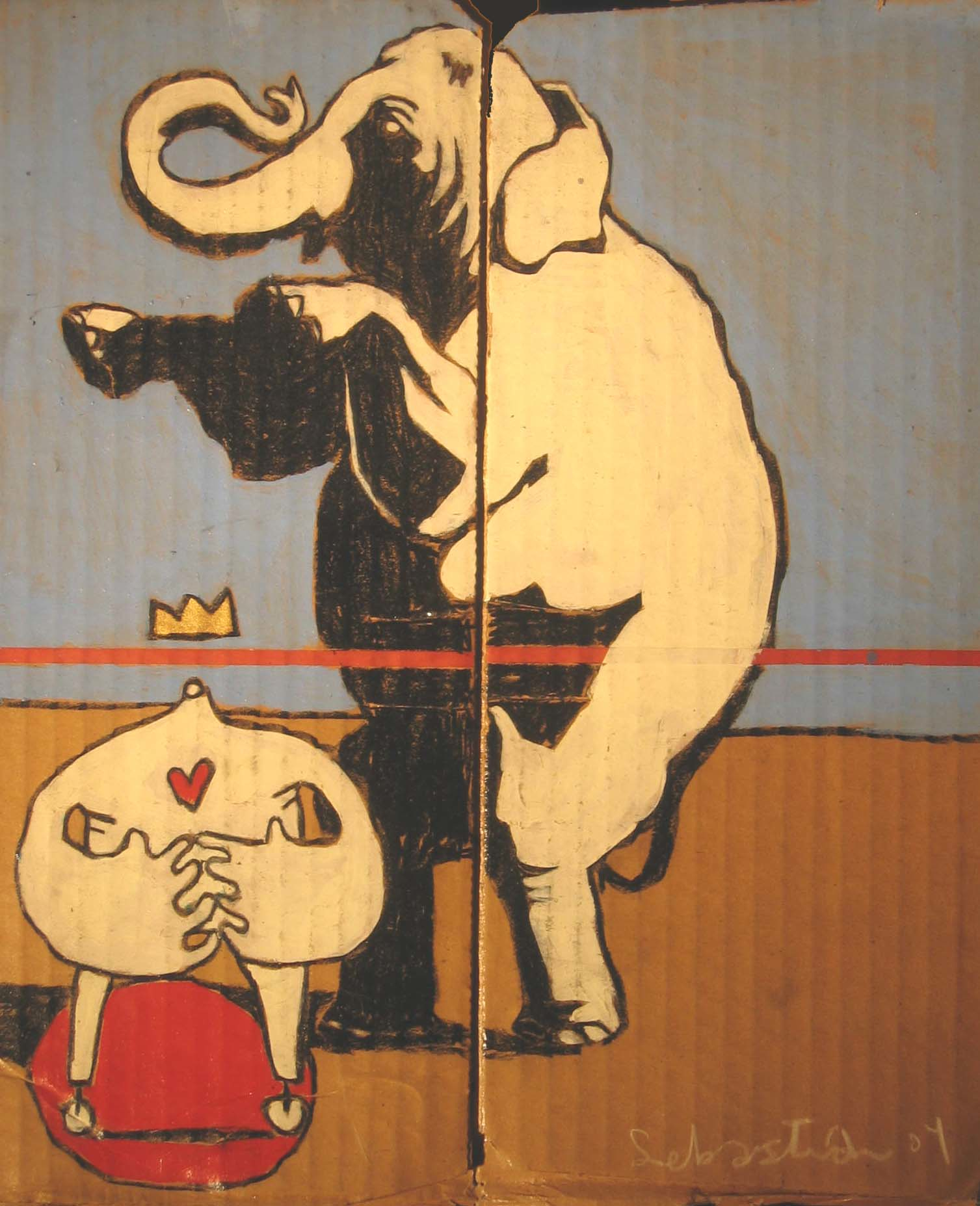
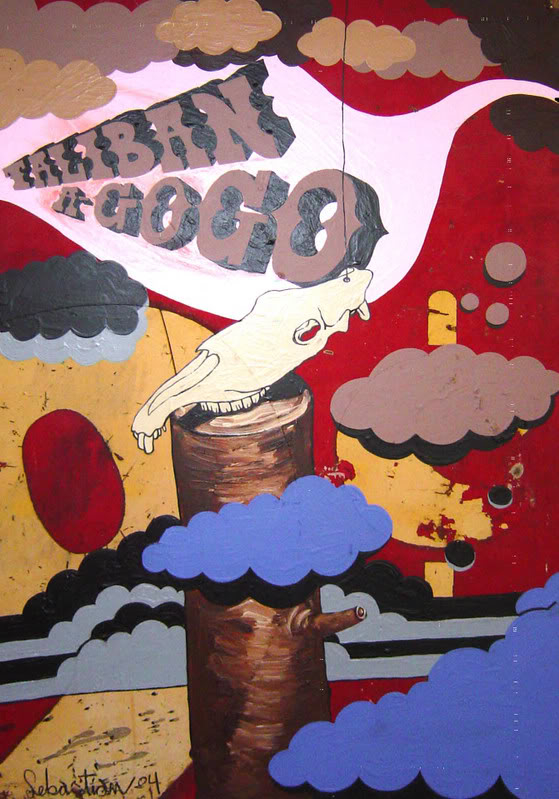
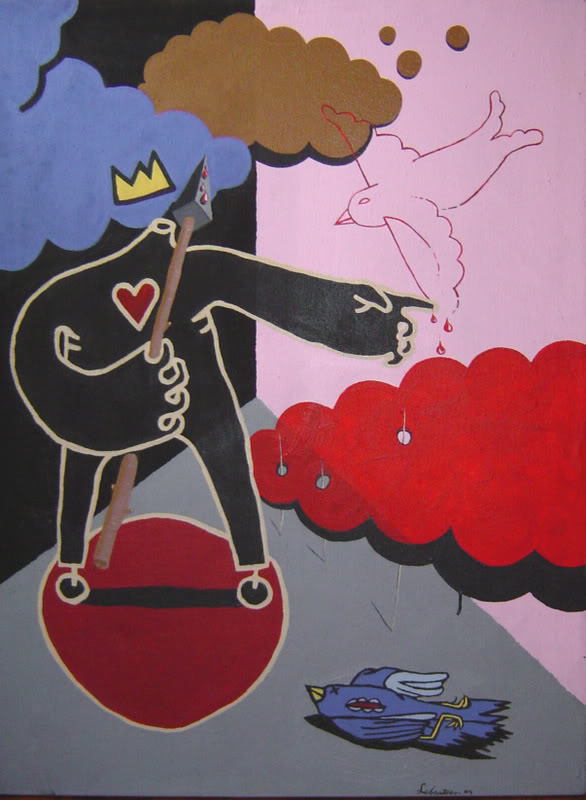
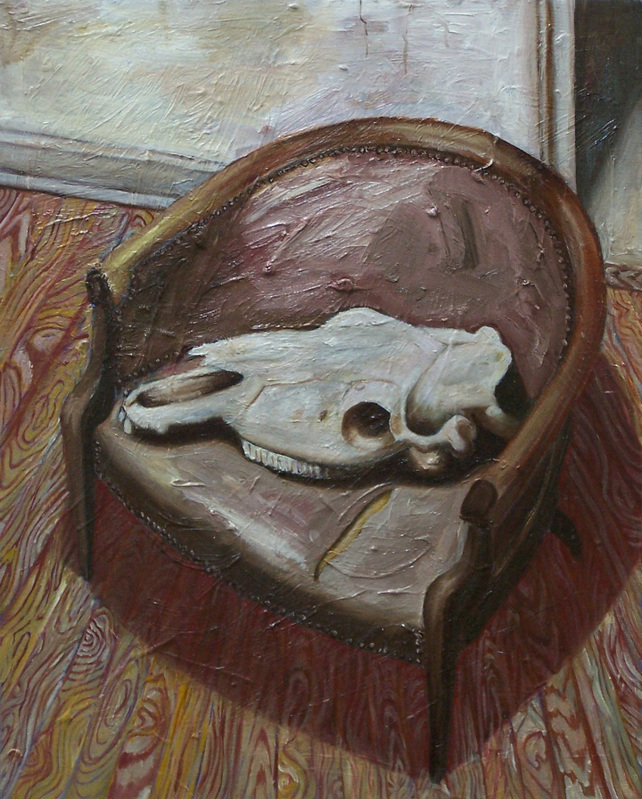
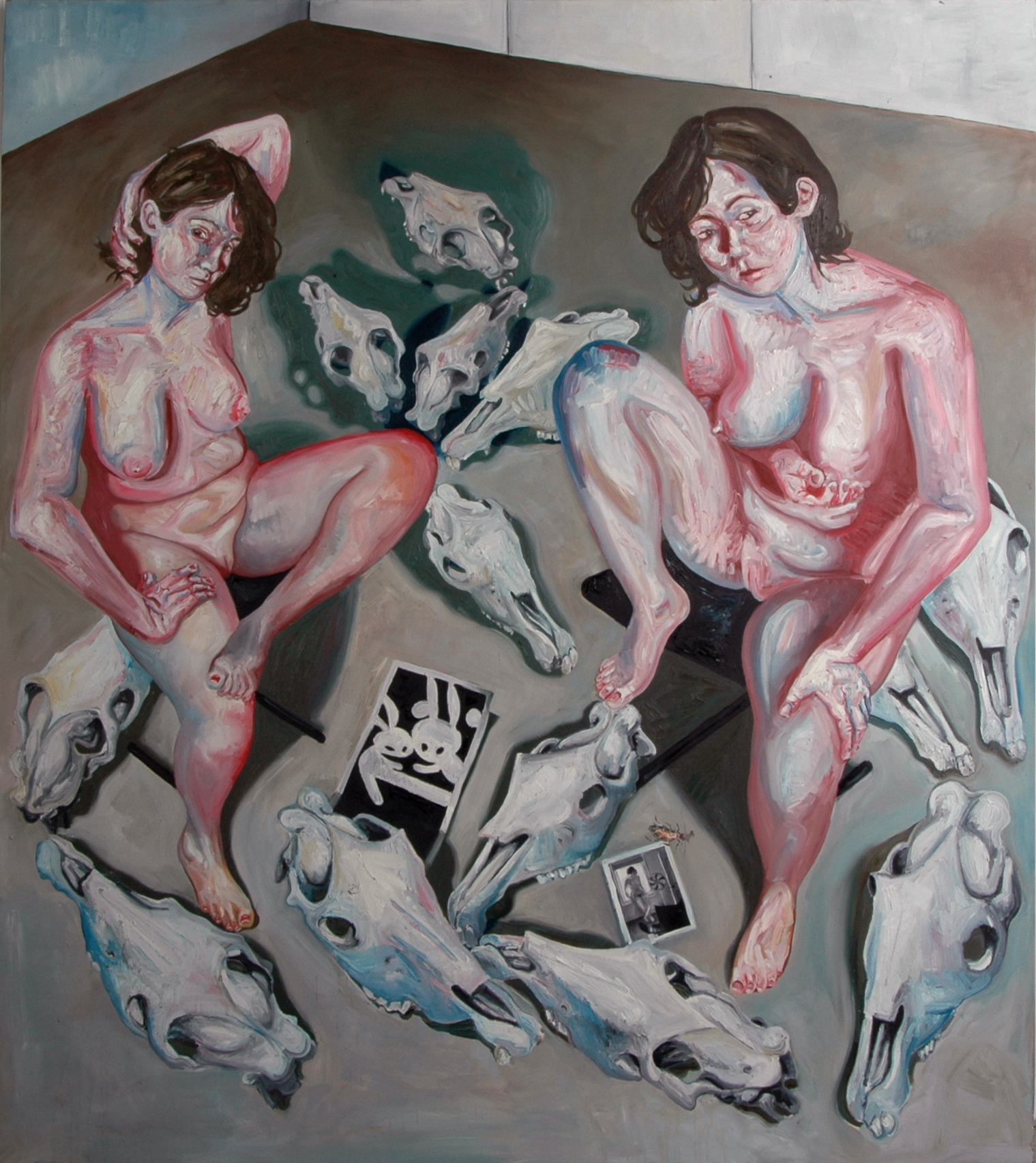
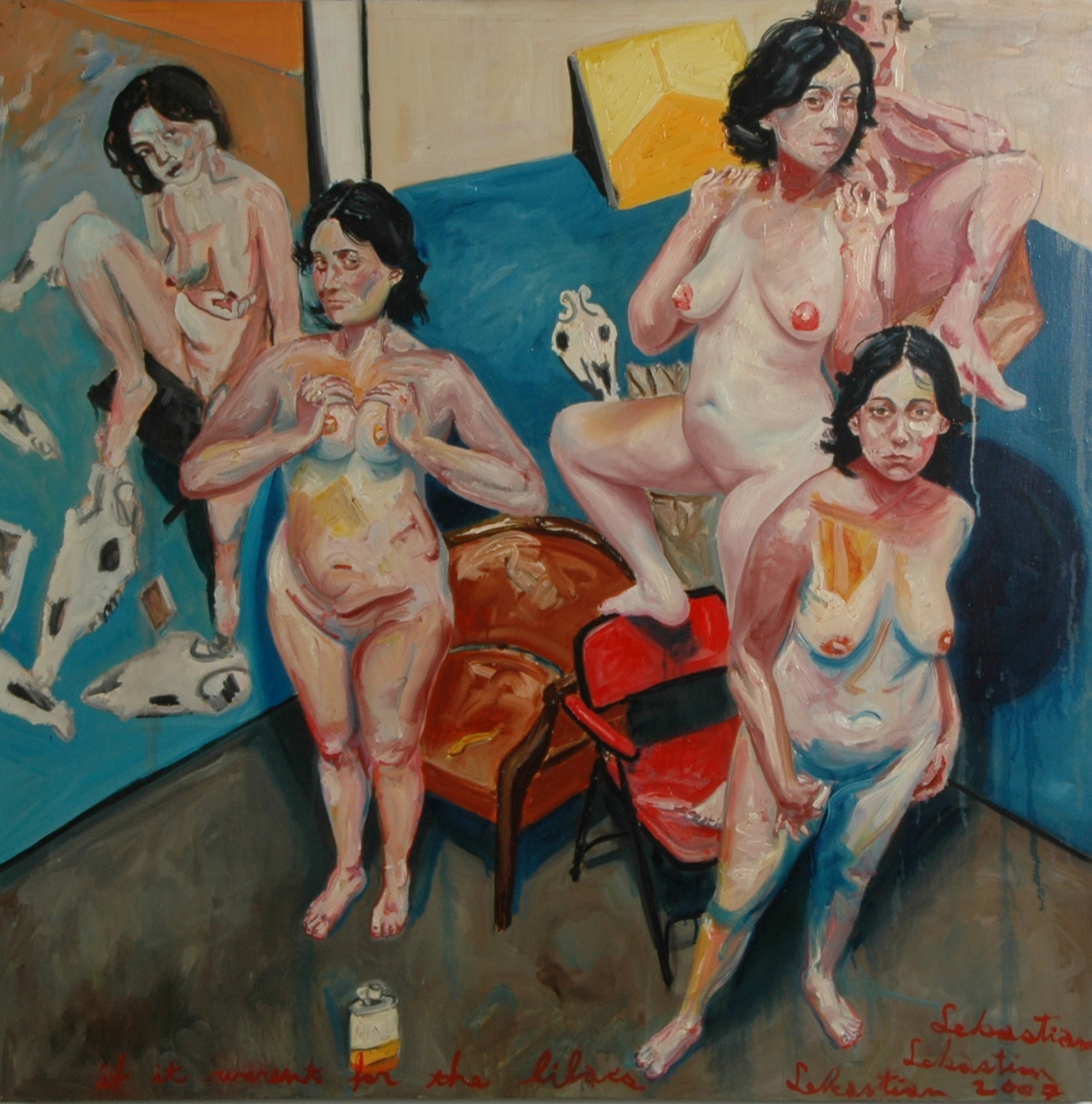
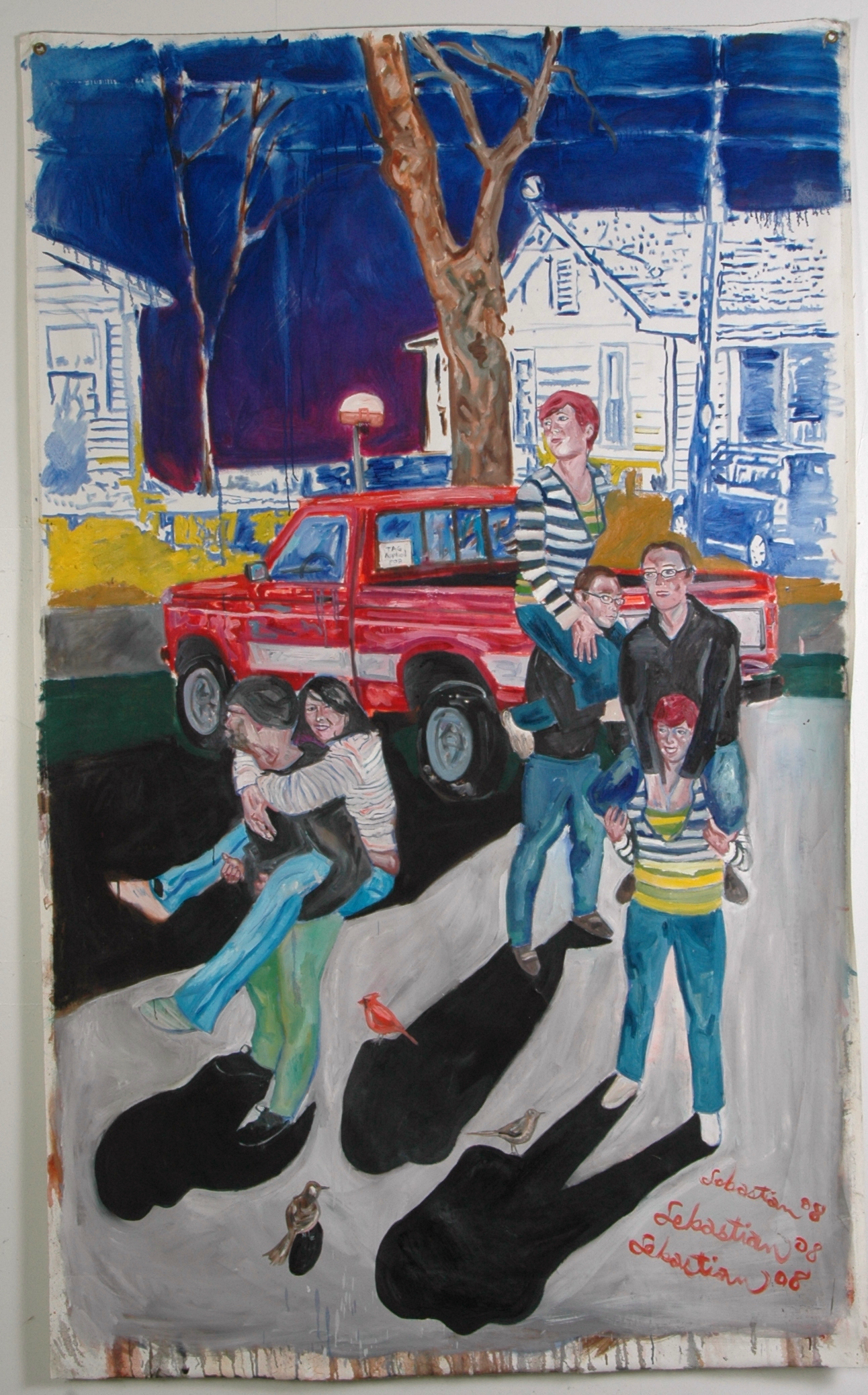
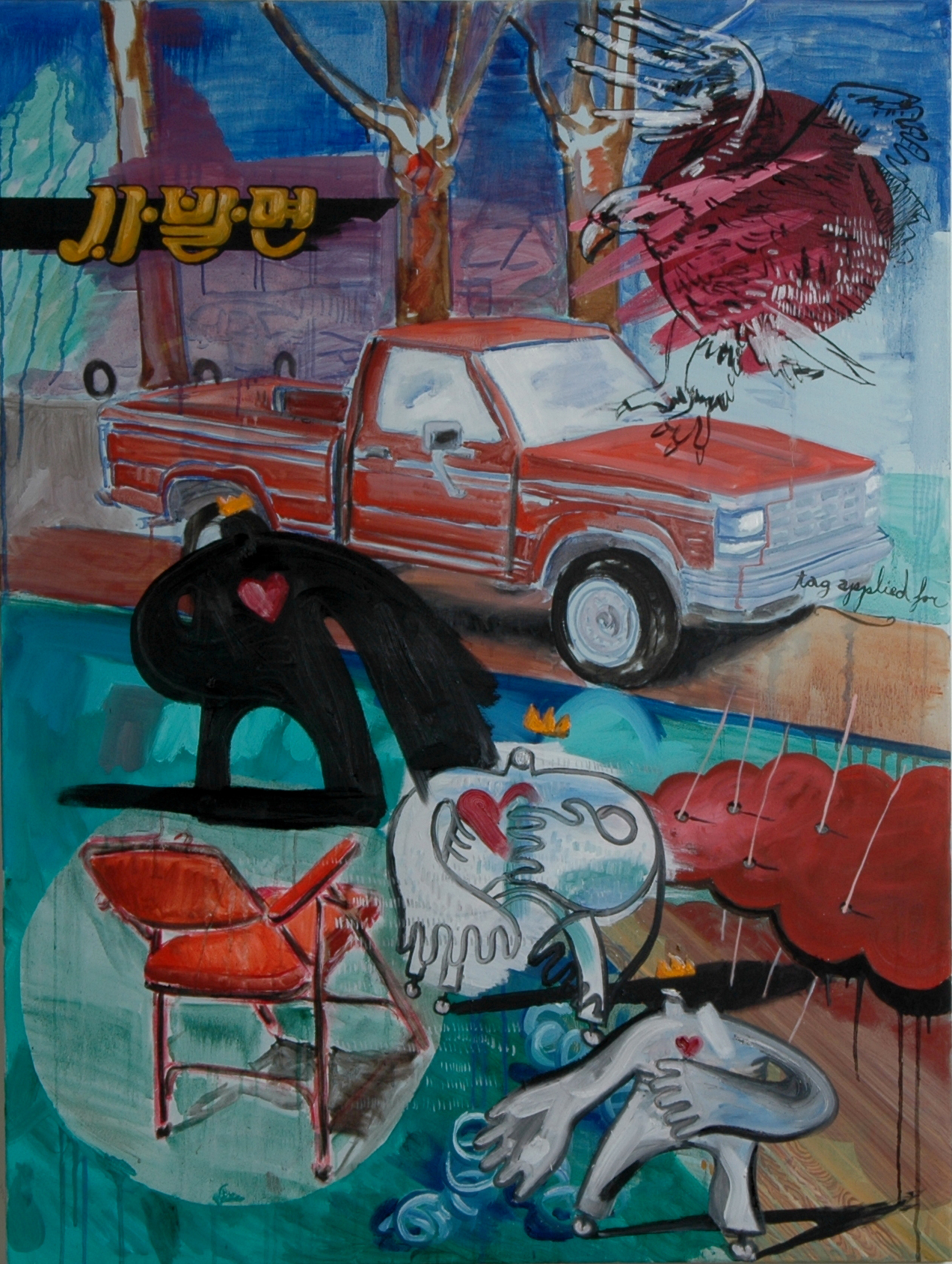
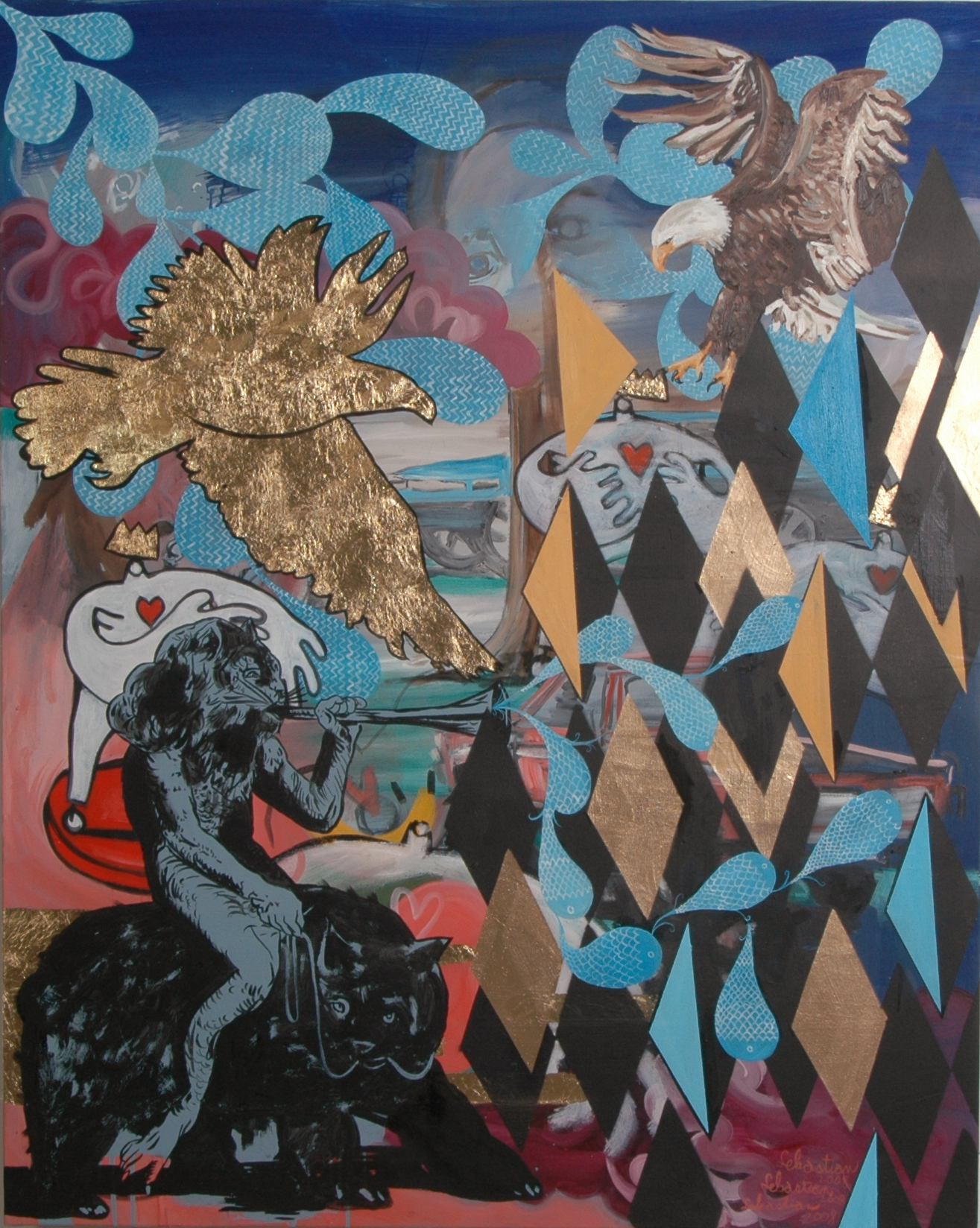
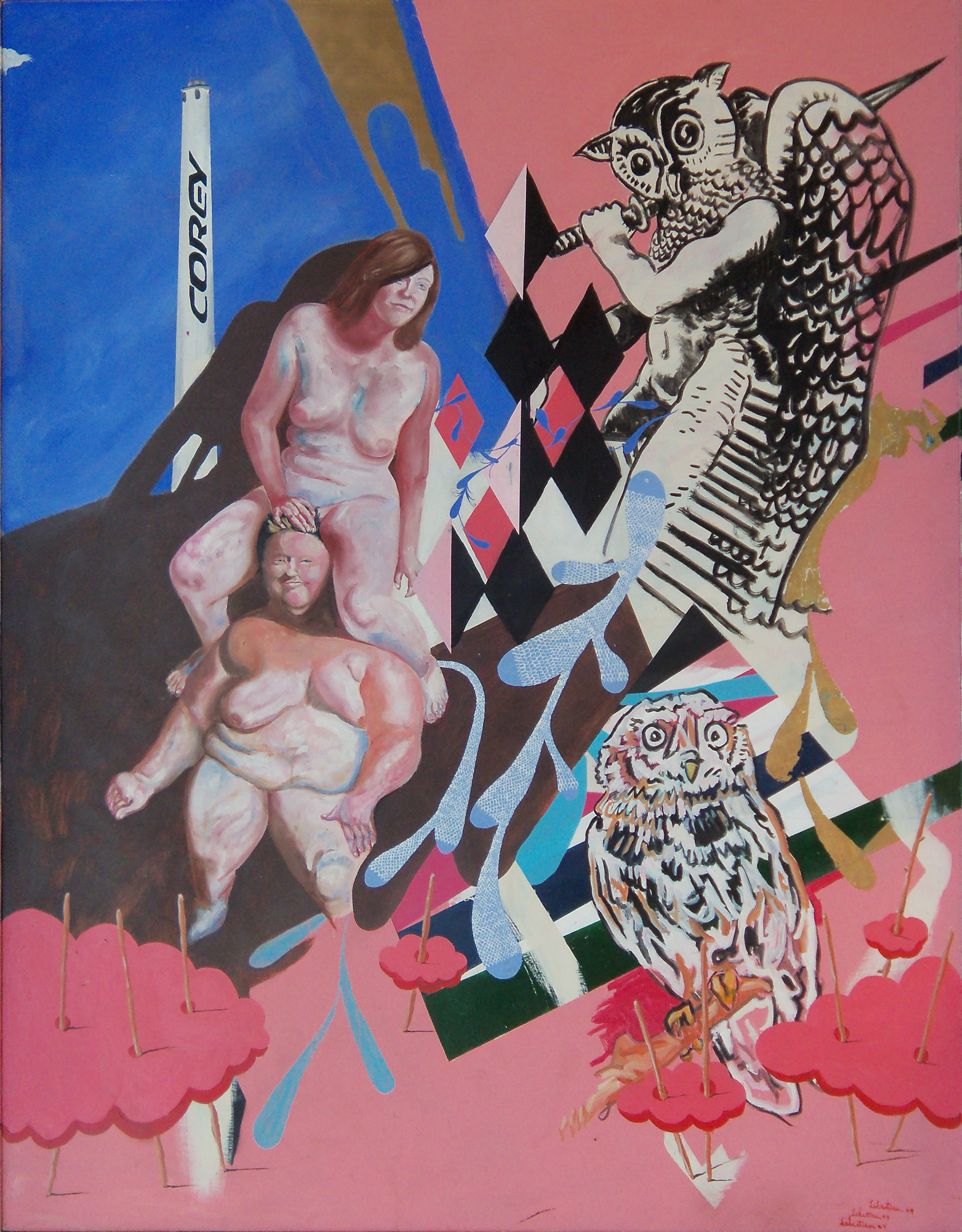
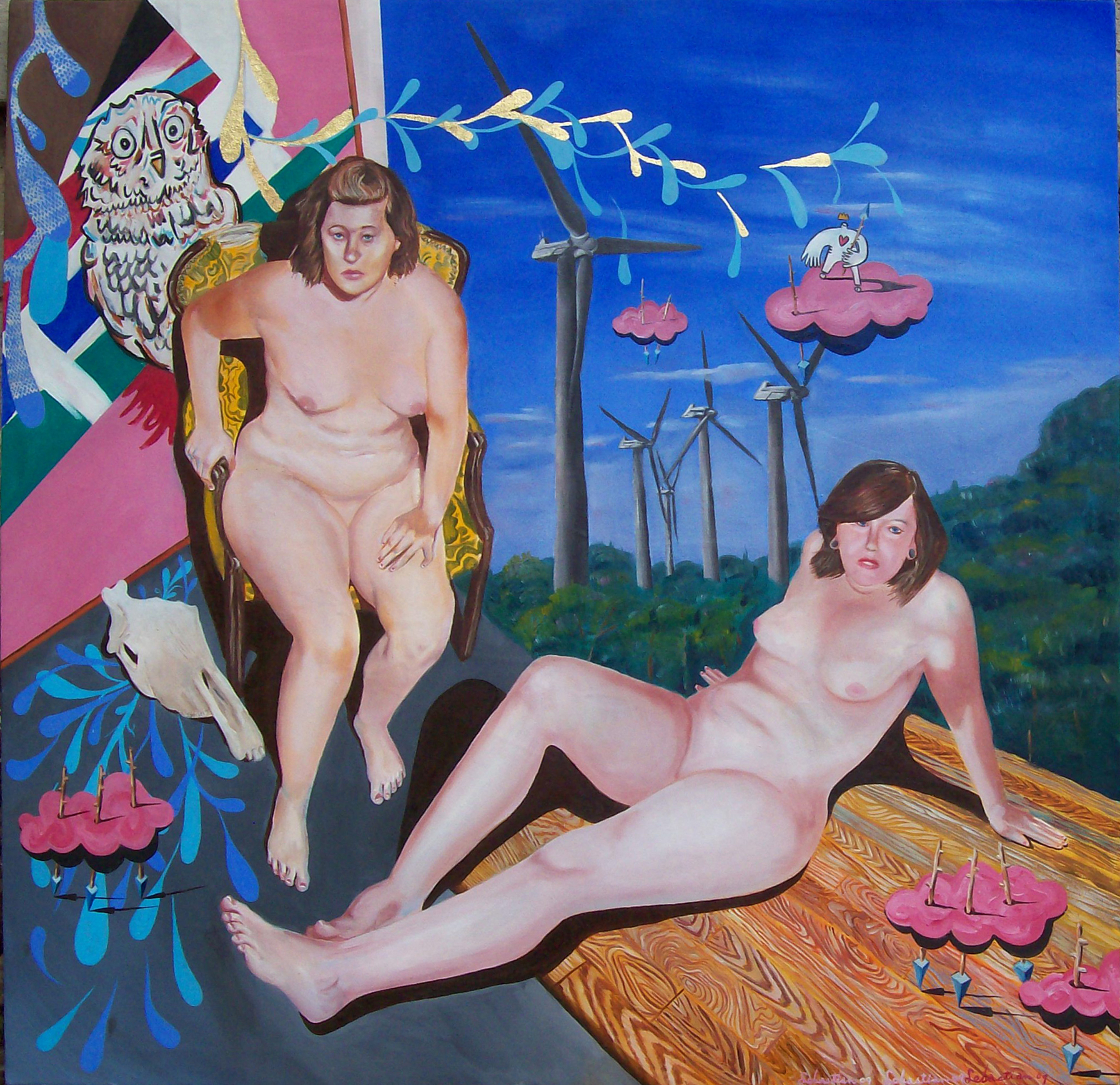
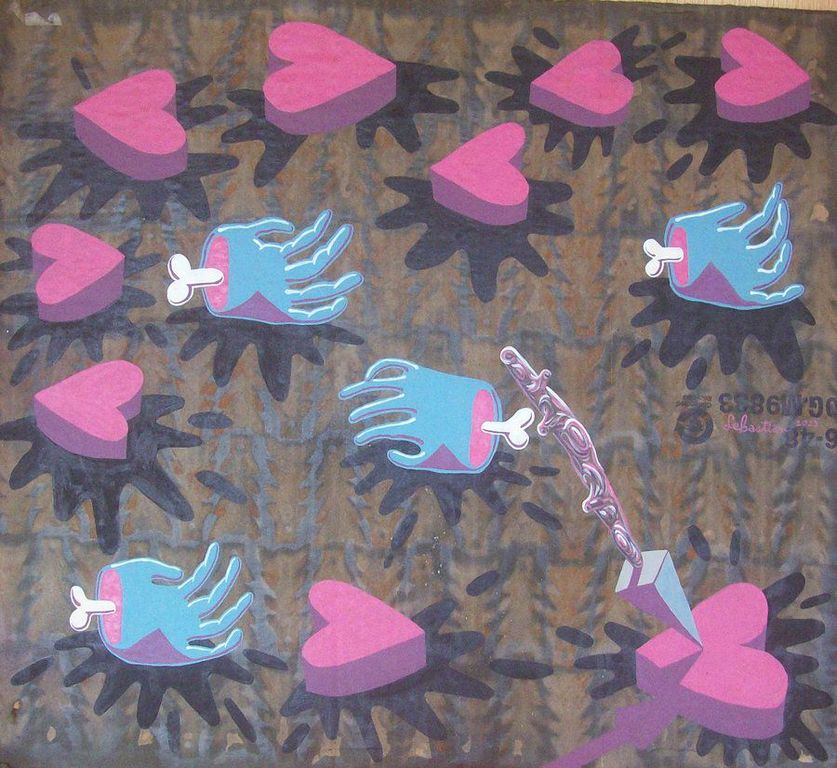
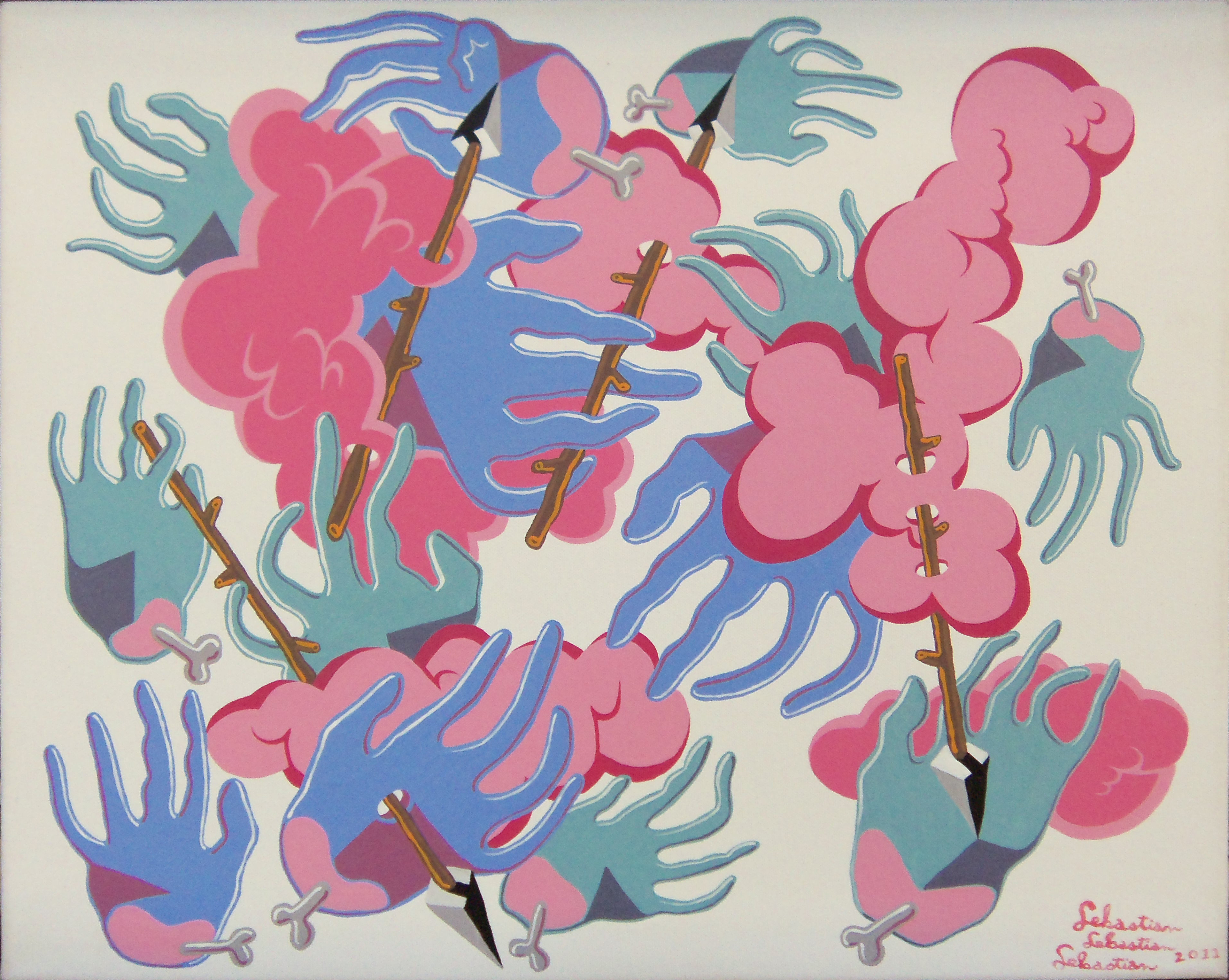
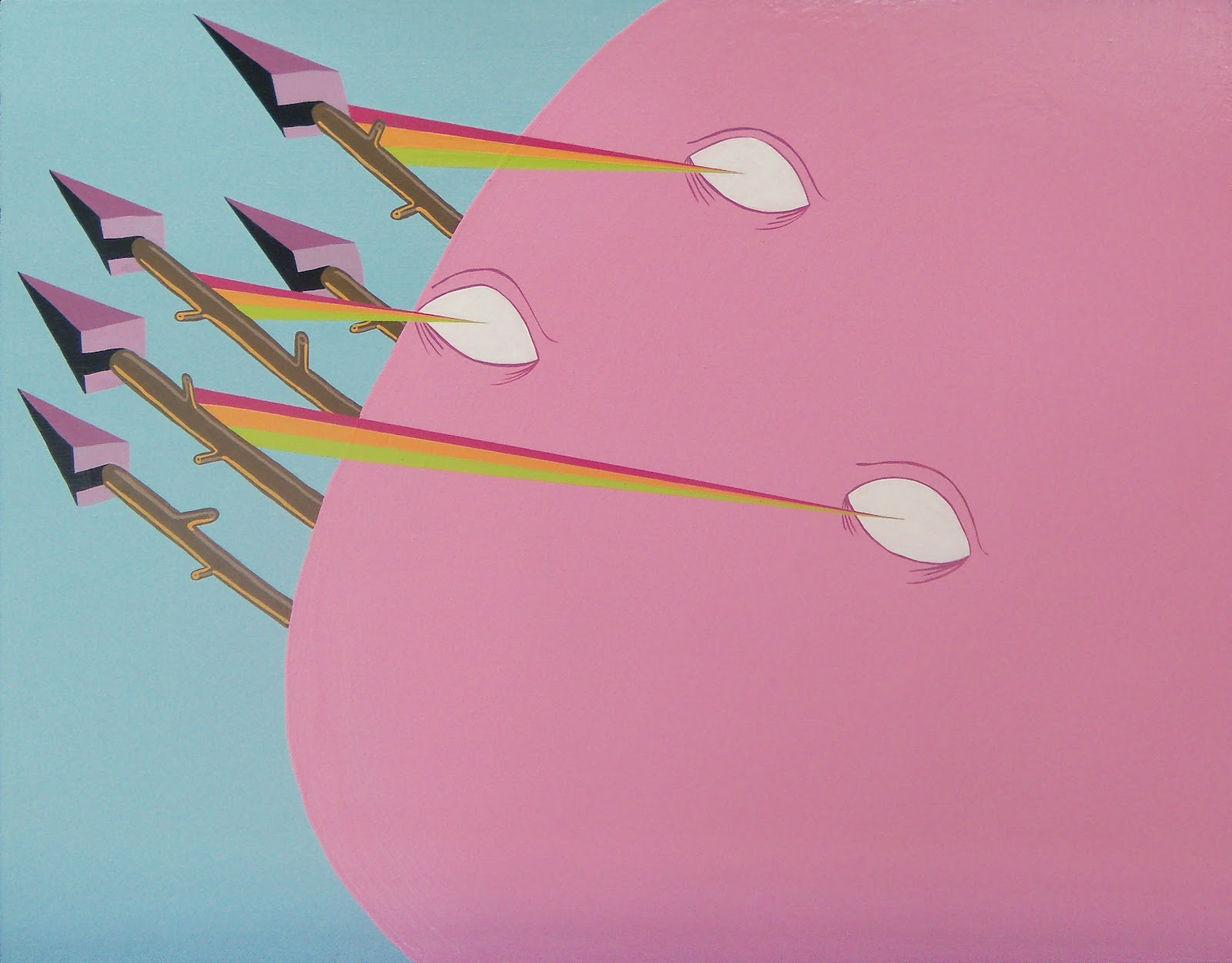
By Maxwell Sebastian

Maxwell Sebastian 1

Maxwell Sebastian 2

Maxwell Sebastian 3

maxwell sebastian 4

Maxwell Sebastian no 5

Maxwell Sebastian no 6

DV IMAGE

OLYMPUS DIGITAL CAMERA

Maxwell Sebastian 9

Maxwell Sebastian 10

Maxwell Sebastian 11

Maxwell Sebastian 12

Maxwell Sebastian 13

Maxwell Sebastian 14

Maxwell Sebastian 15

Maxwell Sebastian 16

Maxwell Sebastian 17

Maxwell Sebastian 18

Maxwell Sebastian
Maxwell Sebastian was born in 1979 in Atlanta GA. He spent his early years in the metro Atlanta area, but moved and spent his teens and early 20’s in Philadelphia, PA. 2002-2003 brought him back to Atlanta. He’s a self-taught artist and has been exhibiting since 2000-20001. Check out more of his work at his website.

everytime i write i feel myself disintegrate

By Daniel Boscaljon
Images by Melissa D. Johnston

“everytime i write i feel myself disintegrate” is the first letter in a series of posts called Letters to You written by Daniel Boscaljon. His writing is joined by images from an ongoing project by Melissa D. Johnston that incorporates similar themes from a different perspective. We hope the two create an interesting dialogue for the reader/viewer.

rothko experiment B1.1.2a

i write to you here partly because i know that you will not read it.  you do not have the time to drown in my oceans of words, to work through the sentences and sentiments that i wish to put forth.  i write, nonetheless, in the hopes that perhaps others will benefit from the words meant for you.  these words are all my flesh made text: each time i think about you it is almost always in the words i wish i was speaking or writing, words that i want for you to hear or see or feel.  i want my words, like my hands, to be able to touch you: i write despite knowing that they do not and cannot.  i open my veins and watch the words spilling out onto the screen, pouring from my heart, pumping outward, showing up in so many fragments.  words and spaces, black pixels separated by white spaces all so someday when you have the time and emotional energy i can attest to the fact that i never left you behind but was waiting to do anything i could.  everytime i write i feel myself disintegrate from an illusory whole to a mass of differences and separations.  a text is not any sort of unity.  the words and worlds swirl out of me and i lose myself in them to find myself out of them, to show you who i am through them.  this is all that i can do.  i write my flesh made words: each is an opportunity for a certain sort of consummation, a meditating mastication, thoughts for you to chew through, food for thought.i want you to devour each of these as a message for you, to taste me through the bland universal medium of language, to see my fingerprints in the phrasing of every sentence and the choice of every word.  rothko experiment B1.1.2awhen you miss me, i want these here for you to find, to take comfort in, to relish, and to remember the times when conversations could be held face to face.  these words are mirrors: when empty, they reflect the emptiness within me.  when exhortations, they reflect the strength in which i long to hold you.  when full of laughter, they reflect the echoes of the joy you once introduced into my life–for nothing inside of me can any longer be separated from whom you have let me be.  these words and letters are my own private army, and i am their general: i command them and send them forth into the world on a mission to convey the message of love able to be seen and heard throughout the world.  their failure is a reflection of my failure.  it is possible that these words unread merely lie dormant, as a spy in an enemy nation, waiting for the right time to take charge and complete the message.  it is equally possible, however, that they are an army which will expire without the resources that you would bring to them, that unread they will be squandered, and that the corpses of the words will be found too late becoming only a curiosity to be enshrined for tourists within a museum.  rothko experiment B1.1.2aevery series of words and letters are an attempt to form a bridge to you: they are my workers which move from me into the abyss of silence, working their ways to find you in the hopes that they will connect.  i am rooted to a million bridges, spanning from my soul into nothing.  the bridges never close: my heart continues to love through them, despite the fact that they lead nowhere and into nothing, in the hope that someday all of the bridges will once more connect to you and we will once again become one.  what else can i do? i write here in a space that you cannot see, in a medium that can be destroyed, with anonymous words that can be lost and misconstrued.  i write for a you who does not currently exist: each message is a message from who i was in the past to someone i hope to find again in the future.  will you read this tomorrow?  next month?  in ten years?  when you read, will the bridges still return to me, or will they be magnificent edifices cutting through the nothing, supported by nothing on either side, hanging silently and orbiting in the vast void which has become our lives?  i cannot know.  i merely trust, and write. i am the words that i write, and i can do nothing else.  this is all i have.  you read all that i am, stripped naked before.  vulnerable.  and now what will you do?

rothko experiment B1.1.2a

Daniel Boscaljon has Ph.D.s in Modern Religious Thought and 19th-century American Literature, both from the University of Iowa. His interest is in the fragility and liminality of human experiences. His first book, Vigilant Faith: Passionate Agnosticism in the Secular World will be published by the University of Virginia Press this August.

Modified Reality

by Franck Balestracci

Franck Balestracci-Collage 01

Franck Balestracci-Collage 02

Franck Balestracci-Collage 03

Franck Balestracci-Collage 04

Franck Balestracci-Collage 05

Franck Balestracci-Collage 06

Franck Balestracci-Collage 07

Franck Balestracci-FB Collage

Franck Balestracci  Avatar

Artist: Franck Balestracci

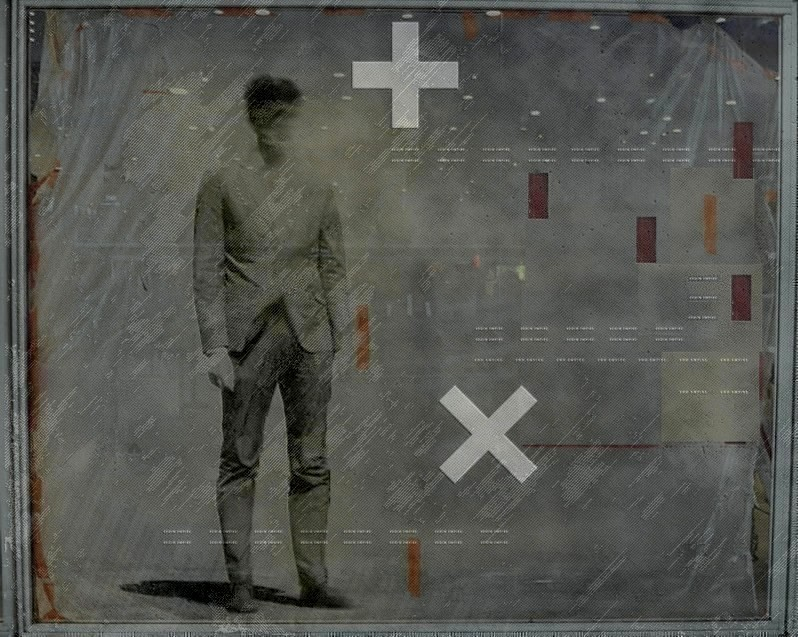
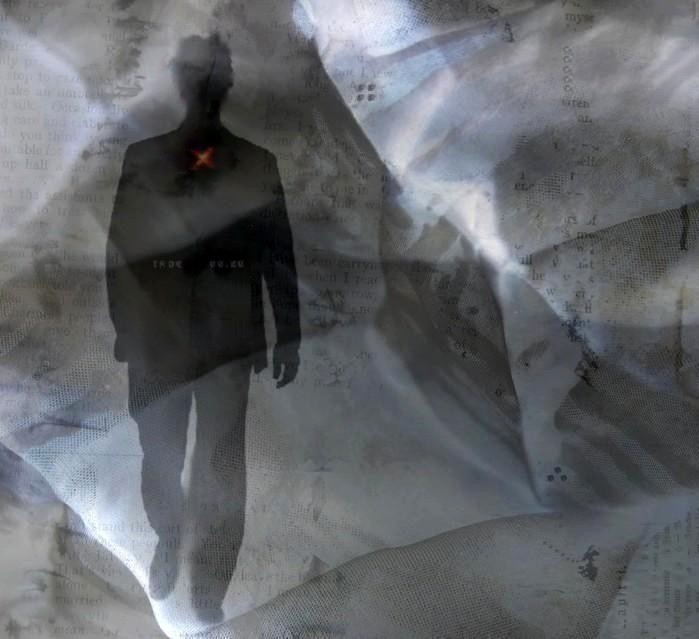
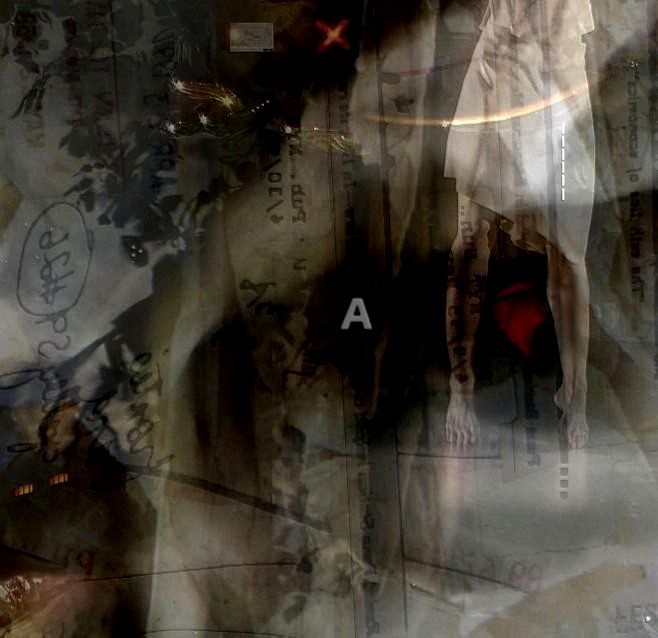
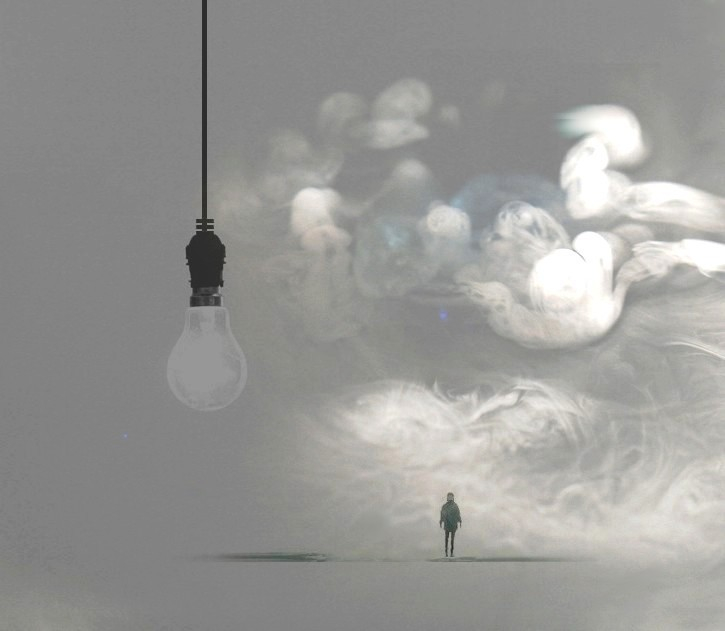
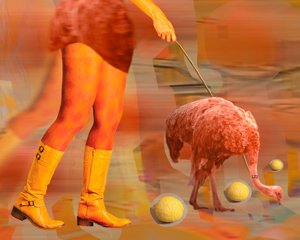
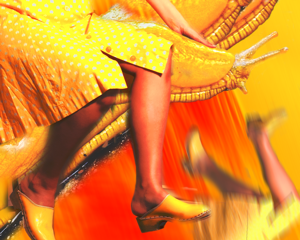
I am a French musician and composer. My music is an itinerary, an invitation into my world perception, my relation to things, to beings etc. In my pictures (digital collages), indirect, transformed, I try to translate modified realities as furtive snapshots. I’ve always incorporated the association and interaction of sound arts with visual arts in my concepts. Each of these visual “samples” is the expression of a view of what surrounds us.

Web Sites:
http://www.franck-balestracci.fr.nf

http://www.franck-balestracci.infos.st

Uncharted Territory

by Julie L. Sims

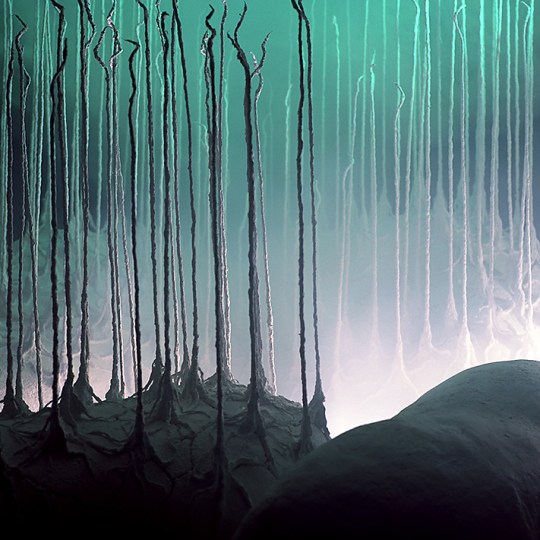
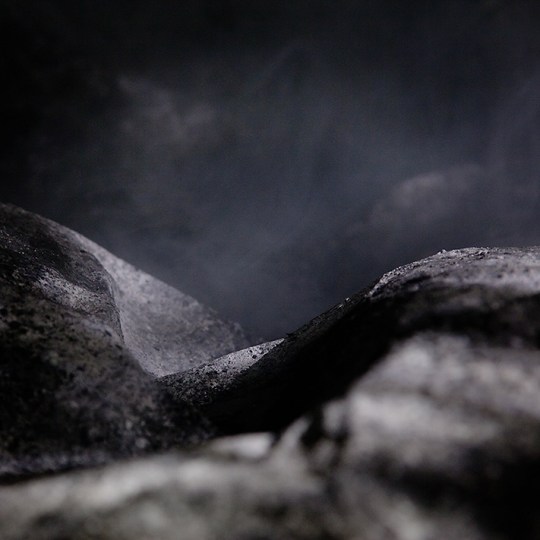
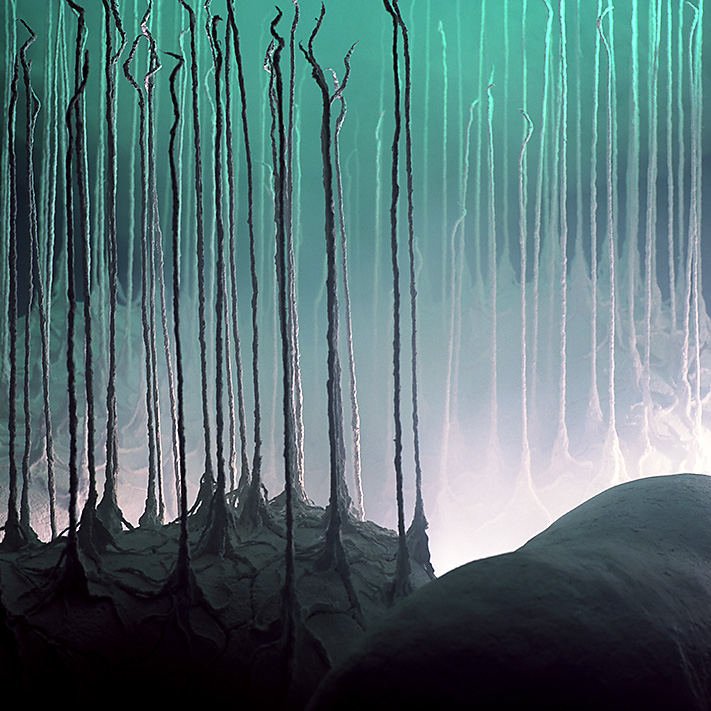
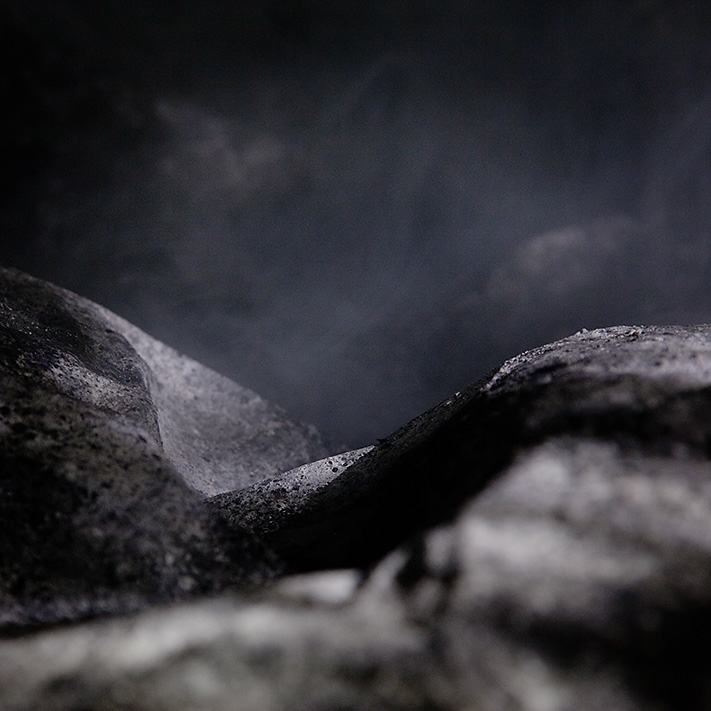
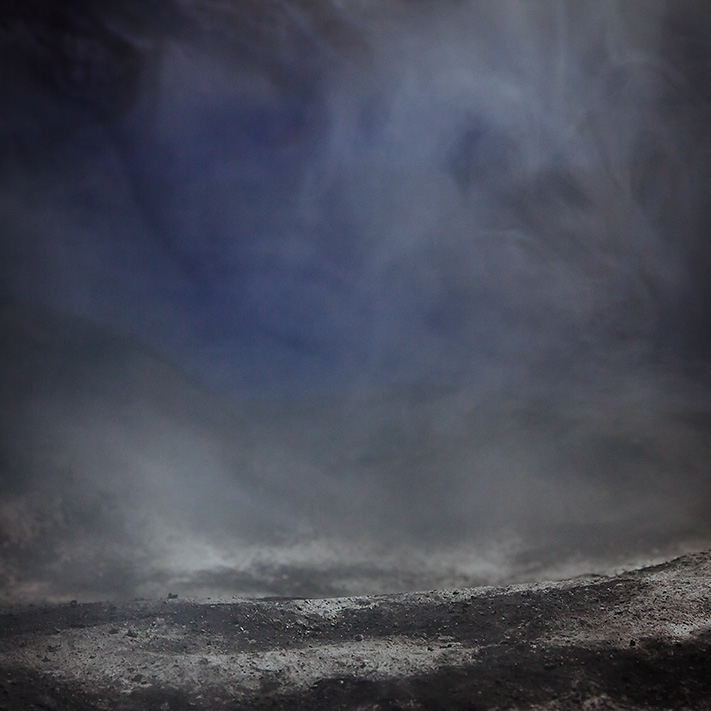
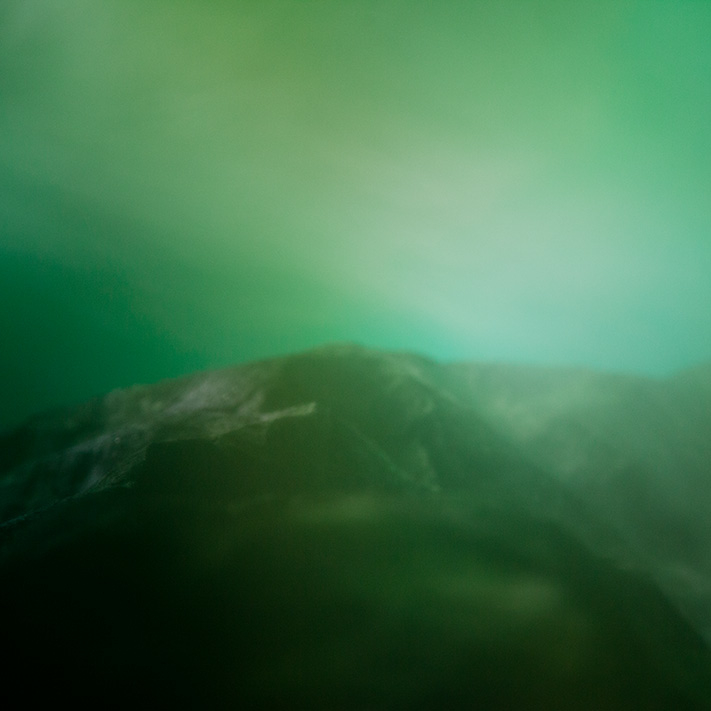
My series, Uncharted Territory: Anatomy of a Natural Disaster, is about how our internal landscape is often subject to the same kind of cracks, shifts, and fractures that make up the natural processes of the physical world.

The World Health Organization estimates that by 2020 mental health issues will be the second leading cause of lost life productivity, with one in four people affected in their lifetime. Society is heading toward a mental health crisis that no one wants to acknowledge, because those who suffer feel responsible for doing so, as though it is a personal failing instead of a medical condition. But are you at fault if the ground falls out from underneath your home? No one can exert force of will over force of nature. When disaster strikes we hang on as best we can, and rebuild when we can stand back up again. Everyone comes together to help those who need it. The parallel drawn by this series highlights my hope for a similar approach to our psychological space.

The idea for this work sprang out of my own struggles with anxiety and depression, and out of seeing so many of my friends have similar struggles. Everyone I have known who has gone through this felt as though they should’ve somehow been able to overcome it on their own, and as though they were somehow weak and defective for not being able to. I wanted to say this to them, and to myself, and to every other person who had experienced these feelings: it’s not your fault. You are not weak or defective, you are experiencing a natural disaster; don’t be afraid to reach out and ask for help. I also hope it will help those who haven’t personally experienced these illnesses to understand the need for support and compassion when their friends and loved ones suffer.

The scenes are sculptures created in my studio out of wire mesh, plaster, paper, and other elements. I use lighting gels, fog machines, and various kinds of gobos both found and made to alter the light, as well as overhead projectors and printed transparency material to create different effects. I am constantly moving the camera, moving scene elements around in relation to one another, and changing the light. It has been said that photography is the relation between light, the subject, and the camera. I try to keep all three in flux at all times, because that is where the unpredictable magic happens. I perform only minimal digital post-processing on these—there is no Photoshop involved in creating the visual effects. When I first began the series I was shooting on medium format film and doing my own printing, but my darkroom access has changed since then, and I now shoot digitally and send files out for printing.

I began this series in 2009, and have been working on it off and on ever since. I’ve created three different “landscapes” for it that comprise the images now in the series, and I am in progress with additional scenes and ideas which I plan to add to it. It is my hope to complete work on these this year, and finally call this series complete.

"Divergent Margin, Cingulate Cortex"

Divergent Margin, Cingulate Cortex

"Dendritic Clear-Cut, Limbic Ridge"

Dendritic Clear-Cut, Limbic Ridge

Charred Slopes, Noradrenergic Pass
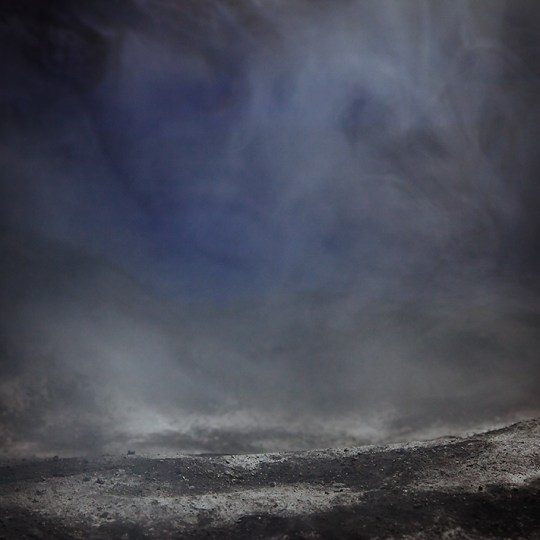
Charred Slopes, Noradrenergic Pass

Smoldering Basin, Locus Coeruleus
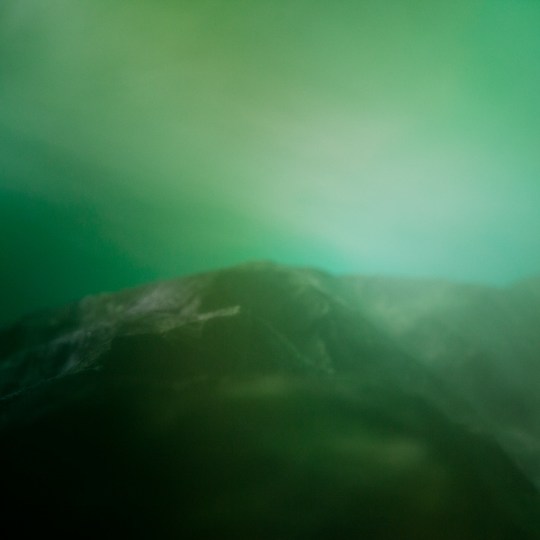
Smoldering Basin, Locus Coeruleus

Eddy Currents, Neurotrophic Plasma

Eddy Currents, Neurotrophic Plasma

Born in Savannah, GA, Julie Sims is an Atlanta-area artist and photographer. She graduated summa cum laude with a BFA in photography from Georgia State University in 2009. Julie’s work has been shown around the southeast, and has appeared in various publications including the SPE’s Due South, and Possible Futures’ Noplaceness: Art in a Post-Urban Landscape. She was recently selected by the New York Times Lens blog to attend the New York Portfolio Review, and is currently a WonderRoot 2013–14 Walthall Fellow. Visit her website to see more of her work. Watch her her work in progress on Tumblr or follow her on Twitter.

The Reader- Visual Storytelling

by Jenny Wantuch

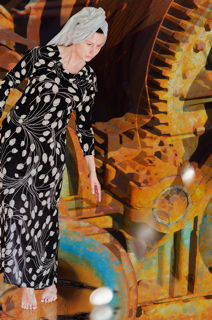
"The Walker" Digital Imaging, 2013

“The Walker” Digital Imaging, 2013

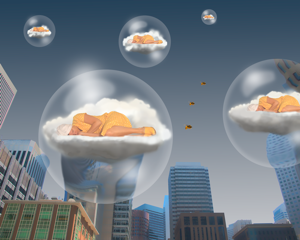
"The Dreamer I" Digital Imaging, 2013

“The Dreamer I” Digital Imaging, 2013

"The Seeker", Digital Imaging, 2013

“The Seeker”, Digital Imaging, 2013

"The Dreamer II" , Digital Imaging, 2013

“The Dreamer II” , Digital Imaging, 2013

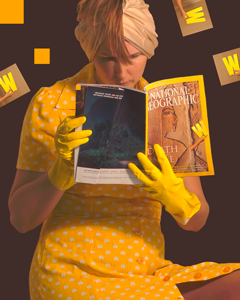
"The Reader" , Digital Imaging, 2013

“The Reader” , Digital Imaging, 2013

Jenny WantuchJenny M.L. Wantuch is an artist creating figurative art using traditional media as well as digital media. Inspired by the complexity and beauty of life and nature, and her own imagination, she enjoys exploring her inner and outer world.  In her art, she seeks to find visual harmony and yet allow dynamic movement.  Jenny was born and raised in Stockholm, Sweden.  From an early age, she loved to draw, paint and create stories. Her family has for generations worked as farmers, and since the 1600’s lived in the area around Uppsala. During her childhood in Sweden, Jenny spent most of her summers at the farm. She developed a deep interest and appreciation for the beauty of nature. Early influences were her grandfather, a storyteller and draftsman, her aunt, a portrait sculptor and painter, and both her grandmothers whose talents for various crafts seemed to be endless.
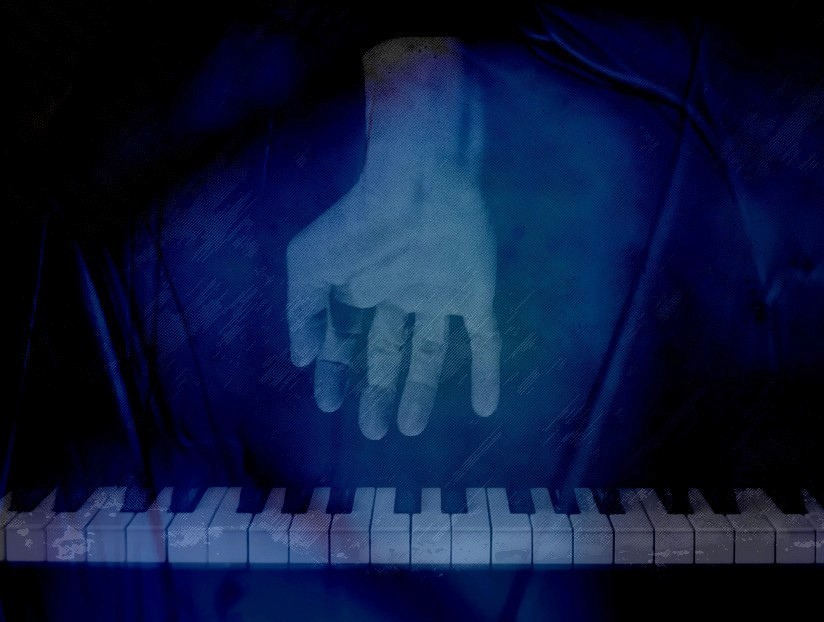
Jenny moved to Northern California in 2001. Jenny is a full time artist, working from her studio in Burlingame.  Jenny regularly exhibits her work in the San Francisco Bay Area. Her work has private collectors in USA and in Europe.

For more information please visit: http://jennywantuch.com. You can also follow Jenny on Twitter: https://twitter.com/JMLWantuchArt.

Safe as Houses

By Hilary Yarbrough

Pine--Hilary Yarbrough

Pine

Little Haus-Hilary Yarbrough

Little Haus

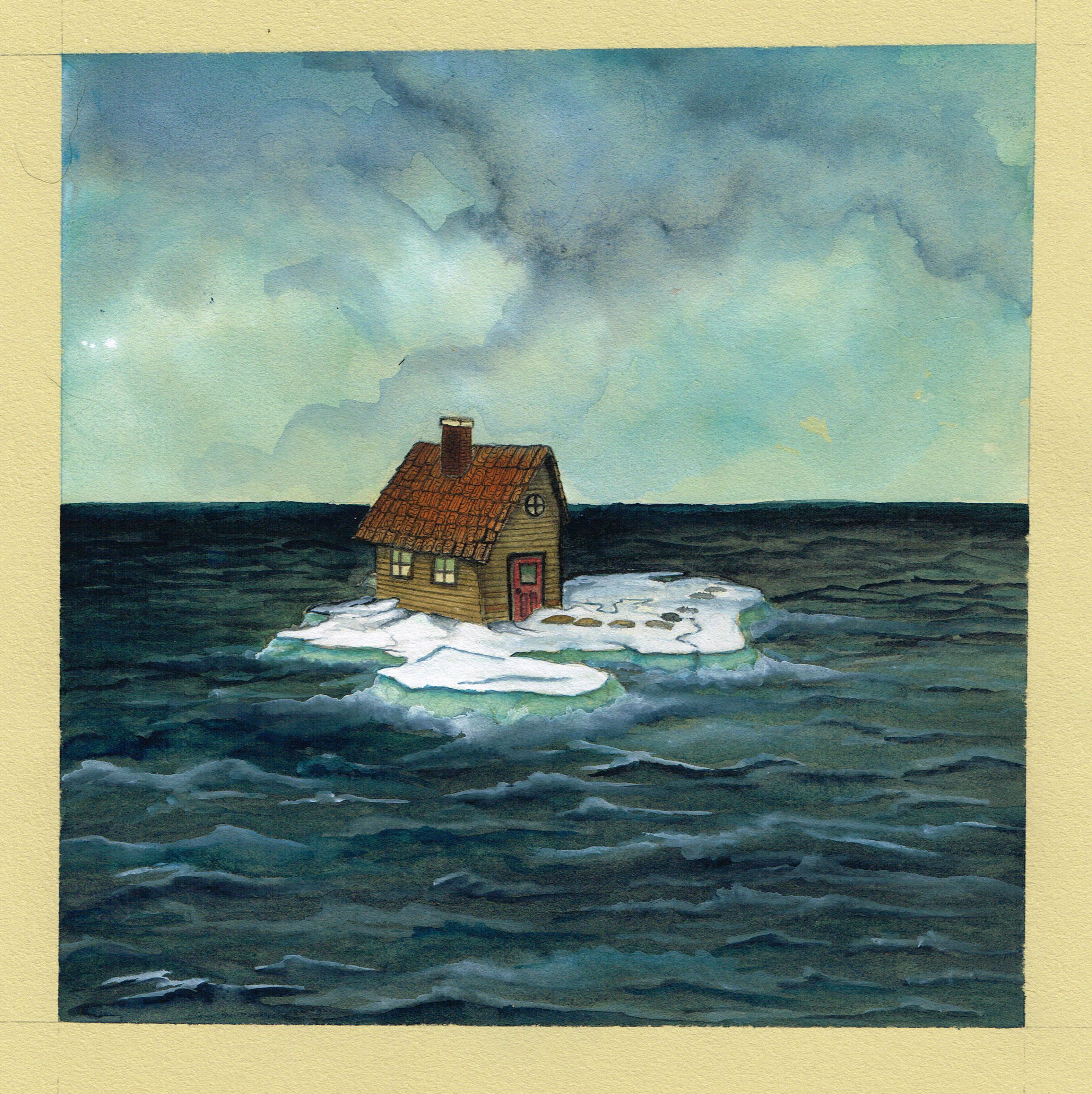
Hilary Yarbrough--Ice Floe

Ice Floe

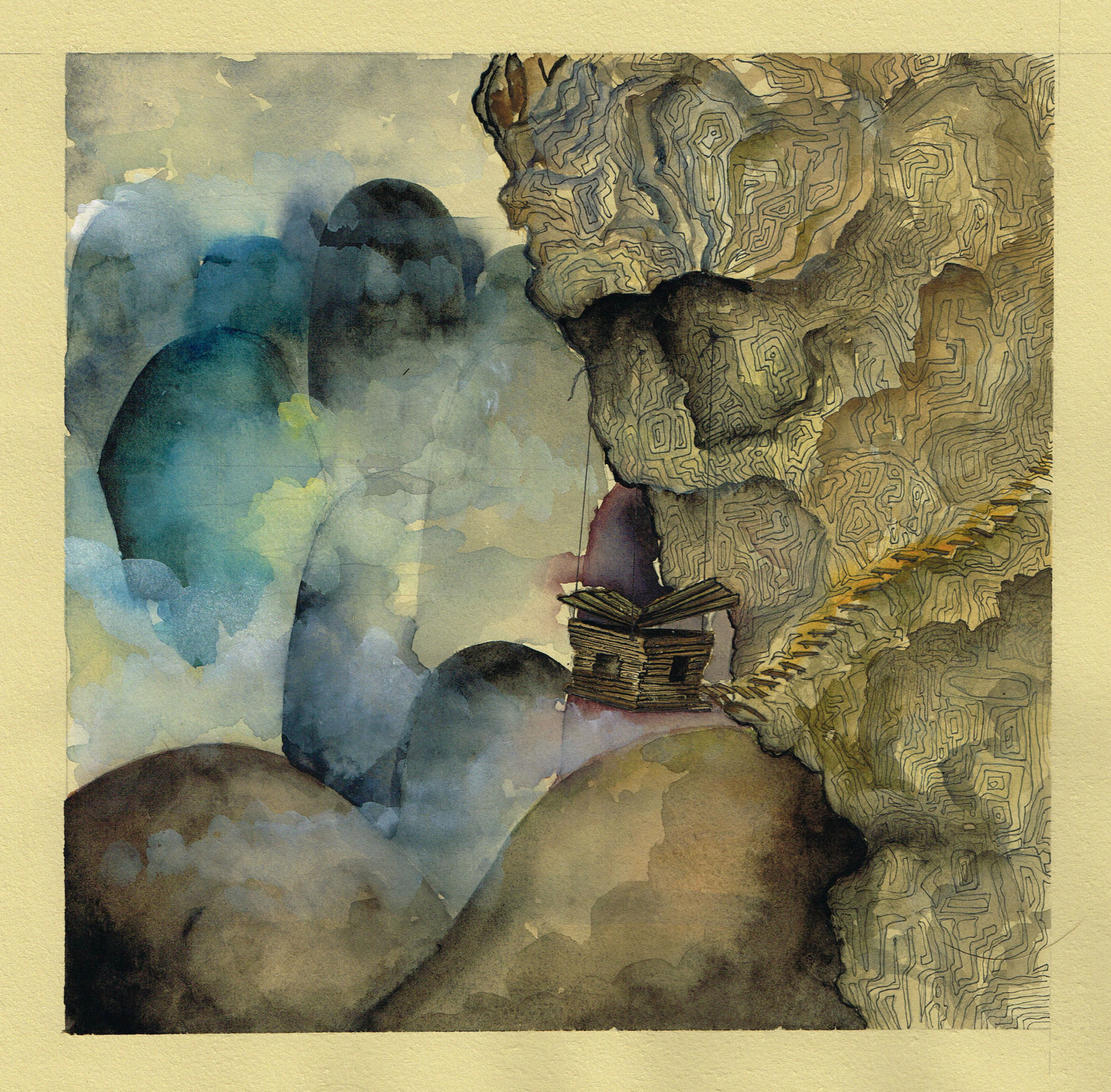
Hilary Yarbrough--Future Home

Future Home

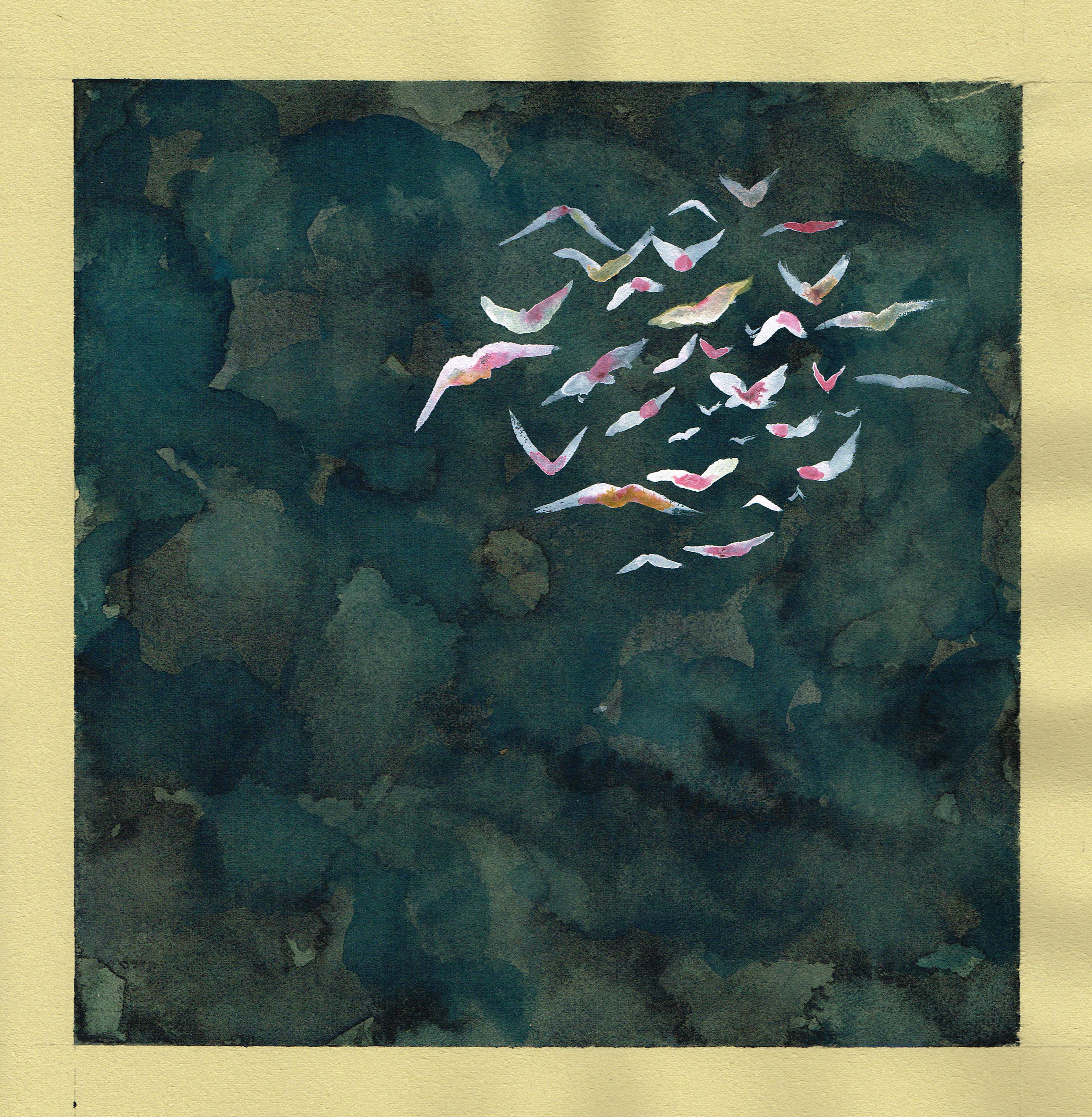
Birds--Hilary Yarbrough

Birds


Artist: Hilary Yarbrough Hilary Yarbrough
I began drawing at a young age as a way to break down what I was taking in and to understand every moving part. As an adult, I am still breaking the world down into pieces, as a means to stop it for a moment and give an image to every story. I am self-taught, and my favorite mediums are those which are more volatile–the watercolors and inks and gouaches–because they do what they want, as opposed to the final outcome being entirely in my hands. I try to be playful–if dark–when I paint, to lessen the weight of reality, but also to remind myself that I am small and everything is fine.

Check out more of Hilary’s work at Anti Illustrator.

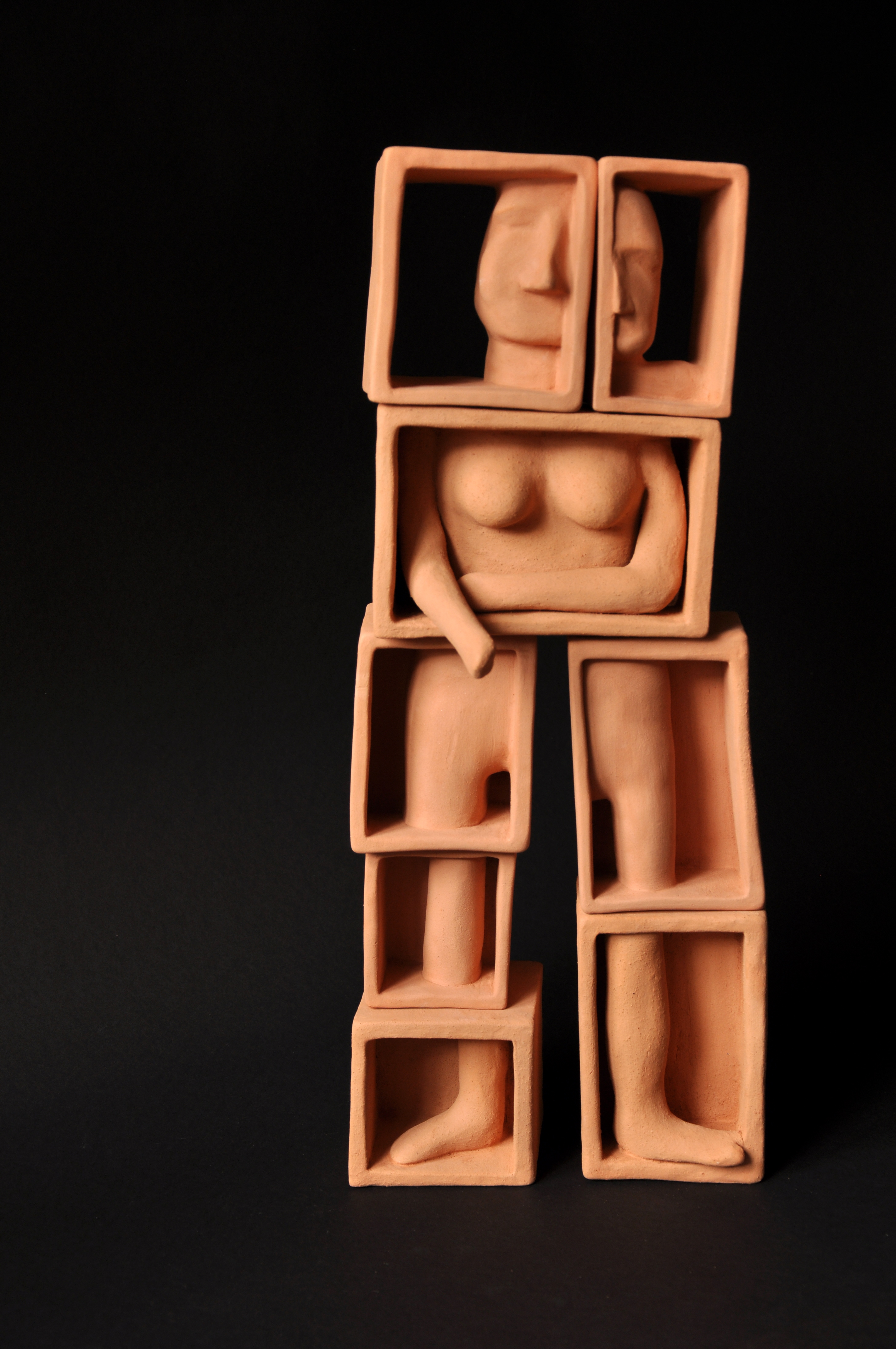
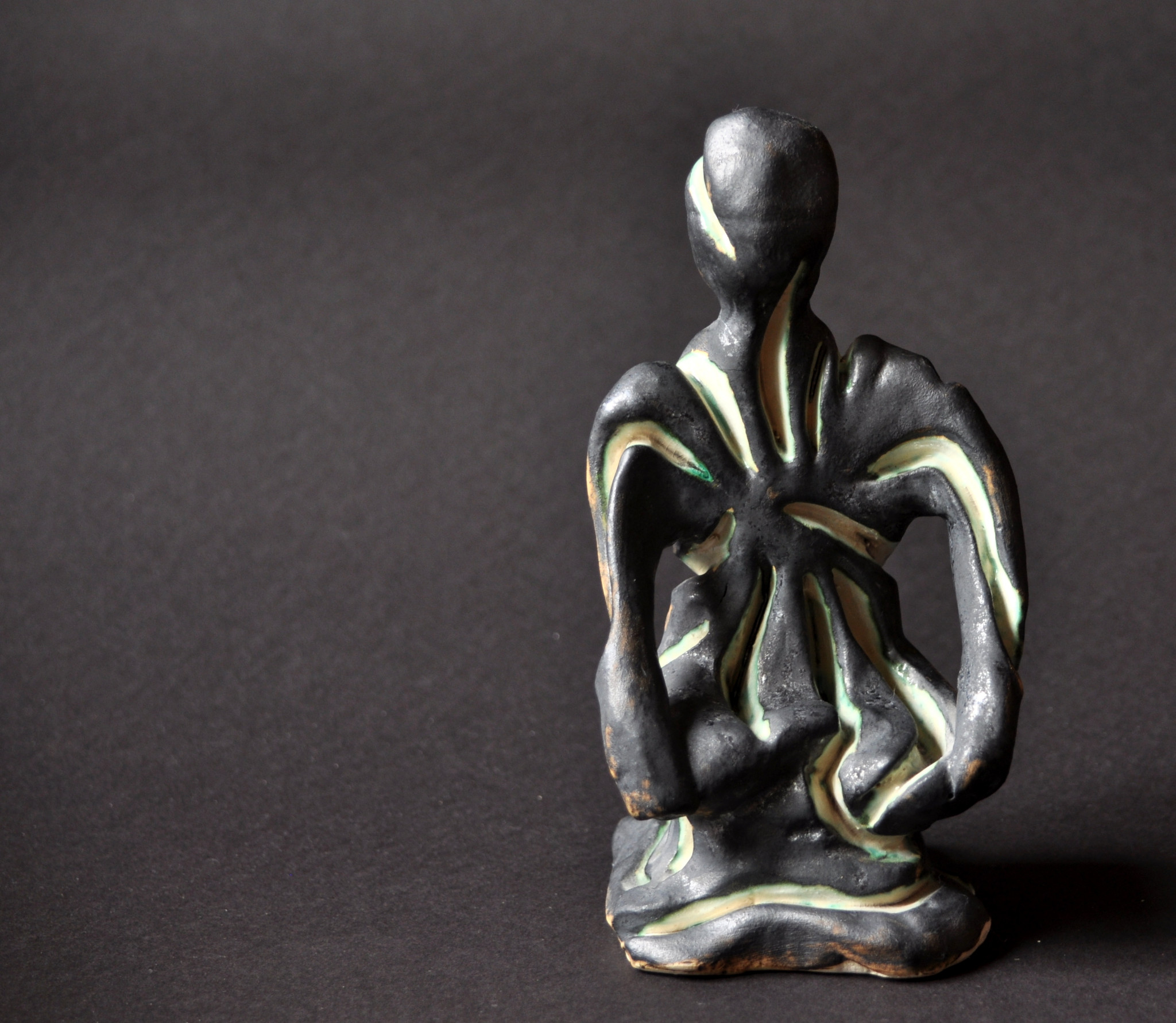
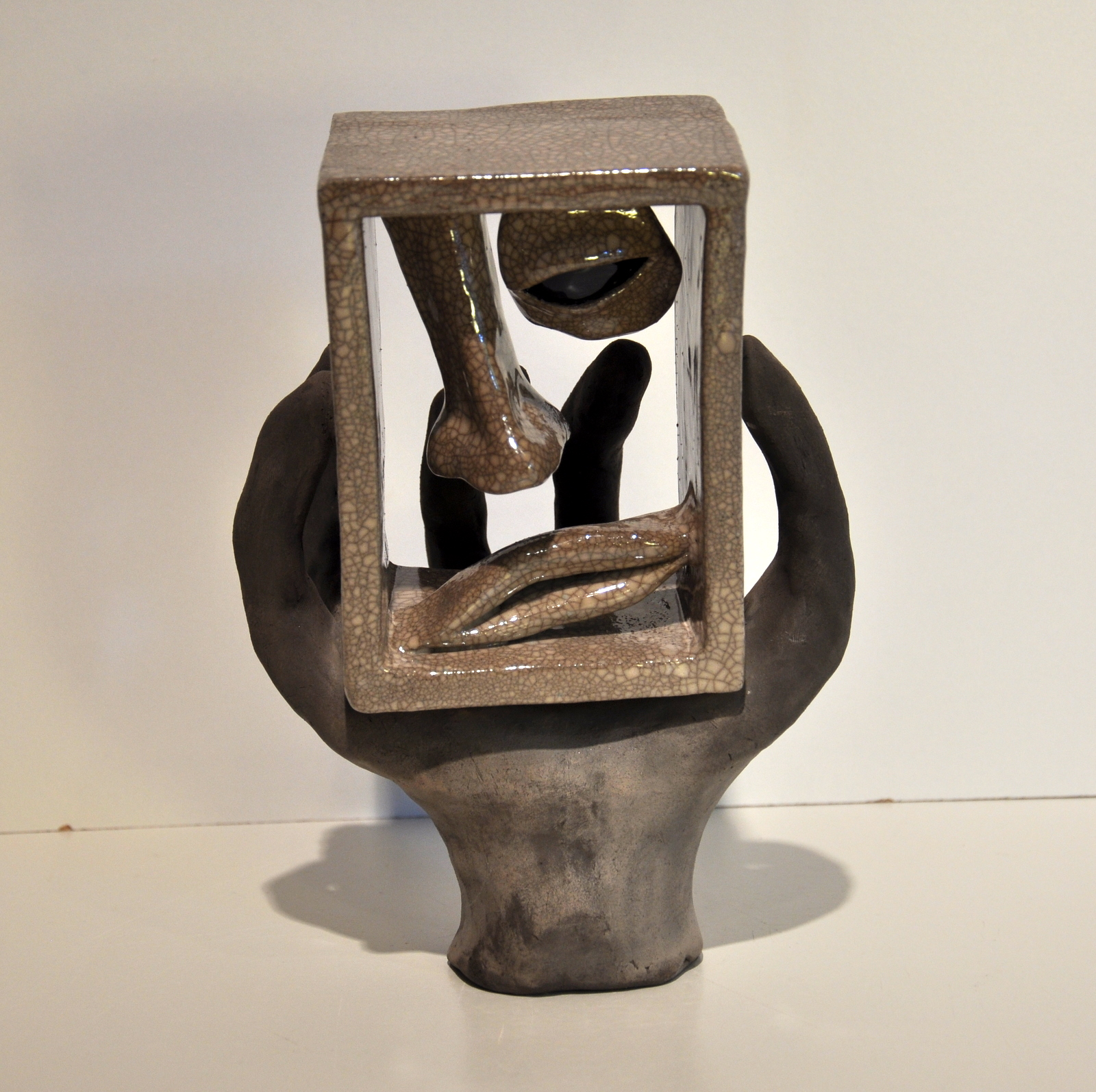
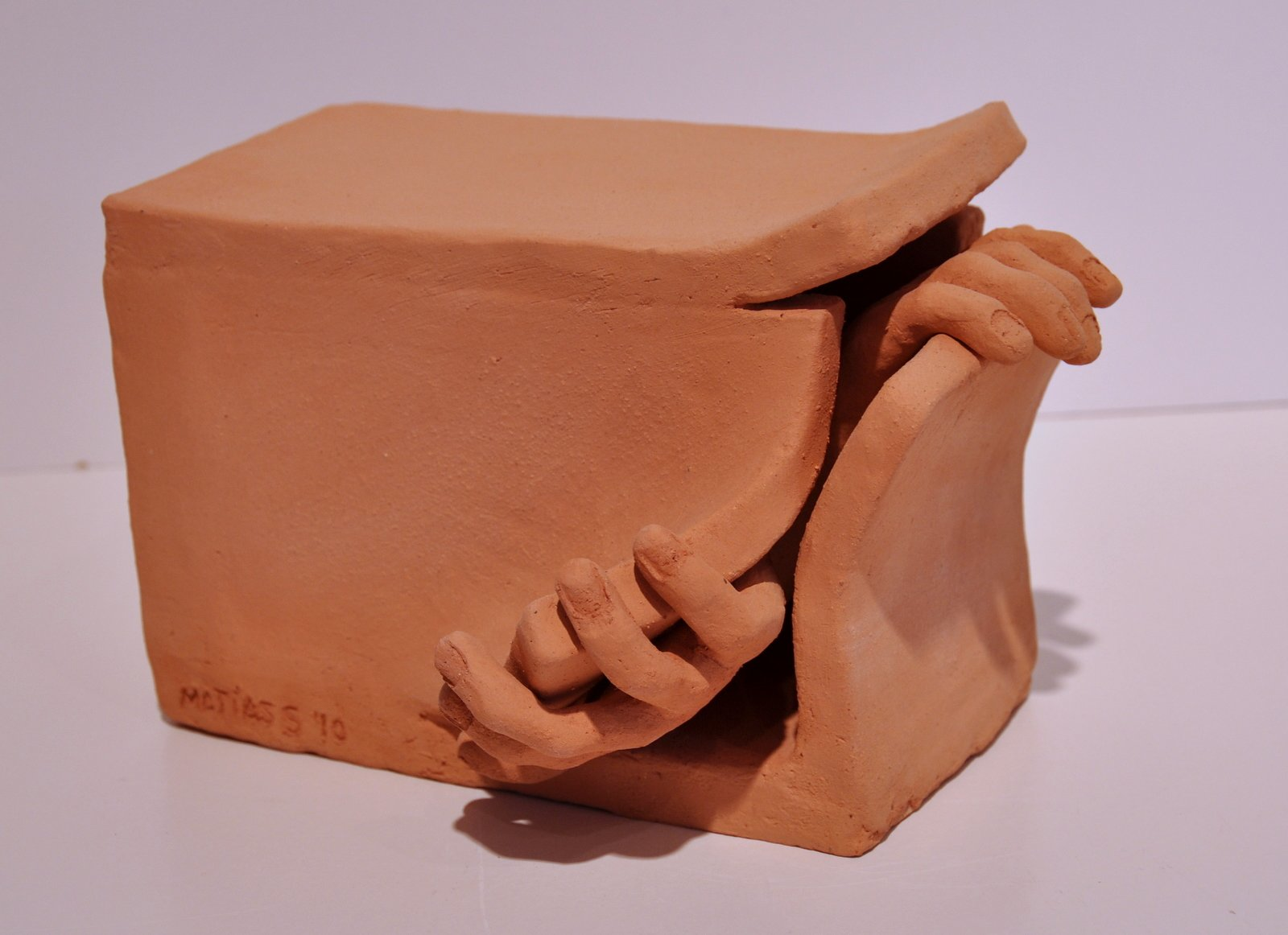
Sculpture by Matías Sierra

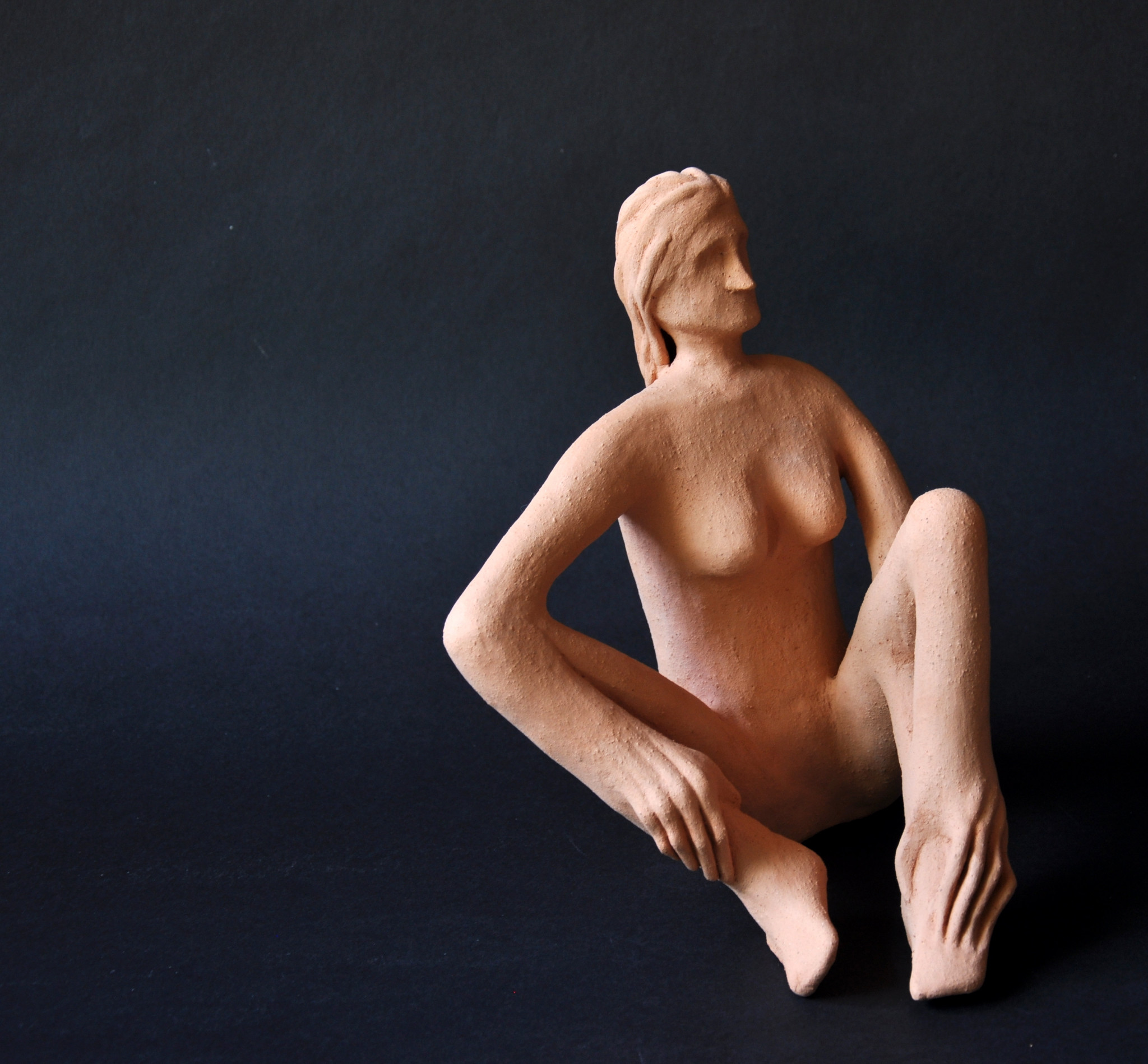
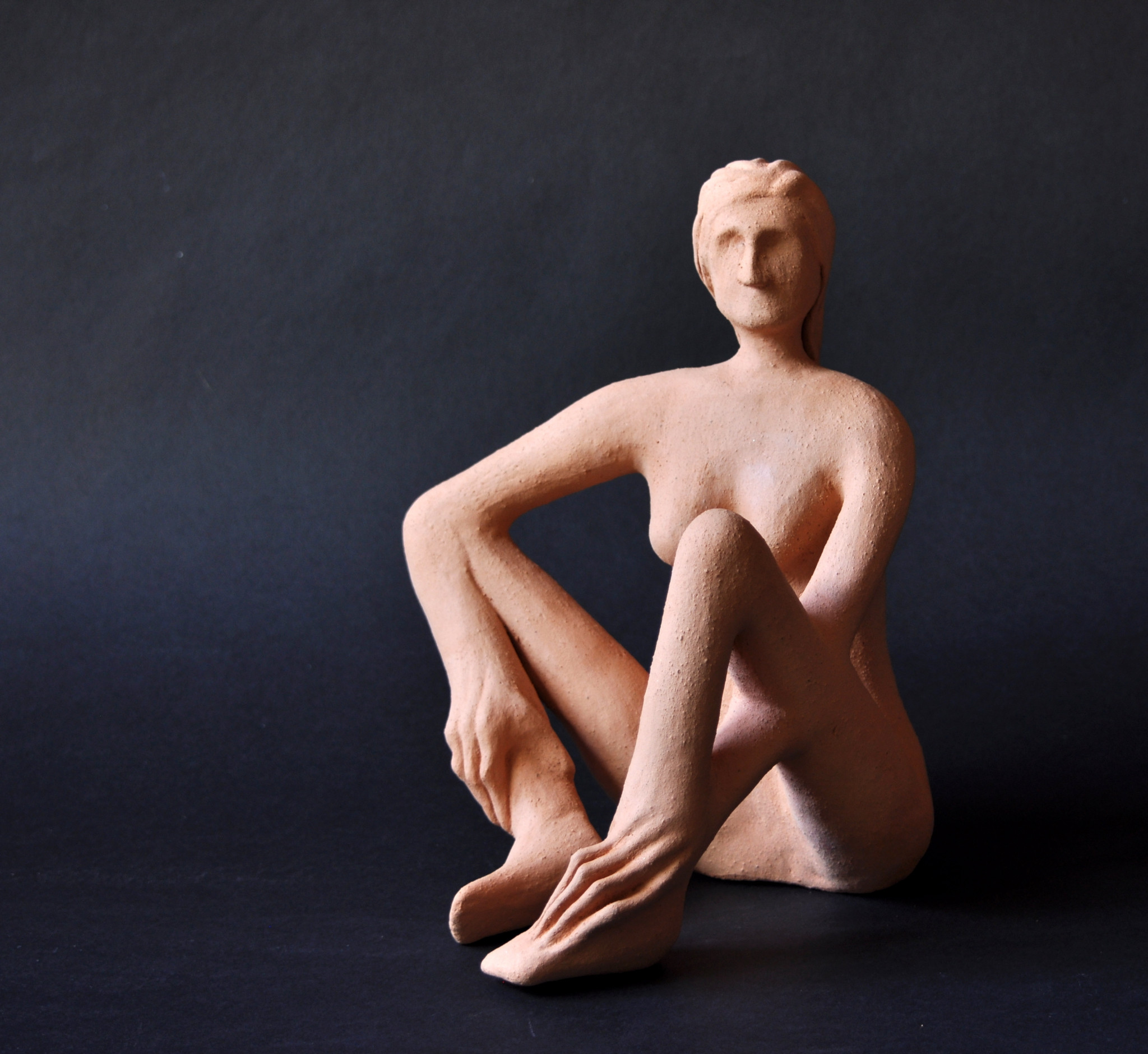
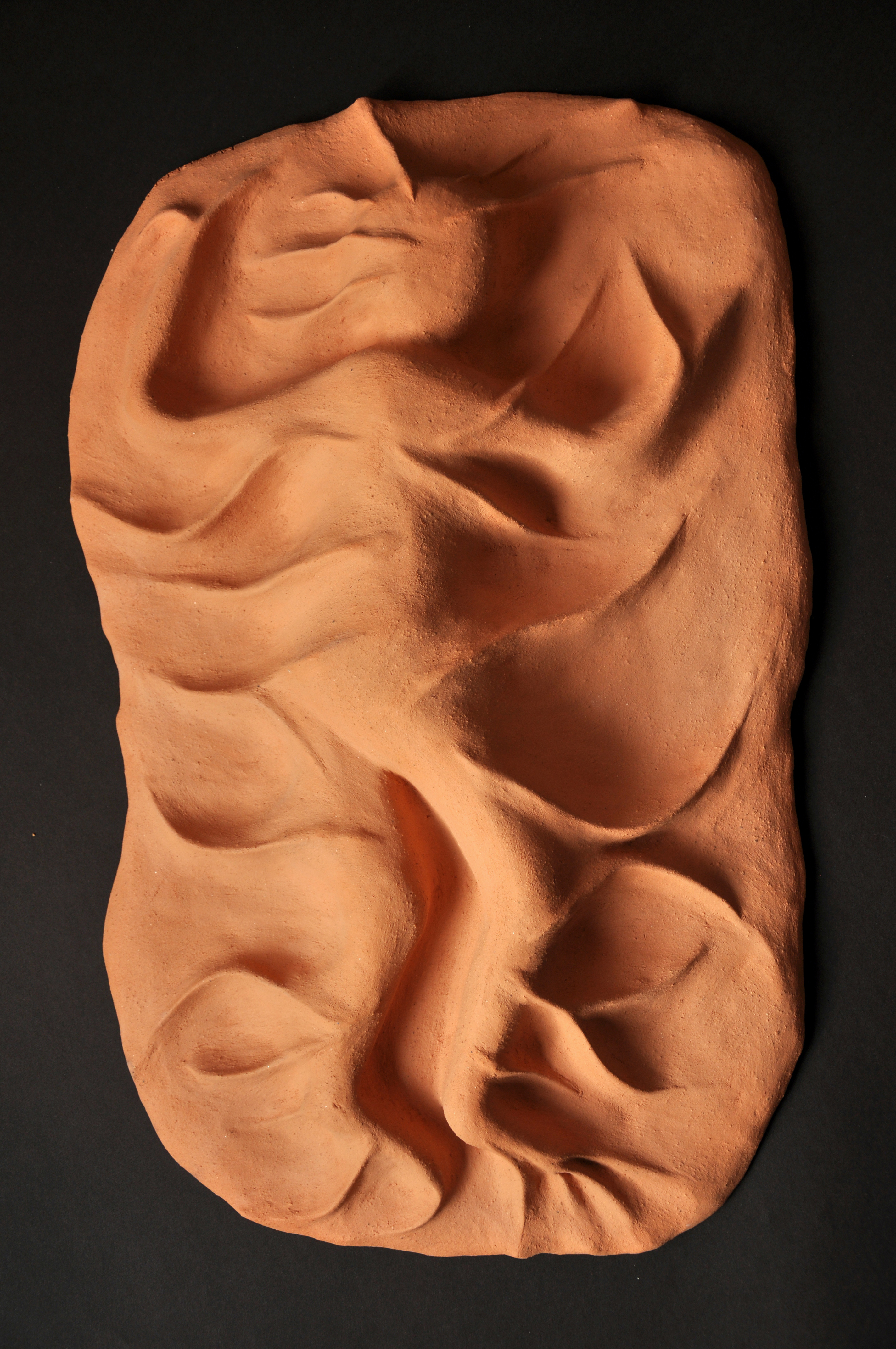
Untitled. Red Clay.

Untitled – Red clay

Untitled. Red Clay.

Untitled – Red clay

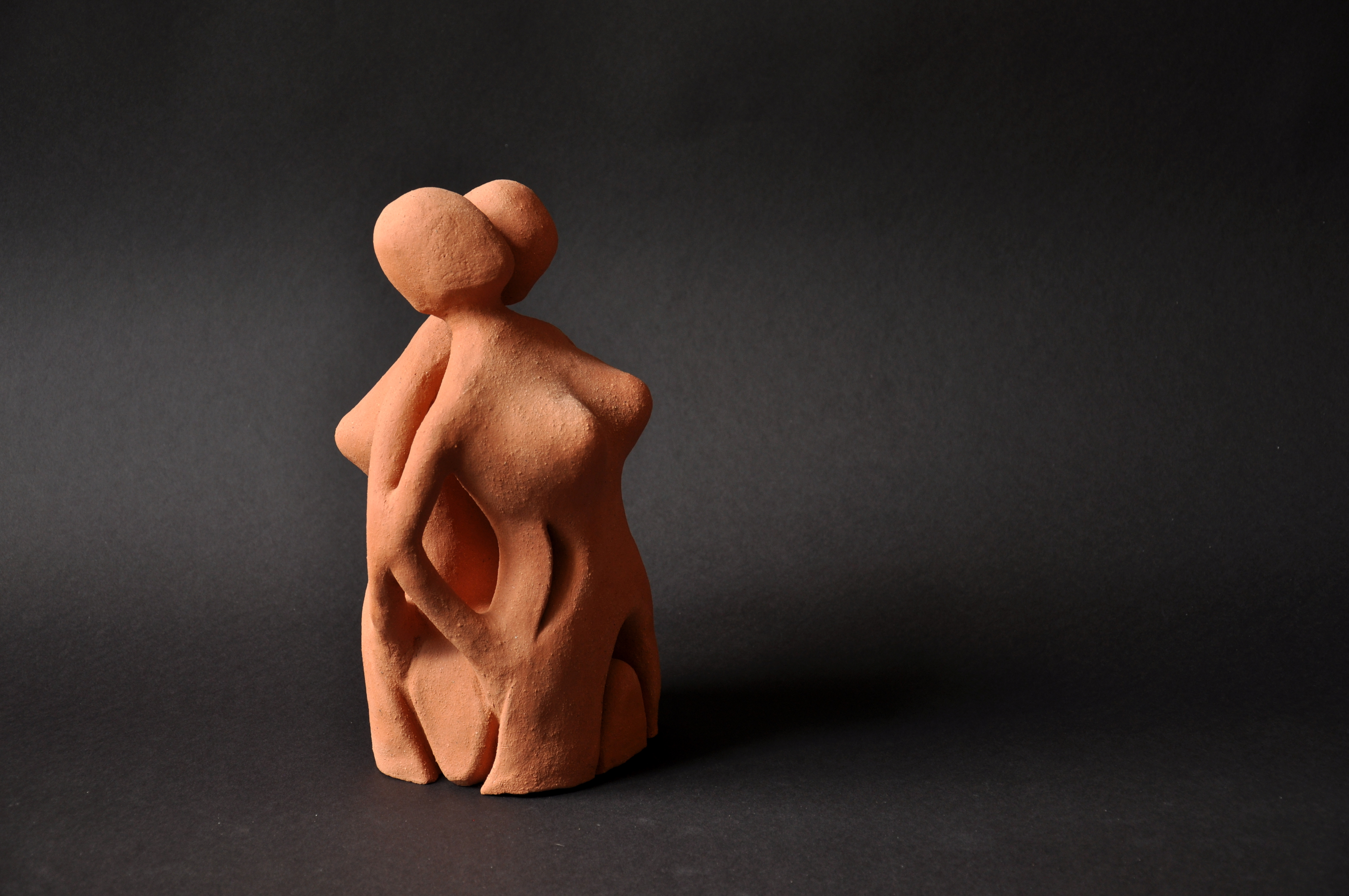
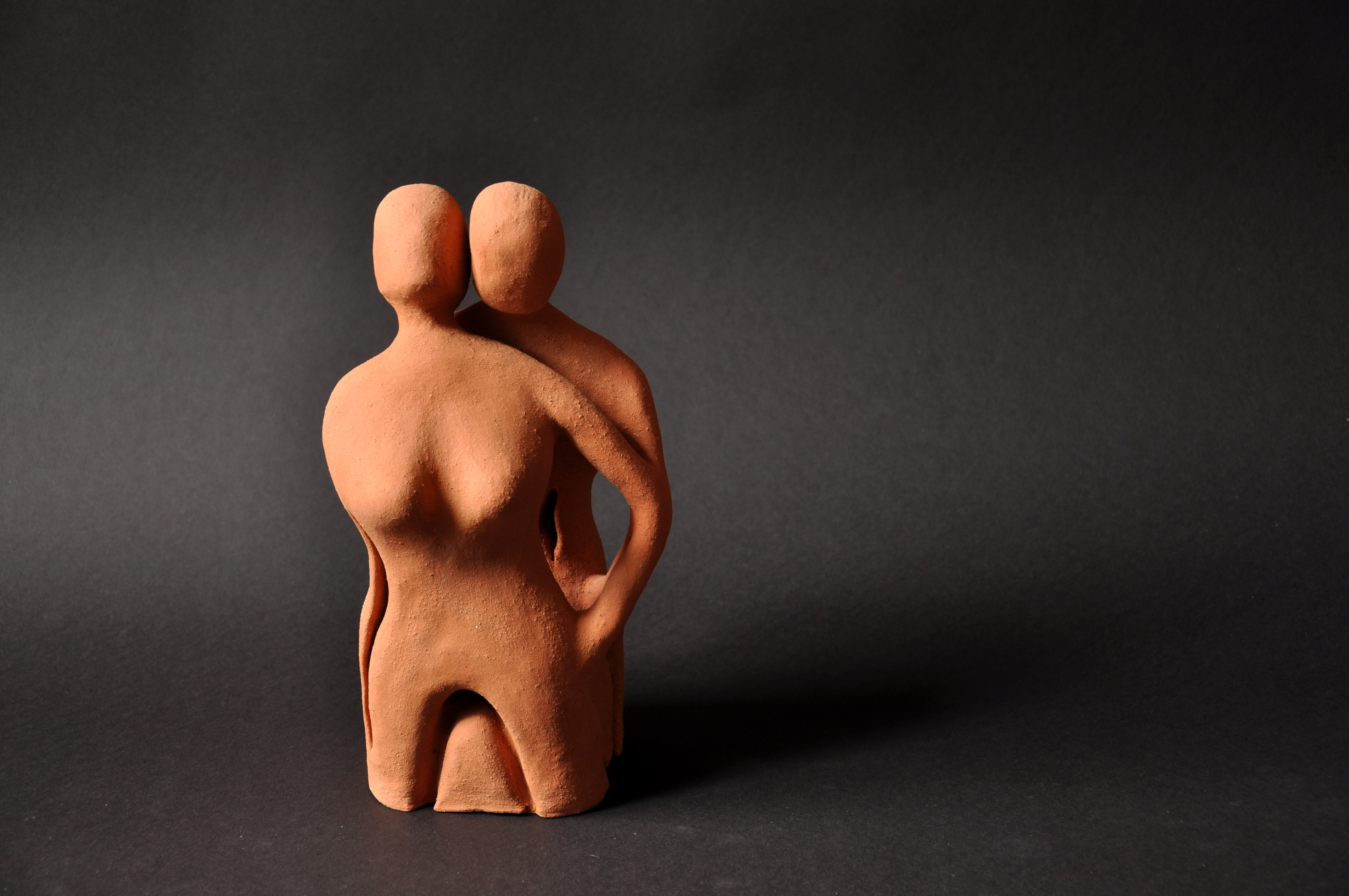
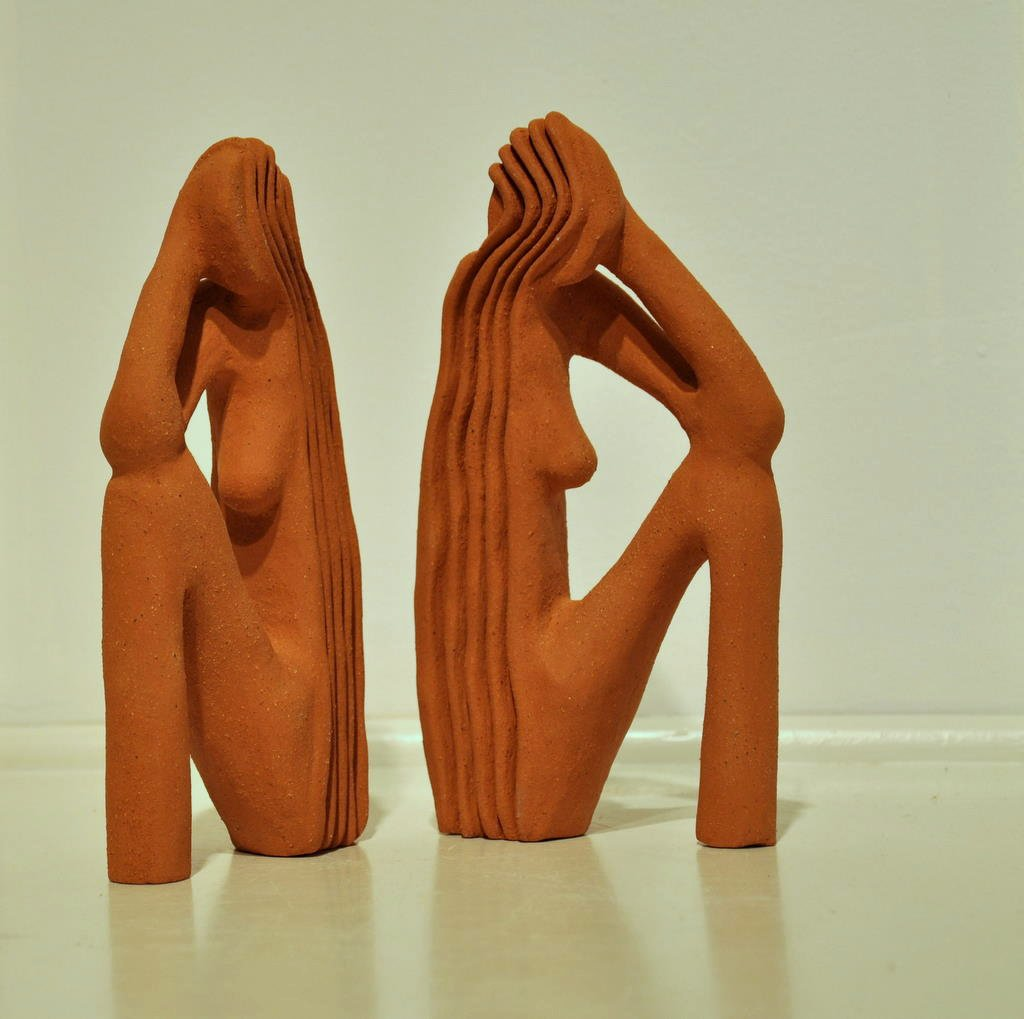
Sisters - Red Clay

Sisters – Red clay

Sisters - Red Clay

Sisters – Red clay

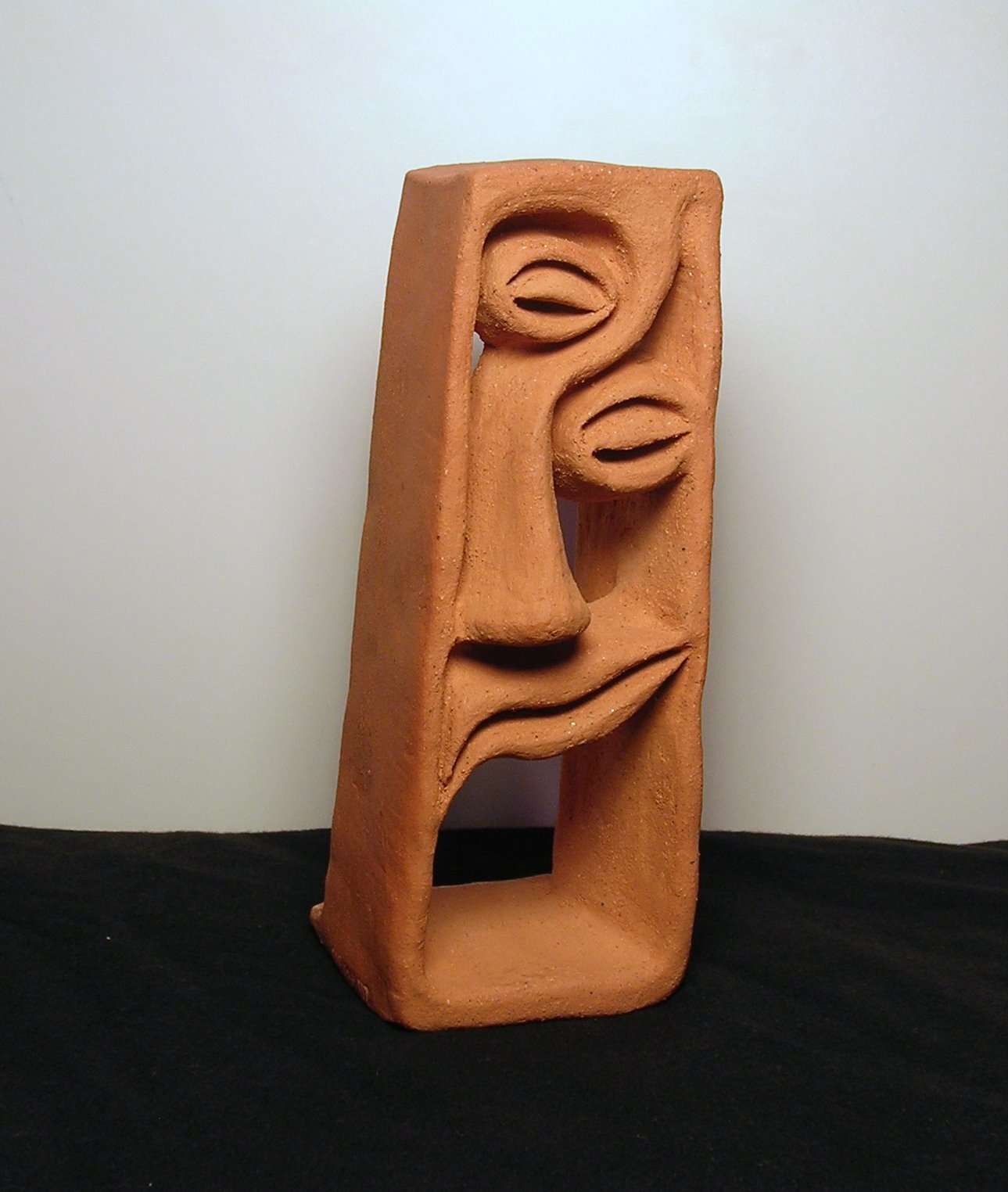
Stereotypes - Red Clay

Stereotypes – Red clay

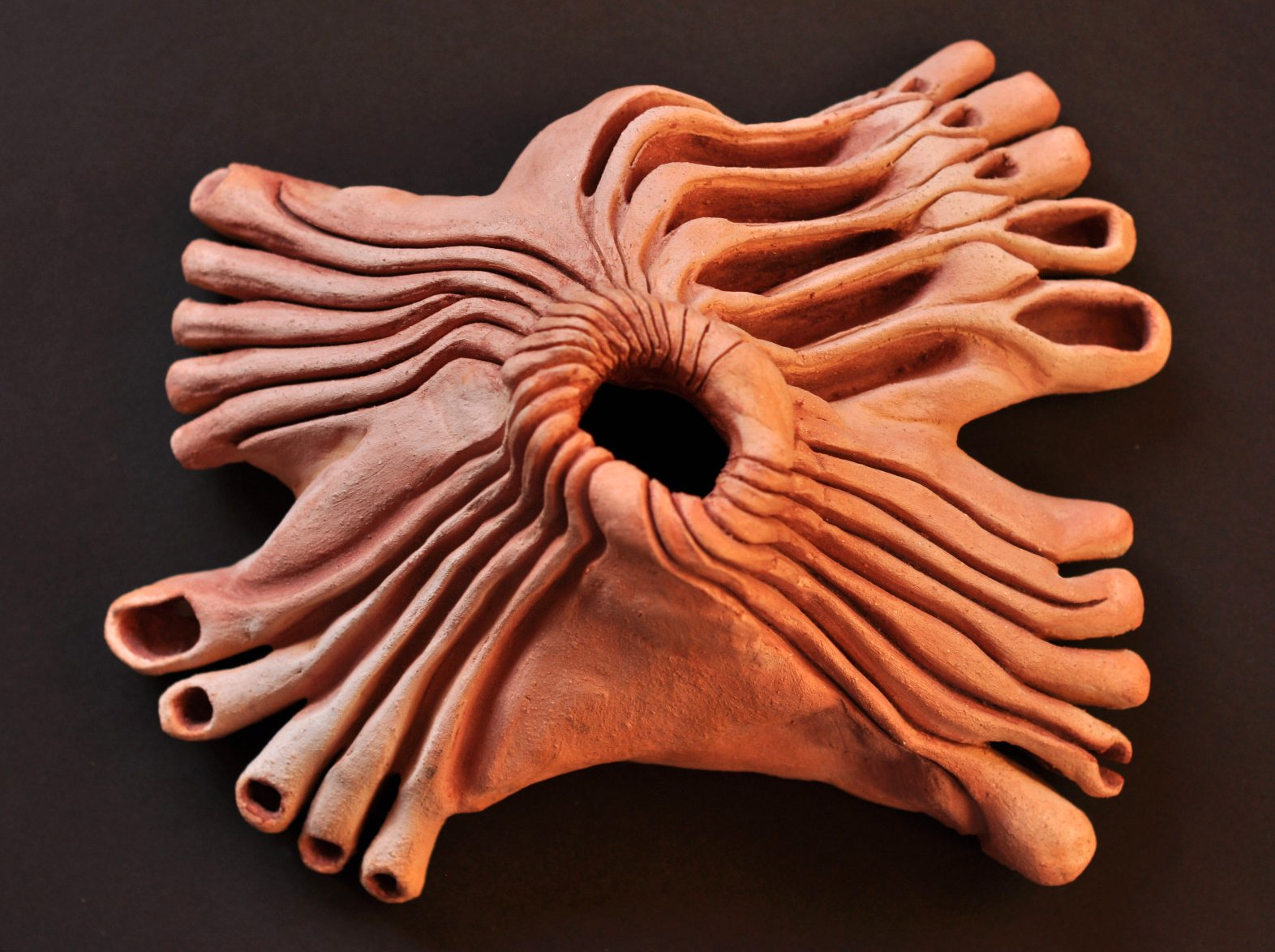
Las venas - Clay and glaze

Las venas – Clay and glaze

Puppet - Clay, glaze and smoke technique

Puppet – Clay, glaze and smoke technique

Untitled - Red Clay

Untitled – Red clay

Untitled - Red Clay

Untitled – Red clay

Hug my self - Red Clay

Hug my self – Red clay

My Memory of Siberia - Red Clay

My Memory of Siberia – Red clay

Fire - Red clay and wax

Fire – Red clay and wax

My brain, my cage - Red clay

My brain, my cage – Red clay

Untitled - Red clay

Untitled – Red clay

Artist: Matías Sierra

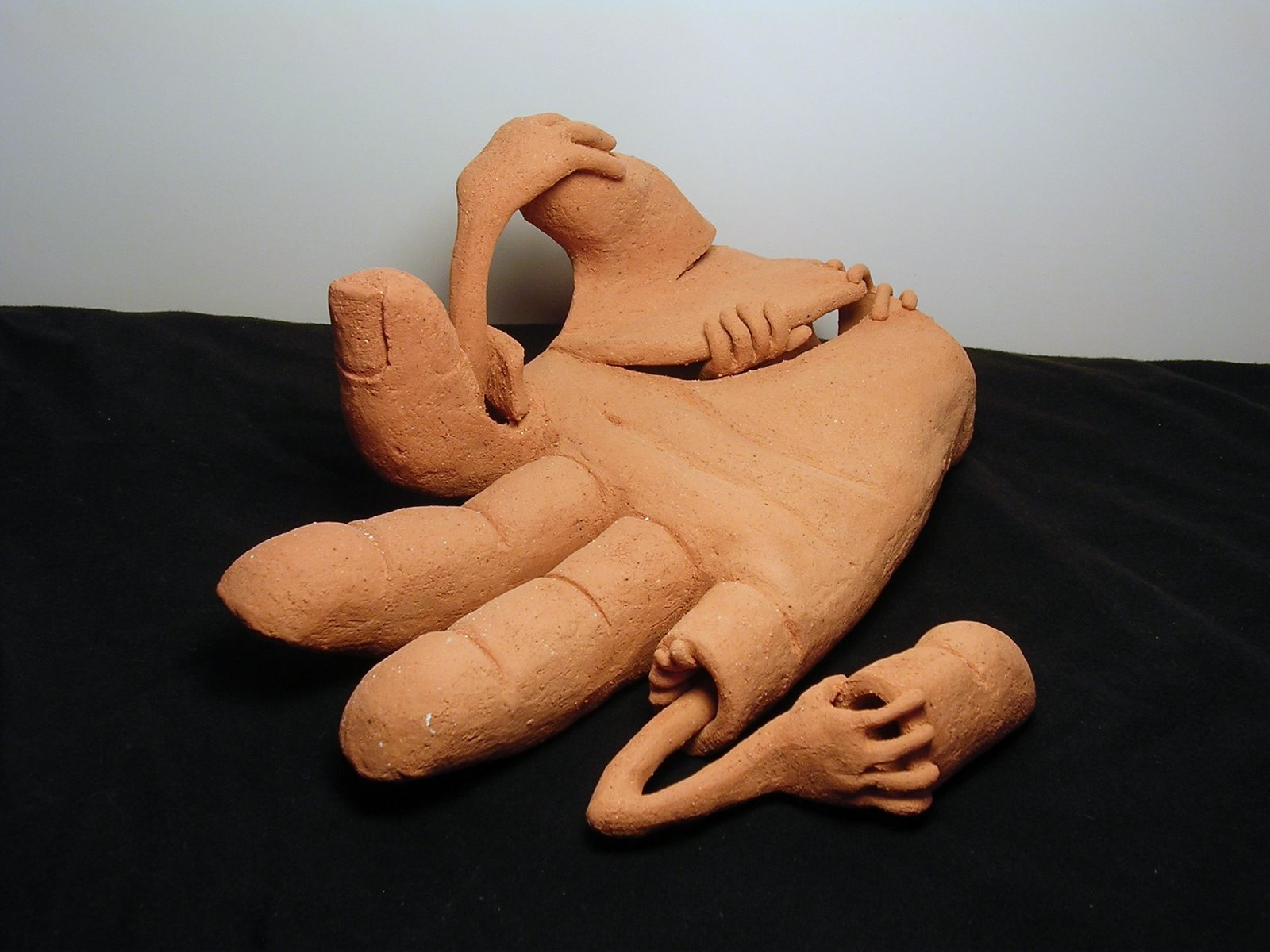
I was born in Argentina and my first contact with art was at school when I was six years old. At nine I began to work at an art studio with various media: paint, ink, charcoal, clay, etc. I developed a surreal style from the beginning. At thirteen or fourteen years old I worked almost exclusively with clay and I continue to do so. My artwork centers around the body and its parts. In several of my sculptures, the hands are the main subject. I can’t give a reason for this. People always ask me why and I never have a response. Some ideas for my work are born from my own life experience or feeling. Others are simple ideas.

For the past seven years, I have lived in Montreal, Canada, developing my artistic career. I did my first solo exhibition two years ago and two others with my studio colleagues. I am self-taught. I don’t have a background in art studies.

You can view more of Matías’s work at Devianart as well as his “Esculturas” and “Under the Skin” albums on Google+.  Contact him at matias.sierra@gmail.com.