Archive | Art RSS feed for this archive

Drawn Today, Gone Tomorrow

by Dawn Martin Dickins

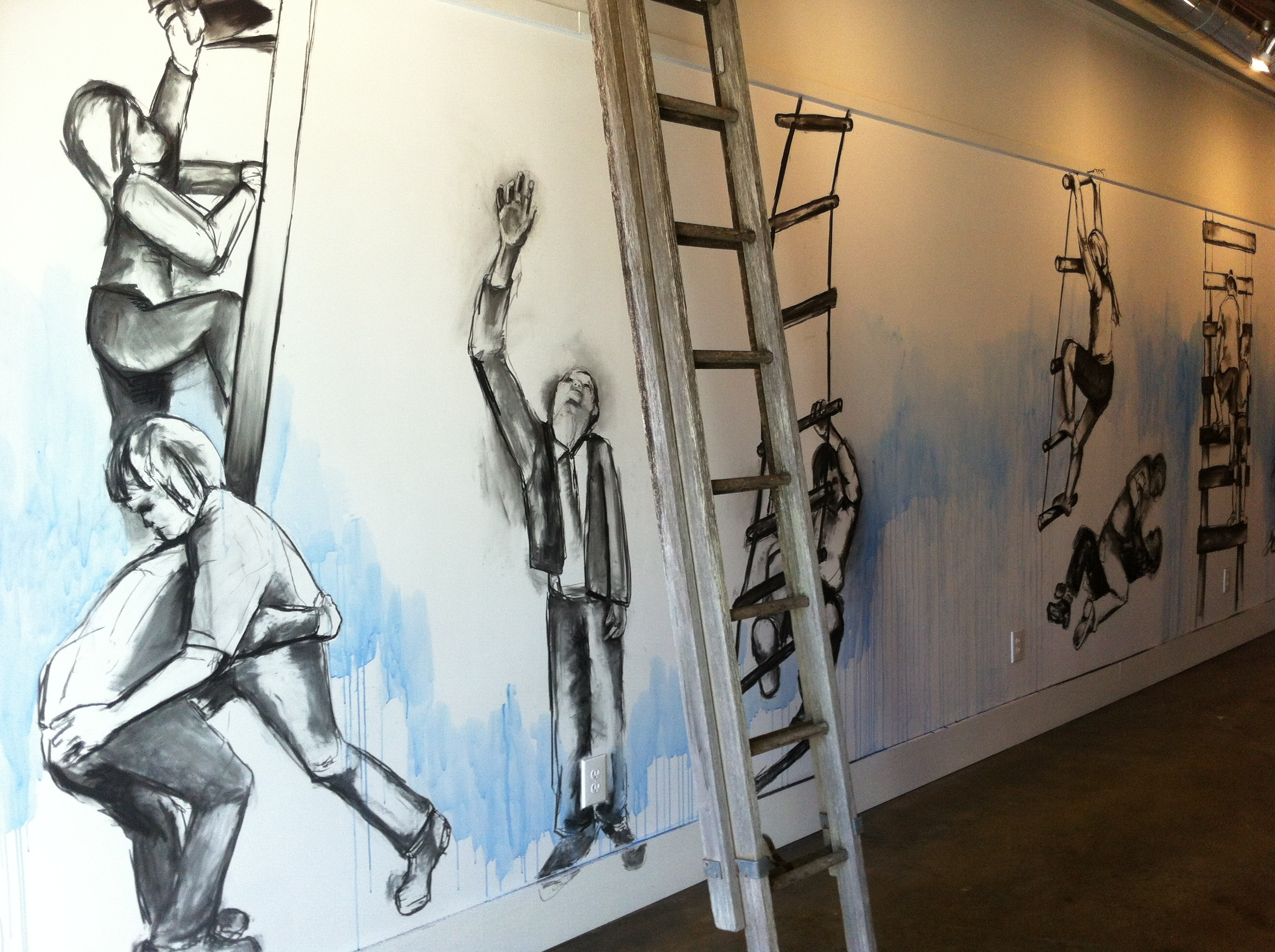
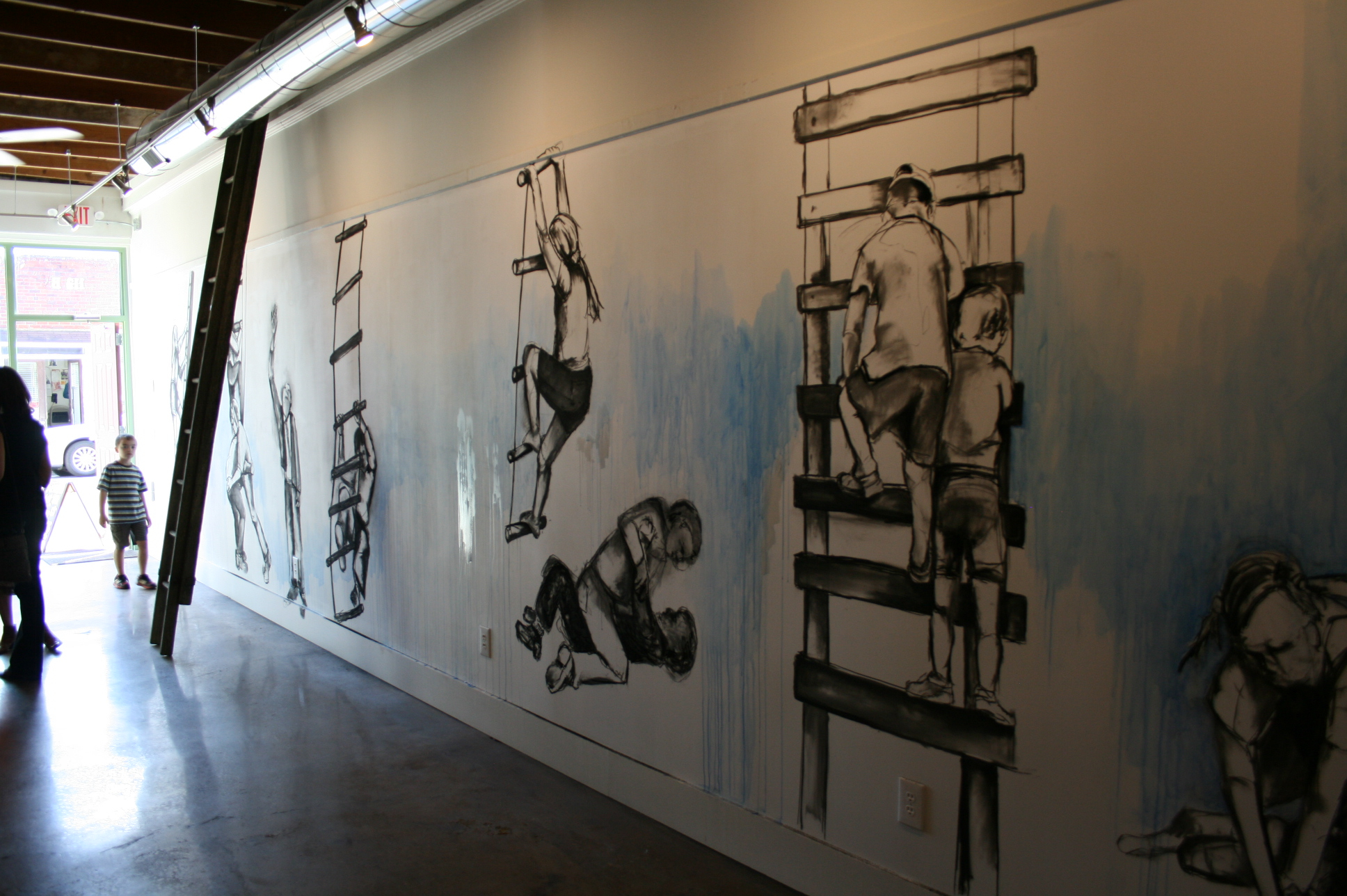
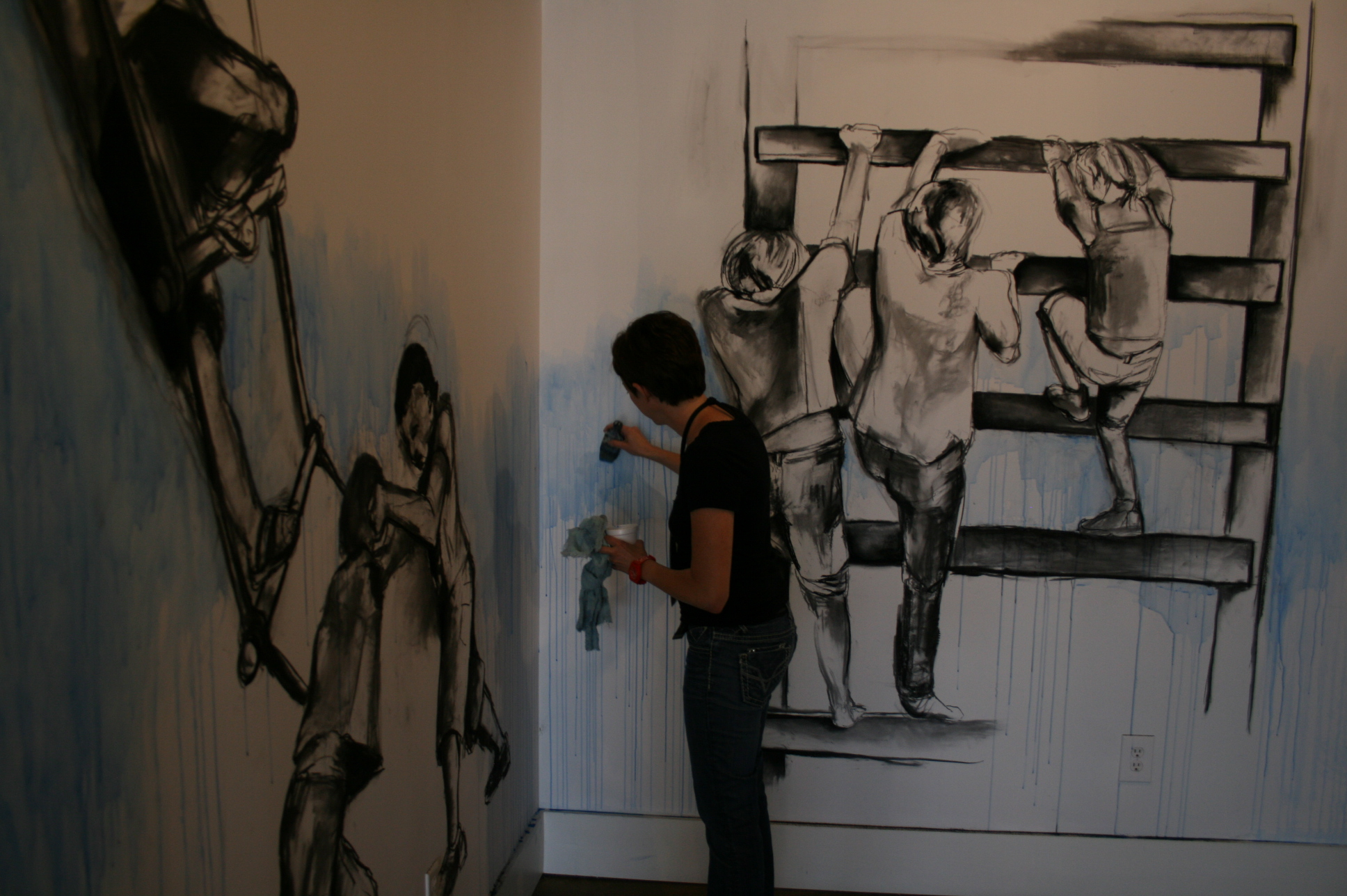
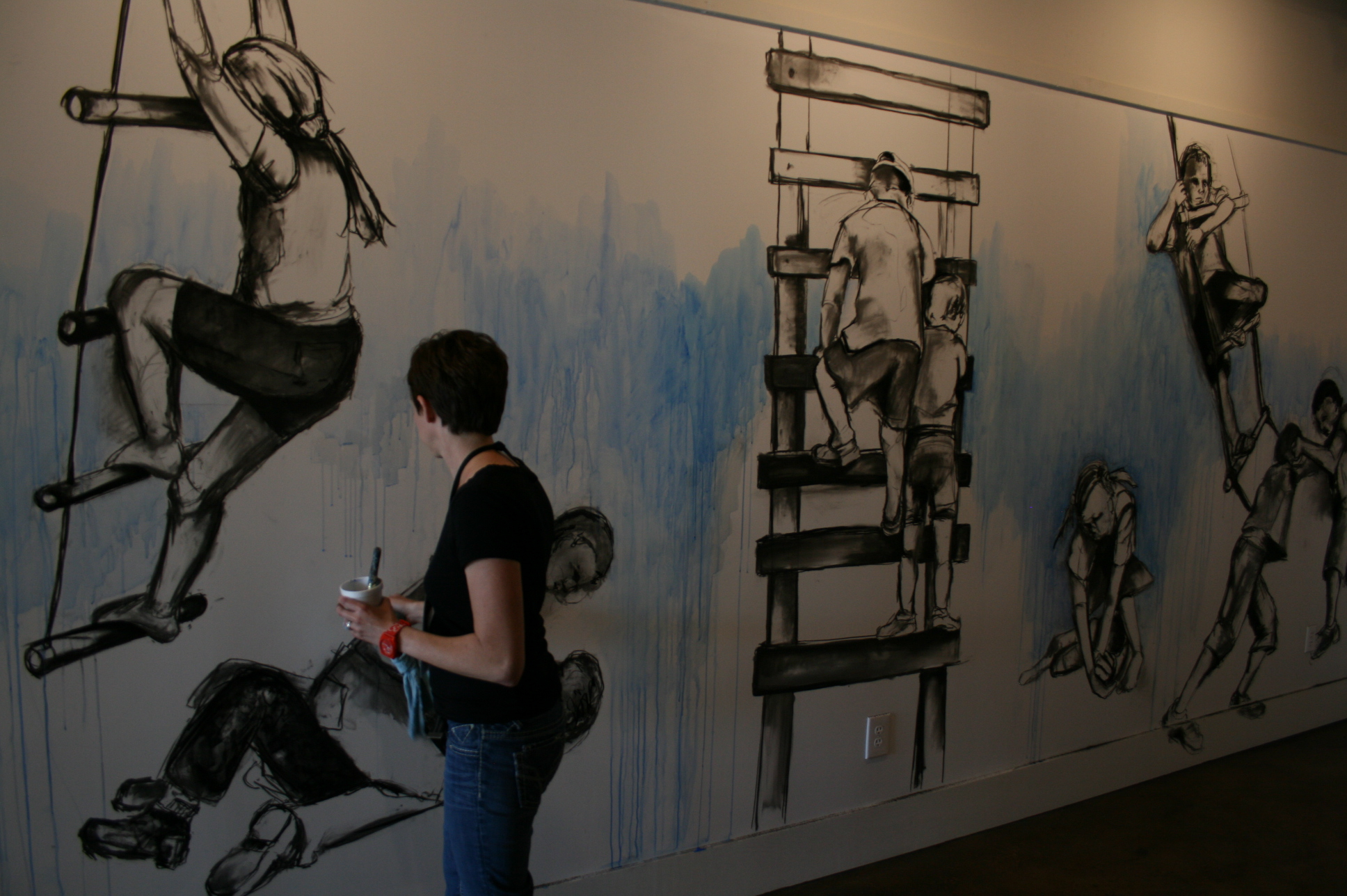
I’ve always known that I am a drawer. I love every aspect of drawing, from the technical to the conceptual. I love the physical act of drawing; with the sound of a graphite stick as it is dragged across a wood panel, the scent of a warm eraser that has been heavily used and the smearing of dense charcoal on white paper. I love drawing’s ability to encompass bold marks and quiet subtleties simultaneously. When drawing, I use my entire arm and body for physical, expressive marks and then engage closer to the paper or wood for minute detail. I prefer to vary my materials to involve the viewer as much as possible.

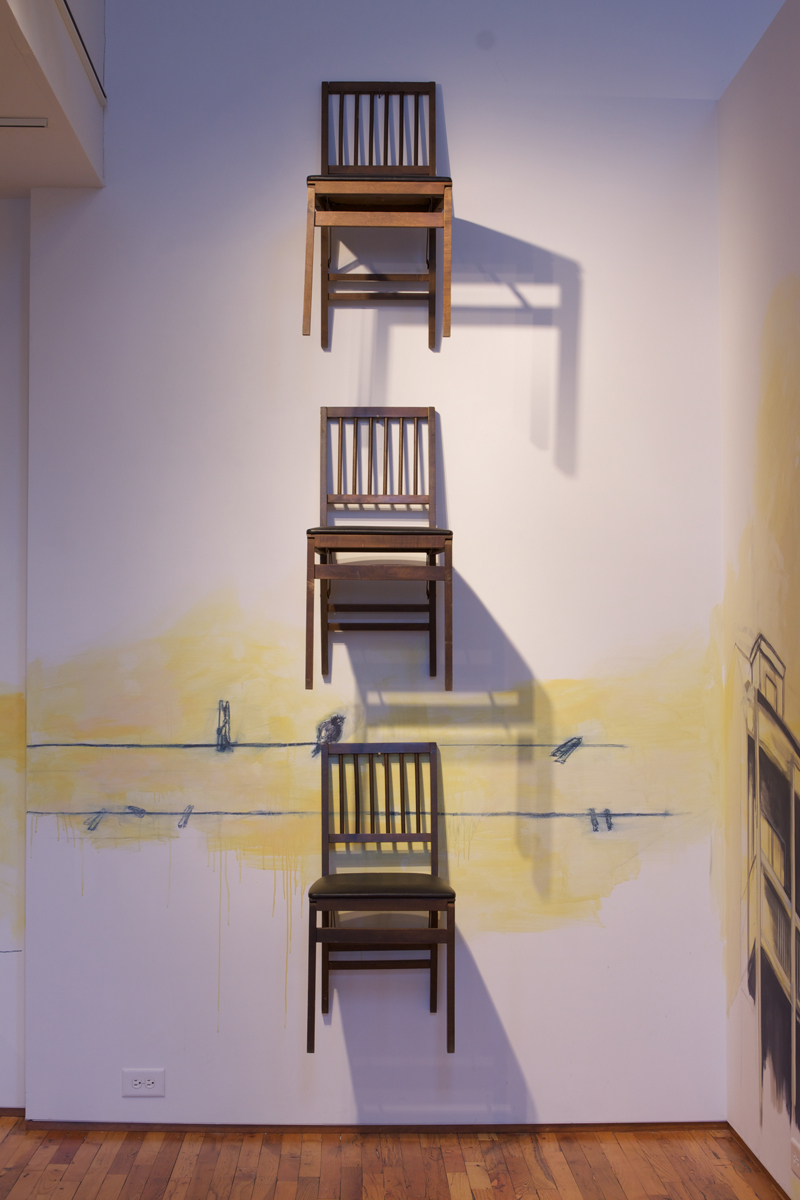
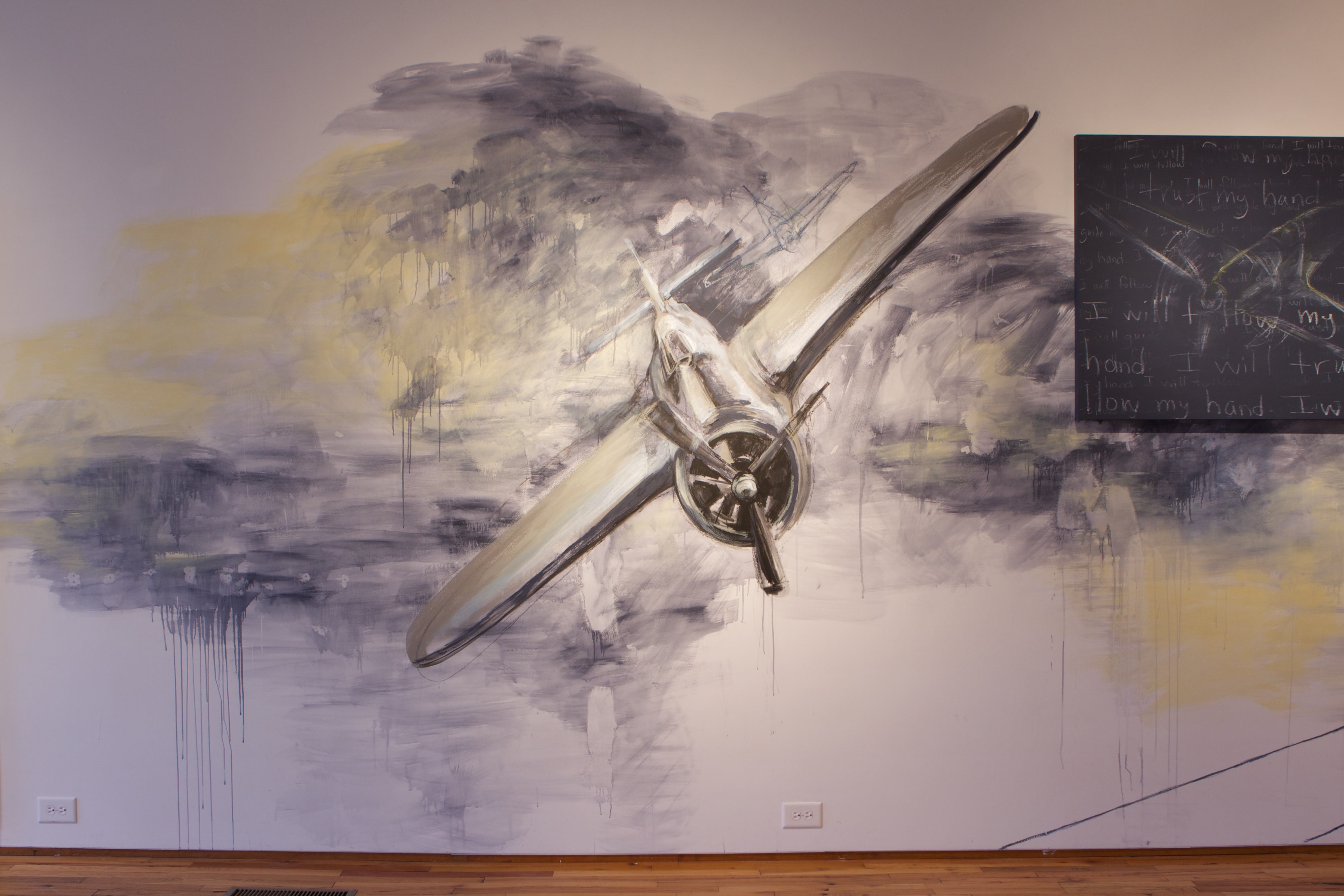
Though I love drawing, I also love the possibilities of space and involving the viewer.  I often add three-dimensional objects to challenge the space and break the plane of the wall. I love the performative nature of drawing large scale in public spaces, which allows the viewer to experience the evolution of the drawing. My goal is not to create permanent art works, but to create experiences.

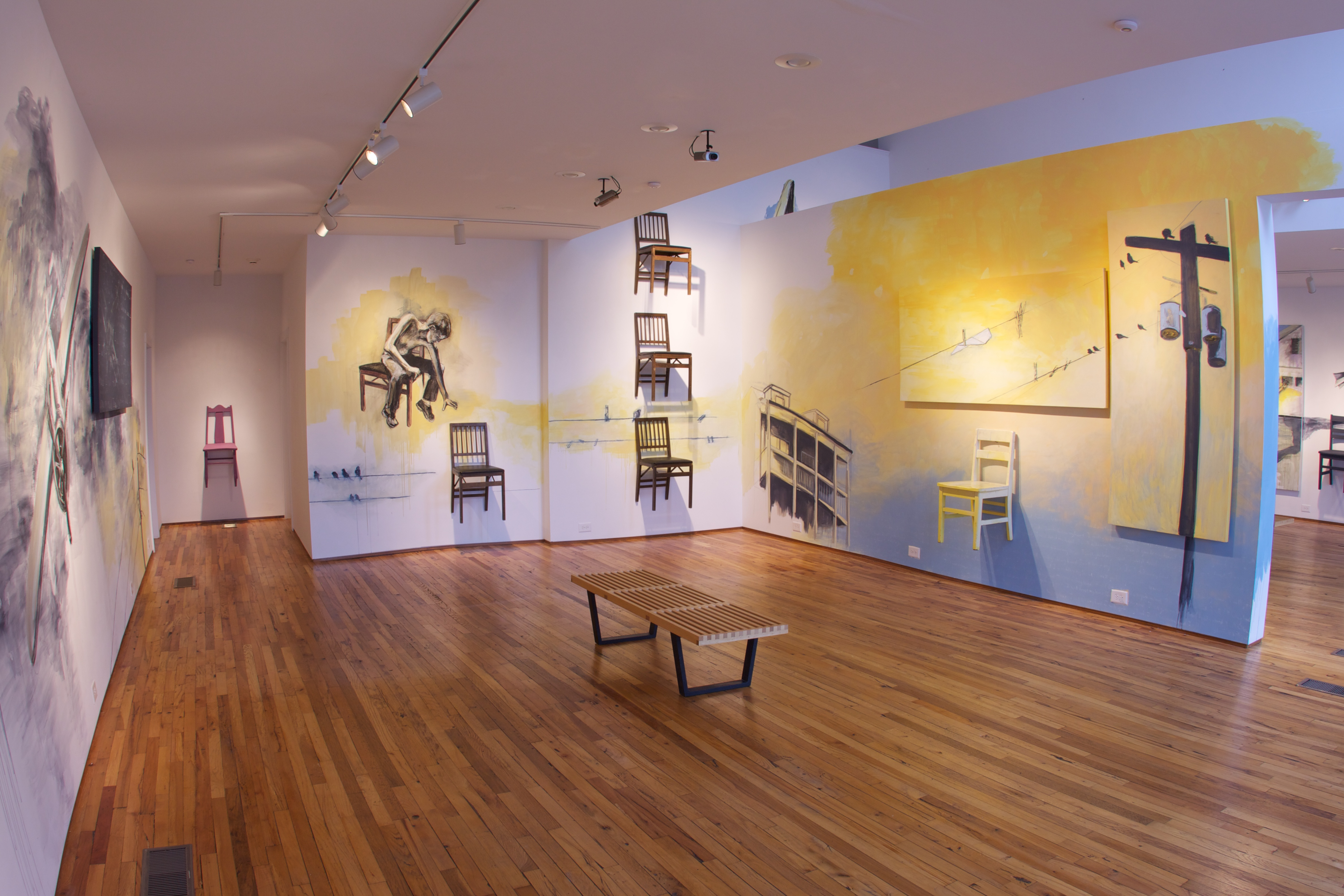
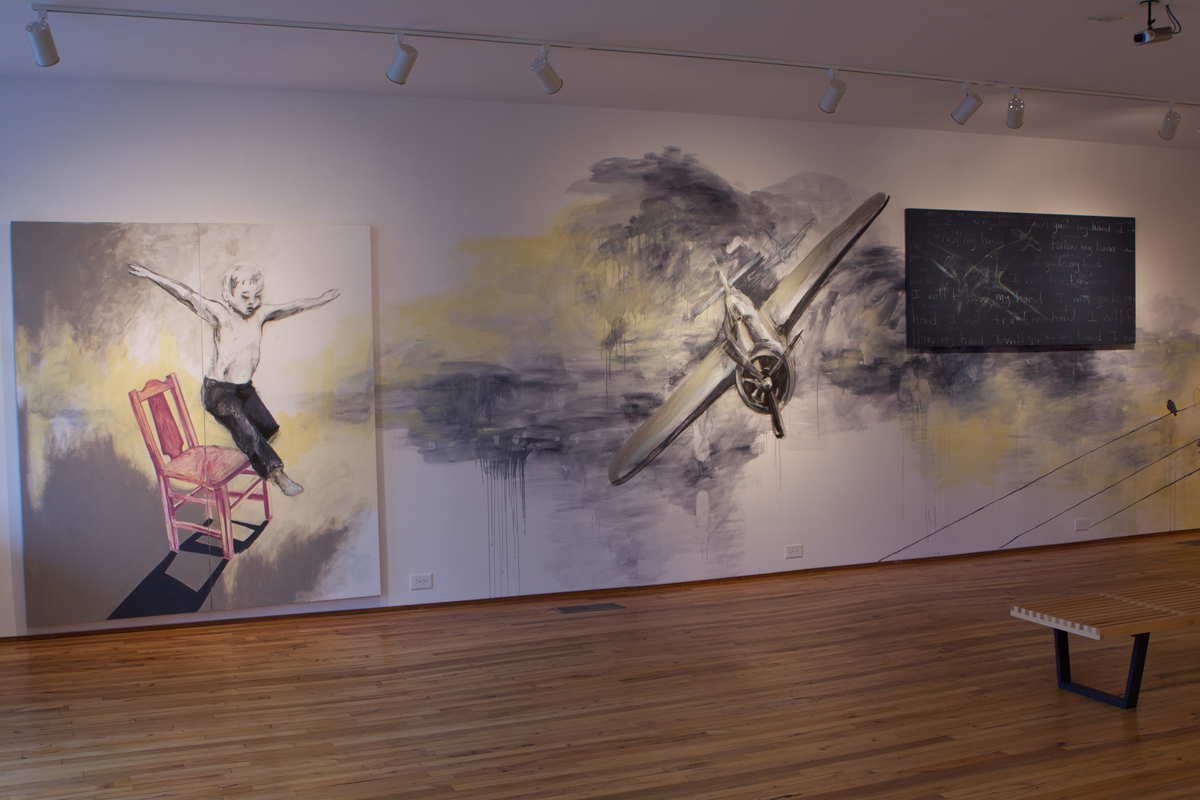
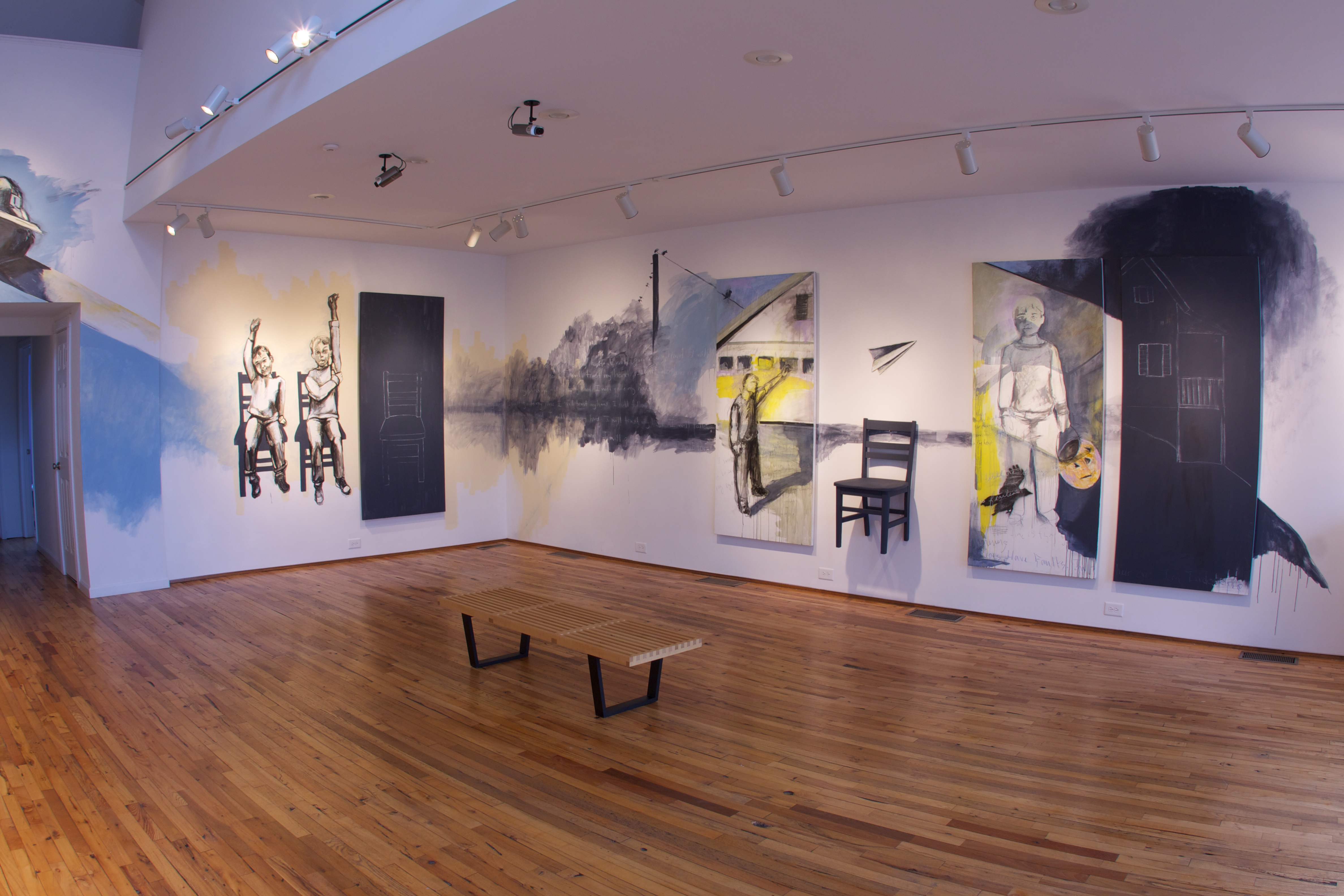
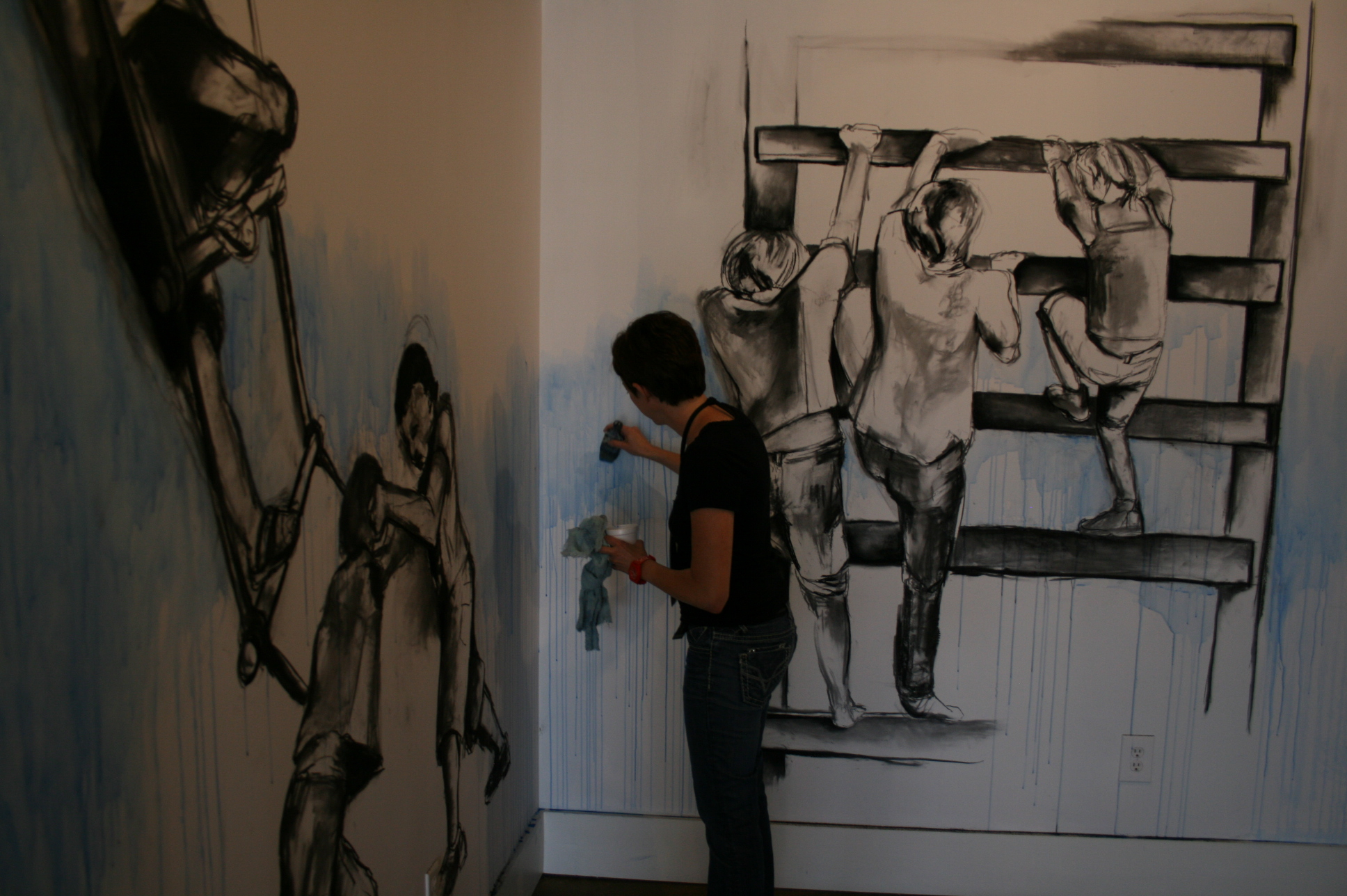
Follow and Guide: Wall Drawing, Campus Gate Art Gallery, Young Harris, GA

Follow and Guide: Wall Drawing, Campus Gate Art Gallery, Young Harris, GA

Follow and Guide: Wall Drawing, Campus Gate Art Gallery, Young Harris, GA

Follow and Guide: Wall Drawing, Campus Gate Art Gallery, Young Harris, GA

Follow and Guide: Wall Drawing, Campus Gate Art Gallery, Young Harris, GA

Follow and Guide: Wall Drawing, Campus Gate Art Gallery, Young Harris, GA

Follow and Guide: Wall Drawing, Campus Gate Art Gallery, Young Harris, GA

Follow and Guide: Wall Drawing, Campus Gate Art Gallery, Young Harris, GA

Follow and Guide: Wall Drawing, Campus Gate Art Gallery, Young Harris, GA

Follow and Guide: Wall Drawing, Campus Gate Art Gallery, Young Harris, GA

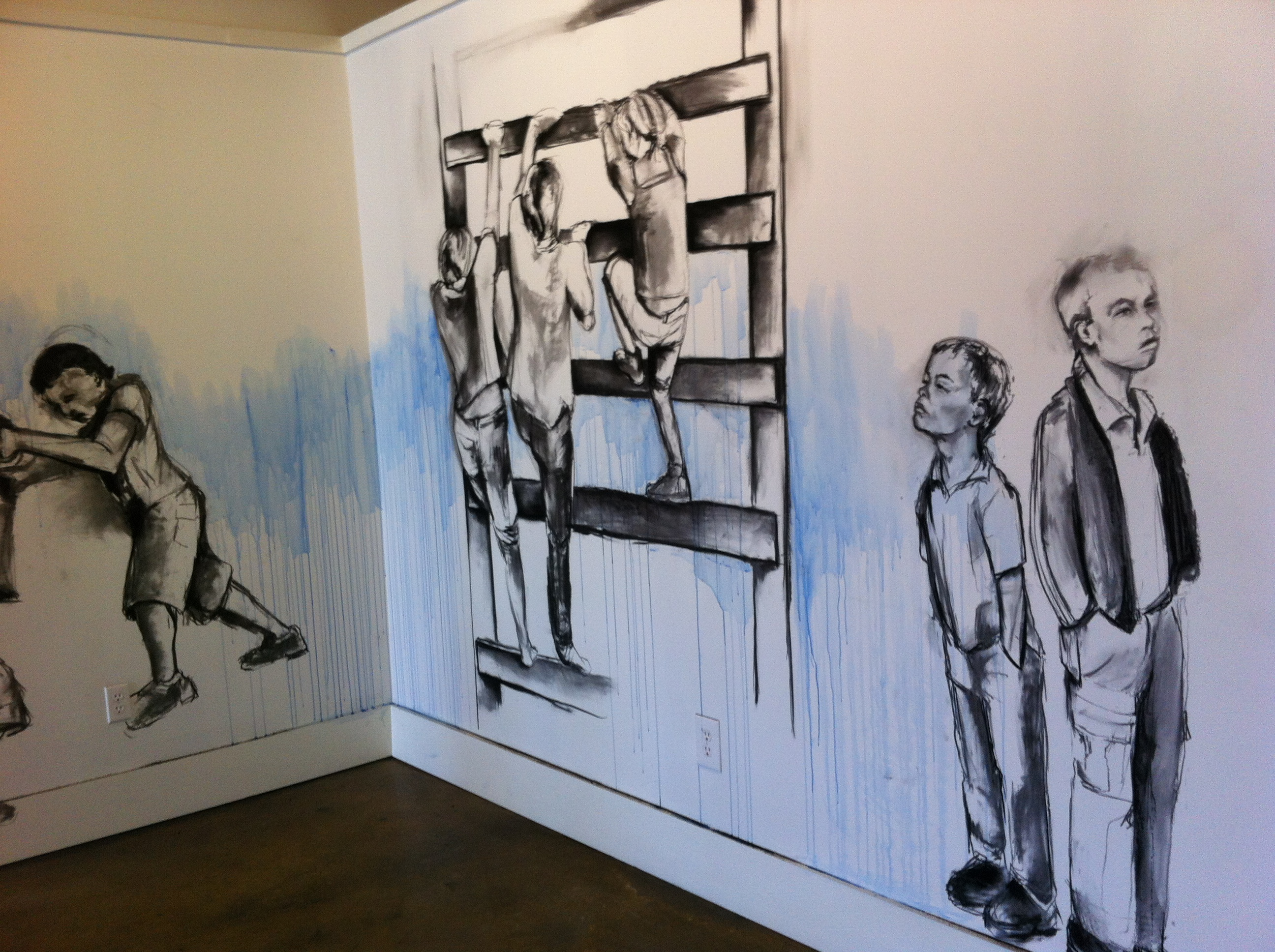
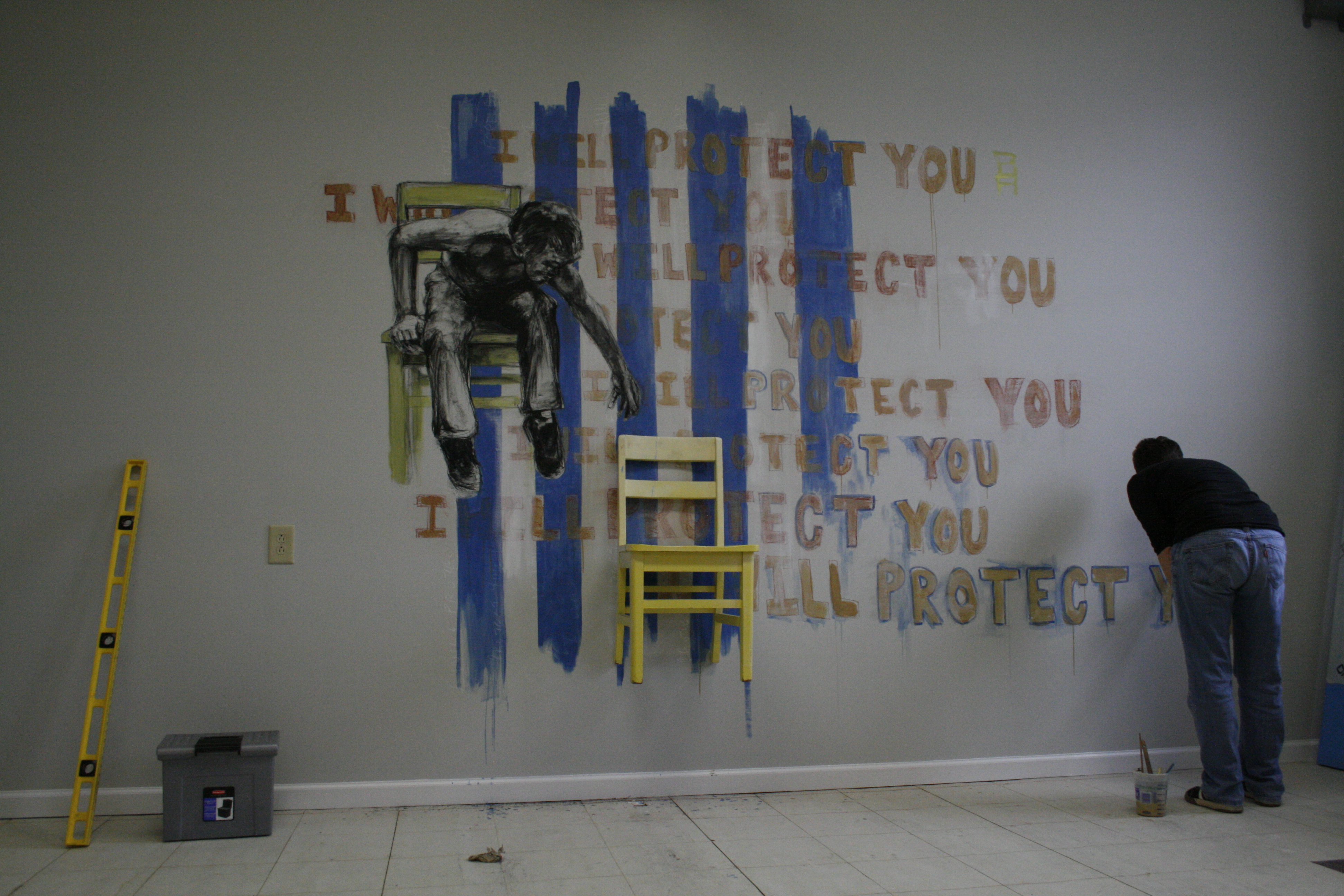
Rough Housing, Artfields, Lake City, SC

Rough Housing, Artfields, Lake City, SC

Rough Housing, Artfields, Lake City, SC

Rough Housing, Artfields, Lake City, SC

Rough Housing, Artfields, Lake City, SC

Rough Housing, Artfields, Lake City, SC

Rough Housing, Artfields, Lake City, SC

Rough Housing, Artfields, Lake City, SC

Rough Housing, Artfields, Lake City, SC

Rough Housing, Artfields, Lake City, SC

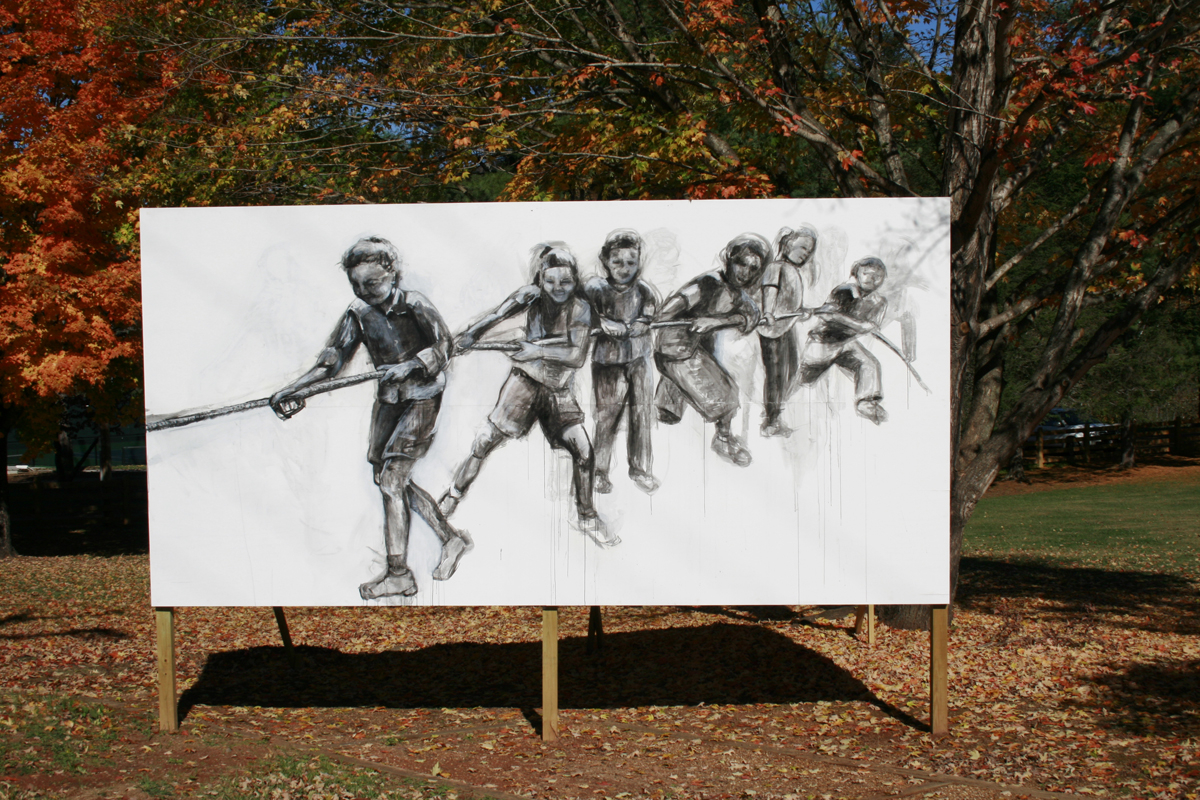
Tug of War, Mayors Park, Young Harris, GA (outdoor drawing, children playing tug of war)

Tug of War, Mayors Park, Young Harris, GA
(outdoor drawing, children playing tug of war)

Tug of War, Mayors Park, Young Harris, GA (outdoor drawing, children playing tug of war)

Tug of War, Mayors Park, Young Harris, GA
(outdoor drawing, children playing tug of war)

Dawn Martin Dickins working in studio

Dawn Martin Dickins working in studio

dawndickinsheadshot.jpArtist: Dawn Martin Dickins

I grew up in a small South Georgia town, surrounded by old buildings, peanut fields, and silence. I studied drawing at Georgia Southern University. Wanting to continue to learn and create, I attended graduate school at the University of South Carolina in Columbia. I currently teach at Middle Tennessee State University in the Art Foundations Program.

Website: http://dawnmartindickins.com

Impermanent Joy

by Thomas Krueger

Gymnasium

Gymnasium

Here Comes the Train

Here Comes the Train

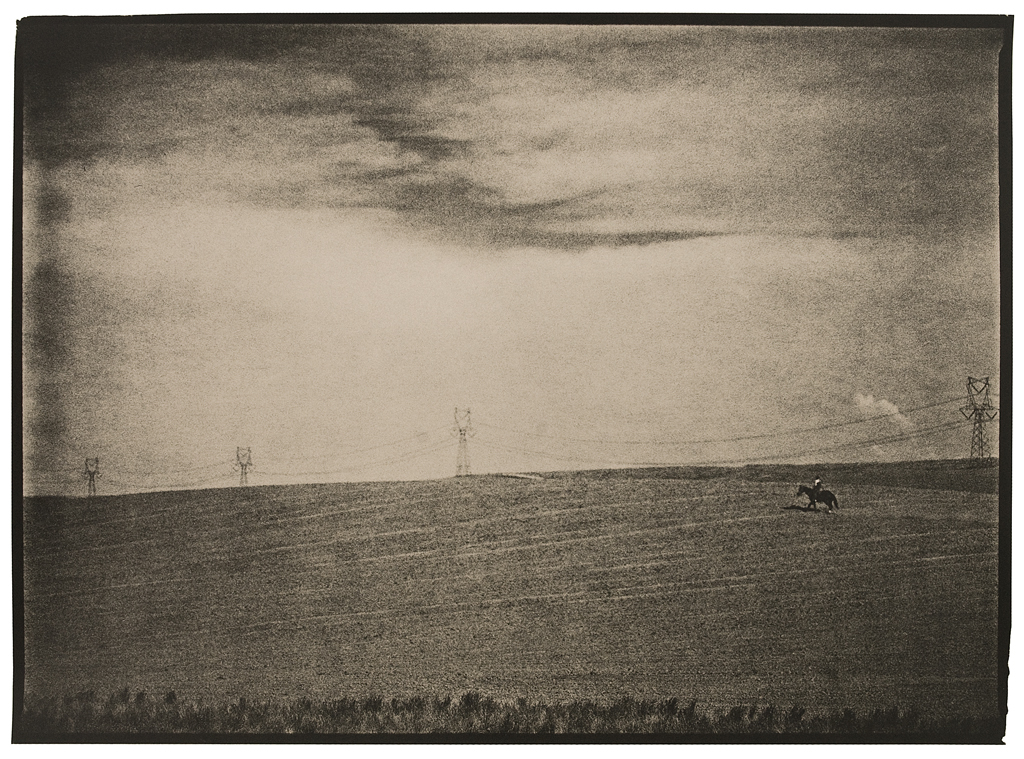
Horse Rider

Horse Rider

Stable

Stable

Trailer

Trailer

Train Yard

Train Yard

Wall of Crates

Wall of Crates

Sky Trail

Sky Trail

Beyond

Beyond

Flight

Flight

Expanse #1

Expanse #1

Expanse #2

Expanse #2

Expanse #3

Expanse #3


Thomas Krueger-Self Portrait on OverpassArtist: Thomas Krueger

Krueger’s images often present as the convergence of dual moments emanating from disparate worlds.  At the precise point of collision, they create singular integrated images that are at once surreal and experiential; the history of abandonment is revealed and celebrated in what Krueger interprets as its present day narrative of hope. His commentary is simultaneously innocent and dark, humorous and eerie.

Krueger’s work reflects his culturally diverse upbringing with a Japanese mother whose family descends from a long line of Kimono makers, and an American father stationed at a Navy base in Yokosuka, Japan. Krueger’s aesthetic and vision was cultivated at an early age when his father gave him a camera at age eight which eventually led to his first professional job as a staff photographer for The Seahawk, a Naval newspaper.

Paying tribute to both cultures, Krueger combines both traditions in the signing of his work with his American surname signature Krueger and his mother’s Hanko signature (Japanese ancestral name stamp) Niiro, a Samurai family name.

Krueger delves in various mediums but prefers film, both color and B&W. He enjoys perfecting his craft in the darkroom. He says, “In growing as a fine art photographer, I have embraced traditional darkroom techniques which I feel that one day may become a lost art in this world of digital technology. Time spent alone in the darkroom allows me to reflect and connect with my art.”

Krueger moved to Seattle in 1994 to study at The Art Institute of Seattle where he received a Degree in Commercial Photography.

Krueger is the recipient of multiple awards for his art. His work has been shown in solo and juried shows throughout Seattle, NYC, Miami, Atlanta, Switzerland, and Finland and has been featured in numerous publications internationally. Thomas continues to exhibit his work all over Seattle.

Website: http://kruegerphotos.com/

Facebook: https://www.facebook.com/KruegerPhoto

Instagram: http://instagram.com/kruegerphoto

Twitter: https://twitter.com/tekphoto

Flickr: https://www.flickr.com/photos/thomaskrueger/

LinkedIn: https://www.linkedin.com/in/tekphoto


Postcolonial Thoughts: Barragán’s Spiritual Transcendence through Color

By Christopher Hutchinson

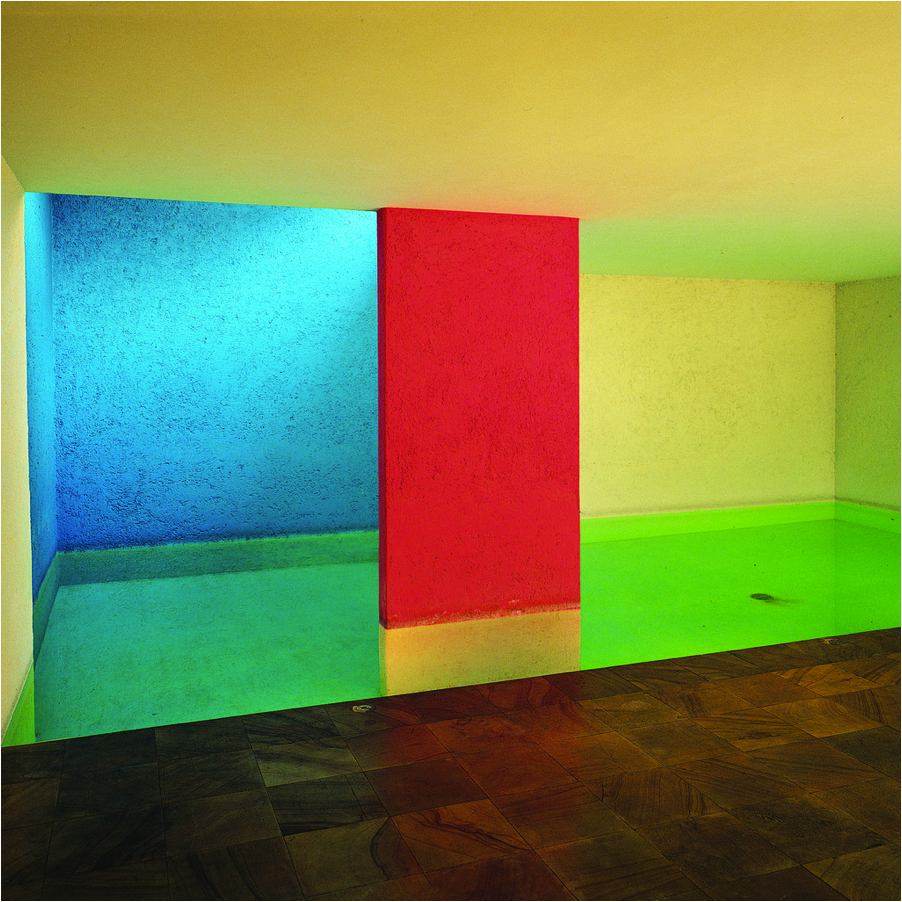
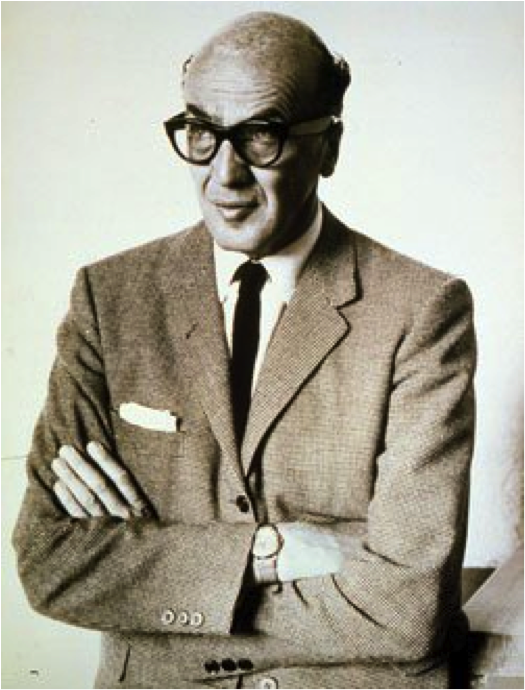
Luis Barragán (1902-1988) was born in Guadalajara, Mexico. His professional training was in engineering, resulting in a degree at the age of twenty-three. His architectural skills were self-taught. In the 1920s, he traveled extensively in France and Spain and, in 1931, lived in Paris for a time, attending Le Corbusier’s lectures. His time in Europe, and subsequently in Morroco, stimulated an interest in the native architecture of North Africa and the Mediterranean, which he related to construction in his own country. http://www.pritzkerprize.com/1980/bio


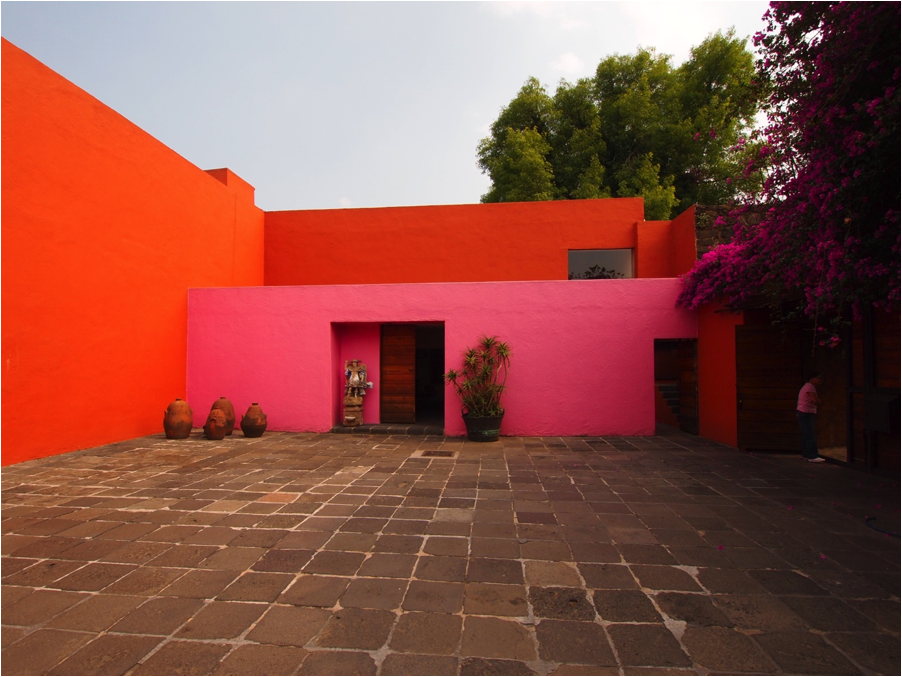
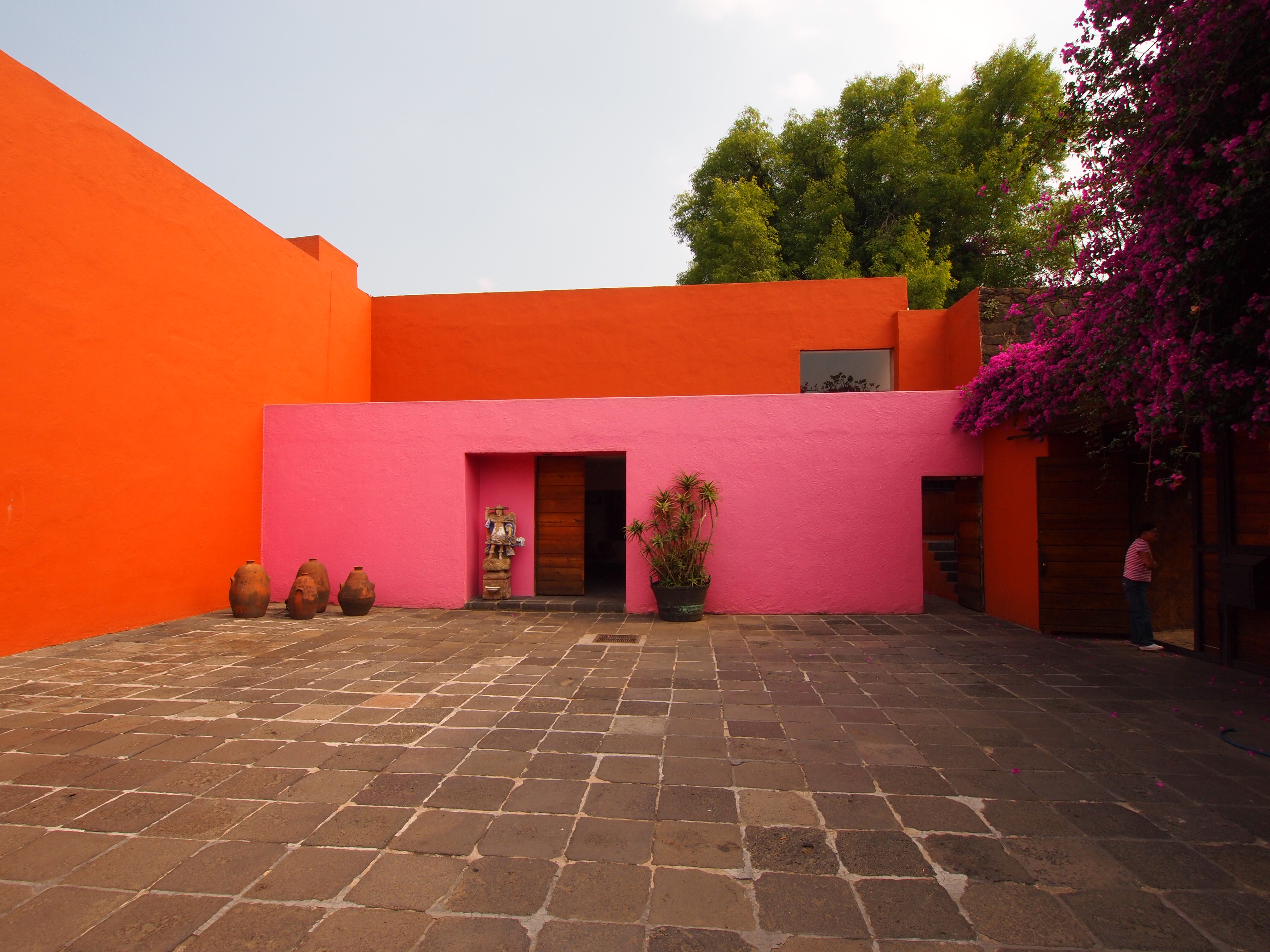
Luis Barragán’s name came up in a recent Smoke School of art discussion about the Art Nouveau movement. When professor Jason Sweet shared images of Barragán’s architecture with the group, there was an immediate connection to his use of color and its relation to the term “local colour.” Barrágan is well respected for his architecture–its inclusion of nature, light and water–but this dialogue is about his use of color specifically.

Ethnicity & Local Colour

The Impressionists’ study of open-air light effects led them to question the accepted conventions of local colour. They noticed that every object’s local colour appears modified by reflected colours from surrounding objects. Rather than painting the colours they had learned objects to be, the Impressionists tried to put down only the colours they actually saw. http://www.artandarchitecture.org.uk/insight/virag_imptechniques/virag_imptechniques02.html

Local colour goes far beyond its technical understanding in painting as the effects of color on the eye. Local colour emits the very spirit of a region and individual. The gloomy grey of London, the vibrant island colors, and the yellow in Van Gogh’s wheat fields are all characteristics of local colour that cannot be separated from the ethnicity/soul of the region. It goes beyond that to Georgia red clay signifying soil in which it’s not good to plant to very the similarly-colored soil found in Jamaica, “red dirt,” which indicates the opposite because it provides the most nutrients. It is in this play of similarity and difference—of Barragán’s color with the Tradition of local colour in the West—that an understanding of his work sharpens. Barragán’s color is rich in spiritual significance while Western color attempts to use color in soulless, detached study. The West dissects and analyses color for optical effects.

The importance of local colour cannot truly be quantified with just attention to the “colors in front of you.” This was a struggle for the Impressionists because it meant refusing the tradition of depth. It meant leaving the brown varnish technique prevalent before the Impressionists to examine the objects “in front of you” regardless of tradition. As a by-product of painting what was “in front of you,” we begin to see local colours indigenous to the region where the individual artists are from. The palette of Monet, Degas, Renoir, Cassatt, all are as distinct as a fingerprint. Color palettes are a true indicator of an individual’s ethnicity; it’s revealed by the artist’s choice of color. Barragán’s palette is definitely not Western, especially not Western modernism.

Identity and Local Colour

Further, he [Barragan]called it [Modernisim] “alarming” that publications devoted to architecture seemed to have banished the words, “Beauty, Inspiration, Magic, Spellbound, Enchantment, as well as the concepts of Serenity, Silence, Intimacy and Amazement.” He apologized for perhaps not having done these concepts complete justice, but said “they have never ceased to be my guiding lights.” As he closed his remarks, he spoke of the art of seeing. “It is essential to an architect to know how to see—to see in such a way that vision is not overpowered by rational analysis.-BARRAGAN http://www.pritzkerprize.com/1980/bio

Barragán’s use and intention in regard to color is in a spiritual context, not in the sterile, clinical “paint by number” Western use evident in Yves Klein’s monochromatic paintings, patented Yves Klein Blue. YKB is a color distinctiveness of the West. We recognize color on a most basic level and identify with it spiritually. No one routinely asks, “What’s your favorite form, line, shape?” Color seems to function inside formal analysis yet not tied to it at all. Color operates on a visceral level. Western academia has tried its very best to edit that connection to color and that is why it is so obvious when Barragán’s palette emerges.

 

Yves Klein IKB 79 1959  KB 79 was one of nearly two hundred blue monochrome paintings Yves Klein made during his short life. He began making monochromes in 1947, considering them to be a way of rejecting the idea of representation in painting and therefore of attaining creative freedom. Although it is difficult to date many of these works precisely, the early ones have an uneven surface, whereas later ones, such as the present work, are finer and more uniform in texture. Klein did not give titles to these works but after his death in 1962, his widow Rotraut Klein-Moquay numbered all the known blue monochromes IKB 1 to IKB 194, a sequence which did not reflect their chronological order. Since then further examples have been identified and these have also been given IKB numbers. In 1974 Rotraut Klein-Moquay wrote to Tate saying that she was fairly certain that IKB 79 was one of about four monochrome paintings Klein made when they were together at Gelsenkirchen, West Germany in 1959. http://www.tate.org.uk/art/artworks/klein-ikb-79-t01513/text-summary

Yves Klein IKB 79 1959

KB 79 was one of nearly two hundred blue monochrome paintings Yves Klein made during his short life. He began making monochromes in 1947, considering them to be a way of rejecting the idea of representation in painting and therefore of attaining creative freedom. Although it is difficult to date many of these works precisely, the early ones have an uneven surface, whereas later ones, such as the present work, are finer and more uniform in texture. Klein did not give titles to these works but after his death in 1962, his widow Rotraut Klein-Moquay numbered all the known blue monochromes IKB 1 to IKB 194, a sequence which did not reflect their chronological order. Since then further examples have been identified and these have also been given IKB numbers. In 1974 Rotraut Klein-Moquay wrote to Tate saying that she was fairly certain that IKB 79 was one of about four monochrome paintings Klein made when they were together at Gelsenkirchen, West Germany in 1959. http://www.tate.org.uk/art/artworks/klein-ikb-79-t01513/text-summary

Mexican Modernism & Transcendance

LUIS BARRAGAN (1902-1988) was one of Mexico’s most influential 20th century architects. Famed for his mastery of space and light, he reinvented the International Style as a colourful, sensuous genre of Mexican modernism.  http://design.designmuseum.org/design/luis-barragan

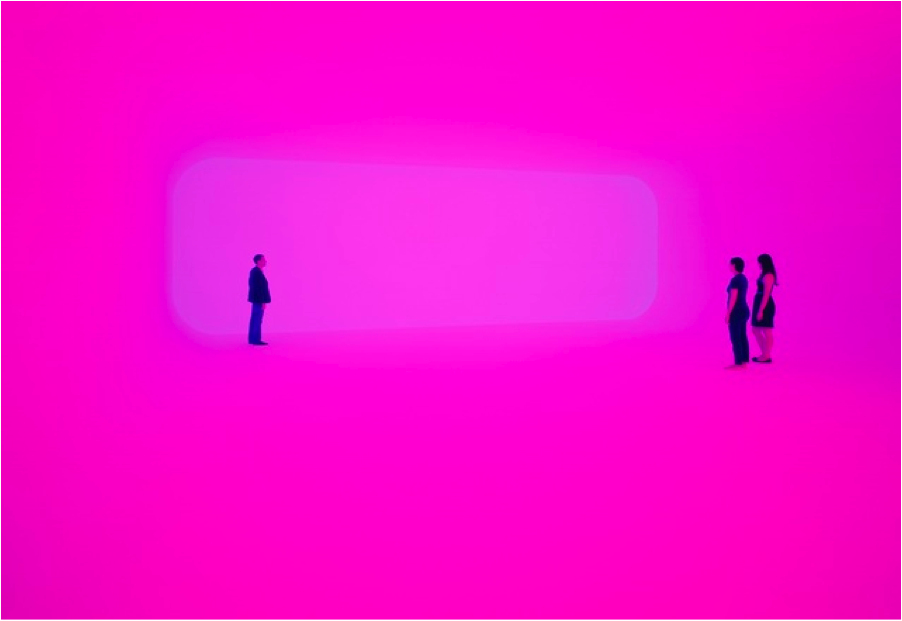
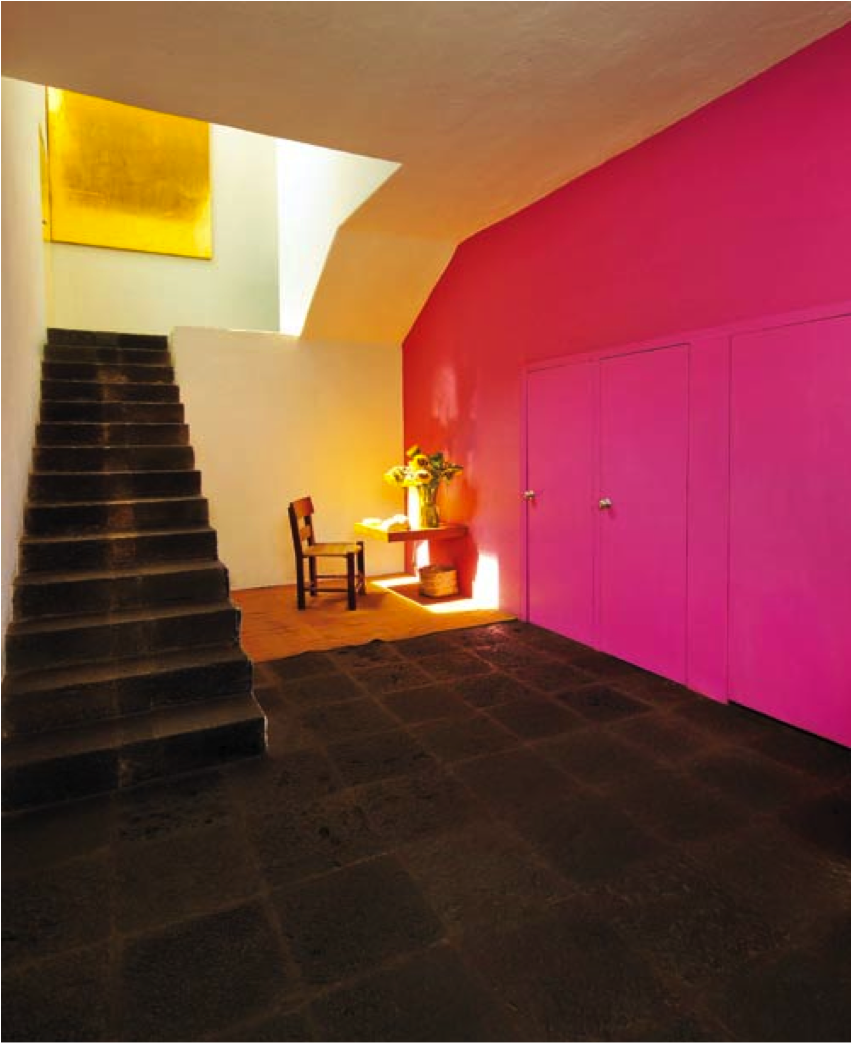
Barragán’s “Pink Palette” can be seen in the work of American artist James Turrell. Turrell’s spaces are filled with the saturated spiritual color that was injected by Barragán’s Mexican tradition. Barragán and Mexican modernism influenced the majority of the Cool school artists whether they are aware of it or not. The Mexican influence is heavy in the California style distinctively different from the cold New York school. The New York abstract expressionists talked about the sublime and transcendence. Those who used those terms sought to achieve it through color, through vast fields of intense resonating color. The search for spiritual transcendence through color is not Western.

James Turrell Breathing Light, 2013. LED light into space, Dimensions variable. http://www.pacegallery.com/artists/473/james-turrell

James Turrell
Breathing Light, 2013. LED light into space, Dimensions variable.
http://www.pacegallery.com/artists/473/james-turrell

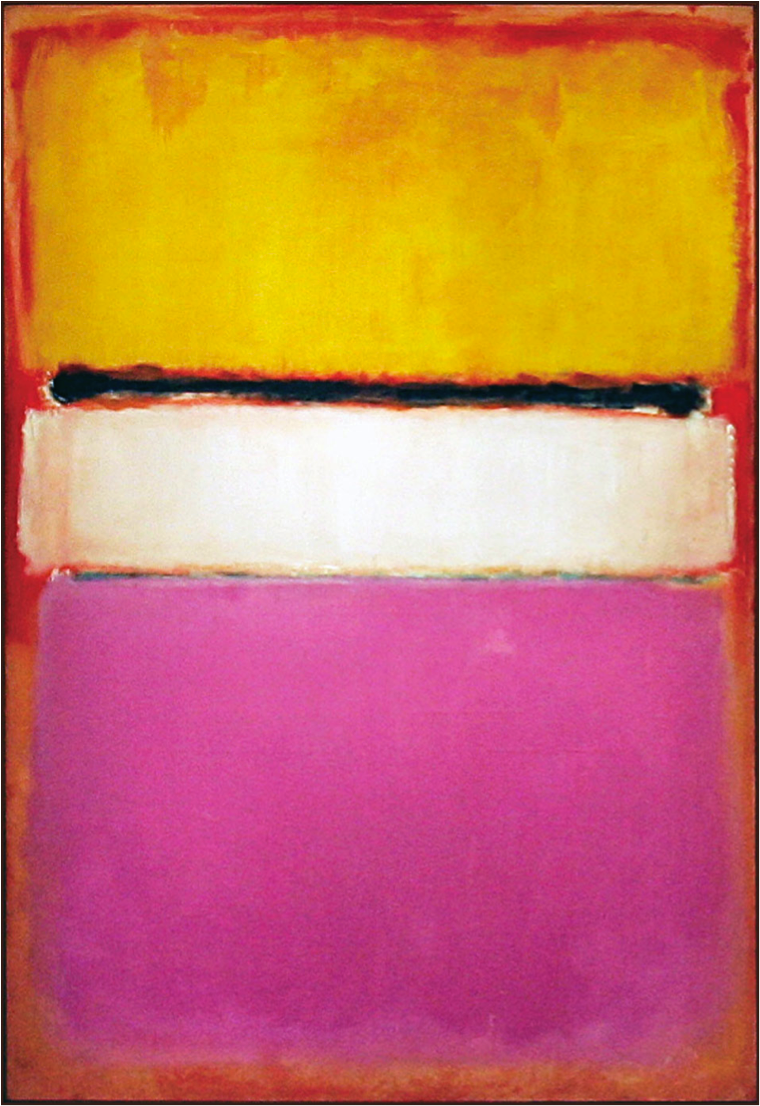
MARK ROTHKO: White Center (Yellow, Pink and Lavender on Rose) Color Field Painting in 1950 by Mark Rothko (1903-1970) http://pictify.com/218489/mark-rothko-white-center-yellow-pink-and-lavender-on-rose

MARK ROTHKO: White Center (Yellow, Pink and Lavender on Rose)
Color Field Painting in 1950 by Mark Rothko (1903-1970)
http://pictify.com/218489/mark-rothko-white-center-yellow-pink-and-lavender-on-rose


Christopher HutchinsonChristopher Hutchinson is an Assistant Professor of Art at Atlanta Metropolitan State College, Archetype Art Gallery Owner in Atlanta, Ga, and Smoke School of Art Founder. He received his Master of Fine Arts Degree in Painting from Savannah College of art & Design, Atlanta and his Bachelor of Arts Degree from the University of Alabama in Huntsville, Alabama. He lived in Alabama for 10 years before moving to Atlanta in 2008.

Learn more about Christopher and his work at Black Flight 144.
 

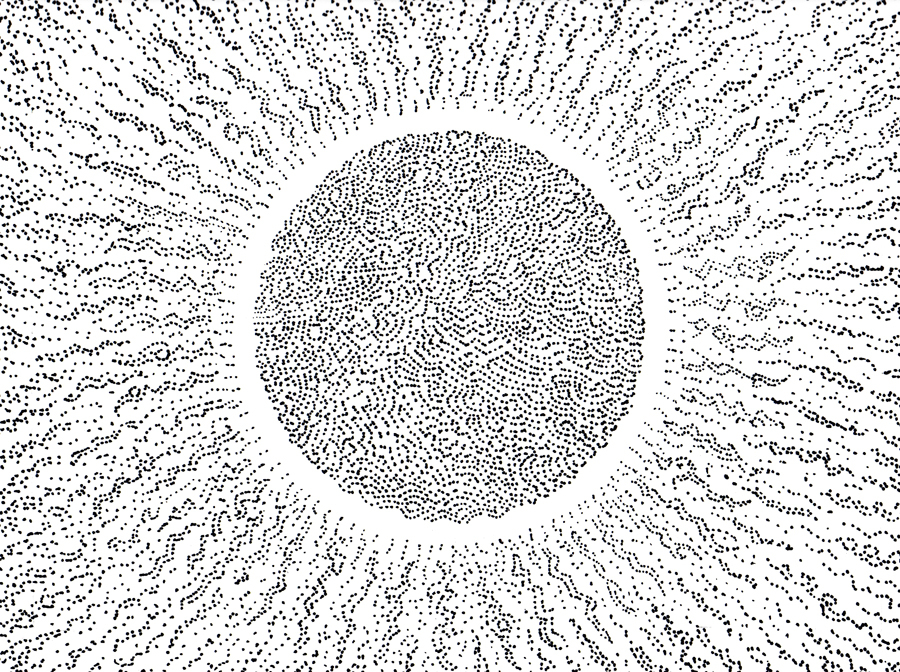
Abstract /Emotion /Total Fusion

by Maïa Citterio

Lost

Lost

Insomnia

Insomnia

Sempre Desire

Sempre Desire

Abstract Origine du monde

Abstract Origine du monde

Instantly compose my abstract moon

Instantly compose my abstract moon

Floating

Floating

Body want ...

Body want …

Loving insomnia

Loving insomnia

Insomnia __

Insomnia __

Forget me not

Forget me not

Maïa Citterio … Art lover … Studied theater for 2 years at cours Florent Paris. Photography is the way for me to express myself my emotion feelings ( as a self therapy ) It fills my life !!!

I have the opportunity to travel a lot around the world, which influences my work, but the best is when I fly to the moon in my head !!!

www.twitter.com/maiafushi
Instagram.com/uni_klo_

The Value of Life

by Tullio DeSantis

Being Born for the Seventeen Quintillionth Time

Being Born for the Seventeen Quintillionth Time

Born in the Big Bang

Born in the Big Bang

Compassionate Heart Open Mind

Compassionate Heart Open Mind

Dark Energy

Dark Energy

Dawning of the Age of Intelligence

Dawning of the Age of Intelligence

Heart of the World

Heart of the World

Retinal Painting

Retinal Painting

Sea of Subconscious Desire

Sea of Subconscious Desire

Survival of the Kindest

Survival of the Kindest

The Value of Life

The Value of Life

Tullio DeSantis, born in Reading, PA in 1948, graduated with an interdisciplinary major from Gettysburg College on a Woodrow Wilson Fellowship. Upon graduation, he moved to the west coast and, in the early 1970s, began exhibiting his artwork in galleries in San Francisco, Tokyo, the Smithsonian Institution Traveling Exhibition Service (SITES), while he was completing his MFA at the San Francisco Art Institute. Since his arrival on the west coast, he had been publishing his art and writing for the Rip Off Press, one of the premier underground publishers of that era.

After moving back to the East Coast, Tullio rented a studio in Chelsea, and mounted his first one-man show in New York at the Tradition Three Thousand Gallery in the East Village in 1987. By that time, He had received a Pennsylvania Council of the Arts grant for a collaborative project initiated with Keith Haring. DeSantis was one of the first writers to publish extensively on Haring while he was still an anonymous graffiti writer.

From the late 1960s through his death in 1994, poet Allen Ginsberg and Tullio DeSantis carried on a philosophical and aesthetic relationship yielding several poems and drawings. Tullio’s interest in collaborative art continued throughout the 1990’s, as he worked anonymously on the Internet in various art collectives. His work was reviewed in the Village Voice (All Hands off the Keyboard, 10/24/2000) and represented in the International Prix Art Electronica in 1999.

Since the turn of the millennium, Tullio has continued to produce and participate in a long list of collaborative Internet projects, including The Facebook Show, produced by the Detroit Museum of New Art, The Internet Archive, a multimedia art/science project with Pery Burge, who worked as artist in residence in the Thermofluids Lab of the University of Exeter, UK, and currently, a series of works in traditional and digital media produced in collaboration with artist Dee Shapiro.

Tullio is an Adjunct Professor of Art at Reading Area Community College. He also owns, with a partner, MindReflector Technologies, LLC, a brain-computer interface company specializing in neurofeedback, brain and mind training software.

Artist Web Sites

http://www.tulliodesantis.com

http://www.tulliodesantis.net

Social Media Links

https://www.facebook.com/tulliofrancescodesantis

https://plus.google.com/+TullioDeSantis

https://www.linkedin.com/in/tulliodesantis

http://instagram.com/tulliofrancescodesantis

Other Sites

Media Research and Critical Thinking

http://www.mindovermedia.org

Mind Training and Neurofeedback

http://www.mindreflector.com

Triptych Collective presents “Traces” at the Neighborhood Theatre

The Triptych Collective is a group of performance artists interested in bringing a unique blend of live music, dance performance and visual art to non-traditional spaces in order to make thought-provoking and socially-engaged performance art more widely accessible.

“Traces” is a compilation of Triptych Collective works-in-progress for the Fall 2014 season. The show features work by Collective artists Reba Bowens, Sarah Ingel, Caitlyn Swett, and Eric Mullis and also features Hectorina’s performance musical “Collywobble.”  “Traces” was performed Thursday, November 20, 2014, at Neighborhood Theatre in Charlotte, NC.  Each of the artists writes about her or his piece below.

www.triptychcollective.com

www.facebook.com/triptychcollective

Twitter: @triptychcollect

“Traces,” from the November 20, 2014 show:


The Artists: 

Sarah Ingel

Must make much much much more more more effort

Observing popular culture trends surrounding reality television and celebrity culture, society has developed an overwhelming need to build people up only to see them fall. With accessibility to the details of peoples lives at an all time high, our need to know more has become a staple of our society. Gossip, positive or negative, feeds our desire to become part of the world of the notable and notorious. But when our feelings of curiosity outweigh our feelings of empathy, an act of dehumanization occurs. We all exist with an internal world and an external world, but what happens when these worlds overlap? Must make much much much more more more explores the effects of our consumer culture, the need to know, provide, and iconize information about our internal worlds, and the consequences these cravings have on the individuals of our affections. When does private become public? When does this conflict of worlds turn a person into a battleground of confusion, depression, ego, and alter ego? How does our desire encounter our embarrassment of our desires and result in a revelation of who we truly are? These queries, and much much much more more more, have fueled the movement scores and improvisational structures that make up a piece dedicated to depicting our struggle with the division and intersection between our own public and private selves. “Do you wanna see me be her?” –Marilyn Monroe

http://vimeo.com/111665475


Caitlyn Swett

[untitled]

I have been very lucky to experience a variety of different creative processes, ways of creating dance, and working with many different themes and conceptual content. Even in my own work, I have felt that each creative process has been significantly different from the last. Perhaps it is the collaborative nature of Triptych Collective’s work that produces a diverse repertory, thus presenting many different experiences through dance. This season, instead of being able to say “this piece is about (insert concept here),” the ideas I have been working with, both conceptually and aesthetically, have developed and unfolded into something different and unexpected. Though the movement was generated around ideas of silence and conversation, through this process I have given myself the permission to create a work in which the movement is enjoyable to perform, view, and experience. My collaborators and I have had many conversations about the way that we connect to the piece and with each other when performing. I am interested what connections an audience makes, how this may differ from the connections we are making, and how an audience digests and responds to a work without the lens of a concrete idea or story that a choreographer may place upon them. I am interested in how I can create a thoughtful piece that evokes conversation and asks questions without having a piece be “about” a single thing. Further, I am interested in the responses, conversations, and possibilities that can come from a “lens-less” way of viewing dance.

Triptych photo 1

Reba Bowens

Finding My Voice

After writing a short blog about my development in capoeira, a Brazilian martial art created by slaves combining music, dance, acrobatics and other aspects of Brazilian culture, I began to think about my relationship or my connection to creating movement. I was questioning what movement means to me and understanding how my movement vocabulary has changed since being more immersed in capoeira. Is my desire to create movement something of a spiritual or therapeutic release for me? This question has and I think will continue to plague me not only as a dancer but as a capoeirista, capoeira practitioner. The first draft of this piece will be shown on November 20th at the Neighborhood Theatre along with other work presented by members of the Triptych Collective, XOXO Ensemble, Sinergismo, and Hectorina’s “Collywobble.” This piece is a personal reflection that will be continued to possibly include at least one or two dancers, and a live or recorded reading of excerpts from journals of my thoughts and feeling in understanding my movement.

Eric Mullis

Later Rain

Triptych photo 2

This work is my second collaboration with XOXO Theater director Matt Cosper.  Matt and I collaborated on Animus in the spring of 2014 and decided to start a new project in the summer. We reflected on our own experiences with ecstatic religion and began to research the history of the Pentecostal Holiness movement in America.  We are interested by the fact that ekstasis can be found in religions around the world and in popular culture as well (festivals, holidays, etc.) and want to explore how losing control of the body and self is understood in different social contexts.  For example, it is interesting that the Holiness movement sees being filled with the Holy Spirit and speaking in tongues as signs of divine presence whereas other mainstream Christian denominations are wary about those beliefs and experiences.  This is just one example of howekstasis is interpreted in different ways by different people in different cultural traditions.  We are hoping that Later Rain will encourage audiences to consider the relationship between ekstasis and broader social values.

triptych photo 3

Postcolonial Thoughts: Picasso Continued: Avant-Garde Africa

by Christopher Hutchinson

The End of Western Thought

Picasso’s “genius” also stems from his singular contribution that results in the end of the Western tradition of painting. Picasso is credited with the break from classical forms, proportions, and the tradition of rendering the perfect figure. This places Picasso as a heroic figure in art history. The “one” who took art upon himself to charter new territories and inspire new broken traditions.

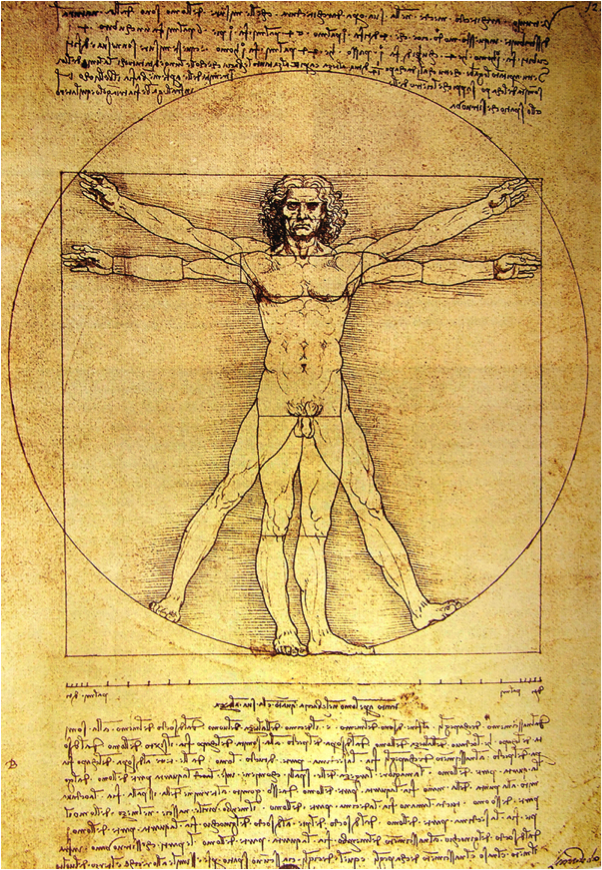
Leonardo Vitruvian Man

This image provides the perfect example of Leonardo’s keen interest in proportion. In addition, this picture represents a cornerstone of Leonardo’s attempts to relate man to nature. Encyclopaedia Britannica online states, “Leonardo envisaged the great picture chart of the human body he had produced through his anatomical drawings and Vitruvian Man as acosmografia del minor mondo (cosmography of the microcosm). He believed the workings of the human body to be an analogy for the workings of the universe.”http://leonardodavinci.stanford.edu/submissions/clabaugh/history/leonardo.html

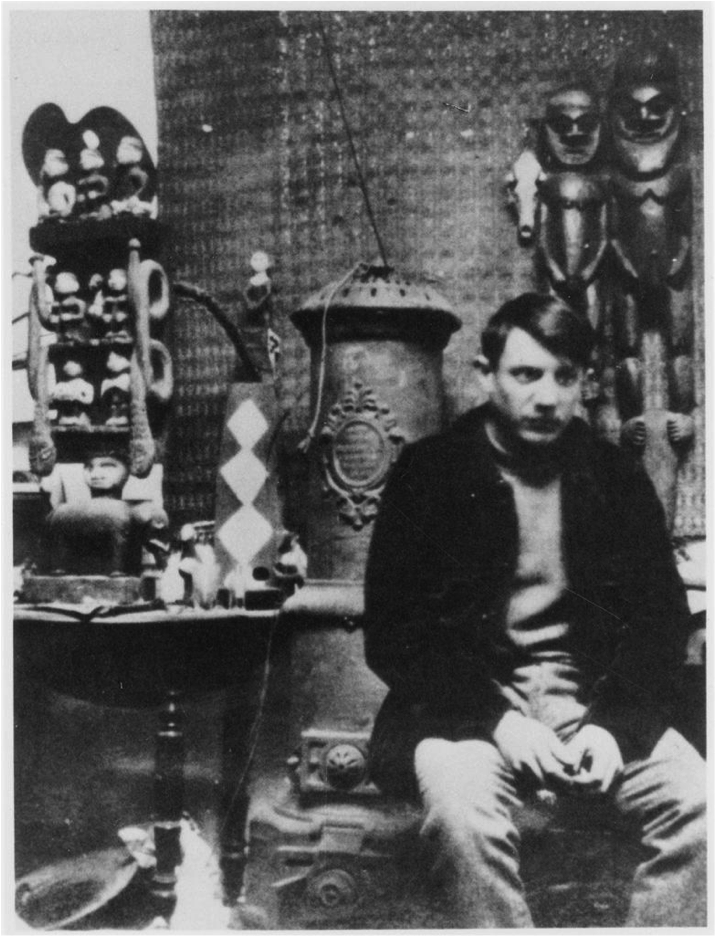
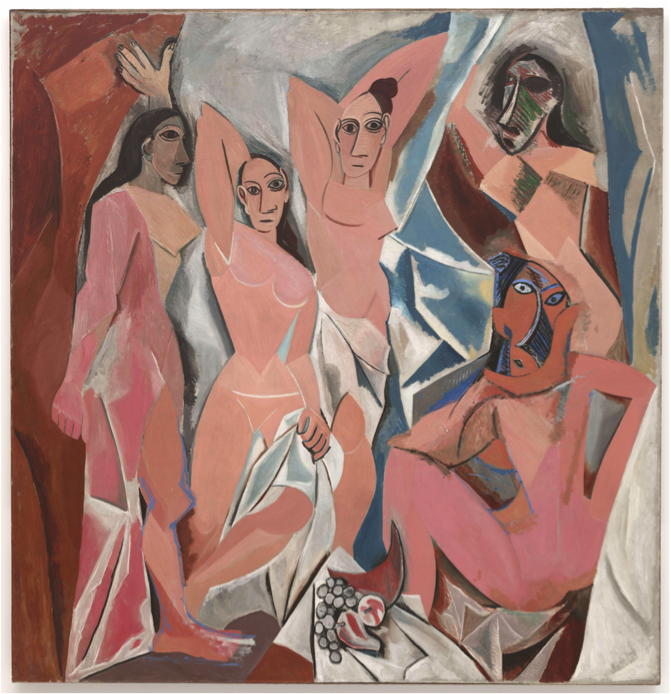
The leading piece of these broken traditions is evidenced by Picasso’s Les Demoiselles d’Avignon 1907, considered to be the precursor to cubism. Picasso’s “genius” is cemented in this singular piece where proportion, flatness, dimension are all broken in the new tradition Picasso sees.

“Les Demoiselles d’Avignon marks a radical break from traditional composition and perspective in painting. It depicts five naked women with figures composed of flat, splintered planes and faces inspired by Iberian sculpture and African masks. The compressed space the figures inhabit appears to project forward in jagged shards; a fiercely pointed slice of melon in the still life of fruit at the bottom of the composition teeters on an impossibly upturned tabletop. These strategies would be significant in Picasso’s subsequent development of Cubism, charted in this gallery with a selection of the increasingly fragmented compositions he created in this period.” http://www.moma.org/collection/object.php?object_id=79766

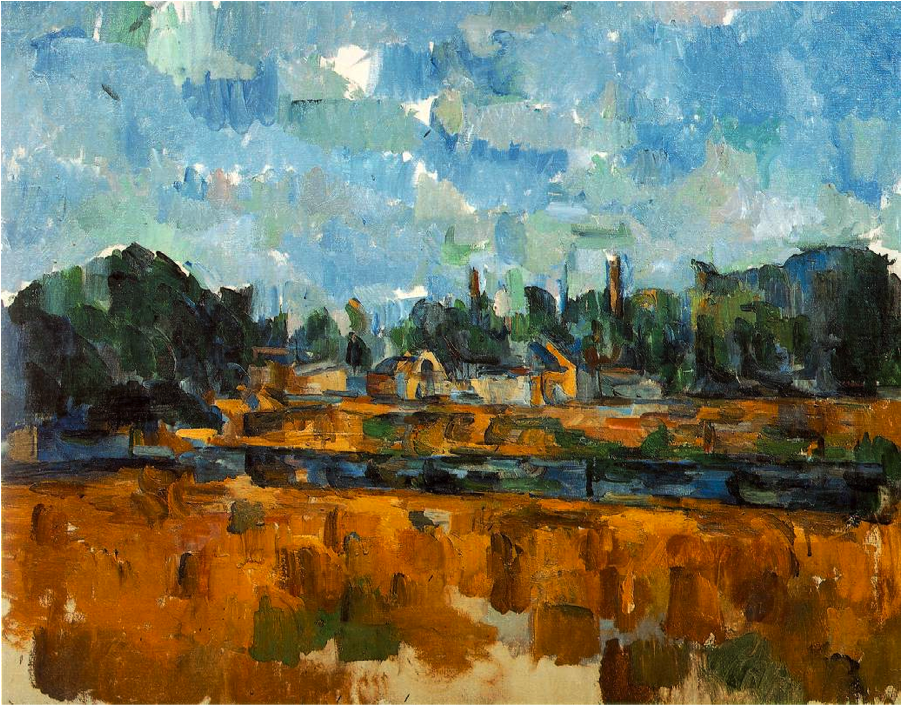
Picasso is then credited with inventing cubism, along with Georges Braque, the backbone of the legend of Picasso. Cubism cements Picasso’s legacy. We are led to believe that Picasso’s venture into cubist practice was a natural progression improved upon the foundation provided by Paul Cézanne landscapes, where Cézanne used large geometric shapes, and block of color. This is a plausible explanation only for people who have no idea what it takes to paint, and or blind. There is no way to achieve Cubism without direct appropriation African Sculpture.

cubism

Cubism was one of the most influential visual art styles of the early twentieth century. It was created by Pablo Picasso(Spanish, 1881–1973) and Georges Braque (French, 1882–1963) in Paris between 1907 and 1914. The French art critic Louis Vauxcelles coined the term Cubism after seeing the landscapes Braque had painted in 1908 at L’Estaque in emulation of Cézanne. Vauxcelles called the geometric forms in the highly abstracted works “cubes.” Other influences on early Cubism have been linked to Primitivism and non-Western sources. The stylization and distortion of Picasso’s ground-breaking Les Demoiselles d’Avignon (Museum of Modern Art, New York), painted in 1907, came from African art. Picasso had first seen African art when, in May or June 1907, he visited the ethnographic museum in the Palais du Trocadéro in Paris. http://www.metmuseum.org/toah/hd/cube/hd_cube.htm

Avant-Garde Africa

Dr. Gus Casely-Hayford is a curator and cultural historian. He is a King’s College Institute Associate and a Research Associate at the University of London’s School of Oriental and African Studies (SOAS).

As part of the Wonderful Africa Season in 2010, he presented Lost Kingdoms of Africa, four 60-minute programmes for BBC 2 and BBC 4. He presented a second series in 2012. Gus presented The Genius of British Art for Channel 4 in 2010 and hosted The Culture Show on BBC 2 in 2012. http://www.petersfraserdunlop.com/factual_tv/gus-casely-hayford

The contribution of Africa is not an afterthought; it is primary. The reduction of form, geometric vocabulary, multiple perspective, bulbous and inverted shapes on the same form, as well as the analytical investigation of form, and abstracted form, is all apart of African sculpture praxis. The intellectual credit that is heaped upon cubism and at the primitive label on Africa is unacceptable. The Museum placement of Cubism as modern and Africa in the basement is unacceptable. All modern art derives from Africa.

It is even more disturbing when people—the very people affected by this direct cultural appropriation—support these notions. The tradition is now upheld by their naiveté, their hoping to achieve intellectual social status through the same process that claims them to be primitive.

JAY Z “Picasso Baby: A Performance Art Film.” Directed by Mark Romanek.Performed at PACE gallery

What happens when a Ming dynasty porcelain vase is displayed in America without the Chinese knowledge? A Native American artifact? African art has been physically and intellectually appropriated without recognition. This practice must stop.

Christopher HutchinsonChristopher Hutchinson is an Assistant Professor of Art at Atlanta Metropolitan State College, Archetype Art Gallery Owner in Atlanta, Ga, and Smoke School of Art Founder. He received his Master of Fine Arts Degree in Painting from Savannah College of art & Design, Atlanta and his Bachelor of Arts Degree from the University of Alabama in Huntsville, Alabama. He lived in Alabama for 10 years before moving to Atlanta in 2008.

Learn more about Christopher and his work at Black Flight 144.
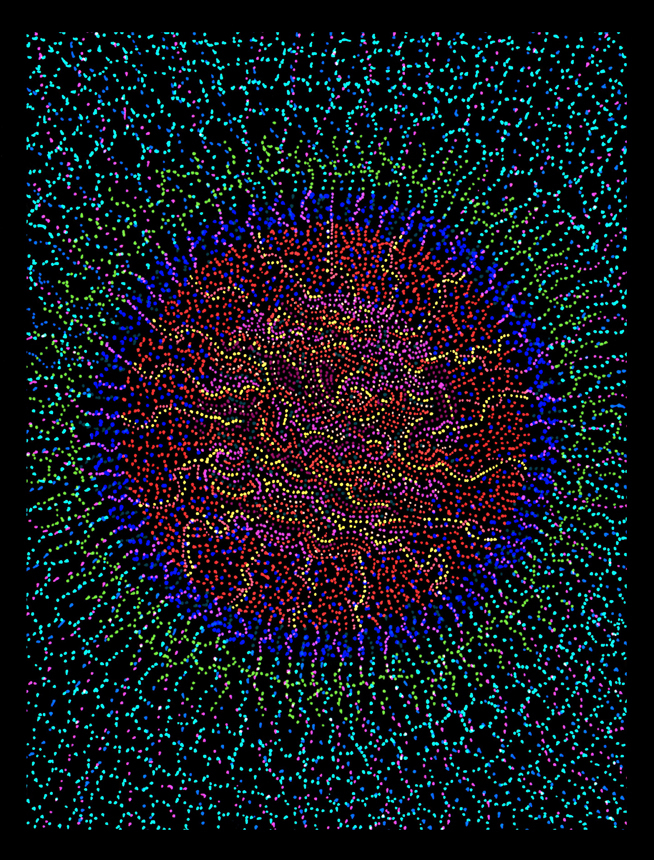
The Abandonment of Doubt

by Justin Christenbery

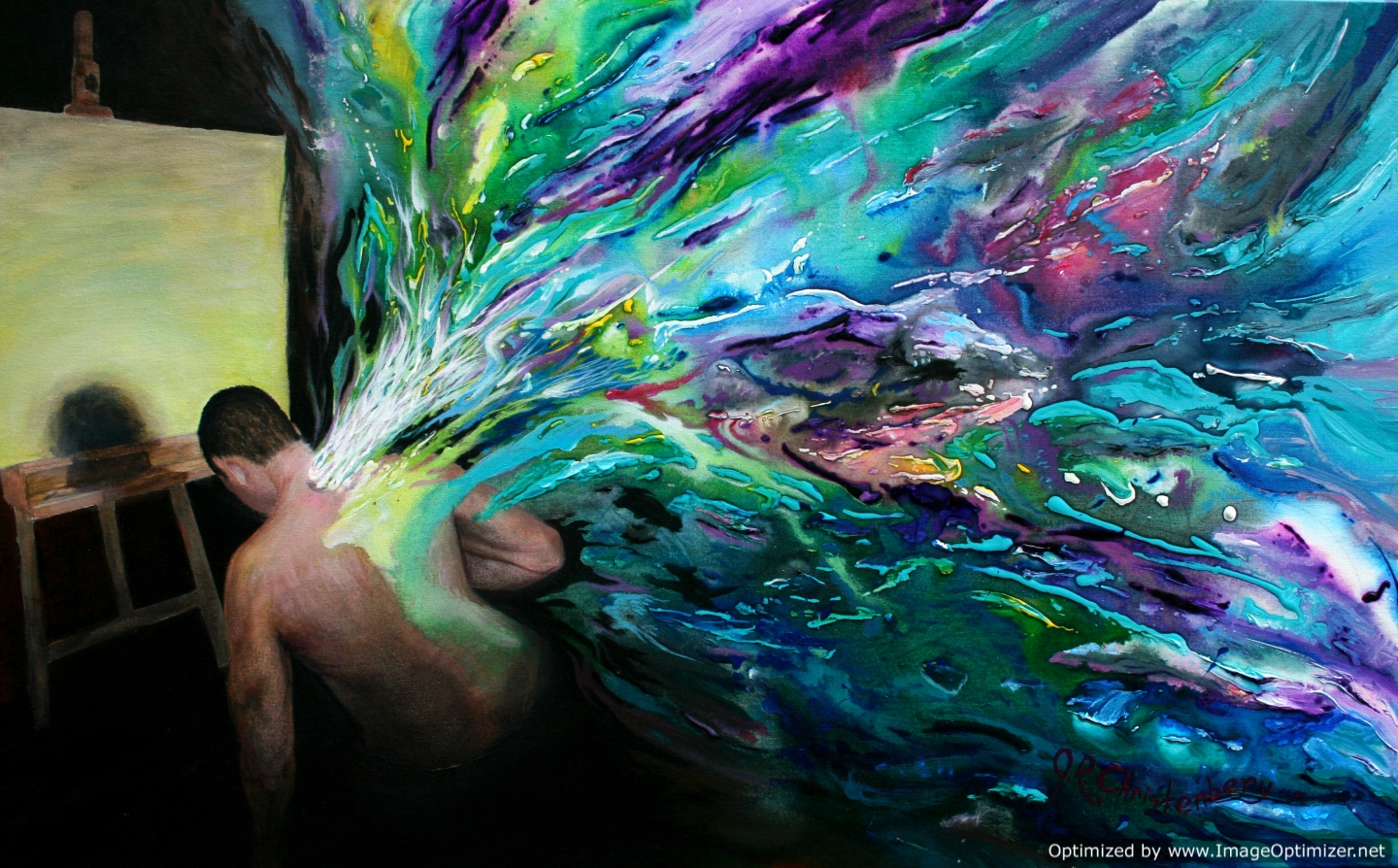
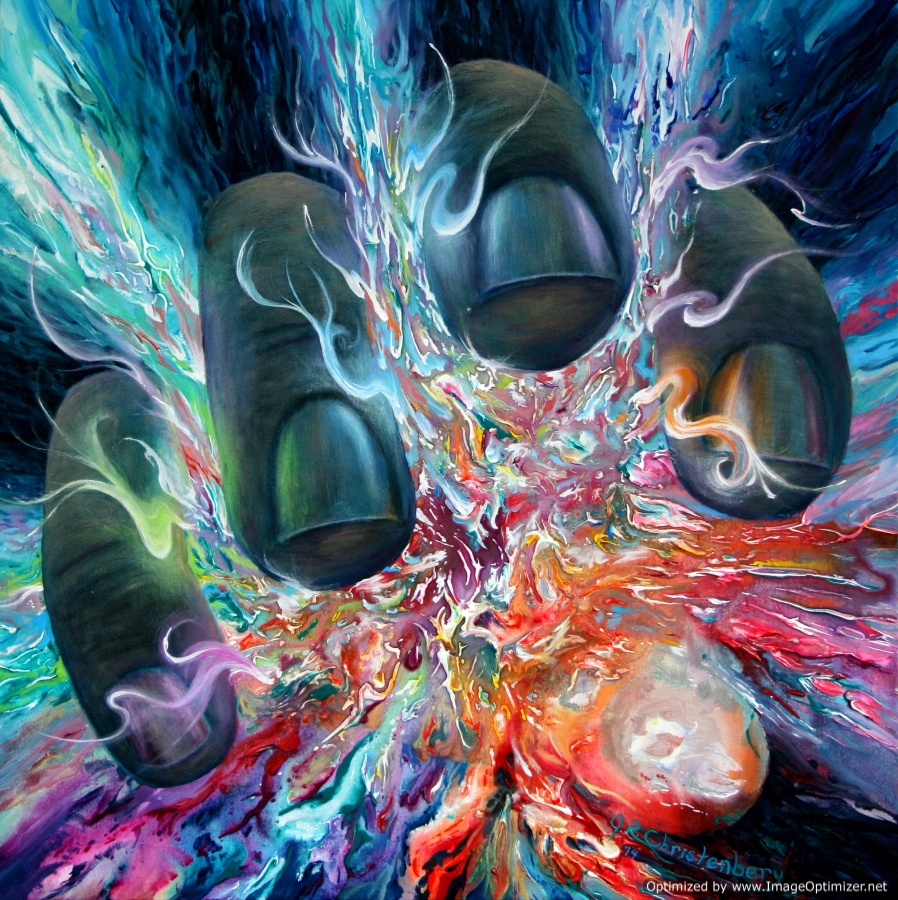
The Artist, 30"x48" acrylic on canvas (8/2014)

The Artist, 30″x48″ acrylic on canvas (8/2014)

Looking within, potential can be acknowledged and worked with. The fire of the heart-mind is stoked and the image is forged, quenched, and re-forged a thousand times within the mind’s eye before a move has even been made.

Forward, 36"x48" acrylic on canvas (10/2011)

Forward, 36″x48″ acrylic on canvas (10/2011)

Through the common link between all things, we flow.

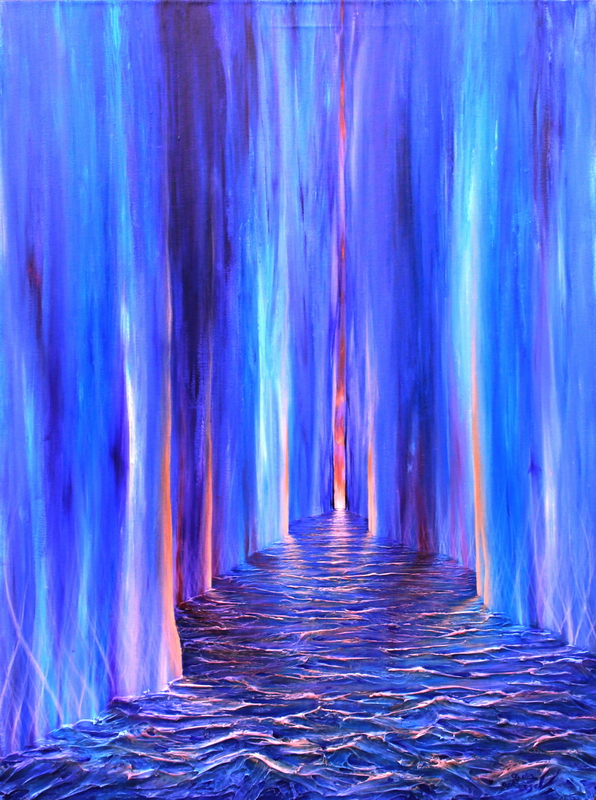
 Movement in Blue, 30"x40" acrylic on canvas (7/2014)

Movement in Blue, 30″x40″ acrylic on canvas (7/2014)

The style that I’ve been cultivating for the last several years continues to evolve and seems to finally be crystallizing into something worthwhile here. Consciousness sings into form the formless. Then, being gently takes consciousness’s hand and leads the song into an undreamt of place where the clouds of confusion are forgotten.

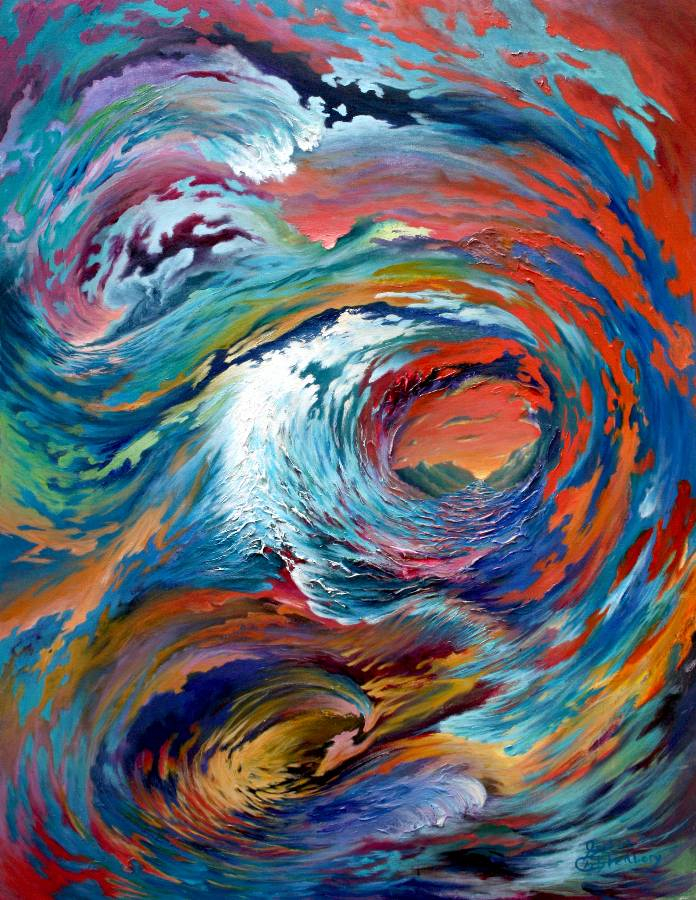
Incurrence, 42"x54" acrylic on canvas (2010)

Incurrence, 42″x54″ acrylic on canvas (2010)

Within our sometimes tumultuous lives and inner worlds, calm remains forever present and available.
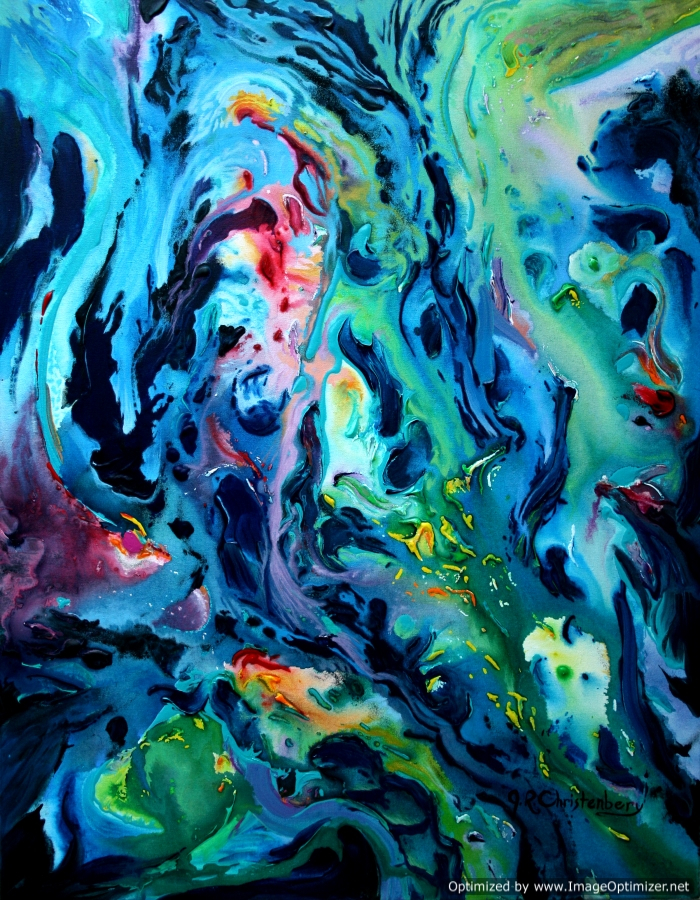
The Abandonment of Doubt, 42"x42" acrylic on canvas (9/2014)

The Abandonment of Doubt, 42″x42″ acrylic on canvas (9/2014)

Life is Surging at this very moment. Around you- through you… As you. Your mind is a tool slowly & tenuously mastered- a lens, of sorts, that you use to focus this Life-that-you-are. This is where many trip up: The mind only ever remains a tool, and as powerful as it can become, it will never compare to or replace the Pure Life that we are. If the mind is a lens, how much greater is your Self which puts it to work? The mind is useful. YOU are essential- and quite skilled at Living w/out minding your mind.
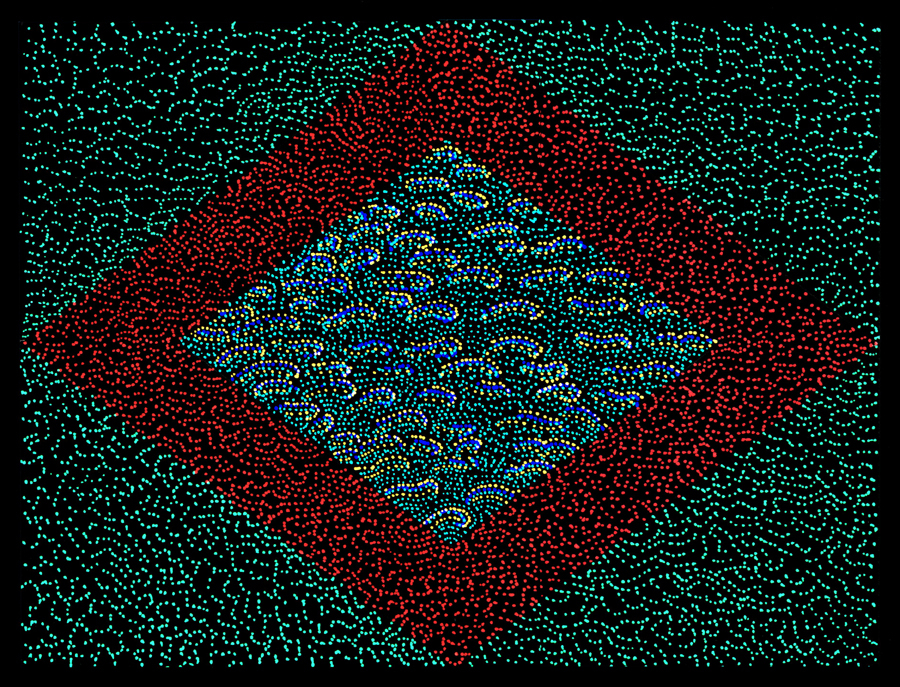
Stop trying to listen to your heart so that It can become you. Forget thinking and embrace knowing. Flow happens… Mind is first absorbed and then blended into Being, and Life’s sweetest nectar is tasted.

The Return, 33"x44" acrylic on canvas (2009)

The Return, 33″x44″ acrylic on canvas (2009)

This piece marked a fork in the road of my development as an artist. In 2009 I was doing a lot of blended directional work (hence the strong verticals here) with the goal being to get my mind to stop worrying so much about what the image would become. Having covered the canvas, I noticed a great sense of depth near the middle and decided to pursue that sense of perspective and immersion within a saturated environment and was rewarded with a painterly evolution.

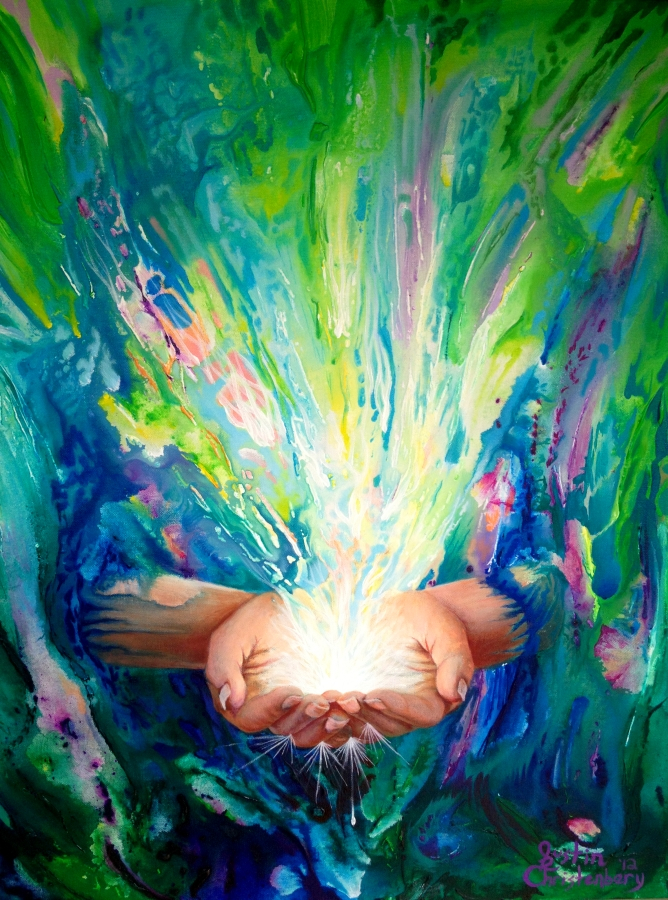
The Offering, 24"x30" acrylic on canvas (3/2013)

The Offering, 24″x30″ acrylic on canvas (3/2013)

This piece was commissioned by a Family & Marriage therapist and now hangs in her office. I am constantly amazed by and forever grateful for the gift which, in having been given to me, I am able to multiply and re-gift to so many others.

Justin Christenbery lives in Cornelius, NC where he works out of a home studio and maintains an active presence in the creative community. He regularly does live paintings alongside various bands and musicians with hopes of sharing his inspiration with audience goers. He is currently exhibiting new works at Kadi in Downtown Cornelius’s Historic Oak Street Mill. The show runs through March 12th, 2015.

More of his work can be seen on his personal (under-construction) website: http://JustinChristenbery.com. He has a secondary online portfolio which is overflowing with work from the last 10 years, and where prints of his art can be purchased: JRChristenbery Portfolio

Commissions are always being accepted(he does realistic portraiture as well!
Follow him on Facebook: Here
Christenbery working on a live painting on plexiglass. (photo courtesy Brooklyn Nicole)

Christenbery working on a live painting on plexiglass. (photo courtesy Brooklyn Nicole)

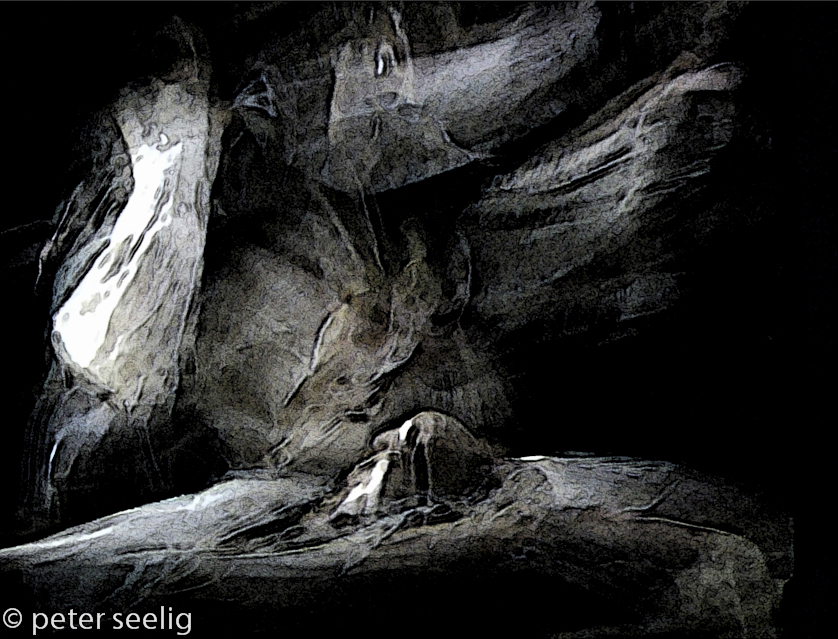
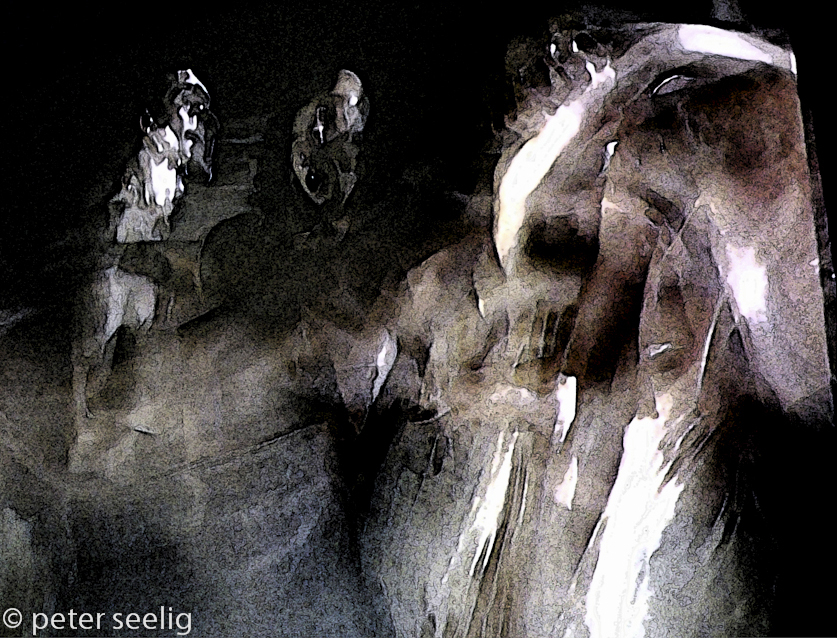
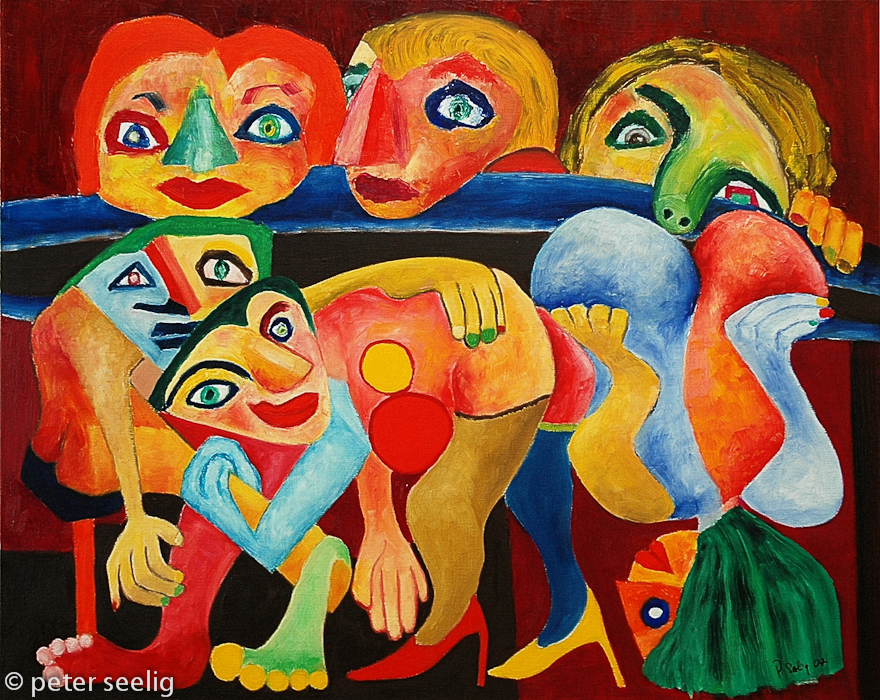
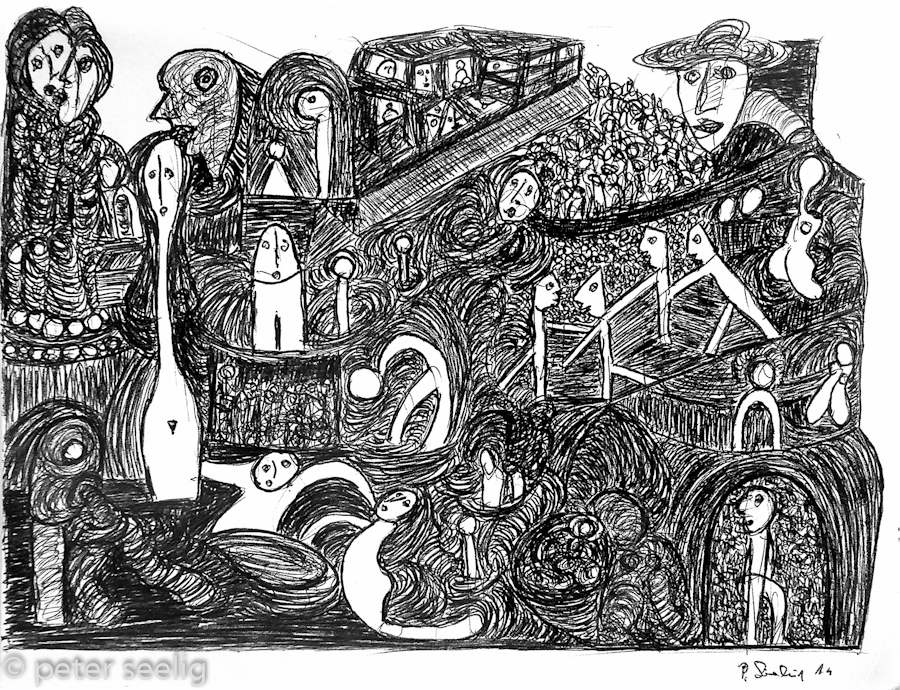
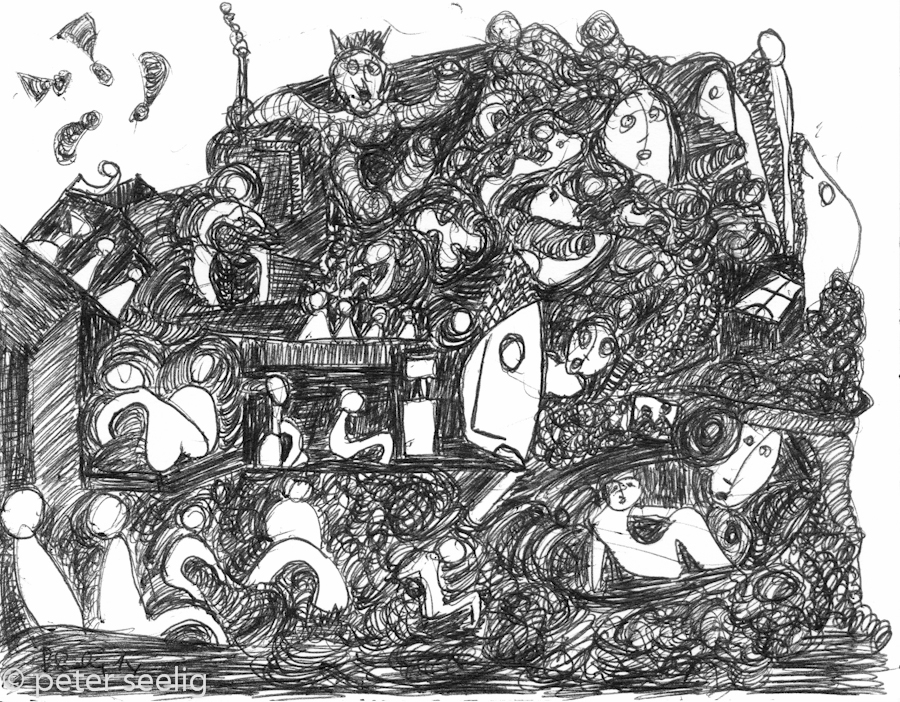
My Fotos and Paintings are Love Stories

by Peter Seelig
 

My fotos and paintings are love stories.
They are the music of my eyes and the colors of my ears.


The Rite of Spring (Photomanipulations)-current exhibition in Vienna

the rite of spring #1

the rite of spring #1

the rite of spring #5

the rite of spring #5


“You would like to see more, where hermetic boundaries of signs have their limits and start to try to
interview them“ (Maria Männig)

“By luxurious digital posttreatment he reaches the alienation of the material which is accompanied by an estrangement of the originally photographed object. The reality in its deformed shape wins distance, coagulates to a visual concentrate, in the felt becomes visible.“ (Maria Männig)


Digital Art

Bluebirds In My Mind

Bluebirds In My Mind

Beating the sky, for what, for more of  what - For more truth From what

Beating the sky, for what, for more of
what – For more truth From what


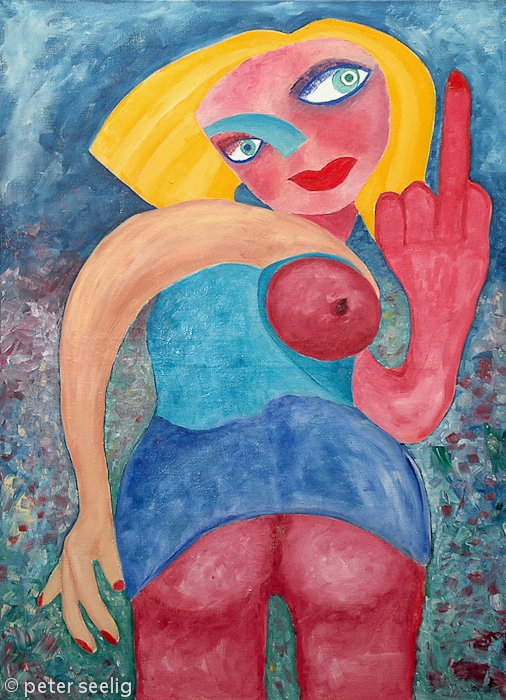
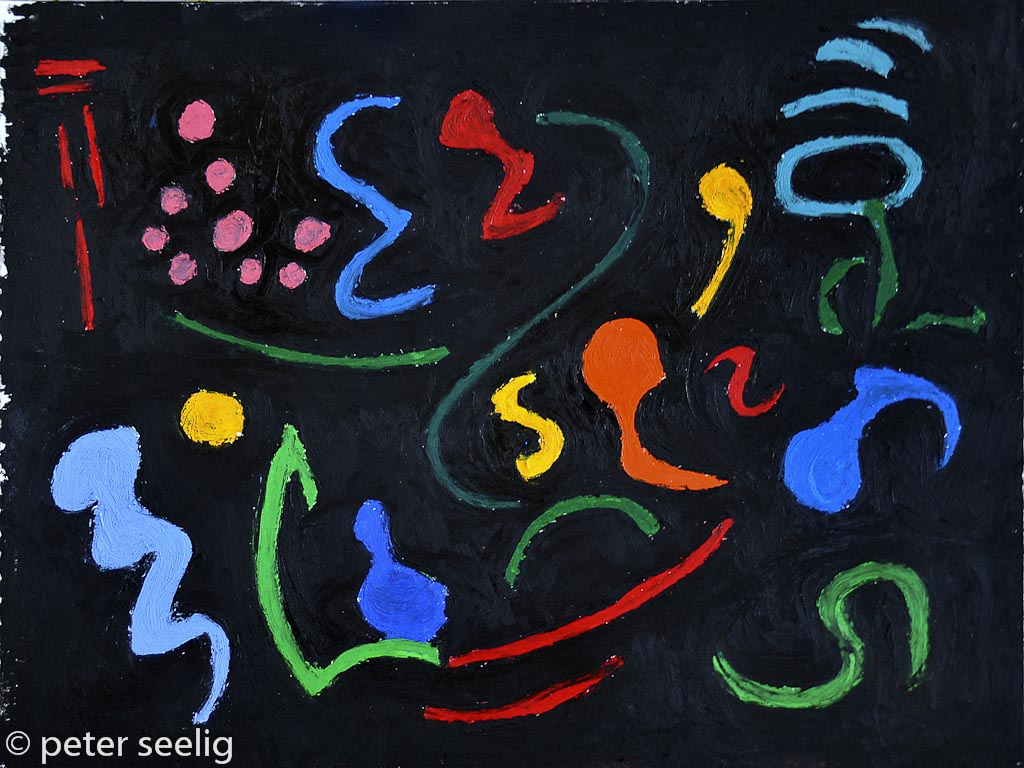
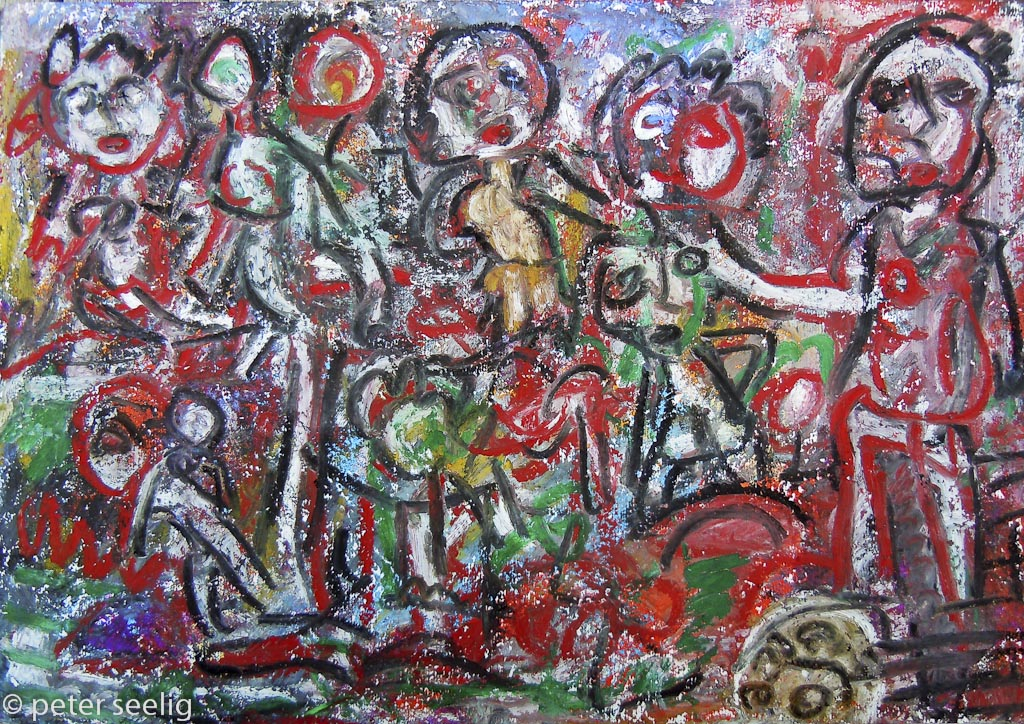
Paintings

four o clock in the morning

four o clock in the morning

Nina

Nina


“The relinquishing of man in music and dance, in colour and painting, in rhythmic movement and
swinging lines constitutes the theme of Peter Seelig’s work. He circuits his subject in drawings and
paintings obsessively. Figures and faces allure in an expressive decidedly modern picture language
presence.” (Prof.Ulrich Gansert)


Family Group UP-UP-DOWN

Family Group UP-UP-DOWN

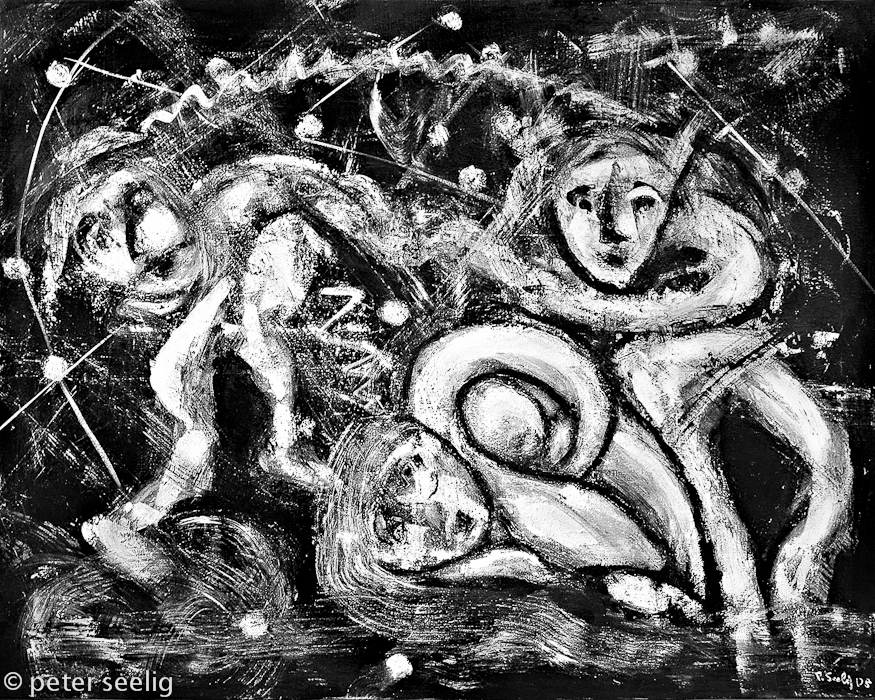
Lilith

Lilith


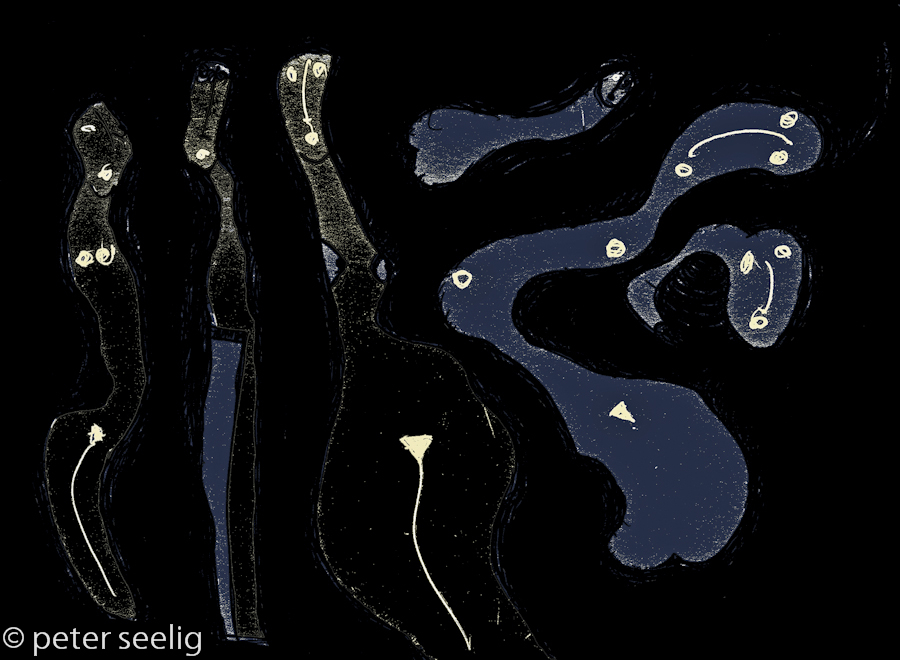
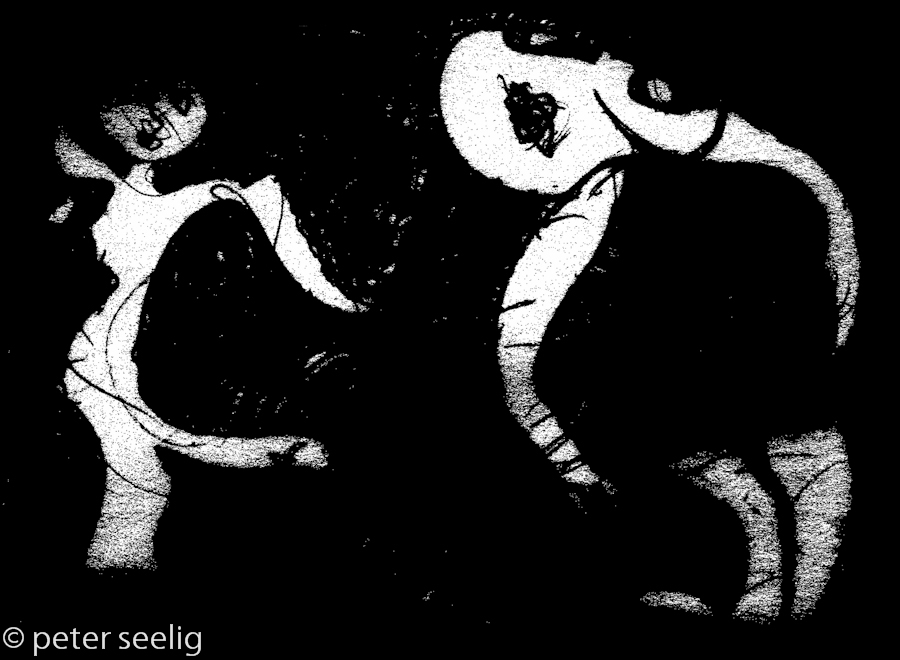
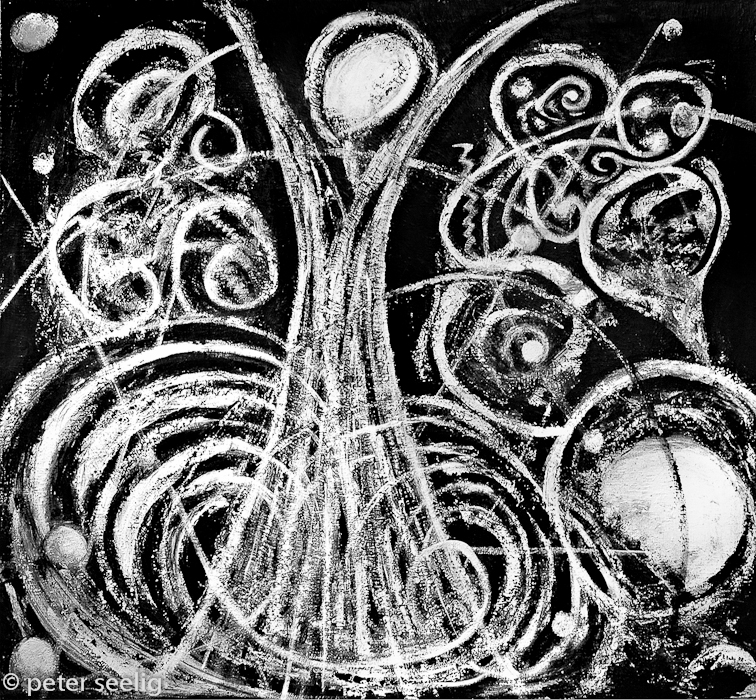
“In his painting the human form acquires a sketch like forcefulness. In a picture group one linear
formulation dominates against a black background. Symbols of elementary simplicity emerge. The
lines are like simultaneously those in a test arrangement , the tracks of racing electrons, becoming
visible is a black eternity, and real figures of Lillith or the flowers for Alice. Strange spirals or the form of an angel flying through the dark room.” (Prof.Ulrich Gansert)


Oil Pastels

The Key of Eros

The Key of Eros

on the traces of Claude Monet and Joan  Mitchel #1

on the traces of Claude Monet and Joan
Mitchell #1


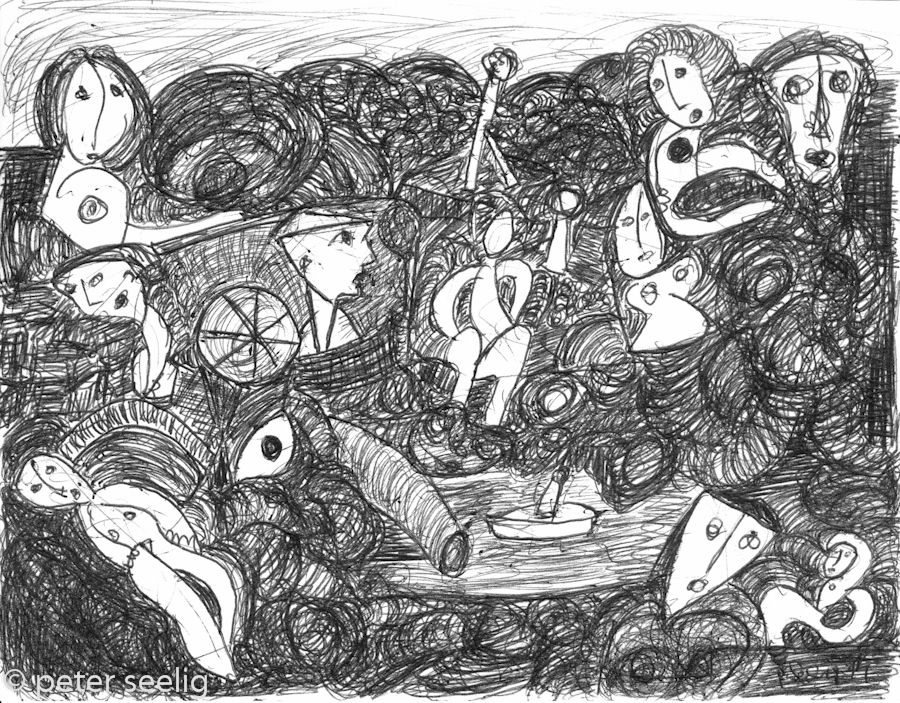
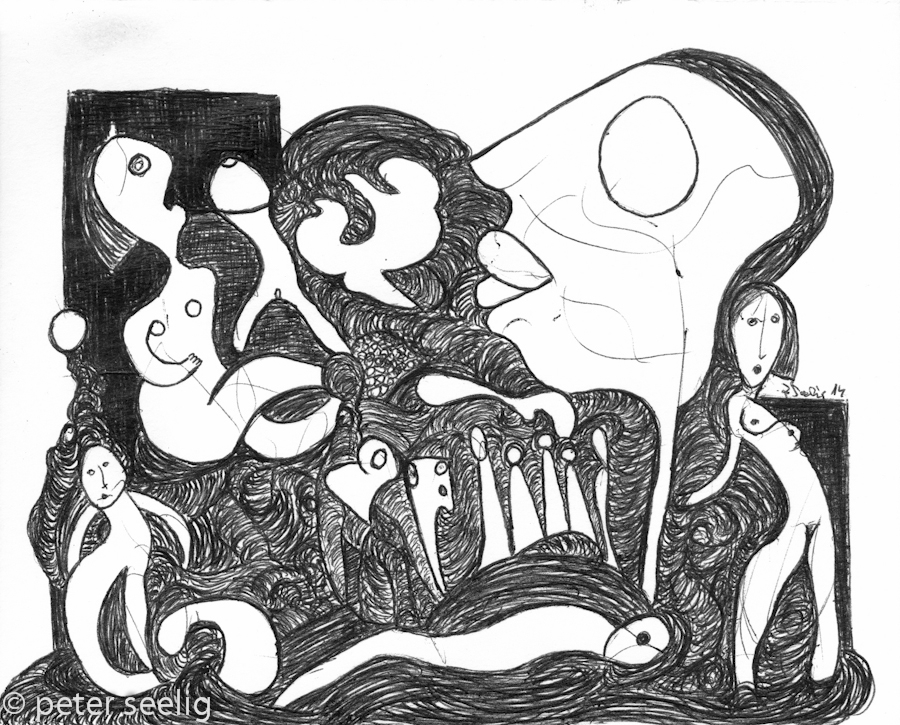
Drawings

Boattrip

Boattrip

Myself In My Head Out My Head In My  World

Myself In My Head Out My Head In My
World

Looking Right Top To My World

Looking Right Top To My World

On The Top Singing With Mozart

On The Top Singing With Mozart


“Peter Seelig’s artistic work grows out of a debate with modern art and a wide range of interests
including music, theatre, ballet and literature. His lovely Vienna atelier apartment is full of books.
Numerous visits to Switzerland and France, where in 1968 he experienced the enthusiasm of the
students in Paris, belong to his personal biography. In philosophy, this sphere of positive energy
would be described as Dionysian. The presentation of this possibility of human being is the program
of his artistic work.” (Prof.Ulrich Gansert)


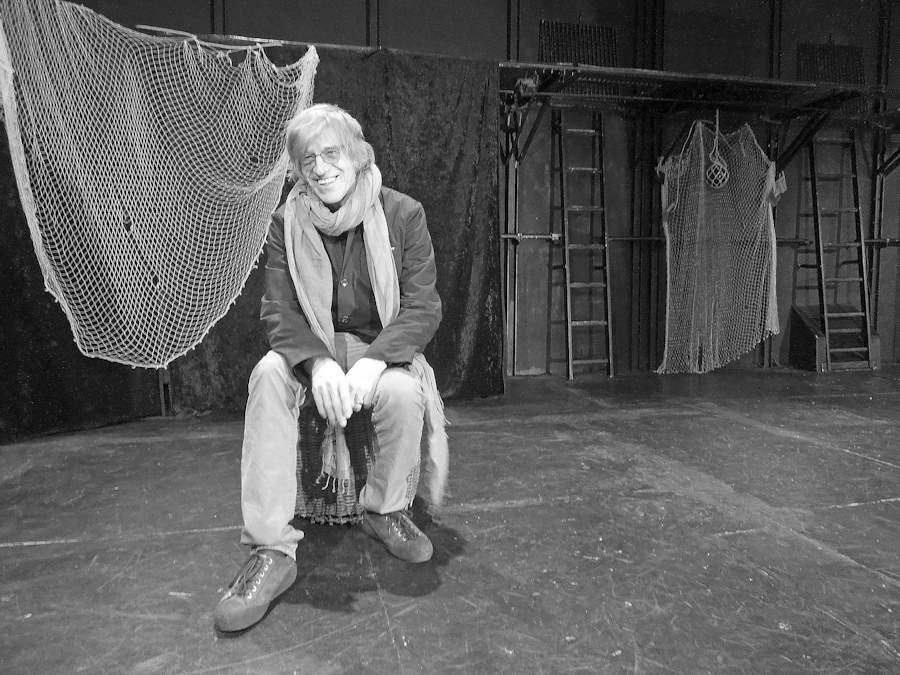
Peter Seelig in the theater Espace Marais Paris  Photo by Maia Citterio

Peter Seelig in the theater Espace Marais Paris
Photo by Maia Citterio

Links
Homepage: www.peterseelig.com
Twitter: www.twitter.com/peter_seelig
Flickr: www.flickr.com/photos/peterseelig
Facebook: www.facebook.com/peter.seelig.arte

Formerly Blocked Artist

by Anne Flournoy

TLL COMPOSITE PIC S1-3

For decades, I lived a life of intense frustration as a blocked artist, only occasionally able to get past my inner critic to finish a project.  Ambition and high expectations combined with the fear that I was ‘not quite ready’ kept me in a state of almost perpetual hemming and hawing.  Instead of working, I usually found a million ways to distract myself and became increasingly jealous of artists who were working and making names for themselves.  I heard the suggestions that ‘perfectionism’ and ‘procrastination’ might be my problem but knew that wasn’t it.  I had standards for God’s sake.

And then, in 2007, Delta Airlines gave me my lucky break.  A suitcase, filled with all the notes for the final rewrite of the feature film script I’d been rewriting for 17 years, vanished.  I didn’t know how to proceed without the notes collected from the best scriptwriters I knew.  And in that moment, I remembered that the only reason I had ever wanted to make a feature was to have a career.  Shorts were where my heart had always been and I’d recently heard that this might be a new golden era for short films- that they were even starting to make money on the internet.  With some regret and even more relief, I put the script for my second feature on the shelf.

It was 2007 and YouTube was teeming with videos of cats on skateboards.  No self-respecting filmmaker was putting their work on YouTube but I was going to do just that.  Picking up a camcorder, l began shooting everything in sight.  Birds, cats, my kids…  I’d seen Charlie Bit My Finger with its 50 million plus views and knew that I could match that.  Three months later, embittered by a summer of just-missing every great moment, I heard a producer-friend’s suggestion: “It’s easier, Anne, with a script.”

And so, my 17-year effort went under the knife.  I gutted it of its juiciest moments and began shooting Season One with friends.  Seven years and three seasons later, we have forty two episodes online for free and without ads, with three more launching before December.  It’s called The Louise Log, and it’s a comedy web series, the story of an insecure New York City wife and mother who’s an emotional train wreck.  Her over-active inner voice keeps you up-to-the-minute on her anxieties, resentments and over-the-top expectations which, of course, alternate with doomsday scenarios.  If you like it, please subscribe at http://thelouiselog.com and or on youtube at https://www.youtube.com/user/anneflournoy  Here are some of my favorite episodes so far:  

#4

#8

#13

#29

#30


#37

#39

#40

#41

#42


BIO

Before making her award-winning, crowdfunded, comedy web series The Louise LogAnne Flournoy wrote and directed shorts and a feature film which played in festivals from Sundance to Berlin. She’s a Guggenheim Fellow and can be found on twitter as @anneflournoy and at http://thelouiselog.com.

social media links:

The Louise Log website         http://thelouiselog.com

The Louise Log on facebook  https://www.facebook.com/TheLouiseLog?ref=ts

The Louise Log on twitter          https://twitter.com/TheLouiseLog

Anne on twitter       https://twitter.com/AnneFlournoy

tumblr        http://anneflournoy.tumblr.com/