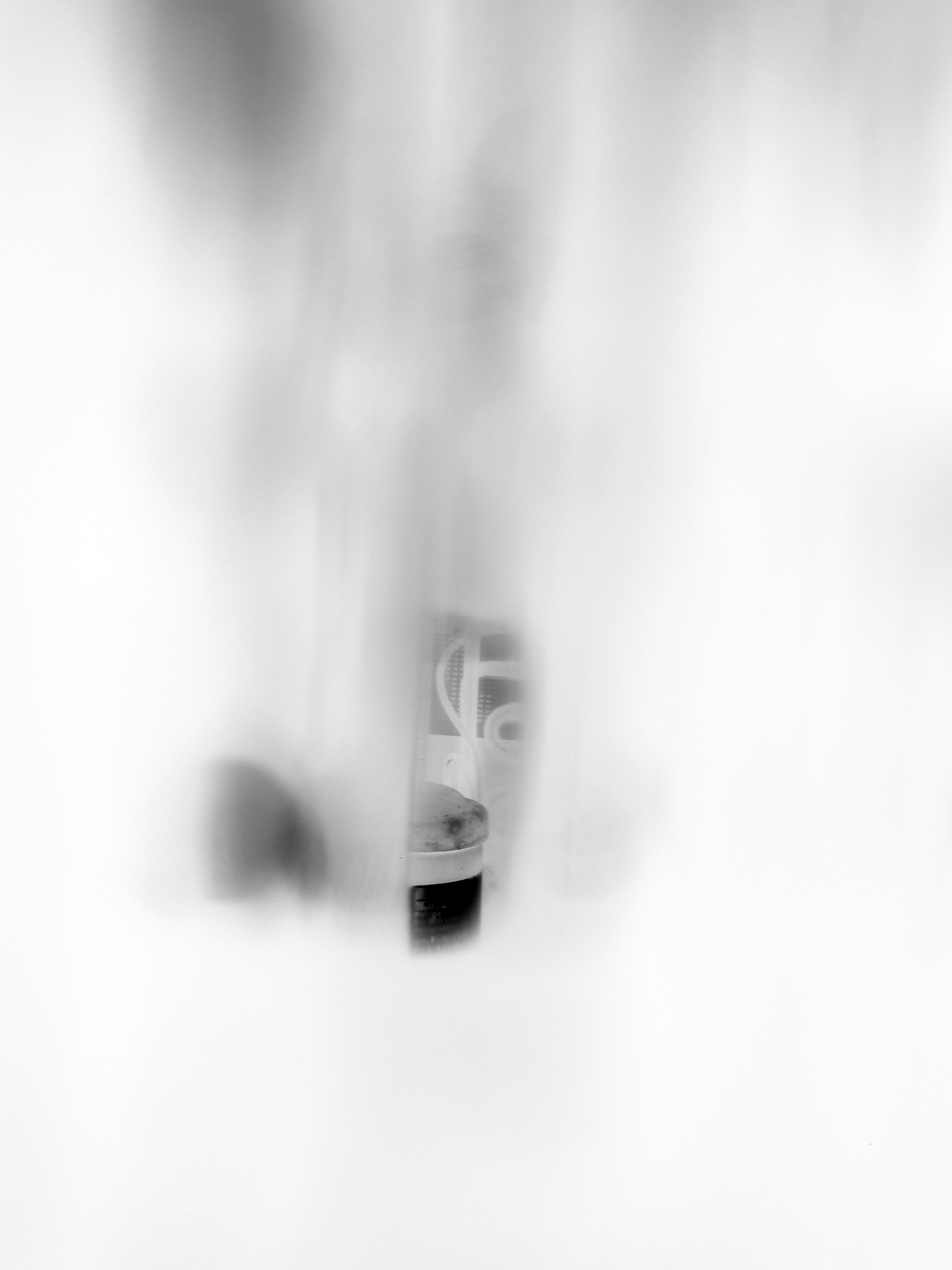
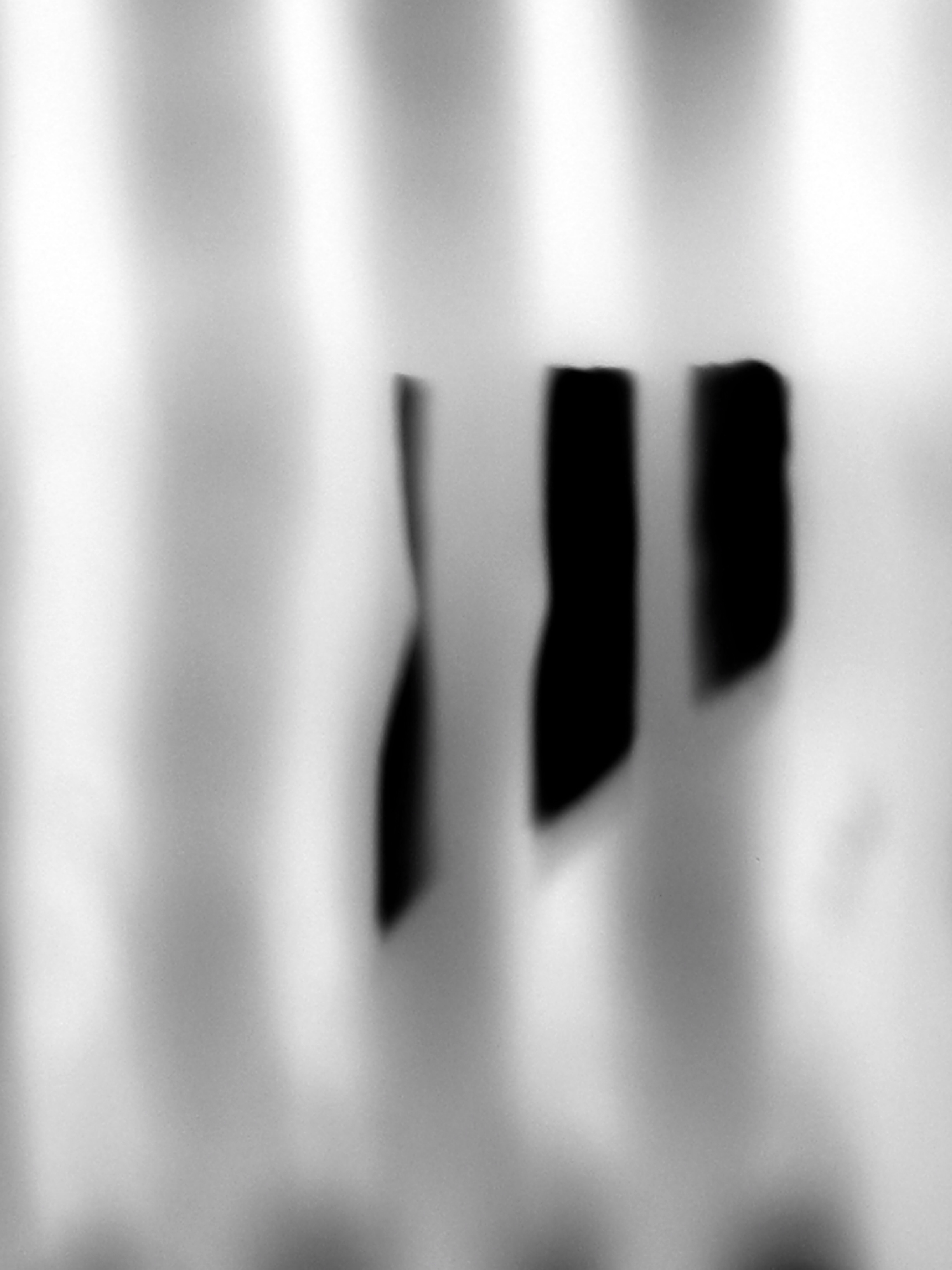
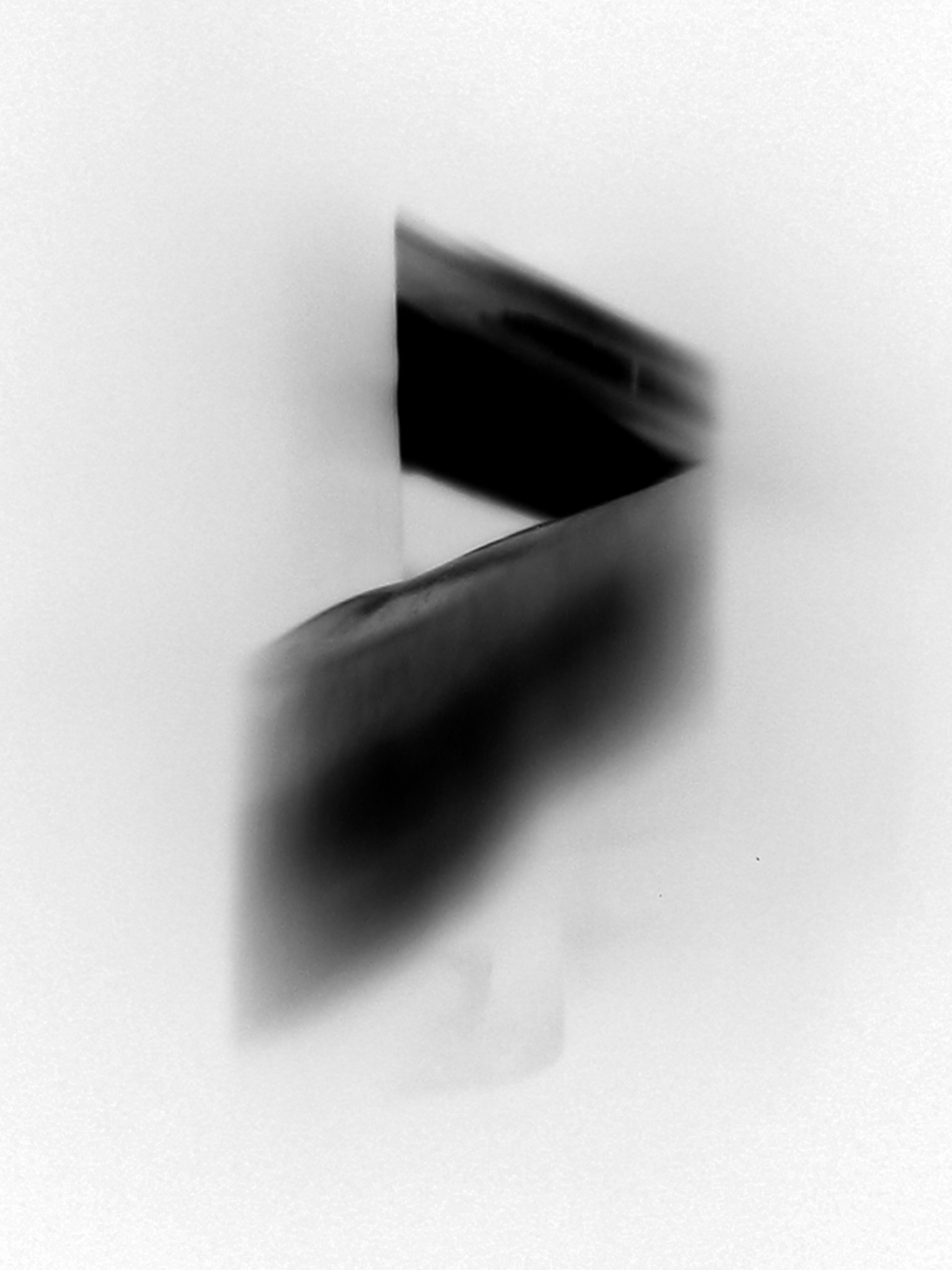
Tag Archives: photography

The Others and I

by Anne-Martine Parent

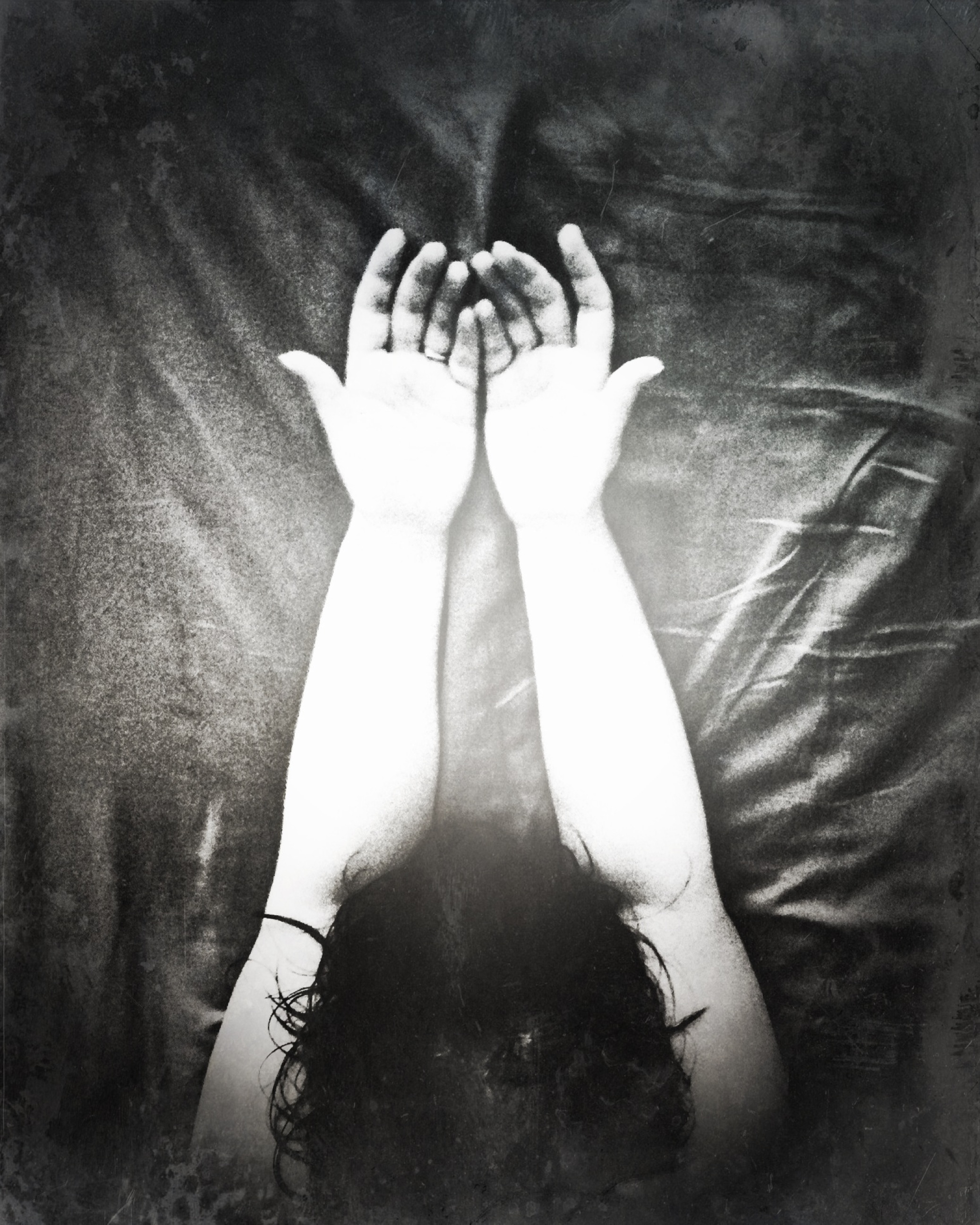
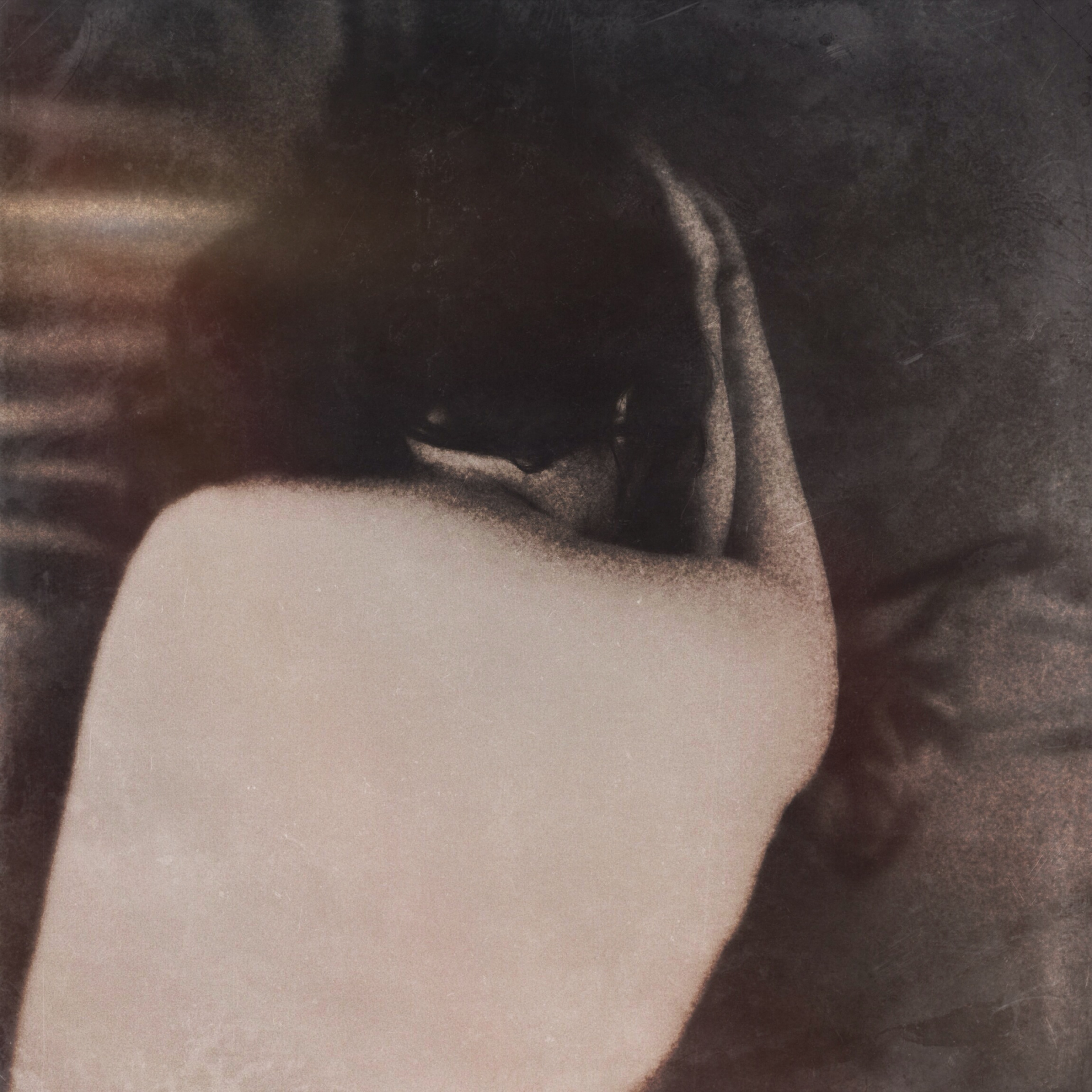
My work consists mostly of two types of photography: street photography and self-portraits. Although these two genres may seem opposed to each other, they are, for me, inextricably linked in that my concern is always to explore and interrogate life, from the everyday to the life-changing experiences (loss, mourning, trauma). Opening myself to the others, using myself and the others, I try to record and document the insignificant and the trivial as well as the defining moments of our existences, the strength and the tenuousness of our lives.

Le vieil homme et les pigeons

Le vieil homme et les pigeons

At the Ritz London

At the Ritz London

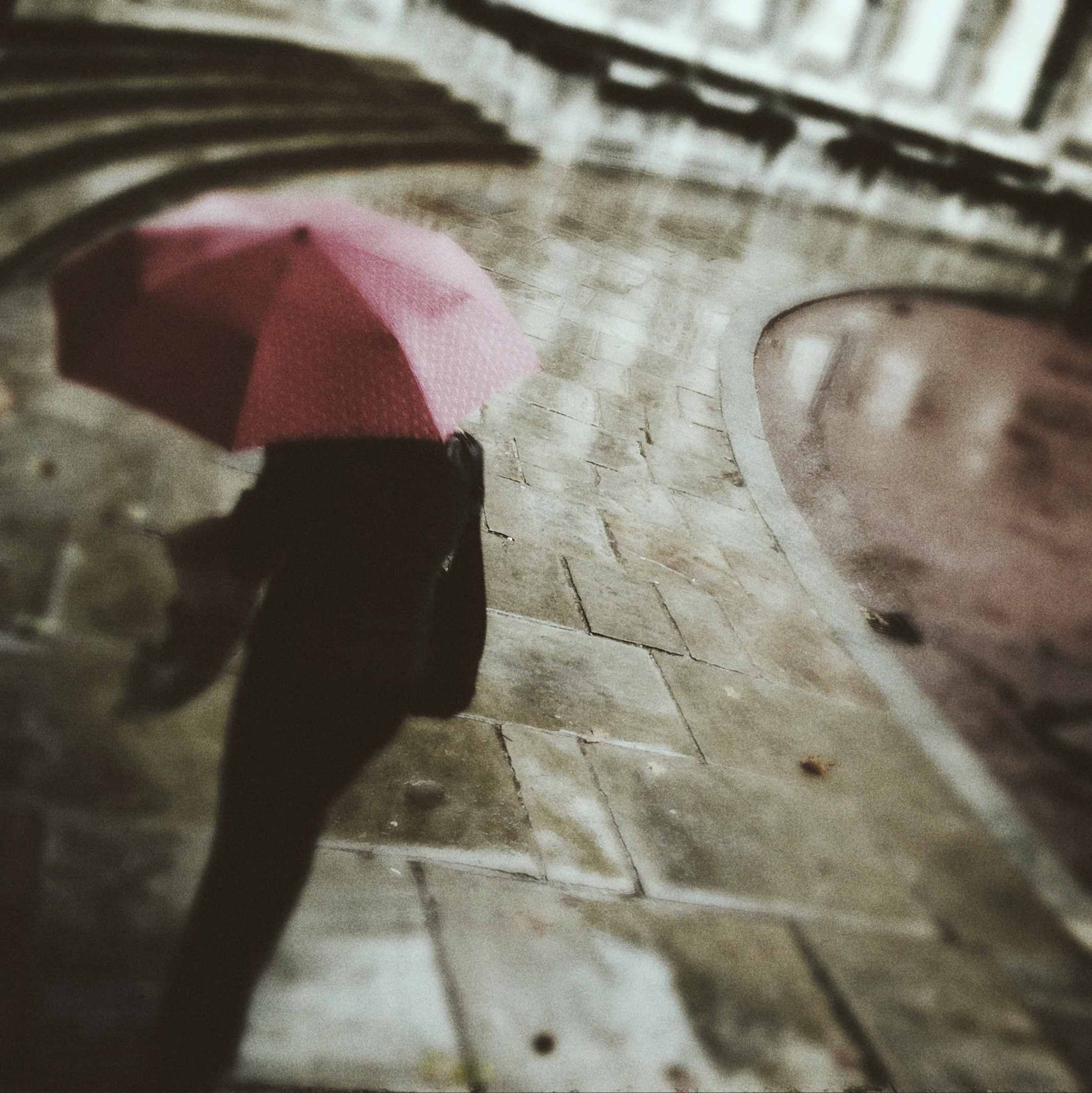
Another red umbrella

Another red umbrella

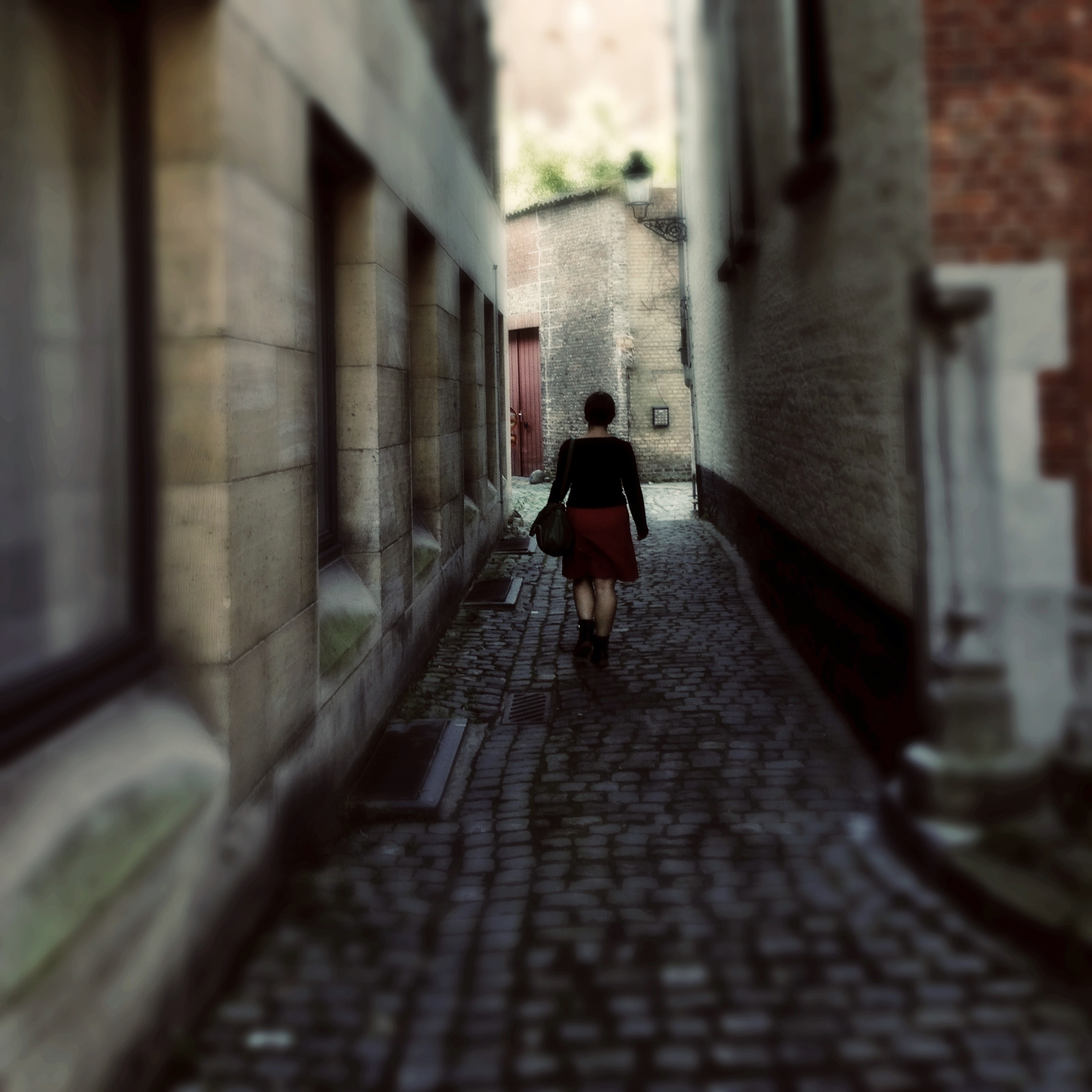
La passante de Bruges 2

La passante de Bruges  2

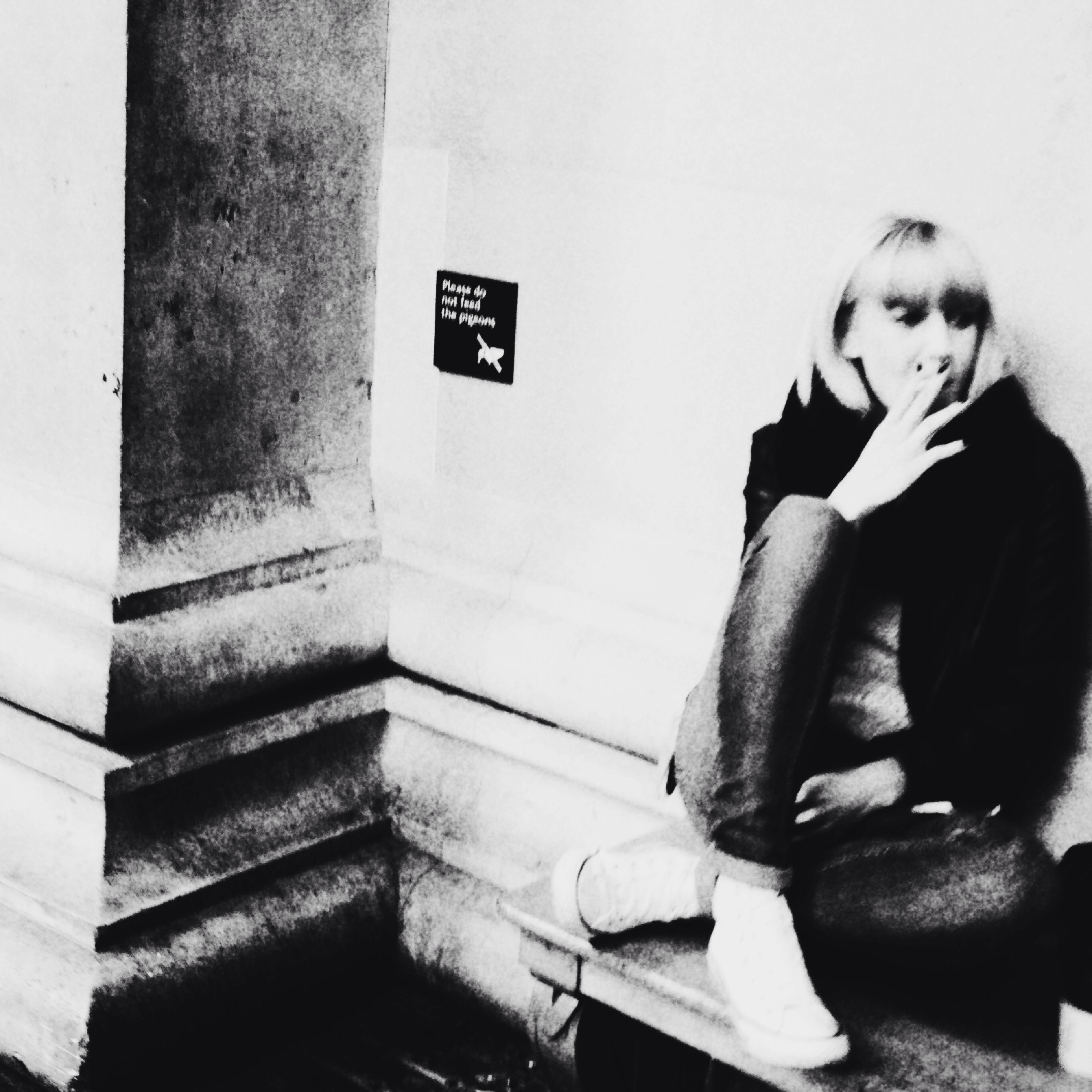
Smoking

Smoking

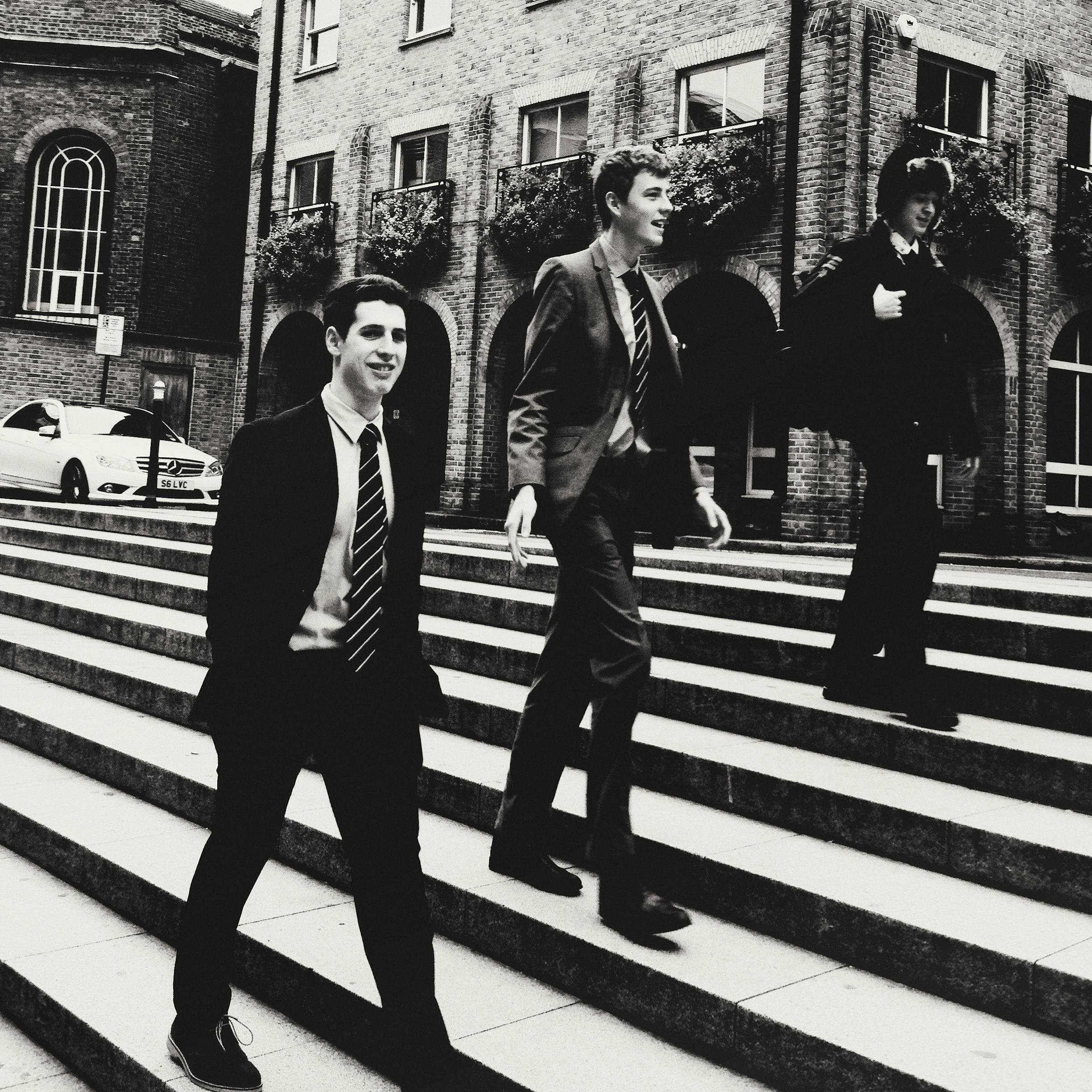
School’s out

School’s out

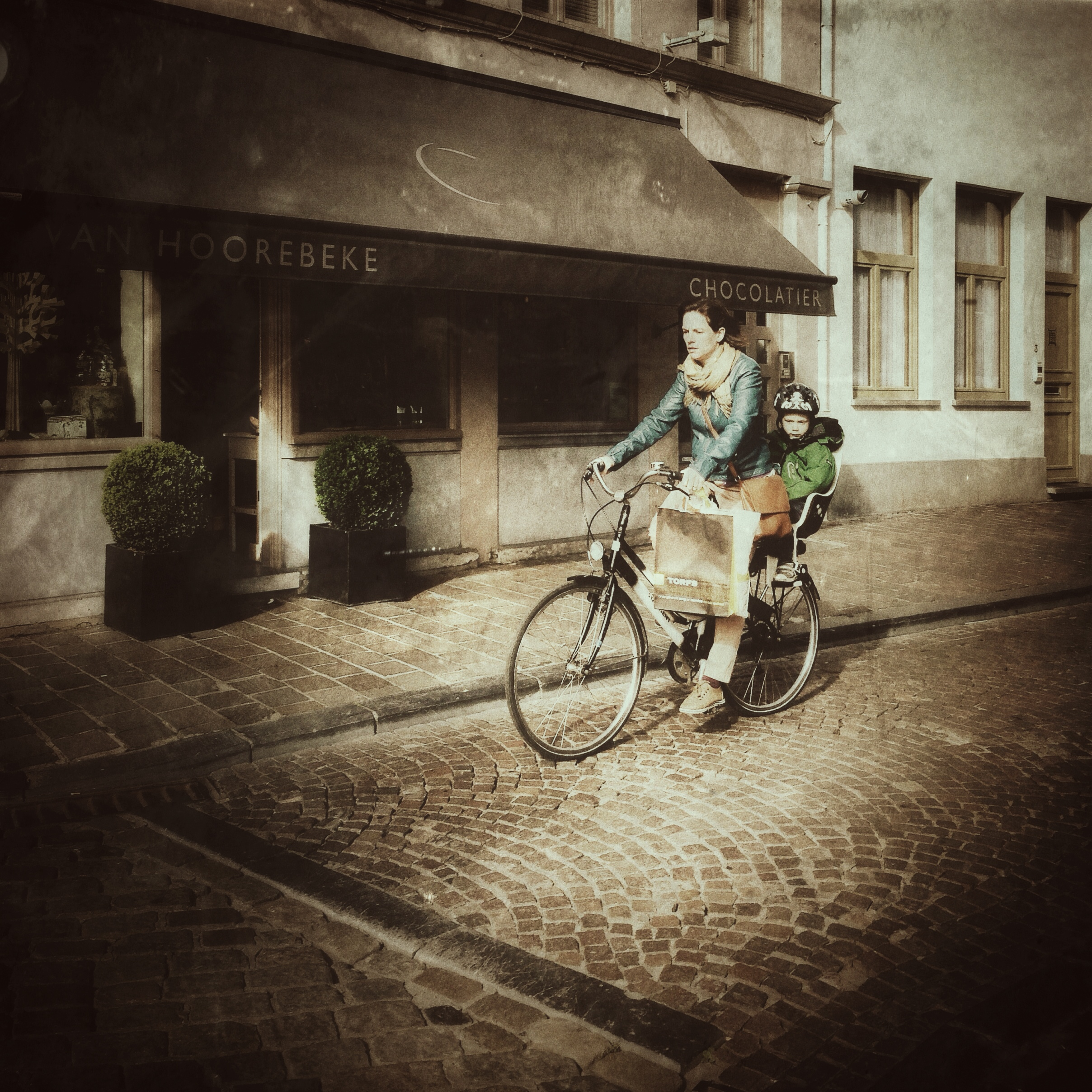
À bicyclette 2

À bicyclette 2

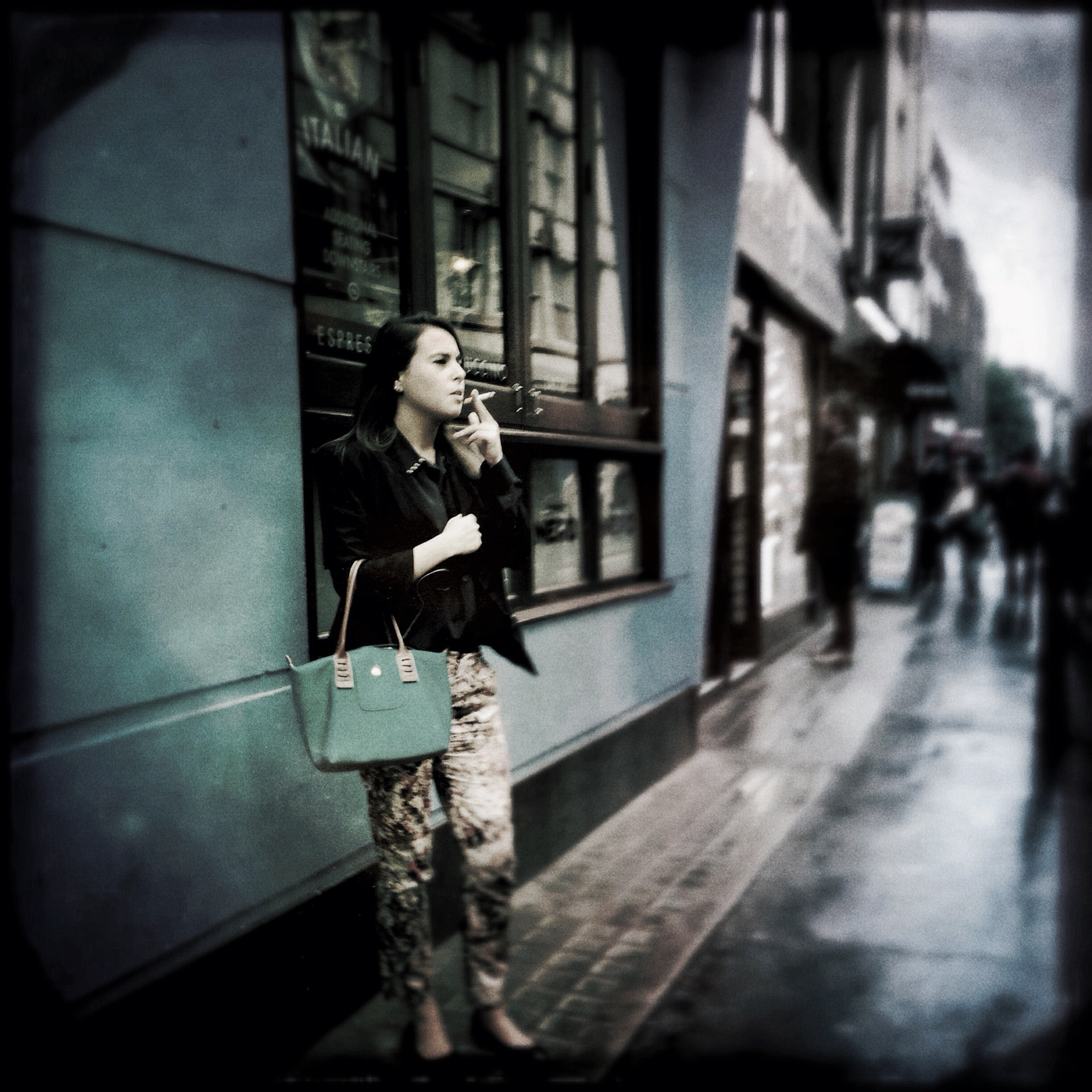
Blue bag on blue wall

Blue bag on blue wall

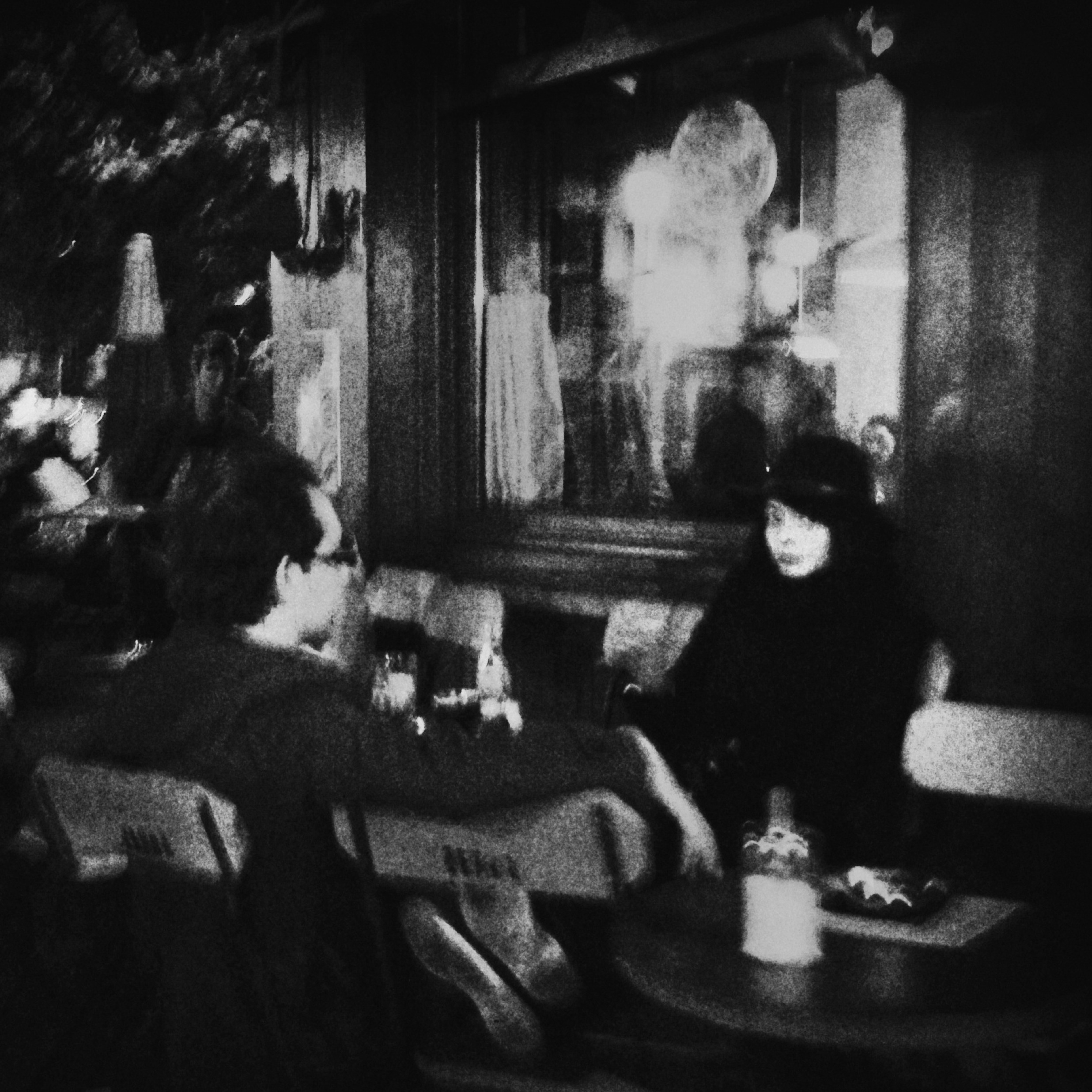
Nighthawks

Nighthawks

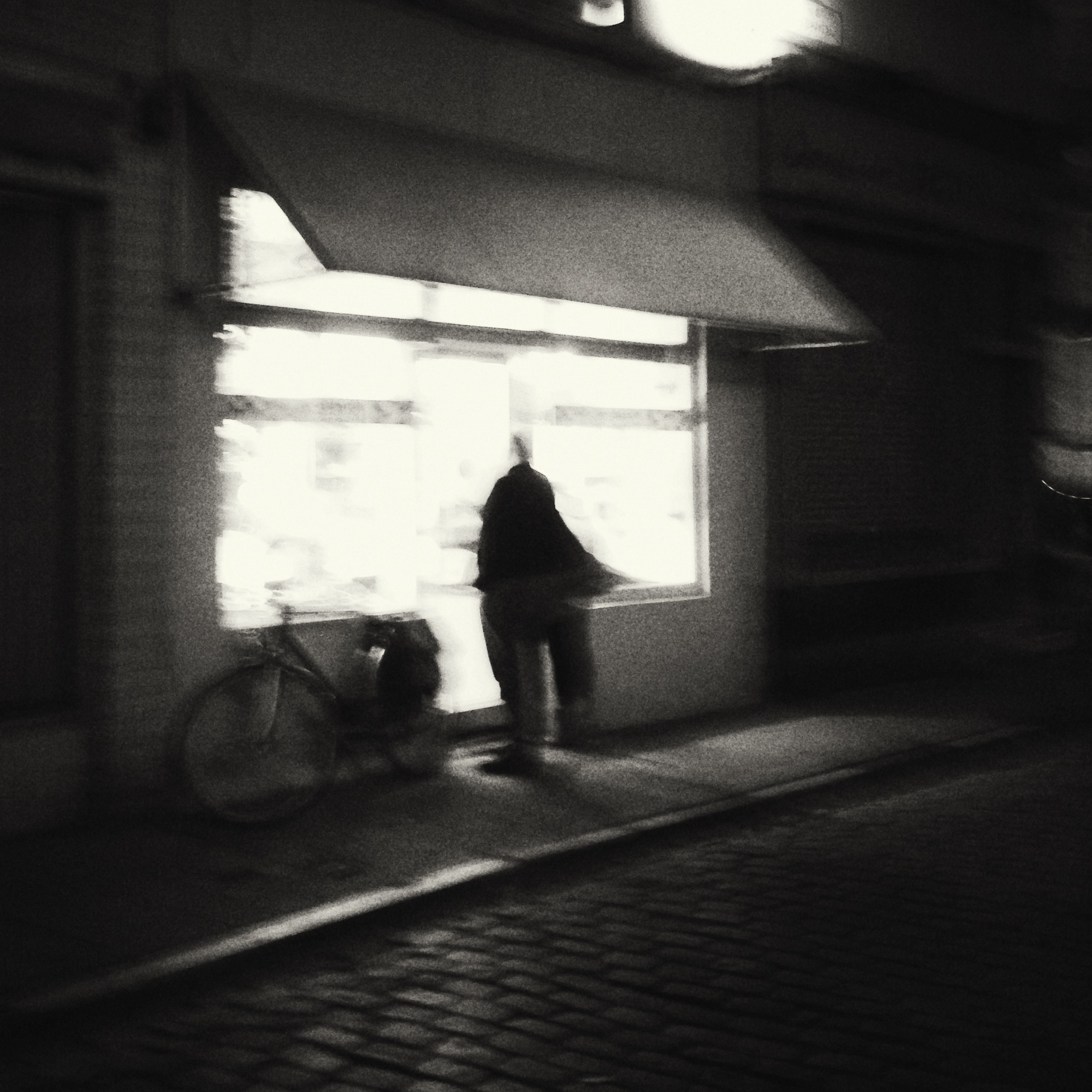
Window shopping at night

Window shopping at night

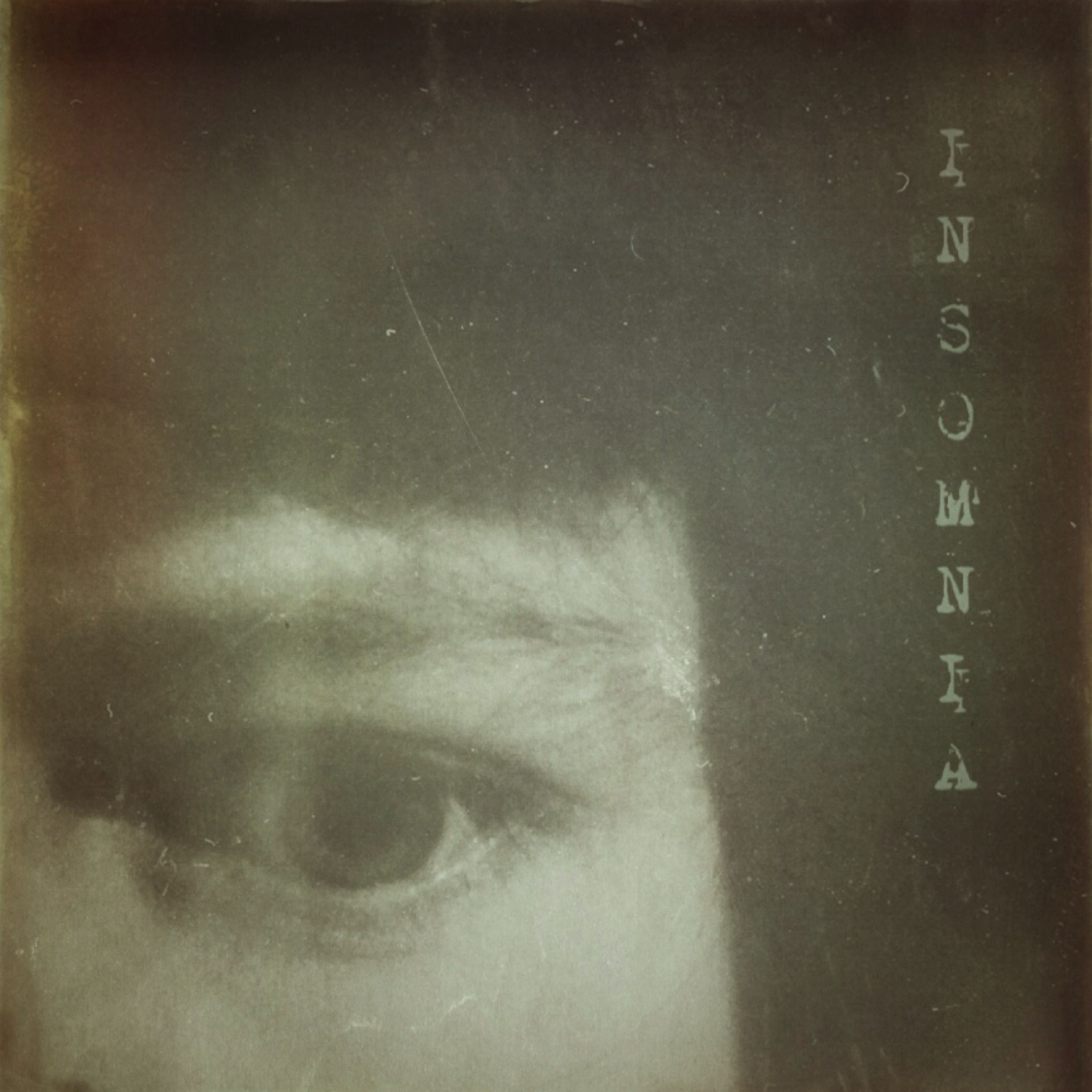
Insomnia

Insomnia

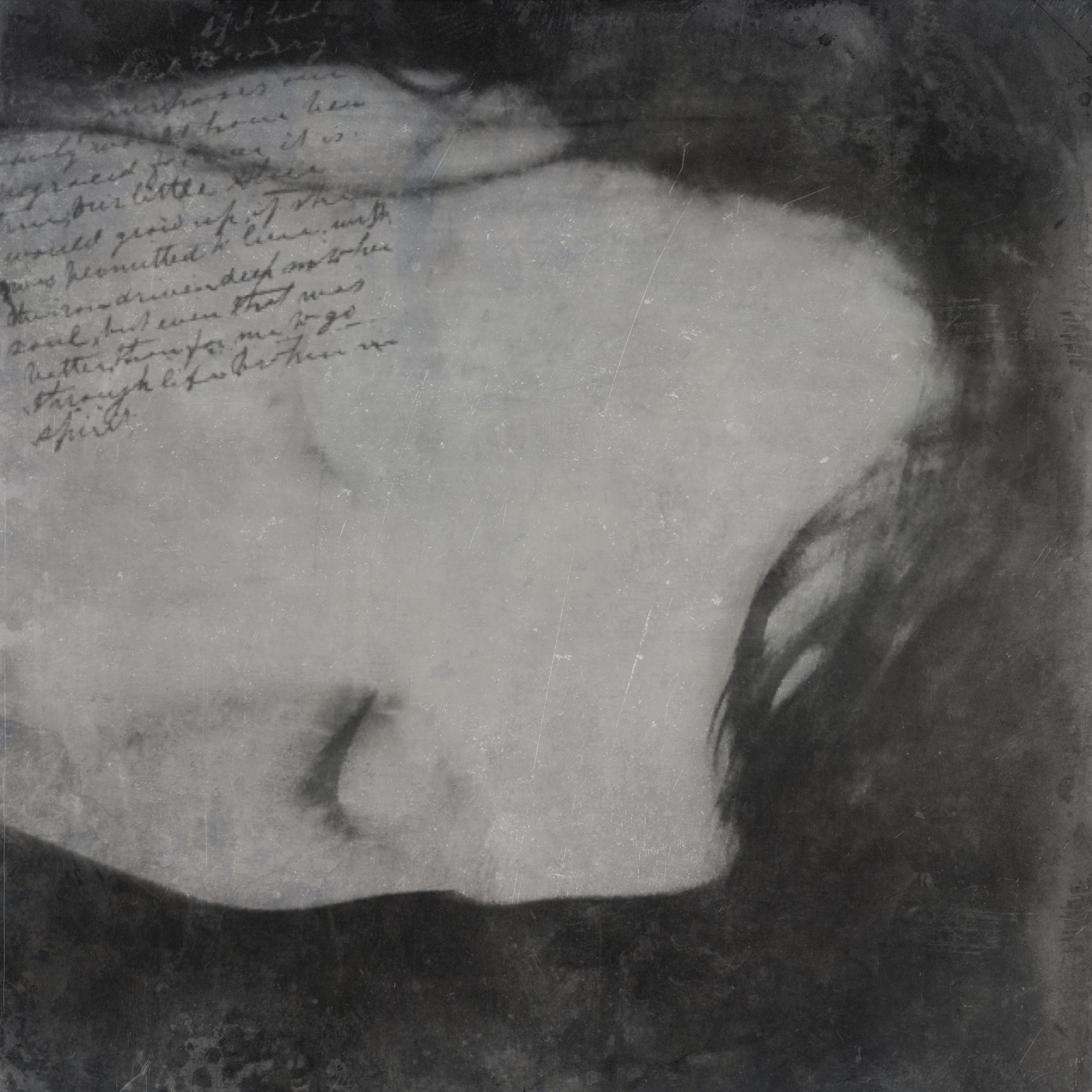
As I lay dying

As I lay dying

Surrender

Surrender

Don’t you see that I’m drowning

Don’t you see that I’m drowning

Some mornings never come

Some mornings never come

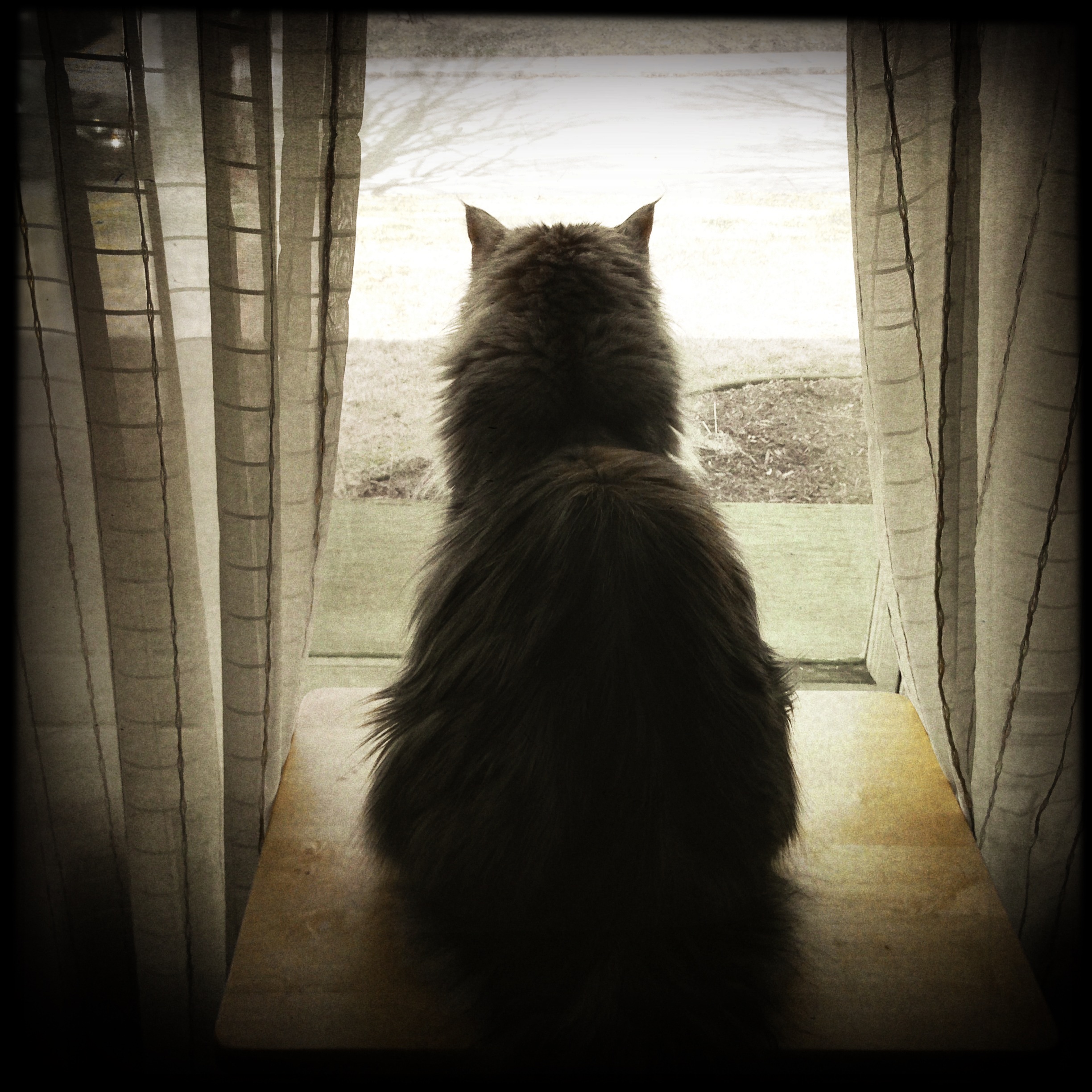
Waiting

Waiting

Anne-Martine ParentArtist: Anne-Martine Parent

I am a literature professor at the Université du Québec à Chicoutimi (Canada), specializing in Contemporary and Women’s Literature (in French), with a focus on autobiographical practices. I rediscovered photography with my iPhone. I only do mobile photography (or iphoneography as it is often called). At first, I was only interested in Hipstamatic (the classic version) ; there’s something very melancholic about it that got me hooked. Gradually, I started processing my pictures with apps like Snapseed, BlurFx, ImageBlender, DistressedFx, and so on. The ones I use regularly now are Snapseed, VSCOcam, and Mextures. I still shoot most of my photos with Hipstamatic, although I now use oggl instead of the classic Hipstamatic app.

Flickr : http://www.flickr.com/photos/martina-p/
EyeEm : http://www.eyeem.com/u/martina_p
IPA : http://www.iphoneart.com/MartinaP
Oggl : Anne Martine Parent @martina

dixie’s s-bahn

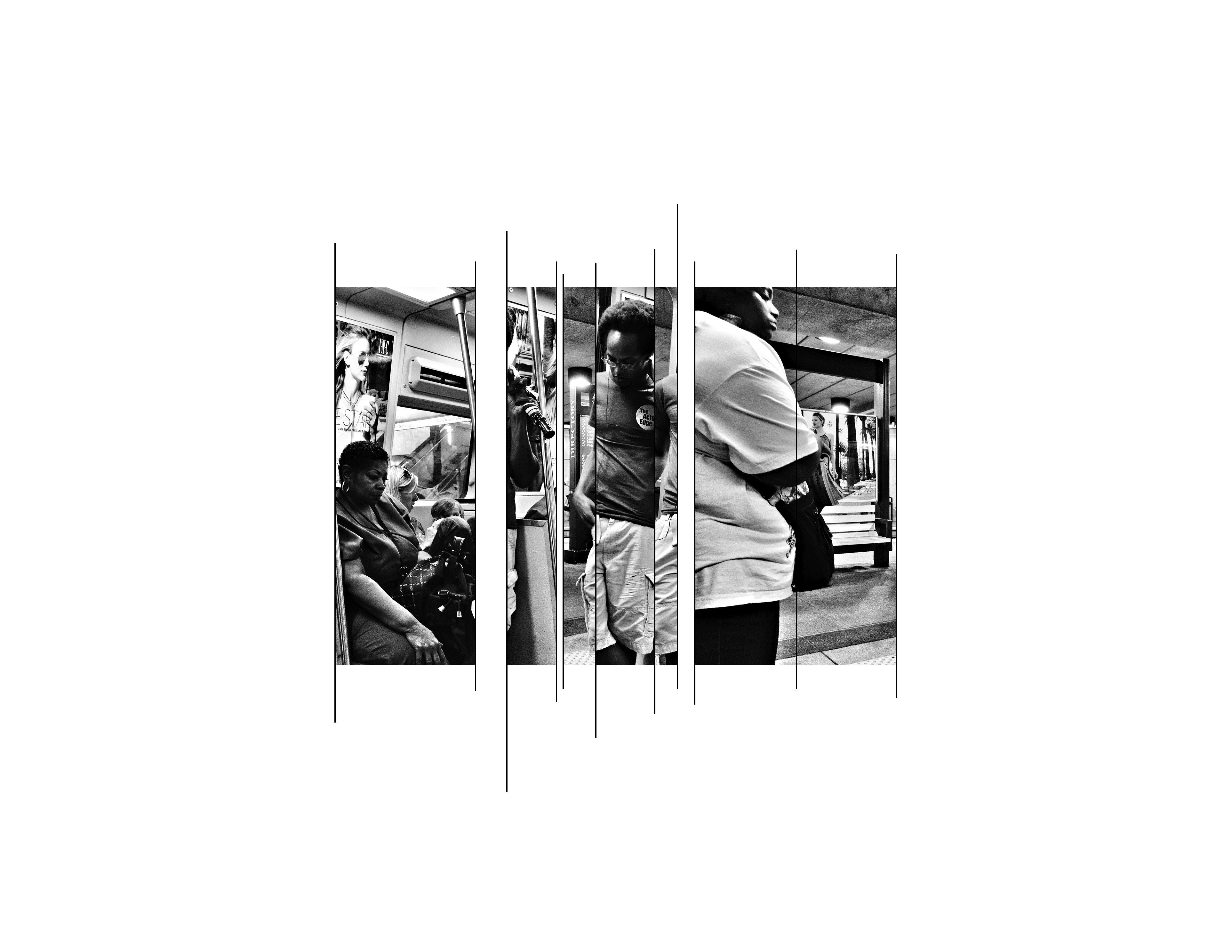
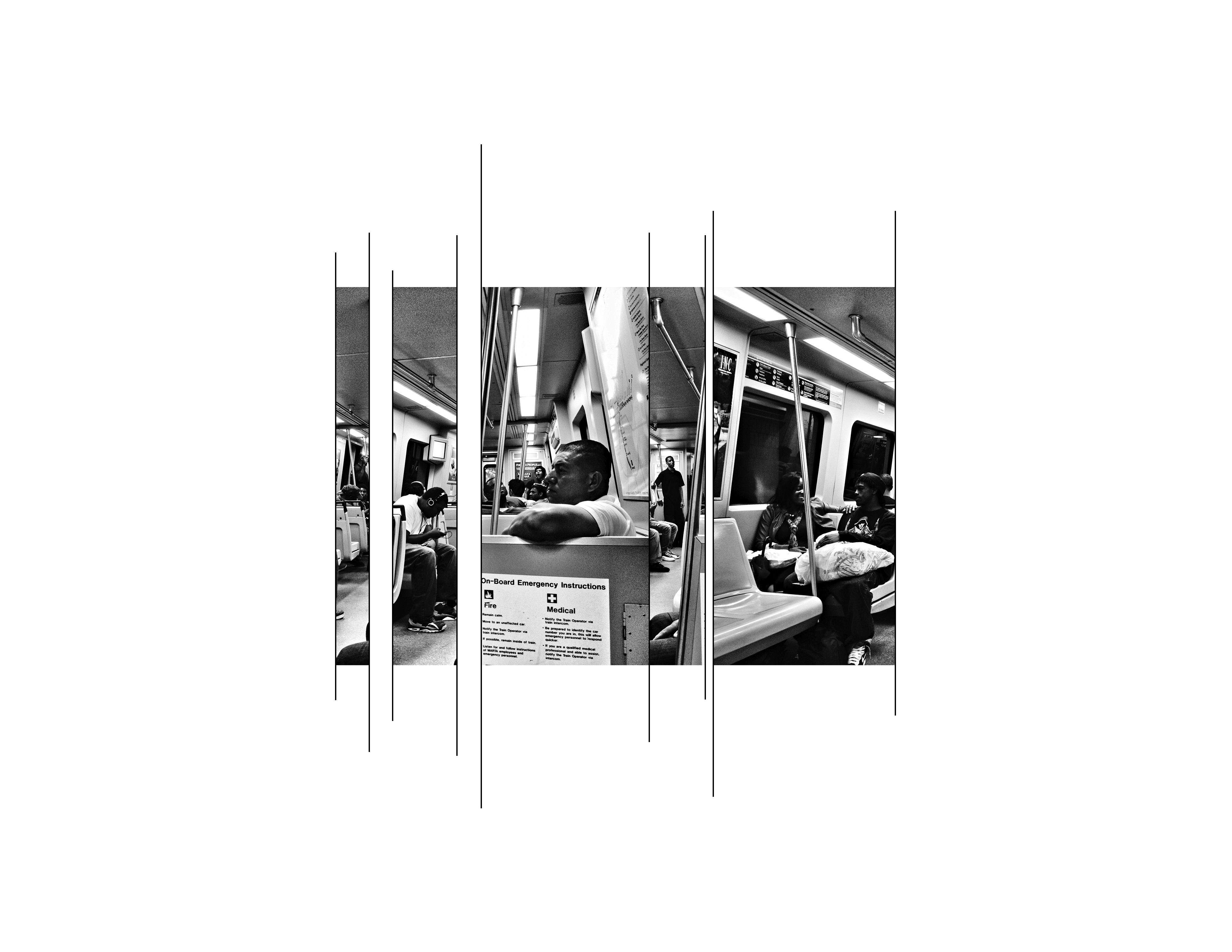
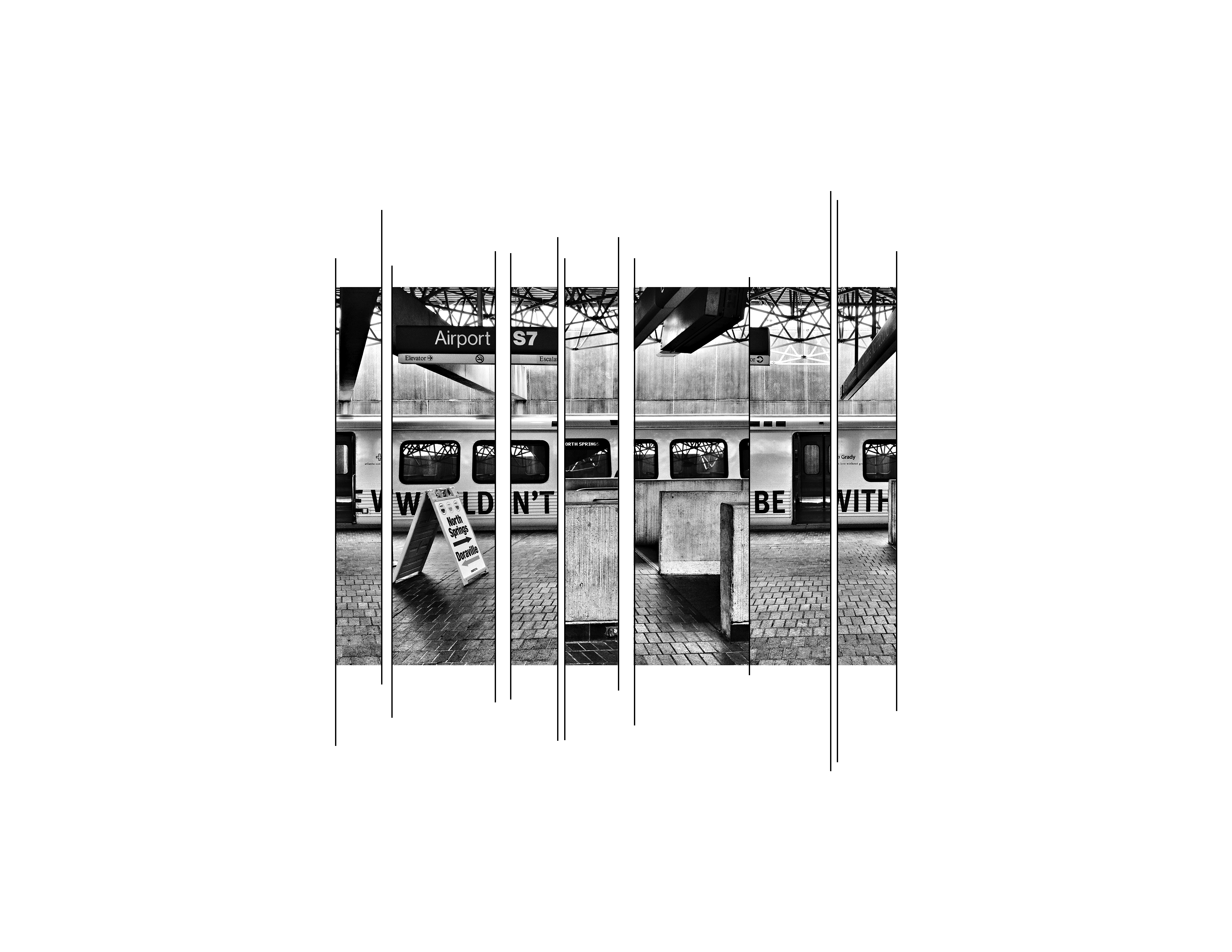
by J. Christopher Matyjasik

I’ve been working on this series for well over a year and only three works have been prepared for print production at this point. I’ve been known to get halfway through a project, throw everything I’ve done out and start over. I don’t even have a definitive title (I don’t usually title a series until I’ve finished it). But I decided to just go ahead and share what I can of this in-progress project with you. What you see here is a peek inside my studio, at what i’m doing right now. It is not complete…

These days, I work on a whole series at once. I am still a drawer, painter, and assembler at heart. I see photographs two ways…an end…and a source material. Below are twelve examples, I’ve selected to share with you, of the source material for this project…and then the first three “completed” works, fresh off the griddle.

photo 1 christopher matyjasik

photo 2 christopher matyjasik

photo 3 christopher matyjasik

photo 4 christopher matyjasik

photo 5 christopher matyjasik

photo 6 christopher matyjasik

photo 7 christopher matyjasik

photo 8 christopher matyjasik

photo 9 christopher matyjasik

photo 10 christopher matyjasik

photo 11 christopher matyjasik

photo 12 christopher matyjasik

photo 13 christopher matyjasik

photo 14 christopher matyjasik

photo 15 christopher matyjasik

 John Christopher MatyjasikJ. Christopher Matyjasik

picture maker, data scientist, tinkerer, man’s man, general observer, amateur ponderer, entry-level life participant, believer in the laws of karma, fortunate soul

Check out more of his work at his website eye parcel or his Facebook page.

TEXTUAL · ARTIFACTS · SERIES

by Peter Ciccariello

ABOUT THE SERIES

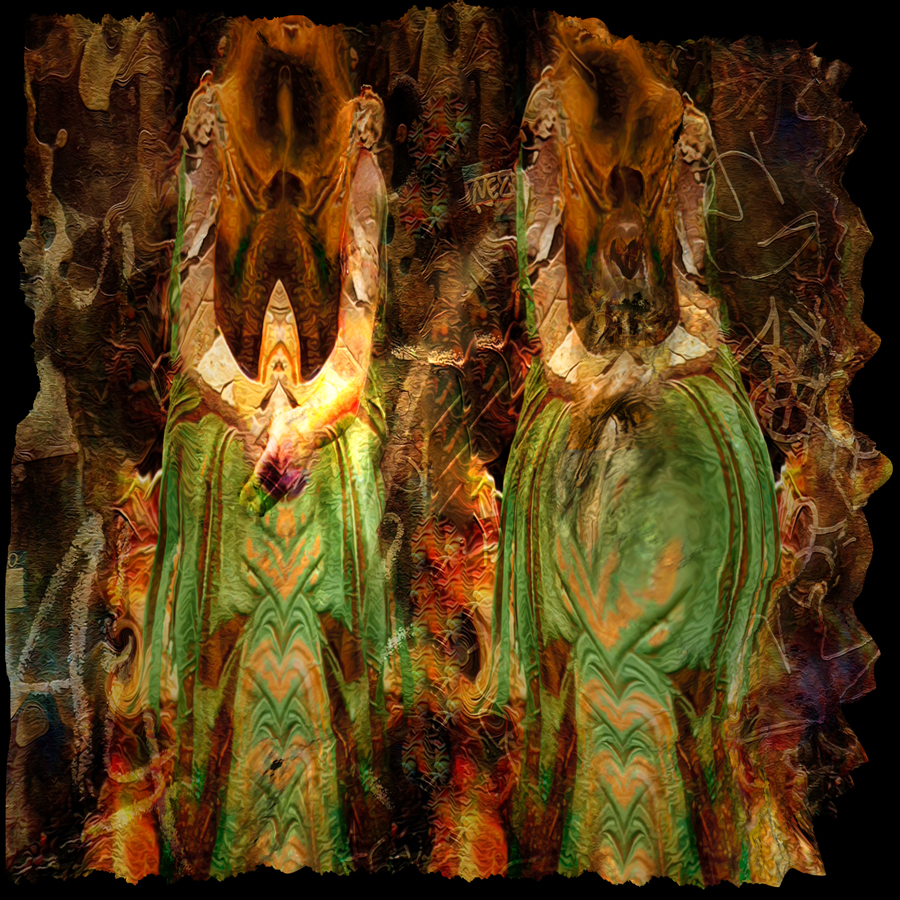
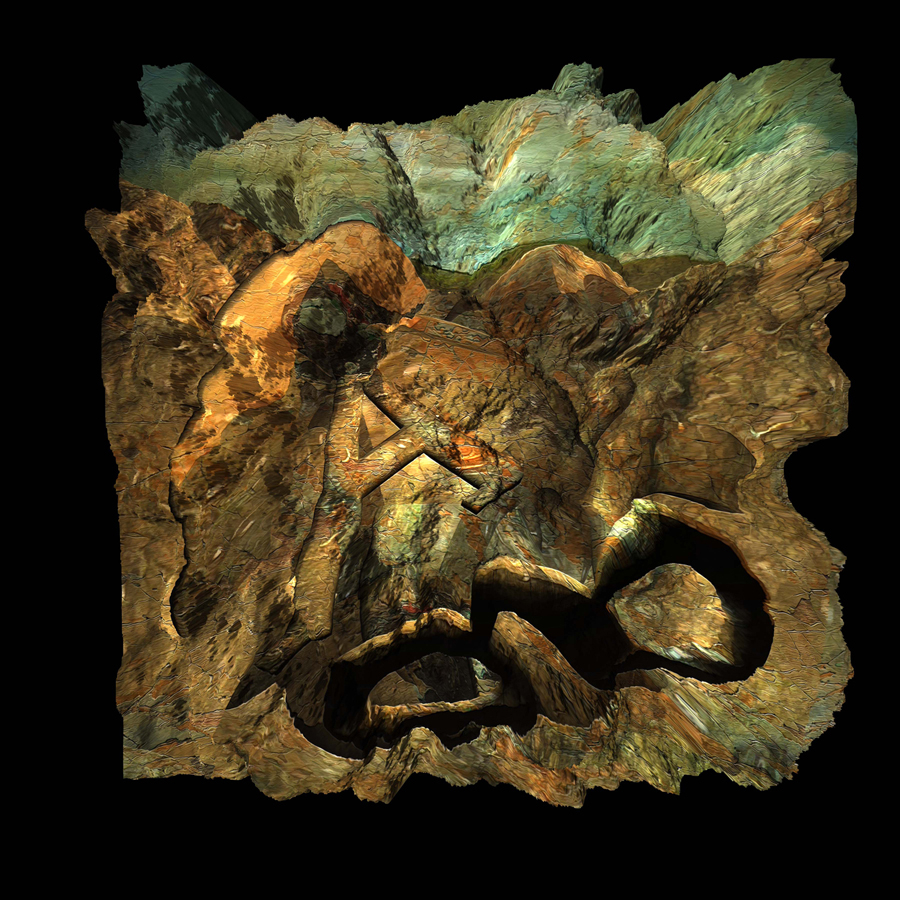
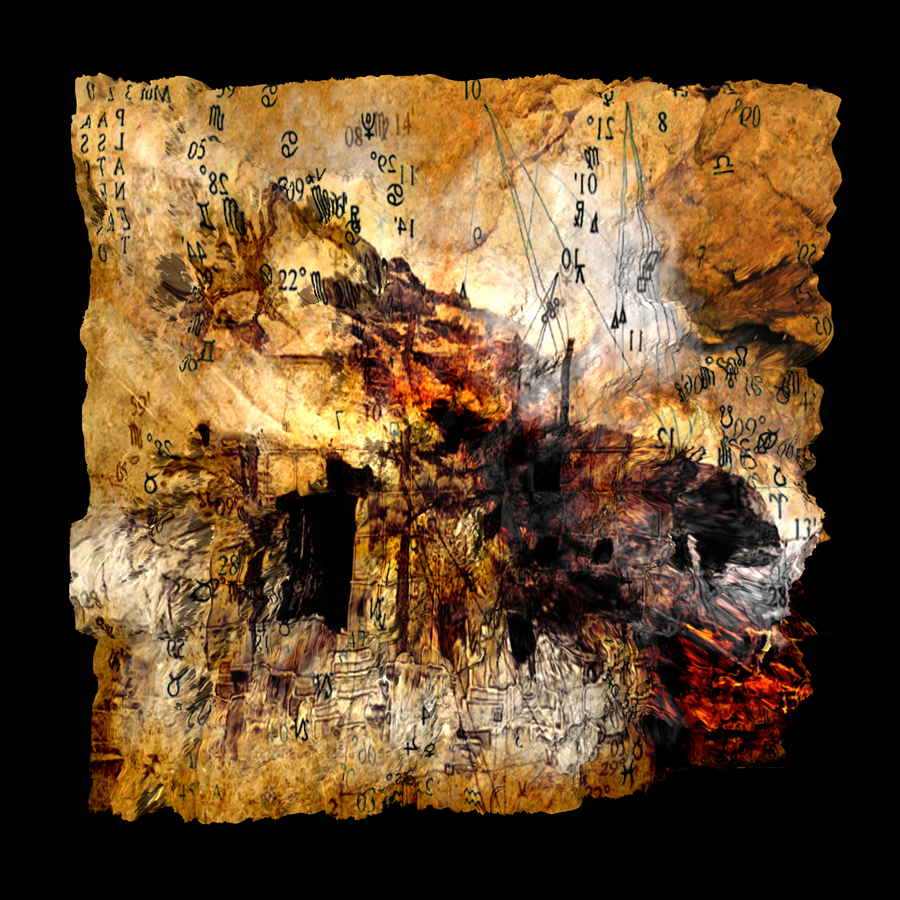
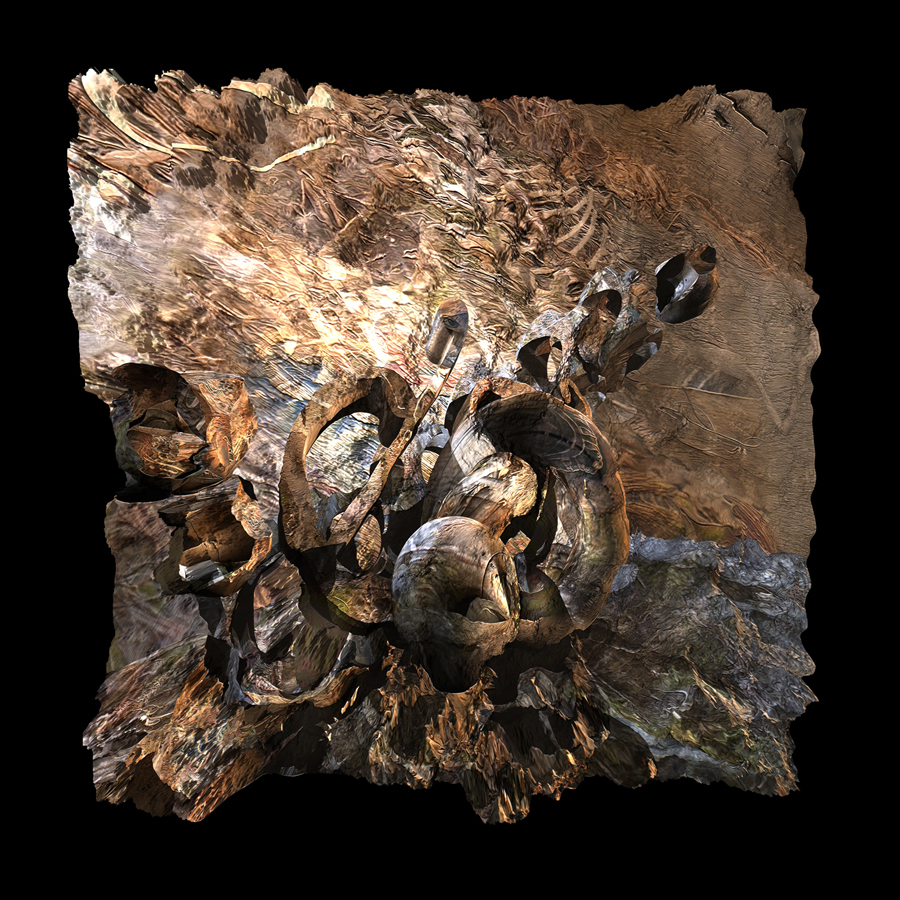
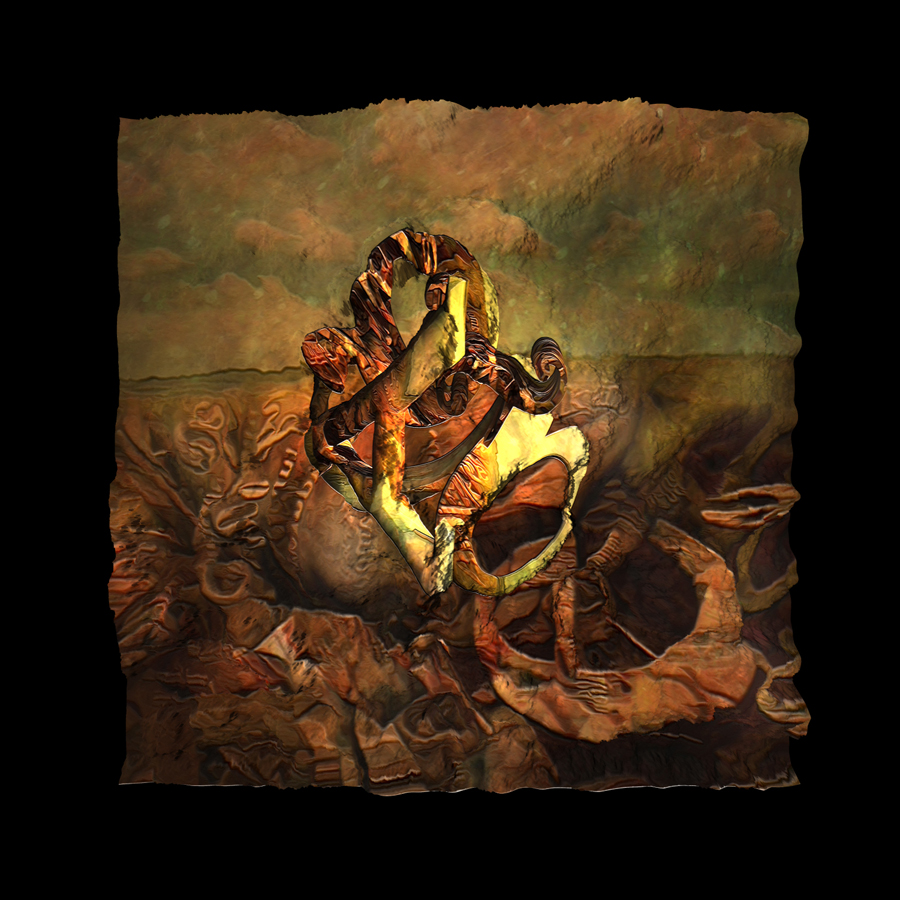
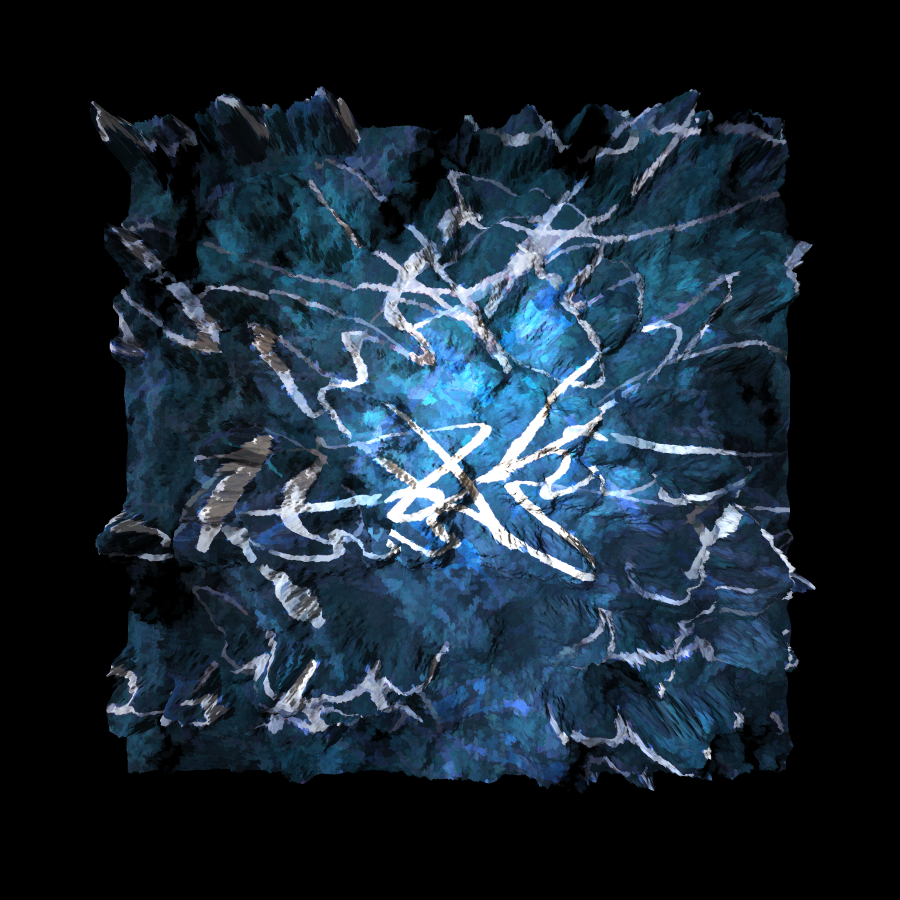
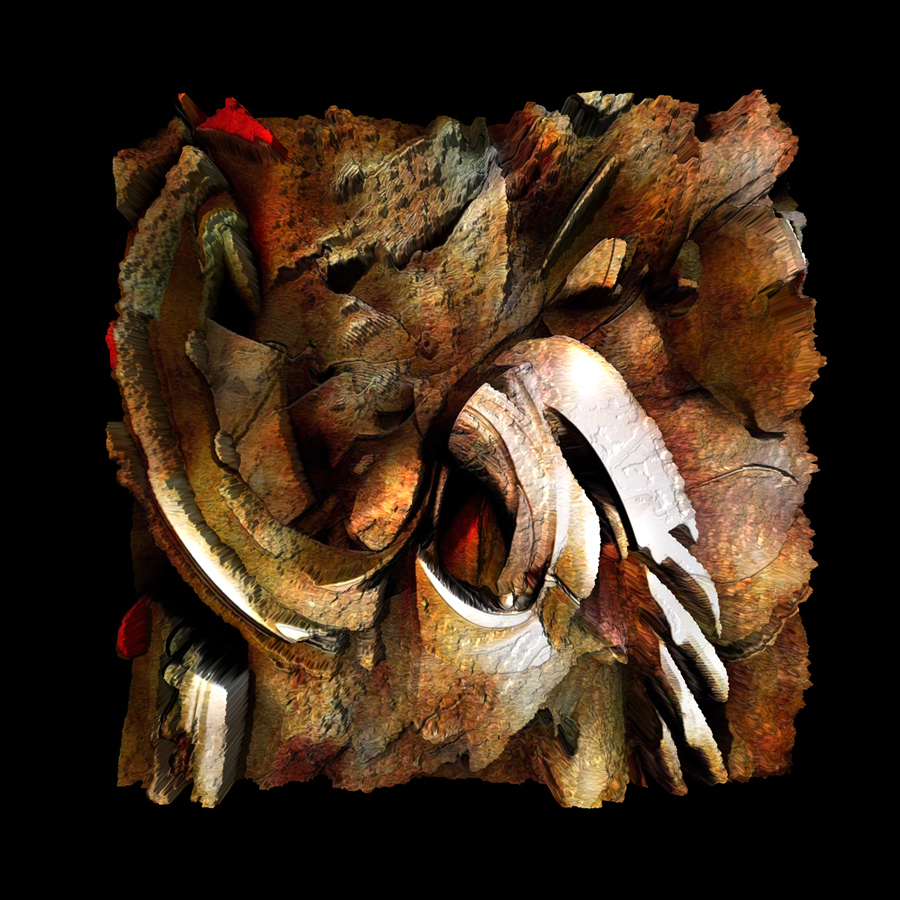
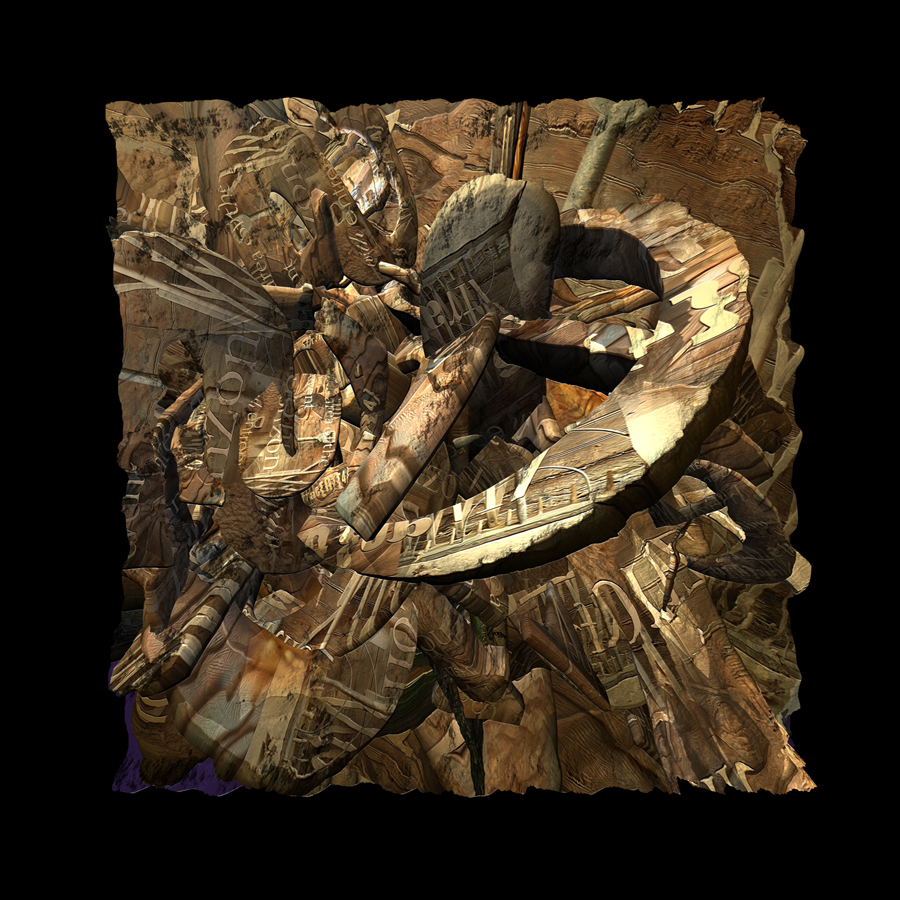
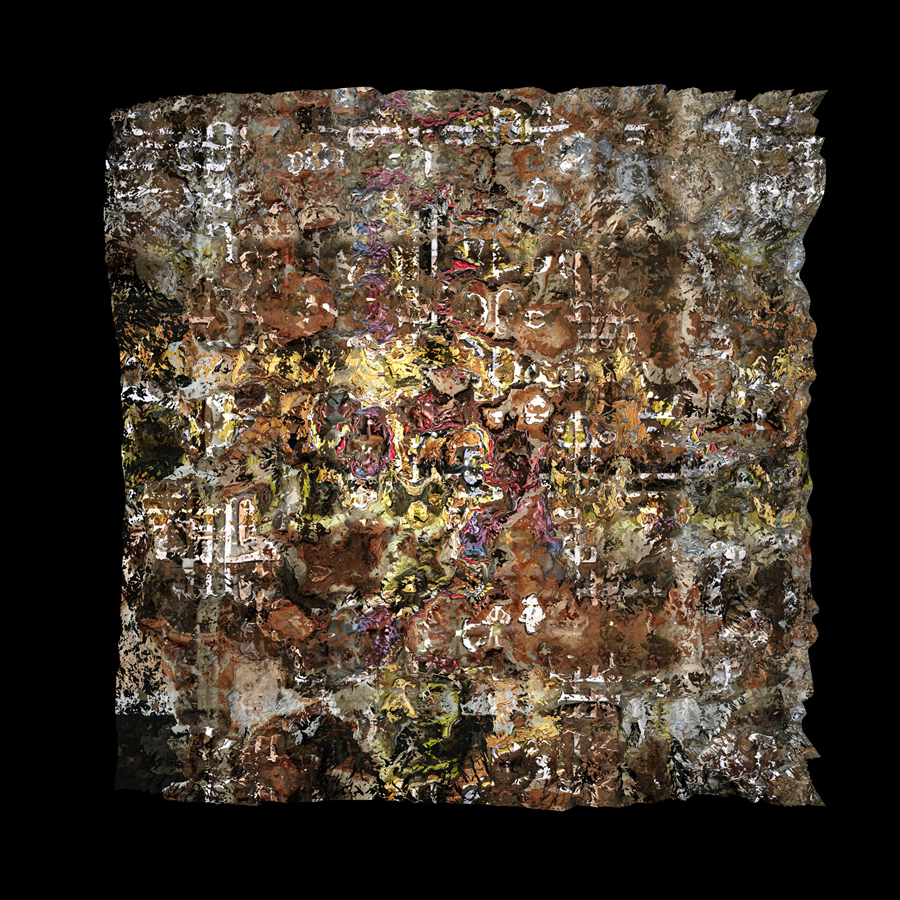
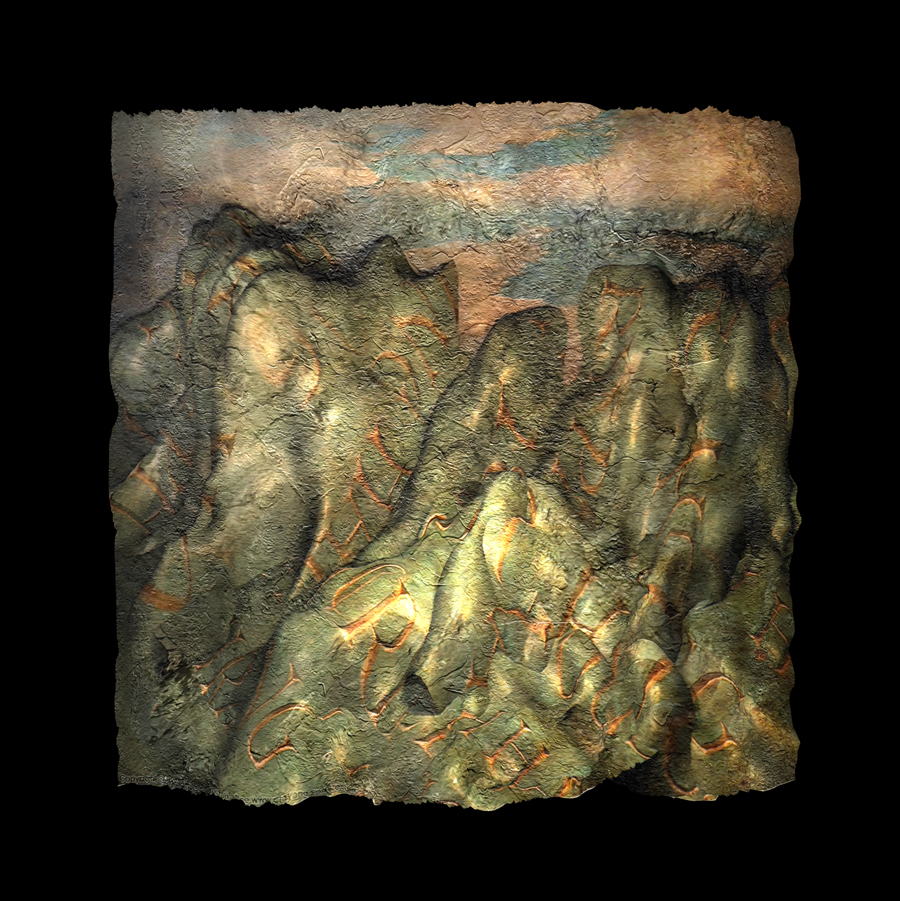
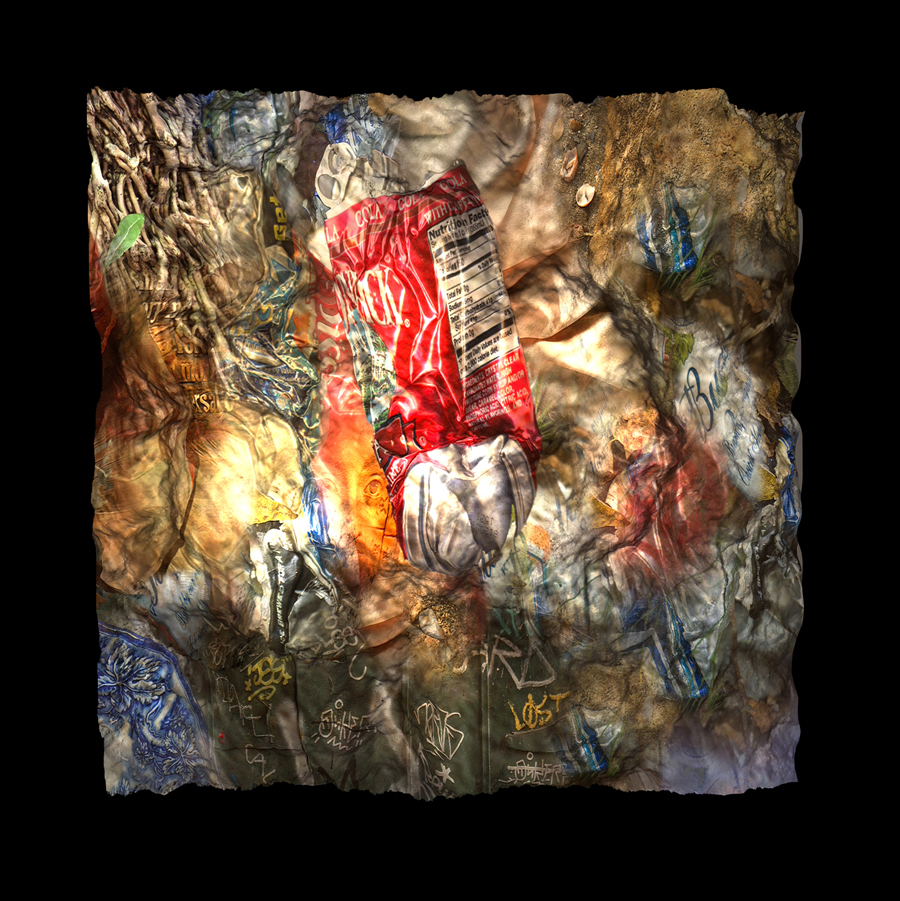
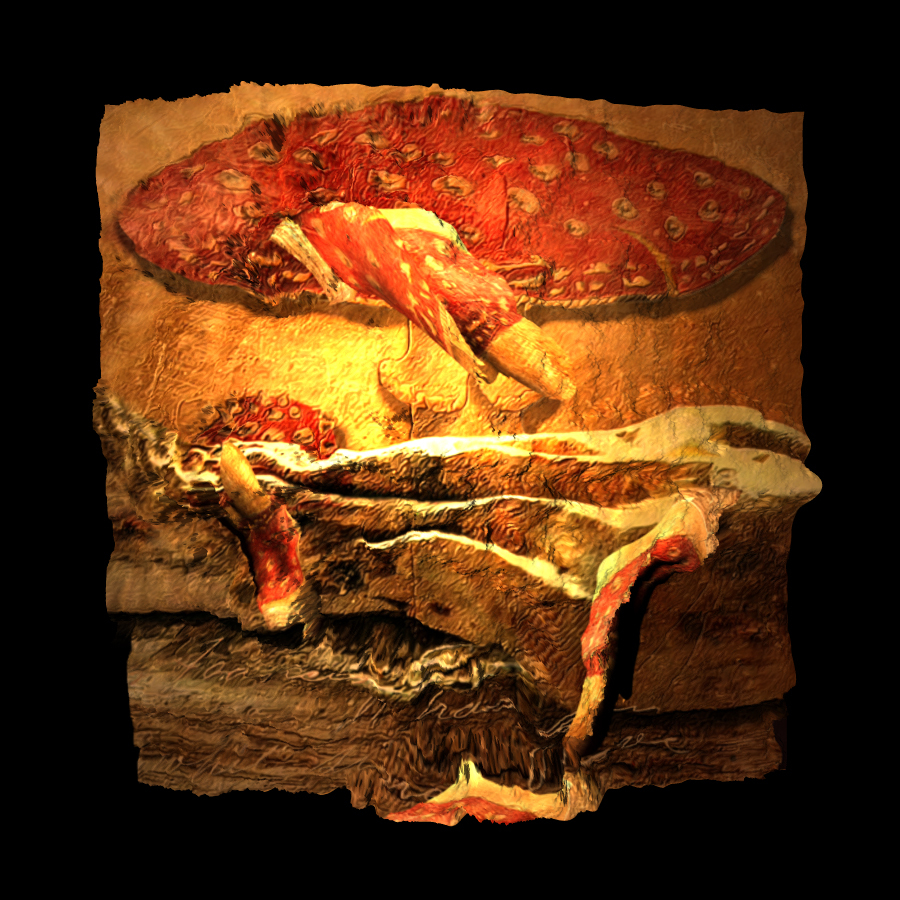
Works in Textual artifacts are created using an array of 2-D and 3-D software programs and take their inspiration from common methods of archeological excavation. Just as ancient artifacts are deciphered through the recovery and examination of the remains of a culture, environmental data and detritus that they leave behind, these image artifacts represent the remains of poems and writings that have been eroded and battered in a digital process. That process attempts to dissect and deconstruct a text and then reconstruct that text as an evolutionary image. The final visual is created by digitally mapping the image with a copy of itself, in a sense, forming an archeological topography of the material essence of the image. This visual topography, created from the value scale of the image, is excavated from within the process revealing the remains, historical marks and gestures from the original source data. In this way, these images become metaphors of themselves, just as the incidental evidence of our human ancestors provide a reflective metaphor for our own lives.

A NOTE ABOUT PROCESS

This art is defined by process, a hybrid of the essential elements of painting, photography and writing. The digital matrix that is created is at the core of this work, provides a new form of plate printing, a virtual digital matrix that functions as the film negative in photography or the copper plate that is the basis of etching, intaglio and engraving printmaking processes. This digital image matrix now provides the possibility to be output from 3-D printers and realized as free-standing sculptures or in this case, sculptured wall hangings. This unprecedented freedom of instantiation provides the artist with the ability to output multiple types of art realized from the same original matrix.

In this sense, every instantiation of the matrix is an original with the unique aura of the artists’ conception. In an age of ever more sophisticated reproductive technologies the image matrix becomes the postmodern link to the artist’s hand. The abstract schema that becomes an imprint is akin to personal writing, instantiated as a new private language – part sign, part symbol and part code, this image surface becomes a non-navigational road map of fragmented and disassembled narratives, disruptive and de-centering yet at the same time oddly imbued with an inner, familiar, and abstracted order.

sister queens

sister queens

tiny disconnects

tiny disconnects

map of the kindness of strangers

map of the kindness of strangers

body as locus

body as locus

raining tache

raining tache

blue scrawl poem

blue scrawl poem

 homage to brancusi

homage to brancusi

after tender buttons redux

after tender buttons redux

poem totally destroyed

poem totally destroyed

soft poem after ryder

soft poem after ryder

trash

trash

mushroom

mushroom

Peter Ciccariello

Peter Ciccariello finds his inspiration in the fields and forests of Northeastern Connecticut.

His work explores the fine lines between image and text, and is in constant inquiry about what is and what is not poetry.

Ciccariello’s work has appeared in print & online, in amongst other places, Poetry Magazine, Fogged Clarity, Hesa inprint, Leonardo On-Line, National Gallery of Writing, and also appeared  in the 2013 issue of MAINTENANT 7, A Journal of Contemporary Dada Writing and Art.

New work gallery – http://invisiblenotes.blogspot.com/
Poetry and writing – http://poemsfromprovidence.blogspot.com/

You can find my art and writing updates on Twitter
https://twitter.com/ciccariello On Facebook – https://www.facebook.com/peter.ciccariello

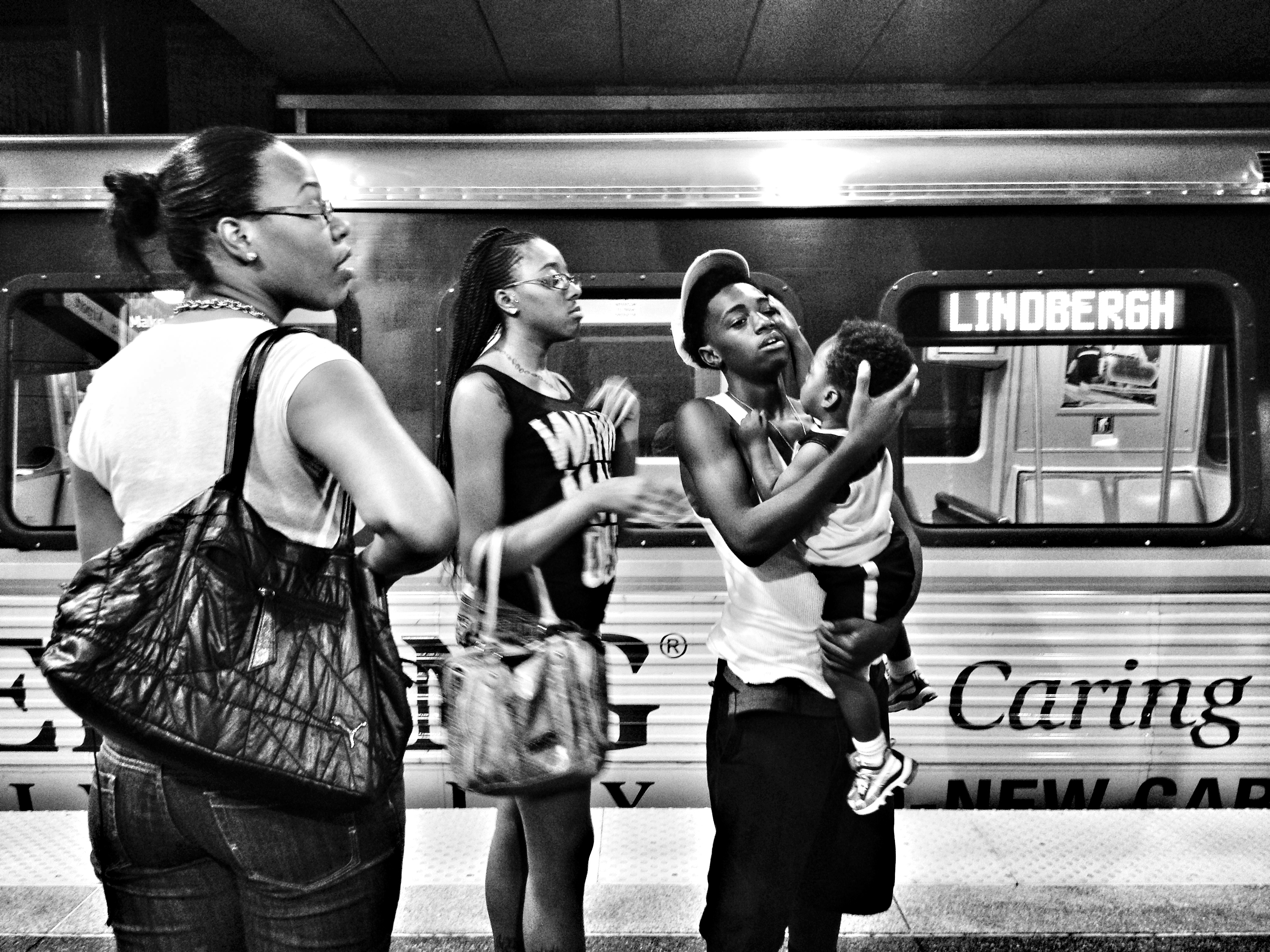
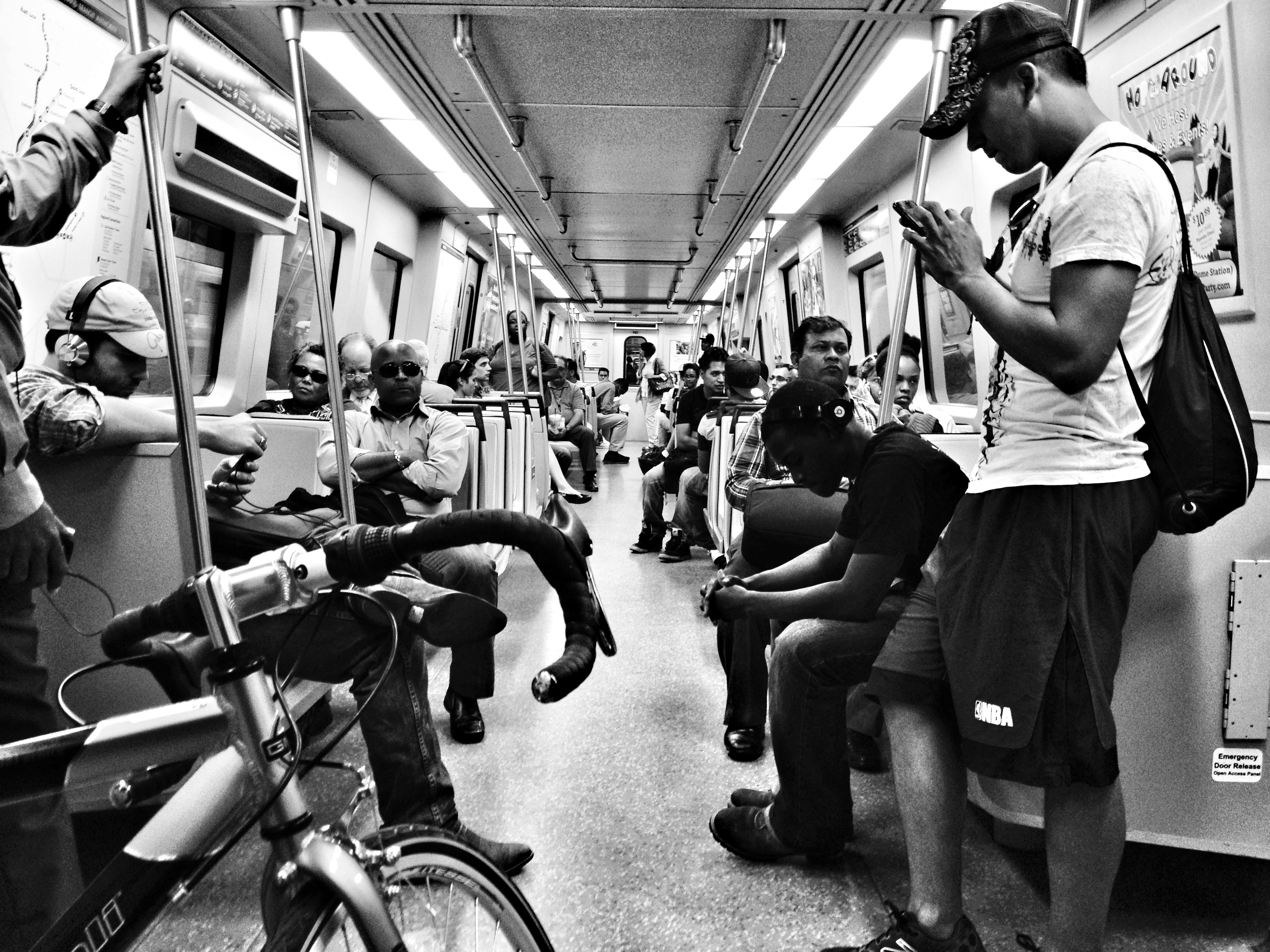
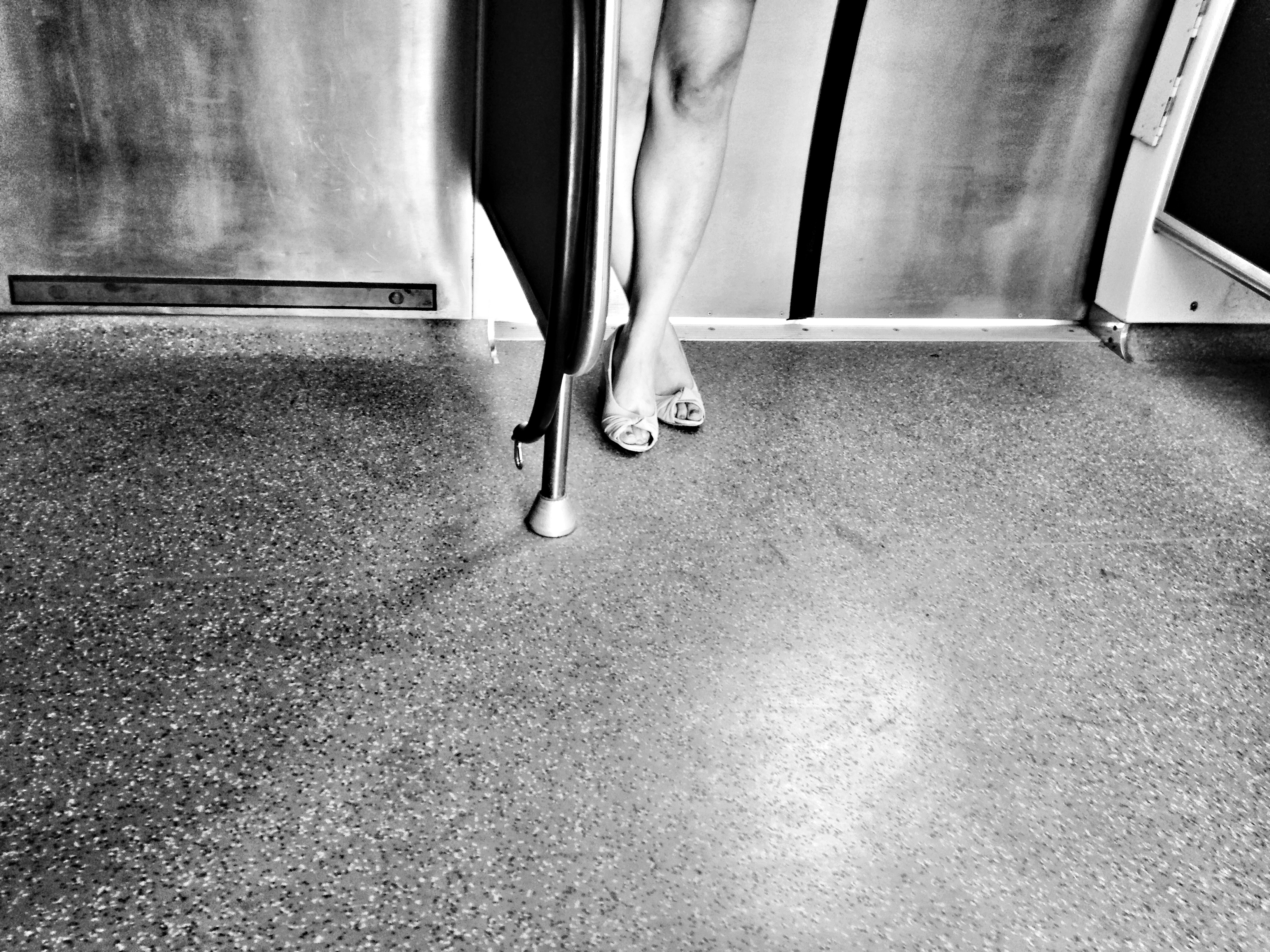
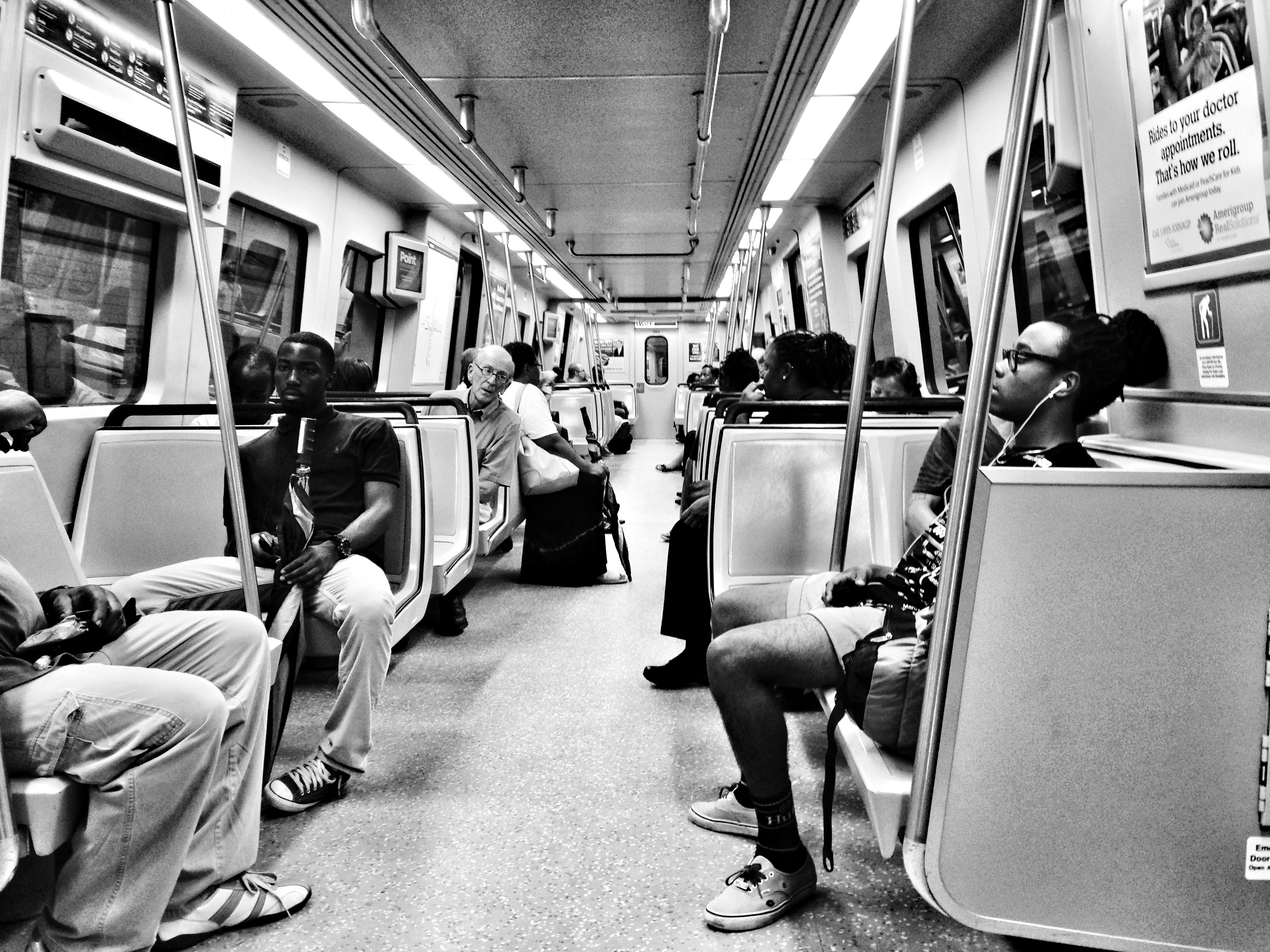
Uncertainty in Photography and Interstitial Space

by Pascal Gault

Pascal Gault-137AB1

Pascal Gault-0663

Pascal Gault-0700

Pascal Gault-04951

Pascal Gault-05401

Pascal Gault-DSC_0578

Pascal Gault-DSC_05931

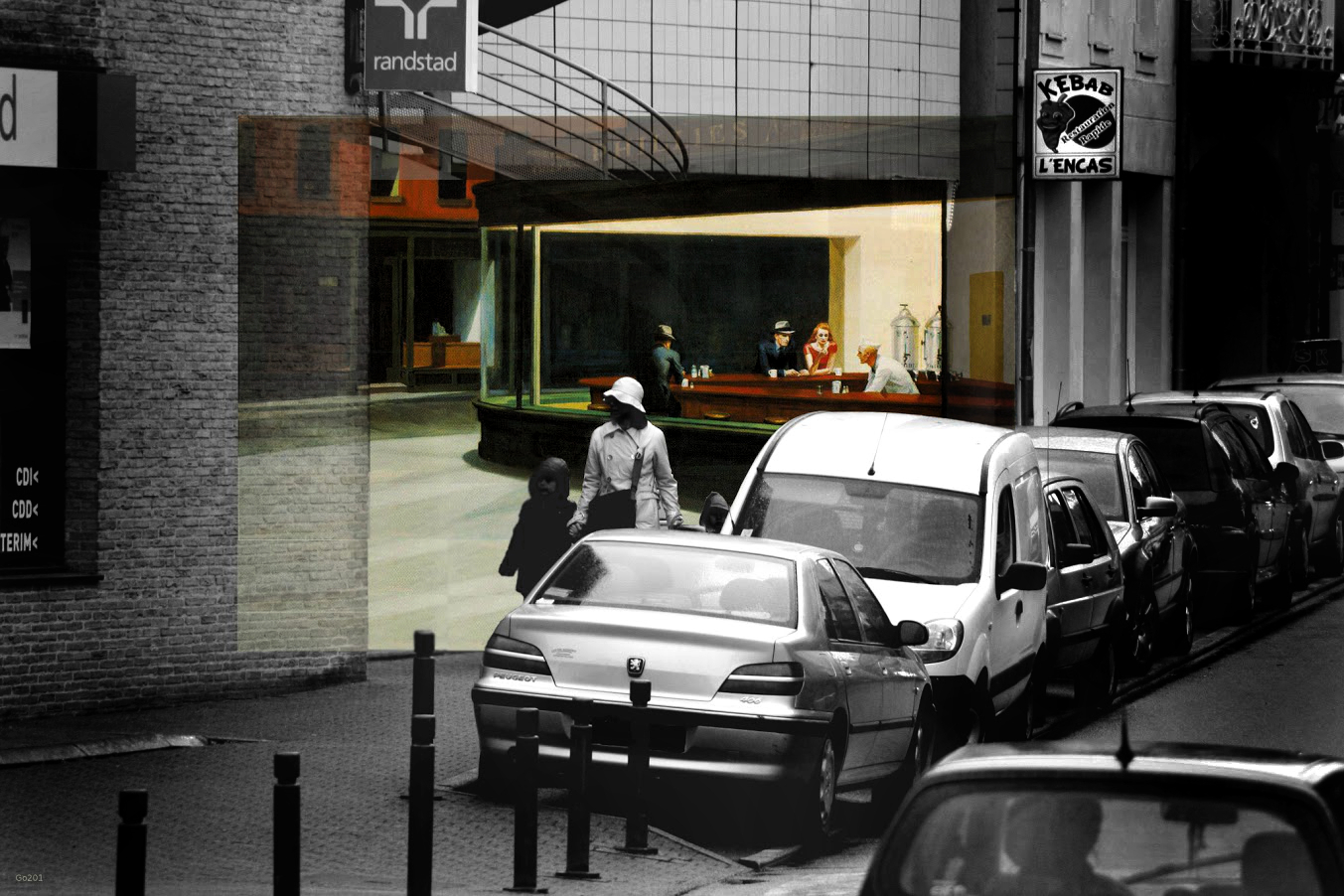
Hommage-Edward Hopper

Hommage-Edward Hopper

Pascal Gault-L1004354B2

Pascal Gault-L1004905c1

Pascal Gault-L10049031

Pascal Gault-Photo 2695

Pascal Gault-Photo 26862

Pascal Gault-auto-portrait chambre d'hotelArtist: Pascal Gault

The photograph has a very special place in my life. As a social worker, the photo complements my work. They’re inseparable. Photography is a social activity, part of our daily lives. I practiced abstract approaches to art (installation, minimalism, etc.) for a long time. While they remain an inspiration, they did not meet my deepest longings. Three years ago I went back to photography. I could pair it with my work in social action, allowing my work and longings to be in full agreement.

My work is inspired by many photographers of our time, but above all it is inspired by the artistic practices of modern art. The work of artists such as Mondrian and Max Ernst for composition, Degas for blur are my main sources of inspiration. Edward Hopper matters a lot to me—the longing in his work. He gives us that feeling of the uncertainty of the moment, of drama that happens. For me, all of human reality is in his work. This is the type of accuracy I look for in photography.

You can view more of Pascal’s work on his Google+ page.

Uncharted Territory

by Julie L. Sims

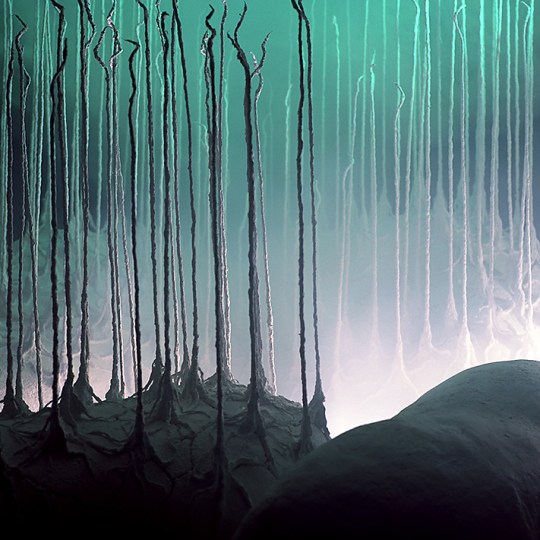
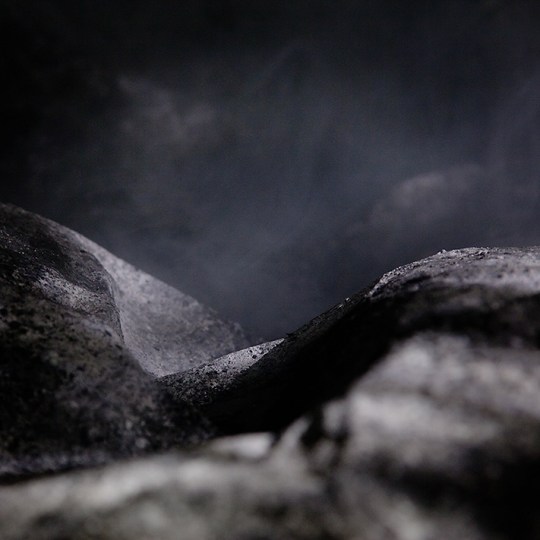
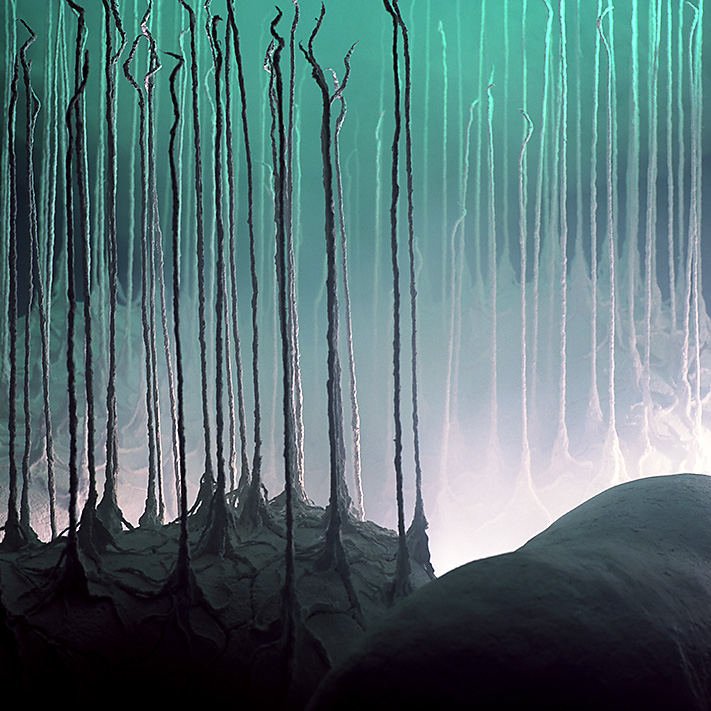
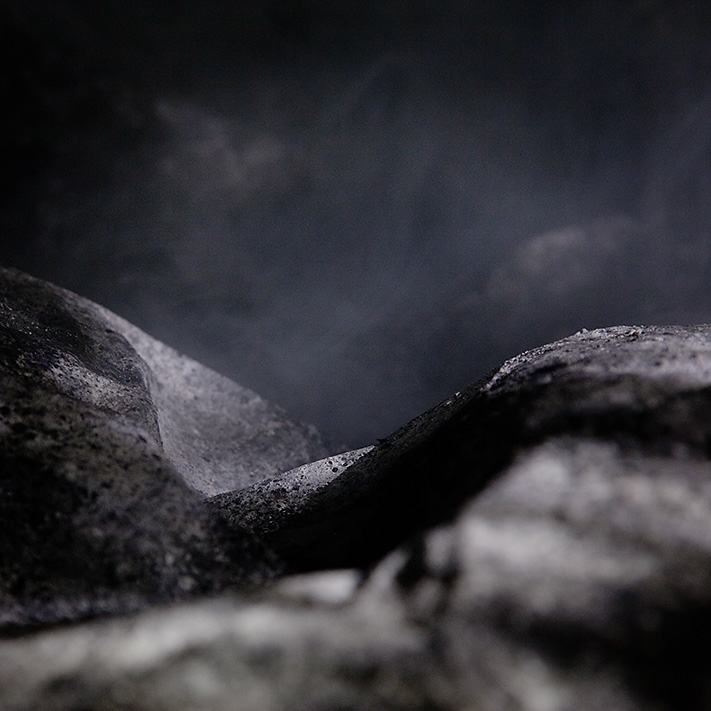
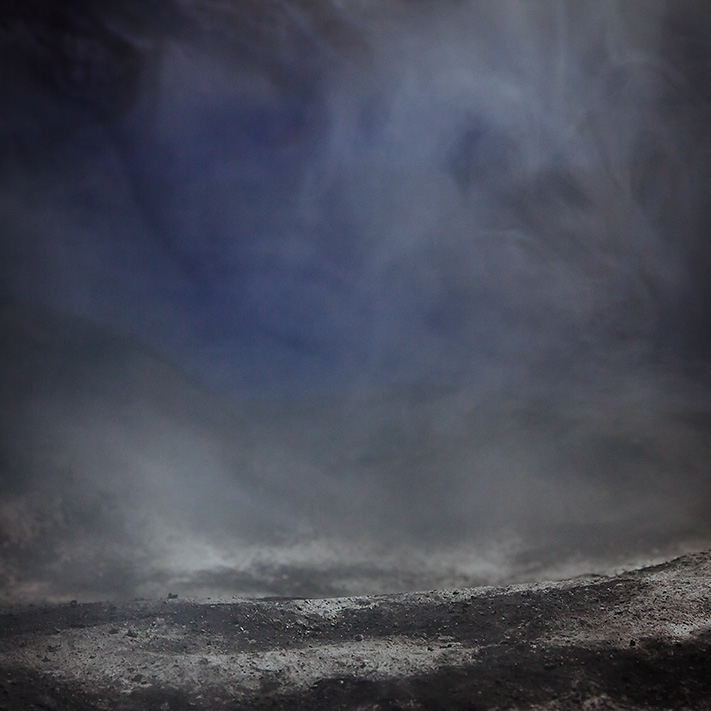
My series, Uncharted Territory: Anatomy of a Natural Disaster, is about how our internal landscape is often subject to the same kind of cracks, shifts, and fractures that make up the natural processes of the physical world.

The World Health Organization estimates that by 2020 mental health issues will be the second leading cause of lost life productivity, with one in four people affected in their lifetime. Society is heading toward a mental health crisis that no one wants to acknowledge, because those who suffer feel responsible for doing so, as though it is a personal failing instead of a medical condition. But are you at fault if the ground falls out from underneath your home? No one can exert force of will over force of nature. When disaster strikes we hang on as best we can, and rebuild when we can stand back up again. Everyone comes together to help those who need it. The parallel drawn by this series highlights my hope for a similar approach to our psychological space.

The idea for this work sprang out of my own struggles with anxiety and depression, and out of seeing so many of my friends have similar struggles. Everyone I have known who has gone through this felt as though they should’ve somehow been able to overcome it on their own, and as though they were somehow weak and defective for not being able to. I wanted to say this to them, and to myself, and to every other person who had experienced these feelings: it’s not your fault. You are not weak or defective, you are experiencing a natural disaster; don’t be afraid to reach out and ask for help. I also hope it will help those who haven’t personally experienced these illnesses to understand the need for support and compassion when their friends and loved ones suffer.

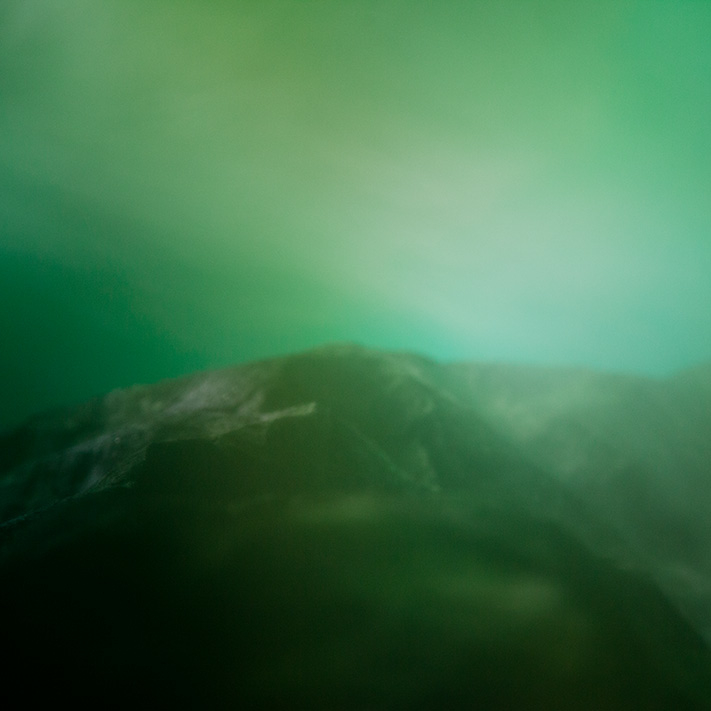
The scenes are sculptures created in my studio out of wire mesh, plaster, paper, and other elements. I use lighting gels, fog machines, and various kinds of gobos both found and made to alter the light, as well as overhead projectors and printed transparency material to create different effects. I am constantly moving the camera, moving scene elements around in relation to one another, and changing the light. It has been said that photography is the relation between light, the subject, and the camera. I try to keep all three in flux at all times, because that is where the unpredictable magic happens. I perform only minimal digital post-processing on these—there is no Photoshop involved in creating the visual effects. When I first began the series I was shooting on medium format film and doing my own printing, but my darkroom access has changed since then, and I now shoot digitally and send files out for printing.

I began this series in 2009, and have been working on it off and on ever since. I’ve created three different “landscapes” for it that comprise the images now in the series, and I am in progress with additional scenes and ideas which I plan to add to it. It is my hope to complete work on these this year, and finally call this series complete.

"Divergent Margin, Cingulate Cortex"

Divergent Margin, Cingulate Cortex

"Dendritic Clear-Cut, Limbic Ridge"

Dendritic Clear-Cut, Limbic Ridge

Charred Slopes, Noradrenergic Pass
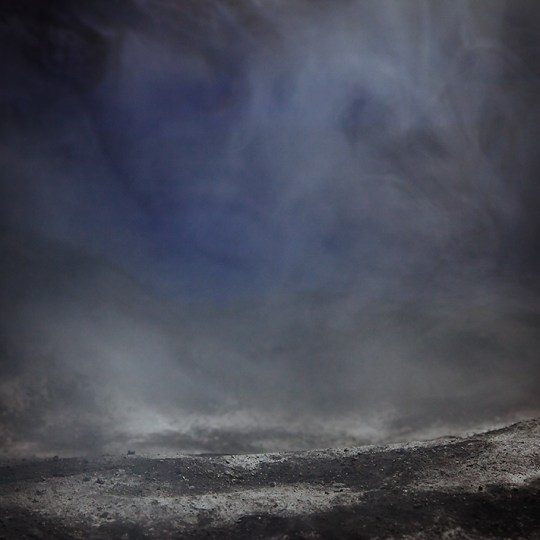
Charred Slopes, Noradrenergic Pass

Smoldering Basin, Locus Coeruleus
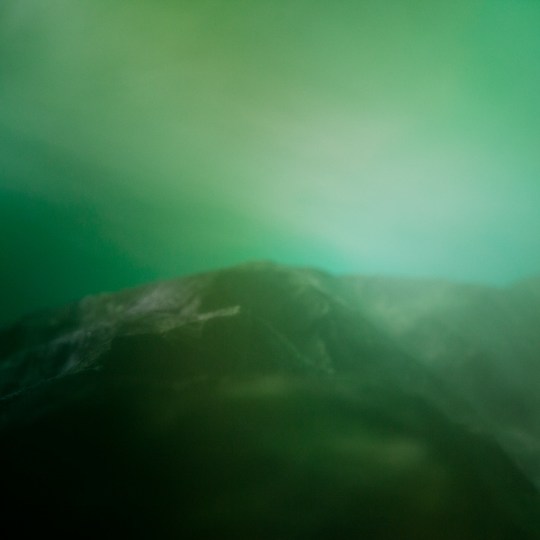
Smoldering Basin, Locus Coeruleus

Eddy Currents, Neurotrophic Plasma

Eddy Currents, Neurotrophic Plasma

Born in Savannah, GA, Julie Sims is an Atlanta-area artist and photographer. She graduated summa cum laude with a BFA in photography from Georgia State University in 2009. Julie’s work has been shown around the southeast, and has appeared in various publications including the SPE’s Due South, and Possible Futures’ Noplaceness: Art in a Post-Urban Landscape. She was recently selected by the New York Times Lens blog to attend the New York Portfolio Review, and is currently a WonderRoot 2013–14 Walthall Fellow. Visit her website to see more of her work. Watch her her work in progress on Tumblr or follow her on Twitter.

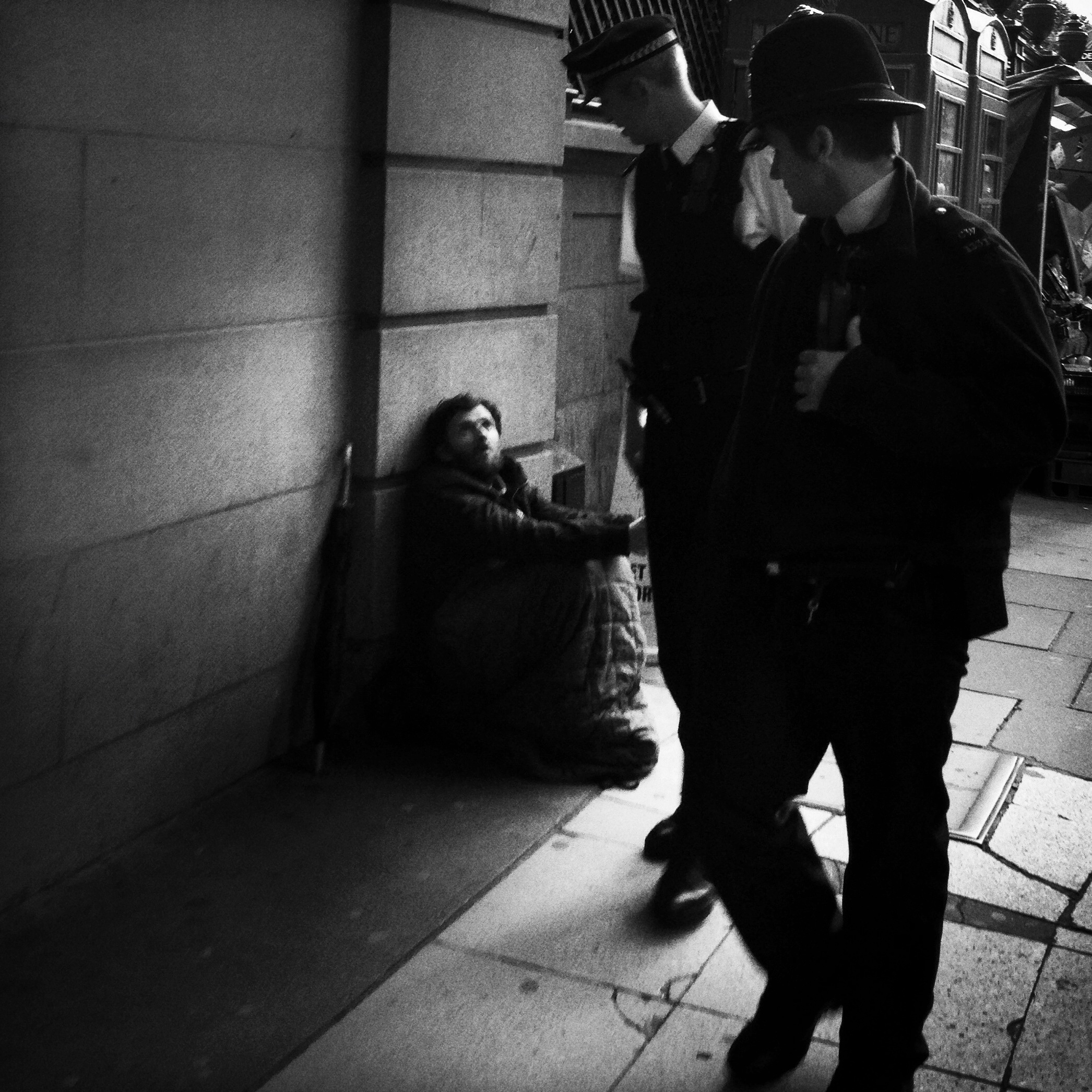
Possibilities

by Melissa D. Johnston

Boredom.

A point and shoot camera.
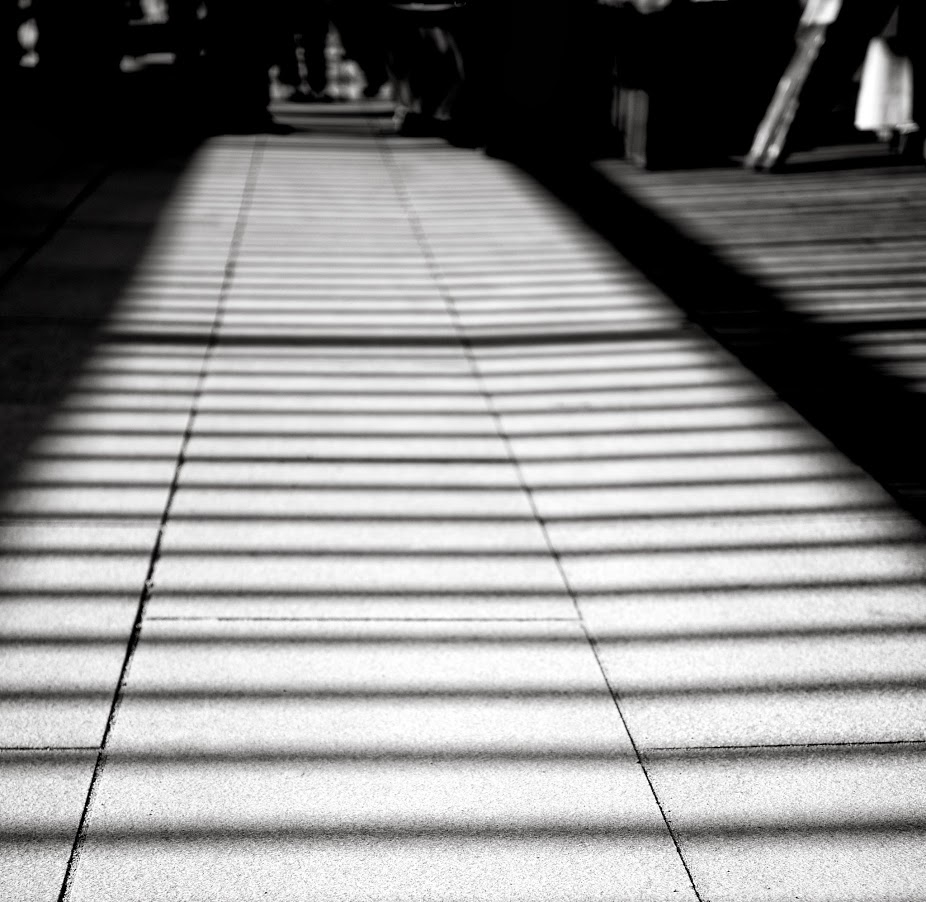
A sunny November day.

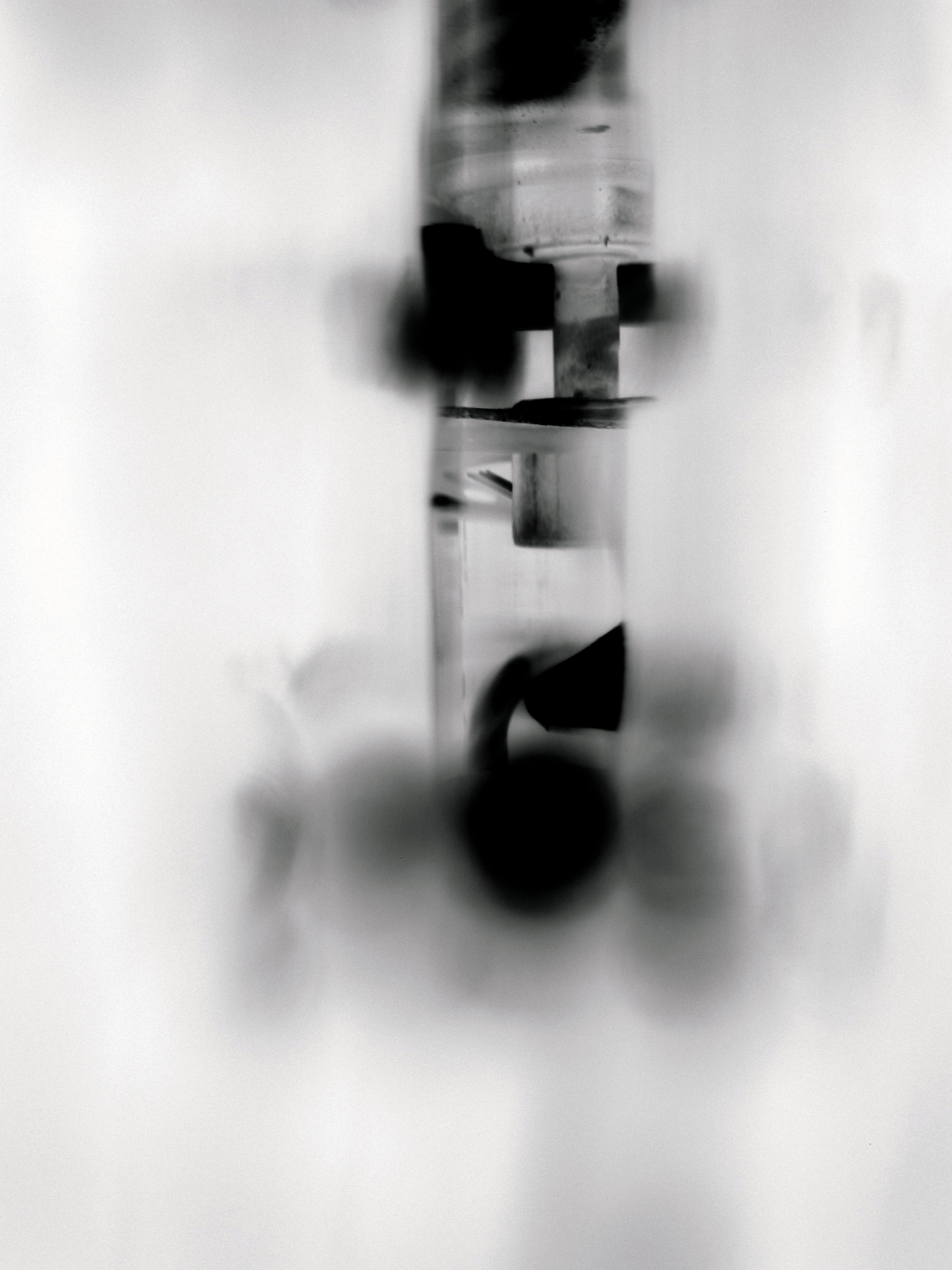
The air grille of a whirring heatpump.

Click.