Tag Archives: art

Locating Place: Fragments of an Illness

by Nicholas Quin Serenati

Locating Place: Fragments of an Illness is the beginning of a three-part series. The next installment is Reclaiming Experiential Residue: Misconceptions.

About the series: Illness experience is a resource for experiential knowledge. To that extent, it is important to understand that life has infinite spaces which can be experienced. My work is concerned with phenomenological experiences that transform these spaces into places. These places become the foundations in our individual lives – the construct of our identity. The work in this series is intended to ascertain an understanding of the ways meaning–making functions as a method for healing, and how the creative process operates to uncover and identify new metaphors that best communicate illness experience to others.

 

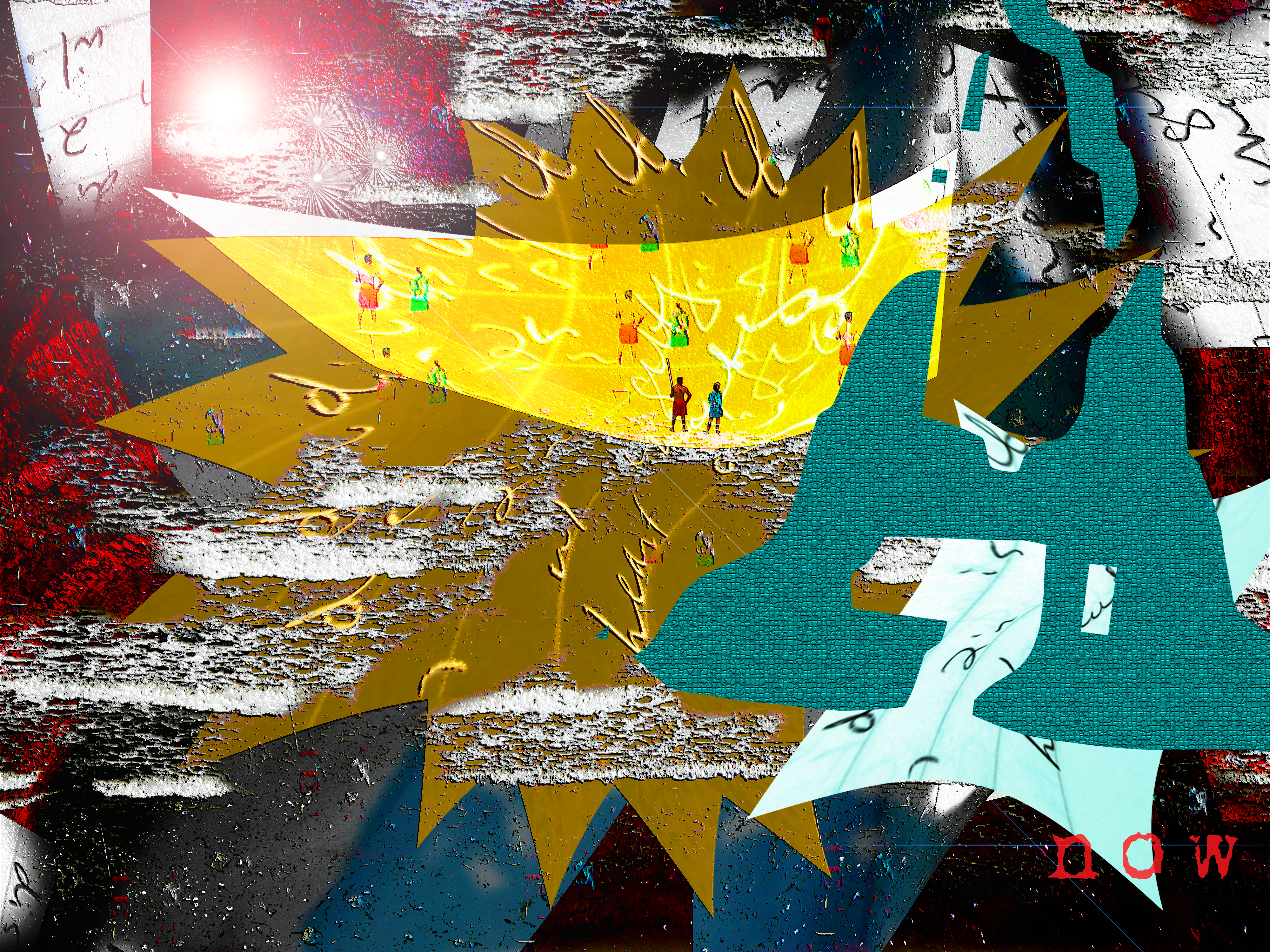
Screenshot 1, Fragments of an Illness, 2011

Screenshot 1, Fragments of an Illness, 2011


We all have bodies. This is not a truism. It is not an exercise in the obvious. It is a fact – and a fact of a special kind. It is an incontestable fact. Everything we do, we do as or by means of our body. We cannot get beyond the fact that we are bodies. The body is, simply put, where everything in human culture begins and ends.     

(Tobin Siebers, Disability Aesthetics)
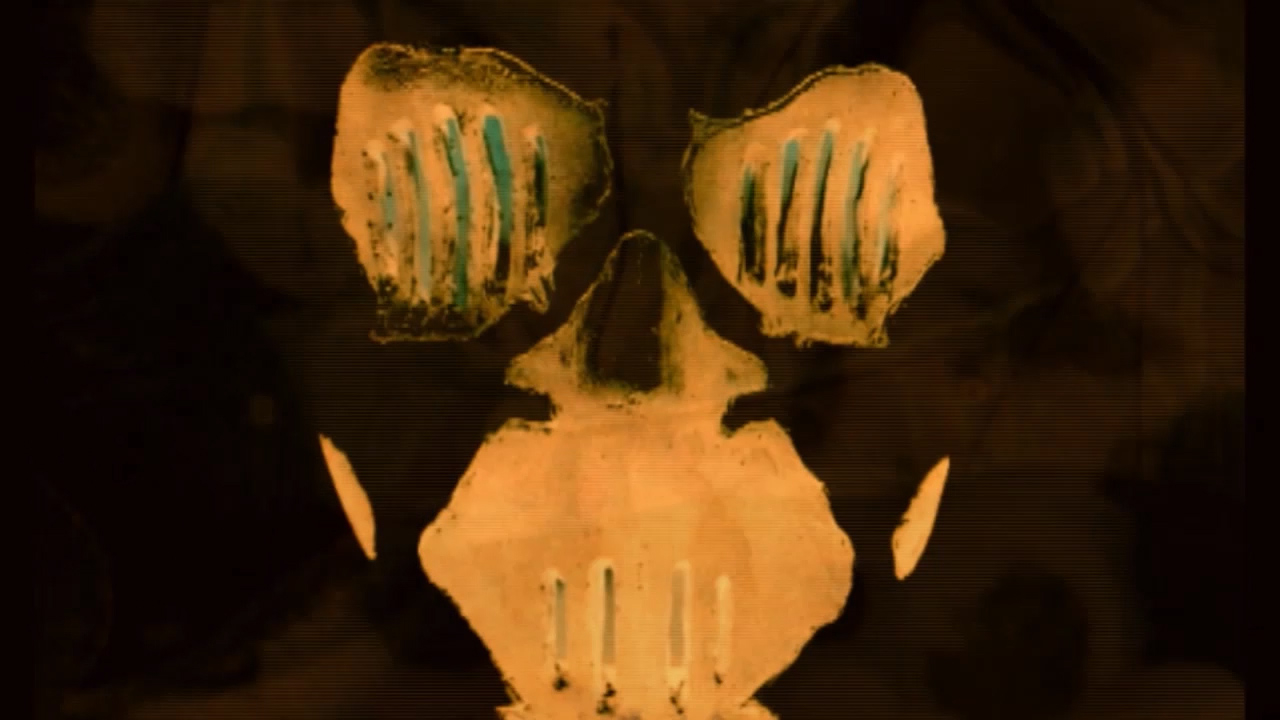
 

Screenshot 2, Fragments of an Illness, 2011

Screenshot 2, Fragments of an Illness, 2011

When I look at the work that I have produced as an artist, I have come to realize the importance of the body as the locus for inquiry and discovery. The idea of the body as a critical lens for investigating the theoretical and philosophical implications of representation and voice in illness experience is a common thread in my work – whether consciously or subconsciously. My unrelenting interest of the body can most easily be attributed to a personal experience with illness when in 2001 I was diagnosed with Acute Myelogenous Leukemia (AML).
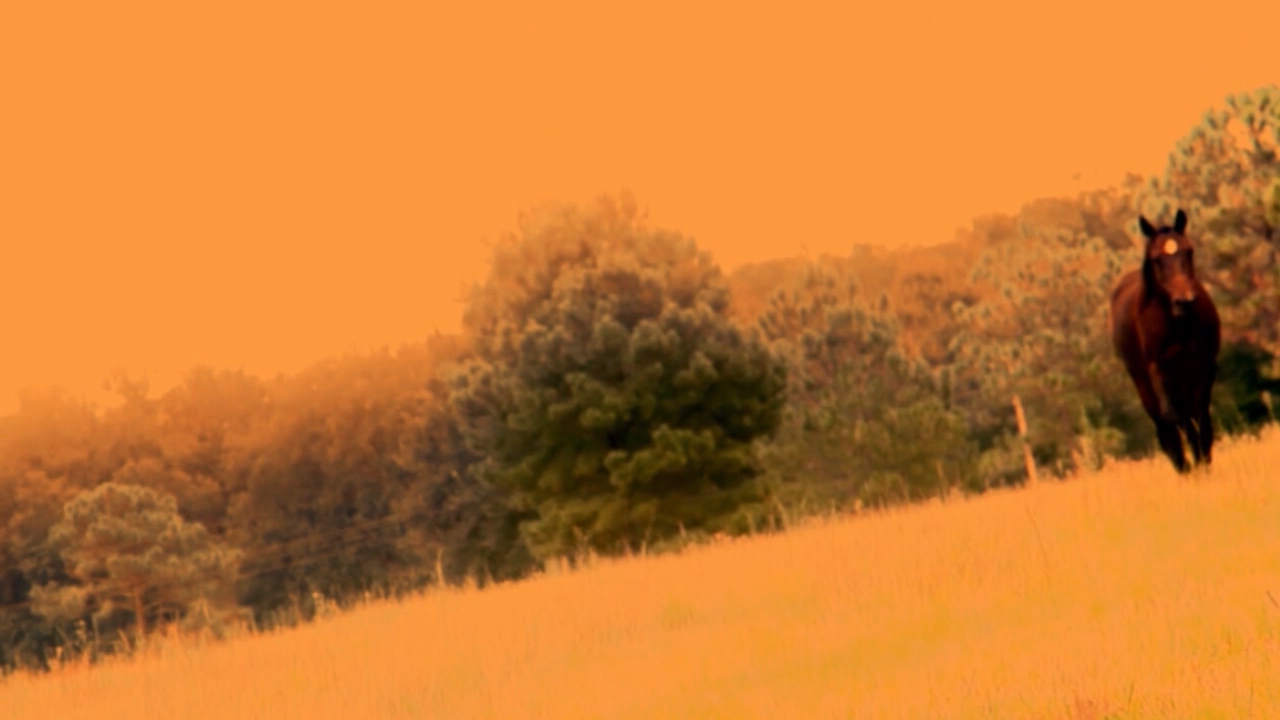
Screenshot 3, Fragments of an Illness, 2011

Screenshot 3, Fragments of an Illness, 2011

Being a young man at the time, the profundity of this experience sparked a curiosity of the human condition that has lingered in many ways over the course of 13 years in remission. Most notably, my illness experience has emerged as a significant preoccupation in my research and creative work. Mortality, representation, voice, identity, humanness, Buddhism, metaphors, illness and disability studies as well as the formal and experimental aesthetics that encompass my art practice, have all played a vital role in the identification of place in my life.
Screenshot 4, Fragments of an Illness, 2011

Screenshot 4, Fragments of an Illness, 2011

The study of the bodymy body – as a territory occupied by illness is my attempt to pierce to the marrow of the questions that inform my art practice. That is why I believe it is through the study of illness experience that a deeply engaged and meaningful source for experiential knowledge can be achieved.

In this particular exploration, I employed video and sound design to execute a reconstruction of experience.
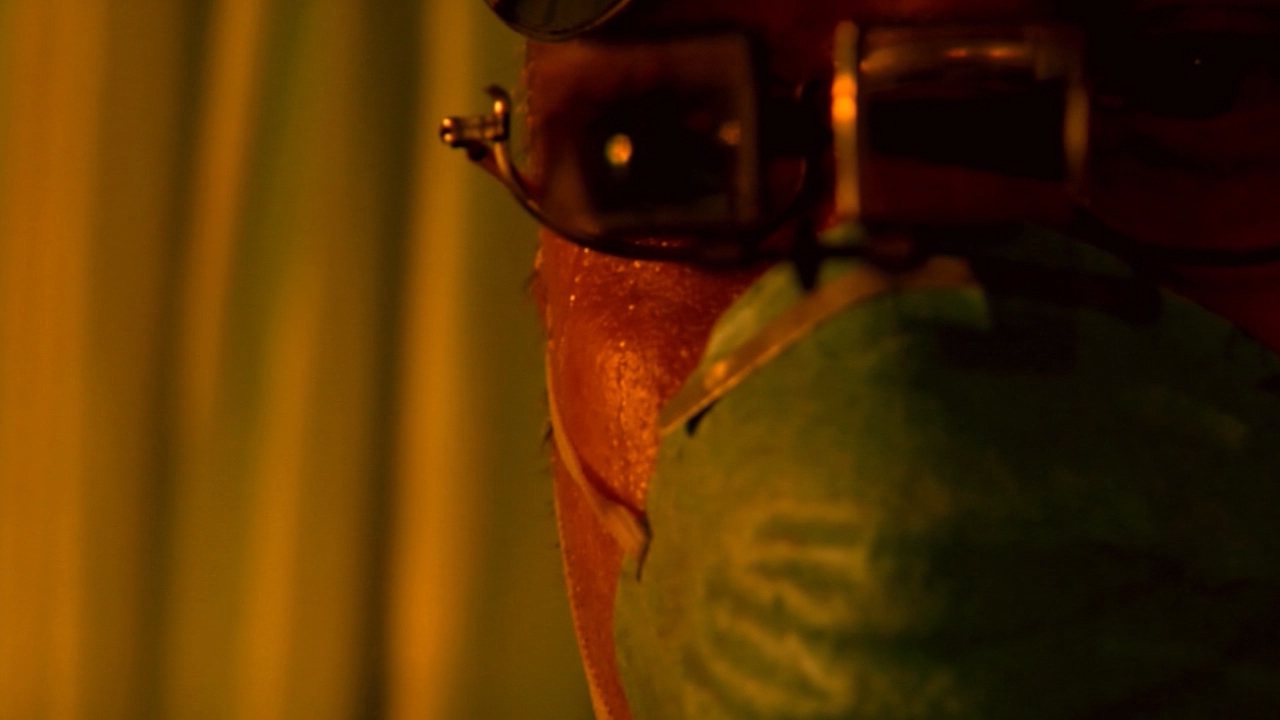
Screenshot 5, Fragments of an Illness, 2011

Screenshot 5, Fragments of an Illness, 2011

The result is my 2011 film, Fragments of an Illness. This film came to exist as a final research project in my doctoral course, HMS 711: The Human Condition: Pursuit of Happiness. Fragments of an Illness situates specific recollections as a metaphorzed-reality within the film. Presented with a concentration into the blending of speed, color, composition, language, sound, and narrative establishment(s), these fragments were my attempt to bridge a dialogue about illness with the aesthetics of the medium and conceivable metaphorical notions.

 

Nicholas Quin SerenatiNicholas Quin Serenati is an interdisciplinary scholar-artist whose work is defined by arts-based research that explores the potential of medium and discipline in liminal spaces. With a practice rooted in locating one’s place, Serenati employs video, creative writing, photography, sound, installation and performance to investigate forming situations that direct his research around illness and metaphor.

Serenati’s intellectual practice deeply engages the creation of meaning – form and function – and the articulation of story throughout the investigative process. Themes of trauma, identity, illness, disability, experimental narrative, social constructivism, sound and language are all contributing factors to Serenati’s work as a critical discourse. Serenati’s scholarly-art practice is intended to investigate phenomena as a way of achieving profound knowledge of theory, philosophy and art.

Based out of St. Augustine, Florida, Serenati holds a BA in Communications from Flagler College, an MFA in Interdisciplinary Arts from Goddard College, and is a candidate for his Ph.D. in Interdisciplinary Studies: Humanities and Culture from Union Institute & University. He is currently the Art Director / Dept. Chair of the Cinematic Arts program at Douglas Anderson School of the Arts and an adjunct professor of media and cinema studies at Flagler College.

Serenati’s dissertation, ReFraming Leukemia: Metaphorizing Illness as Windows, will be completed May 2014, and the installation of the project is set for early 2015 in St. Augustine, Florida.

Twitter: @nqserenati
Website: nqserenati.com


Notes from kingCARLA

by Carla Aaron-Lopez

They call this the beginning of a career. Even though my resume is already a mile long, I believe it to be the start of getting to that “emerging artist” label. Somewhere in grad school, I attended a lecture from an artist who asked my class what we were going to do once we graduate. We all agreed that he was crazy and answered that we were going to get jobs and go to work. At the time, it seemed like it made sense and that’s what some of us went off to do. We graduated, got jobs and became professors at respective universities.

However, for some of us, those cards didn’t stack that way. In my case, I was an adjunct at a historically black university for three years until I was cut. I still don’t know why. My unemployment says I was cut because of low enrollment and since then I haven’t been able to pick up another job. I had no choice but to do what I had been trained to do which is be an artist and when I look at the art world in motion I see less of me and more of those that taught me.

Lots of old white men and women. Ain’t nothing wrong with that but it forces me to wonder if I should do this at all. My ego is too big to let appearances cause me to quit. Therefore, I can’t help but to ask and investigate what it takes to be an artist of color in the 21st century. It’s 2014 and I find I still have to play cute little games to get accepted into this centuries old world. I come from a different place. I call it the dirty South, others just call it Atlanta. I’m not much into creating works that examine the place of black women in America or the African diaspora. I’m also not interested in making works that dog the sh*t out of men. I prefer making works that reflect my Southern background just like the ignorant rap music I love listening to while I create works. If you want a postcolonial discussion from me, I’ll direct you to my homie, Christopher Hutchinson, because he has the words you can’t run from.

In the meantime, this post is being created to help you (and me) explore what it takes to be an artist. And here’s the first step. Explore your influences. It doesn’t have to solely be artists. It can be writers, thinkers, dancers and/or rappers. As much as I love rappers is as much as I love Jean Baudrillard and Michel Foucault. It could even be television characters like the great Doctor Who. Examine why you are drawn to these influences. Is it the confidence you’re attracted to? Is it theories that you’ve read and you want to create something that reflects what you’ve learned? Is it history of a person, place or thing? I don’t know. It’s your world coming to life as an artist. We all have a world we live in that separates us from the next person. I believe that’s how we all keep our sanity. Don’t believe me? Check my next paragraph.

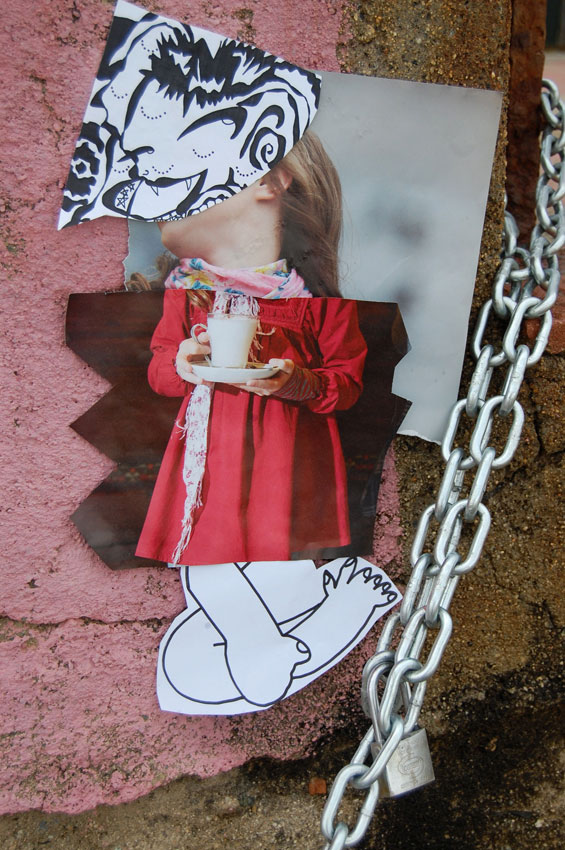
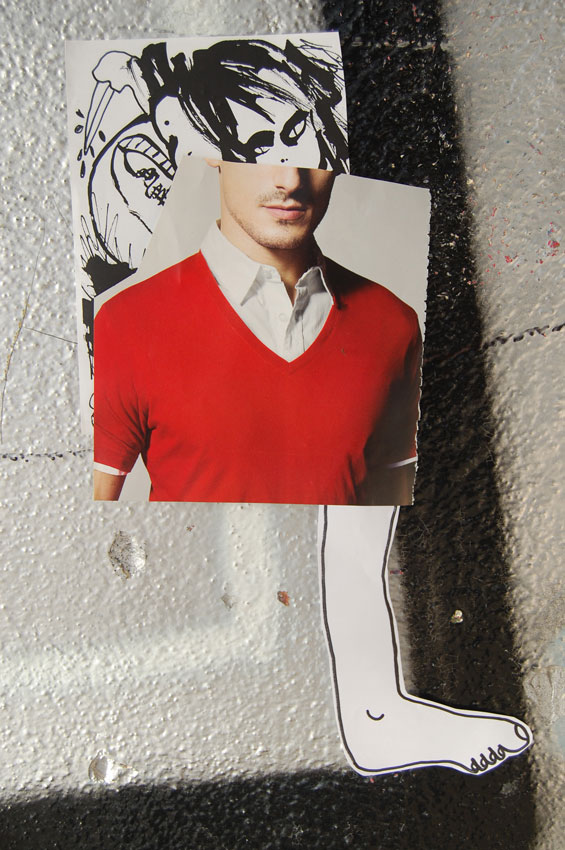
When I graduated with a MFA in photography in 2009, I ended up with a crappy job at TSS Photography transferring children in sports photos to products like keychains, dog tags and mugs to name a few. I hated it. I also didn’t have a camera and I was driving myself crazy. One day, I came across Romare Bearden again and remembered how my favorite black artists could only work using few materials because they had regular crappy jobs and families to feed. I looked around my apartment and saw that I had scissors, glue and plenty of collected magazines. If I couldn’t shoot the photograph then I figured I could make a new image using ones I found in magazines. It was at that moment I realized that I was more than the photographer that some cute little sheet of paper declared. I realized that I needed to investigate image making. In 2011, I started a new body of work that has taken me in a direction that I never anticipated. I dropped a baby from the womb in 2012 which led me to think about the nature of creation. OF COURSE, I knew NOTHING of what it meant to be pregnant. Let alone a mother of color in a world that believes itself to be post-racial. No. I began to think about what images and influences I will be bringing around my son based upon the things I had grown to like. None of them were very pretty, soft or becoming of a woman. They were quite hypersexualized, crude and rude. Just how I like my life.

That woman you see in strip clubs laughing with the dancers? Yeah. That’s me. I love being your family’s worst nightmare walking through your house for dinner. A dirty intellectual. The work I created ended up being bodies that were imbued with power because they appear to be powerless. What happens when you flip a world upside down and inside out?

You get the beginnings of an emerging artist. Take a look and tell me what you think. If the work makes you feel uncomfortable then my job as an artist is complete because those are the images I have to deal with on a daily basis.

– Carla Aaron-Lopez
@iamkingcarla
whoiskingcarla.com
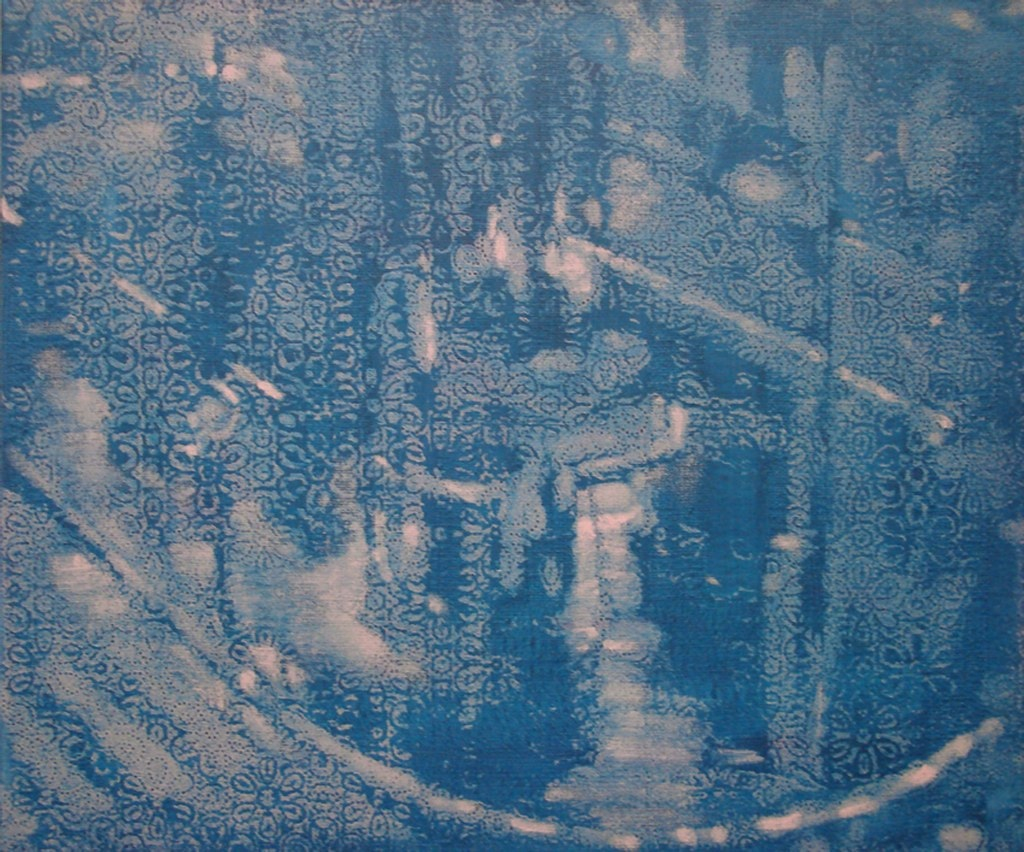
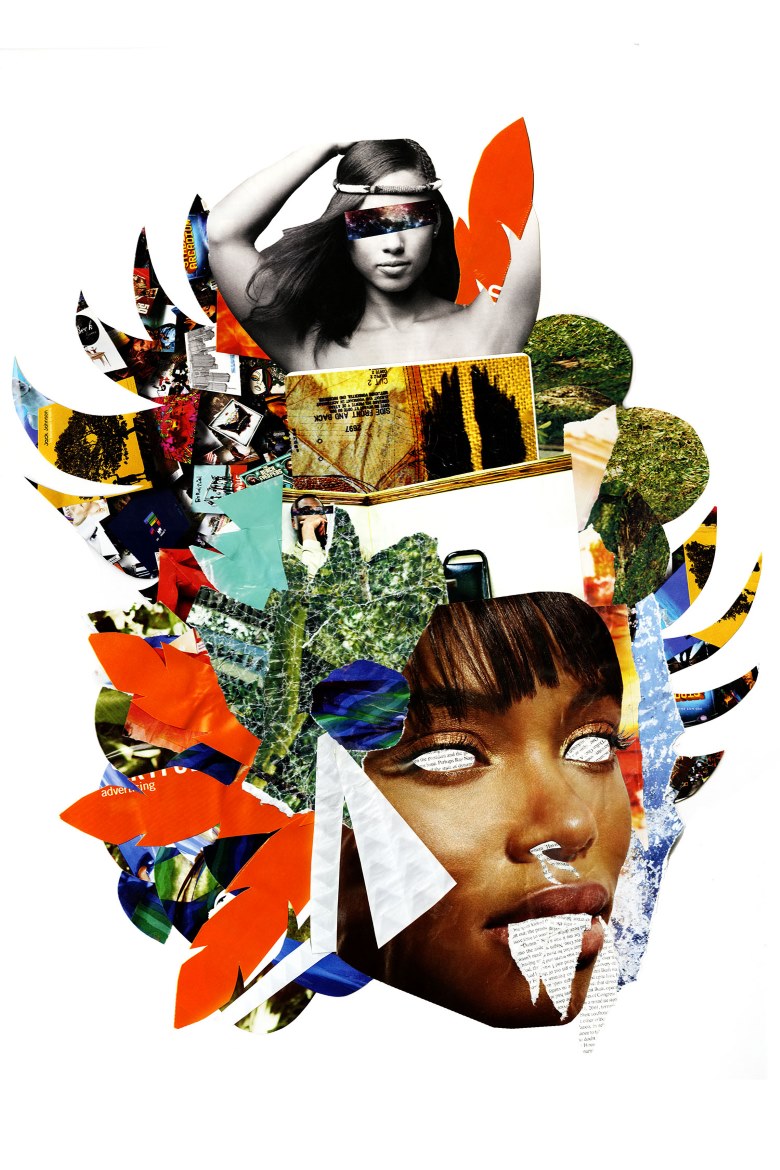
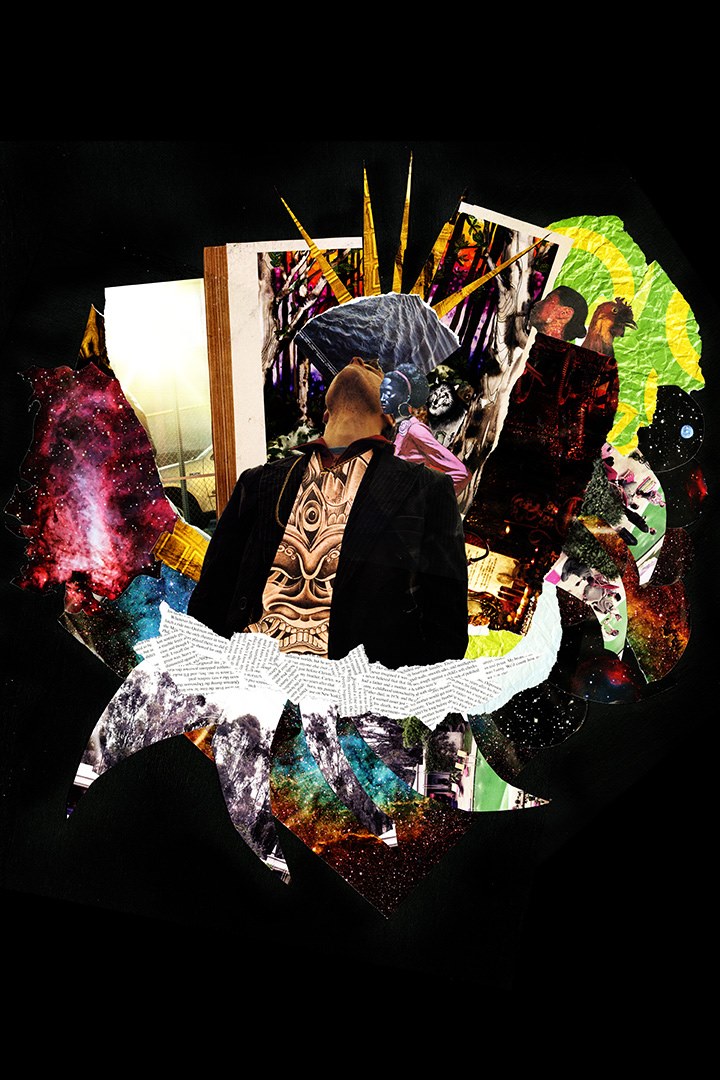
original mother, 2011

original mother, 2011

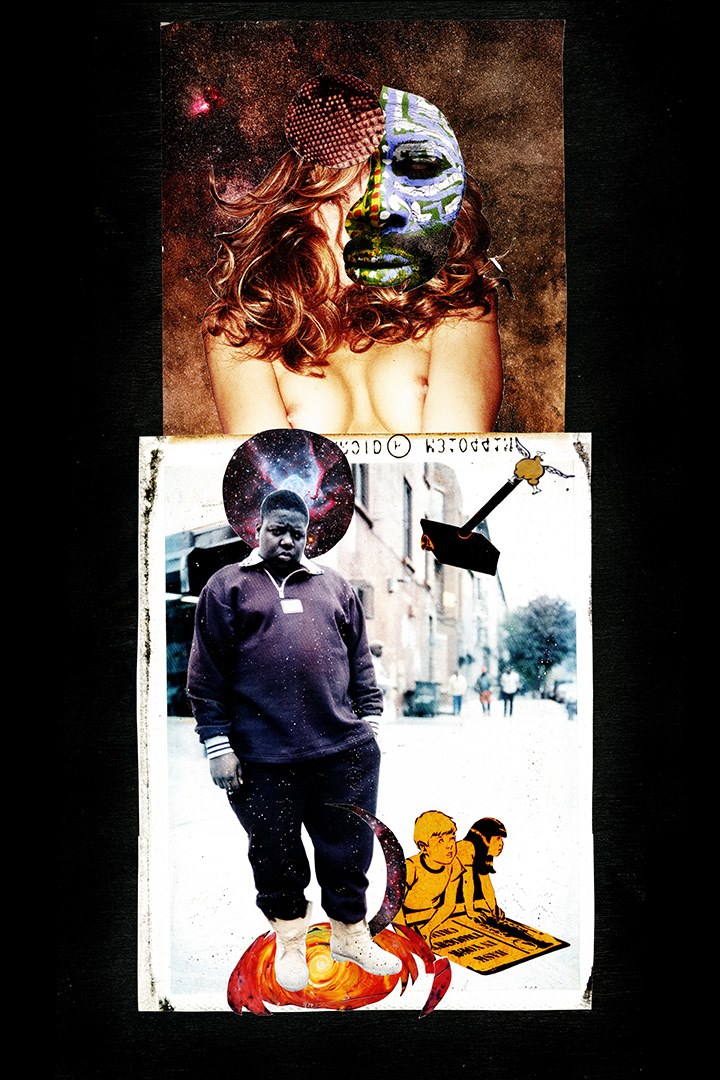
biggie alone, 2011

biggie alone, 2011

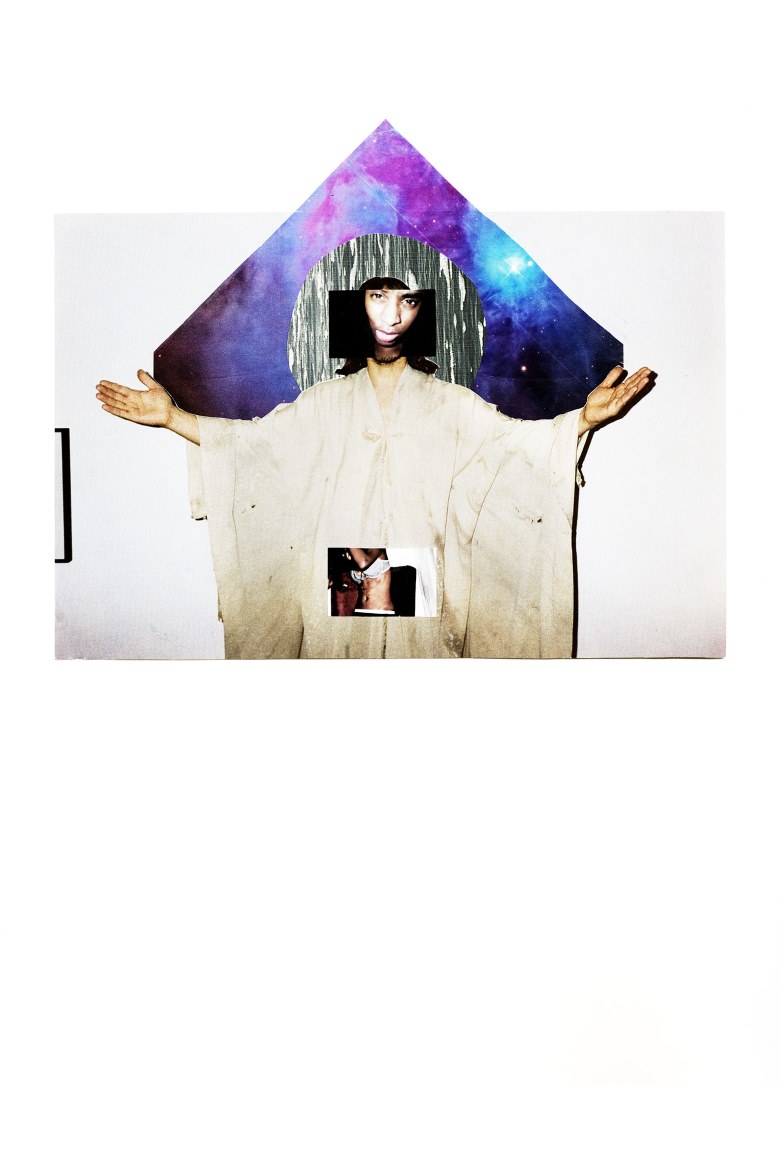
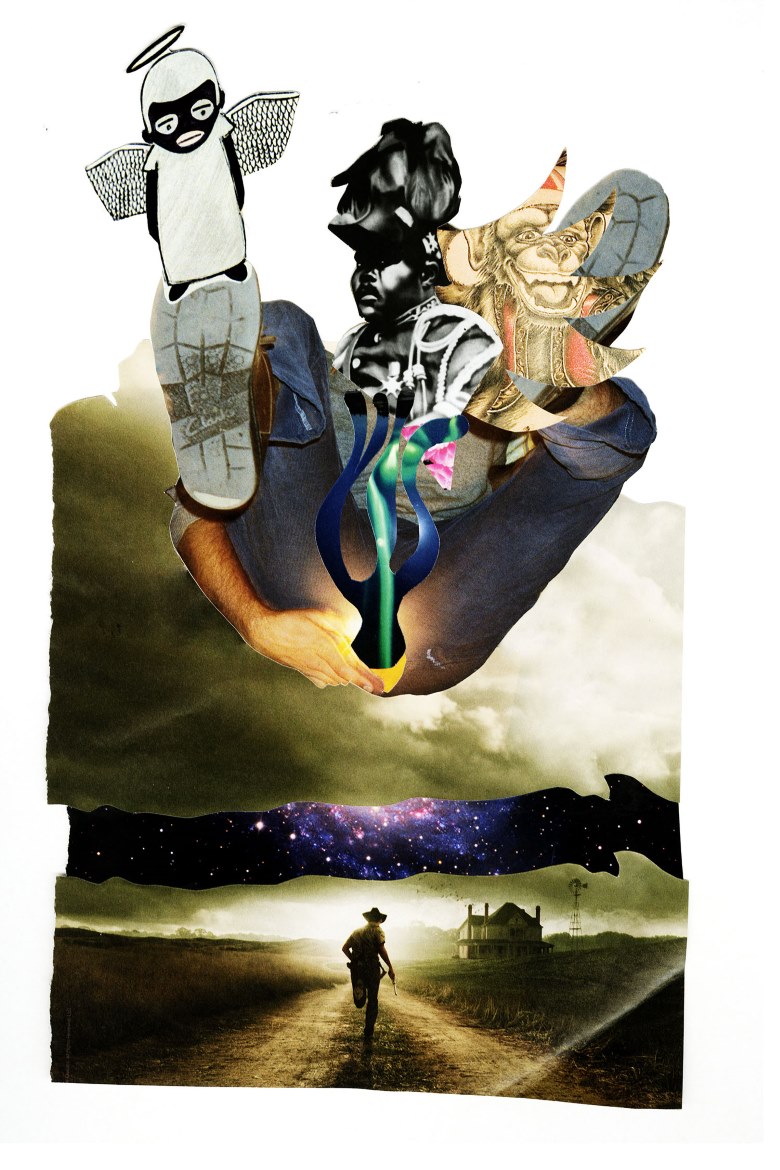
black girl jesus, 2012

black girl jesus, 2012

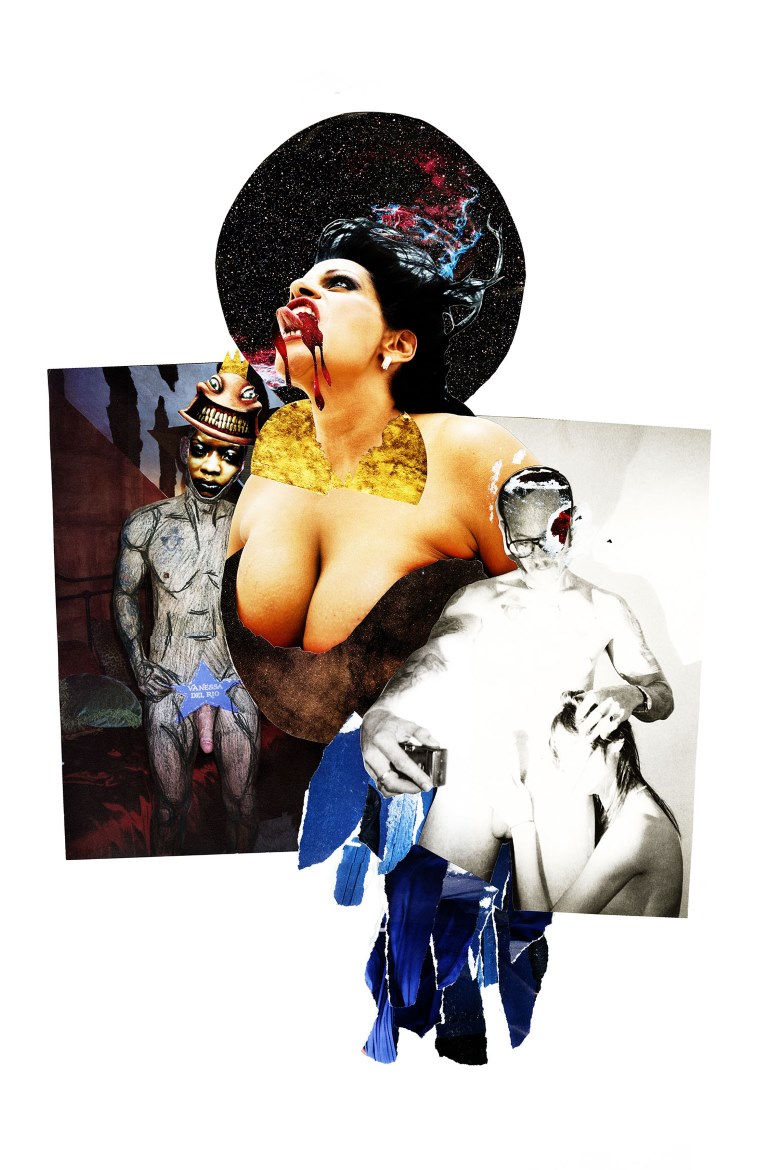
queen vanessa, 2011

queen vanessa, 2011

duality, 2011

duality, 2011

garvey fart, 2012

garvey fart, 2012

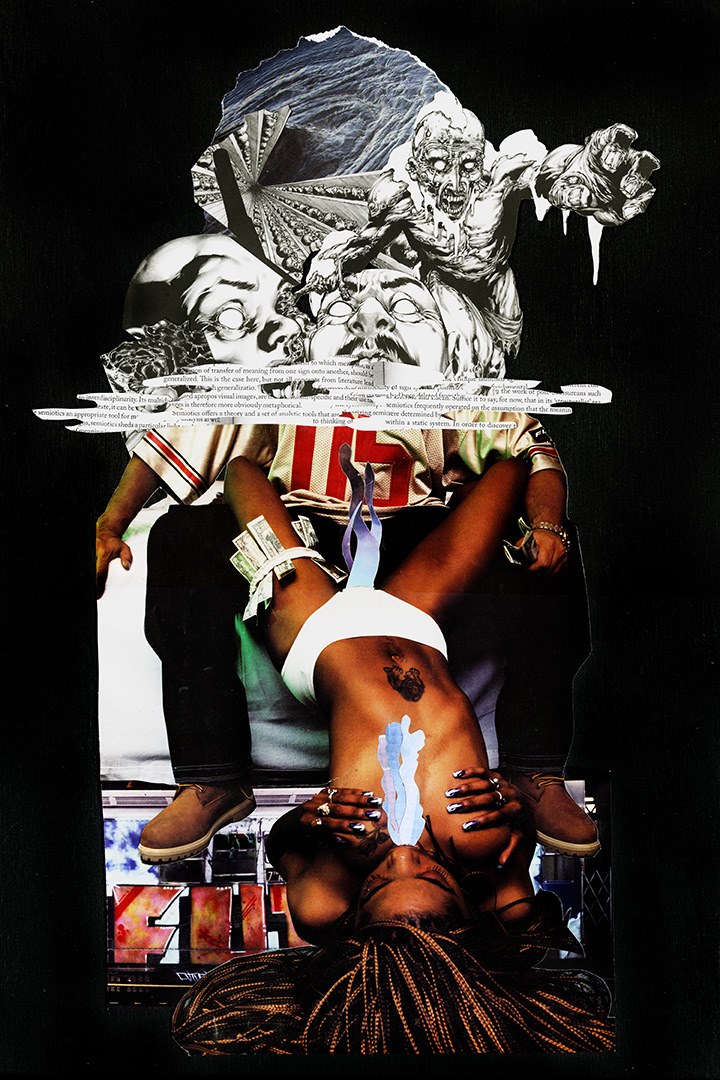
zombie shaman, 2012

zombie shaman, 2012

Michael Dickins: PreOccupied

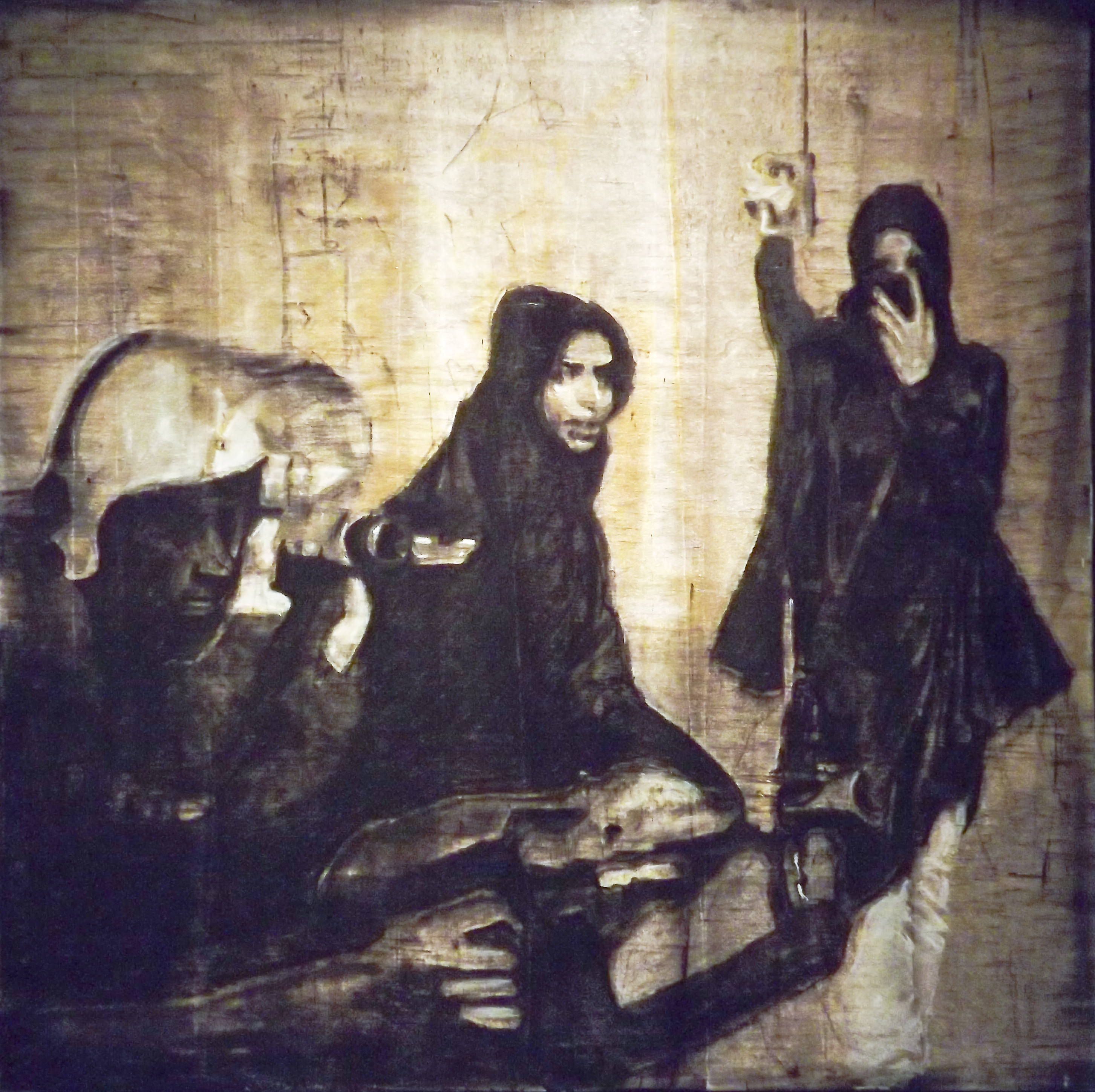
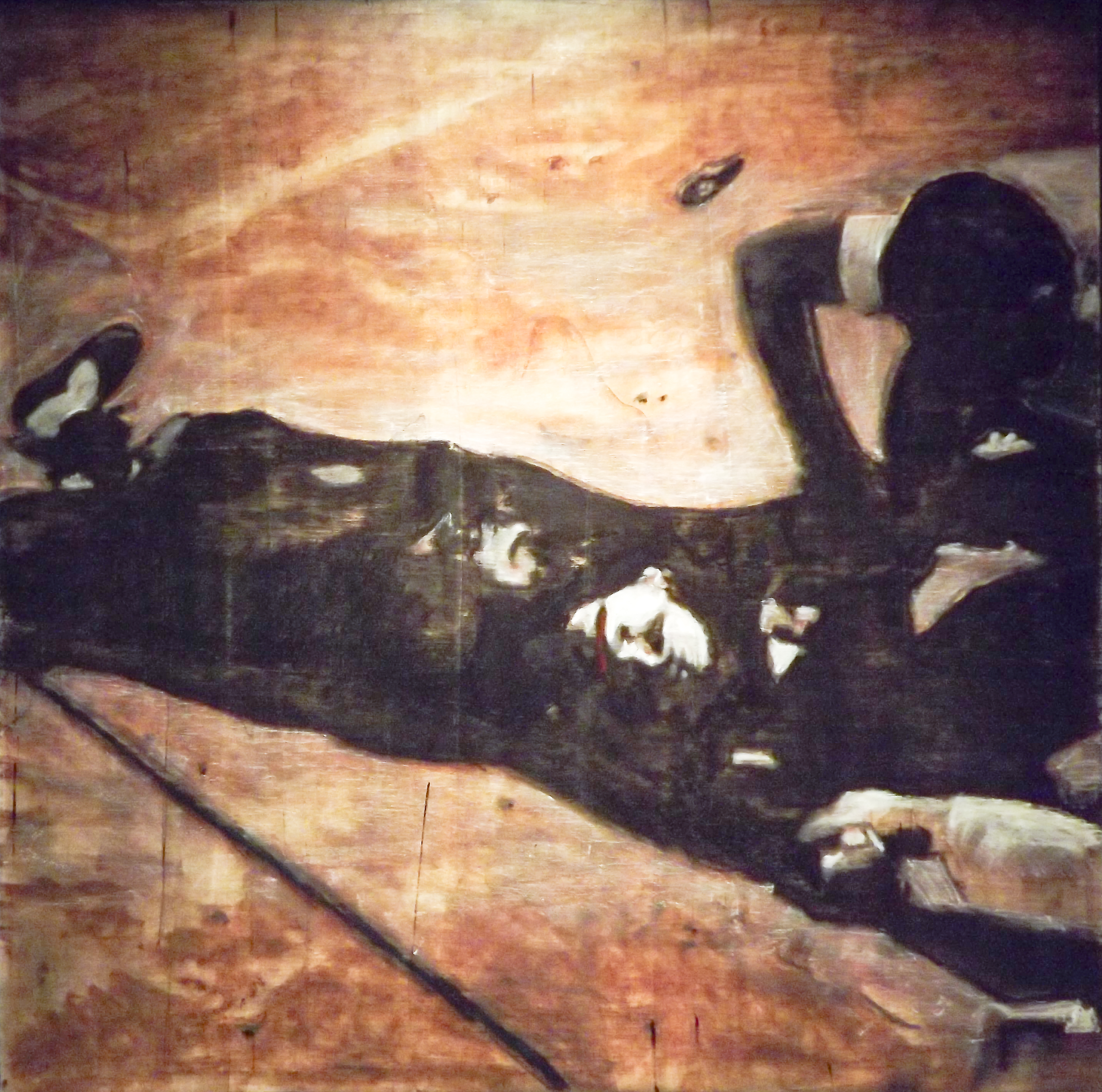
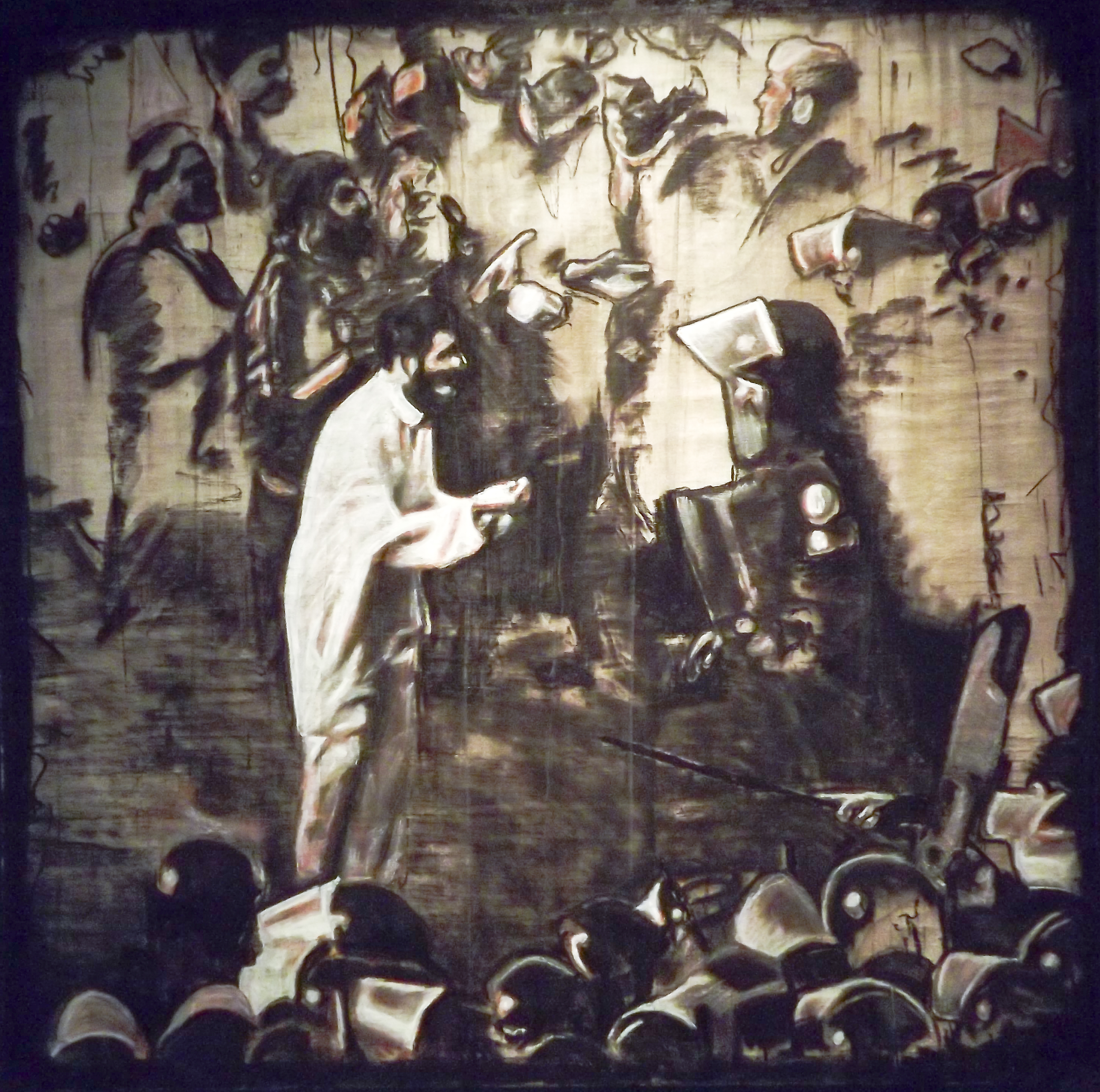
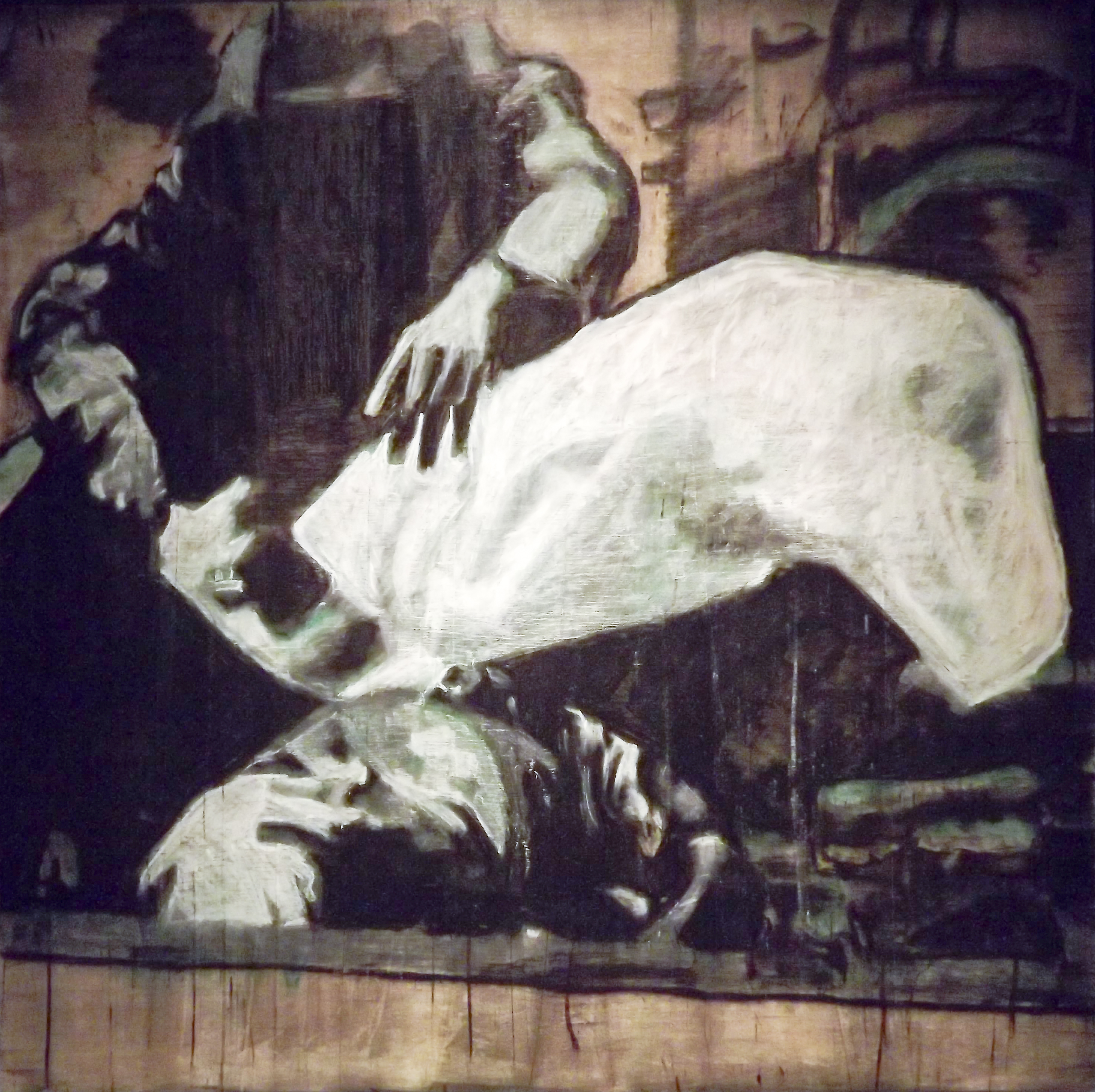
In November 2011, I began talking about the Arab Spring in my classes and found myself looking out at blank stares. I asked my students to raise their hands if they had not heard of the term Arab Spring. Surprisingly, all the students’ hands in two classes went up, except for one, a member of the military. As he sat there looking down shaking his head, I realized that my students were completely unaware of the current global political and economic unrest almost a full year after it had started. Most, at that point, were also oblivious of the three-month-old Occupy Movement that was spreading across the U.S.

Because of this, I began to ask why it was, in the age of social media and instant information, that many people in this country, not just my students, were unaware of current global events — events that included economic collapses, toppled governments, mass civilian deaths, and the overwhelming use of force against civilians. I observed that American mass media, specifically the network news shows, provides a minimal, glossed-over account of world conflicts, restricting the viewer’s knowledge and understanding of events beyond their television screen.

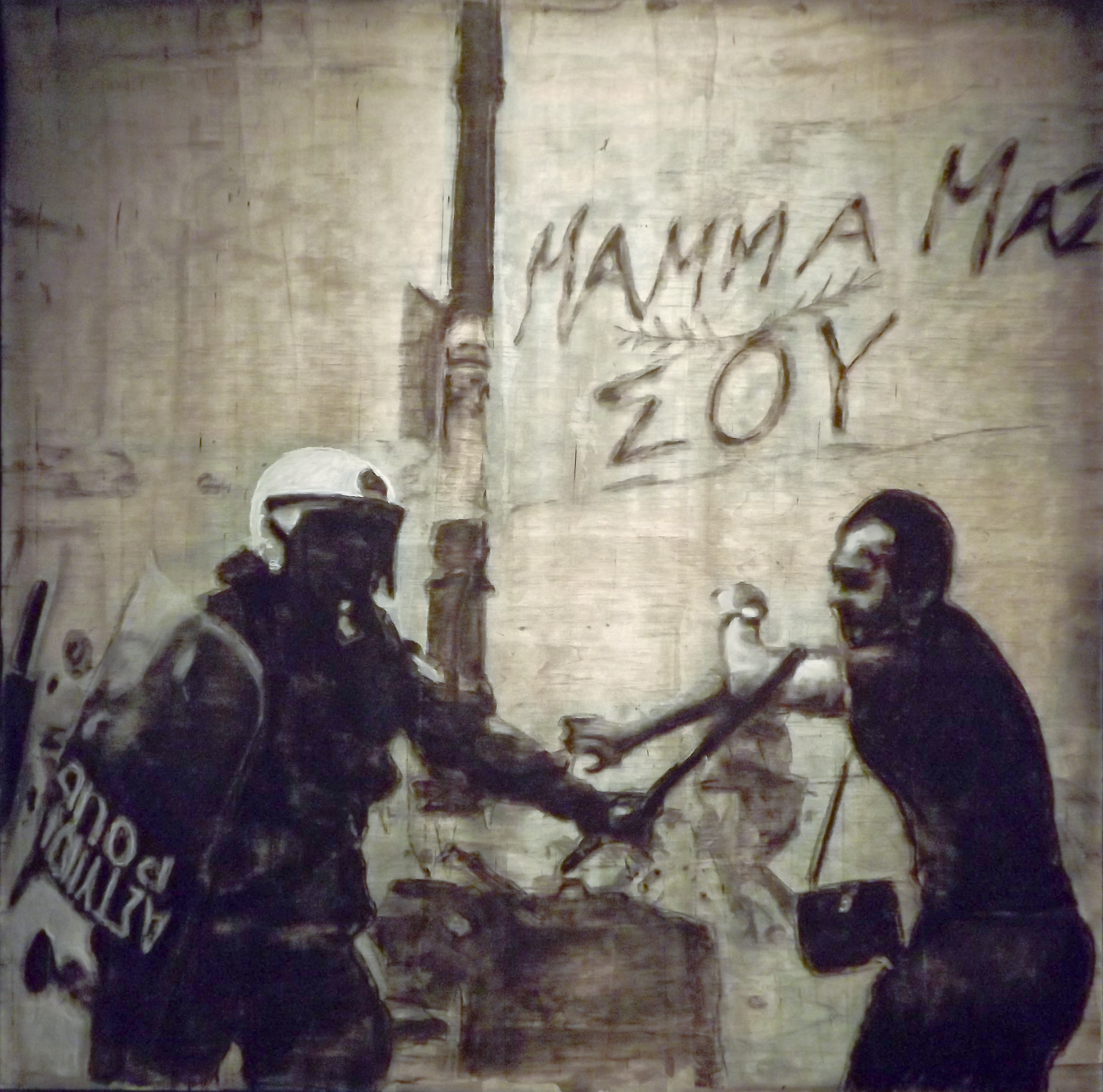
Focusing on the conflicts and uprisings of the past year in Greece, Libya, Syria, Egypt, Bahrain and New York, PreOccupied brings to the forefront how consumers of American mass media are distracted by entertainment and disconnected from empathy.

These particular images were appropriated from first person videos that were shared via YouTube and social media outlets in order to serve as eyewitness accounts of the conflicts occurring in their respective countries.

The installation features live, broadcast television in which the viewer is free to “channel surf”.  The sound projected in the space is a mash-up of the audio that accompanied the selected YouTube videos.  The viewer’s experience of watching American television is challenged by the gunshots and screams that play on a continuous loop.

PreOccupied will be featured at the Rebecca Randall Bryan Art Gallery at Coastal Carolina University May 19 – June 28, 2014.   http://www.coastal.edu/bryanartgallery/

“Greece 2011”, 48”x48”, pastel, graphite, charcoal, oil pastel

“Greece 2011”, 48”x48”, pastel, graphite, charcoal, oil pastel

“Bahrain 2011”, 48”x48”, pastel, graphite, charcoal, oil pastel

“Bahrain 2011”, 48”x48”, pastel, graphite, charcoal, oil pastel

“New York 2011”, 48”x48”, pastel, graphite, charcoal, oil pastel

“New York 2011”, 48”x48”, pastel, graphite, charcoal, oil pastel

“Syria 2011”, 48”x48”, pastel, graphite, charcoal, oil pastel

“Syria 2011”, 48”x48”, pastel, graphite, charcoal, oil pastel

“Egypt 2011”, 48”x48”, pastel, graphite, charcoal, oil pastel

“Egypt 2011”, 48”x48”, pastel, graphite, charcoal, oil pastel

“Libya 2011”, 48”x48”, pastel, graphite, charcoal, oil pastel

“Libya 2011”, 48”x48”, pastel, graphite, charcoal, oil pastel


Michael DickinsMichael Dickins is an interdisciplinary artist whose work is created with a variety of media including photography, printmaking, drawing, installation, sound and video. His balance of both digital and material processes allows him to create pieces that are both expressive and engaging.

Dickins is interested in the impact that the technological advances of photography has had, and is having, on our visual culture. His current work focuses on the importance of the snapshot and vernacular video both as art and as an influential medium in historical and contemporary societies.

Dickins holds a BFA in photography/printmaking from Georgia Southern University and an MFAIA from Goddard College.  He is currently the gallery manager of the Curtis R. Harley Art Gallery and an adjunct professor of art at the University of South Carolina Upstate in Spartanburg, South Carolina.

http://www.michaeldickins.com

https://www.facebook.com/michaeldickinsart

twitter: mdickins

Projections

by J. Adam McGalliard

"Pink Magnolias," Oil on Linen

“Pink Magnolias,” Oil on Linen

"Sunflower Fields,"  Oil on canvas

“Sunflower Fields,” Oil on canvas

"Troche", Oil on canvas

“Troche”, Oil on canvas

"Allison," Oil on Linen on Panel

“Allison,” Oil on Linen on Panel

"Antonia," Oil on Panel

“Antonia,” Oil on Panel

"After Arcimboldo 1,"  C-Print

“After Arcimboldo 1,” C-Print

"After Arcimboldo 3," C-Print

“After Arcimboldo 3,” C-Print

"Headless," C-Print

“Headless,” C-Print

"Intake," C-Print

“Intake,” C-Print

J. Adam McGalliard, The Scream

“The Scream,” C-Print

J. Adam McGalliard received an MFA from the New York Academy of Art with a scholarship for study and a BFA from the University of North Carolina at Greensboro where he was the recipient of the Myrtle Reeves Scholarship. McGalliard taught painting, drawing, and printmaking as a faculty member at the Sawtooth Center for Visual Art in Winston-Salem, NC. In New York, he taught as an Adjunct Painting Professor at Brooklyn College and the City University of New York. He also worked as a Post Graduate Teaching Assistant at the New York Academy of Art, NYC.  For Five years he worked as a painter and sculptor for world-renowned artist Jeff Koons.

His latest work is a series of photographs and paintings involving the projection of images on figures. The photographs are works in and of themselves while also informing the painting process. The projected image works as a double-edged sword. It can starkly reveal something that is hidden, like the writhing tattoos of the Illustrated Man, or it can mask an individual as a concealing veil or garment that creates a protected outer hull.

Learn more about Adam and see more of his work at his Website or visit his Facebook page.

Works by Verena Baumann

"Scintillula" Oil paint and pencil on paper ca. a4 2012

“Scintillula”
Oil paint and pencil on paper
ca. a4
2012

"Double flute" Oil paint and pencil on paper ca. a4 2012

“Double flute”
Oil paint and pencil on paper
ca. a4
2012

"O courageous" Photography 2011

“O courageous”
Photography
2011

"Birds in a tree" Acrylic painting on canvas size 40 cm x 30 cm 2013

“Birds in a tree”
Acrylic painting on canvas
size 40 cm x 30 cm
2013

"Arch brown gold" Acrylic painting on canvas, monotype 70 cm x 50 cm 2007

“Arch brown gold”
Acrylic painting on canvas, monotype
70 cm x 50 cm
2007

"Linguistically" Photography 2010

“Linguistically”
Photography
2010

"Carriage" Acrylic painting 30 cm x 40 cm 2008

“Carriage”
Acrylic painting
30 cm x 40 cm
2008

"Street refuge blue pink" Acrylic painting on canvas, monotype 50 cm x 70 cm 2006

“Street refuge blue pink”
Acrylic painting on canvas, monotype
50 cm x 70 cm
2006

"Sphere 4" Acrylic painting on canvas  55 cm x 46 cm  2007

“Sphere 4”
Acrylic painting on canvas
55 cm x 46 cm
2007

"Aureous being" Oil paint and pencil on paper ca. a4 2011

“Aureous being”
Oil paint and pencil on paper
ca. a4
2011

"The open" Photography 2012

“The open”
Photography
2012

"All about women" Pencil and oil paint on paper  ca. a4 2012

“All about women”
Pencil and oil paint on paper
ca. a4
2012

"Oyseaux, arbres" Oil paint and pencil on paper 2011

“Oyseaux, arbres”
Oil paint and pencil on paper
2011

"How" Photography 2013

“How”
Photography
2013

"Silk apple-tree"  Acrylic painting on canvas 40 cm x 30 cm 2013

“Silk apple-tree”
Acrylic painting on canvas
40 cm x 30 cm
2013

Verena Baumann portraitSwiss visual artist, Verena Baumann, was born in 1964 and has been working for thirty years with paint, pencil, scissors and a camera. After beginning her career as a graphic designer she expanded her interests and activities towards the freedom of a more personal art form. By living a less compromised life, she began to discover and explore a more instinctive use of line, shape, color, texture, and composition. Balancing the union of harmony and fragmentation is a primary motivation in her search for artistic truth. Today she explores spontaneousness and improvisation as a transforming fuel, nurturing her love for painting. The pursuit of ordinary magic became the most valued attribute for her creations. Find out more about Verena at http://about.me/verenabaumann.

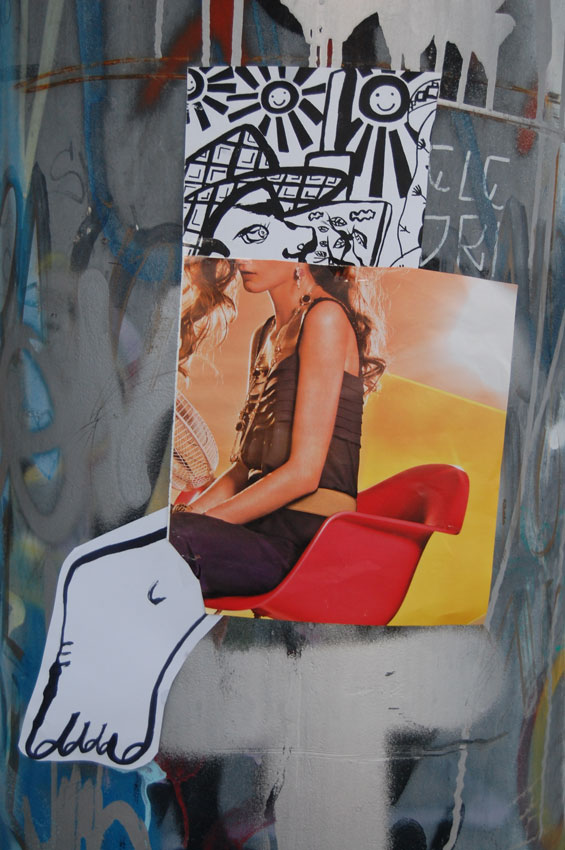
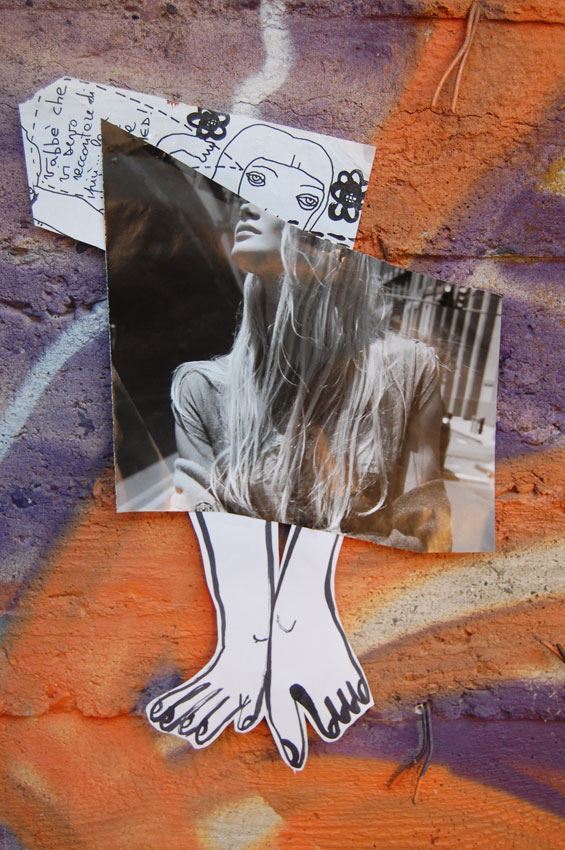
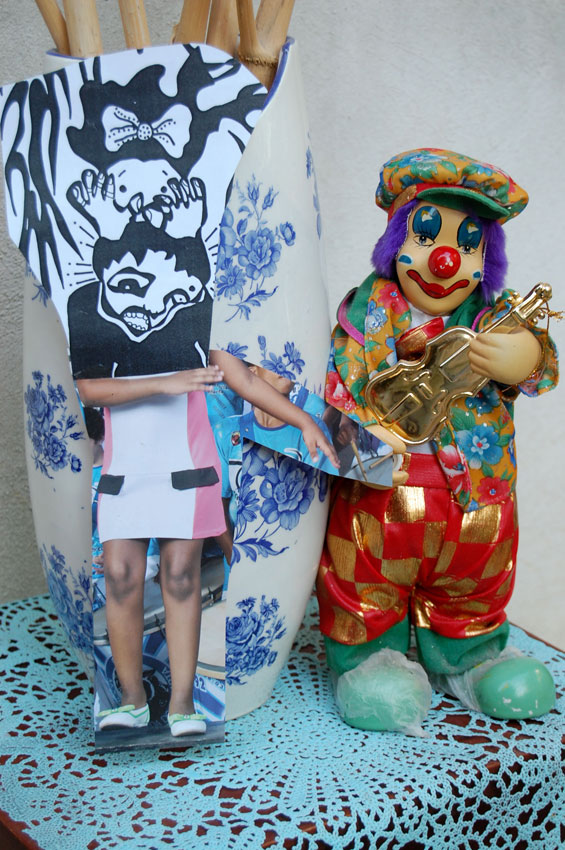
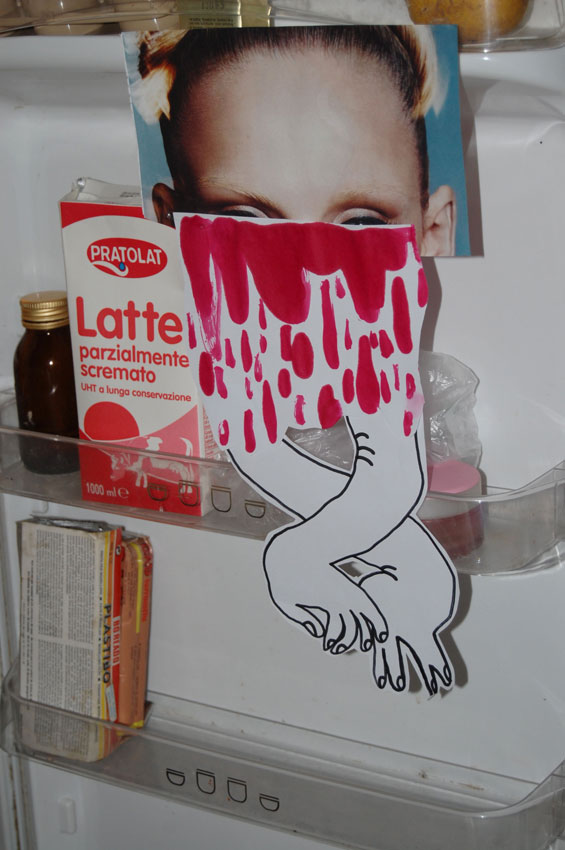
Claudio Parentela: Contemporary Art with a Freakish Taste

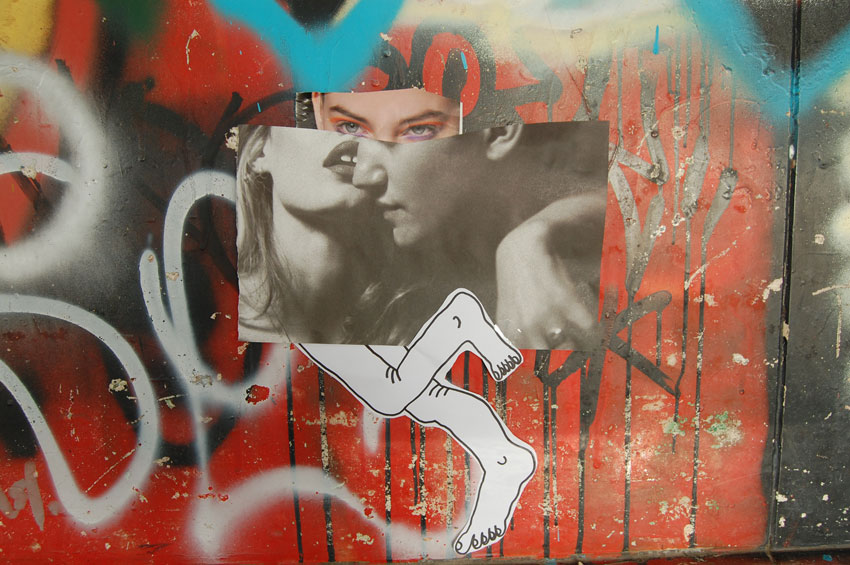
Claudio Parentela image 1

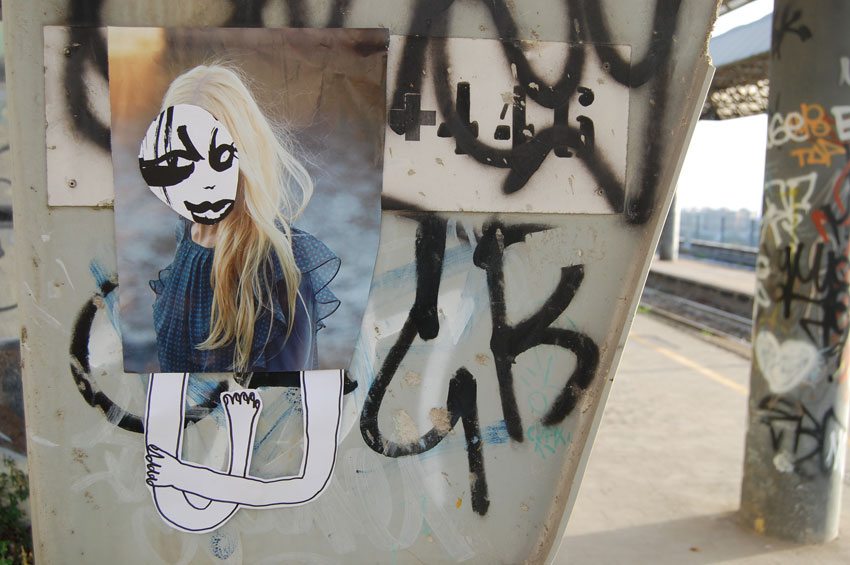
Claudio Parentela image 3

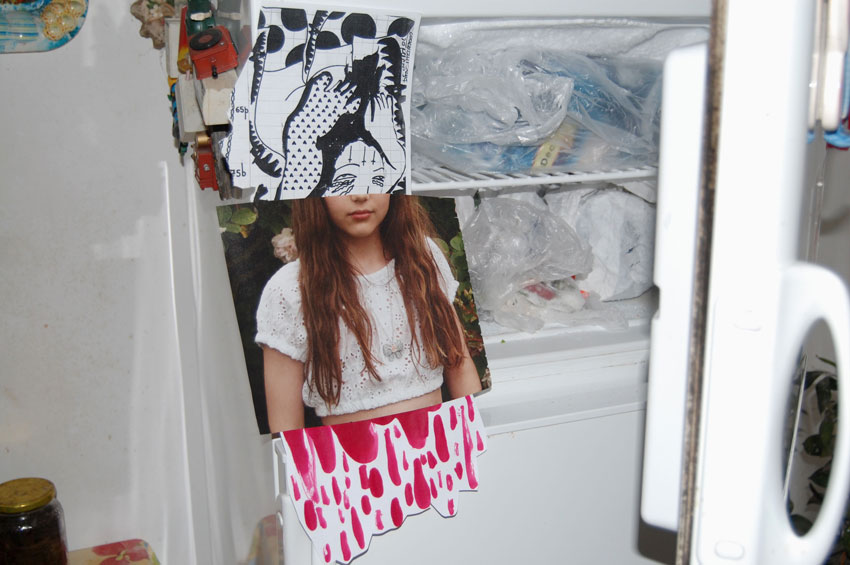
Claudio Parentela image 4

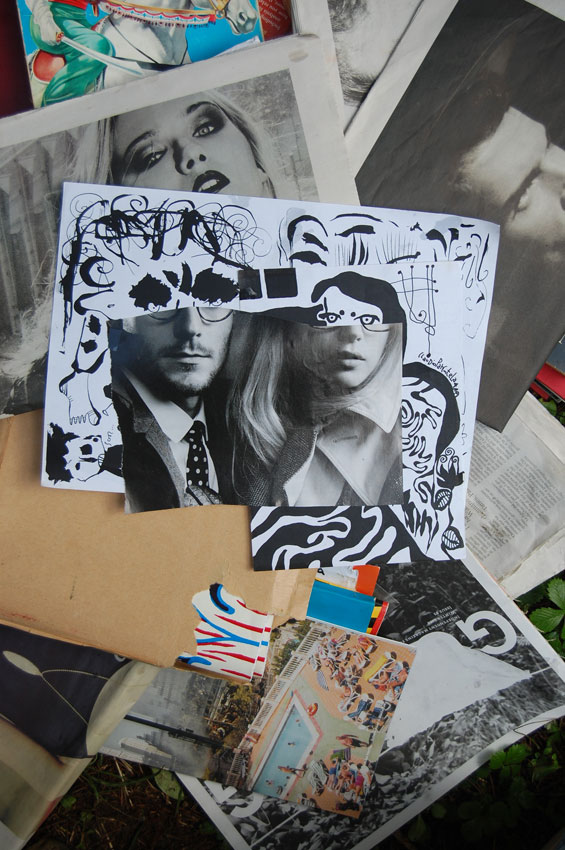
Claudio Parentela image 5

claudio parentela image 10

claudio parentela image 13

claudio parentela image 15

claudio parentela image 16

Claudio Parentela image 17

Claudio Parentela image 21

Claudio Parentela image 22

claudio parentela image 24

Claudio Parentela image 25

Claudio Parentela image 36

Claudio Parentela image 34

Claudio Parentela image 2

Claudio Parentela image 26

CLAUDIO PARENTELA-ITALYClaudio Parentela is an illustrator, painter, photographer, mail artist, cartoonist, collagist, and freelance journalist who’s been active many years in the international underground scene. During 1999 he was a guest of the BREAK 21 FESTIVAL in Ljubliana (Slovenja). His obscure & crazy artworks are featured and shown in many art galleries,  endlessly on the web, & in the real world too…. Selected galleries and publications: Furtherfield, Mysupadupa, Saatchi Online, Graphola, Virtual Shoes Museum, One Five4 Gallery, Art Setter, Aoa Collective, Rise Art, Wallery, Blue Canvas, Rojo Magazine, Nakedbutsafe, Hollow Magazine, THVUNDERMAG,Revista Metal, Lasso Magazine, Nasty Magazine.

http://www.claudioparentela.net 

http://claudioparentel.altervista.org/

https://www.facebook.com/claudio.parentela.1

http://claudioparentela.tumblr.com/

http://twitter.com/claudioparentel

The Poet and the Flea

by G. E. Gallas

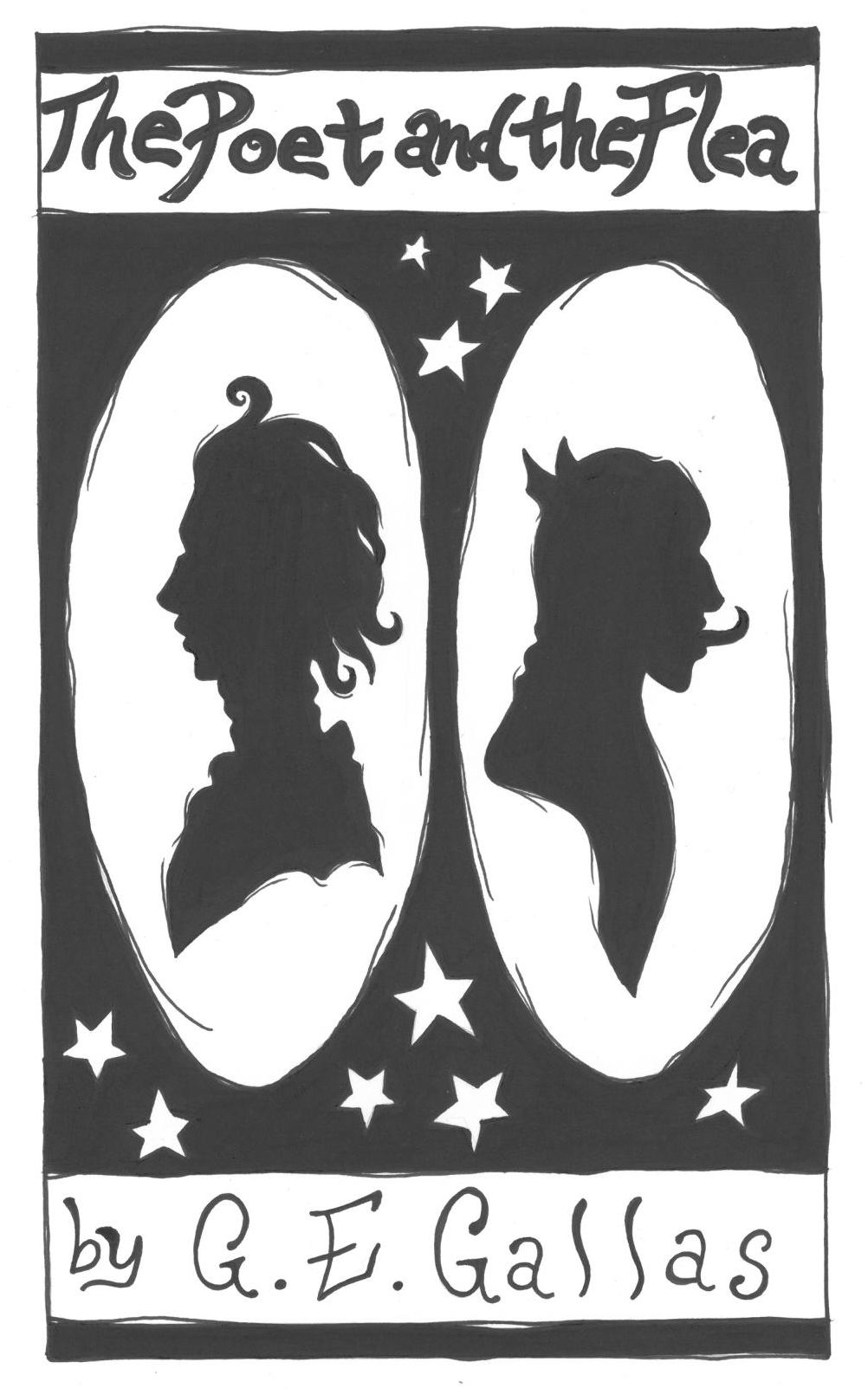
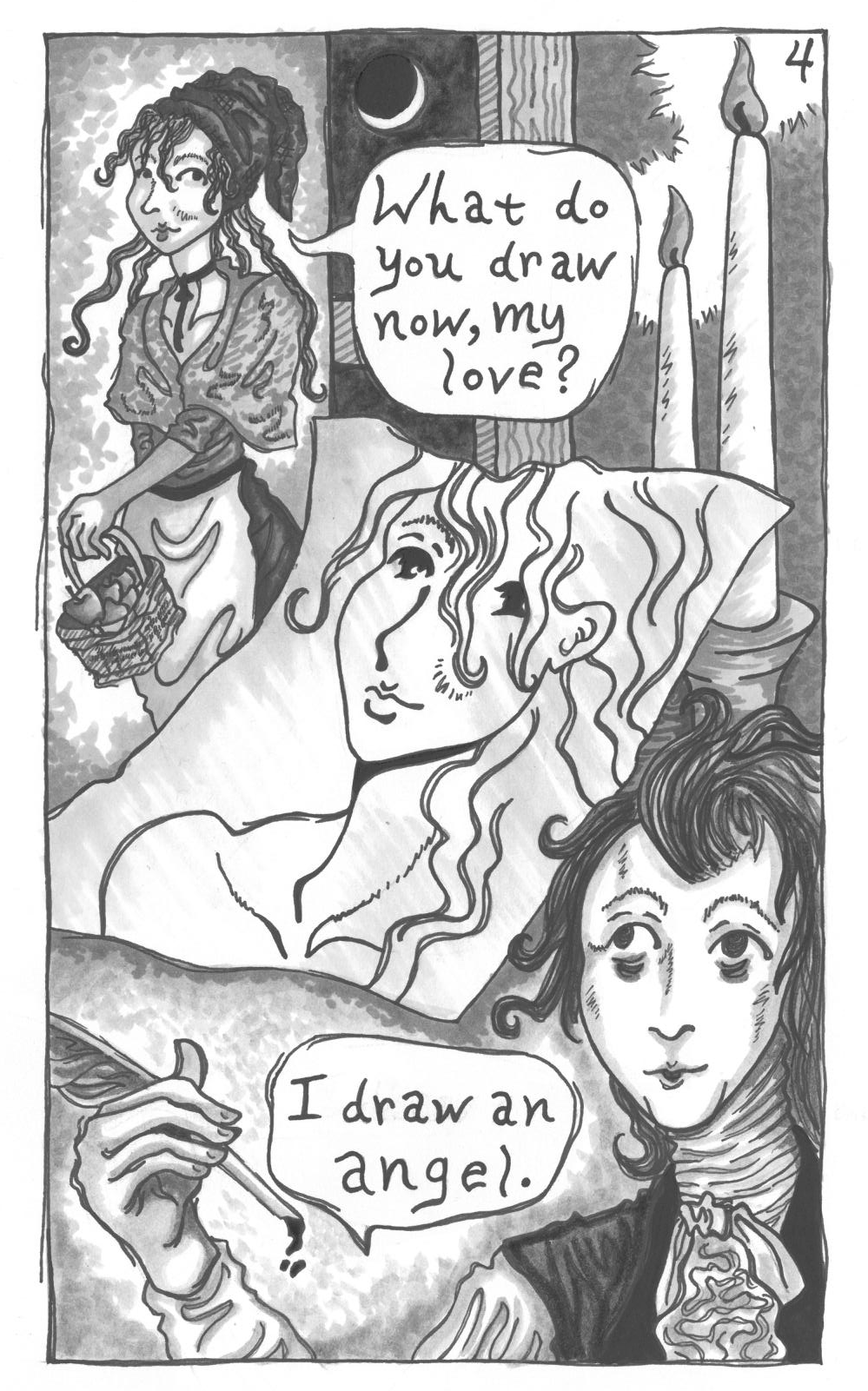
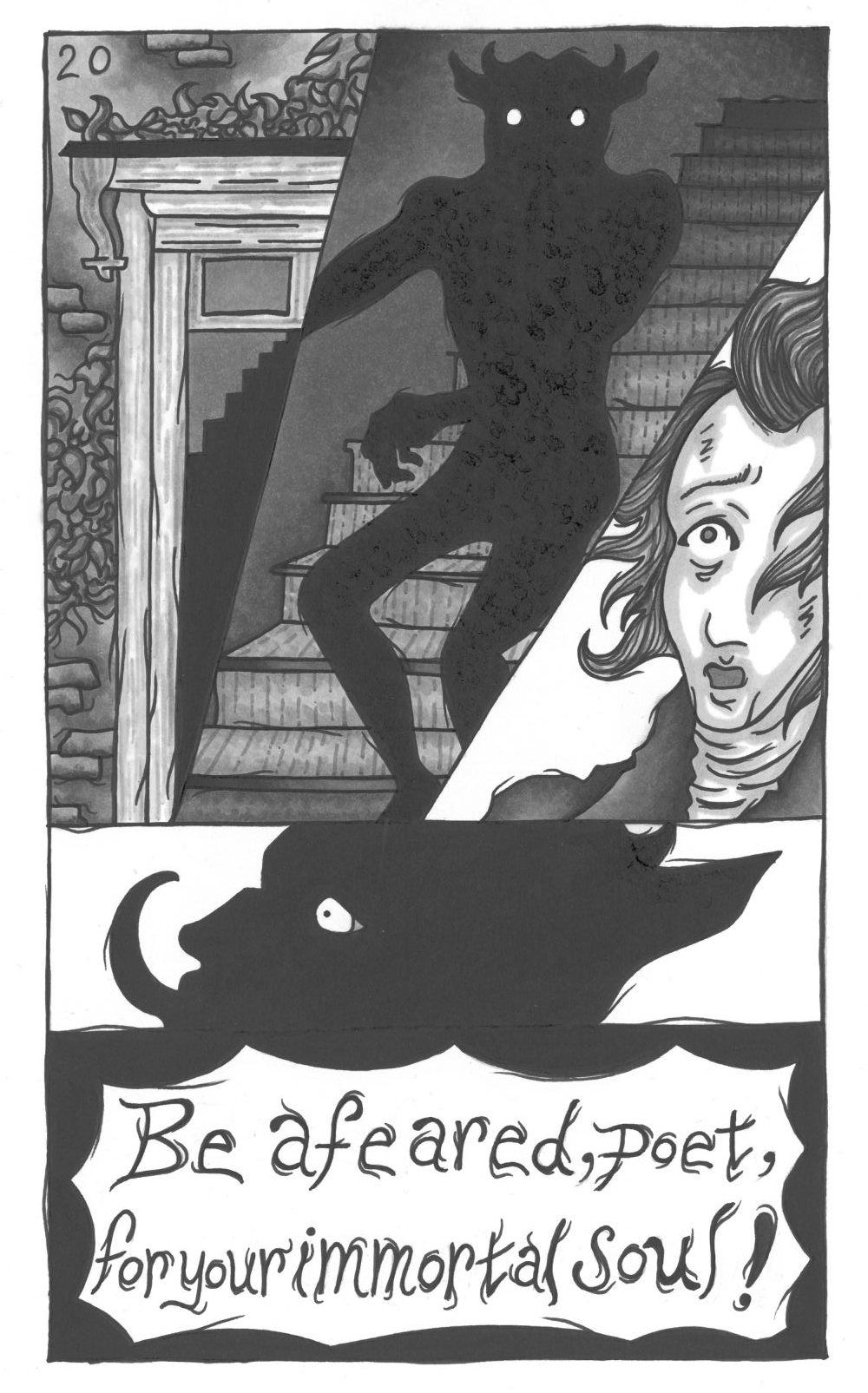
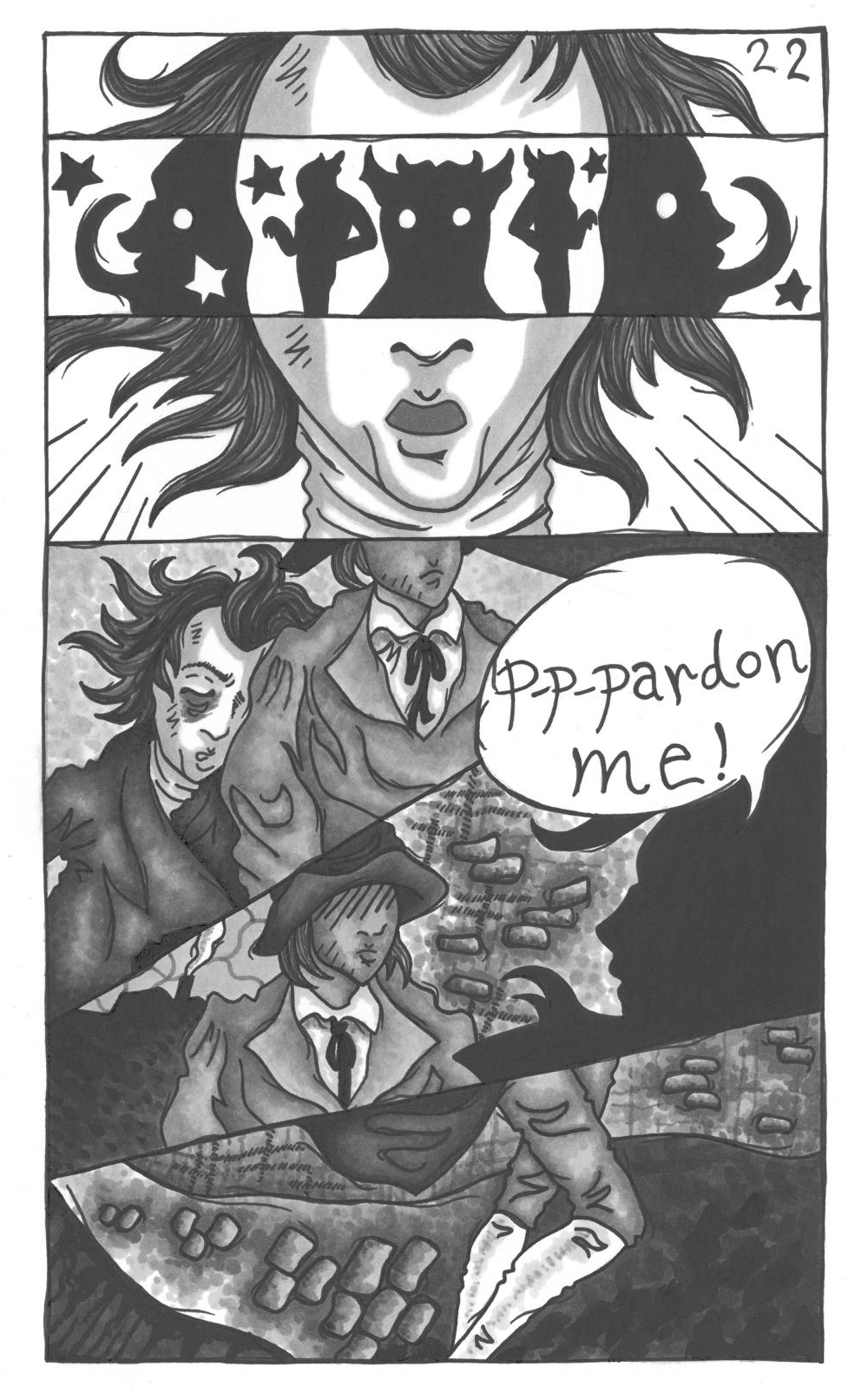
Selections from G.E. Gallas’s ongoing graphic novel The Poet and the Flea, an ode to Willam Blake.

G.E. Gallas The Poet and the Flea cover

page 4

page 4

page 20

page 20

page 22

page 22

G.E. GallasG. E. Gallas is a screenwriter and graphic novelist (writer/illustrator) best known for The Poet and the Flea (http://thepoetandtheflea.wordpress.com), a fantastical reimagining of the life of the poet-painter William Blake. Originally from Washington D.C., she spent her year abroad in Tokyo, Japan and graduated from New York University: Gallatin School of Individualzed Study with a major involving cross-cultural storytelling. Spring 2013, she attended the Cannes International Film Festival and spoke upon invitation to The Blake Society, London. Next year, her illustrations will be featured in the young adult title Scared Stiff: Everything You Need to Know About 50 Famous Phobias

Kyle Duke Adamiec as Robert Louis Stevenson Gallas' short film *Death Is No Bad Friend*

Kyle Duke Adamiec as Robert Louis Stevenson in Gallas’s short film *Death Is No Bad Friend*

 (http://www.amazon.com/Scared-Stiff-Everything-Famous-Phobias/dp/1936976498/ref=sr_1_1?ie=UTF8&qid=1383004778&sr=8-1&keywords=scared+stiff+50).

 Currently, as part of Siren’s Gaze Productions (http://sirensgazeproductions.wordpress.com), she is producing a short film called Death Is No Bad Friend about Robert Louis Stevenson and his time in San Francisco.

Twitter: http://twitter.com/gegallas (@gegallas)

the digital painter

by Maarten Oortwijn

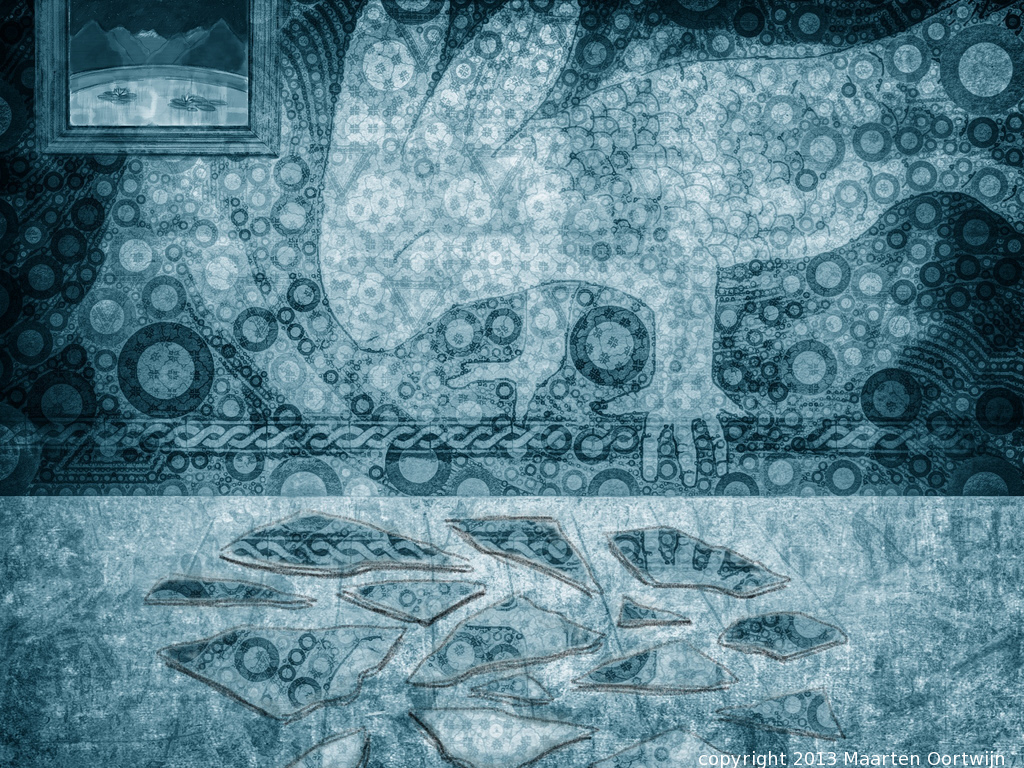
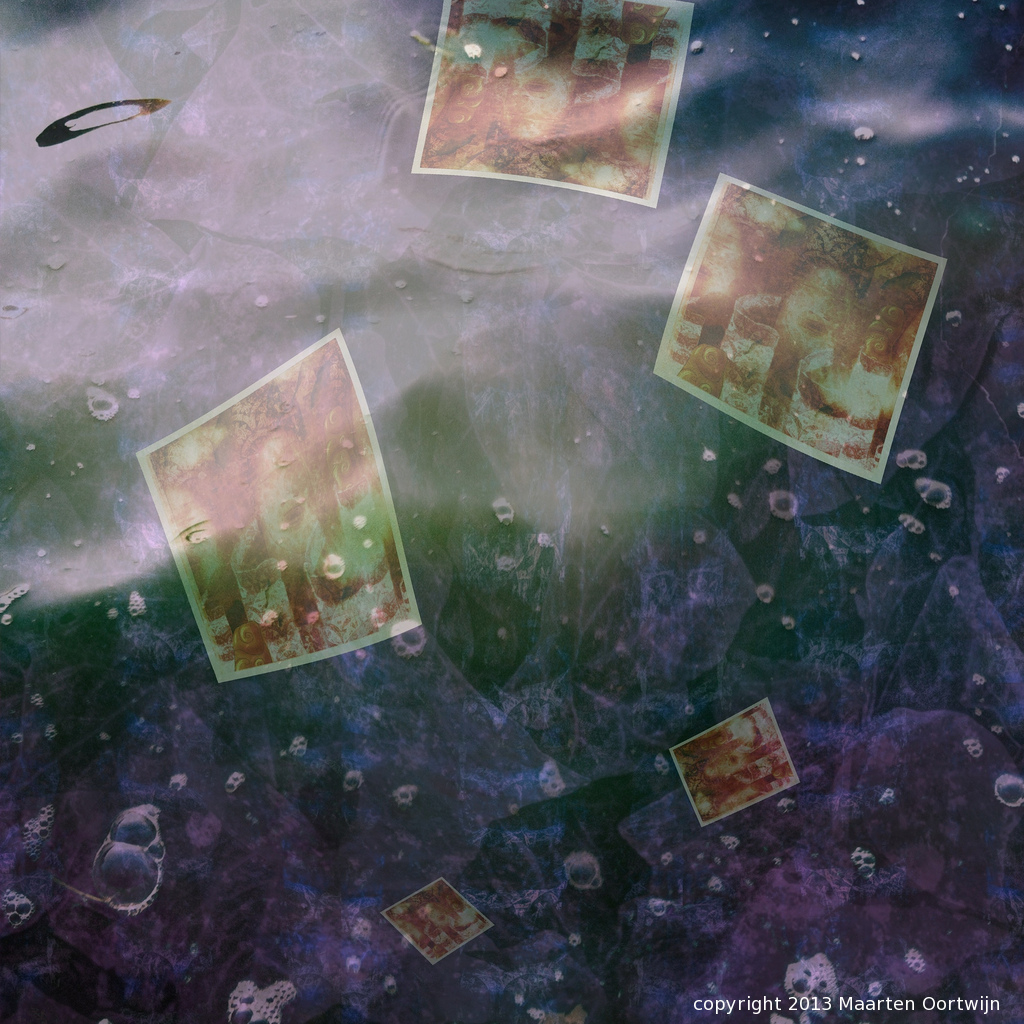
broken dreams

broken dreams

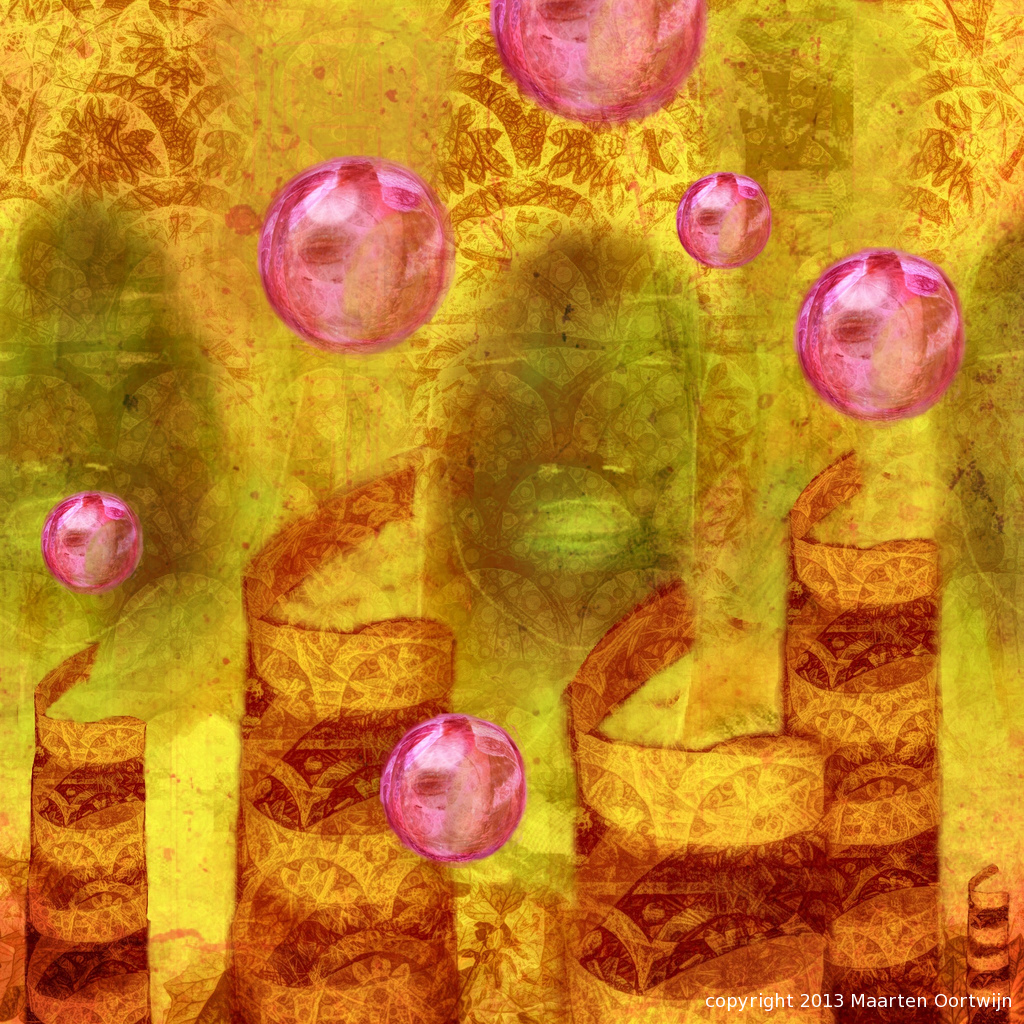
bubbles

no title

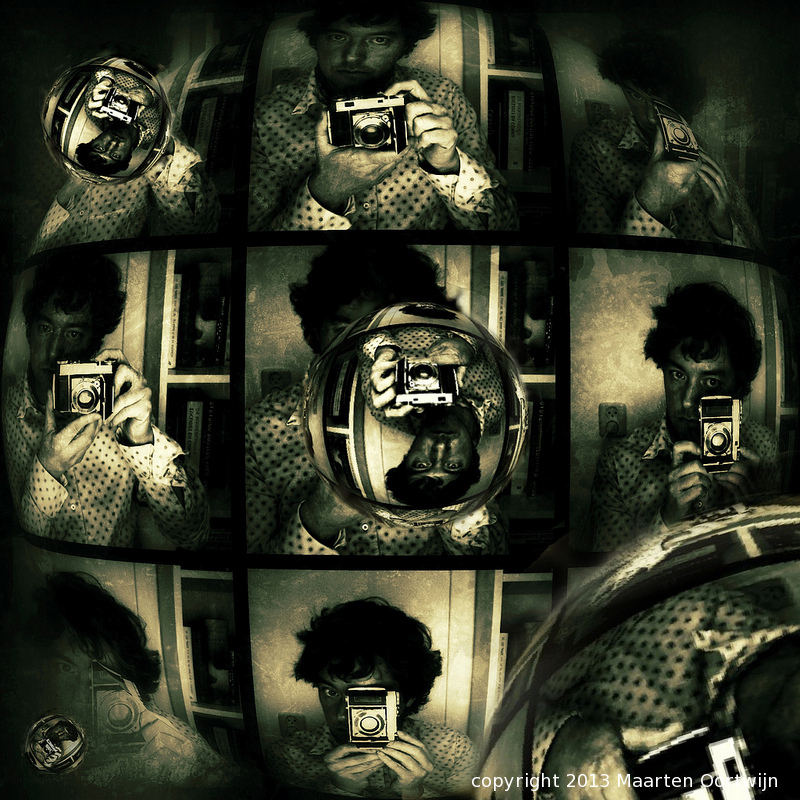
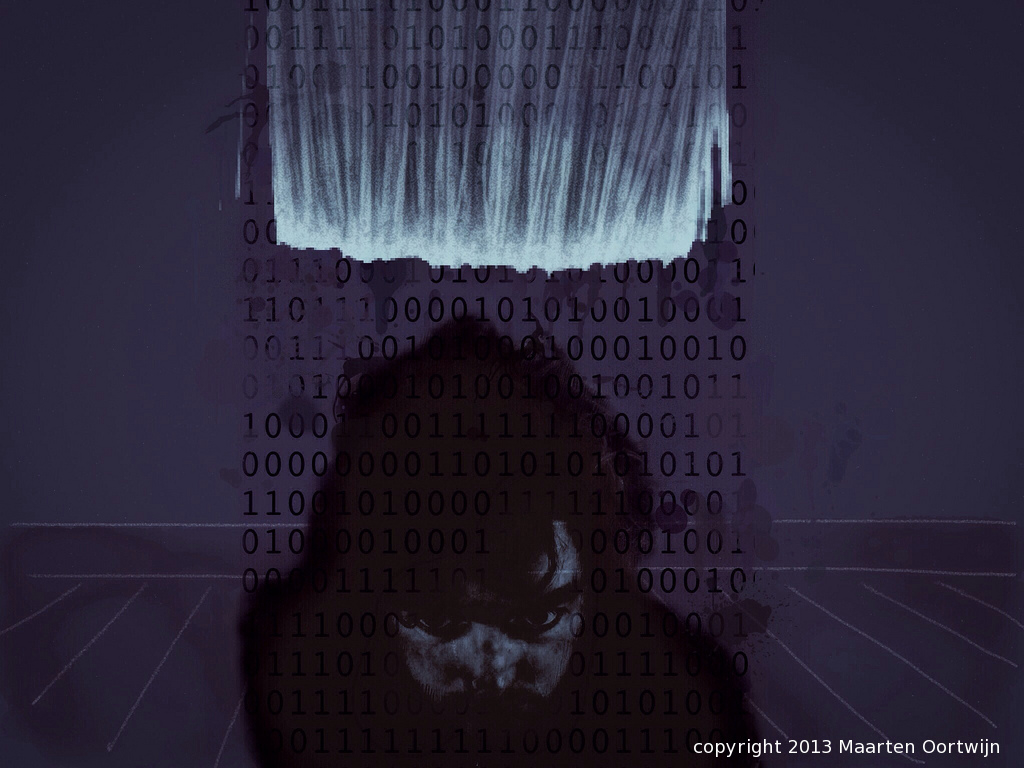
Maarten Oortwijn-contactsheet

contact sheet

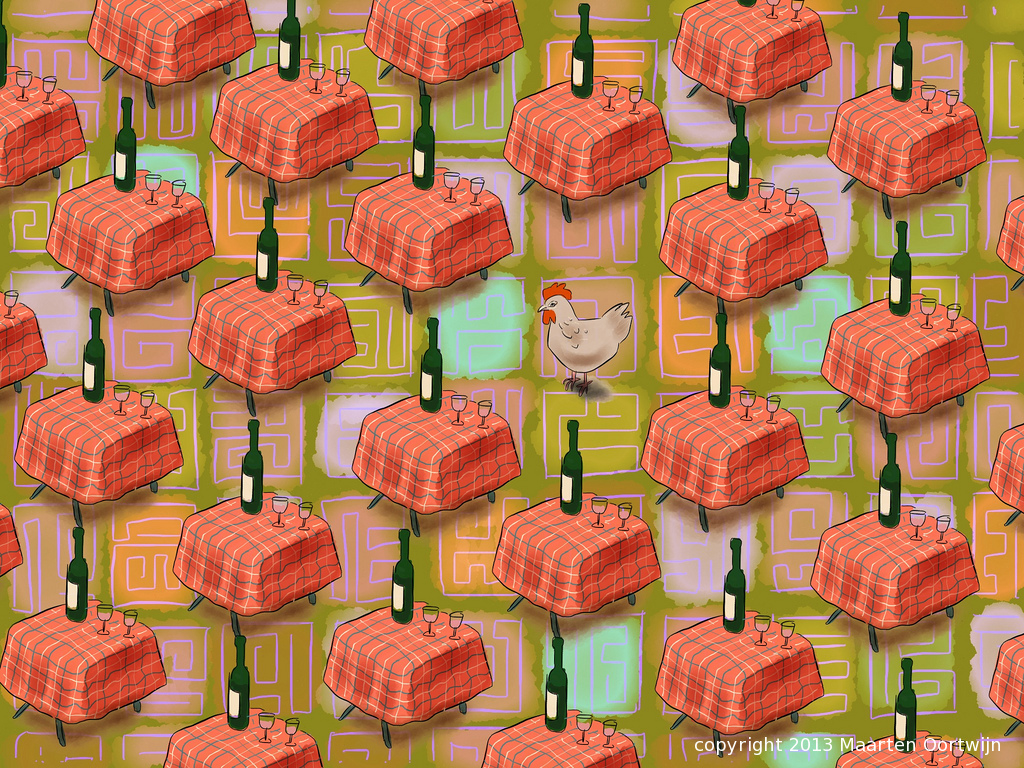
coq au vin

coq au vin

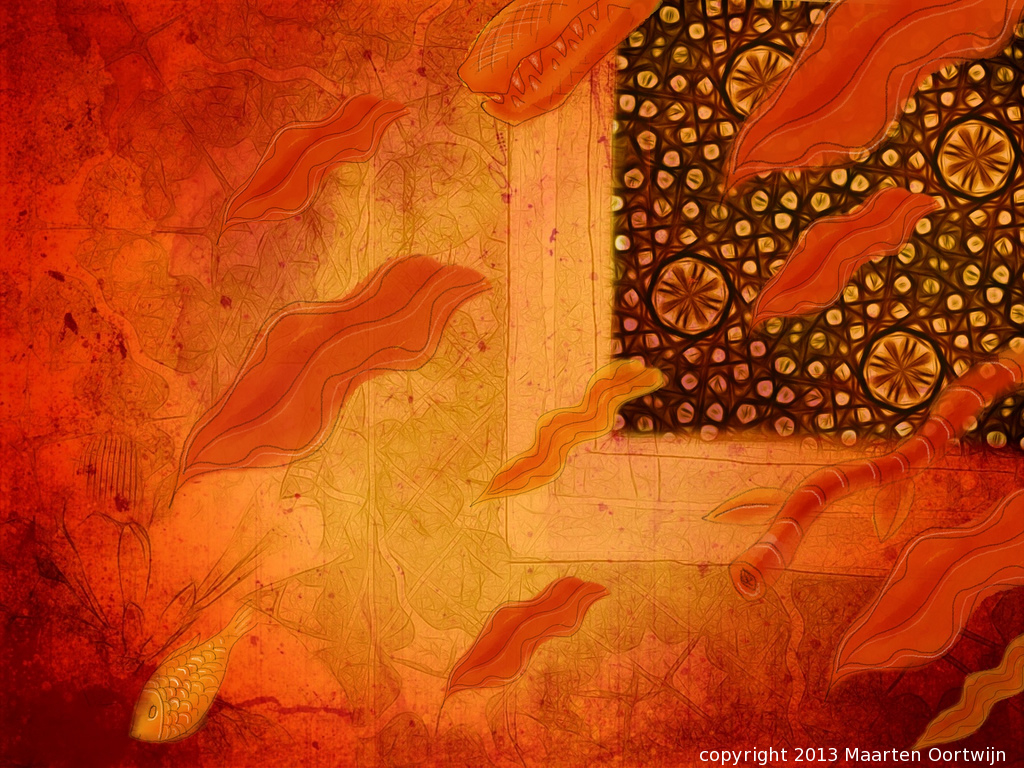
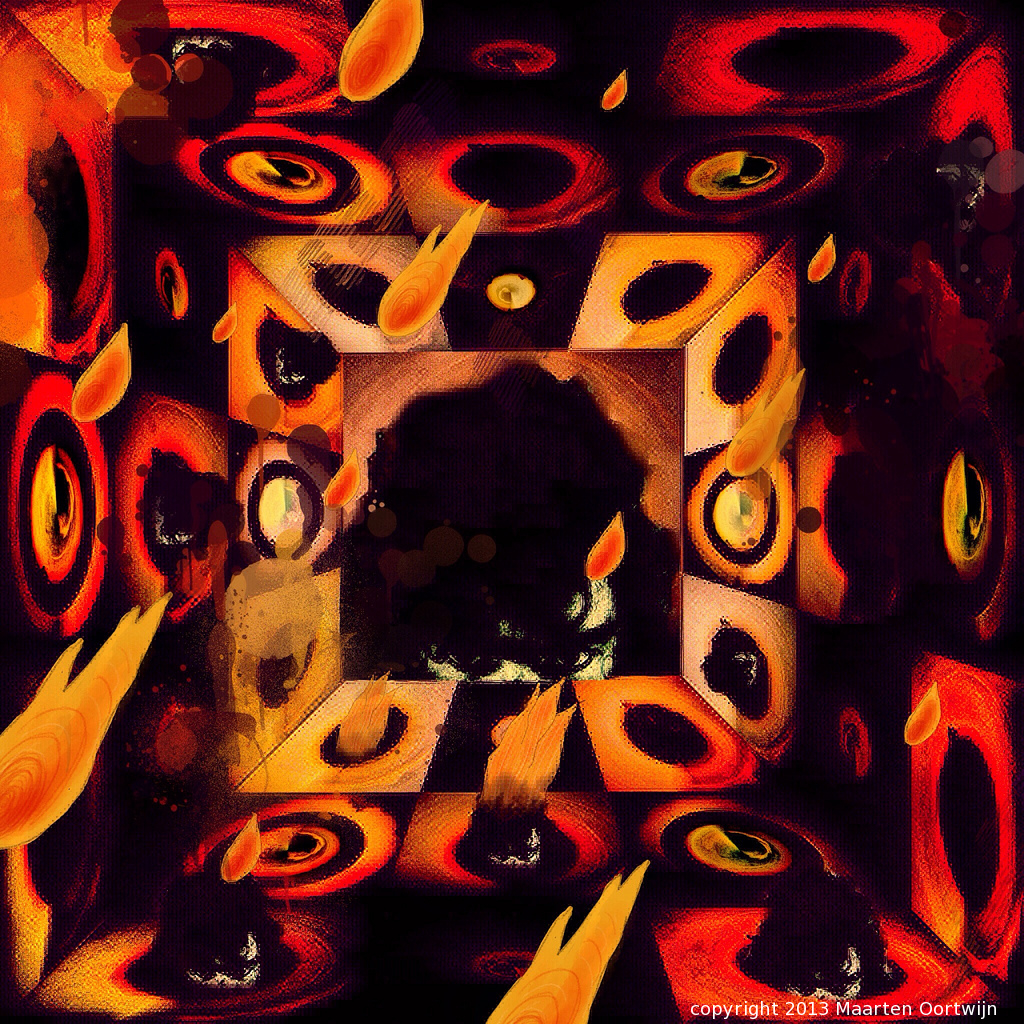
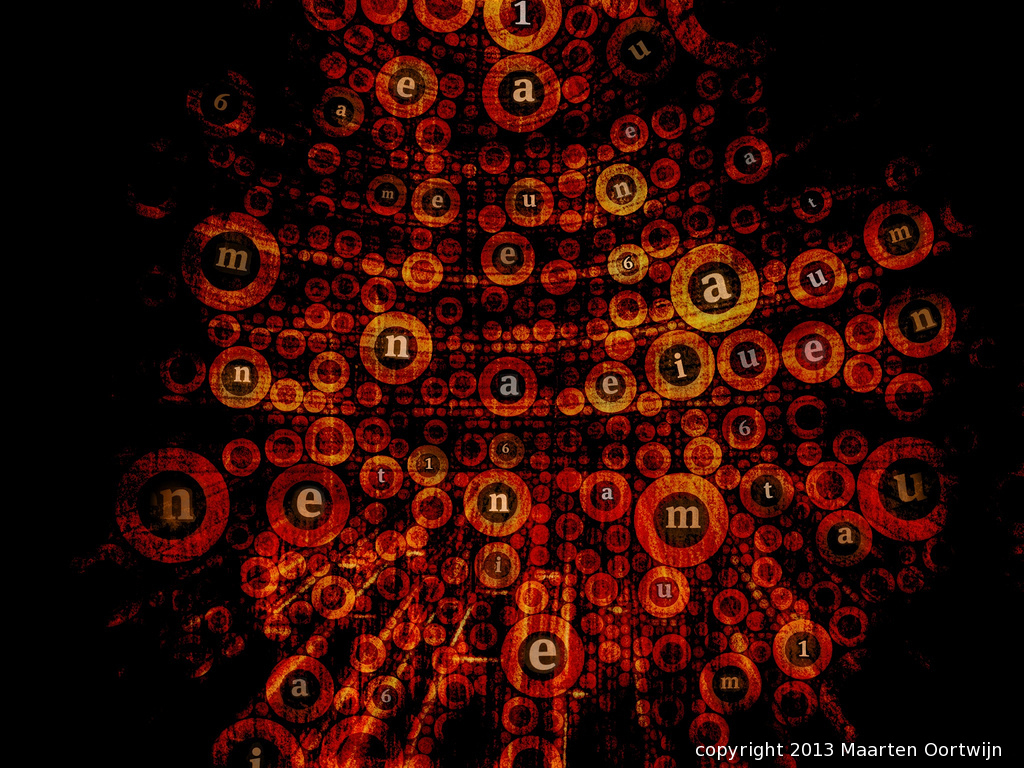
Maarten Oortwijn-flames

flames

glass wall

glass wall

on fire

on fire 

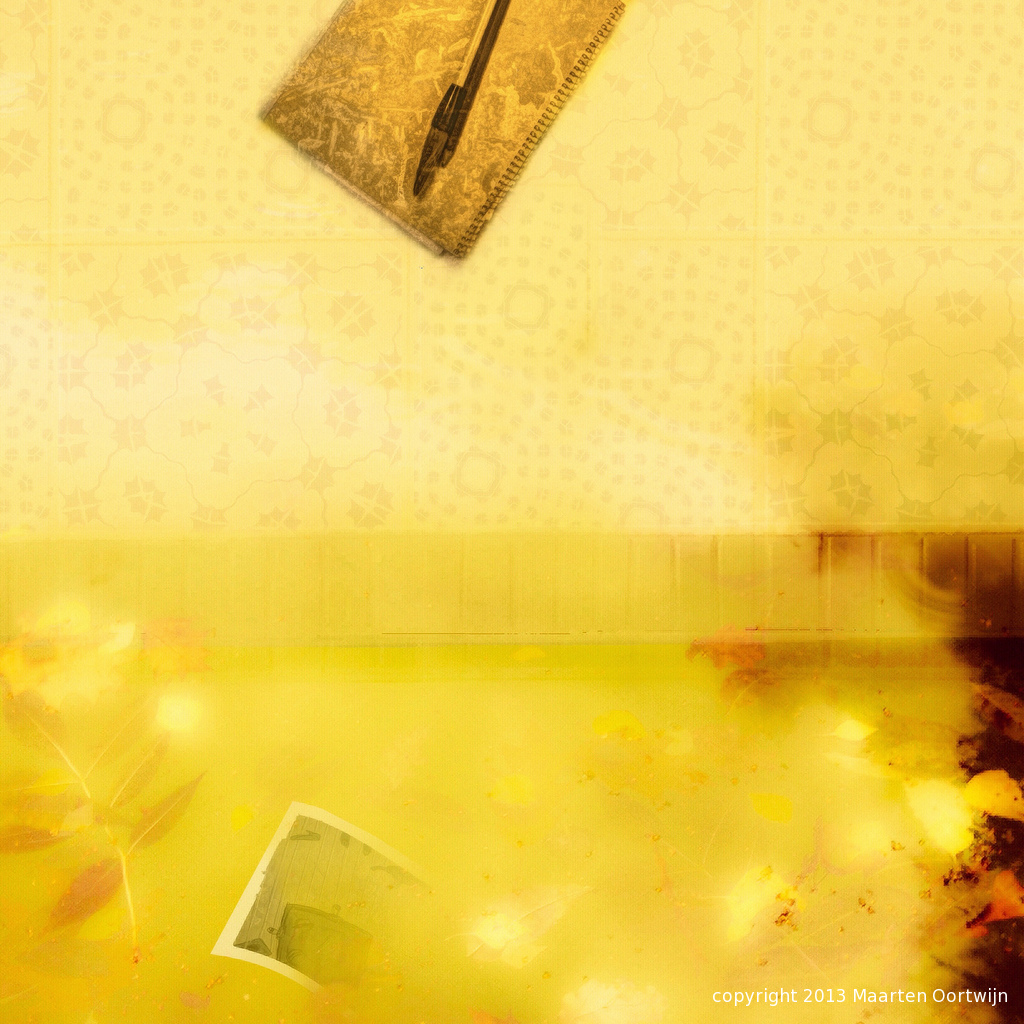
pond

pond

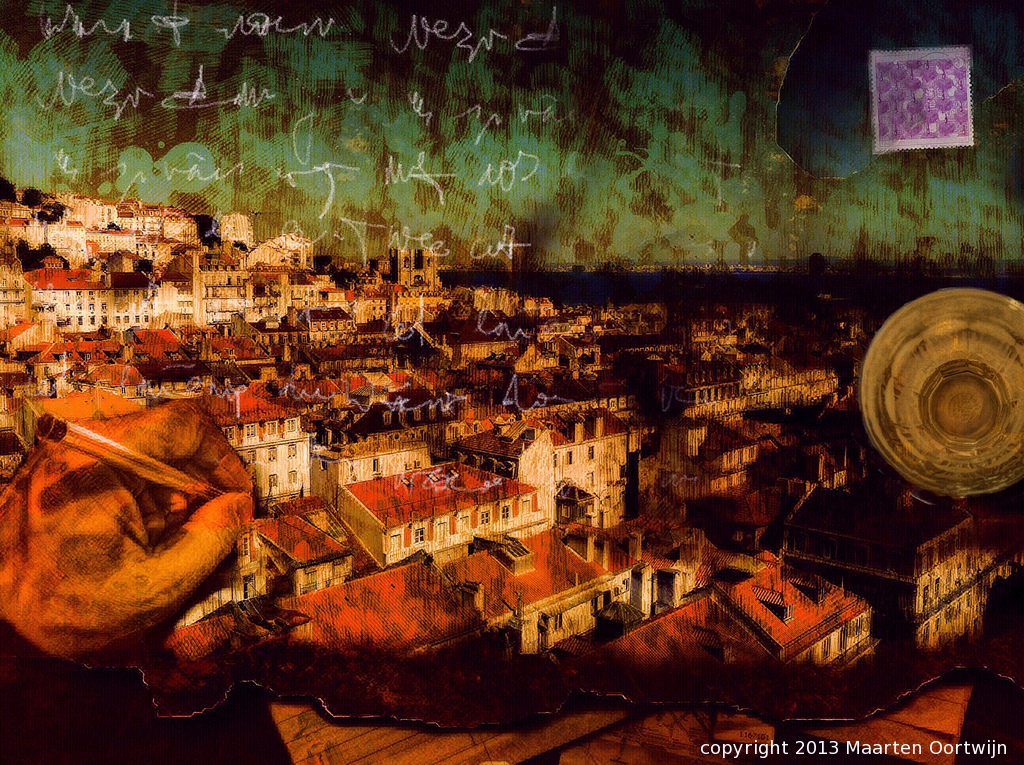
postcard from lisbon

postcard from lisbon

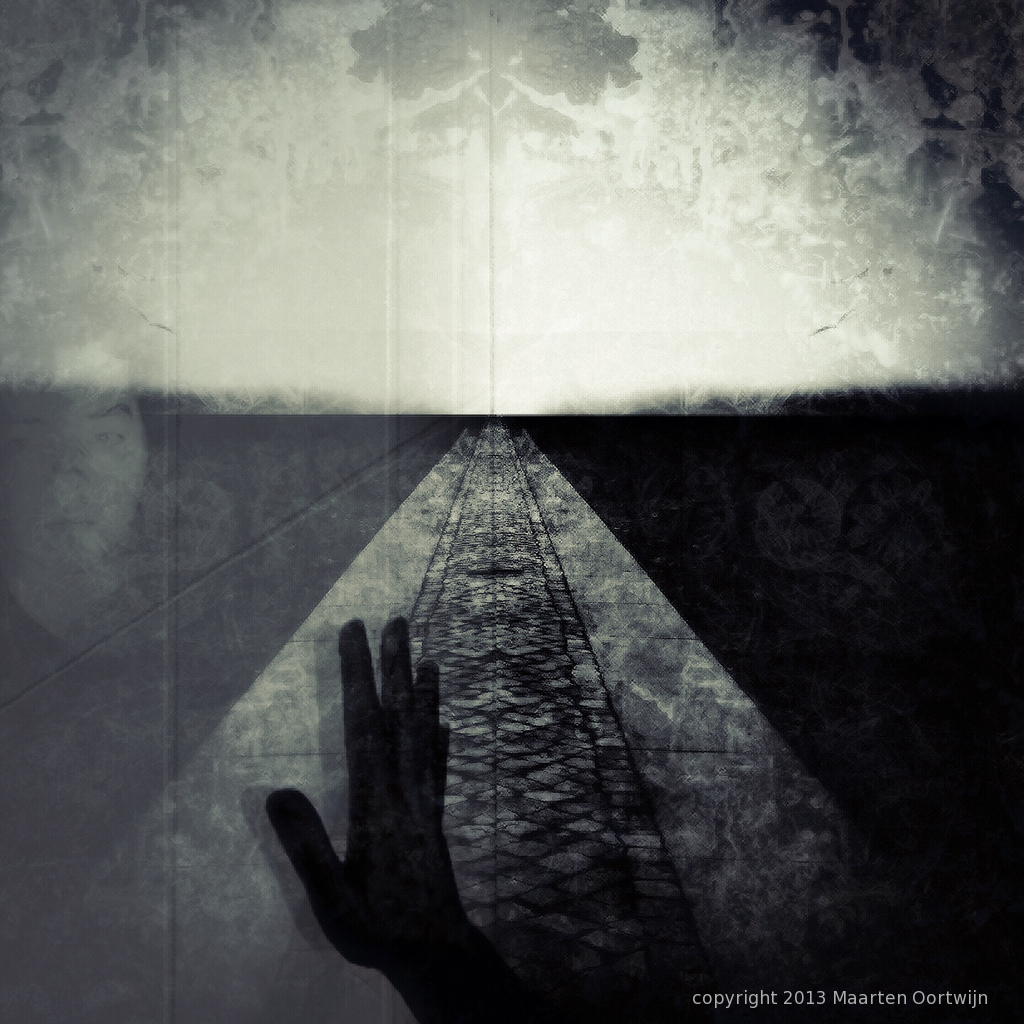
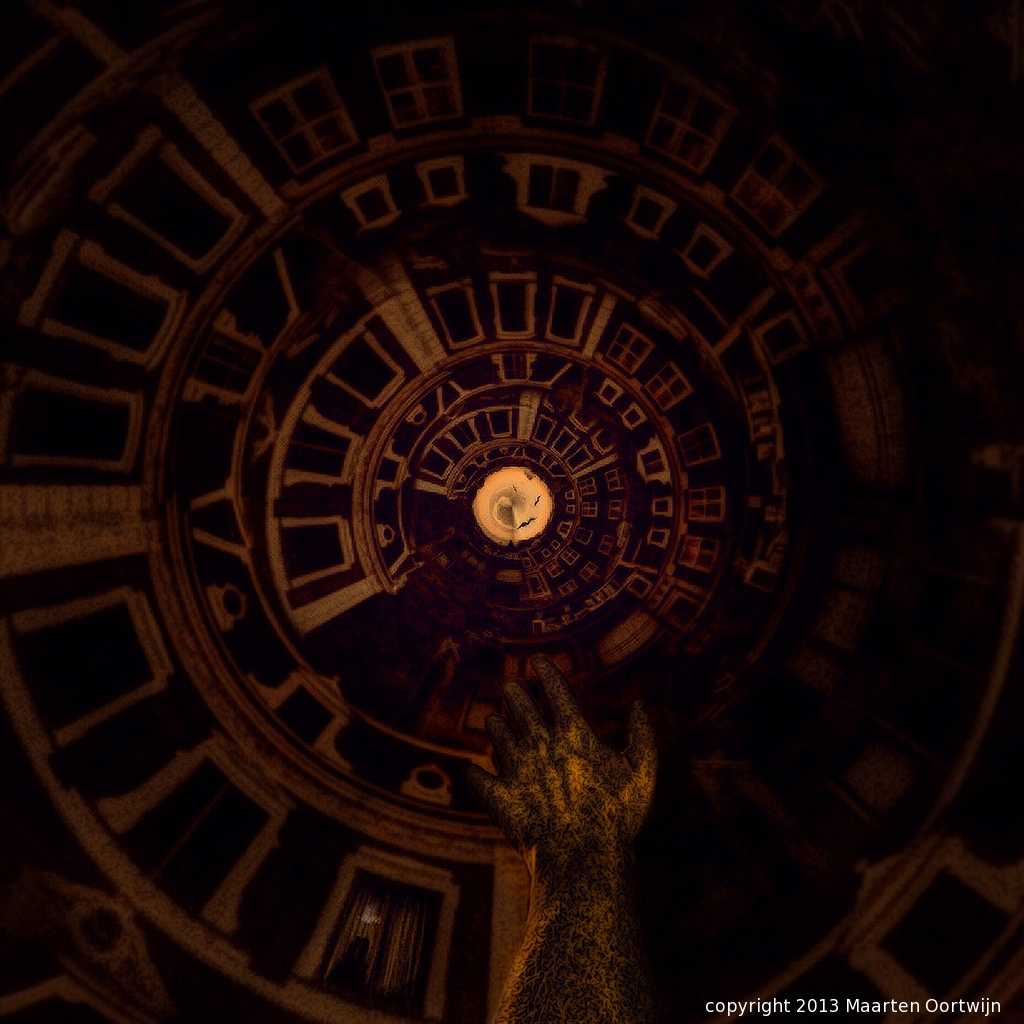
reaching

reaching

room with a view

room with a view

sinking

sinking

the digital painter

the digital painter

the journey inside

the journey inside

typewriter xxl

typewriter xxl

Artist: Maarten Oortwijn

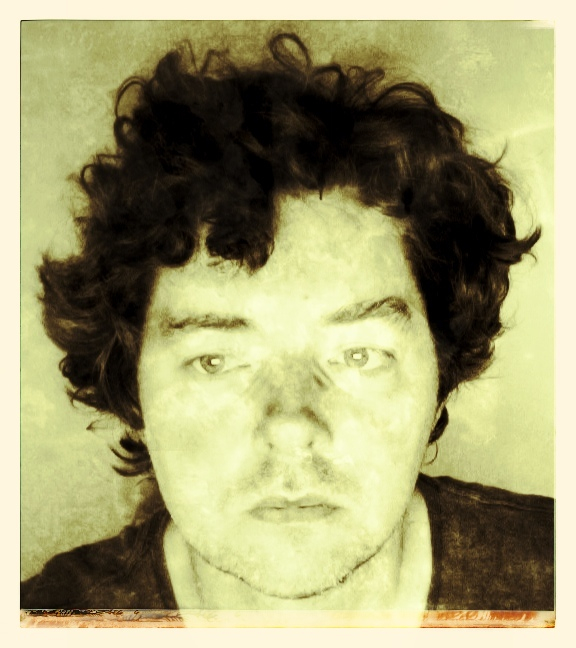
Maarten OortwijnI’m living in Amsterdam, have two daughters and work as a software engineer in the centre of Amsterdam. My biggest passions are creating images and music (playing guitar, Flamenco and Bossa Nova style). My first artistic adventures started at the age of two, when my parents gave me Bic pen to draw. Soon I began to draw everything around me (and on everything around me when running out of paper). Gradually I learned other techniques and materials, until painting big murals at the age of 25.
At the moment I’m into more modest sizes, switching between analogue and digital. The digital part started with the iPhone and Hipstamatic. First I was focussing on photography but gradually started to use other apps for further processing. The next step came with Paper53, a wonderful, simple and very responsive drawing app.
At the moment my digital work has become a blend of photo’s and drawing.  In the meantime I’m still shooting straight black and white Hipstamatics and creating analogue paintings from time to time. And maybe someday I’ll start with murals again …
Apps used the most for creating images are Image Blender, Snapseed, Photoshop Express, Paper53 and Hipstamatic.

website http://www.wijnworks.com
flickr http://www.flickr.com/photos/28516121@N06/

my best for your worst

By Daniel Boscaljon
Image by Melissa D. Johnston

not rothko experiment. the now final

“my best for your worst” is the fourth letter in a series of posts called Letters to You written by Daniel Boscaljon with images by Melissa D. Johnston (from one of her ongoing projects). Letters to You began in July with “everytime i write i feel myself disintegrate.”

some words have power.  Even though I’m sure you will not dispute this assertion, I nonetheless will provide you with an example.  During 7th grade band, Maria looked at me and said: “You bring out the worst in everyone.”  An arrangement of seven words–do you think that they could stand engraved in my memory if they had no power? At the time, I laughed off the words, thinking to myself that they were only tossed out in a sort of bored and half-hearted rage.  As the words continued to haunt me, I continued to defend myself using a variety of different strategies: 1) she doesn’t know me well enough to be able to judge me!  2) she just hasn’t seen me with my friends, and, reduced to the context of band, was rendering a verdict as universally true despite being only locally valid.  3) she herself was just having a bad day and simply displaced other troubles and anxieties onto me.  Over the years, I settled on one or another of these theories, seeking solace overall in the wisdom of friends happy to assure me that I produced a beneficent effect on others and made them to be better people.  At the same time, the TRUTH of these words continued to haunt me beneath the comfort and I was unable to simply remove myself from them altogether.  Over the years, systematically unable to ignore her words, it was time for me to reconsider the original statement.  This I did.  I discovered, perhaps, that it is true.  I DO, indeed, bring out the worst in everyone.  I brought out the worst in her that day, her anger and blind frenzied frustration.  But not only her, or those who dislike me, or my students, or those indifferent: in all, I bring out the worst.  I finally understood that I want to bring out the worst even in you.  I succor it, slowly allowing you to open up to me, to trust me enough to give me even that.  I want to know ALL of you, I want the gift of you unfiltered, uncensored.  I want your bests–but your worst, too.  I want to bring it out of you.  The question I’m sure you’re asking is WHY I would do this.  For you, it’s easy…although there are two possible answers:1) I see your worst and realize how truly amazing you are…for your worst is not so bad at all.  2) I take your worst, drawing it out from you, allowing you to offer it to me as a type of purgative: freed from your worst, you can truly be your best.  With others, an additional motive comes into play:  3) I draw out the worst within them such that they can see themselves as who they are. In my youth, I would bring the worst out in people as a type of game.  As I aged, I grew self-righteous and would serve as a judge but now, I simply allow people’s worst to be reflected.  Judge for yourself!  I offer only comfort, never judgment.  I will take your worst, and then give a hug in return (if such physical proximity is not abhorrent).  I will do my best to get your worst.  I use what empathy has been granted to me to probe below surfaces, to see the dark linings under silver clouds.  I want your smog and pollutions, your dark secrets and rotting skeletons: once they’ve seen the light, perhaps we both can be released.  I will not judge.  I will not be angry.  I will do my best for your worst, my utmost for your lowest.  Such is my lot, and here do I embrace it!

Daniel Boscaljon has Ph.D.s in Modern Religious Thought and 19th-century American Literature, both from the University of Iowa. His interest is in the fragility and liminality of human experiences. His first book, Vigilant Faith: Passionate Agnosticism in the Secular World will be published by the University of Virginia Press this August.

Postcolonial Thoughts: Afrofuturist Rashid Johnson’s Message To Our Folks

“Afrofuturist Rashid Johnson’s Message To Our Folks” is the first post in the new column “Postcolonial Thoughts” written by artist Christopher Hutchinson, Assistant Professor of Art at Atlanta Metropolitan College and Archetype Art Gallery Owner in Atlanta, Ga. In the column Christopher will offer fresh and trenchant analyses of art and theory through the lens of multiple traditions, especially those neglected or not included in the Western canon. 

by Christopher Hutchinson

Rashid Johnson earned his B.F.A. from Columbia College Chicago in 2000 and enrolled in the Master of Fine Arts program at the School of the Art Institute of Chicago in 2003. The program’s heavy emphasis on concept and theory posed a challenge to Johnson who wanted to make things. Yet it stoked his interest in the formal elements of artworks and in finding meaningful materials outside those typically associated with traditional art. Johnson left for New York in 2005, and currently lives and works in Brooklyn. Johnson was the recipient of the 2012 David C. Driskell Prize.

Rashid Johnson’s Message to our Folks exhibition at the High Museum was on display June 08 – September 08, 2012 and has recently moved to September 20, 2013 – January 6, 2014 at the Kemper Art Museum to great reviews. Viewers were asked to accept Johnson’s venture from photography to a hodgepodge of other mediums.  Johnson’s venture includes carefully contrived compositions.  These compositions are not as offensive in the medium of photography, where the medium itself is understood to be a simulation. Once Johnson includes sculpture, painting, installation, grafitti and video these compositions are painfully   insulting.  Johnson’s attempts at expression do not meet the requirements included in  the freedom provided by abstract expressionism. Johnson’s marks are unresponsive, static moves. The expression here is purely decorative design.  Johnson’s decisions aren’t concerned with the exploration of the praxis of art making.

 UNDERGRADUATE

Johnson’s methodology is clearly an undergraduate approach. When a concept is weak, throw as many icons as possible. Undergraduates plow through ideas without taking into account the limitations of the medium.  The medium dictates whether that idea will succeed, and when it doesn’t, undergrads depend on imagery to cover this oversight.  Every medium requires a different process from concept to execution and often the concept conflicts with the material. Will this material allow this concept to work? Johnson presents forced concepts onto materials inorganically.

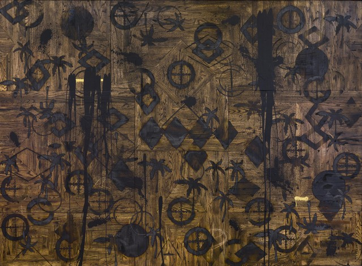
"Napalm" (2011) by U.S. artist Rashid Johnson. It will be shown by the London and Zurich dealers Hauser & Wirth at the 38th edition of the FIAC fair in Paris, previewing Oct. 19.

“Napalm” (2011) by U.S. artist Rashid Johnson. It will be shown by the London and Zurich dealers Hauser & Wirth at the 38th edition of the FIAC fair in Paris, previewing Oct. 19.

Johnson’s Napalm is a good example of this oversight. Napalm is just one example of the blatant disrespect Johnson displays in his praxis. Marks and mediums are made as an afterthought, not as an intuitive response. Every drip, every punch, every brand, every image is staged as an illustration of narrative. Johnson often employs an additive process. Adding more stuff does not make that idea any clearer. Johnson’s marks are timidly placed to make the photographer (which he is) comfortable. Broken glass is regularly spaced and spray paint drips are consistently spread out. It is problematic when an individual is having a discussion of materials, mark-making, sculpture, abstraction, and graffiti.

NOSTALGIA

Johnson explores the work of black intellectual and cultural figures as a way to understand his role as an artist as well as the shifting nature of identity and the individual’s role in that shift. By bringing attention to difference and individuality, he attempts to deconstruct false notions of a singular black American identity. (http://www.high.org/Art/Exhibitions/Rashid-Johnson-Message-To-Our-Folks.aspx)

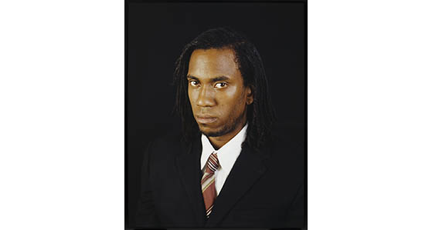
Rashid Johnson Self Portrait

Self Portrait with My Hair Parted Like Frederick Douglass, 2003.Lambda print. Collection of Museum of Contemporary Art Chicago, gift of the Susan and Lewis Manilow Collection of Chicago Artists, 2006.26
Photo: Nathan Keay, © MCA Chicago

Message to our Folks is laced with nostalgia. Don’t you remember Frederick Douglass, Al Green, Sweetback, Huey Newton’s wicker chair, Jazz, and Public Enemy? Johnson’s Self Portrait with My Hair Parted Like Frederick Douglass accurately sums up this exhibition.  This seems like Black intelligence, this appears like authentic Blackness. It is a simile and if Johnson’s discussion included simulacra, he would have succeeded. This exhibition provides the foundation to include Blackness as a trend. It adopts osmosis of style, where all an individual has to do is “act Black” to be an authority on Blackness.

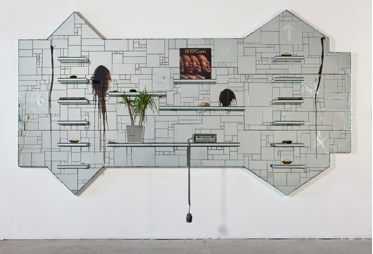
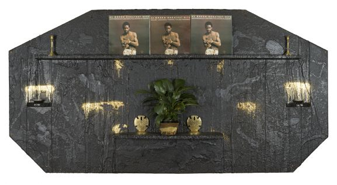
Triple Consciousness, 2009 Black soap, wax, vinyl in album cover, shea butter, plant, and brass 48 x 96 in. (121.9 x 243.8 cm) Collection of Dr. Daniel S. Berger, Chicago Courtesy of the artist and moniquemeloche, Chicago

Triple Consciousness, 2009.
Black soap, wax, vinyl in album cover, shea butter, plant, and brass
48 x 96 in. (121.9 x 243.8 cm)
Collection of Dr. Daniel S. Berger, Chicago
Courtesy of the artist and moniquemeloche, Chicago

Nostalgia is a protective warm blanket that prevents this work from critique. How can you criticize the monolithic Black community and not be a deserter? The fact is, Johnson’s Triple Consciousness is just corny. Three Al Green albums does not address the Dubois’s Double Consciousness; it belittles it. The moment critical questioning is applied Johnson’s exhibition falls apart. Johnson’s work is the very definition of Black exploitation by Black Artists under the pretense of uplifting the community.

AFROFUTURISM
Here again we have a contemporary artist living in the past. The irony is Johnson and others are considered to be Afrofuturists. Doctoral candidate Nettrice Gaskins does her best to define and identify the Afrofuturist agenda.

What is afrofuturism?
• It’s not the black version of Futurism. It is an aesthetic and the term can be used to describe a type of artistic and cultural community of practice. Afrofuturism navigates past, present and future simultaneously. The keyword here is: navigation or ascertaining one’s position and planning and following a specific route.
• It is counter-hegemonic. Hegemony refers to the dominant, ruling class or system. Afrofuturism is not concerned with the mainstream or the canon of (Western) art history. In the image above jazz musician and cosmic philosopher Sun Ra (Ra being the Egyptian God of the Sun) placed himself at the center of other known cosmic philosophers and scientists.
• It is revisionist, meaning that afrofuturism advocates for the revision of accepted, long-standing views, theories, historical events and movements

While Gaskins provides the best analysis of Afrofuturism’s intent, unfortunately most of the visual artists included in the Afrofuturist dialogue succeed at accomplishing the exact opposite of its intent. Afrofuturism currently actually provides a collective generic consciousness, which Johnson has condoned. The canon of Afrofuturism imagery is there due to the lack of originality and the regurgitation of something that is assumed to be authentic “Blackness“. Afrofuturism, at best, is a style not an aesthetic. It is not a set of principles underlying and guiding the work of a particular artist or artistic movement. Afrofuturism is stuck navigating the past. Using the spectacle of black bodies dressed up in futuristic garb does not change the context that already exists. The spectacle nourishes it.

ECTO-KITSCH

Black artists manage their representations (images, sounds, systems) in mainstream society and the global world through creativity and innovation, and by using improvisation and re-appropriation to move beyond the limits of nationality or identity. We see these representations manifested again and again in black culture. The lack of African knowledge has not prevented African diasporic people from tapping into the ancestral memory of traditional (African) systems. In other words, we replaced images/artifacts like the cosmogram (map of the universe) with the Unisphere. (http://netarthud.wordpress.com/2013/09/16/what-is-afrofuturism/)

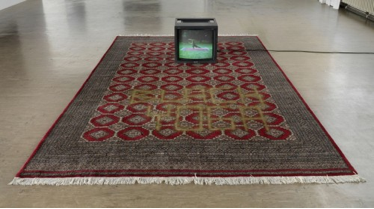
Ecto-Kitsch, a term coined by Professor Jason Sweet that addresses the globalization push that was initially a response to Postcolonialism, is a farce. Ecto-Kitsch recognizes the pretense that a globalization is a non-Western interpretation of art produced by minorities. It recognizes that Globalism has created a universal rubric used to qualify art from non-Western people through the lens of the West. The most Western-like minorities are pushed to the forefront as an example of the West’s new inclusive attitude. The Unisphere expressed in Afrofuturism equals hegemony and hegemony equals kitsch. The very images/artifacts posed as re-appropriations in Afrofuturism, are used for commodification of living people. Johnson proves this commodification with his New Black Yoga. A Black man is performing yoga poses on a T.V placed on a persian rug with the words black yoga spray painted in gold on the rug. This is by far the worst piece in the exhibition. Now Johnson ventures into commodifiying other non-Western cultures as well as his own. This is Johnson’s Message to our Folks.

Christopher Hutchinson Christopher Hutchinson is an Assistant Professor of Art at Atlanta Metropolitan State College and Archetype Art Gallery Owner in Atlanta, Ga. He received his Master of Fine Arts Degree in Painting from Savannah College of art & Design, Atlanta and his Bachelor of Arts Degree from the University of Alabama in Huntsville, Alabama. He lived in Alabama for 10 years before moving to Atlanta in 2008. His installations mostly consist of black folded paper airplanes.

Learn more about Christopher and his work at Black Flight 144.