Recent

Spotlight: An Interview with the creators of Year of Glad

by Melissa D. Johnston

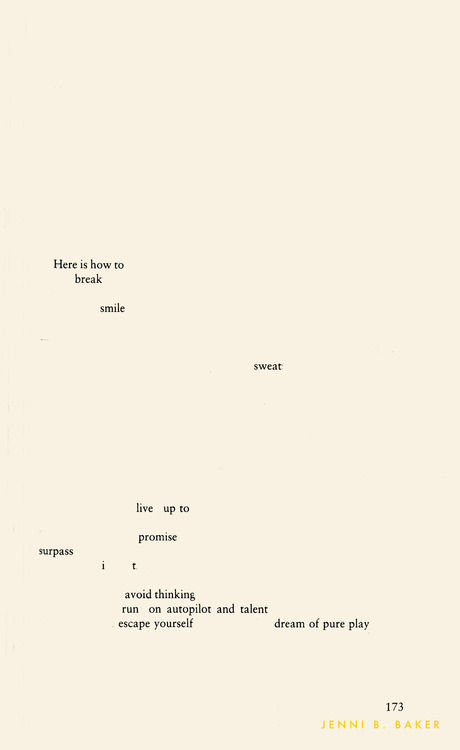
It’s not often you’re able to get the story behind a groundbreaking collaborative artistic project, so when I got the chance to interview the artists behind “Year of Glad,” I immediately took it. “Year of Glad,” which premieres this Saturday, April 16, at Roosevelt University in Chicago, is a song cycle composed by Patrick Greene for the coloratura soprano Joelle Kross, inspired by poet Jenni B. Baker’s Erasing Infinite poems. Baker’s poems, which also provide the lyrics for “Year of Glad,” are poems formed by erasing words from each page of David Foster Wallace’s Infinite Jest.  (Jenni shared her project to Creative Thresholds readers in 2014 with “Erasing Infinite Jest: Five Poetic Approaches.”)  The spirit of Wallace suffuses “Year of Glad” and the process of its creation.

Patrick, Joelle, and Jenni give a rich account of what it means to be an artist working with other artists in today’s world.  They speak of the value and freedom that constraint can bring to the act of creation, the role of love and grief in art, the joy and excitement of collaboration, the challenge and fecundity of working in many genres/media, and what inspires them in the work of David Foster Wallace. They have inspiring and wise words for all of us who hunger to create and especially for those of us who long to create with others.

Update May 13, 2016: Here is the live recording from the premiere:
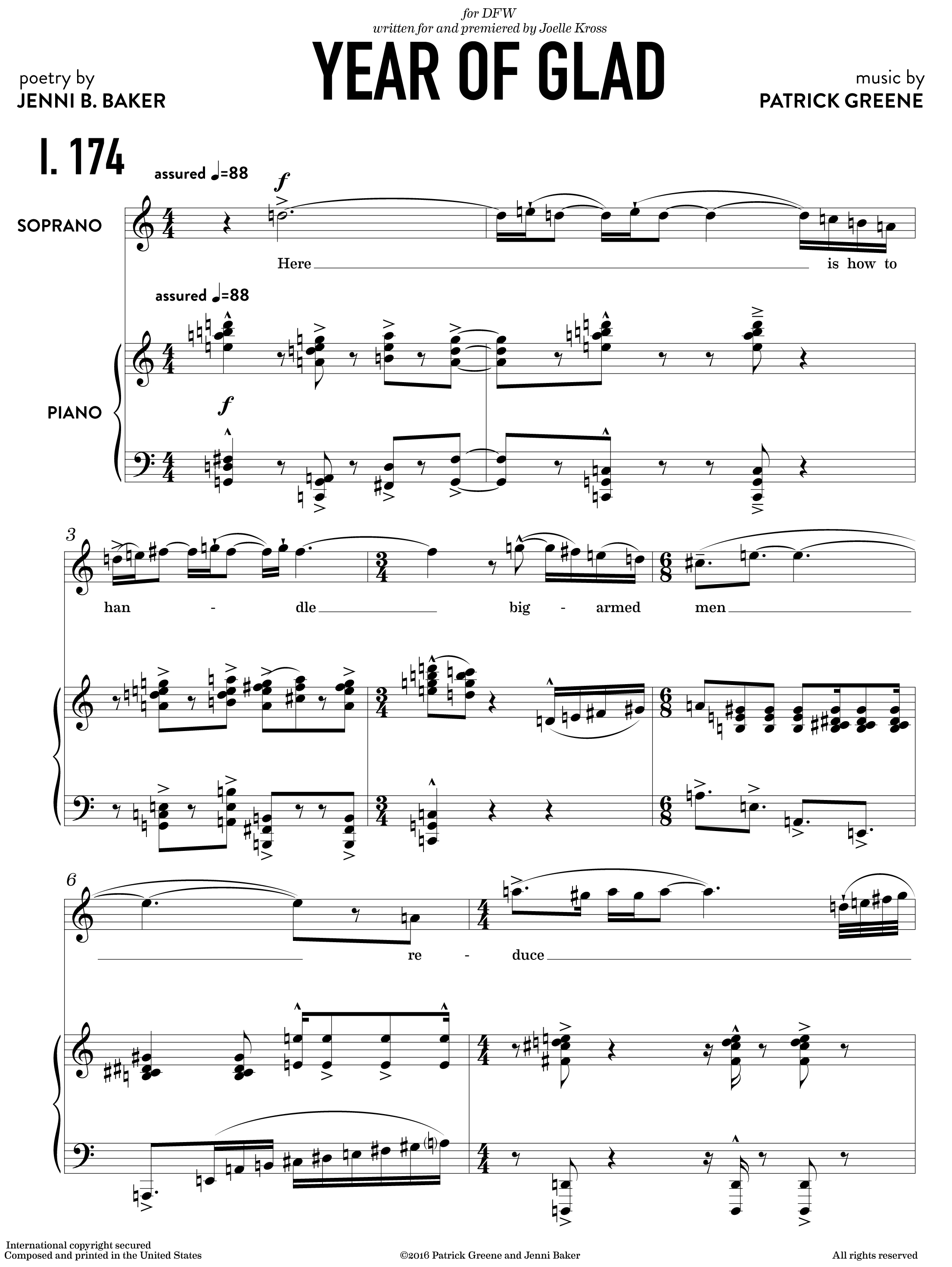
 

Year of Glad - full score (1).pdf


Tell us about your journey as an artist. Who or what influenced you the most? What provides your primary source of inspiration? What aspirations do you have for the future?

PATRICK: I didn’t start “seriously” composing until I was in college; prior to that, I was primarily a singer: boy soprano, musical-theater tenor, rock-band frontman, etc. In the spring of my first undergraduate year, I heard a visiting string quartet perform Maurice Ravel’s Quartet in F Major, and the thing seriously changed my life. I’ve been writing music ever since.

I’ve always drawn inspiration from a variety of sources; poetry’s one of my favorites. I’ve set texts by Eliot, Ammons, Crane, Poe, Cummings, Sappho, you name it. Until last year, however, I (somehow) hadn’t worked with a living poet. That changed when I collaborated with W. S. Di Piero on Come Soon, You Feral Cats, a setting of poems from his recent Tombo (McSweeney’s). It was a tremendously edifying, enjoyable process, and led me to seek out a living poet for my next text-setting project – Jenni Baker.

David Foster Wallace has influenced me just as deeply as any composer. My first reading of Infinite Jest was a transformative experience, and it’s stayed with me in a very deep place ever since. I think eclecticism is a fundamental part of my aesthetic; we’re lucky to exist in a time characterized by the dissolving of barriers, and I try to incorporate that into my music wherever I can. One of the reasons I enjoy reading his work is that I feel like we share stylistic priorities: to be complex yet sincere; to be elevated yet vernacular; to be formally playful yet structurally rigorous. He’s definitely emboldened me to compose in a way that feels honest.

My chief aspiration is to continue to collaborate with interesting people on worthwhile projects, and to find new ways of challenging myself to stay artistically relevant while creating a diverse, non-duplicative body of work.

JOELLE: I started in musical theatre and choirs in elementary school and went to college for acting with minors in voice and French. But as I had more classical voice instruction and sang in opera ensembles, I began to realize that was where I wanted to be. It’s so much more comfortable in my voice, and my vocal and character types match a lot better in opera than musical theatre. The big moment was when I was studying abroad in London and joined the London Philharmonic Choir for a performance of Mahler’s Resurrection symphony and just knew classical music was it.

My inspiration comes first from the gorgeous music I get to sing and hear all the time. I’ve been especially lucky over the last year and a half to be back in grad school and surrounded by inspiration from the music, my amazing colleagues, and the incredible teachers I’m studying with.

Aspirations for the future is a timely question, since I graduate in a month! I hope to someday make my entire living from only singing. I’m not terribly picky about what form that takes – opera, concerts, choral, weddings, whatever. I may try the sort of “standard” track of getting into a young artist program apprenticeship with an opera company, then get into a better one, then get into an even better one, then “have a career,” but maybe not. A European audition tour may also be on the horizon; they have smaller opera houses there and tend to favor lighter voices like mine.

JENNI: Over time, I’ve come to discover that, for me, writing under constraint leads to greater creativity. The constraint can take various shapes – you can limit yourself to text written by others, to a specific source text, to specific letters of the alphabet, to specific concepts, to specific forms, and so on. In Erasing Infinite, I constrain myself to a single page at a time from a single source text using a single procedure (erasure). In other work, I’ve experimented with constraints made popular by the Oulipo group and played around with more conceptual approaches – for example, pulling out phrases from a podcast transcript that start with the same words –  to craft a piece. I’m always looking for new source texts and new approaches to try.

There are a lot of people dipping their toes into the experimental writing field right now. It’s easy to write under an easy constraint, and this is alluring to both writers and publishers. I’m inspired by the obsessives, the writer who construct difficult mazes they must compose their way out of. Christian Bök spent seven years writing Eunoia, a book composed of chapters written entirely of words with single vowels. Doug Nufer wrote a 200 page novel, Never Again, where he never repeats a single word. I admire that kind of focus, that singular pursuit.

I’m also very interested in how writers are leveraging the Internet to do new things with their work. I love the poetry bots, the hypertexts. Look at the companion website to Collier Nogues’ The Ground I Stand On Is Not My Ground. Cool, right? I want to do more in this space.  


 EPSON MFP imageWhat’s the story behind “Year of Glad?” How did it originate and what did the creative process look like for each of you?

JENNI: I began work on Erasing Infinite in late 2013 as an act of homage to Wallace, posting the poems as I completed them on the project’s website. All along, I hoped the project would have additional incarnations – I could see, for example, a book length manuscript, a gallery exhibit of selected prints, and erasure poetry workshops. I can truthfully say that the idea of a musical interpretation of the work never crossed my mind! In early 2015, I received an email from Patrick, proposing the idea, and I loved it from the beginning. My job at that point was to just say “yes,” and step back to allow Patrick the space for his own creative work and interpretation.  

PATRICK: Joelle mentioned that she’d like me to compose something for her recital, and I immediately said “yes” – she’s a dear friend and a terrific artist, and this project would give me a great excuse to visit Chicago. We agreed to keep our eyes open for texts to set.

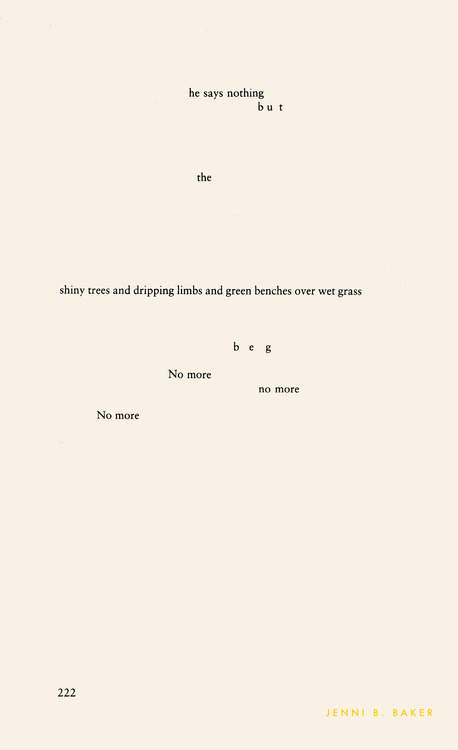
Then, a few months later (March 2015, I believe), one of the DFW websites I frequent (The Howling Fantods) posted one of Jenni’s poems (“No More,” from p. 222) to Facebook. It was perfect. It “worked” as a poem on its own merits, and yet it refracted the text of this book that’d meant so much to me for so many years and afforded me the rare opportunity to look at it from a different angle. I contacted Jenni, who was extremely nice about the whole thing; ran it by Joelle, who was game enough to literally read the whole novel before her recital; and set about developing a form that I thought would work.

I think I’m inherently a narrative-driven artist, for better or worse. Even if the story isn’t immediately graspable to the audience – even if it’s just something implicit, something only I know about it – it helps me to channel my ideas and energies in the direction of communicating something. Since there’s this grand tradition of soprano-and-piano song cycles (epitomized by the German lieder of the nineteenth century), I thought it’d be fun to take this thoroughly modern material (new poetry from a relatively new work of literature set to music written in 2015-16) and stretch it over a traditional framework. So then the challenge was culling down the, like, 150 poems that I wanted to set to a manageable assemblage that’d fit into the fifteen minutes allotted to the project in Joelle’s recital.

Then it became a matter of following the flows of the poems and seeing what they wanted to sound like as music. I looked for moments of thematic crossovers and elisions, and tied them together with motivic tools that served to make the whole thing feel like a single, unified piece.

Joelle was instrumental in all of this, of course; she was workshopping much of it as I was writing it, so I was able to guide the piece based on her (very helpful) feedback.

JOELLE: I met Patrick through his wife Micah several years ago when we were auditioning and performing together in Boston – I was actually one of their bridesmaids and now I am proud to call myself the crazy spinster aunt of their son Jude, who is the coolest 2-year-old in the world. I’ve always loved Patrick’s compositions, especially his vocal writing. As I was starting my grad program I asked him if he’d be interested in composing something for my masters recital. A few months later, I got an excited 6 a.m. text from him – he had found Jenni’s poems and wanted to set them! I immediately started reading Infinite Jest with the hope of actually finishing it before the recital, and I’m proud to say I finished it just two weeks ago!

Since I sing a lot of music that was written about 150 to 300 years ago, having the chance to be involved in the actual creation of a work, as opposed to more the interpretation of it, was really exciting. Patrick knows me the person and me the voice (as a singer, it is often extremely difficult to separate the two!) really well. Then we were also in pretty constant communication about how the work was shaping up – from basic things like how long it needed to be to satisfy the recital requirement, or how tired I was going to be by the time I sing it, to more exciting discussions about finding the musical and dramatic arcs. He also asked me to pick one of Jenni’s poems for one of the central movements. And then as I worked on it, primarily with my coach, then voice teacher, then recital accompanist, I would circle back with Patrick about things like an easier way to set the text or a better place to breathe.

I find it funny to think about how music scholarship and research will change as the technology of primary sources changes. Like someday on the music library shelf next to “Collected Letters of Strauss and Hofmannsthal 1900-1916” or whatever, you’ll see “Selected Emails, Texts, and Blog Posts of Patrick Greene”. But that’s how this piece was created!
 

infinite jest coverIn an interview with Larry McCaffery in the “Review of Contemporary Fiction” (and as Jenni points out in an interview), David Foster Wallace says, “Fiction’s about what it is to be fucking human.” Is there an aspect of being human that you especially connect with in Infinite Jest? Do you believe that what Wallace says about fiction here applies to your own practice of art?

JOELLE: Absolutely. I was on a train on Christmas Day when I read the passage about American society treating anhedonia as “hip and cool,” in opposition and in fear of and in secret longing for the messiness of actually being human. I gasped and flailed at my boyfriend next to me and made him take out his earbuds and read it too. I think Wallace got it absolutely right, and I love that Patrick has updated the emotional arc of Schumann’s Frauenliebe und -Leben to include some more of that messiness. It’s one of the things I love about being a musician and a singer specifically – the human voice moves people in such a unique way among the instruments. I always try to honor the very human impulse to connect and tell stories when I sing, and not just stand onstage and make pretty sounds.

PATRICK: Going off of what Joelle said: DFW’s greatest influence on me, personally, is his taking a very strong stand against the very dark, anhedonic forces that are constantly beckoning to us. It’s so much easier to just not give a shit, you know? It’s so much simpler to live stuck in your “default settings” (as DFW beautifully articulated in This Is Water); it’s a lot easier – and sometimes a lot sexier – to just sort of assume you’re right, and that the world’s actually a pretty simple place. And the path to that sort of mindset is paved in denying yourself human, deep experiences. In Infinite Jest specifically, every one of the main (and semi-main) characters is a fully fleshed-out person. They are complex and mercurial, and they aren’t what they appear to be on their surfaces. And that’s the way we all are, right? And if we’re aware of each other’s complexities, we’re suddenly treating each other like human beings. We’re a little bit less alone.

JENNI: At the root of Wallace’s comment about “what it is to be a fucking human being” is this understanding that we are all multidimensional and complex human beings. Infinite Jest is a book about the search for happiness, and all of the sadness and self-questioning that goes along with that quest. It follows characters who alternately embrace and reject the entertainments and addictions (and addictions to entertainment) that promise relief from that sadness and self-questioning.

I think the people who really connect to Wallace (myself included) do so because they recognize these struggles in themselves. Which is not to say we’re all sad, depressed people – there’s a difference between realizing your struggles and being consumed by them. When I’m sad or anxious, I can spend an entire day sitting in the movie theater or lying on the couch binge watching entire series of shows on Netflix. Now, I’m self-aware enough to know these activities are distractions, attempts to deactivate the think, but I can still connect with the characters in the book who lack that awareness and take their entertainments too far.

Some of my poetry certainly addresses human emotions and experiences, though I wouldn’t necessarily call that my purpose or aim. If something I write makes someone think, “Yes! I feel that way too!,” that’s certainly great. But I also embrace the practice playing with language and form for its own sake. Maybe Wallace would say I’m not creating real “art,” but I’m okay with that.  


Especially for our readers who don’t know the work of David Foster Wallace or Infinite Jest, could you share the reason you chose the title “Year of Glad?”

JENNI: In Infinite Jest, Wallace conceives of a future with “subsidized time,” where corporations sponsor the year. Gone is our numerical way of numbering the years, and instead we get years like “Year of the Depend Adult Undergarment” and “Year of the Perdue Wonderchicken.” Each year, the Statue of Liberty gets new accoutrements to reflect that year’s sponsor (including a giant diaper in YDAU). In the book, “Year of Glad” literally refers to the year subsidized by Glad, maker of sandwich and trash bags. It’s the first chapter of Infinite Jest and the last, sequentially, in the novel’s timeline. But it has a nice figurative ring to it, doesn’t it? A “year of glad” — who doesn’t want one of those?

PATRICK:  Exactly! I’ve always found the idea of “subsidized time” sort of hilarious, and Year of Glad in Infinite Jest is something of an annus mirabilis. Also, I’m just immensely grateful this whole shebang materialized in the first place.

JOELLE: I was just sort of along for the ride on this one! I didn’t address it in my program notes either. I kind of like that the title will mean different things to my audience whether or not they are familiar with the novel.


In “Year of Glad,” each of you has worked within a set of constraints as an artist—not just because it’s a collaboration but also because the nature of the work is cumulative. Each artist works within the framework(s) provided by the artist(s) before. How did you negotiate artistic freedom and creativity in relationship to the project?

JENNI: Every piece of creative work has its influences, its inspirations. With “Year of Glad,” our lineages and connections are just more exposed. I go back to what I said earlier about finding creativity in constraint – that’s so clear here with this collaboration. We were each handed something to work with, and used our own talents (writing, composing and performing) to interpret it and make it new.

Turning Infinite Jest into poetry is both an easy and challenging task. It’s easy in that the book contains a plethora of characters and voices to work with. It contains great varieties of of dialogue and description. The palette is large, so to speak. At the same time, David Foster Wallace is “Saint Dave” for many, and Infinite Jest a holy text. If I’m going to create poetry from it — an act in and of itself that some see as sacrilege — it can’t just be a poetic retelling of the book. Nobody wants to read that. So there’s a challenge to do something that’s more authentic to my experience and my voice as a poet.

As far as our “Year of Glad” work goes, I trusted Patrick to incorporate the poems into his composition as he saw fit and didn’t try to exact any influence that front. To put it another way: I wouldn’t have wanted Wallace (if he were alive) to be directing or setting parameters on what I create from Infinite Jest. So I wanted to extend Patrick that same freedom and courtesy.

PATRICK: I’m definitely in the Jenni camp on this front: I really love working within very specific constraints. Knowing there’s a “before” – Jenni’s poetry – and an “after” – Joelle’s premiere – took a ton of pressure off. I knew exactly where I fit in, and I felt relatively free to take my portion of things in whatever direction it wanted to go. I just knew that I had to completely respect two things: the words and the performance needs.

JOELLE: Being a singer and an actor for me can sometimes feel a little divorced from the creative process – I’m not actually writing the words or the music, or even with some directors, really creating my own physical or vocal interpretation of a character (I do not like those directors). As I’ve prepared this piece, and all the other music on my recital, I’ve tried to keep in mind that the singer’s interpretation is the extra dimension that gets the words and music off the page. Patrick’s score is beautifully designed, but this piece wants to be heard! It also feels empowering to know that Patrick trusts me as an artist and supports the interpretive choices I’ve made. And though he wrote it with my voice in mind, the next person who sings it will create an entirely different performance, because she will connect with it in her own unique way.
 

EPSON MFP image“Year of Glad” originated with Jenni’s erasure poetry, which was meant to be a celebration and tribute to the life of David Foster Wallace in the wake of his death. The structure of “Year of Glad” mirrors Robert Schumann’s Frauenliebe und –leben, a song cycle about love that ends with death and mourning. Do you believe “Year of Glad” as a whole is one of both love and mourning? Can creativity function as a practice of both?

PATRICK: Year of Glad is an ode to living life boldly and bravely. The final movement – which took literally, like, four times as long to compose as any of the others – is an exhortation of sorts: she is telling the audience, as an old woman (the piece progresses chronologically, a la Frauenliebe), what she’s learned. And what she’s learned is that a loss can be a beautiful thing, because it means you’ve found something in the first place. She’s saying we should get off our asses and trust that we’ll figure it out.

JOELLE: I think both love and mourning, which really is another form of love, are so central to the human experience that it’s tough to create something that is not related in some way to one or the other. When I think about my whole recital program, which is 60 minutes of music by six composers in four languages spanning four centuries, it’s all there – love of God, a lament for a departed loved one, maternal love, love of nature, nostalgia for a lost homeland, and above all, love of love itself. And while Schumann’s cycle ends in mourning, Patrick’s final movement pretty joyfully transcends it and celebrates a love that was worth it.

JENNI: I think Joelle has it right when she says that mourning is another form of love.  After Wallace’s passing, McSweeney’s put together a collection of reflections from those who knew him and who were impacted by his work, called “Memories of David Foster Wallace.” Read through that page: it’s all love. Also, isn’t the majority of art — in all its iterations —  about either loving a person, place or thing, or missing that person, place or thing? You love somebody, you miss somebody. You love that mountain outside your window, you reminisce about the time when you had a mountain outside your window. (You get the point.)  Indifference and ambivalence aren’t very good instigators for art.  


Do you have any words of wisdom for artists who want to collaborate?

JOELLE: I don’t think you can be an artist and not collaborate. The 19th century Romantic solitary genius Artist, if it ever really was a thing, is over. Contemporary lives are so connected. I think it’s really important to know yourself first – how you like to work, what you bring to the table and what your weaknesses are. Then try to find other artists who complement that, figure out what you want to say, and do it! I also have to echo Jenni’s sentiment of saying yes. Since moving to Chicago I’ve really tried to embrace the pervasive “yes and” spirit that comes from the huge improv scene here. I’ve found it a really fulfilling way to make art and to live in general.

JENNI: You’ve got to find your creative kindred. Find the people who want to make cool stuff more than they want to make money. If someone wants to charge you to use their work, or you’re charging someone to use theirs, it’s not a collaboration – it’s a business transaction.

Good collaborations should raise all boats, with everyone involved standing to benefit equally from the exchange. Patrick, Joelle and I are at relatively similar points in our respective careers, which helps. Nobody is in a position of power over another. Everybody’s intentions are good. We share in any publicity and, most of all, get to put something new out into the world. It works from all angles.

Ultimately, if you want to collaborate with people, ask. How many awesome projects go undone because one party was afraid to ask the other? Oh, and if people ask you to collaborate, say yes.

PATRICK: My best piece of advice is just do it. There is nothing to be lost in trying. If you stumble across something on the internet that hits you the right way, send that email. The worst thing that can happen – and I really mean this – is that the person who’s inspired you can’t take on the project, but is left knowing that his or her work touched somebody. The best thing that can happen is Year of Glad.

The creative world is simultaneously larger and smaller than it’s ever been. There are more artists alive and working today than have ever existed at any point in time in the history of our species, and yet we’re all just a few keystrokes away from each other. It’s amazing! And we can all complain endlessly about how the system isn’t set up to support us, but in some very tangible ways we’re actually more empowered than we’ve ever been to create awesome, lasting, relevant, multivariate art that can come together to change the world.

But these things don’t happen unless we harness the fact that we’re all out there to begin with. So just ask. Reach across that electronic threshold and make a human connection.

Thank you so much, Jenni, Patrick, and Joelle! 
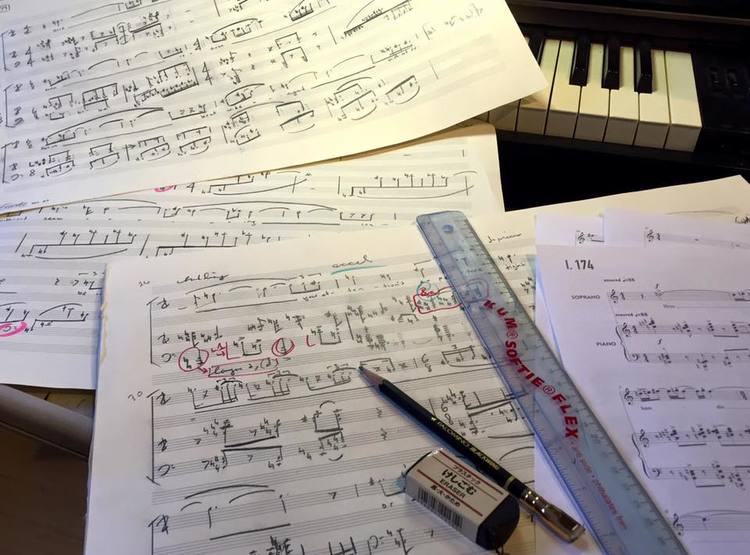
Year of Glad Composition


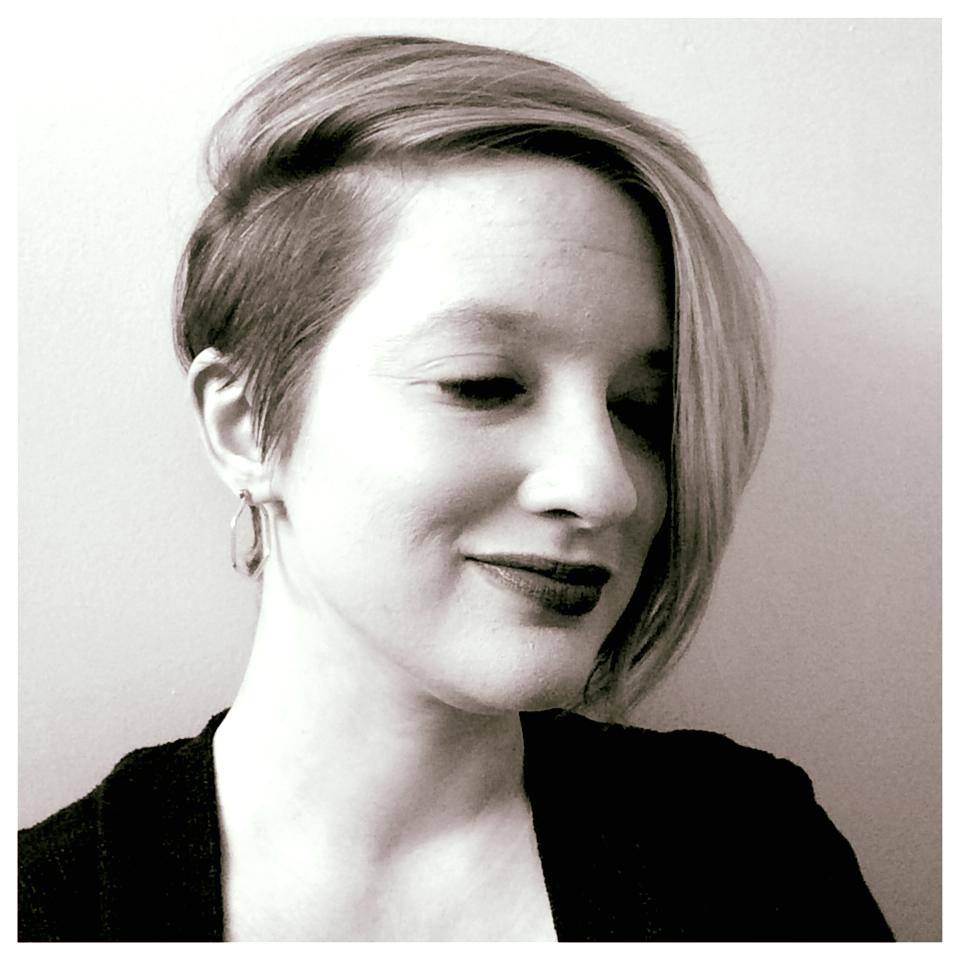
Author Photo - Jenni B BakerJenni B. Baker is a poet and editor based in Bethesda, MD. She is the founder and editor-in-chief ofThe Found Poetry Review, a literary journal that publishes experimental forms of poetry including found, erasure, constraint-based and conceptual pieces. In her multi-year project, Erasing Infinite, she creates poems via erasure from David Foster Wallace’s 1,076-page text, Infinite Jest, one page at a time. Her chapbook, Comings / Goings, a collection of poems generated by applying Oulipian constrained writing techniques to Washington Post articles, was released in 2015. Her poetry has been featured in journals such as DIAGRAM, BOAAT, Quarterly West, Washington Square andLunch Ticket. For more information, stop by her website or follow her on Twitter.

Patrick GreeneA composer, singer, and sound designer, Patrick Greene (b. 1985) is a rising artist in the world of contemporary art music.

Hailed by The New York Times as a composer of “enticing” works, Mr. Greene’s music has been described as “shimmering” (New Music Box), “unearthly” (The New York Times), and constructed with “true musicality” (Boston Musical Intelligencer). Recent engagements include performances by Boston Musica Viva, the Atlanta Chamber Players, the New Haven Symphony Orchestra, loadbang ensemble, Christopher Houlihan, Transient Canvas, Balletik Duo, and many others.

His theatrical sound design has been called “disturbingly real” and “memorable” (ArtsImpulse). Recent design projects include the Boston premiere of Cassie Seinuk’s Eyes Shut. Door Open. (Wax Wings Productions) and D.W. Gregory’s Radium Girls (Flat Earth Theatre).

Patrick’s abstractEXTRACTION won the 2010 Rapido! New England Competition (and took the Audience Prize at National Finals in 2011). In 2014, he was Guest Composer at the inaugural Birmingham New Music Festival, and, in 2015, his My Dearest Friend earned a C7Prize as a “Recommended Work.” Most recently, the St. Botolph Club Foundation selected Patrick for the 2015 Emerging Artist Award.

Mr. Greene earned his MM degree in Composition from The Boston Conservatory in May 2010, where he studied with Andy Vores and Dalit Warshaw. He graduated with a BA in Music from Trinity College in 2007, as a student of Gerald Moshell, Douglas Bruce Johnson, and John Rose.

Patrick is a member of the Society for Music Theory, the American Composers’ Forum, CompositionToday.com, and the Society of Composers, Inc. He is also a founding member of the Fifth Floor Collective and the Equilibrium Concert Series.

He lives with his wife (the actress Micah Greene) and son in Lincoln, Massachusetts, where he serves on the town’s Cultural Council.
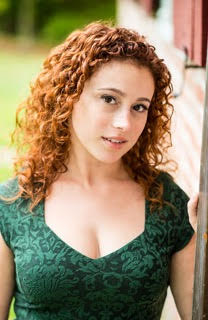
Joelle KrossJoelle Kross, coloratura soprano, is currently pursuing an MM in Voice Performance at the Chicago College of Performing Arts at Roosevelt University, where she studies with Judith Haddon. Praised as “a vocal knockout” (Hub Review) and “petite, spritely, and utterly delightful in every scene” (Theater Mirror), Joelle has performed extensively in the opera and musical theatre communities in her hometown of Boston. She has appeared with Boston Midsummer Opera, MetroWest Opera, Lyric Stage, Gloucester Stage, Wheelock Family Theatre, Hanover Theatre, and Reagle Music Theatre. Recent opera roles include Le Feu/Le Rossignol inL’enfant et les sortilèges, Amore in L’incoronazione di Poppea, and the Fairy Maiden in the world premiere of Heidi Joosten’s chamber opera Connla and the Fairy Maiden. She is thrilled to present the premiere of Patrick Greene’s song cycle Year of Glad, with settings of erasure poetry by Jenni B. Baker from David Foster Wallace’s Infinite Jest.
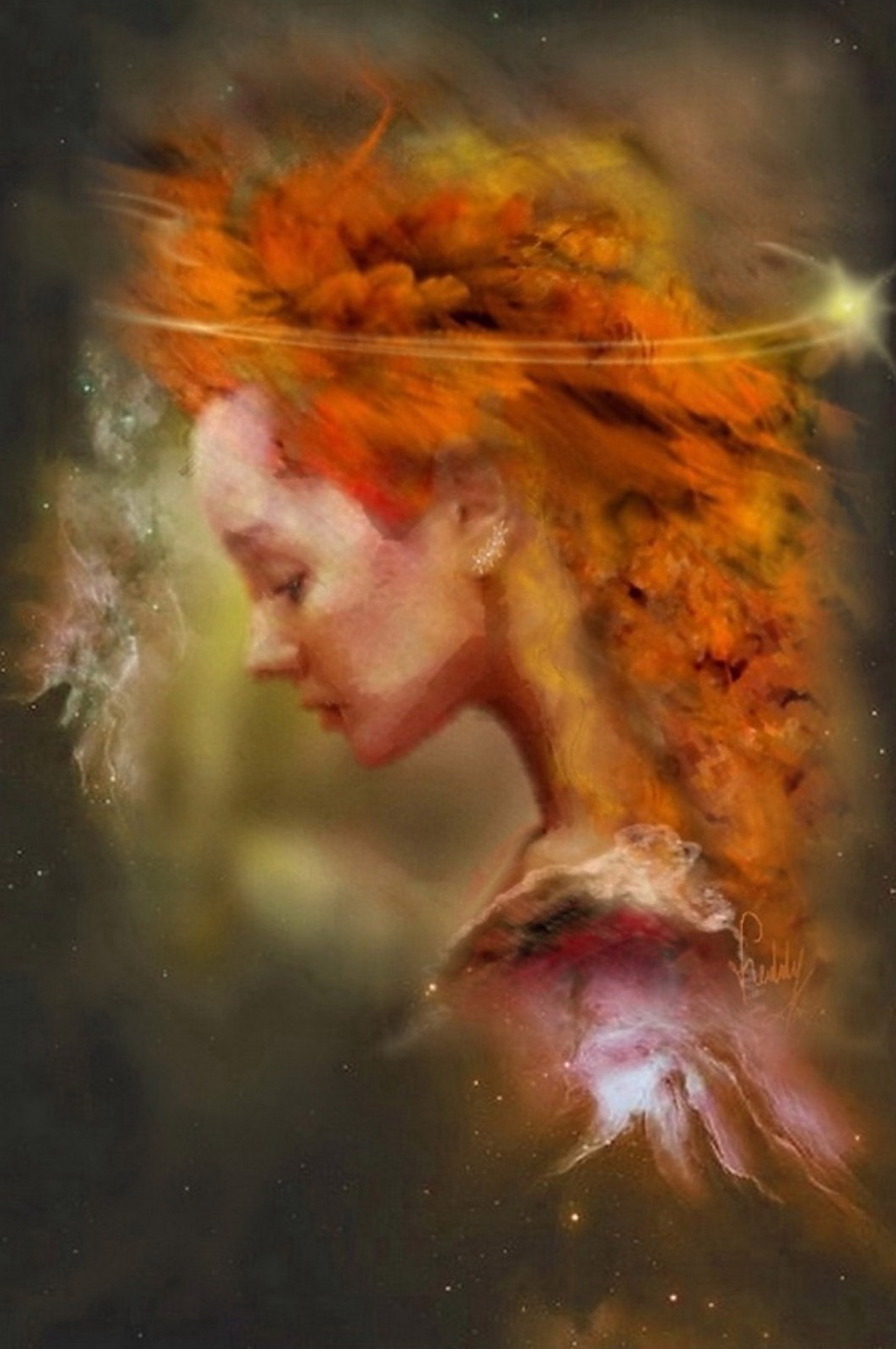
Imagine

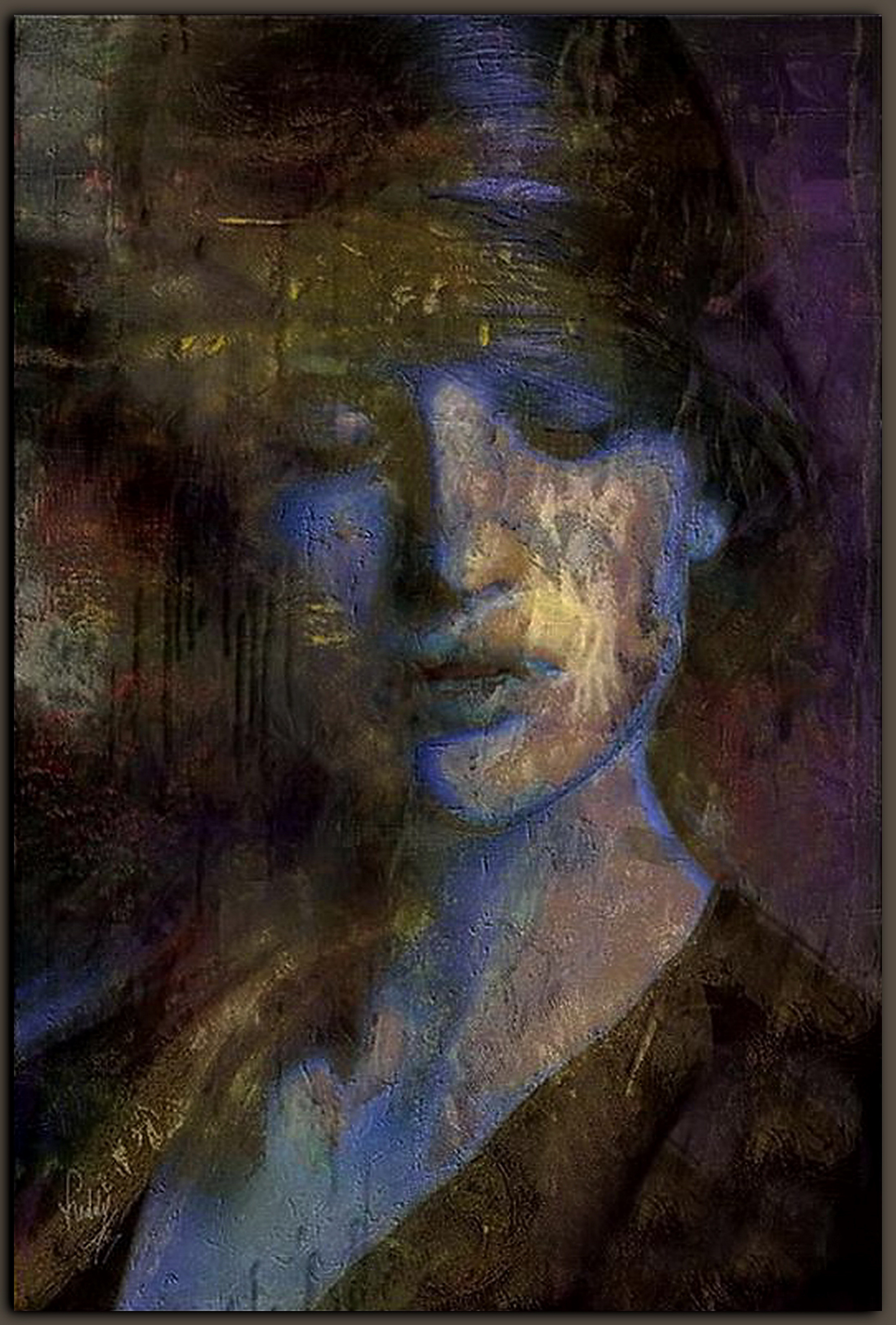
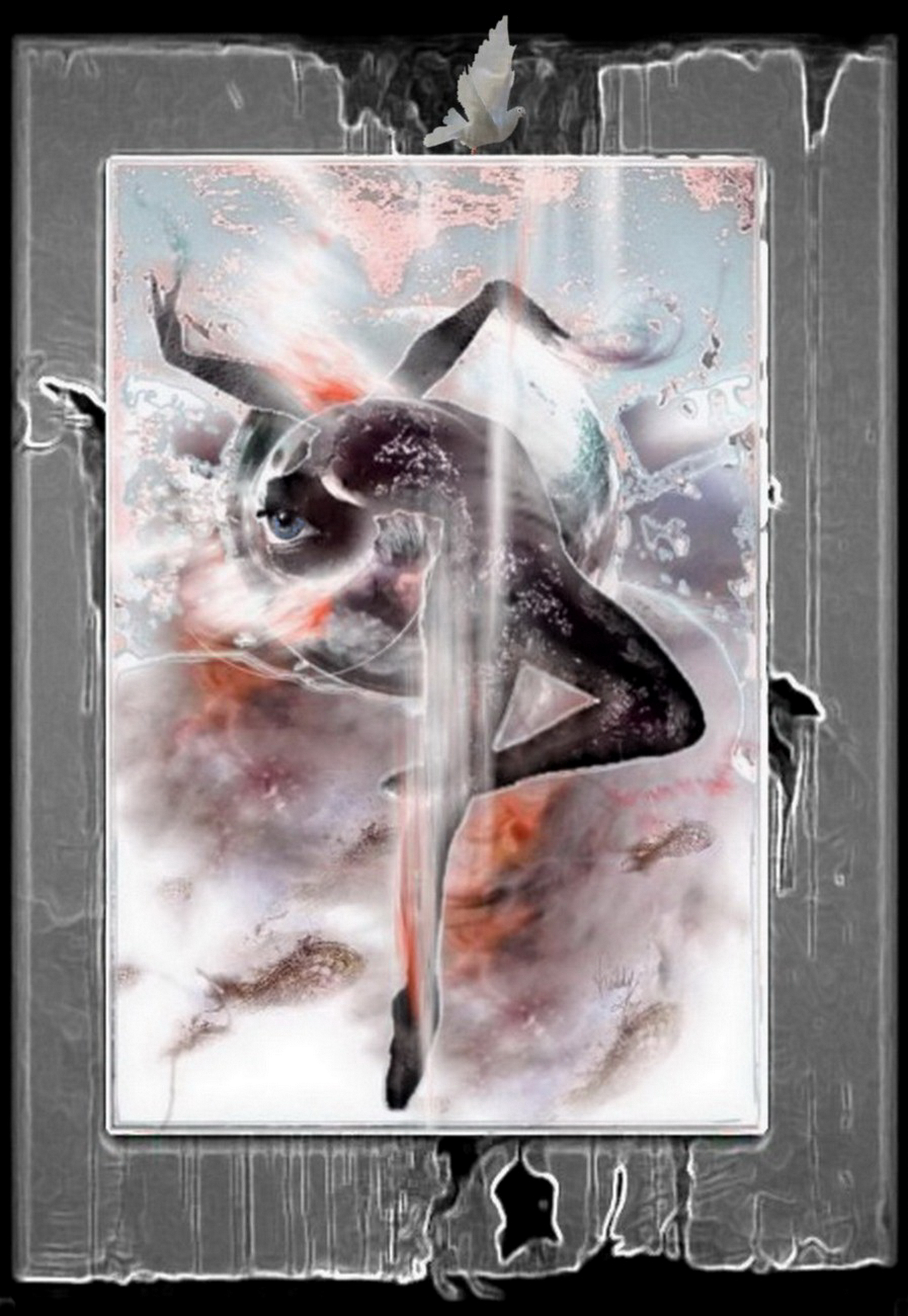
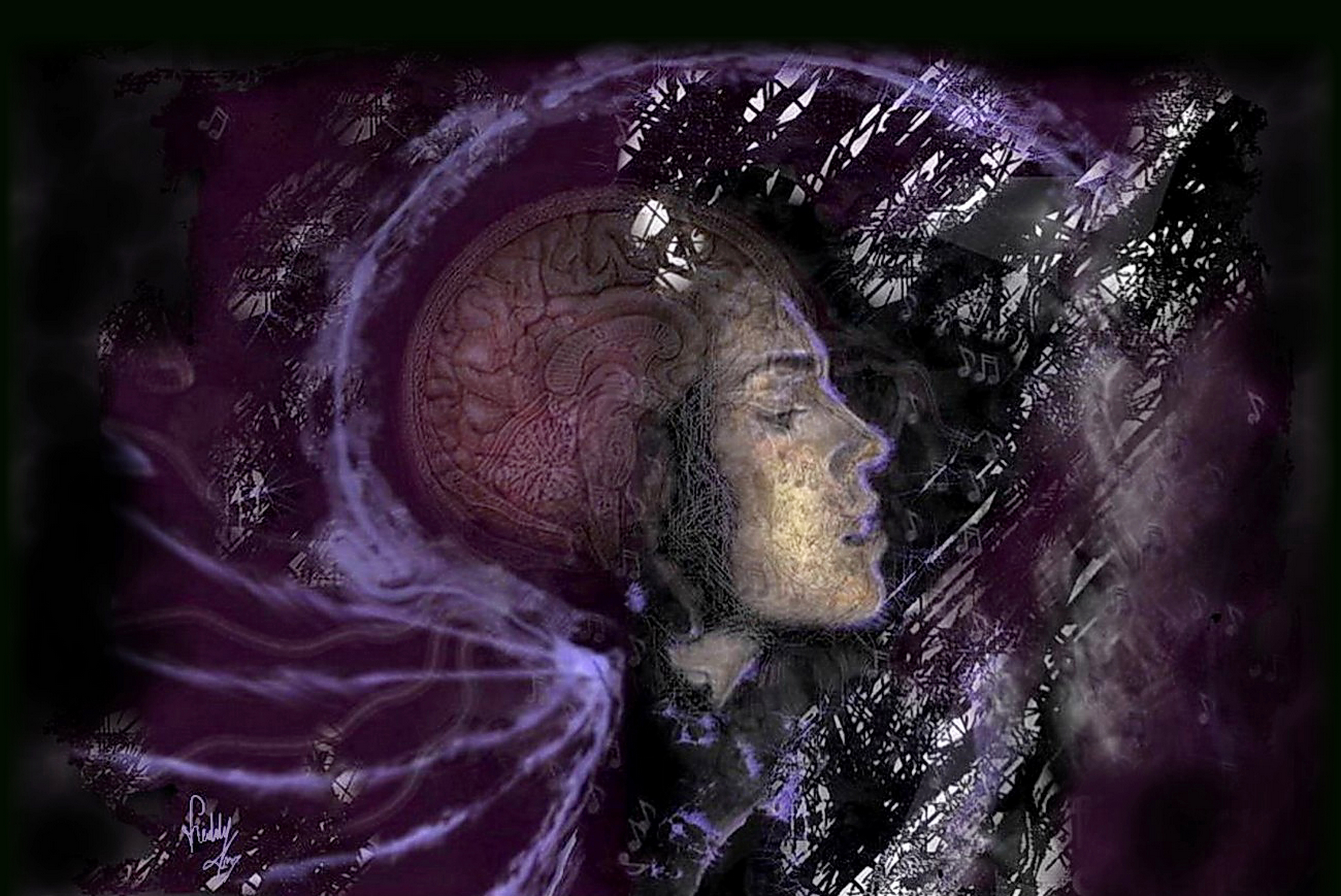
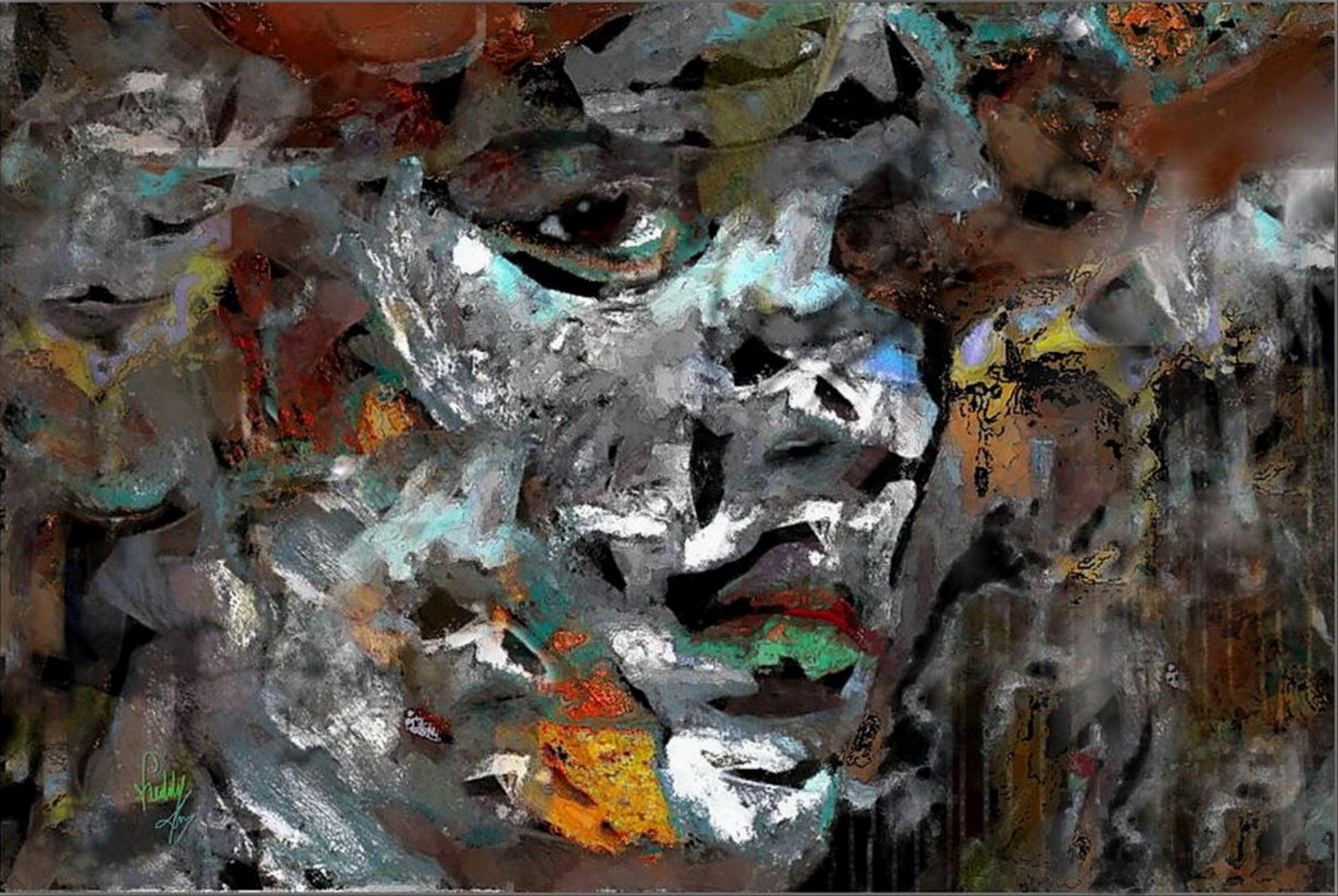
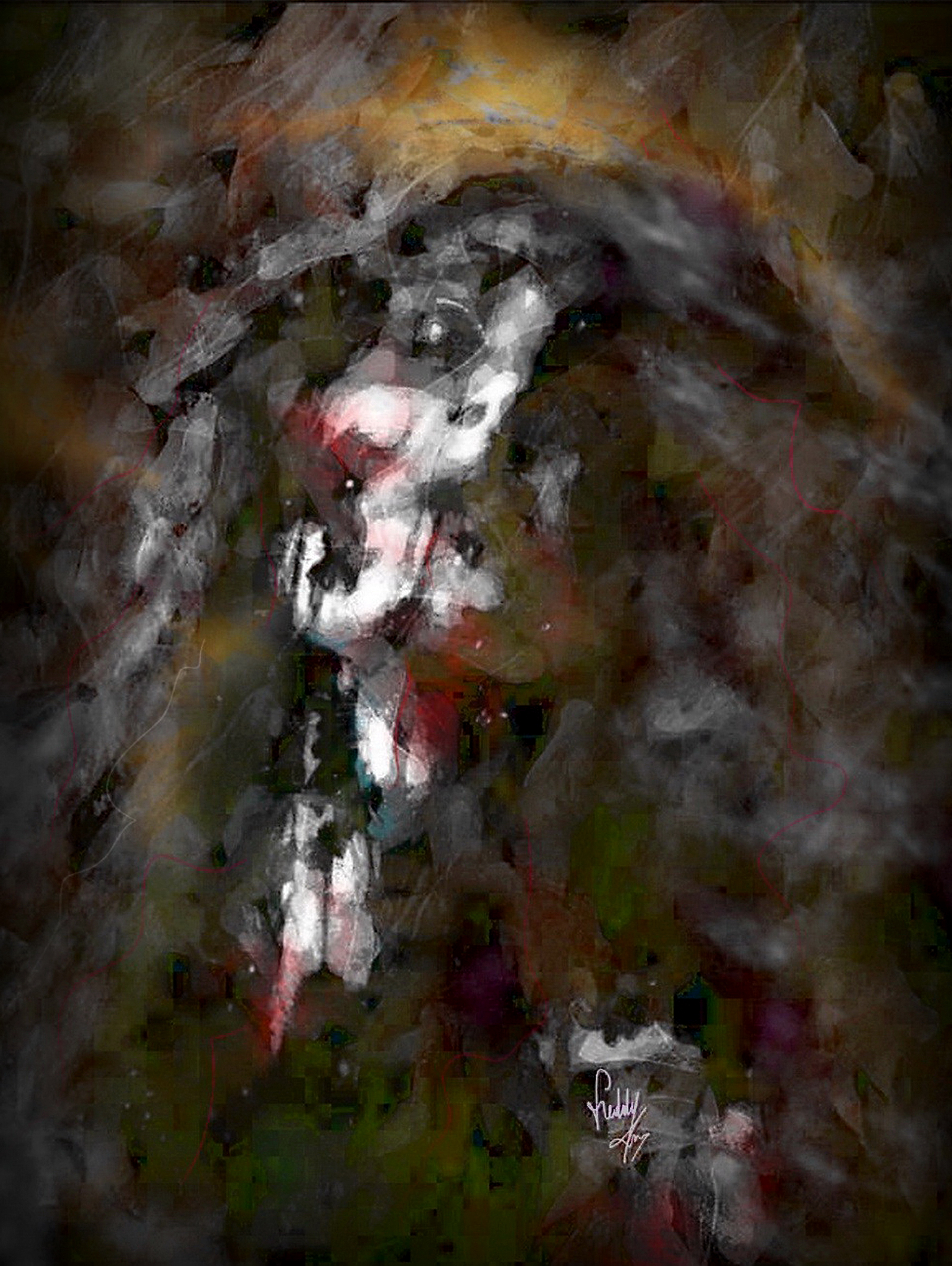
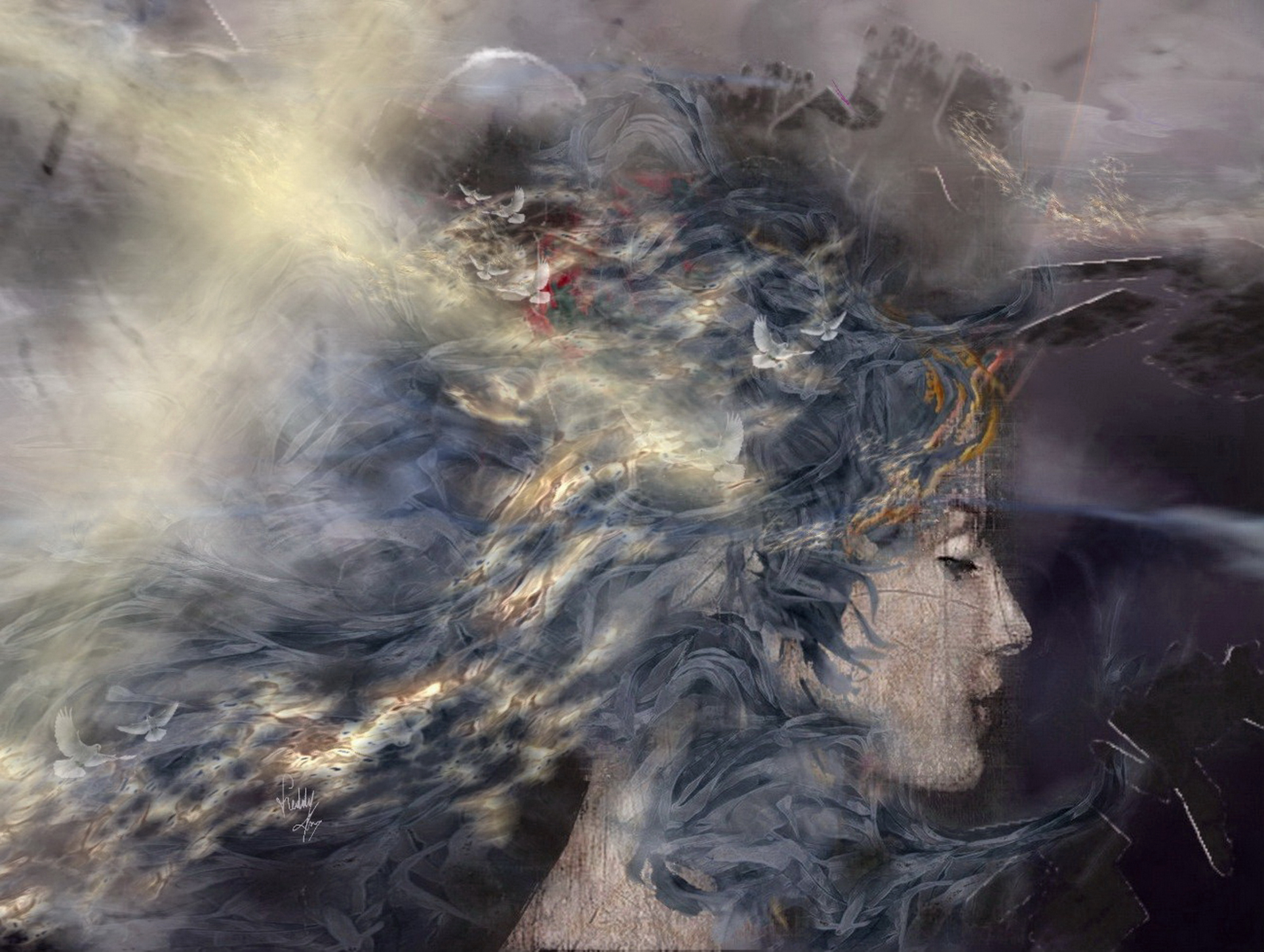
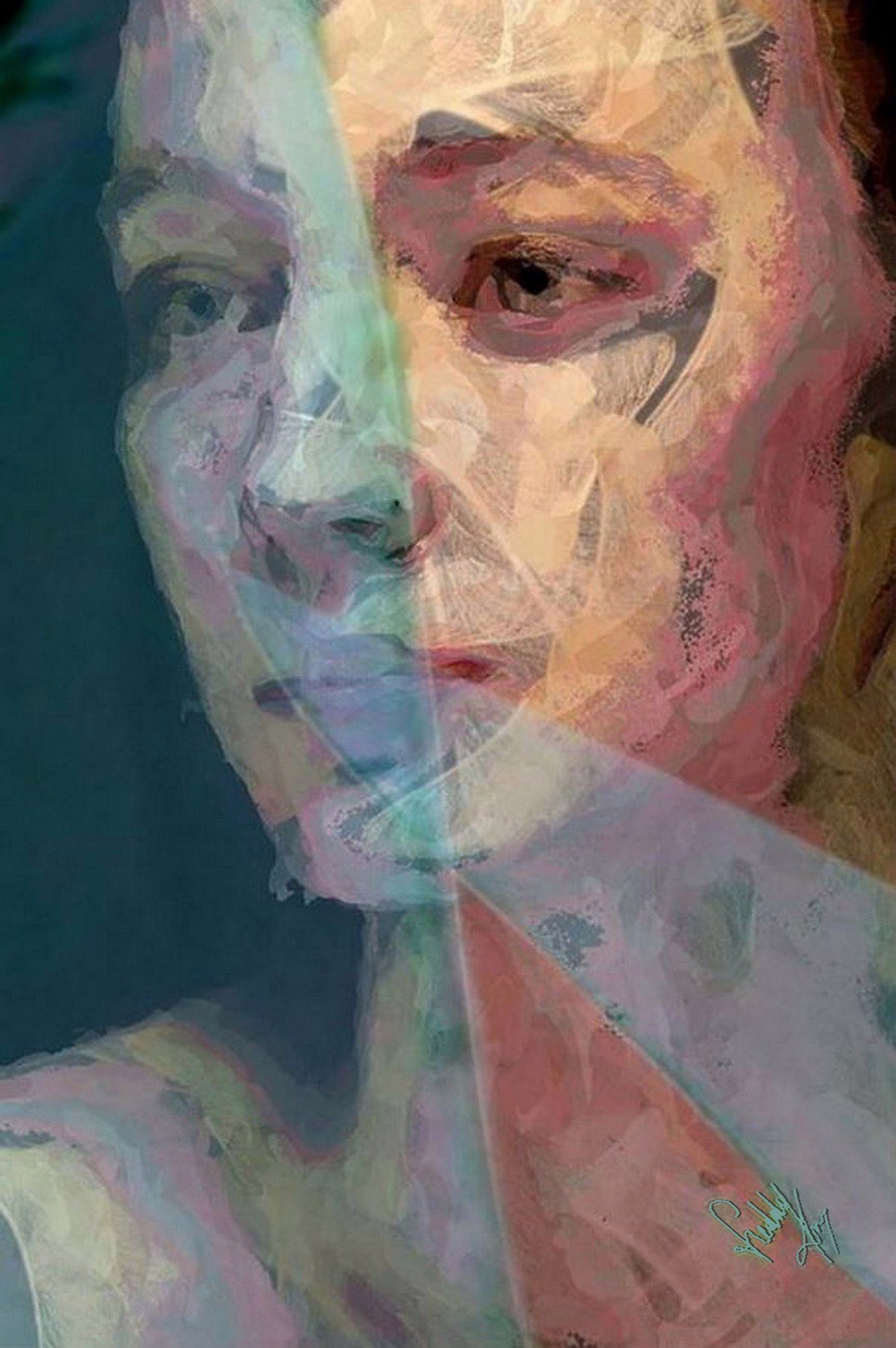
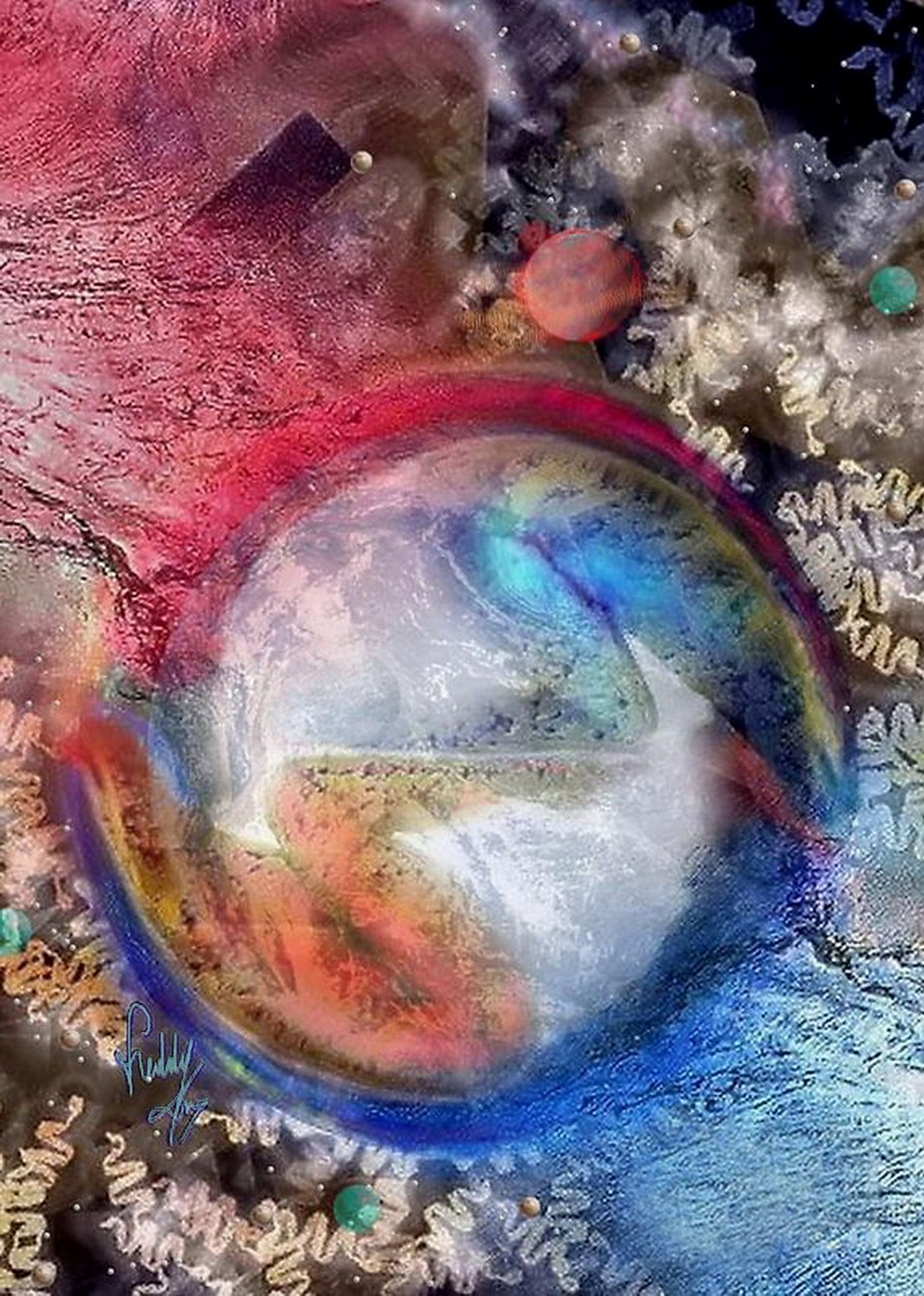
by Freddy Kirsheh

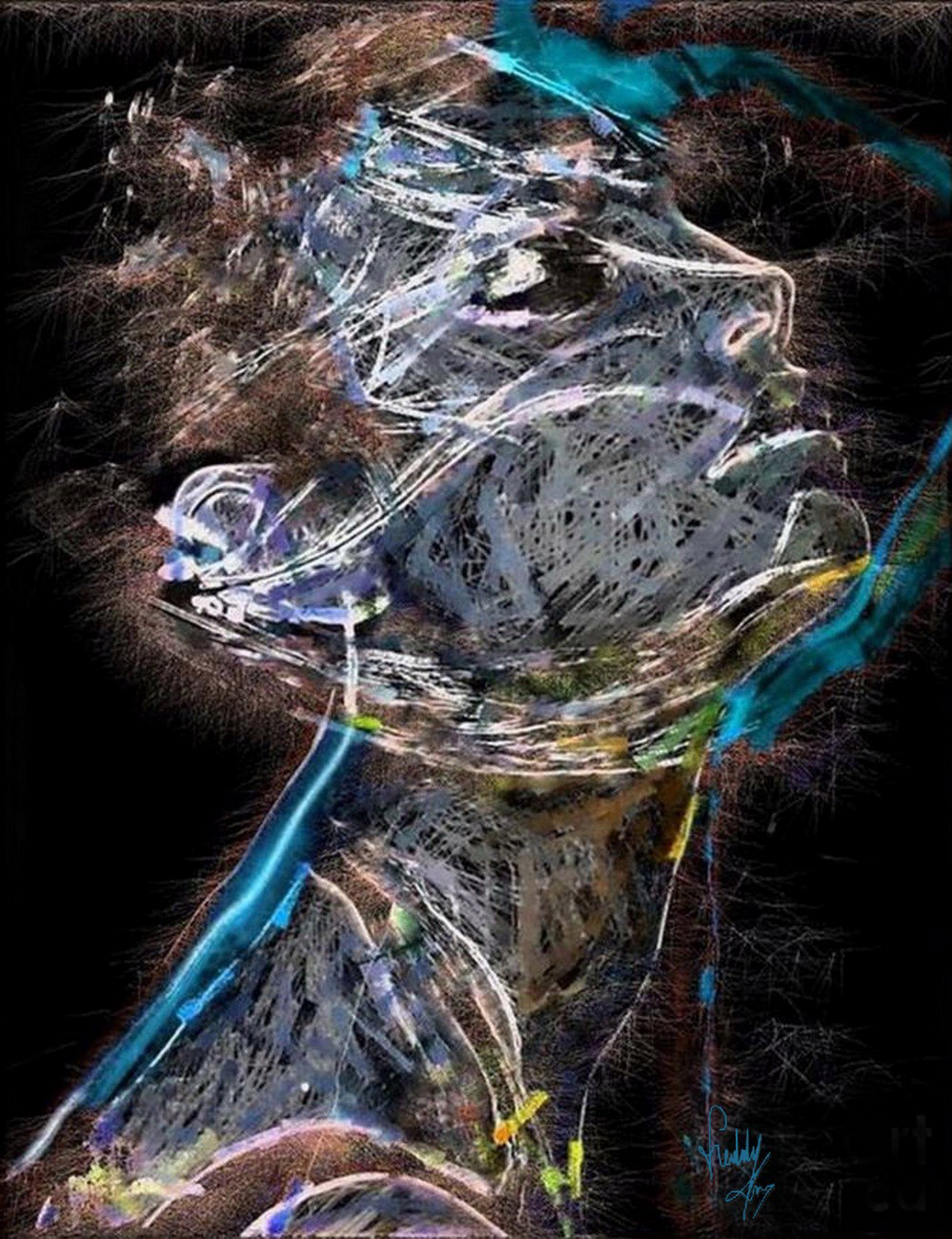
Angelic thought - digital painting

Angelic thought – digital painting


Concentration - Digital painting

Concentration – digital painting


Dany - digital painting

Dany – digital painting


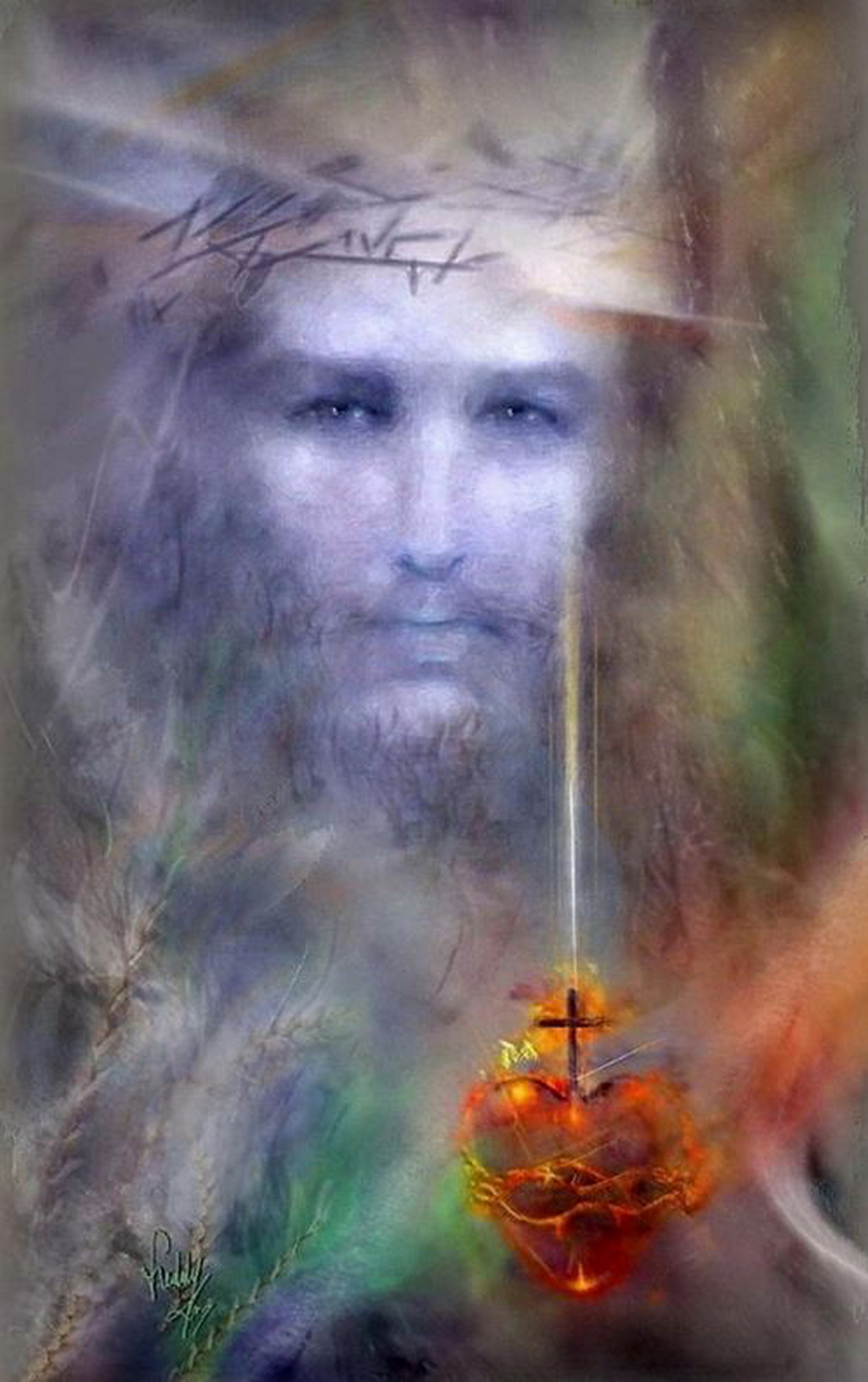
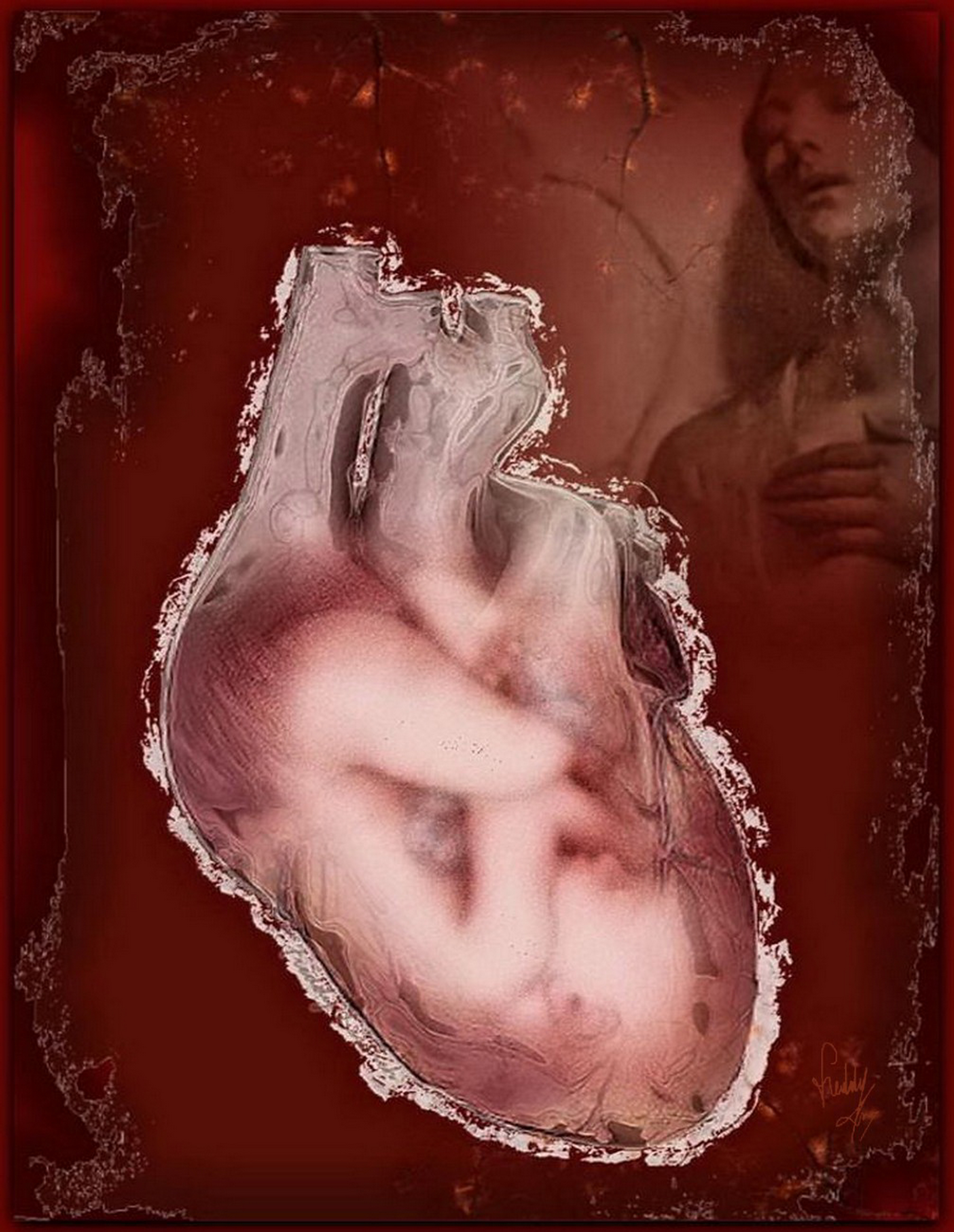
Herz-Jesu-digital painting

Herz-Jesu – digital painting


Horse by the sea- Digital painting

Horse by the sea- digital painting


Modern global sensations - digital painting

Modern global sensations – digital painting


Moments of creativity - digital painting

Moments of creativity – digital painting


Palettre Spectra - Digital painting

Palettre Spectra – digital painting


Peace Dove - Altered water colors

Peace Dove – altered water colors


Peace of mind - digital painting

Peace of mind – digital painting


Sans parole - altered water colors

Sans parole – altered water colors


The greatest Creation- digital painting

The greatest Creation- digital painting


SHATTERED SELVES - 2014 Mixed media- drawing & digital painting

SHATTERED SELVES – 2014 Mixed media- drawing & digital painting


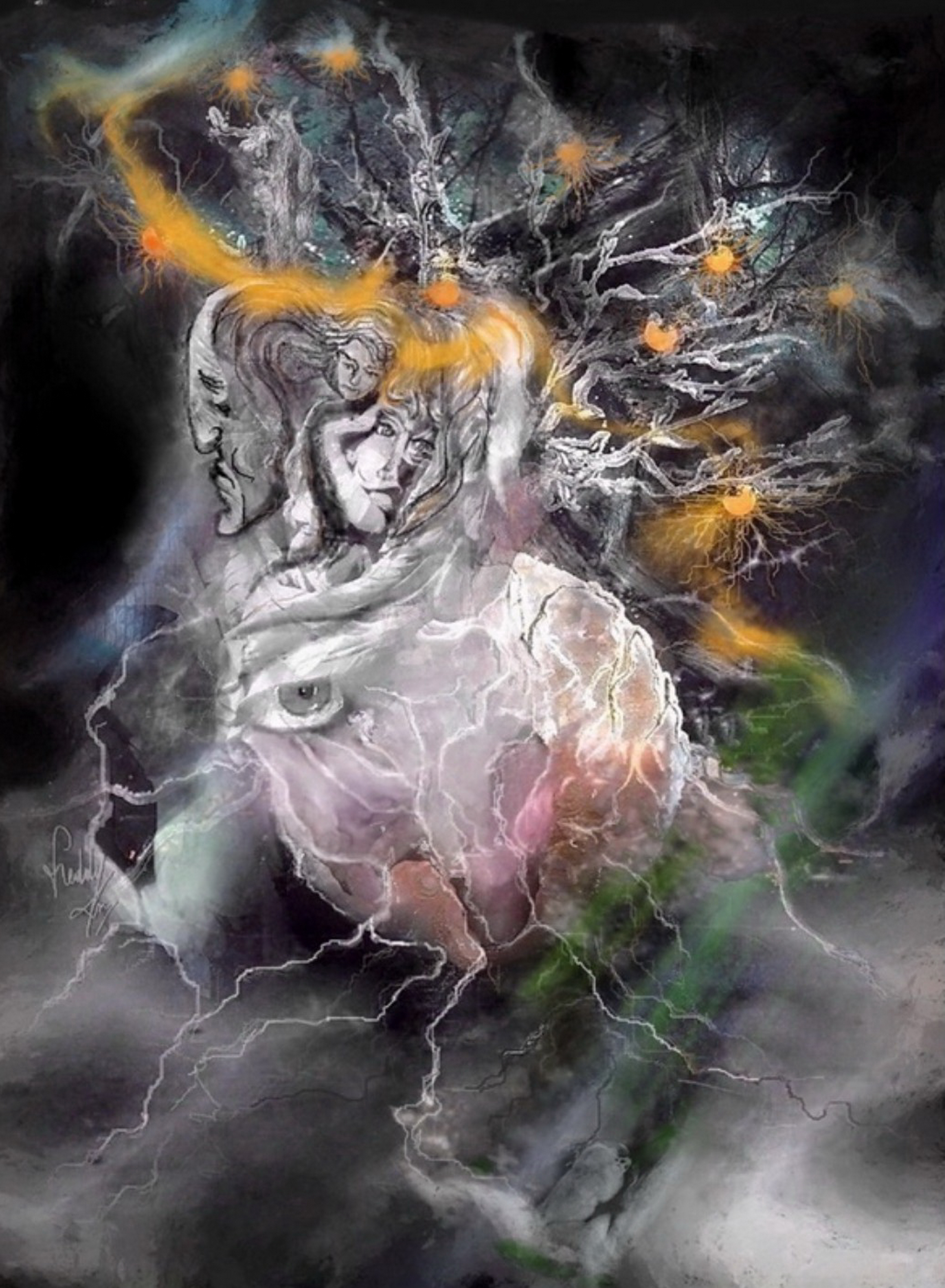
What Could Be In Woman's Heart - digital painting

What Could Be In Woman’s Heart – digital painting


Why you stone me - digital painting

Why you stone me – digital painting


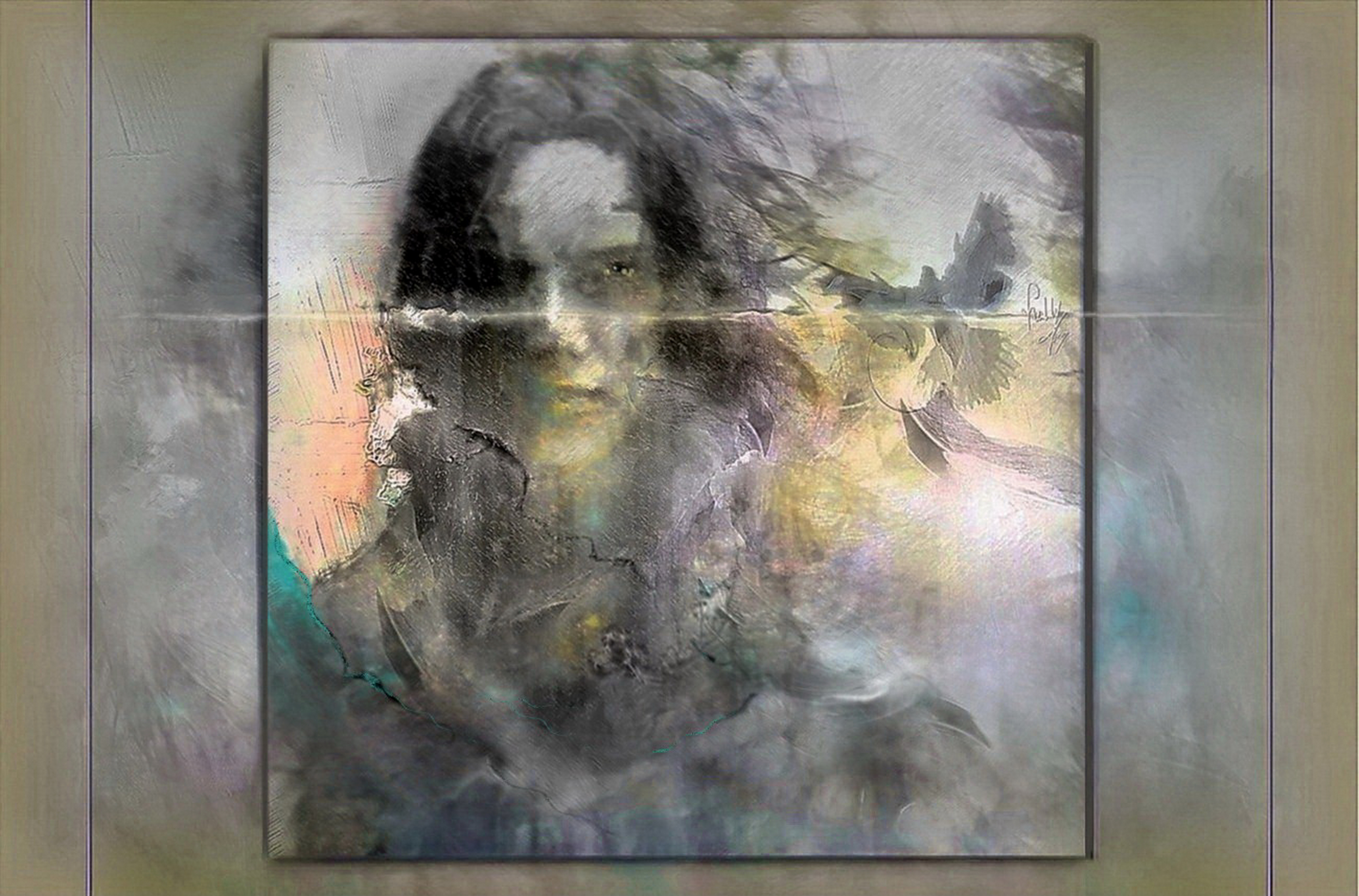
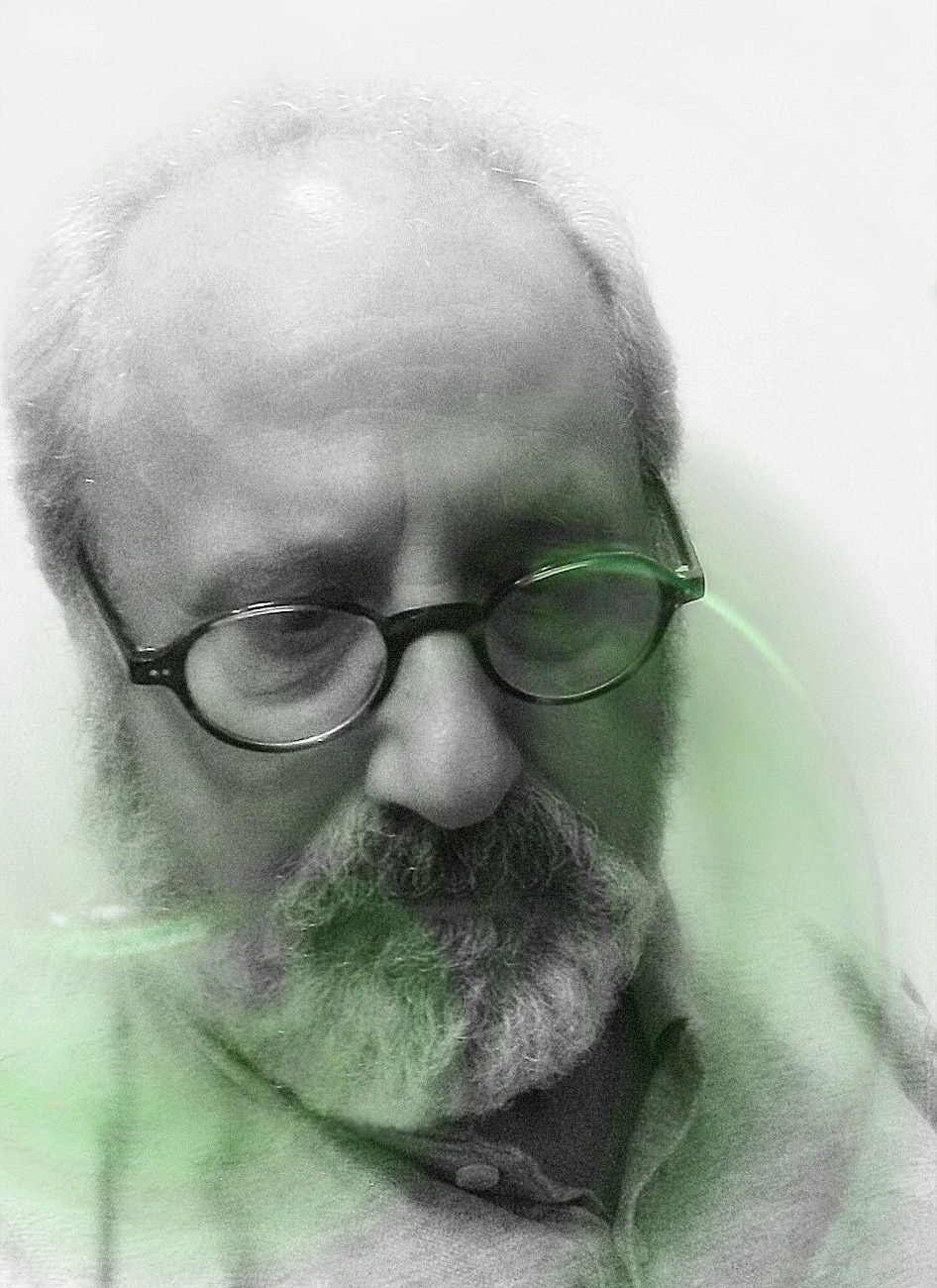
Freddy Kirsheh Profile picsArtist: Freddy Kirsheh

Place and Date of Birth:                Damascus / 19.05.1953

Lives in Vienna

Fine Arts,  BA  degree  in interior design

Working  in  Interior  Design Decoration and  graphic design

His interior design and artworks works  was in: Damascus, Beirut, Cairo, Sharjah, Dubai, Athens, Paris, New York

freddy-kirsheh.fineartamerica.com

https://www.facebook.com/Freddy.Kirsheh


Musings of the Soul

by Aurora Art

Bursting with Joy

Bursting with Joy

I have been creating what I like to call Organic Abstract Art on my ipad now for about a year. I am self taught, and follow no rules other than the often untamed but fearless musings of my soul…

Dance of Souls

Dance of Souls

My training as a dancer and my work with textiles combine in my art and allow the creation of pieces that have depth of both texture and movement – abstracts that come organically from inner impulses – to me it is as if I am dancing when I create my pieces –I have always believed in the beauty of improvisational dance – the creation of a pure moment – and so it is when I create these pieces…

Continuous Energy Flow

Continuous Energy Flow

Energy and Flow feature again and again in my pieces – the energy that is within us all, is all encompassing, and from where creativity flows …

Natural flow

Natural flow

Flow to unfold all …
Fleeing familiarity
And swiftly turn to face freedom…

Art is indeed food for the soul, which in turn nourishes our awareness and consciousness…this piece I created for my cousin Maren (meaning sea) we were very close when we were children although our meetings were few  – magical days spent by the waters edge.

Maren

Maren

See you then the world little one, from afar
Never in it, but as if from a distant plain
Take the sorrows and let them wash over your skin
Enfold in your small tiny arms each weeping joy
And every moment, devour it in your sweet breath
Innocent eyes on every beauty feast

Take the blood that runs in your veins
And run with it to the waters edge
Where you drink of sweet purity
To cleanse your inner heart
And there do rest and stay awhile
To listen to the earth singing to you
Its sweet song of life

I love discovering new textures and delve deeply with effects and layers.

Inner Elegance

Inner Elegance

I have no fixed image in mind when I start and they are often created very quickly…with swift dance like movements.

As My Soul Dances and Plays

As My Soul Dances and Plays

Yooxayatangi

Yooxayatangi

I am constantly surprised by the textures that can be achieved … almost like textile art.

Deepsea

Deepsea

Dark Matters

Dark Matters

Being a dancer by nature, I find words often limiting and prefer the art to speak for itself…

From Where it all Comes

From Where it all Comes

Cold Abstraction

Cold Abstraction

Between Worlds

Between Worlds

Vulnerable Homeless

Vulnerable Homeless

Quiet Confidence

Quiet Confidence

Justwhenyouthinkyouknow

Justwhenyouthinkyouknow

in Harmony

in Harmony


Artist: Aurora Art

Learn more about Aurora and her art here:

Twitter: @Auroraart1

https://society6.com/auroraarts

https://crated.com/AuroraArt

http://www.redbubble.com/people/auroraarts1/portfolio


The Keeper of the Art

by Nola Kelsey

Some artist’s stories simply cannot be separated from one another or the canvas would be blank. I am not an overly emotional being. Not self-analytical, nor prone to spontaneous outbreaks of poetry, as many creative spirits appear to be. That was my mother,  artist/poet/teacher, Avonelle Kelsey (1931-2009), a diverse, unstoppable force in the San Diego area art scene for nearly three decades. Born to create, Mom lived life in full color. Much to her dismay, I was born fully dressed in dull beige Zoo Keeper garb – all Zoology, all the time. Life science was my true passion. Don’t get me wrong, I enjoyed great art, galleries, etc. After all, I was raised in her studios. But my life was 95% wildlife, 4.5% art and everything else (if there was anything else) blurred inconsequentially off to the sides. Such it was for 44 years. And then it happened.

Upon Avonelle’s death, I became responsible for an astronomical amount of artwork. I also had a significantly pesky oath. In her final years, Mom repeatedly made me swear to protect her creations. Along with that responsibility, I had inadvertently become the keeper of her creative legacy. Shit! This was not zoology. Yet, it was evolution. She finally got me.

My transformation from science fanatic to artist obsessive was startlingly was fast. A  year long art sale began with a growing intimacy to each of Mom’s paintings during multiple photo sessions.  Sculpture were matched to her written works and/or paintings. Questions were researched for collectors. So much packing and shipping. Lastly there was the book. That sneaky, buggery book. I was already an author. Years earlier my inability to play well with others had taken me from working with animals to writing about them, mostly in the form of educating travelers about animals within the pages of detail-heavy travel guides focused on global volunteer programs. But then came Mom’s book.

Working with all those images of paintings it hit me like a ton of clay. The formatting, creating of marketing materials, cover design–that was what I loved about writing books. I produced travel guides so efficiently because I was anticipating getting to the next cover design. Good news, I actually hated writing! Bam! I was back in college studying Graphic Design within a month. Three years later, I can’t imagine not creating every day. As an artist I admittedly am a fledgling,  still learning,  still growing. I am also still 4.5% zoologist,  communicating messages about nature and animals, care and conservation, but I have evolved to do so visually – much to my own dismay.

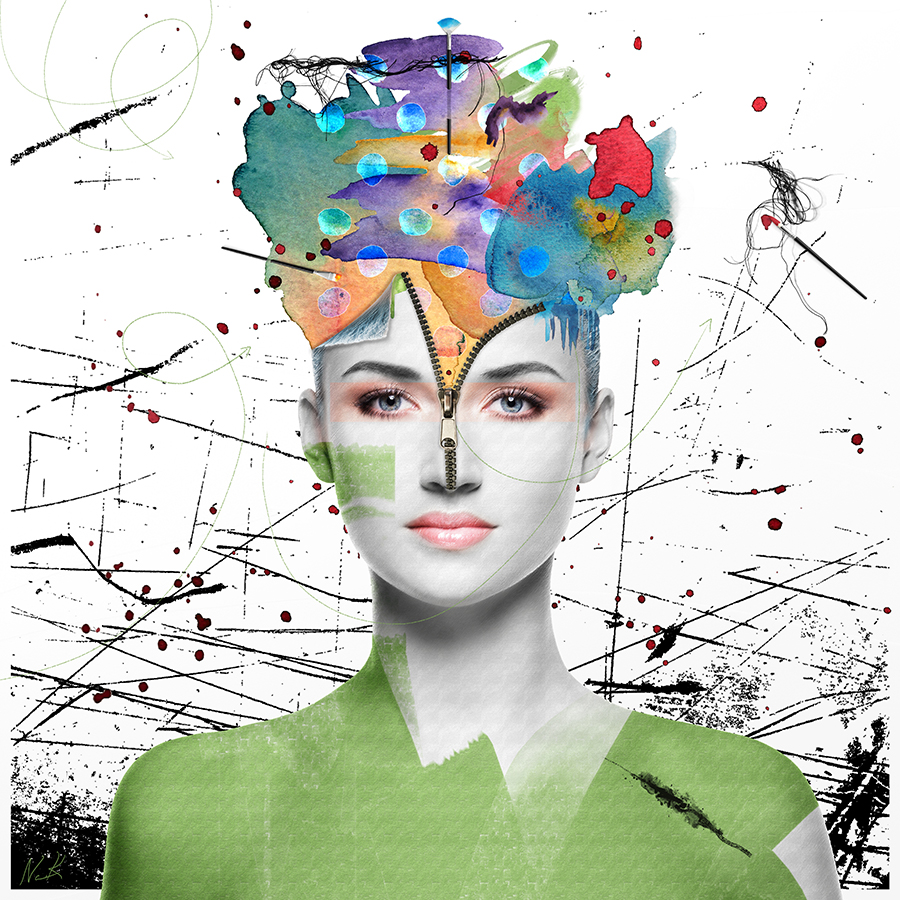
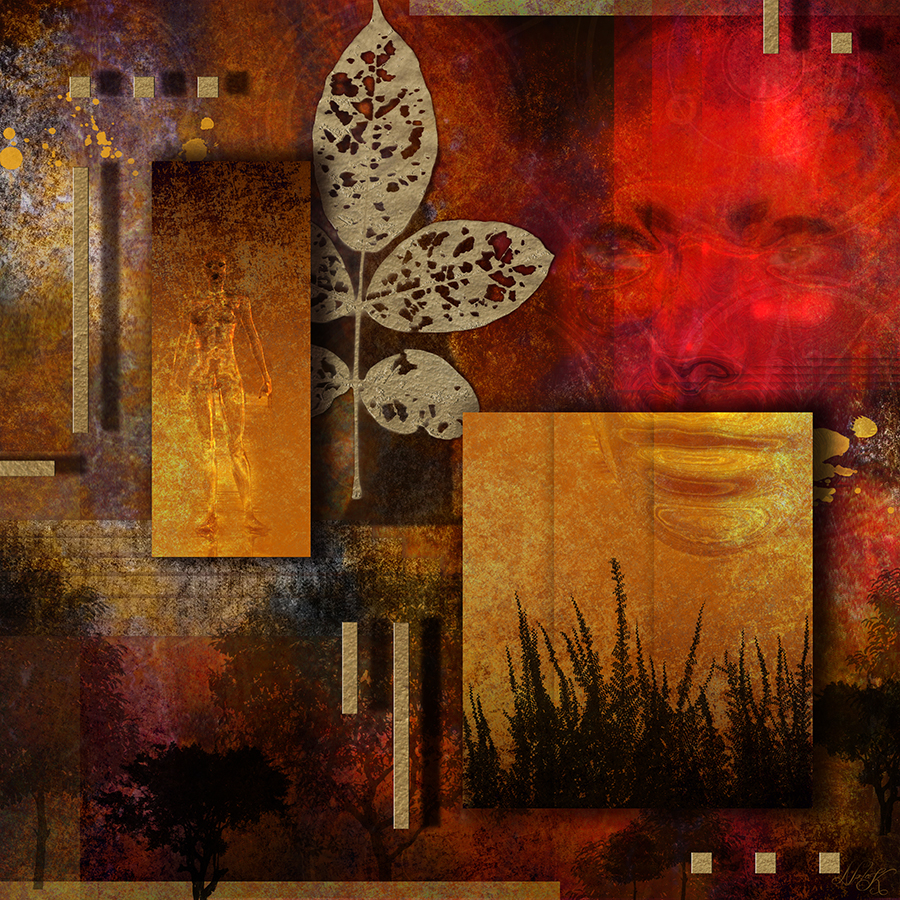
Deprived is a surreal artwork by Nola Lee Kelsey created as an editorial protest against the practice of depriving millions of girls and women around the world an education, for no other reason than they are female.

Deprived

The surreal digital artwork entitled, Colorist, was created by artist Nola Lee Kelsey as part of her series of abstract portraits. Accoring to the good peole at Wikipedia: "In comics, a colorist is responsible for adding color to black-and-white line art. For most of the 20th century this was done using brushes and dyes which were then used as guides to produce the printing plates." While the Urabn Dictionary say: "A colorist is anyone who partakes in the activity of coloring (digitally or traditionally) drawings, inked or penciled, which are typically rendered by other artists. Colorists can either work as professionals or amateurs, and utilize styles that are either very generic or very unique. Colorists work either for recreational or professional purposes. Recreational colorists usually color for one of two reasons: personal enjoyment, or popularity. Coloring gives those who struggle with rendering opportunities to shine in special art communities without doing what they lack in. Consequently, this is often seen as a shortcoming by critics, especially if the original artists of drawings or linearts do not specifically need the assistance of colorists." In any event, for the artist, Nola Lee Kelsey, this work was all about color!

Colorist

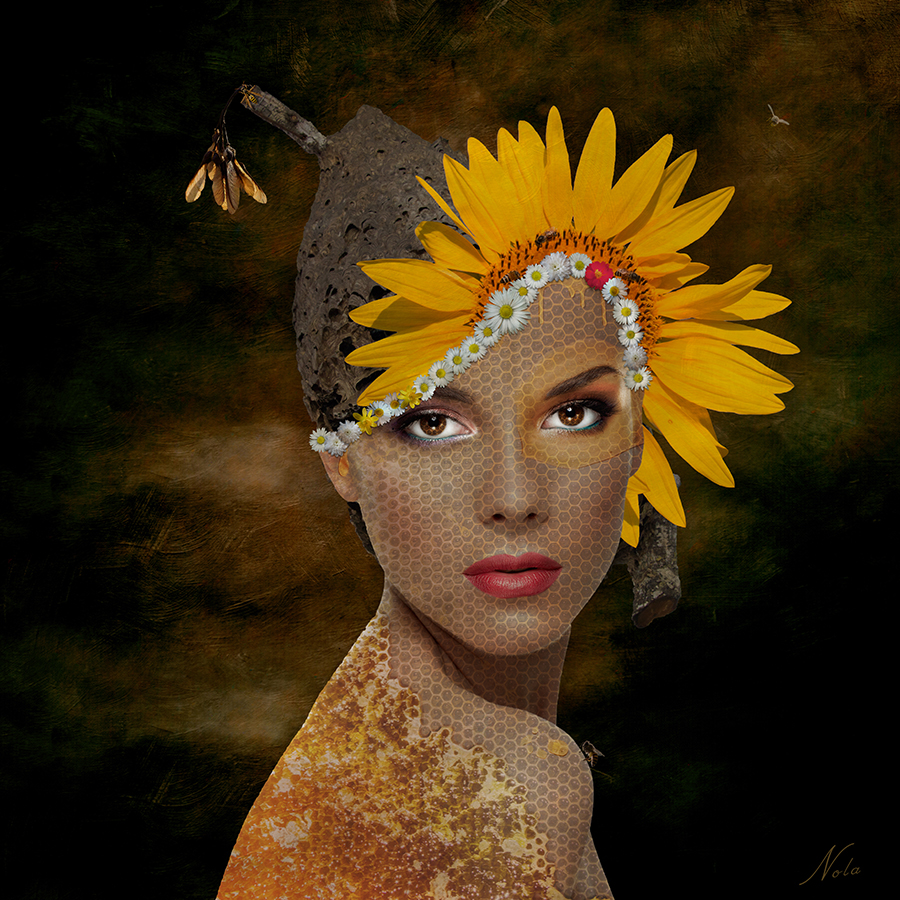
Naturalist is part of a series of surreal portraits I originally began creating as part of a digital artistry course. After my first artwork, 'Deprived' for the class, the muse just took hold of me. More portraits poured out of me. Naturalist is the fifth work in the series. No doubt, more will follow in 2016. As a zoologist who evolved toward art in mid-life, this is the portrait I think of most as being me. It is not a self portrait, but nature is always on my mind and part of my life.

Naturalist

'Honey' is one of several in an ongoing series of surreal women I have been creating over the last few months and I have no doubt there will be more to come.

Honey

Songwriter is a digital artwork filled with many musical symbols. Thank you to Faestock (http://faestock.deviantart.com) for use of the underlying model photo.

Songwriter

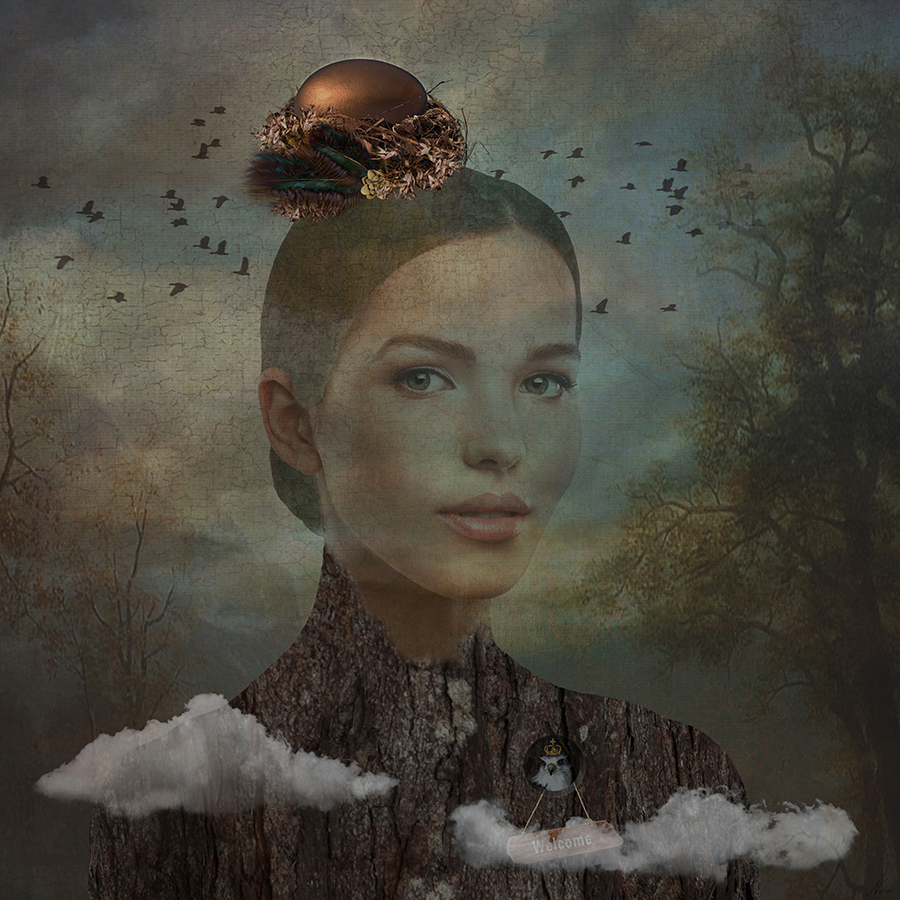
Birder is a digital artwork by aritst Nola Lee Kelsey. Birder is the 6th in my series of surreal digital portraits. All animals fascinate me, but this particular portrait comes with a special little story. The week I worked on 'Birder' I, as with most my artwork, became so engrossed in the art that I skipped my morning bike rides. Meanwhile, three feet away from my desk, through the outside wall, something ironic, yet charming, was happening. As I walked into my carport one morning I noticed a bird nest in the basket on my long-ignored mountain bike. Had I found it, picking it up to take a photo then forgotten? Why had I just spent a day working on the nest in the art work when I had this one? Did a bird actually build it here among the dogs and motorcycles? The answers became obvious when two days later I found two small eggs in the nest inside my bicycle basket. As I write this description, mamma bird is sitting on them just outside my window. Life is funny sometimes.

Birder

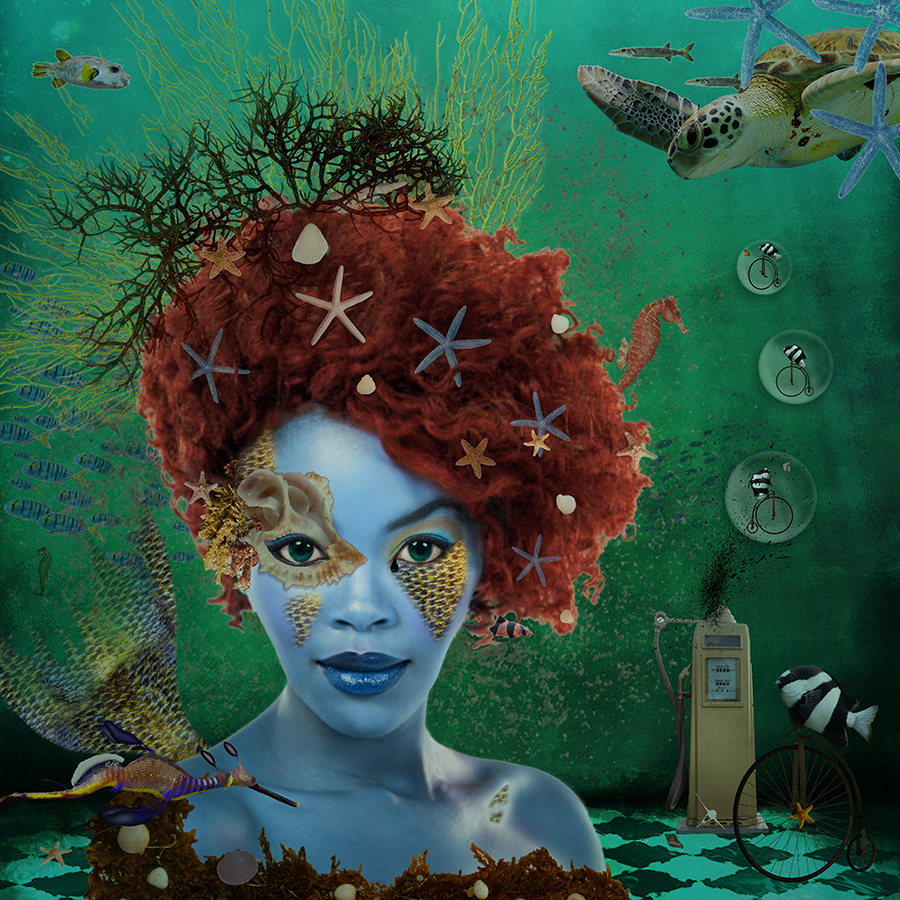
'Ocean' was created by digital artist Nola Lee Kelsey. It is the 8th piece in her surreal portrait series. This artwork is an editorial statement against the polluting of our seas and ongoing drilling for oil, despite the fact that in the end we will still need to harness renewable energy sources such as solar and wind power. Why not just do it now? We need healthy seas to exist - not oil spills. No amount of cleaning and technology can repair the balance of life it took nature billions of years to perfect. Oil and water do not mix.

Ocean

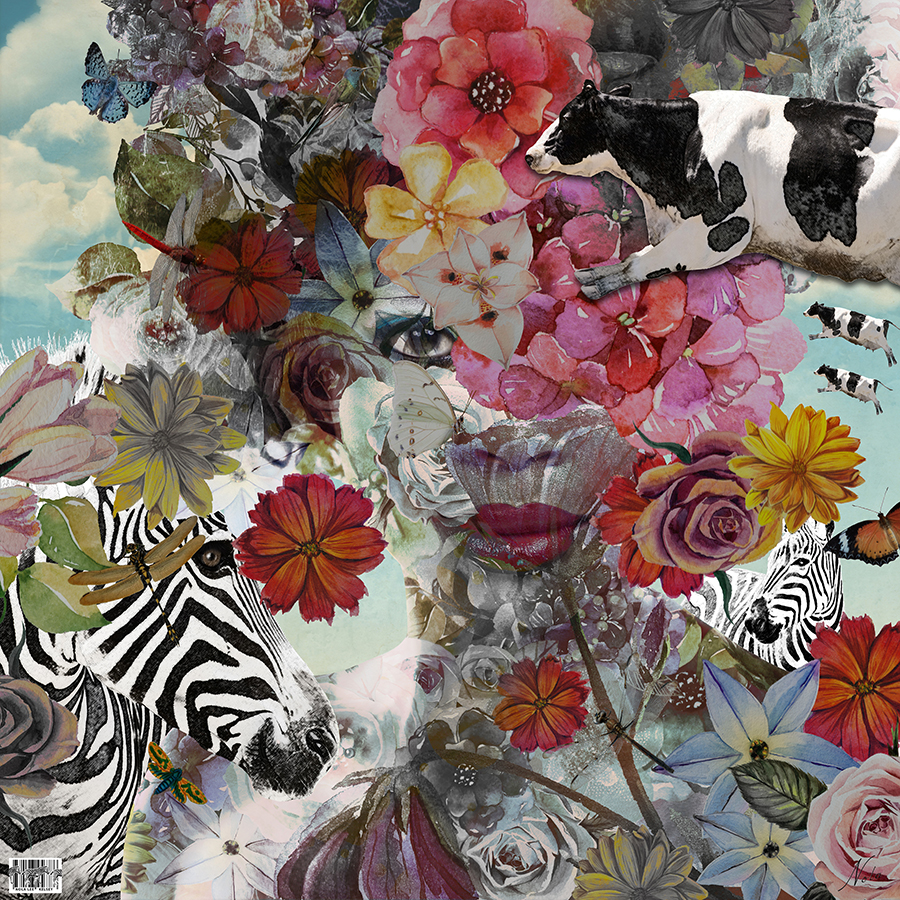
Flora and Fauna is a surrealistic artwork by artist Nola Lee Kelsey. Flora and Fauna is considered part of Kelsey's surreal poortrait series.

Flora and Fauna

"Crested Gibbon" by artist Nola Lee Kelsey capture in Cambosia

Crested Gibbon

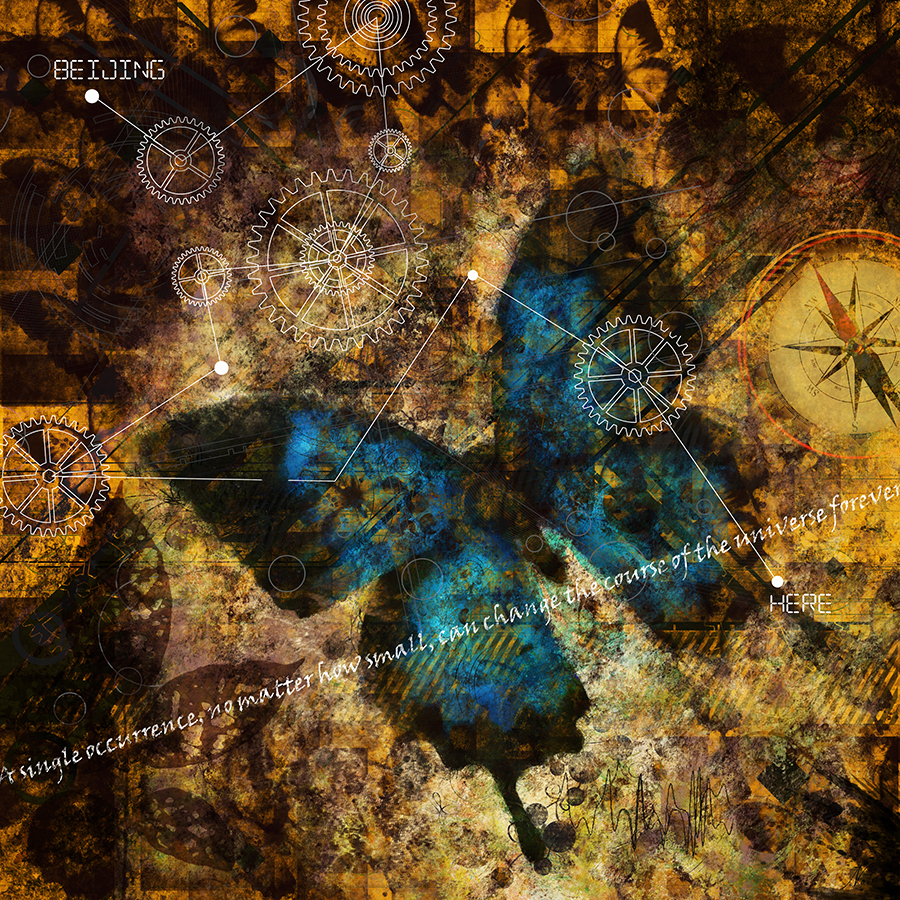
“A single occurrence, no matter how small, can change the course of the universe forever.” is what the text across the image reads. An old Chinese proverb states that a butterfly's gently flapping wings in China has the power to dramatically affect weather on the other side of the world. The butterfly effect metaphor encapsulates the concept of sensitive dependence on initial conditions in chaos theory; namely a small change at one place in a complex system can have large effects elsewhere.

Contemplating the Butterfly Effect

Asperger's

Asperger’s

Rift

Rift

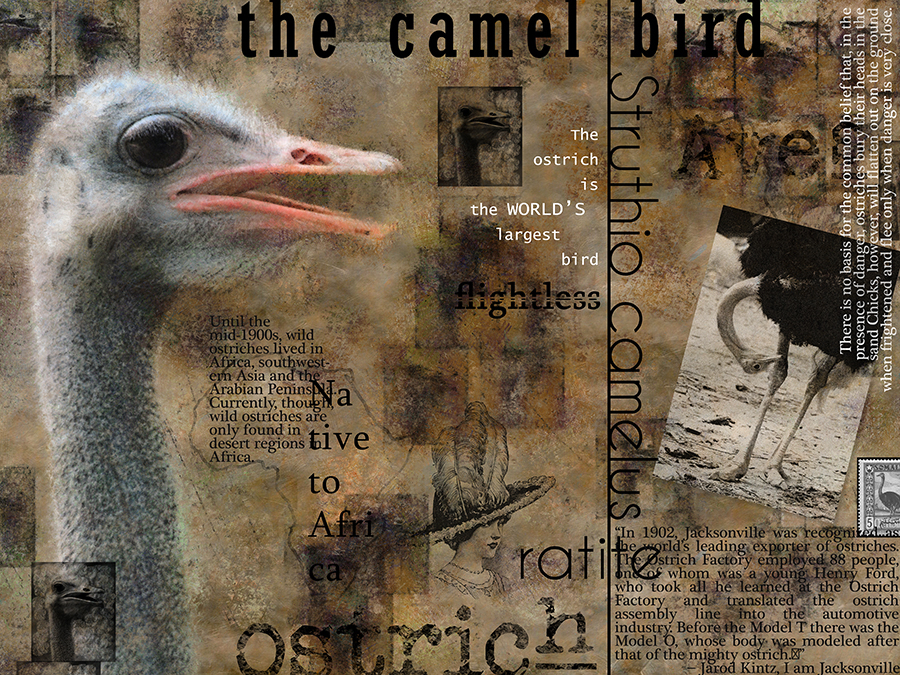
About the Ostrich

About the Ostrich

Kanji Zen with Enso

Kanji Zen with Enso

Live Art

Live Your Art

Nola Lee Kelsey is an American-born Digital Artist living in Southern Thailand. In addition to creating and selling prints from her own artwork, Nola also has a wide range of online shops where her digital images, and her late mother’s fine art paintings, are used to create a wide variety of uniquely artistic merchandise.

Nola Lee Kelsey Gallery: http://www.NolaKelsey.com

Pinterest: https://www.pinterest.com/Nola_Lee_Kelsey

Twitter: https://twitter.com/Nola_Lee_Kelsey

Facebook: https://www.facebook.com/nolaleekelsey

Avonelle Kelsey Gallery: http://www.AvonelleKelsey.com

Postcolonial Thoughts: Martin Puryear “Passing through the color line” Part II

by Christopher Hutchinson

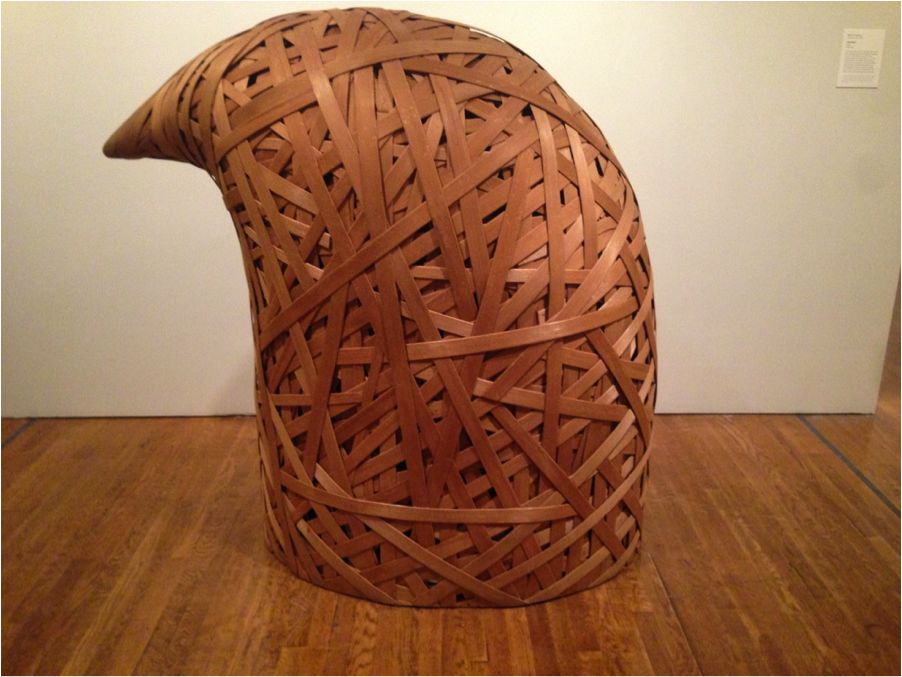
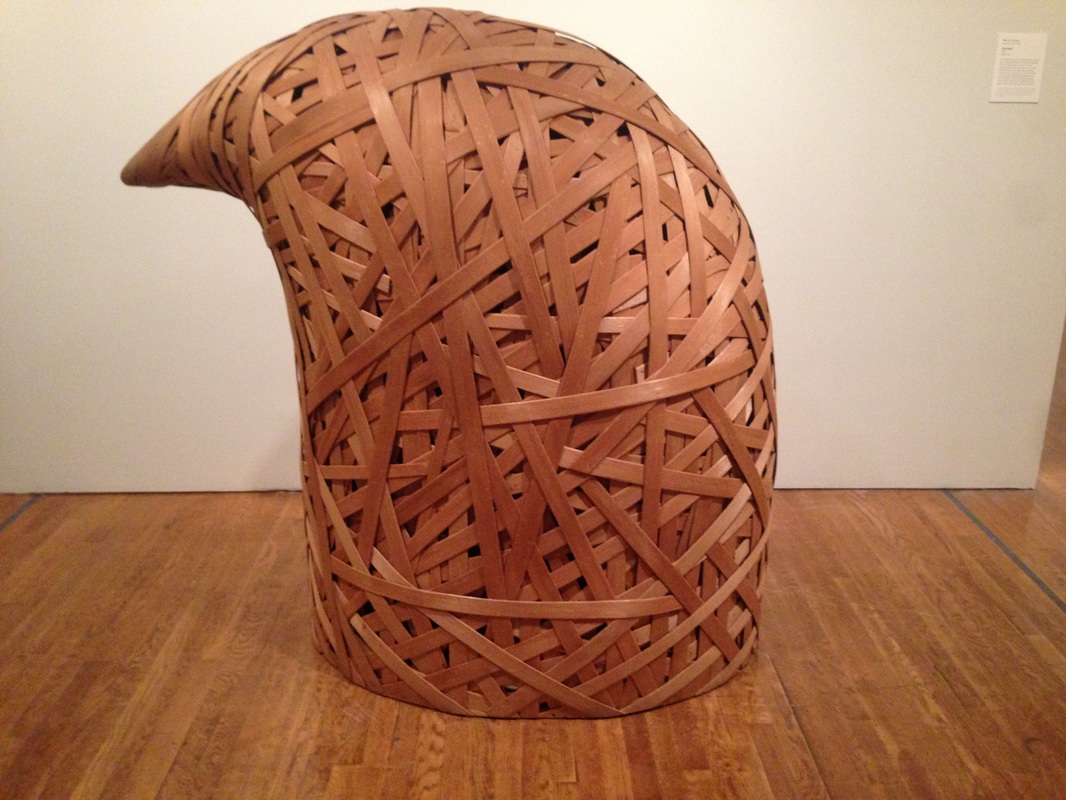
There is a simplistic, minimal aesthetic present in Puryear’s work that is undeniably beautiful. He uses the material organically to create semi abstract pieces that have figurative quality and yet not limited by the figure itself. The figure being manipulated and molded is Africa.

To credit these objects for their aesthetic minimal qualities means one should immediately correlate African wood working practice as intelligent design, and it is unfortunate it does not. If Puryear’s work is received as Western mastery and African woodworking is his teacher, then a deeper look into African aesthetics should be noted in Africa’s contribution to modern art. Labeling of his work as post minimalist is insufficient.

The mining of Africa’s aesthetic and ritual that began with Picasso has become a standard practice in Western academia to the point where the visual language of Africa is considered Western. It is not. This pilfering of Africa still has no recompense or tax. This tax free appropriation used over and over again to make the West relevant once more. This can be seen in cubism, surrealism, and arte povera.

Arte Povera

Ar·te Po·ver·a

a style and movement in art originating in Italy in the 1960s combining aspects of conceptual, minimalist, and performance art, and making use of worthless or common materials such as stones or newspapers, in the hope of subverting the commercialization of art.- 1960s: Italian, literally ‘impoverished art,’ from arte ‘art’ + povera (feminine of povero‘needy’) https://www.google.com/webhp?sourceid=chrome-instant&ion=1&espv=2&ie=UTF-8#q=art%20povera

To be a true ecologist today, one must re-establish the aesthetics of beauty within the realm of human trash and material waste. –Slavoj Žižek

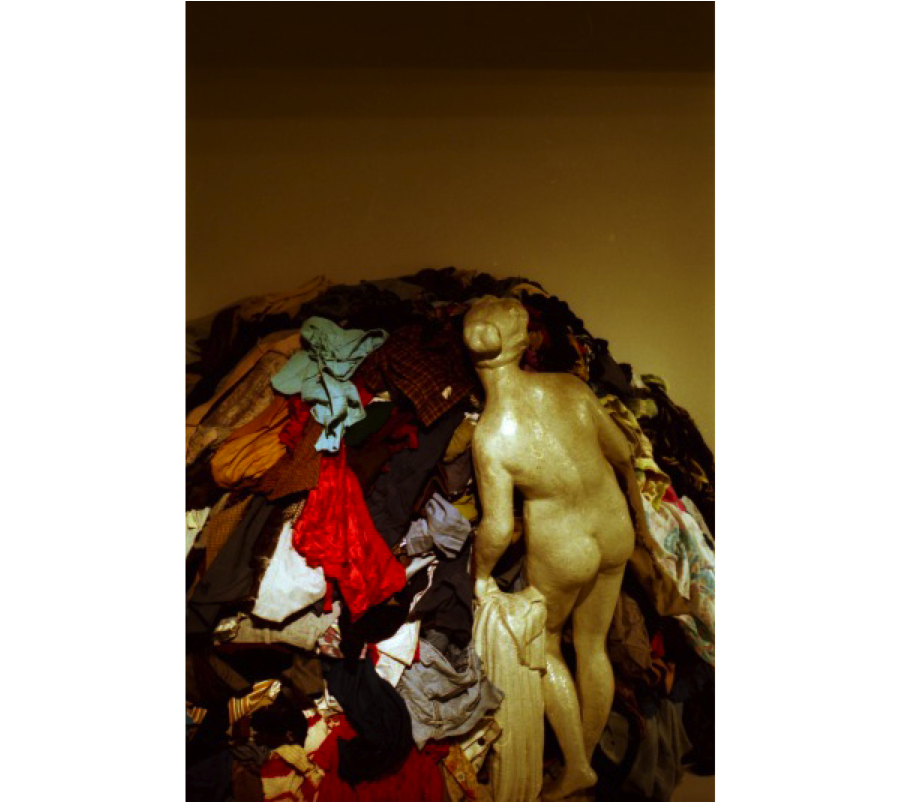
http://www.escapeintolife.com/art-reviews/michelangelo-pistoletto-venus-of-rags/

Arte Povera once again acknowledges the stagnation of western academia and proposes a rail against this limit by including trash/outsider as a point of inspiration. The Zizek quote points to the inauthentic intellectual guise wrapped up in this movement. Michaelangelo Pistoletto’s Venus of rags would seem to fulfill the hope to “re-establish the aesthetics of beauty” of Zizek. Does Venus of rags accomplish this re-establishment? It does not.

Like most movements that attempt to redefine Western academia based on the established aesthetic, all that is accomplished is an affirmation of the binary. Pistolletto’s Venus accomplishes that binary where it is clear that Venus is still Venus, even if she is turned and looking at trash, and the trash is still trash. The binary is reinforced not swayed. Povera’s illustration of the binary has now become the definition of commercial or the new rubric to an acceptable commercialism.

The West’s constant search to appropriate and inject new life in the dead lineage of its academia poses a primary concern for all those wishing to gain acceptance and validation of their work from the same. Those validated by the West breathe life back into the lingering notions of aesthetics.

Black, White & Gray

This systemic issue is problematic when considering the success and politics of art makers. At times it may seem that there is no other way but to accept the terms of academia but that is simply not true. There is a way to retain ones artistic integrity and aesthetic.

Mark Bradford was born in Los Angeles, California, in 1961. He received a BFA (1995) and MFA (1997) from the California Institute of the Arts in Valencia. Bradford transforms materials scavenged from the street into wall-size collages and installations that respond to the impromptu networks—underground economies, migrant communities, or popular appropriation of abandoned public space—that emerge within a city. Drawing from the diverse cultural and geographic makeup of his southern Californian community, Bradford’s work is as informed by his personal background as a third-generation merchant there as it is by the tradition of abstract painting developed worldwide in the twentieth century. Bradford’s videos and map-like, multilayered paper collages refer not only to the organization of streets and buildings in downtown Los Angeles, but also to images of crowds, ranging from civil rights demonstrations of the 1960s to contemporary protests concerning immigration issues. http://www.art21.org/artists/mark-bradford

Mark Bradford amongst others exist in black & white and fear the gray. Bradford exists with integrity and aesthetic. Both Bradford and Puryear have received have been featured on Art21. Bradford differs from Puryear in his clarity of and honesty of material which is then manipulated aesthetically.

Bradford uses found material from his community, not out of pity or sentiment, but an investigation of the language promoted in the community. He uses it as fuel for his artistic practice and does not shy away from its origin. Bradford’s work is also not limited by its origin, nor has it become a spectacle of Blackness. His work achieves a critique of the West without illustrating the binary and upholding its rubric.

Bradford uses found material from his community, not out of pity or sentiment, but an investigation of the language promoted in the community. He uses it as fuel for his artistic practice and does not shy away from its origin. Bradford’s work is also not limited by its origin, nor has it become a spectacle of Blackness. His work achieves a critique of the West without illustrating the binary and upholding its rubric.

Postcolonial Thoughts: Martin Puryear “Passing through the color line” continues next month with Part III.


Christopher Hutchinson 2Christopher Hutchinson is an accomplished Jamaican conceptual artist, professor and contributor to the art community as a writer, critic and founder of the nonprofit Smoke School of Art. He is a Professor of Art at Atlanta Metropolitan State College and has been featured as a lecturer including prestigious engagements at University of Alabama and the Auburn Avenue Research Library. For two decades, Chris has been a practicing artist. His works have been exhibited in internationally recognized institutions including City College New York (CUNY) and featured at the world’s leading international galleries such as Art Basel Miami. He has always had an innate passion for creating spaces where Africans and people of African descent contribute to an inclusive contemporary dialogue—ever evolving, not reflexive but pioneering. This requires challenging the rubric of the canon of art history, a systemic space of exclusion for the Other: women and non-Whites, and where necessary he rewrites it. He received his Master of Fine Arts Degree in Painting from Savannah College of Art & Design, Atlanta and his Bachelor of Arts Degree from the University of Alabama in Huntsville, Alabama.


No Creative Thresholds Today

Hi all, there will be not be an issue of Creative Thresholds today due to illness. Look for us again in two weeks! 

Thanks, 

Melissa 

Curator/editor

Conversations

by K.D. Rose

K.D. would like to thank the incredible artist George RedHawk (DarkAngel0ne on social media) for permission to combine her words with his art.

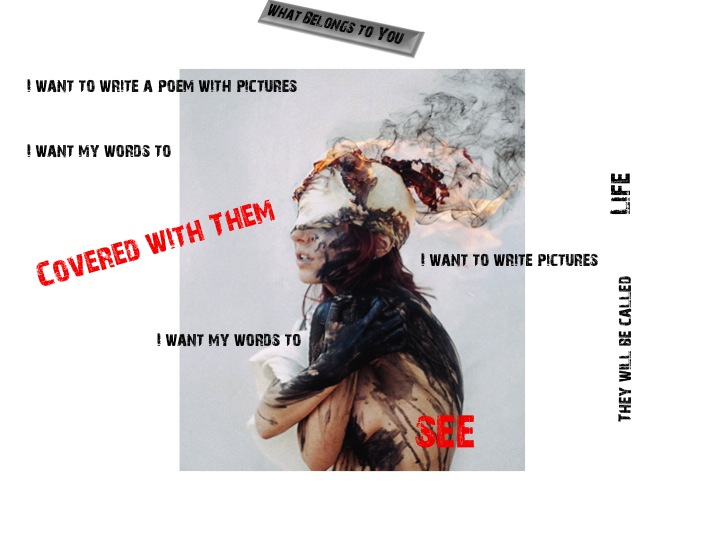
What Belongs to You

11710106_10206580347082460_696082622_n

KD Rose What Belongs to You WORDS only

Slide1


Ethereal

Gif animation by DarkAngelOne


Rides in the car
loosening in the still light,
running like a deer through God’s house.
Skywalker.
Mindbender.
A leap into the glimmering.
Traveler.
One with something like air and water but neither.
Feels like music.


KD Rose Ethereal


Futures

He stands in the doorway
ecstatic in the book of the sun,
thinks he bought me,
so I offer him fare trade−
the luxury of commerce
on a wet night of uncertain weather.
We unbutton the horizon.


The Tall in the Small

You will never be a stone in the sky.

With both hands dancing,
you will nurse wild forests,
seek matter uneven,
holy antennas reaching,
footlights for the blind,
living candlelit lives
while ghosts rail with bad advice.

You are the naked light.


KD RoseK. D. Rose is a poet and author who has books published in multiple genres. Her newest release is The Brevity of Twit. K. D.’s poetry has been published in Candlelit Journal, the Voices Project, and showcased in the Tophat Raven Art and Literary Magazine. Her poetry has also been accepted for publication in The Stray Branch Fall/Winter 2016 issue. K. D.’s book, Inside Sorrow, won the Readers Favorite 2013 International Silver Medal for Poetry.

Postcolonial Thoughts: Martin Puryear “Passing through the color line” Part 1

by Christopher Hutchinson

Puryear

PBSArt21

The Museum of Modern Art presents a major exhibition of the sculpture of the acclaimed American artist Martin Puryear (b. 1941). The retrospective will feature approximately forty-five sculptures, following the development of Puryear’s artistic career over the last thirty years, from his first solo museum show in 1977 to the present day. Puryear began his career in the 1970s alongside other members of the Post-Minimalist generation. Working primarily in wood, he has maintained an unwavering commitment to manual skill and traditional building methods. His sculptures are rich with psychological and intellectual references, examining issues of identity, culture, and history. The exhibition will be accompanied by a publication illustrating all works in the exhibition, with additional reference illustrations of the artist’s works and other comparative material. http://www.moma.org/calendar/exhibitions/28?locale=en

Western Bloodline

Without question Martin Puryear has secured his space in Western art as a master sculptor. He has been regarded by many as being among elite sculptors of any nationality. He has successfully transcended “race” and his work is received as purely art. Not art with an asterisk. Puryear achieved this without the implementation of overt ethnicity, sympathy and propaganda.

Puryear has lead by example the proof of how to be successful as an African American artist within the Western art rubric. Puryear is fully accepted into the Western art vernacular as if there was and is no difference between Africa and the West at all. He is neatly included in the “Post-Minimalist generation”. This is the smoothest transition into the Western academia by an African American artist to date. This rarity of smooth transition deserves an inquiry.

Martin Puryear Bower

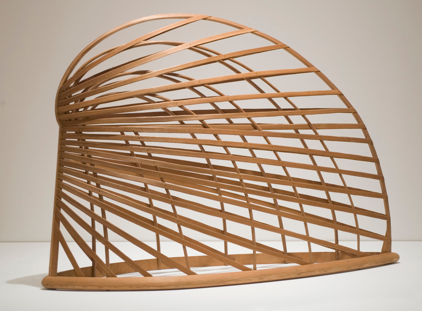
Martin Puryear. Bower. 1980. Sitka spruce and pine, 64″ x 7′ 10 3/4″ x 26 5/8″ (162.6 x 240.7 x 67.6 cm). Smithsonian American Art Museum, Washington D.Chttp://www.moma.org/d/assets/W1siZiIsIjIwMTUvMTAvMTQvMm80ZjF2dHg0b18xMzU2MS5qcGciXSxbInAiLCJjb252ZXJ0IiwiLXJlc2l6ZSAyMDAweDIwMDBcdTAwM0UiXV0/13561.jpg?sha=aa0796293d9d8397

Passing as an Artist

Passing: African Americans and other minorities were historically discriminated against in the U.S., so the fair-skinned offspring of whites and people of color often pretended to be white to take advantage of the opportunities that would’ve otherwise been denied to them. This practice is known as passing or passing for white. It often required individuals to leave their hometowns and family members behind to ensure that they’d never come across anyone who knew their true racial origins. http://racerelations.about.com/od/understandingrac1/g/Definition-Of-Passing.htm

Many young minority artists wish for the anonymity of Whiteness when it comes to their work. These artists crave a world where the artwork comes first before skin tone. Many of these artists will inevitably hatch a plan to make a beautiful exhibition and hire a White person to pretend to be them during the exhibition to attempt to get an honest response to the artwork, not skin tone then response and then eventually assumptions.

Many of these artists that begin down this path end up with work that no longer reflects them. They end up ghosts that produce pretty objects, objects that are manufactured by IKEA. Only focused on commercial success. Wanting to “pass” is a dangerous proposition that could consume your entire artistic practice.

Puryear’s work begins at an authentic African place and has succeeded in “passing”-Why and how? YALE’s Master of Fine Art department along with an impeccable mastery of craftsmanship go a long way in that smooth transition into the Western credence. Puryear’s new canon’s first stipulation is to educate yourself. You must know where your work fits in the analogs of history. The second order is to make the work impeccable. These mandates immediately remove your artwork from the category of folk, primitive, street, naïve and outsider art-outside of Western academia.

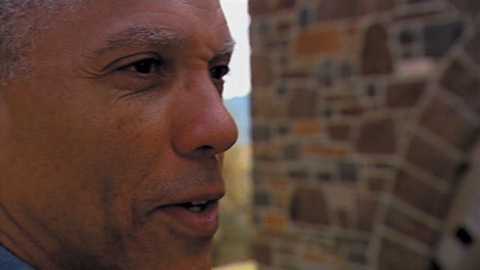
Contemporary artist Martin Puryear carefully considered the site requirements before designing and fabricating That Profile , the large-scale sculpture commissioned for and installated on the Getty Center’s Tram Arrival Plaza. In this video, Puryear’s comments about the design process accompany footage of the sculpture being made, transported, and installed.

Avoidance of Africa

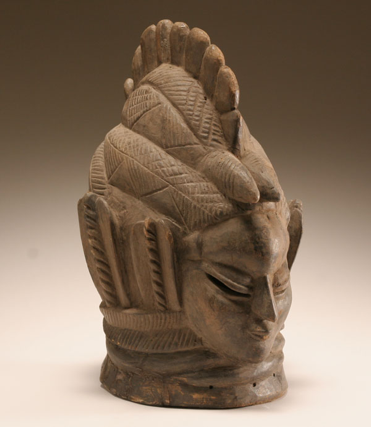
African Mende carved wooden Janus mask, Sierra Leone. Double sided figural visages. 17"H.http://antiquehelper.rfcsystems.com/Full/217/70217.jpg

African Mende carved wooden Janus mask, Sierra Leone. Double sided figural visages. 17″H.http://antiquehelper.rfcsystems.com/Full/217/70217.jpg

Mr. Puryear’s experience with wood, his signature material, has a long history. His father was an amateur carpenter, and he made guitars while in college. As a member of the Peace Corps, he learned “old world joinery” from local woodworkers in Sierra Leone. While attending the Swedish Royal Academy, Mr. Puryear spent three weeks in the studio of furniture maker James Krenov https://mnaves.wordpress.com/tag/contemporary-sculpture/

Stipulation number three, avoid directly addressing Africa, race, ritual, and identity. To do so would pull the work back into the realm of folk. This avoidance is crucial to the commercial longevity of an artist that has “passed”. The need to distance oneself from Africa preserves the Western rubric. This reasoning leads to this acceptance of Puryear’s work as Minimalism and Formalism first primarily. These mandates allow his clearly African practice to be in a visual limbo.

This visual limbo presents itself as the “universal” or “global” aesthetic where any quasi-indigenous people could possibly make it. In this global/universal dialogue the work can and could be applied and credited to many different art movements, all of which use Africa as a springboard to become Avant guard or relevant again while Africa remains primitive. It is easy to see how could be linked to post-minimalism.

Often associated with both Minimalism and Formalist sculpture, Puryear rejects that his work is ever non-referential or objective. The pure and direct imagistic forms born from his use of traditional craft are allusive and poetic, as well as deeply personal. Visually, they encounter the history of objects and the history of their making, suggesting public and private narratives including those of the artist, race, ritual, and identity. http://www.ebay.com/itm/Martin-Puryear-Catalog-from-show-Art-Institute-of-Chicago-Neal-Benezra-/252222144694

This inquiry leads us to this topic. If Puryear is only using Africa as a point of appropriation and inspiration, then how is he any different than Picasso? And if he is acting like Picasso, operating from a colonial view of Africa then he should also be held accountable for that as he continues subjugation of Africa to exalt the West. Herein lays a major problem with attending any institution. If during the process of receiving your desired degree one actually reinforces the Western canon.

Some may say Puryear is not actually avoiding anything; rather he is very subtly and subversively handling such divisive topics as race, identity, and ritual. Those who entertain this thought should be reminded of Puryear’s other stipulation…every opportunity one has to speak about his/her work, make as many references to iconic Western art history. He is not subtle about the West.
 

Christopher HutchinsonChristopher Hutchinson is an accomplished Jamaican conceptual artist, professor and contributor to the art community as a writer, critic and founder of the nonprofit Smoke School of Art. He is a Professor of Art at Atlanta Metropolitan State College and has been featured as a lecturer including prestigious engagements at University of Alabama and the Auburn Avenue Research Library. For two decades, Chris has been a practicing artist. His works have been exhibited in internationally recognized institutions including City College New York (CUNY) and featured at the world’s leading international galleries such as Art Basel Miami. He has always had an innate passion for creating spaces where Africans and people of African descent contribute to an inclusive contemporary dialogue—ever evolving, not reflexive but pioneering. This requires challenging the rubric of the canon of art history, a systemic space of exclusion for the Other: women and non-Whites, and where necessary he rewrites it. He received his Master of Fine Arts Degree in Painting from Savannah College of Art & Design, Atlanta and his Bachelor of Arts Degree from the University of Alabama in Huntsville, Alabama.
My Father Walking, and Twenty-Four Other Things

by William Michaelian

Am I truly limited by my senses, or are they, too, imagined? Can I prove my own existence? Is such proof desirable, or even necessary? What of my childhood, and everything else I am in the habit of believing I remember? Is memory a thing of the present? Is it a story told, and then countless times retold, changing and continuing of its own volition and accord? Drawing and writing; waking and dreaming; fiction and reality; life and death — I simply feel no need to know where, or if, one ends and the other begins. Does that make me strange? And yet what is strangeness, but the very delight of a beautiful, unaccountable world, ever the more vivid once we have learned to let it go?


Going Home

Going Home


By firmly gripping a pencil in grade school and beyond, I developed a callous on the middle finger of my right hand. It’s still there, to the left and just below the nail, despite the fact that I’ve been typing almost exclusively for decades.

When I was small, my father found a clump of white asparagus growing in the vineyard. He dug it out and planted it by our house well. It fed us faithfully each spring.

I remember my father
walking on the hard dirt avenue
at the end of the vineyard
rows behind our
house,

the cuffs turned up
on his jeans, the dust and sticks
and weeds, his impatient
stride, having to run
to stay beside
him

that hot July when I was four
and he was thirty-seven,

but I don’t recall our destination,
or what he did when we
arrived, what I said,

or his reply.

Once, on a hot summer evening, I aimed a BB gun at our old wooden basketball goal and fired. The shot bounced back and hit me in the forehead. I fished it out of the dust and put it in my pocket. I don’t remember what I did after that.

When I was about ten, I took nine snails from the irrigation ditch that ran alongside the east end of our farm and put them in the aquarium on top of my chest of drawers. A few weeks later, the aquarium was teeming with snails.

My first car was a bicycle. My first bicycle was a scooter. My first scooter was a tricycle. My first bus ride was in a dusty red wagon.

One night, my mother’s Aunt Mildred took out her teeth and showed them to me.

In the kitchen during a family get-together, with my mother looking on, I ate a piece of uncooked marinated lamb intended for shish kebab. It tasted good and I didn’t feel ill at all, but I never did it again.

We grew all of our tomatoes back then, and bought all of our onions and parsley.

Same as now, there were stars in those days that had no need of names.

If I were a lizard on a woodpile, I would still be able to write, but I would do it differently.

If I were a pumpkin on a vine, I would want to face east so I could watch the sun rise.

If I were a faithful old hound, my name would be Bill.

Late one night, driving home with some friends from the mountains, I pulled off the road, stopped the car, and told everyone to get out and look at the stars. They did, in amazed silence. I wonder if they remember that now.

I still feel thrilled when I find a marble.

Back in his heyday, Willie Mays lived near my cousin’s house in San Francisco. We rang his doorbell. No one answered.

My father used to chase them when he was a kid, but I myself have never seen a roadrunner.

The first thing I smoked was a nickel cigar.

To this day, I feel funny referring to myself as a man. A man was always someone older, someone responsible. My father and grandfather were men. I am still a boy.

I cannot blow my nose using my right hand. It has to be the left.

I always tie my left shoe first.

I kick with my left foot.

The first poem I remember reading is “O Captain! My Captain!”

When I first started piano lessons, I used to sing with every note. The teacher told my mother I had perfect pitch.

There are some things I will never write about. That, too, is how you will know me.


William Michaelian is an American writer, artist, and poet. His most recent book is the Tenth Anniversary Authorized Print Edition of his first novel, A Listening Thing. He lives in Salem, Oregon.

Website: http://www.william-michaelian.com

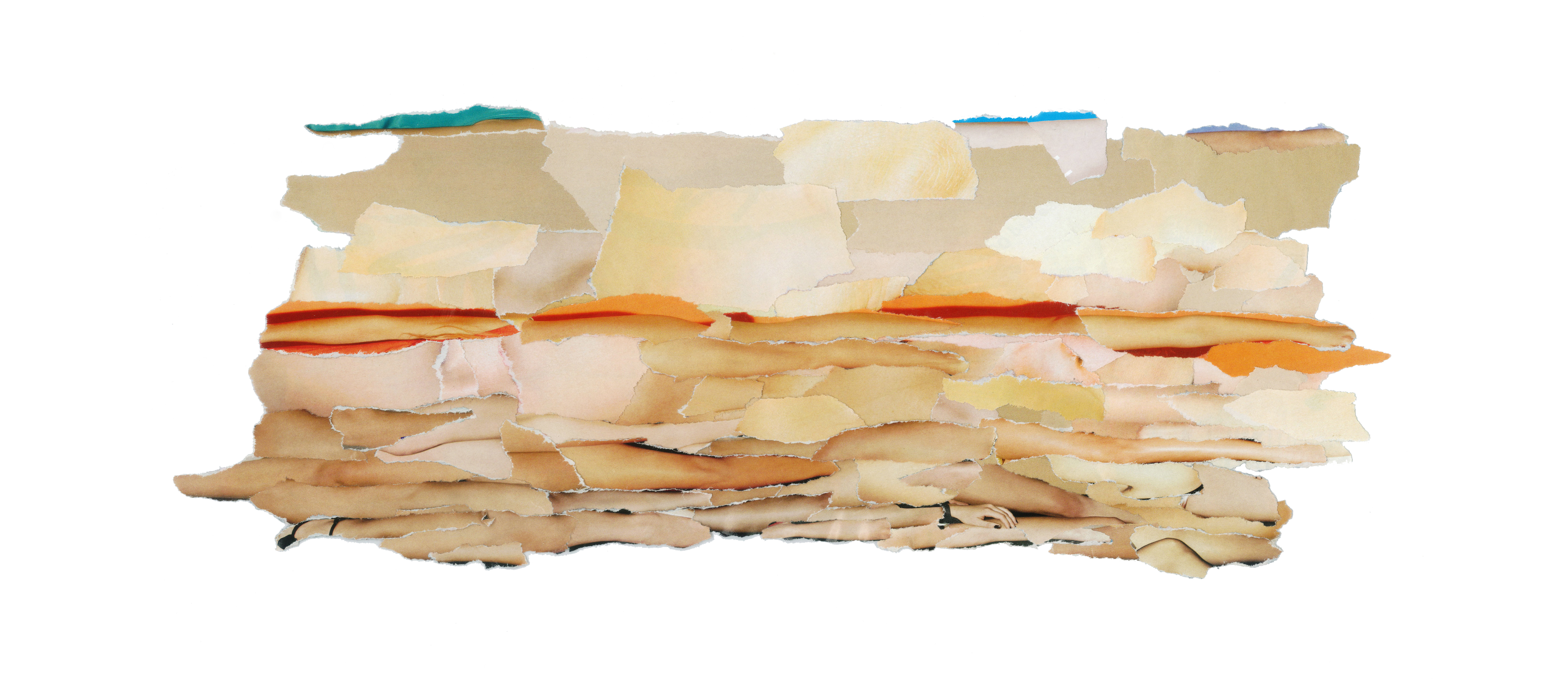
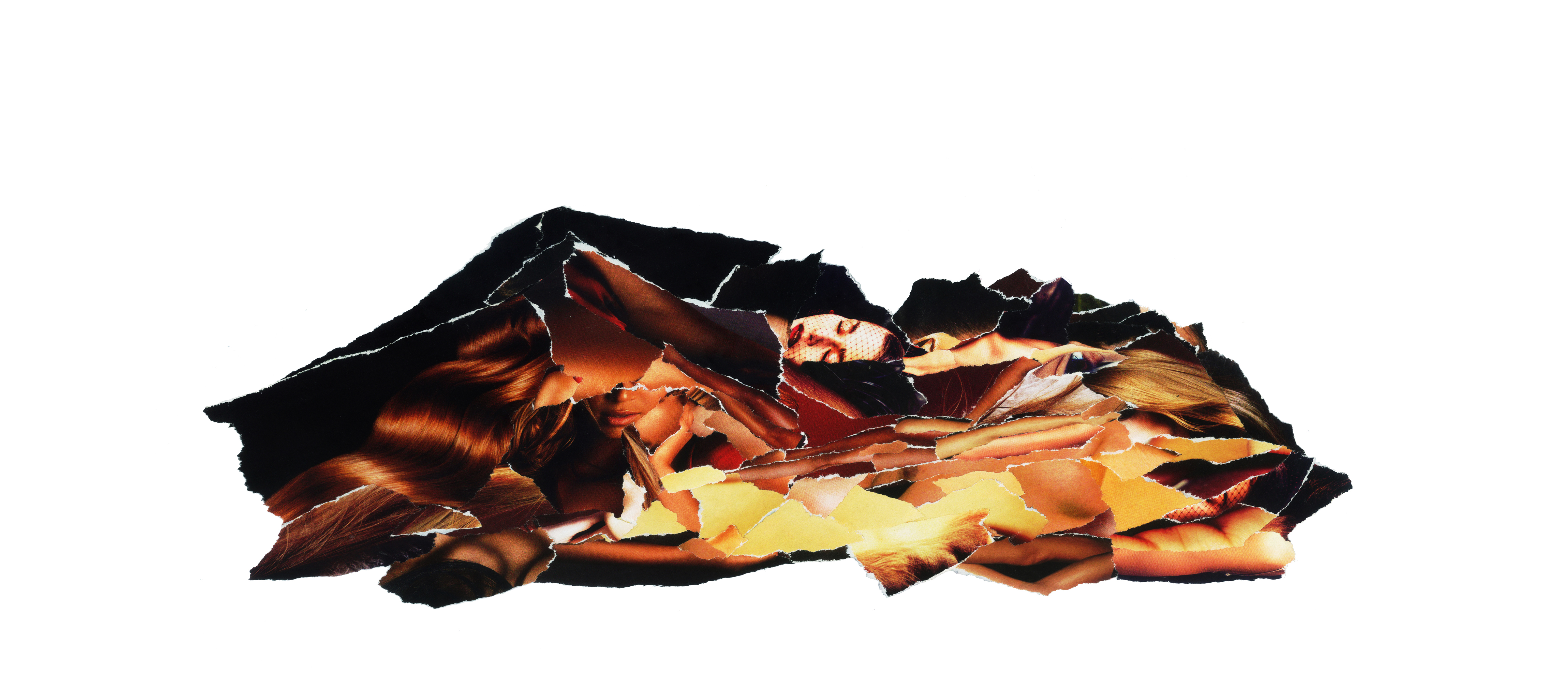
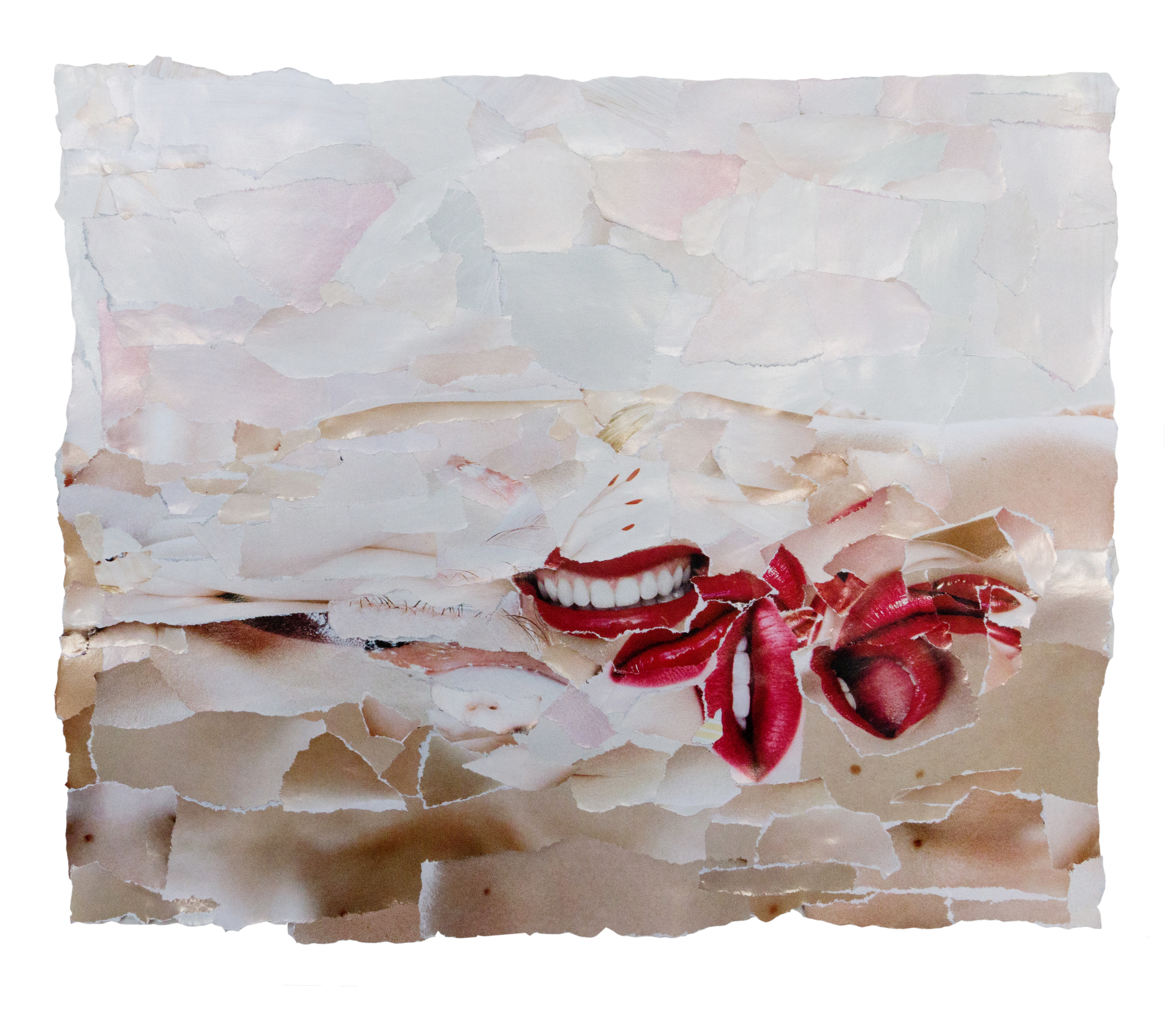
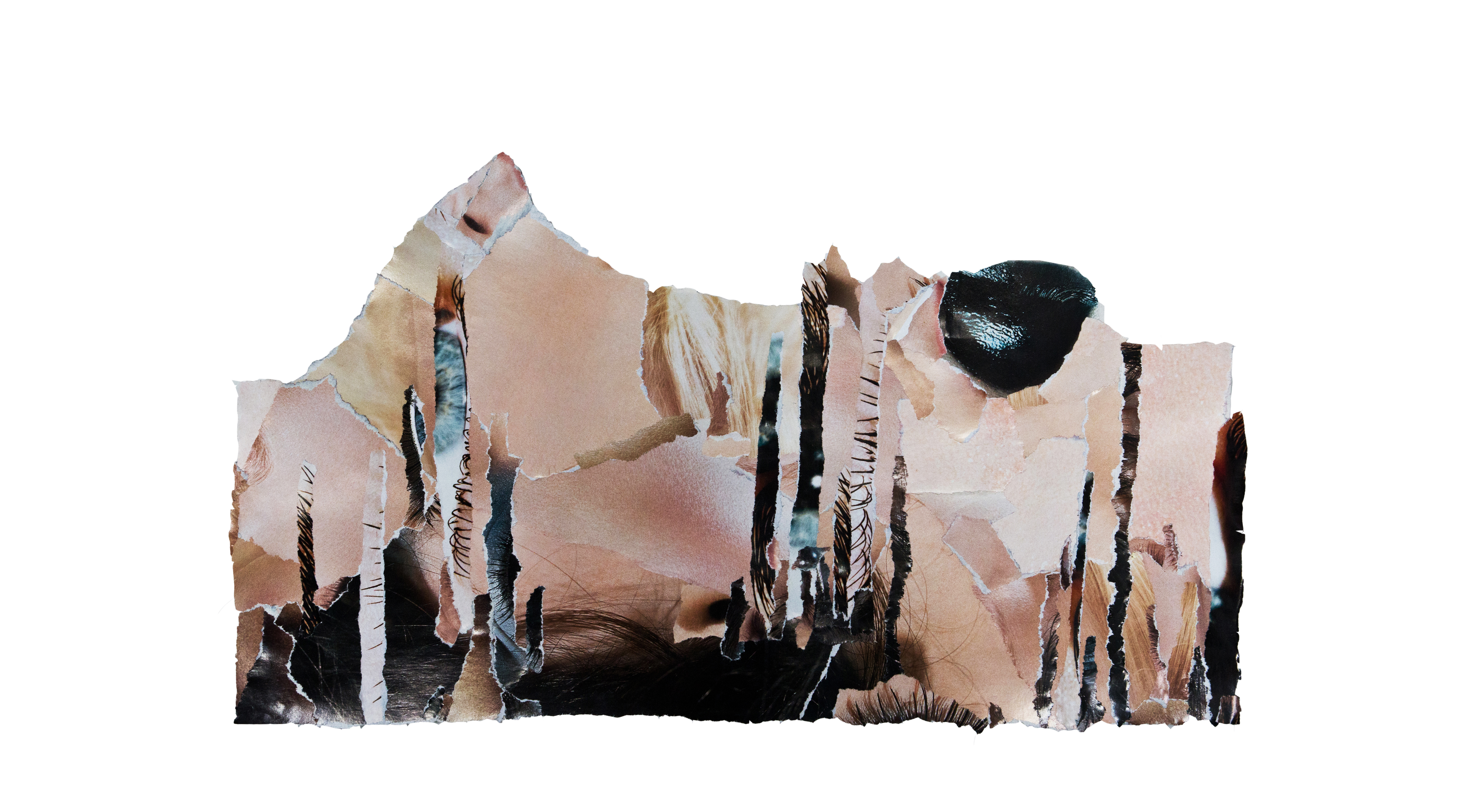
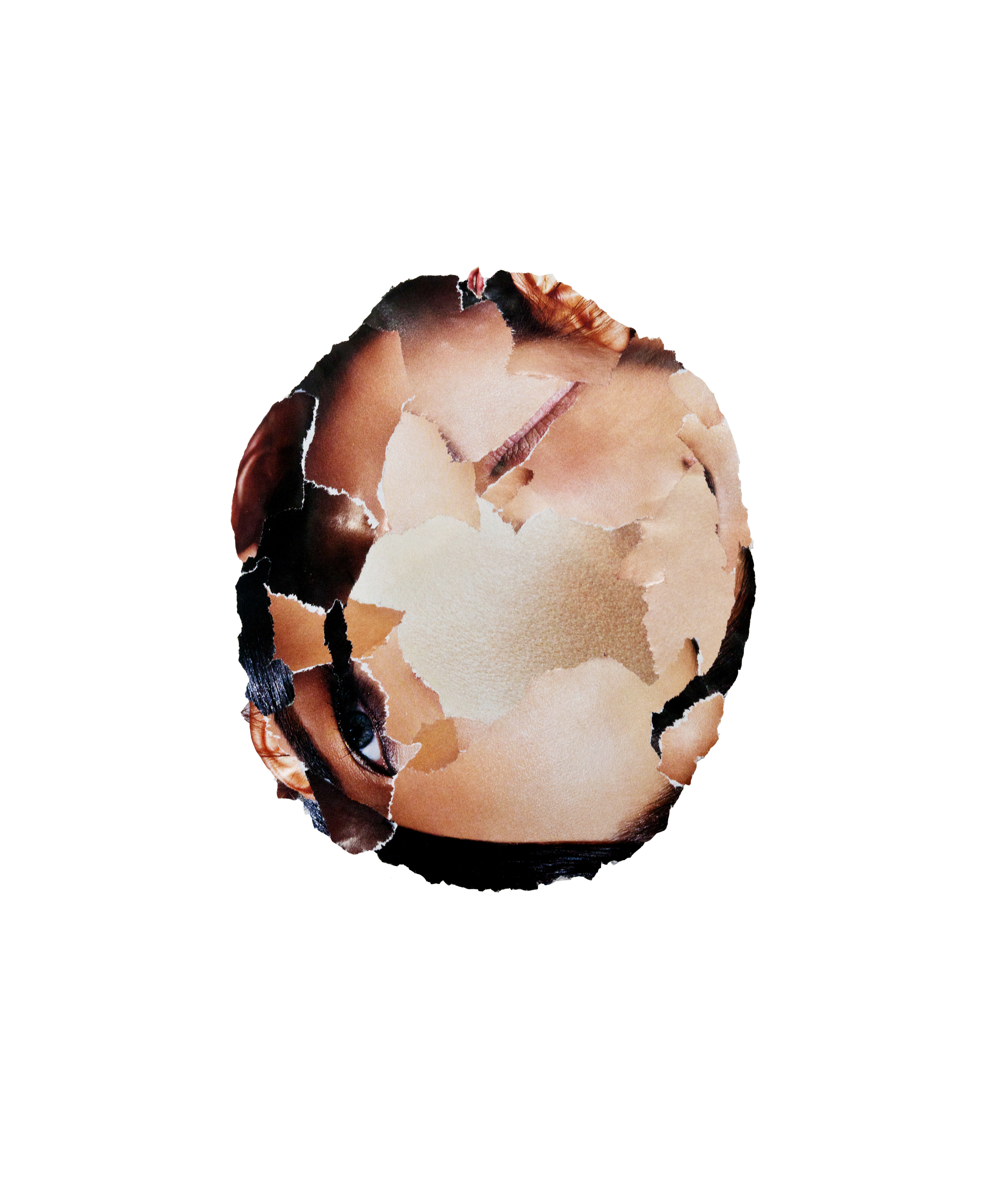
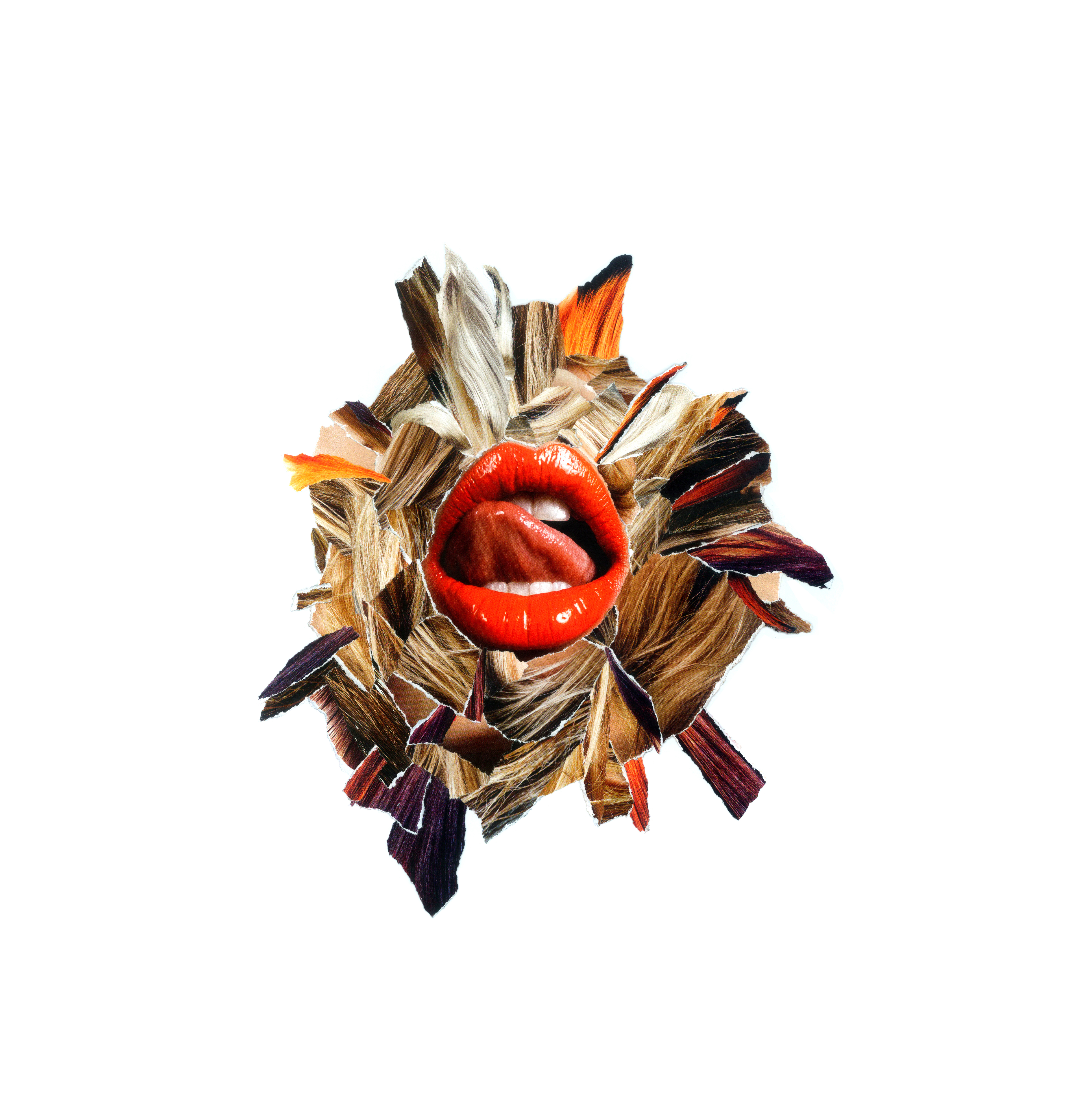
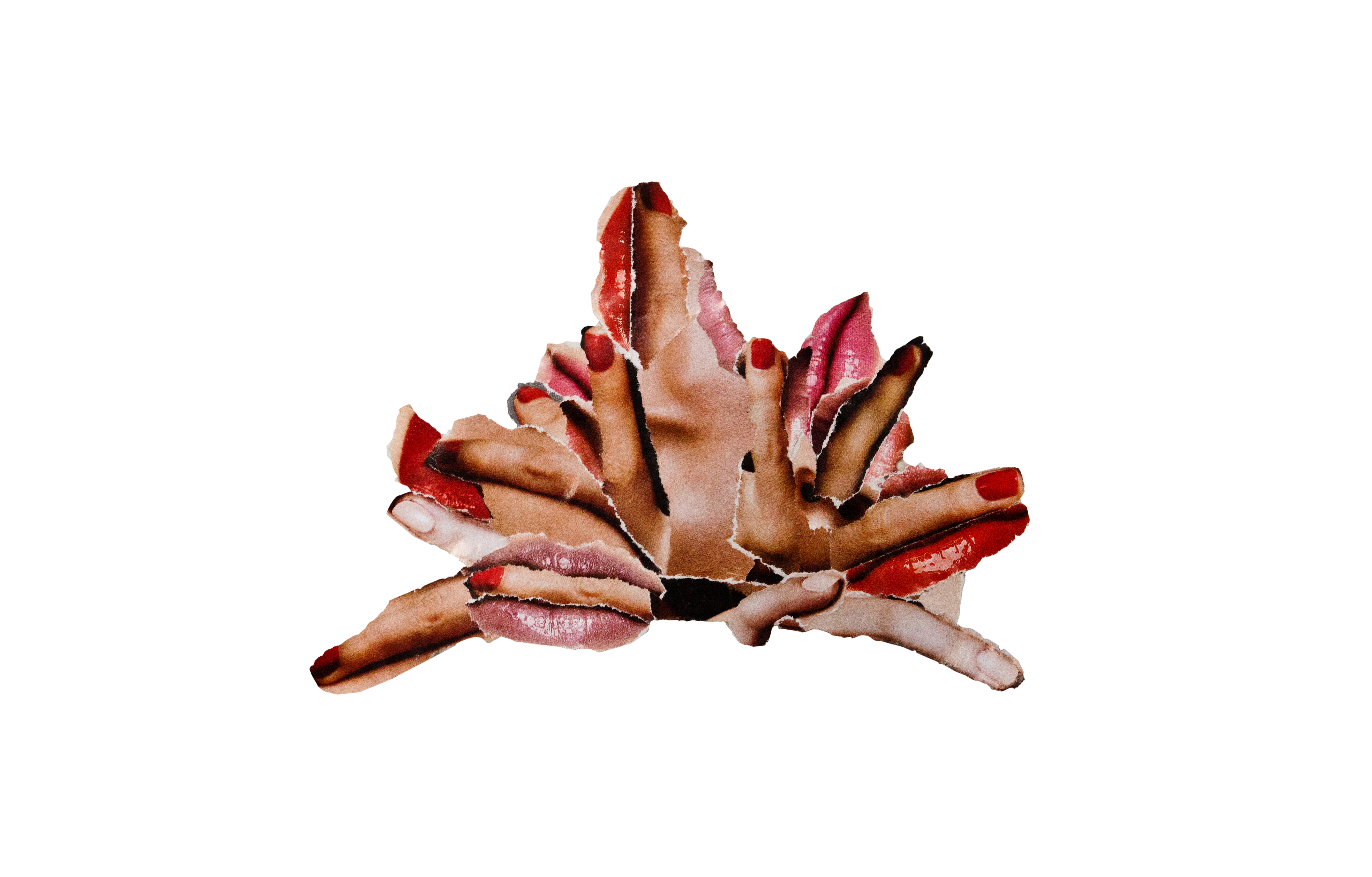
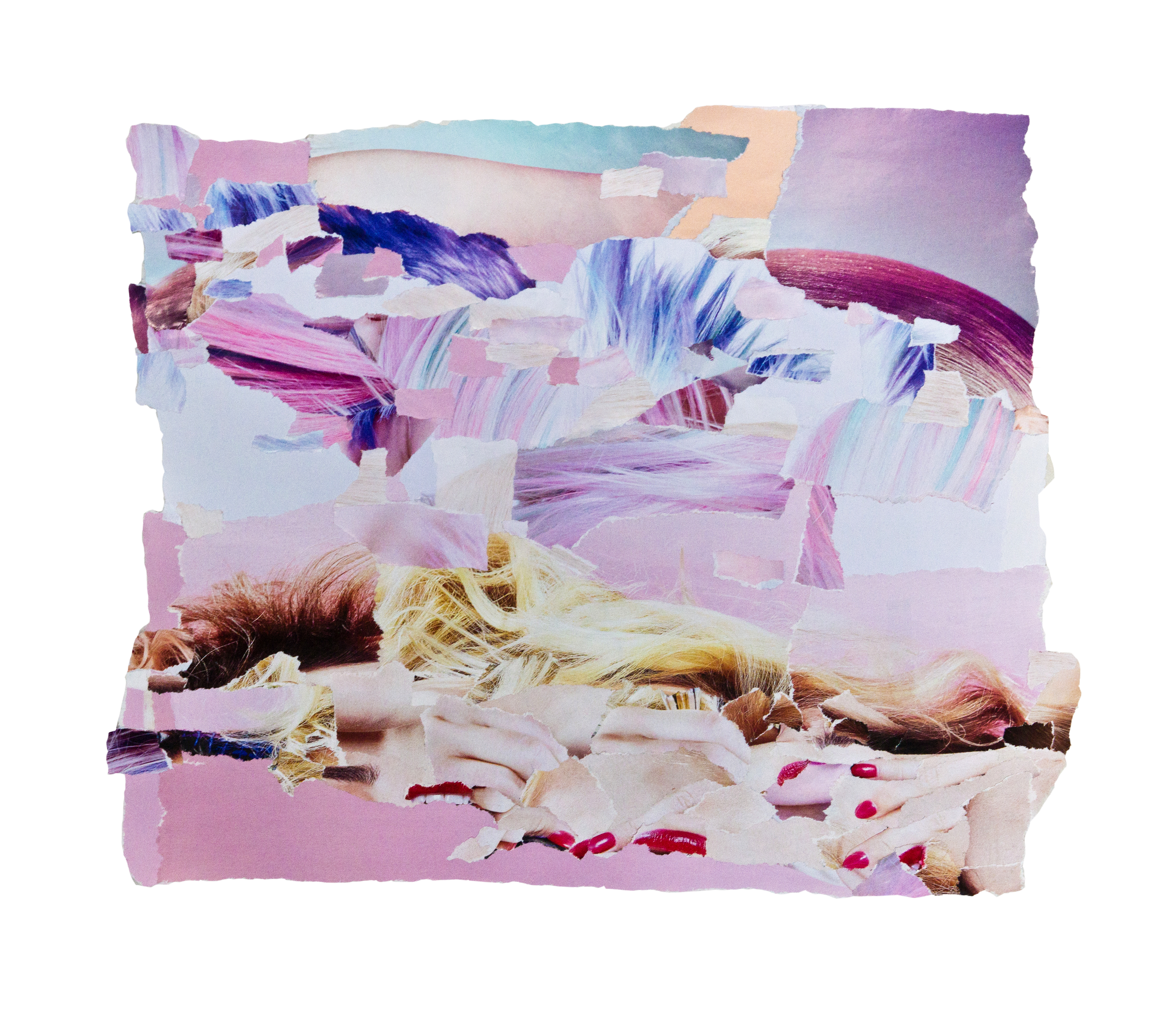
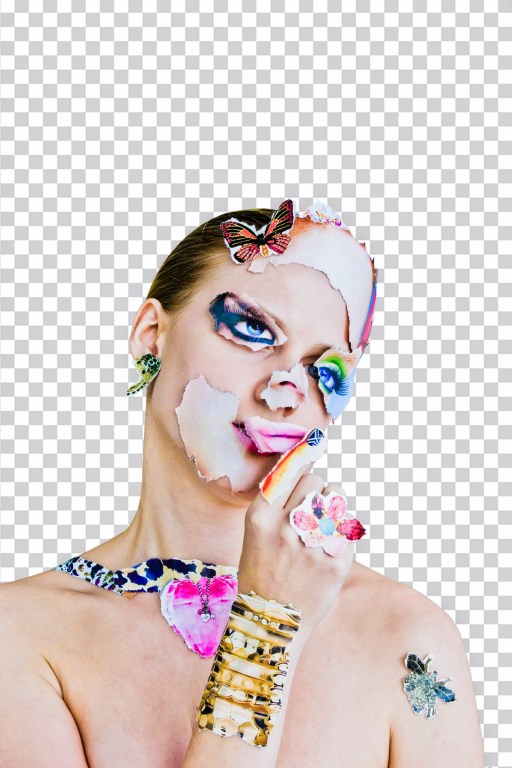
Zest Fest: Tempting Flesh In Landscapes by Lita Poliakova

by Lita Poliakova

01_Landscape_Lita_Poliakova_35x15

02_Landscape_Lita_Poliakova_43x18

03_Landscape_Lita_Poliakova_40x34

04_Landscape_Lita_Poliakova_43x25

05_Landscape_Lita_Poliakova_19x23

06_Landscape_Lita_Poliakova_26x28

07_Landscape_Lita_Poliakova_21x14

08_Landscape_Lita_Poliakova_32x27


2014_Cover_Litaj_PoliakovaArtist: Lita Poliakova

LITA (Life Is Torturing Awesome)

**.**.**** – **.**.****

Created from restless remains, void-originated, Lita is an intrusive person, yes, she cares! She
prettifies her carnal residence by digestion and contemplations. Trances daily and composes,
carves, paints, and tears to shreds. Recklessly destroys order, desperately creates meanings,
and painfully broadens the track. Lives afield. Ecstatically respects alive!

http://www.litapoliakova.com
https://www.facebook.com/litapoliakova
https://www.instagram.com/litapoliakova/