Sal Jones is a figurative artist inspired by human interplay, translating visual information into paintings; she develops ideas and themes from photographic sources with an emphasis on the painted surface. A re-interpretation of the portraiture tradition in which she uses colour and mark making as tools to communicate with, producing emotionally charged works, often of fictional personas.
Sal has a BA Hons in Fine Art and has exhibited regularly in London and across the UK. Including: Society of Women Artists annual open exhibition, Mall galleries, London; Id- A Fictional Journey into the Psyche, Display gallery, London; Discerning Eye Mall galleries London; Stopjectify, gallery Different, London. Works are held in private collections in the UK, Europe and the United States.
Welcome to my Eyesight – Filtered with my Insight.
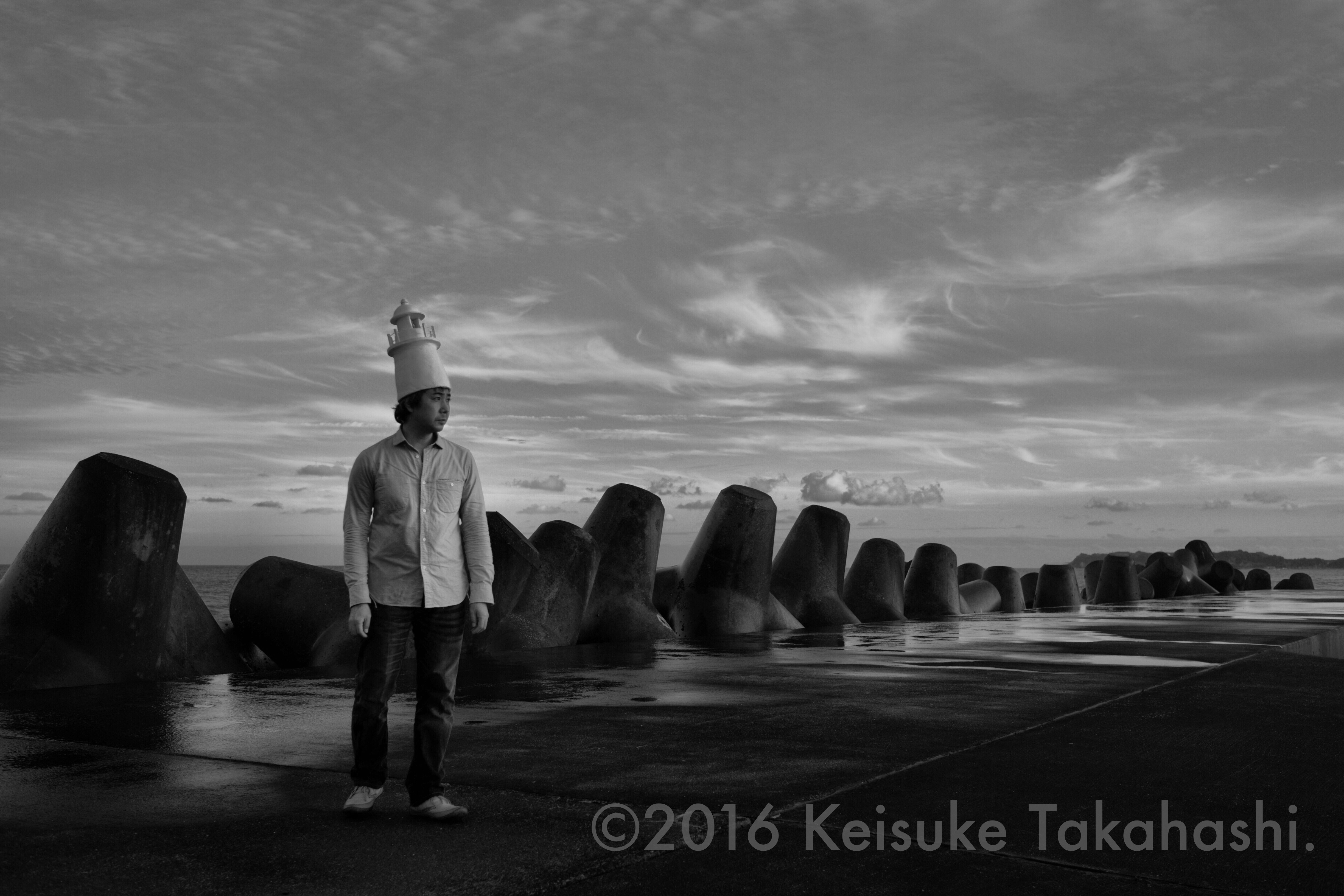
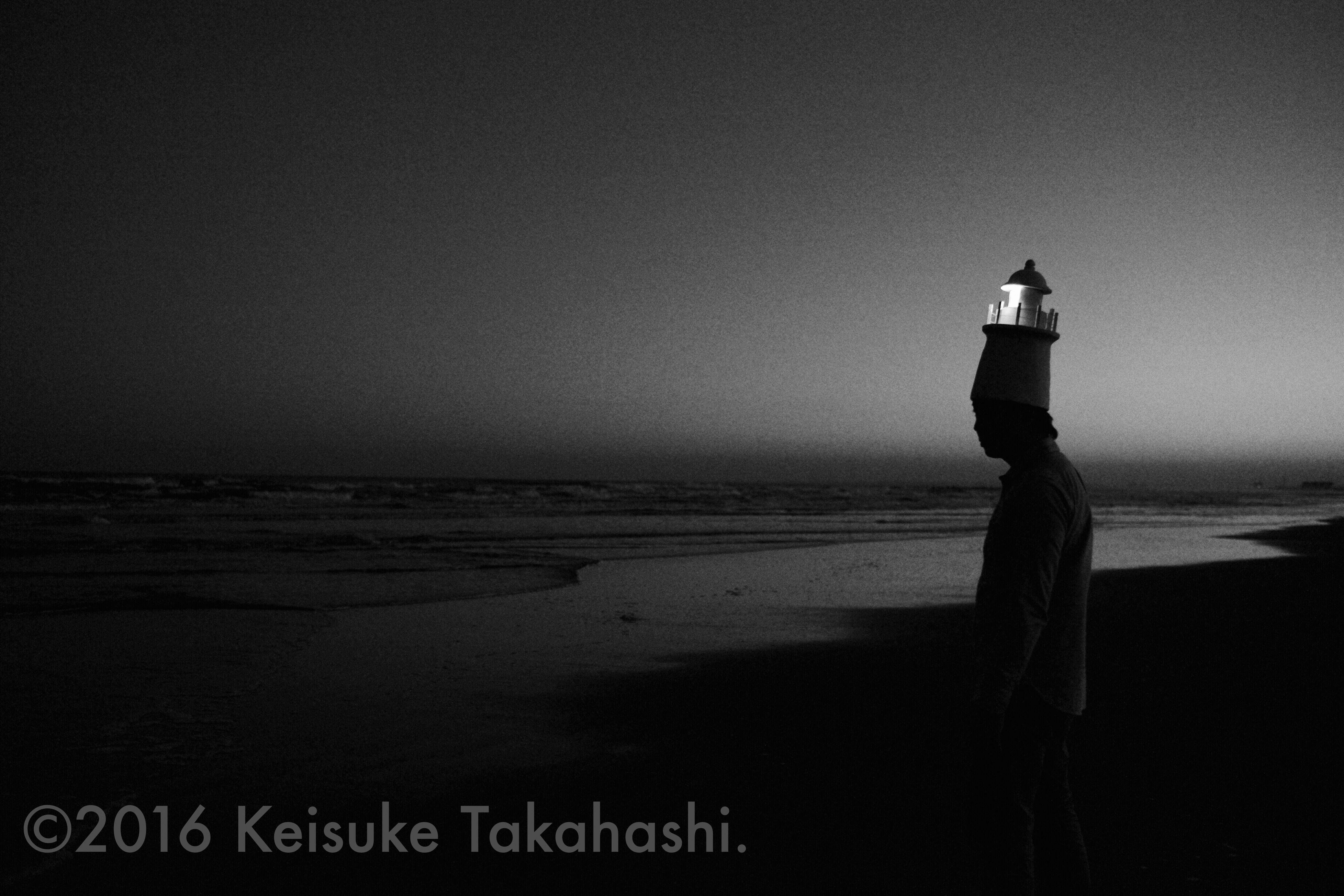
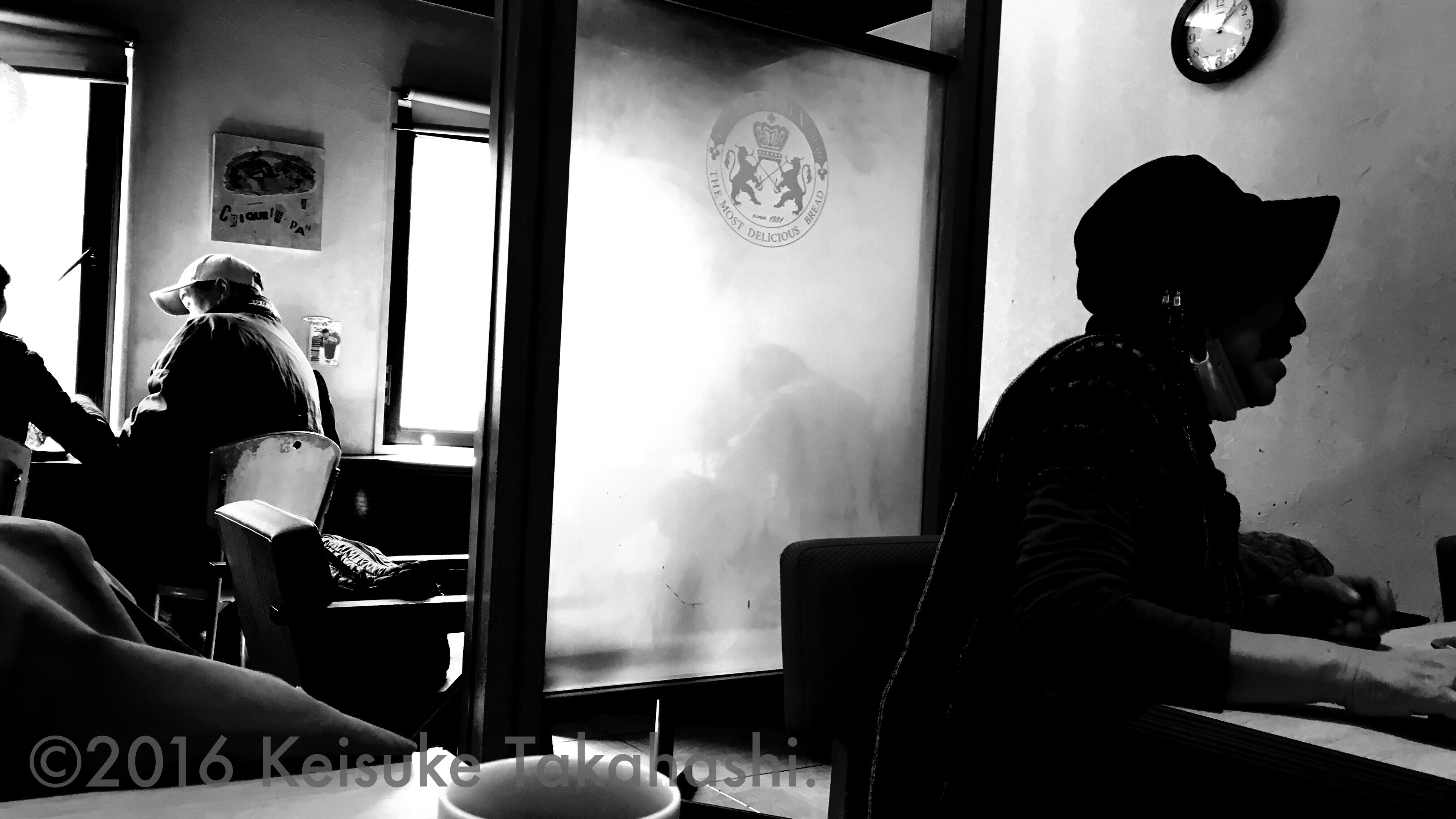
The Lighthouse Man
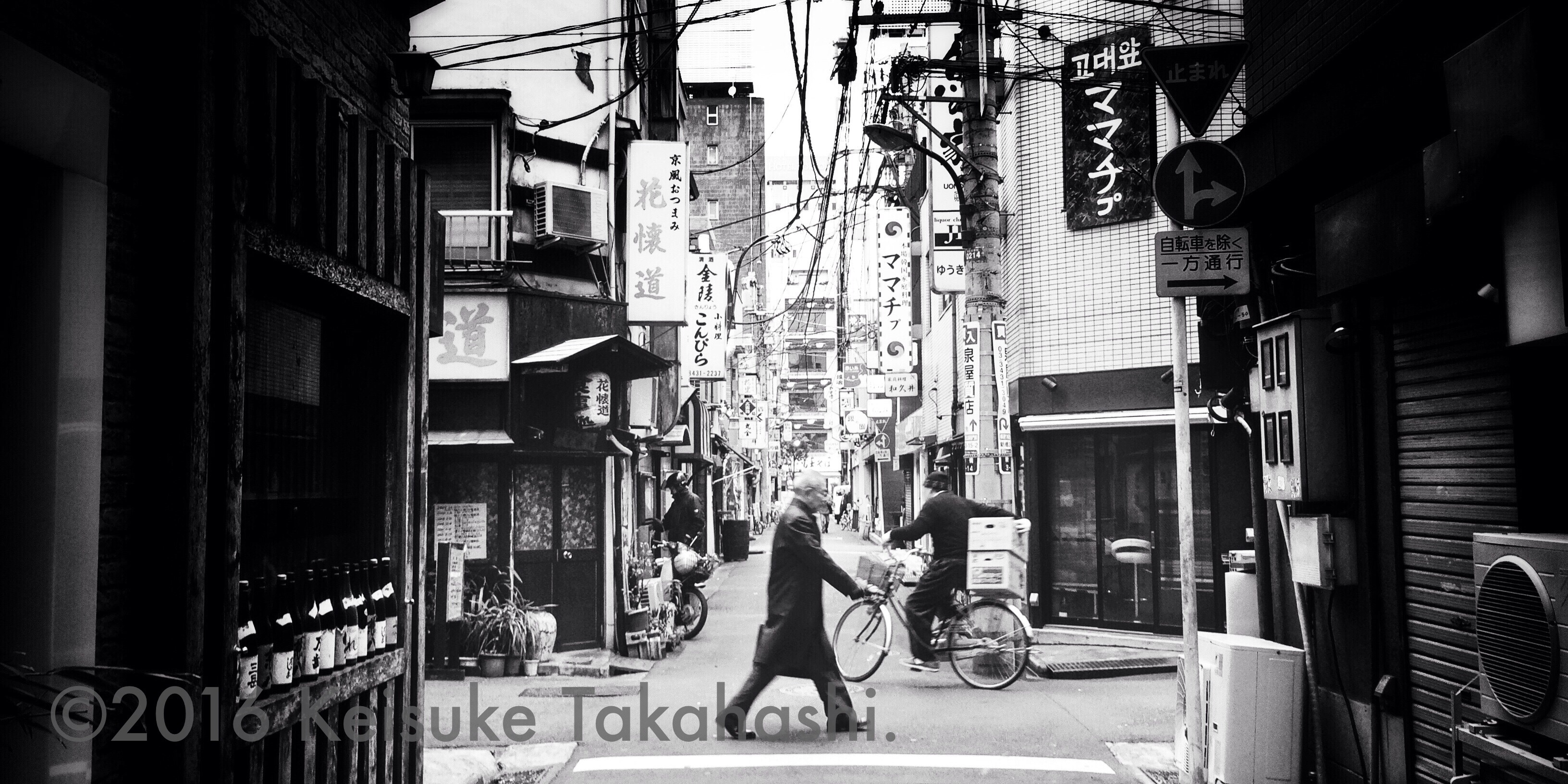
City and Street
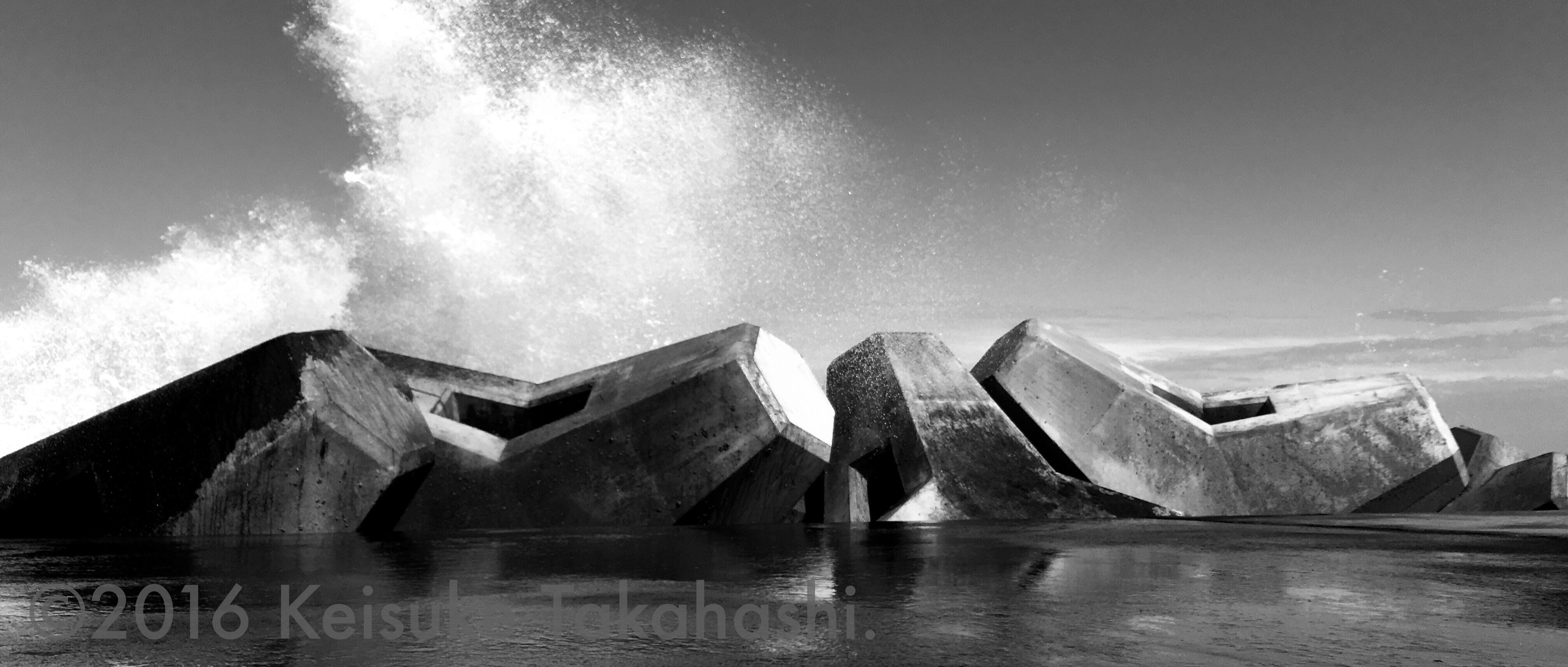
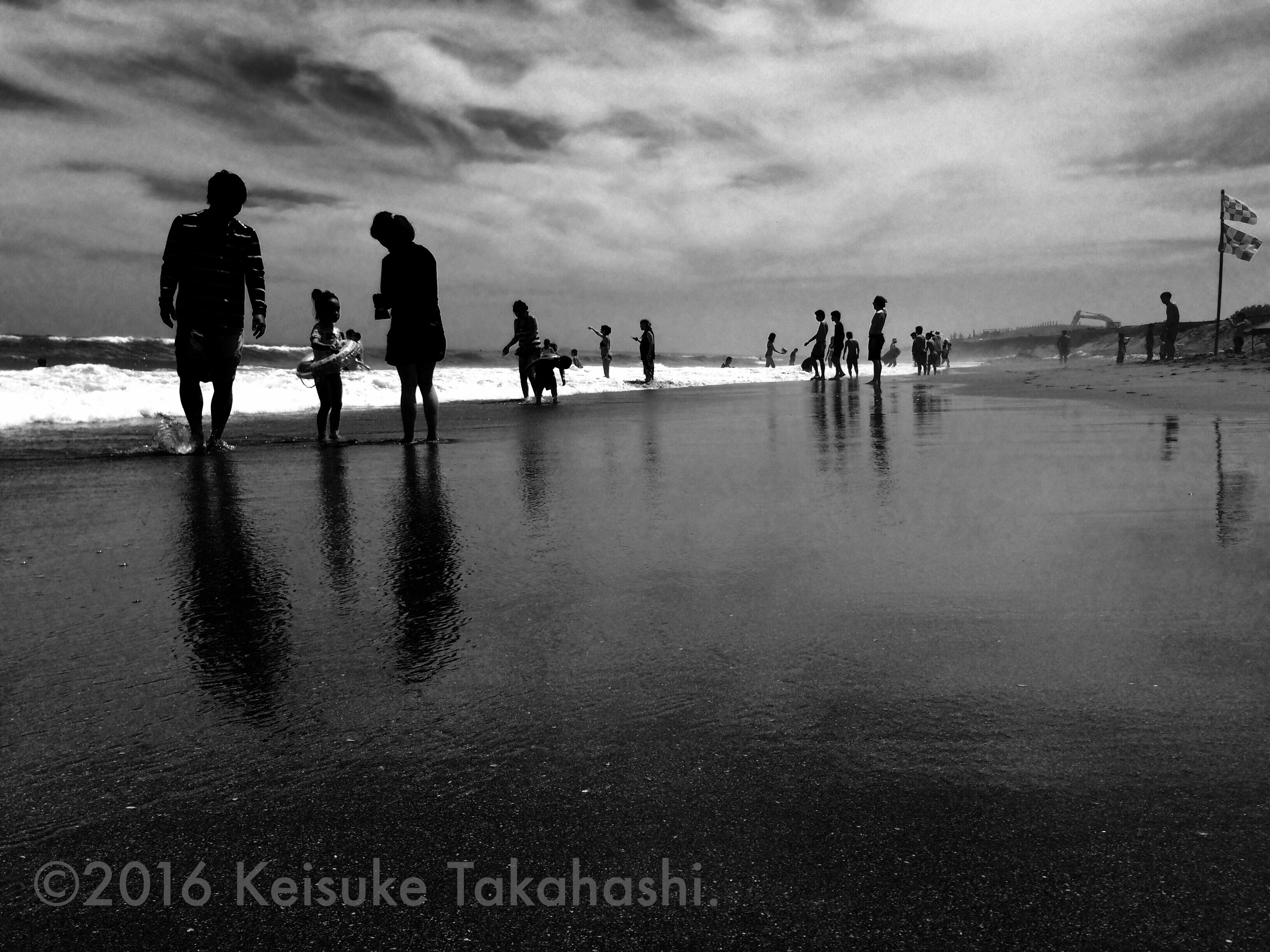
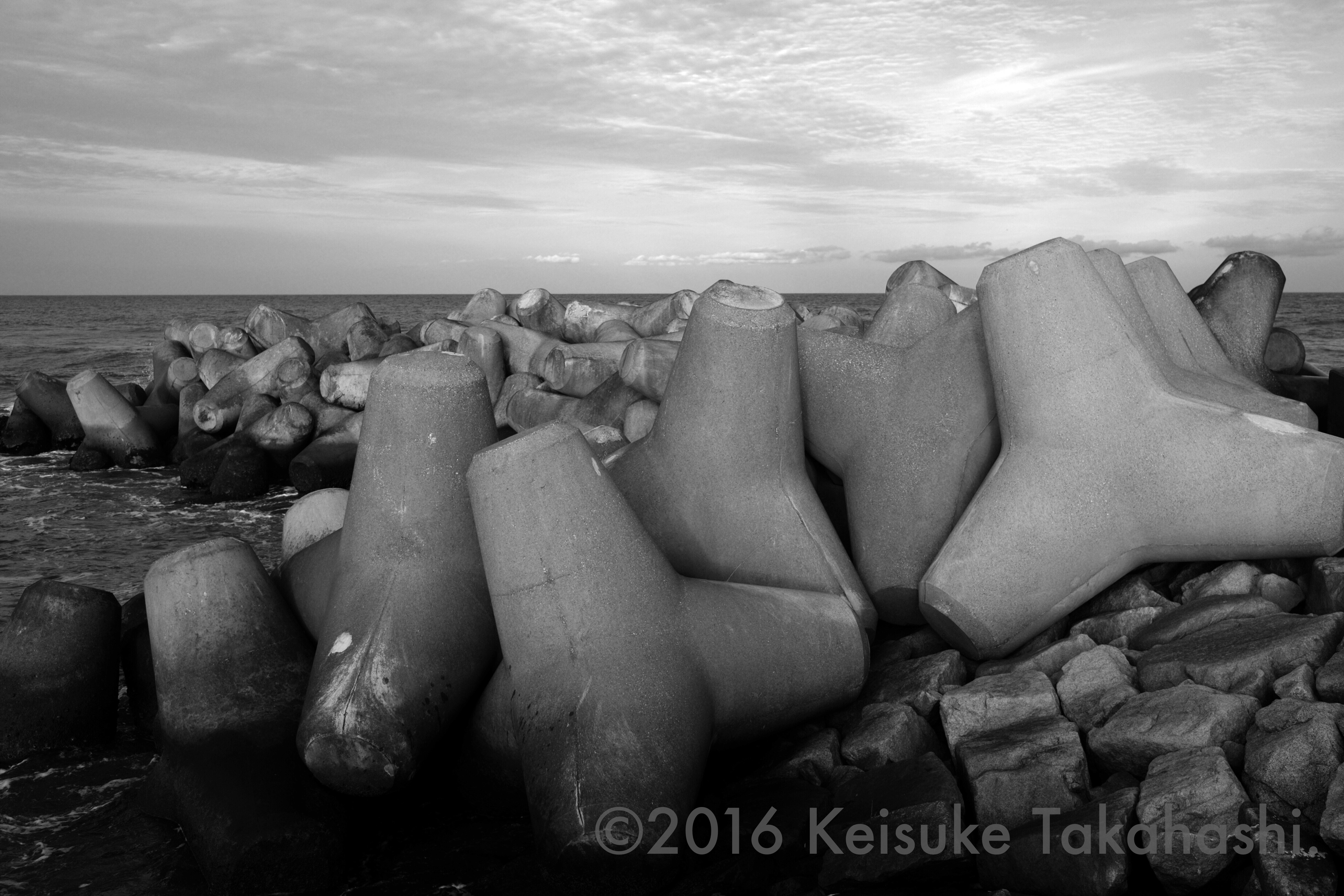
Seaside
Beautiful Species
Artist: Keisuke Takahashi
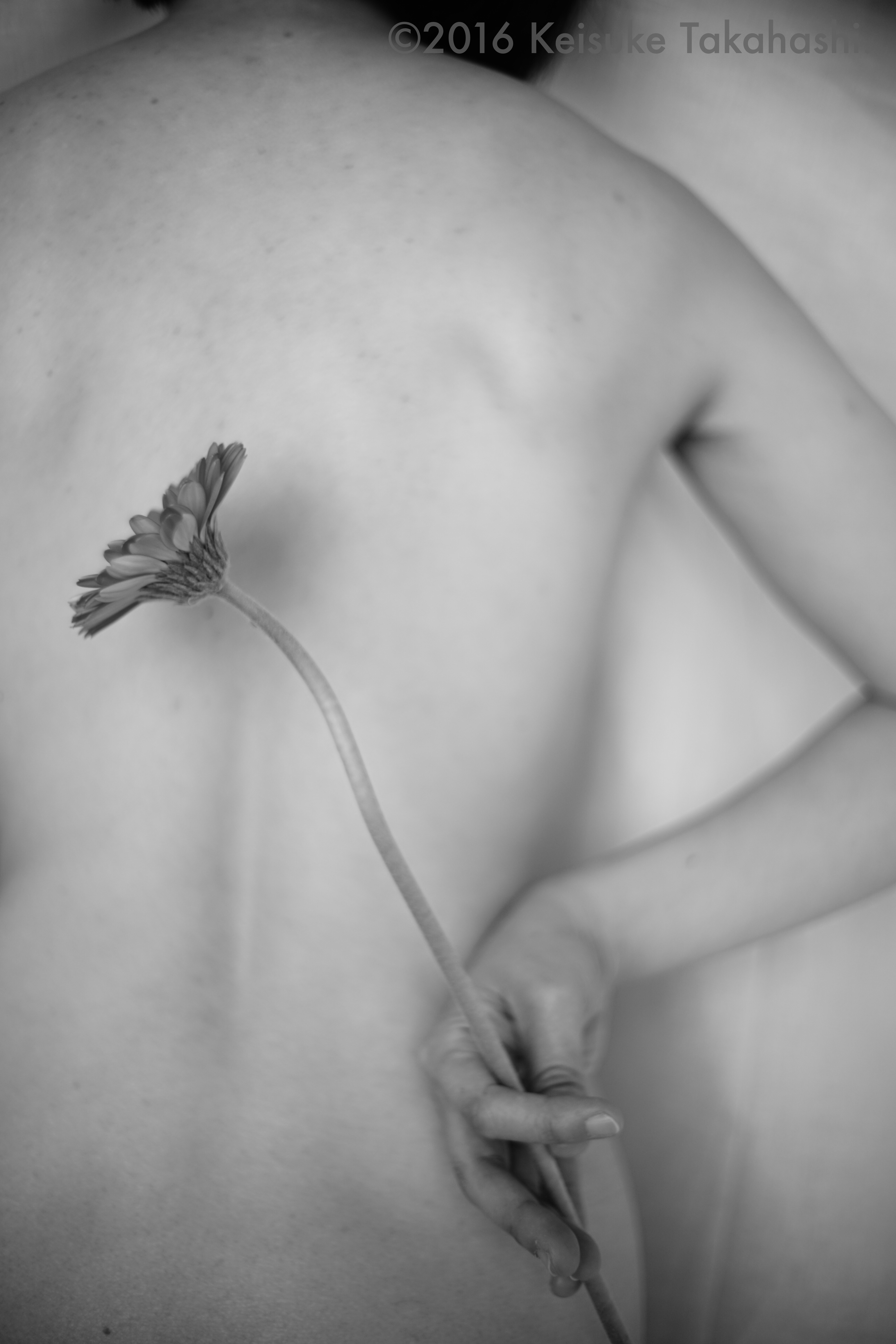
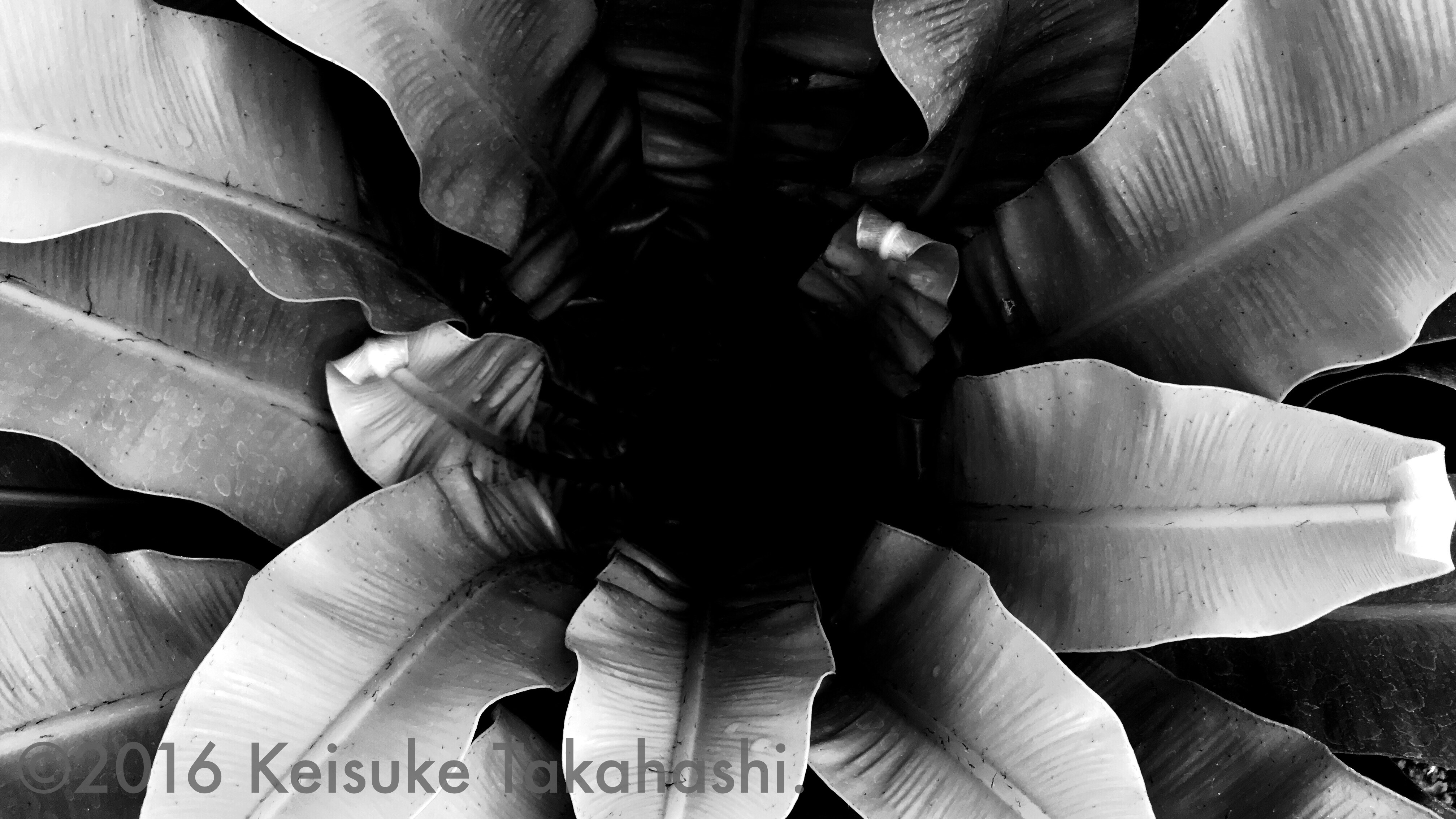
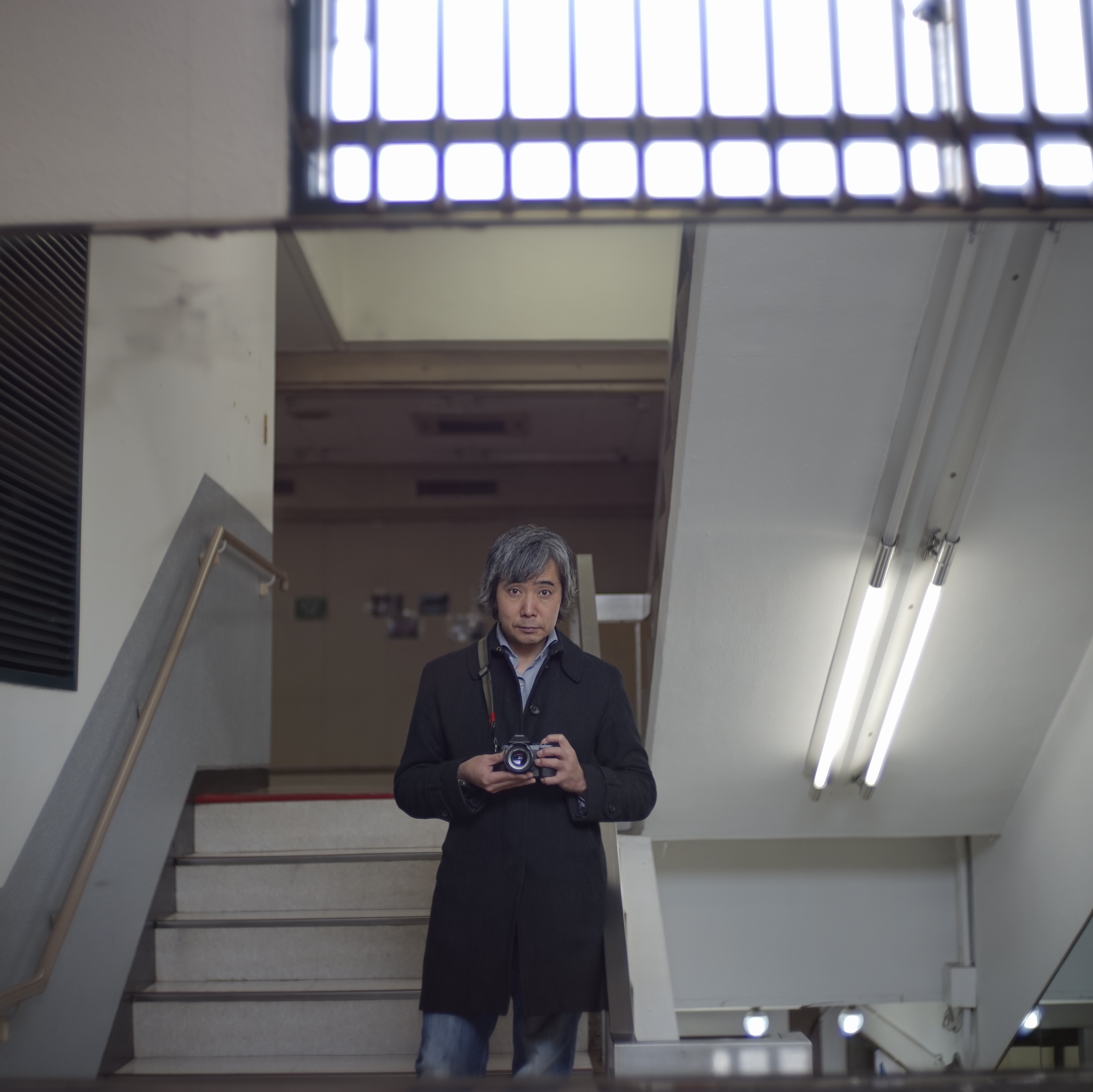
Keisuke Takahashi is a photographer who lives in Tokyo. He bought an iPhone4S in December 2011 and it opened the way to express his feeling in photography. Four years and little has passed since then. Now he’s aiming to express the strong and deep representation in B&W Photography with various cameras like DSLR, Film SLR, Film compact camera but his main camera is still iPhone. He held his first exhibition “The Lighthouse Man” in February 2016. The idea of this project came out of his divorce experience in 2014. He defines Lighthouse as a symbol of the isolation, and he tried to shoot himself as the lighthouse man who watches the ships run through the ocean of life. Not only the photograph, “The Lighthouse Hat” was created by himself also.
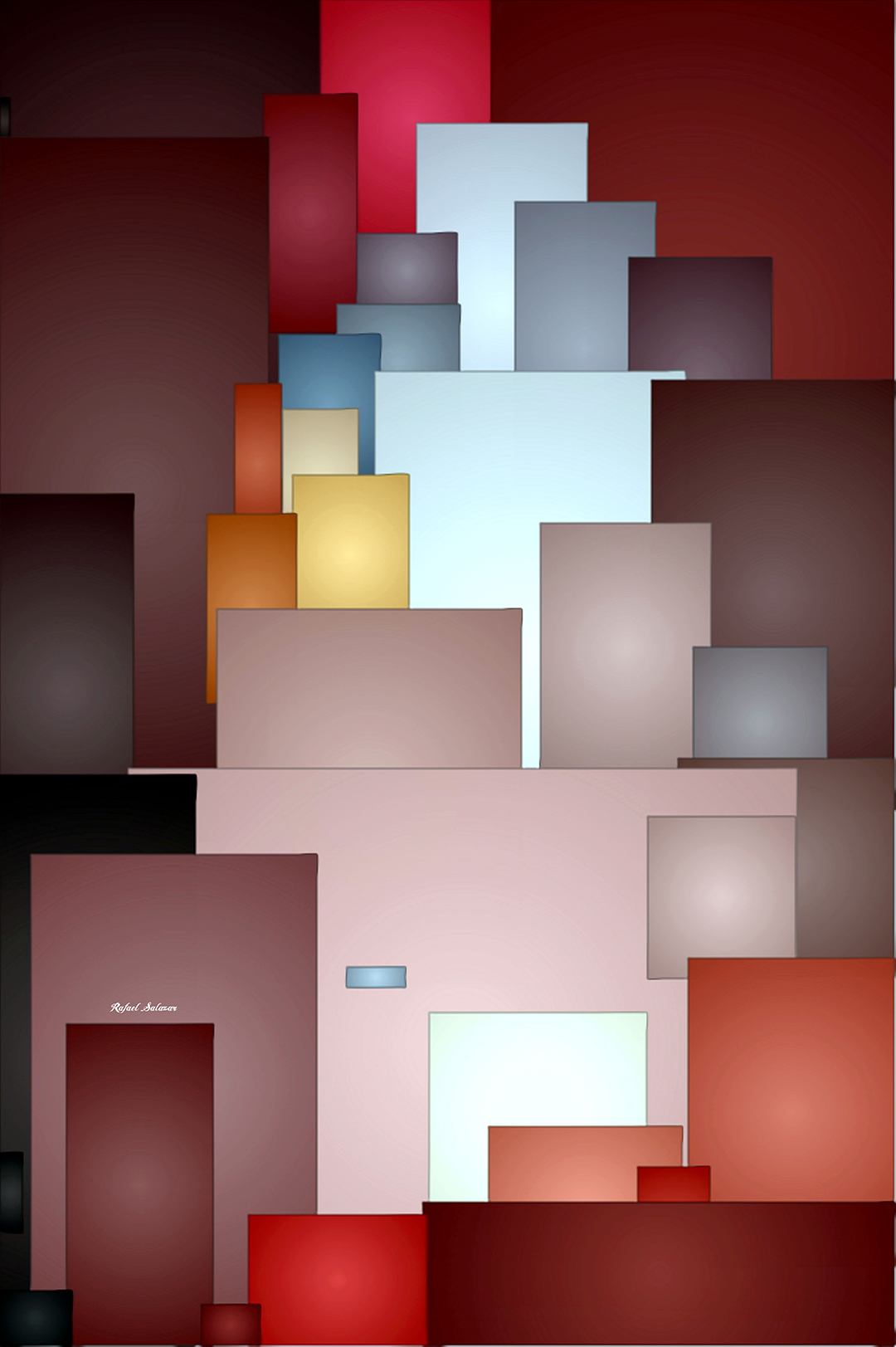
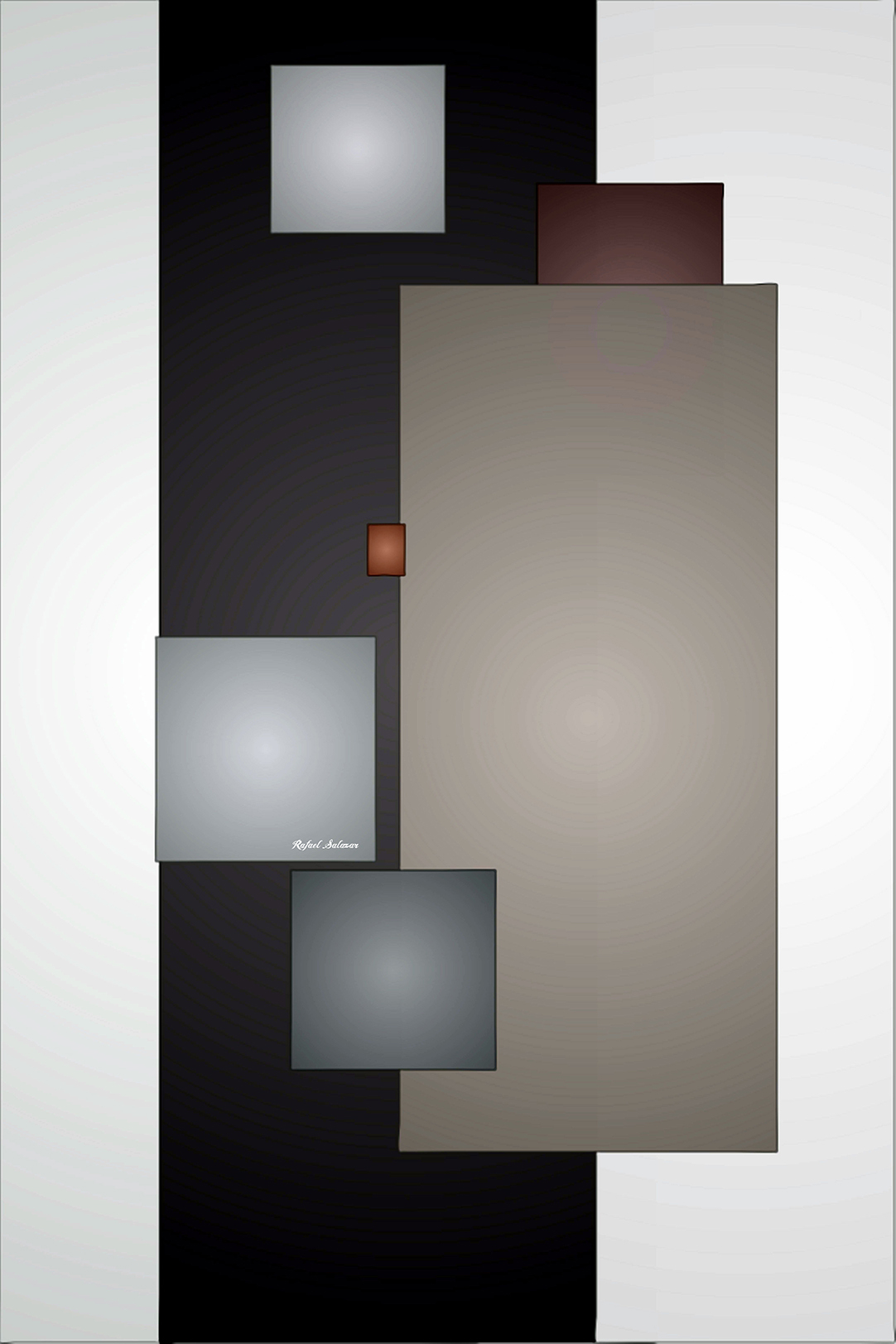
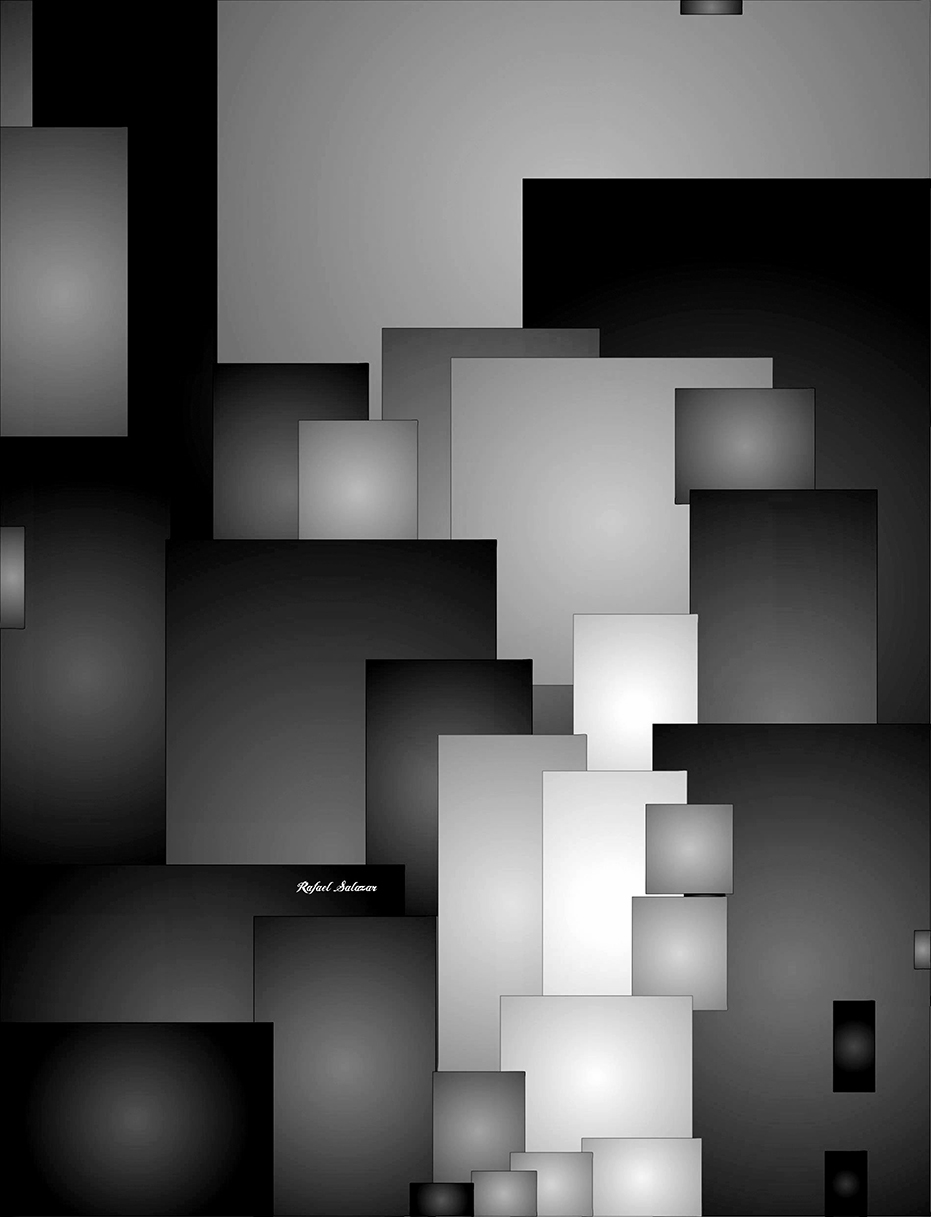
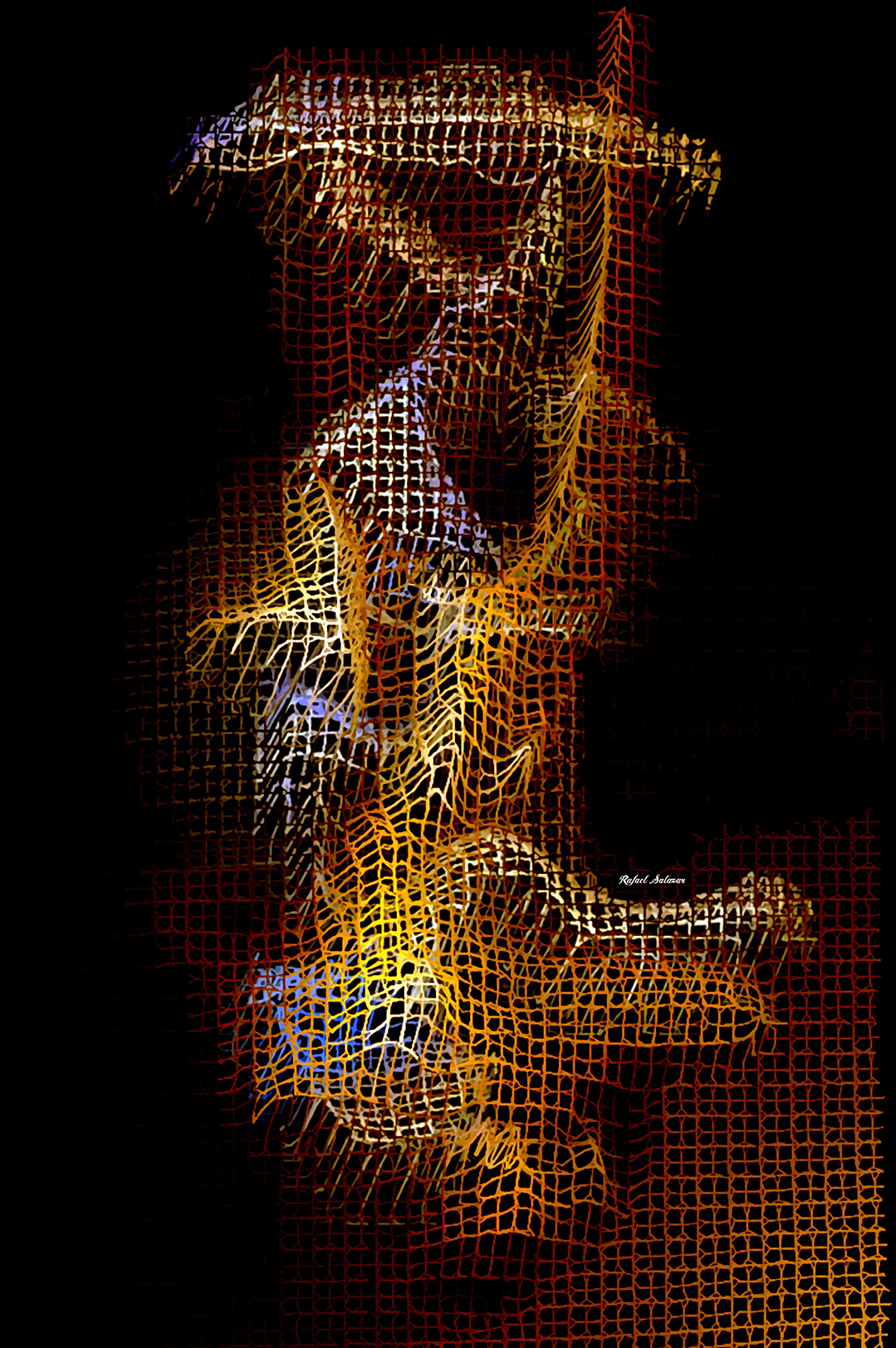
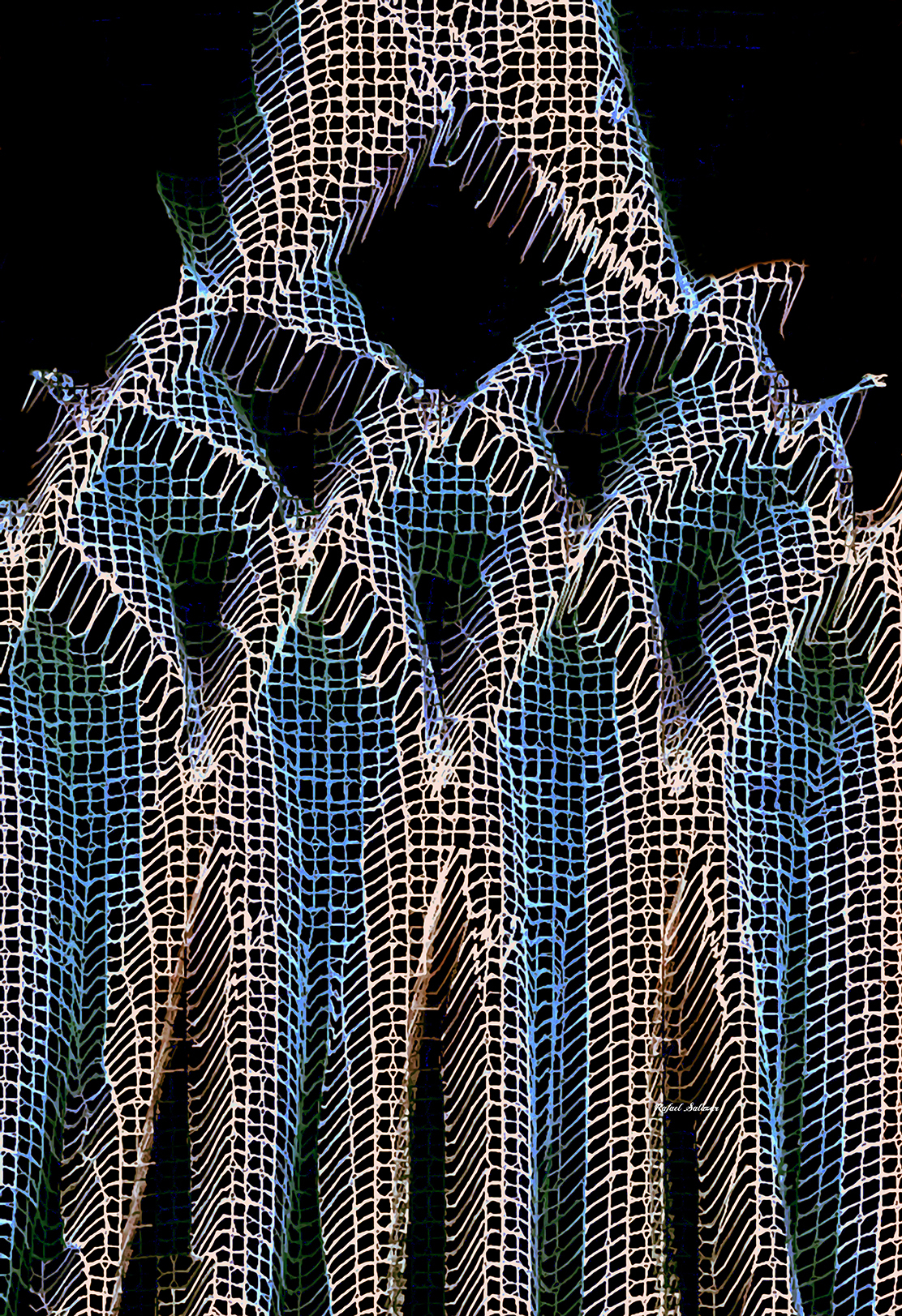
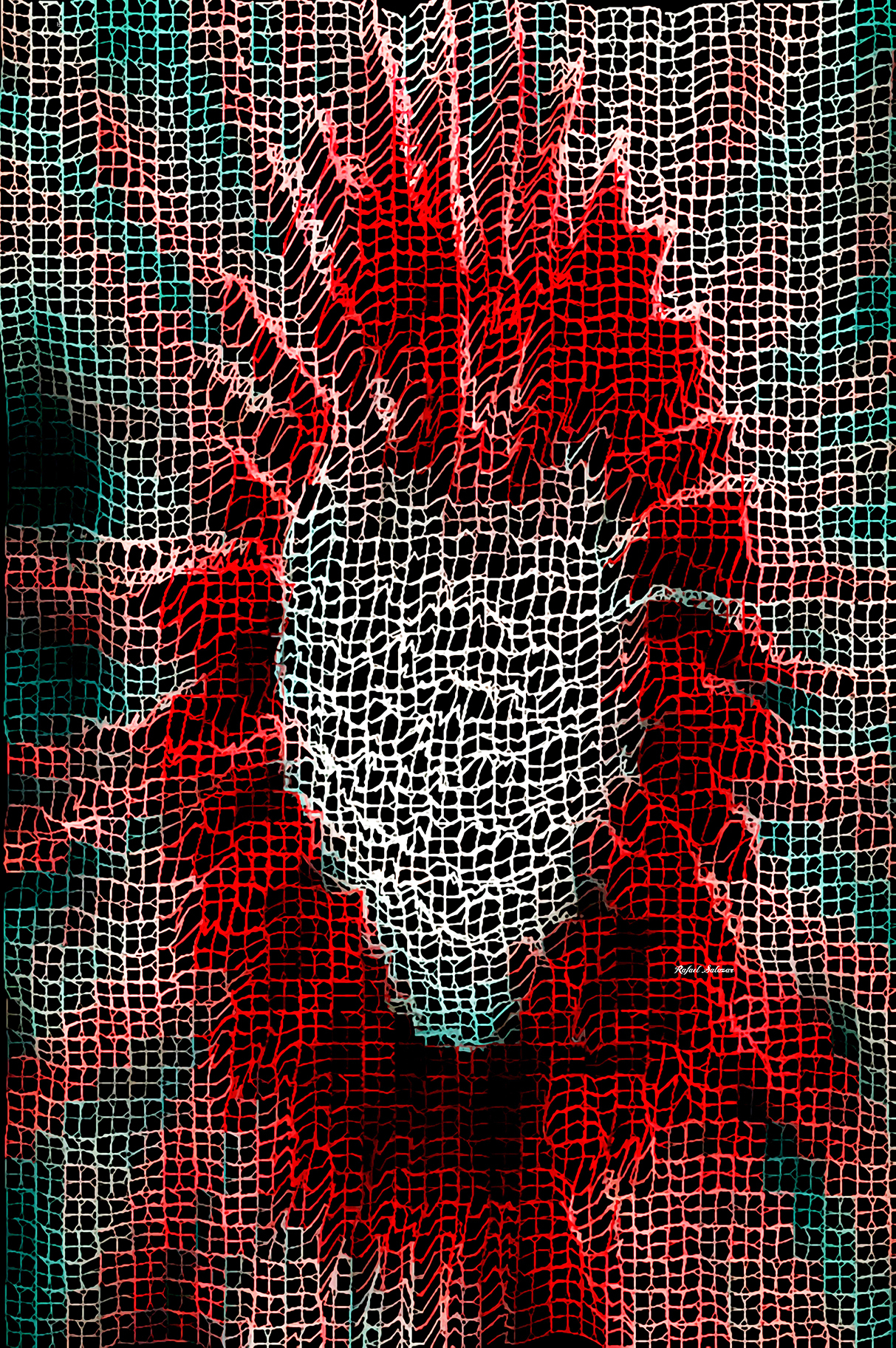
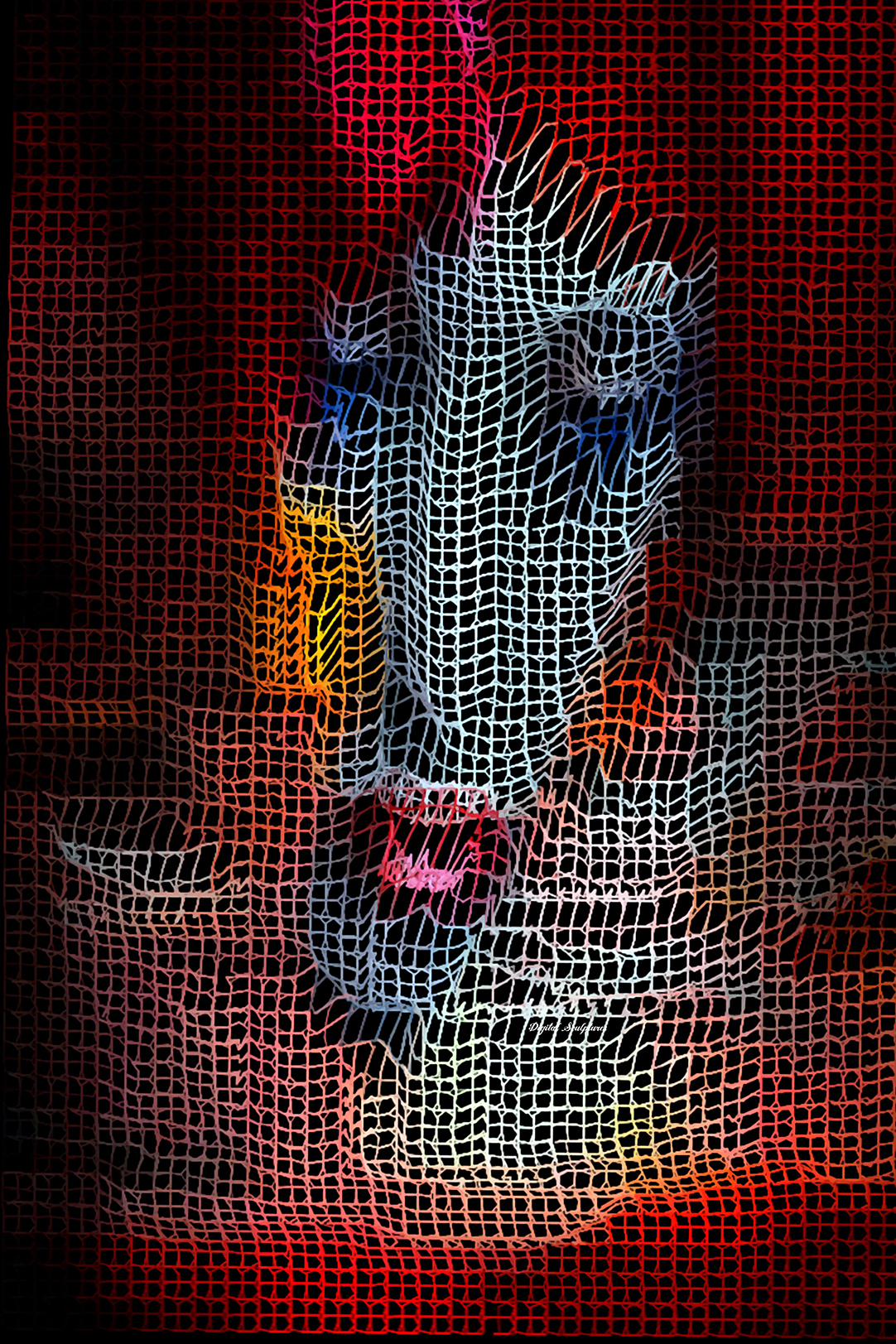
I’m Playing with Colors and Shapes in a more Geometric Fashion where Space and Color have Light to Create the Perfect Balance of Sensuous and Serene Harmony. The Yin and Yang of the Future…
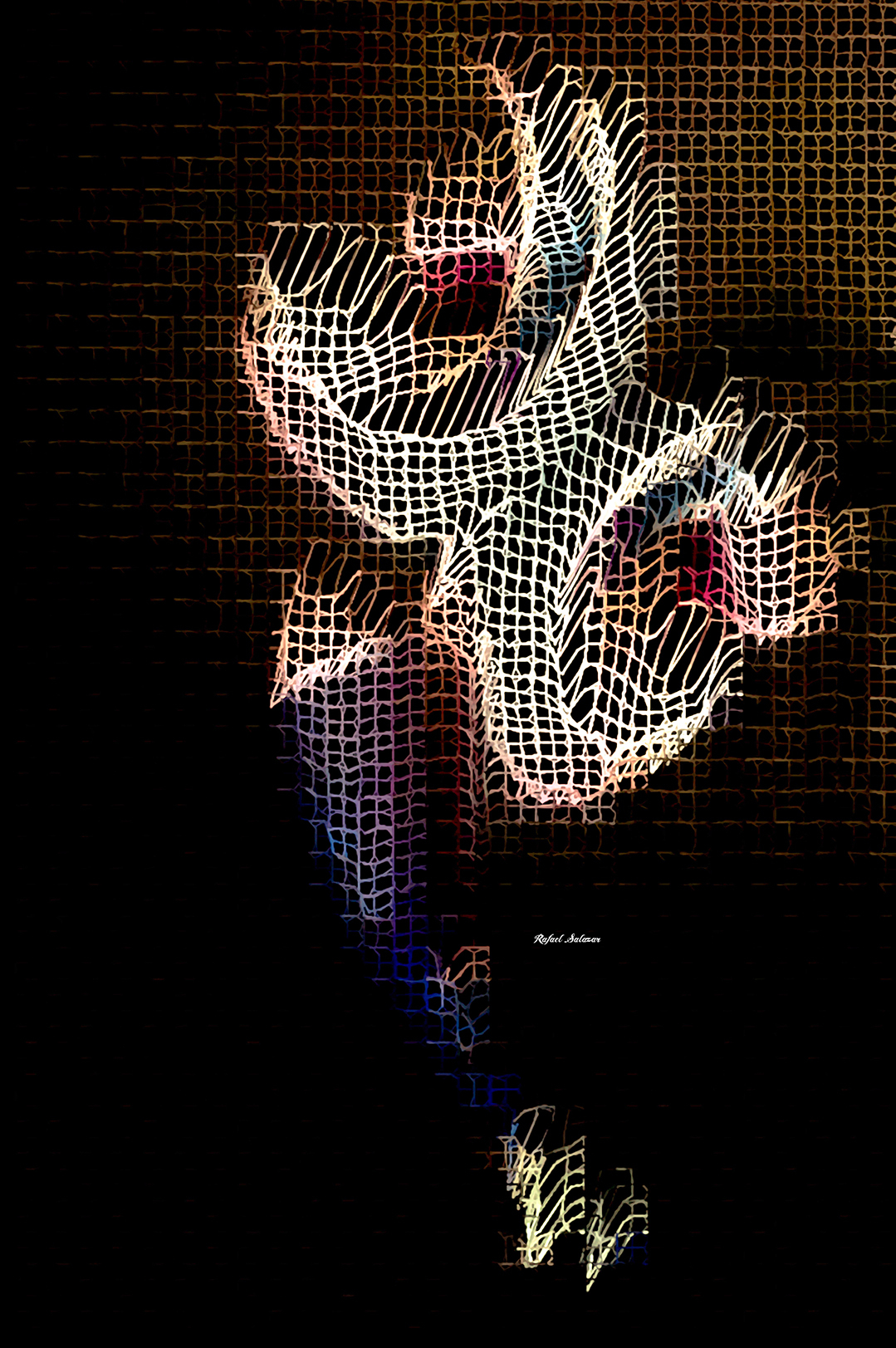
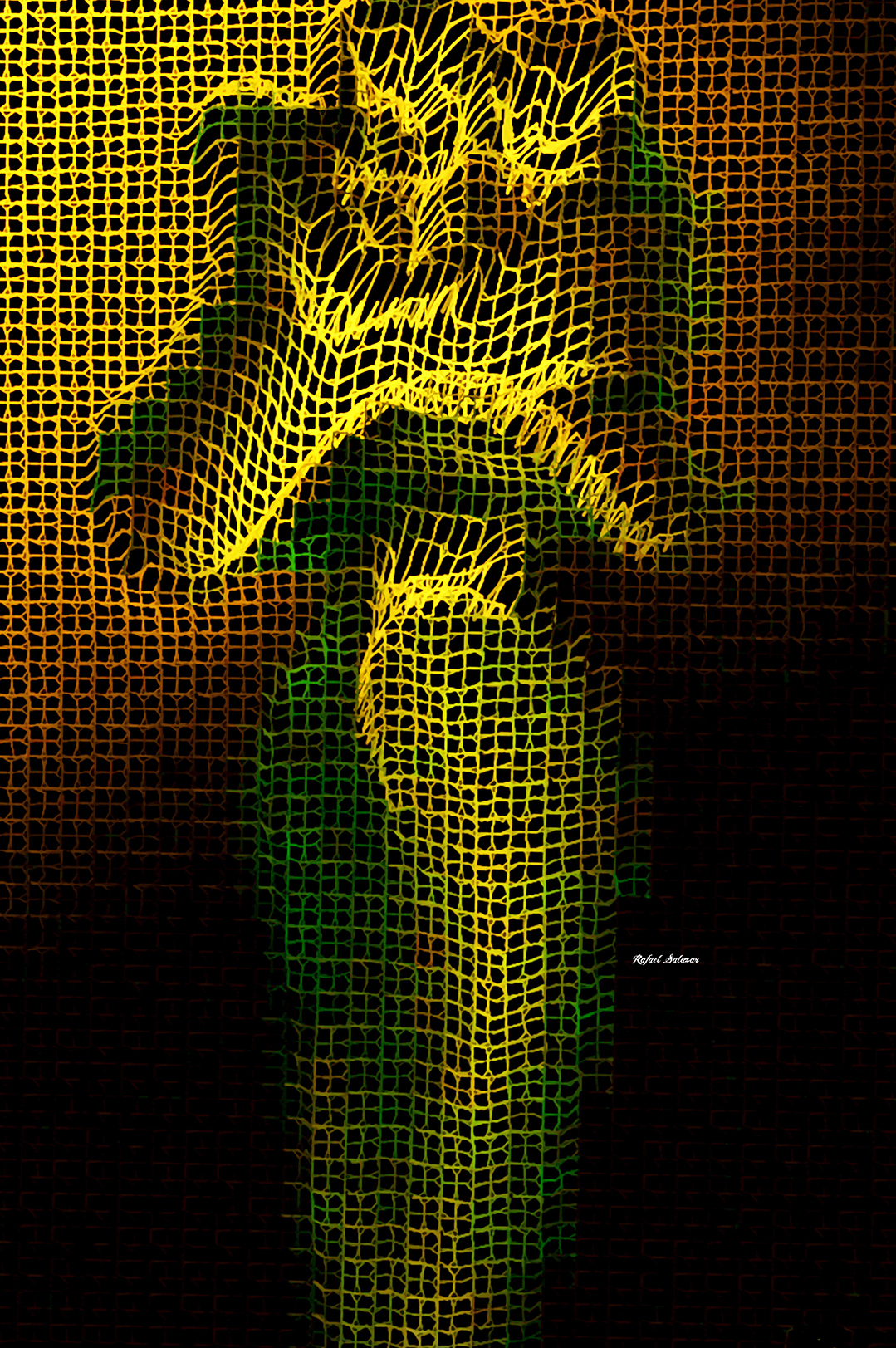
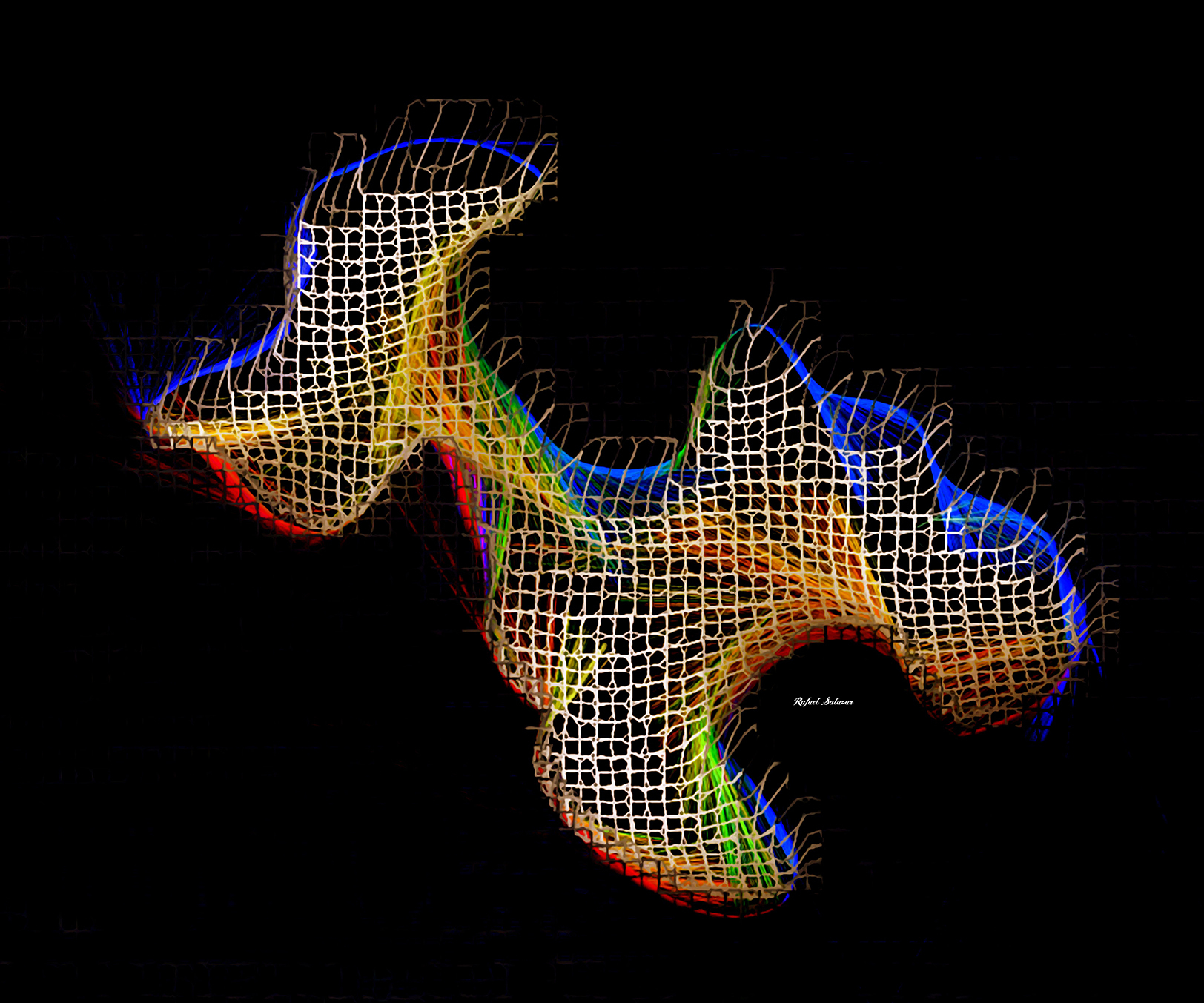
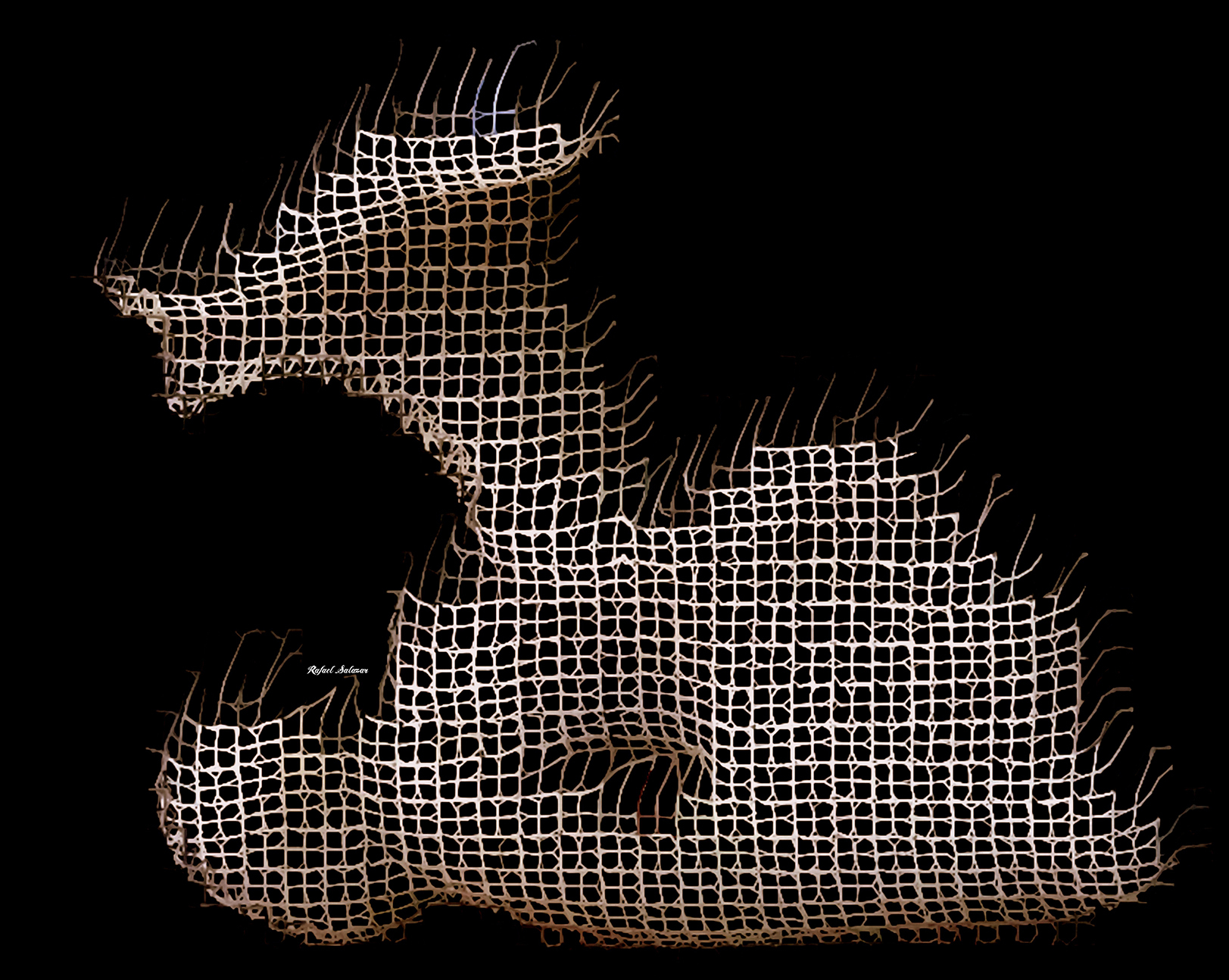
3 D Sculptures-Digital Sculpture Series 2016
My original sculptures were the basis for this new 2016 series. They’ve been digitized and given a whole new look, into the future. My marble sculptures translated into 3D… Musical flow of Colors and Lines as Fluid as the originals.
Artist: Rafael Salazar
He has always been ahead of the times…
His new collection of paintings brings an incredible
display of colors, strength and imagination
characteristic of all his creations.
His abstract style shows the journey thru his roots,
art learnt from el ‘Grupo Barranquila at ‘La Cueva’,
his colors and the maturity of 50 years experience.
Nowadays, he is dedicated to painting producing a
vast array of creations where his imagination has no
boundaries.
“My art activates the imagination into infinite levels…
only the observer possesses its message.”
The current exhibition at the Rubell Family Collection is made up of work by 31 African American artists. It shows more than 200 works of art, occupying the entire 45,000-square-foot exhibition space of the Rubell Family Collection. The show is called “30 Americans” and is a portrait of contemporary African-American art.
The artists presented are: Nina Chanel Abney, John Bankston, Jean-Michel Basquiat, Mark Bradford, Iona Rozeal Brown, Nick Cave, Robert Colescott, Noah Davis, Leonardo Drew, Ren?e Green, David Hammons, Barkley I. Hendricks, Rashid Johnson, Glenn Ligon, Kalup Linzy, Kerry James Marschall, Rodney McMillian, Wangechi Mutu, William Pope.L, Gary Simmons, Xaviera Simmons, Lorna Simpson, Shinique Smith, Jeff Sonhouse, Henry Taylor, Hank Willis Thomas, Mickalene Thomas, Kara Walker, Carrie Mae Weems, Kehinde Wiley, Purvis Young. 30 Americans. Rubell Family Collection, Miami. Impressions from the Private View on December 4, 2008
The Rubell Family collection “30 Americans” is a very impressive collection of Black artists. This exhibition creates a forceful statement by placing African-American artists side by side, precept upon precept, academic and folk as a collective and as individuals. Names such as Purvis Young, William Pope.L, and Wengchi Mutu are usually separated by a selfish collective taste. In this exhibition there is a new automatic and organic dialogue that occurs between the vast range of Blackness and its contribution to the Western canon with those typically outside of it. This exhibition is a huge statement to the fact that Black contribution is not only relegated to Basquiat; rather, Black/African has participated and contributed to a necessary American modern art dialogue.
Many collections of Black/African art are so specific that these obvious relationships are not present and are often seen as opposing points. The success of this exhibit lies with the over 200 pieces in one place dialoging with each other, even though some of these artists capitalize on the victimhood of Blackness. The dialogue is more important. This exhibition can and should be used as a jumping off point young artists/collectors/and critics.
This begs the question. Why Martin Puryear was not included in this exhibition. Did Puryear’s successful transition into Western academic dialogue exclude him from this dialogue past and present of Blackness? The Rubells would definitely know of the Yale graduate with numerous accolades. The quote below by Rubell Family answers the previous questions.
We decided to call [the exhibition] “30 Americans.” “Americans,” rather than “African Americans” or “Black Americans” because nationality is a statement of fact, while racial identity is a question each artist answers in his or her own way, or not at all. And the number 30 because we acknowledge, even as it is happening, that this show does not include everyone who could be in it. The truth is, because we do collect right up to the last minute before a show, there are actually 31 artists in “30 Americans.” —Rubell Family, November, 2008 – See more at: http://www2.corcoran.org/30americans/artists#sthash.g6ewfeOD.DXC4nVKi.dpuf
Collections
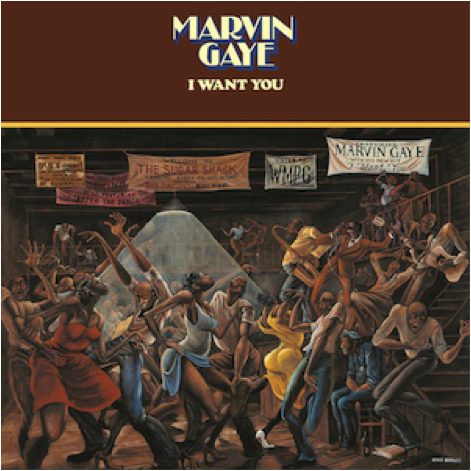
The RFC (Rubell Family Collection) signals a change where it is no longer acceptable to constantly reiterate and validate a collection by acquiring the mandatory Basquiat to be contemporary and acquire a Bearden as the crowning achievement of Black/African authenticity. The RFC frees the tried and trodden “Black art” rubric to include artists present today. Many African-American institutional collections are littered with board members that are stuck promoting antiquated notions of what encompasses the Black/African authenticity and forcing new artists to abide by developed Harlem renaissance, never truly surpassing Ernie Barnes’s “J.J” sugar shack. That “J.J” rubric points to the main problem with those type of collections. They are mostly referential, never actually contemporary—rather, they are doomed to be dated, working backwards in a romanticized Black vocabulary. At the time the sugar shack was created it was already dated. The RFC proves this is unacceptable in 2016.
“The dominant propaganda systems have appropriated the term ‘globalization’ to refer to the specific version of international economic integration that they favor, which privileges the rights of investors and lenders, those of people being incidental.
In accord with this usage, those who favor a different form of international integration, which privileges the rights of human beings, become ‘anti-globalist.’
This is simply vulgar propaganda, like the term ‘anti-Soviet’ used by the most disgusting commissars to refer to dissidents. It is not only vulgar, but idiotic. Take the World Social Forum, called ‘anti-globalization’ in the propaganda system—which happens to include the media, the educated classes, etc., with rare exceptions.
The WSF is a paradigm example of globalization. It is a gathering of huge numbers of people from all over the world, from just about every corner of life one can think of, apart from the extremely narrow highly privileged elites who meet at the competing World Economic Forum, and are called ‘pro-globalization’ by the propaganda system.
How the RFC differs from a typical globalist/universal exhibition is while globalism/universal exhibitions claim to present an inclusive art theory and methodology, they often do not, rather they accomplish the subjugation of indigenous peoples under the Western rubric of formal investigation. If the formal rubric cannot be imposed then another artist is chosen that has indigenous qualities that can still qualify as new “discovery” under the formal elements. This “discovery” paints a “savior” view of the indigenous people in where the native is still dependent on the “discovery” of the West to be valid.
Global exhibitions are filled with artists like Martin Puryear where the indigenous aesthetic is suppressed to connect the visual language of the formal. Globalism allows the stagnation of Western academia mastered in graduate school to spread to the globe under the pretense of advocating for the indigenous. It is in this deceit that Puryear is muddled.
African-Americans should not edit their work to “Pass” into a Western vernacular that relies heavily on the African aesthetic. The cost of “Passing” is too high, so high it too becomes just as dead as the West. Do not entertain these calculated stipulations that Puryear subscribes to that has made him successful. “Passing” constantly needs validation.
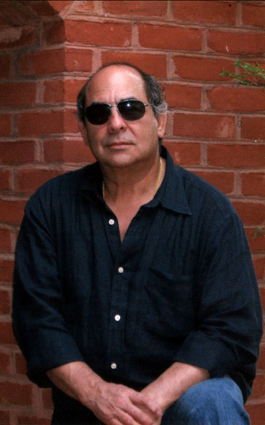
Christopher Hutchinson is an accomplished Jamaican conceptual artist, professor and contributor to the art community as a writer, critic and founder of the nonprofit Smoke School of Art. He is a Professor of Art at Atlanta Metropolitan State College and has been featured as a lecturer including prestigious engagements at University of Alabama and the Auburn Avenue Research Library. For two decades, Chris has been a practicing artist. His works have been exhibited in internationally recognized institutions including City College New York (CUNY) and featured at the world’s leading international galleries such as Art Basel Miami. He has always had an innate passion for creating spaces where Africans and people of African descent contribute to an inclusive contemporary dialogue—ever evolving, not reflexive but pioneering. This requires challenging the rubric of the canon of art history, a systemic space of exclusion for the Other: women and non-Whites, and where necessary he rewrites it. He received his Master of Fine Arts Degree in Painting from Savannah College of Art & Design, Atlanta and his Bachelor of Arts Degree from the University of Alabama in Huntsville, Alabama.
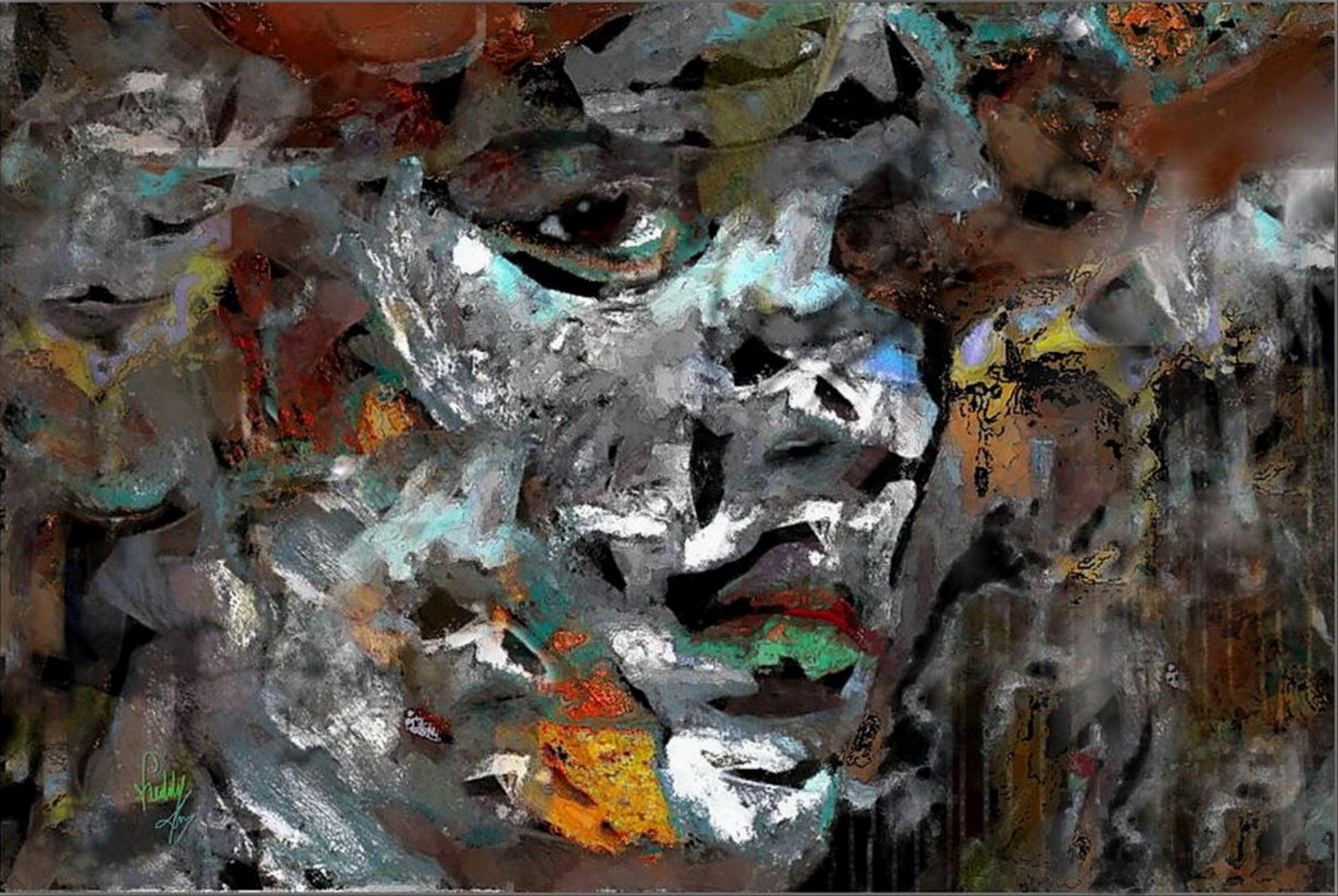
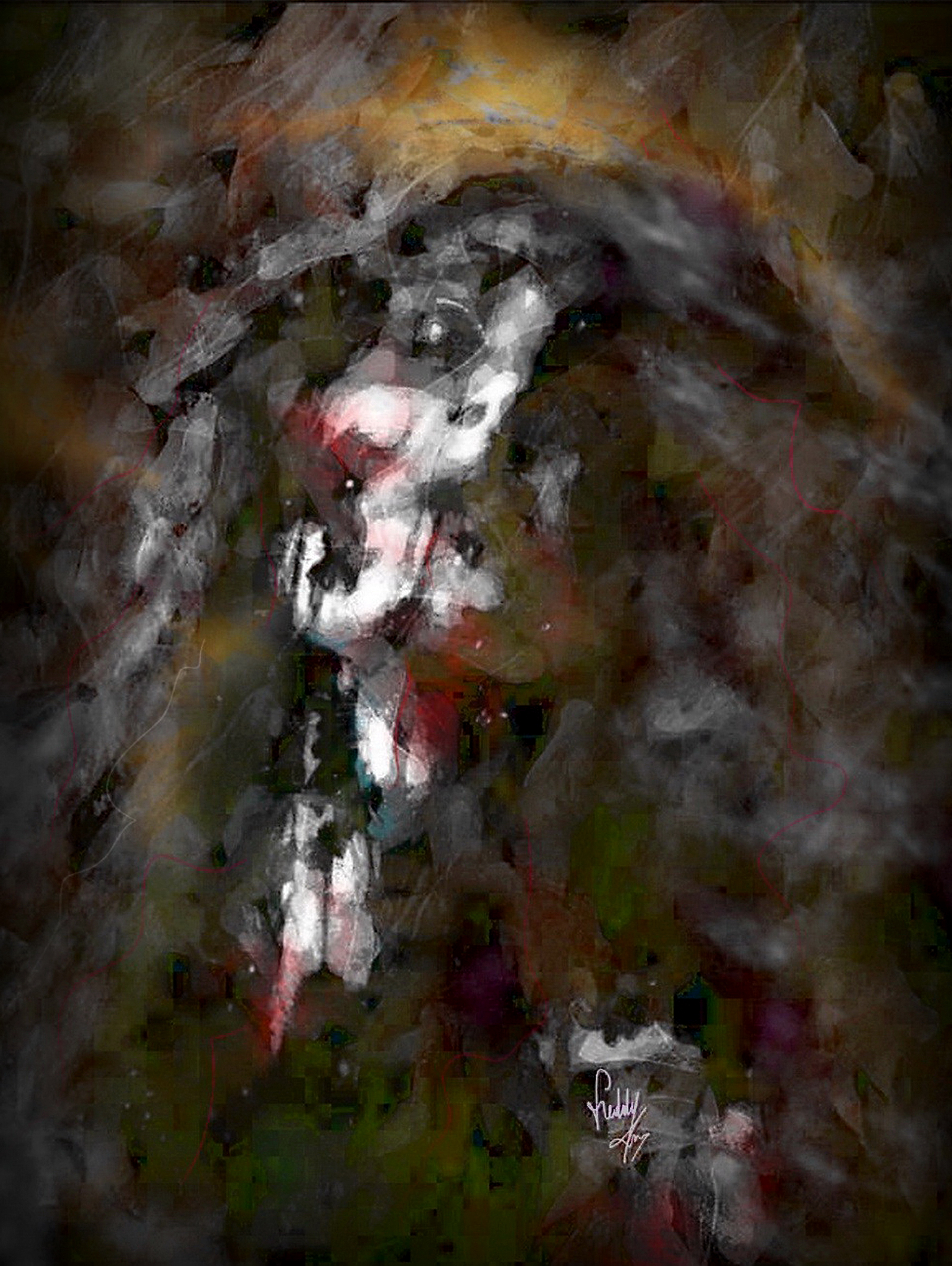
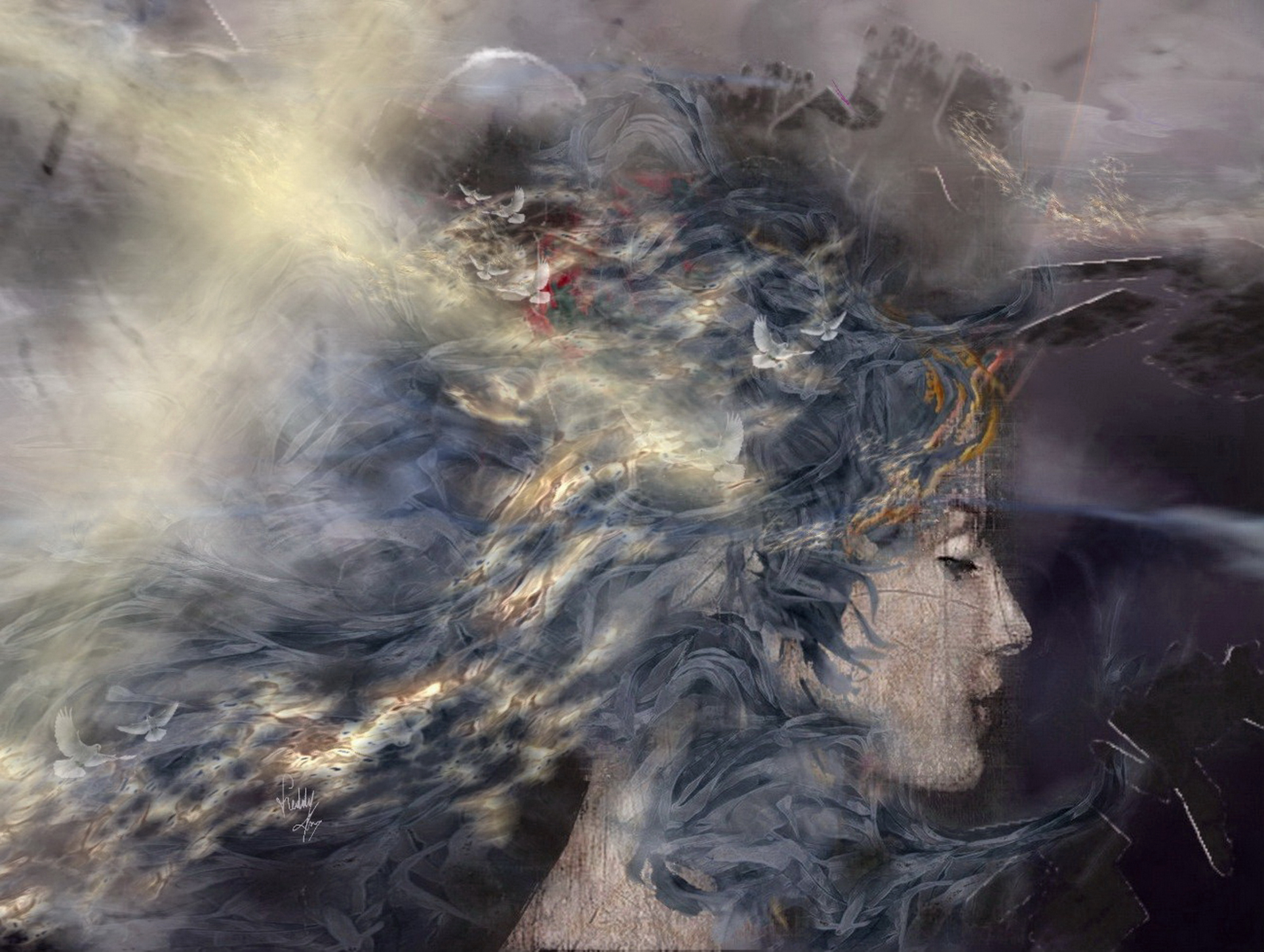
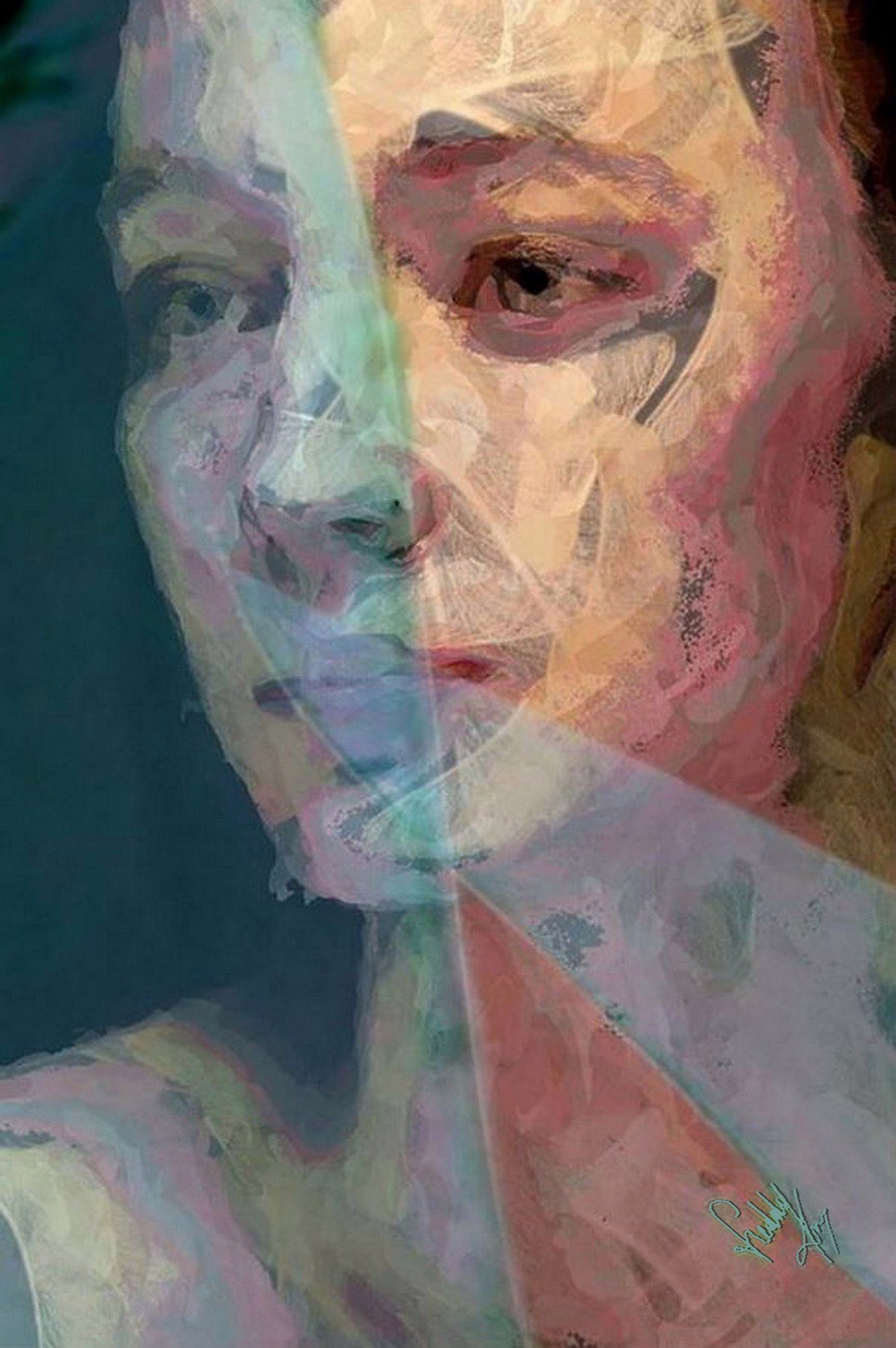
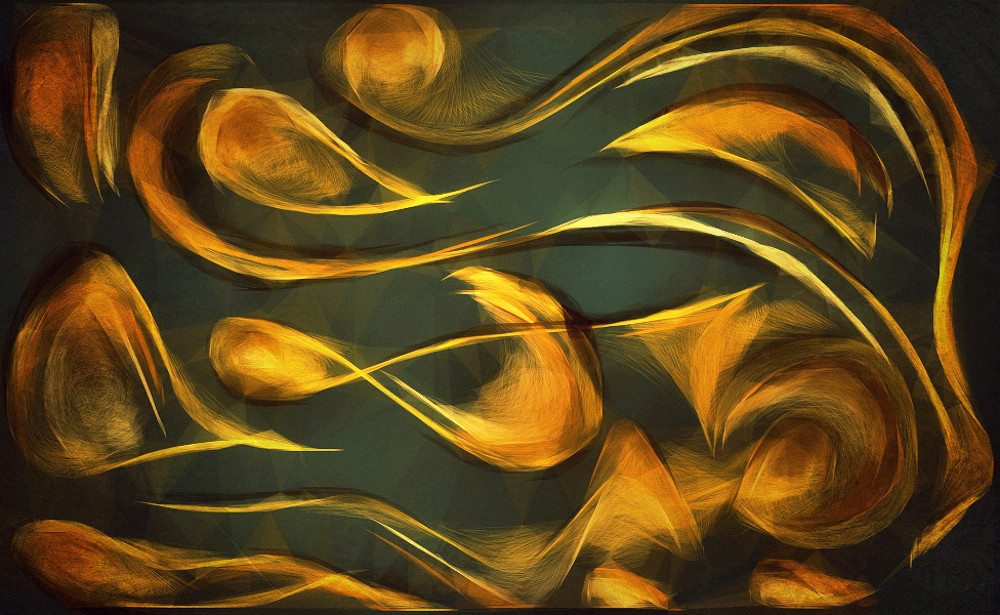
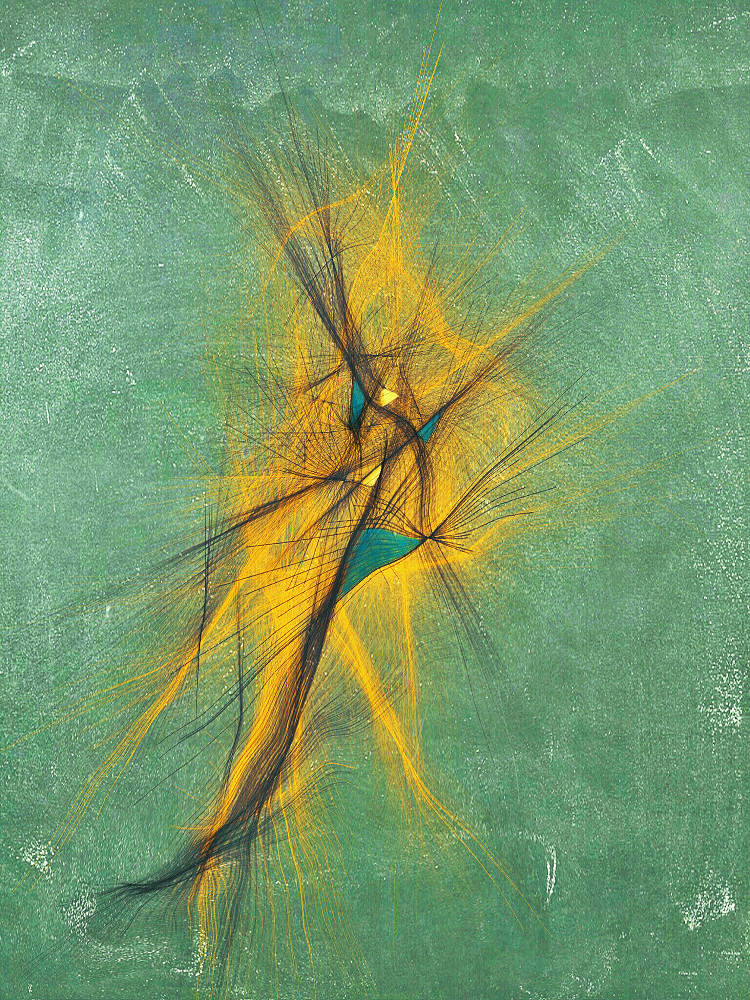
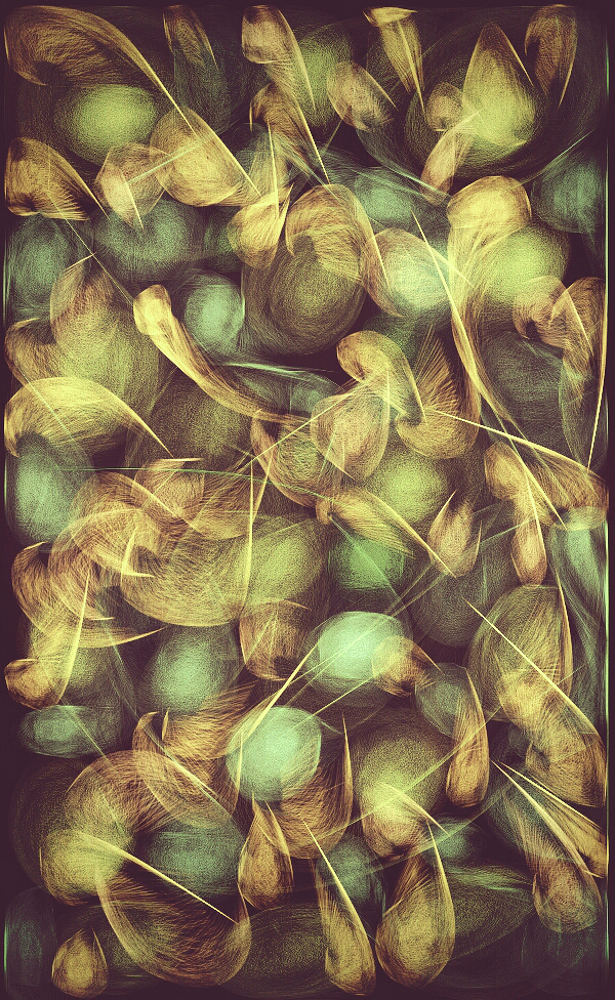
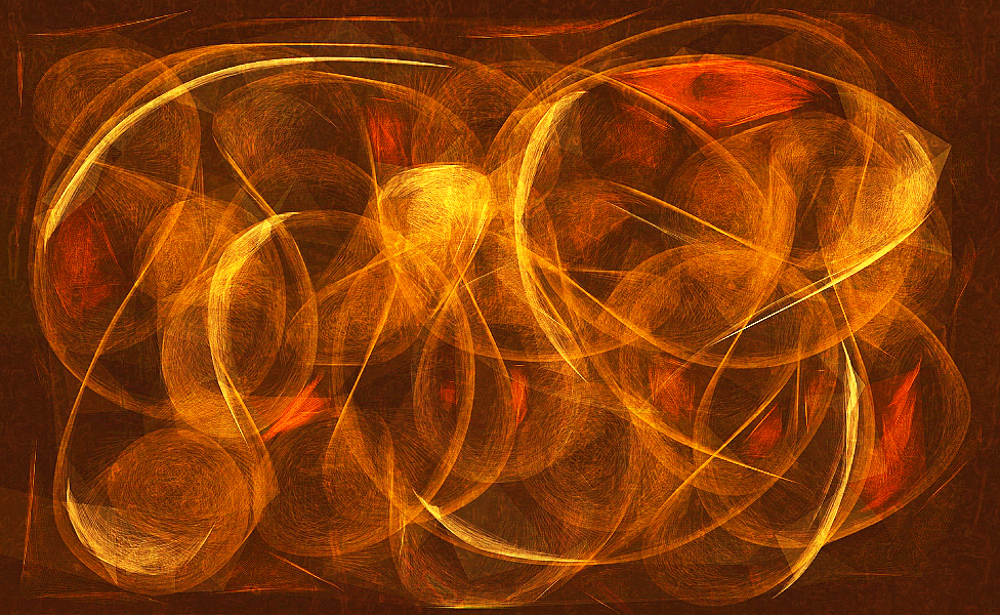
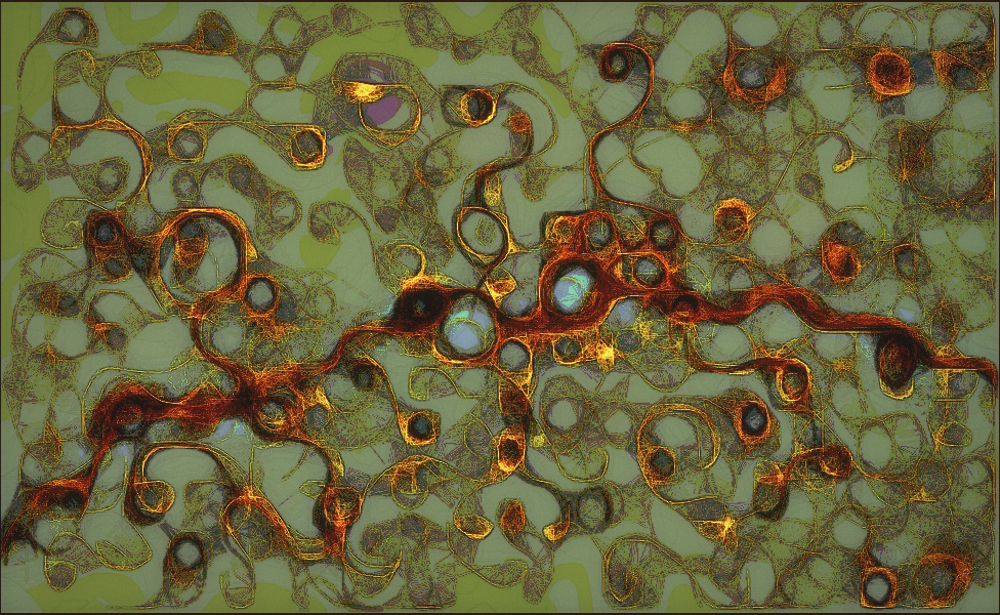
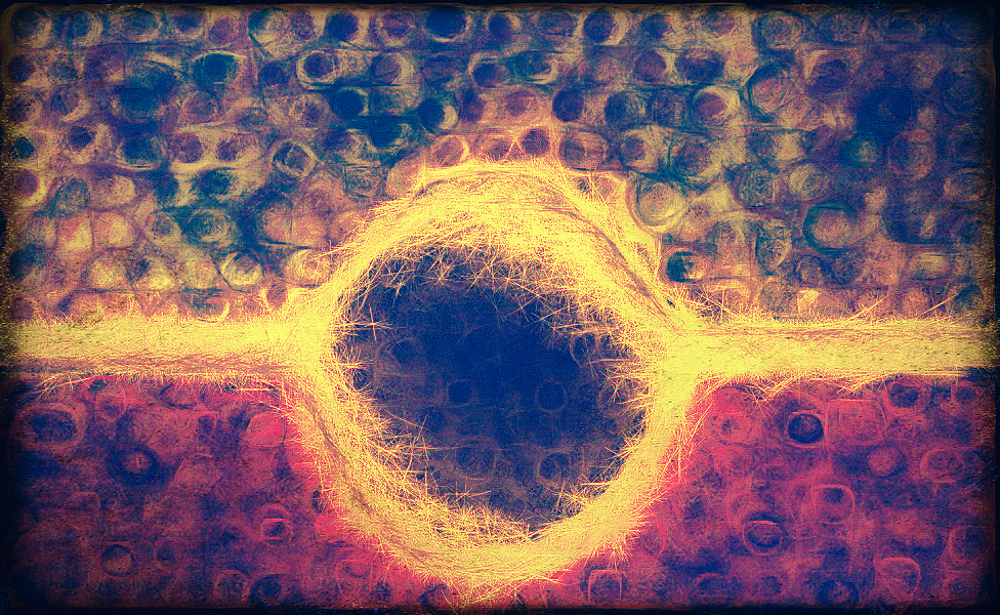
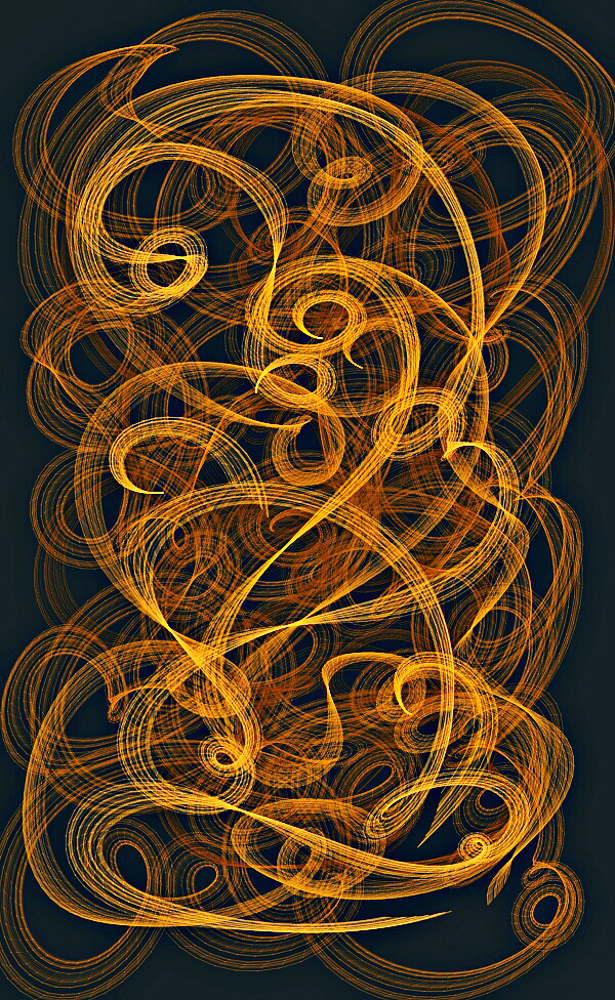
I have been creating what I like to call Organic Abstract Art on my ipad now for about a year. I am self taught, and follow no rules other than the often untamed but fearless musings of my soul…
Dance of Souls
My training as a dancer and my work with textiles combine in my art and allow the creation of pieces that have depth of both texture and movement – abstracts that come organically from inner impulses – to me it is as if I am dancing when I create my pieces –I have always believed in the beauty of improvisational dance – the creation of a pure moment – and so it is when I create these pieces…
Continuous Energy Flow
Energy and Flow feature again and again in my pieces – the energy that is within us all, is all encompassing, and from where creativity flows …
Natural flow
Flow to unfold all … Fleeing familiarity And swiftly turn to face freedom…
Art is indeed food for the soul, which in turn nourishes our awareness and consciousness…this piece I created for my cousin Maren (meaning sea) we were very close when we were children although our meetings were few – magical days spent by the waters edge.
Maren
See you then the world little one, from afar Never in it, but as if from a distant plain Take the sorrows and let them wash over your skin Enfold in your small tiny arms each weeping joy And every moment, devour it in your sweet breath Innocent eyes on every beauty feast
Take the blood that runs in your veins And run with it to the waters edge Where you drink of sweet purity To cleanse your inner heart And there do rest and stay awhile To listen to the earth singing to you Its sweet song of life
I love discovering new textures and delve deeply with effects and layers.
Inner Elegance
I have no fixed image in mind when I start and they are often created very quickly…with swift dance like movements.
As My Soul Dances and Plays
Yooxayatangi
I am constantly surprised by the textures that can be achieved … almost like textile art.
Deepsea
Dark Matters
Being a dancer by nature, I find words often limiting and prefer the art to speak for itself…
Some artist’s stories simply cannot be separated from one another or the canvas would be blank. I am not an overly emotional being. Not self-analytical, nor prone to spontaneous outbreaks of poetry, as many creative spirits appear to be. That was my mother,artist/poet/teacher, Avonelle Kelsey (1931-2009), a diverse, unstoppable force in the San Diego area art scene for nearly three decades. Born to create, Mom lived life in full color. Much to her dismay, I was born fully dressed in dull beige Zoo Keeper garb – all Zoology, all the time. Life science was my true passion. Don’t get me wrong, I enjoyed great art, galleries, etc. After all, I was raised in her studios. But my life was 95% wildlife, 4.5% art and everything else (if there was anything else) blurred inconsequentially off to the sides. Such it was for 44 years. And then it happened.
Upon Avonelle’s death, I became responsible for an astronomical amount of artwork. I also had a significantly pesky oath. In her final years, Mom repeatedly made me swear to protect her creations. Along with that responsibility, I had inadvertently become the keeper of her creative legacy. Shit! This was not zoology. Yet, it was evolution. She finally got me.
My transformation from science fanatic to artist obsessive was startlingly was fast. Ayear long art sale began with a growing intimacy to each of Mom’s paintings during multiple photo sessions.Sculpture were matched to her written works and/or paintings. Questions were researched for collectors. So much packing and shipping. Lastly there was the book. That sneaky, buggery book. I was already an author. Years earlier my inability to play well with others had taken me from working with animals to writing about them, mostly in the form of educating travelers about animals within the pages of detail-heavy travel guides focused on global volunteer programs. But then came Mom’s book.
Working with all those images of paintings it hit me like a ton of clay. The formatting, creating of marketing materials, cover design–that was what I loved about writing books. I produced travel guides so efficiently because I was anticipating getting to the next cover design. Good news, I actually hated writing! Bam! I was back in college studying Graphic Design within a month. Three years later, I can’t imagine not creating every day. As an artist I admittedly am a fledgling,still learning,still growing. I am also still 4.5% zoologist,communicating messages about nature and animals, care and conservation, but I have evolved to do so visually – much to my own dismay.
Deprived
Colorist
Naturalist
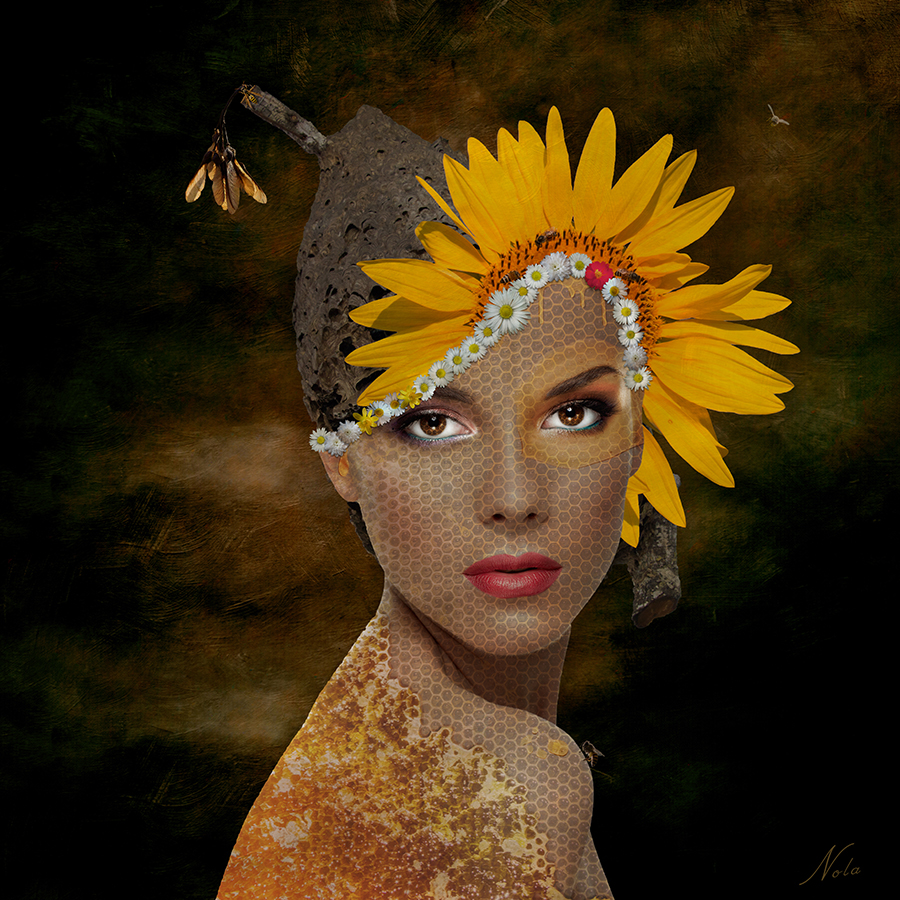
Honey
Songwriter
Birder
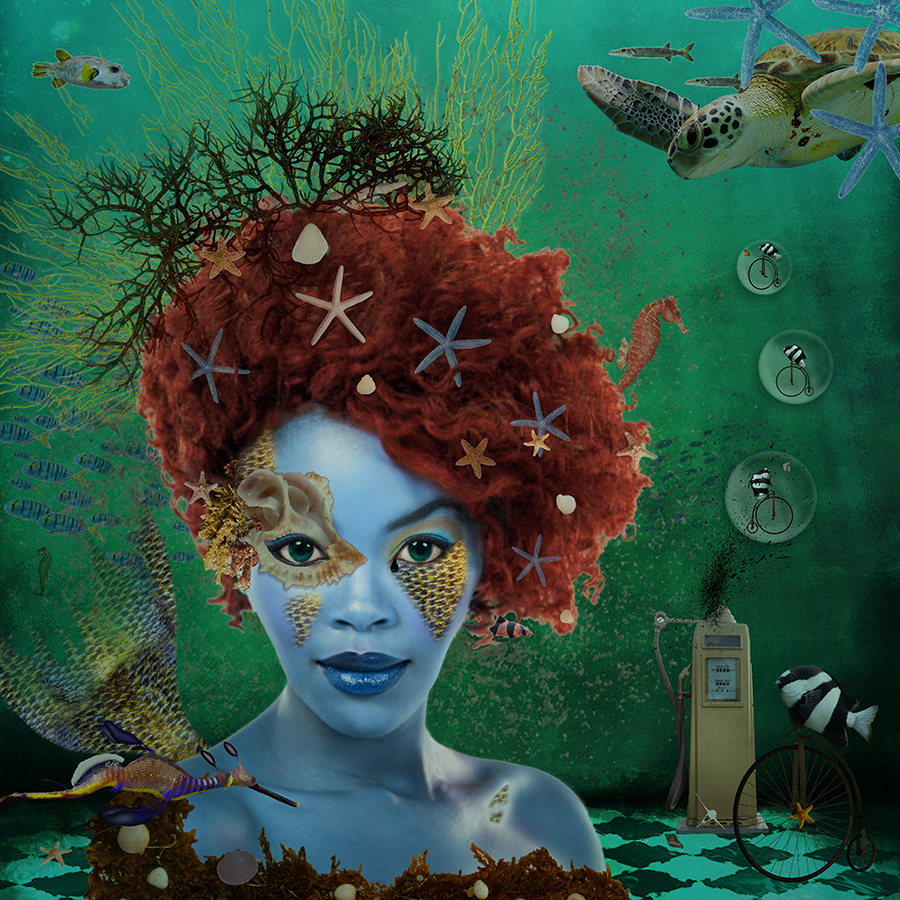
Ocean
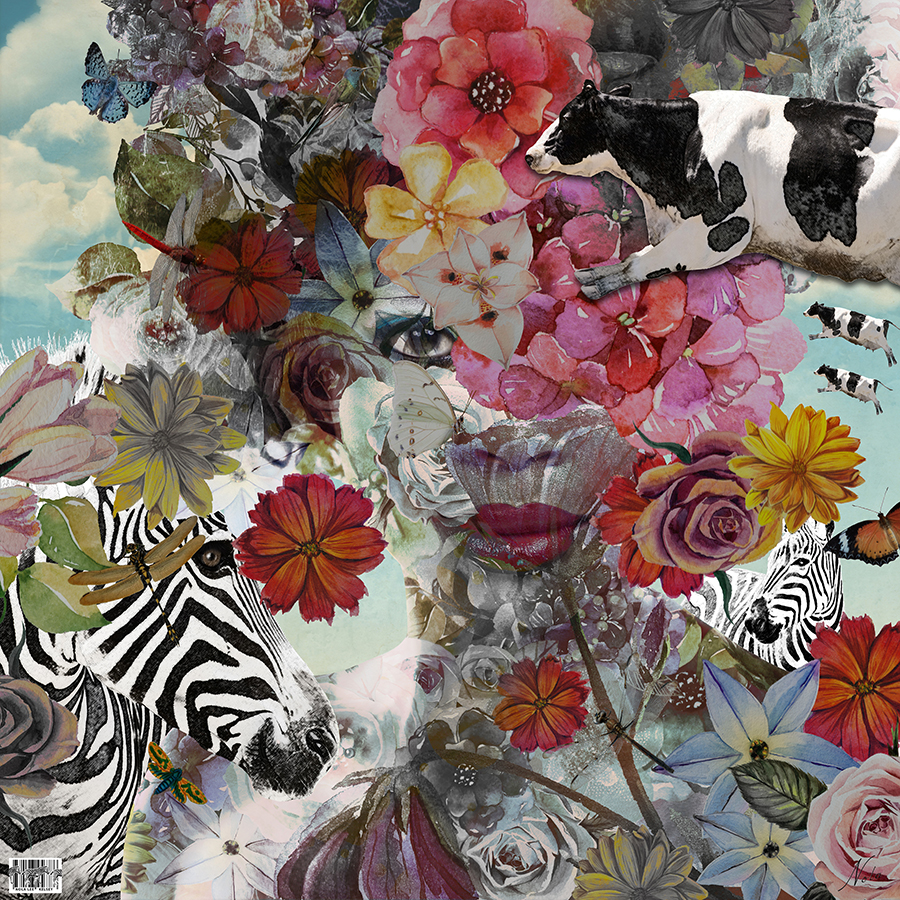
Flora and Fauna
Crested Gibbon
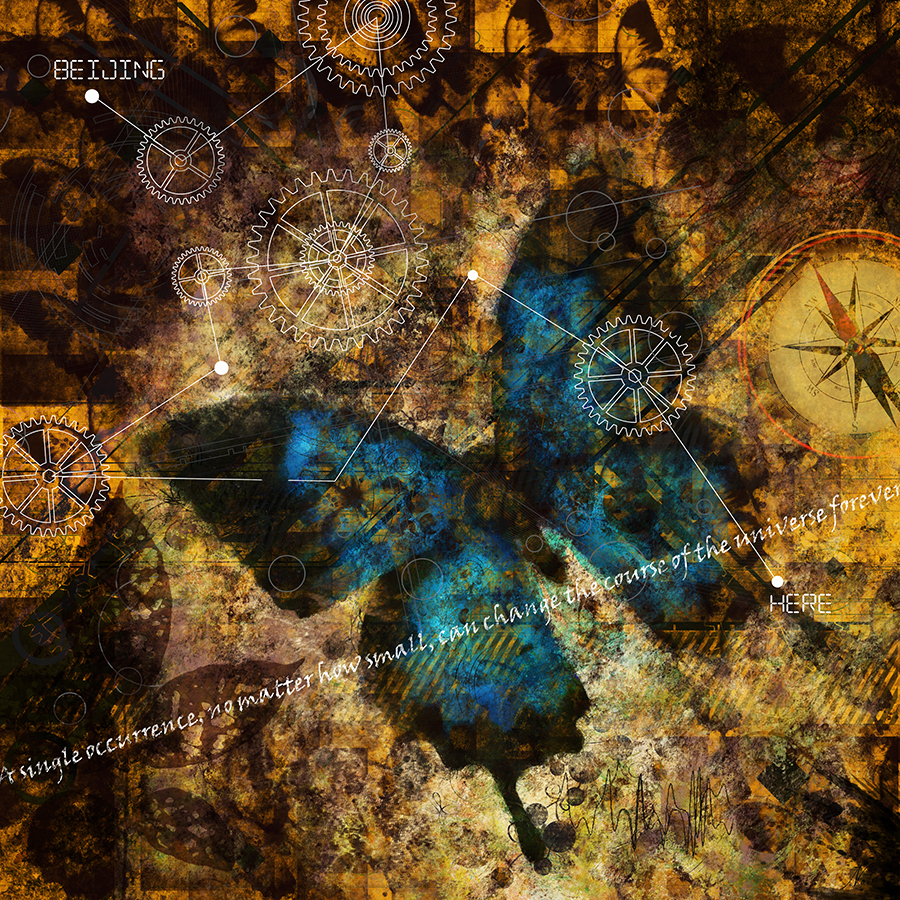
Contemplating the Butterfly Effect
Asperger’s
Rift
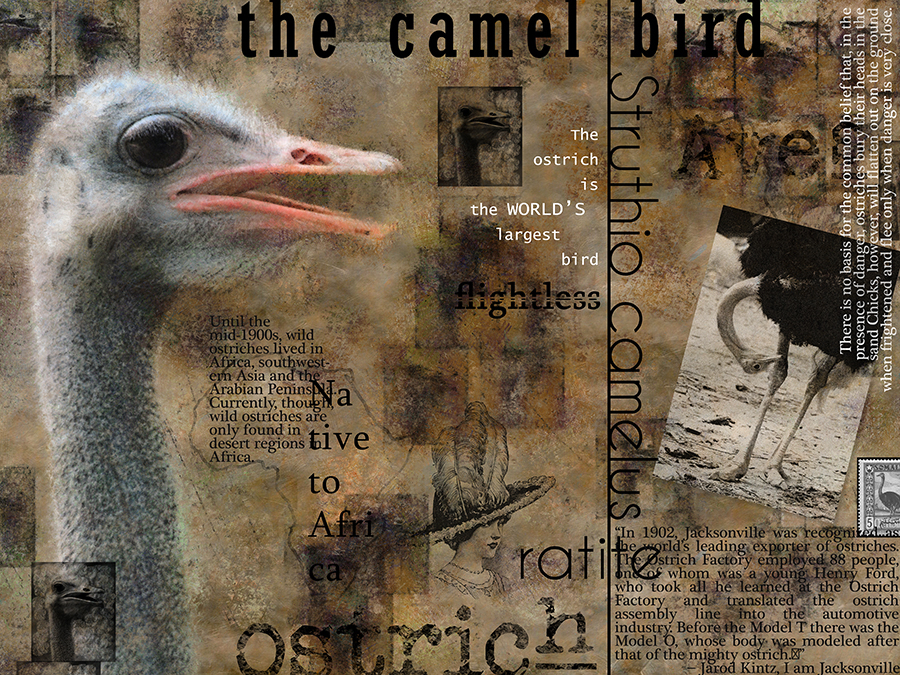
About the Ostrich
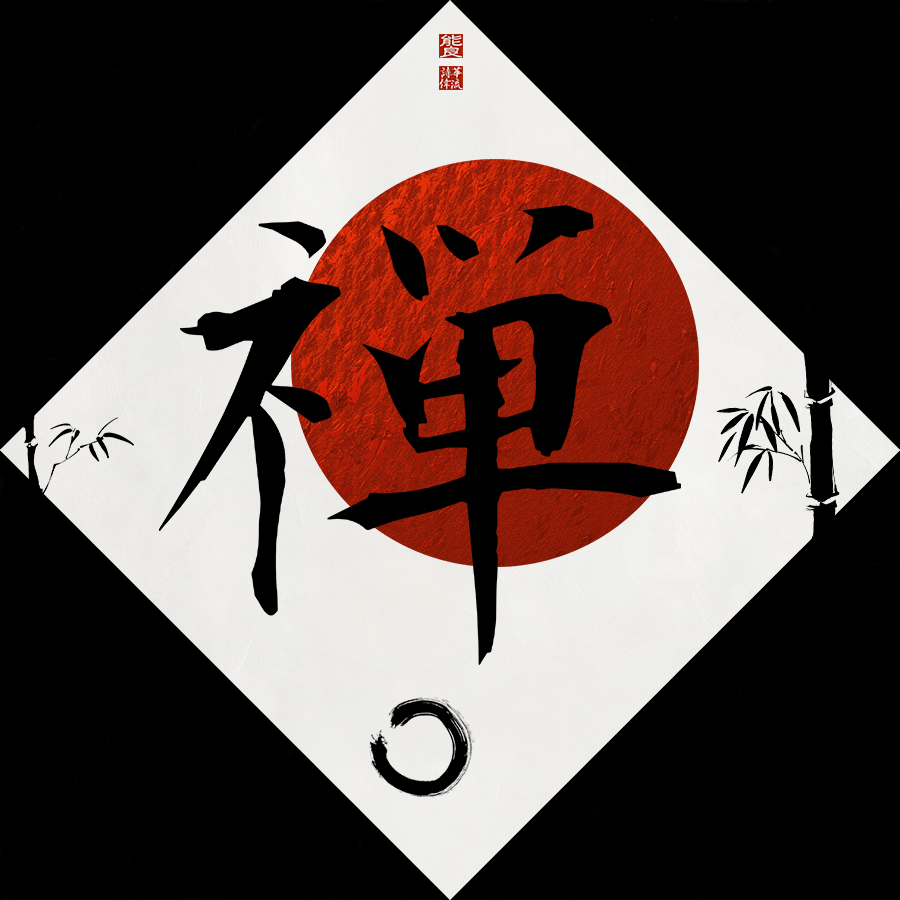
Kanji Zen with Enso
Live Your Art
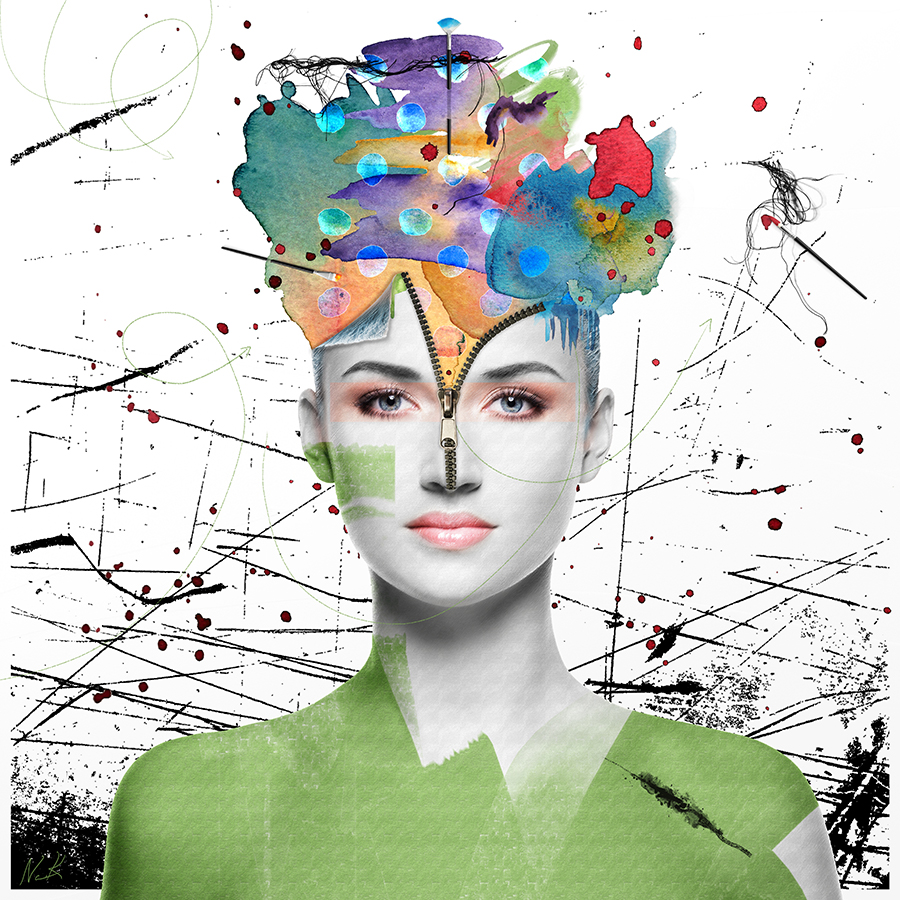
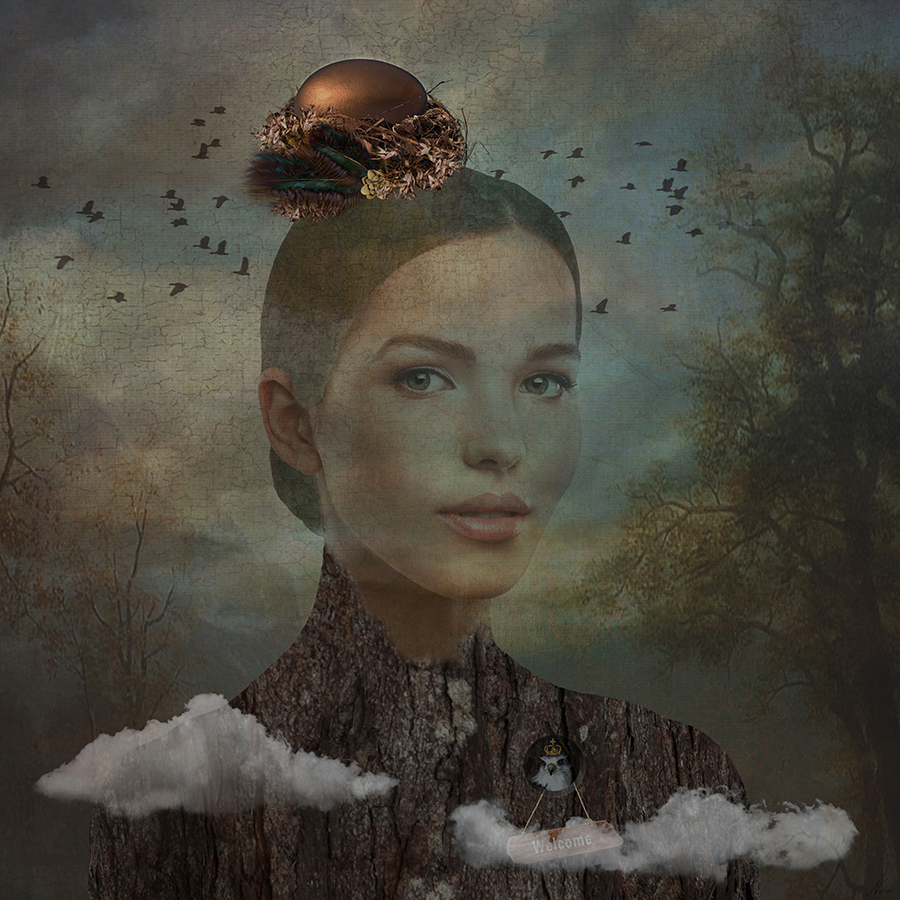
Nola Lee Kelsey is an American-born Digital Artist living in Southern Thailand. In addition to creating and selling prints from her own artwork, Nola also has a wide range of online shops where her digital images, and her late mother’s fine art paintings, are used to create a wide variety of uniquely artistic merchandise.
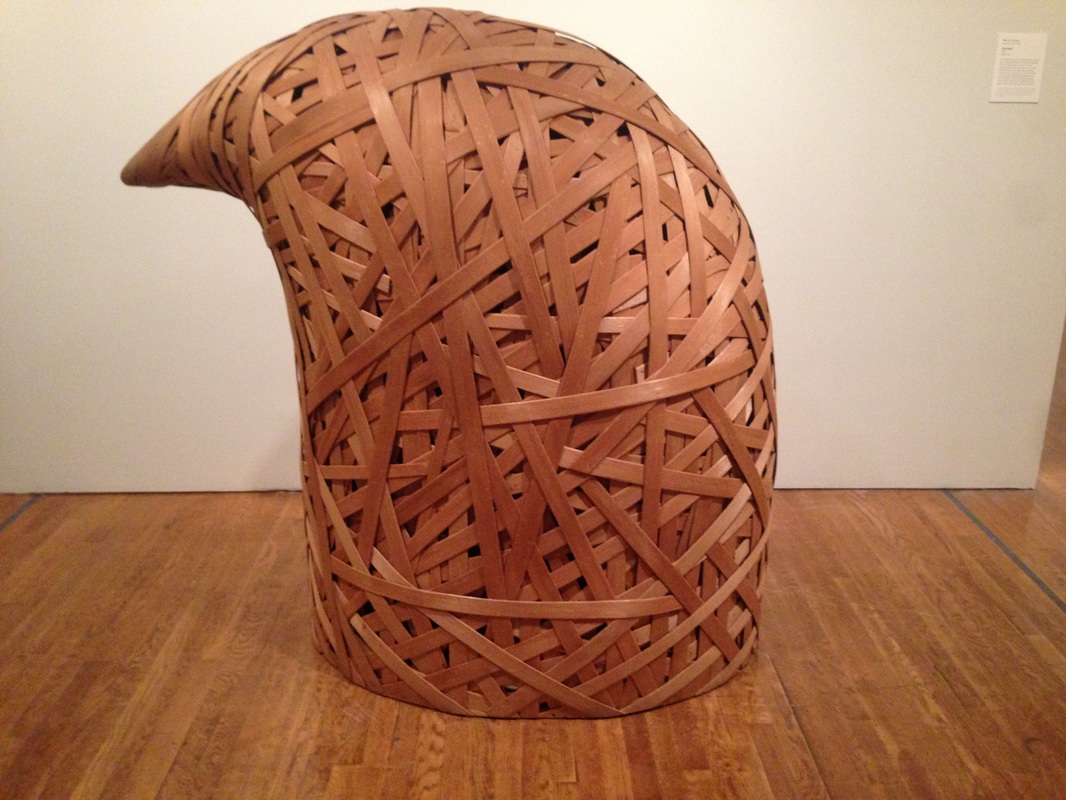
There is a simplistic, minimal aesthetic present in Puryear’s work that is undeniably beautiful. He uses the material organically to create semi abstract pieces that have figurative quality and yet not limited by the figure itself. The figure being manipulated and molded is Africa.
To credit these objects for their aesthetic minimal qualities means one should immediately correlate African wood working practice as intelligent design, and it is unfortunate it does not. If Puryear’s work is received as Western mastery and African woodworking is his teacher, then a deeper look into African aesthetics should be noted in Africa’s contribution to modern art. Labeling of his work as post minimalist is insufficient.
The mining of Africa’s aesthetic and ritual that began with Picasso has become a standard practice in Western academia to the point where the visual language of Africa is considered Western. It is not. This pilfering of Africa still has no recompense or tax. This tax free appropriation used over and over again to make the West relevant once more. This can be seen in cubism, surrealism, and arte povera.
Arte Povera
Ar·te Po·ver·a
a style and movement in art originating in Italy in the 1960s combining aspects of conceptual, minimalist, and performance art, and making use of worthless or common materials such as stones or newspapers, in the hope of subverting the commercialization of art.- 1960s: Italian, literally ‘impoverished art,’ from arte ‘art’ + povera (feminine of povero‘needy’) https://www.google.com/webhp?sourceid=chrome-instant&ion=1&espv=2&ie=UTF-8#q=art%20povera
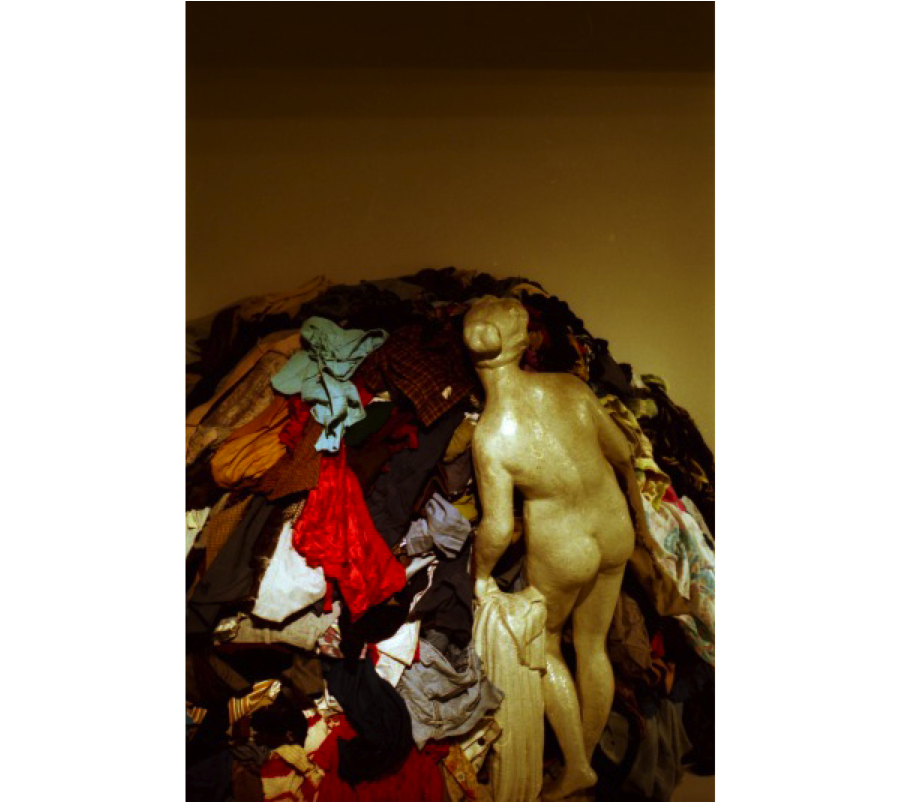
Arte Povera once again acknowledges the stagnation of western academia and proposes a rail against this limit by including trash/outsider as a point of inspiration. The Zizek quote points to the inauthentic intellectual guise wrapped up in this movement. Michaelangelo Pistoletto’s Venus of rags would seem to fulfill the hope to “re-establish the aesthetics of beauty” of Zizek. Does Venus of rags accomplish this re-establishment? It does not.
Like most movements that attempt to redefine Western academia based on the established aesthetic, all that is accomplished is an affirmation of the binary. Pistolletto’s Venus accomplishes that binary where it is clear that Venus is still Venus, even if she is turned and looking at trash, and the trash is still trash. The binary is reinforced not swayed. Povera’s illustration of the binary has now become the definition of commercial or the new rubric to an acceptable commercialism.
The West’s constant search to appropriate and inject new life in the dead lineage of its academia poses a primary concern for all those wishing to gain acceptance and validation of their work from the same. Those validated by the West breathe life back into the lingering notions of aesthetics.
Black, White & Gray
This systemic issue is problematic when considering the success and politics of art makers. At times it may seem that there is no other way but to accept the terms of academia but that is simply not true. There is a way to retain ones artistic integrity and aesthetic.
Mark Bradford was born in Los Angeles, California, in 1961. He received a BFA (1995) and MFA (1997) from the California Institute of the Arts in Valencia. Bradford transforms materials scavenged from the street into wall-size collages and installations that respond to the impromptu networks—underground economies, migrant communities, or popular appropriation of abandoned public space—that emerge within a city. Drawing from the diverse cultural and geographic makeup of his southern Californian community, Bradford’s work is as informed by his personal background as a third-generation merchant there as it is by the tradition of abstract painting developed worldwide in the twentieth century. Bradford’s videos and map-like, multilayered paper collages refer not only to the organization of streets and buildings in downtown Los Angeles, but also to images of crowds, ranging from civil rights demonstrations of the 1960s to contemporary protests concerning immigration issues. http://www.art21.org/artists/mark-bradford
Mark Bradford amongst others exist in black & white and fear the gray. Bradford exists with integrity and aesthetic. Both Bradford and Puryear have received have been featured on Art21. Bradford differs from Puryear in his clarity of and honesty of material which is then manipulated aesthetically.
Bradford uses found material from his community, not out of pity or sentiment, but an investigation of the language promoted in the community. He uses it as fuel for his artistic practice and does not shy away from its origin. Bradford’s work is also not limited by its origin, nor has it become a spectacle of Blackness. His work achieves a critique of the West without illustrating the binary and upholding its rubric.
Bradford uses found material from his community, not out of pity or sentiment, but an investigation of the language promoted in the community. He uses it as fuel for his artistic practice and does not shy away from its origin. Bradford’s work is also not limited by its origin, nor has it become a spectacle of Blackness. His work achieves a critique of the West without illustrating the binary and upholding its rubric.
Postcolonial Thoughts: Martin Puryear “Passing through the color line” continues next month with Part III.
Christopher Hutchinson is an accomplished Jamaican conceptual artist, professor and contributor to the art community as a writer, critic and founder of the nonprofit Smoke School of Art. He is a Professor of Art at Atlanta Metropolitan State College and has been featured as a lecturer including prestigious engagements at University of Alabama and the Auburn Avenue Research Library. For two decades, Chris has been a practicing artist. His works have been exhibited in internationally recognized institutions including City College New York (CUNY) and featured at the world’s leading international galleries such as Art Basel Miami. He has always had an innate passion for creating spaces where Africans and people of African descent contribute to an inclusive contemporary dialogue—ever evolving, not reflexive but pioneering. This requires challenging the rubric of the canon of art history, a systemic space of exclusion for the Other: women and non-Whites, and where necessary he rewrites it. He received his Master of Fine Arts Degree in Painting from Savannah College of Art & Design, Atlanta and his Bachelor of Arts Degree from the University of Alabama in Huntsville, Alabama.
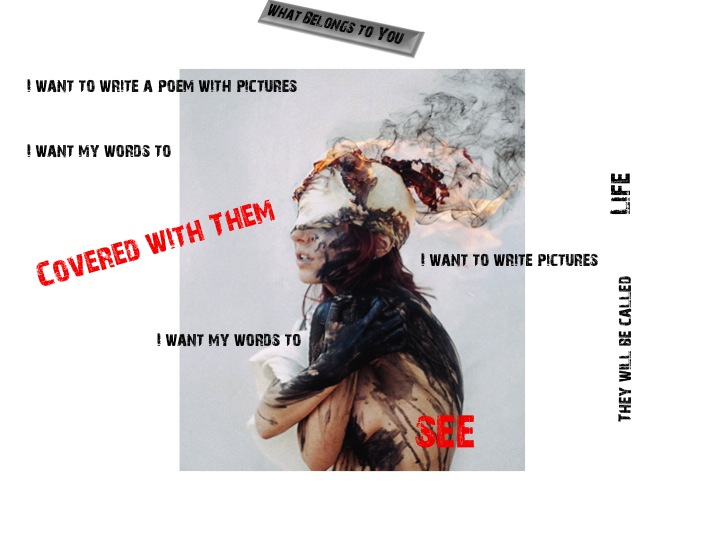
K.D. would like to thank the incredible artist George RedHawk (DarkAngel0ne on social media) for permission to combine her words with his art.
What Belongs to You
Ethereal
Rides in the car
loosening in the still light,
running like a deer through God’s house.
Skywalker.
Mindbender.
A leap into the glimmering.
Traveler.
One with something like air and water but neither.
Feels like music.
Futures
He stands in the doorway
ecstatic in the book of the sun,
thinks he bought me,
so I offer him fare trade−
the luxury of commerce
on a wet night of uncertain weather.
We unbutton the horizon.
The Tall in the Small
You will never be a stone in the sky.
With both hands dancing,
you will nurse wild forests,
seek matter uneven,
holy antennas reaching,
footlights for the blind,
living candlelit lives
while ghosts rail with bad advice.
You are the naked light.
K. D. Rose is a poet and author who has books published in multiple genres. Her newest release is The Brevity of Twit. K. D.’s poetry has been published in Candlelit Journal, the Voices Project, and showcased in the Tophat Raven Art and Literary Magazine. Her poetry has also been accepted for publication in The Stray Branch Fall/Winter 2016 issue. K. D.’s book, Inside Sorrow, won the Readers Favorite 2013 International Silver Medal for Poetry.
The Museum of Modern Art presents a major exhibition of the sculpture of the acclaimed American artist Martin Puryear (b. 1941). The retrospective will feature approximately forty-five sculptures, following the development of Puryear’s artistic career over the last thirty years, from his first solo museum show in 1977 to the present day. Puryear began his career in the 1970s alongside other members of the Post-Minimalist generation. Working primarily in wood, he has maintained an unwavering commitment to manual skill and traditional building methods. His sculptures are rich with psychological and intellectual references, examining issues of identity, culture, and history. The exhibition will be accompanied by a publication illustrating all works in the exhibition, with additional reference illustrations of the artist’s works and other comparative material.http://www.moma.org/calendar/exhibitions/28?locale=en
Western Bloodline
Without question Martin Puryear has secured his space in Western art as a master sculptor. He has been regarded by many as being among elite sculptors of any nationality. He has successfully transcended “race” and his work is received as purely art. Not art with an asterisk. Puryear achieved this without the implementation of overt ethnicity, sympathy and propaganda.
Puryear has lead by example the proof of how to be successful as an African American artist within the Western art rubric. Puryear is fully accepted into the Western art vernacular as if there was and is no difference between Africa and the West at all. He is neatly included in the “Post-Minimalist generation”. This is the smoothest transition into the Western academia by an African American artist to date. This rarity of smooth transition deserves an inquiry.
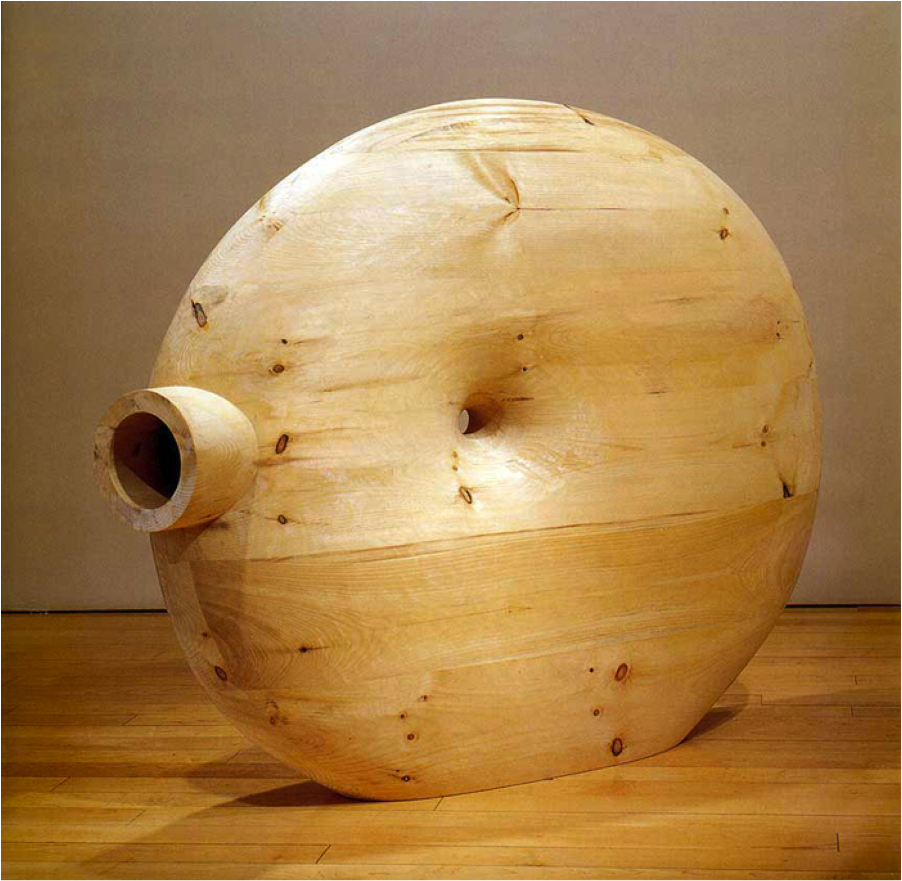
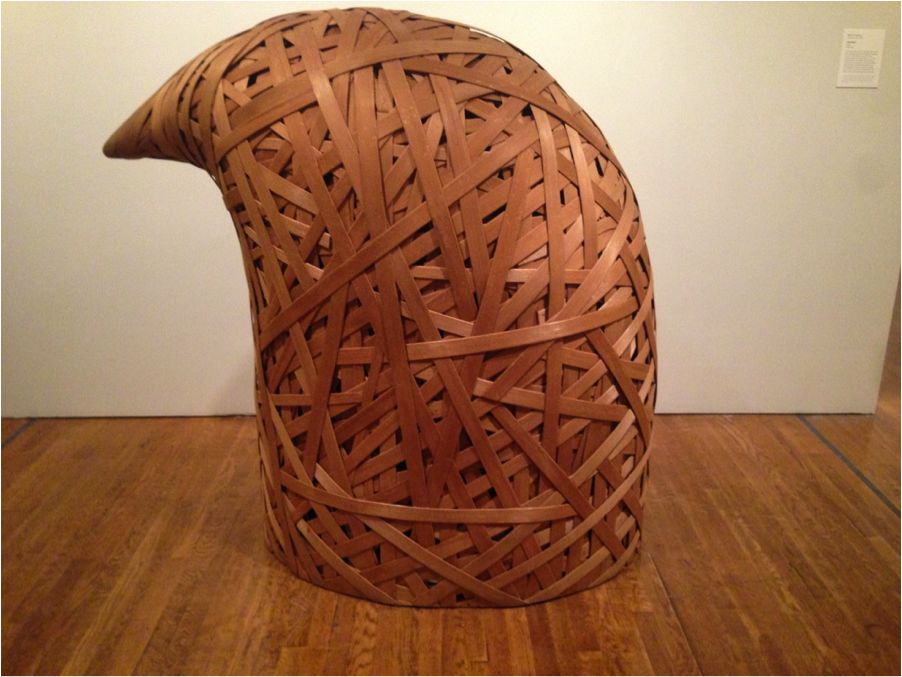
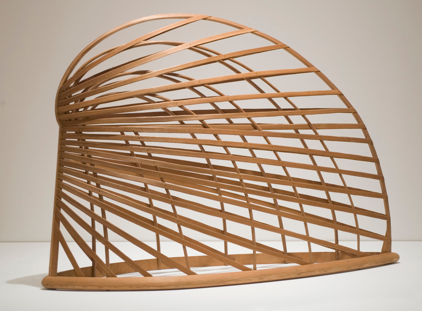
Martin Puryear. Bower. 1980. Sitka spruce and pine, 64″ x 7′ 10 3/4″ x 26 5/8″ (162.6 x 240.7 x 67.6 cm). Smithsonian American Art Museum, Washington D.Chttp://www.moma.org/d/assets/W1siZiIsIjIwMTUvMTAvMTQvMm80ZjF2dHg0b18xMzU2MS5qcGciXSxbInAiLCJjb252ZXJ0IiwiLXJlc2l6ZSAyMDAweDIwMDBcdTAwM0UiXV0/13561.jpg?sha=aa0796293d9d8397
Passing as an Artist
Passing: African Americans and other minorities were historically discriminated against in the U.S., so the fair-skinned offspring of whites and people of color often pretended to be white to take advantage of the opportunities that would’ve otherwise been denied to them. This practice is known as passing or passing for white. It often required individuals to leave their hometowns and family members behind to ensure that they’d never come across anyone who knew their true racial origins.http://racerelations.about.com/od/understandingrac1/g/Definition-Of-Passing.htm
Many young minority artists wish for the anonymity of Whiteness when it comes to their work. These artists crave a world where the artwork comes first before skin tone. Many of these artists will inevitably hatch a plan to make a beautiful exhibition and hire a White person to pretend to be them during the exhibition to attempt to get an honest response to the artwork, not skin tone then response and then eventually assumptions.
Many of these artists that begin down this path end up with work that no longer reflects them. They end up ghosts that produce pretty objects, objects that are manufactured by IKEA. Only focused on commercial success. Wanting to “pass” is a dangerous proposition that could consume your entire artistic practice.
Puryear’s work begins at an authentic African place and has succeeded in “passing”-Why and how? YALE’s Master of Fine Art department along with an impeccable mastery of craftsmanship go a long way in that smooth transition into the Western credence. Puryear’s new canon’s first stipulation is to educate yourself. You must know where your work fits in the analogs of history. The second order is to make the work impeccable. These mandates immediately remove your artwork from the category of folk, primitive, street, naïve and outsider art-outside of Western academia.
Contemporary artist Martin Puryear carefully considered the site requirements before designing and fabricating That Profile , the large-scale sculpture commissioned for and installated on the Getty Center’s Tram Arrival Plaza. In this video, Puryear’s comments about the design process accompany footage of the sculpture being made, transported, and installed.
Mr. Puryear’s experience with wood, his signature material, has a long history. His father was an amateur carpenter, and he made guitars while in college. As a member of the Peace Corps, he learned “old world joinery” from local woodworkers in Sierra Leone. While attending the Swedish Royal Academy, Mr. Puryear spent three weeks in the studio of furniture maker James Krenovhttps://mnaves.wordpress.com/tag/contemporary-sculpture/
Stipulation number three, avoid directly addressing Africa, race, ritual, and identity. To do so would pull the work back into the realm of folk. This avoidance is crucial to the commercial longevity of an artist that has “passed”. The need to distance oneself from Africa preserves the Western rubric. This reasoning leads to this acceptance of Puryear’s work as Minimalism and Formalism first primarily. These mandates allow his clearly African practice to be in a visual limbo.
This visual limbo presents itself as the “universal” or “global” aesthetic where any quasi-indigenous people could possibly make it. In this global/universal dialogue the work can and could be applied and credited to many different art movements, all of which use Africa as a springboard to become Avant guard or relevant again while Africa remains primitive. It is easy to see how could be linked to post-minimalism.
Often associated with both Minimalism and Formalist sculpture, Puryear rejects that his work is ever non-referential or objective. The pure and direct imagistic forms born from his use of traditional craft are allusive and poetic, as well as deeply personal. Visually, they encounter the history of objects and the history of their making, suggesting public and private narratives including those of the artist, race, ritual, and identity.http://www.ebay.com/itm/Martin-Puryear-Catalog-from-show-Art-Institute-of-Chicago-Neal-Benezra-/252222144694
This inquiry leads us to this topic. If Puryear is only using Africa as a point of appropriation and inspiration, then how is he any different than Picasso? And if he is acting like Picasso, operating from a colonial view of Africa then he should also be held accountable for that as he continues subjugation of Africa to exalt the West. Herein lays a major problem with attending any institution. If during the process of receiving your desired degree one actually reinforces the Western canon.
Some may say Puryear is not actually avoiding anything; rather he is very subtly and subversively handling such divisive topics as race, identity, and ritual. Those who entertain this thought should be reminded of Puryear’s other stipulation…every opportunity one has to speak about his/her work, make as many references to iconic Western art history. He is not subtle about the West.
Christopher Hutchinson is an accomplished Jamaican conceptual artist, professor and contributor to the art community as a writer, critic and founder of the nonprofit Smoke School of Art. He is a Professor of Art at Atlanta Metropolitan State College and has been featured as a lecturer including prestigious engagements at University of Alabama and the Auburn Avenue Research Library. For two decades, Chris has been a practicing artist. His works have been exhibited in internationally recognized institutions including City College New York (CUNY) and featured at the world’s leading international galleries such as Art Basel Miami. He has always had an innate passion for creating spaces where Africans and people of African descent contribute to an inclusive contemporary dialogue—ever evolving, not reflexive but pioneering. This requires challenging the rubric of the canon of art history, a systemic space of exclusion for the Other: women and non-Whites, and where necessary he rewrites it. He received his Master of Fine Arts Degree in Painting from Savannah College of Art & Design, Atlanta and his Bachelor of Arts Degree from the University of Alabama in Huntsville, Alabama.
CT explores the creative potential of borders, boundaries, difference, and limitation. It's a playground for multiple genres and diverse points of view. And like any good playground, it provides space for more than one person to have a good time. So I have friends here as well, contributing quirky, serious, playful, innovative, eclectic, and imaginative work.
Enjoy!
Melissa
Join 5,443 other subscribers
Subscribe/Connect
Subscribe to our RSS feed and social profiles to receive updates.
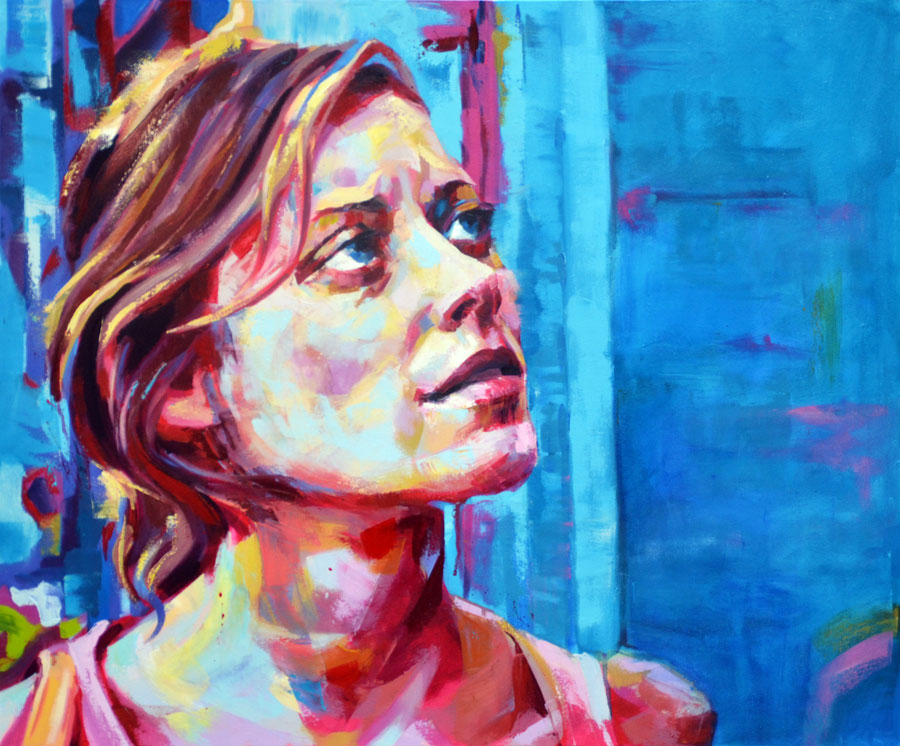
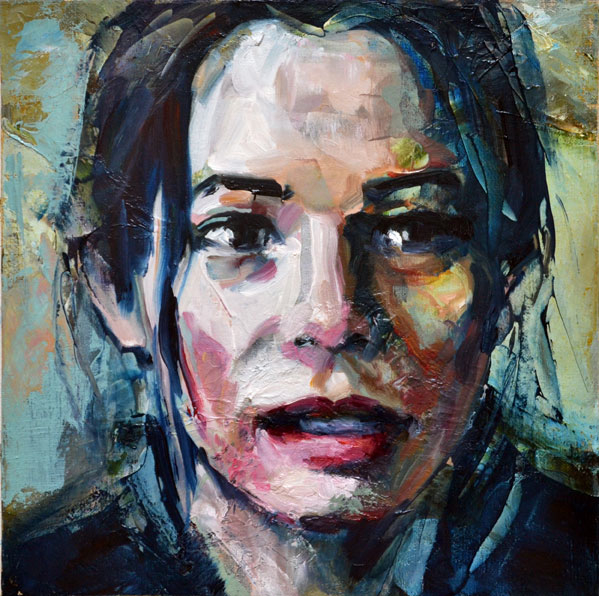

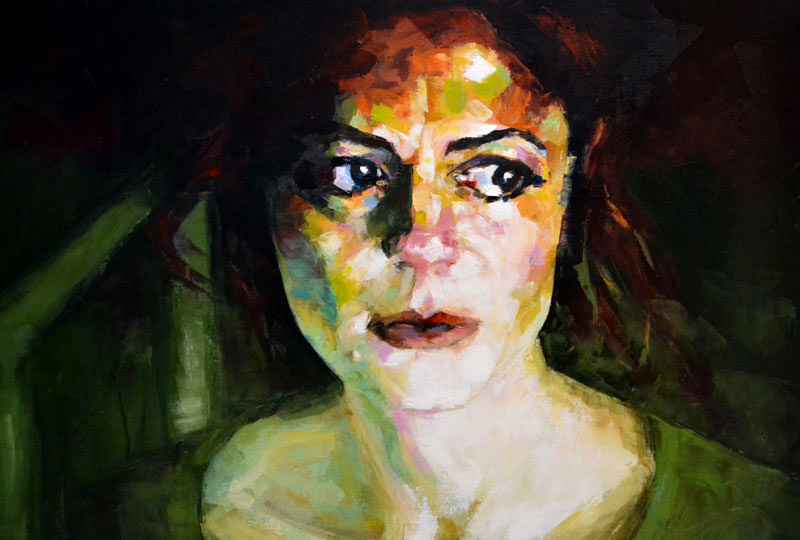
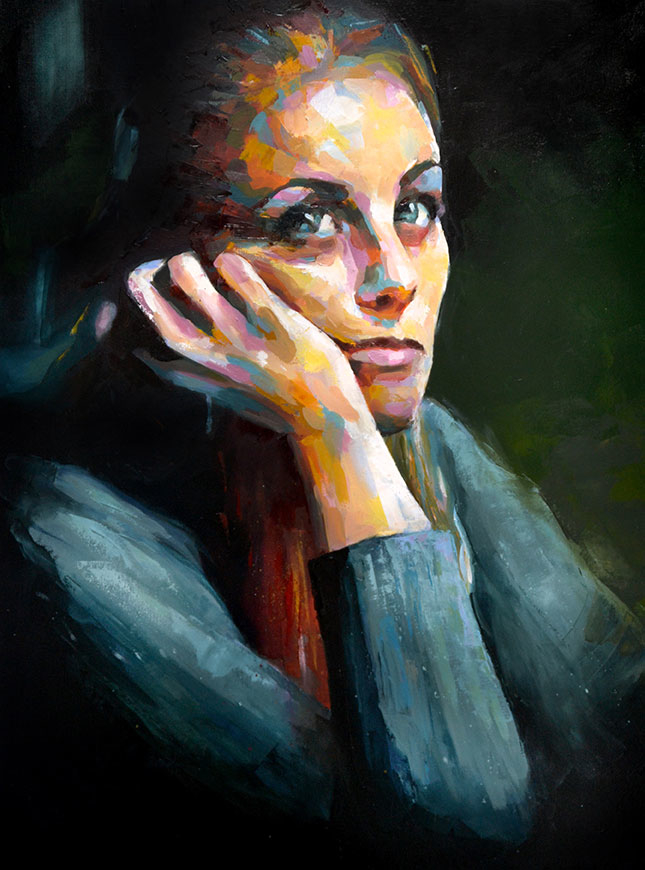
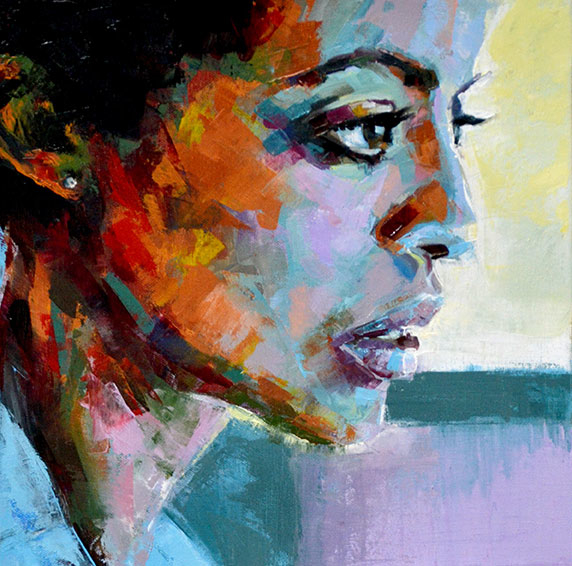
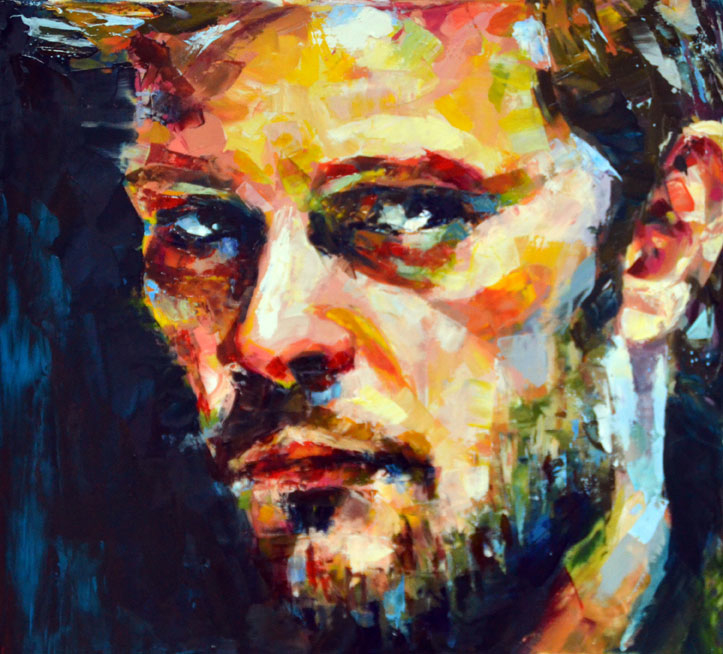
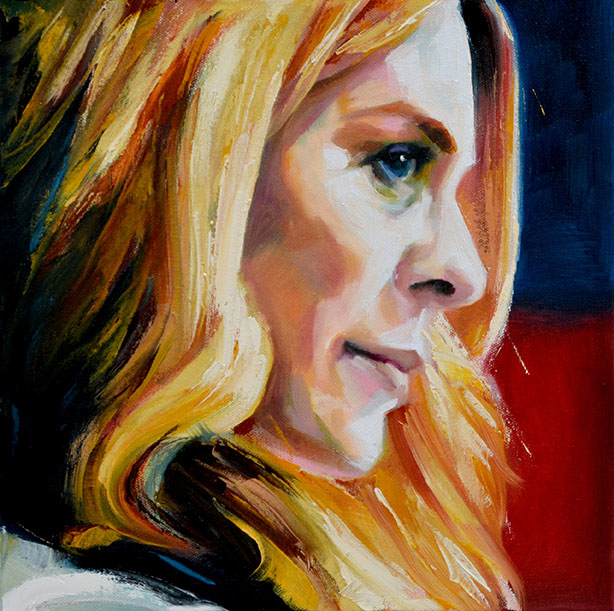
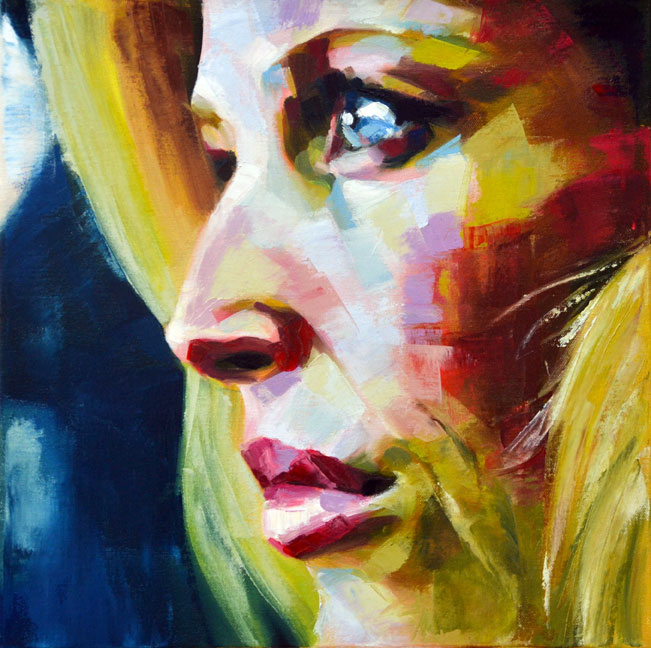
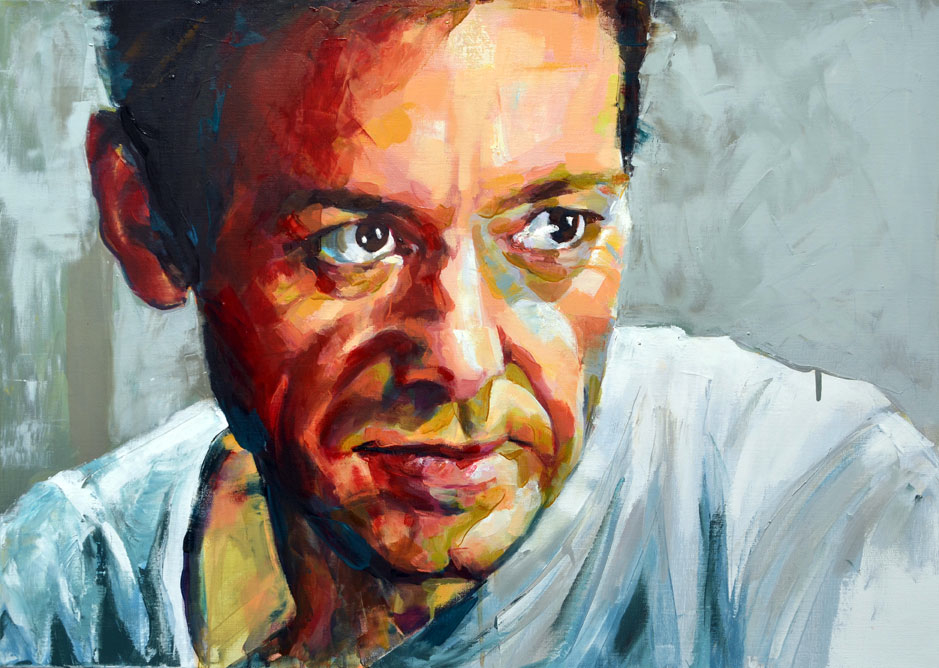
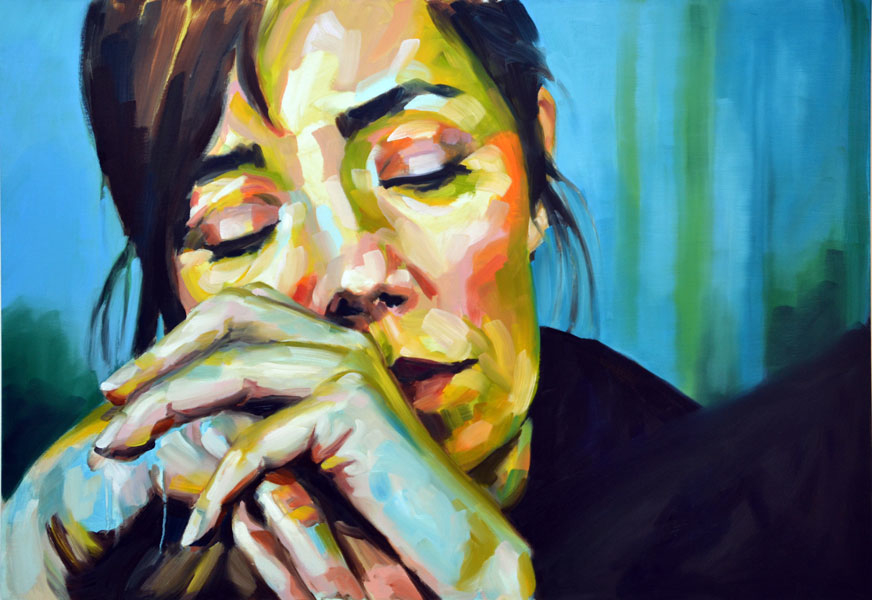
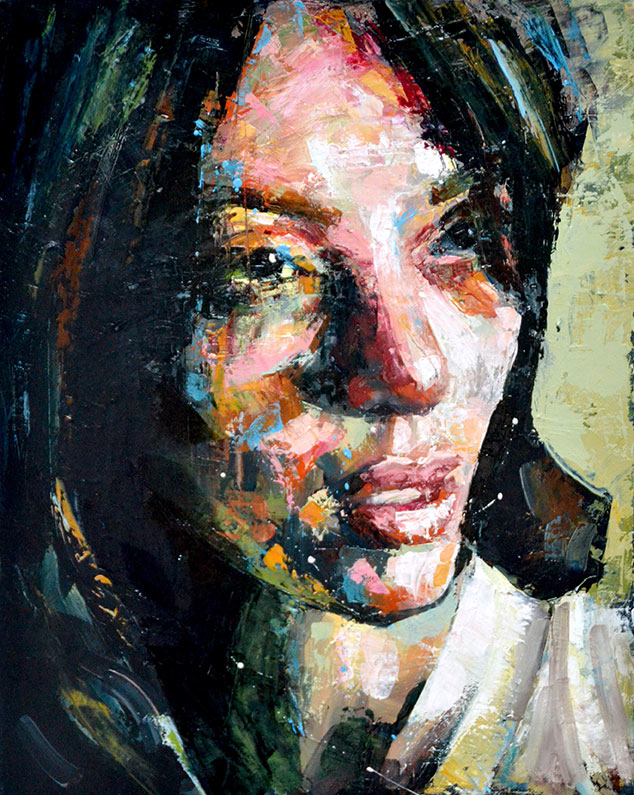
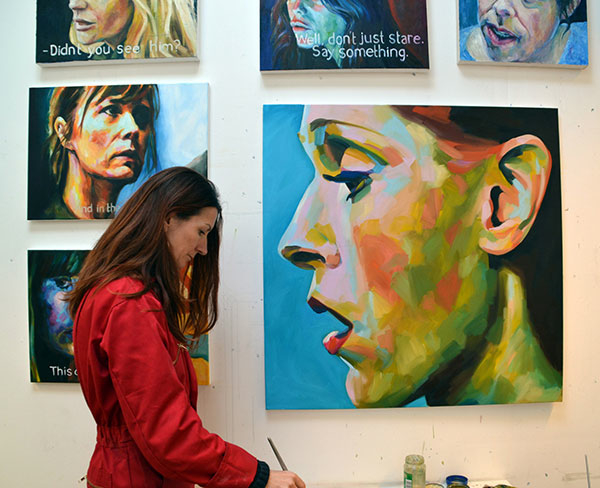 Sal Jones is a figurative artist inspired by human interplay, translating visual information into paintings; she develops ideas and themes from photographic sources with an emphasis on the painted surface. A re-interpretation of the portraiture tradition in which she uses colour and mark making as tools to communicate with, producing emotionally charged works, often of fictional personas.

























 Creative Thresholds