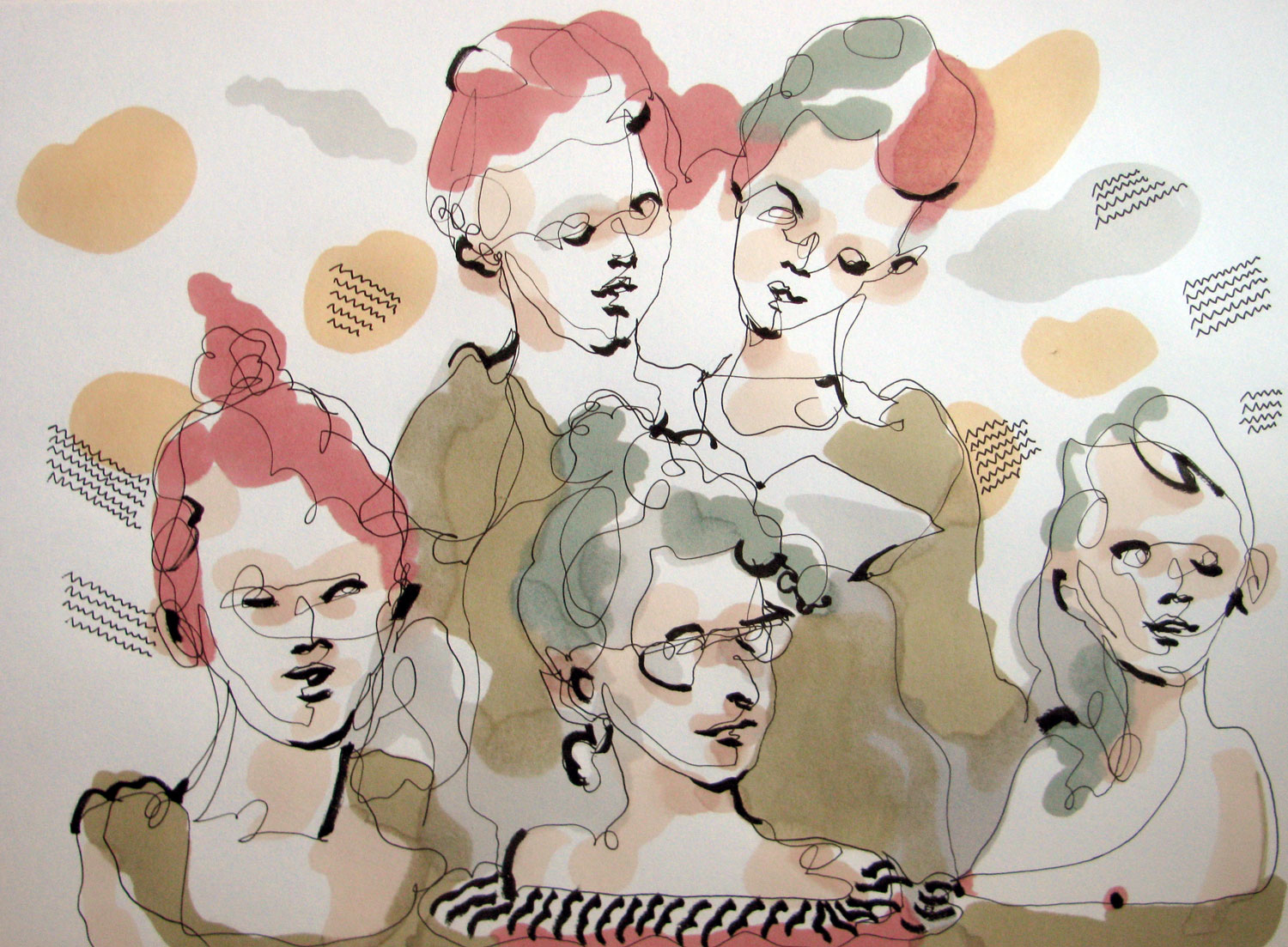
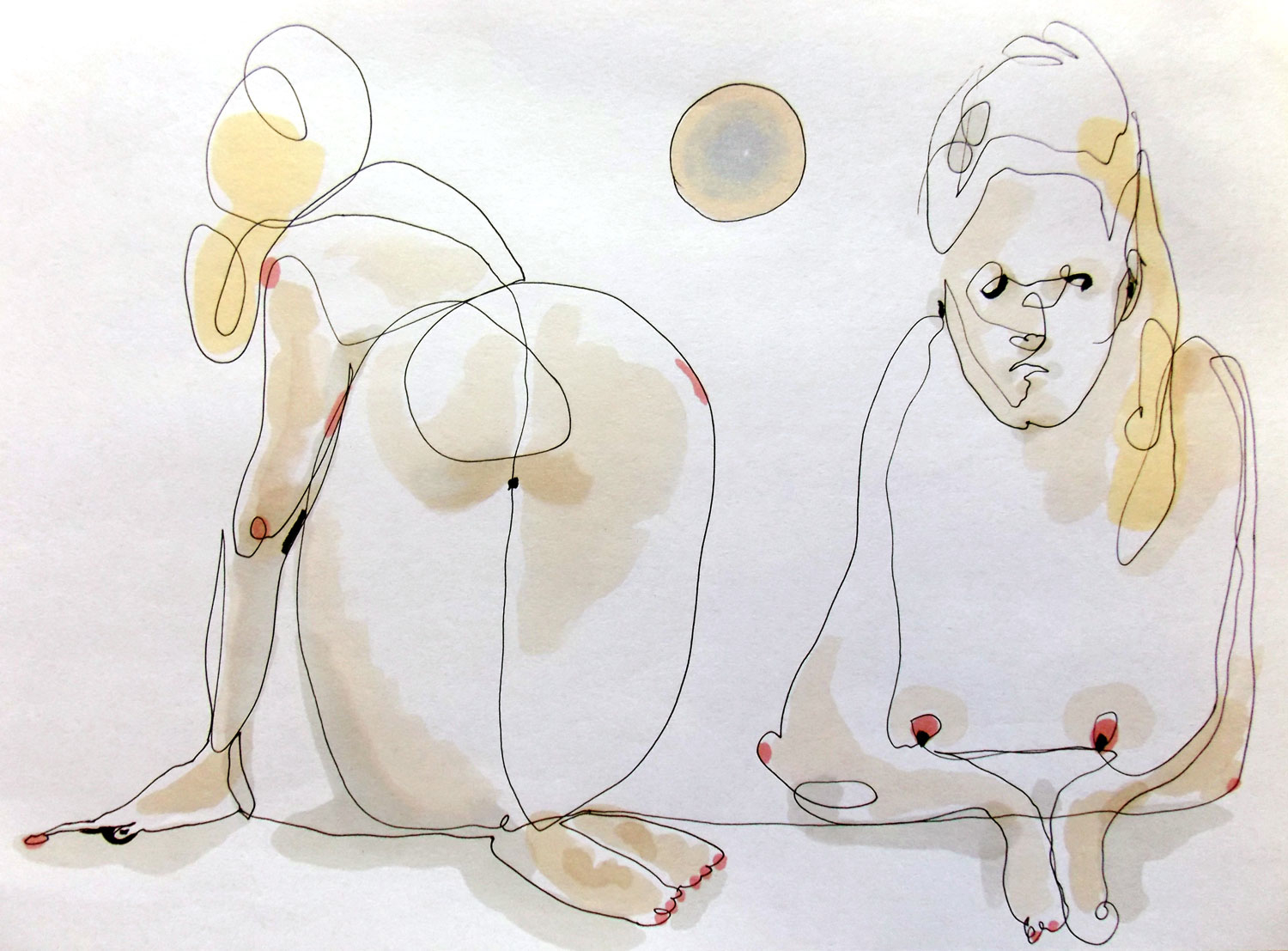
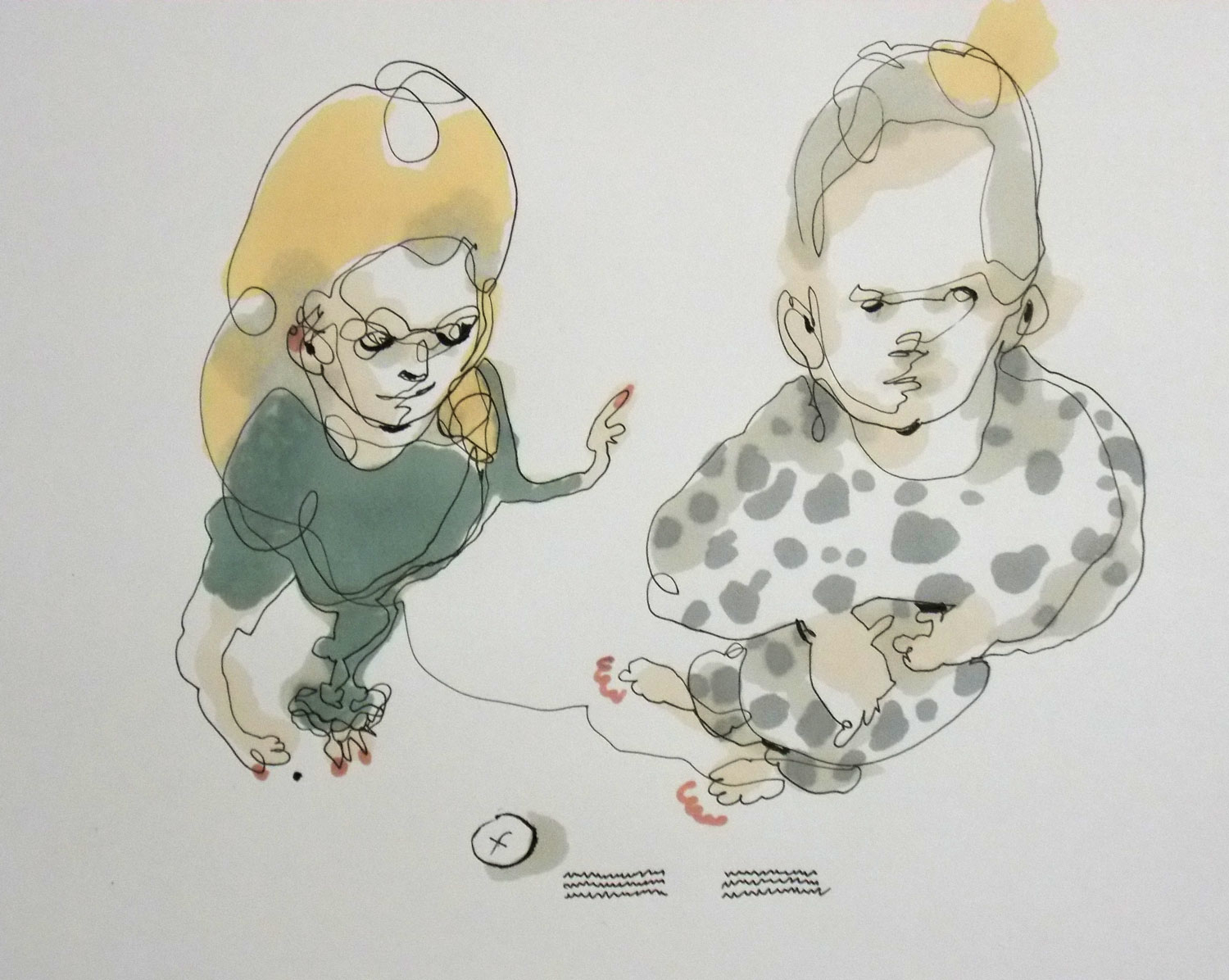
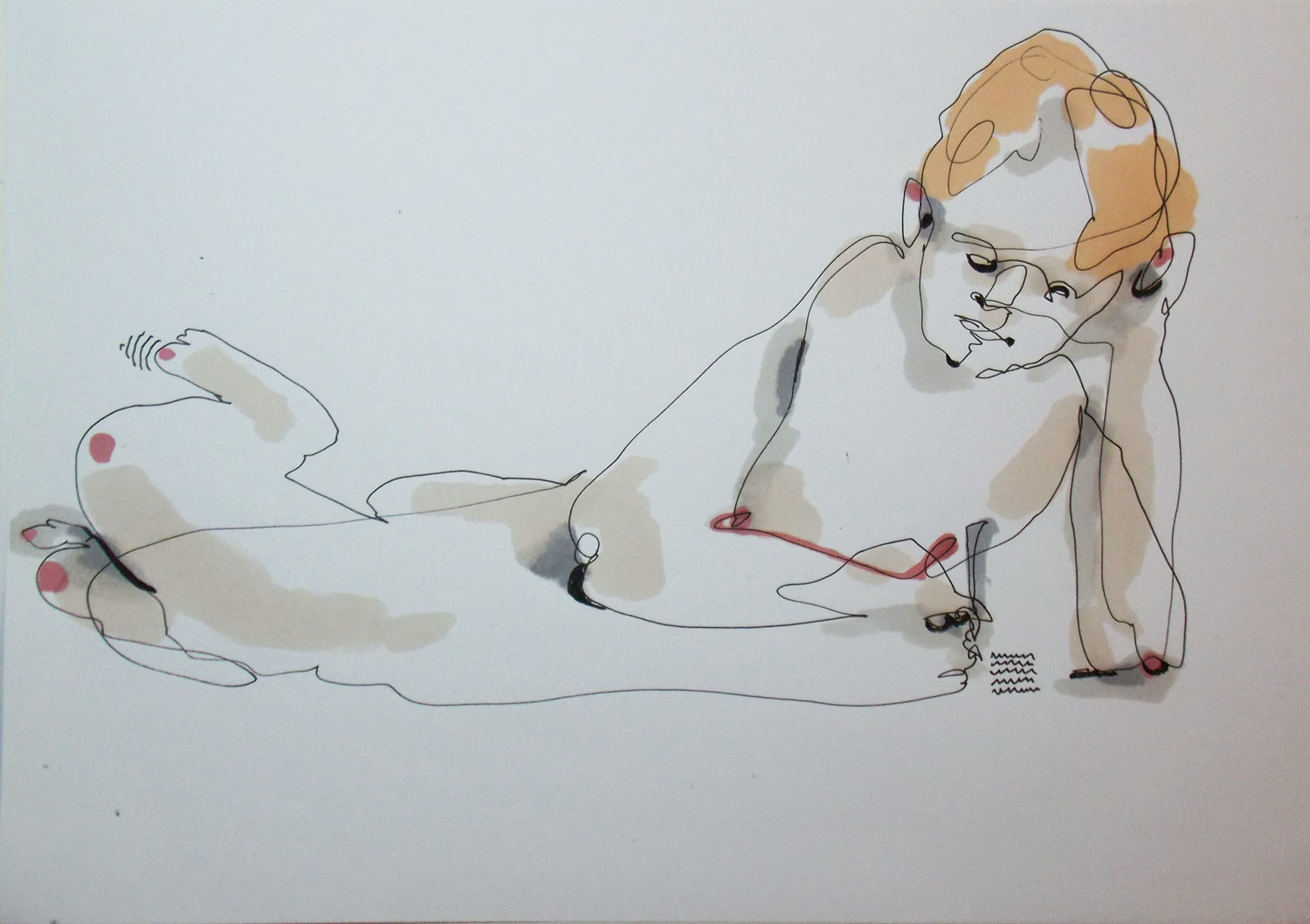
Archive | Art RSS feed for this archive

Notes from kingCARLA 3
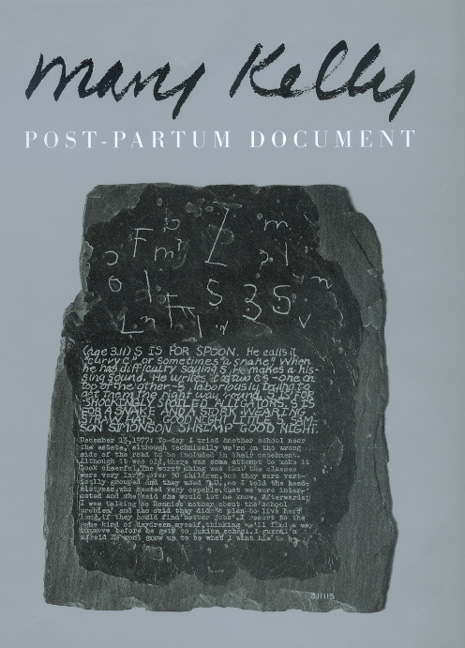
 

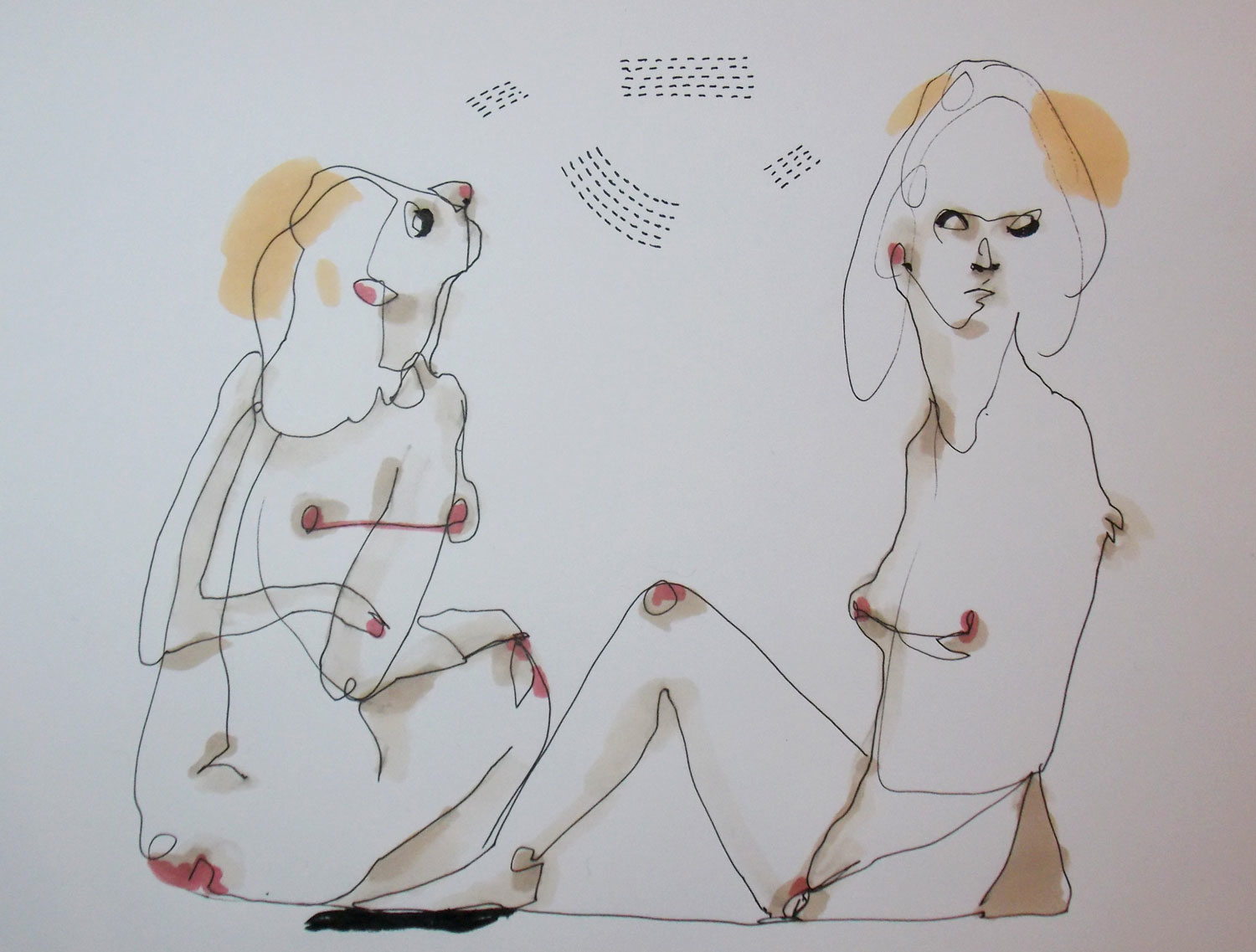
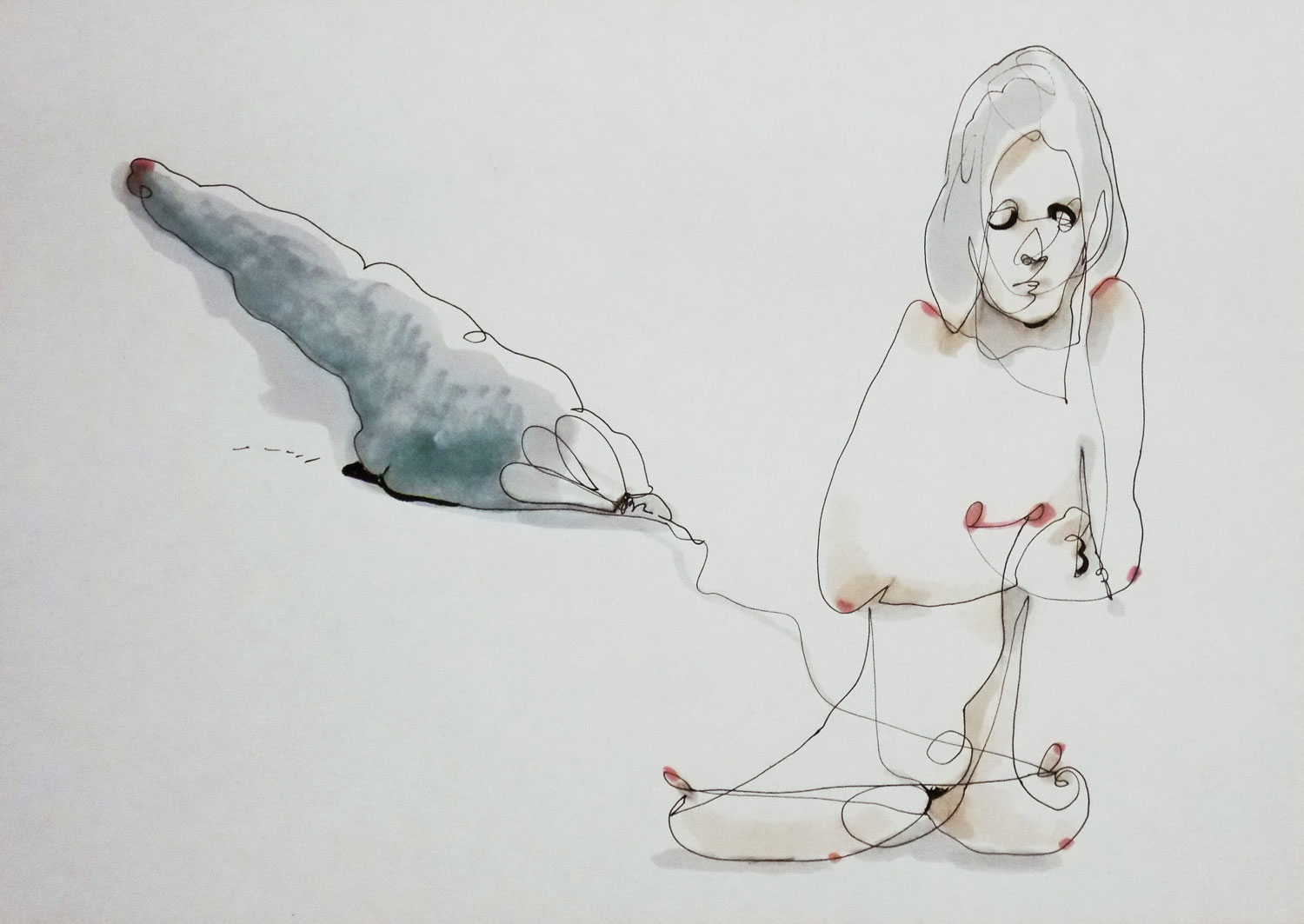
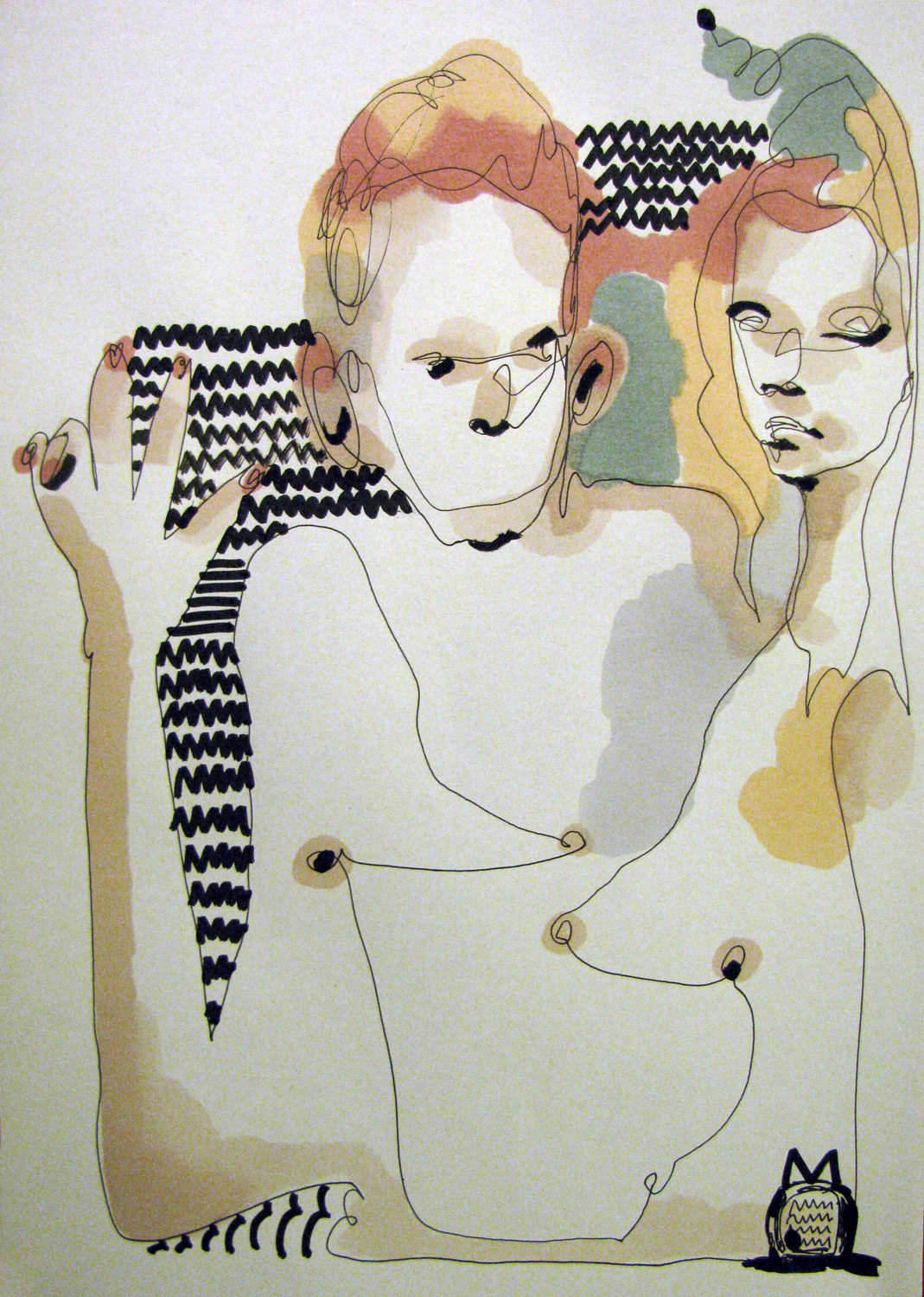
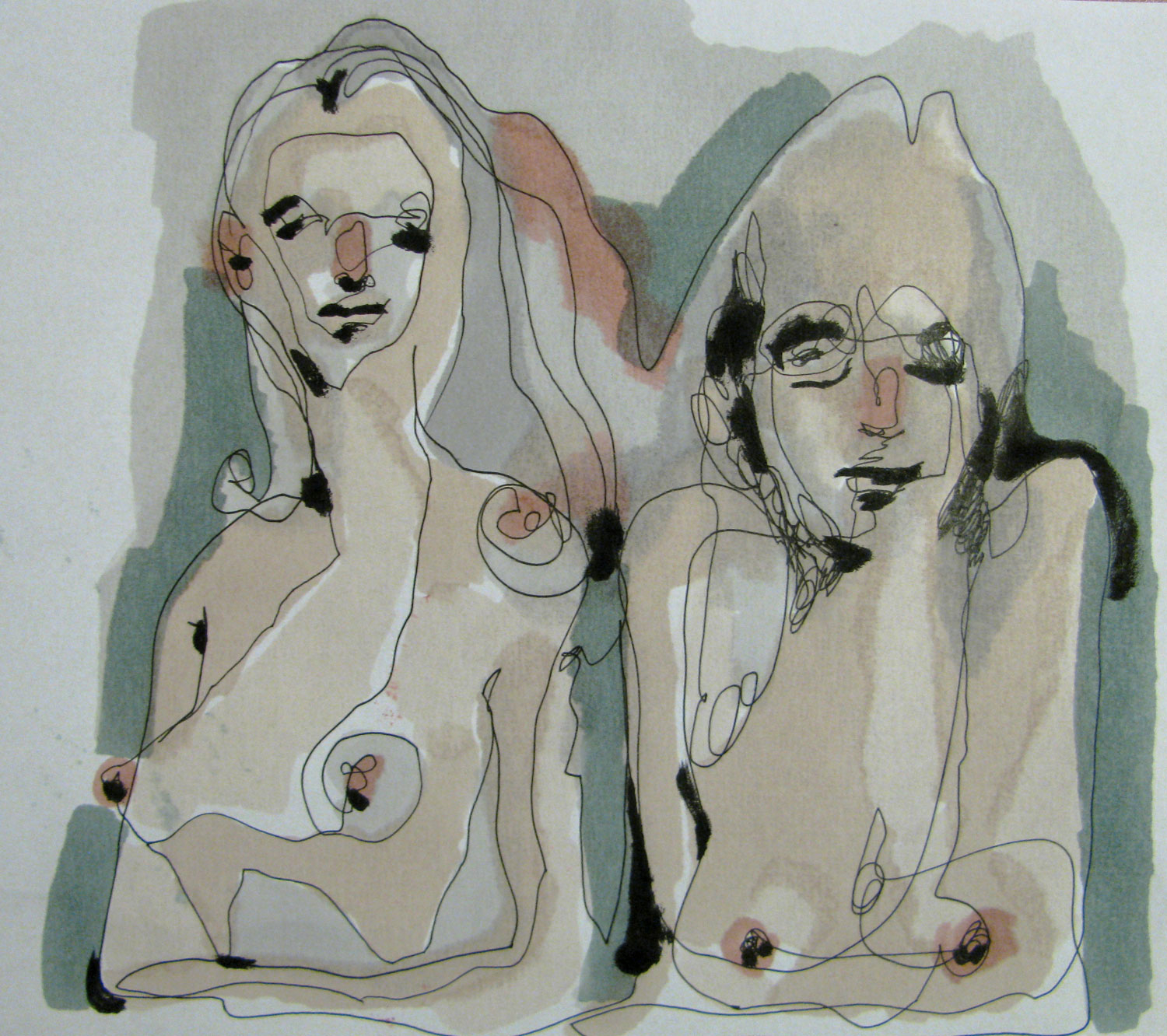
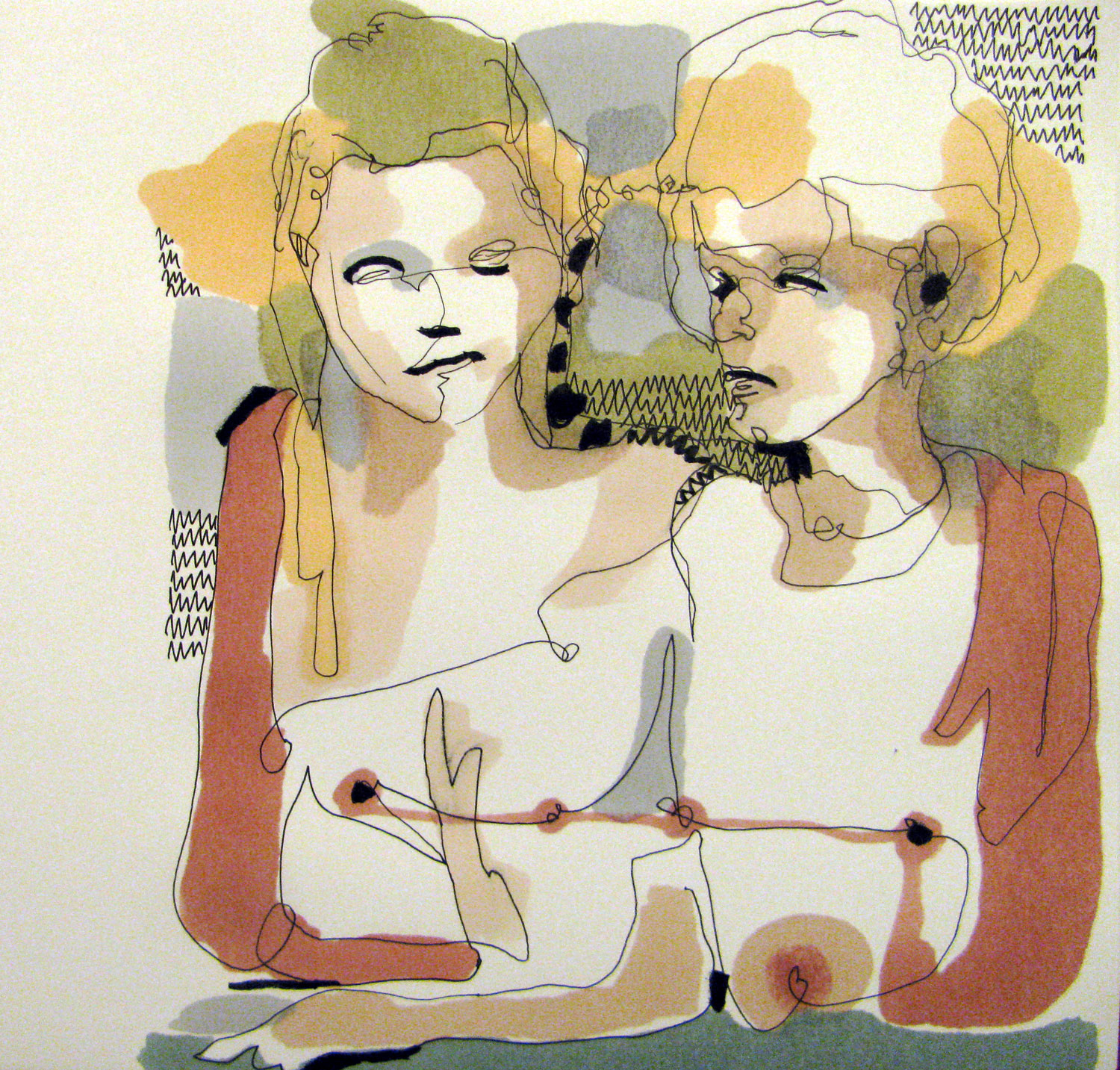
In Post-Partum Document, artist Mary Kelly explores the mother-child relationship.

In Post-Partum Document, artist Mary Kelly explores the mother-child relationship.


By Carla Aaron-Lopez

kingCARLA  writes about the experience of being an emerging artist. Her previous posts are  Notes from kingCARLA and Notes from kingCARLA 2.

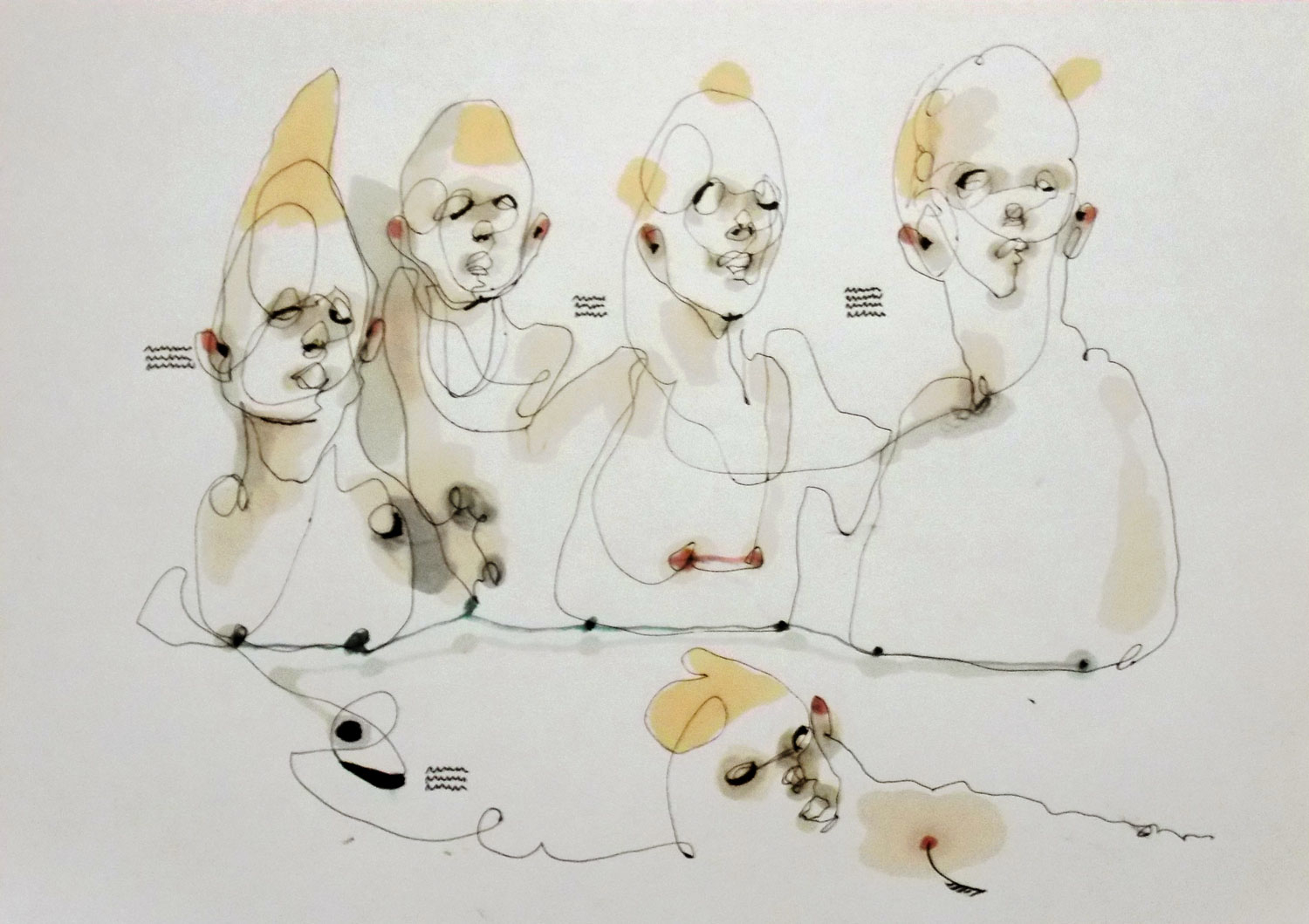
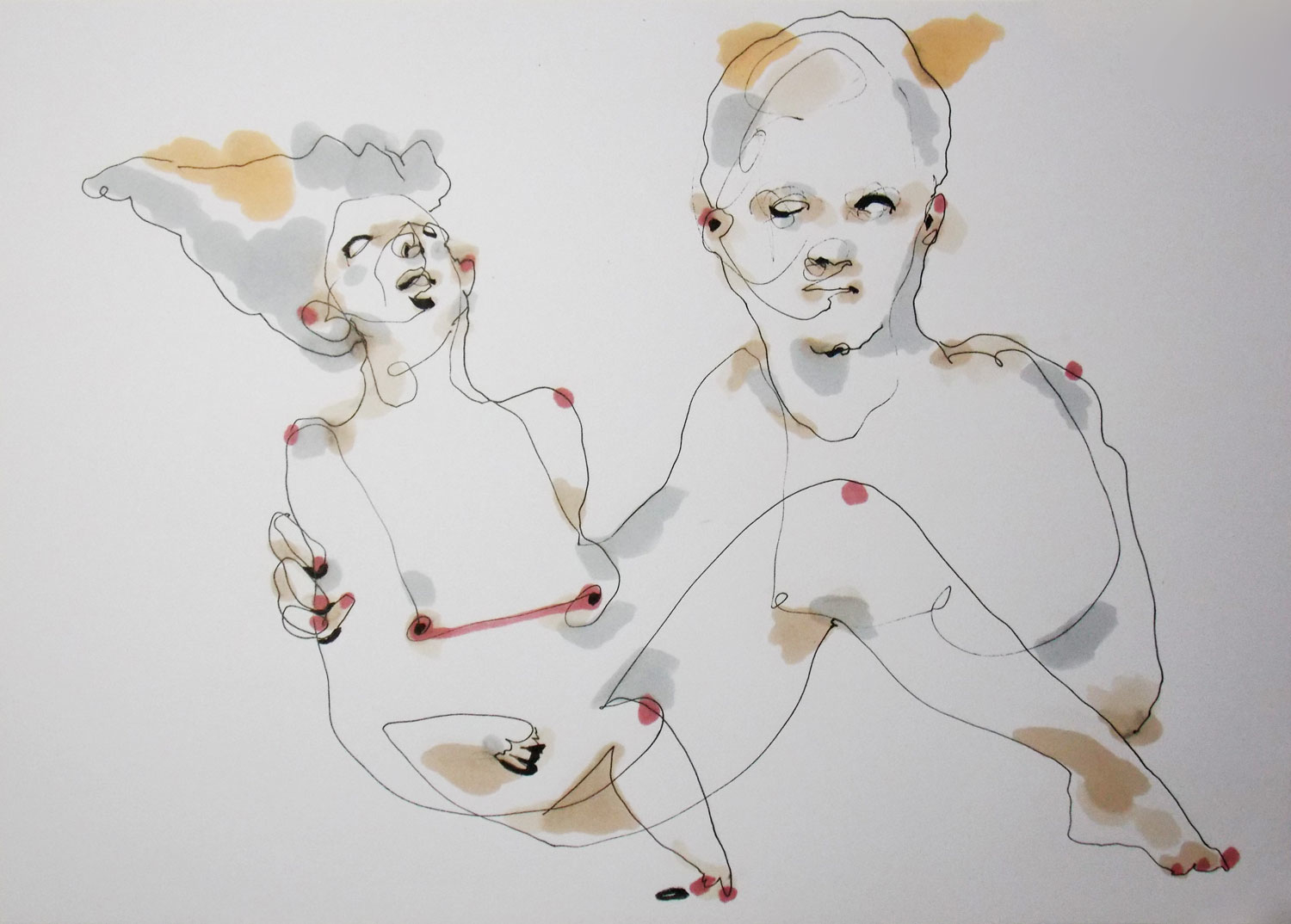
Last time I was in this space, I was complaining commenting about being an emerging artist. I made statements about getting over rejection and pushing to make more work instead of being such a procrastinator. I’m still a procrastinator actually but soon after, I began working two jobs and my tune has changed a bit transforming into something else. At this point, I’ve joined the American workforce as a middle school art educator while I work the retail slave ship on the weekends slinging slacks to 40-year old men that wish to look younger. It’s a heavy load to work seven days a week constantly but I’ve got a child that needs stability. I’m a parent, yo. An artist and a parent. Add in the fact that I’m a woman and you’ve got a black unicorn on your hands.

And how is this possible, you say?

Like this.

Art is my life but my son is bigger than art. Sometimes, art has to be put on the backburner staying warm for him to have a home to live in, proper clothes to wear and yummy food to eat. I’m not breaking up with art. I just have to take long pauses here and there. Recently, I came across an article that I actually agreed with on Hyperallergic. It was a weekend long-read titled The Problem of the Overlooked Female Artist: An Argument for Enlivening a Stale Model of Discussion written by Ashton Cooper. Hell of a title. I commend Cooper or the copyeditor for thinking of that.

I became enlivened by her perspective on the redundant language used to talk about women artists. Cooper sourced numerous articles released about women artists throughout 2014 in which the language used to speak about them was either truly stale and unimaginative or spoke about a woman artist in a rediscovered fashion as if she was a fly on the wall during big historical moments in art but really she was an active and vocal artist the entire time the big historical moment in art was going down. Check out this excerpt from the article about Phyllida Barlow in which the author quoted an article from The Guardian circa March 2014:

She’s taught everyone from Martin Creed to Rachel Whiteread, but it’s only now, at 70, that Barlow is getting her dues as an artist.

Barlow, who turns 70 this week, has spent her adult life making sculpture, enjoying her greatest success by far over the last 10 years.

She went on to the Slade until 1966, and then began teaching, and having children; she and Peake have five in all. […] In those days, she was working in total isolation.

The part I highlighted in bold stood out quite strong to me. Especially the part that says she was working in total isolation. I guess when you have five children, everything is all about your children. Hell, I only have one! My guess is that art never went onto the backburner for Barlow as it has for me but I know it wasn’t always on the forefront either with her being a teacher and a wife. My other guesses include that she was never in isolation with five children and she eventually had to learn how to become an effective teacher. I may not know much about Barlow but I can relate to her story if those are the only tidbits I ever learn about her.

The article comes to an apex while speaking about Barbara Hepworth, her married life and her cavorting with the international art world and comes to close with fascinating information around Judy Chicago, Isa Genzken and Sarah Charlesworth’s careers with some strong questions: What was she doing then? Where was she showing? Who was she in community with? How did her practice change? What forces of exclusion did she face?”

I don’t know. The information just isn’t there. What I do know is that if reality showed up at any of these women’s doors looking like maternity then it is my hopes they assumed their new roles as mother to a child (or more) and truly began a new adventure, chapter, section of their lives. We already know the art world is notoriously white, male and sexist as well as racist. We also already know that many people believe that when a woman gets pregnant, her life is automatically over. That’s not necessarily true. If the lives of the women outlined in this article were over I think we wouldn’t be talking about them. There wouldn’t be a Tate retrospective on Barlow or MoMA’s current exhibition on Sturtevant (who’s completely new to me).

In essence, I believe they sharpened their metaphorical swords in the hours after the children went to bed or over to grandma and grandpa’s house for the weekend because that’s the only time I get to do anything regarding art. Everything becomes a juggling act that you just work out over time. I hope to make work as profound as these women but I don’t want to be 70 years old to get my recognition for it. That’s that bullshit if I have spent a lifetime possibly struggling to support my family on teacher pay. I’d rather take the recognition money now and create a trust fund for my son because that’s my reality in addition to art.

Too bad I wasn’t born with a dick because I wouldn’t have the ability to give birth and be weighed down with the overwhelming responsibilities of having child. Everything always falls on the mother whether a father is or isn’t present. While I care so much about art, I’ve learned that the art world doesn’t care about my child. Making the decision to sacrifice my love for art is constantly on and off the table. Every moment becomes a moment to create or think about art differently. I’m constantly sharpening my metaphorical sword as an art teacher to a group of students who could honestly give a fuck about art in the first place.

It’s hard out here for a pimp!

Based on that article and these words I’ve written, I guess I’ve got to pimp harder.


Artist: Carla Aaron-Lopez 

woke up with my horns on. fell in love with a cadillac. born/raised in charlotte, nc. baptized in the dirty south also known as atlanta.

@iamkingcarla
whoiskingcarla.com

Between Scarlett and Guest: A Dialogue

By Ashley Lily Scarlett and Richard Guest

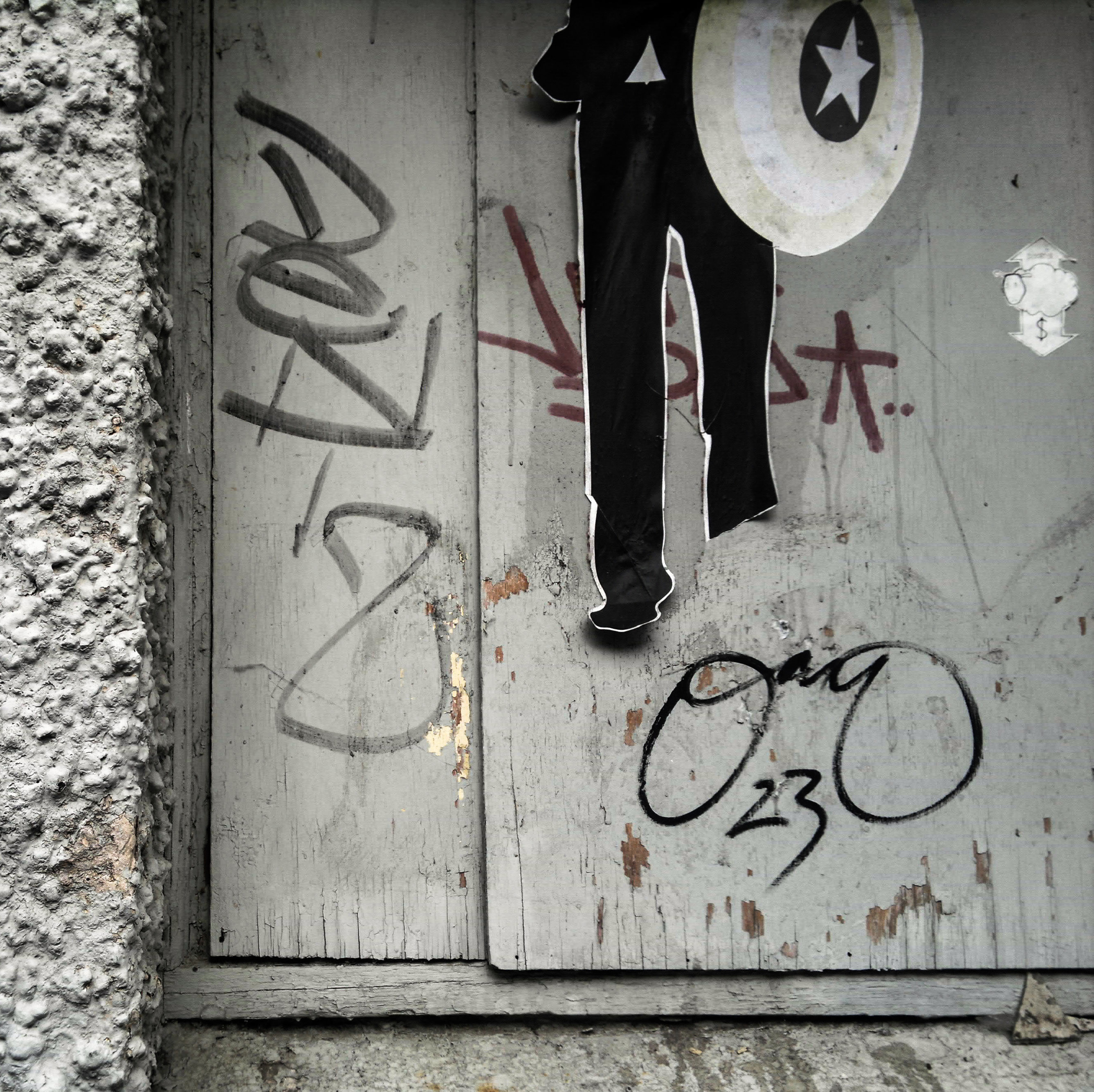
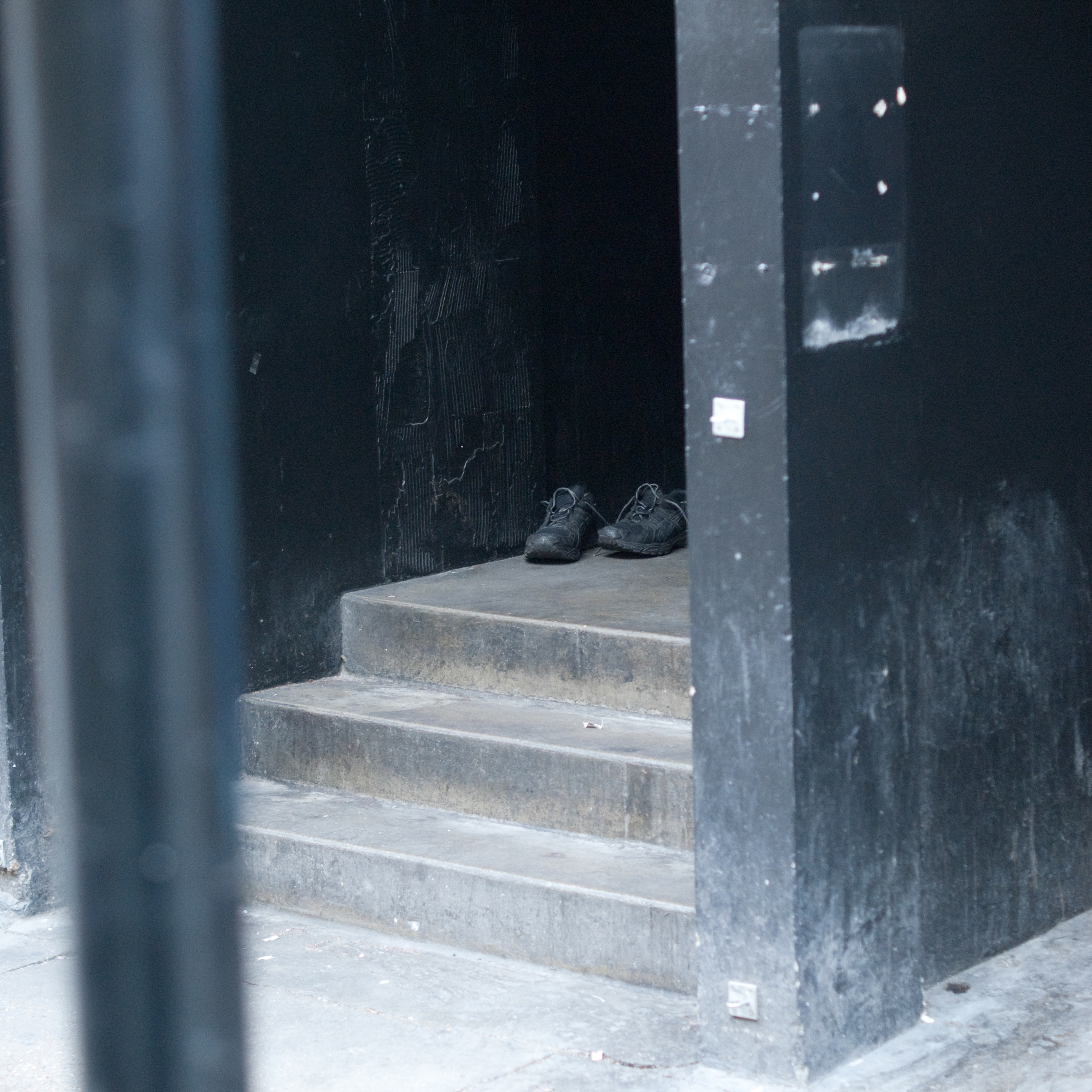
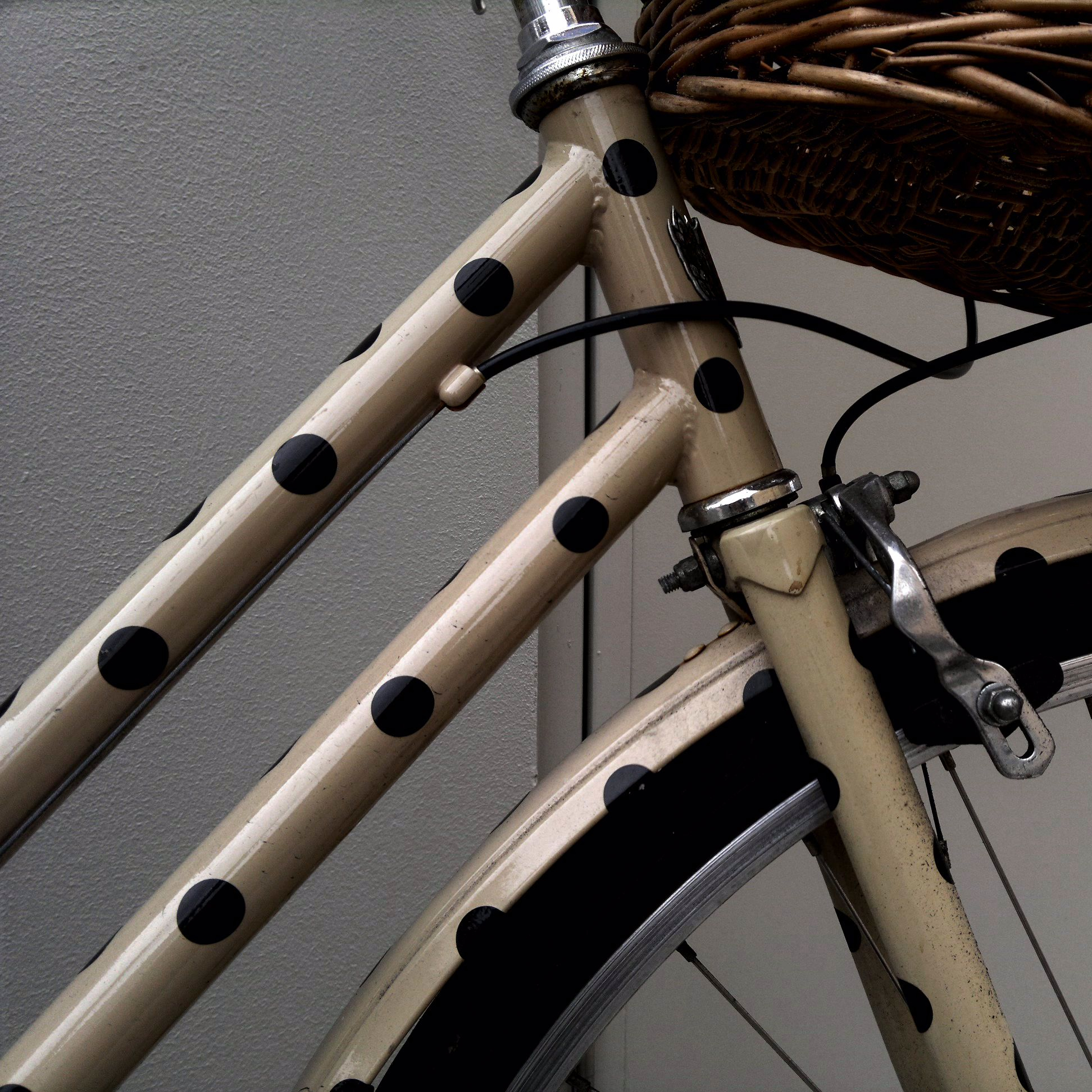
Since 20th December 2014, Ashley Lily Scarlett (in Sydney, Australia) and Richard Guest (in London, UK) have been having a conversation in pictures. They each take it in turn to post an image as a response to the other’s previous post. There is no set schedule; the blog follows the rhythm of a conversation. Some days there is nothing new, on others a flurry of questions, answers, jokes, and echoes, back and forth, on and on until…

Here is part of their dialogue.

4th February 2015, London

4th February 2015, London

5th February 2015, Sydney

5th February 2015, Sydney

5th February 2015, London

5th February 2015, London

6th February 2015, Sydney

6th February 2015, Sydney

5th February 2015, London

5th February 2015, London

6th February 2015, Sydney

6th February 2015, Sydney

6th February 2015, London

6th February 2015, London

7th February 2015, Sydney

7th February 2015, Sydney

6th February 2015, London

6th February 2015, London

7th February 2015, Sydney

7th February 2015, Sydney

7th February 2015, London

 7th February 2015, London

8th February 2015, Sydney

 8th February 2015, Sydney

8th February 2015, London

8th February 2015, London

9th February 2015, Sydney

9th February 2015, Sydney


The dialogue continues:  https://betweenscarlettandguest.wordpress.com/


A Foreign Country 2014 Ashley Lily ScarlettAshley Lily Scarlett is an artist, who lives and works in Sydney. She uses a Nokia camera phone to shoot and edit her images.

Ashley’s other blogs are: Syncopated Eyeball (https://syncopatedeyeball.wordpress.com/) and Strata of the Self (https://strataoftheself.wordpress.com/)


SONY DSCRichard Guest is an artist, who lives and works in London. He uses a Sony a200 to take his shots, and Photoshop to edit them.

Richard’s other blog is: The Future Is Papier Mâché  (https://thefutureispapiermache.wordpress.com/)


Time In-depth

by Moni Smith

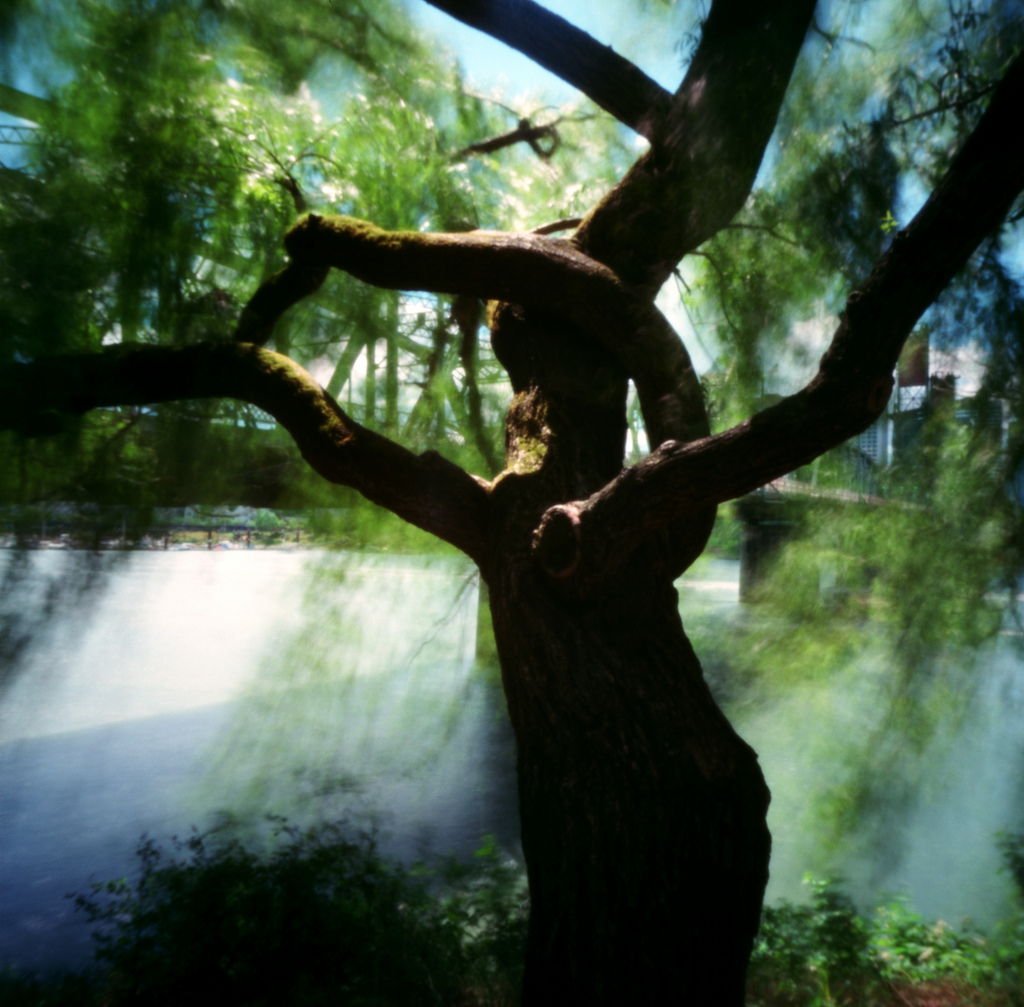
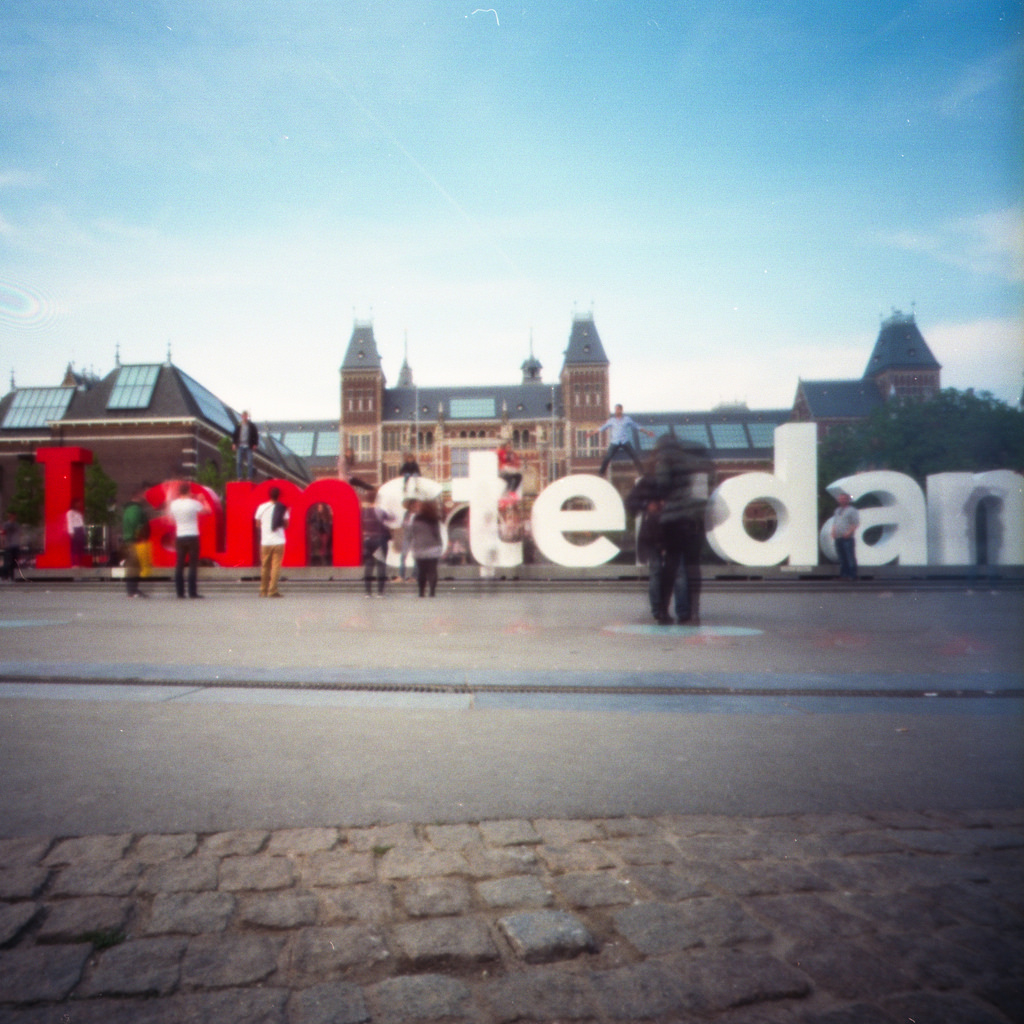
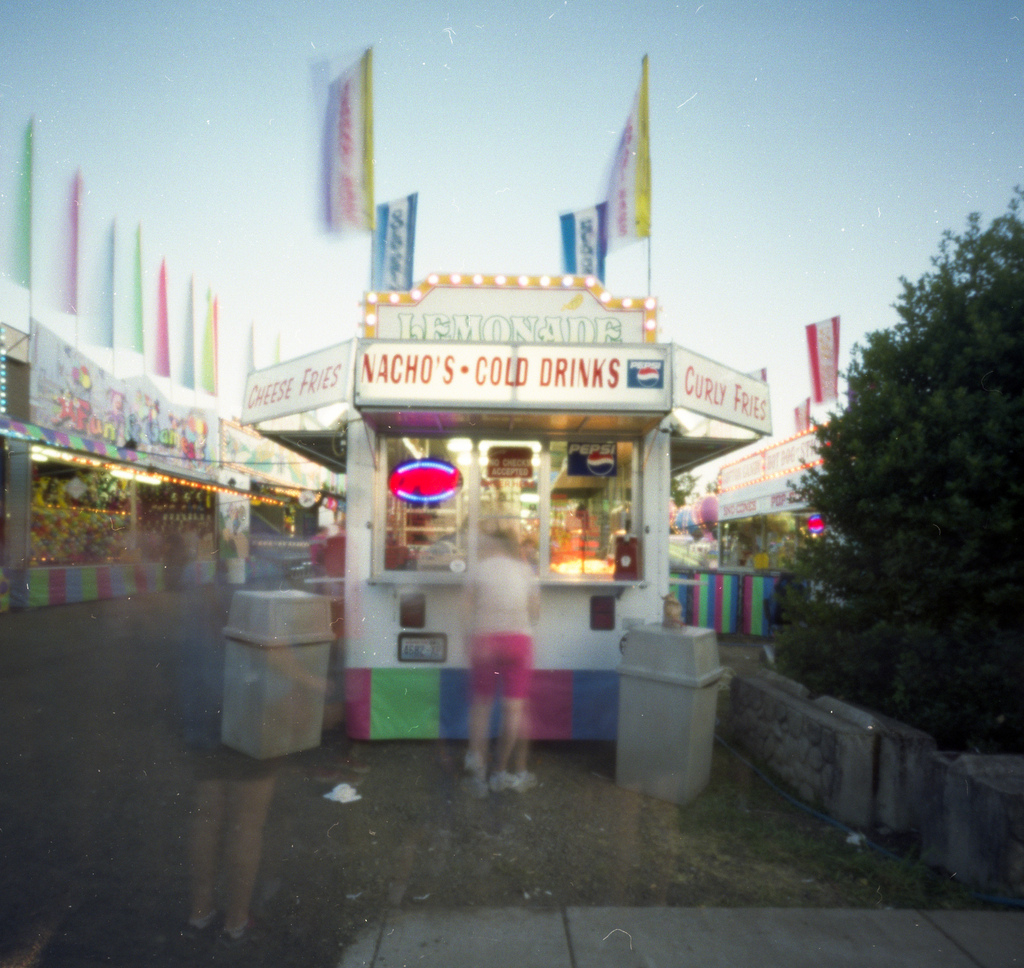
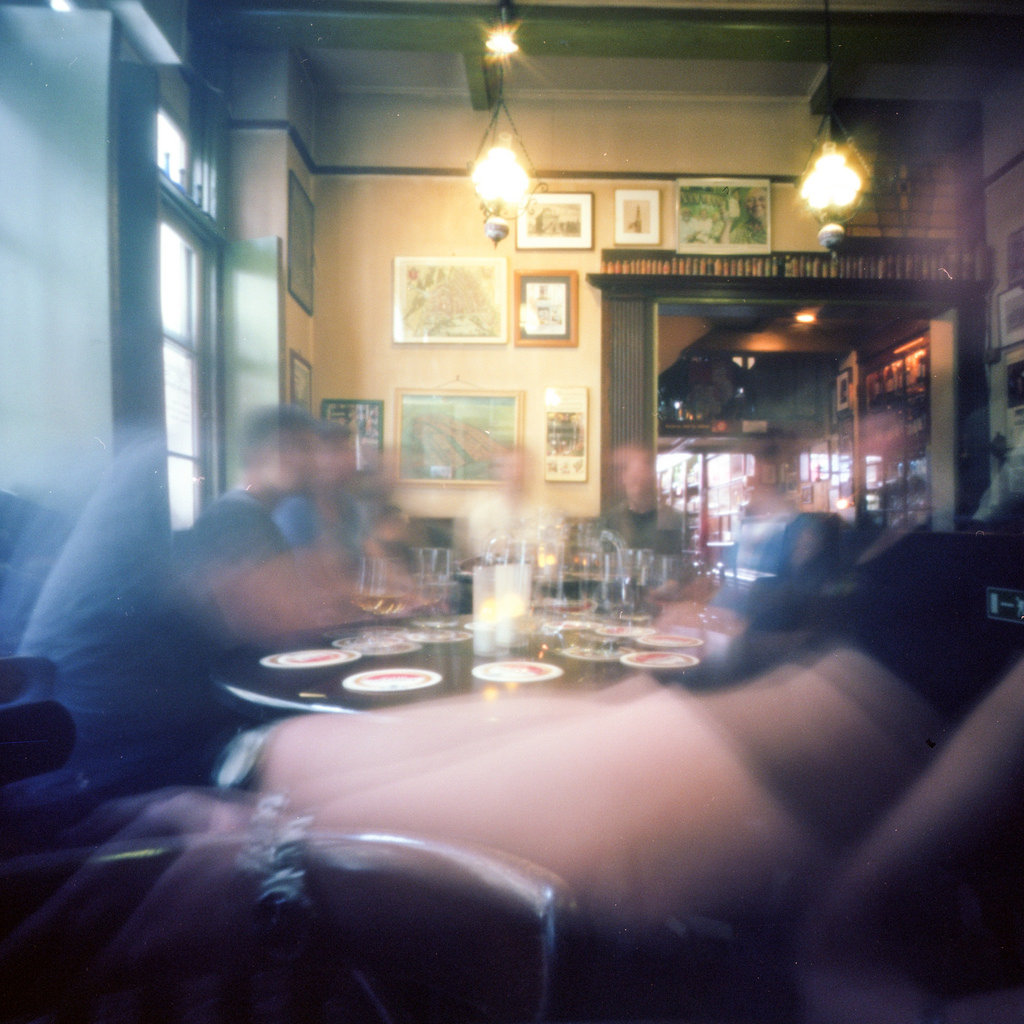
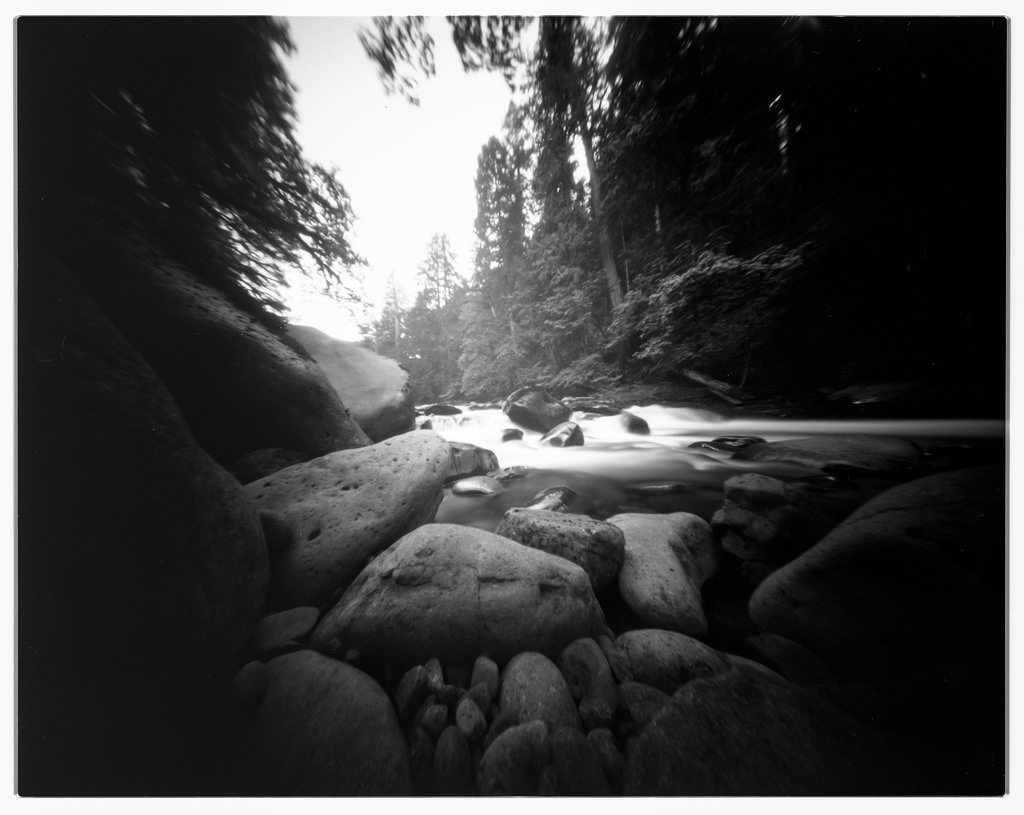
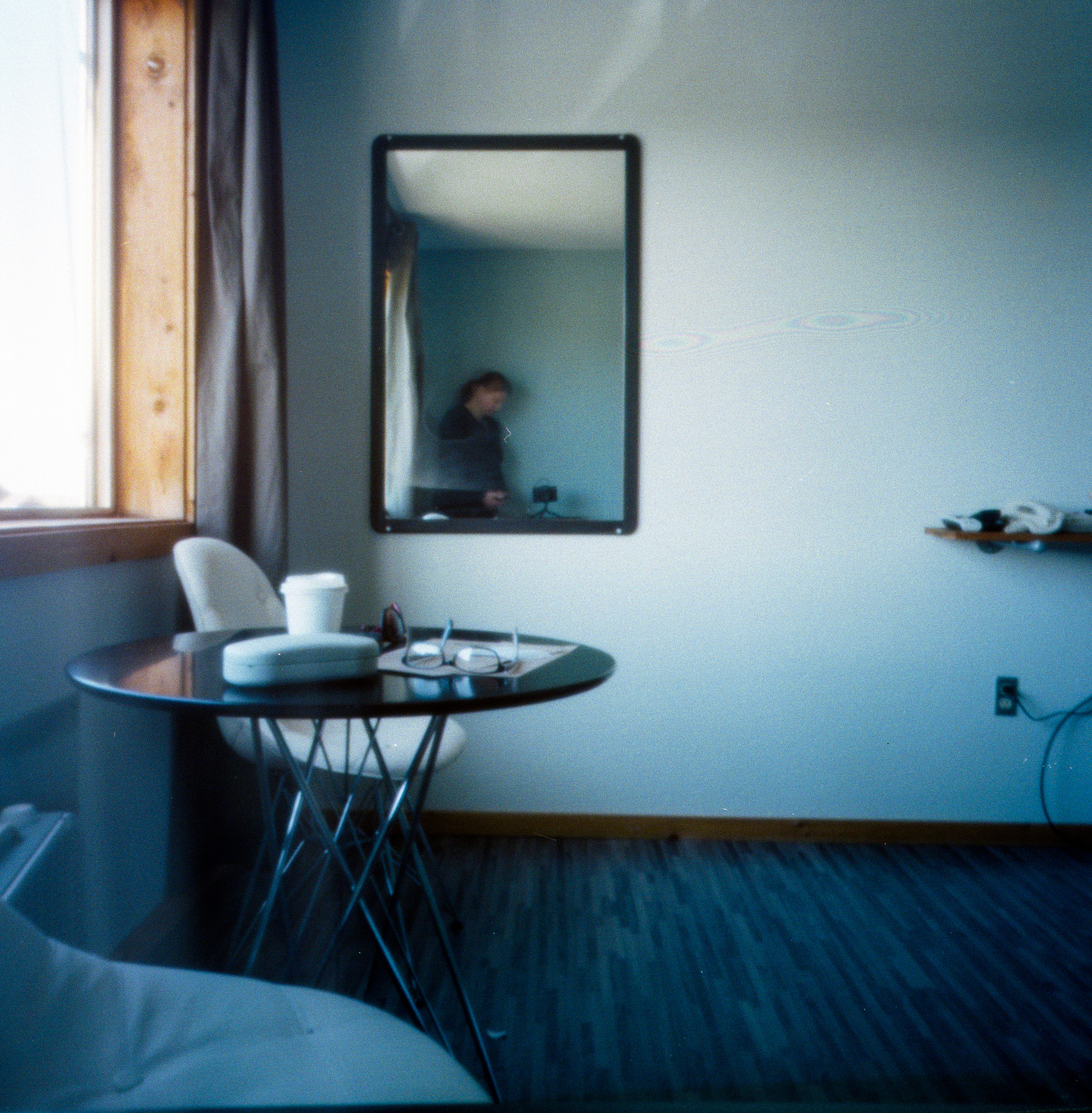
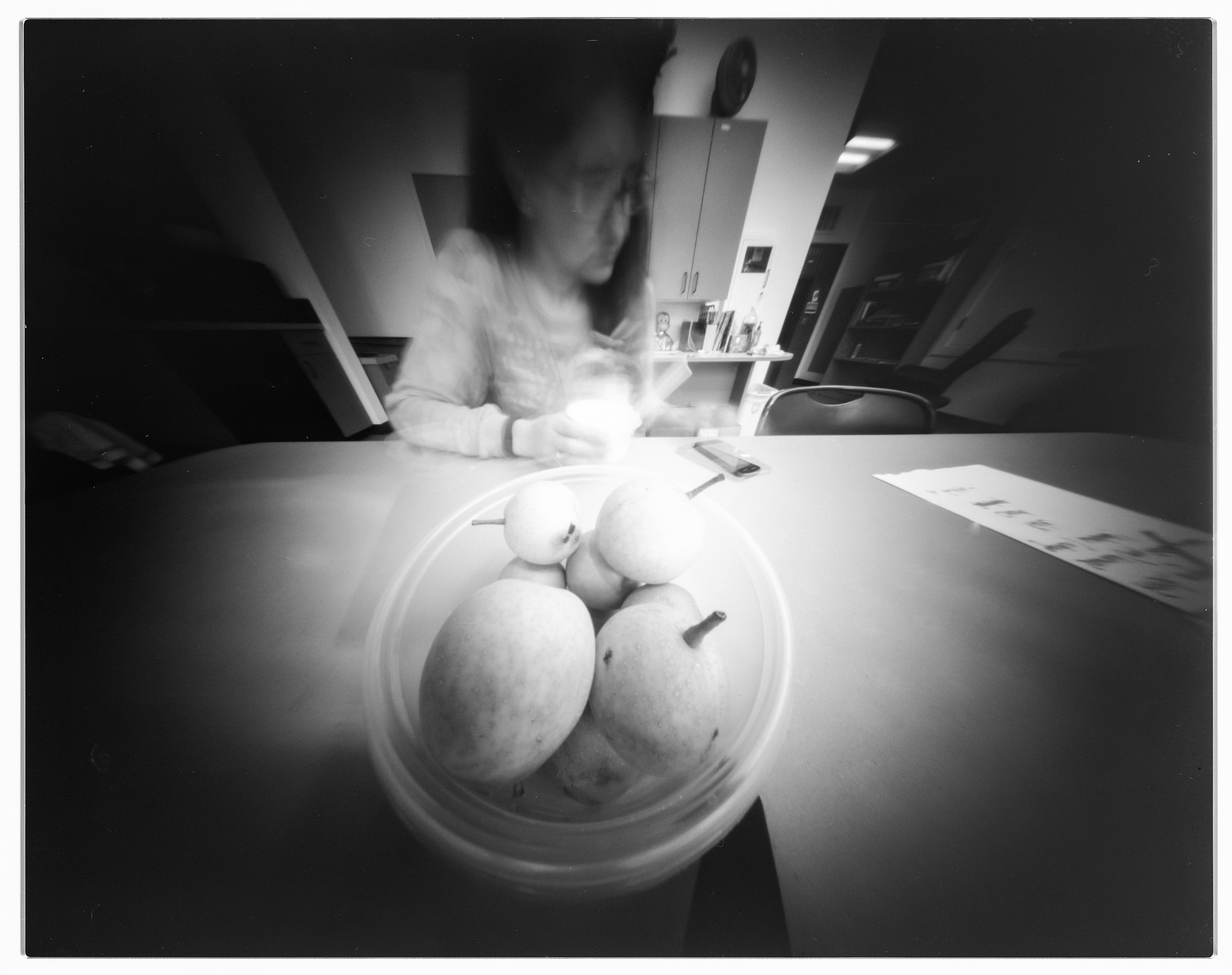
Pinhole photography is, essentially, an in-depth study in exposure. The only thing you have control over is exposure time. A pinhole camera is simply a box with a tiny hole to let in light. It is photography in its very basic form. Since the aperture on pinhole cameras is so small it allows for very long exposures in daylight. These long exposures are what fascinates me about this type of photography. A lot can happen in the seconds that tick away while an exposure is being made.

blowin' in the wind

blowin’ in the wind

I Am Amsterdam

I Am Amsterdam

Lemonade Nachos and Cold Drinks

Lemonade Nachos and Cold Drinks

Pinholers Enjoying Jenever

Pinholers Enjoying Jenever

River Watching

River Watching

Self Portrait In a Hotel Room Mirror

Self Portrait In a Hotel Room Mirror

Self With Pears

Self With Pears

The Truth Is Behind The Kale and Yogurt

The Truth Is Behind The Kale and Yogurt

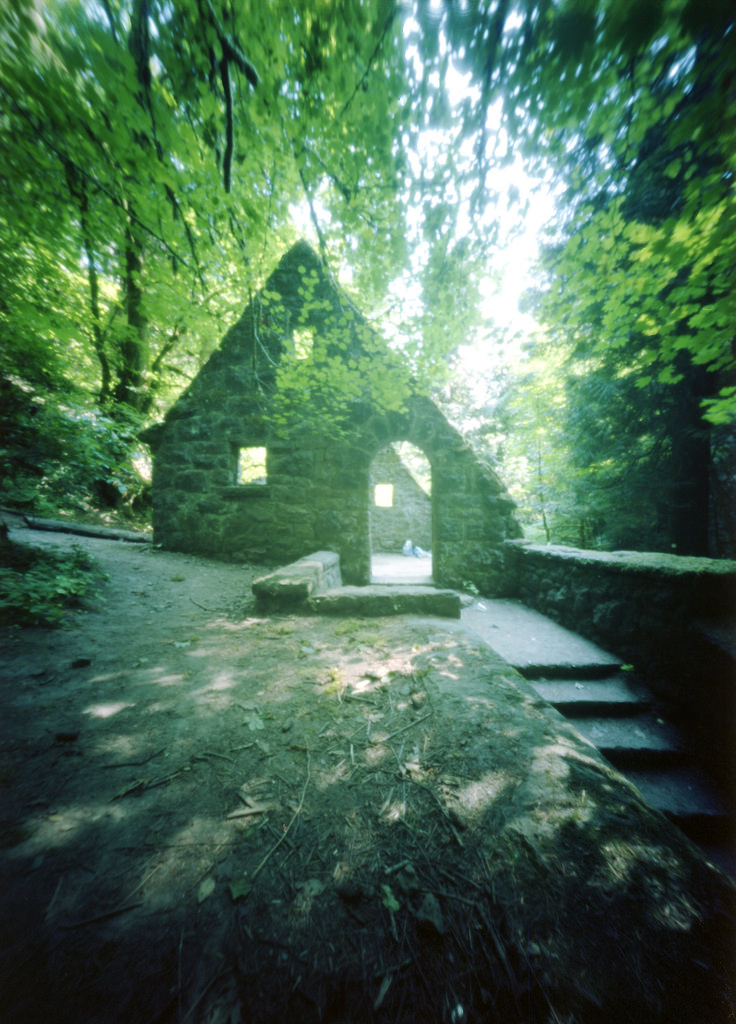
The Witches Castle

The Witches Castle

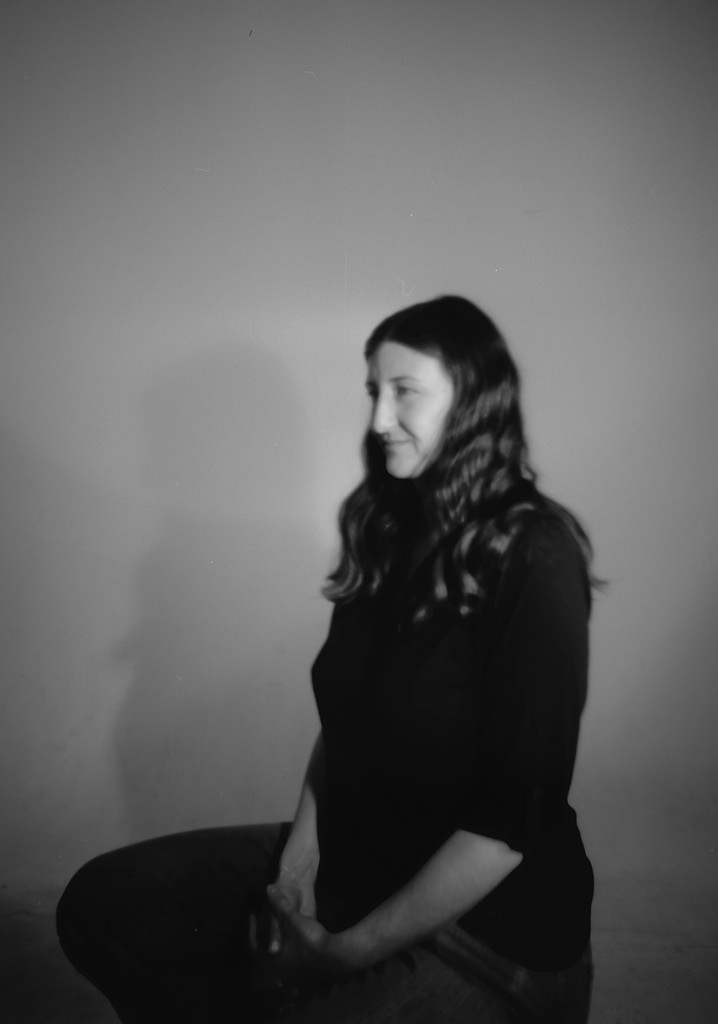
Moni SmithDuring the day, Moni Smith is a Children’s Librarian who lives in the Pacific Northwest of the USA. When she is not wearing her librarian hat she likes to wander around with one of her many pinhole cameras to see what she can capture on film.

Postcolonial Thoughts: Lyle Ashton Harris Lecture at the HIGH: Indecisive moments

by Christopher Hutchinson

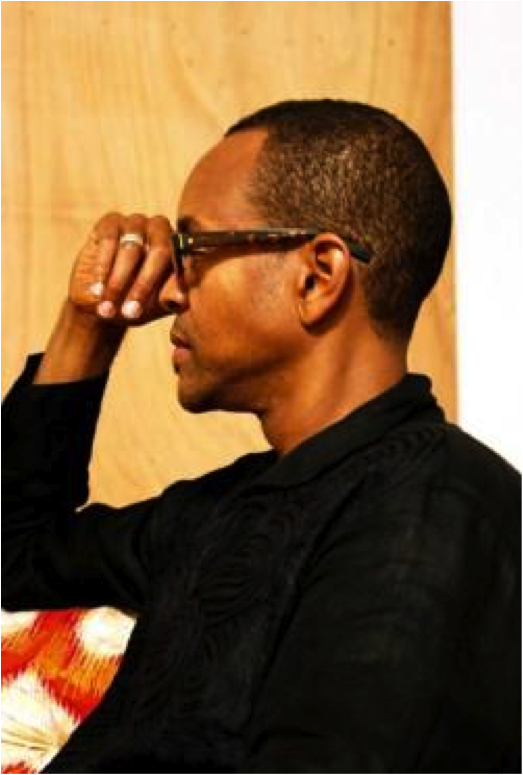
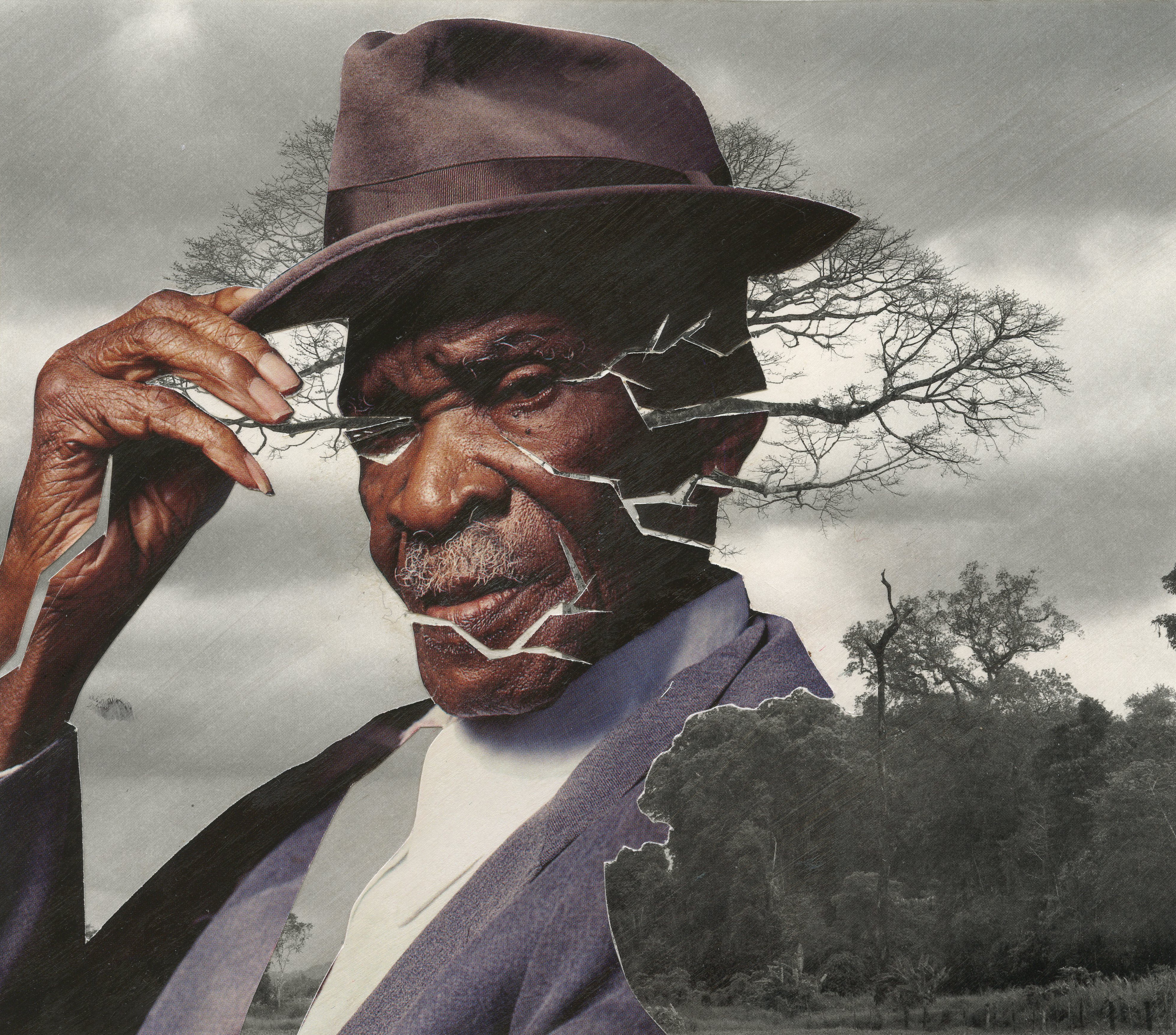
For more than two decades Lyle Ashton Harris has cultivated a diverse artistic practice ranging from photographic media, collage, installation and performance. His work explores intersections between the personal and the political, examining the impact of ethnicity, gender and desire on the contemporary social and cultural dynamic. Known for his self-portraits and use of pop culture icons (such as Billie Holiday and Michael Jackson), Harris teases the viewers’ perceptions and expectations, resignifying cultural cursors and recalibrating the familiar with the extraordinary. His work has been exhibited internationally, including at the Whitney Museum of American Art, the Solomon R. Guggenheim Museum and the 52nd Venice Biennale. His work has been acquired by major international museums, most recently by the Museum of Modern Art in New York. His commissioned work has been featured in a wide range of publications, including The New York Times Magazine and the New Yorker. In 2014 Harris joined the board of trustees at the American Academy in Rome and was named the 10th recipient of the David C. Driskell Prize by the High Museum of Art in Atlanta. Born in New York City, Harris spent his formative years in Dar Es Salaam, Tanzania. He received his Bachelor of Arts with Honors from Wesleyan University in 1988 and a Masters in Fine Arts from the California Institute of the Arts in 1990. He currently lives and works in New York City and is an Associate Professor at New York University. http://www.lyleashtonharris.com/about/

Lyle Ashton Harris is considered to be a pioneer in Postcolonial art, in which his collaboration with Renee Cox has a very important dialogue about blackness with the residue of Colonialism.  One of the goals of Postcolonialism is to be aware of the far reaching effects of Colonialism and then ultimately to rewrite that history.  To this end Lyle Ashton Harris has an important place in the legacy of art history.  It was with this knowledge and hope that attendance to the HIGH museum lecture in Atlanta on January 15, 2015 became mandatory.

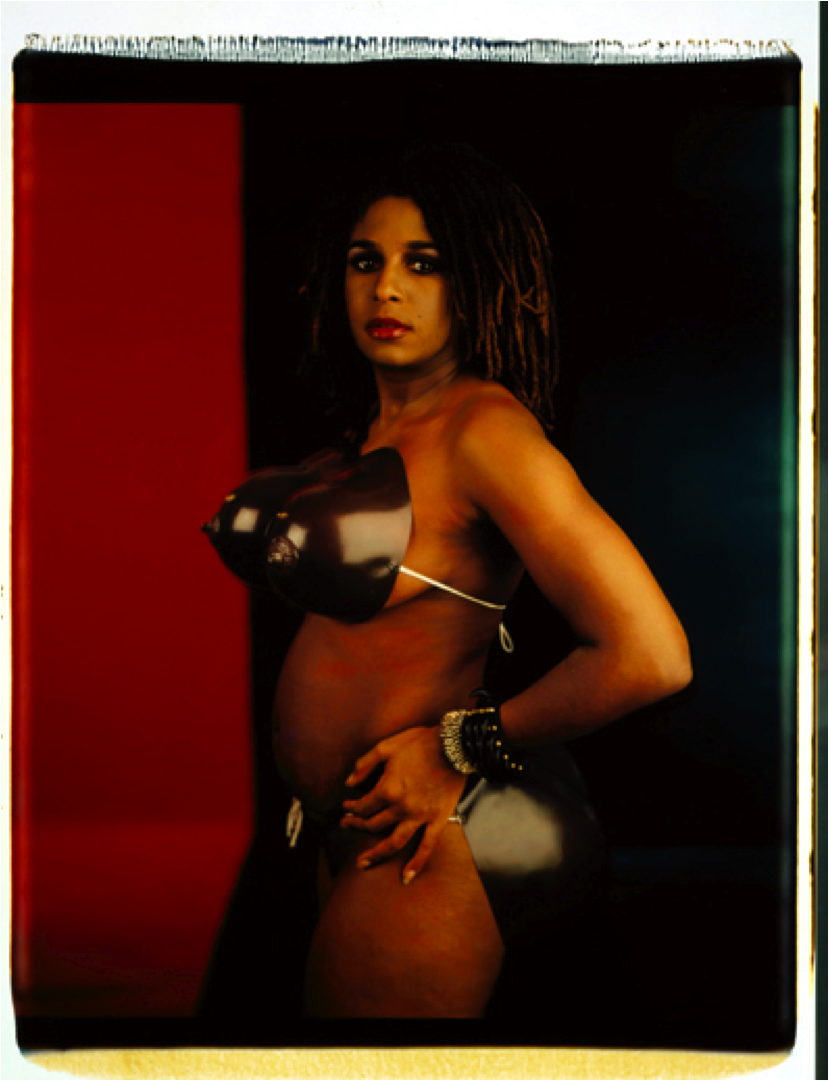
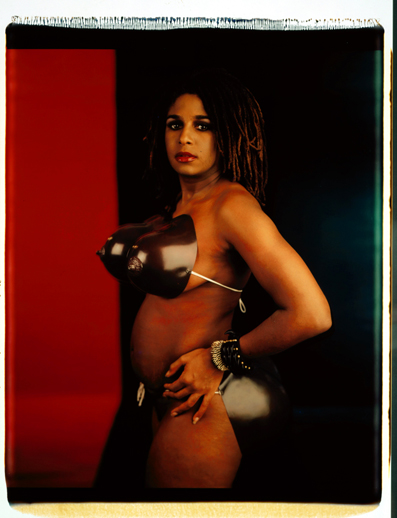
For the exhibition Mirage: Enigmas of Race, Difference and Desire (1995), Lyle Ashton Harris in collaboration with Renee Valerie Cox created the photograph, “Venus Hottentot 2000.” In this futuristic reinterpretation of the Hottentot Venus, Renee Valerie Cox directly inserts her own body into the historical matrix of Western representations that configured black female sexuality. In the photograph Cox’s body is transformed, recalling the Hottentot Venus, with the addition of protruding metallic breasts and an accompanying metal butt extension. The white strings that delicately hold these metallic body parts in place with bow, seem to emphasize the artists’ complex and ambivalent relationships to representations of black female sexuality. Cox wears the metallic appendages like a costume or disguise, but her own nude body is simultaneously revealed to the viewer. She stands in profile emphasizing her bodily dimensions, hands akimbo, and stares directly at the viewer.“Hottentot 2000″ is one photograph in a series by Harris called The Good Life, 1994. https://scholarblogs.emory.edu/postcolonialstudies/2014/06/21/postcolonial-performance-and-installation-art/

Harris then proceeded to deliver one of the most disappointing and disturbing lectures, a litany of name-dropping and external references to other famous artists and philosophers that was far from Postcolonial thoughts except for the engagement of the “Other”–the “Other” is not the only point of Postcolonialism.  He bounced from topic to topic in flurry of art speak that was intended to connect conflicting concepts that did not really apply to his own praxis.  Harris discussed his overall career as a photographer moving through collage, portraiture, and performance art.  The audience suffered through an amateurish performance about Michael Jackson and the homeless that was poorly executed.  The lecture ended with a slideshow of all his notable acquaintances over an amped up Grace Jones track with his voice competing with it.  After suffering though, it became clear the one consistent in Harris’ methodology is appropriation of established Western thought.  Postcolonialism is not interested in appropriating the West. Appropriating the West can only result in the promotion of the residual effects of colonialism, not ending them.

What exactly is special to Harris’ art practice to be so well received?

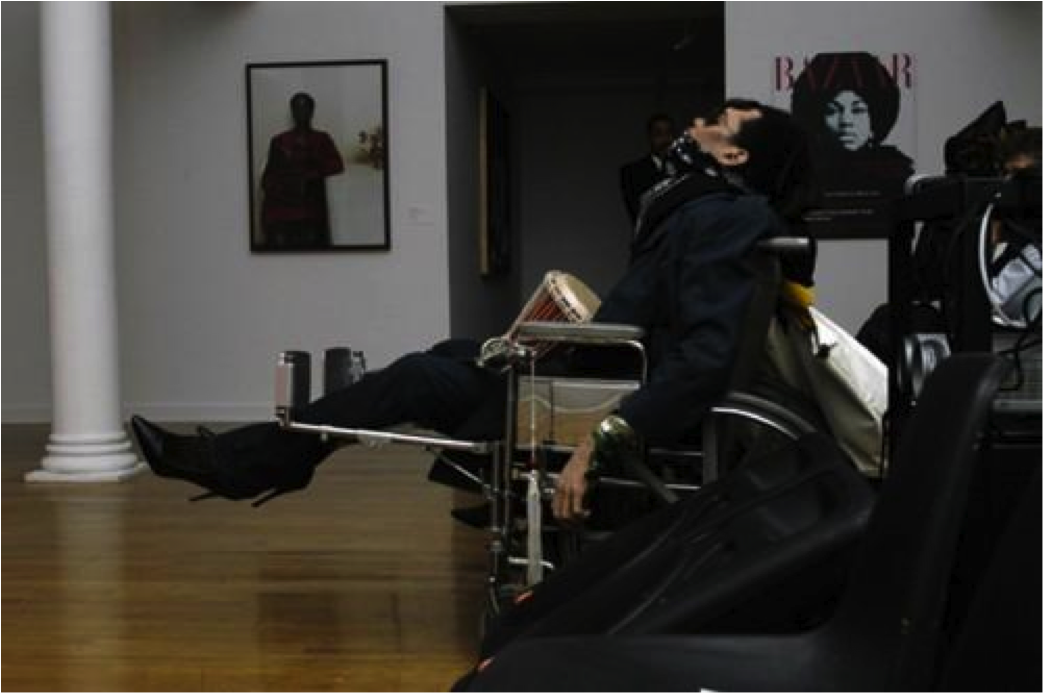
Lyle Ashton Harris plays Michael Jackson in Performing MJ. (Photo by Ray Llanos) - See more at: http://www.artsatl.com/2014/02/news-lyle-ashton-harris-wins-high-museums-10th-annual-david-c-driskell-prize/#sthash.JP8Q7vBm.dpuf

Lyle Ashton Harris plays Michael Jackson in Performing MJ. (Photo by Ray Llanos) – See more at: http://www.artsatl.com/2014/02/news-lyle-ashton-harris-wins-high-museums-10th-annual-david-c-driskell-prize/#sthash.JP8Q7vBm.dpuf

Rephotographed Collages

Prince began appropriating photographs in 1975. His image, Untitled (Cowboy), a “rephotograph” of a photograph taken originally by Sam Abell and appropriated from a cigarette advertisement, was the first “rephotograph” to raise more than $1 million at auction when it was sold at Christie’sNew York in 2005. http://en.wikipedia.org/wiki/Richard_Prince

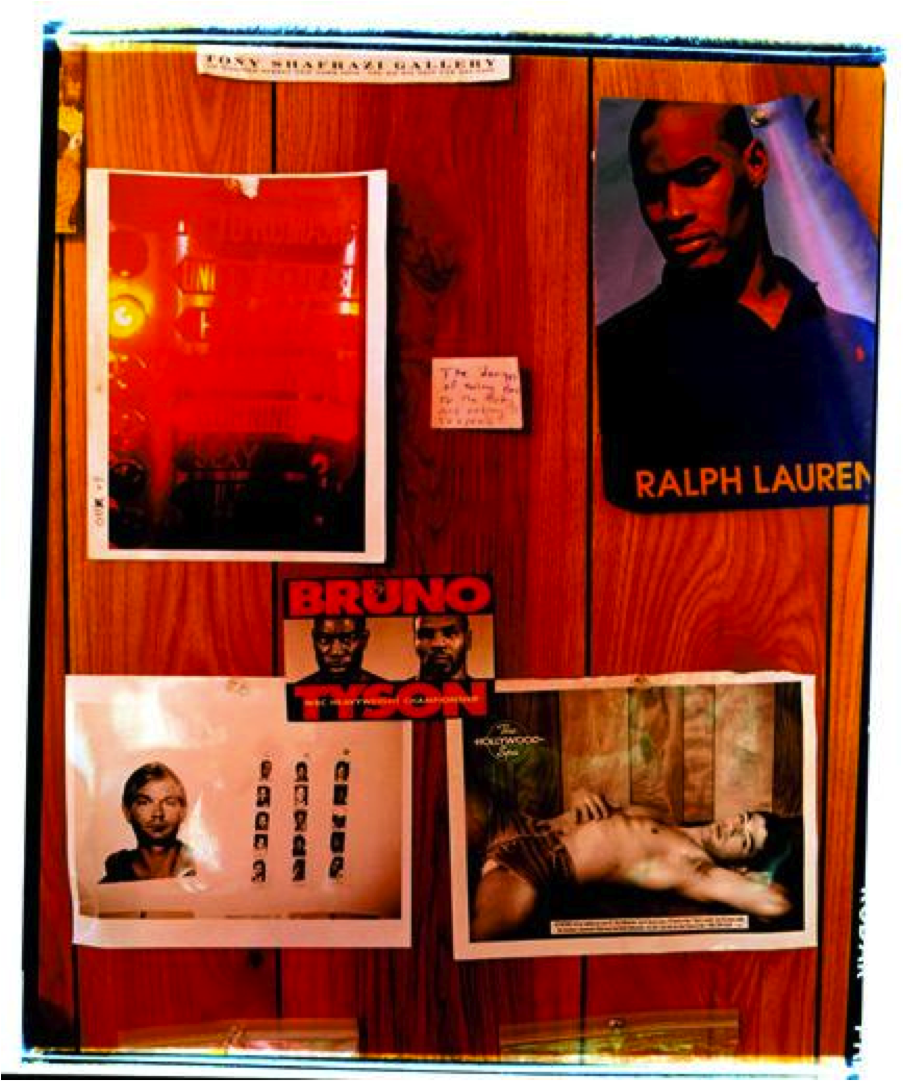
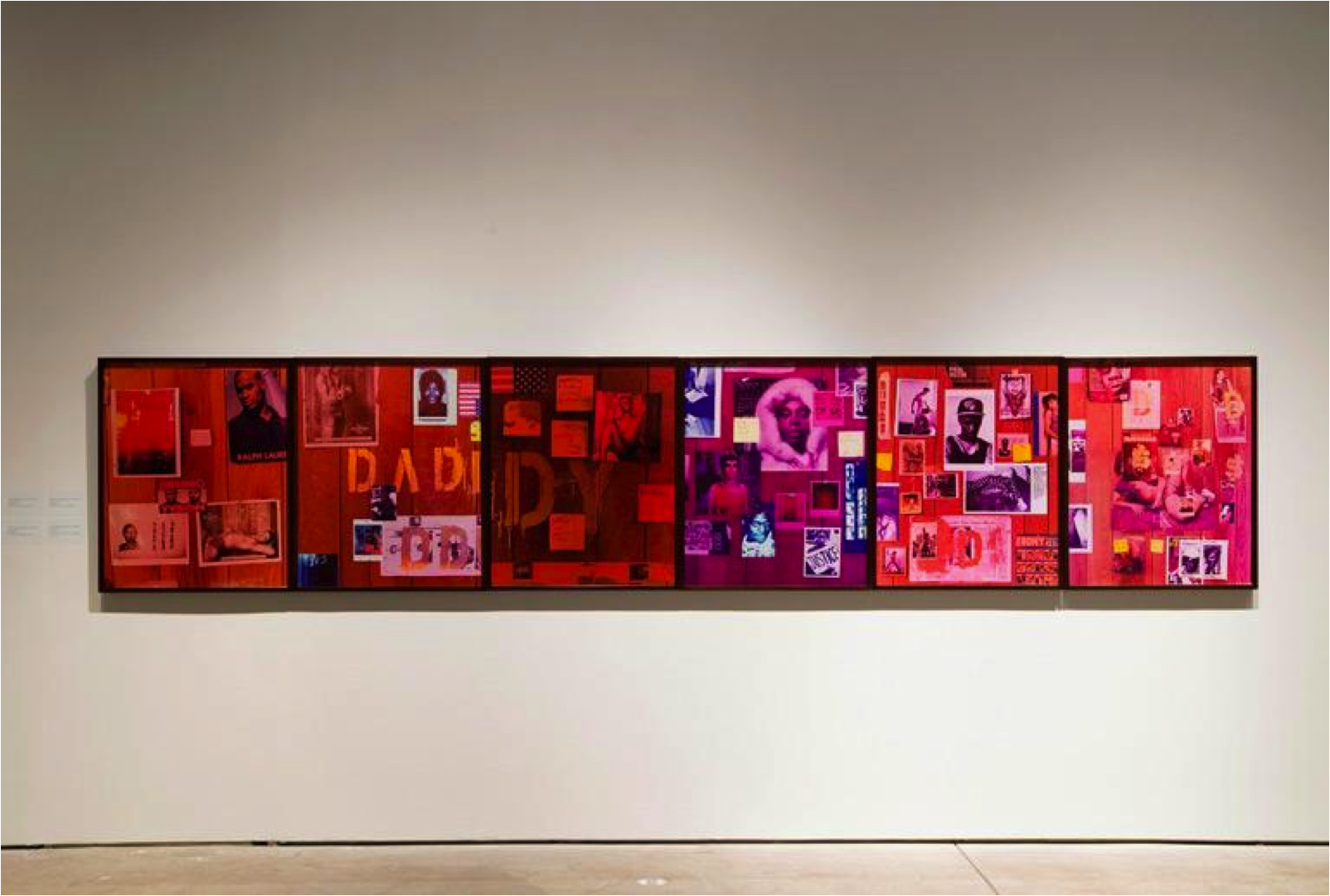
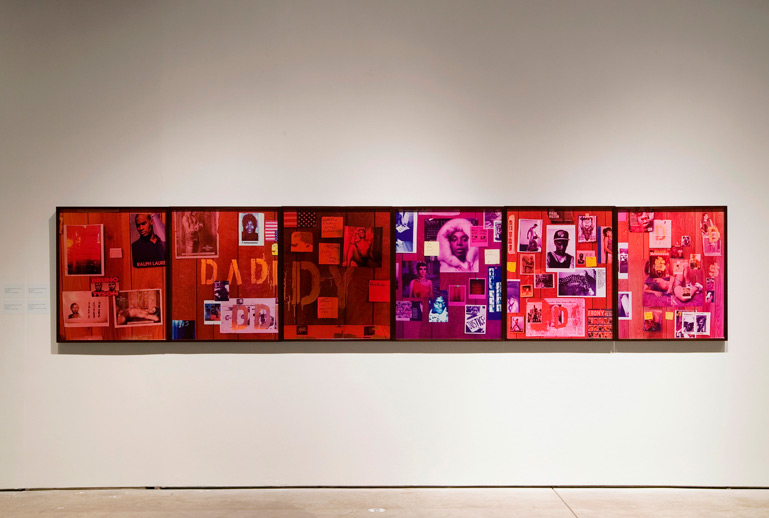
Harris’s collages aren’t technically collages at all; a rebus picture puzzle would be more accurate. These “collages” don’t overlap, are relatively the same-sized images, with almost the exact same space around each image. All point to a lack of mastery of medium/process. It is a visual dumbing down of two-dimensional space while referencing Picasso and Duchamp. So what if the images were rephotographed. How does that knowledge add to the importance of the concept? During the lecture Harris went into great detail when it came to the medium and rambled when it came to the work, overcompensating with name-dropping and large scale. The lecture had all the earmarks of the student who has not taken the time to write out his artist statement.

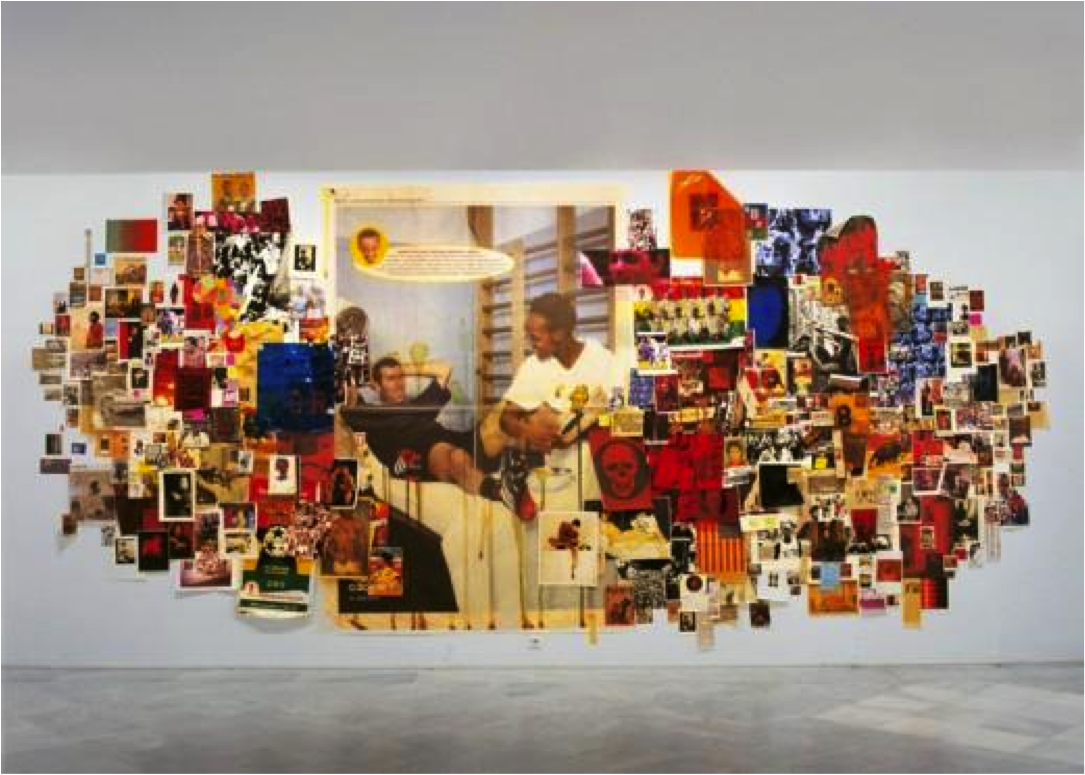
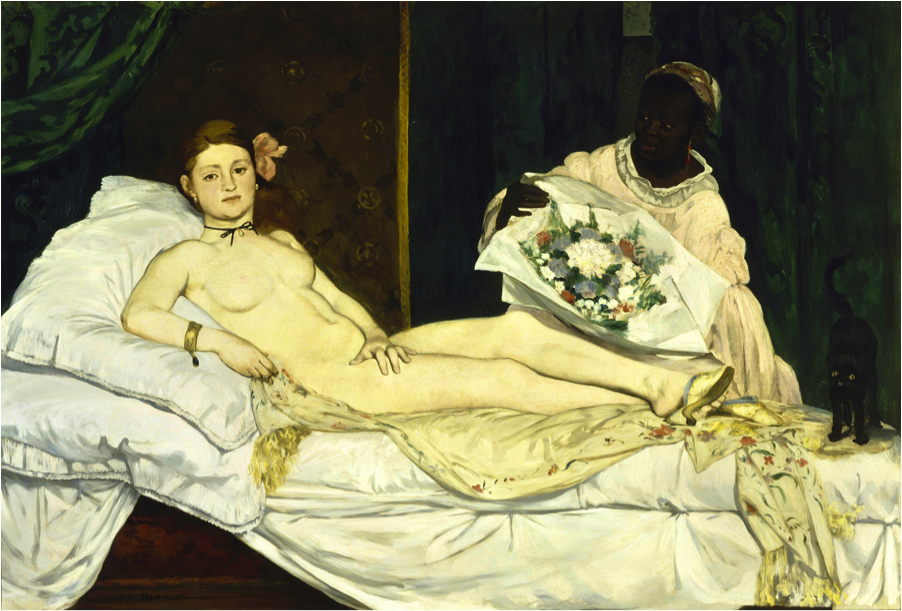
Harris discussed his collage Blow Up IV and how the main image relates to Manet’s Olympia and how the drips in the middle are semen. Once again an external reference used to lend importance to a sloppily executed artwork.

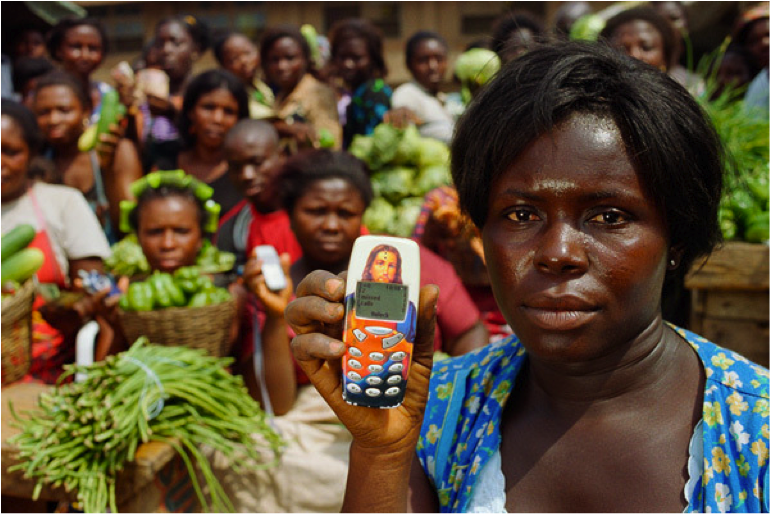
Untitled (Mobile #4), 2005  for The New York Times Magazine, 1 Jan. 2006 http://www.lyleashtonharris.com/selected-commissions/

Untitled (Mobile #4), 2005
for The New York Times Magazine, 1 Jan. 2006
http://www.lyleashtonharris.com/selected-commissions/

Harris described this NY Times commission on which he was charged to go to Africa and document Africans with some form of technology to which the above image and others were taken. This is no different than Manet’s Olympia with the spectacle of Blackness. Something that was intended to prove Africans modernity actually promotes Otherness.

The Decisive Moment

Henri Cartier-Bresson is considered to be the father of modern photojournalism. His style of “street photography,” using small format cameras, still influences modern photojournalists to this day.

In the documentary above, Henri Cartier-Bresson describes the elusive decisive moment, which cannot be staged or faked.  Once it’s happened, that’s it.  Bresson allows for this moment to occur while paying attention to composition.  His composition affirms the narrative of the decisive moment.  Lyle Ashton Harris relies only upon shock and icon to force the viewer into a narrative that he has constructed. It’s a burden that shock and icon cannot satisfy.


Christopher HutchinsonChristopher Hutchinson is an accomplished Jamaican conceptual artist, professor and contributor to the art community as a writer, critic and founder of the nonprofit Smoke School of Art. He is a Professor of Art at Atlanta Metropolitan State College and has been featured as a lecturer including prestigious engagements at University of Alabama and the Auburn Avenue Research Library. For two decades, Chris has been a practicing artist. His works have been exhibited in internationally recognized institutions including City College New York (CUNY) and featured at the world’s leading international galleries such as Art Basel Miami. He has always had an innate passion for creating spaces where Africans and people of African descent contribute to an inclusive contemporary dialogue—ever evolving, not reflexive but pioneering. This requires challenging the rubric of the canon of art history, a systemic space of exclusion for the Other: women and non-Whites, and where necessary he rewrites it. He received his Master of Fine Arts Degree in Painting from Savannah College of Art & Design, Atlanta and his Bachelor of Arts Degree from the University of Alabama in Huntsville, Alabama.


The Line Seen from the Inside

by aima peintar (Marcella Casu)

These images come without title. They’re usually posted with a simple “.”, which is the line they’re built with, seen from inside.

Marcella Casu DSCN2052_mc

Marcella Casu DSCN2186_mc2

Marcella Casu continua1

Marcella Casu continua2

Marcella Casu continua3

Marcella Casu continua8

Marcella Casu continua13

Marcella Casu continua14

Marcella Casu continua15

Marcella Casu DSCN0578_mc

Marcella Casu DSCN0706_mc

Marcella Casu DSCN1100_mc

Marcella Casu DSCN1315_mc

Marcella Casu DSCN1578_mc

Marcella Casu IMG_6208

Marcella Casu aima peintar buddyicon copia

aimapeintar (Marcella Casu) lives, works and walks in Rome, Italy.

LINKS:

website: http://www.aimapeintar.com
Twitter (where I post daily sketches): https://twitter.com/aimapeintar

Flickr (mostly Continua): https://www.flickr.com/photos/aimapeintar-sketchesndoodles/


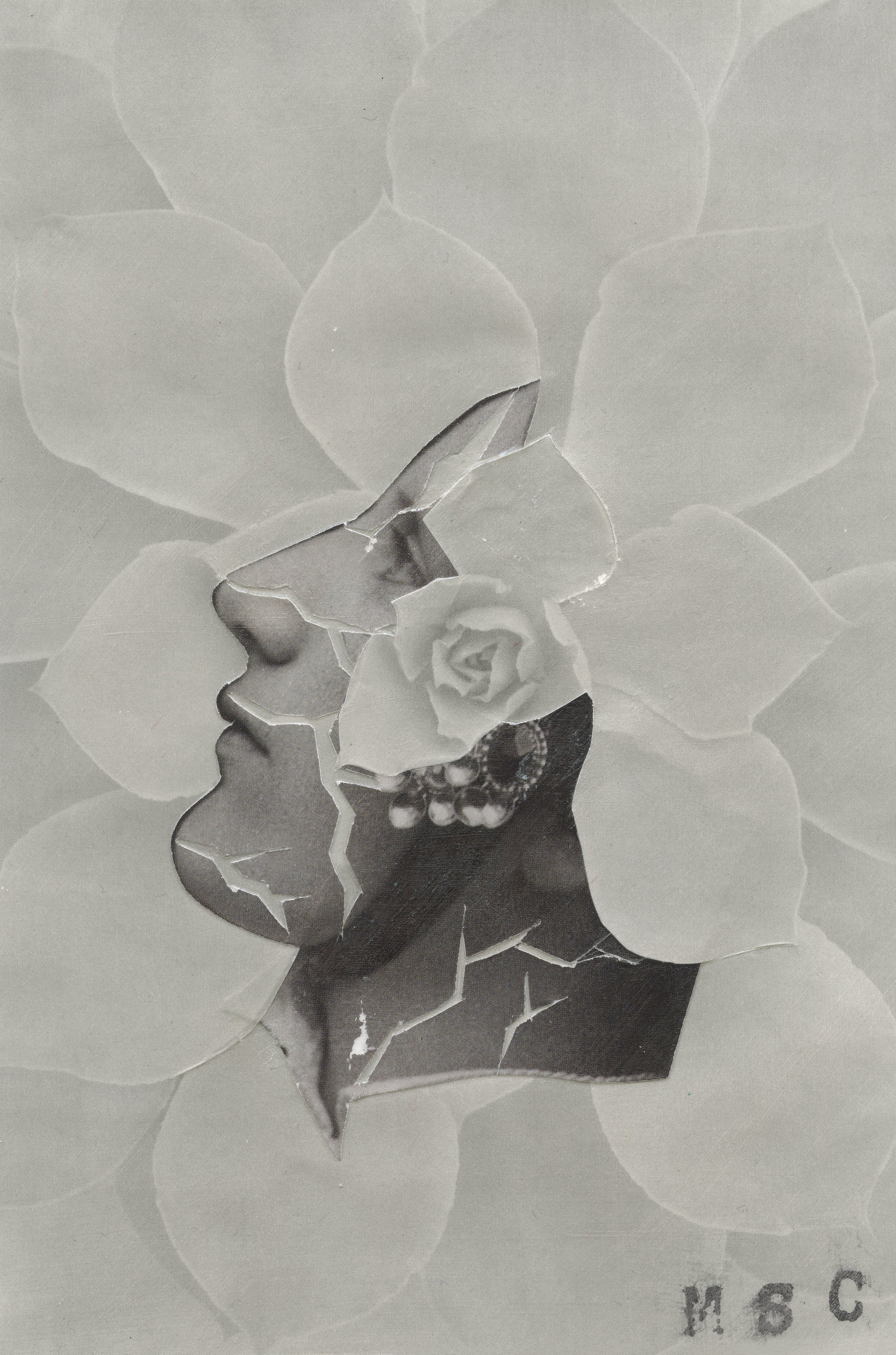
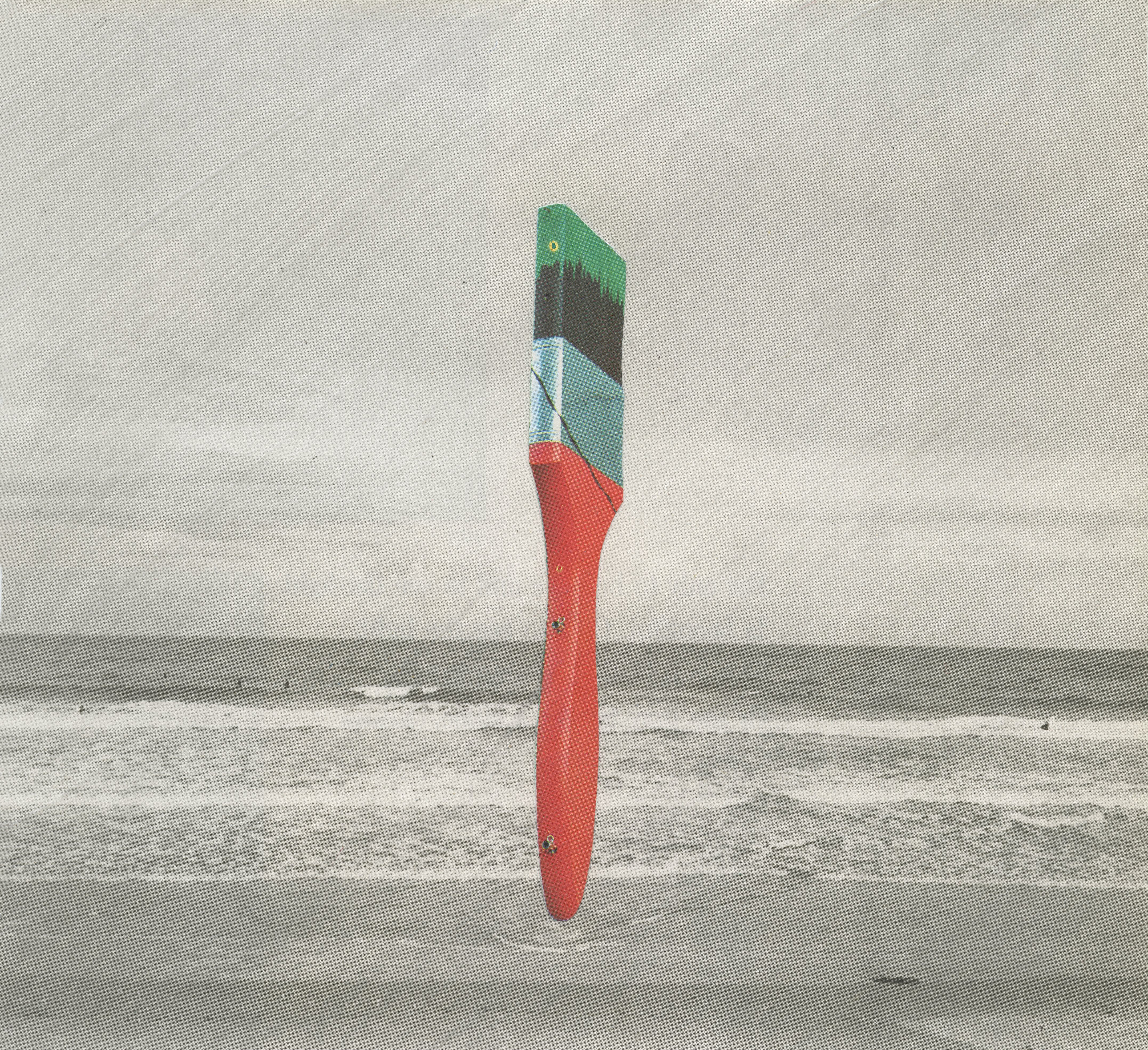
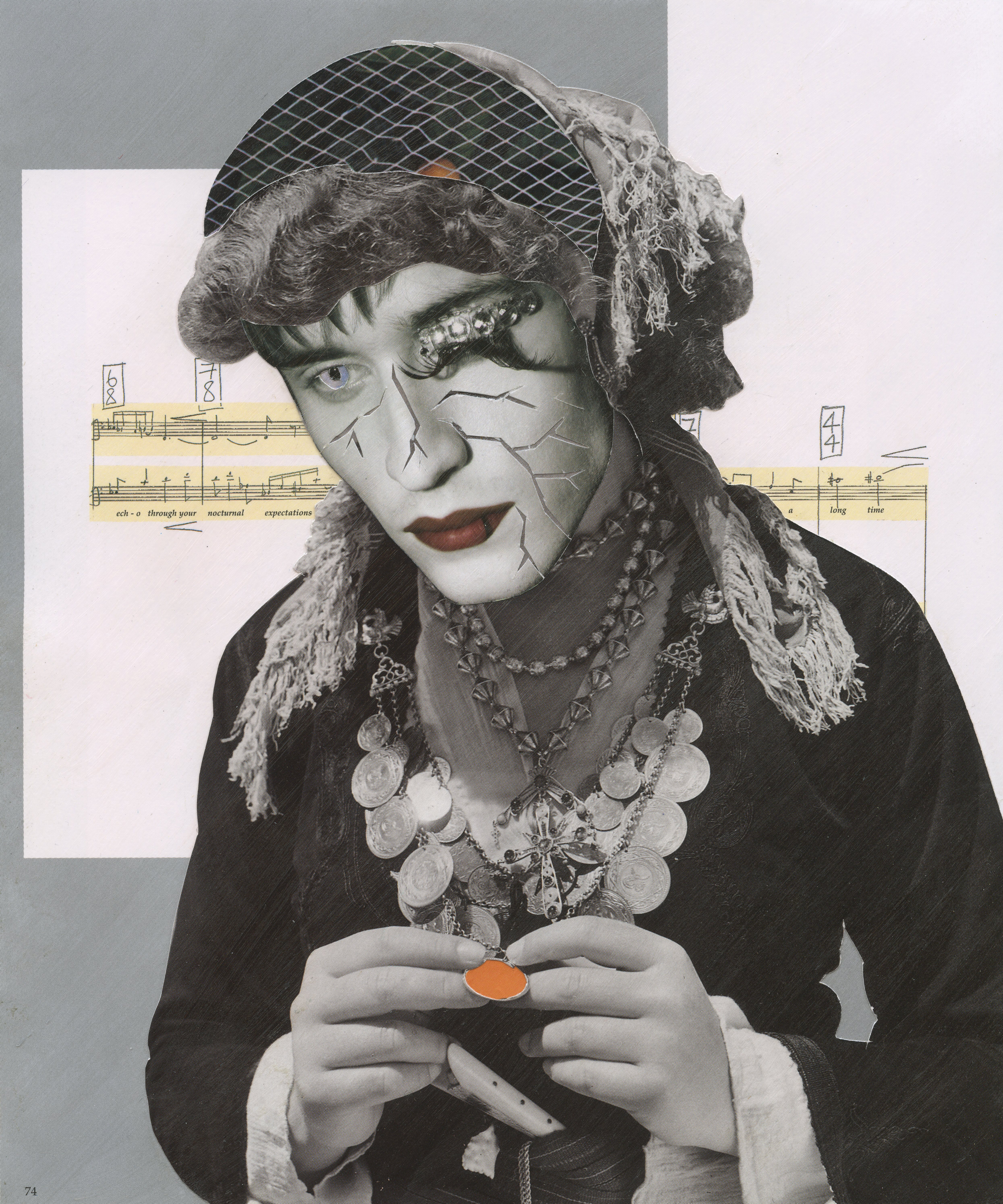
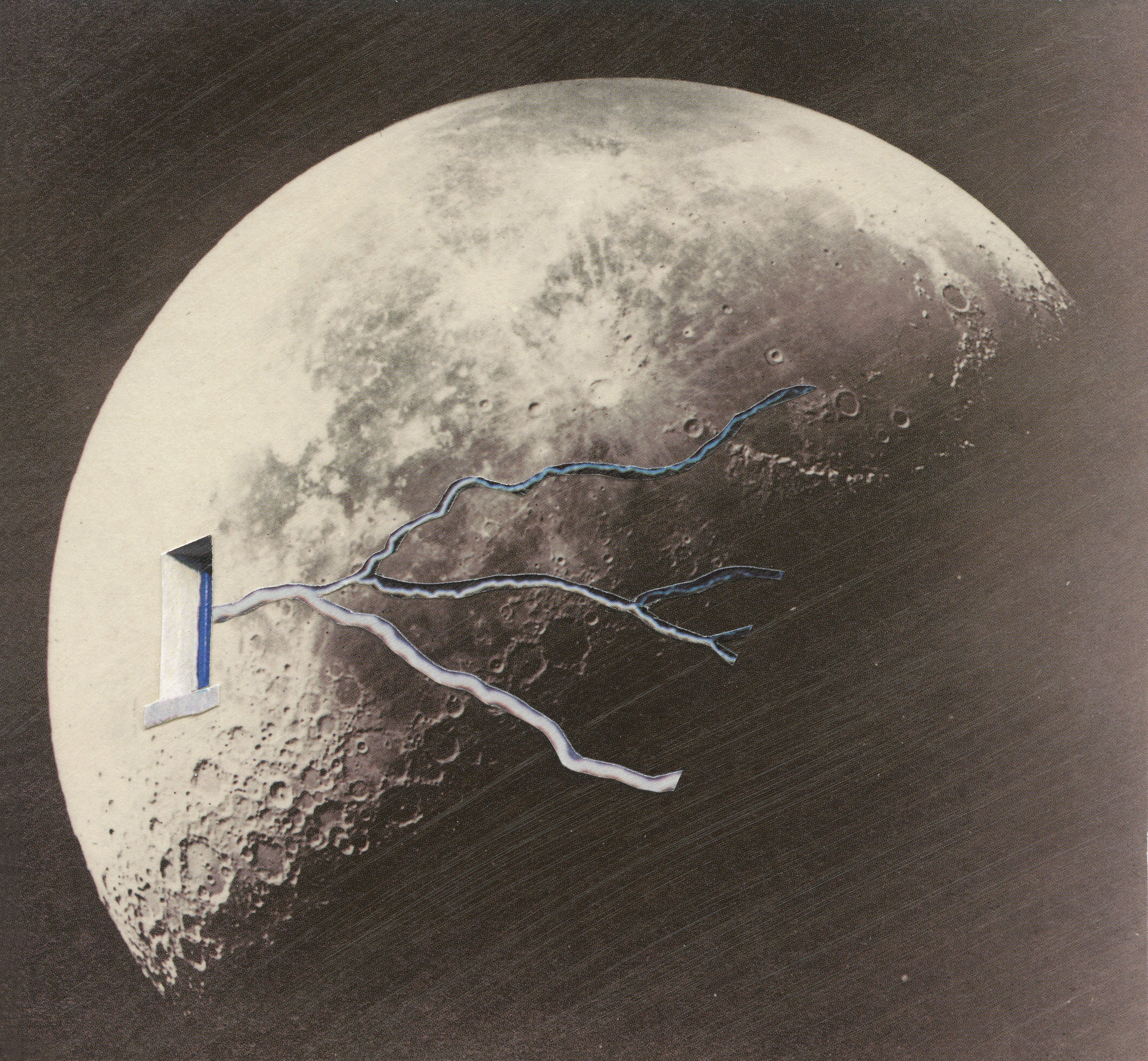
Pure Dirt Art

by Michael S. Church

affix

[v. uhfiks; n. af-iks] 

verb (used with object)

1. to fasten, join, or attach (usually followed by to):

to affix stamps to a letter.

2. to put or add on; append:

to affix a signature to a contract.

3. to impress (a seal or stamp).

4. to attach (blame, reproach, ridicule, etc.).

noun

5. something that is joined or attached.

6.

Grammar. a bound inflectional or derivational element, as a prefix, infix, or suffix, added to a base or stem to form a fresh stem or a word, as -ed added to want to form wanted, or im- added to possible to form impossible.

Big World

Big World

Blue Sky

Blue Sky

Chance Meeting

Chance Meeting

Coleus

Coleus

Every Time

Every Time

Hope

Hope

Maplewood Drive

Maplewood Drive

Morning Coffee

Morning Coffee

Morning Light

Morning Light

One

One

Queen

Queen

Signal

Signal

Slug  Bug

Slug Bug

Touchdown

Touchdown

Wake Me When It's Over

Wake Me When It’s Over

Weather

Weather

Withered

Withered


mike

Michael S Church

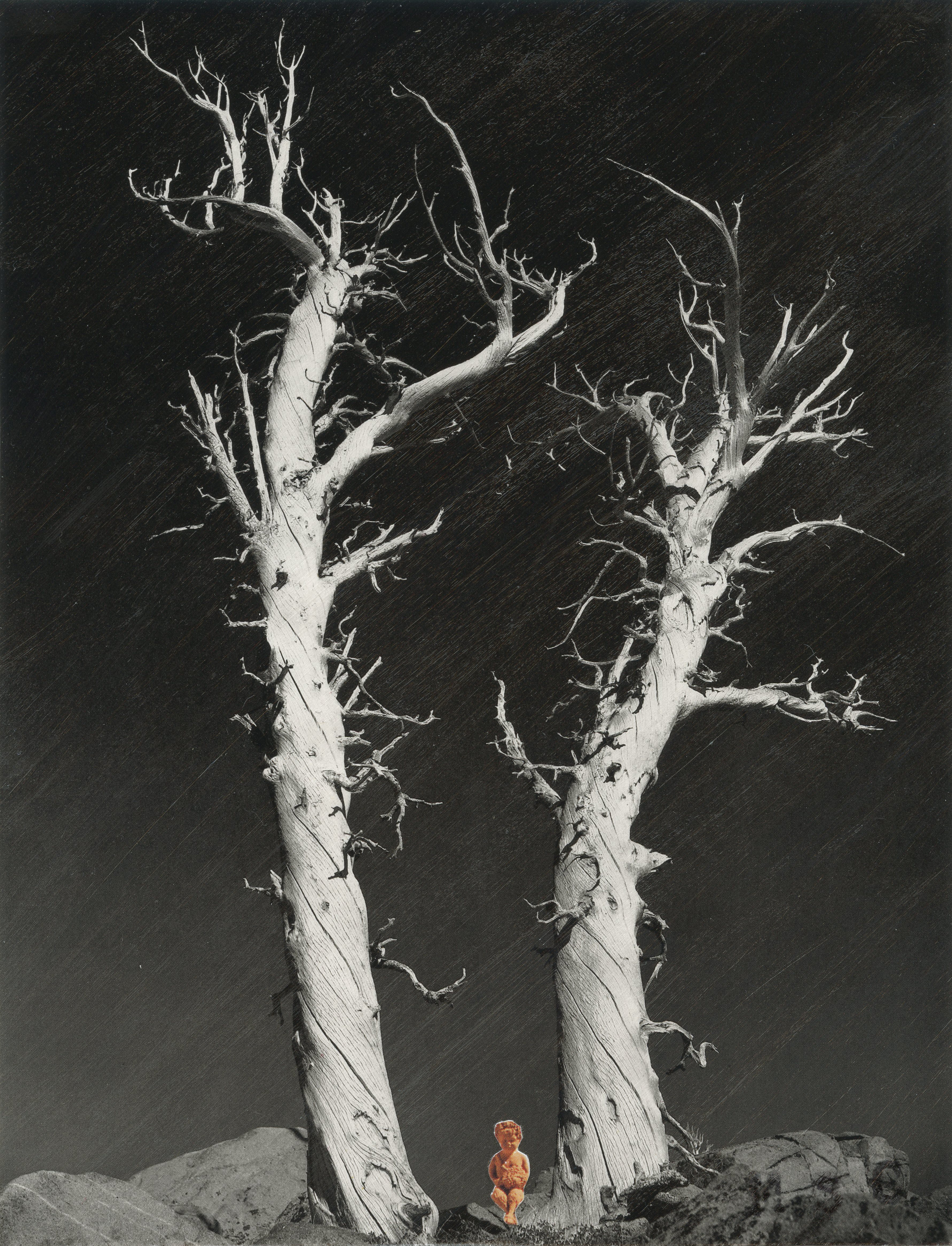
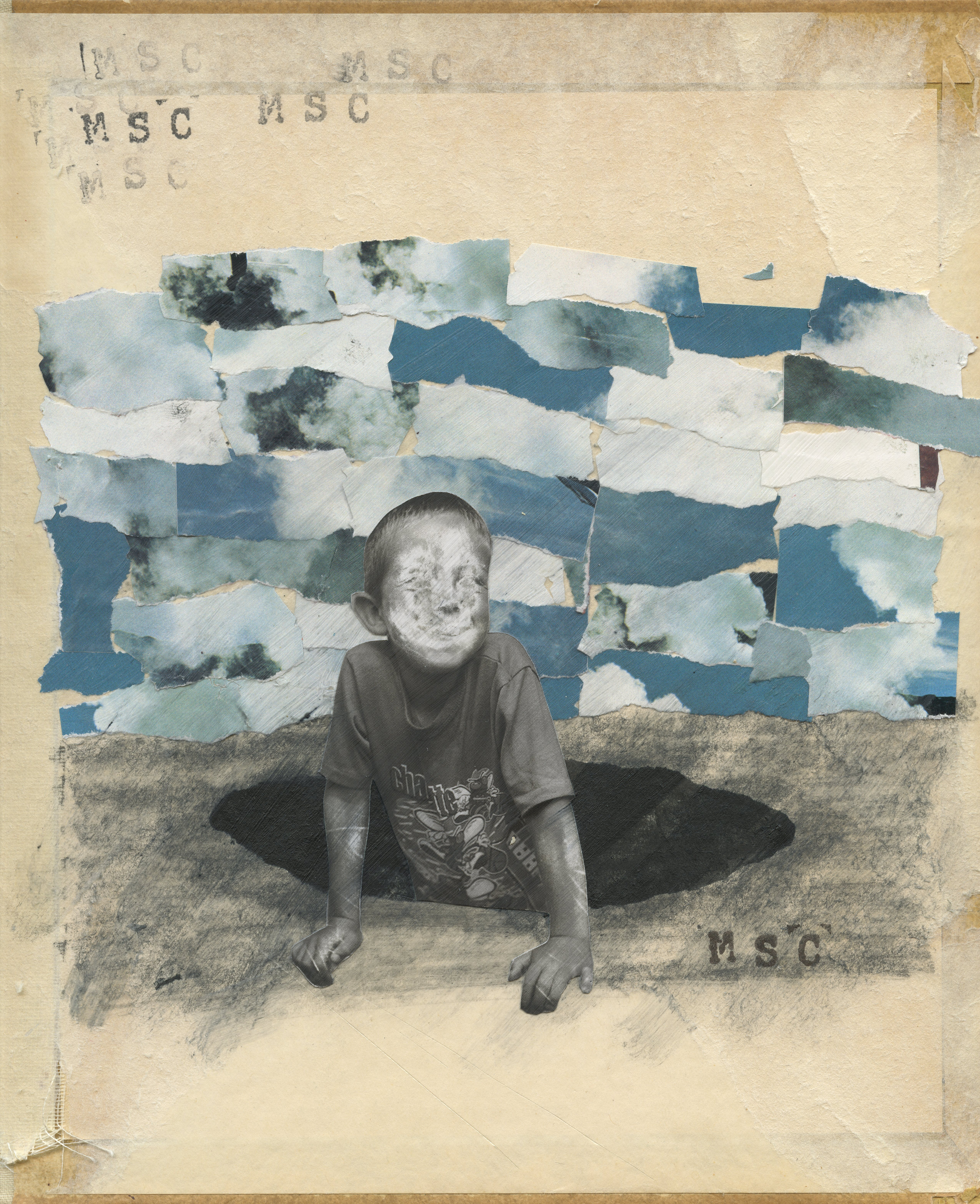
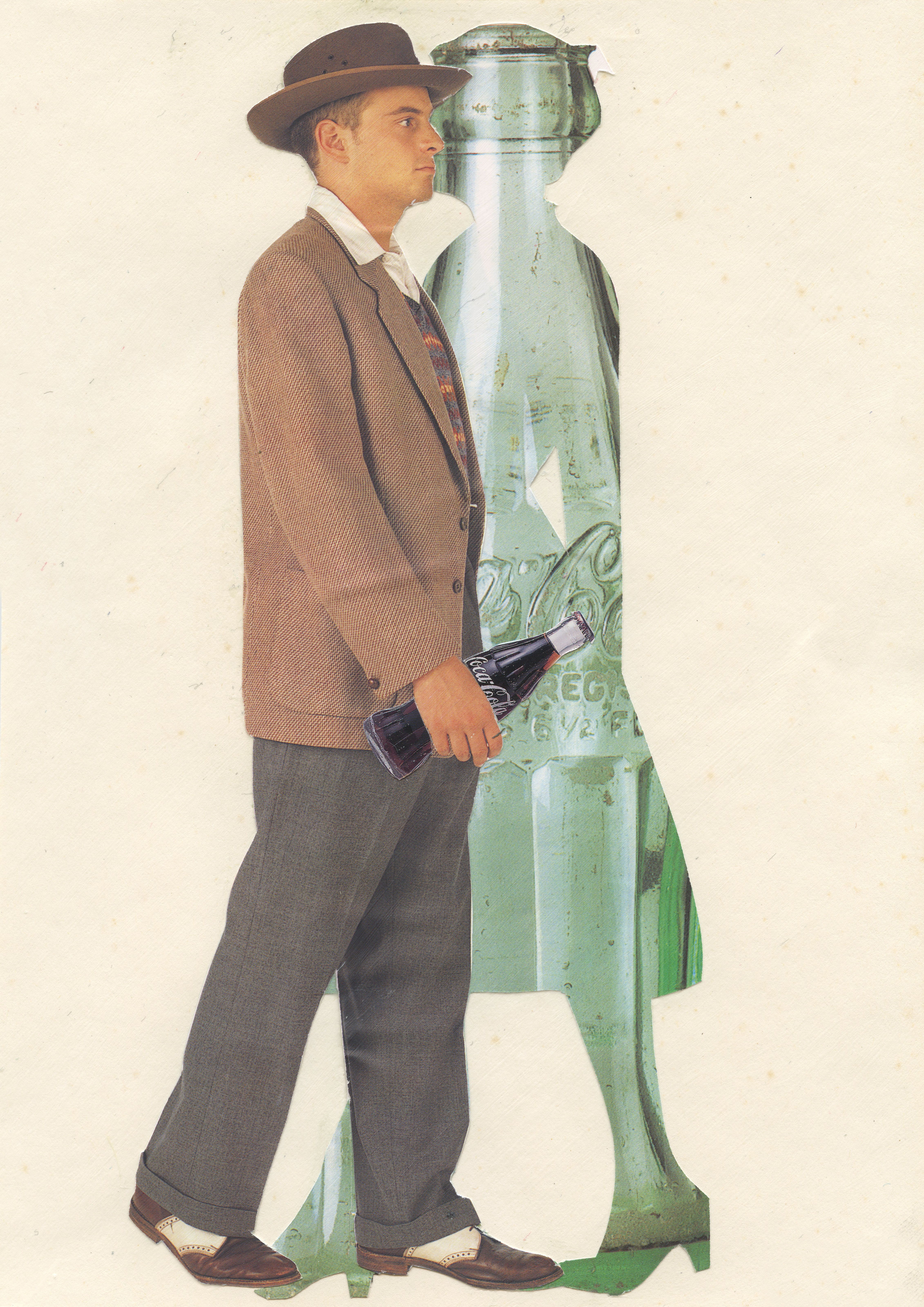
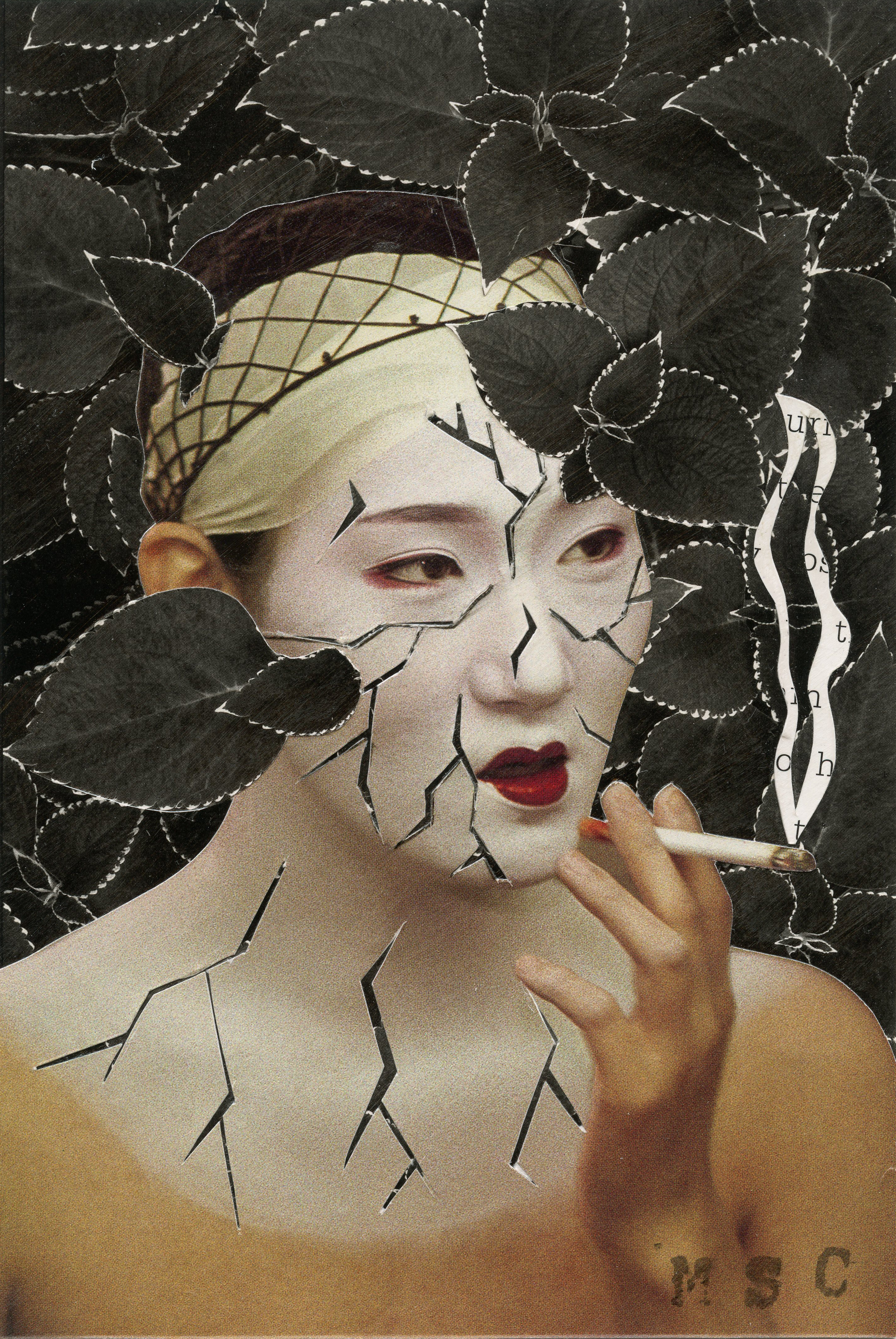
The urgent connection between creation and destruction are on display within the

pieces I’ve broken apart, then reconnected.

It is in this space that I speak of the world around me, and to the voice within

myself simultaneously.

“I have no desire to understand art. I do however have a strong desire to confront

myself through artistic ventures.”

Likes: Straight lines, crooked, angled shapes, color/shade combinations, abstract,

thoughtful, emotional, provocative art.

Dislikes: Everything else.

Contact

mikechurch63@gmail.com
Print

Satellite Magazine / May-June 2013

The Idle Class Magazine / June 2013

Wilde Magazine/ October 2014

Cults of Life Zine September 2014

Kolaj Magazine Issue 10 November 2014

1 Man !00 Faces December 2014

Shows

The Garland House. Little Rock, AR / 2013

Folded, Unfolded, Unfolding Little Rock, AR 2014

Scrounging for Art Little Rock, AR 2014

Reciphor- Coding with Collage Easthampton, MA. 2014

Gallery 26 Holiday Showcase Little Rock, AR. 2014

Links

http://instagram.com/mikestagram/

http://www.facebook.com/mikechurch63

https://www.facebook.com/puredirtart

http://cargocollective.com/puredirtart

Postcolonial Thoughts: Art or fart? Review of Andre 3000’s 47 jumpsuits

by Christopher Hutchinson

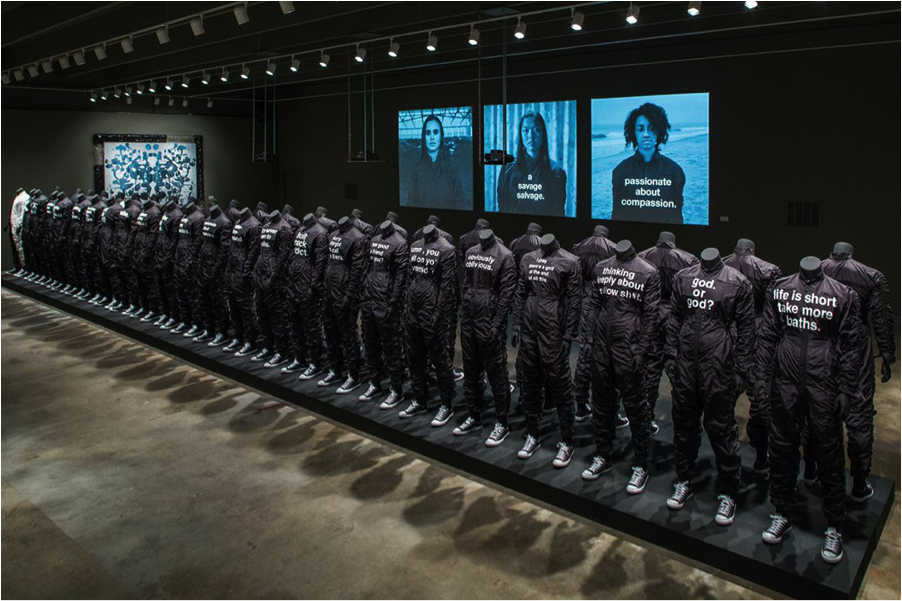
While attending Art Basel Miami 2014, the buzz was about the Andre 3000 exhibition of his 47 jumpsuits, “I feel ya.” This review is about the unwarranted buzz surrounding this exhibition due to an incomplete concept and a focus on quantity.

“Outkast is art, and it’s as simple as that. Even when Big Boi and Andre 3000 aren’t on the mic, they are creating and expressing themselves. On Tuesday evening (Dec.2), Art Basel Miami Beach opened up the talked about exhibit with 47 jumpsuits previously worn by Three Stacks. Simply titled “i feel ya: SCAD + André 3000 Benjamin,” the installation is happening now at The Savannah College of Art and Design Museum’s pop-up at Mana Miami. To go along with Andre’s jumpsuit display, filmaker Greg Brunkalla created a short movie with 3000’s quotes as subtitles. The “i feel ya” exhibition will run until Dec. 7.” http://sandrarose.com/2014/12/andre-3000s-custom-jumpsuits-on-display-at-art-basel/

47 Jumpsuits VS Body of work

“Often listed as a contender for greatest living rapper, Andre made his legacy alongside Big Boi as one half of the southern hip hop duo OutKast“Hey Ya” is decidedly their most popular and recognizable track, but check out verse 4 on the title track of their highly acclaimed 1998 album Aquemini. This is a small sample of Andre’s poetic style and unparalleled rhyming abilities”. http://genius.com/artists/Andre-3000

As great a lyricist as Andre 3000 is, the fact is that this project of 47 jumpsuits is not art. It is so remedial that it asks the ubiquitous introduction to art appreciation class question— what is art? The 47 jumpsuits fits all the categories that identify what art is not. The first point to be addressed is the need for 47 different jumpsuits. This is a rookie mistake that all artists encounter, the belief that the amount produced adds to the artworks significance. It does not. There is a big difference between quantity and art. The arbitrary “47” jumpsuits are a means to an end. Not an actual interest in text, documentation, material, performance, sculptures and designs. It’s a poor idea with money backing it. Andre’s notoriety has certainly contributed to the obvious lack of artistic choices made purely and simply because we are fans of his. When “ I feel Ya” is examined without those rose colored glasses, it fails.

Text & Documentation

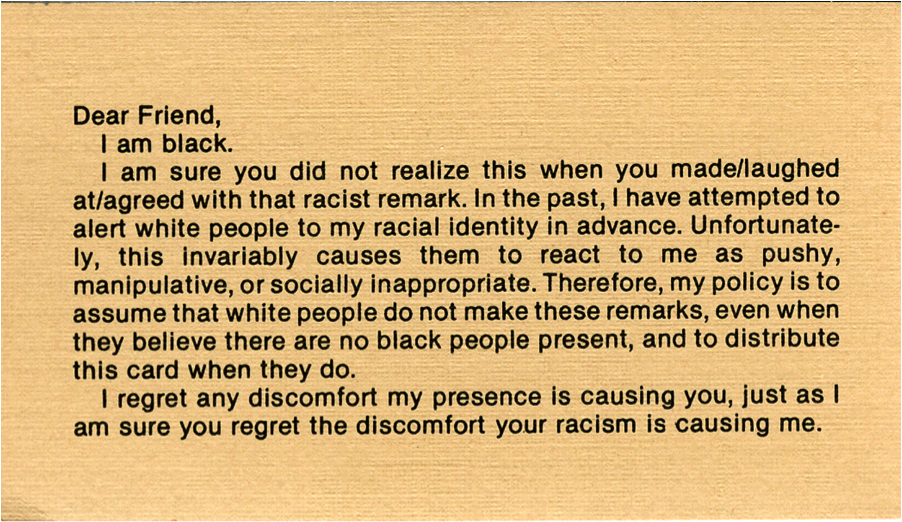
Adrian Piper’s calling card 1986 is a perfect example of a text-based work that does not need anything else to be powerful. Couldn’t text alone satisfy the task of the “I feel ya” project? Students often feel the need to add and add without taking the proper time to evaluate what each medium has to offer. Professor K. Jill Johnson asked me in undergrad, “You’re always adding, have you ever considered subtracting?” Artists that fulfill the urge to make, and make, and make–continually adding–often end up with a bunch of clichéd references that lead away from his or her concept, not clarifying it. Andre 3000 is known as a lyricist, a storyteller, yet “I feel ya” is saturated with clichéd quotes and anecdotes. It is a betrayal of his own work. “I feel ya” is so cliché that it’s about being a collectible product rather than documentation.
Material & Performance

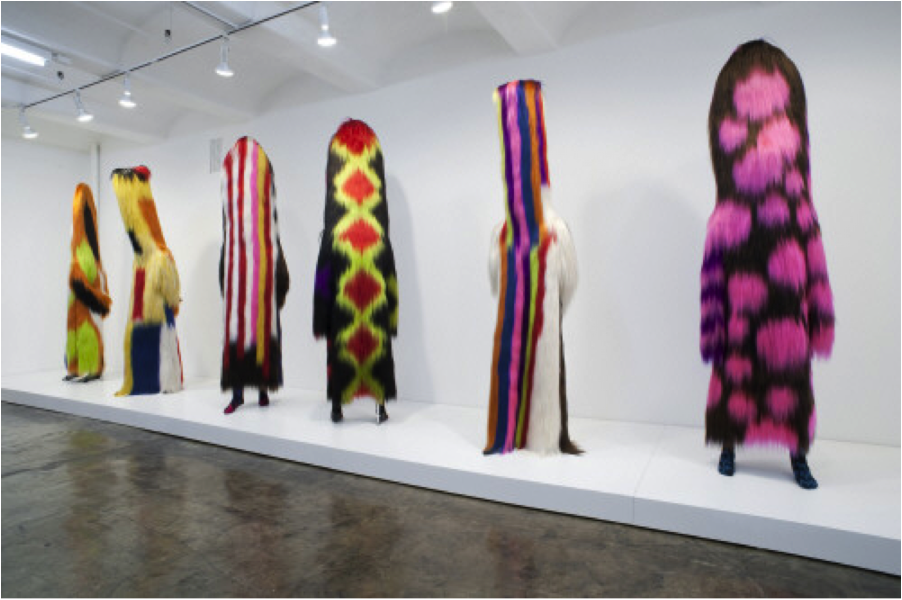
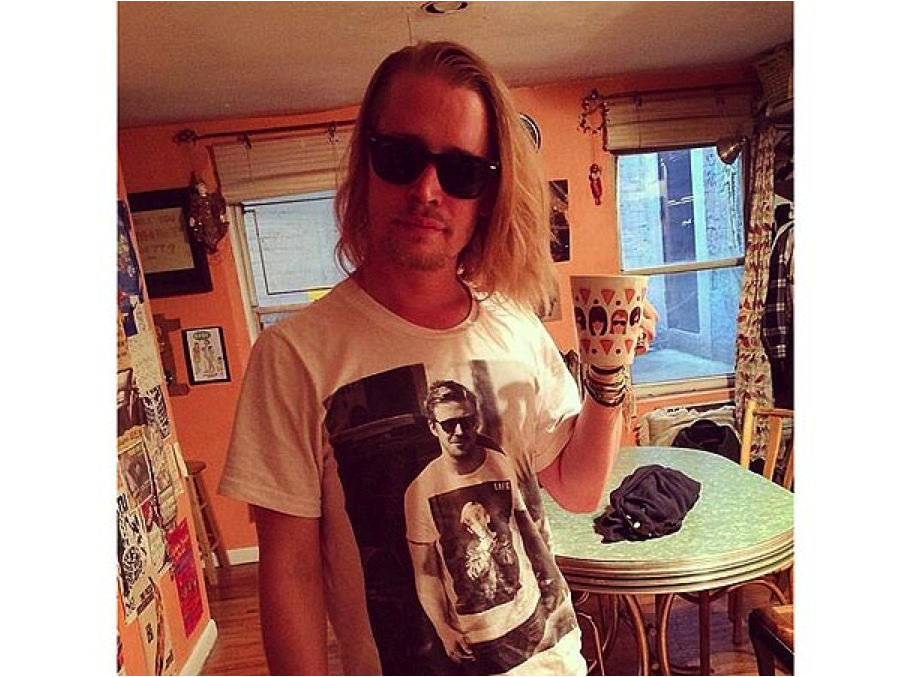
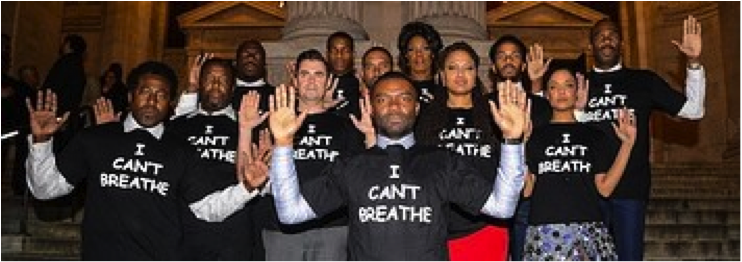
Nick Cave’s sound suits work as static objects as well as kinetic performance pieces. Cave has explored material and its integral part of his praxis. Material should be married to concept for a cohesive honest dialogue. Does “ I feel ya” explore material and performance enough to be separate from a t-shirt? Do we need to pay attention to Andre 3000’s specificity of jump suits or is it a gimmick that amounts to nothing more than Macaulay Culkin T-Shirt Inception or the “ I can’t breathe” campaign.
SCAD + Andre 3000

The most impressive achievement is how well this concept is received and supported. To be featured by the Savannah College of Art & Design space at MANA during Art Basel 2014 is a great honor, an honor it doesn’t deserve and frankly brings into question the artistic integrity of SCAD.


Christopher HutchinsonChristopher Hutchinson is an Assistant Professor of Art at Atlanta Metropolitan State College, Archetype Art Gallery Owner in Atlanta, Ga, and Smoke School of Art Founder. He received his Master of Fine Arts Degree in Painting from Savannah College of art & Design, Atlanta and his Bachelor of Arts Degree from the University of Alabama in Huntsville, Alabama. He lived in Alabama for 10 years before moving to Atlanta in 2008.

Learn more about Christopher and his work at Black Flight 144.


Liminal Landscapes of Hampstead Heath, London

by Cecilia McDowell

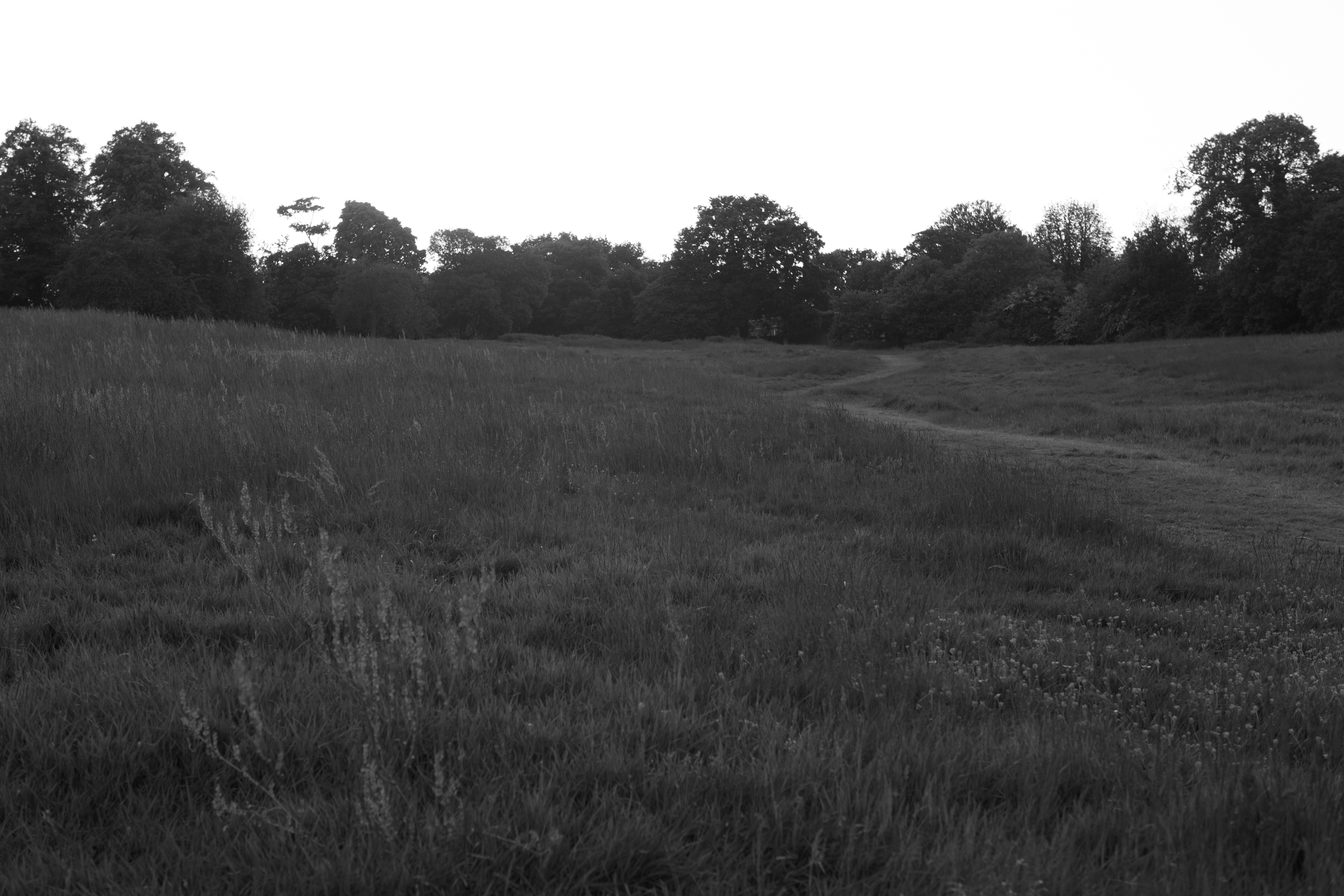
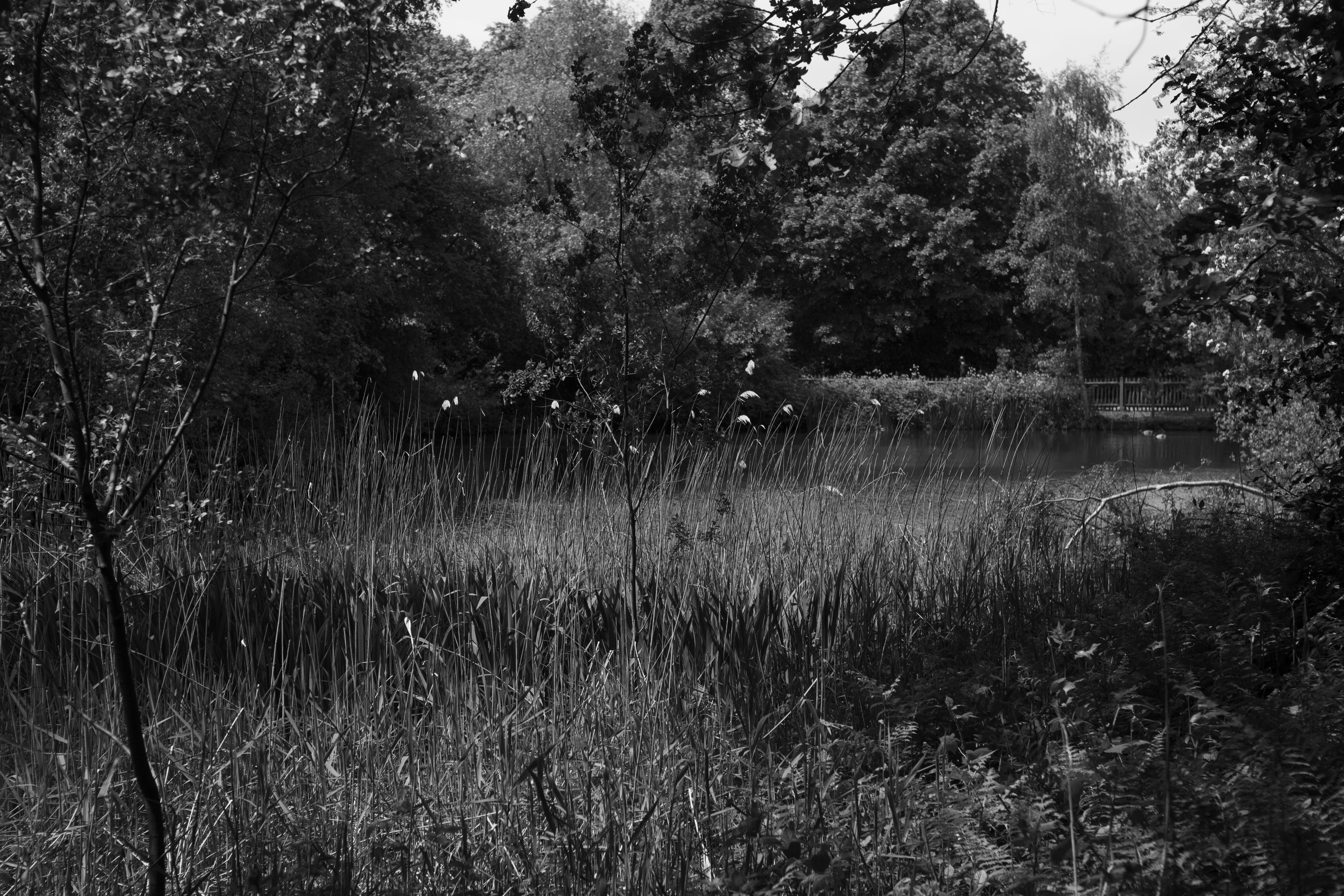
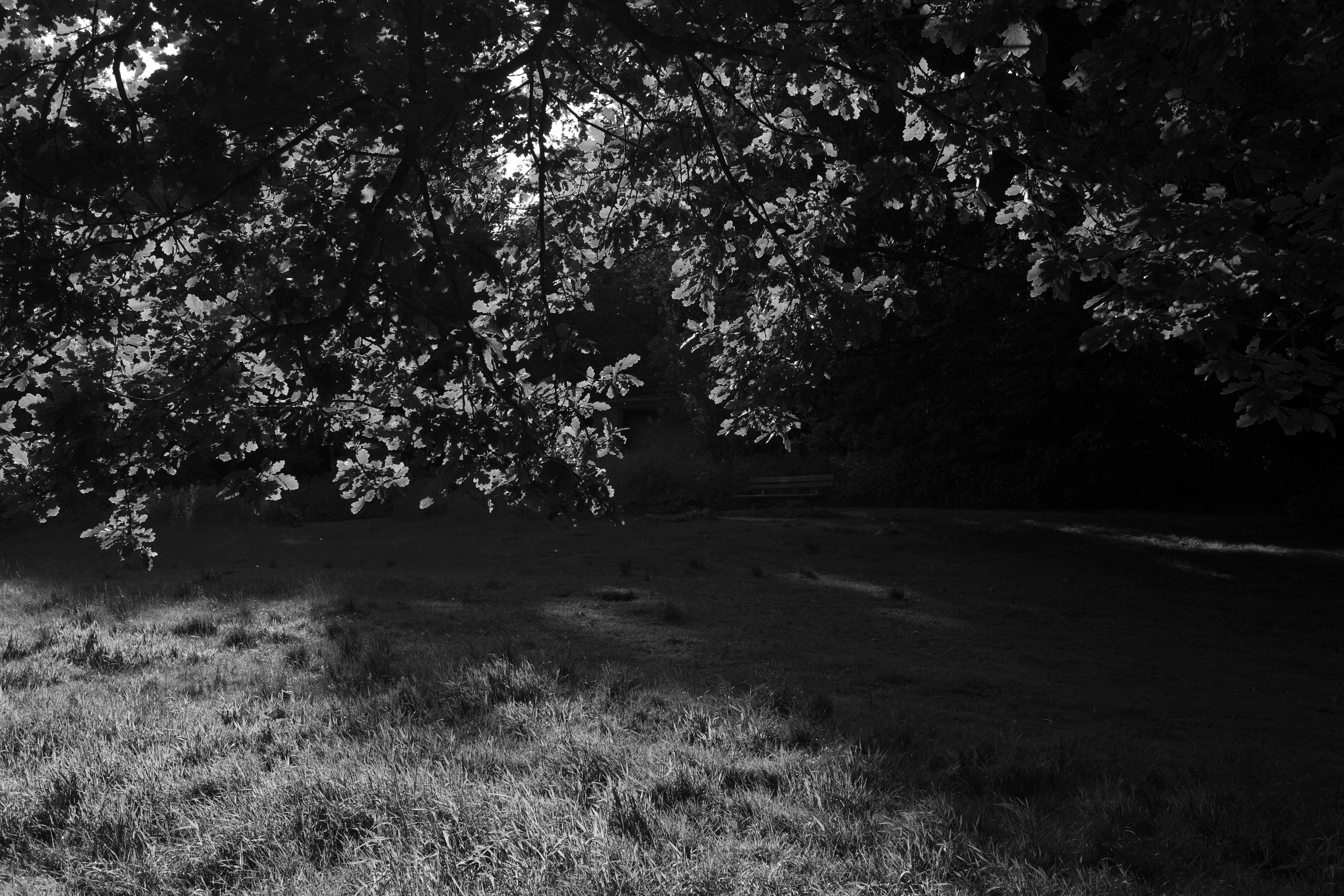
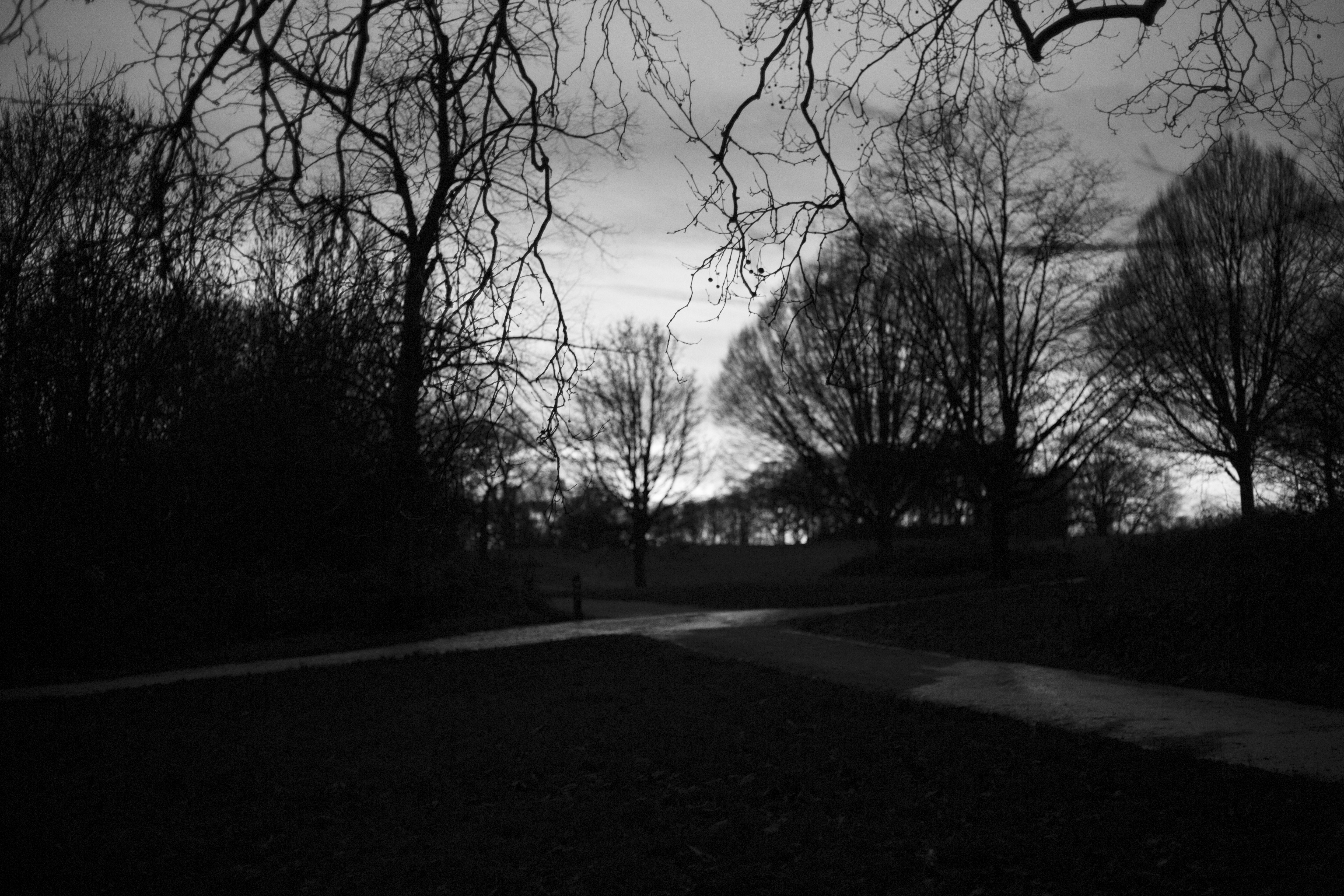
Hampstead Heath: nearly 800 bucolic acres of parkland within London’s city limits, a city home to over 8 million people.

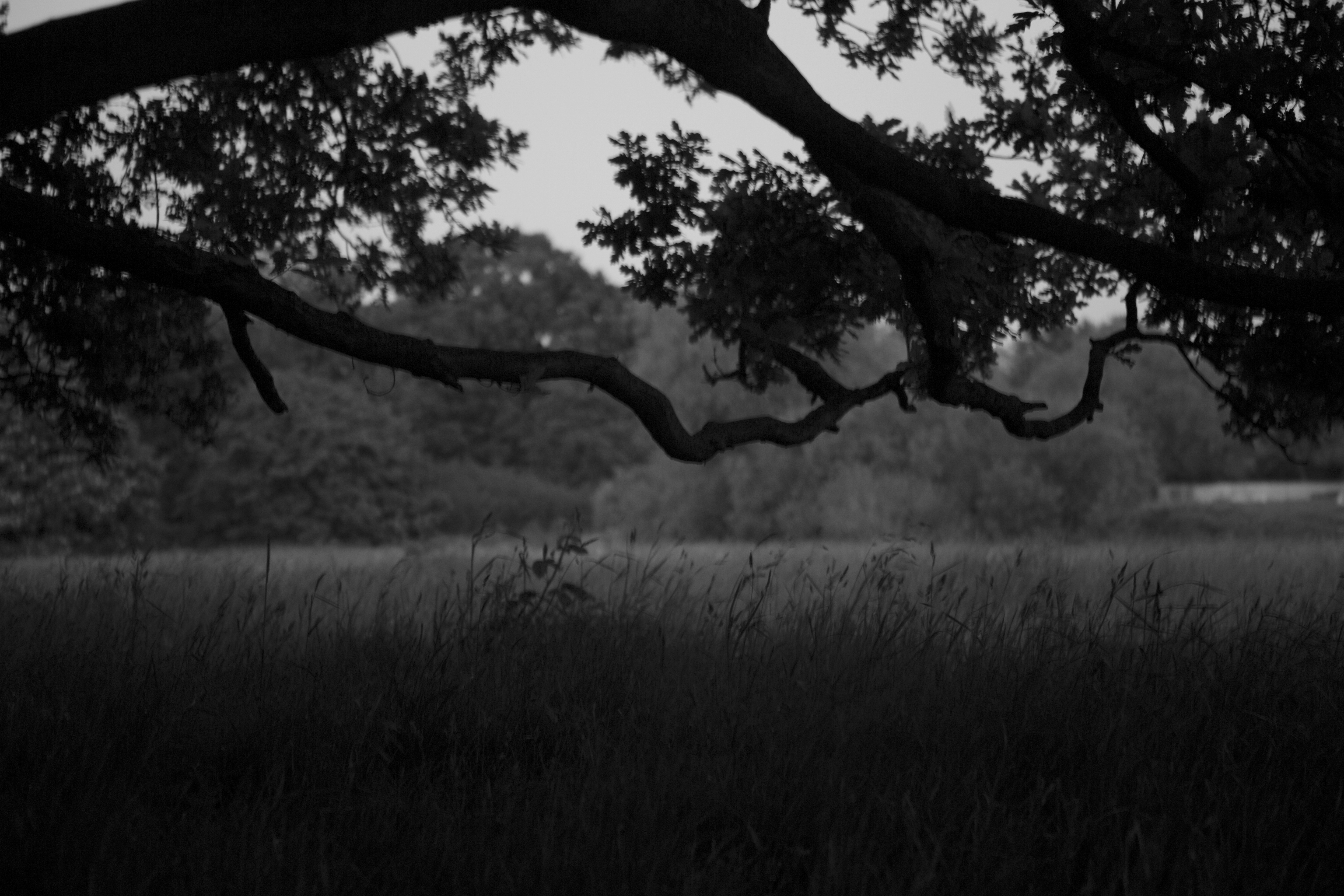
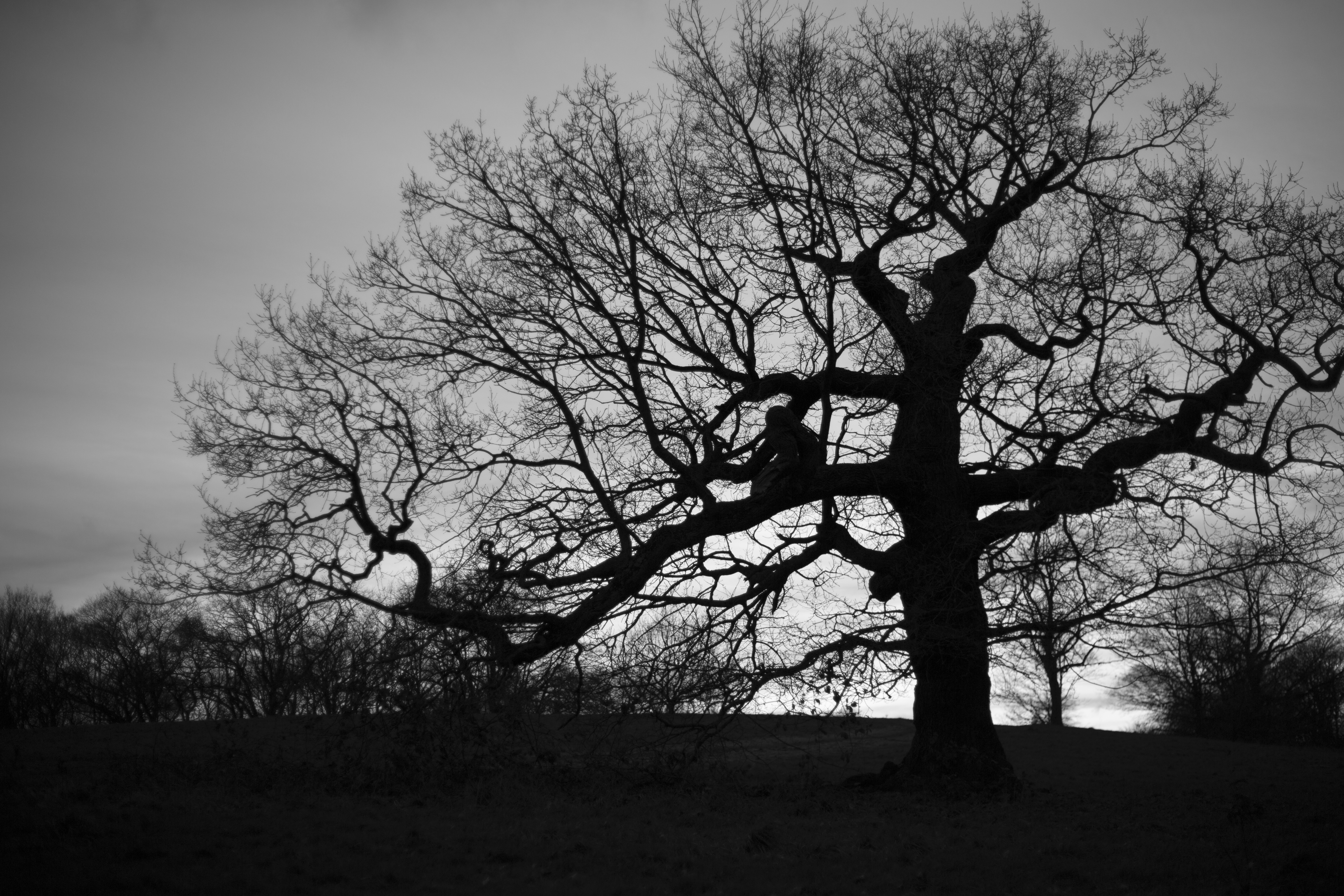
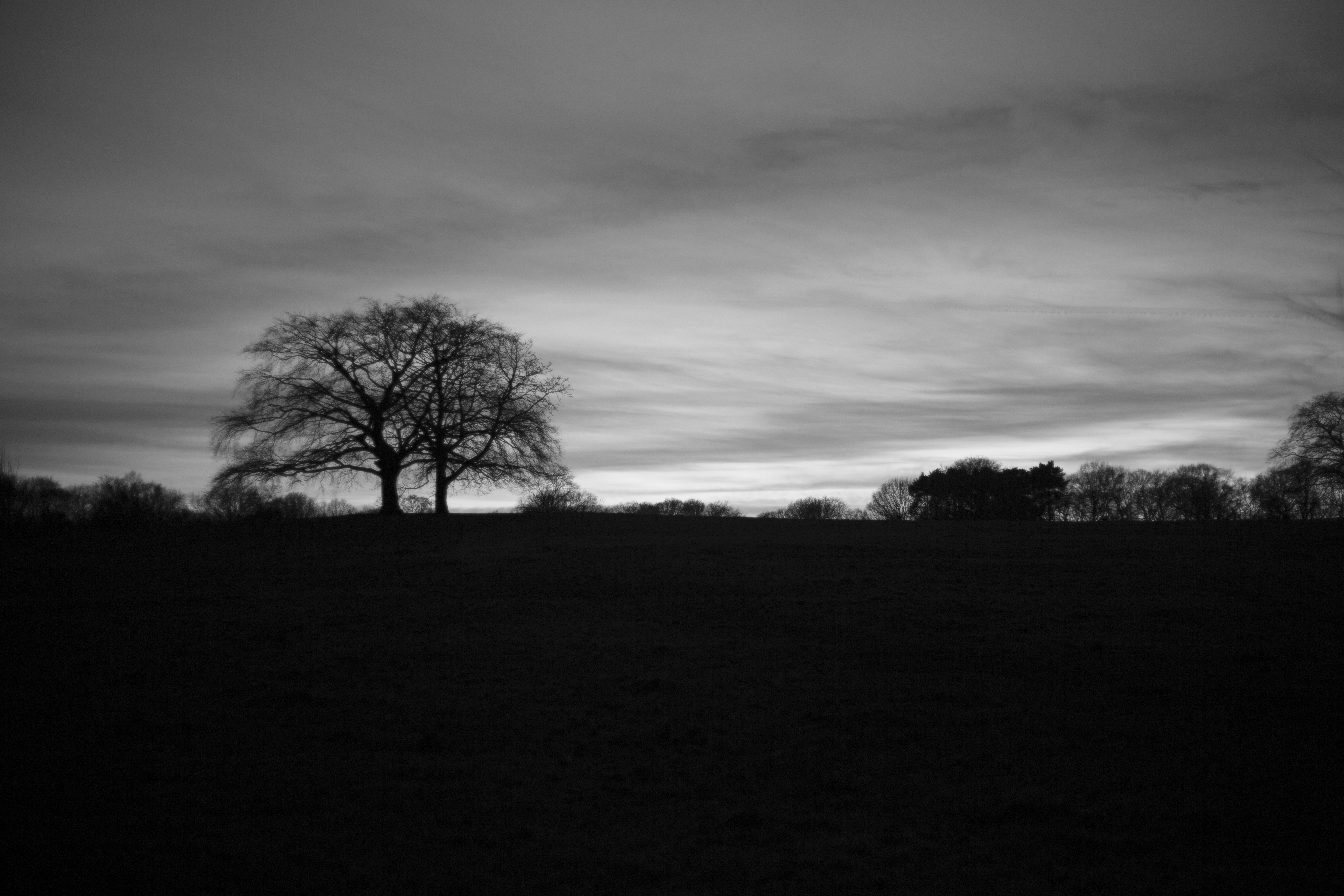
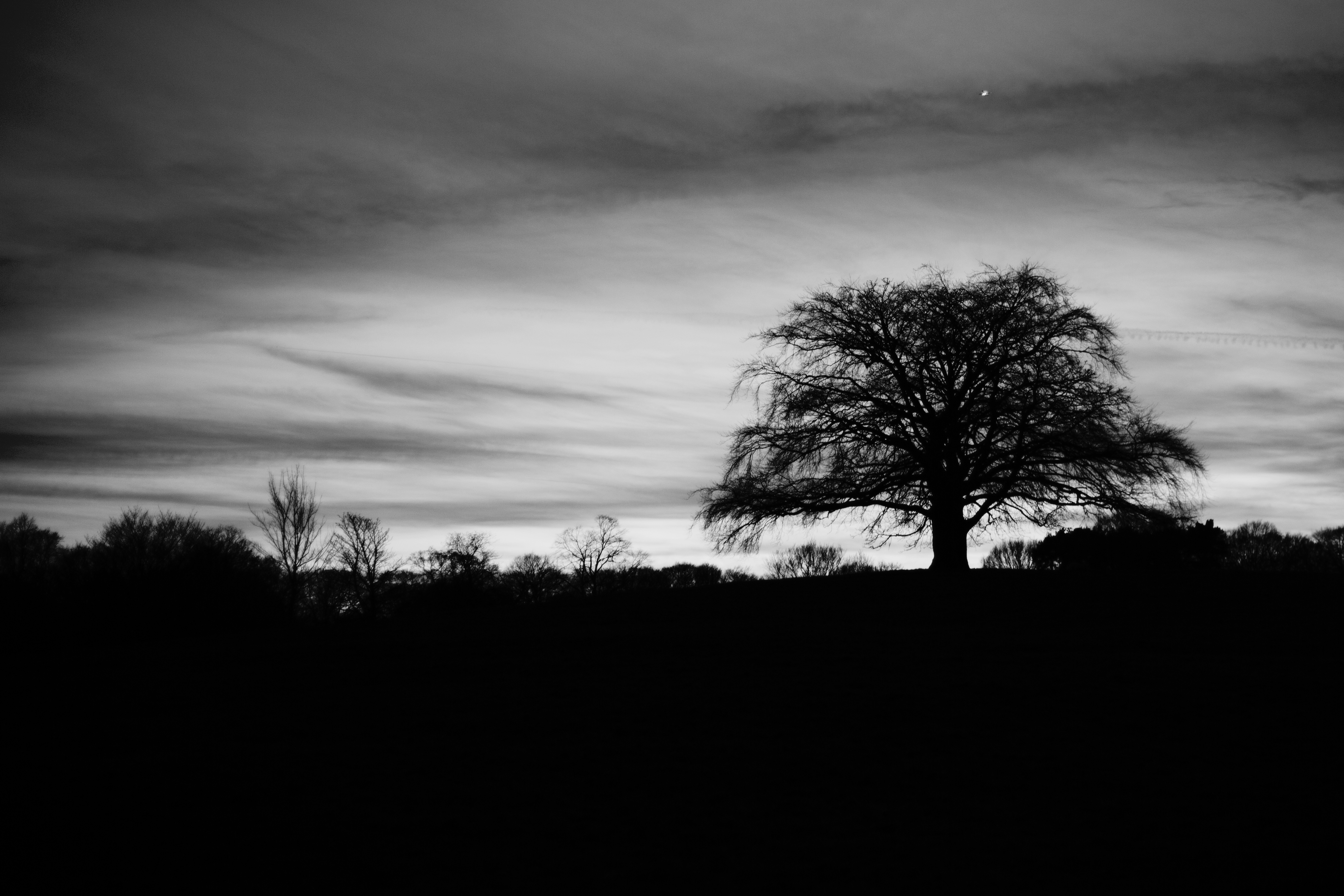
Though they are much cultivated and maintained now, these are lands that were mentioned in the Domesday Book (c. 1086AD), and upon which still stands a Bronze Age barrow (c. 2000-3000BC). Certainly, there have been major human-made changes – the now-famous bathing ponds were first dug as reservoirs in the 17th and 18th centuries – but this ancient park is tended with such an artist’s eye as to still feel pastoral. It is a public space in one of the world’s largest cities, a space that receives millions of visitors per year, and yet it is possible to sit under a tree in splendid silence for hours without seeing another living person. There is an undeniable magic in this place, regardless of your definition of the word, and even more so at dusk and dawn; at midsummer; at the edge of dappled shadows, ‘through verdurous glooms and winding mossy ways.’

Past the near meadows, over the still stream,
Up the hill-side; and now ’tis buried deep
In the next valley-glades:
Was it a vision, or a waking dream?
Fled is that music:—do I wake or sleep?

–John Keats, ‘Ode to a Nightingale’ 1819


Untitled #1

Untitled #2

Untitled #3

Untitled #4

Untitled #5

Untitled #6

Untitled #7

Untitled #8


Cecilia McDowellArtist: Cecilia McDowell 

Introvert.  Artist.  Inveterate reader.
Curious.  Traveller.  Consulting palate.

Media links:

www.ceciliamcdowell.com

instagram.com/ceciliamcdowell

coming soon – accidentalalchemist.co.uk


Chromosome of Conflict

by Enrico Gaveglia

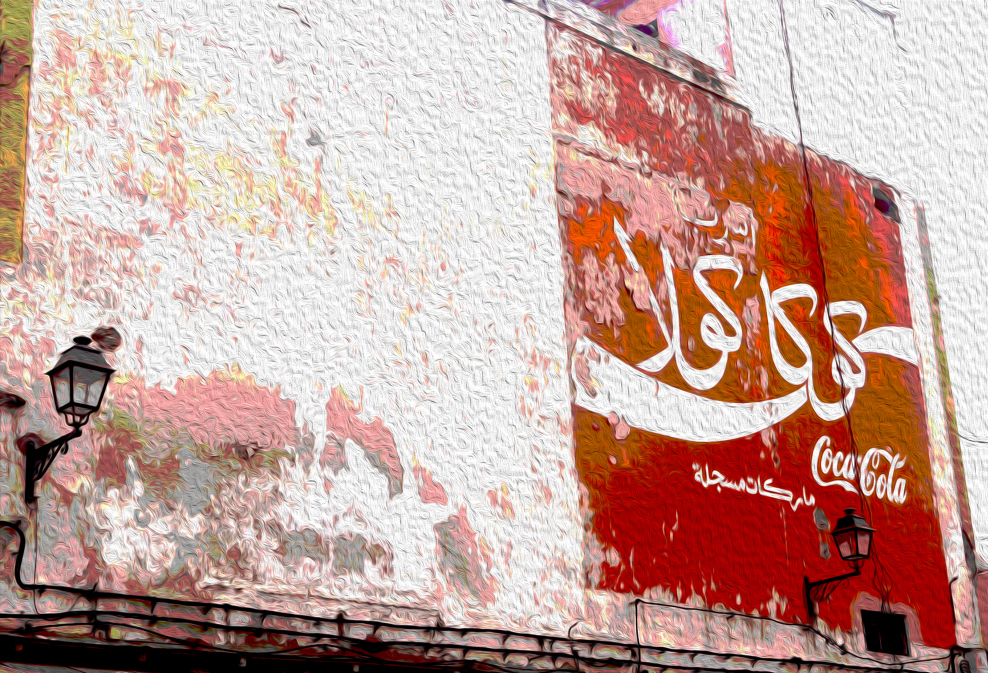
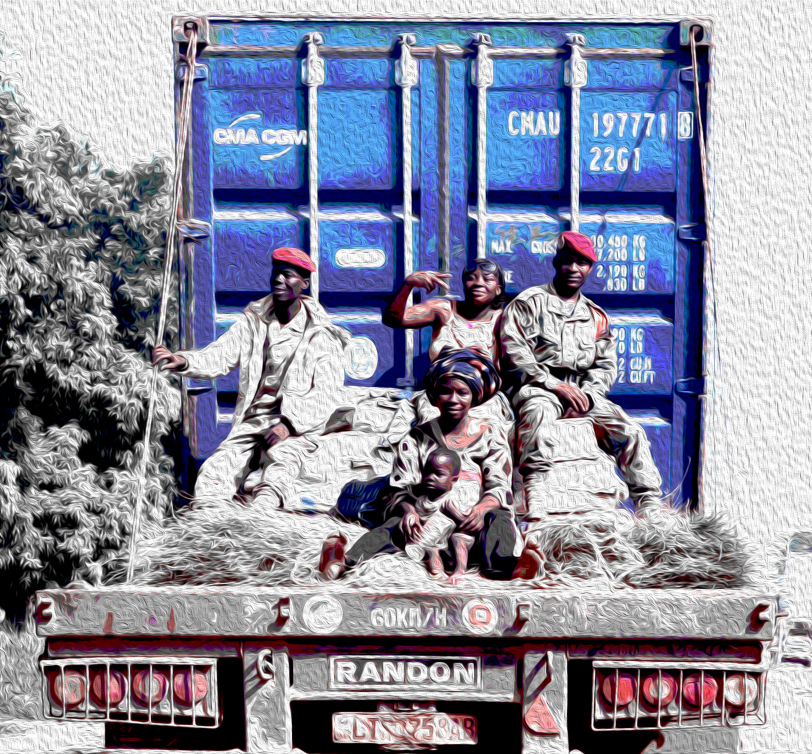
These photos are impressions from walking through countries plagued by years of civil wars and conflict. They’ve rarely been able to return to a normal, peaceful life. The drama of war remains for generations in the DNA of the people; it doesn’t matter if you experience the tragedy firsthand. Even new borns, in relatively quiet moments of peace,  have the tag of the sorrow in their genetics, and it takes time to get rid of it. Places, buildings, art expression on streets–all speak as tokens of lives who perished too soon and can talk no more.
Always Cocacola, Morocco

Always Cocacola, Morocco © http://kikontheroad.wordpress.com/


 Journey, Central African Republic

Journey, Central African Republic © http://kikontheroad.wordpress.com/


Enrico GavegliaEnrico Gaveglia was born in 1975 in Tuscany, Italy. He developed kikontheroad some time back as he travels around the world. Direct life experiences often in countries plagued by latent conflicts have allowed him to walk through places of great charm and put him in contact with extraordinary people. Every now and then he collects accidental shots in testimony of his passages through places. It is only much later than he feels the need to internalize those unique experiences in intimate moments of reflection stolen from his daily routine as digital products of his work come to life in a reproduced altered reality.
Social media links:

http://kikontheroad.wordpress.com/

http://fineartamerica.com/profiles/enrico-gaveglia.html

Semantic dementia

by Rey Foret

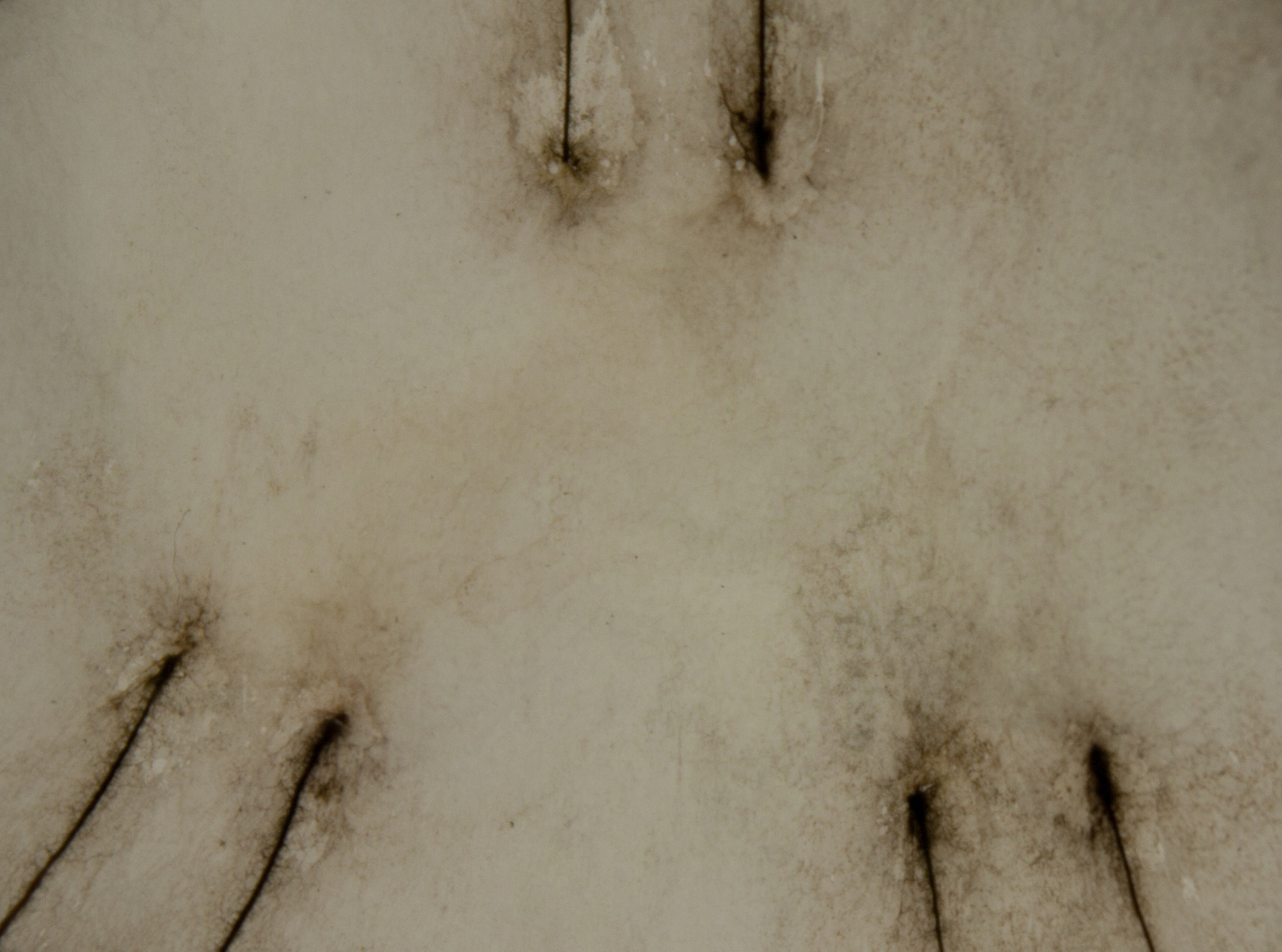
The human being is cast in two parts, visible and invisible. It is not my purpose to tell of the visible one, except when it is needed to serve as a likeness. For what could possibly better serve as a likeness than things that are alike? However, I will have more to say about the invisible, about which first of all the following example should be heeded. The visible body has an effect on all things; and all of its motions and actions are seen by the human being. But all of this is only half of the action performed; it is only that which we see. The other half is seen by no one. It is performed by the invisible body.

The nature of signs is deceitful and false, like a word that passes from the tongue without seriousness or heartfelt sincerity. Hence the mere fact of colors in things should not induce you to make a judgment and to submit to it; for neither the heavens nor the earth will stand by you: it is above all these things. But you should not think nor be assured of anything but that all things are in the image. That is, all things are formed. In this formation lies their anatomy. The human being is formed: his image is his anatomy.

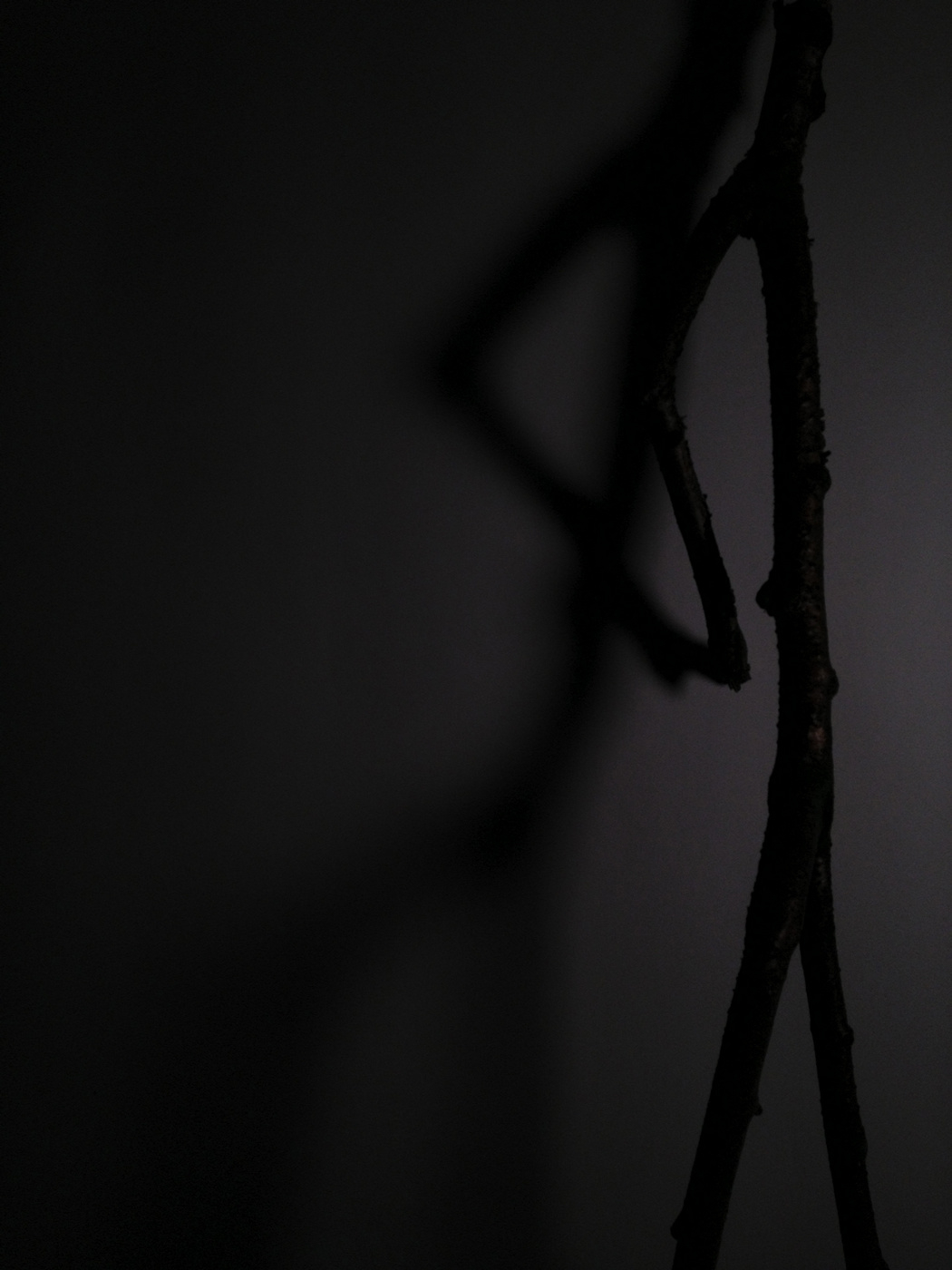
There is a recurring structure in our (human) nature.
The way we feel, the way we move, our posture- all has an origin and counterpart in the wild.
Some coherences are hidden, some obvious while others must be guessed from what is left out.
There are patterns resembling the line of a poem. Sometimes they tell us about ourselves.
Like signatures.

(First two paragraphs quoted from the 2nd and 3rd book of Paracelsus, written around 1530)

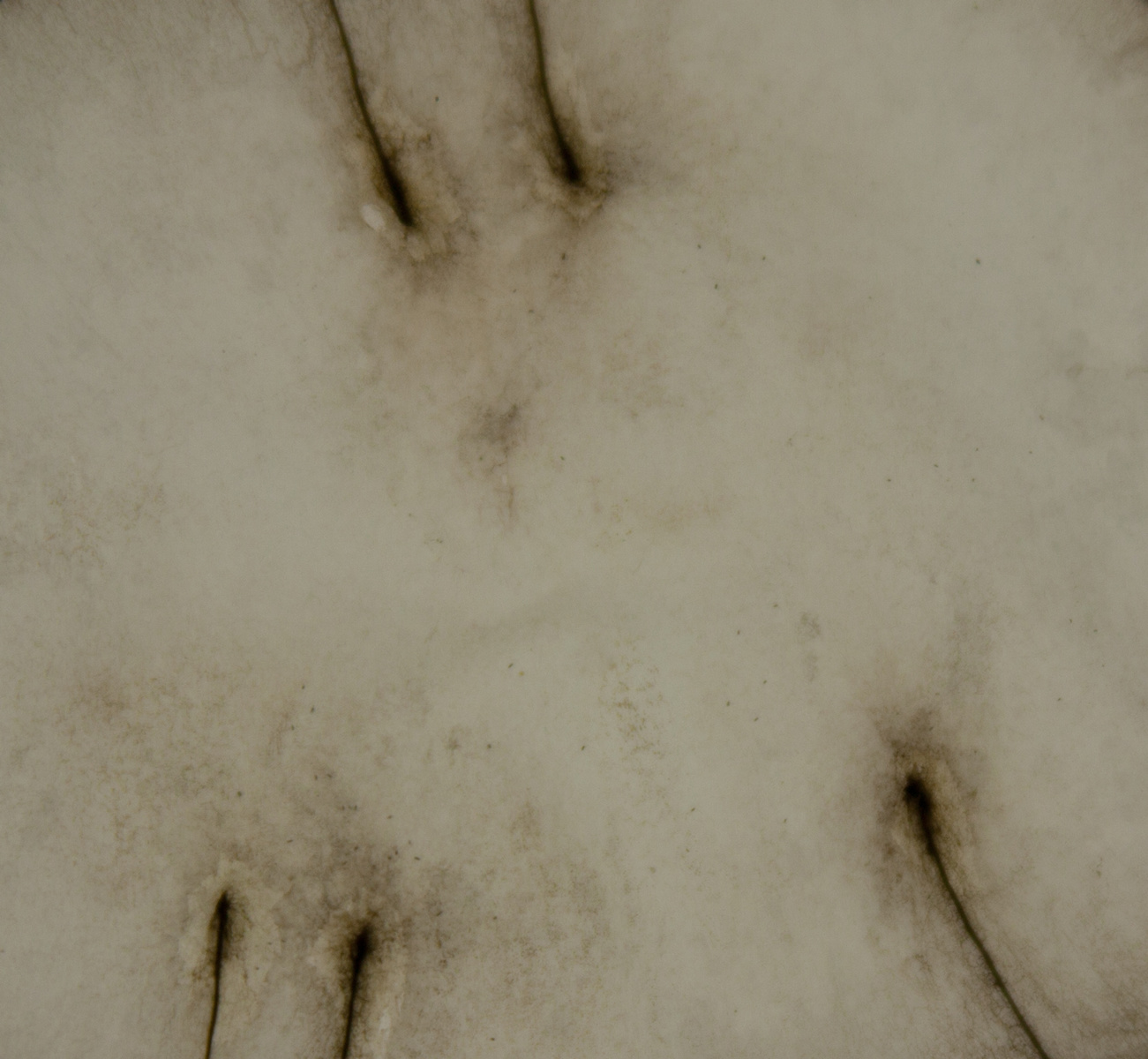
scars #01

scars #01

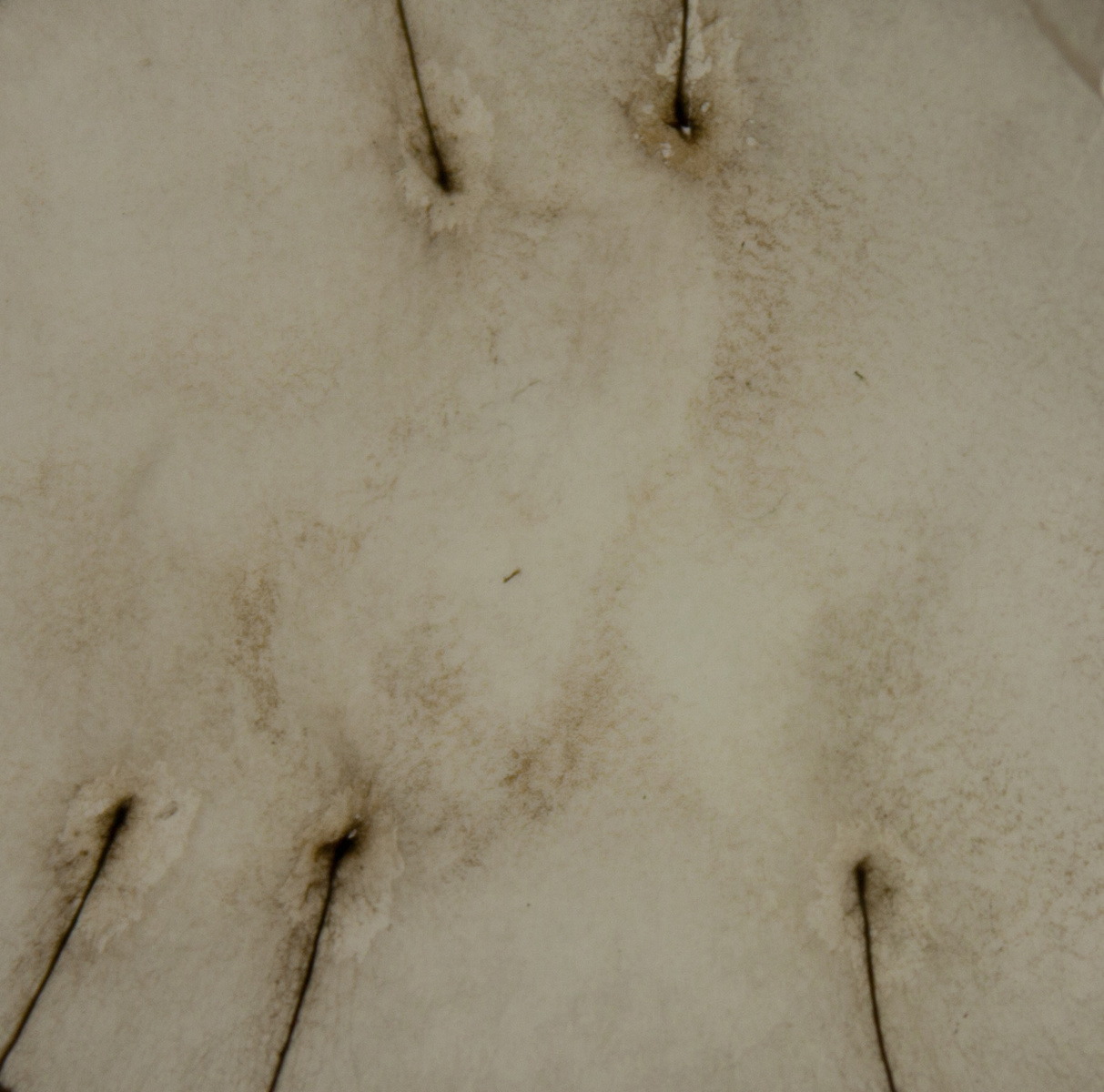
scars #04

scars #04

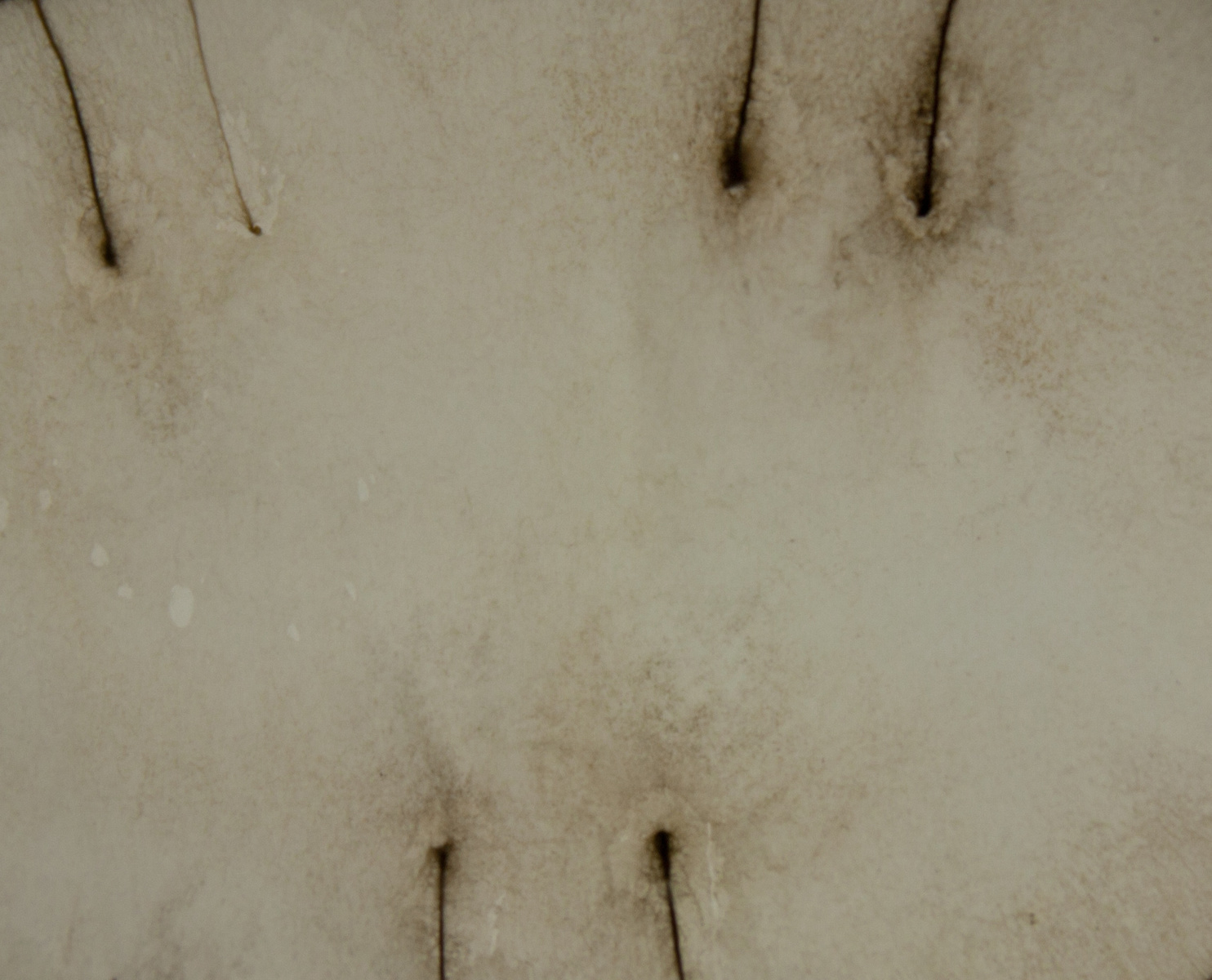
scars #06

scars #06

scars #07

scars #07

scars #08

scars #08

scars #09

scars #09

scars #11

scars #11

scars #14

scars #14

scars #16

scars #16


The pictures shown here are an excerpt of the photography „scars” series, taken in 2014.


Rey Foret-solitarynude bio photoRey Foret (b. 1966) works and lives in the unattended forests in the south of Berlin, Germany.

Website: http://reyforet.com