Archive | Art RSS feed for this archive

Postcolonial Thoughts: Richard Prince’s Instagram Paintings

by Christopher Hutchinson
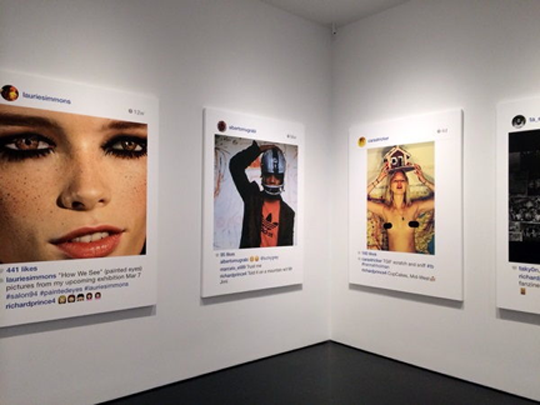
This essay is not about questioning the validity of whether or not Richard Prince is an artist; it rather examines Prince’s methodology in order to question to his “genius.” Prince has been a controversial figure since the re-photography in his most famous cowboy series. “In the mid-1970s, Prince was an aspiring painter who earned a living by clipping articles from magazines for staff writers at Time-Life Inc. What remained at the end of the day were the advertisements, featuring gleaming luxury goods and impossibly perfect models; both fascinated and repulsed by these ubiquitous images, the artist began rephotographing them, using a repertoire of strategies (such as blurring, cropping, and enlarging) to intensify their original artifice. In so doing, Prince undermined the seeming naturalness and inevitability of the images, revealing them as hallucinatory fictions of society’s desires.”- http://www.metmuseum.org/toah/works-of-art/2000.272

Process

Prince finds an image he likes, comments on it, makes a screen-grab with his iPhone, and sends the file — via email — to an assistant. From here, the file is cropped, printed as is, stretched, and presto: It’s art. Or stuff that’s driving others crazy for a variety of reasons.-Jerry Saltz http://www.vulture.com/2014/09/richard-prince-instagram-pervert-troll-genius.html

Price’s process has been validated for decades now through mandatory art school reading such as Roland Barthes’s The Death of the Author and Walter Benjamin’s Art in the Age of Mechanical Reproduction. The issue here is the fact that the process itself is dated and offers no new insight responsible to this moment, except for the deliberate commercial use of iPhones and Instagram. What Prince’s process reveals is the nihilistic limits of Western art practice. Its constant reduction limited by rules provided previously. How is this new work more significant than the work he did in the 70’s? It’s sad really. Here we have an artist that is so tied his methodology that he relies on technology to give it relevancy. Adding technology alone, to any medium, will not magically make the artwork good.

Medium

Prince’s work has successfully affirmed the old belief that photography and the camera is a tool that cannot create art; it can only do its job- to reproduce. As a failed painter he has executed the tenet held so dear to painters in relation to photography. The debasing of photography is more important to Prince than copyright infringement and authenticity.

Prince calls his enlarged “screen-grabs” paintings and Jerry Saltz affirms this by comparing the out of focus enlarged photo to Lichtenstein’s intention with his Ben-day dots.   The problem with this is Prince’s intention. Lichtenstein’s work used that style to conjure a nostalgia that his artwork required. Prince’s use of the canvas, with ink-jet ink, is transforming the ephemeral life of Instagram posts to permanent nostalgic objects. The argument that Prince is using new technology is void when placed in a gallery on a canvas. It is no longer Instagram; it is tradition.
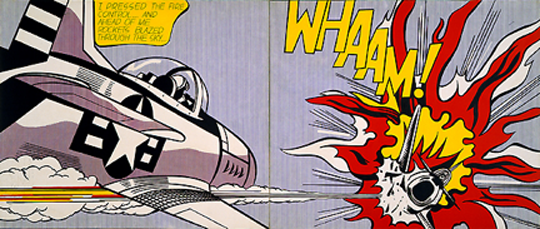
Whaam-Lichtenstein

Whaam! (1963, Tate Modern, London[33]) http://en.wikipedia.org/wiki/Roy_Lichtenstein

Artifacts

Prince’s work at best is a tableau attempting to be a simulacra/simulation of real life representing a scene from history. The Instagram pieces are a simulation of art. Prince’s simulation only succeeds as an artifact-evidence of internet culture. What would be the point of critiquing artifacts?-They are merely tools.
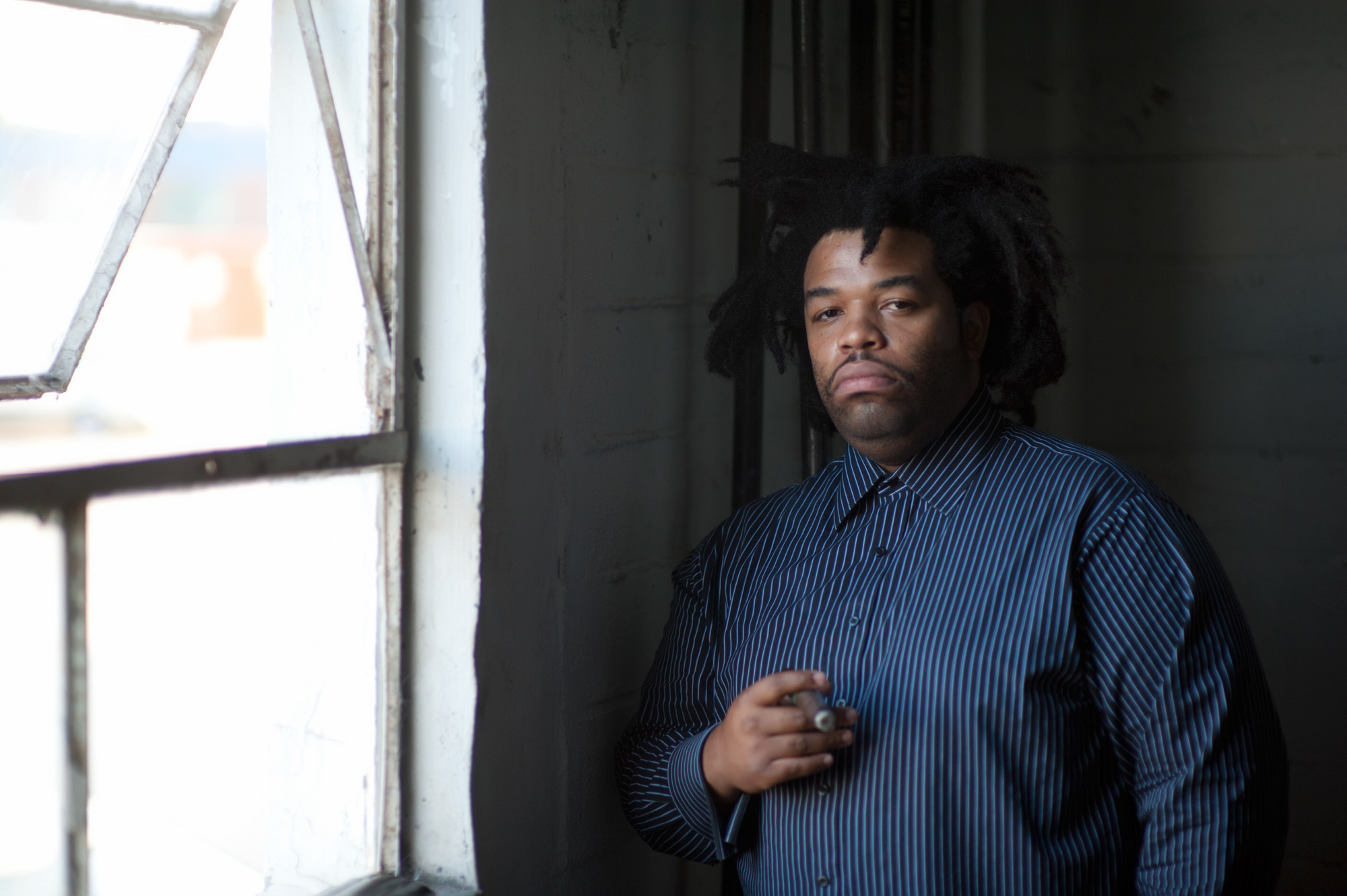
Christopher HutchinsonChristopher Hutchinson is an accomplished Jamaican conceptual artist, professor and contributor to the art community as a writer, critic and founder of the nonprofit Smoke School of Art. He is a Professor of Art at Atlanta Metropolitan State College and has been featured as a lecturer including prestigious engagements at University of Alabama and the Auburn Avenue Research Library. For two decades, Chris has been a practicing artist. His works have been exhibited in internationally recognized institutions including City College New York (CUNY) and featured at the world’s leading international galleries such as Art Basel Miami. He has always had an innate passion for creating spaces where Africans and people of African descent contribute to an inclusive contemporary dialogue—ever evolving, not reflexive but pioneering. This requires challenging the rubric of the canon of art history, a systemic space of exclusion for the Other: women and non-Whites, and where necessary he rewrites it. He received his Master of Fine Arts Degree in Painting from Savannah College of Art & Design, Atlanta and his Bachelor of Arts Degree from the University of Alabama in Huntsville, Alabama.

WOOLPUNK: punking up fibrous stitchery one granny square at a time

Woolpunk-Michelle Vitale 1 Woolpunk-Michelle Vatale-2 woolpunk-Michelle-Vitale-3 woolpunk-Michelle-Vitale-4 woolpunk-Michelle-Vitale-5 woolpunk-Michelle-Vitale-6 woolpunk-Michelle-Vitale-7 woolpunk-Michelle-Vitale-8 woolpunk-Michelle-Vitale-9 woolpunk-Michelle-Vitale-10 woolpunk-Michelle-Vitale-11
Woolpunk-Michelle-Vitale-bio picMichelle Vitale (aka woolpunk)
is an American artist, born in Summit, NJ in 1971. Inspired by an immigrant seamstress grandmother, who sewed American flags, she machine knits fiber installations and embroiders on photos of urban sprawl.  She is the founder of the Gimme Shelter Project and has created large-scale site specific forms for a variety of institutions including St John’s Cathedral, NYC; Hunterdon Museum, NJ; Lion Brand Yarn Studio, NYC; Casaterra Residency, Italy; and the Object and Thought Gallery, CO. Vitale has been included in numerous exhibitions including the New Jersey Arts Annual; the Arts and Crafts Museum, Itami, Japan; Grey Lock Arts, North Adams, MA, ABC No Rio, NYC; and Galerie Kurt I’m Hirsch, Berlin, Germany. Her work has been included in several publications and she has received numerous grants from the Puffin Foundation, Goldman Sachs and the Fine Arts Work Center, among others.

Twitter: @woolpunk  https://twitter.com/?lang=en
Instagram: woolpunk

From rural Ireland to remote Arctic lands

by Tempy Osborne

As a second generation adventurer and explorer I have always had the notion that anywhere in the world could potentially be seen as home. I live and work in Belgium but grew up in a family of artists surrounded by the sea and mountains landscape of the Beara Peninsula in West Cork, Ireland. In 1989 at the age of five I was taken on a year-long family adventure to the remote Inuit village of Grise Fiord in the Canadian Arctic. Here gleaning the experience of 24 hour darkness, temperatures of -40c and below, dog sled fishing trips, ice camping and the harsh reality of seal hunting, polar bear skinning and sea ice that breaks up a little earlier with every passing year. Since then I have been back to visit the Arctic many times and ideas of climate change, mass culture and fear of the unknown continually to surround my work.

Tempy Osborne-Bio photo (1)

I studied Fine Art specializing in painting at the National College of Art and Design in Dublin, Ireland from 2002- 2006. Rarely painting on traditional canvas, instead I search for new ways of expression using wood, plastic, fabric and other surfaces.

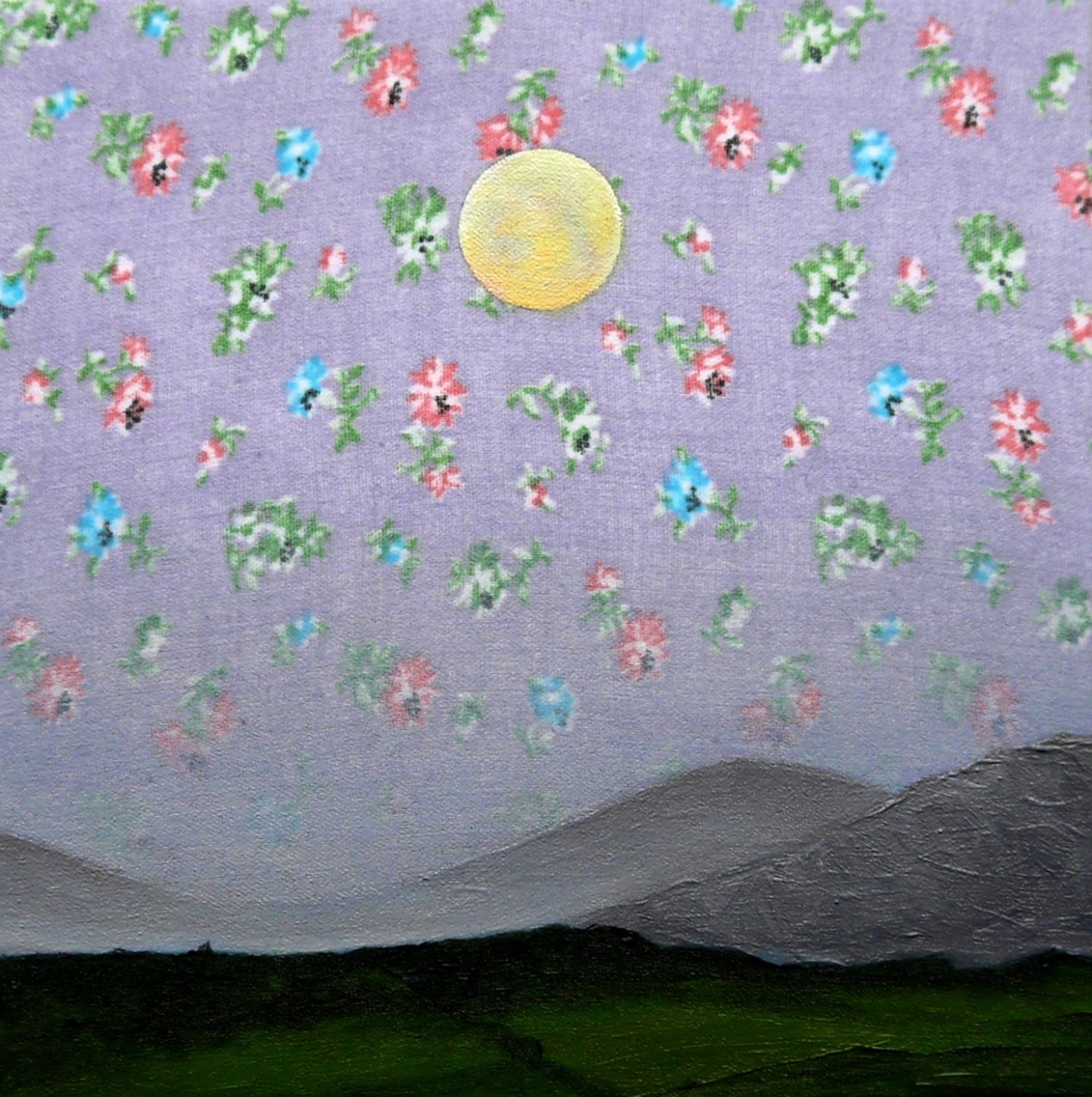
Tigh, oil on fabric, 10x10cm 2015

Tigh, oil on fabric, 10x10cm 2015

Summer Hills, oil on wood, 3x3in 2014

Summer Hills, oil on wood, 3x3in 2014

About Dawn, oil on fabric, 15x15cm, 2014

About Dawn, oil on fabric, 15x15cm, 2014

Little Boat, oil on wood, 1x1in, 2014

Little Boat, oil on wood, 1x1in, 2014

Arctic Mars Research Station,  detail, oil on fabric, 2014

Arctic Mars Research Station, detail, oil on fabric, 2014

Tempy Osborne-Adrift, oil on wood, 2x3in, 2015

Adrift, oil on wood, 2x3in, 2015

Unknown Limits, oil on fabric, 10x10cm, 2014

Unknown Limits, oil on fabric, 10x10cm, 2014

Big Iceberg, detail, mixed media on board, 2008

Big Iceberg, detail, mixed media on board, 2008

Iqaluit International Airport, oil on board, 6x4in, 2008

Iqaluit International Airport, oil on board, 6x4in, 2008


Artist: Tempy Osborne

Website and blog: www.tempyosborne.com

Facebook: http://www.facebook.com/pages/Tempy-Osborne/157594580975060

Instagram: @tempyosborne, www.instagram.com/tempyosborne

Shop: http://www.etsy.com/shop/PaintBoxStudios


Moods and Moments

by Josephine

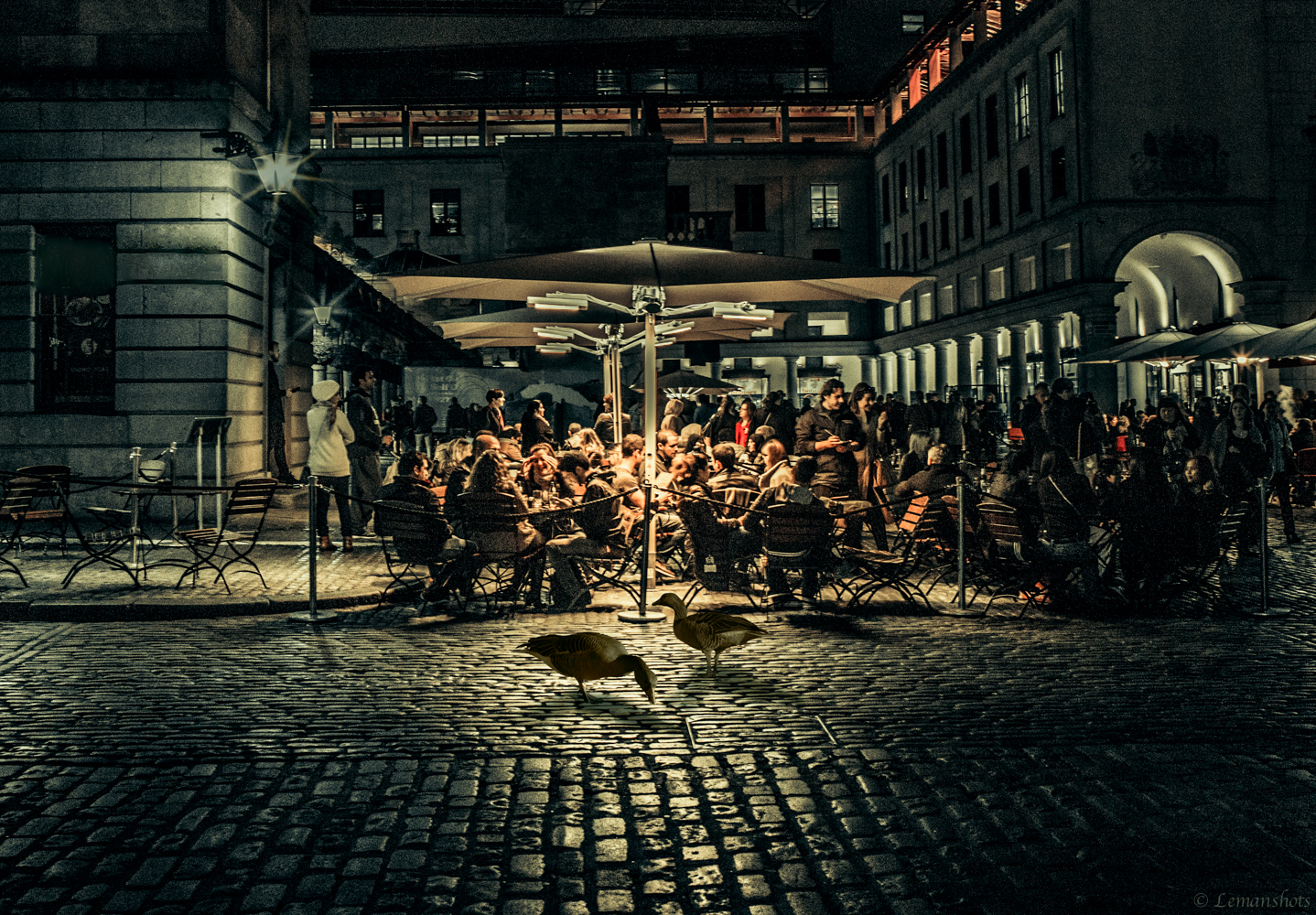
Night Birds

Night Birds

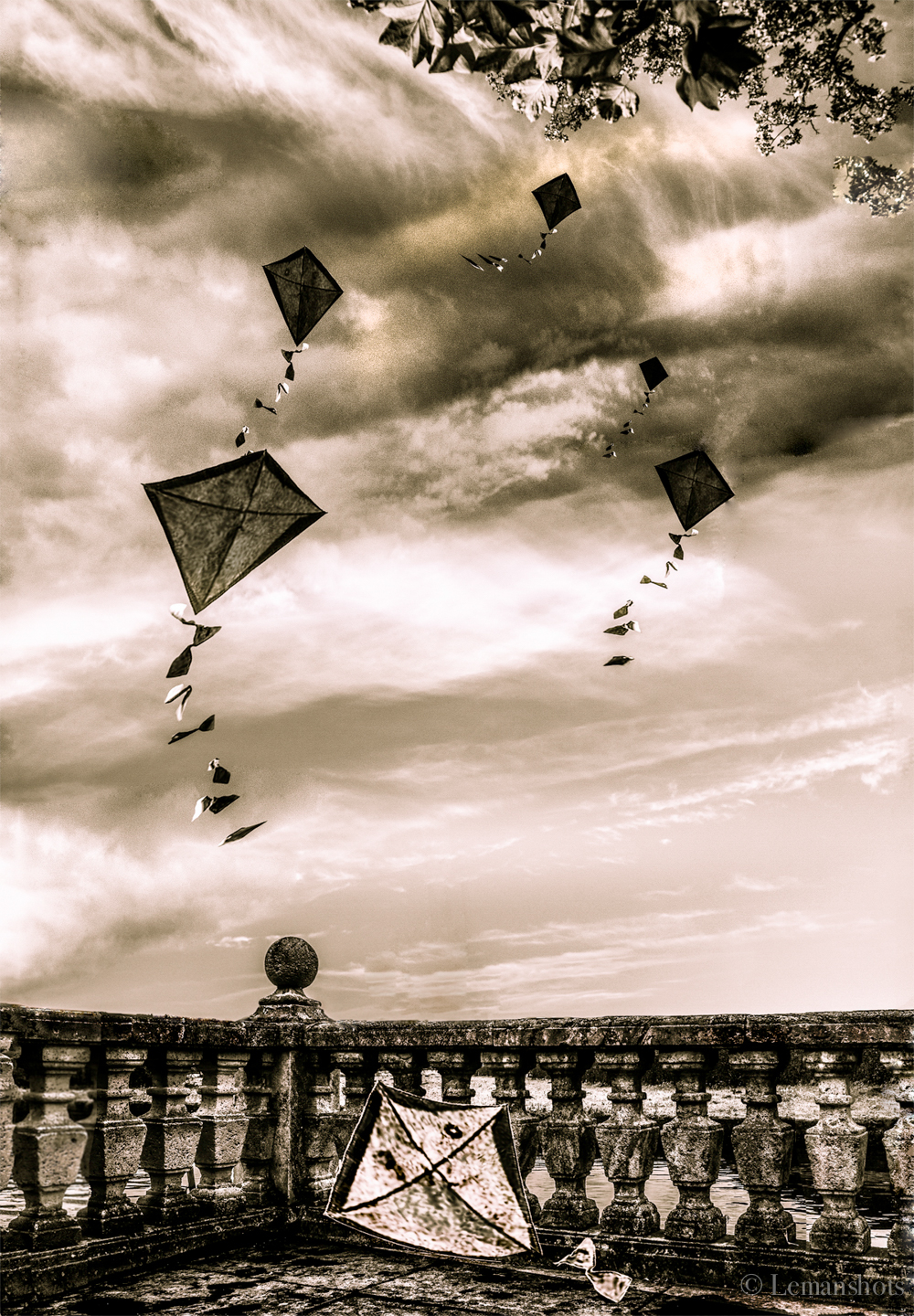
Wind Lovers

Wind Lovers

Distance

Distance

What’s up?/In the Churchyard

What’s up?/In the Churchyard

Heat

Heat

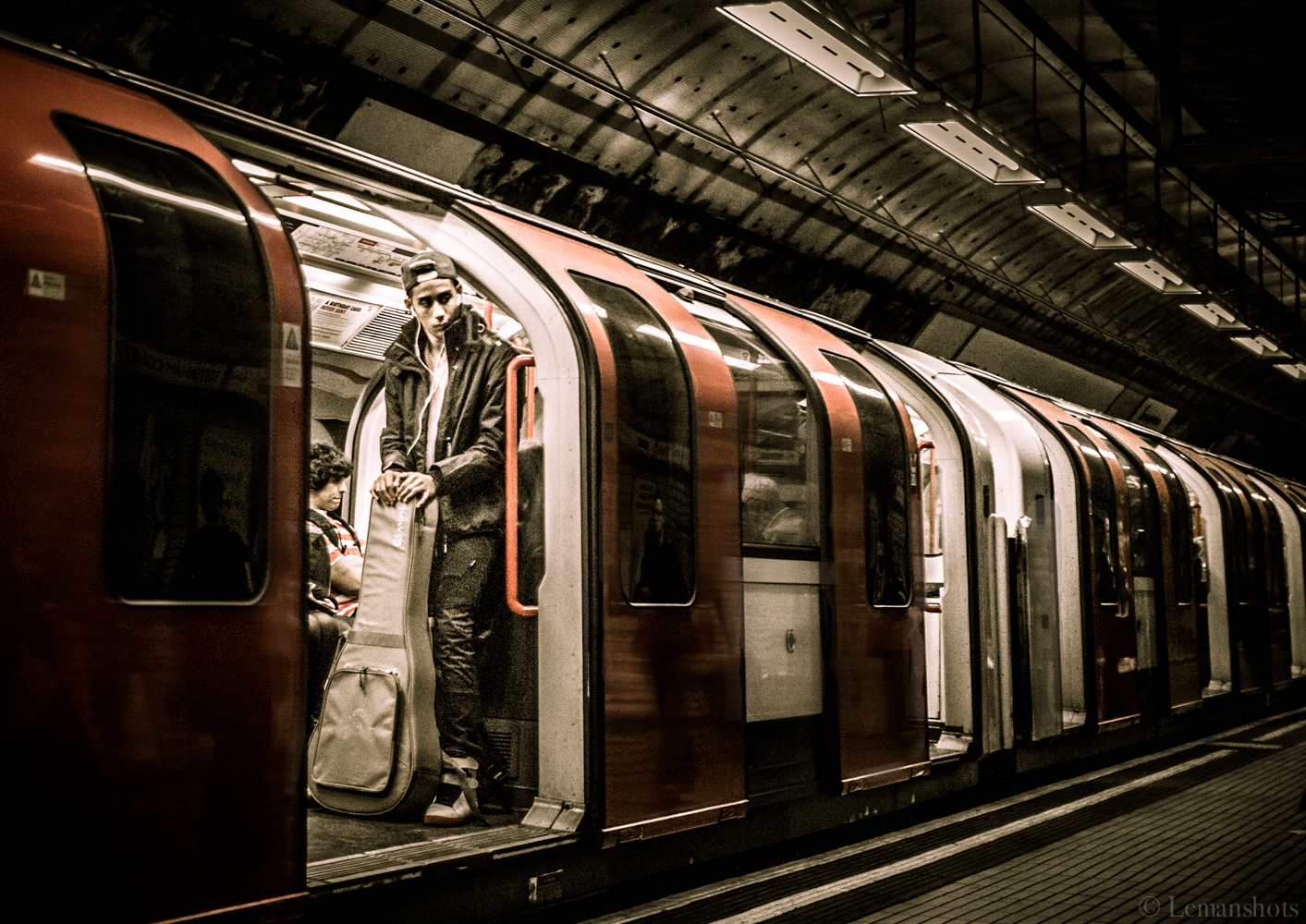
Gallery Goers

Gallery Goers


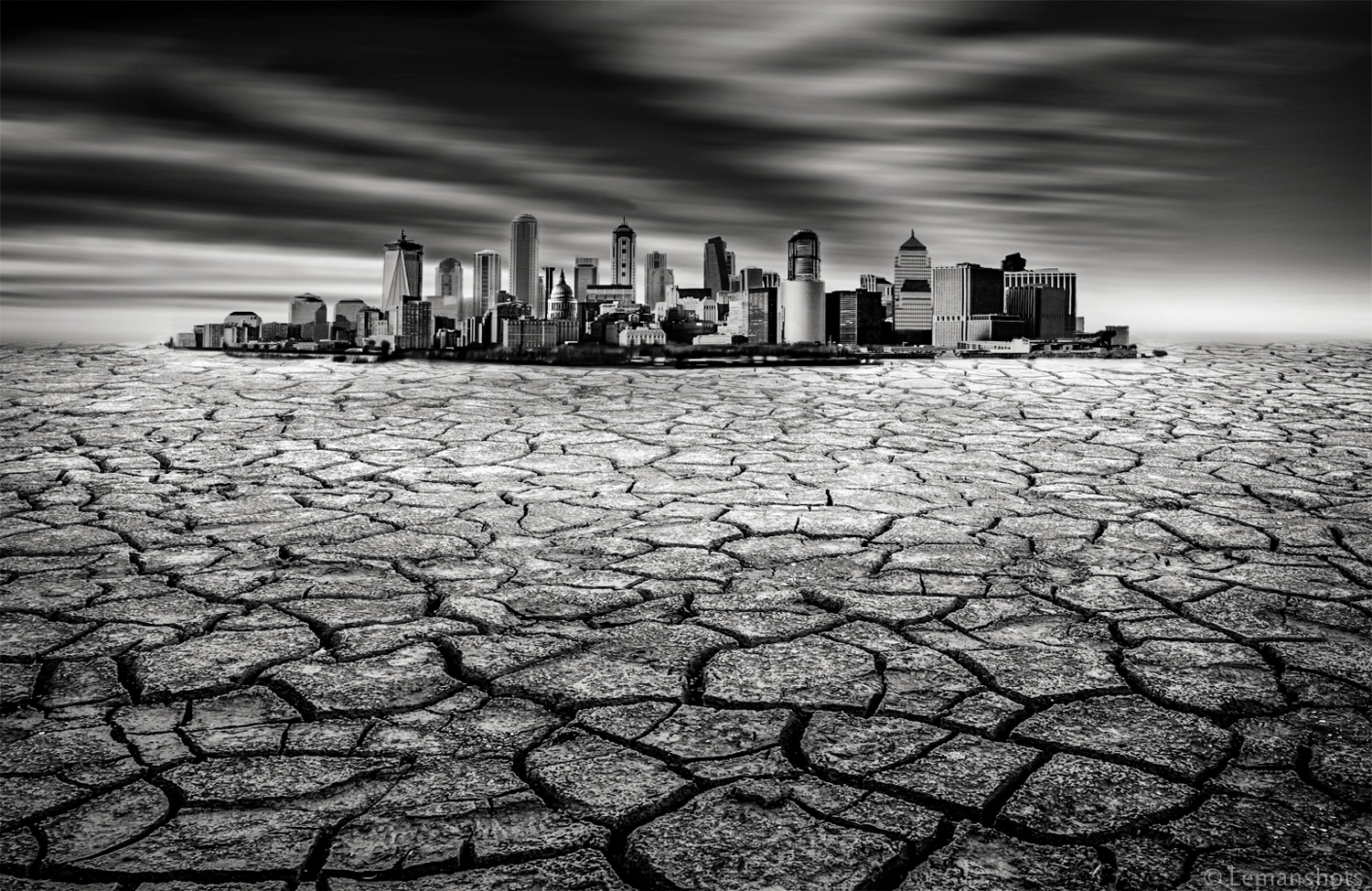
JosephineJosephine is a German-based artist and photographer.

Following her studies in Munich and Salzburg she was mainly working as a interior designer and textile artist with a love for collages and paintings.

During years of travelling she discovered her passion for photography.

Today the camera is her daily companion.

She does her individual art projects by using digital processing creating image composings and expressive colour looks.

Josephine´s work prefers exploring the theme of moods and tensions in modern urban life and the various relationships between humankind and powerful nature.

In May 2013 she started to share her work on her blog lemanshots.wordpress.com.

Re-mixed media: Davenport makes a splash in the South

by Jon Davenport

Miss Golightly II 60x48

Miss Golightly II 60×48

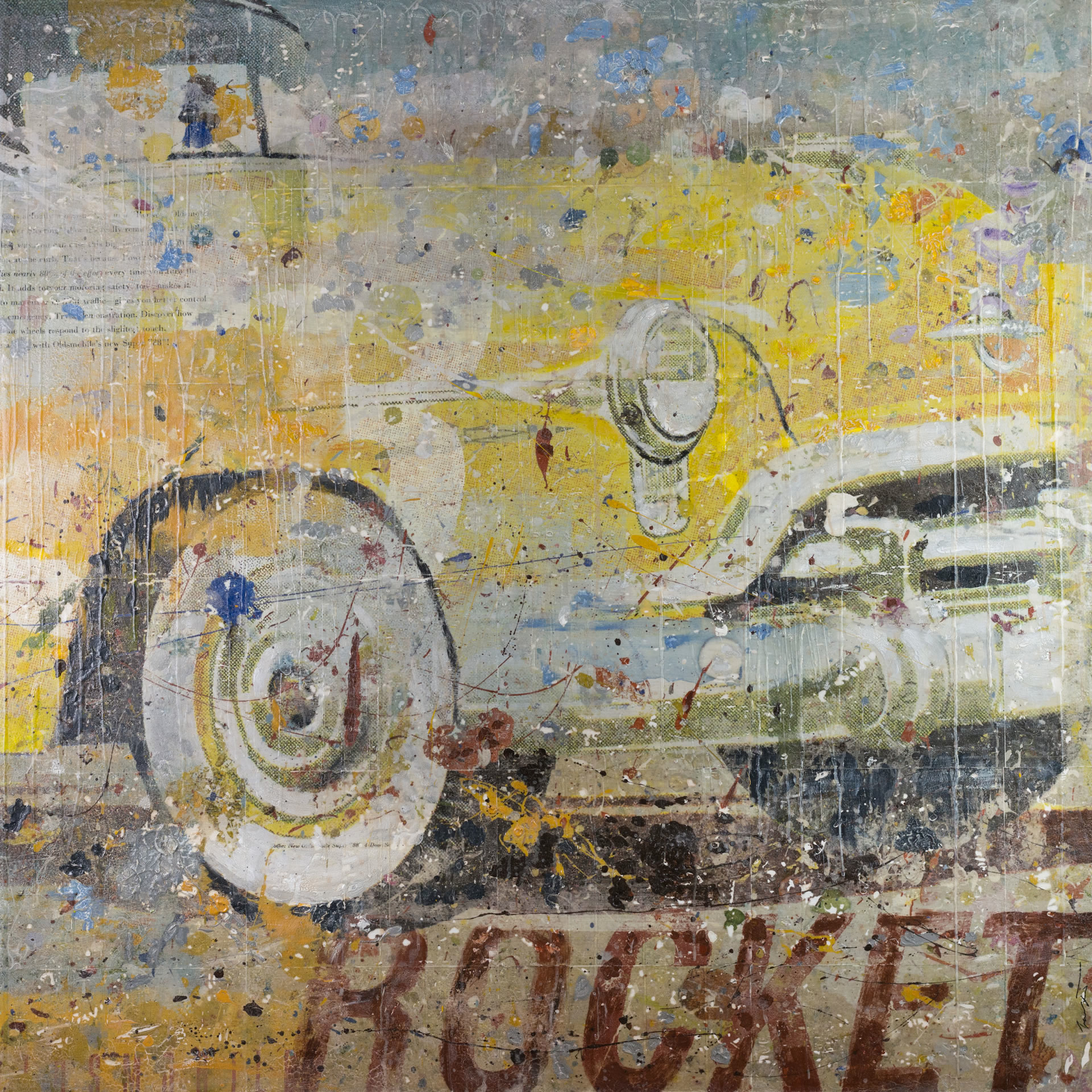
Rocket II 48x48

Rocket II 48×48

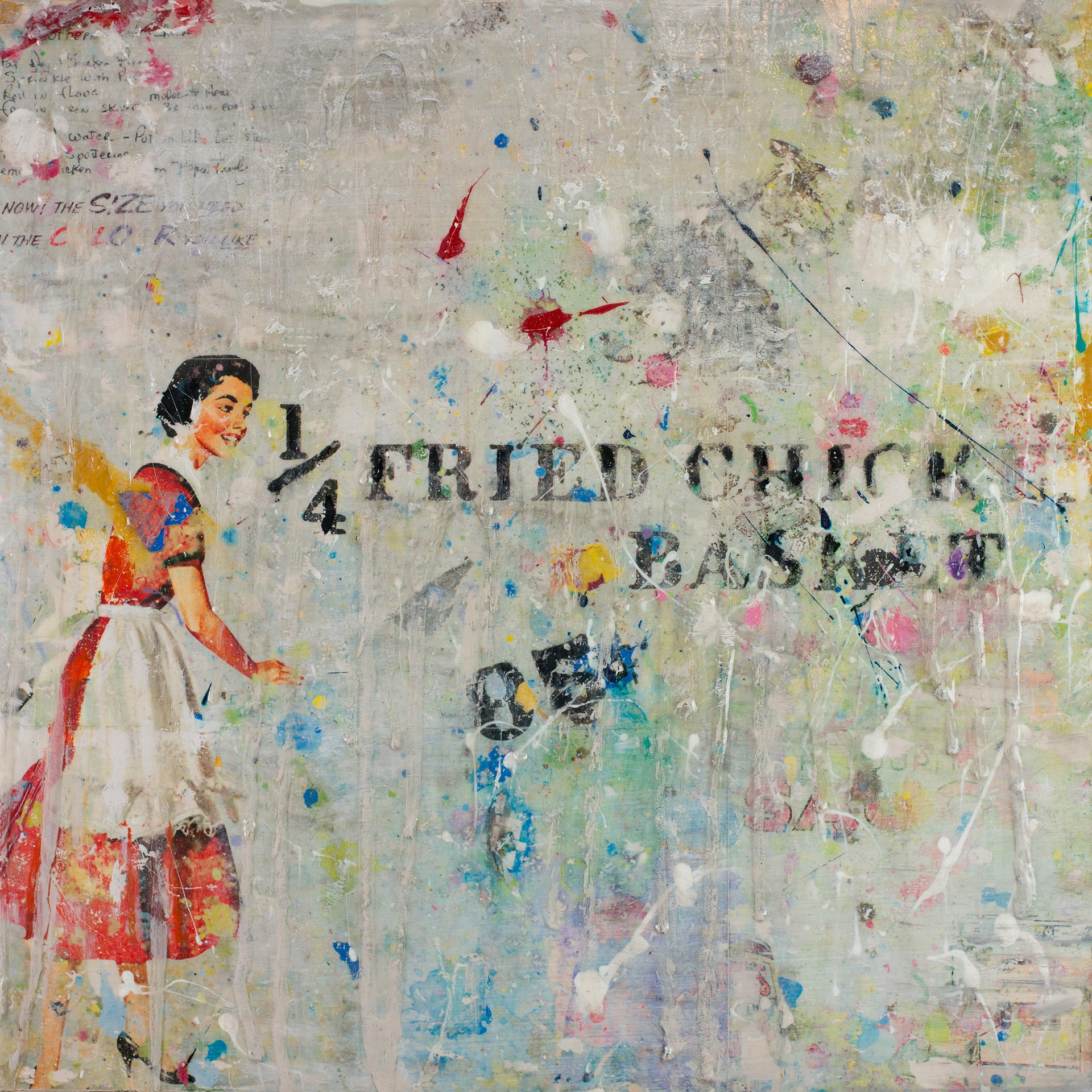
Southern-Fried-24x24

Southern-Fried-24×24

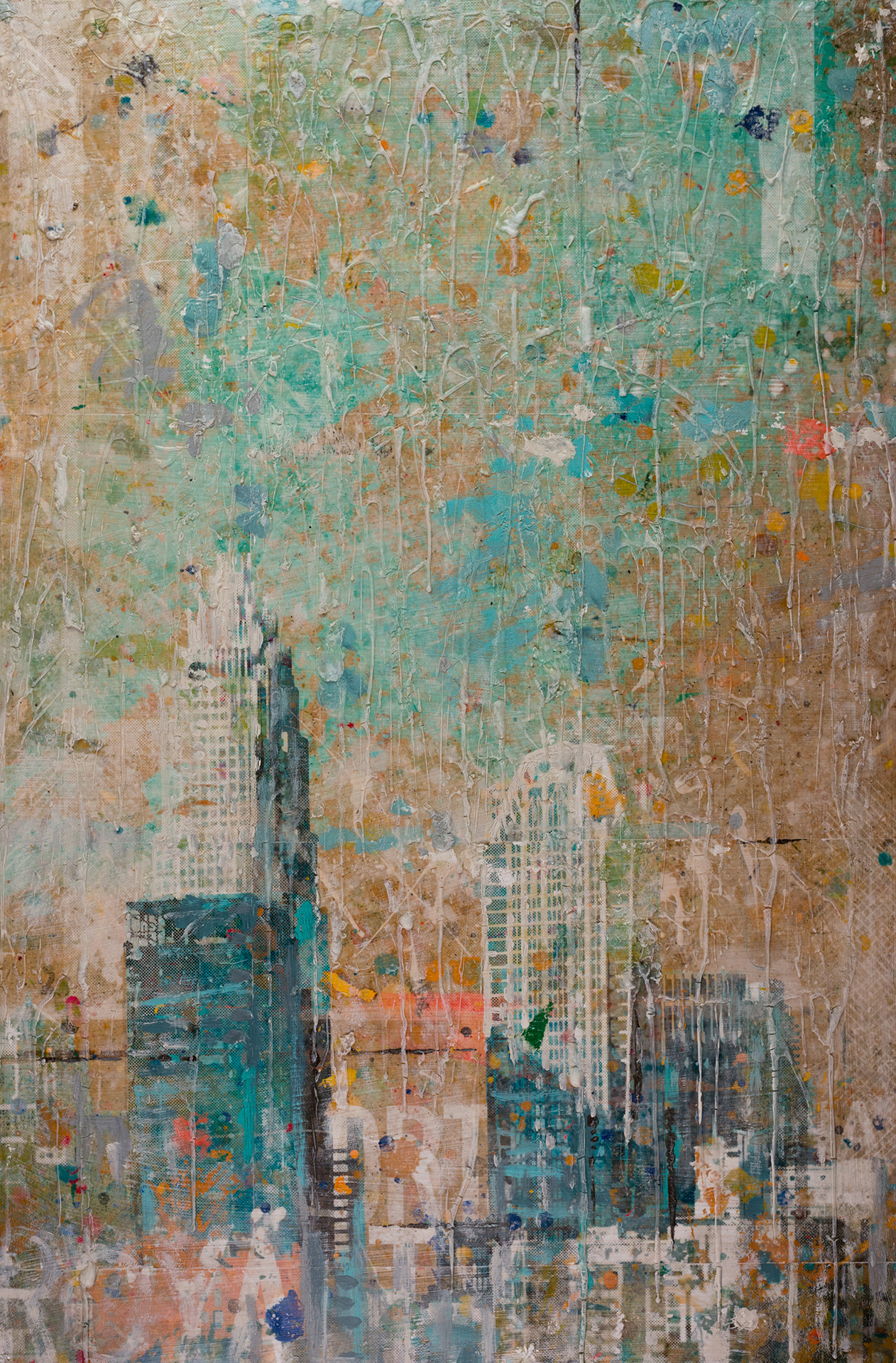
North-Carolina-Royalty-24x36

North-Carolina-Royalty-24×36

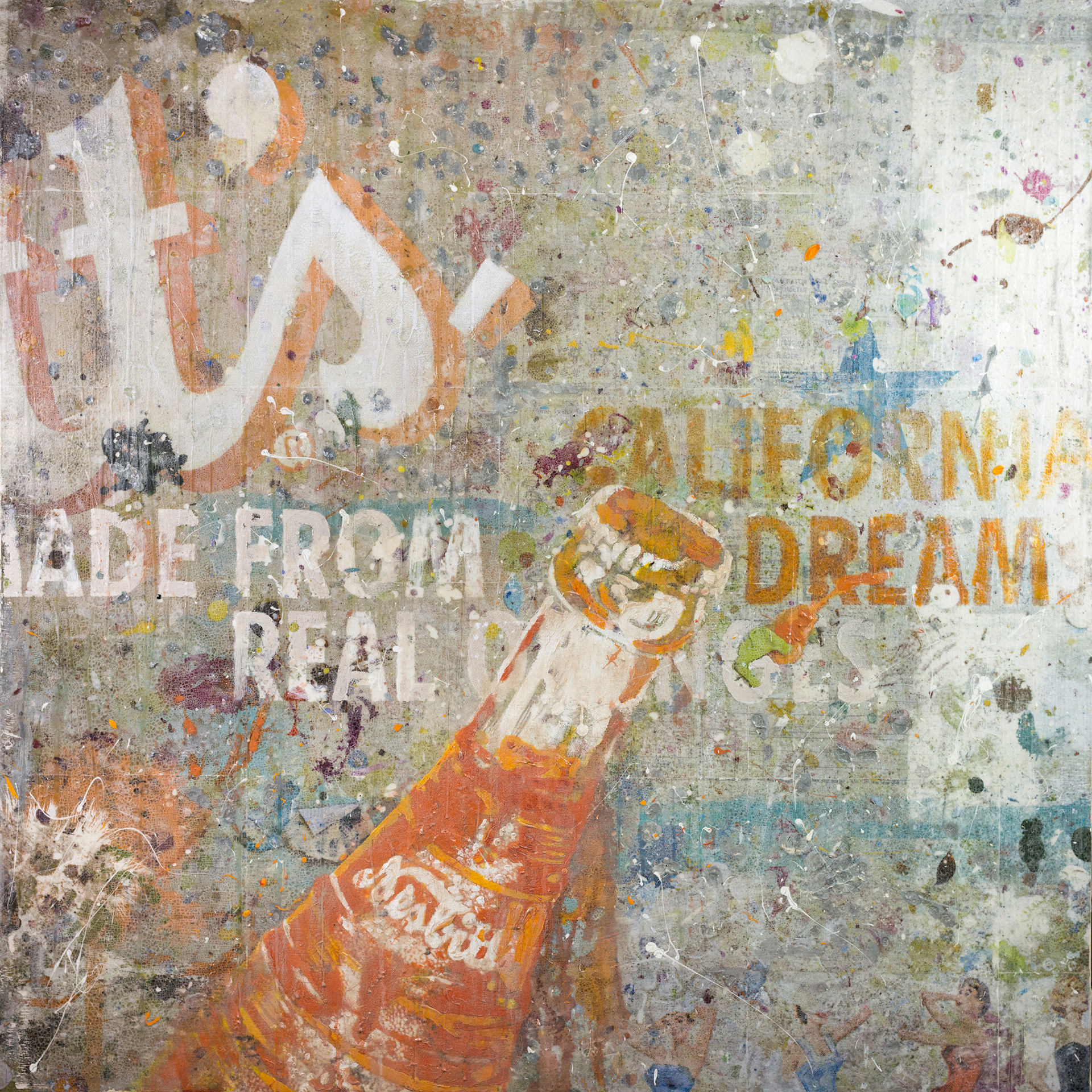
Orange-Soda-48x48

Orange-Soda-48×48


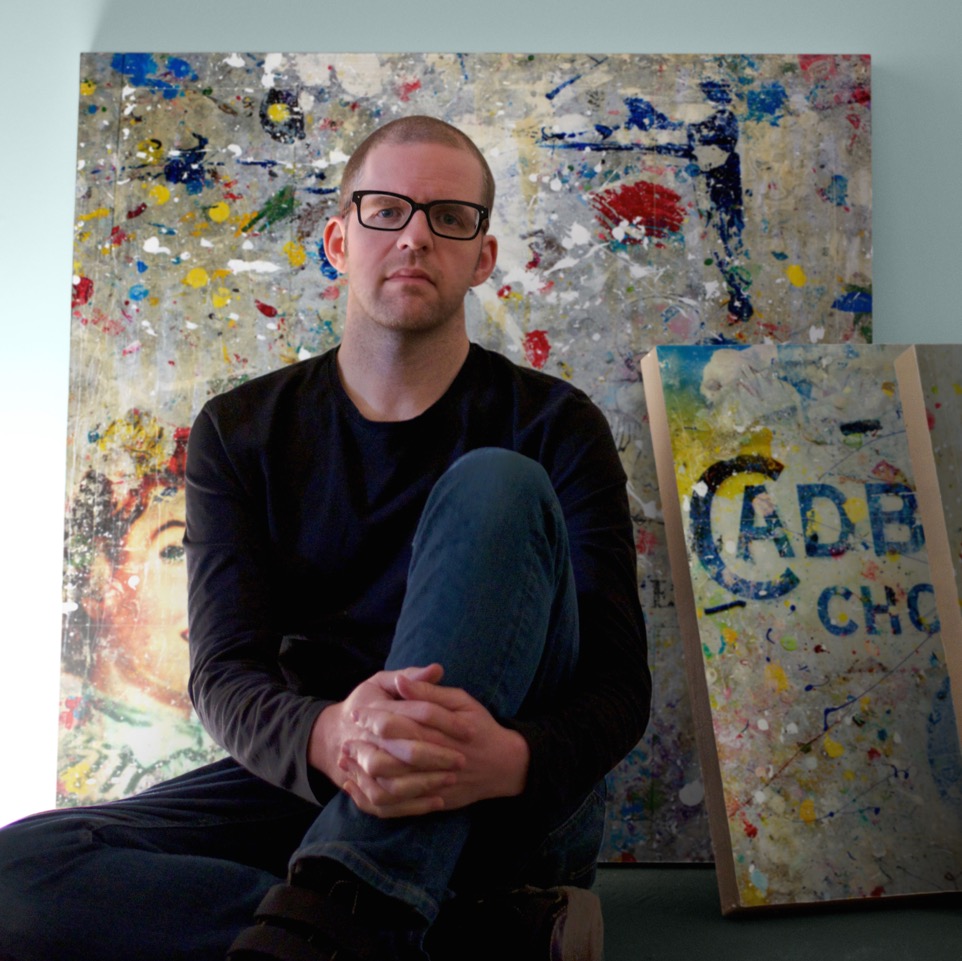
Jon DavenportArtist: Jon Davenport

From biology student to owning and running a creative agency in London to a career as a fine artist, life has taken Jon Davenport on a rewarding and unconventional journey. Despite his scientific beginnings, he’s always had a strong artistic streak weaving its way through his different career paths.

Growing up in Ipswich, UK, Jon was always an avid drawer, and could often be found with a pencil and paper in hand. With the arrival of his first computer, he embraced the new frontier of digital art, and had work published in one of those early computer magazines. The stage was set!

His creative urges took a backseat to getting a biology degree at Brunel University in London. It was afterwards, in his first job working at Archant newspaper group in Ipswich, that he quickly progressed from plate maker to becoming an integral member of the art studio. It was during this time that he taught himself photoshop, desktop publishing and graphic & web design.

After a few years he setup a design agency, and eventually went full time and moved to London. This proved to be a successful move, working for a number of clients such as Nike and Virgin, and gaining praise from the likes of Richard Branson and Tony Blair.

It wasn’t until Jon moved to the USA to marry his wife, Atlanta artist Christy Kinard, that he began indulging his pure creative urges, with her constant encouragement. Thanks to all the previous twists and turns, as well as embracing a new found love for photography and the paintbrush, it was only then that he could truly begin to create artworks that he was proud of.

Website:  http://jondavenportart.com

Postcolonial Thoughts: Alain Locke’s essay “Art or Propaganda?”

by Christopher Hutchinson

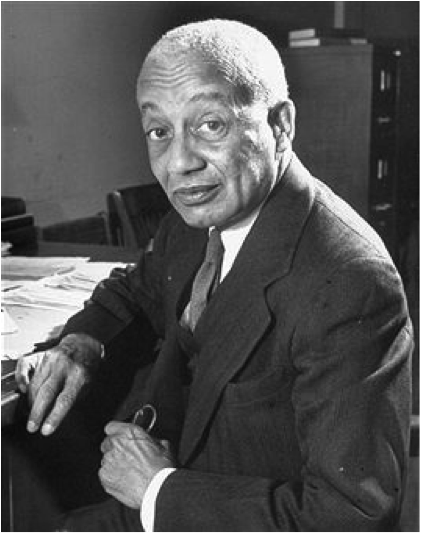
Alain Locke

Alain LeRoy Locke is heralded as the “Father of the Harlem Renaissance” for his publication in 1925 of The New Negro—an anthology of poetry, essays, plays, music and portraiture by white and black artists. Locke is best known as a theorist, critic, and interpreter of African-American literature and art. He was also a creative and systematic philosopher who developed theories of value, pluralism and cultural relativism that informed and were reinforced by his work on aesthetics. Locke saw black aesthetics quite differently than some of the leading Negro intellectuals of his day; most notably W. E. B. Du Bois, with whom he disagreed about the appropriate social function of Negro artistic pursuits. Du Bois thought it was a role and responsibility of the Negro artist to offer a representation of the Negro and black experience which might help in the quest for social uplift. Locke criticized this as “propaganda”-By Jacoby Adeshei Carter http://alainlocke.com/?p=166

ART or Propaganda?


If there was a start here button on Black Aesthetics, an essay that should be a mandatory read for all artists of colour, it would be this. Alain Locke writes this simple five paragraph essay that is clear and easy to understand. This article is an attempt to unpack and apply the critique Alain Locke posed 87 years ago. Art or Propaganda? Alain Locke first posed this question in 1928 juxtaposing art and propaganda as binary opposites.   He positions his argument as a statement to where the question becomes rhetorical. Locke’s makes a statement in this essay as to the virtue of art as opposed to the vice of propaganda. The problem with propaganda is “It is too extroverted for balance or poise or inner dignity and self-respect. Art in the best sense is rooted in self-expression and whether naive or sophisticated is self-contained”. Yelling on your soap box is not art.


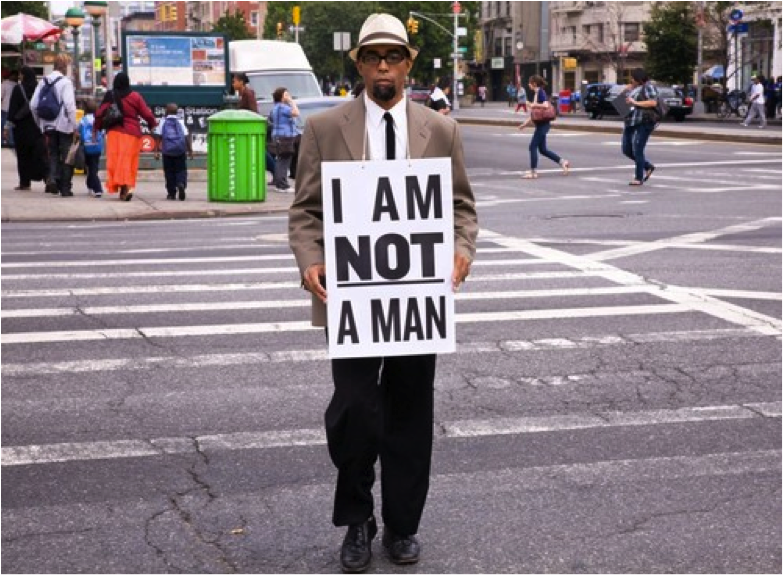
Dred Scott performance I am not a man 2009; duration 1 hour. Performance still 22 x 30 inches, pigment print. http://felicityfenton.com/today/kxh3pxia6rpwnf3uqsjkn6gio0mkic

Dred Scott performance I am not a man
2009; duration 1 hour. Performance still 22 x 30 inches, pigment print.
http://felicityfenton.com/today/kxh3pxia6rpwnf3uqsjkn6gio0mkic


My chief objection to propaganda, apart from its besetting sin of monotony and disproportion, is that it perpetuates the position of group inferiority even in crying out against it. For it leaves and speaks under the shadow of a dominant majority whom it harangues, cajoles, threatens or supplicates. It is too extroverted for balance or poise or inner dignity and self-respect. Art in the best sense is rooted in self-expression and whether naive or sophisticated is self-contained. In our spiritual growth genius and talent must more and more choose the role of group expression, or even at times the role of free individualistic expression, in a word must choose art and put aside propaganda.–Alain Locke http://nationalhumanitiescenter.org/pds/maai3/protest/text10/lockeartorpropaganda.pdf

How many times are we going to allow the same images to be so-called repurposed, and reinterpreted to the same “perpetuation of group inferiority even when crying out against it”? It seemed that Locke had his fill of this “monotony” in 1928 and yet this method is still a tried and true way to get a response as a Black artist-STOP IT! Even in cities where Black is the majority this practice is most sought after, it is most commodified.

Shift of Psychology

There is more strength in a confident camp than in a threatened enemy. The sense of inferiority must be innerly compensated, self-conviction must supplant self-justification and in the dignity of this attitude a convinced minority must confront a condescending majority. Art cannot completely accomplish this, but I believe it can lead the way.–Alain Locke http://nationalhumanitiescenter.org/pds/maai3/protest/text10/lockeartorpropaganda.pdf

The only negative to this essay is the overtly biblical context that assumes that everyone has this knowledge. Within this religious context Locke articulates “Art or Propaganda?,” more clearly into two camps, David or Goliath. David being Art and Goliath being the propaganda. This illustration points to the populous and plentitude of number that the camp of propaganda holds as well as the strength of one individual with carefully chosen “five smooth pebbles fearlessly”. Locke urges that the practice of David should lead us. Alone we should be willing to choose carefully five pebbles and stand without propaganda against any number army. Terry Adkins is such an artist, one of the David’s Locke foresaw.


“Recital” comprises a selection of work spanning the last three decades by artist/musician Terry Adkins. Born in 1953 in Washington, DC, Adkins grew up deeply invested in visual art, music, and language. His approach to art making is similar to that of a composer, and the exhibition is conceived as a theatrical score that punctuates and demarcates space, creating interplay among pieces in different media and from diverse bodies of work. Together they act as facets of a crystalline whole, reflecting and illuminating each other in ways that amplify their intensity.

Locke would be disappointed in the overgeneralization and lumping of the Harlem renaissance artists into a Black propaganda machine and Black art today largely falls into the camp of the Philistines. He credits propaganda as a necessary step in our development, as it is necessary for an infant to cry for milk. Art, on the other hand, requires much more than cry’s for necessities, it demands an honest dialogue that allows one to specify nuances of imagery,language, time, and music ones individual aesthetic within a populous culture. …the primary responsibility and function of the artist is to express his own individuality, and in doing that to communicate something of universal human appeal.-By Jacoby Adeshei Carter http://alainlocke.com/?p=166


Christopher HutchinsonChristopher Hutchinson is an accomplished Jamaican conceptual artist, professor and contributor to the art community as a writer, critic and founder of the nonprofit Smoke School of Art. He is a Professor of Art at Atlanta Metropolitan State College and has been featured as a lecturer including prestigious engagements at University of Alabama and the Auburn Avenue Research Library. For two decades, Chris has been a practicing artist. His works have been exhibited in internationally recognized institutions including City College New York (CUNY) and featured at the world’s leading international galleries such as Art Basel Miami. He has always had an innate passion for creating spaces where Africans and people of African descent contribute to an inclusive contemporary dialogue—ever evolving, not reflexive but pioneering. This requires challenging the rubric of the canon of art history, a systemic space of exclusion for the Other: women and non-Whites, and where necessary he rewrites it. He received his Master of Fine Arts Degree in Painting from Savannah College of Art & Design, Atlanta and his Bachelor of Arts Degree from the University of Alabama in Huntsville, Alabama.


Through Sand

by Greg Gilbert

Priest and Rabbit biro miniature

Priest and Rabbit biro miniature

Boscombe biro miniature

Boscombe biro miniature

Bench biro miniature relief

Bench biro miniature relief

Antlers biro miniature relief

Antlers biro miniature relief

Greg Gilbert-Your Ma(jes)tye, Winchester

Your Ma(jes)tye, Winchester, pen on card, 2013

Fusiliers, pencil on card, 2013

Fusiliers, pencil on card, 2013


Artist: Greg Gilbert

My work is intimately connected to and influenced by Southampton; exploring notions of memory and its relationship to place. Primarily focusing on miniature biro drawings and reliefs, many of the pieces created for Through Sand have been inspired by the city councils extensive archive, using historic postcards and photographs as stimulus and creating images that are personal reflections on the city and its recent past.

Twitter: @gregdelays


Inside – examining moments of introspection

by JT Winik

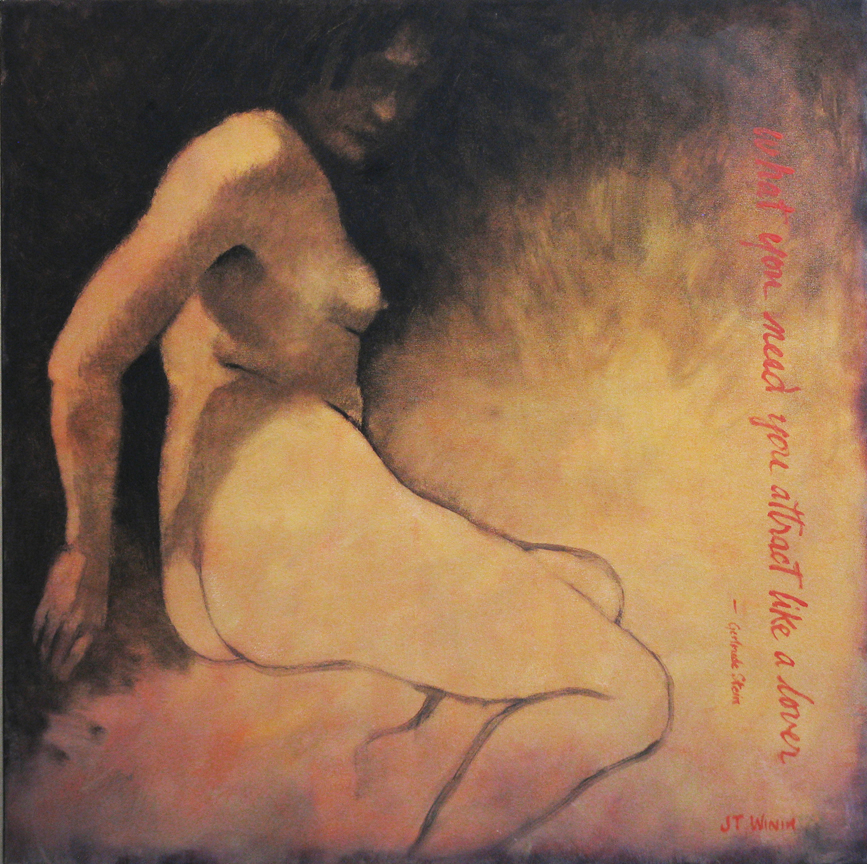
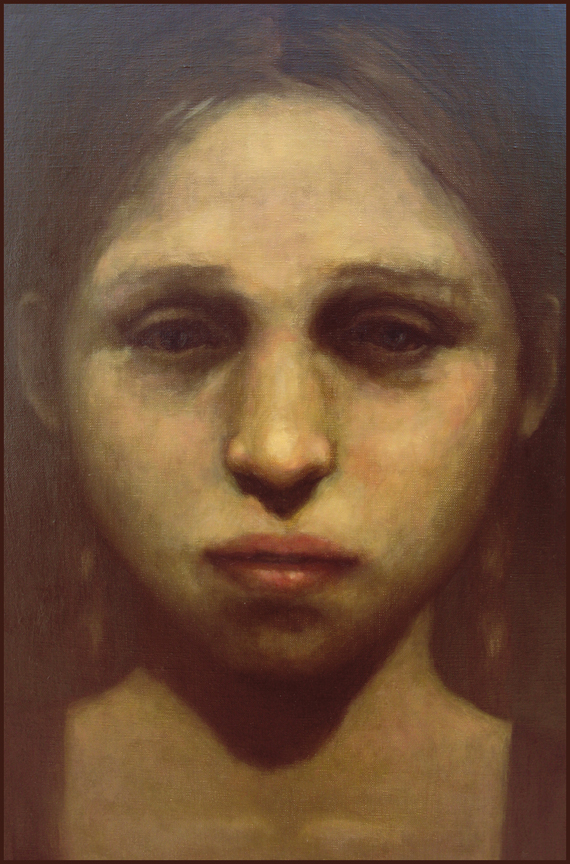
Needs

Needs

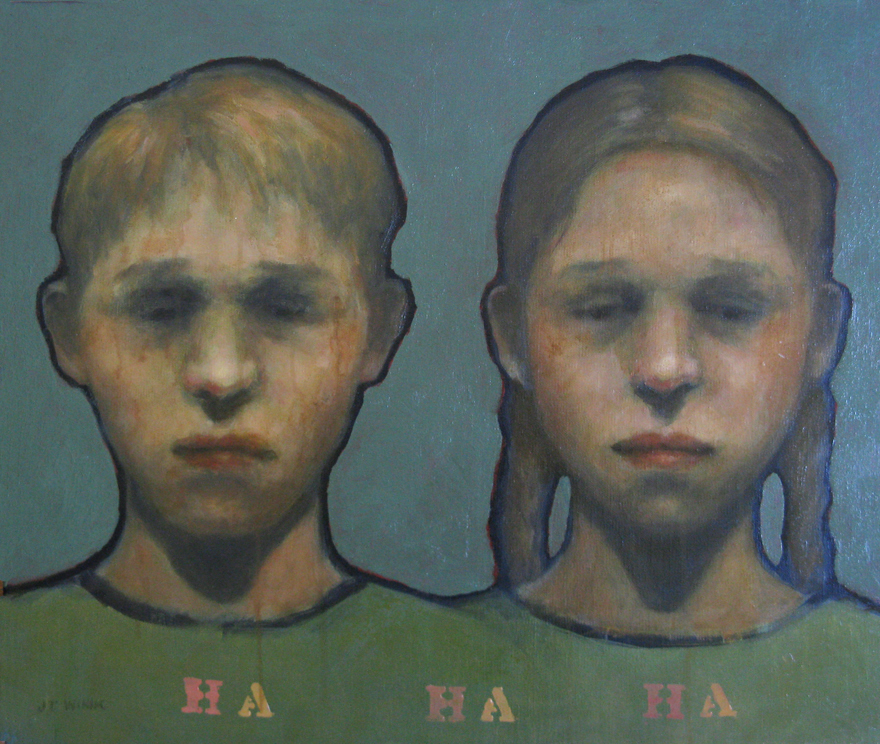
Child's Play

Child’s Play

King Ali

King Ali

Mirage

Mirage

The Mime

The Mime

POSING

Posing

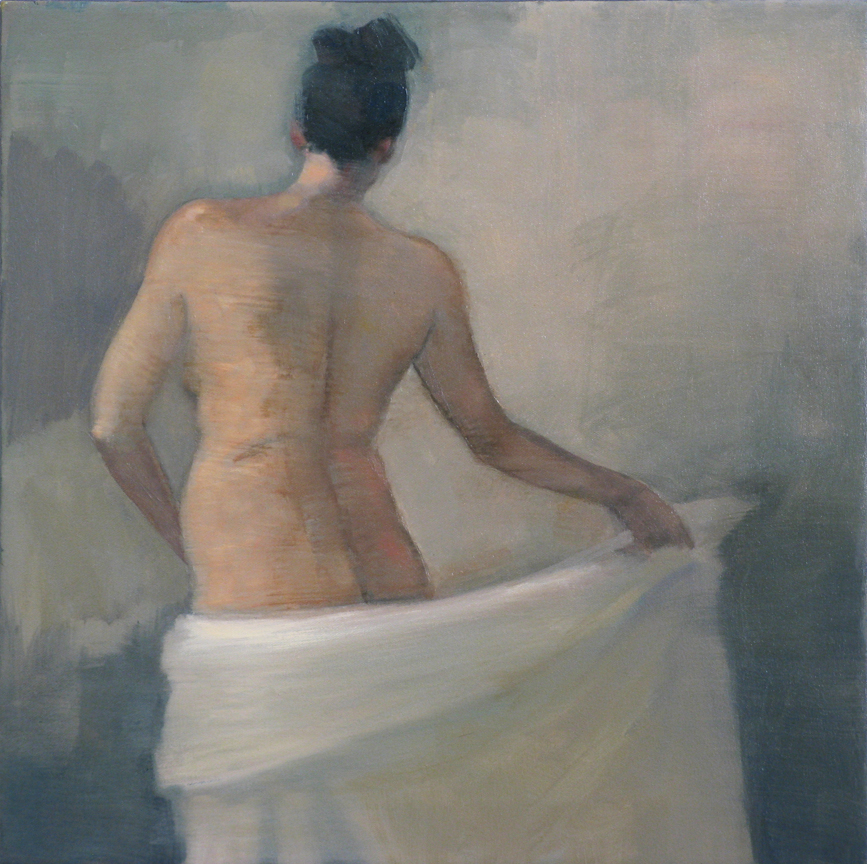
White Sheet

White Sheet

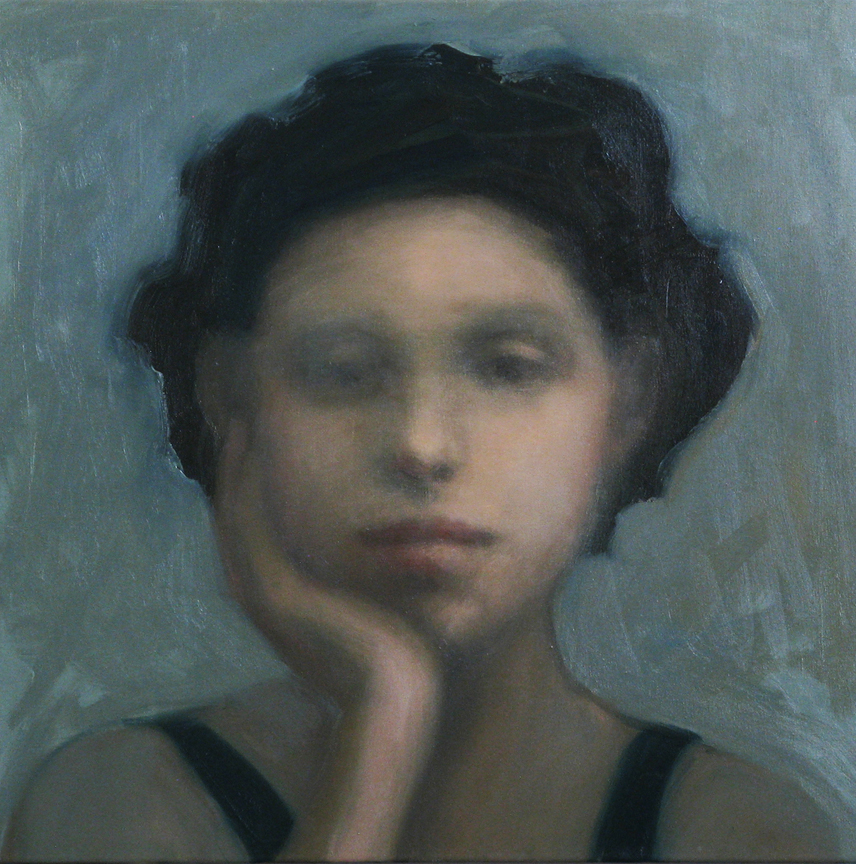
Day Dreams

Day Dreams

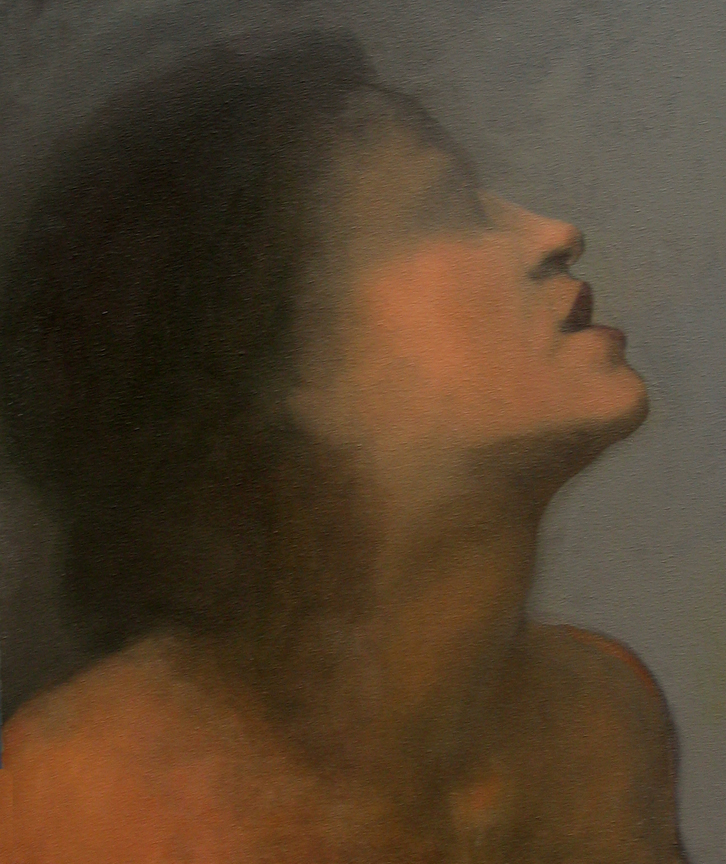
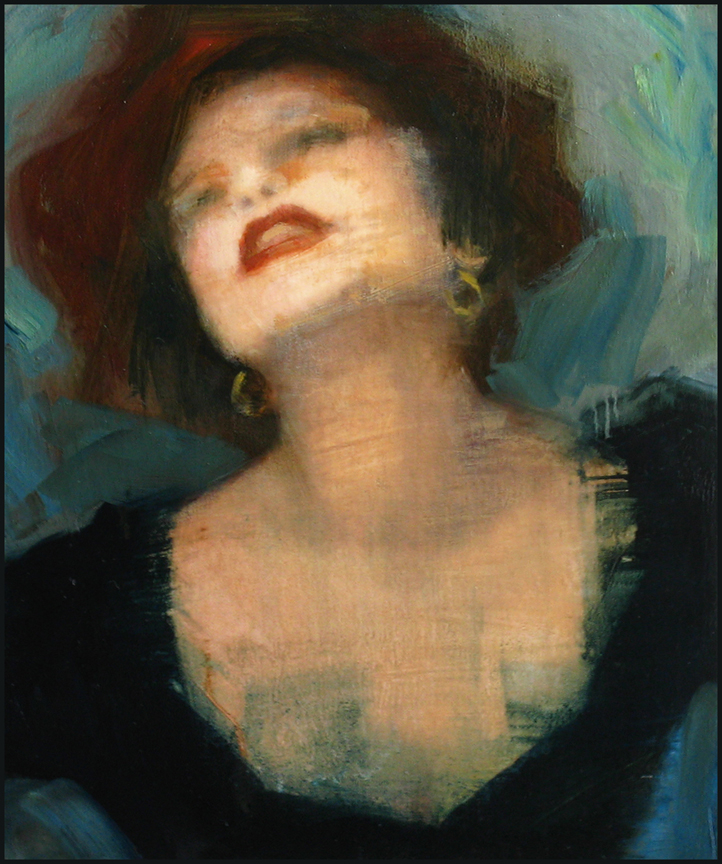
Ecstasy I

Ecstasy I

Girl with Braids II

Girl with Braids II

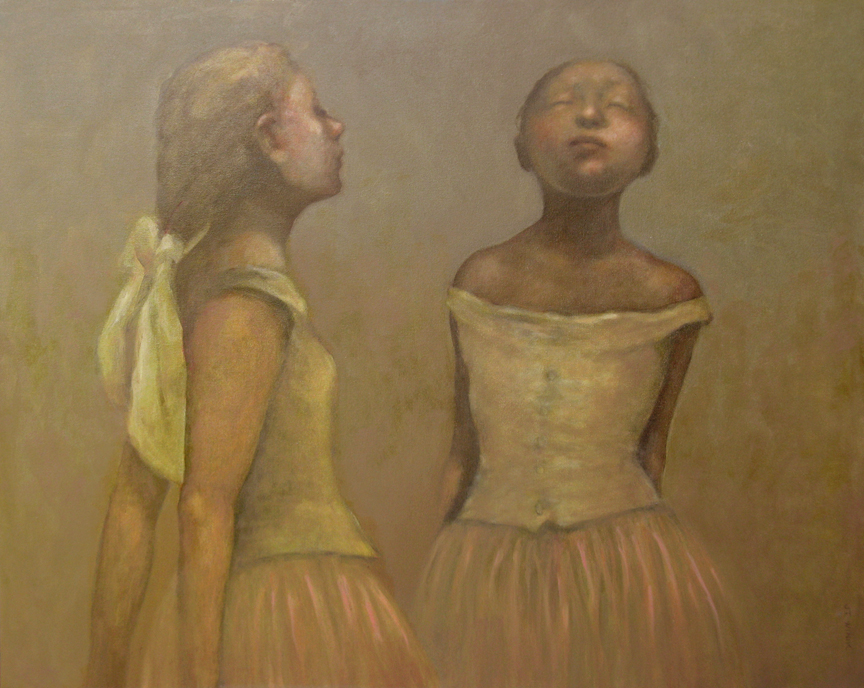
Homage a Degas I

Homage a Degas I

King Stein

King Stein

JT Winik Mary Anne III

Mary Anne III

Swirl

Swirl


Artist: JT Winik

BFA – NSCAD University, Halifax, NS

BEd – Western University, London, ON

JT Winik (BFA, BEd) is a Canadian visual artist whose figurative paintings explore themes of isolation, introspection and the fusion of contrary states of being. Her work has been exhibited in group and solo exhibitions in Canada, The Netherlands and Mexico and she is currently represented in galleries in Toronto, Prince Edward County, Montreal, and Amsterdam. Her paintings have been featured in national magazines, books and book covers in Canada, Holland, Turkey and England. She paints full time from her studio in Kingston and has spent extensive periods working at studios in Spain and Holland.

https://jtwinik.wordpress.com/

http://www.jtwinik.com/

https://twitter.com/jtwinik

http://www.armedartsalon.com/jt-winik—canada.html

http://oenogallery.com/artist/?ai=2533

http://www.musegallery.ca/featuredartists/painting/Winik/index.html

http://www.artinteriors.ca/artists/j_t_winik

http://www.galerieblanche.com/artist/18/jt-winik

http://www.artacasa.nl/artists/Winik.htm

Asi Es La Vida

by Alessandro Ciapanna

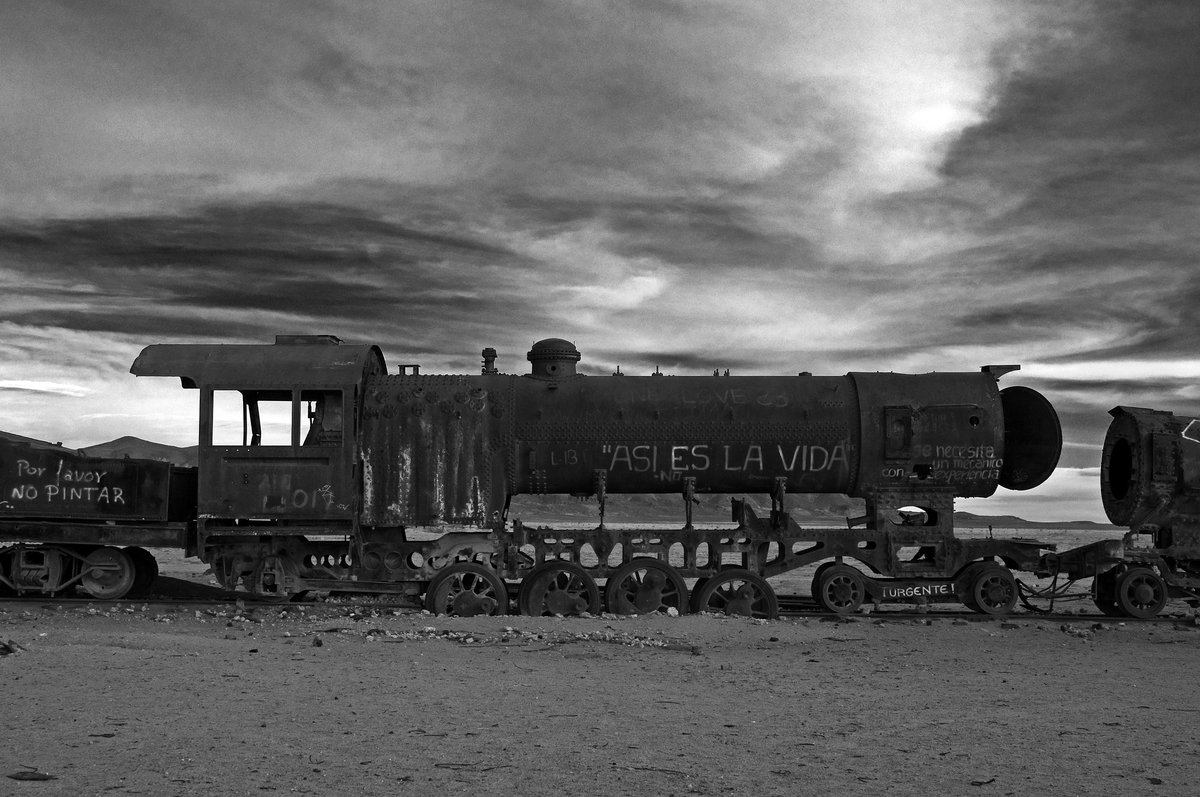
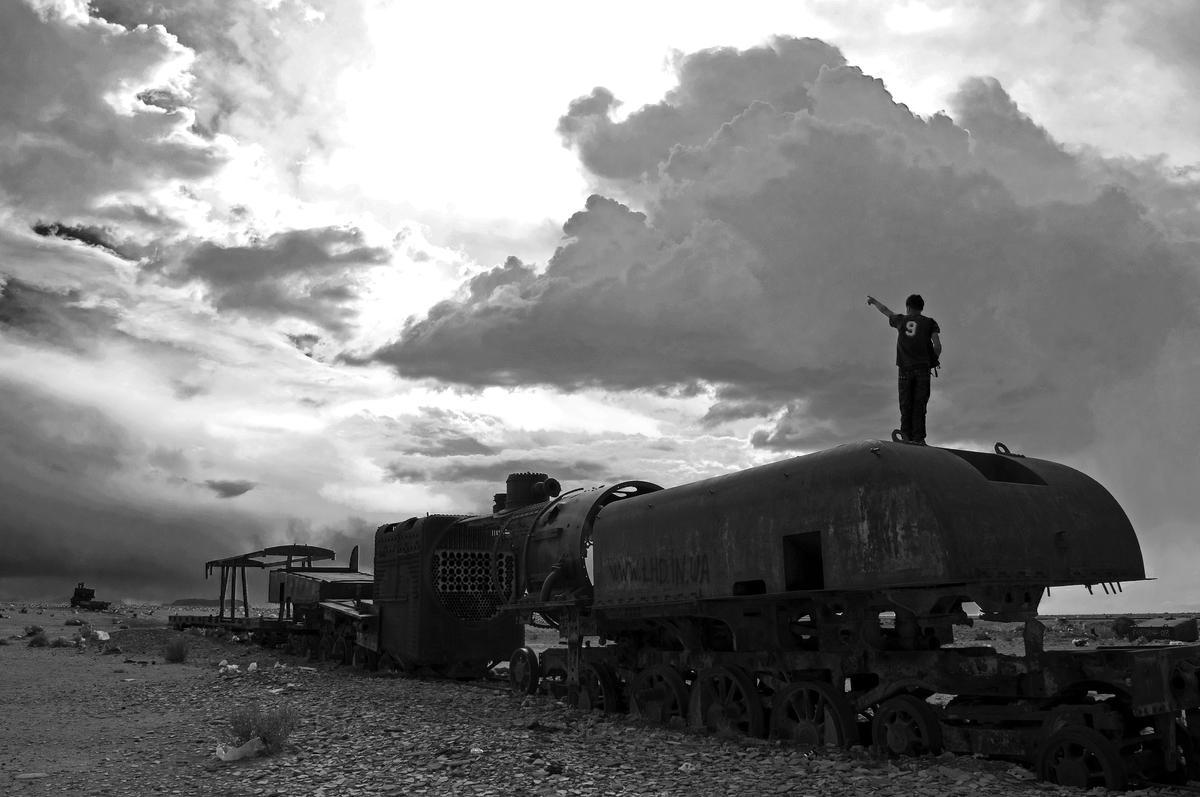
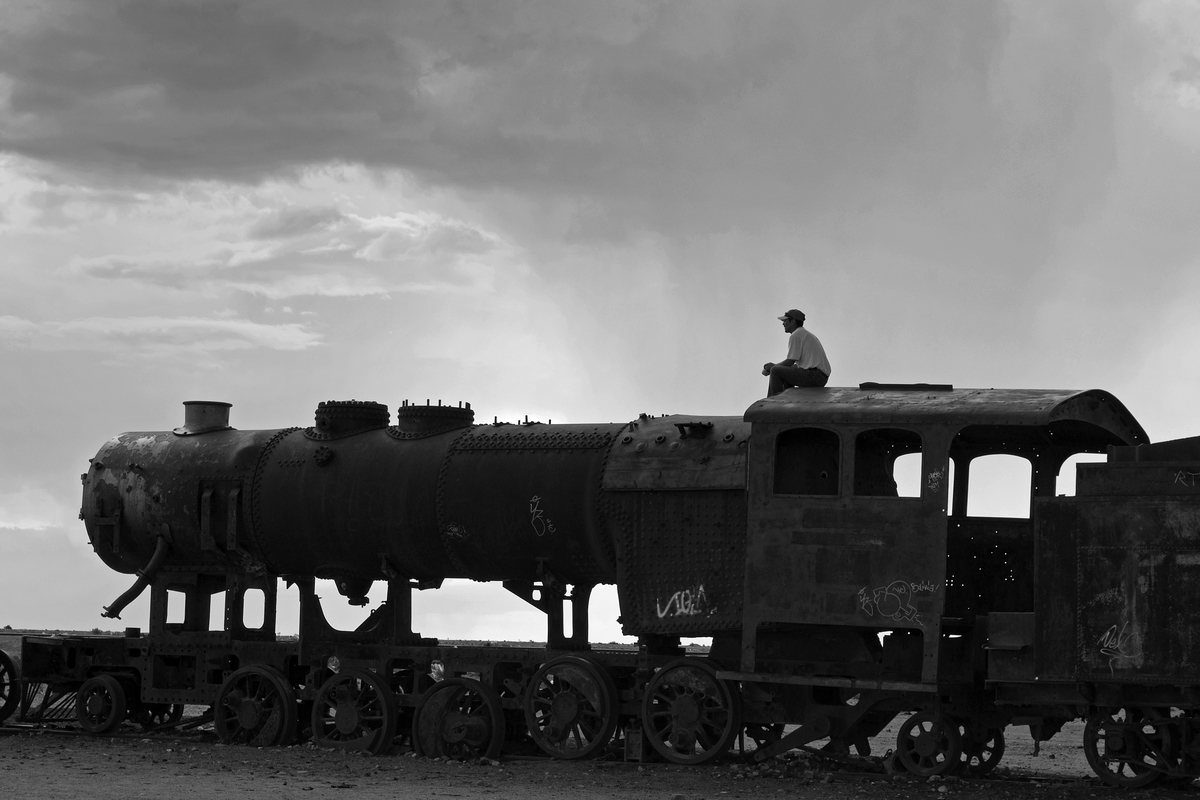
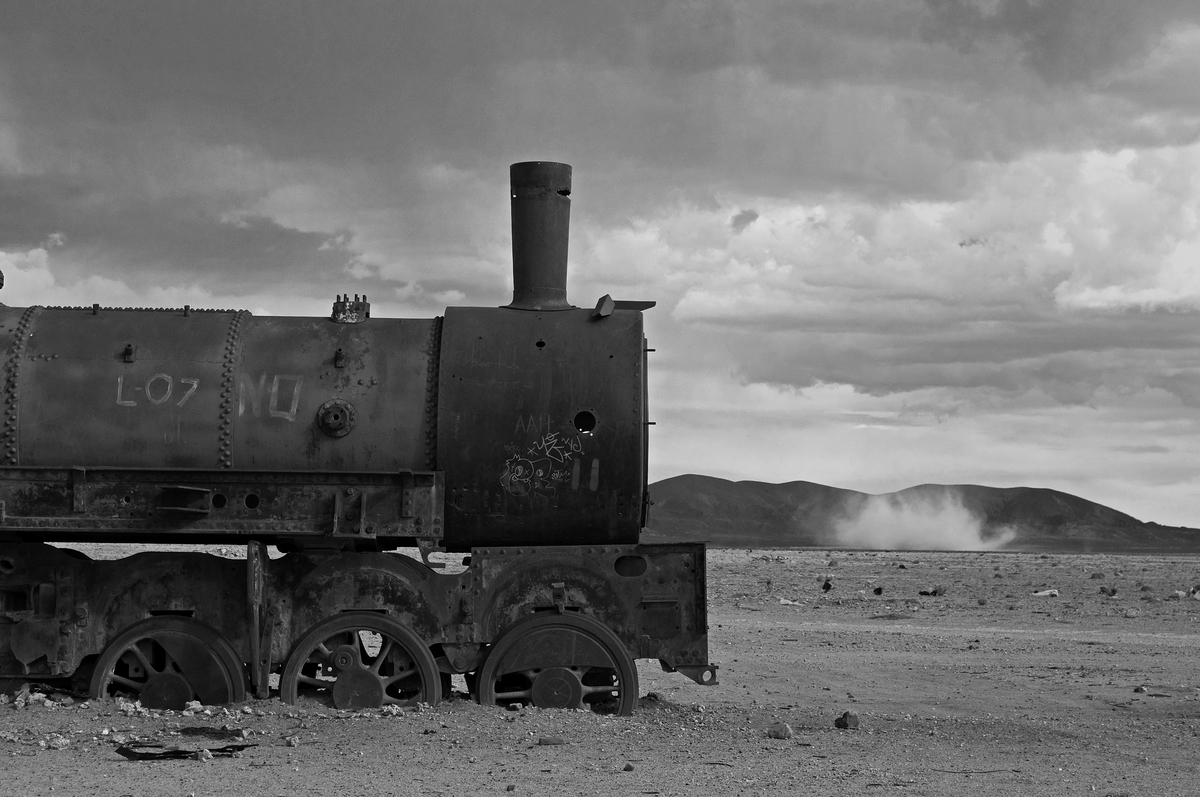
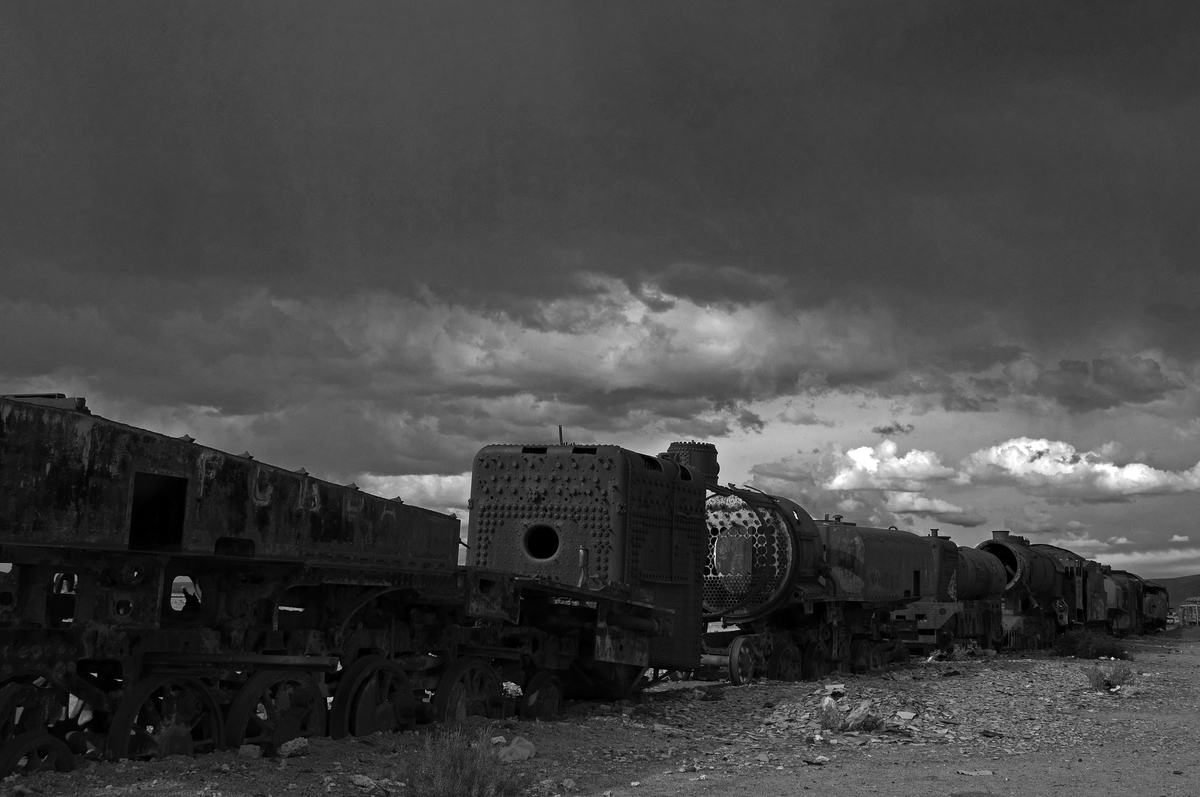
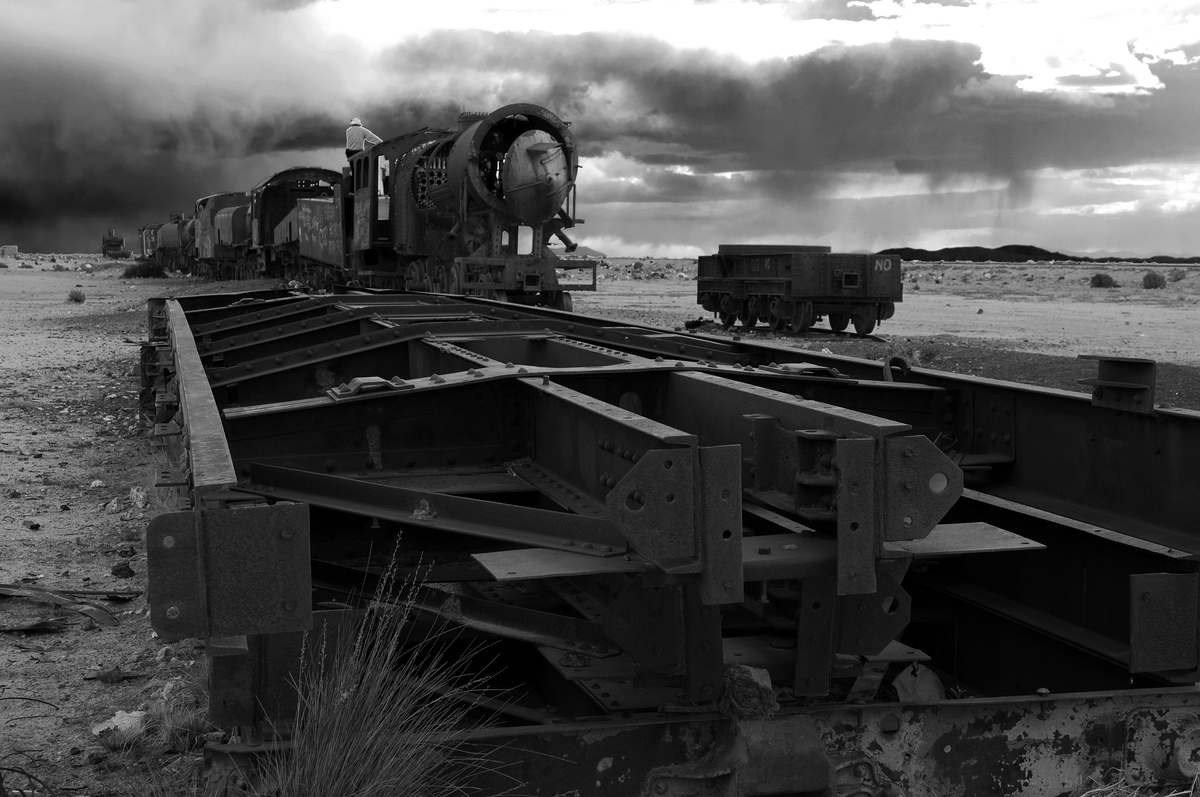
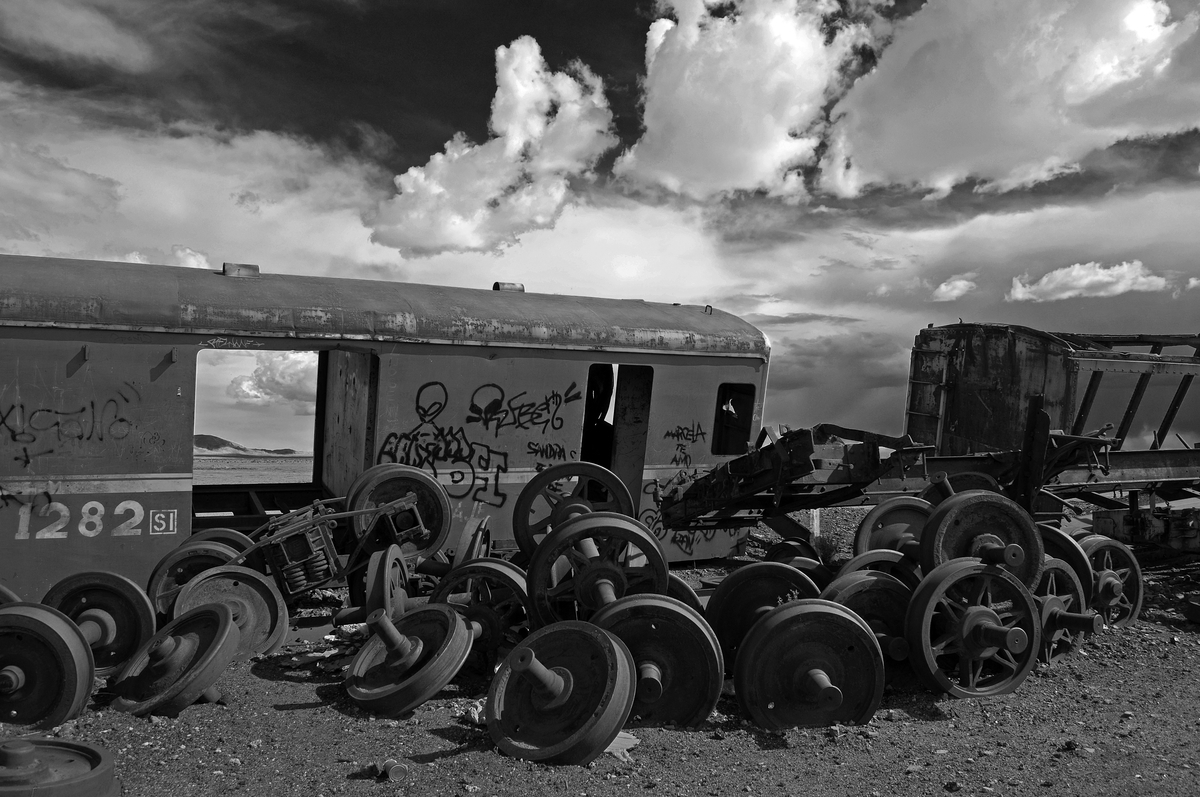
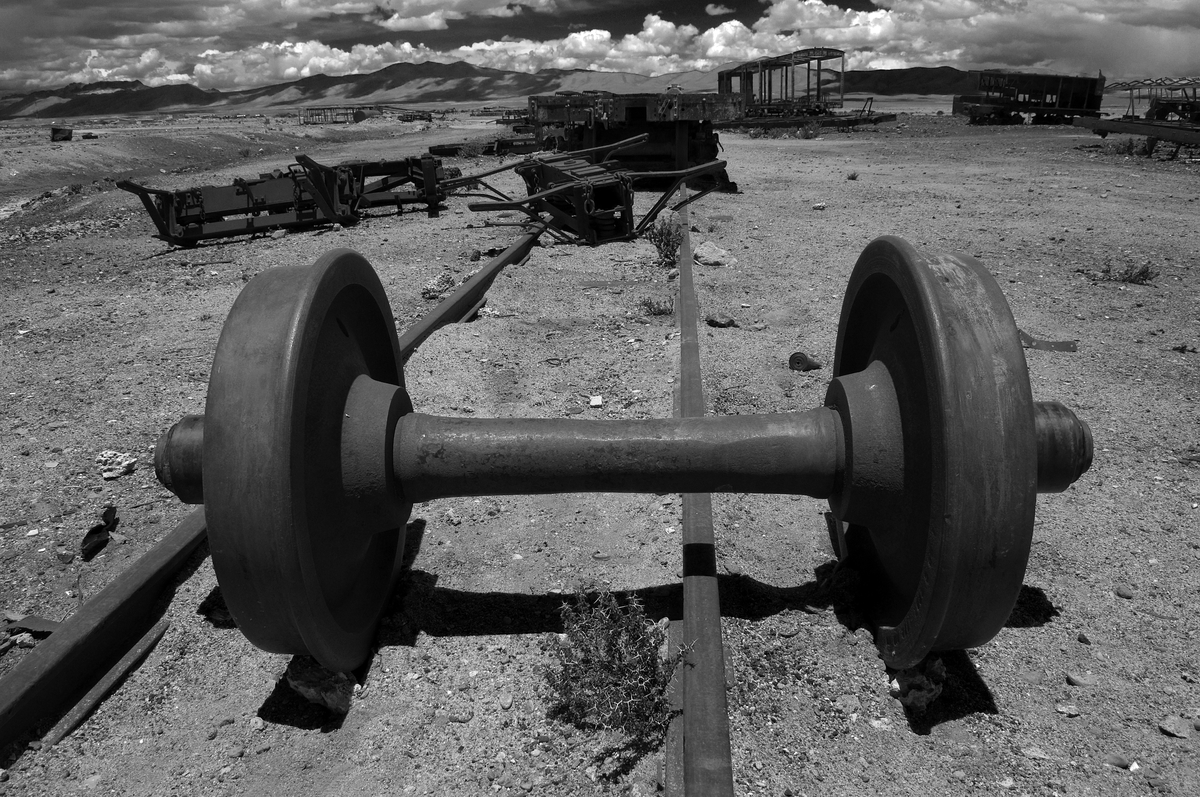
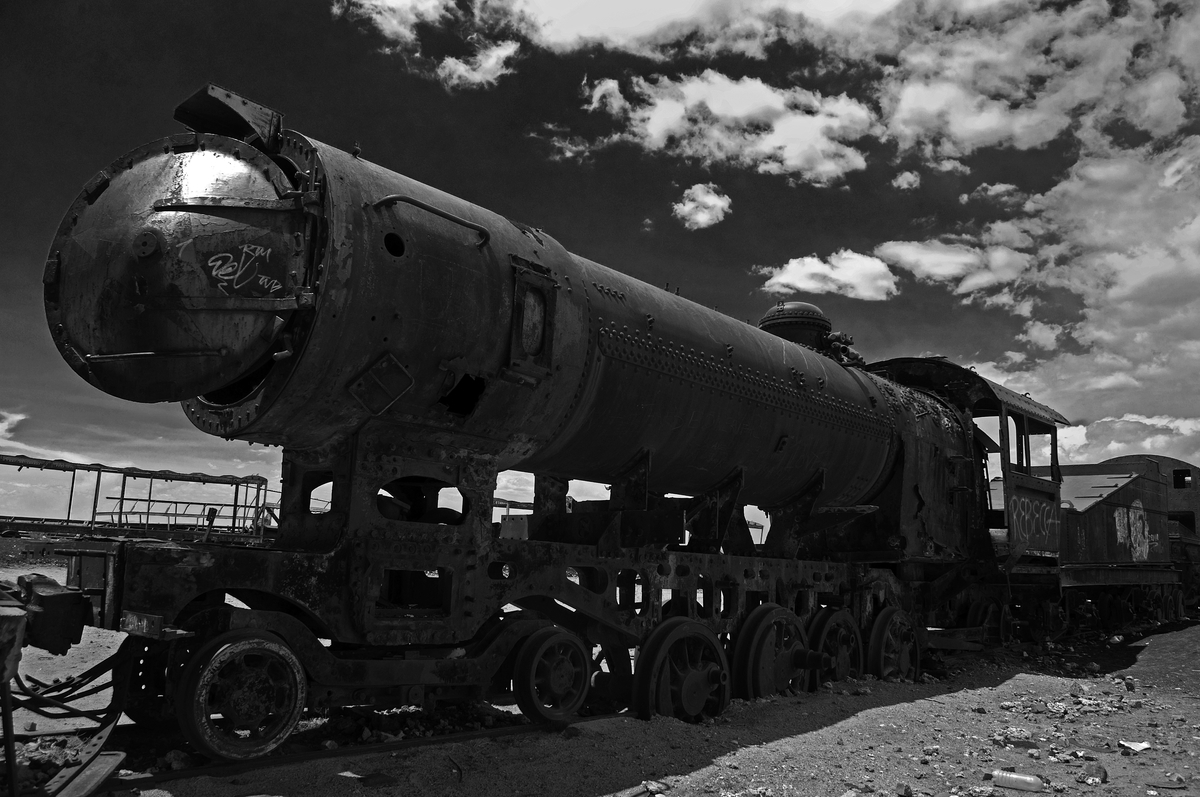
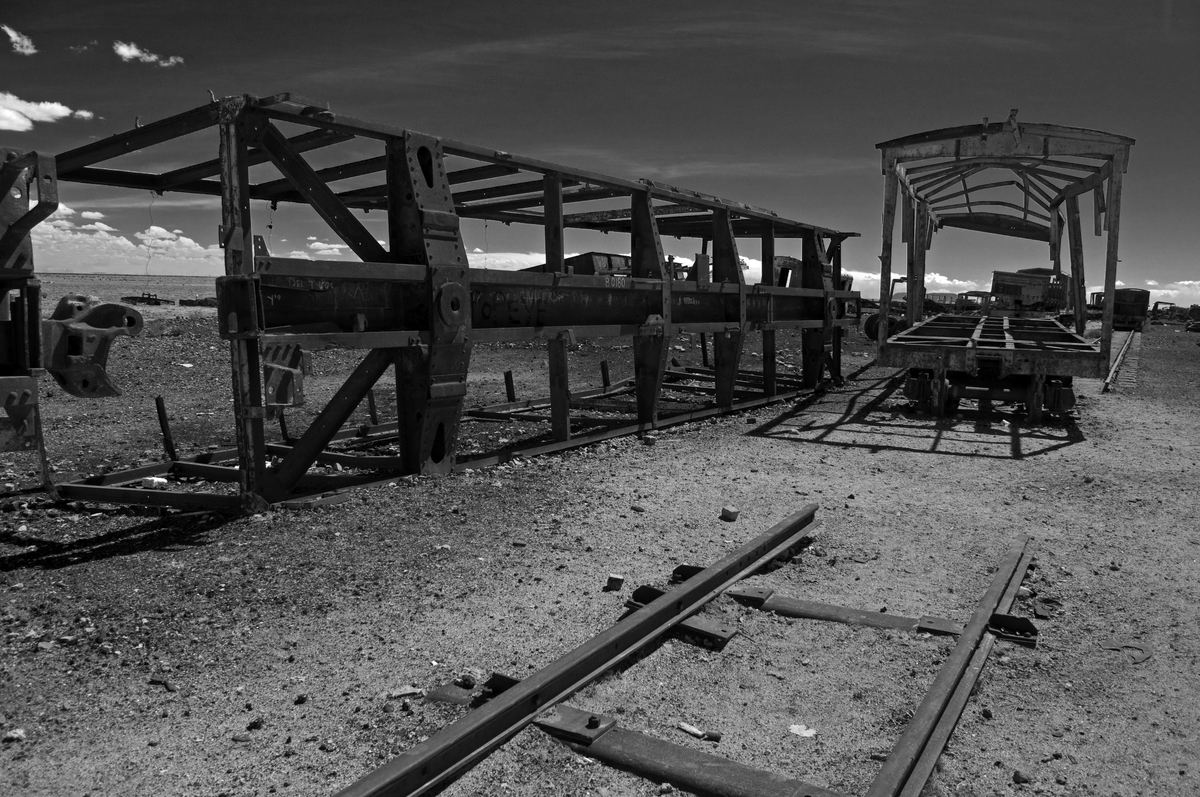
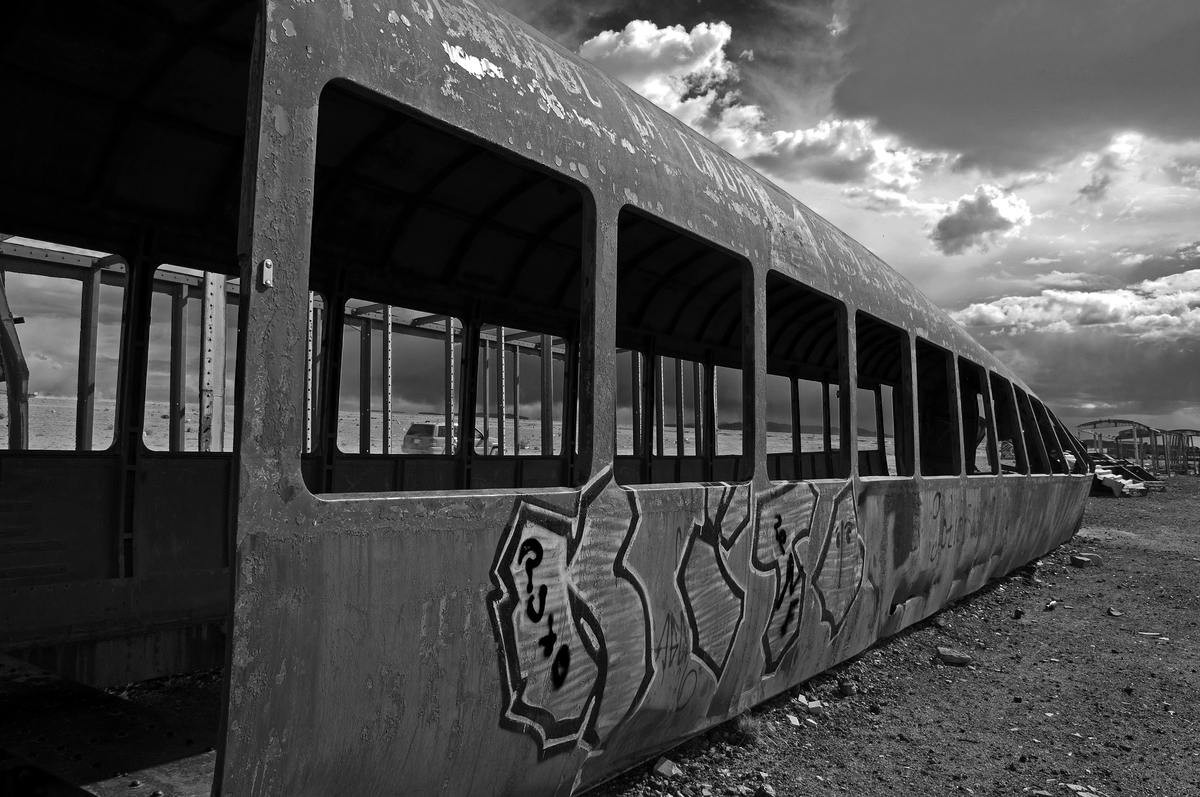
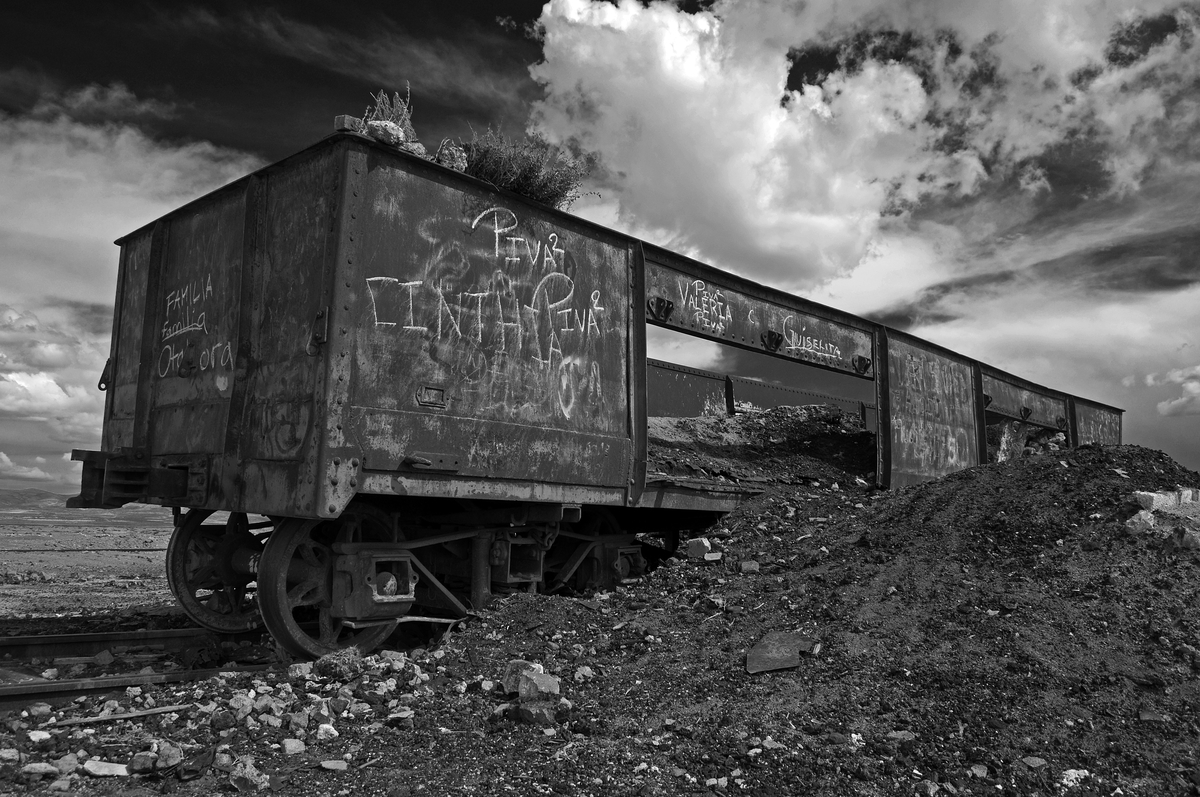
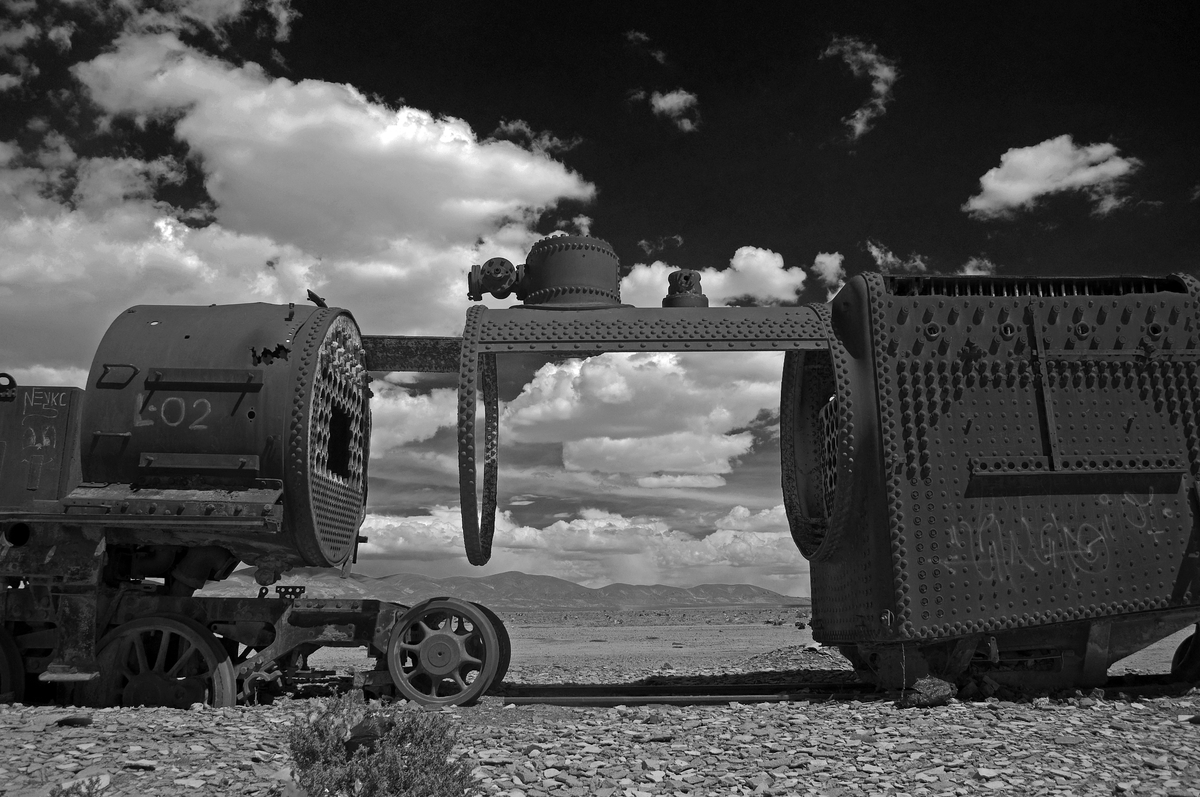
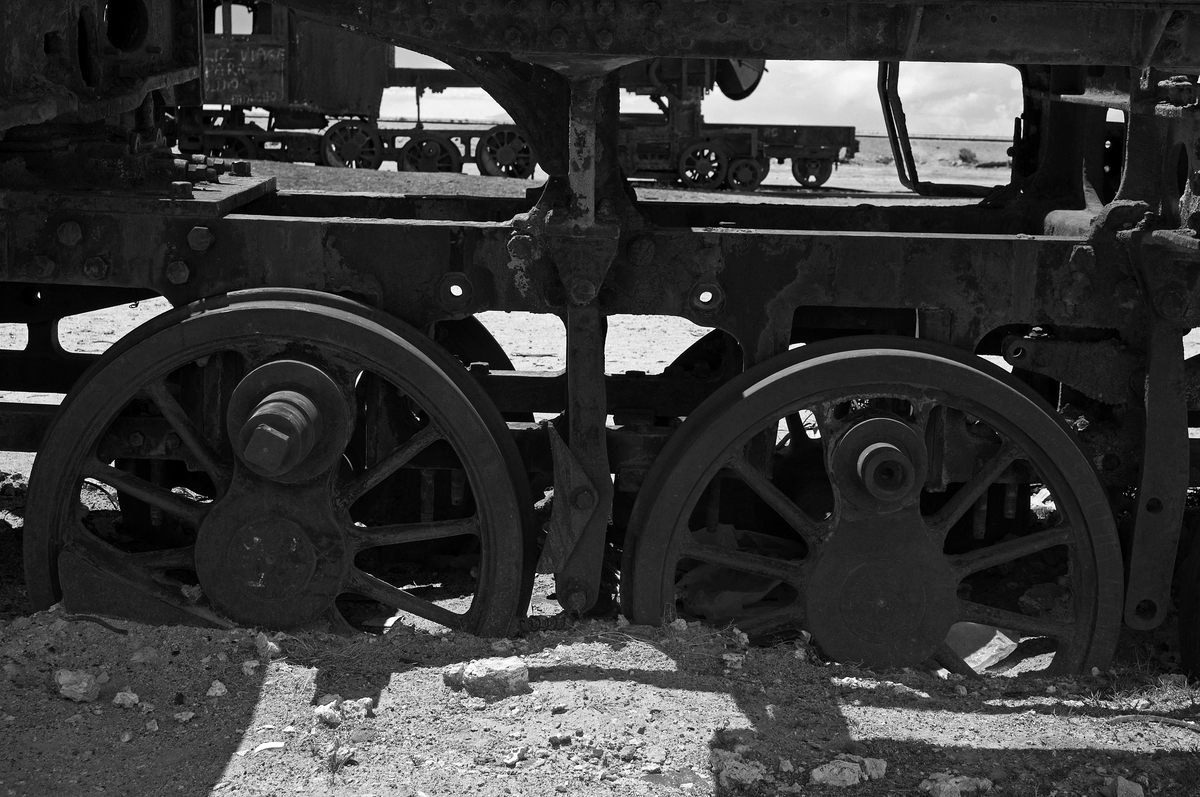
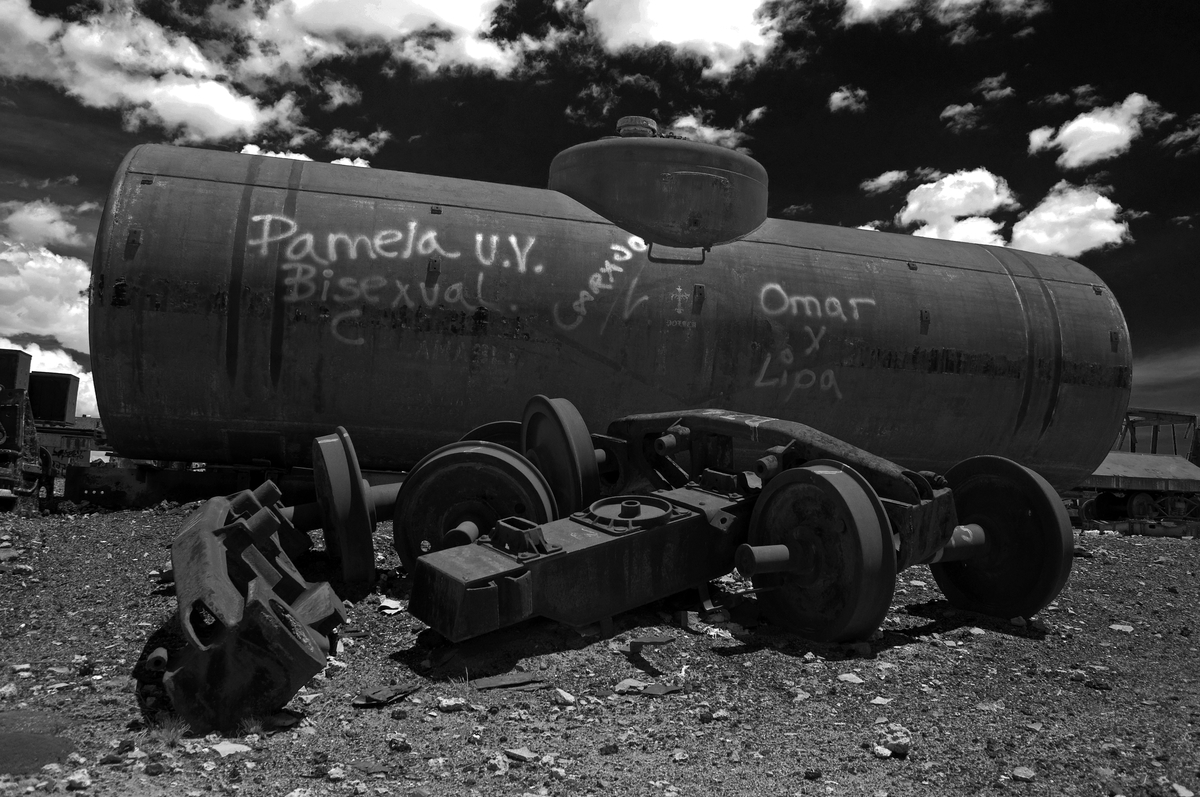
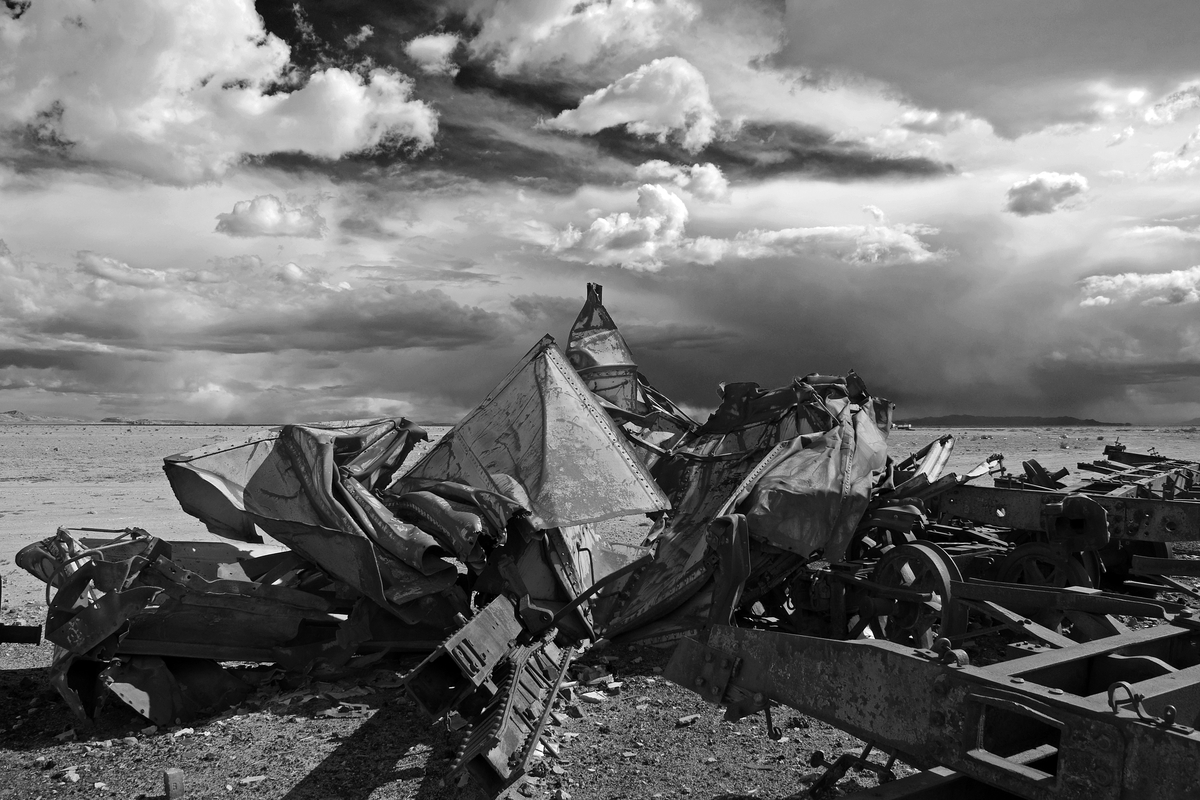
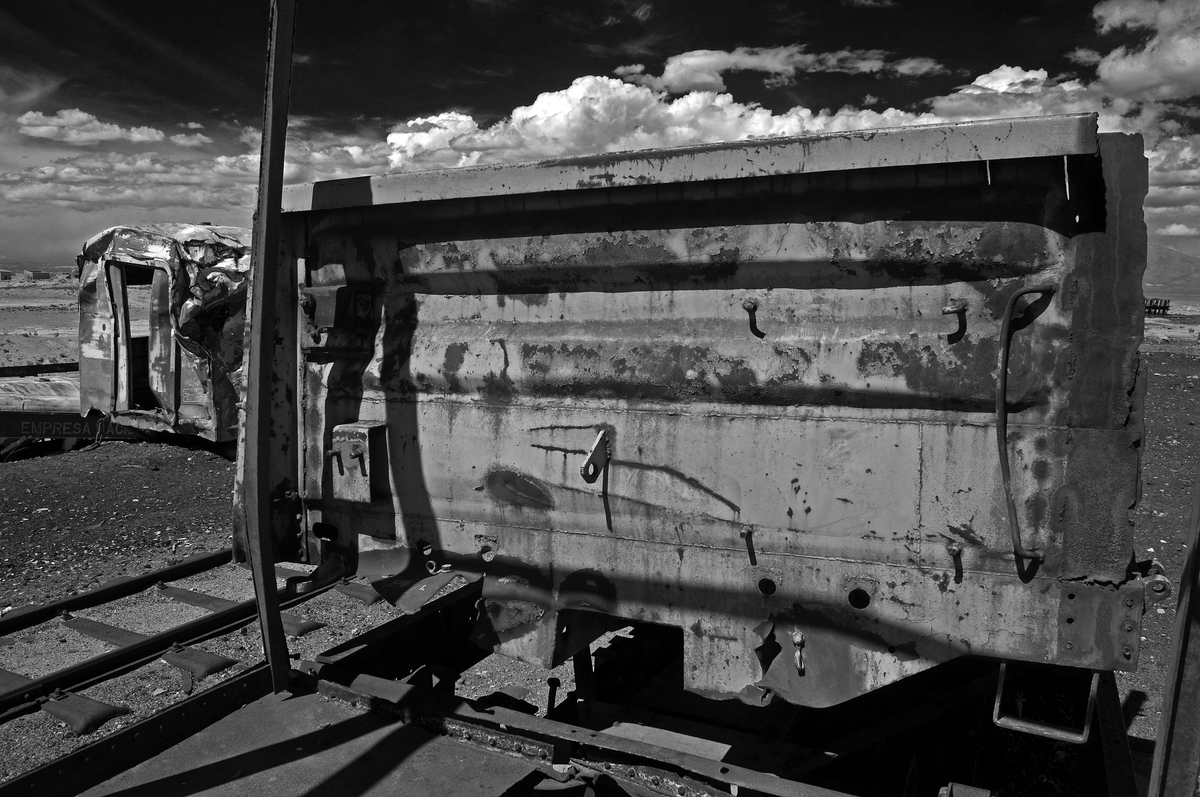
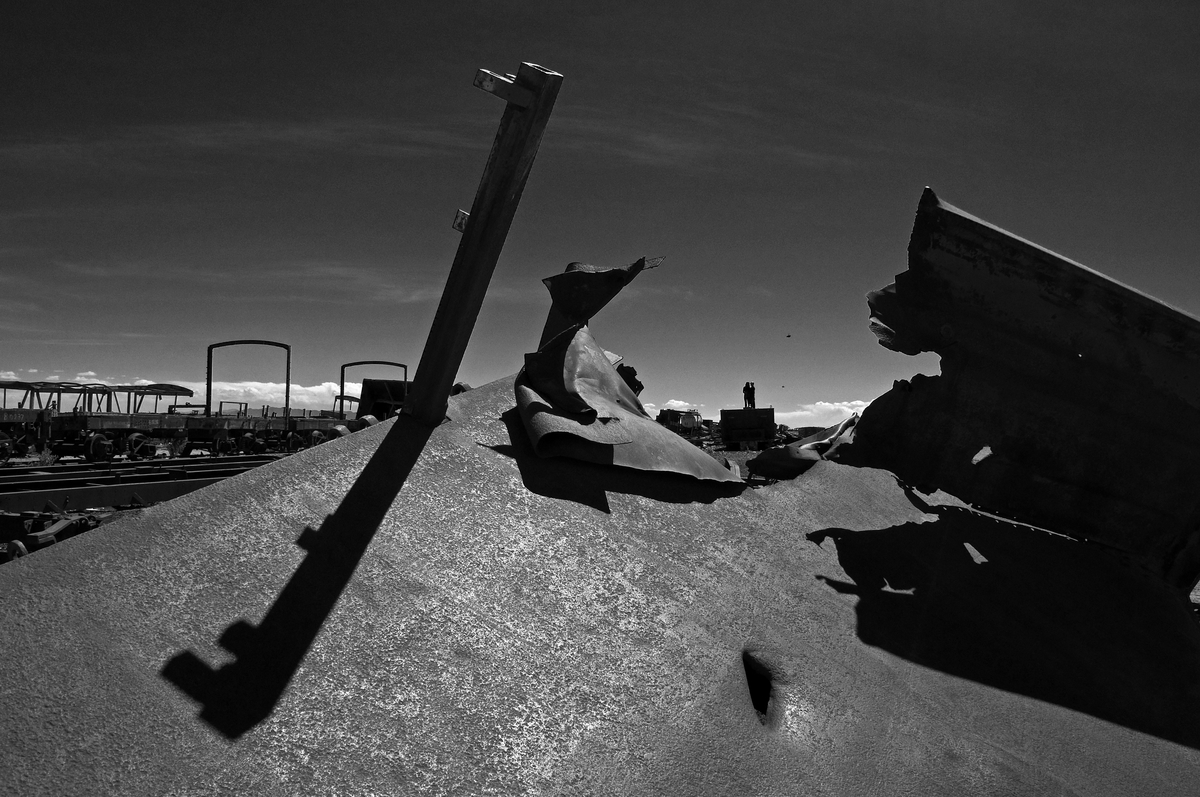
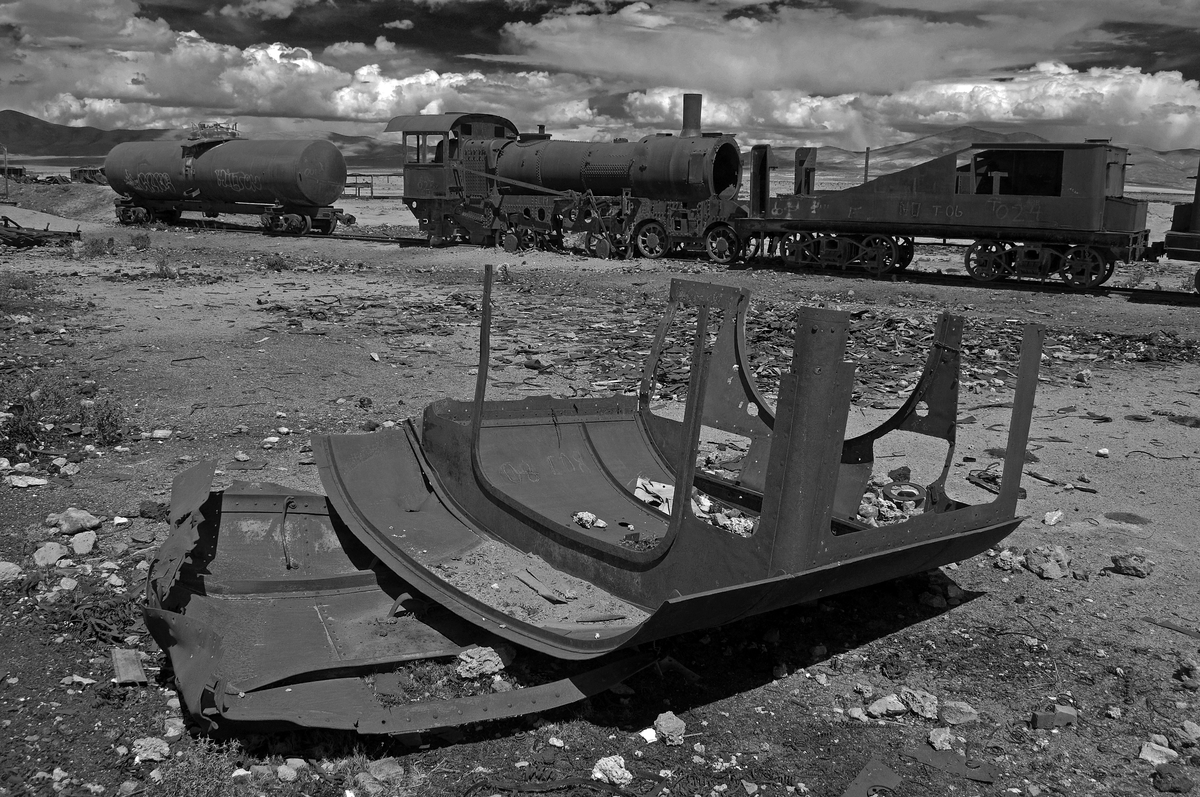
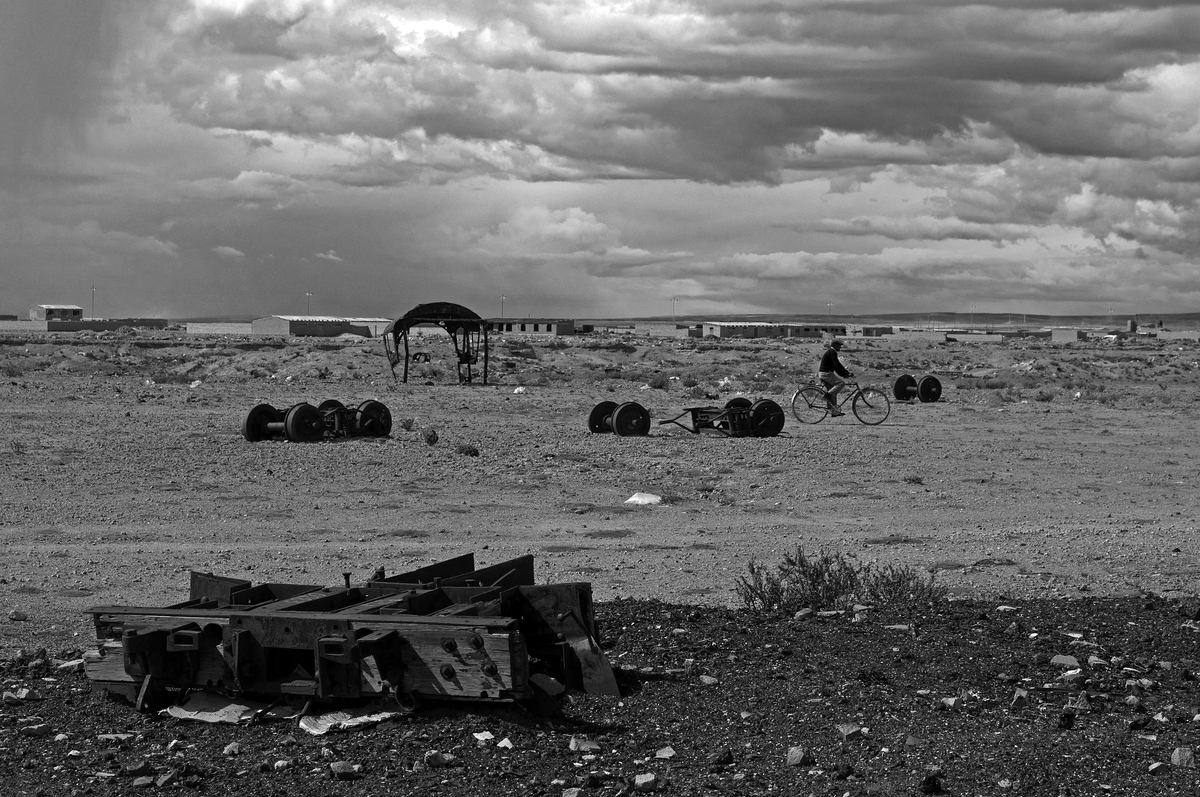
These photographs were taken in a train cemetery on the outskirts of Uyuni, a small city in the south of Bolivia. This series is entitled “Asi Es La Vida,” from graffiti scrawled on one of the rusting locomotives.
Alessandro Ciapanna DSC_2118_bolivia_train_vida_DRAMA

Alessandro Ciapanna DSC_2455_bolivia_train_man_pointing_DRAMA

Alessandro Ciapanna DSC_2461_bolivia_train_man_sit_DRAMA

Alessandro Ciapanna DSC_2460_bolivia_train_tornado_DRAMA

Abandoned steam locomotives at Uyuni train cemetery, Bolivia

Alessandro Ciapanna DSC_2437_bolivia_train_man_sit_DRAMA

Alessandro Ciapanna DSC_2412_bolivia_train_axles_DRAMA

Derailed train axle at Uyuni's train cemetery, Bolivia.

Abandoned steam locomotive at Uyuni, Bolivia train cemetery.

Uyuni, Bolivia train cemetery

DSC_2426_bolivia_train_passenger_DRAMA

DSC_2382_bolivia_train_cargo_scrap_DRAMA

Alessandro Ciapanna DSC_2311_bol_train_sky_DRAMA

Alessandro Ciapanna DSC_2289_bol_uyuni_train_wheels_DRAMA

Alessandro Ciapanna DSC_2252_bol_uyuni_train_pamela_DRAMA

Crashed train car scrap at Uyuni, Bolivia train cemetery.

Uyuni, Bolivia train cemetery

Alessandro Ciapanna DSC_2316_bol_uyuni_train_couple_twisted_DRAMA

Alessandro Ciapanna DSC_2298_bolivia_train_roof_DRAMA

Alessandro Ciapanna DSC_2409_bolivia_train_man_bicycle_DRAMA


P1000492_Alessandro_Ciapanna_1000pxArtist: Alessandro Ciapanna

I throw myself passionately at life. And life often smiles back. When that happens, I like to have my camera ready.

In what is a perennially ongoing process, I have developed a sense of what works, photographically. I can sometimes perceive when a situation has the quid I like to call the “wow factor”. I have honed my ear to the sound of a ball bouncing or a child laughing. Because these are telltale signs that something wonderful is taking place. It is a miracle, happening, unscripted. And sometimes – if you develop and trust your serendipity – it’s happening right around the corner. It’s something universal, and fleeting. Therefore all the more wonderful. All the more worth capturing. This is what I most like to photograph. Some call it life.

Website: ciapannaphoto


Postcolonial Thoughts: Material & Spirit–Maren Hassinger at Spelman Museum

by Christopher Hutchinson

For more than four decades Maren Hassinger, a sculptor, performance artist, and the Director of the Rinehart School of Sculpture at the Maryland Institute and College of Art, has created work that examines the tenuous relationship between nature and industrialism. The Museum will organize and present the original exhibition Maren Hassinger . . . Dreaming. Throughout her distinguished career Hassinger has received awards from prestigious foundations including the Pollock-Krasner Foundation, Anonymous Was a Woman, and the Joan Mitchell Foundation. Her work has recently been featured in several important nationally touring exhibitions including Now Dig This!: Art of Black Los Angeles 1960 –1980 (2011), Material Girls: Contemporary Black Women Artists (2011), and Radical Presence: Black Performance in Contemporary Art (2012). Maren Hassinger . . . Dreaming will include installations made of newspapers, plastic bags, leaves, and other unconventional materials. This solo exhibition, curated by Andrea Barnwell Brownlee, Ph.D., Director, and Anne Collins Smith, the Curator of Collections, is a timely examination of her life and work. It brings a substantial body of Hassinger’s work to the southeast for the first time. http://museum.spelman.edu/current-exhibition/

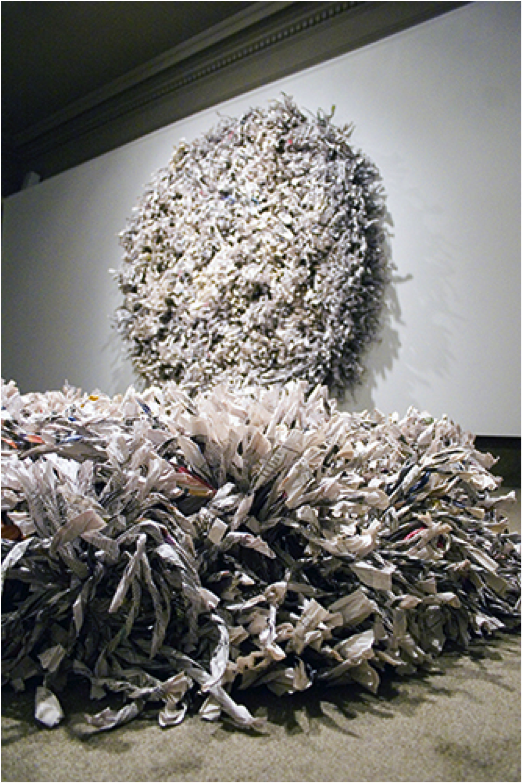
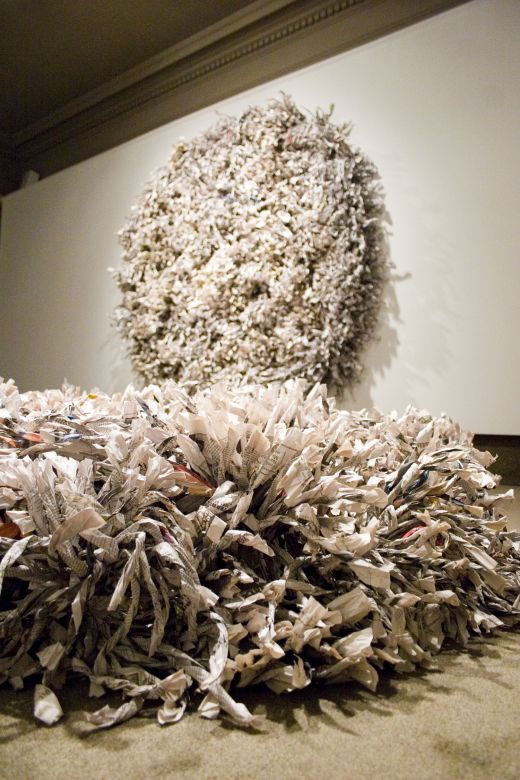
“Wrenching News,” 2010. Shredded, twisted, and wrapped newspapers (New York Times). Wall: 7′ x 7′ x 1′. Floor: 6′ x 6′ x 1′. http://museum.spelman.edu/wp-content/uploads/2013/07/LIVES20_0.jpg

“Wrenching News,” 2010.
Shredded, twisted, and wrapped newspapers (New York Times).
Wall: 7′ x 7′ x 1′. Floor: 6′ x 6′ x 1′.
http://museum.spelman.edu/wp-content/uploads/2013/07/LIVES20_0.jpg

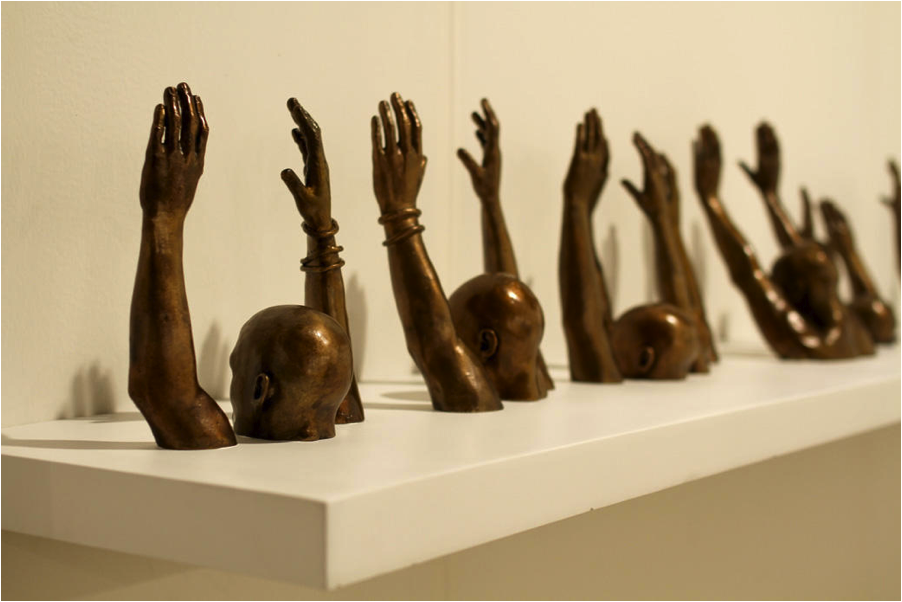
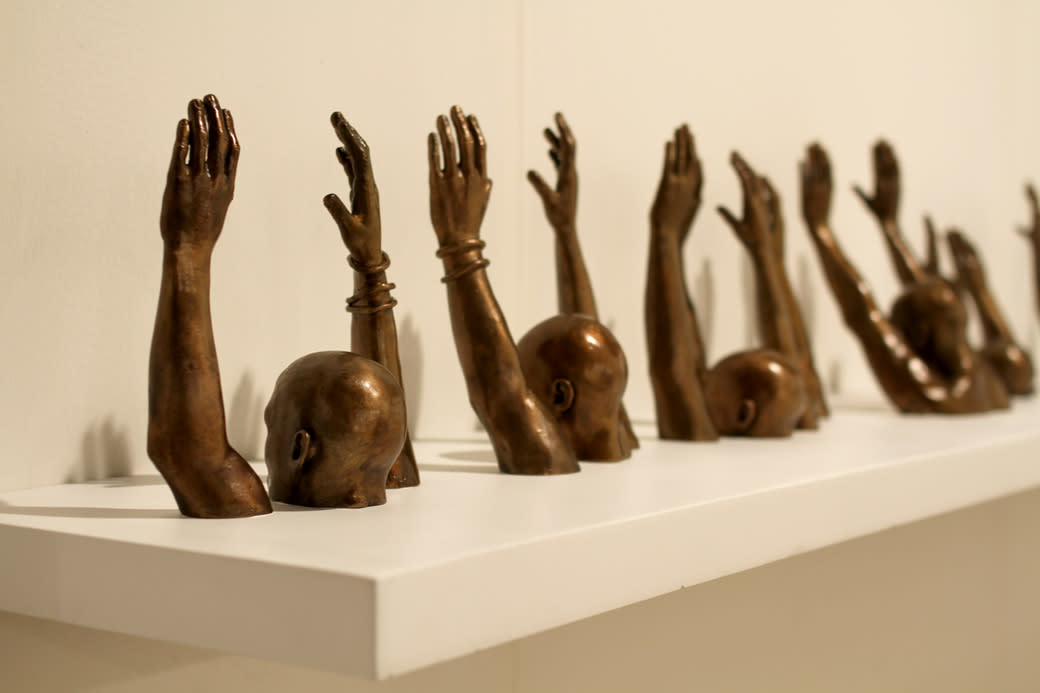
The Spelman College Museum of Fine Art has consistently produced great exhibitions and this exhibition succeeds at exceeding those. This exhibition will be on view until May 16, 2015.  Being Black History Month, one would expect to see a group exhibition that caters to the cathartic outcry of propaganda work in group exhibitions of African-American artists that now reference iconic images of black males with hands up in submission or the new trope hoodies.  Spelman, under Dr. Brownlee’s guidance, does not fall into this practice of mongering. Spelman offers a true repute to base race icons by exhibiting artists that make great work–that have a dialogue that is more substantive than just mindless reactionary responses. Maren Hassinger’s work is an excellent rubric.

Hank Willis Thomas, “Raise Up”(2014) / Goodman Gallery at Art Basel Miami Beach http://images.complex.com/complex/image/upload/t_featured_image/v1bydymhbe1wt0jnv5jj.jpg

Hank Willis Thomas, “Raise Up”(2014) / Goodman Gallery at Art Basel Miami Beach
http://images.complex.com/complex/image/upload/t_featured_image/v1bydymhbe1wt0jnv5jj.jpg

Material & Spirit

Hassinger is not absent of the spirit or cathartic experience; it is a more deliberate choice of praxis.  When one first enters her Spelman exhibition, he/she is greeted by Hassinger’s Wrenching News 2010.  The first impulse is to walk around the sphere on floor, not quite noticing the newspaper material circling the installation, building a narrative not yet revealed.  Then you recognize the material newspaper, but it’s too voluminous and strong to be plain newspaper. That becomes irrelevant to the mirrored 6ft sphere on the wall that has now transcended physically and spiritually to a call and response dialogue between two installations, floor and wall, with one/collective unifying dialogue.  

Collective Fiber

Whirling. 1978. Wire and wire rope. Ten units. 1'5" x 7'8" x 9'5". http://marenhassinger.com/drupal/work/whirling

Whirling. 1978.
Wire and wire rope. Ten units. 1’5″ x 7’8″ x 9’5″.
http://marenhassinger.com/drupal/work/whirling

At times her work is dense and impenetrable while other times the work is stripped to its most vulnerable breaking point.  Hassinger’s Consolation 1996 is one of those vulnerable pieces, where the material itself is unraveling.  The strong wire rope here is as wispy and ephemeral as a field of wheat where each stem and seed may be examined. Each stem is a part of a larger collective fiber.  These intimate nuances come from a mastery of material from a complex fiber perspective of the collective and the individual.  Hassinger’s work moves beyond typical notions and stereotypes of fiber art.  Her work investigates the absolute binary spectrum of a material, and through these inquiries she discovers the spirit.

Consolation. 1996. Wire rope. 10' x 10'. Each unit 18" high. Installed at Trans Hudson Gallery, Jersey City, NJ. http://marenhassinger.com/drupal/work/consolation

Consolation. 1996.
Wire rope. 10′ x 10′. Each unit 18″ high. Installed at Trans Hudson Gallery, Jersey City, NJ.
http://marenhassinger.com/drupal/work/consolation


Christopher HutchinsonChristopher Hutchinson is an accomplished Jamaican conceptual artist, professor and contributor to the art community as a writer, critic and founder of the nonprofit Smoke School of Art. He is a Professor of Art at Atlanta Metropolitan State College and has been featured as a lecturer including prestigious engagements at University of Alabama and the Auburn Avenue Research Library. For two decades, Chris has been a practicing artist. His works have been exhibited in internationally recognized institutions including City College New York (CUNY) and featured at the world’s leading international galleries such as Art Basel Miami. He has always had an innate passion for creating spaces where Africans and people of African descent contribute to an inclusive contemporary dialogue—ever evolving, not reflexive but pioneering. This requires challenging the rubric of the canon of art history, a systemic space of exclusion for the Other: women and non-Whites, and where necessary he rewrites it. He received his Master of Fine Arts Degree in Painting from Savannah College of Art & Design, Atlanta and his Bachelor of Arts Degree from the University of Alabama in Huntsville, Alabama.